How to Create a Year-Round Parasite Prevention Checklist for Your Pet
Keep your pet's parasite prevention on track all year with a veterinarian-approved checklist, treatment dates, refill reminders, and seasonal care notes.

What you’ll need
Tap to tick things off before you start.
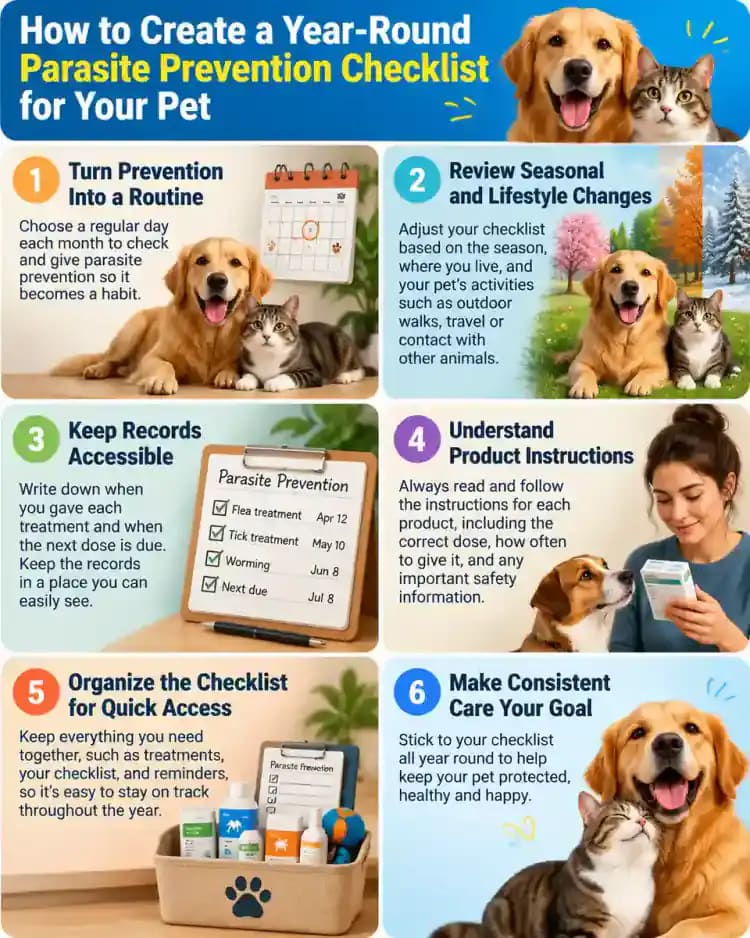
Turn Prevention Into a Routine
Choose one reliable place to track your pet's parasite prevention, such as a paper planner, a dedicated folder, or a notes app. Keeping treatment records and upcoming dates together makes them easier to find when life gets busy. Pick a system you can check regularly and update immediately after each treatment or veterinary appointment.

Gather Your Pet's Risk Factors
Create a pet profile before filling in your prevention calendar. Record your pet's species, age, current weight, health history, outdoor activities, recent travel, and contact with other animals. Include details about hiking, boarding, or time spent outside. Share this information with your veterinarian so the prevention plan reflects your pet's individual circumstances and potential exposure risks.

Verify Previous Treatments
Gather veterinary records, clinic notes, receipts, product packaging, and any reliable dates from previous treatments. Enter the confirmed information into a treatment history so you can review it before scheduling future care. If a product or date is uncertain, mark it as unknown and ask your veterinary team to clarify it rather than guessing or repeating a treatment unnecessarily.

Create a Product Record
Create a separate checklist entry for each veterinarian-approved parasite prevention product. Record the product name, approved species, relevant label instructions, administration date, and next due date confirmed for your pet. Keep the original packaging or a clear label photo with your records. Verify product details before use, and never assume a treatment is safe for another species.

Set Useful Reminders
Enter veterinarian-confirmed treatment dates into a calendar and set notifications early enough to prepare for upcoming doses. Add separate refill alerts so you can obtain supplies before they run out. Choose reminders you will notice, such as phone notifications or a note near your pet's food. After each treatment, update the checklist promptly to keep your records accurate.

Review Seasonal and Lifestyle Changes
Review your pet's prevention plan whenever seasons, activities, or travel plans change. Warmer weather, hiking, boarding, and visits to new regions may affect parasite exposure and the protection your veterinarian recommends. Indoor pets can also face risks, so do not stop or adjust treatments based on lifestyle or weather alone. Add questions to your next veterinary appointment list.

Keep Medication Safety First
Include clear safety reminders on your checklist. Never guess a dose, use a product intended for a different species, or combine parasite treatments without veterinary guidance. If you miss a scheduled treatment or suspect an administration error, contact your veterinary team for instructions before giving another dose. Record the advice you receive so your prevention calendar stays accurate and safe.

Review and Maintain Your Plan
Bring your completed checklist, treatment history, and outstanding questions to your next veterinary appointment. Review the recommended products, timing, and follow-up needs together, then update your calendar and reminders to reflect any confirmed changes. Revisit the plan after changes in health, routine, or travel. Keep the latest version accessible so you and your veterinary team can refer to consistent records.

Share Responsibilities Clearly
If several people care for your pet, use one shared checklist to coordinate treatments, refills, and appointments. Assign clear responsibilities and agree on where supplies and records are kept. Have caregivers mark each completed treatment immediately and check the shared record before administering another product. This simple routine helps prevent missed tasks, duplicate doses, and confusion when household schedules change.

Plan for Travel and Boarding
Before a trip, boarding stay, or visit to another region, ask your veterinarian whether your itinerary affects parasite prevention or documentation requirements. Pack only the recommended products and relevant records, keeping treatments in their original packaging. Check the boarding facility's requirements in advance and maintain your pet's confirmed schedule. Do not change doses or timing simply because travel disrupts your usual routine.

Track Unusual Signs
Use your checklist to record unusual changes that may be important to your veterinarian, such as persistent scratching, visible parasites, skin irritation, or digestive changes. Note when each observation began and whether it continues or worsens. Avoid trying to identify the cause yourself or adding extra treatments. Share your notes and relevant photos with your veterinary team for guidance.

Keep Records Accessible
Store your pet's prevention checklist somewhere you can retrieve it quickly when needed. For digital records, save veterinary contact details and maintain a backup in a secure location. For paper records, use a clearly labeled folder and return updated pages to the same place. Keep the latest version available for veterinary appointments, travel preparations, and visits to unfamiliar clinics.

Schedule a Monthly Review
Set a recurring monthly reminder to review upcoming treatment dates, available supplies, refill needs, and questions for your veterinary clinic. Check that completed treatments have been recorded and future reminders still match the confirmed plan. Use this review to catch missing information, not to change doses or schedules independently. Ask your veterinarian to clarify any confusing instructions before making adjustments.

Organize Records for Multiple Pets
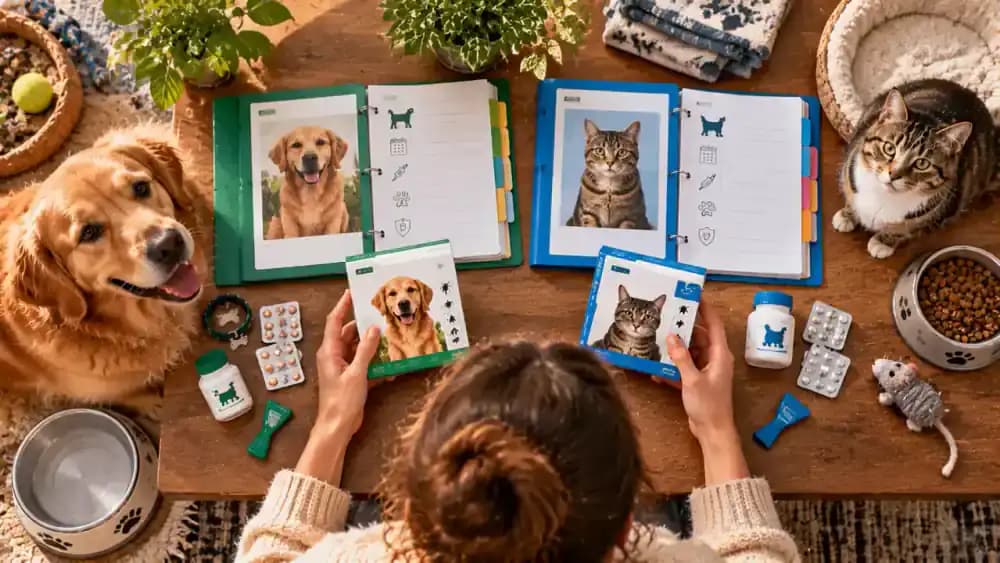
If you care for several pets, create a separate profile and treatment history for each animal. Label records clearly and use distinct folders or color-coded tabs to make them easy to identify. Include each pet's approved products, administration dates, and next due dates. Before giving any treatment, verify the animal's name and check the packaging to avoid dangerous species mix-ups.
Know What to Do When Parasites Appear
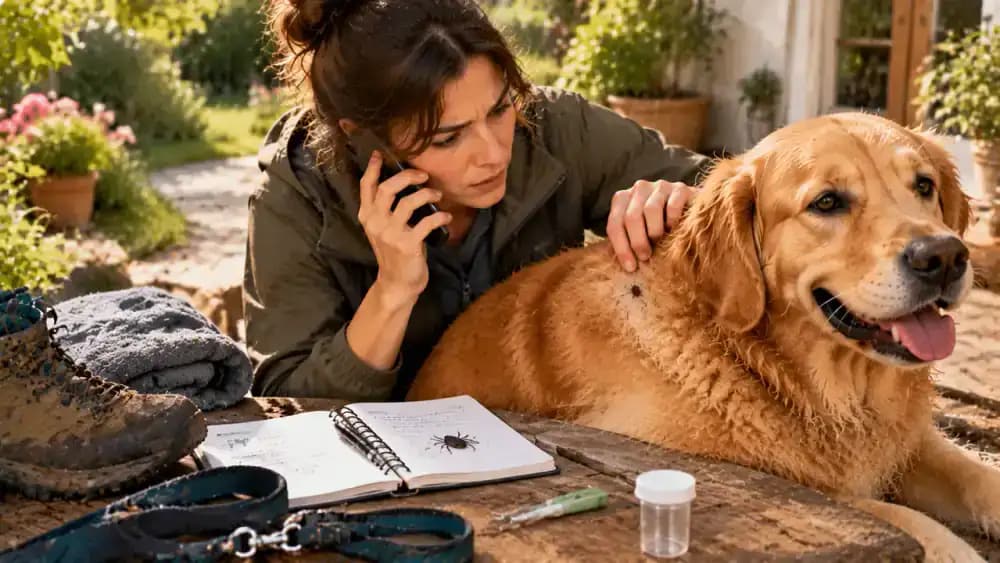
Parasite prevention reduces risk but does not guarantee that your pet will never encounter parasites. If you find a tick, notice fleas, or suspect another parasite, document what you observed and when. Contact your veterinarian for advice about safe removal, appropriate treatment, or possible testing. Avoid unverified home remedies, extra doses, or product changes without professional guidance.
Make Prevention a Lasting Habit
Treat your checklist as a living record that changes alongside your pet's needs. Update it after each confirmed treatment, veterinary appointment, travel change, or new recommendation. Keep the latest version somewhere convenient, whether on your phone or a household noticeboard. Schedule regular reviews and share the record with your veterinary team whenever circumstances change.

Check Local Parasite Risks
Ask your veterinarian which parasites are relevant in your area and whether your pet's current prevention plan addresses those risks. Local climate, wildlife, nearby parks, and outdoor activities can influence exposure. Different products protect against different parasites, so avoid assuming one treatment covers everything. Record recommended prevention measures and testing schedules to guide future reviews and veterinary discussions.

Understand Product Instructions
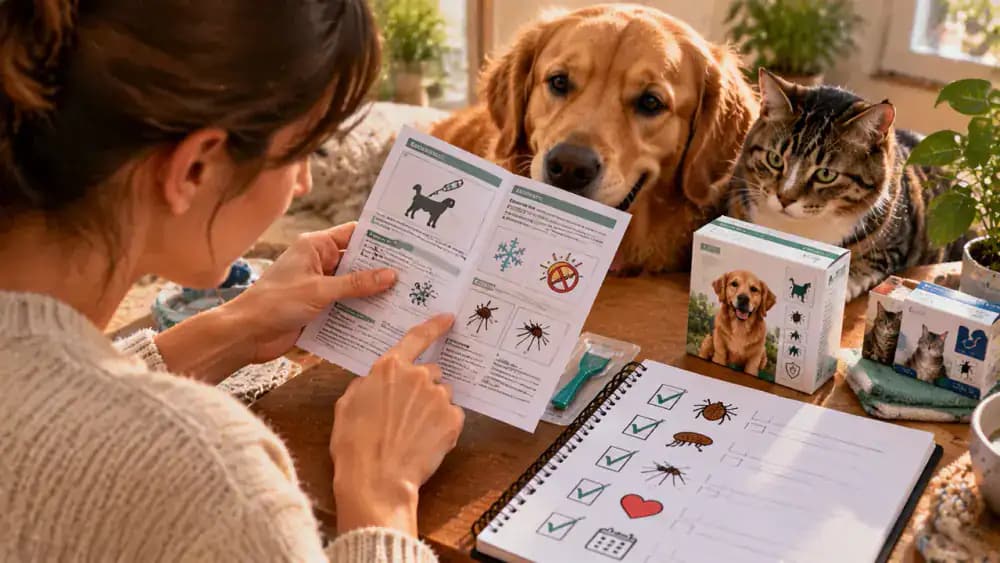
Keep the original product instructions with your checklist so important details remain easy to find. Review storage requirements, handling precautions, bathing restrictions, and directions for missed applications when applicable. Instructions vary between products, so never assume one treatment follows the same rules as another. If any wording is unclear, contact your veterinarian or pharmacist before using the product.
Prevent Refill Gaps
Add supply checks to your regular checklist review so you can arrange refills before products run out. Record the quantity remaining, the supplier or veterinary clinic contact details, and any confirmed refill arrangements. Allow enough time for ordering and prescription renewals when needed. If your usual product is unavailable, ask your veterinarian about suitable alternatives rather than substituting a different treatment independently.

Adapt to Changes in Health
Review your pet's prevention plan when health or household circumstances change. Aging, weight changes, pregnancy, new health concerns, or adopting another animal may affect which products and schedules are appropriate. Record relevant changes and prepare questions for your veterinarian, seeking advice promptly when needed. Keep the checklist as a reference for care discussions, not as a substitute for individualized veterinary guidance.

Prepare Better Veterinary Questions
Make veterinary appointments more productive by bringing a short list of specific questions. Ask which parasites your pet's prevention plan covers, what changes should prompt a call, and when the plan needs another review. Mention any missed treatments or suspected side effects. Record the veterinarian's recommendations and follow-up dates during the visit, then clarify anything you do not understand.

Use a Clear Status System
Organize your checklist into three simple categories: completed, upcoming, and awaiting veterinary confirmation. This makes outstanding tasks easier to identify and helps everyone caring for your pet understand what still needs attention. Move entries only when their status is clear, and keep uncertain treatment details flagged for professional review. Never interpret an unconfirmed entry as permission to administer a product.

Keep Your Prevention System Practical
Build a system that fits easily into your everyday routine. Keep your current prevention plan, product instructions, calendar reminders, and veterinary contact information together in one accessible place. Check the next scheduled task and update records after confirmed treatments or appointments. A simple, consistently maintained checklist is more useful than a complicated spreadsheet that becomes difficult to manage.

Organize the Checklist for Quick Access
Divide your checklist into clearly labeled sections for treatment history, upcoming tasks, veterinary questions, and supply reminders. Use headings, tabs, or simple dividers to make each section easy to locate without reading every entry. A tidy layout saves time during busy mornings and veterinary calls. Review the organization occasionally to remove outdated information and keep current records easy to find.

Choose Reminders That Fit Your Routine
Select a reminder system that matches your daily habits, whether it is a wall calendar, smartphone alerts, or a shared household task list. Make each notification clear enough to identify the upcoming task without creating unnecessary clutter. Choose a format you can maintain consistently, and review your settings periodically to ensure important treatment dates and refill alerts remain visible.

Record Upcoming Activities
Add upcoming activities to your pet's calendar, including dog park visits, woodland hikes, boarding stays, and trips to new destinations. These details can help your veterinarian evaluate possible changes in parasite exposure and determine whether any precautions are needed. Write down relevant questions before appointments, and avoid changing products or schedules based on activity alone.

Start With Reliable Records
When adopting a pet or taking over its care, request available veterinary records from the previous caregiver or clinic. Look for product names, administration dates, and any pending tests or appointments. Mark missing details clearly instead of filling gaps with guesses. Share the available history with your veterinarian so they can verify the information and recommend appropriate next steps.

Document Every Plan Update
Whenever your veterinarian recommends a change, record the date, reason for the update, and confirmed instructions in a change log. Replace outdated calendar entries only after clarifying the new plan, and archive older records for reference. A dated history helps you track recommendations over time and reduces confusion when several caregivers share responsibility for your pet's parasite prevention.

Double-Check Before Treatment
Before administering a scheduled treatment, compare the reminder with your pet's name, the recorded product, and the current instructions. Confirm that the entry matches the veterinarian-approved plan and that no details remain uncertain. If something appears inconsistent, pause and contact your veterinary clinic for clarification. Mark the task as awaiting confirmation until the question is resolved rather than recording it as completed.

Make Consistent Care Your Goal
Keep your completed checklist accessible and update it after every confirmed treatment, veterinary appointment, or change in recommendations. Bring the latest record to routine reviews so your veterinarian can check whether the plan still fits your pet's needs. Start with a simple format and refine it over time. Consistent, accurate records support informed decisions and more organized parasite prevention throughout the year.

Fleas, ticks, intestinal worms, heartworms, and other parasites can affect pets throughout the year, although the risks vary by location, climate, lifestyle, and species. When treatment dates, refill reminders, and veterinary appointments are scattered across packaging, emails, and calendar notes, it is easy to lose track of what is due. A simple pet parasite prevention checklist brings those details together in one reliable place.
You do not need an elaborate tracking system to stay organized. Start with your pet's veterinary records, current product packaging, previous administration dates, and the next scheduled appointment. Record each product exactly as prescribed or directed by your veterinarian, including the species it is approved for, the administration date, and the next due date confirmed for your pet. Add phone reminders and refill alerts so that ordering supplies does not become a last-minute task.
Your checklist should also reflect real life. Seasonal weather, travel, boarding, hiking, wildlife exposure, and changes in your household may affect which prevention measures your veterinarian recommends. Dogs and cats have different safety requirements, and products that are suitable for one species may be dangerous to the other. Never estimate a dose, substitute a product, or combine treatments without professional guidance.
Use this guide to build a practical, year-round record that is easy to update and share with your veterinary team. Your veterinarian can confirm the appropriate prevention schedule, address missed treatments, and help you adjust the plan as your pet's needs or environment change.
Where people go wrong
Assuming Parasite Prevention Is Only Necessary in Warm Weather. Fleas, ticks, mosquitoes, and other parasites do not follow the same seasonal pattern everywhere. Indoor environments, mild winters, regional weather, and travel can influence exposure throughout the year. Do not stop or change prevention because temperatures drop. Ask your veterinarian which parasites are relevant in your area and whether your pet needs continuous, seasonal, or otherwise individualized protection.
Guessing a Missed Treatment Date or Dose. An uncertain treatment history can lead to duplicate doses, prolonged gaps, or an inappropriate attempt to catch up. Mark uncertain dates clearly instead of filling them in from memory. Check available records and contact your veterinarian or the product manufacturer through an appropriate professional channel for guidance. Do not double a dose or restart a schedule without confirming what is safe for your pet.
Using a Dog Product on a Cat. Some parasite prevention products formulated for dogs contain ingredients that can seriously harm cats. A product's appearance, brand name, or similar packaging does not establish that it is safe for another species. Record the approved species on your checklist and verify the exact product before every use. Keep treatments separated, and follow veterinary instructions if a pet is accidentally exposed to the wrong product.
Combining Treatments Without Checking Compatibility. Different parasite prevention products may overlap in their active ingredients or have restrictions on concurrent use. Adding a second treatment, flea shampoo, collar, or over-the-counter product without checking compatibility can create avoidable risks. Maintain a complete list of everything your pet receives, including prescription and nonprescription products. Ask your veterinarian to review the full list before starting, stopping, or combining treatments.
Recording Only the Product Name. A product name alone does not show when a treatment was given or when another dose may be due. Include the administration date, next due date, approved species, and any relevant instructions confirmed for your pet. Keep packaging or label photos available for reference. Detailed records also help your veterinary team understand treatment history when discussing missed doses, adverse reactions, or changes to the prevention plan.
Relying on Memory Instead of Automatic Reminders. Busy schedules, travel, and household changes can make even familiar routines easy to forget. A checklist works better when it is paired with calendar alerts and advance refill reminders. Set notifications using the schedule confirmed by your veterinarian, and review them monthly. If several people care for your pet, agree on one shared record so that nobody accidentally repeats or overlooks a treatment.
Ignoring Changes in Lifestyle or Health. A pet that starts hiking, visiting boarding facilities, traveling to a new region, or spending more time outdoors may encounter different parasite risks. Age, weight changes, pregnancy, existing health concerns, and other medications can also affect prevention choices. Review the checklist when circumstances change and ask your veterinarian whether the plan needs adjustment. Never alter the product or schedule solely because a new risk appears.
Failing to Reconcile the Checklist With Veterinary Records. A personal calendar is useful, but it can become inaccurate if appointment recommendations or product instructions change. Bring the checklist to veterinary visits and compare it with the clinic's records. Update the product details and future reminders only after clarifying any differences. A periodic professional review helps keep the record consistent with your pet's current needs and prevents outdated information from guiding future treatments.
Questions people ask
That depends on your location, local parasite activity, your pet's lifestyle, and the products recommended by your veterinarian. Some parasites remain a concern during colder months or inside heated homes, and travel can introduce new exposure risks. Ask your veterinarian which parasites matter in your area and whether continuous prevention is appropriate. Do not stop a prescribed or recommended schedule just because the weather changes.
Fixed it?
Get one guide like this every Thursday.