How to Teach Your Dog to Wait Politely at Doorways
Teach your dog to pause politely at doorways with positive reinforcement, a consistent release cue, and gradual practice that helps make everyday exits safer.
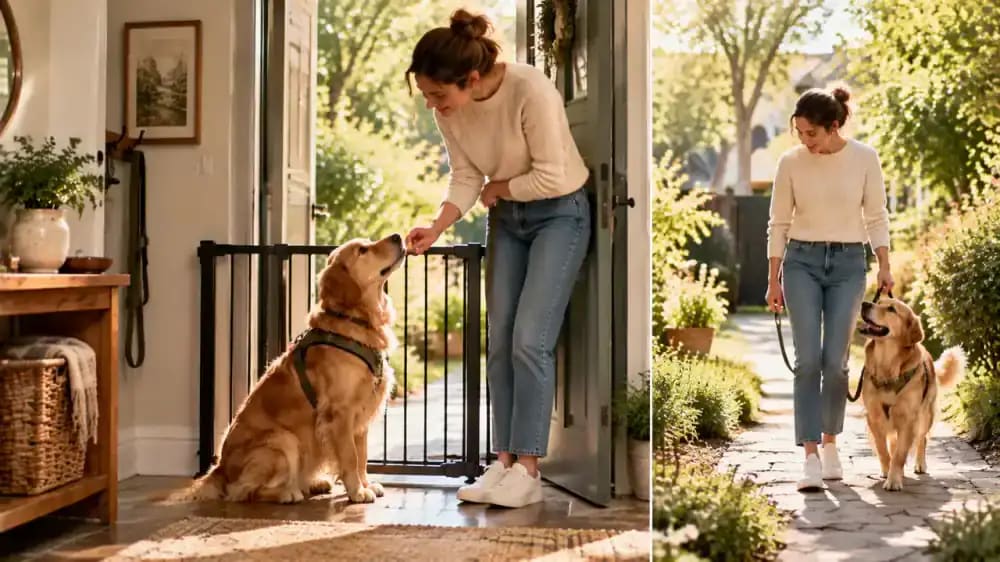
What you’ll need
Tap to tick things off before you start.
Why Doorway Manners Matter
An open doorway can be exciting, especially when your dog expects a walk or spots someone arriving. Rushing ahead can make everyday exits harder to manage and increase the chance of an unexpected escape. The goal is to teach your dog to pause calmly, check in with you, and move forward when invited, without making doorways feel stressful.
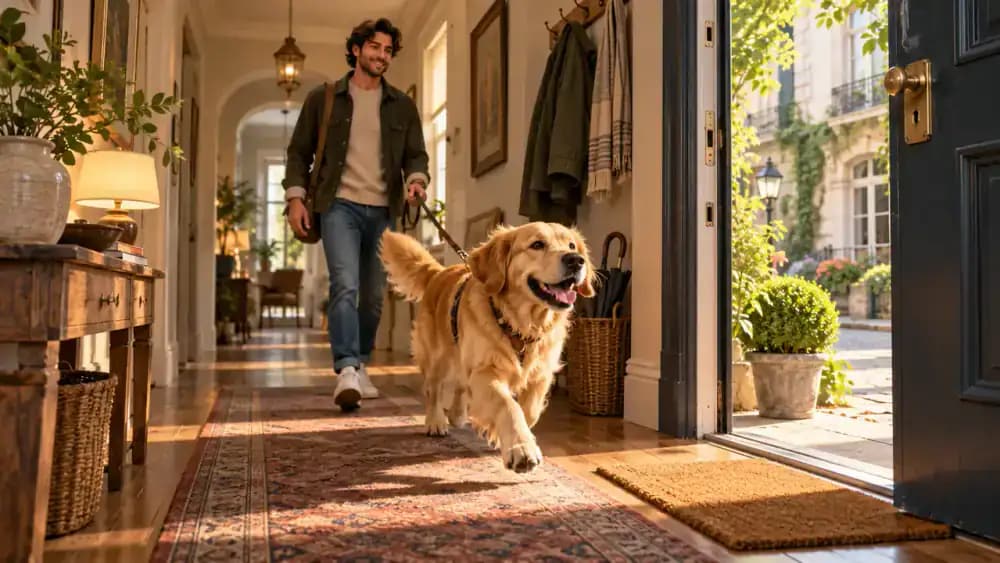
Set Up an Easy First Session
Choose a quiet interior doorway with few distractions and enough space for both you and your dog to stand comfortably. Prepare several small, appealing treats before you begin. If your dog tends to rush forward, use a well-fitted harness or suitable collar with a standard leash for gentle control. Keep the door secure and the first session short and manageable.
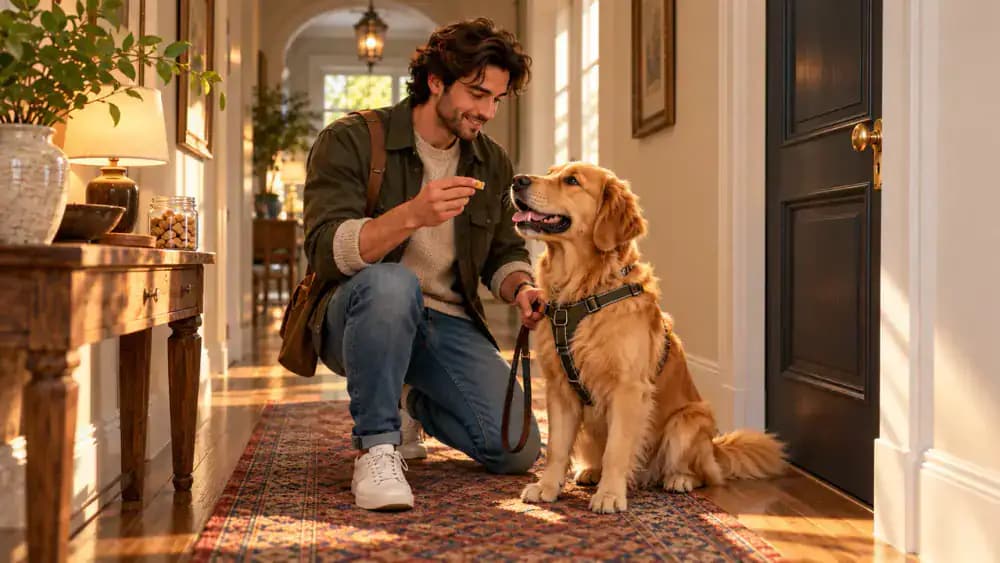
Reward a Brief Pause
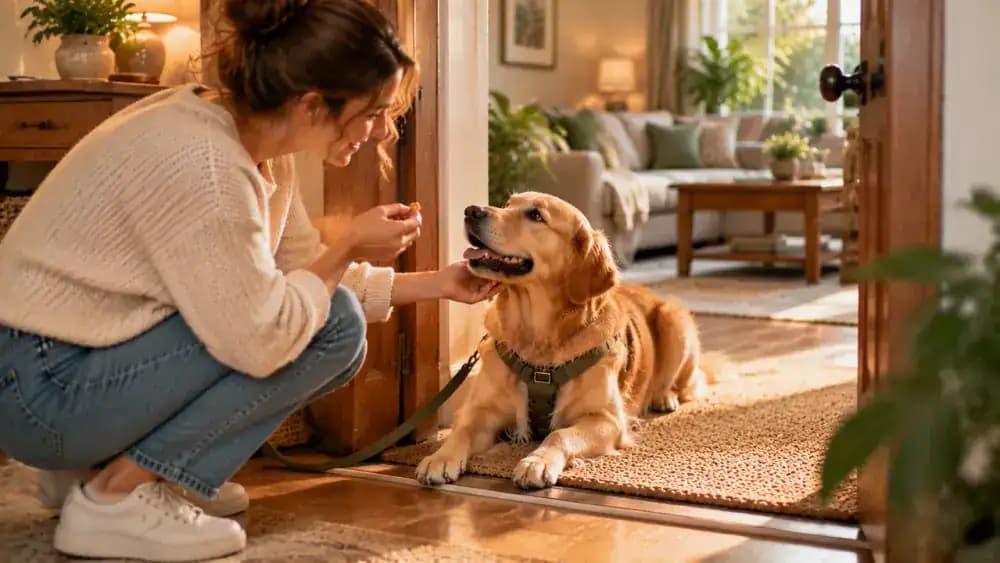
Stand beside your dog a comfortable distance from the threshold without crowding the doorway. Watch for a brief moment of stillness, such as all four paws staying in place or your dog glancing toward you. Mark that moment with a calm word like "Yes," then offer a treat on your side of the doorway to encourage staying back.
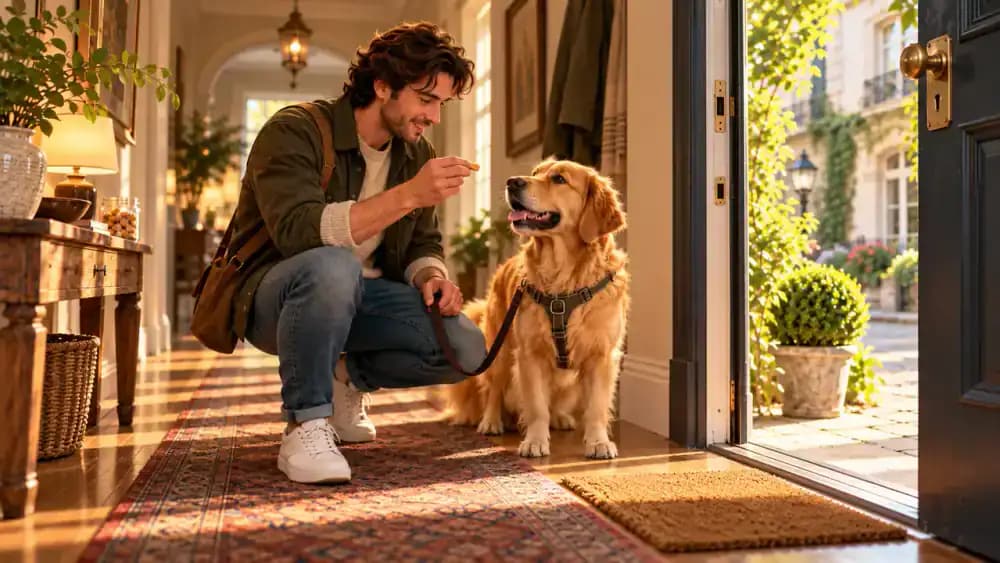
Introduce a Clear Wait Cue
Once your dog begins pausing more readily, introduce a consistent cue such as "Wait." Say it once in a relaxed voice just before you expect your dog to pause, then reward the behavior promptly. Keep the initial wait brief and repeat a few successful attempts. If your dog struggles, make the exercise easier rather than repeating the cue or demanding a longer stay.
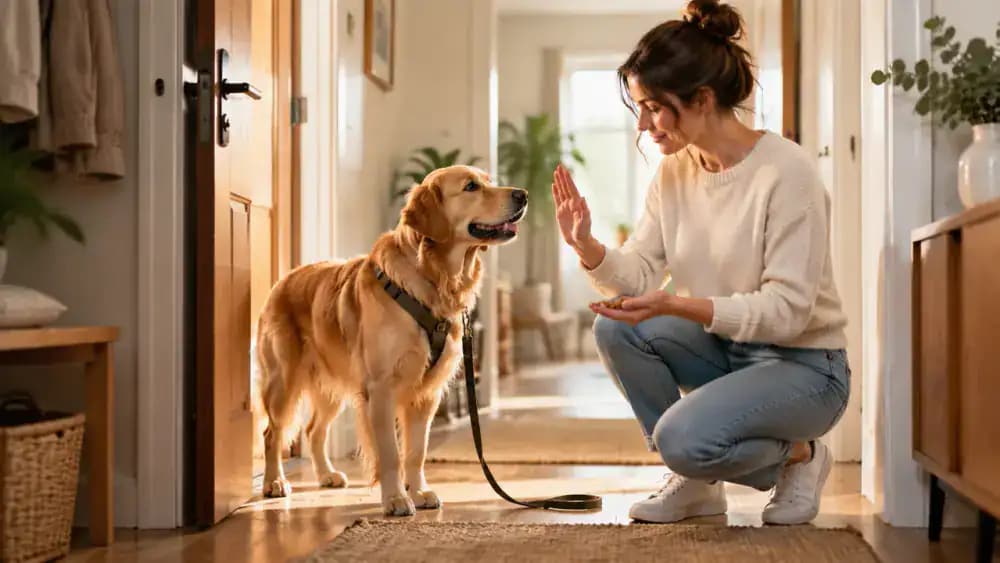
Add a Release Word
Teach your dog when waiting ends by choosing a consistent release cue, such as "Okay" or "Free." After a successful pause, say the cue and invite your dog forward as you move together through the doorway. Keep the first releases short and easy. Use the release word deliberately so your dog learns that moving forward is appropriate after the signal, not before it.
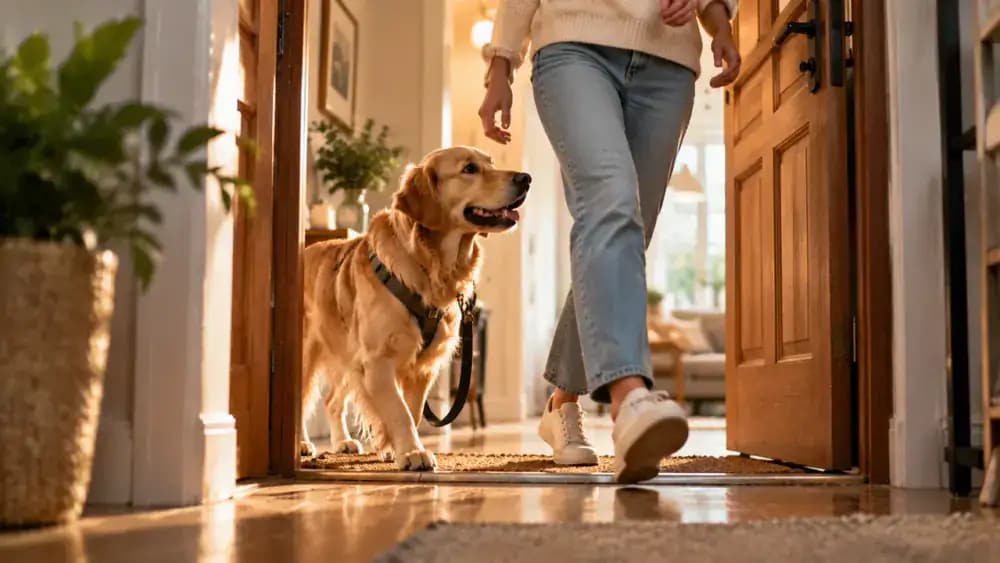
Practice with Door Movement
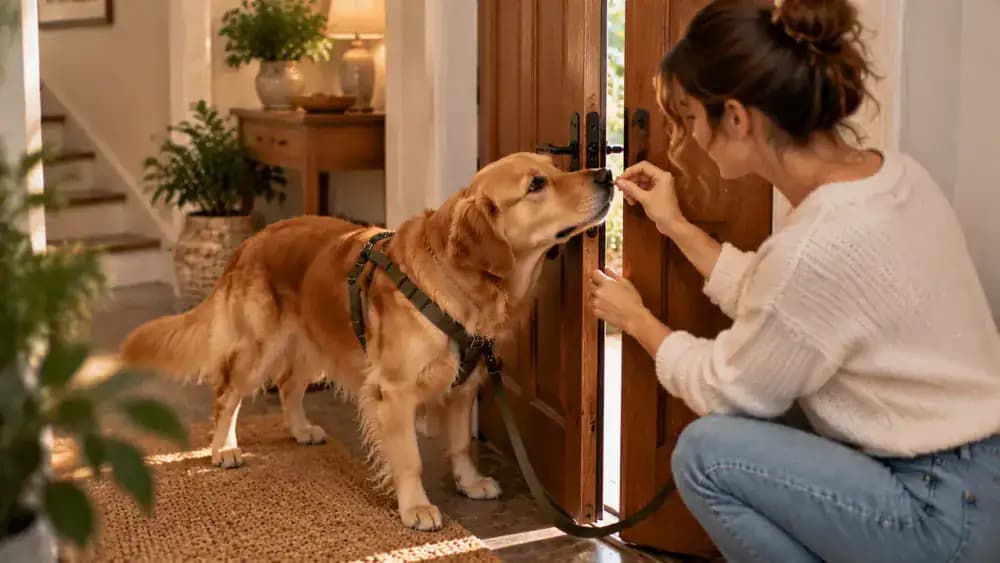
Once your dog understands the basic wait-and-release routine, introduce gentle door movement. Reach toward the handle and reward your dog for staying behind the threshold. Then touch the handle, turn it, and open the door slightly, rewarding success between attempts. Change one thing at a time, and make the exercise easier if your dog moves forward early.
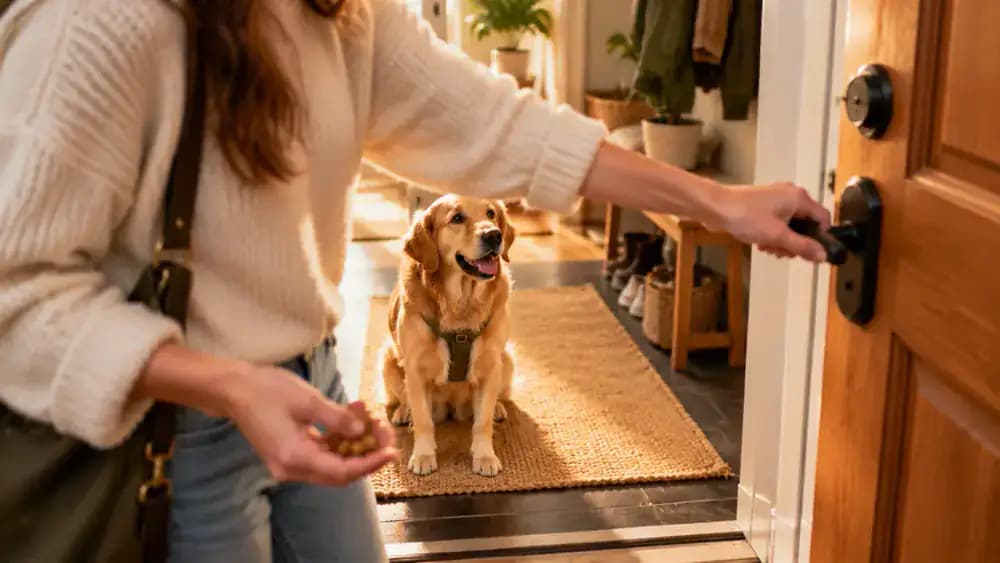
Reset Calmly After Mistakes
If your dog steps forward before the release cue, stay calm and avoid scolding or pulling them back roughly. Secure the doorway if needed, reset your starting position, and try again with less door movement. Reward a brief pause your dog can manage successfully. Early movement tells you the exercise may be too challenging, so adjust the setup rather than rushing ahead.
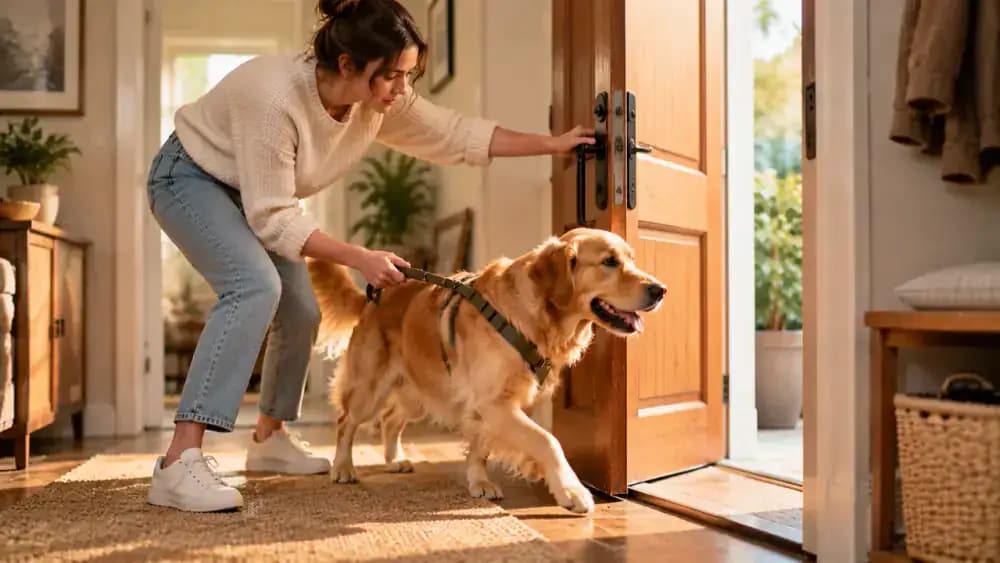
Build the Habit Safely
Practice for a minute or two at a time, finishing while your dog is still engaged. When the routine becomes reliable indoors, try another quiet doorway before gradually introducing everyday distractions. At exterior exits, keep your dog secured with a leash or suitable barrier and maintain close supervision. A trained wait improves manners, but physical safety measures remain essential.
Get the Reward Timing Right
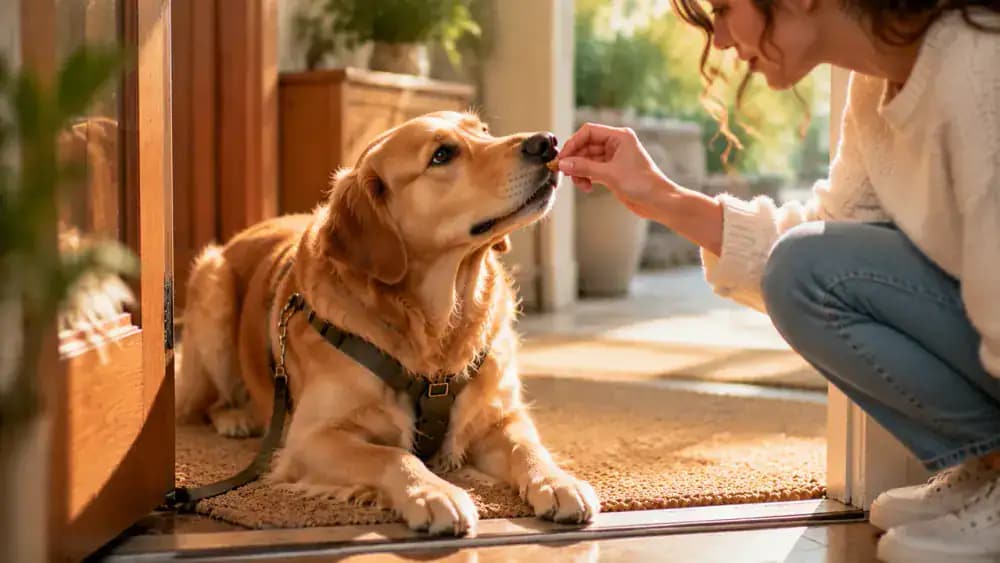
Reward timing helps your dog understand exactly which behavior earns a treat. Deliver the reward while your dog is still waiting behind the threshold, rather than after they have moved through the doorway. Keep your movements relaxed and place the treat near your dog on the waiting side. If your dog struggles to hold position, shorten the pause and try again.
Get Everyone Using the Same Cues
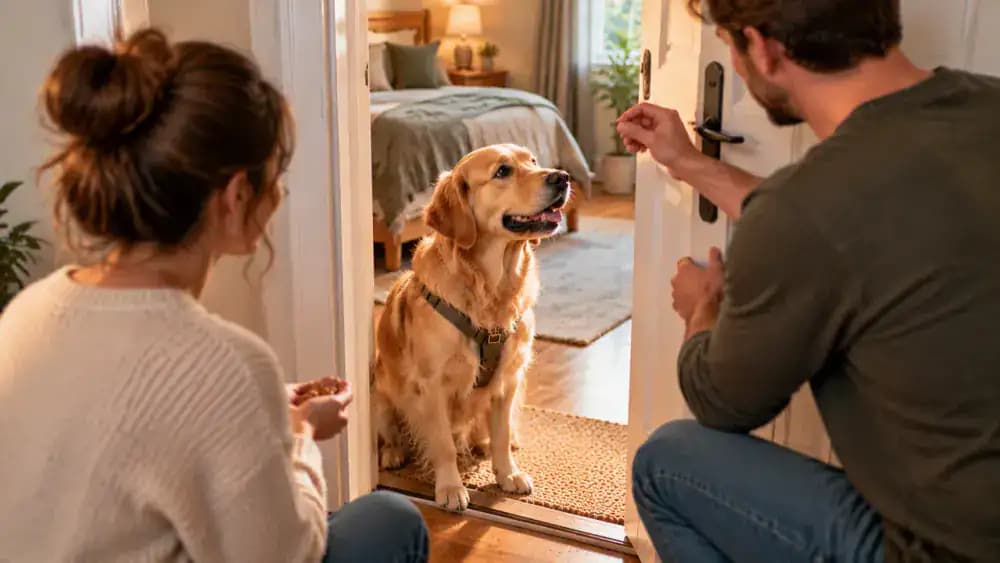
Make doorway training consistent by agreeing on the same wait cue and release word with everyone in your household. Each person should reward the dog for pausing behind the threshold and allow forward movement only after the release cue. Begin with one handler at a time, then switch roles. Consistent words and expectations help your dog understand the routine with different familiar people.
Practice While Carrying Everyday Items
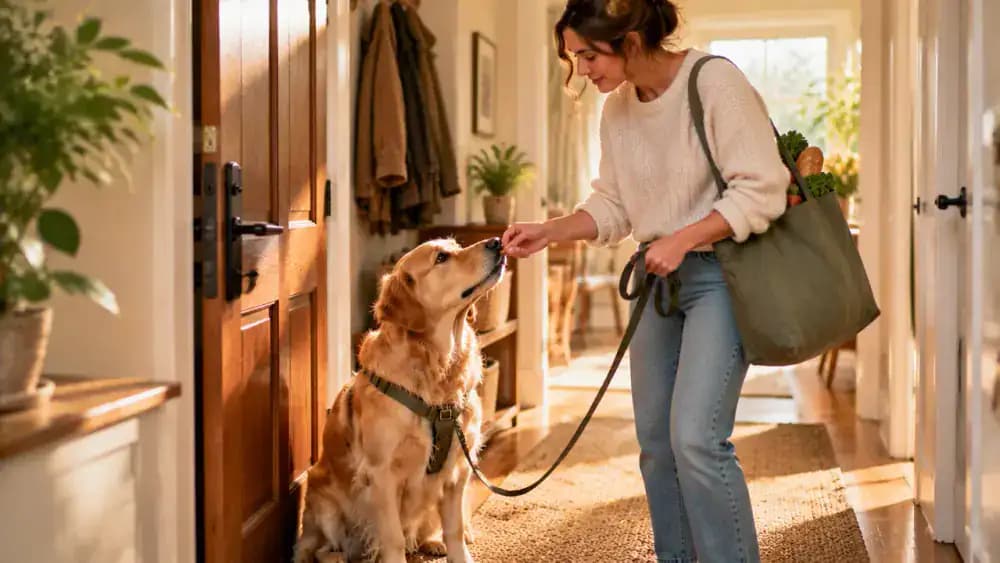
Once your dog waits reliably during simple practice, add a small everyday challenge by carrying a lightweight shopping bag or another easy-to-manage item. Keep the leash secure and the doorway controlled while you reward a successful pause. If your dog moves forward when your attention shifts, set the item aside and return to easier repetitions before trying again.
Manage Doorway Excitement Around Visitors
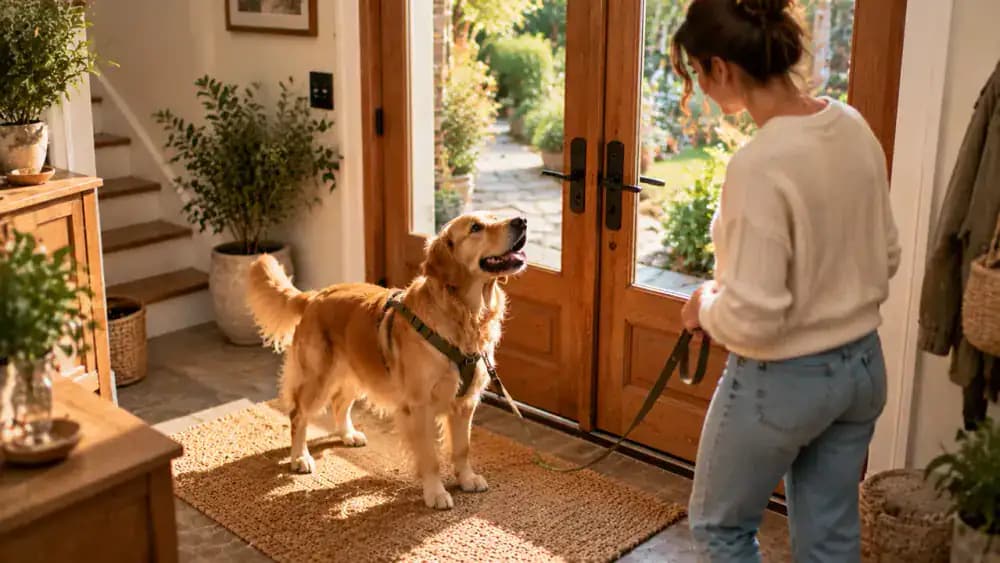
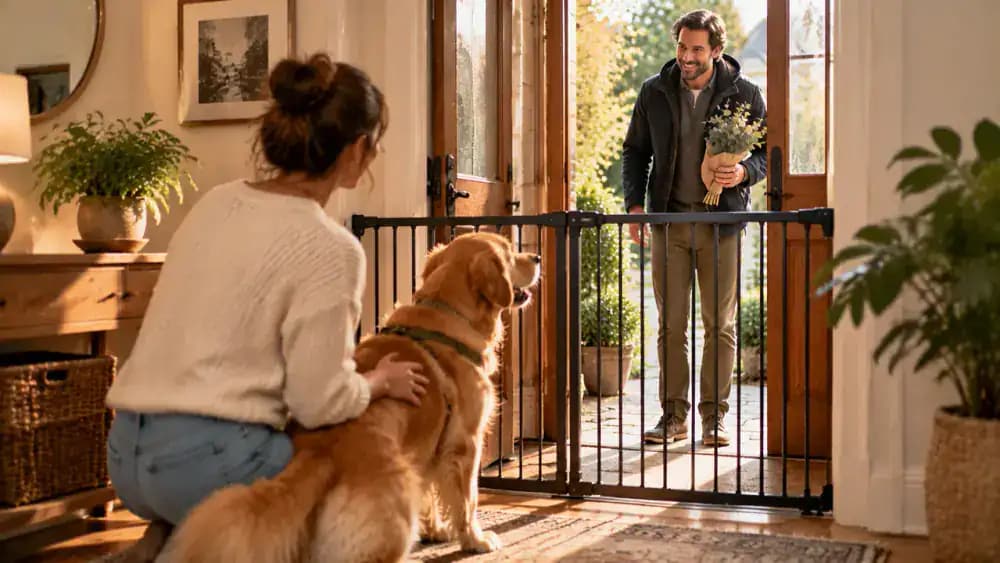
Visitors can make waiting harder, so introduce greetings gradually rather than using an arrival as your first major test. Ask a familiar person to stand outside while your dog remains behind a sturdy gate or on a suitable leash. Reward calm attention away from the entrance. If excitement increases, create more distance and return to a simpler, quieter practice session.
Recognize When the Exercise Is Too Difficult
If your dog repeatedly leans toward the opening, leaves the waiting position, or struggles to respond to a familiar cue, make the exercise easier. Reduce how far the door opens, shorten the pause, or move farther from the threshold. Reward success at this easier level before gradually increasing difficulty. These adjustments help your dog learn without unnecessary frustration or pressure.
Keep Rewards Useful as Skills Improve
Continue rewarding your dog generously while doorway waiting is new, then gradually vary the rewards as the behavior becomes more reliable. Small treats, warm verbal praise, and moving forward together can all reinforce a successful pause. Deliver rewards while your dog is still waiting, and provide extra support when practicing in harder settings. Consistent reinforcement helps maintain the habit over time.
Adapt Training to Higher-Risk Doorways
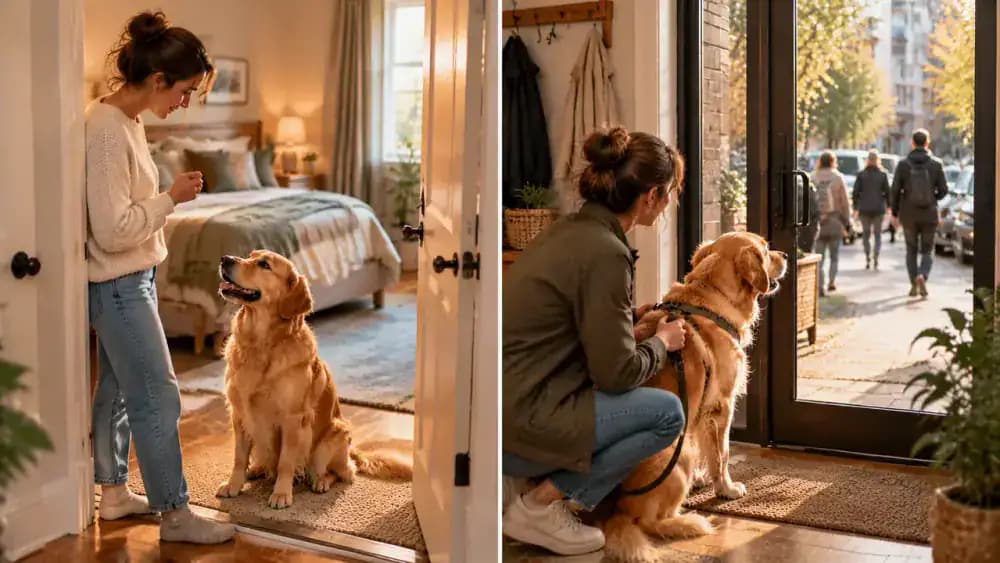
Treat each new doorway as a fresh training challenge. A quiet bedroom door is much easier than an apartment entrance opening onto a busy sidewalk. Practice in manageable conditions first, and use a properly fitted harness, leash, secure gate, or other suitable barrier wherever needed. Never test your dog's progress by leaving a dangerous exit unsecured or relying on the wait cue alone.
Make Doorway Manners Part of Daily Life
Build practice into familiar routines, such as entering another room or getting ready for a walk. Ask your dog for a brief pause, reward success, and use your release cue before moving together. Keep track of which doorways need more practice. Before leaving home, check the leash and secure your dog until you are ready to exit safely.
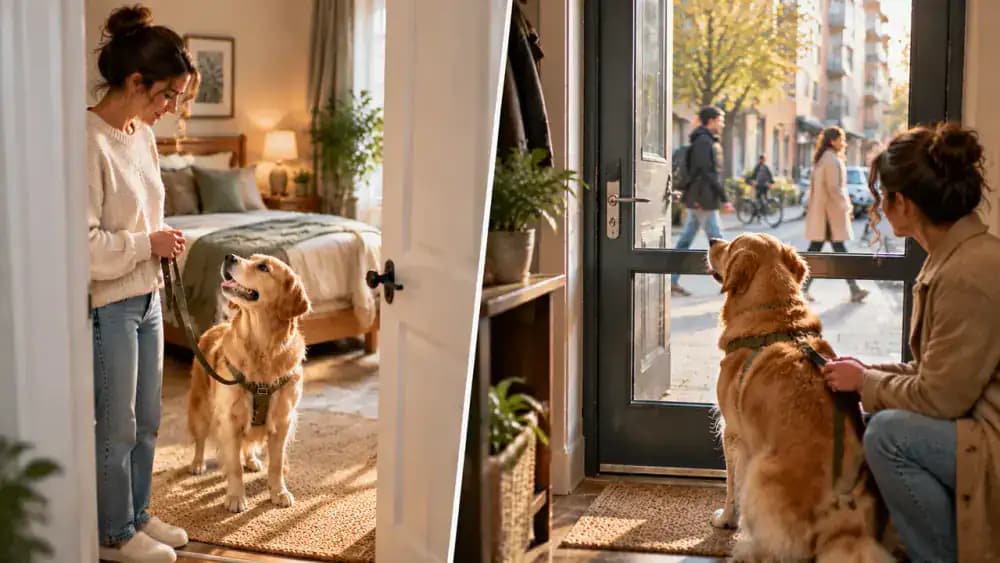
Teach the Skill Without Requiring a Sit
Your dog does not need to sit to practice polite doorway manners. Standing comfortably with all four paws behind the threshold or briefly looking toward you can be an excellent starting point. Reward the pause and use your release cue before moving forward. Focus on controlled movement and responsiveness rather than insisting on one particular body position.
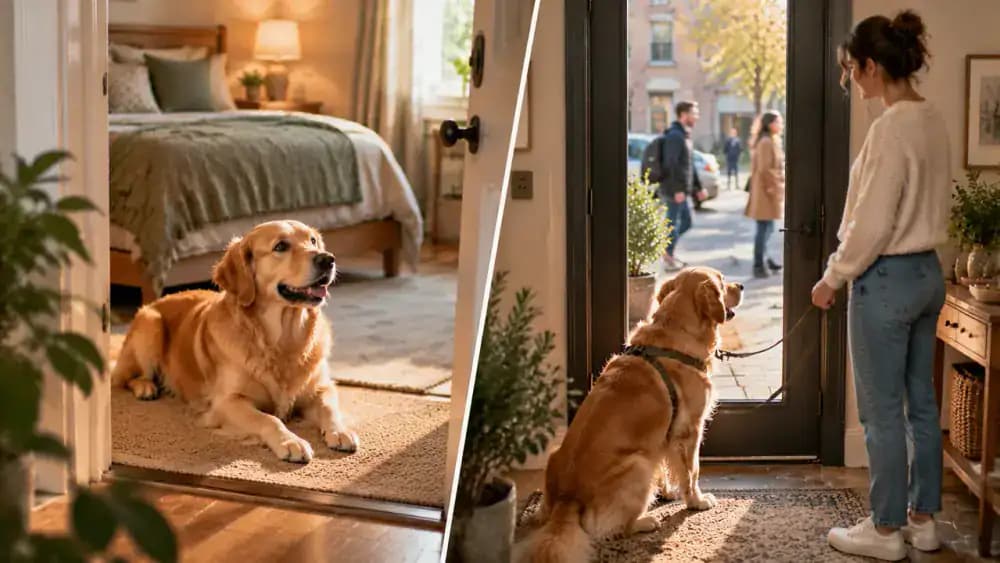
Use Your Body Position Thoughtfully
Stand beside your dog with enough room for both of you to move comfortably. Avoid leaning over your dog, crowding the threshold, or making sudden movements that could increase excitement. Keep your posture relaxed and your hands quiet. When your dog pauses, deliver the reward on the waiting side so you reinforce staying in place until the release cue.
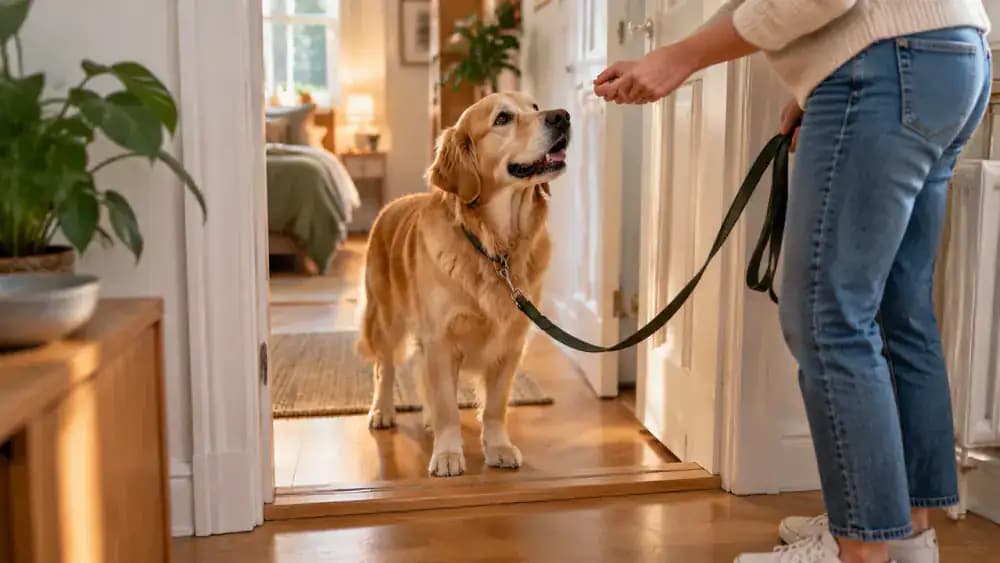
Understand What Your Dog Is Communicating
Pay attention to your dog's whole body throughout practice. A relaxed posture and willingness to take treats can suggest the exercise is manageable, while turning away, repeated lip licking, or attempts to leave may indicate discomfort in context. Give your dog more space, reduce the challenge, and avoid forcing participation. Comfortable, voluntary cooperation makes training more productive.
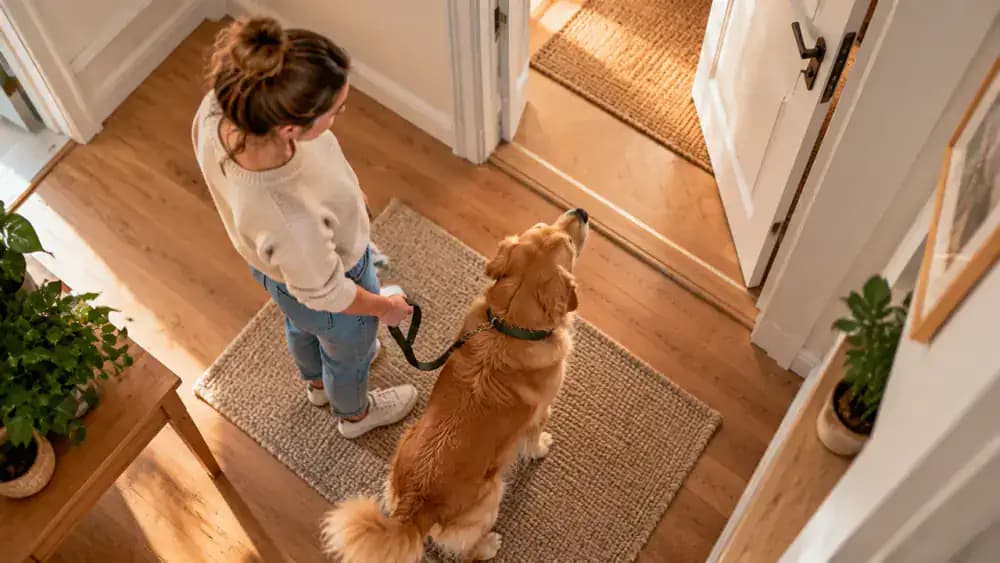
Practice with Different Door Designs
Once your dog waits reliably at familiar doorways, introduce different door designs one at a time. Sliding patio doors, lightweight interior doors, and heavier doors can create different sounds and movements. Start with minimal movement and reward successful pauses. Keep your dog's paws, tail, and your fingers clear of moving edges, and prevent doors from swinging freely during practice.
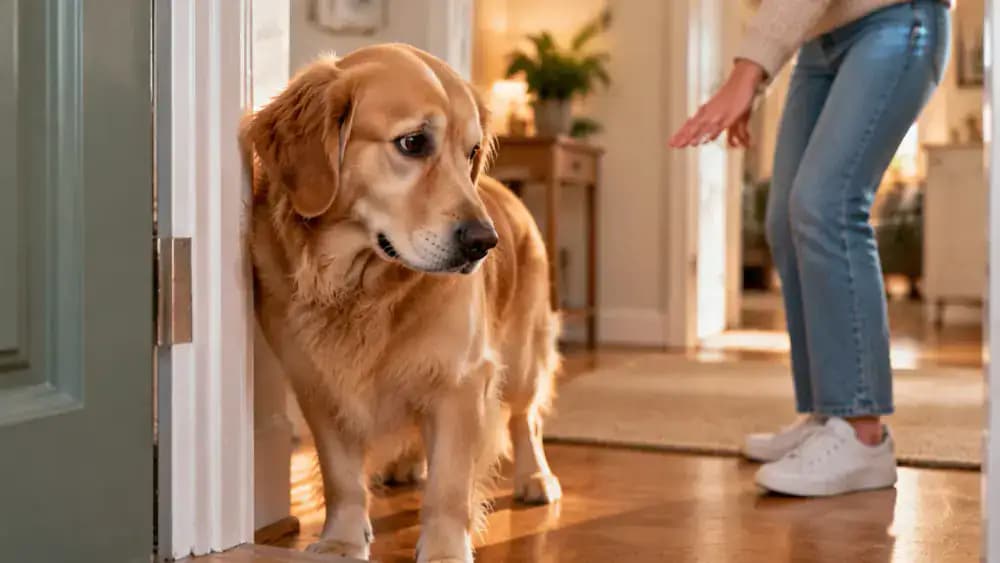
Avoid Turning the Doorway into a Contest
If your dog gets excited near the doorway, avoid repeating the cue more loudly or turning the exercise into a struggle. Calmly close or secure the door, step farther back, and reduce the amount of movement. Reward a brief pause your dog can manage successfully. Keeping pressure low helps your dog learn through cooperation rather than fear or frustration.
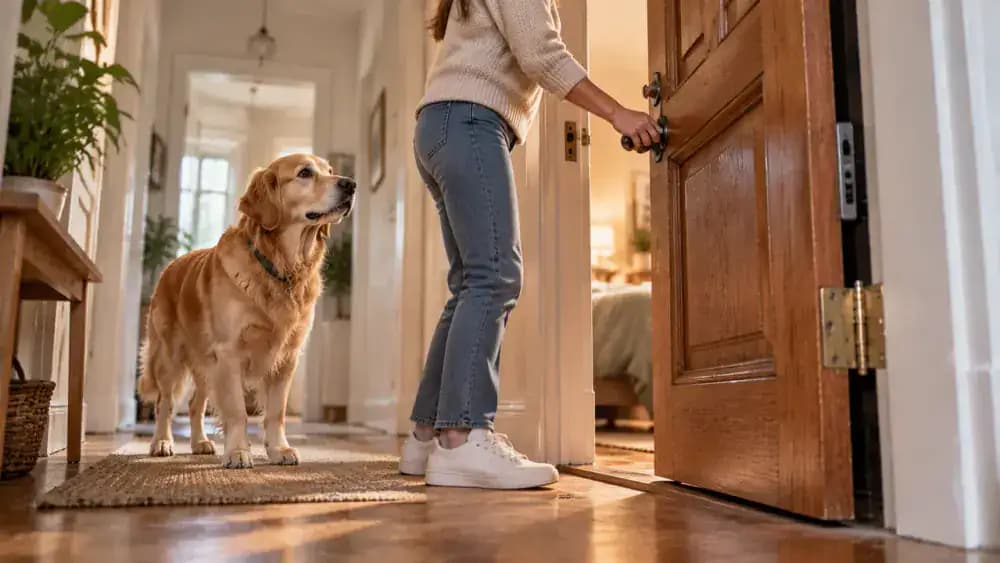
Track Progress with Simple Observations
Keep a simple training log to see which approaches are working. After each session, record the doorway, how far the door opened, whether your dog responded to the cue, and which rewards were effective. Note any distractions that made waiting harder. Reviewing these observations helps you choose an appropriate next challenge and recognize steady improvement without increasing difficulty too quickly.
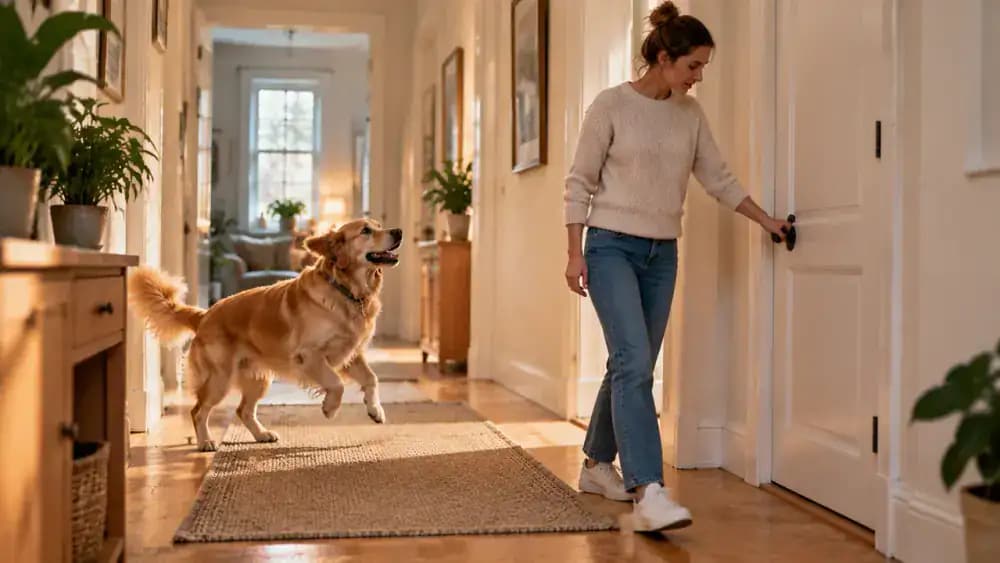
Know When to Get Extra Help
If your dog continues rushing through doorways despite easier practice, or the behavior creates a safety concern, seek help from a qualified reward-based trainer. Growling, snapping, or intense distress also warrant professional guidance. Choose someone who prioritizes your dog's welfare and uses humane methods. A veterinary behavior professional may help when fear or other complex behavior concerns require additional expertise.
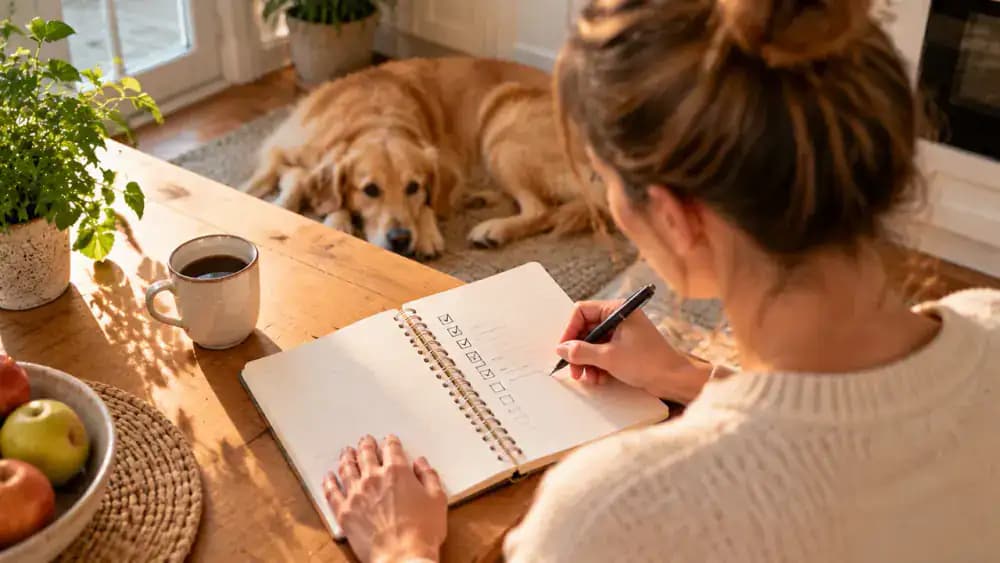
Practice Approaching from Different Angles
Help your dog generalize the wait cue by approaching the same quiet doorway from different directions. Walk toward the threshold from one side, pause at a comfortable distance, and give your familiar cue. Reward your dog for staying in place, then release as usual. Introduce different approaches gradually, returning to an easier position whenever your dog struggles to respond.
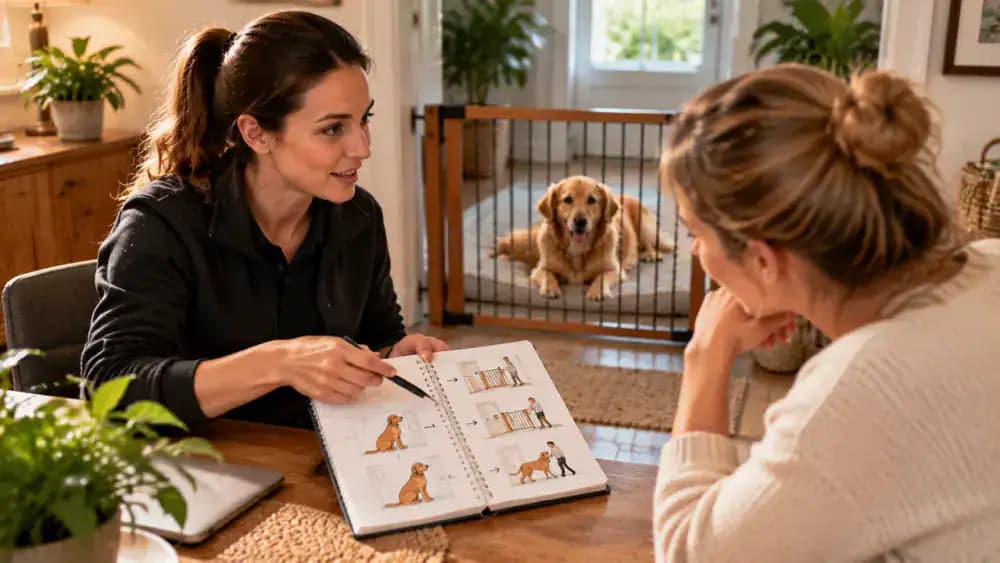
Practice Away from the Open Door
If an open doorway makes practice too exciting, work beside a closed interior door instead. Ask your dog to wait in a comfortable position, then take one small step away before returning to reward success. Gradually vary where you stand and how far you move. This builds flexibility around the cue without introducing the added challenge of an open exit.
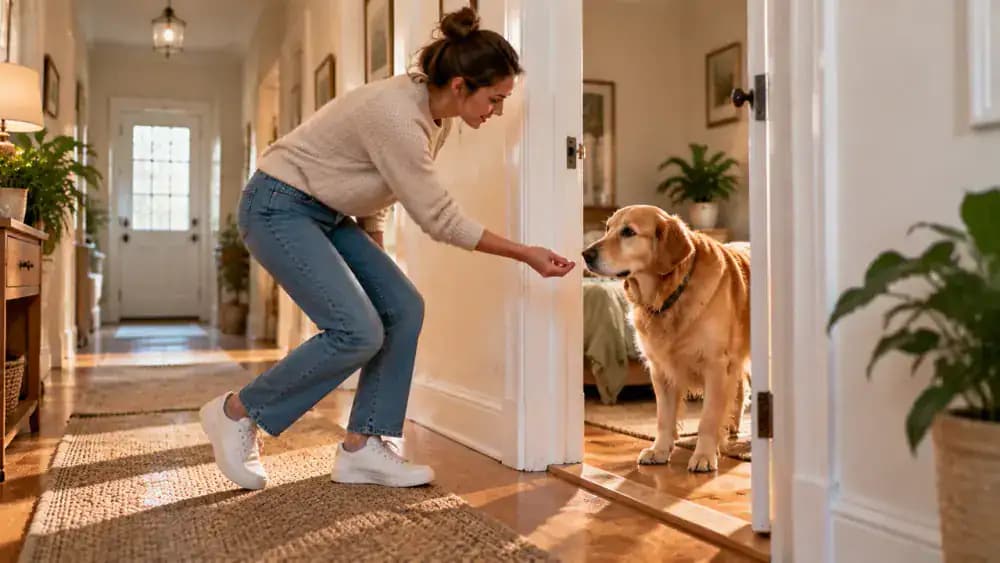
Introduce Everyday Sounds Gradually
Once your dog waits comfortably at a quiet doorway, introduce a familiar sound, such as gently placing your keys on a nearby table. Reward your dog for remaining behind the threshold, even if they briefly glance toward the sound. Keep distractions mild and introduce only one change at a time. If your dog struggles, remove the distraction and return to an easier repetition.
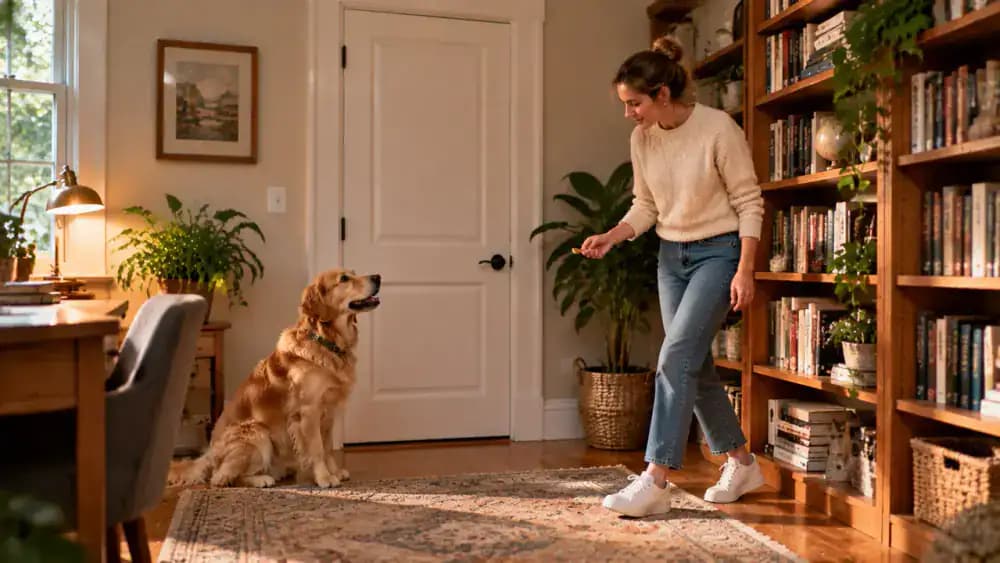
Keep Waiting Short and Meaningful
Doorway waiting is a practical pause, not a demand for your dog to remain still indefinitely. Give your dog a clear release cue as soon as you are ready to move forward. For example, finish putting away a laundry basket, say "Okay," and walk through together. Short, predictable waits with clear endings help keep the routine understandable and rewarding.
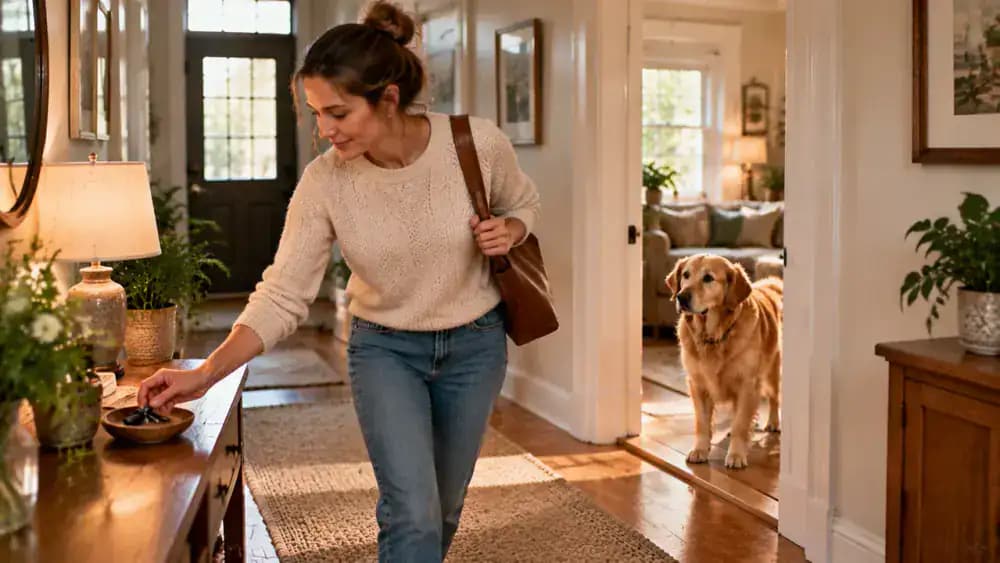
Choose the Right Time to Practice
Choose a time when your dog can focus comfortably rather than practicing during peak excitement. After gentle indoor play, prepare a few small treats and try one easy doorway repetition. Reward a successful pause and finish while your dog remains engaged. Puppies and energetic dogs may need especially short sessions, so adjust the timing and duration to suit your individual dog.
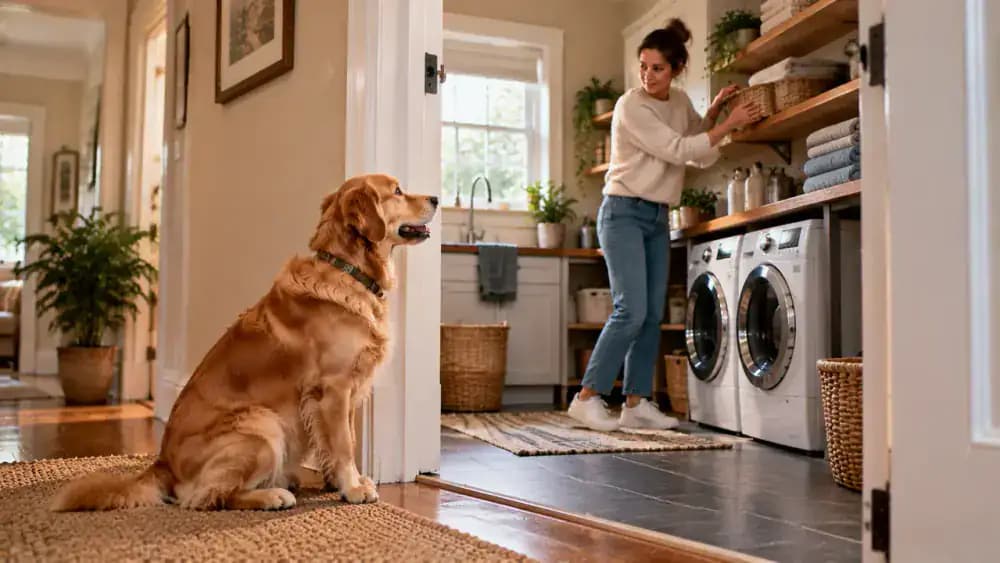
Make Exterior Door Safety a Household Habit
Build consistent safety habits around every exterior exit, especially if your home has several doors leading outdoors. Keep doors closed until you are ready, use secure pet gates where appropriate, and attach your dog's leash to a suitable harness or collar before opening an exit. Make sure everyone in the household follows the same routine while your dog continues learning.
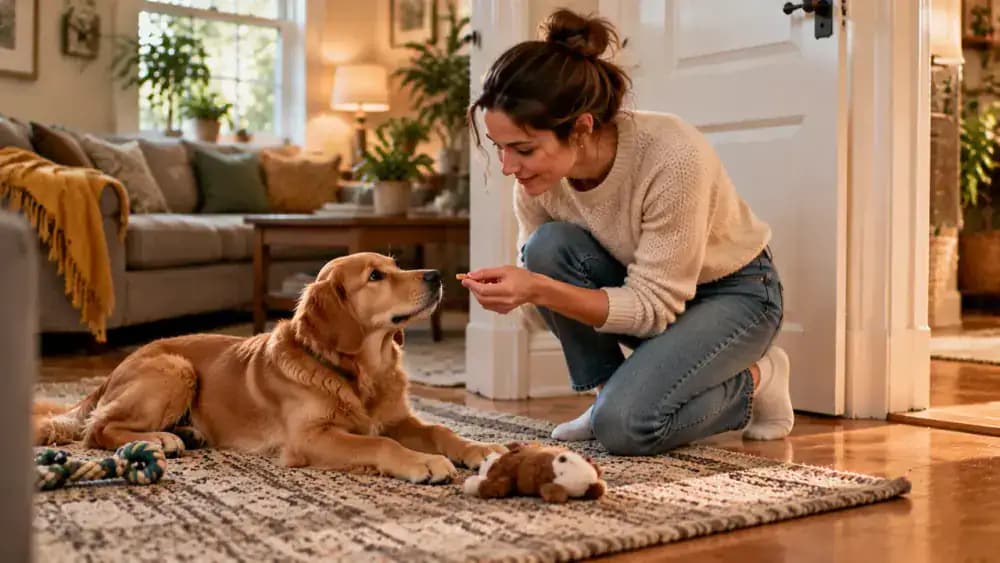
Put the Complete Routine into Practice
Bring the routine together by approaching the doorway calmly, giving your wait cue, and rewarding your dog for staying behind the threshold. When you are ready to move, give the release word and walk forward together. Practice in short sessions and continue rewarding reliable responses. Keep your dog securely restrained and supervise every exterior exit, even when the behavior becomes familiar.
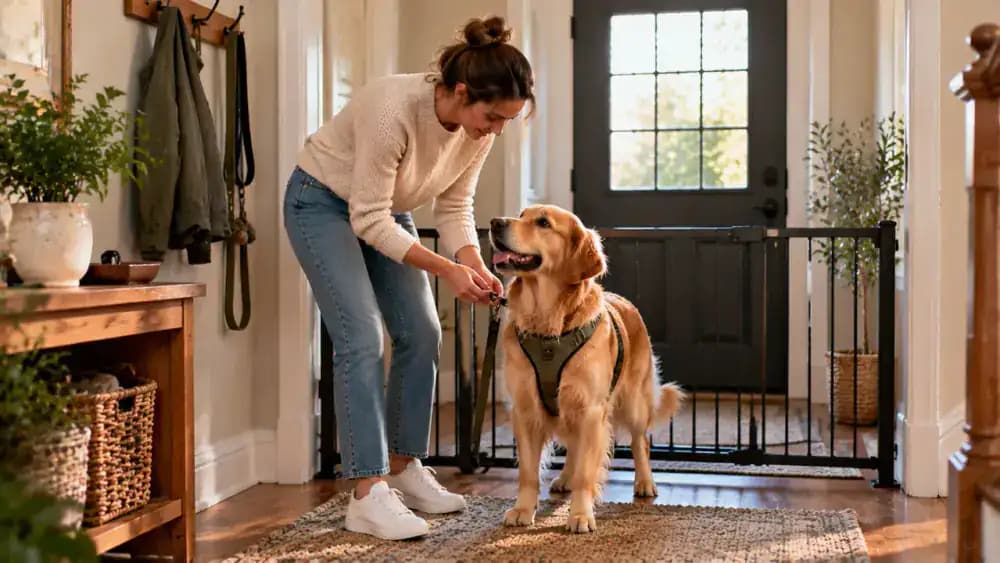
Does your dog rush through an open door before you are ready to leave? This common habit can make everyday routines stressful and increase the risk of a dog slipping outside unexpectedly. Teaching your dog to wait politely at doorways gives you a calmer way to manage entrances and exits while building useful impulse control.
The goal is simple: your dog pauses behind a doorway threshold, waits while you prepare to move, and goes forward only when you give a consistent release cue, such as "Okay" or "Free." This is not about forcing your dog to remain perfectly still for a long time. Start with a brief, achievable pause and reward your dog for choosing to stay in place.
You will need a few small, appealing treats, a quiet interior doorway, and a suitable leash if additional control is needed. Begin with the door closed or mostly closed, then gradually introduce reaching for the handle and opening the door a little at a time. If your dog moves forward too soon, calmly reset and make the next attempt easier rather than scolding or physically confronting your dog.
Short, consistent sessions help your dog understand the routine. As the behavior becomes reliable indoors, practice at other doorways and gradually add distractions. Keep exterior doors secure, maintain appropriate restraint, and supervise every exit. A trained wait is a helpful safety habit, not a guarantee that your dog will never bolt.
Where people go wrong
Opening the Door Too Far Too Soon. A fully open doorway can be exciting and difficult for a dog that is just learning to pause. Starting with too much movement or a clear view of the outdoors may make success unlikely. Begin with the door closed, reward a brief pause, and introduce only a small amount of door movement at a time. Increase the challenge when your dog can succeed comfortably.
Forgetting to Teach a Release Cue. If your dog learns to stop but never learns when it is appropriate to move again, the routine can become confusing. Choose a clear release word and say it after your dog has waited successfully. Reward the pause, give the release cue, and allow your dog to move forward. Keep the cue consistent so it becomes a predictable part of the routine.
Repeating the Wait Cue Without a Clear Pause. Repeatedly saying "Wait" may turn the cue into background noise instead of a useful signal. Give the cue once when needed, then reward the behavior you want to encourage. If your dog moves forward, calmly reset and make the exercise easier. A shorter pause or smaller door movement can help your dog succeed without relying on repeated verbal reminders.
Using Punishment or Physical Confrontation. Scolding, jerking the leash, or physically blocking your dog in a confrontational way can create stress and make doorway practice less productive. Instead, prevent unsafe exits with appropriate management and calmly reset when your dog moves too soon. Reward successful pauses generously. If frustration or conflict develops, end the session and resume later with an easier setup.
Increasing Distractions Before the Skill Is Reliable. A dog that waits in a quiet room may not yet understand the same expectation at a busy front door. Different locations, visitors, outdoor sounds, and moving people can make the exercise much harder. Practice first in familiar, low-distraction settings, then gradually introduce new doorways and mild distractions. Reduce the challenge whenever your dog struggles to maintain the pause.
Treating the Wait as a Guarantee of Safety. Even a well-trained dog can become distracted by a squirrel, visitor, loud noise, or unexpected movement. Never rely on a verbal cue alone to prevent an accidental escape through an exterior door. Maintain supervision, use a leash or other suitable restraint when appropriate, and manage access to exits. Training supports safety but does not replace secure doors or responsible handling.
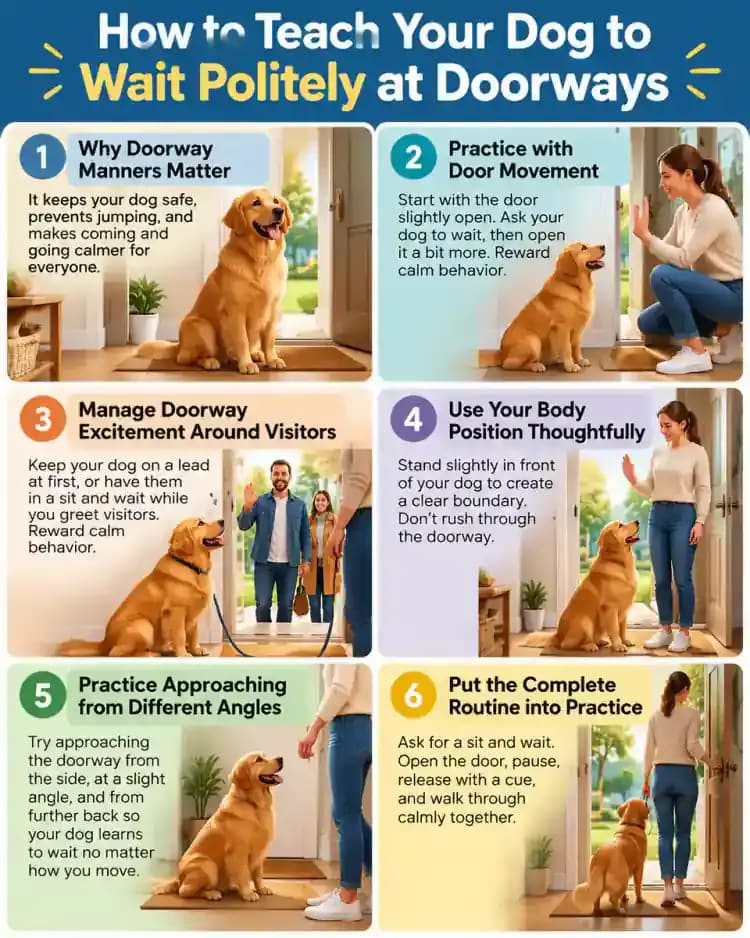
Questions people ask
Some dogs begin to understand the routine after a few short sessions, while others need several weeks of consistent practice. Progress depends on your dog's age, experience, excitement level, and the difficulty of the setting. Start with a brief pause in a quiet interior doorway and increase the challenge gradually. Practice regularly, and prioritize reliable behavior over completing training by a particular date.
Fixed it?
Get one guide like this every Thursday.