How to Teach Your Dog to Recognize Different Toy Names
Help your dog learn the names of favorite toys with short, playful training sessions, positive reinforcement, and simple games that build recognition at your dog's pace.
What you’ll need
Tap to tick things off before you start.
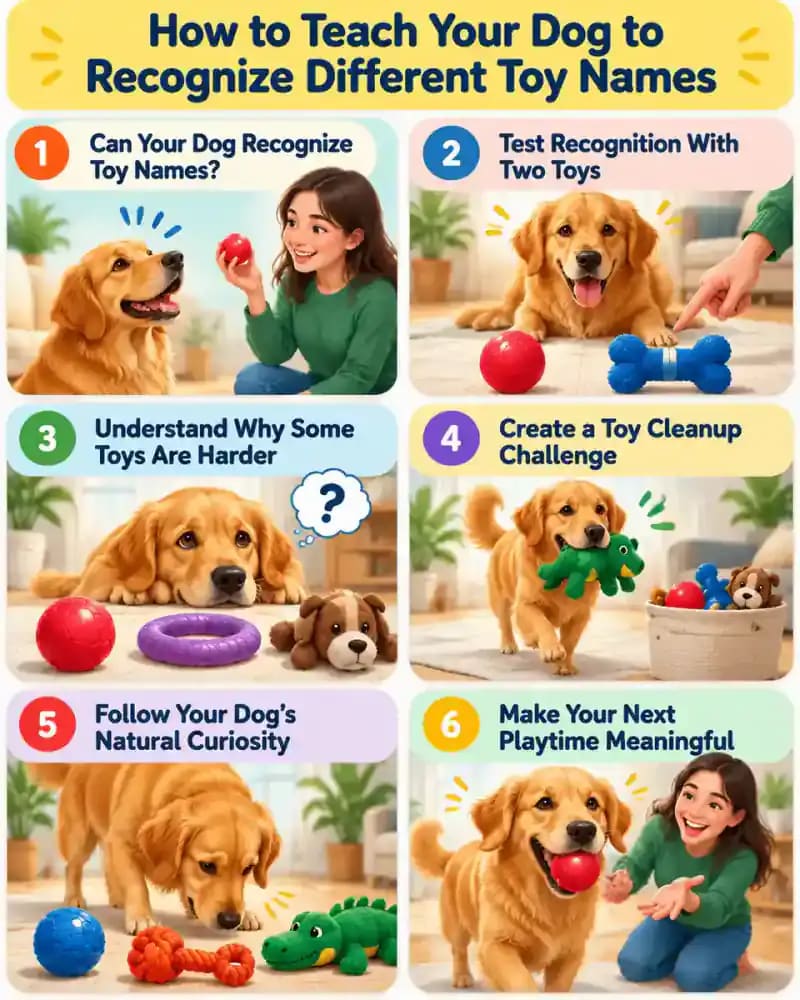
Can Your Dog Recognize Toy Names?
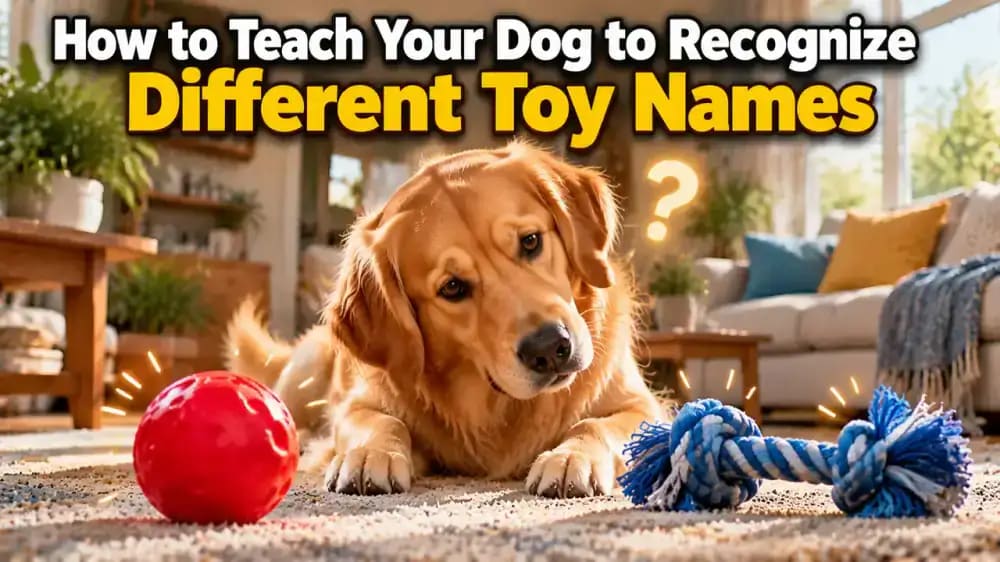
Imagine placing a red ball and a blue rope toy on the floor, then asking your dog to find the ball. When your dog approaches the correct toy without you pointing, reward the choice with cheerful praise and a happy play session. Some dogs learn associations between words and objects, making toy-name games a fun way to add mental enrichment to everyday play.
Prepare for a Simple Learning Game
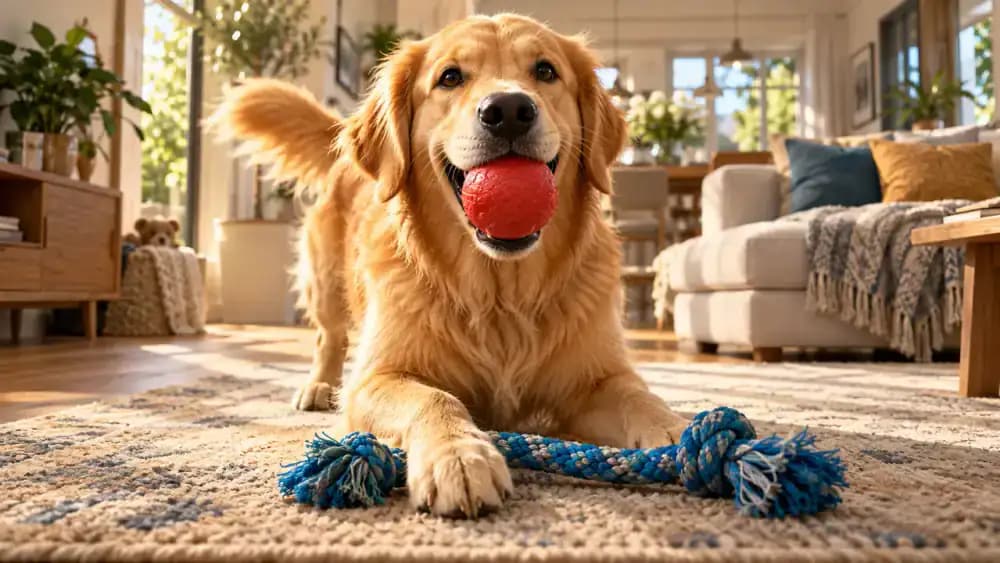
Choose a quiet, comfortable spot with minimal distractions, then gather two dog-safe toys that look or feel different and a few small treats. Begin with your dog's favorite toy to make the activity inviting. Keep the second toy nearby but out of sight for now. Toy-name recognition is optional enrichment, so let your dog's interest and comfort guide the session.
Teach the First Toy Name
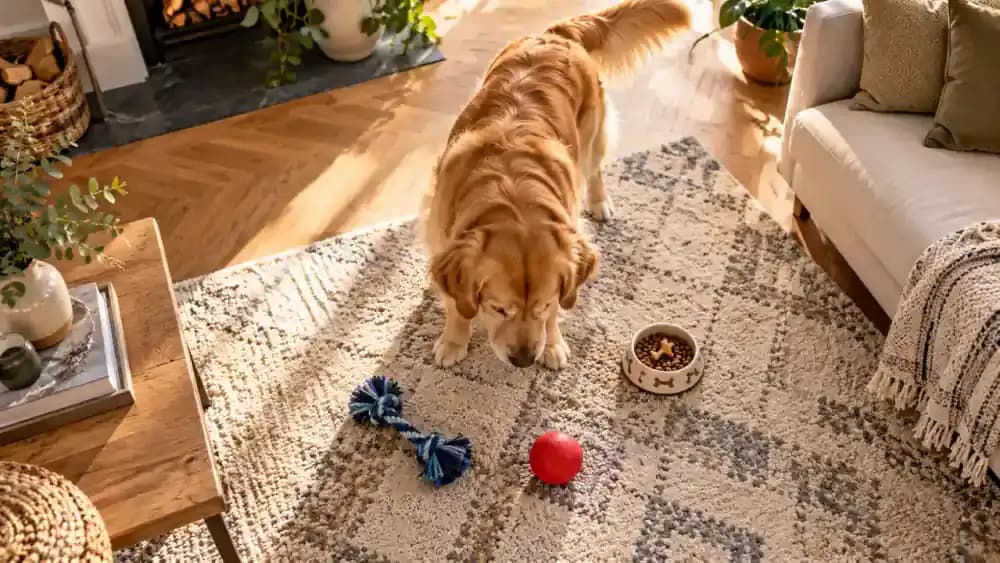
Place one familiar toy on the floor and say its name clearly once, such as ball. Give your dog a moment to investigate. When they touch or pick up the toy, immediately say yes or use a familiar marker, then offer a small treat. Repeat a few times, keeping the word and reward consistent so your dog can build a clear association.
Build Confidence Through Repetition
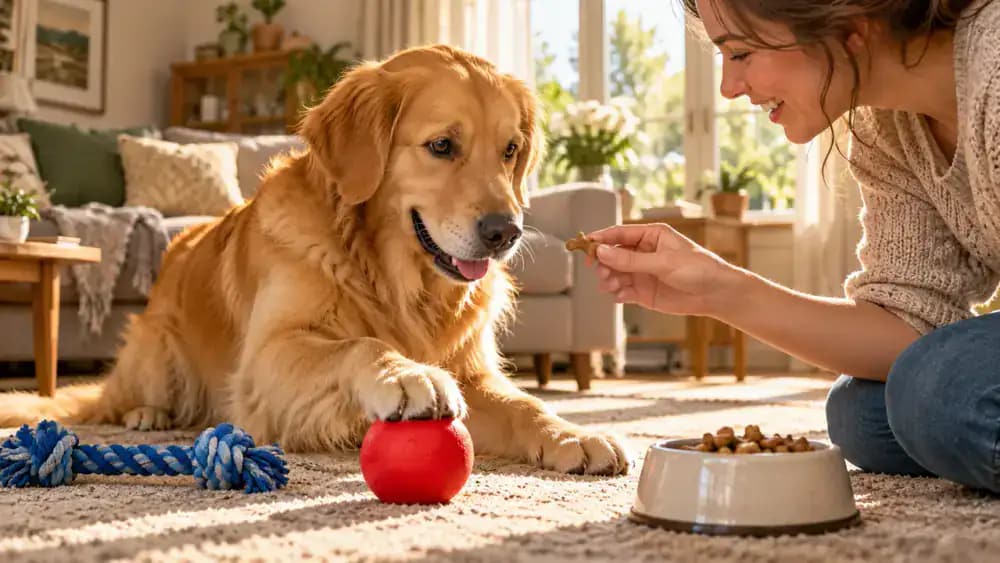
Practice the same cue in several short sessions rather than repeating it until your dog loses interest. Keep your hands relaxed and give your dog time to respond before offering help. Reward successful interactions, then add a playful toss or a break between attempts. If your dog disengages, end the session and try again later when they are interested.

Introduce a Second Toy Name
When your dog is familiar with the first toy's name, bring out a different toy, such as a blue rope, while keeping the ball out of sight. Say rope once and reward your dog for touching or picking up the toy. Practice this new word separately for several short repetitions before presenting both toys together, giving each object its own clear name.
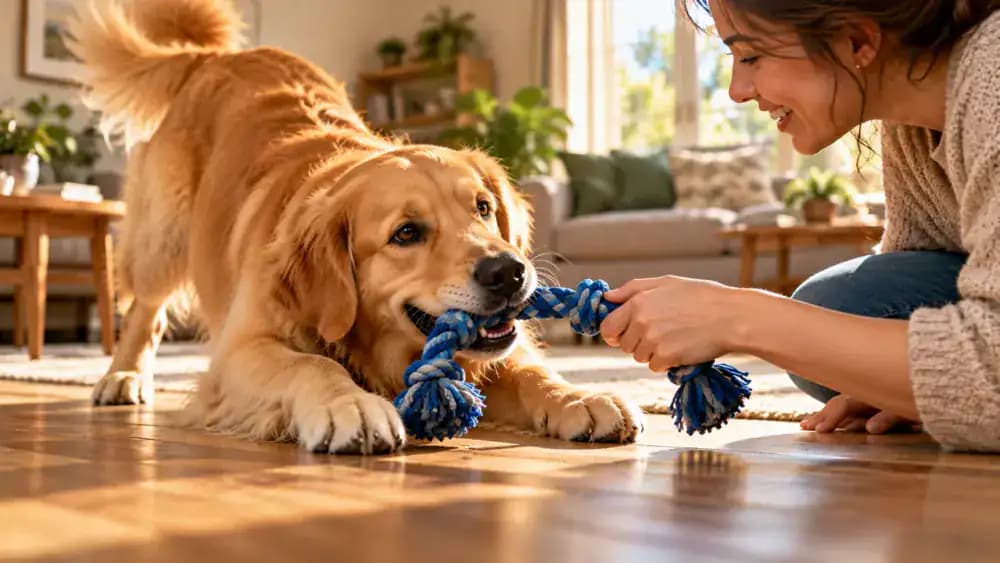
Test Recognition With Two Toys
Place the red ball and blue rope toy on the floor with a little space between them. Ask for one toy by name, keeping your hands still and your gaze neutral. When your dog selects the requested object, reward them immediately. Alternate between the two names across attempts to encourage recognition rather than reliance on your movements or the toys' positions.
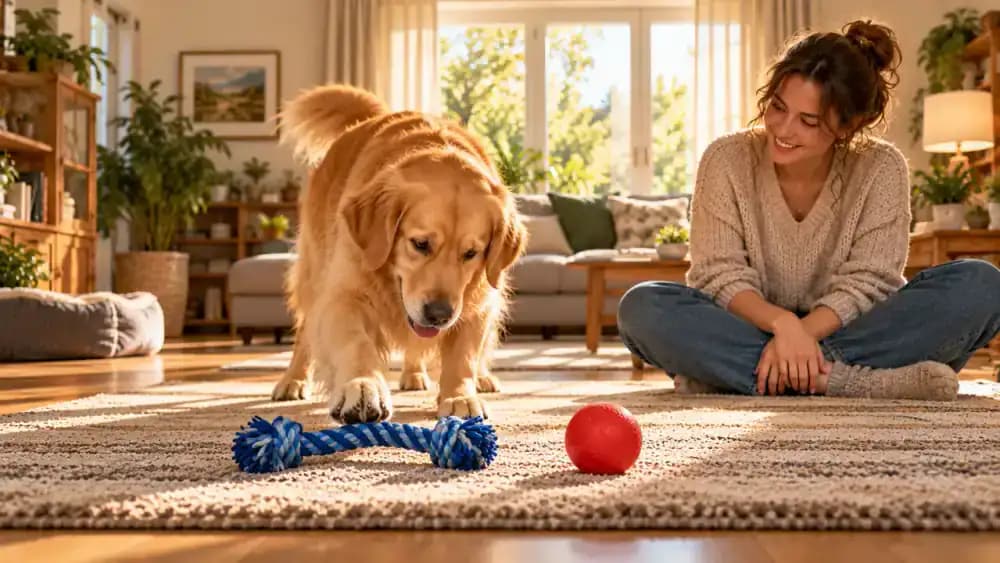
Increase Difficulty Without Frustration
Once your dog makes correct choices consistently, switch the toys' positions and try again. You can gradually adjust the distance between them while keeping the game manageable. If your dog selects the wrong toy, calmly reset the arrangement and simplify the task. Avoid punishment or repeated commands, and reward progress before making the challenge harder.
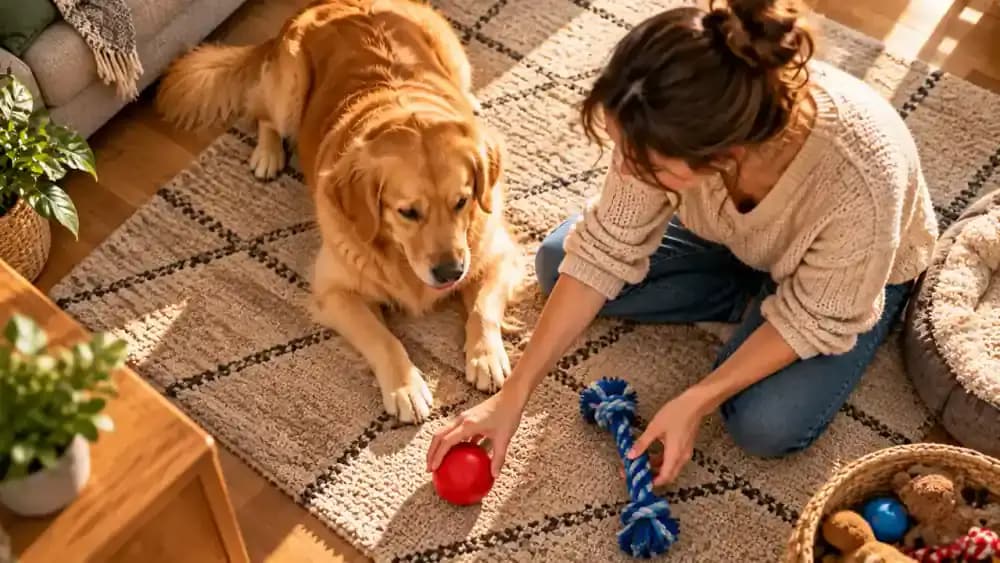
Make Toy Recognition a Fun Habit
End each session with an easy request your dog already understands, then celebrate with praise and a little free play. Some dogs may learn several toy names, while others enjoy simpler games just as much. Keep the experience light and rewarding. During your next play session, try naming one familiar toy and see how your dog responds.
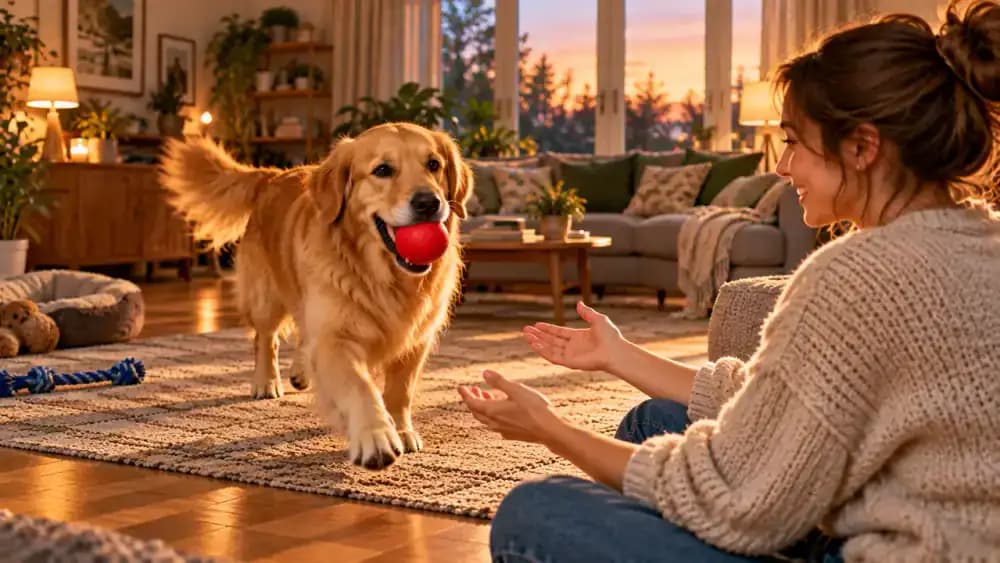
Practice Beyond the Training Space
After your dog becomes familiar with a toy name in one room, try the same cue in another quiet area of your home. Your dog might respond confidently beside the sofa but hesitate in a hallway with different sights and sounds. Give them time, keep the toy visible, and reward success without pressure as the surroundings change.
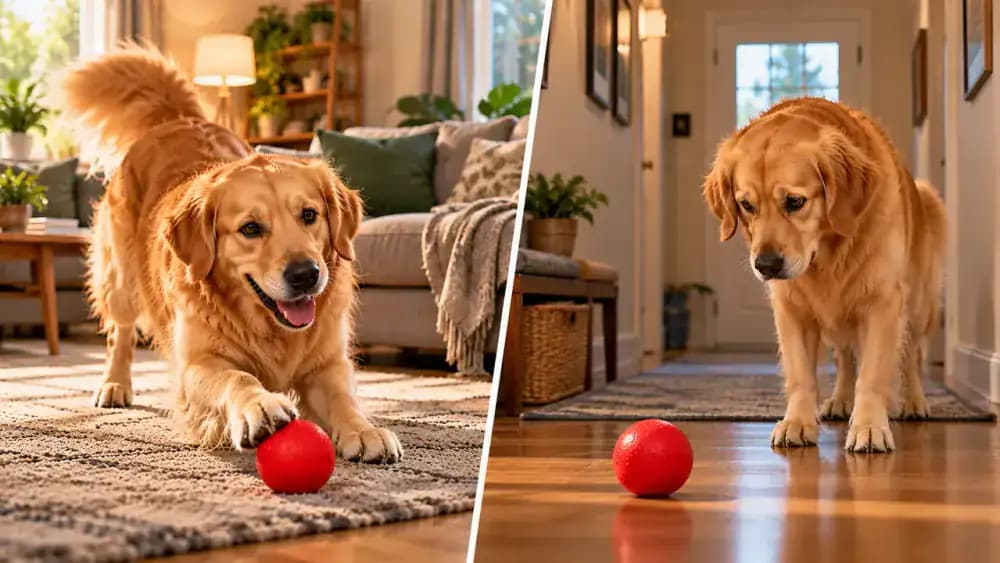
Help Your Dog Generalize Toy Names
Practice with a familiar toy in different safe locations while keeping each request simple. Place the red ball beside a bookshelf, say its name, and reward your dog for approaching or touching it. Later, try the same game near a bedroom doorway. Keep the toy easy to see at first, then gradually vary its location as your dog gains confidence.
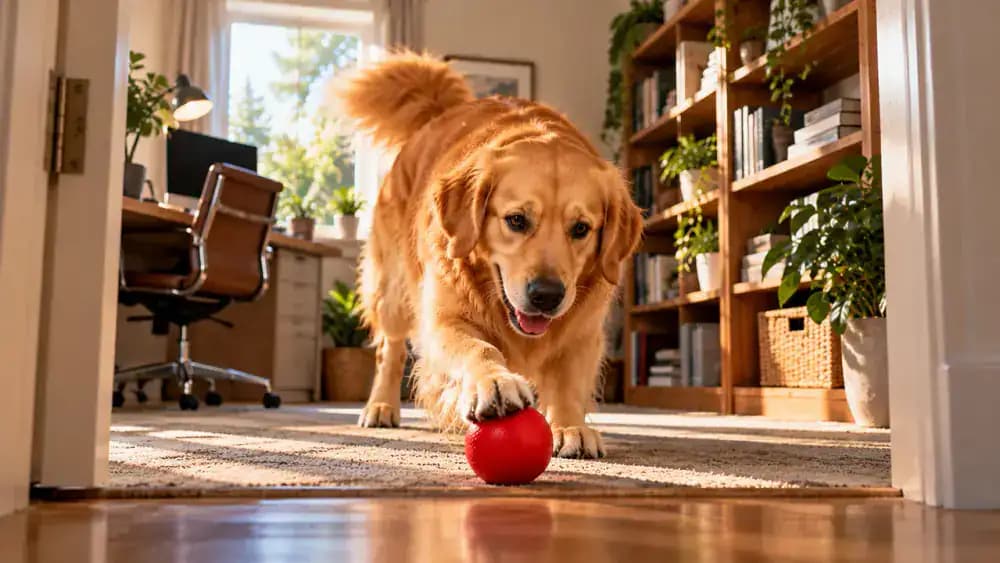
Avoid Accidental Body Language Clues
Your dog may follow your gaze or hand movements instead of recognizing the spoken toy name. To make the game fairer, keep your hands resting neutrally and look straight ahead when giving a cue. Ask a family member to arrange the toys while you look away, then request one by name and reward the correct choice without pointing.
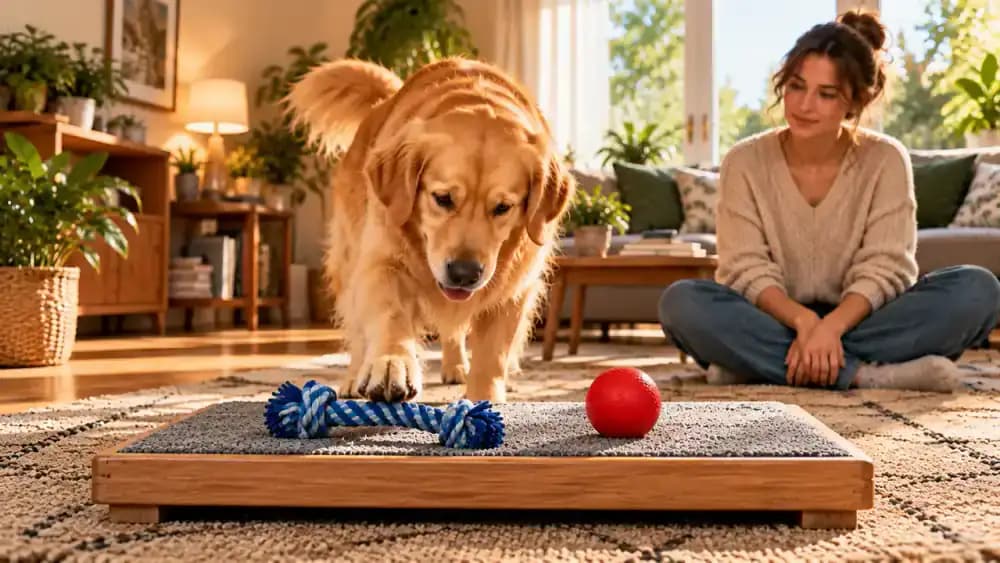
Understand Why Some Toys Are Harder
Some toys are easier to distinguish than others. A red ball and a braided rope have noticeably different shapes and textures, while two similar rubber balls may be harder to tell apart. Begin with obvious differences and let your dog investigate each object. Consider texture, size, scent, and familiarity when deciding whether to increase the challenge.
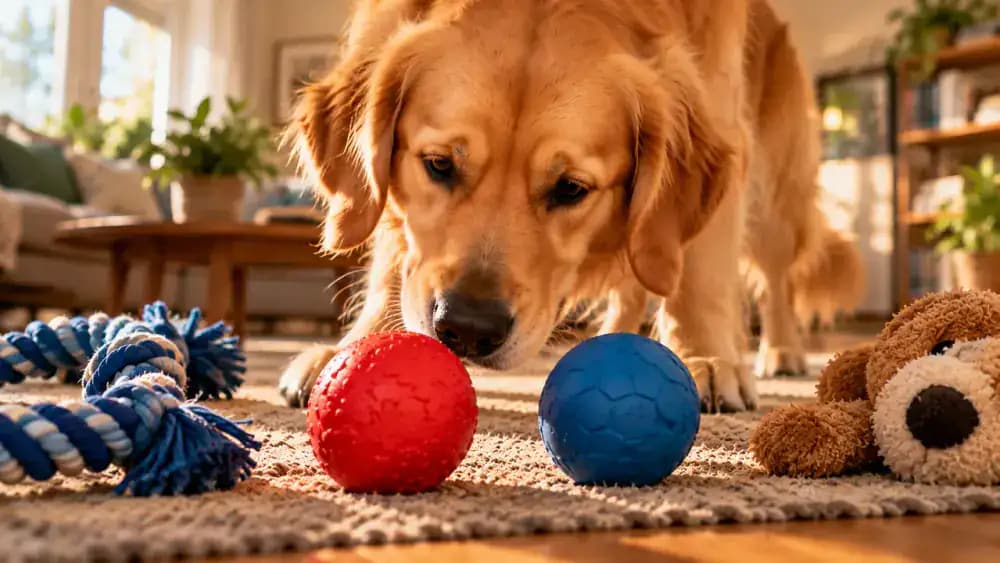
Expand to a Third Toy Name
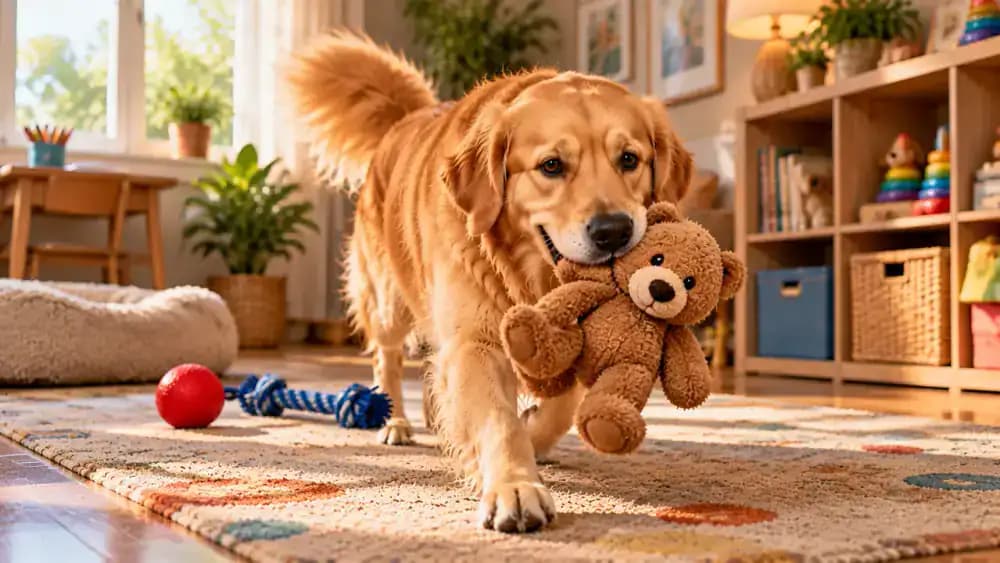
When your dog consistently recognizes two toy names, consider introducing a third, such as bear for a small plush toy. Practice with the new toy alone, saying its name once and rewarding a suitable interaction. After your dog becomes familiar with the association, offer three choices. If accuracy drops or interest fades, return to an easier two-toy game.
Track Progress Without Pressure
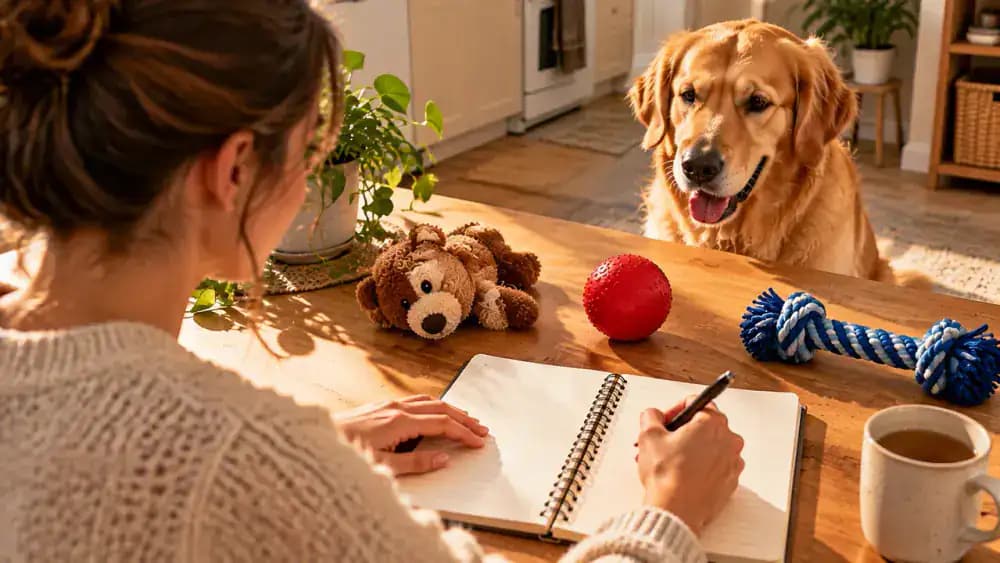
A simple notebook can help you notice progress without turning playtime into a test. Record the requested toy name, where each toy was placed, and which object your dog selected. Review several sessions rather than focusing on one successful guess. These notes can reveal patterns and help you decide whether to keep practicing or introduce a small change.
Recognize When Your Dog Needs a Break
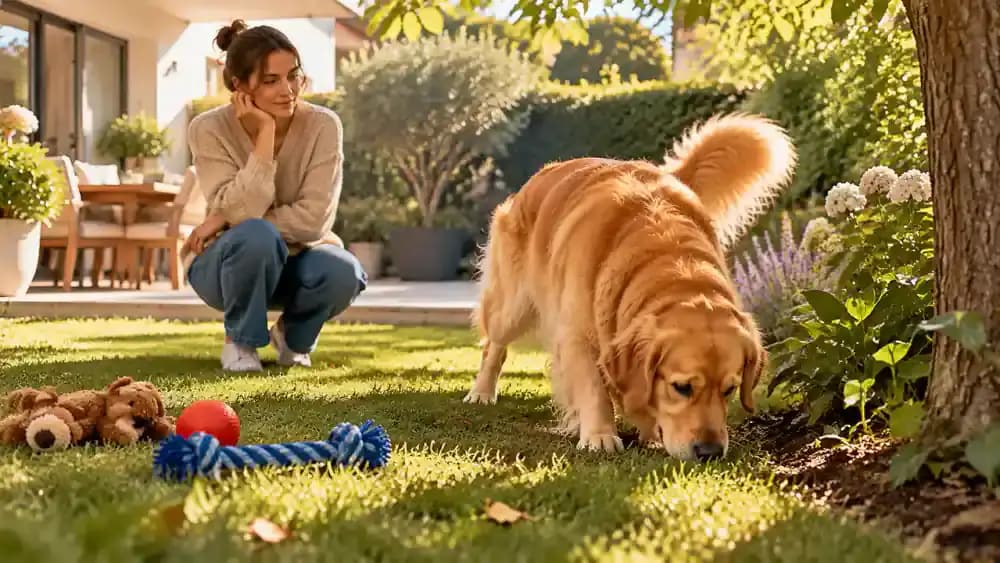
If your dog wanders away, sniffs the surroundings, or loses interest in choosing toys, pause the exercise rather than insisting on another attempt. Check that the toys are comfortable to handle and the rewards remain appealing. You can put the training materials away and enjoy ordinary play instead. A relaxed break helps keep future learning sessions positive.
Celebrate Curiosity and Keep Learning
Remember that teaching toy names is about sharing enjoyable experiences, not proving how clever your dog is. Even if your dog recognizes only one or two objects, exploration and positive interaction still make playtime worthwhile. Offer a favorite toy, say its name consistently, and let your dog's curiosity guide the activity at a comfortable pace.
Turn Toy Recognition Into Fetch
Once your dog recognizes a toy's name, try adding a familiar retrieving game. Place the red ball a short distance away, say its name, and invite your dog to bring it back. Reward the return with praise, a small treat, or another favorite reward. If combining the name and retrieval makes things confusing, practice each skill separately before trying again.
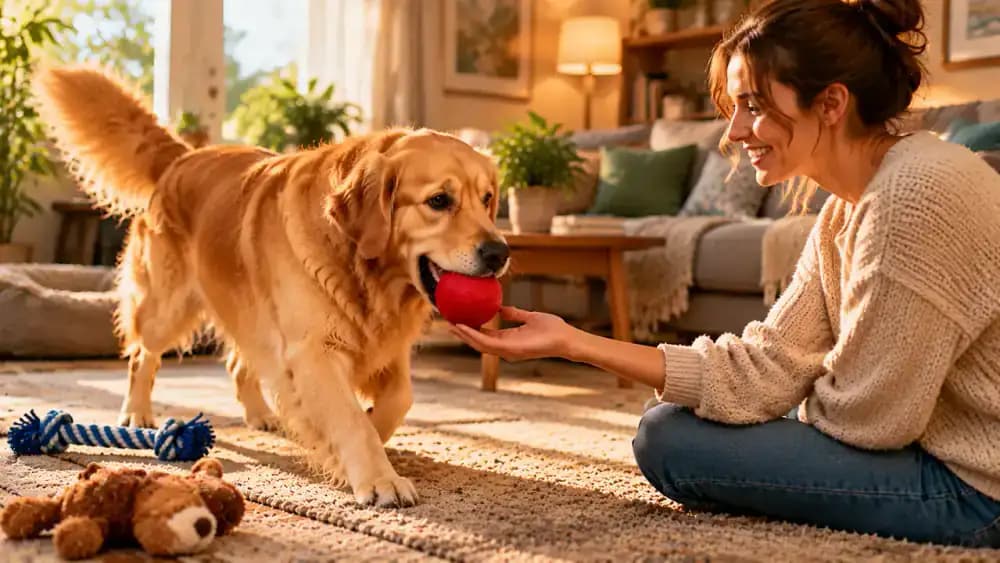
Create a Toy Cleanup Challenge
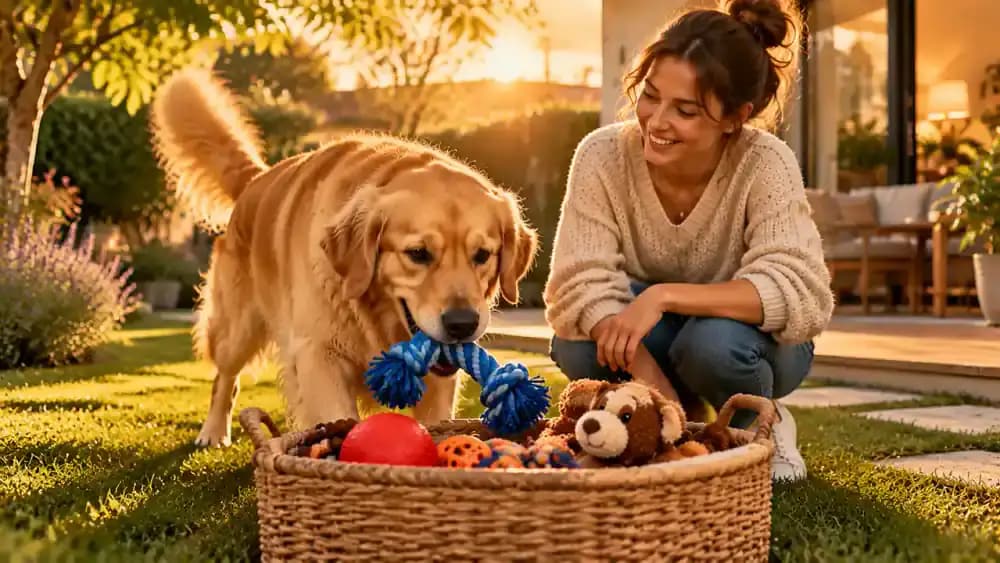
Turn tidying up into a playful activity by introducing a low, stable basket and rewarding your dog for dropping a toy inside. Practice this action separately until it feels familiar. Then name a toy your dog already recognizes and invite them to carry it to the basket. Keep the task easy, and celebrate willing participation even when you need to offer help.
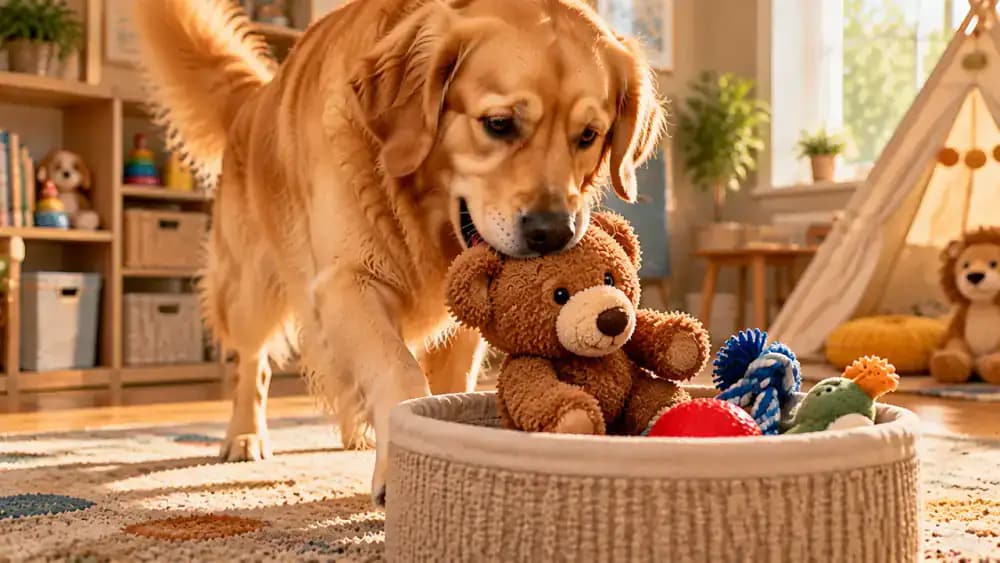
Keep Your Spoken Cues Consistent
Use a clear, ordinary speaking voice when naming each toy. Whispering, shouting, or burying the name in a long sentence can make the cue less consistent while your dog is learning. Say the chosen word once, allow time for a response, and reward the desired interaction. Once your dog responds reliably, you can gradually practice in more natural conversations and settings.
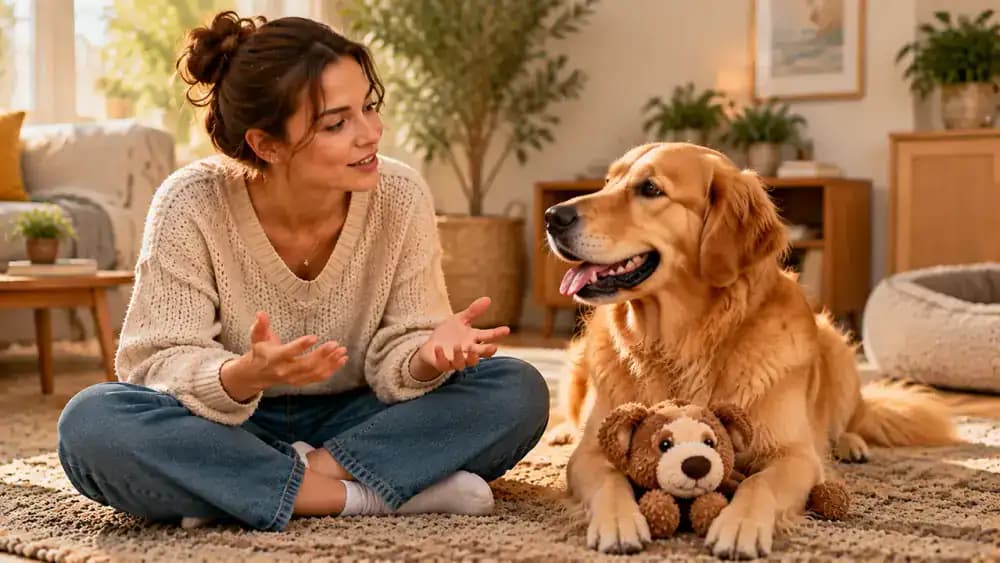
Discover What Motivates Your Dog
Notice which rewards your dog enjoys most, whether that means a tiny training treat, a short tug game, or enthusiastic praise. Offer the reward promptly after a successful choice, keeping the experience comfortable rather than overly exciting. Preferences can vary with the setting and your dog's mood, so try different options and use whichever keeps your companion happily engaged.
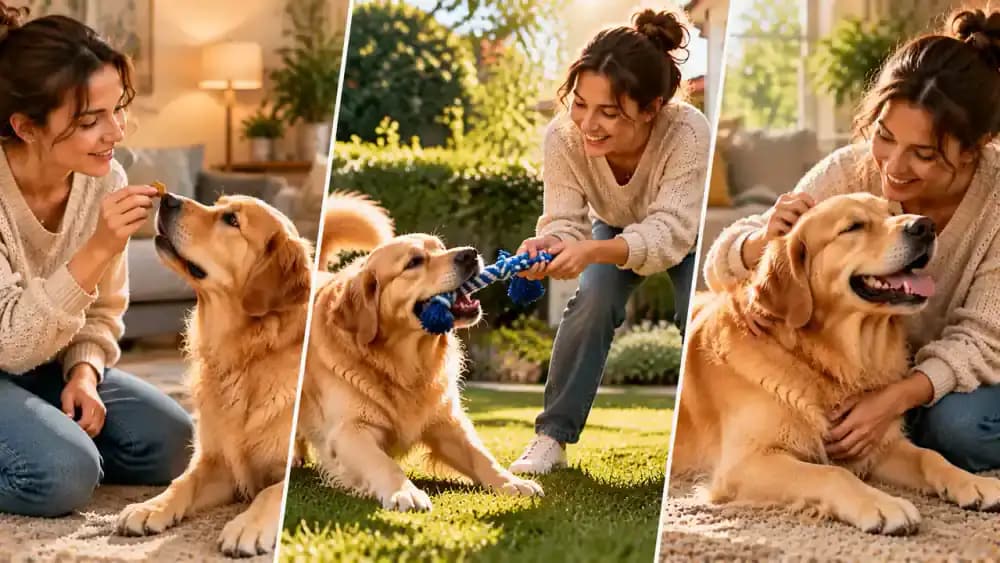
Help Everyone Use the Same Toy Names
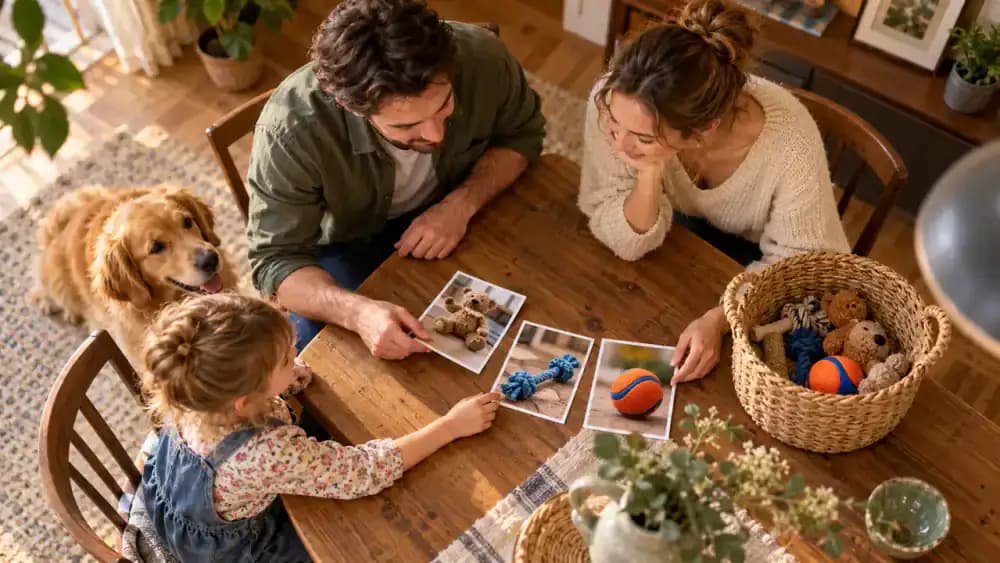
If several people play with your dog, agree on one name for each toy and use it consistently. Calling the same plush animal bear, teddy, and fluffy can make early learning less clear. Create a simple picture chart showing each toy beside its chosen name and place it near the toy basket so everyone can follow the same labels.
Make Toy Recognition Safe
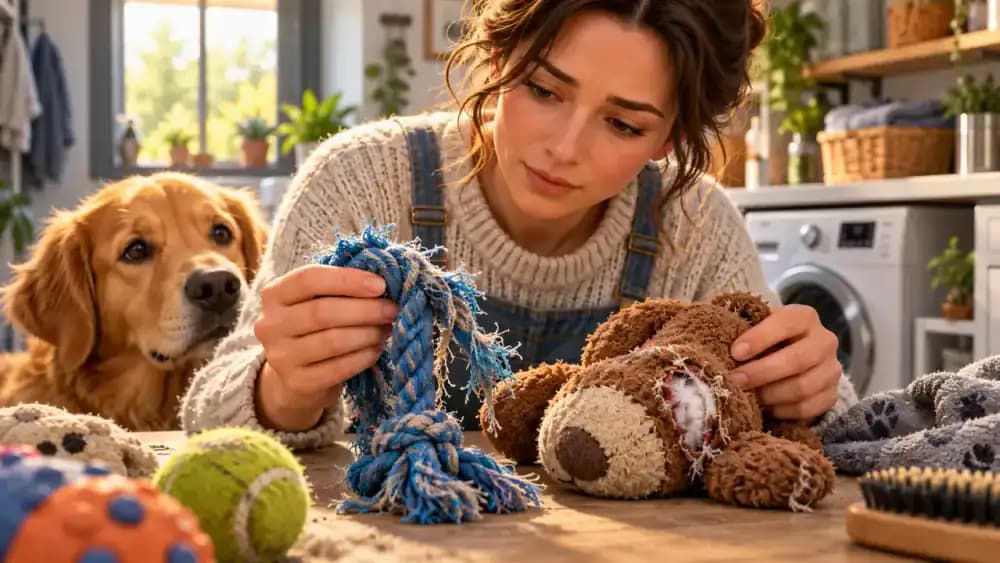
Before each session, inspect toys for cracks, loose strands, damaged seams, or small pieces that could be swallowed. Choose objects appropriate for your dog's size and chewing habits, and supervise play throughout the activity. Remove damaged toys from use. If toy choices trigger guarding, conflict, or distress, stop the exercise and seek personalized advice from a qualified professional.
Your Next Playtime Challenge
You now have several ways to make toy names part of an enjoyable routine. Choose the easiest game your dog likes, whether that means finding a ball, selecting a rope toy, or bringing back a plush bear. Avoid comparing your dog's progress with other dogs. Celebrate curious sniffing, willing participation, and happy interactions as you continue learning together.
Follow Your Dog's Natural Curiosity
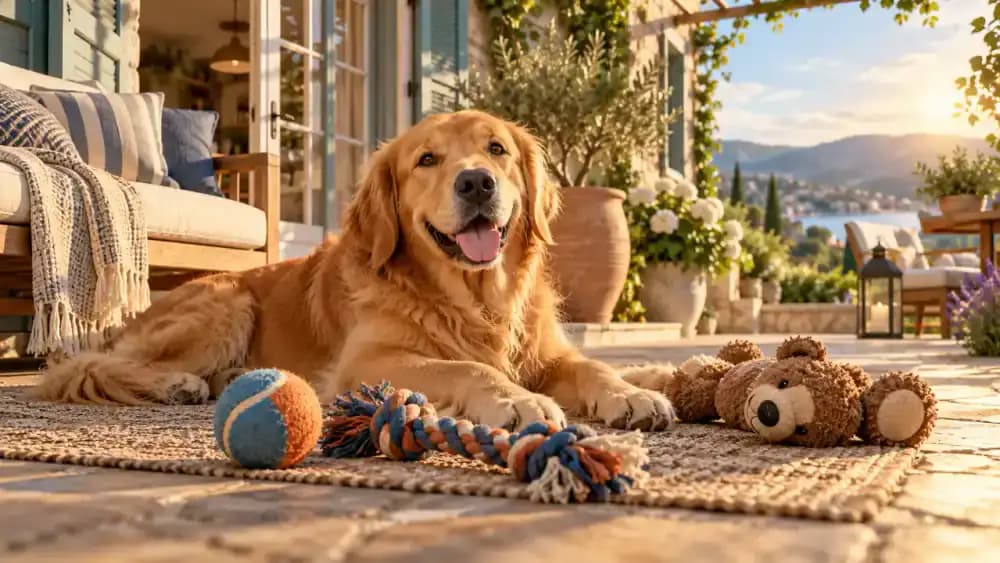
Choose a moment when your dog is already interested in playing rather than insisting on a formal training session. Notice which toy they approach naturally, say its name clearly, and reward a willing interaction. Starting with spontaneous interest can make learning feel inviting and relaxed, especially for dogs who prefer exploring at their own pace.
Separate Toy Names From Familiar Routines
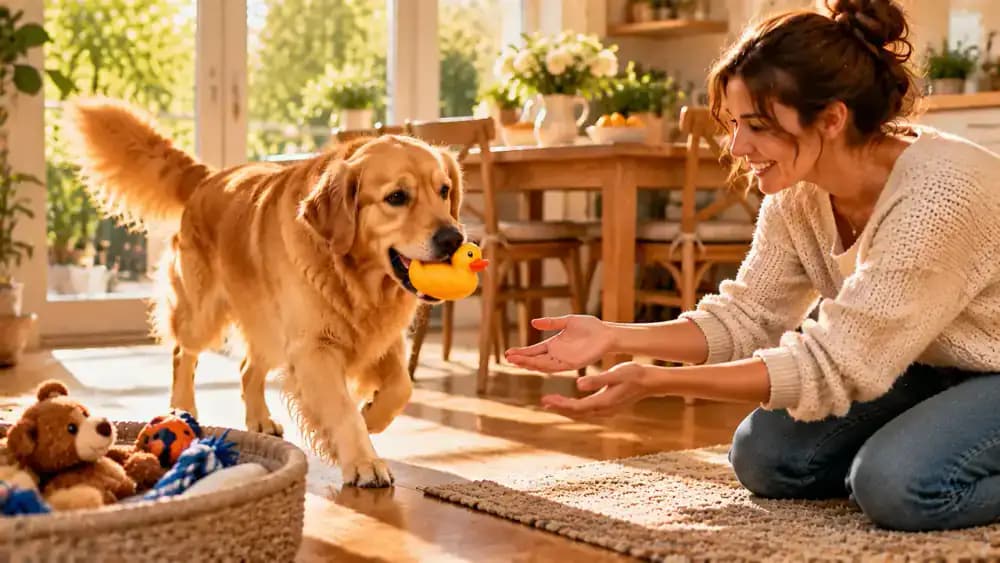
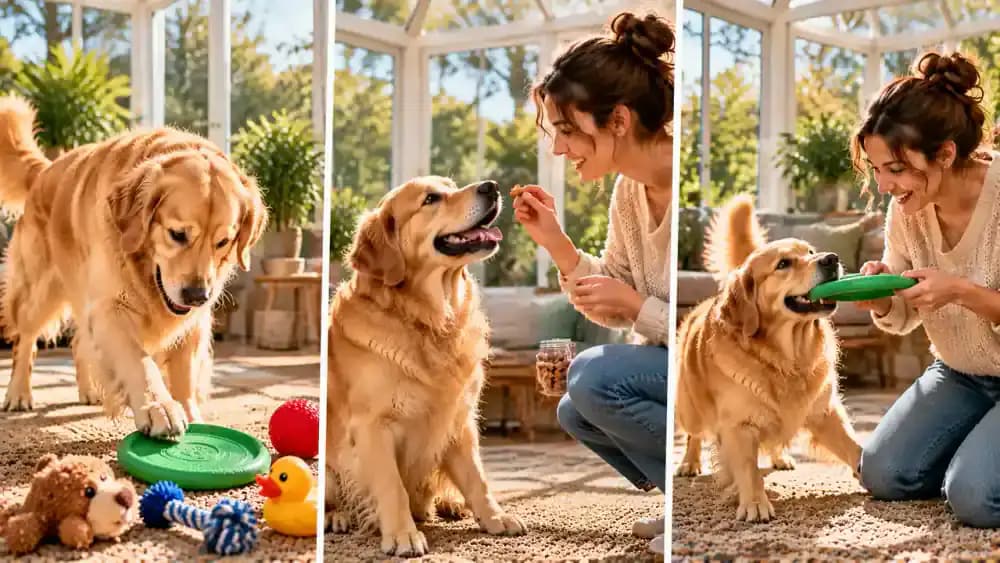
Help your dog learn that a toy's name identifies the object, not just the start of a familiar game. Ask for the green fabric frisbee on different occasions, then vary the reward between a small treat, cheerful praise, or a playful interaction. Keep the cue consistent and reward correct choices so the word remains meaningful across different activities.
Introduce an Easy Hidden Toy Search
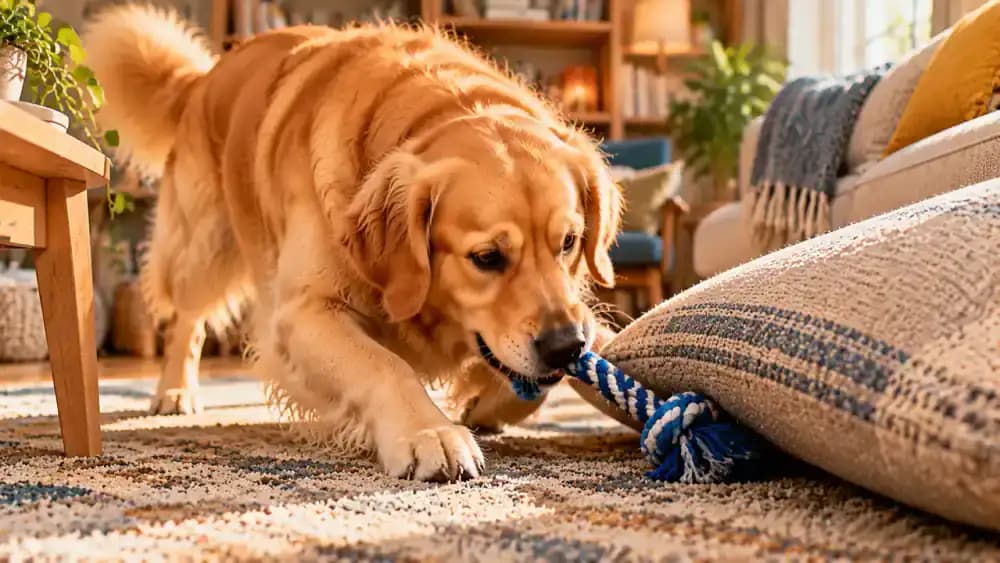
Once your dog reliably identifies toys in plain sight, add a gentle search challenge. Place a familiar toy partly behind a low cushion, leaving an edge visible, then say its name and let your dog investigate. Stay nearby and reward the discovery. Keep the hiding place easy to access, and make the toy visible again if your dog becomes frustrated.
Watch Out for Distracting Toy Sounds
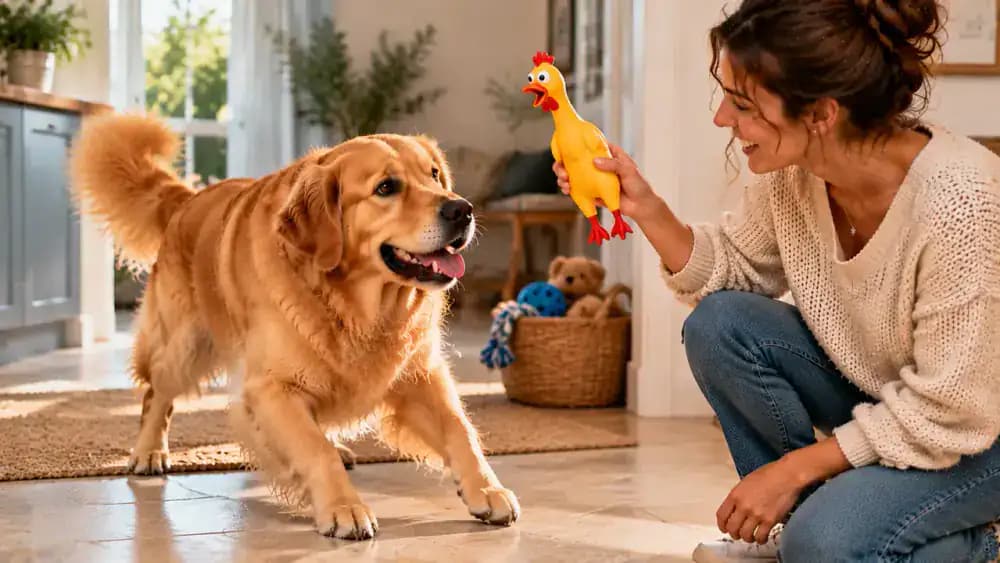
Squeaky toys can capture your dog's attention so strongly that it becomes difficult to tell whether they recognize the spoken name. Begin with quiet toys that look and feel different, allowing your dog to focus on the verbal cue. Save squeaky favorites for free play, then introduce noisier objects later if your dog can stay engaged comfortably.
Adapt the Game to Your Dog
Your dog does not need to pick up a toy to show recognition. A reliable nose touch or gentle paw tap can count as a successful choice, especially when carrying objects is less comfortable. Adapt the activity to your dog's age, mobility, and preferences, and reward the response you are teaching. The best game is one your dog can enjoy.
Expect Natural Changes in Performance
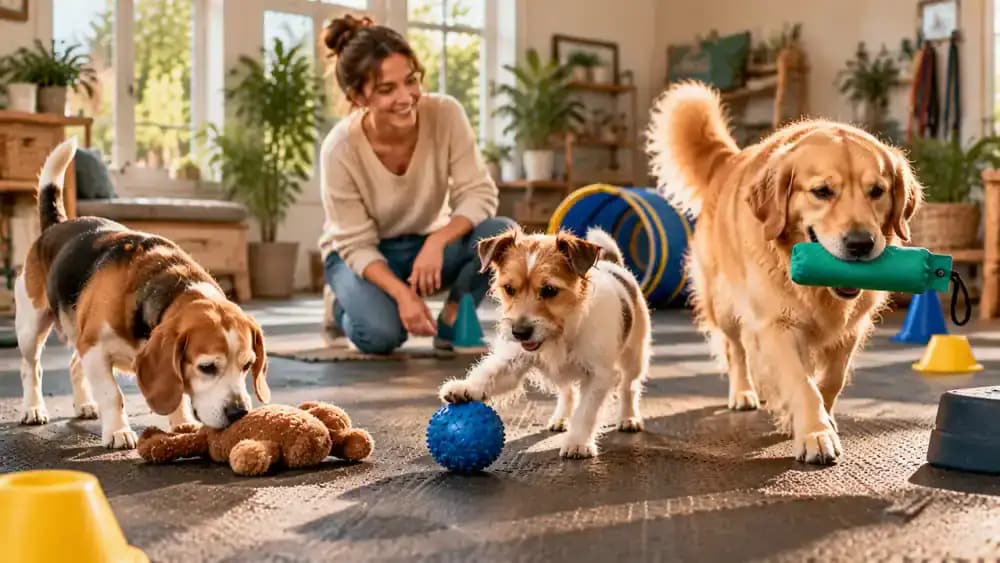
Your dog's responses may vary from one session to another, even with familiar toy names. Visitors, interesting smells, excitement, and household activity can make focusing harder. Keep the game flexible and revisit easy choices regularly instead of increasing the difficulty after every success. Look for patterns across several sessions, and celebrate progress without expecting perfect performance every day.
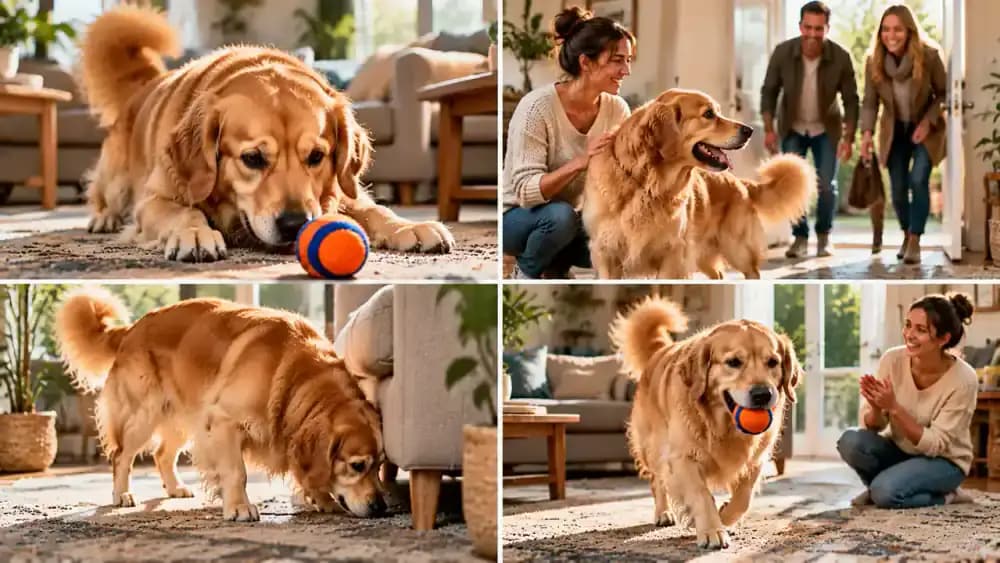
Make Your Next Playtime Meaningful
Start your next session with one familiar toy, one clear name, and a reward your dog enjoys. As recognition improves, you can gradually introduce more objects or playful search games. If your dog prefers simply exploring and playing beside you, that interaction is valuable too. Keep expectations realistic, celebrate small successes, and make shared enjoyment the priority.
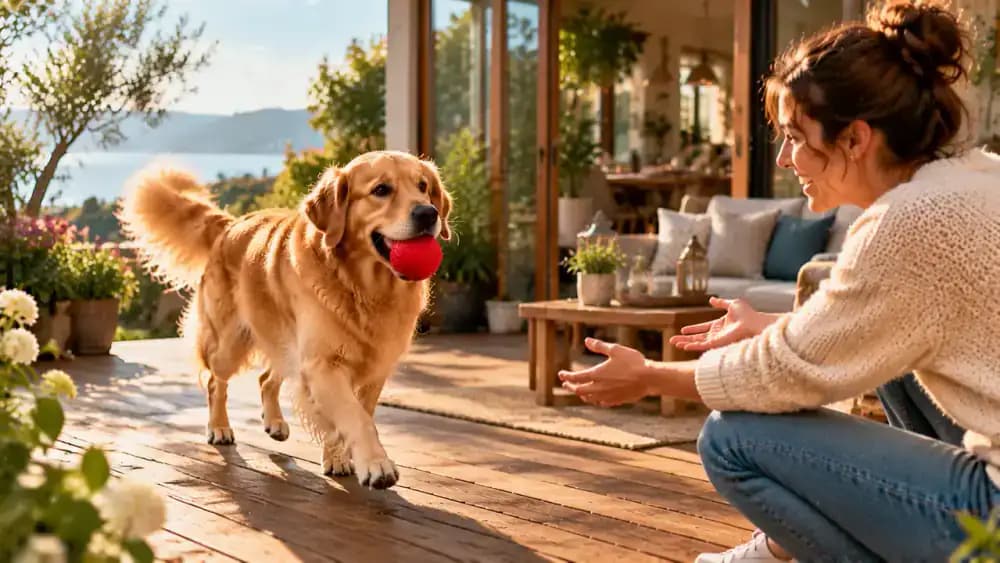
Imagine placing a ball and a rope toy on the floor, asking your dog to find the ball, and watching them choose the right one. It is a small moment, but it can turn an ordinary play session into an engaging learning game. Dogs can learn to associate familiar words with individual objects, although how quickly they do so varies from dog to dog.
Learning toy names is an optional enrichment activity, not a milestone every dog needs to reach. Some dogs catch on quickly, while others respond better to gestures, movement, or simply having their favorite toy offered. The goal is to make communication and play more enjoyable, not to test your dog's intelligence or demand perfect performance.
Start with one familiar toy, say its name clearly, and immediately reward your dog for touching or picking it up. Once that association becomes familiar, introduce a second toy with a distinctly different name. Gradually, you can place both toys in view and invite your dog to choose the one you name. Keep early sessions brief, use treats or enthusiastic praise your dog enjoys, and finish while the game is still fun.
This guide explains the supplies you need, common training mistakes to avoid, and ways to make the challenge gradually more interesting. With patience and positive reinforcement, naming toys can become a relaxed addition to your regular playtime, whether your dog learns two names or simply enjoys the attention and interaction.
Where people go wrong
Introducing Too Many Toys at Once. Offering several unfamiliar toys can make it difficult for your dog to connect a particular word with a particular object. Begin with one familiar toy and establish a positive association with its name before introducing another. Add more toys only as your dog becomes comfortable with the existing game, keeping the experience clear rather than overwhelming.
Repeating the Toy Name Over and Over. Saying the same word repeatedly can turn the cue into background noise and make it harder to identify which moment matters. Say the toy's name once, then give your dog a moment to respond. If they do not engage, make the exercise easier or demonstrate interest in the toy without repeatedly calling out the name.
Accidentally Giving Away the Answer. Pointing, looking directly at the correct toy, leaning toward it, or moving your hand in its direction can unintentionally guide your dog's choice. When practicing with two toys, keep your posture and gaze as neutral as practical. Reward the selection of the named toy so you can gradually build a reliable association with the verbal cue.
Making Sessions Too Long. Repeated trials can become frustrating when your dog loses interest, gets tired, or becomes distracted. Practice for a few minutes at a time and take breaks whenever engagement fades. Ending on an easy success can help preserve the game's positive association. There is no need to complete a fixed number of repetitions if your dog is ready to stop.
Punishing Incorrect Choices. Scolding, withholding attention dramatically, or making a dog repeat a difficult task can create unnecessary pressure around play. An incorrect selection simply means the exercise may need to be easier or the word-object association needs more practice. Calmly reset the toys, reduce the challenge, and reward an achievable response instead of treating mistakes as disobedience.
Changing Names or Cues Too Often. Using several labels for the same toy can make early learning less clear. For example, switching between ball, fetch toy, and red ball may introduce unnecessary uncertainty when your dog is just starting. Choose one simple name for each object and use it consistently. You can introduce additional labels later if doing so serves a useful purpose.
Increasing Difficulty Before Your Dog Is Ready. Adding more toys, increasing distance, or practicing in a busy environment too soon can make a previously successful game confusing. First look for consistent, relaxed choices between two toys in an easy setting. If accuracy drops, return to the simpler arrangement and rebuild confidence before changing one difficulty at a time.
Questions people ask
Yes, dogs can learn associations between spoken words and particular objects, although their learning speed and level of recognition vary. Some dogs may distinguish a few familiar toy names, while others may prefer games based on movement or simple cues. The goal is to build a useful, enjoyable association, not to expect every dog to develop an extensive toy vocabulary.
Fixed it?
Get one guide like this every Thursday.