The Real Cost of Buy Now, Pay Later: Fees, Credit Risks, and Smarter Choices
Buy Now, Pay Later makes purchases feel affordable, but missed payments can lead to late fees, debt collection, and credit risks. Learn how pay-in-four plans work, what they can really cost, and how to avoid common borrowing mistakes.
What you’ll need
Tap to tick things off before you start.
What Is Buy Now, Pay Later?
Buy Now, Pay Later (BNPL) is a form of installment borrowing that lets shoppers receive products immediately while paying the purchase price over time. Instead of paying everything at checkout, consumers agree to a series of scheduled payments through a financing provider. BNPL options often appear directly beside credit cards and other payment methods in online stores. Their convenience makes borrowing feel like an ordinary checkout choice, even though the customer is accepting a financial obligation.
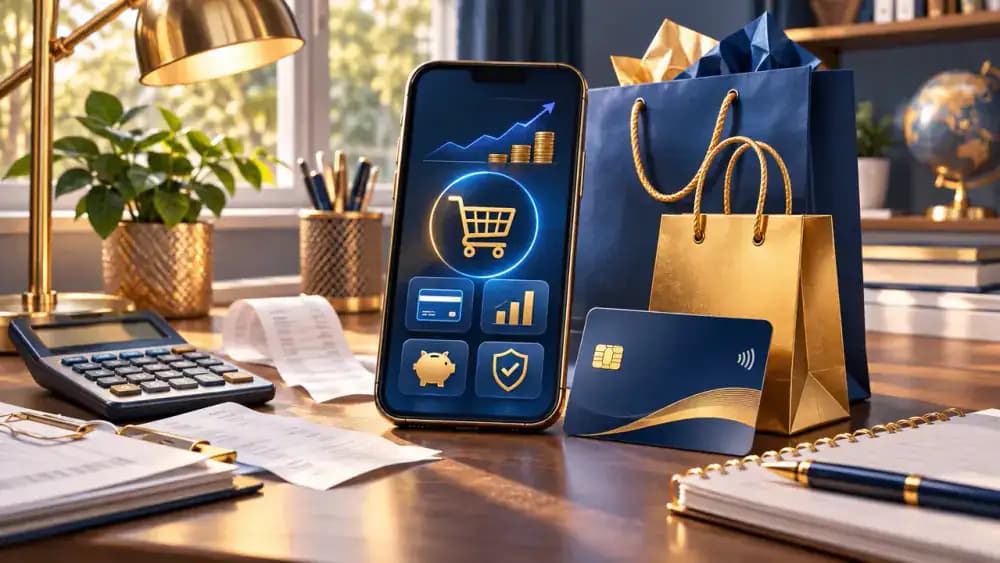
How Pay-in-Four Payments Work
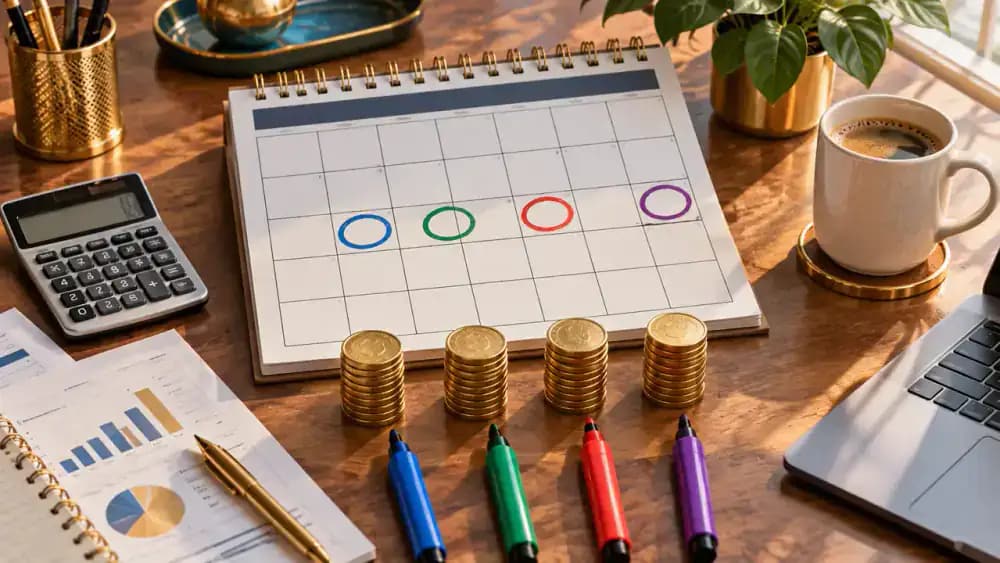
A typical pay-in-four plan divides a purchase into four equal installments. For a $200 item, each payment would be $50. The first $50 is commonly due at checkout, representing 25% of the purchase price. The remaining payments usually follow every two weeks, completing repayment approximately six weeks after purchase. Some providers delay the initial installment or use different schedules. The Consumer Financial Protection Bureau recommends understanding the payment terms before accepting this type of financing.
Why Interest-Free Does Not Always Mean Free
Many short-term BNPL agreements advertise zero interest, meaning borrowers can repay the original purchase amount without additional financing charges if they follow the terms. However, not every installment product is interest-free. Longer financing plans may charge interest, and some agreements include other potential costs. The absence of interest also does not eliminate the contractual obligation to repay. Before accepting an offer, examine its annual percentage rate, applicable charges, and total payment amount.

How BNPL Late Fees Add Up
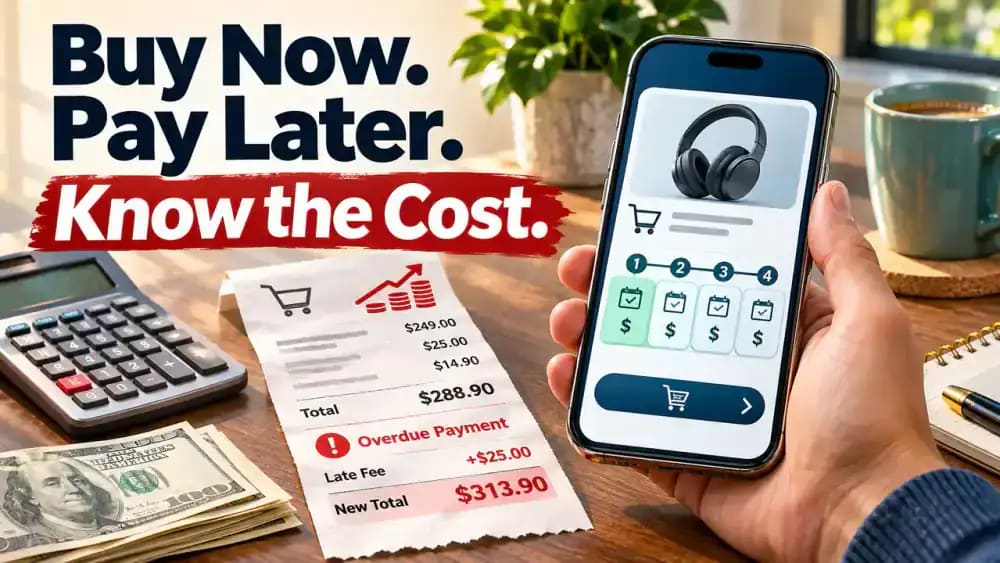
Missing an installment can make an otherwise inexpensive financing arrangement cost more. The Consumer Financial Protection Bureau's 2022 market report discussed late fees averaging approximately $7 in its studied BNPL market. Consider a hypothetical $135 purchase with two separate $7 penalties. Its total cost would increase to $149, approximately 10% above the original price. Actual charges vary by provider, and some lenders do not impose late fees. Always check current fee limits and conditions.
What the CFPB Data Reveals About Borrower Risks
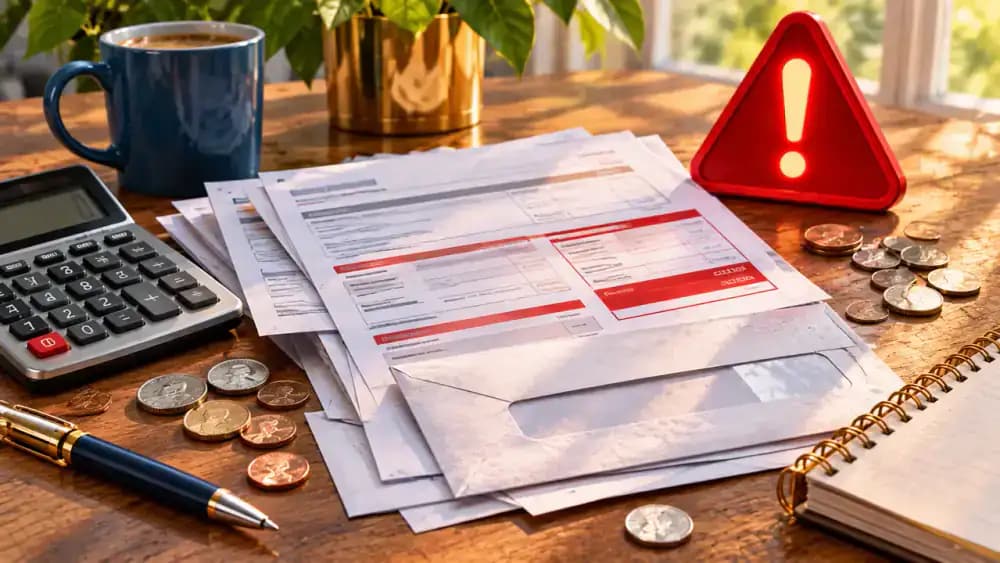
The Consumer Financial Protection Bureau's 2022 market report documented growing repayment problems among borrowers in its studied market. The share charged at least one late fee increased from 7.9% in 2020 to 10.5% in 2021. Consumer fees accounted for 13.4% of lender revenue in 2021, compared with 11.7% previously. The reported borrower charge-off rate also increased from 2.9% to 3.8%. These historical figures illustrate financial risks, not current market-wide rates.
Does Buy Now, Pay Later Affect Your Credit Score?
BNPL credit consequences depend on the lender, financing product, and scoring model. Many short-term plans use soft credit inquiries, which do not affect credit scores. Other products may involve hard inquiries that can affect scores. Payment reporting also varies. Historically, many pay-in-four lenders did not report positive repayment activity, limiting credit-building opportunities. As reporting practices evolve, some accounts may appear in credit files. Confirm the provider's current policies rather than assuming payments are invisible.
What Happens When BNPL Debt Goes to Collections?
When a borrower falls seriously behind, a BNPL lender may classify the account as delinquent and eventually charge off the unpaid balance. A charge-off is an accounting decision, not forgiveness of the debt. The lender may continue collection efforts or transfer the account to a collection agency. Depending on reporting practices, collection activity can negatively affect credit scores. Borrowers receiving collection notices should verify the debt and understand their rights under applicable consumer protection laws.
The Danger of Multiple BNPL Loans
Separate BNPL purchases can create repayment obligations that overlap unexpectedly. Imagine three active plans requiring $30, $45, and $60 on the same payday. Together, those withdrawals total $135, potentially leaving less money for essential expenses. Different providers may collect payments automatically without coordinating schedules. If the combined withdrawals exceed available funds, borrowers could encounter failed payments, lender penalties, or bank overdraft fees. Tracking total obligations reveals risks that individual installment amounts may conceal.
BNPL Consumer Protections and Changing Regulations
The Consumer Financial Protection Bureau monitors BNPL products because their lending structures raise questions about disclosures, disputes, refunds, and consumer protections. Federal and state requirements can differ depending on the product and applicable law. Regulatory interpretations and enforcement priorities may also change over time. Consumers should not assume every BNPL agreement provides identical protections to a traditional credit card. Reviewing current lender disclosures and official CFPB guidance helps clarify available rights, responsibilities, and complaint procedures.
How to Use Buy Now, Pay Later Responsibly
A responsible BNPL decision starts with evaluating the entire purchase, not just the first installment. Calculate the total amount owed and compare every scheduled payment against expected income and essential expenses. Review the lender's fee policy, confirm withdrawal dates, and account for other outstanding debts. Consider whether the purchase would remain affordable if income arrived late or an unexpected bill appeared. If repayment depends on borrowing again, postponing the purchase may be the safer choice.

Why BNPL Makes Spending Feel Easier
Buy Now, Pay Later removes much of the friction traditionally associated with borrowing. Financing appears directly at checkout, often requiring only a few clicks and displaying a small initial payment instead of the full price. This presentation can make expensive purchases seem more affordable than they actually are. Shoppers may focus on immediate convenience rather than whether they genuinely need the item. Recognizing this psychological effect helps consumers distinguish purchasing power from actual financial affordability.

The True Cost of a $200 BNPL Purchase
Consider a hypothetical $200 purchase financed through four equal installments of $50. If the agreement charges no interest and every payment arrives on time, the total remains $200. Now assume the lender charges $7 for each missed installment. Two separate late fees would increase the total to $214, making the purchase 7% more expensive. This example illustrates how small penalties affect overall costs. Actual fees, limits, and repayment conditions depend on the provider.

How BNPL Payments Affect Your Next Paycheck
Biweekly BNPL withdrawals can reduce the money available from upcoming paychecks before essential expenses are covered. Imagine receiving $1,500 after taxes while owing $900 for rent, $250 for groceries, and $150 for utilities. Those expenses leave $200 before transportation, savings, or other obligations. A scheduled $100 installment would consume half that remaining amount. Because repayment dates may not align with payday, even manageable purchases can create temporary cash shortages between deposits.
BNPL vs. Credit Cards: Which Costs Less?
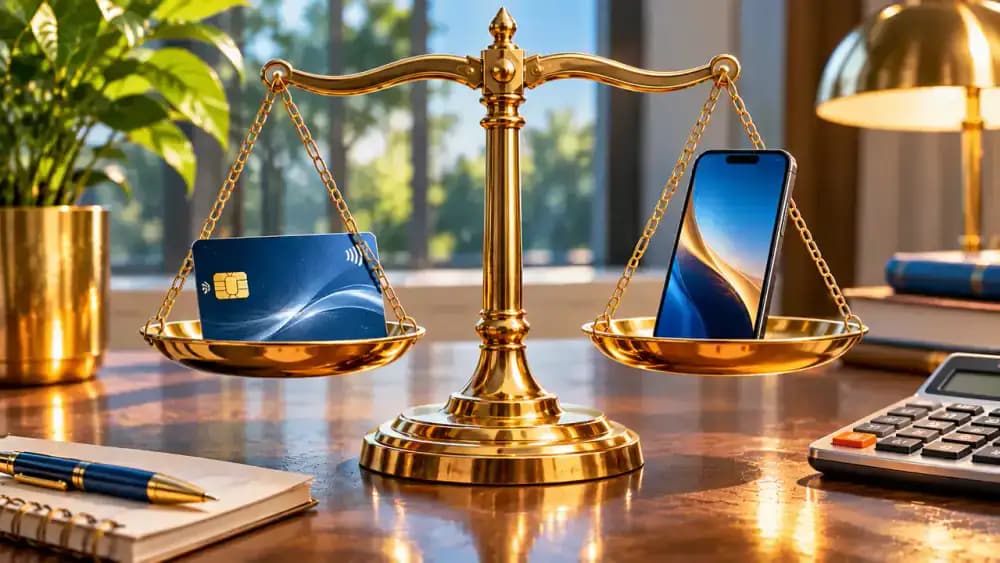
Neither BNPL nor credit cards are automatically the cheaper financing option. An interest-free BNPL plan can cost nothing beyond the purchase price when repaid according to its terms. Credit cards may also avoid purchase interest when eligible statement balances are paid in full by the due date. However, carrying balances can generate interest, while BNPL agreements may impose other charges. Repayment flexibility, credit reporting, dispute protections, and applicable consumer rights also differ between products.
When Buy Now, Pay Later Makes Financial Sense
BNPL may be manageable when a purchase is necessary, the total price already fits within an established budget, and future income is reasonably predictable. For example, someone replacing an essential household appliance might prefer smaller scheduled payments while preserving cash for regular expenses. The arrangement becomes less risky when the repayment money is already available or reliably expected. However, installment financing does not create savings, and convenience alone is not evidence that borrowing is beneficial.

Warning Signs That BNPL Is Becoming a Debt Problem
Several behaviors can indicate that installment borrowing is creating financial stress. Warning signs include opening new plans to preserve cash for existing payments, repeatedly shifting bill priorities, or using financing for routine necessities because available funds are insufficient. Depleted emergency savings and frequent anxiety about upcoming withdrawals are additional concerns. Another indicator is losing track of total outstanding balances. These patterns suggest that borrowing may be masking a persistent gap between income and spending.
What to Do If You Cannot Make Your Next Payment
If an upcoming BNPL payment appears unaffordable, contacting the lender before its due date may reveal available options. Some providers offer hardship assistance, revised schedules, or temporary payment arrangements, although approval is not guaranteed. Explain the situation clearly and request written confirmation of any agreement. Essential living expenses should remain visible when evaluating repayment choices. Keep records of communications, and consider nonprofit credit counseling if missed payments are becoming a recurring problem.

How to Organize and Pay Off Existing BNPL Debt
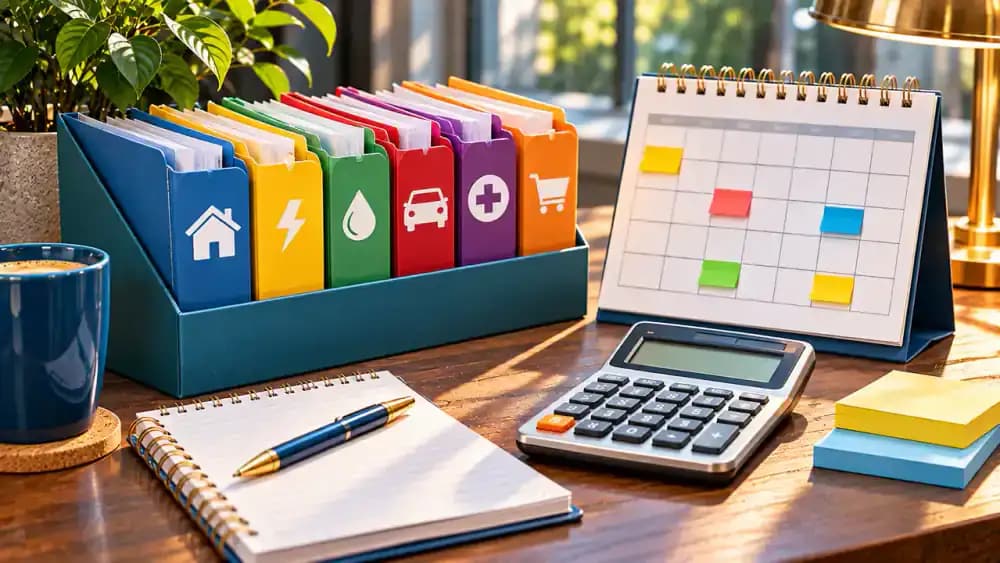
Managing existing BNPL debt begins with creating a complete inventory of outstanding loans. Record each provider, remaining balance, installment amount, payment date, and applicable charges. Arrange the obligations chronologically to identify immediate deadlines and potential cash shortages. Avoid adding unnecessary new purchases while reducing existing balances. Update the inventory after every successful payment and retain confirmation records. This organized approach makes repayment progress measurable and reduces the likelihood of overlooking separate financing agreements.
Alternatives to Buy Now, Pay Later
Borrowing is not the only way to manage a purchase that exceeds available spending money. For nonessential items, delaying the purchase allows time to save or reconsider whether it is worthwhile. Setting aside a fixed amount from several paychecks can eliminate financing obligations entirely. For necessary expenses, comparing prices, buying refurbished products, or exploring legitimate assistance programs may reduce costs. When financing remains necessary, comparing total repayment amounts helps identify potentially less expensive alternatives.

The Bottom Line: Make the Full Price Your Decision
The most important number in any BNPL transaction is the complete purchase obligation, not the smaller amount displayed at checkout. A $400 item remains a $400 financial commitment even when the first payment is only $100. Evaluating the full cost encourages decisions based on actual resources rather than temporary payment convenience. Before committing, consider whether the purchase supports a genuine priority and whether paying the entire amount today would change your willingness to buy.

Why Easy BNPL Approval Can Be Misleading
BNPL applications often provide approval decisions within seconds, creating the impression that borrowing is relatively low risk. However, quick approval does not mean a lender has thoroughly evaluated your financial circumstances. Some providers rely on limited information, automated assessments, or soft credit inquiries. These methods may not capture every outstanding obligation or upcoming expense. The Consumer Financial Protection Bureau has identified limited visibility into borrowers' existing commitments as a concern in the BNPL market.

How BNPL Spending Can Hide Your Total Debt
Unlike a single credit card statement, BNPL obligations may be scattered across several provider apps, emails, and merchant accounts. Each platform displays its own balance, making the overall amount borrowed less obvious. A shopper could owe $120 through one service, $180 through another, and $250 through a third without seeing the combined $550 liability anywhere. This fragmented view can distort perceptions of financial health and make it harder to recognize how much future income is already committed.
The Difference Between Payment Approval and Affordability
A lender's approval decision establishes eligibility under its lending criteria, not whether repayment comfortably fits a household budget. Automated systems may consider transaction history, account information, or credit indicators without understanding every upcoming expense. True affordability depends on income stability, essential spending, existing commitments, and available financial reserves. Someone may qualify for a $300 purchase while having little disposable income after regular bills. Approval therefore answers a different question from whether borrowing is financially sustainable.

How BNPL Can Affect Your Emergency Savings
Emergency savings provide flexibility when unexpected expenses disrupt a normal household budget. BNPL commitments can reduce that flexibility by reserving portions of future income for purchases already made. Imagine having $500 saved when a necessary car repair costs $400, while several installments remain outstanding. The repair could consume most available reserves, leaving little protection against another emergency. Maintaining a financial cushion becomes more difficult when recurring repayment obligations consistently compete with contributions to savings.

Understanding BNPL Refunds and Returns
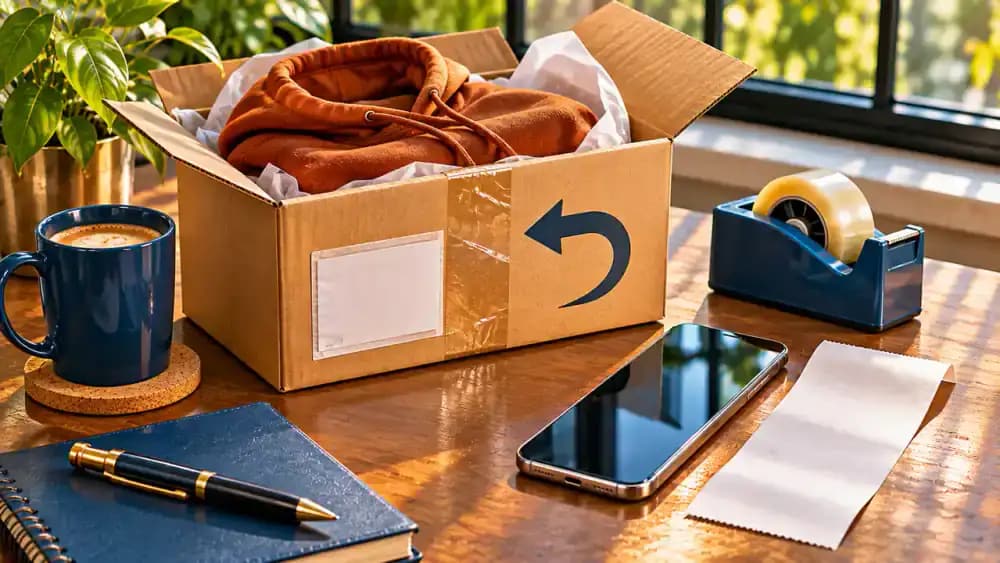
Returning an item purchased through BNPL does not always immediately cancel the associated payment schedule. The merchant may need to process the return before the financing provider adjusts the outstanding balance. Refund timing and installment treatment vary by agreement, and scheduled payments may remain due during processing. Consumers should monitor both the merchant's return confirmation and the lender's account updates. The Consumer Financial Protection Bureau identifies refund and dispute handling as important BNPL consumer protection considerations.
What to Check Before Authorizing Automatic Withdrawals
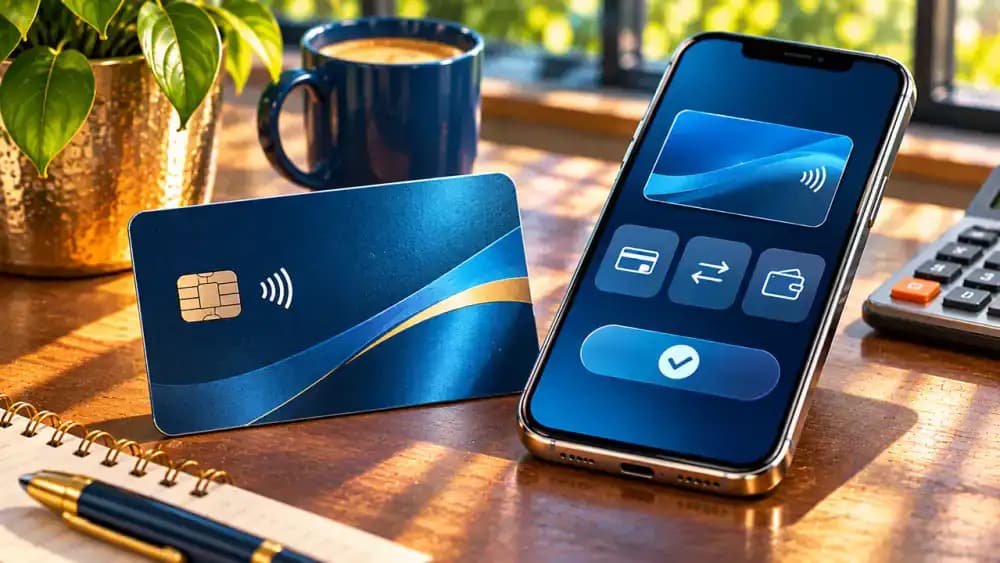
Many BNPL providers collect installments automatically from a linked debit card, bank account, or other payment method. Before authorizing withdrawals, examine which account will be charged, the expected processing dates, and how payment information can be updated. Review procedures for stopping authorization and whether alternative repayment methods are available. Canceling automatic payment authorization generally does not eliminate the underlying debt. Understanding these distinctions helps borrowers avoid unexpected withdrawals and maintain visibility into scheduled transactions.
How to Verify a BNPL Provider Before Borrowing
A legitimate financing offer should clearly identify the lender and provide accessible information about repayment terms, fees, and customer support. Review the provider's official website, privacy disclosures, and methods for resolving account problems. Be cautious of unsolicited approval messages, requests for unusual upfront payments, or links that imitate established financial companies. Fraudulent websites can collect personal and banking information. Verifying the provider independently before entering sensitive details reduces exposure to misleading offers and potential identity theft.
What to Do When a BNPL Charge Is Incorrect
An incorrect installment amount, duplicate withdrawal, or charge for an unrecognized purchase should be investigated promptly. Compare the transaction with the original purchase confirmation and repayment agreement. Save screenshots, account statements, receipts, and relevant communications before contacting the lender through official support channels. Ask how the provider handles disputes and whether payments continue during review. Depending on the payment method and applicable law, additional dispute rights may exist through the bank or card issuer.

How to Reduce Impulse Purchases at Checkout
A waiting period can interrupt the excitement that encourages unnecessary purchases. For nonessential items, consider leaving the product in the cart for 24 hours before deciding. During that time, compare prices, evaluate the item's usefulness, and determine whether it fits existing spending priorities. Removing saved payment details or disabling promotional notifications can create additional opportunities to reconsider. These simple barriers make purchasing more deliberate and reduce the influence of limited-time offers and convenient installment financing.

Building Better Financial Habits Beyond BNPL
Long-term financial stability depends on consistent habits rather than access to convenient borrowing products. Reviewing spending regularly can reveal recurring expenses and opportunities to save. Setting achievable savings targets creates progress without requiring dramatic budget changes. Establishing personal borrowing boundaries also makes financial decisions more predictable. A monthly review of income, expenses, debt balances, and savings can highlight problems before they become serious. Over time, these practices support greater financial flexibility and reduce dependence on short-term installment financing.

Buy Now, Pay Later (BNPL) can make a $200 purchase feel like a $50 decision. Instead of paying the full price at checkout, you divide the cost into smaller installments, often without interest. But the smaller payment displayed on your screen does not change the total amount you owe.
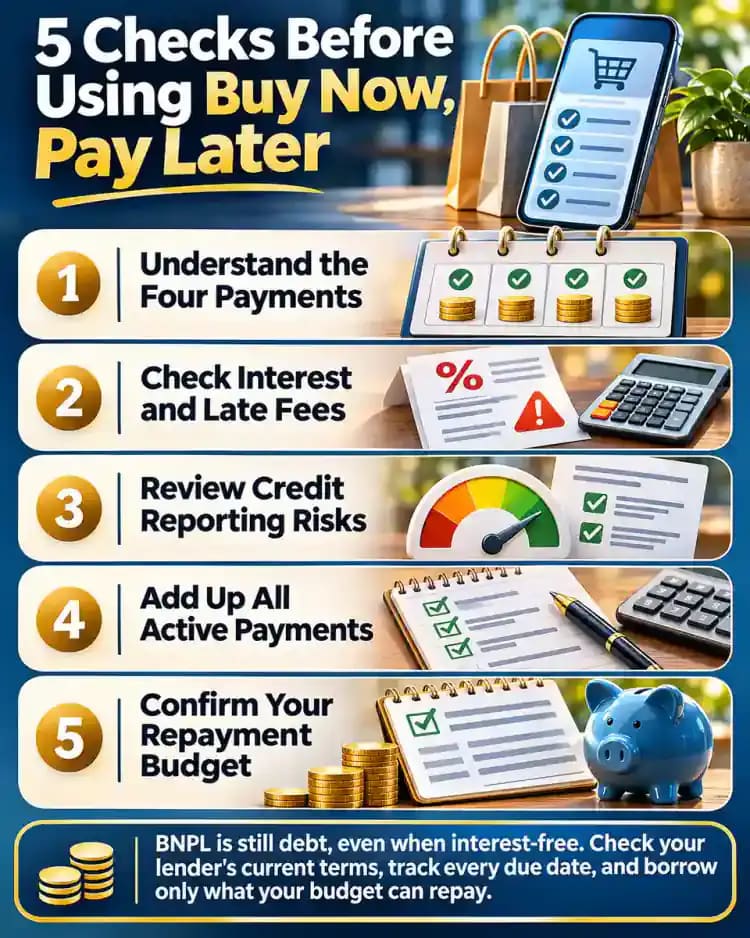
Most pay-in-four plans split a purchase into four payments, typically scheduled two weeks apart. The first payment is often due immediately, with the remaining balance paid over approximately six weeks. Other BNPL products have different schedules, interest charges, and repayment conditions.
The real cost of Buy Now, Pay Later becomes apparent when payments are missed or several loans overlap. According to the Consumer Financial Protection Bureau's 2022 market report, 10.5% of borrowers in its studied market were charged at least one late fee in 2021. These historical figures illustrate a genuine risk, although current fees and borrower experiences may differ.
Credit consequences also deserve attention. Some BNPL providers use soft credit checks, while others may conduct hard inquiries or report payment activity. Depending on the lender and credit scoring model, borrowing or missed payments could affect your credit profile. Unpaid accounts may also be transferred to collections.
Before accepting a payment plan, check the complete repayment schedule, late fee policy, and available balance in your bank account. Add up payments from every active installment loan rather than evaluating each purchase separately.
This guide explains how BNPL works, where unexpected expenses arise, and how to decide whether installment payments fit your budget. It provides general financial education, not personalized financial advice.
Where people go wrong
Treating Interest-Free Payments as Free Money. An interest-free installment plan is still a loan. You owe the entire purchase price regardless of how small the first payment appears. Before accepting the offer, confirm that you can afford the full amount without sacrificing essential expenses.
Ignoring the Late Fee Policy. Some BNPL providers charge penalties when payments arrive late, while others have different fee structures. Assuming every plan follows the same rules can become expensive. Read the agreement carefully and identify exactly when fees apply and whether they are capped.
Opening Multiple Plans Without Tracking Them. Three separate purchases can create overlapping biweekly withdrawals that are difficult to monitor. A payment that looks manageable alone may become unaffordable alongside other obligations. Track every active loan in one calendar and calculate your combined payments.
Assuming BNPL Cannot Affect Your Credit. Credit reporting practices differ among lenders and products. Some plans involve hard inquiries or reported payment histories, and certain unpaid debts may reach collections. Never assume that approval is invisible to credit reporting agencies or that missed payments carry no consequences.
Relying on Automatic Payments Without Checking Your Balance. Automatic withdrawals reduce the risk of forgetting a due date, but they do not guarantee sufficient funds. A payment taken before payday can trigger overdraft charges or other problems. Review your account balance before every scheduled installment.
Using Installments to Cover Routine Budget Shortfalls. Repeatedly financing groceries, household supplies, or other recurring expenses can shift today's financial pressure into future pay periods. If essential purchases regularly require borrowing, reassess your budget rather than treating installment financing as additional income.
Failing to Contact the Lender Before Missing a Payment. Ignoring an upcoming payment problem can limit your available options. Some providers may offer payment assistance, schedule adjustments, or other arrangements. Contact the lender before the due date, explain your situation, and request written confirmation of any changes.
Questions people ask
Buy Now, Pay Later is a type of installment financing that lets you purchase an item immediately and repay the amount over time. A common pay-in-four plan divides the price into four payments, usually two weeks apart. The first installment is often collected at checkout, although terms vary.
Fixed it?
Get one guide like this every Thursday.