The Real Cost of Home Upkeep: Renting vs. Buying
Learn the hidden financial responsibilities of owning a home, compare maintenance costs with renting, and understand how to prepare for unpredictable property expenses.

What you’ll need
Tap to tick things off before you start.
The Hidden Cost of Homeownership
This section introduces the overlooked financial responsibilities that come with owning a home beyond the purchase price. It explains how ongoing upkeep can affect household budgets and why buyers should consider maintenance before committing. Using guidance from USA.gov, Consumer Financial Protection Bureau and Investor.gov, it frames homeownership as a long-term responsibility requiring preparation for recurring and unexpected expenses rather than only an initial transaction costs over time.

Renting vs Buying Decision
This section compares renting and buying as different housing approaches with distinct financial responsibilities. It focuses on the tradeoff between predictable rental payments and the broader obligations of ownership. The discussion highlights how renters may have fewer maintenance duties while homeowners manage property costs directly. It uses the overall cost perspective to help readers understand why housing decisions involve more than monthly payments alone and require careful evaluation.

Purchase Price Is Only Beginning
This section explains why the listed purchase price is only the starting point in a homeowner's financial journey. It covers the expenses that appear after acquisition including ownership obligations and ongoing commitments. The focus is on changing expectations from simply buying a property toward understanding the full financial picture that follows. It introduces the idea that ownership includes continuing costs that extend throughout the life of the home.

Understanding Total Housing Cost
This section focuses on building a complete view of housing expenses instead of looking only at mortgage payments. It explains how taxes, insurance, utilities and upkeep contribute to the real cost of living in a property. The Consumer Financial Protection Bureau and Investor.gov provide context for these categories. The goal is to show how a realistic housing budget must include multiple recurring financial commitments.

Making a Smart Housing Choice
This section explores how people can evaluate housing options using a broader financial perspective. It emphasizes informed decision-making by considering lifestyle goals, affordability and future responsibilities. Rather than promoting one choice, it focuses on understanding the factors that influence renting or buying decisions. Readers are encouraged to examine the full picture before making major housing commitments and to recognize that each situation has different considerations.

Tenant Responsibilities
This section explains the typical responsibilities of renters and how they differ from property owners. It focuses on the tenant experience, including regular rent payments and the role of landlords in handling major property issues. The discussion highlights the financial predictability that renting can provide when maintenance responsibilities remain with the property owner. It prepares readers to compare rental obligations with ownership duties.

Homeowner Responsibilities
This section examines how ownership changes responsibility for maintaining a property. It explains that homeowners manage repairs, inspections and upkeep because there is no landlord responsible for resolving issues. The focus is on the practical shift from relying on a property manager to directly handling the physical condition of a home. It presents maintenance as an ongoing ownership obligation rather than an occasional event.

Buying Costs Overview
This section reviews the initial expenses involved in purchasing a home. According to USA.gov, buying a property includes considerations such as down payments and closing costs before ongoing ownership expenses begin. The focus is on the financial steps required to complete a purchase and the importance of recognizing these upfront commitments. It separates initial acquisition costs from later maintenance and ownership responsibilities.

Life After Closing
This section explains what happens financially after the purchase process is complete. It focuses on the transition from closing day into everyday ownership, where recurring costs continue beyond the initial transaction. The discussion highlights that receiving the keys begins a new phase of financial responsibility involving regular expenses and long-term planning. It helps readers understand that ownership extends far beyond completing the purchase.

Maintenance Responsibility
This section focuses on the homeowner's direct responsibility for repairs and property preservation. It explains how issues such as roof problems or system failures become the owner's financial concern. The Consumer Financial Protection Bureau notes that maintenance expenses can be unpredictable, making preparation important. The goal is to show why repair planning is an essential part of understanding the true cost of owning a home.

No Landlord Support
This section focuses on the major responsibility shift that occurs when someone moves from renting to owning a home. It explains that homeowners must personally handle repairs, replacements, and upkeep without relying on a landlord or property manager. The section highlights how this change affects budgeting and financial planning, emphasizing that ownership includes ongoing obligations beyond the initial purchase. USA.gov resources can help explain broader home buying responsibilities.

Home As A Long Term Asset
This section focuses on understanding a home as a long term physical asset that requires continuous care. It explains that maintenance is not a one-time activity but an ongoing process needed to preserve functionality and value. The discussion will show why homeowners should think beyond ownership and consider regular upkeep as part of managing an important financial asset over many years.

Regular Home Inspections
This section focuses on the importance of regular inspections and preventative maintenance. It explains how identifying small problems early can reduce the risk of larger and more expensive repairs later. The section will cover how homeowners can monitor essential systems and structural elements, from foundations to roofing, creating a proactive approach to protecting the property and managing future upkeep expenses.

Mortgage Is Not Everything
This section focuses on expanding the way people think about housing affordability beyond the mortgage payment. It explains that the monthly loan payment represents only one portion of the total cost of owning a home. The section introduces additional financial responsibilities that must be considered, helping readers understand why the Consumer Financial Protection Bureau highlights broader ownership costs.

Taxes Insurance Utilities
This section focuses on recurring expenses that continue after purchasing a home, including property taxes, homeowners insurance, and utilities. It explains how these costs contribute to the true monthly cost of living in a property. The section uses guidance from the Consumer Financial Protection Bureau and Investor.gov to emphasize that housing expenses extend beyond the mortgage and require ongoing planning.

Property Taxes Change
This section focuses on property taxes as a variable housing expense that can change over time. It explains that local governments assess these taxes to support public services and that increases can affect household budgets even when mortgage payments remain stable. The goal is to show why homeowners should account for possible changes in recurring costs when evaluating long term housing expenses.

Insurance Protection Costs
This section focuses on homeowners insurance as a recurring expense designed to provide financial protection against certain property risks. It explains that insurance is an important ownership responsibility rather than a one-time purchase. The section will describe how premiums become part of regular housing costs and why homeowners should include protection expenses when calculating the overall cost of maintaining a property.

Managing Utility Expenses
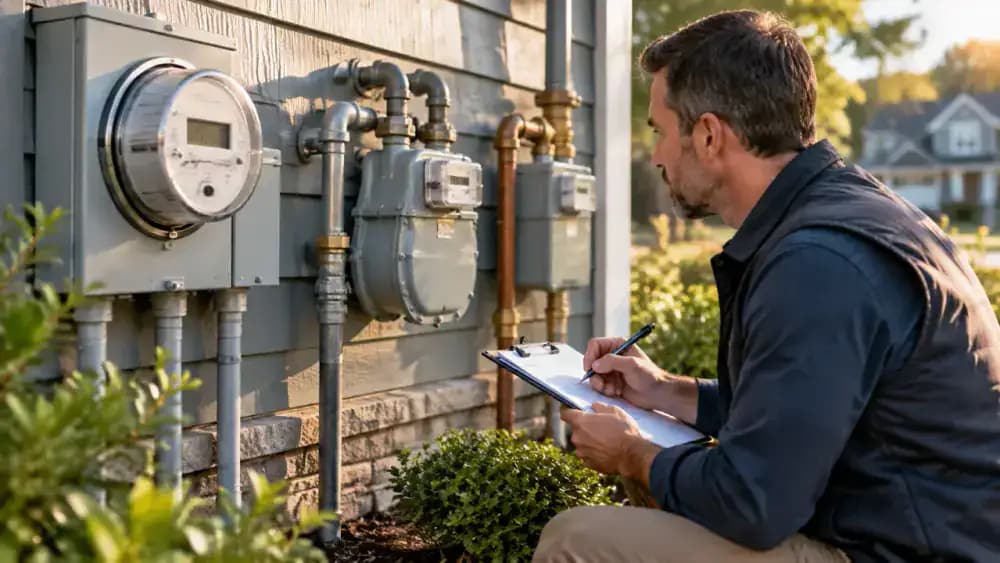
This section focuses on household utility expenses that homeowners must manage directly. It explains that services such as water, electricity, gas, trash collection, and sewer contribute to the ongoing cost of living in a property. The section will show why tracking consumption and understanding recurring service costs are important parts of evaluating the complete financial responsibility of homeownership.
True Cost Of Living
This section focuses on combining all housing expenses to reveal the true cost of living in a purchased home. It explains that mortgage payments, taxes, insurance, utilities, and maintenance together create the actual financial commitment. The section helps readers compare renting and buying more accurately by looking beyond individual expenses and considering the complete ownership picture over time.

Avoid Budget Pressure
This section focuses on preventing financial strain caused by underestimating homeownership expenses. It explains why buyers should consider the full range of ongoing costs before committing to a property. The section emphasizes responsible planning and awareness rather than specific financial recommendations, helping readers understand how realistic budgeting can reduce pressure and support better housing decisions.

Unexpected Repair Reality
This section explains why home upkeep costs are difficult to predict because repairs rarely follow a schedule. It focuses on the difference between fixed mortgage obligations and variable maintenance expenses. The discussion introduces the uncertainty homeowners face when major systems fail and highlights why repair planning is an important part of ownership. The Consumer Financial Protection Bureau recognizes maintenance and repairs as costs that require preparation because they can be unexpected and significant.

Preparing For Repairs
This section focuses on creating financial readiness for future maintenance needs. It explains why homeowners should view repairs as ongoing responsibilities rather than rare events. The goal is to introduce the concept of building a reserve and developing a preparation mindset. Investor.gov highlights the importance of considering additional homeownership costs beyond the purchase itself, and this section connects that idea to long-term maintenance planning without providing personal financial recommendations.

Multiple Problems At Once
This section explores how several repair issues can happen together and create unexpected financial challenges. It describes scenarios where plumbing, electrical systems, or appliances may require attention during the same period. The focus is on illustrating the volatility of home upkeep costs and why homeowners must account for possible combinations of expenses. It does not discuss repair solutions but emphasizes the financial impact of simultaneous maintenance problems.

Renting Predictability
This section examines why renting often provides more predictable housing expenses compared with ownership. It explains how lease agreements create a clearer monthly cost structure and how tenants are generally separated from many repair obligations. The discussion compares this stability with the uncertainty homeowners experience when paying for upkeep. The focus is not on choosing one option, but on understanding the financial trade-off between predictable costs and ownership responsibilities.

Preparing For Future Costs
This section focuses on planning for future home expenses by recognizing that maintenance needs vary between properties. It explains that age, condition, materials, and local service costs can influence upkeep requirements. The purpose is to encourage a forward-looking approach where homeowners consider possible future expenses before problems occur. USA.gov notes that buying a home includes ongoing financial considerations beyond the initial purchase, which supports this broader planning perspective.

Lease Based Living
This section explains how lease-based living creates a different financial relationship with housing. It describes how renters typically operate within agreed terms that define monthly payments and responsibilities. The focus is on the structure of renting rather than comparing lifestyle preferences. By understanding the role of leases, readers can see why tenants often experience fewer direct maintenance decisions while landlords manage many property-related obligations.

Who Pays For Repairs
This section compares repair responsibilities between renters and homeowners. It explains that tenants commonly contact landlords or property managers when covered maintenance issues occur, while owners directly manage their property's repair needs. The focus is on responsibility allocation rather than specific repair costs. This distinction helps explain why renting can offer protection from certain unexpected expenses while ownership transfers more maintenance responsibility to the property owner.

Variable Ownership Costs
This section explains why ownership expenses can change over time even when the home itself remains the same. It focuses on the combination of maintenance, insurance, taxes, utilities, and repair needs that create changing financial demands. The Consumer Financial Protection Bureau identifies these categories as important costs of owning a home. The goal is to show why homeowners need to understand total housing expenses beyond the mortgage payment.

Stability Versus Equity
This section explores the trade-off between rental stability and ownership equity. It explains that renting can provide more predictable expenses, while owning a home introduces maintenance obligations alongside the possibility of building property value over time. The discussion presents both sides without declaring a universal winner. The focus is understanding the financial differences between paying for housing access and managing a long-term owned asset.

Building A Maintenance Reserve
This section focuses on establishing a mindset of preparation for ongoing home upkeep costs. It explains why setting aside resources for maintenance can help homeowners handle future repairs more effectively. The discussion emphasizes that estimates are general guidelines because every property has different needs. Investor.gov and the Consumer Financial Protection Bureau both highlight the importance of considering ongoing ownership expenses when evaluating housing decisions.

Buying a home is often viewed as the ultimate financial milestone, but the purchase price is only the first step in the ownership journey. Many buyers carefully calculate their mortgage payment while overlooking the ongoing expenses that come with maintaining a property. These costs can influence whether owning a home fits comfortably within a long-term budget.
Unlike renters, homeowners are responsible for every part of their property. A broken water heater, damaged roof, aging appliance, or electrical problem becomes a personal financial responsibility rather than a call to a landlord. This shift changes the way housing costs should be evaluated.
Official resources from USA.gov, the Consumer Financial Protection Bureau, and Investor.gov highlight that homeownership includes expenses beyond the mortgage, such as property taxes, insurance, utilities, maintenance, and repairs. These costs are not always predictable, which makes preparation an important part of responsible ownership.
This guide explores the real financial differences between renting and buying, focusing on the ongoing costs that are easy to underestimate. Understanding these expenses can help prospective homeowners create more realistic budgets, evaluate housing choices, and prepare for the responsibilities that come with owning a property.
The goal is not to argue that renting or buying is always better. Each option has different advantages and trade-offs. Instead, the focus is on understanding the complete financial picture before making a major housing decision.
Where people go wrong
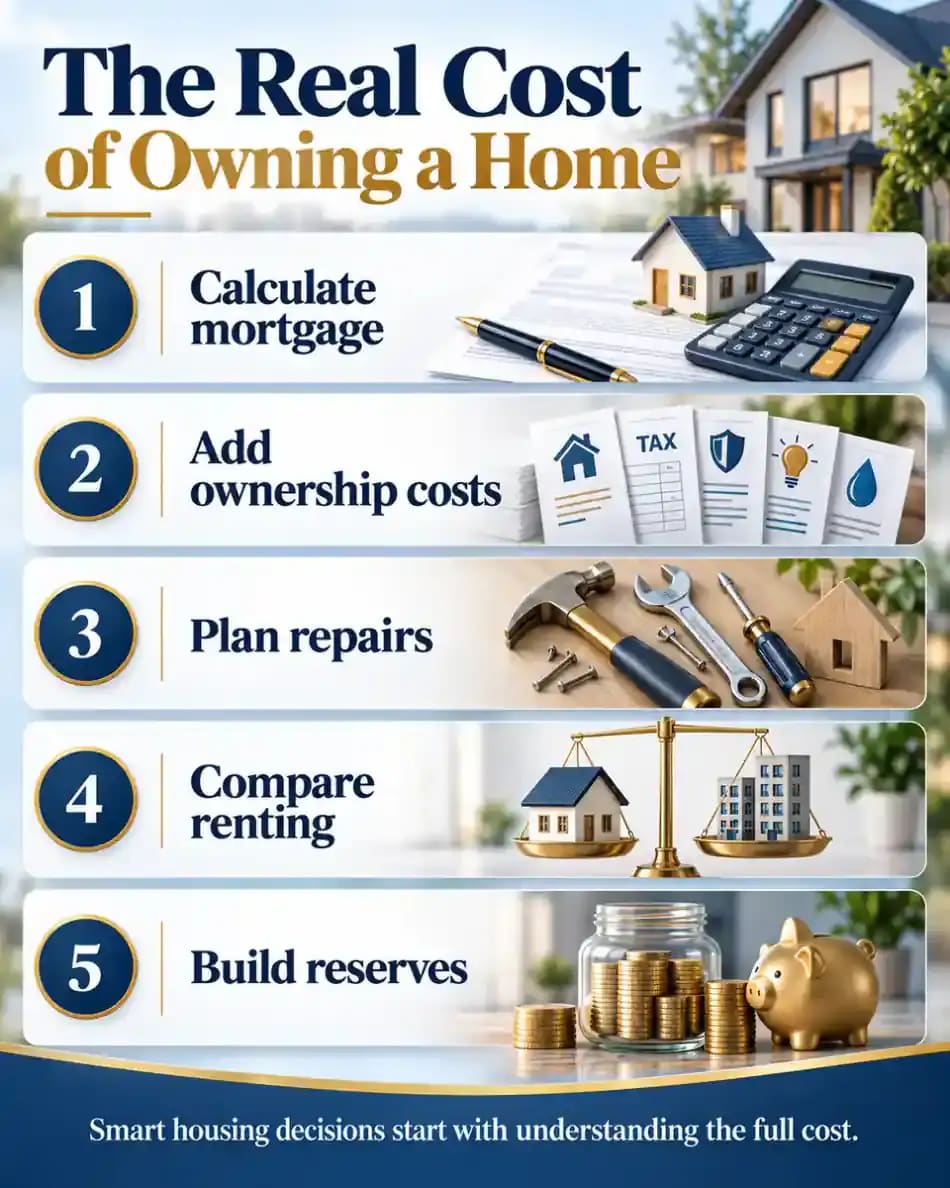
Only calculating the mortgage payment. Many buyers underestimate ownership costs because they focus only on the mortgage. Property taxes, insurance, utilities, and maintenance can significantly increase the real monthly cost of living in a home.
Ignoring future repairs. New homeowners sometimes assume repairs are rare events. In reality, systems and components wear down over time, creating expenses that should be expected and planned for.
Using unrealistic maintenance estimates. Maintenance costs vary widely depending on location, home size, age, and condition. Generic estimates should be treated as planning guidelines rather than guaranteed numbers.
Comparing rent and mortgage incorrectly. Rent and mortgage payments do not represent identical costs. Rent often includes protection from repair expenses, while ownership transfers those responsibilities directly to the homeowner.
Buying without financial flexibility. A property purchase can create financial pressure if there is no room in the budget for unexpected expenses. Homeowners need enough flexibility to handle changing costs.
Questions people ask
Homeownership costs extend beyond the mortgage payment. Common expenses include property taxes, homeowners insurance, utilities, maintenance, repairs, and replacement of aging systems. These costs can vary significantly depending on the property and location, so buyers should consider the complete financial picture before purchasing.
Fixed it?
Get one guide like this every Thursday.