How to Prevent Tangles in a Long-Haired Cat's Coat
Learn how to prevent tangles in your long-haired cat's coat with gentle brushing, the right grooming tools, regular coat checks, and simple habits that help keep your cat comfortable.
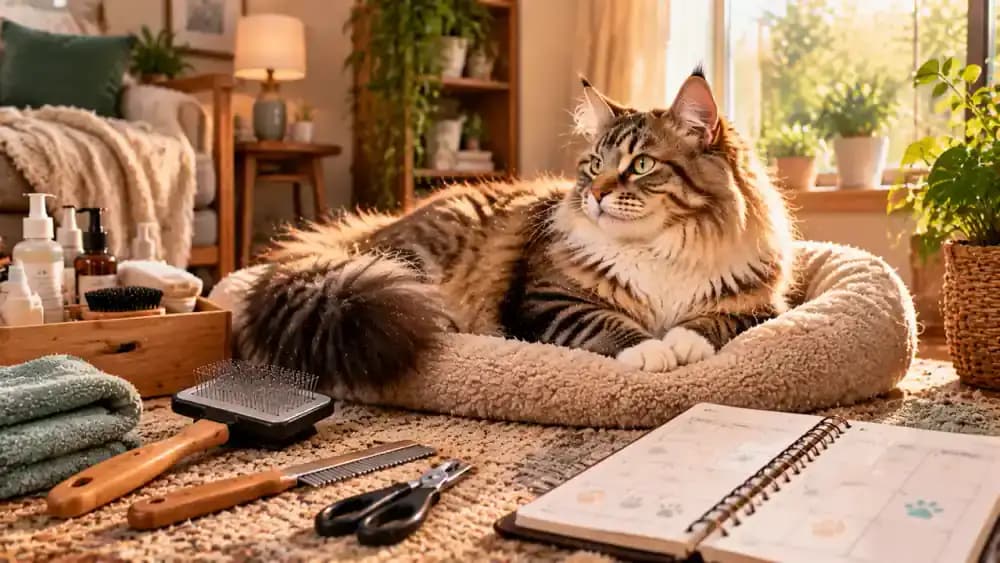
What you’ll need
Tap to tick things off before you start.
Why Small Tangles Matter
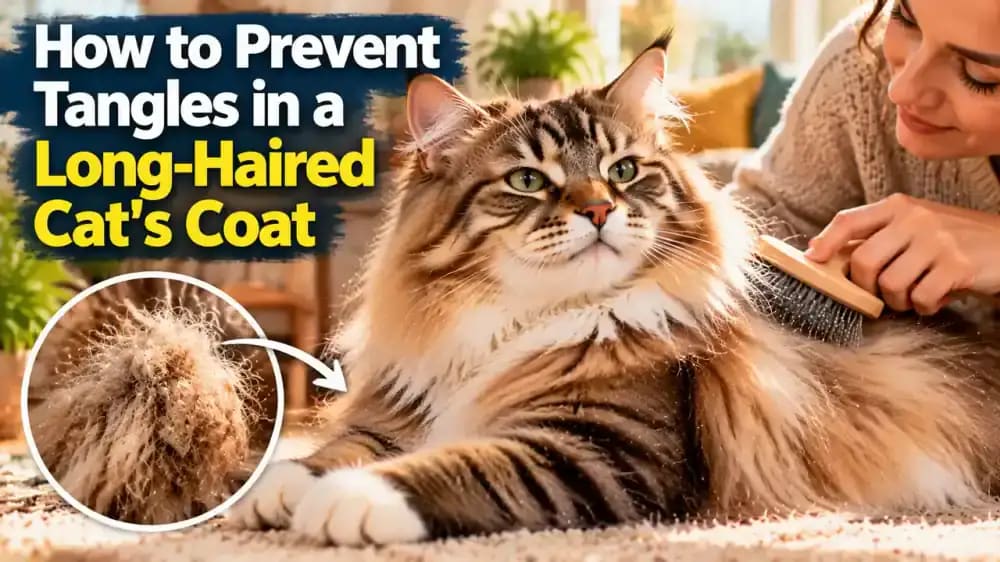
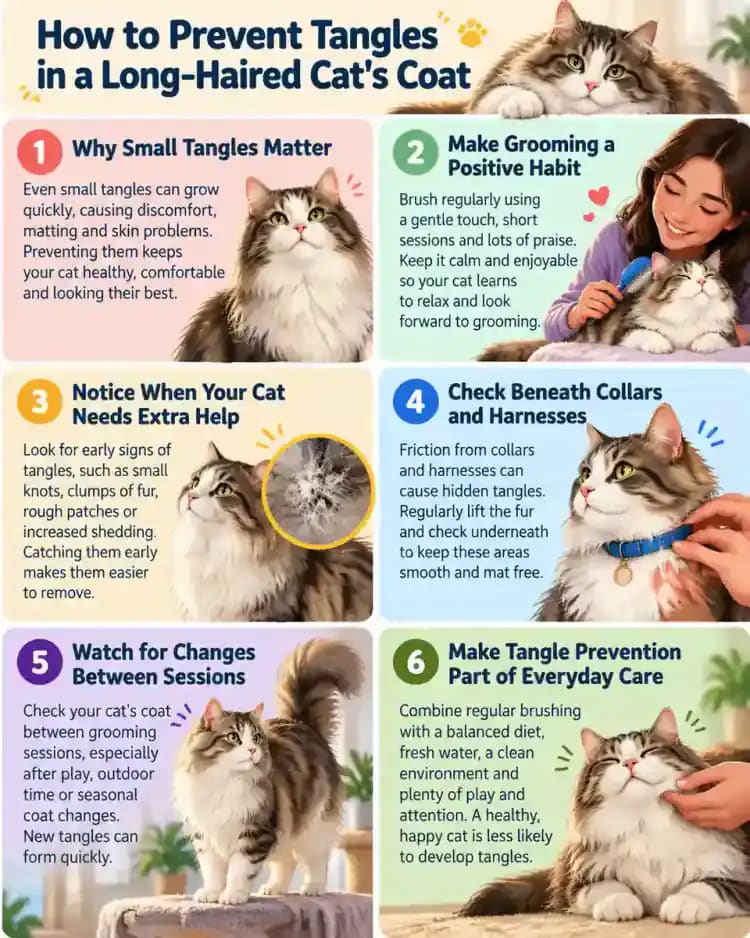
Long-haired cats can develop small knots beneath an otherwise smooth-looking coat. Loose hairs become caught in surrounding strands, and everyday movement can tighten these tangles into mats that pull on delicate skin. Regular coat checks help you spot early knots before they become harder to manage. Catching tangles early makes grooming more comfortable and helps prevent unnecessary pulling.

Start With a Calm Coat Check
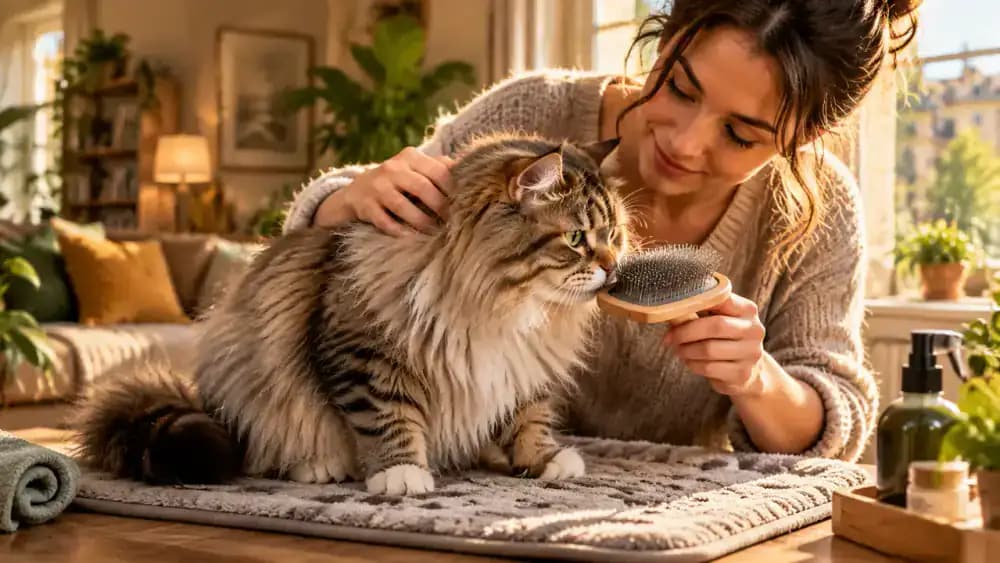
Choose a quiet, familiar spot where your cat feels comfortable, and let them sniff the brush before grooming begins. Gently run your fingertips over the coat to feel for raised or dense patches that may indicate tangles. Keep your touch light and watch your cat's body language. If they tense up, flinch, or move away, pause and give them a break.
Check the Friction-Prone Areas
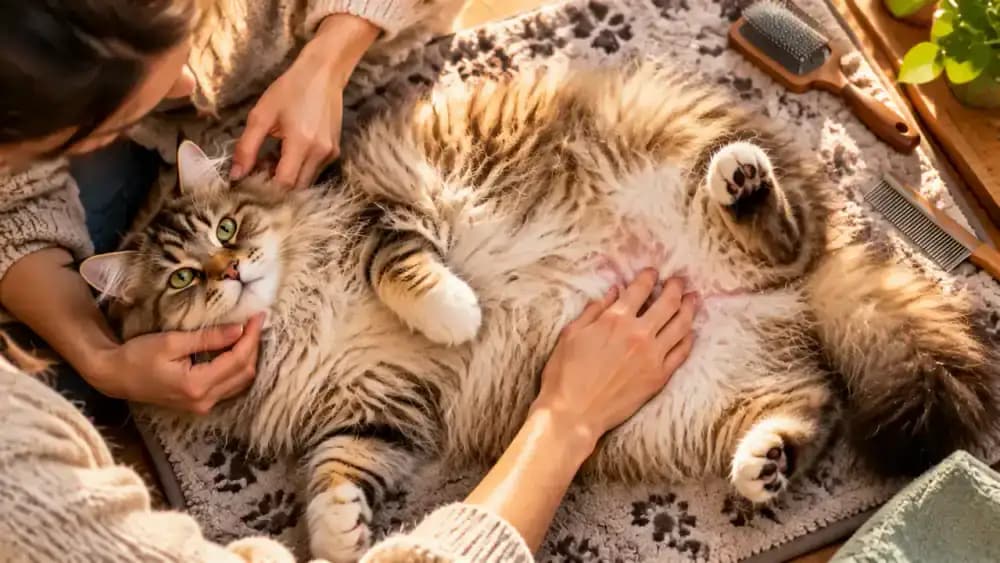
Some parts of your cat's coat are more likely to tangle because fur rubs together or catches during movement. Gently inspect behind the ears, beneath the chin, under the front legs, around the collar if worn, along the belly, and behind the hind legs. Lift small sections of fur carefully without twisting the skin, and stop if your cat shows discomfort.
Choose the Right Grooming Tools
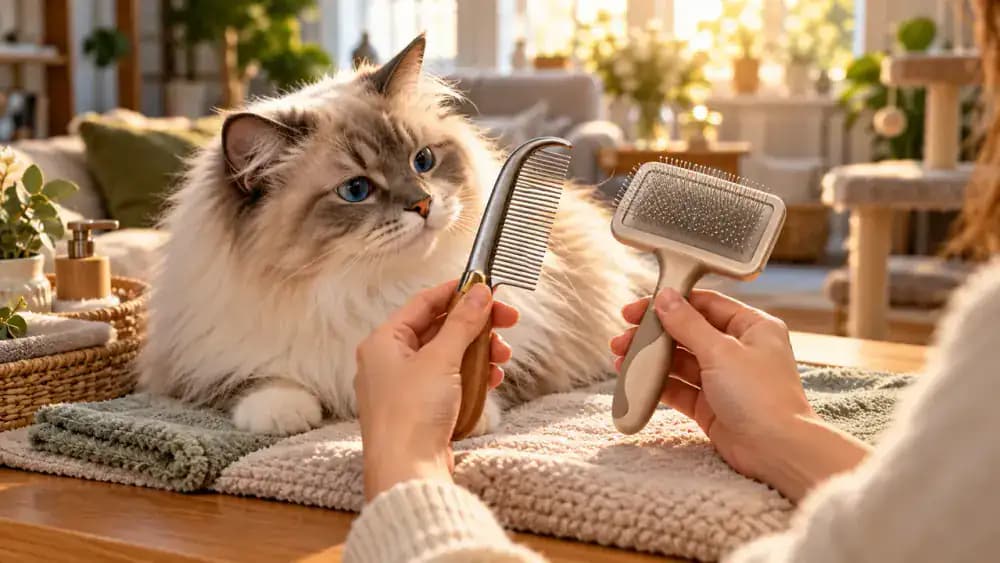
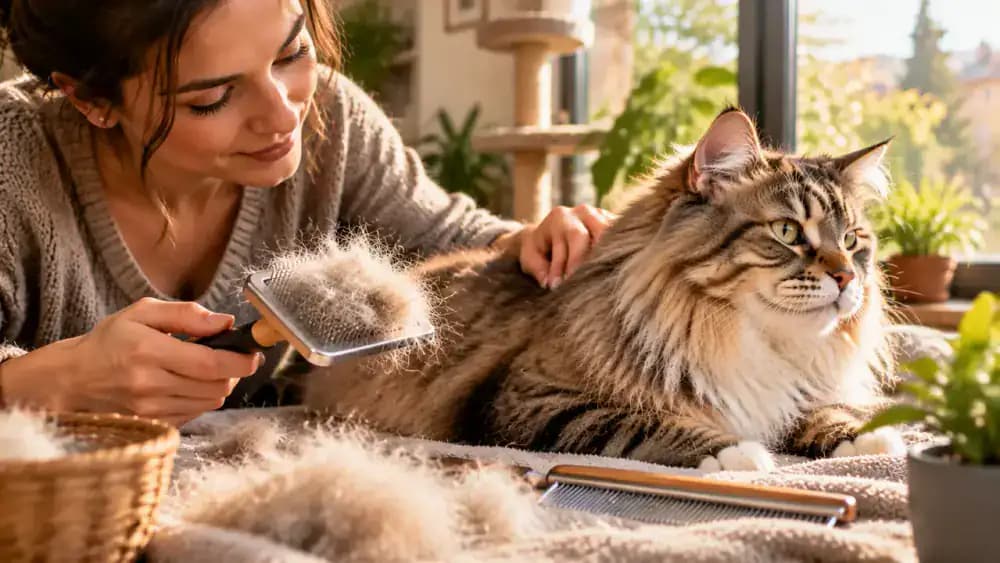
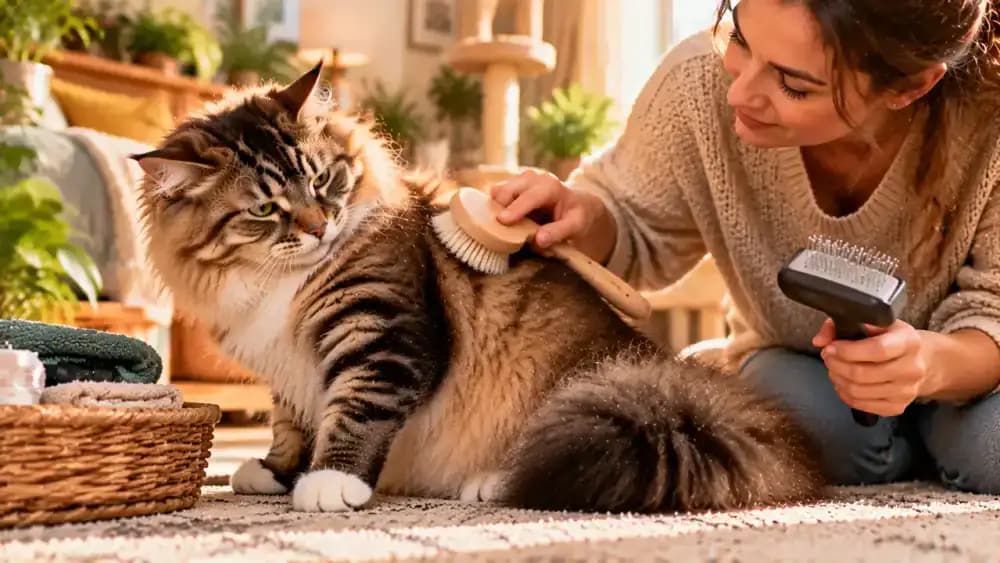
Select grooming tools based on your cat's coat length, thickness, and sensitivity. A metal comb with rounded tips can help locate small tangles, while a soft slicker brush may help remove loose fur. Test your chosen tool gently on a small section of healthy coat. It should move comfortably without scraping the skin, snagging repeatedly, or causing your cat distress.
Brush in Small, Gentle Sections
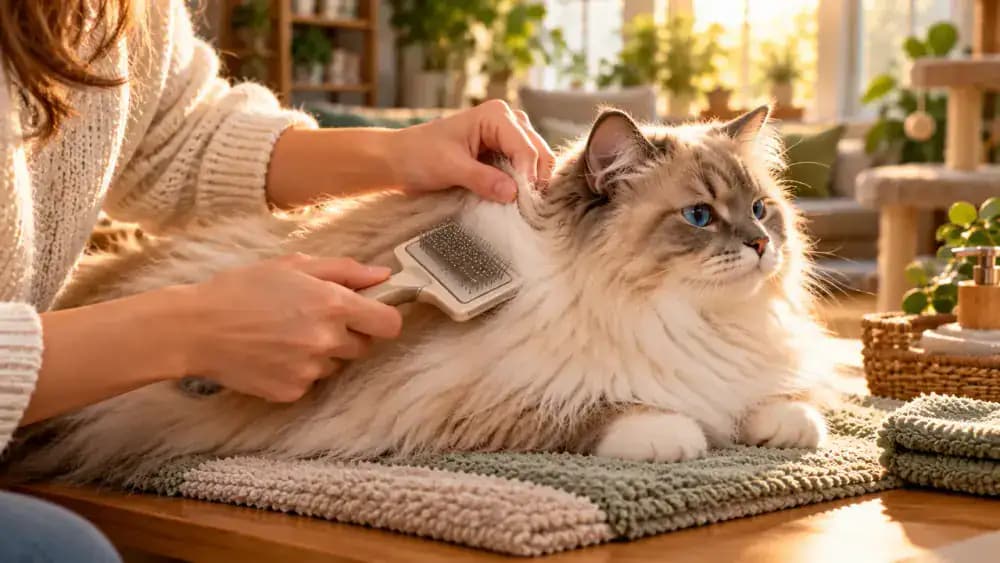
Begin with a small section of easily managed fur and use short, gentle strokes toward the hair ends. Support the coat near the roots to reduce pulling on the skin, and work patiently through one area at a time. If your brush or comb catches, stop immediately and reposition it gently. Never tug harder or force a tool through a stubborn knot.
Make Grooming a Positive Habit
Keep grooming sessions short enough for your cat to remain comfortable and relaxed. After a few gentle strokes, offer a small treat, calm praise, or a break to rest. Watch for relaxed body language and let your cat decide whether to continue. Ending each session on a positive note helps build trust and makes future brushing easier.

Handle Minor Tangles Safely
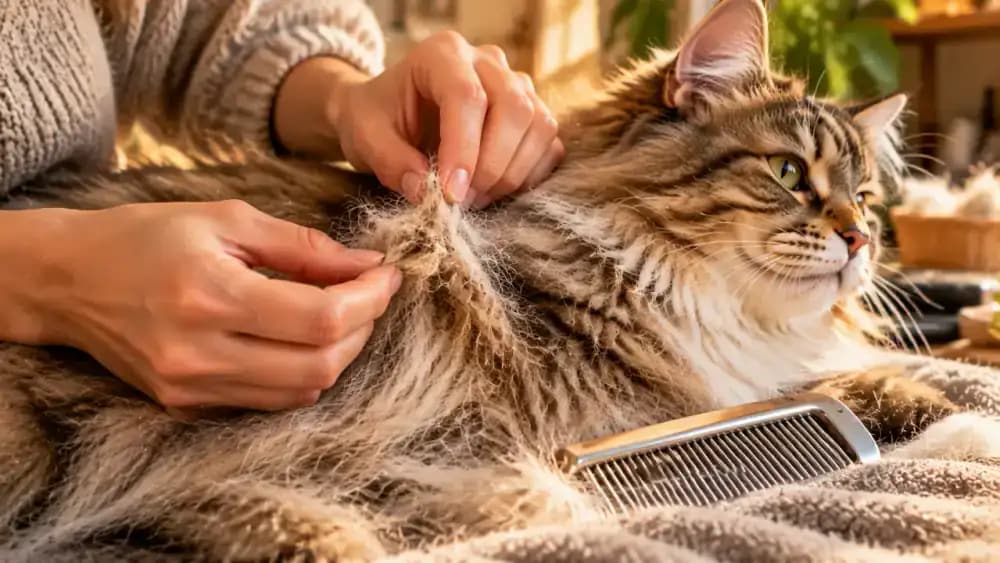
If you find a small, loose tangle, gently separate the surrounding fur with your fingertips and use a suitable comb to work from the ends toward the knot. Proceed slowly and stop if the fur resists or your cat becomes uncomfortable. Never yank or scrape at a tangle. Leave tight mats close to the skin for a qualified professional.
Know When to Call a Professional
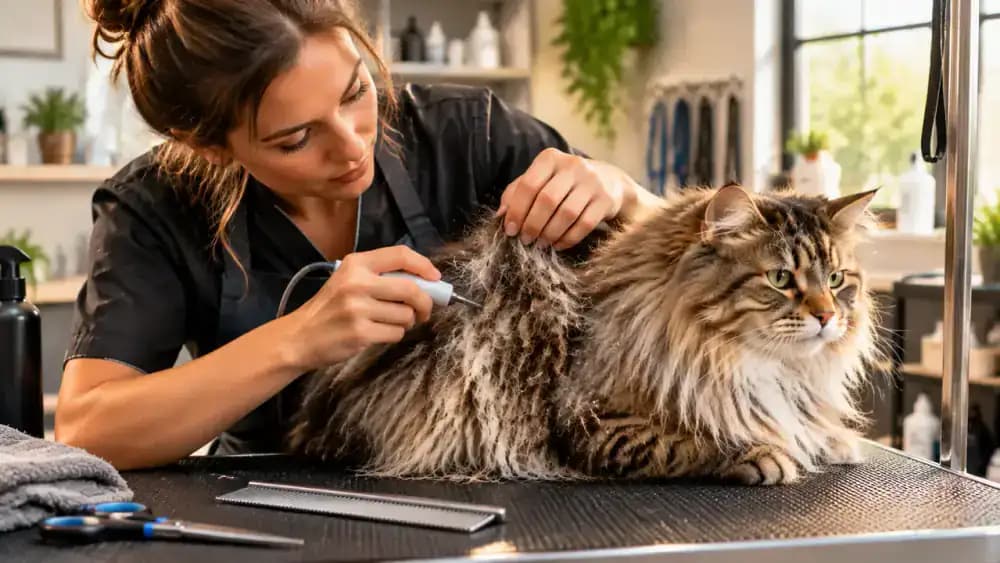
Finish each grooming session with a gentle coat check, noting any areas that may need extra attention next time. Never use scissors to cut out a mat, because delicate cat skin can become trapped inside tangled fur. For tight, extensive, or painful mats, contact a qualified groomer or veterinary professional. Safe handling is more important than removing every knot at home.
Build a Routine That Fits Your Cat
Make coat care part of your cat's everyday routine rather than waiting for visible knots to appear. Check the fur briefly each day, paying particular attention to areas that tangle easily. Schedule longer brushing sessions as needed, especially during periods of increased shedding. Adjust the frequency to your cat's coat, lifestyle, and comfort level, keeping each session gentle and manageable.

Adapt Care to Your Cat's Lifestyle
Your cat's surroundings can affect how often its coat needs attention. Indoor cats can develop tangles as loose hairs collect during lounging, stretching, and everyday movement. Cats that explore outdoors may also pick up leaves or other debris. Check the coat after outdoor visits, remove loose debris gently, and seek professional advice if you find a stubborn knot or an unusual rough patch.

Adjust for Seasonal Shedding
During seasonal shedding, loose undercoat can collect among longer guard hairs and increase the chance of tangles. Check your cat's coat more frequently during these periods, but keep individual sessions short and gentle. If the coat suddenly becomes unusually greasy, tangled, or difficult to maintain, contact your veterinarian to discuss the change and any differences in your cat's grooming habits.
Notice When Your Cat Needs Extra Help
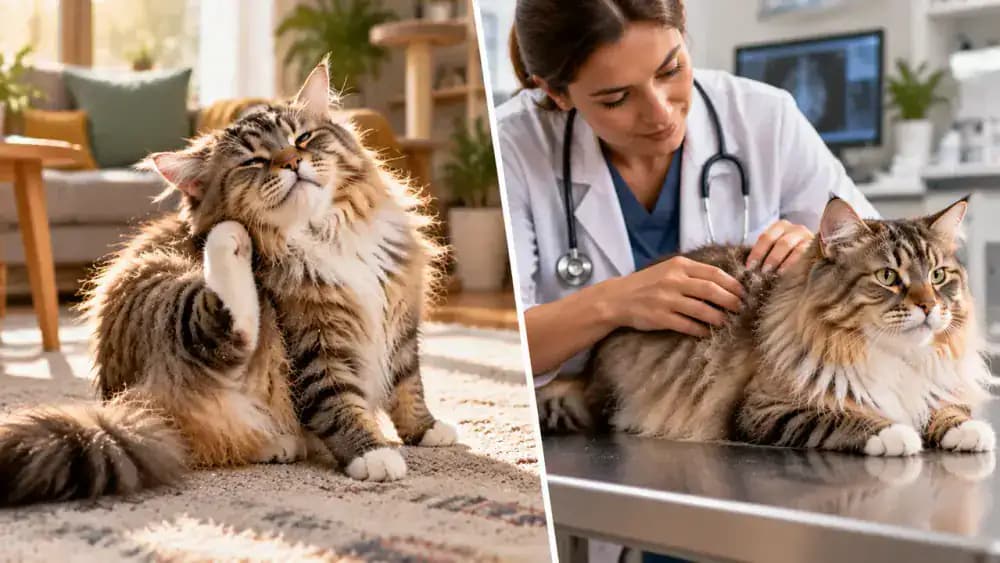
Some cats need additional help maintaining their coats, particularly if age, excess weight, or limited mobility makes reaching certain areas difficult. Watch for neglected patches, recurring tangles, or changes in your cat's usual grooming habits. Check the coat gently without forcing uncomfortable movements. If your cat struggles to groom or its habits change noticeably, arrange a veterinary examination to discuss the change.
Create a Comfortable Grooming Space
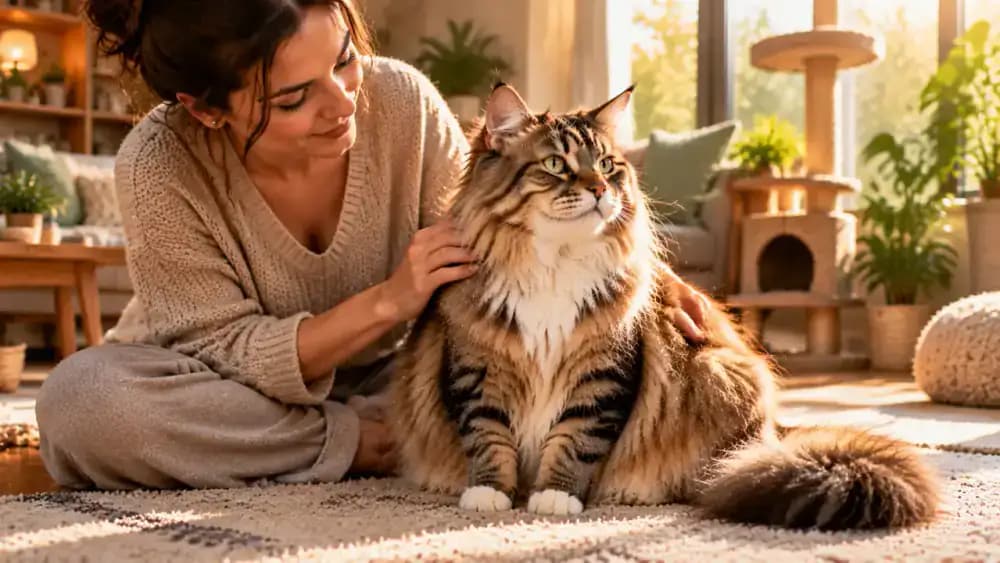
Prepare a quiet grooming area with a nonslip mat, suitable brushes, a comb, and treats within easy reach. Choose a calm time and let your cat approach the space voluntarily. Avoid holding your cat tightly or blocking its attempts to leave. If your pet becomes restless or distressed, put the tools aside and try again later with a shorter, gentler session.

Track Problem Areas Between Sessions
After brushing, inspect your cat's coat in good natural light to check for missed tangles and visible skin irritation. Remove loose fur from your grooming tools and store them safely. Keep a simple grooming log on your phone, noting dates and areas that repeatedly develop knots. These records can help you adjust your routine and explain recurring coat-care concerns to a professional.

Know When Bathing Is Appropriate
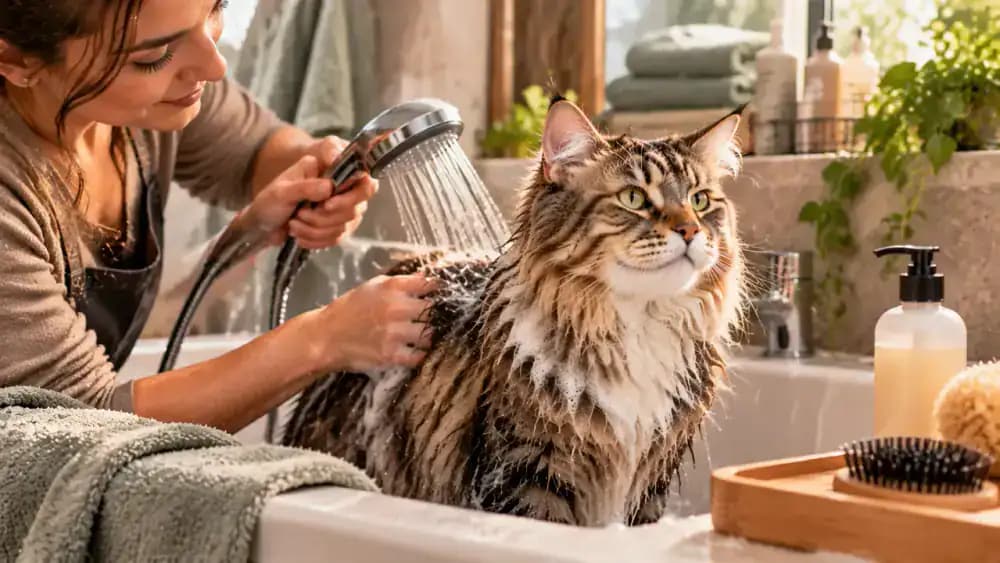
Bathing is not a reliable way to remove tangles, and washing can make existing knots harder to manage. Bathe your cat only when necessary, using products specifically formulated for cats and following appropriate grooming guidance. Never use human shampoo or attempt to wash out tight mats. If the coat is severely tangled or your cat is uncomfortable, leave the affected area alone and seek professional advice.
Keep Your Cat's Coat Healthy Long-Term
Consistent, gentle grooming helps prevent small knots from developing into difficult mats. Check your cat's coat regularly, use tools suited to its fur, and pay attention to signs of discomfort during each session. Reward cooperation and keep brushing manageable. When a mat is tight, painful, or difficult to remove safely, seek professional help to protect your cat's comfort.
Finish With a Comb-Through Check
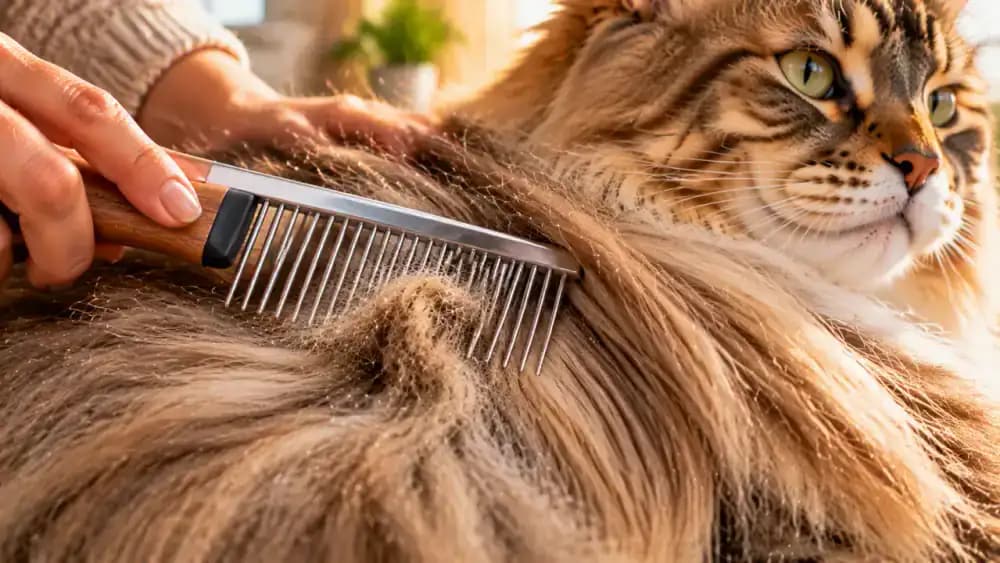
After brushing, gently pass a suitable wide-toothed comb through accessible sections of your cat's coat. A comb that moves smoothly can help confirm that the area is free of obvious tangles, while resistance may reveal a hidden knot. Stop immediately if the comb catches, then inspect the area without pulling. Never force the comb through tangled fur or against the skin.
Check Beneath Collars and Harnesses
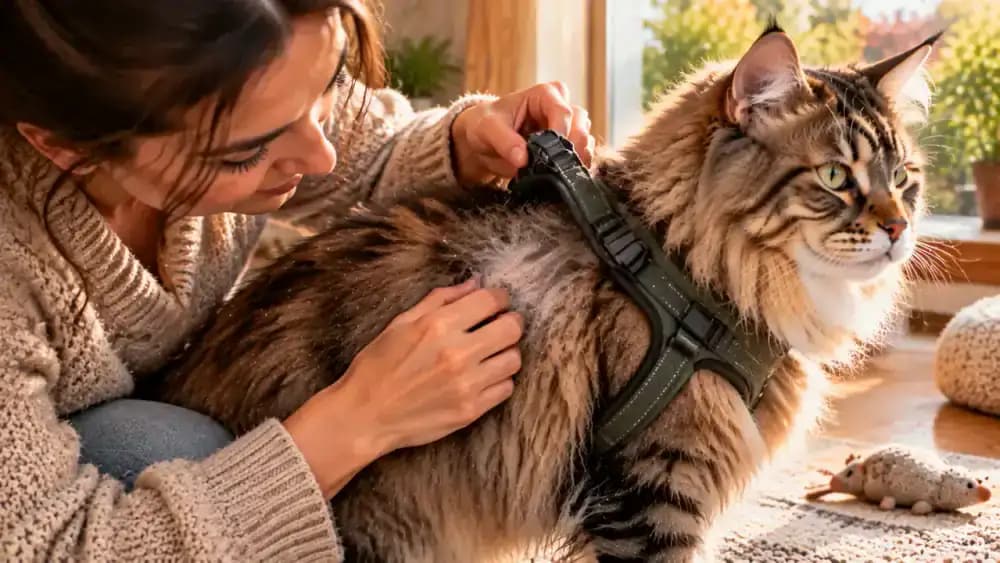
Collars and harnesses can rub against the coat and encourage tangles where straps touch the fur. After removing an accessory, gently inspect the underlying area for flattened hair, knots, redness, or broken hairs. Make sure the equipment fits appropriately and does not create excessive friction. If you notice persistent irritation or coat damage, discontinue the problematic fit and ask your veterinarian for guidance.
Keep the Hindquarters Clean
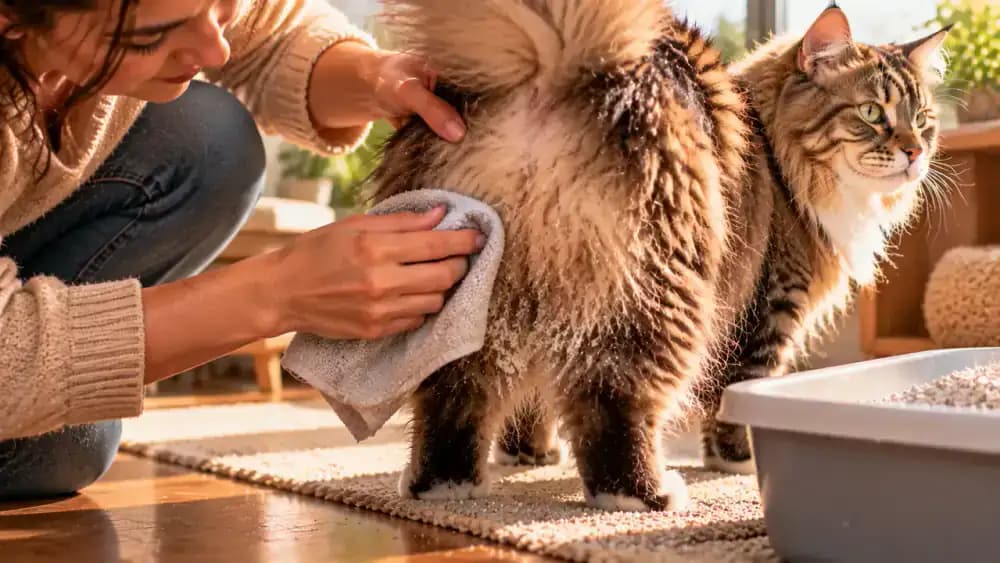
Long-haired cats may collect litter, dirt, or other debris in the fur around their hindquarters. Check this area gently and remove loose material with a soft, damp cloth when appropriate. Avoid tugging at stuck debris or cutting close to the skin. If material is firmly caught, the coat is heavily soiled, or cleaning causes discomfort, seek help from a qualified groomer or veterinary professional.
Personalize Care for Every Cat
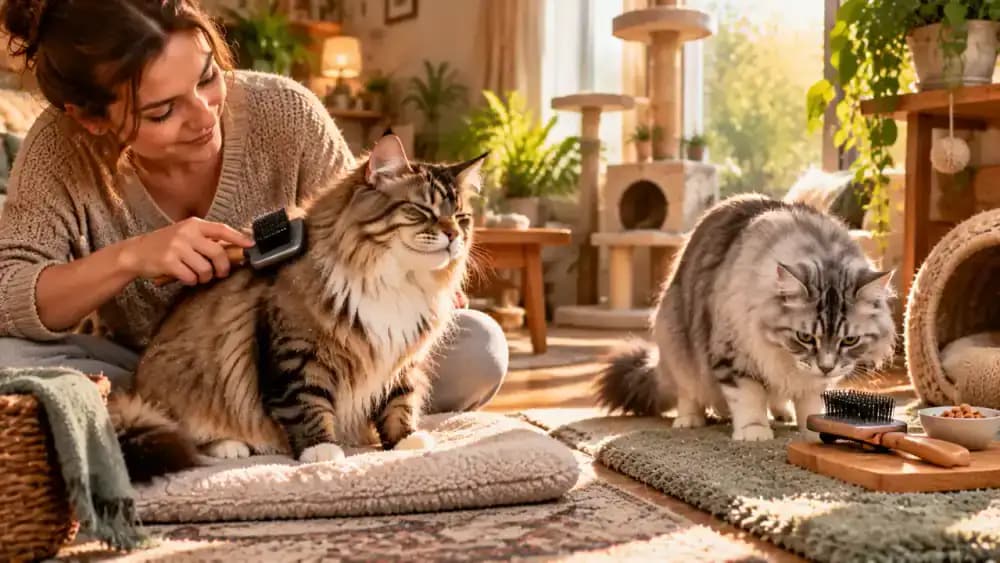
Every cat has individual grooming needs, even when two cats have similar-looking coats. One may enjoy brushing, while another needs shorter sessions, gradual introductions, and frequent breaks. Use clean, suitable tools for each cat and keep track of recurring problem areas. Adjust the routine to each pet's coat texture, tolerance, and comfort so grooming remains manageable and positive for everyone.
Recognize Skin Problems Early
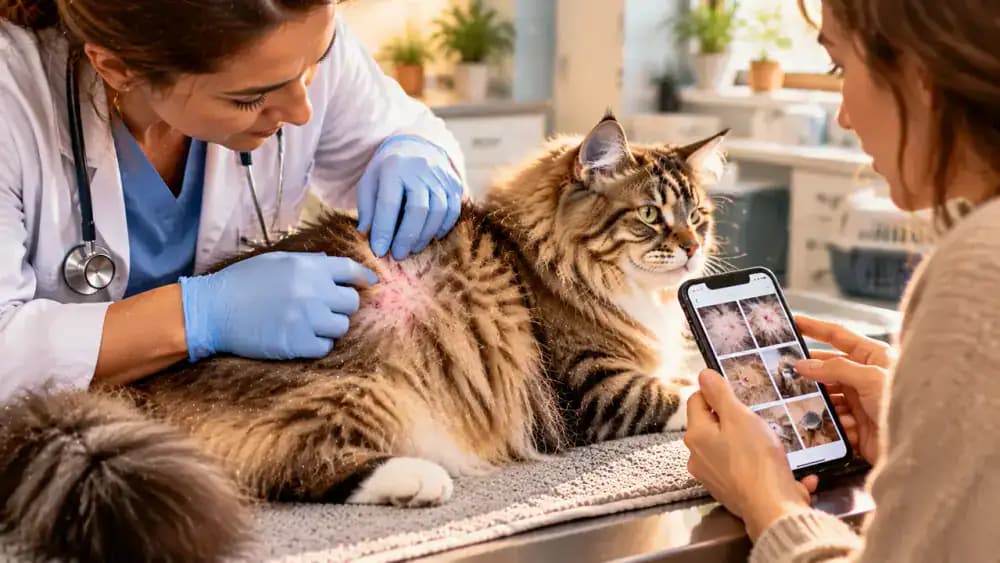
During regular coat checks, pay attention to skin changes that go beyond ordinary loose fur or minor tangles. Persistent dandruff, bald patches, sores, unusual odors, or repeated sensitivity deserve professional attention rather than more brushing. Avoid applying human products or unapproved home remedies. A veterinarian can examine the affected area and help determine what care your cat needs.
End Each Session With a Comfort Check
When grooming is finished, put away the tools and allow your cat to move freely in a familiar space. Observe how your cat walks, stretches, and settles without repeatedly touching sensitive areas. If your cat continues to show discomfort, stop grooming and seek professional advice. Avoid trying stronger brushing techniques or forcing further handling to check whether the problem has improved.
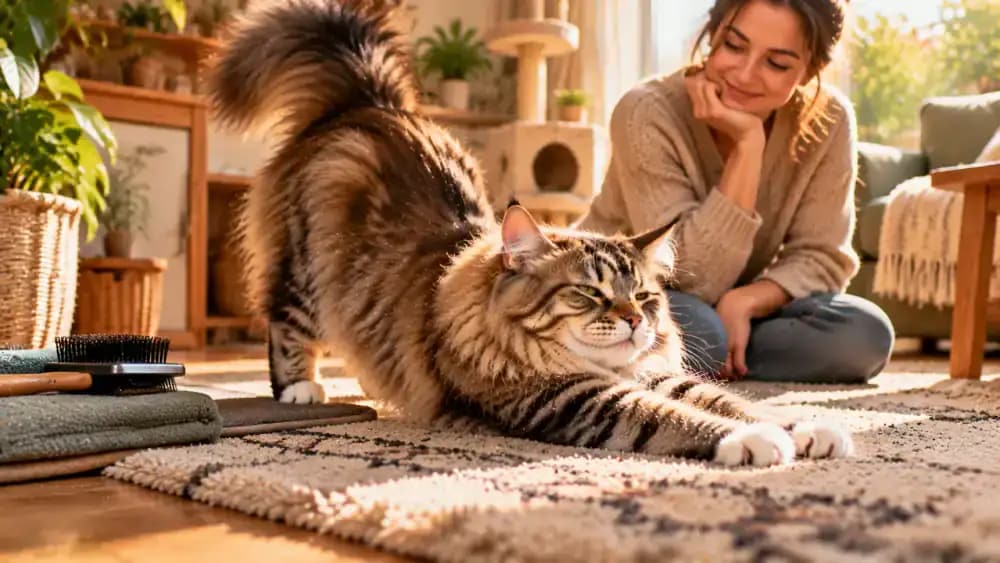
Make Healthy Coat Care a Lasting Habit
Regular coat checks, suitable grooming tools, and gentle handling can make long-term care easier for both you and your cat. Keep sessions manageable, record recurring tangles, and adjust your routine as your cat's needs change. Seek professional help for difficult mats or concerning skin changes. Consistent attention helps maintain a manageable coat while supporting your cat's comfort and trust.
Watch for Changes Between Sessions
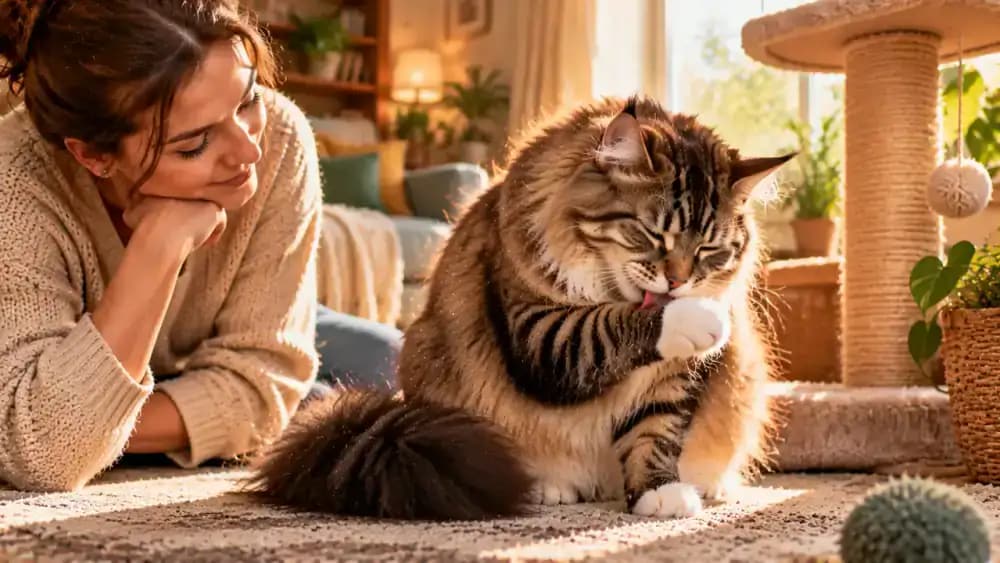
Pay attention to your cat's behavior between grooming sessions, especially if scratching, repeated licking, or sensitivity to touch becomes more noticeable. These changes should not automatically be attributed to tangled fur. Observe from a comfortable distance and note when the behavior occurs without repeatedly touching the affected area. Contact your veterinarian if the change persists, worsens, or occurs alongside skin irritation or signs of pain.
Support Coat Health From Within
Grooming is only one part of maintaining a healthy coat. Provide a balanced diet appropriate for your cat's age and needs, keep fresh water available, and monitor changes in fur texture or shedding. If the coat becomes persistently dull or shedding changes noticeably, discuss it with your veterinarian. Avoid adding supplements without professional guidance, since not every cat needs them.

Adapt When a Brush Causes Discomfort
If your cat turns away, tenses up, or resists a particular brush, stop and reconsider whether the tool or technique is comfortable. Try a softer brush on an easy-to-reach area, using only a few light strokes. Watch your cat's reactions and end the session if discomfort continues. Keeping your cat comfortable matters more than finishing the entire coat at once.
Keep Everyone Consistent With Coat Care
If several people help groom your cat, agree on the same gentle technique, suitable tools, and signals that mean it is time to stop. Keep a simple checklist of completed coat checks and any recurring tangles so everyone knows which areas need attention. Share these notes with family members or pet sitters to maintain a familiar, predictable routine.

Choose Cat-Safe Grooming Products
Choose grooming sprays, shampoos, and detangling products specifically formulated for cats, and read their labels before use. Products intended for people may contain ingredients unsuitable for feline skin or accidental ingestion during self-grooming. Avoid essential oils and improvised mixtures unless your veterinarian specifically advises otherwise. When you are unsure whether a product is appropriate, ask your veterinarian before applying it to your cat's coat.
Build Trust Through Gentle Handling
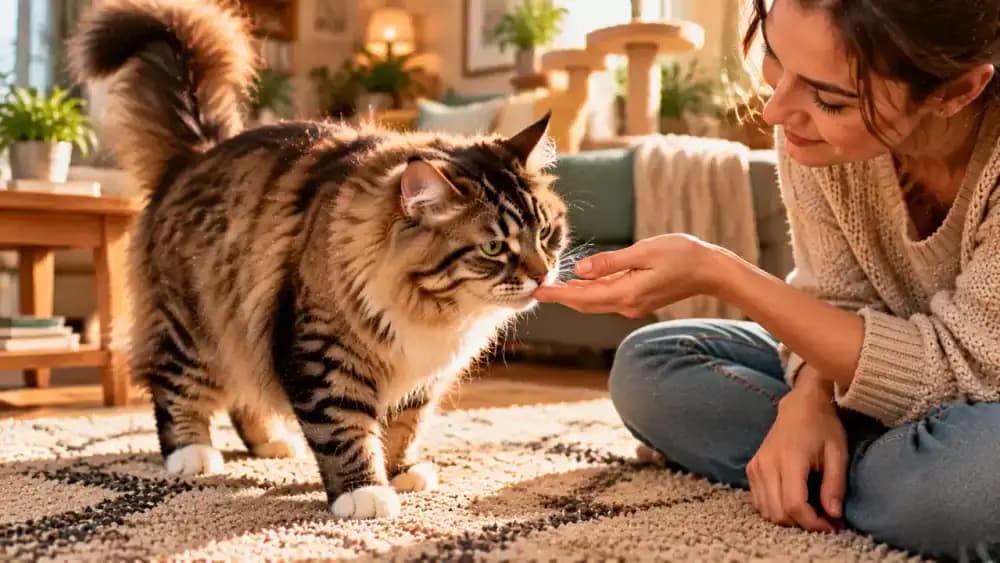
Grooming can strengthen your bond with your cat when handling feels safe and predictable. Let your cat choose a comfortable position, move slowly, and allow time to sniff the brush before beginning. Respond to early signs of unease by pausing or ending the session. If your cat remains extremely fearful despite gradual, gentle practice, ask your veterinarian about appropriate behavior support.
Make Tangle Prevention Part of Everyday Care
Preventing tangles comes down to regular coat checks, suitable grooming tools, and gentle sessions that respect your cat's limits. Reward cooperation, monitor changes in the coat or skin, and adjust your routine when necessary. Never force out a tight mat or cut it with scissors. With consistent care and professional help when needed, you can help your long-haired cat stay comfortable and well groomed.

A long-haired cat's fluffy coat can look beautiful and soft, but keeping it that way takes a little regular care. Even a cat that grooms itself frequently can develop small tangles that gradually tighten into mats. These knots often begin in areas where fur rubs together or collects loose hair, and they can become uncomfortable if left unattended. The good news is that a consistent, gentle grooming routine can help prevent tangles before they become a bigger problem.
Start by checking your cat's coat regularly, paying special attention to areas that are easy to overlook. Look behind the ears, beneath the chin, under the front legs, along the belly, and behind the legs. These spots can trap loose fur and develop knots without being immediately noticeable. Early detection makes grooming easier and helps you avoid pulling on sensitive skin.
Choosing the right grooming tools also matters. A suitable comb or brush should work through your cat's coat without scraping the skin or causing distress. Keep sessions short, work in small sections, and let your cat set a comfortable pace. Treats, praise, and breaks can help turn grooming into a positive experience rather than a struggle.
Most importantly, never force a brush through a stubborn mat or try to cut a tight knot out with household scissors. Cat skin is delicate and can easily be injured. With patient handling, appropriate tools, and a little consistency, you can help your cat maintain a smoother coat while making grooming a more comfortable part of everyday care.
Where people go wrong
Brushing only when the coat looks tangled. Waiting until knots are visible can allow loose fur to collect and compact in friction-prone areas. Long-haired cats often develop small tangles beneath the front legs, behind the ears, and around the belly before the rest of the coat looks messy. Regular checks and gentle brushing help catch these early problems while they are still manageable.
Using the wrong grooming tool. A brush that is too harsh, a comb with unsuitable teeth, or a tool designed for a different coat type can cause discomfort and make grooming stressful. Choose tools intended for cats and suited to your pet's coat texture. Introduce each tool gently, watch your cat's reactions, and stop if you notice signs of discomfort.
Pulling or brushing aggressively through knots. Forcing a brush through a tangle can tug on delicate skin and make your cat associate grooming with pain. Instead, pause when you encounter resistance and assess whether the knot can be loosened safely. Work gently on small, manageable tangles, supporting the surrounding coat where practical. Stop if your cat becomes uncomfortable or the knot remains tight.
Ignoring sensitive areas. Focusing only on the back and sides leaves several common problem areas unchecked. Fur behind the ears, under the chin, beneath the front legs, along the belly, and behind the legs can mat more easily because of friction and movement. Inspect these areas gently during regular grooming, taking care not to pull on delicate skin or force your cat into an uncomfortable position.
Trying to cut mats out with scissors. Tight mats can sit surprisingly close to a cat's skin, making it difficult to tell where the fur ends and the skin begins. Cutting with household scissors can cause serious injuries if the skin is caught accidentally. Never cut a tight mat yourself. Ask a qualified groomer or veterinary professional to handle difficult mats safely.
Making grooming sessions too long. Trying to brush the entire coat in one sitting can overwhelm a cat that is uncomfortable with handling. Fatigue and frustration may lead to struggling, swatting, or avoidance at future sessions. Start with a small area and stop while your cat is still relatively relaxed. Frequent, brief sessions are often more successful than occasional, lengthy grooming attempts.
Overlooking signs of discomfort. Flattened ears, tail flicking, repeated attempts to leave, growling, or sudden resistance can signal that your cat needs a break. Continuing despite these signs may make future grooming harder. Pause, give your cat space, and try again later if appropriate. If touching an area causes pain or you notice skin changes, seek veterinary advice rather than assuming the problem is simply a tangle.
Questions people ask
Many long-haired cats benefit from gentle brushing every day or every other day, although the ideal frequency depends on coat texture, shedding, and how easily the fur tangles. Cats with dense or especially silky coats may need daily attention. Check friction-prone areas regularly and adjust the routine to your cat's needs. If knots develop despite frequent grooming, ask a qualified groomer or veterinarian for advice.
Fixed it?
Get one guide like this every Thursday.