How to Prepare Your Dog or Cat for Fireworks and Loud Noises
Fireworks and sudden loud noises can frighten dogs and cats, leading to hiding, trembling, pacing, or escape attempts. Learn how to create a comfortable indoor retreat, reduce noise, prevent escapes, and help your pet feel safer before celebrations begin.
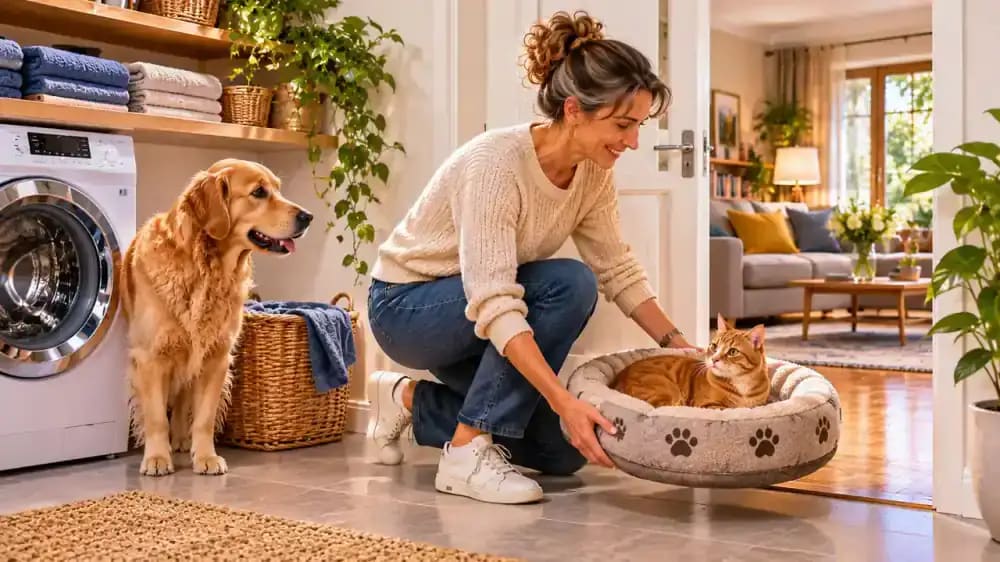
What you’ll need
Tap to tick things off before you start.
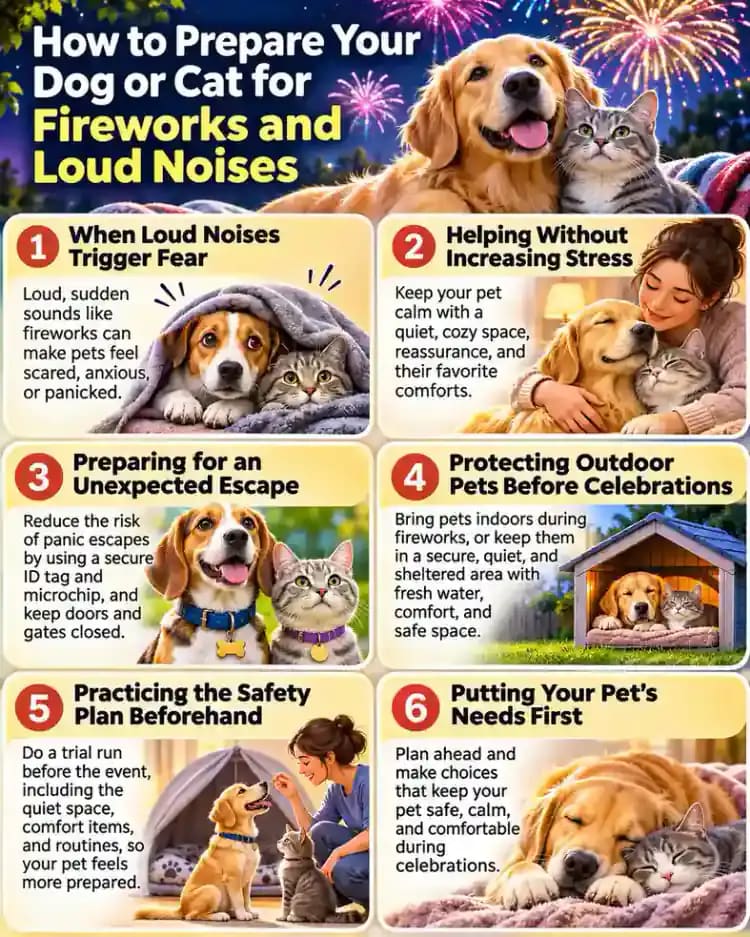
When Loud Noises Trigger Fear
A sudden firework, thunderclap, or construction noise can startle even a normally relaxed pet. Your dog might retreat beneath the sofa while your cat rushes toward a closet. Because loud noises are unpredictable, prepare your home before they begin. Identify quiet indoor spaces, reduce potential hazards, and make safe hiding options available.
Recognizing Signs of Noise Anxiety
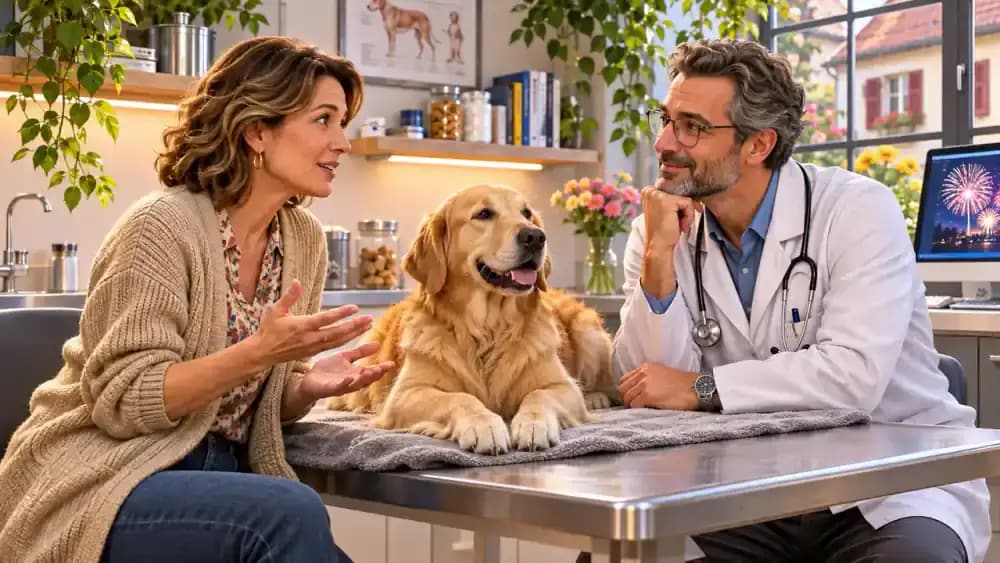
Observe how your dog or cat responds to unexpected sounds. Dogs may pace, pant, tremble, or seek constant contact, while cats often crouch, flatten their ears, hide, or avoid food. Watch quietly without forcing interaction. Notice where each pet naturally retreats, since these preferred locations can help you choose a comfortable hiding space.
Creating a Safe Indoor Retreat
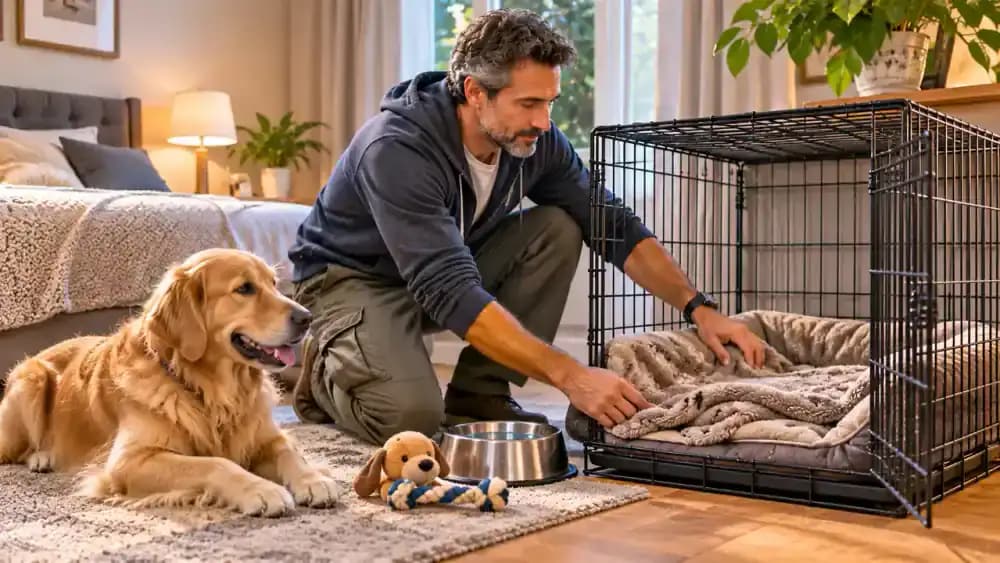
Choose a quiet interior room where your pet already feels comfortable. Add familiar bedding, a favorite toy, and fresh water. Provide an open covered crate for a dog accustomed to one, or a towel-lined cardboard box for a cat. Keep pathways clear and entrances accessible so your pet can enter or leave freely.
Reducing Outside Noise
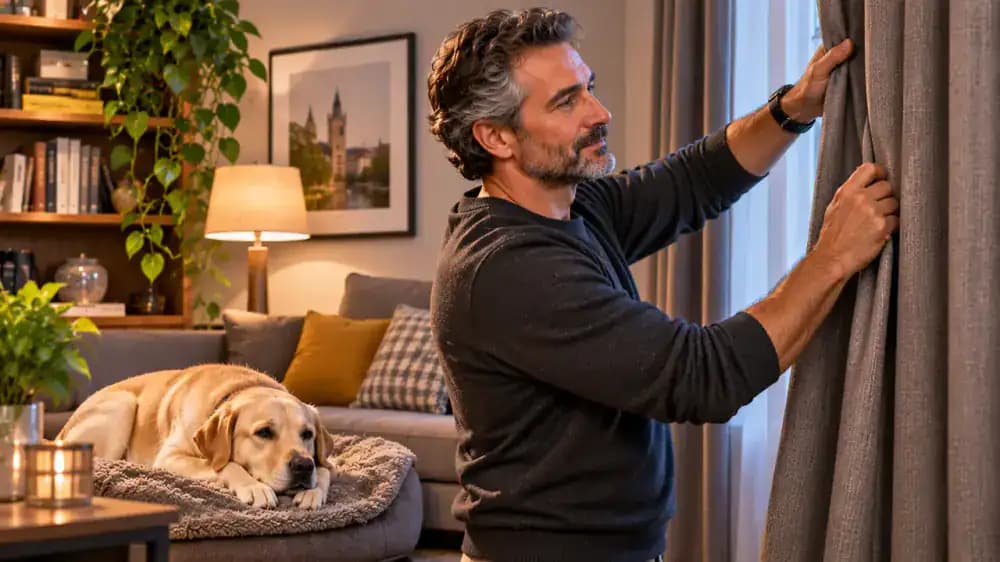
Close windows and draw heavy curtains before fireworks begin to reduce outside noise and sudden flashes. Move your pet's resting area away from street-facing windows when possible. Run a fan, television, or familiar music at a comfortable volume to provide steady background sound. Avoid excessive volume, which may create additional stress instead of comfort.
Preventing Dangerous Escapes
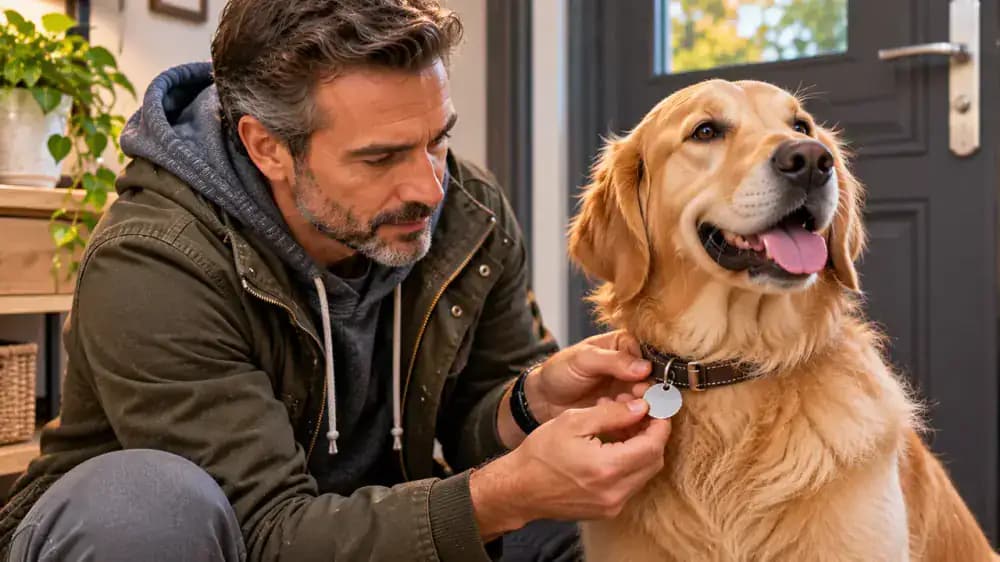
Before celebrations begin, check exterior door latches, window screens, and backyard gates for potential escape routes. Remind visitors to close doors immediately and keep pets securely indoors. Inspect your pet's identification tag for legibility and confirm that their microchip registration lists your current phone number and address. Supervise necessary outdoor trips using appropriate restraint.
Helping Without Increasing Stress
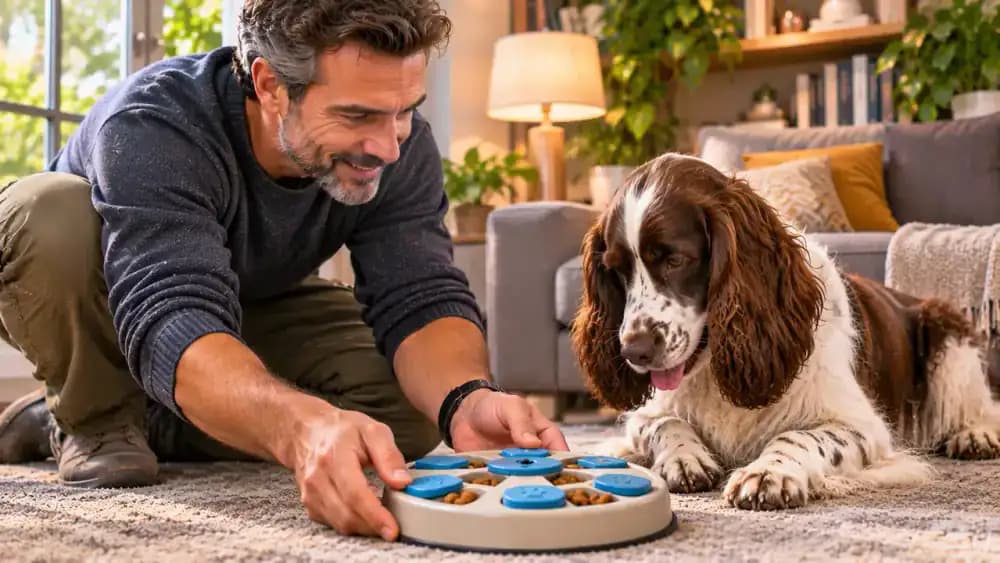
Stay calm, speak in your normal voice, and allow your pet to choose whether to approach you or hide. Offer gentle affection if welcomed, along with familiar treats, a chew toy, or a puzzle feeder. Never force play, physical contact, or exposure to loud sounds. Respecting your pet's preferences helps avoid unnecessary stress.
Gradual Sound Desensitization
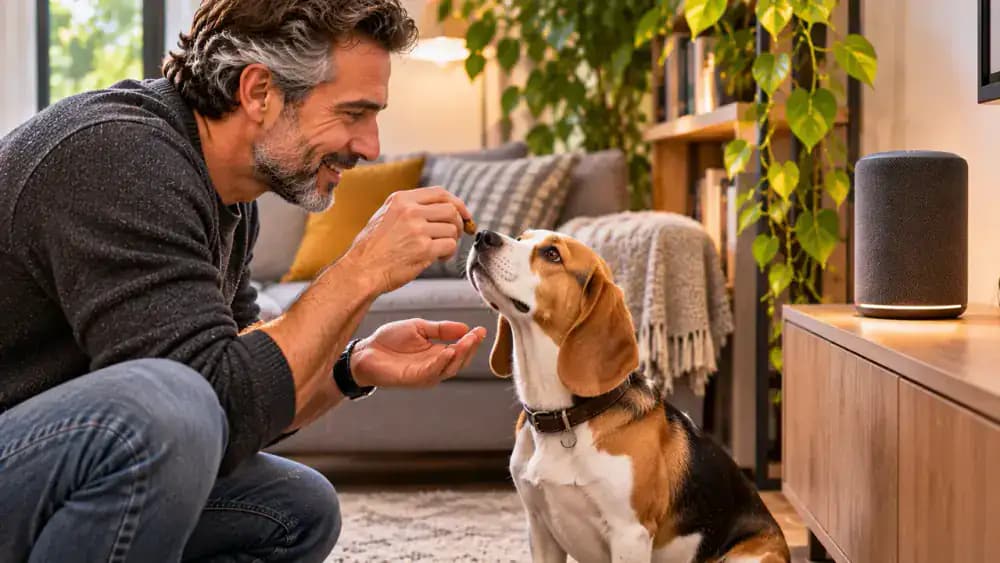
Begin gradual sound training several weeks or months before expected fireworks. Play a fireworks recording at a barely audible volume while offering treats or another enjoyable activity. Keep sessions short and increase volume only when your pet remains comfortable. Stop immediately if distress appears. Never force exposure or rush progress, and seek professional guidance when needed.
When to Seek Veterinary Support
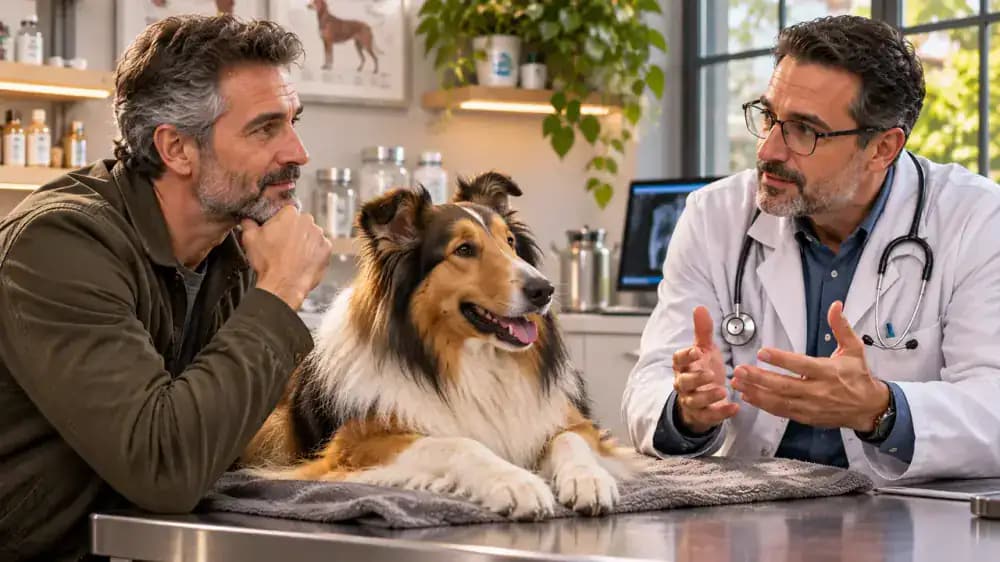
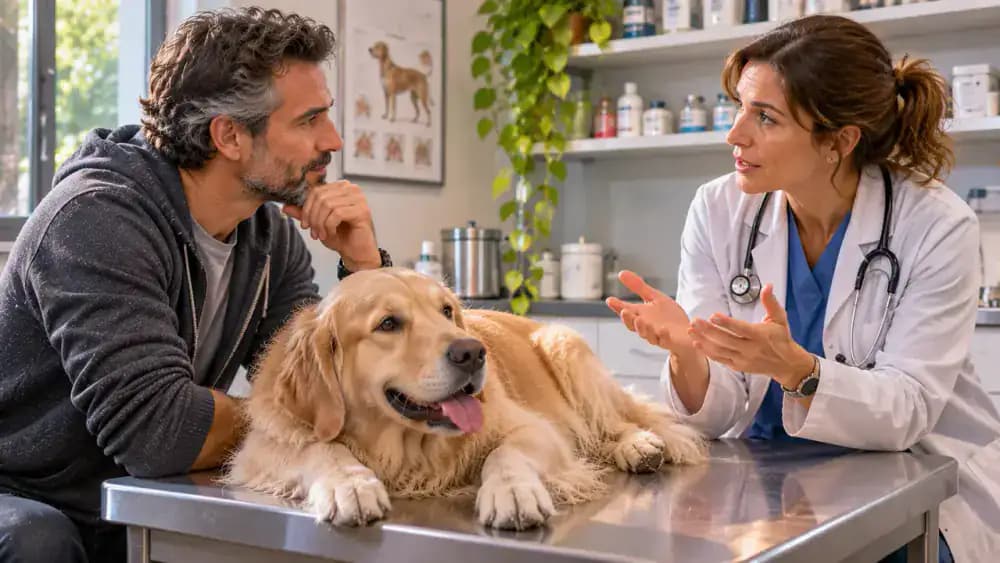
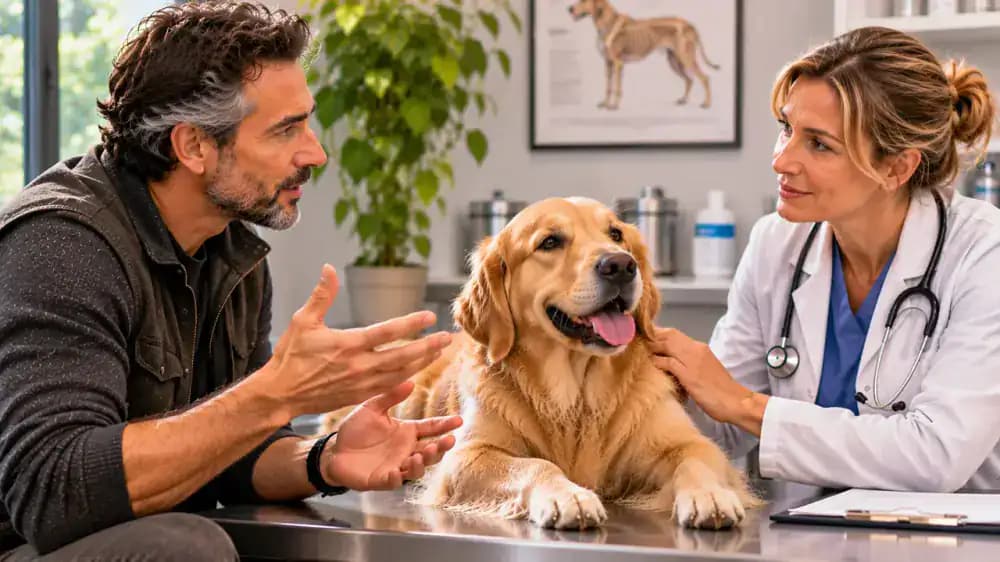
Contact your veterinarian before fireworks season if your pet experiences severe distress, injures themselves, or repeatedly attempts to escape. Discuss individualized behavior support and whether prescription treatment is appropriate. Never give human anxiety medication without veterinary direction. During fireworks, keep the prepared retreat accessible and allow your pet to choose where they feel safest.
Planning Walks and Daily Routines
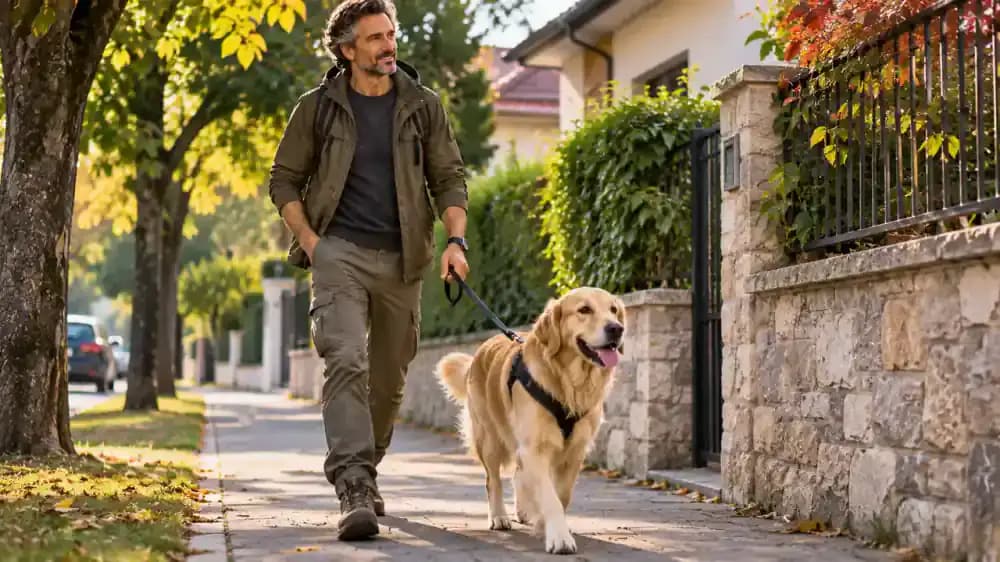
Schedule your dog's walk and bathroom break well before fireworks are expected, using a secure leash and properly fitted harness. Feed both pets at their usual times to maintain familiar routines. Keep a clean litter box accessible indoors for your cat. Avoid unnecessary outdoor trips during fireworks, and supervise any essential outings closely.
Managing Visitors During Celebrations
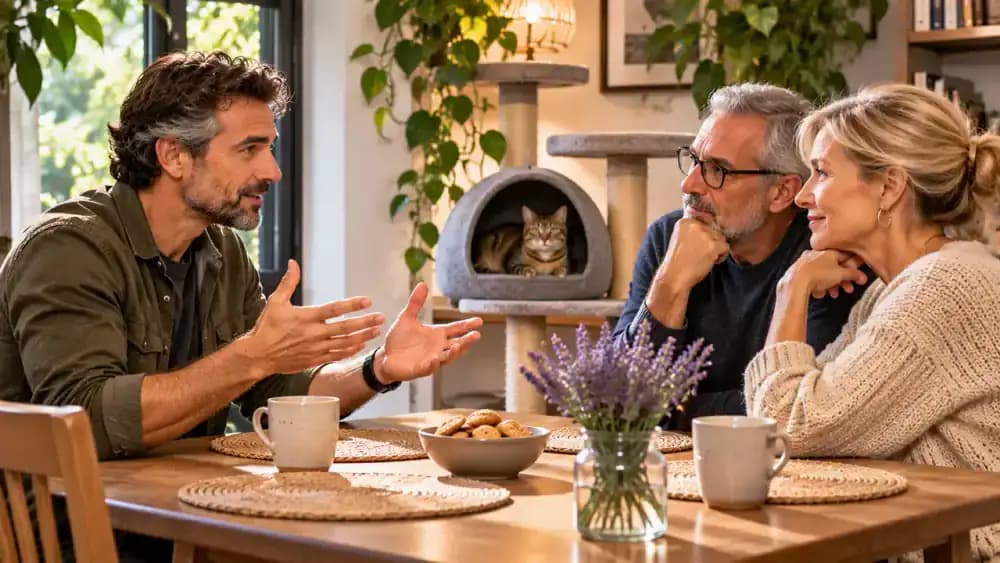
Before guests arrive, explain that your dog or cat may need a quiet space away from the gathering. Ask visitors to keep doors closed and avoid approaching pets in hiding places. Place a simple reminder near the retreat entrance and supervise children around animals. Keep noise manageable and let your pet initiate any interaction.
Protecting Pets From Flashes and Hazards
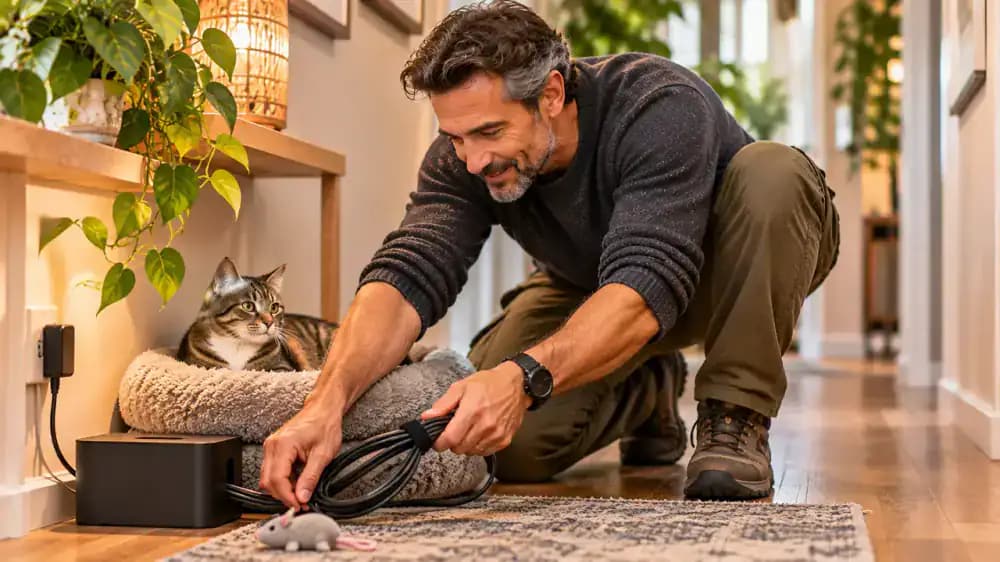
Move your pet's resting area away from windows where fireworks create sudden flashes and vibrations. Secure electrical cords, fragile lamps, and decorations that could fall if an animal moves suddenly. Clear narrow hallways and remove clutter near hiding places. Keep pathways open so your dog or cat can move safely between comfortable indoor areas.
Preparing for an Unexpected Escape
Keep a recent photograph of your pet, veterinary contact details, and local animal shelter information readily available. If your pet escapes, calmly check nearby hiding places, including shrubs and sheltered areas around parked vehicles. Notify local shelters and animal control services promptly. Never chase a frightened animal into traffic or enter dangerous areas during your search.
Understanding Calming Products
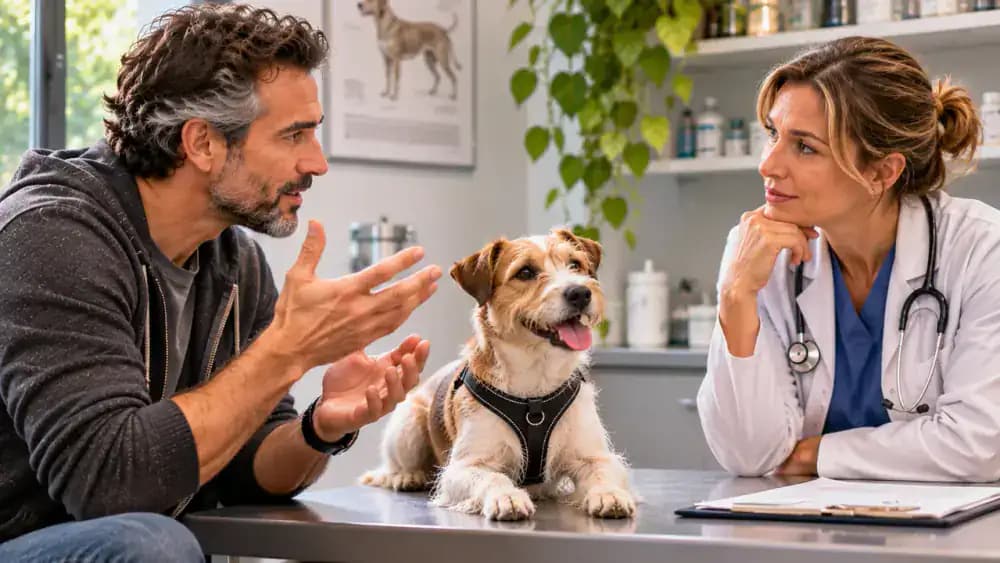
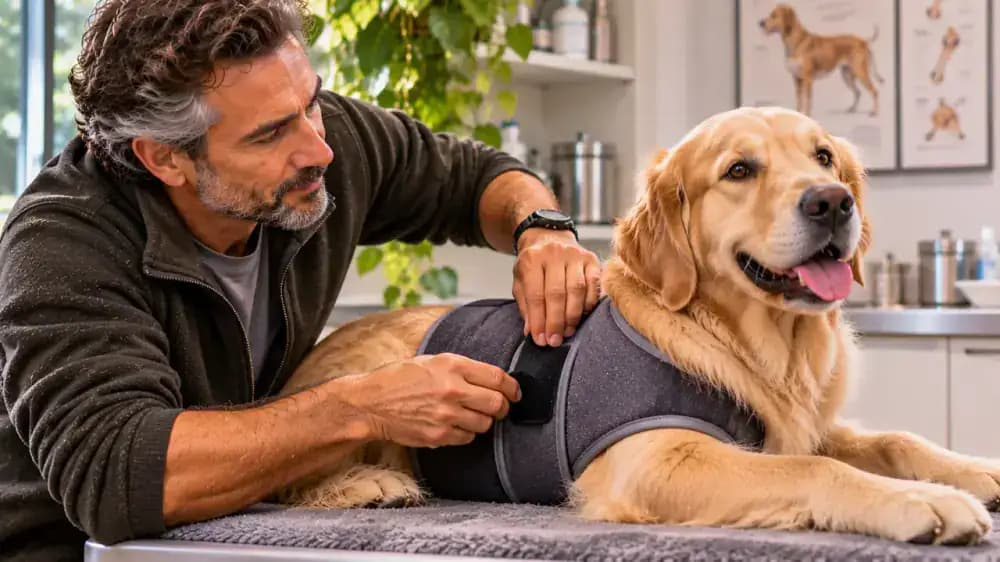
Calming wraps, pheromone diffusers, and supplements may help some pets, but their effectiveness varies and evidence is limited for certain products. Introduce pressure wraps before fireworks and check that your pet tolerates the fit. Never force wearable equipment. Consult your veterinarian before using supplements, especially if your pet takes medication or has existing health concerns.
Tracking Repeated Noise Sensitivity
Keep a simple diary when your pet regularly encounters construction noise, thunderstorms, or fireworks. Record the date, approximate noise level, visible reactions, and how long your pet takes to settle. Note any changes in eating, hiding, or normal activities. Review patterns over several incidents and share your observations with a veterinarian or qualified behavior professional.

Helping Pets Recover After the Noise
Once fireworks stop, let your pet rest and return to normal activities at their own pace. Keep fresh water available and avoid forcing interaction. If your pet attempted to escape or squeeze through narrow spaces, gently check for possible injuries. Contact your veterinarian promptly if trembling, refusal to eat, or unusual behavior continues.
Building Long-Term Confidence and Safety
After each fireworks event, review which preparations helped your pet feel more comfortable and which need improvement. Update your safety checklist, maintain familiar hiding spaces, and adjust routines based on your pet's reactions. The goal is not to make animals enjoy fireworks, but to reduce risks and provide predictable surroundings during future celebrations.

Managing Multiple Pets During Fireworks
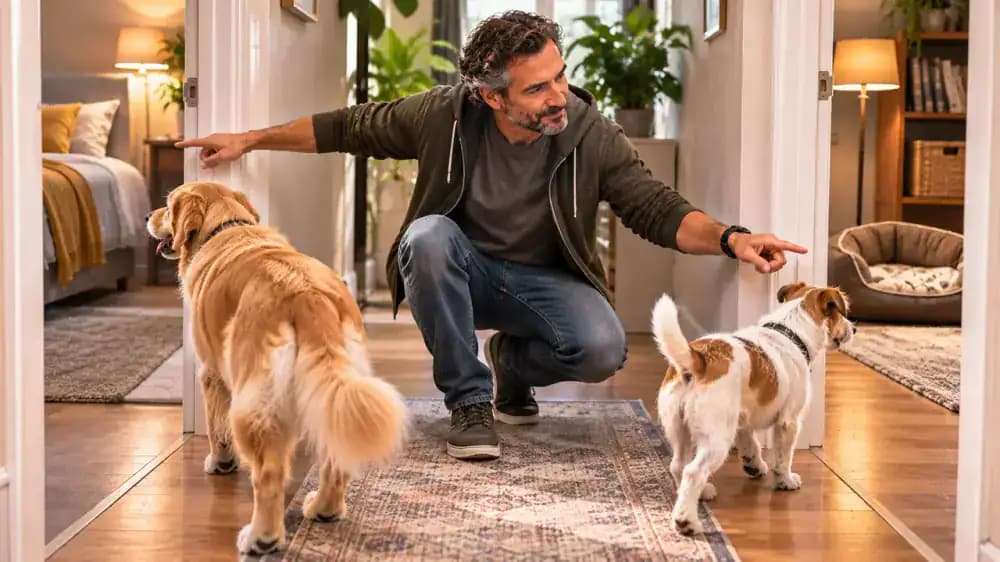
Provide separate resting areas when multiple pets share your home, even if they normally get along. Fear can change their interactions and increase tension around doorways or hiding places. Watch for staring, growling, blocking, or unwanted approaches. Maintain clear pathways, provide individual resources, and calmly create distance when needed without forcing frightened animals together.
Protecting Outdoor Pets Before Celebrations
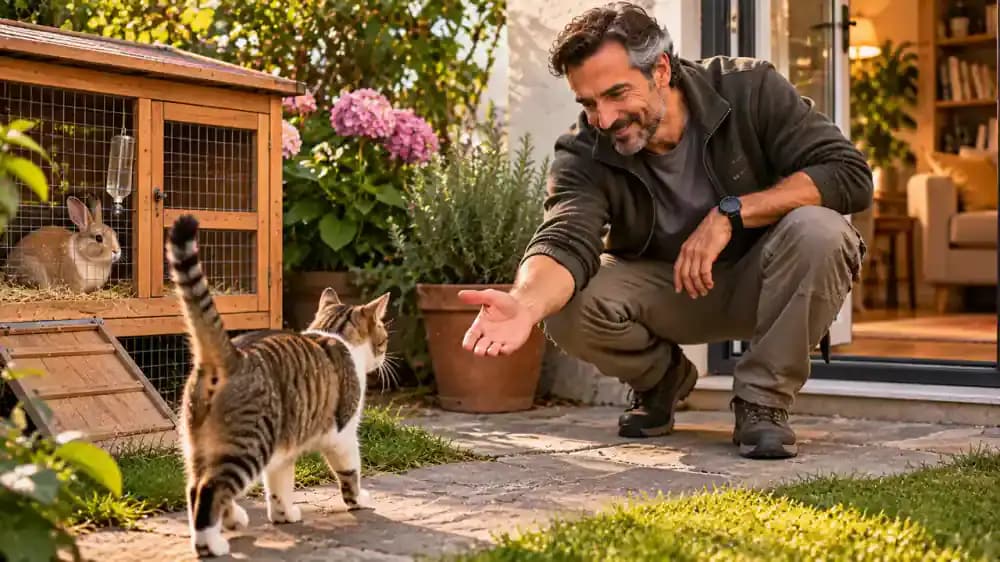
Bring outdoor cats inside well before fireworks begin, allowing time to settle into familiar surroundings. Move rabbits and other small pets from exposed outdoor enclosures into suitable indoor housing when practical. Preserve familiar bedding, food, and water while checking ventilation and temperature. Secure doors and enclosures carefully, and avoid unnecessary handling once the noise starts.
Traveling Safely During Noisy Events
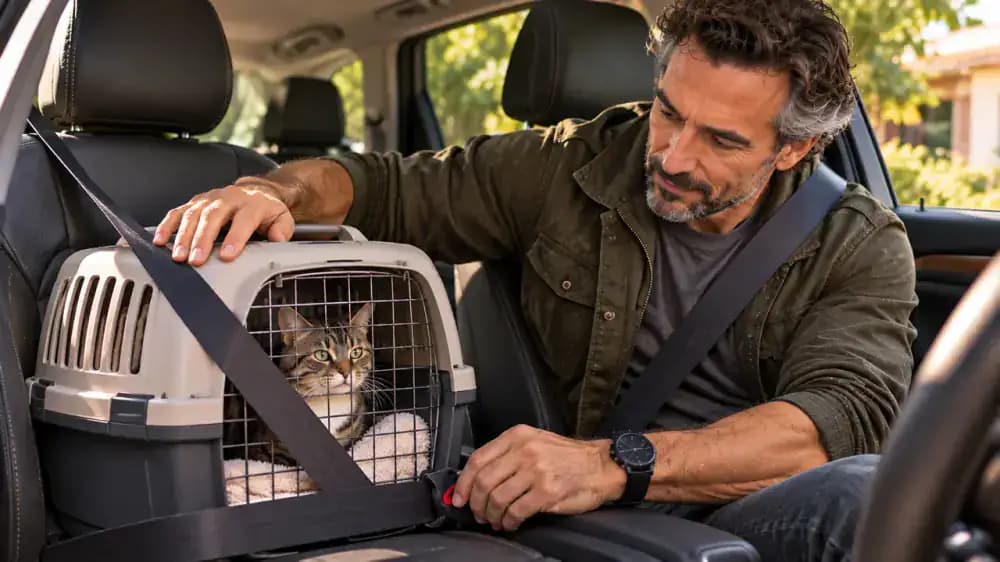
Avoid unnecessary travel when fireworks or other loud events are expected. If a journey cannot wait, secure cats in familiar, ventilated carriers and dogs with appropriate vehicle restraints. Maintain a comfortable cabin temperature and drive smoothly. Keep doors and windows secured during stops, and never open a pet carrier outside a fully enclosed, safe location.
When Frightened Pets Refuse Food
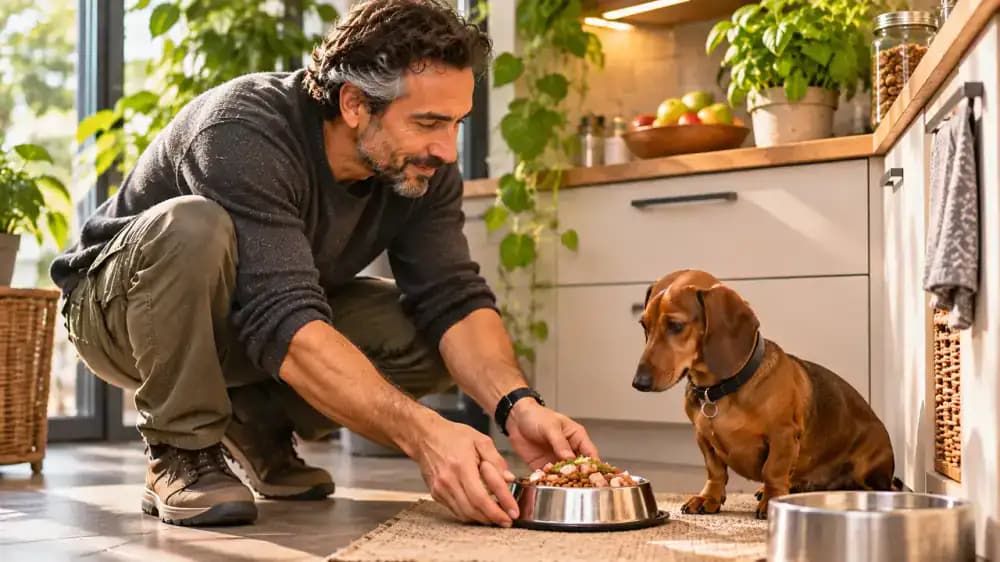
Do not force your pet to eat when loud noises make them unwilling to approach food. Offer familiar meals in a quiet location, then allow space and try again once the environment settles. Keep fresh water accessible and monitor normal eating and drinking habits. Contact your veterinarian promptly if your cat refuses food or appetite loss persists.
Recognizing New Noise Sensitivity in Older Pets
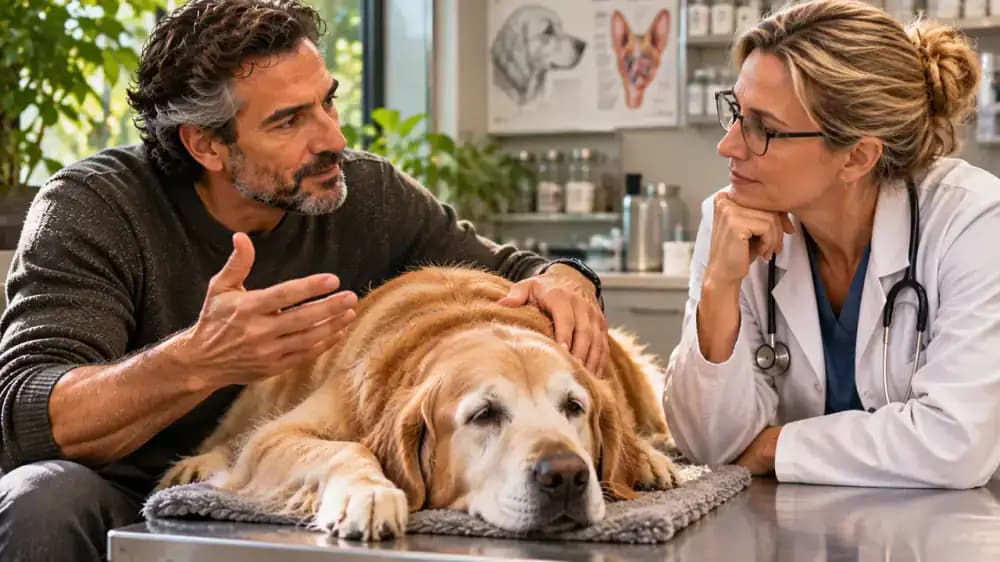
Pay attention if an older dog or cat suddenly becomes more sensitive to fireworks or other loud sounds. Changes in hearing, mobility, comfort, or general health may influence their reactions. Do not dismiss new behaviors as stubbornness or normal aging. Schedule a veterinary examination when noise sensitivity appears unexpectedly or becomes significantly worse.
Planning Around Neighborhood Noise
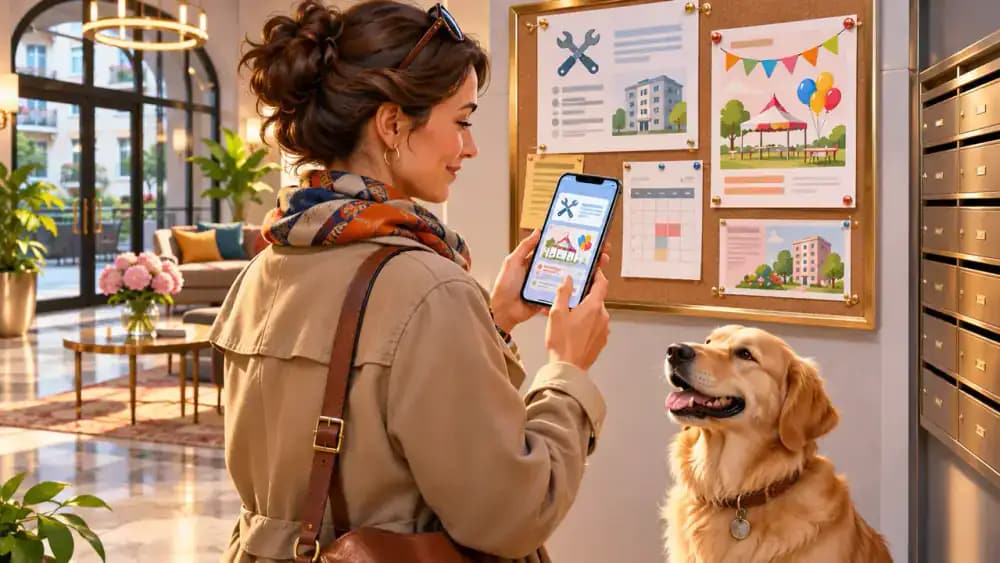
Check local event calendars, community announcements, and building notices for upcoming fireworks or construction work. Ask apartment management about scheduled maintenance and politely discuss avoidable noise with neighbors when appropriate. Record expected disruptions on a household calendar. Use this information to schedule walks, prepare quiet spaces, and reduce unexpected exposure to loud sounds.
Creating a Reliable Family Safety Plan
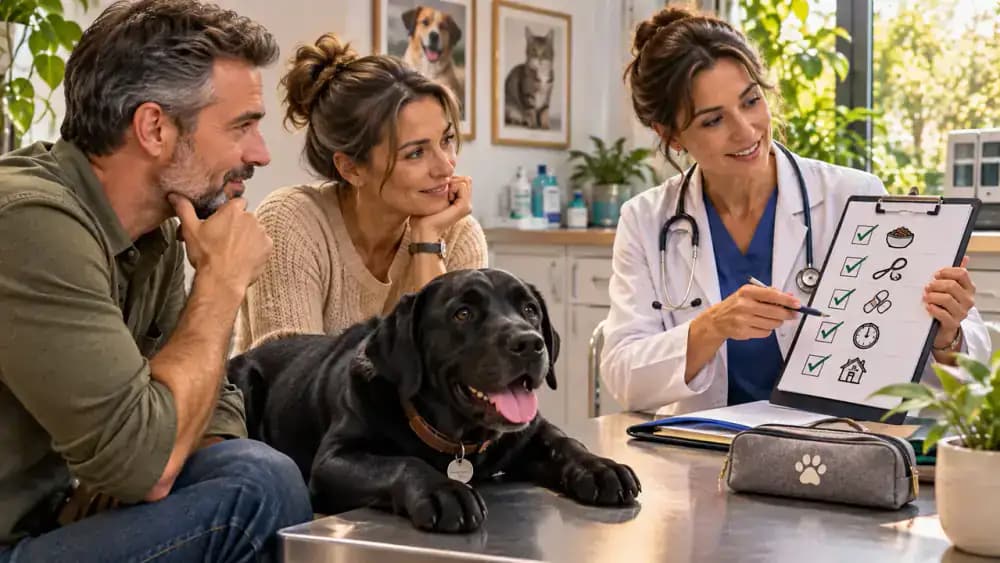
Create a simple household plan before the next fireworks celebration. Assign responsibility for preparing your dog's retreat, checking your cat's hiding area, securing entrances, and keeping emergency supplies accessible. Make sure everyone knows your veterinarian's contact information and when to seek help. Keep the plan visible so family members respond consistently without overwhelming frightened pets.

Practicing the Safety Plan Beforehand
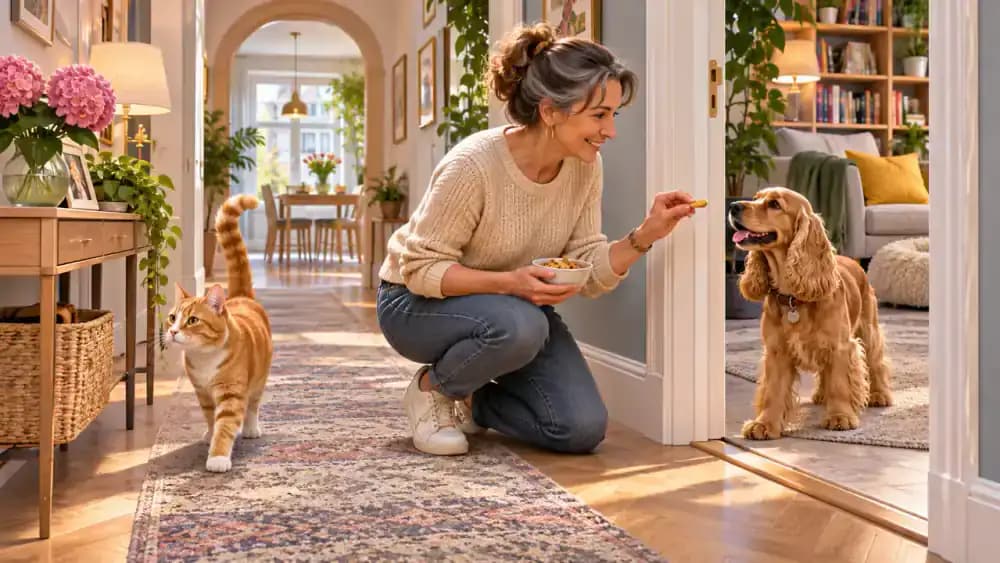
Practice your fireworks safety routine on a quiet day when both pets are relaxed. Encourage your dog toward the prepared room using a familiar verbal cue and reward voluntary entry. Allow your cat to explore the doorway and hiding options independently. Repeat brief, positive sessions without restraint or pressure so the retreat becomes a familiar choice.
Preparing for Longer Noise Events
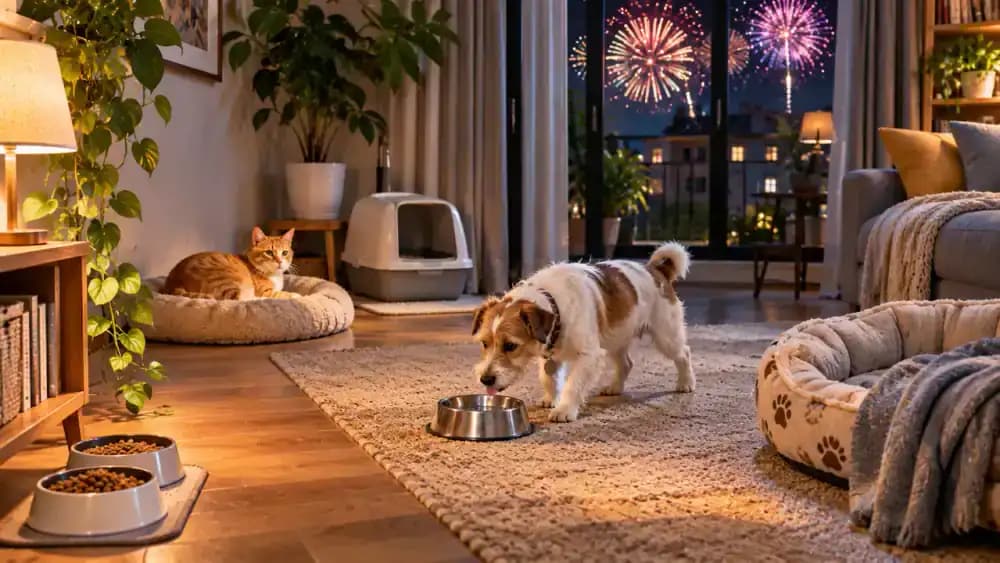
Prepare for fireworks or storms that last longer than expected by keeping fresh water, comfortable bedding, and appropriate toilet facilities accessible. Provide enough room for pets to change resting positions without entering crowded areas. Maintain comfortable ventilation and temperature. Check periodically without disturbing hiding animals, and watch for increasing distress or signs of overheating.
Avoiding Unnecessary Separation
If you must leave home during fireworks, arrange for a trusted person your pet already knows to stay nearby when possible. Introduce any new sitter well before the event. Explain your pet's preferred hiding places, normal behavior, and signs of distress. Provide written care instructions, emergency contacts, and access to essential supplies.
Knowing When It Is Safe Outside
Do not assume fireworks have ended simply because the neighborhood becomes quiet for a few minutes. Additional explosions may occur without warning. Keep exterior doors secured and pets safely indoors until the event has clearly finished. Check outside conditions before allowing access, and use a secure leash and properly fitted harness for necessary dog outings.
Improving the Retreat After Each Event
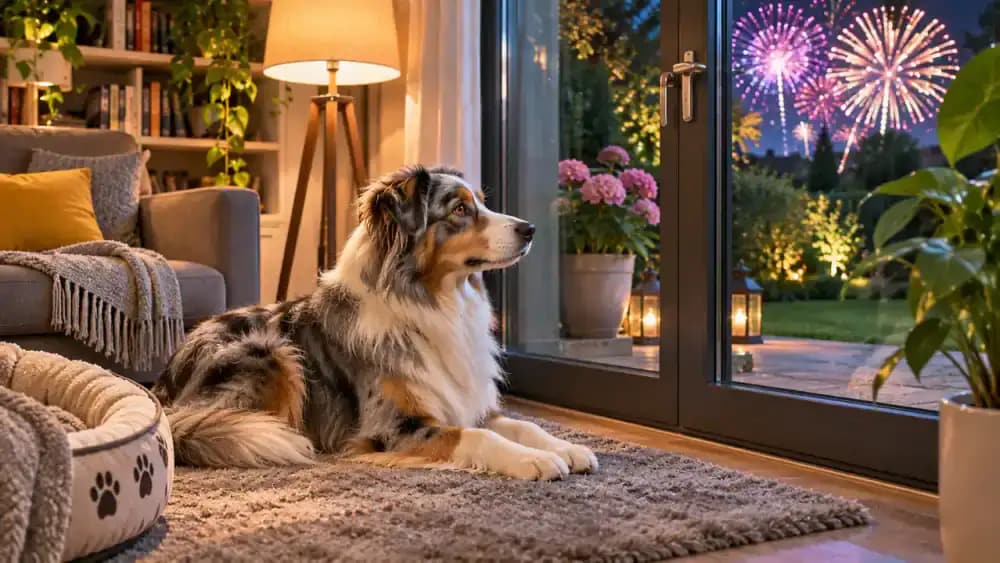
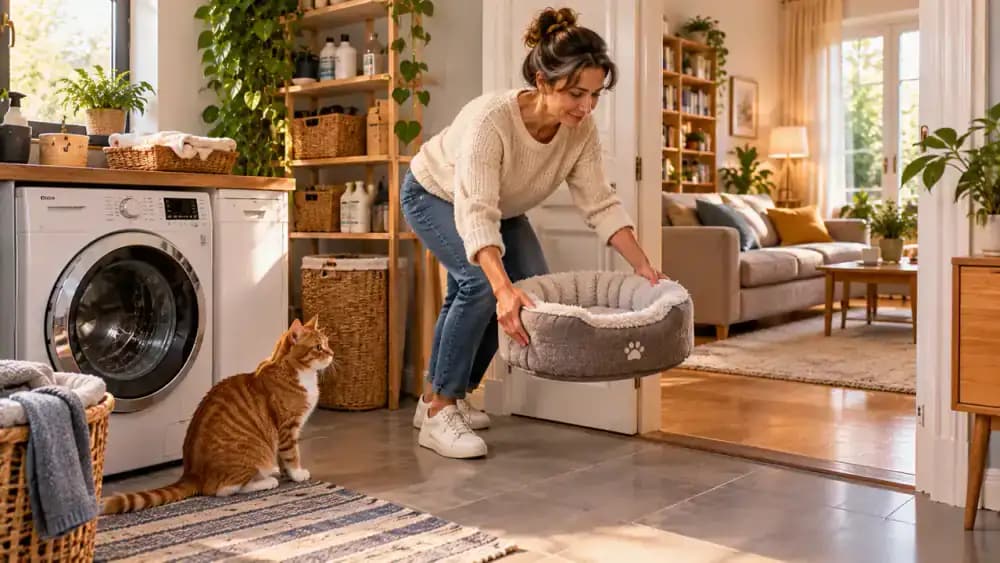
Review your pet's retreat after each noisy event to identify practical improvements. Check whether nearby appliances, limited space, or blocked pathways made the location uncomfortable. Move bedding away from noisy equipment and ensure water and hiding options remain accessible. Observe which areas your pet naturally prefers, then adjust the arrangement without forcing a change.
Using Prescribed Medication Responsibly
If your veterinarian prescribes medication for fireworks-related distress, confirm the correct dose, timing, and administration instructions before the event. Ask whether a supervised trial is recommended and which reactions require veterinary attention. Follow the prescription exactly, store medication securely, and report unexpected effects promptly. Never change doses or combine calming products without veterinary approval.

Putting Your Pet's Needs First
Adapt your fireworks preparation to your individual pet rather than expecting every animal to respond the same way. A relaxed dog may prefer staying near family, while a frightened cat may need uninterrupted privacy. Respect their choices, maintain secure surroundings, and adjust your approach when behavior changes. Prioritize safety, comfort, and veterinary guidance whenever necessary.
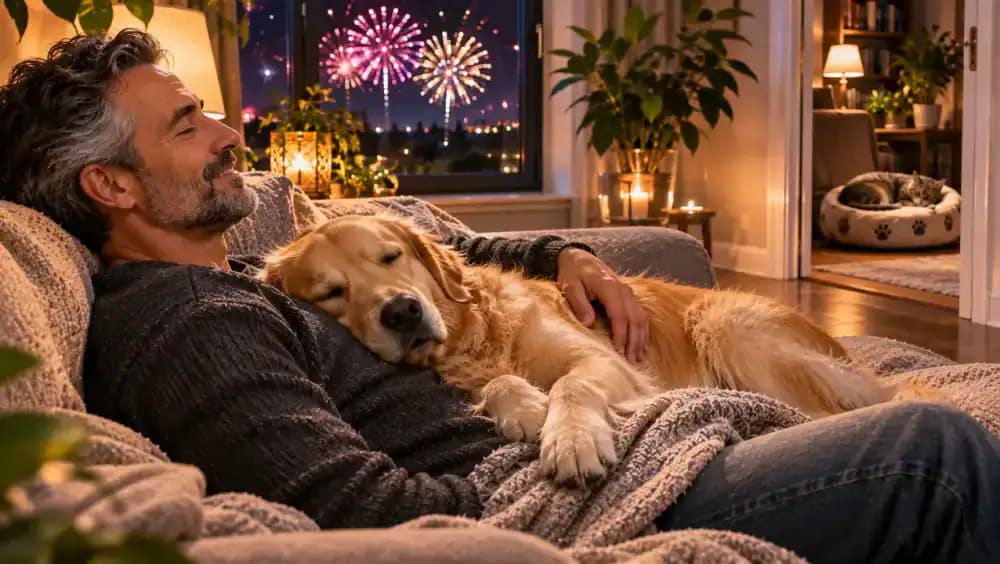
A distant firework suddenly cracks through the evening air. Your dog freezes, then retreats beneath the coffee table. Across the room, your cat darts toward the bedroom, searching for somewhere to hide. The celebration may be happening blocks away, but inside your home, both pets are reacting to a sound they cannot predict or understand.
Preparing your dog or cat for fireworks before the first bang can make a meaningful difference. Loud explosions, thunderstorms, construction noise, and other unexpected sounds can frighten pets, particularly when they cannot identify where the noise is coming from or when it will stop.
Dogs may tremble, pant, pace, bark, cling to their owners, or attempt to escape. Cats often respond by disappearing into closets, squeezing beneath furniture, or avoiding interaction. Individual reactions vary, and even pets that seemed comfortable during previous celebrations can become distressed.
Fortunately, you do not need expensive equipment to make your home more comfortable. A quiet indoor retreat, familiar bedding, closed windows, gentle background sound, and reliable identification are practical starting points. Maintaining predictable routines and allowing pets to choose where they feel comfortable can also help.
This guide covers simple preparations for fireworks nights, ways to reduce escape risks, and the importance of starting gradual sound training well in advance. You will also learn when professional veterinary guidance is the safest next move.
Where people go wrong
Waiting Until Fireworks Start to Prepare. Trying to organize a safe room after the first explosion may add activity and confusion when your pet is already frightened. Prepare the retreat, check identification, and secure escape points beforehand. If your pet has a history of strong reactions, contact your veterinarian well before fireworks season rather than waiting until the celebration begins.
Forcing a Frightened Pet Out of Hiding. Pulling a cat from beneath furniture or insisting that a frightened dog sit beside you can increase distress. Hiding is often a normal response to overwhelming noise. Allow your pet to remain in a safe, accessible location, provided there are no hazards. Offer quiet companionship when welcomed, but avoid grabbing, restraining, or repeatedly disturbing the animal.
Playing Music Too Loudly to Cover Explosions. Background sound can soften the contrast between ordinary household noise and distant fireworks, but excessive volume creates another source of stress. Avoid turning speakers up to compete with nearby explosions. Use familiar music, television, or a fan at a comfortable level. Watch your pet's response and lower the volume if the sound appears unsettling.
Assuming a Fenced Yard Is Escape-Proof. A frightened dog may jump, dig, squeeze through gaps, or push against a gate that normally stays closed. Cats may slip through unexpectedly opened doors or unsecured screens. Keep pets indoors during fireworks whenever practical. Check doors, windows, and gates, and supervise necessary outdoor trips using appropriate restraint rather than relying on fencing alone.
Using Sound Recordings at an Overwhelming Volume. Playing loud fireworks recordings to make a pet get used to explosions can make noise-related fear worse. Gradual training should begin at a level that does not trigger distress, with positive associations and enough time between sessions. If your pet freezes, hides, or refuses food, stop and reassess. Seek qualified professional guidance when needed.
Giving Human Medication or Unapproved Calming Products. Human sedatives, pain relievers, supplements, and other products are not automatically safe for dogs or cats. Some can cause serious harm or interact with prescribed treatments. Never administer medication without veterinary direction. If your pet experiences significant fireworks-related distress, consult your veterinarian about evidence-based behavioral support and any appropriate prescription options before the event.
Leaving Identification and Microchip Details Outdated. Even careful escape prevention cannot eliminate every possibility of a pet getting loose. A missing or unreadable tag and outdated microchip contact details can delay reunification. Check that your pet's registered information is current and that any collar fits safely. Remember that a microchip provides identification, not real-time GPS tracking.
Questions people ask
Bring your dog indoors before fireworks begin and provide a familiar, quiet retreat with bedding and water. Close windows and curtains, and consider gentle background sound. Maintain a calm routine and offer treats or quiet companionship if your dog welcomes them. Avoid forcing interaction. For severe or recurring fear, ask your veterinarian about an individualized management plan.
Fixed it?
Get one guide like this every Thursday.