How to Build a Pet Dental Care Routine at Home
Learn how to brush your dog or cat's teeth at home with 30 gentle, practical steps. Build trust, choose safe dental products, prevent common mistakes, and recognize when veterinary care is needed.

What you’ll need
Tap to tick things off before you start.
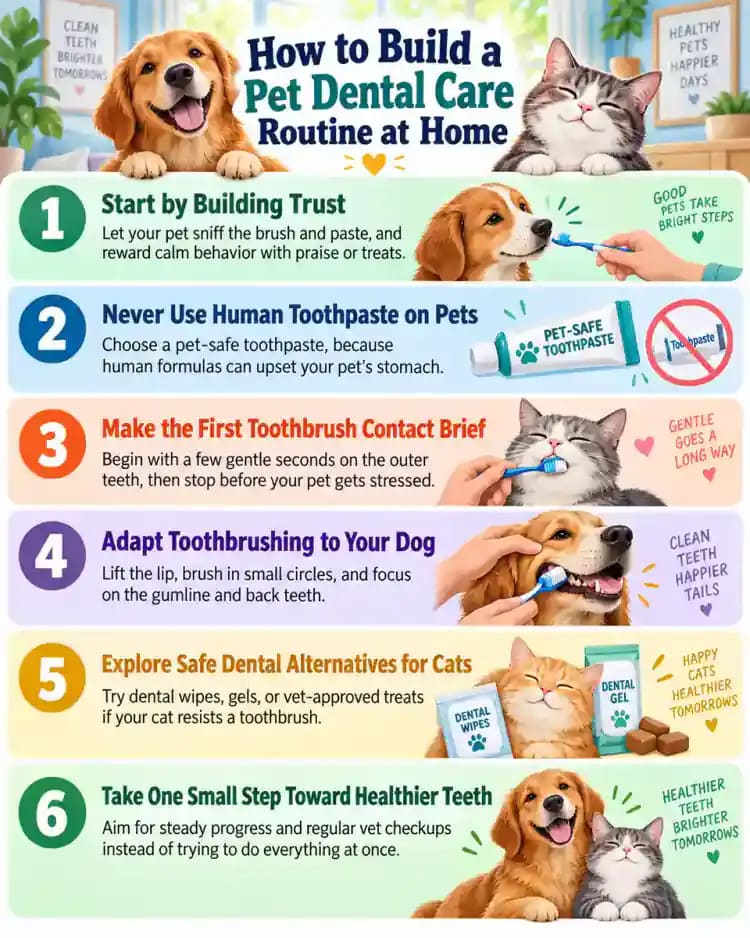
Start by Building Trust
Sit comfortably near your dog or cat and allow them to approach your empty hand. Reward relaxed curiosity without touching their mouth immediately. Your pet cannot understand your dental goals, so begin by making interactions predictable and pleasant. A few calm seconds establish the foundation for future brushing sessions.

Understand Why Pet Dental Care Matters
Plaque is a sticky film containing bacteria that collects on teeth. Over time, inadequate dental care can contribute to tartar accumulation and gum inflammation. Dental problems may cause discomfort even when pets continue eating. Regular home brushing helps manage plaque, while veterinary examinations identify problems that home care cannot address.
Check for Dental Warning Signs First
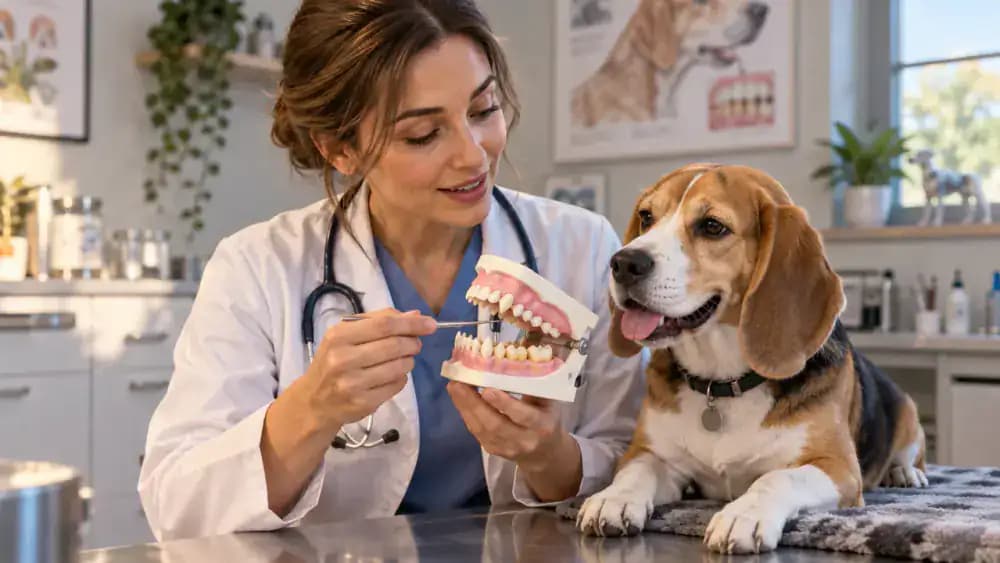
Before introducing brushing, notice persistent bad breath, red gums, drooling, bleeding, loose teeth, or reluctance to chew. These signs warrant veterinary evaluation before starting. Brushing a painful mouth may increase discomfort and create lasting resistance. If your pet seems uncomfortable, arrange an examination rather than pushing through the session.

Choose a Calm Time and Familiar Place
Schedule practice when your pet is already settled, rather than immediately after energetic play. Choose a quiet, well-lit room with comfortable seating. Separate other animals if they create distractions. Your first session should resemble an ordinary peaceful interaction, allowing your dog or cat to concentrate without feeling crowded or pressured.

Prepare Your Pet Dental Care Supplies
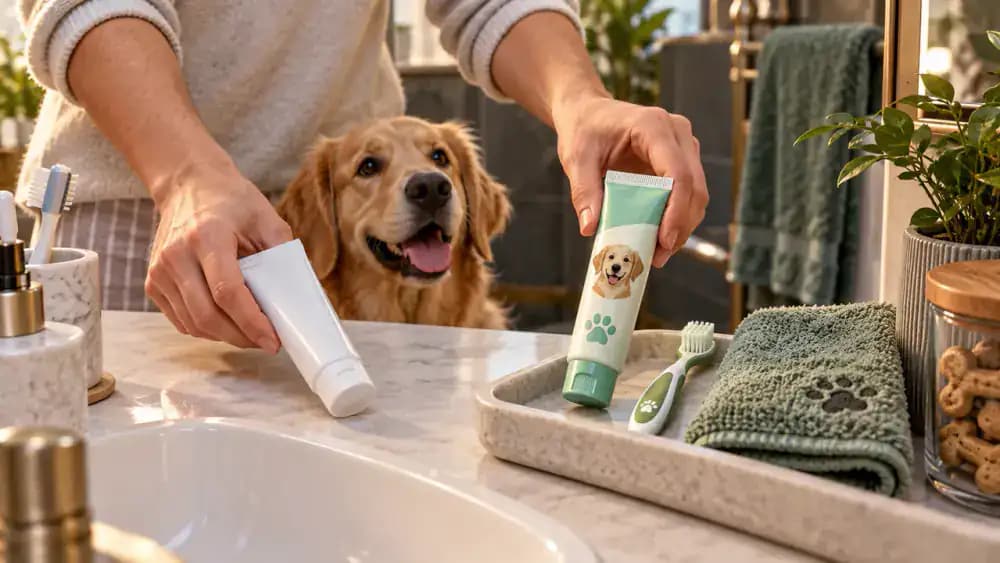
Arrange a soft pet toothbrush, suitable toothpaste, tiny rewards, and a clean cloth before inviting your pet over. Having supplies nearby prevents unnecessary interruptions. Choose products appropriate for your animal's size and species. If your pet has existing medical or dental concerns, ask your veterinary team for individualized recommendations first.

Never Use Human Toothpaste on Pets
Keep ordinary human toothpaste away from your pet's dental routine. Human formulations are not designed for animals to swallow, and certain ingredients, including xylitol, can be dangerous to dogs. Select toothpaste specifically formulated for dogs or cats and follow its instructions. Ask your veterinarian about any unfamiliar ingredient before using it.
Allow Your Pet to Investigate the Toothbrush
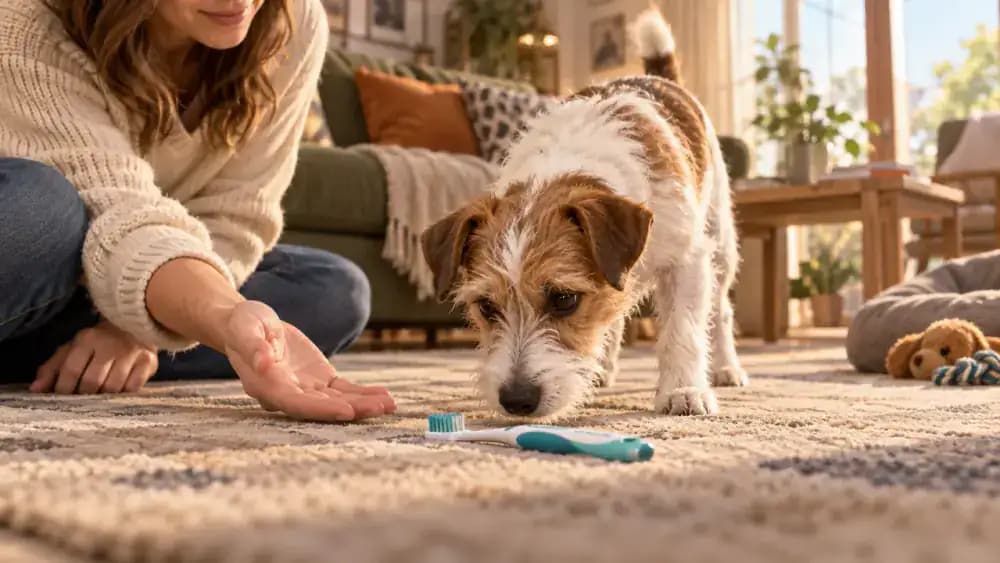
Place the unused toothbrush nearby and let your pet examine it voluntarily. Reward a gentle sniff, relaxed glance, or calm approach. Avoid moving the brush toward their face when they retreat. This exercise introduces an unfamiliar object without demanding mouth contact. Repeat until the toothbrush no longer attracts nervous attention.
Introduce Gentle Cheek Touching
Briefly touch the side of your pet's cheek, offer a reward, and remove your hand. Repeat while their body language remains comfortable. Gradually move a finger closer to the lip without lifting it immediately. Predictable, gentle movements help build tolerance. End each session before your pet becomes restless or uncertain.

Recognize When Your Pet Wants a Break
Observe your pet's entire body during handling. Dogs may freeze, repeatedly lick their lips, turn away, or expose the whites of their eyes. Cats may flatten their ears, flick their tails, or leave. Respect these signals immediately. Successful dental training depends on willing participation, not how long you can maintain contact.

Practice Lifting the Outer Lip
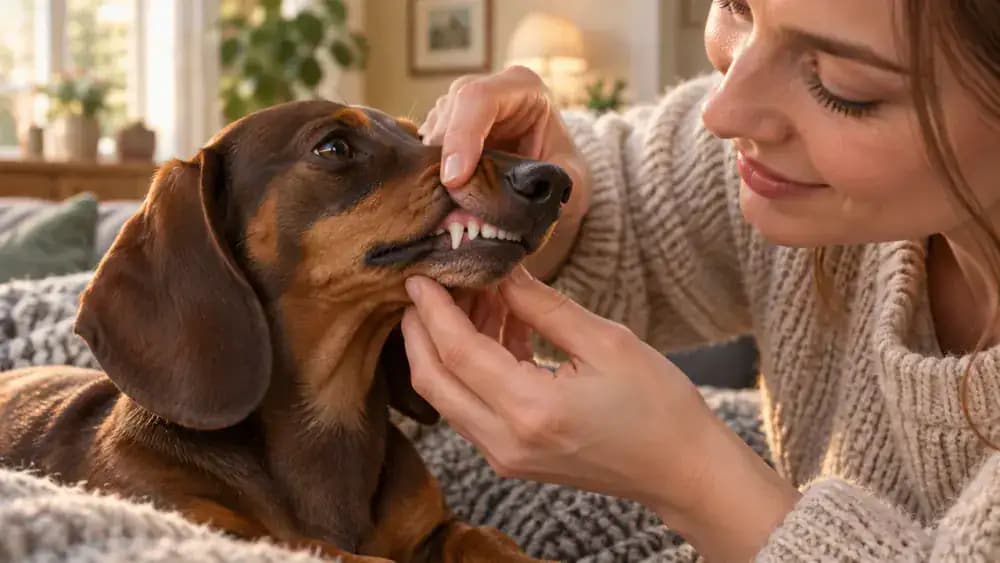
When cheek touching becomes comfortable, gently lift the outer lip for one second and release it. Reward your pet immediately afterward. There is no need to pry the jaws apart. Brushing primarily targets accessible outer tooth surfaces near the gums. Increase handling time gradually, provided your pet remains calm and cooperative.
Introduce the Flavor of Pet Toothpaste
If the toothpaste directions permit, offer a tiny amount from your fingertip and allow your pet to lick voluntarily. Some animals enjoy the flavor, while others require additional time. Never push toothpaste into an unwilling mouth. Introduce its smell and texture separately so your pet does not face several unfamiliar sensations simultaneously.

Make the First Toothbrush Contact Brief
Once your pet accepts mouth handling, touch the soft toothbrush to the outside of one front tooth. Remove it almost immediately and offer praise or a reward. One gentle contact counts as progress. Resist the temptation to continue simply because your pet cooperated. Repeat the easy movement before gradually extending brushing.
Find a Comfortable Brushing Position
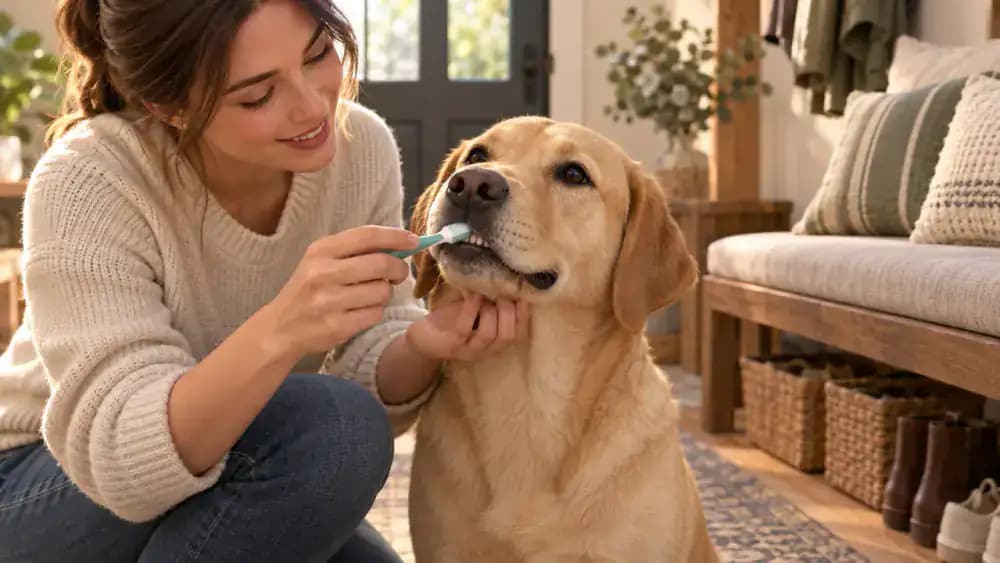
Sit beside your pet instead of leaning directly over their head. Small dogs may prefer a nonslip mat, while cats often feel comfortable on a familiar stable perch. Avoid pinning your animal down or forcing an awkward posture. A natural position allows more accurate movements and reduces unnecessary stress for both of you.

Brush Gently Along the Gumline
Angle the soft bristles toward the gumline and use tiny, gentle strokes on accessible outer tooth surfaces. Apply minimal pressure and concentrate on removing soft plaque rather than scraping hardened deposits. Watch your pet's reactions throughout. If brushing causes bleeding or apparent pain, stop and contact your veterinary team for advice.
Begin by Brushing Just One Tooth
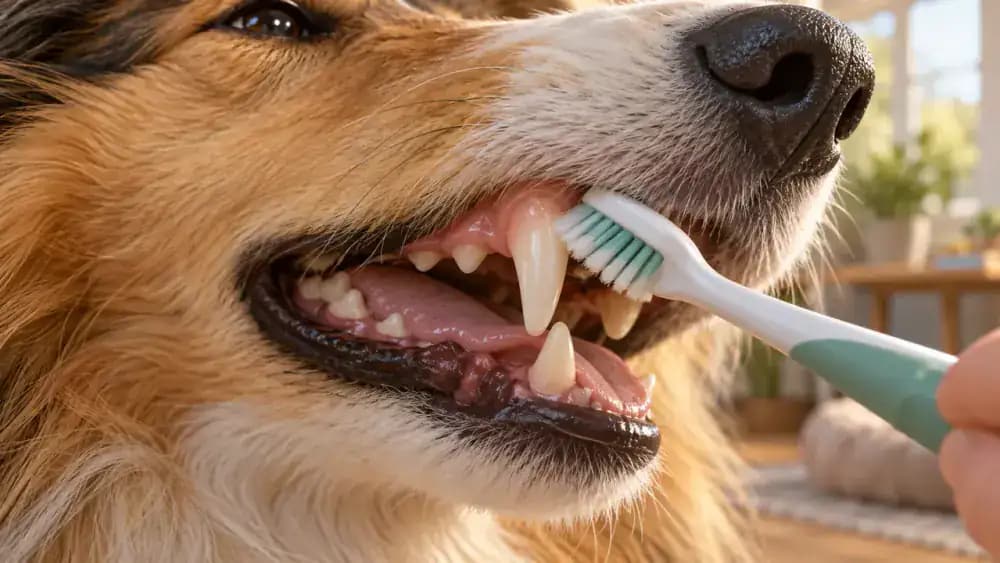
Choose one accessible tooth on the side your pet naturally offers. Brush briefly, praise their cooperation, and end the session positively. Repeated small successes help establish a comfortable routine. Once that tooth becomes easy, introduce a neighboring tooth. Gradual expansion is more productive than attempting every tooth during your first brushing session.

Gradually Reach the Back Teeth
As your pet becomes comfortable, work toward the larger premolars and molars. These back teeth can accumulate plaque, making them important brushing targets. Lift the outer lip gently and reach only the surfaces you can access safely. If positioning proves difficult, ask your veterinarian to demonstrate an appropriate technique for your animal.
Adjust the Routine for Your Cat
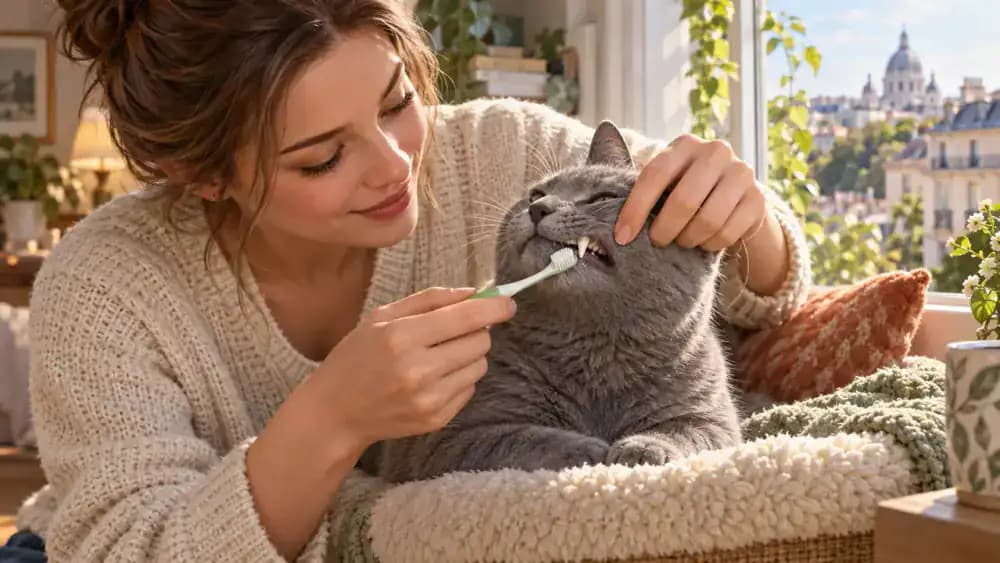
Cats may prefer extremely short brushing attempts and the freedom to choose their resting place. Begin with cheek touches, progress to a small lip lift, and eventually introduce a suitably sized brush. Accept one or two gentle strokes as progress. Never scruff or forcibly restrain a frightened cat to finish cleaning.
Adapt Toothbrushing to Your Dog
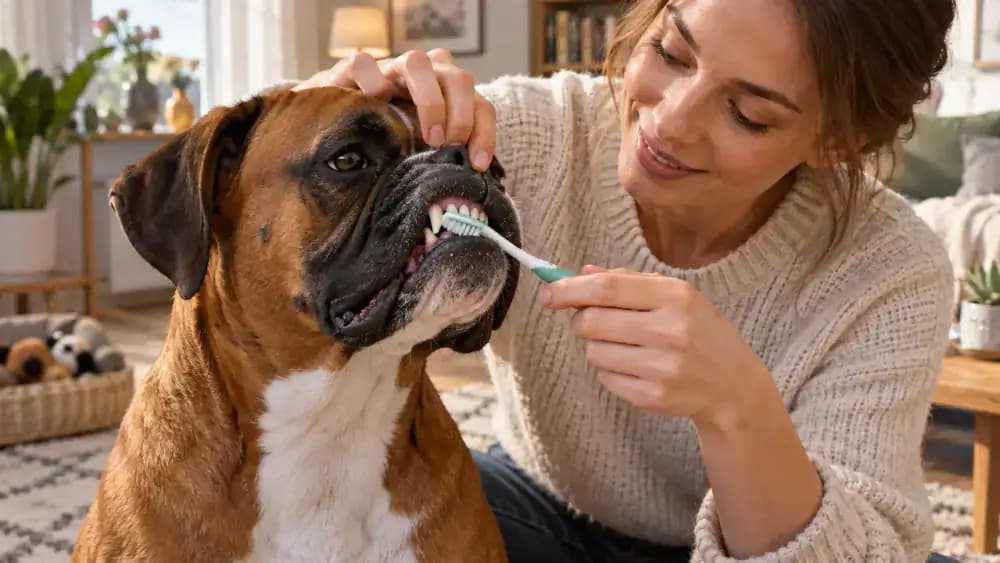
Consider your dog's age, energy, mobility, and temperament. An active puppy may need extra practice settling, while a senior dog with joint discomfort may prefer standing on a padded mat. Avoid positions that require uncomfortable bending. Use predictable rewards and gentle movements, adapting each session rather than demanding identical behavior from every dog.

Create a Consistent Daily Dental Habit
Aim for daily toothbrushing when your pet comfortably tolerates it, since regular brushing is generally the strongest home approach to plaque control. Connect the activity to an existing habit, such as returning from an evening walk. Use the same quiet location and predictable sequence. Consistency matters more than complicated scheduling.

Track Progress With a Simple Checklist
Keep a brief record of what your pet comfortably accepts. Note cheek touches, lip lifts, individual teeth brushed, and any signs of discomfort. Avoid treating the checklist like an obedience score. Its purpose is to identify successful milestones and help you begin future sessions at a level your pet already understands.

Respond Calmly When Your Pet Resists
Stop immediately if your pet freezes, pulls away, or becomes distressed. Never clamp their mouth shut or force a toothbrush inside. Resume with an easier handling exercise during a later session. Resistance may reflect discomfort, fear, or poor timing. Sudden behavior changes deserve veterinary attention because dental pain is another possibility.

Choose Supplemental Dental Products Carefully
Ask your veterinarian whether supplemental dental products could support your brushing routine. The Veterinary Oral Health Council, or VOHC, identifies products that meet its reviewed plaque or tartar control standards. Check the exact product, species, and acceptance seal before purchasing. Remember that no dental product guarantees protection against every oral health problem.

Offer Dental Chews With Supervision
For dogs, appropriately selected dental chews may provide additional plaque control. Choose a suitable size and supervise chewing to reduce choking risks from large broken pieces. Avoid extremely hard objects, including antlers and bones, that may damage teeth. Ask your veterinarian which chew options suit your dog's size and chewing behavior.

Explore Safe Dental Alternatives for Cats
If your cat cannot comfortably tolerate brushing, discuss other options with your veterinarian. Appropriately labeled dental diets, treats, wipes, or accepted dental products may help manage plaque or tartar. Follow product directions and any prescription feeding requirements. These alternatives can support oral hygiene but cannot replace treatment for existing dental disease.

Avoid Risky Home Tartar Removal Methods
Be skeptical of products promising to dissolve stubborn tartar instantly. Hardened deposits often require professional dental scaling rather than ordinary brushing. Never scrape your pet's teeth with household metal tools or apply harsh homemade mixtures. These methods can injure teeth and gums. Visible heavy tartar buildup warrants a veterinary examination.
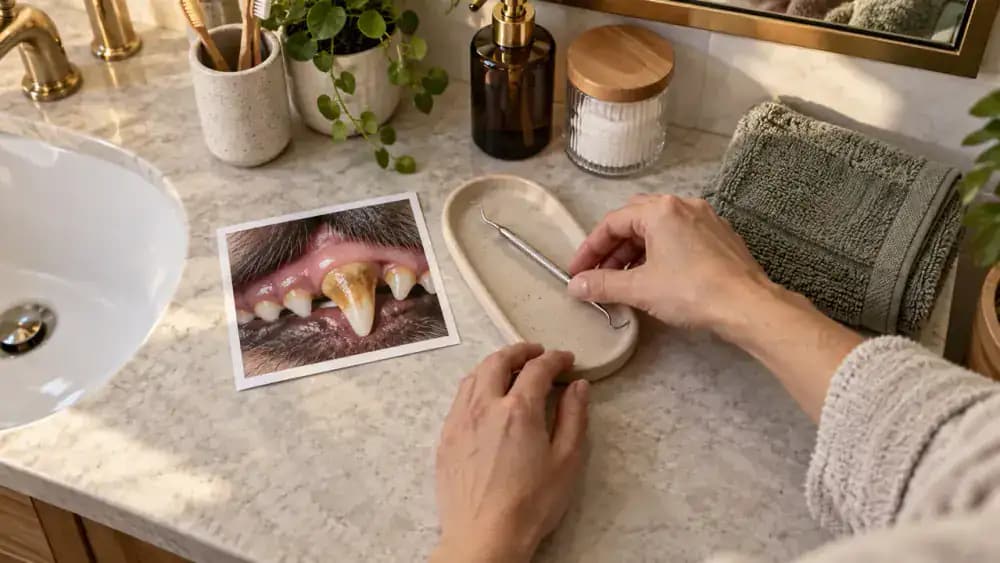
Understand When Professional Dental Care Is Needed
Veterinary dental care involves more than polishing visible teeth. A veterinarian may recommend a dental procedure under anesthesia and dental radiographs to evaluate problems beneath the gums. Individual health needs guide anesthesia planning. Ask your clinic about its procedures and monitoring. Home brushing cannot repair damaged teeth or resolve infection below the gumline.

Watch for Less Obvious Signs of Mouth Pain
Observe changes in eating, grooming, play, and behavior. Dogs may drop food, favor one side when chewing, or avoid favorite toys. Cats might groom less, withdraw, or change their eating habits. These behaviors do not prove dental disease, but they justify veterinary guidance. Avoid forcing an examination if touching the mouth causes discomfort.

Restart Gently After Interruptions
Travel, illness, and busy schedules sometimes disrupt established routines. When brushing resumes, begin with a familiar cheek touch rather than immediately attempting a full session. Rebuild gradually if your pet appears uncertain. Following dental treatment, obey your veterinarian's discharge instructions about when brushing can safely restart. Proper healing takes priority.

Keep Your Pet Dental Routine Practical
Follow a simple sequence your pet recognizes: approach their favorite resting place, offer a gentle cheek touch, lift the lip, brush accessible outer surfaces, and finish positively. Adjust the duration to your pet's comfort. Daily care is a useful goal, but veterinary recommendations and your animal's tolerance should determine the pace.
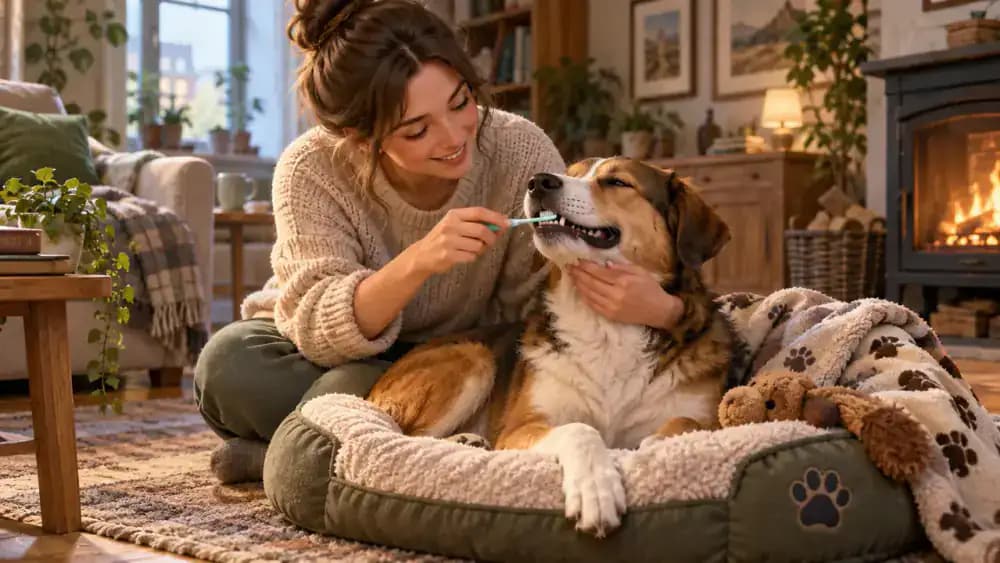
Take One Small Step Toward Healthier Teeth
Begin today with a single achievable action. Gather the supplies, invite your dog or cat to investigate, and reward calm curiosity. You do not need a complete brushing session immediately. Continue building trust through respectful repetition, and arrange a veterinary examination if warning signs appear. Comfortable cooperation is the foundation of sustainable dental care.

Taking care of your pet's teeth doesn't have to involve a struggle, expensive gadgets, or a perfectly cooperative animal. Whether you share your home with an enthusiastic dog or an independent cat, a successful dental care routine begins with patience and trust.
Plaque naturally accumulates on teeth, and without appropriate care, it can contribute to tartar buildup and gum inflammation. Some pets experience dental discomfort while continuing to eat normally, making regular veterinary examinations important even when nothing appears obviously wrong.
The good news is that you can introduce toothbrushing gradually. You don't need to clean every tooth during your first attempt. In fact, simply allowing your pet to investigate a toothbrush can be meaningful progress.
This 30-step guide explains how to build a pet dental care routine at home, introduce brushing without force, select appropriate products, and recognize situations that require veterinary attention. The goal is a comfortable, sustainable habit that supports your pet's oral health without damaging the trust you've built together.
Where people go wrong
Trying to Brush Every Tooth Immediately. A complete brushing session on the first day may overwhelm an inexperienced pet. Introduce touching, lip lifting, and individual teeth gradually. Progress according to your pet's comfort rather than following a rigid deadline.
Using Toothpaste Made for Humans. Human toothpaste is not formulated for animals to swallow, and certain ingredients can be dangerous to dogs. Always use an appropriate species-specific pet toothpaste and follow its instructions.
Ignoring Signs of Stress. Freezing, pulling away, flattened ears, or repeated lip licking can indicate discomfort. Continuing despite resistance may make future handling harder. Stop and return to a previously comfortable step.
Applying Too Much Brushing Pressure. Aggressive scrubbing can irritate sensitive gums. Use a soft brush with light movements near the gumline. Stop if your pet shows pain or bleeding and seek veterinary guidance.
Expecting Dental Chews to Replace Brushing. Appropriate dental chews and other products may complement home care, but they do not eliminate the value of regular toothbrushing or veterinary dental examinations.
Attempting to Scrape Away Tartar at Home. Household tools and harsh homemade substances may damage teeth or gums. Hardened tartar often requires professional scaling. Arrange a veterinary assessment instead of trying to remove deposits yourself.
Overlooking Changes in Eating Behavior. Pets can experience mouth discomfort while continuing to eat. Dropping food, chewing differently, or withdrawing from normal activities deserves attention even when obvious dental symptoms are absent.
Forcing the Routine After a Setback. A pet returning from illness, travel, or dental treatment may need a slower restart. Begin with comfortable handling and follow veterinary instructions after procedures.
Questions people ask
Daily toothbrushing is generally the preferred home approach to managing plaque when your pet tolerates it. Begin with short, comfortable sessions and gradually establish consistency. Ask your veterinarian for guidance if regular brushing is difficult.
Fixed it?
Get one guide like this every Thursday.