Peer-to-Peer Payment Protections: What Regulation E Covers and Where Your Money Is at Risk
Peer-to-peer payment apps make sending money easy, but federal protections have important limits. Learn when Regulation E applies, why scam payments can be difficult to recover, and how to protect your money.
What you’ll need
Tap to tick things off before you start.
Why Payment App Protections Have Hidden Limits
Peer-to-peer payment apps make transferring money almost effortless, but convenience does not guarantee reimbursement when something goes wrong. Many consumers assume federal law protects every transaction involving fraud, theft, or an incorrect payment. In reality, peer-to-peer payment protections depend on how the transfer occurred, who initiated it, and the circumstances surrounding the loss. Understanding these distinctions before sending money can prevent costly misunderstandings and help you recognize when additional precautions are necessary.

What Regulation E Actually Covers
Regulation E implements the federal Electronic Fund Transfer Act, establishing consumer protections for covered electronic transactions. As explained in Federal Reserve materials, the framework addresses financial institution responsibilities, consumer liability, required disclosures, and procedures for resolving transaction errors. It applies to many everyday banking activities, including certain debit card payments, ATM transactions, and digital transfers. However, coverage is determined by regulatory definitions and requirements, not simply by whether a consumer uses a financial application.

How Electronic Fund Transfers Work
An electronic fund transfer generally occurs when someone uses an electronic terminal, telephone, computer, or similar technology to instruct a financial institution to debit or credit a consumer account. The Federal Reserve's Regulation E materials describe this underlying process. For example, an electronic instruction might move funds from a checking account to another person's account. The defining feature is the electronic instruction affecting the account, rather than the particular screen or device displaying the transaction.

Why Smartphone Payments Can Qualify
When you initiate a payment through a smartphone app, the electronic instruction may qualify as an electronic fund transfer under Regulation E. However, the account structure matters. Some applications transfer funds directly from linked bank accounts, while others maintain stored balances or connect to debit cards. The Consumer Financial Protection Bureau explains that qualifying nonbank payment providers can also have Regulation E obligations. Therefore, using a nonbank app does not automatically eliminate federal electronic transfer protections.
The Consumer Rights Behind Regulation E
Regulation E provides more than basic protection against unauthorized electronic withdrawals. Covered consumers also have rights involving transaction disclosures, error reporting, and financial institution investigations. When a consumer reports a qualifying error, the institution generally must investigate within prescribed deadlines, communicate its findings, and correct confirmed errors. Unauthorized-transfer liability protections are subject to specific conditions, including notification requirements. These safeguards create a formal dispute process, although they do not guarantee reimbursement for every disputed payment.

The $50 Unauthorized Transfer Liability Tier
Under Regulation E, a consumer's liability for qualifying unauthorized transfers involving a lost or stolen access device can be limited to the lesser of $50 or the amount transferred before timely notification. This is a maximum potential liability, not an automatic fee or guaranteed loss. The financial institution must also satisfy regulatory conditions before imposing liability. For unauthorized transfers that do not involve an access device, different rules may provide even stronger protection against initial losses.

Why Reporting Within Two Business Days Matters
For unauthorized transfers involving a lost or stolen access device, Regulation E provides an important two-business-day notification window. The clock generally begins when the consumer learns of the loss or theft, not necessarily when the device disappears. Reporting within that period helps preserve the lowest applicable liability tier. Business days follow the financial institution's regulatory definition, and certain circumstances may extend deadlines. Contacting the institution immediately and preserving confirmation of the report reduces uncertainty.

When Liability Can Increase to $500
If a consumer fails to report a lost or stolen access device within two business days after learning about it, Regulation E may allow liability of up to $500. That amount includes the applicable initial liability plus qualifying later unauthorized transfers occurring before notification. Importantly, the institution must establish that the additional transfers could have been prevented by timely reporting. The $500 figure is therefore a conditional ceiling for this liability tier, not an automatic penalty.

The 60-Day Statement Reporting Rule
Regulation E also establishes a separate reporting deadline tied to periodic account statements. Consumers generally must report an unauthorized electronic transfer within 60 calendar days after the financial institution sends the statement showing it to avoid potential liability for certain subsequent transfers. The deadline is measured from statement transmission, not necessarily when the consumer opens or reads it. Reviewing statements regularly, including digital statements, helps identify unfamiliar activity before this important reporting period expires.

When Additional Unauthorized Losses Become Your Responsibility
Missing the statement reporting deadline can expose consumers to additional unauthorized losses occurring after the 60-day period and before notification. However, Regulation E does not automatically make every earlier loss the consumer's responsibility. The financial institution must establish that the later transfers would not have occurred with timely notice. Potential liability for those later transfers may be uncapped, while earlier transactions remain subject to their applicable rules. Exceptions can apply, making accurate records and notification dates important.

The Critical Difference Between Authorized and Unauthorized Payments
Under Regulation E, whether a payment was authorized can determine which federal liability protections apply. An unauthorized electronic fund transfer generally occurs when someone initiates a transfer without actual authority and the account holder receives no benefit. An authorized payment occurs when the account holder gives permission for the transaction. The Federal Reserve's regulatory framework makes this distinction essential. Simply losing money does not establish that a transfer was unauthorized, even when fraud is involved.

What Happens When Someone Steals Your Phone
Imagine someone steals your unlocked smartphone, opens your payment app, and transfers money without your permission. If that person had no actual authority to access your funds, the transaction may qualify as an unauthorized electronic fund transfer. Regulation E can provide liability protections for qualifying transactions, subject to applicable requirements. However, ownership of the phone alone does not establish every relevant fact. Account records, payment activity, and the circumstances of access may help determine what happened.
How Compromised Payment Credentials Affect Your Rights
Account takeover can occur when criminals obtain payment app passwords, verification codes, or other login credentials. They may then access the account and initiate transfers without the owner's knowledge or permission. The Consumer Financial Protection Bureau has clarified that certain unauthorized transfers initiated using fraudulently obtained credentials can fall under Regulation E. A transaction does not automatically become authorized because the correct password was entered. The relevant question is whether the person initiating it had actual authority.

Why Voluntary Payments to Scammers Are Different
A scammer might convince someone to send money by inventing an emergency, promising an investment opportunity, or impersonating a trusted organization. If the consumer knowingly initiates the payment, deception alone generally does not make it an unauthorized transfer under Regulation E. Consequently, the regulation's unauthorized-transfer liability protections usually do not require reimbursement. Other remedies or provider policies may still apply. This distinction explains why peer-to-peer payment protections can be considerably weaker for scam-induced payments.

Recognizing an Authorized Push Payment Scam
Authorized push payment scams manipulate consumers into sending money directly to criminals. Common tactics include impersonating bank employees, creating false emergencies, and demanding immediate transfers to supposedly protect an account. Scammers may also use convincing caller identification, copied profile photographs, or threats of financial consequences. A major warning sign is pressure to act before independently verifying the request. Legitimate financial institutions generally do not require customers to transfer money to strangers to secure their accounts.

Why Pressing Send Changes the Recovery Question
When a consumer selects a recipient, enters an amount, and confirms a payment, those actions generally indicate that the consumer initiated the transfer. This can make recovery under Regulation E's unauthorized-transfer rules difficult, even when the recipient acted dishonestly. However, pressing a button is not always conclusive. Transactions involving coercion, account takeover, unauthorized changes, or other disputed circumstances require closer examination. Financial institutions should evaluate the actual authority behind a transfer rather than relying solely on screen interactions.

What Happens After a Scam Payment Goes Through
Completed peer-to-peer transfers can be difficult to reverse because recipients may receive or withdraw funds quickly. Nevertheless, recovery is not always impossible. Payment providers sometimes offer cancellation options, fraud investigations, or assistance contacting recipient institutions. Consumers can also report suspected scams to the funding bank and relevant authorities. Acting promptly may improve the chance of intervention, although no outcome is guaranteed. Available remedies depend on the transaction, provider policies, and applicable consumer protection laws.

Why Payment Apps Are Risky for Unknown Sellers
Paying an unfamiliar seller through a personal peer-to-peer transfer can create serious purchasing risks. A seller might collect payment, disappear, and never deliver the promised merchandise. Unlike qualifying commercial transactions, personal transfers may have no dedicated buyer protection program. Some platforms distinguish between personal payments and eligible purchases, making the selected payment type important. Before purchasing from an unknown seller, examine the platform's eligibility requirements, dispute policies, and whether the transaction has meaningful protection against nondelivery.

How Credit Card Purchase Protections Differ
Credit cards generally offer stronger protections for many qualifying consumer purchases than personal peer-to-peer transfers. Federal credit billing rules provide dispute rights for certain billing errors, including qualifying charges involving undelivered goods or services. Card networks and issuers may offer additional chargeback procedures, subject to their requirements. These protections are not unlimited, and reporting deadlines matter. Still, when purchasing from unfamiliar merchants, comparing credit card dispute rights with payment app policies can help identify meaningful differences in financial exposure.

Where Your Money Actually Sits Inside a Payment App
A payment app balance may look like a regular bank account, but the underlying arrangement can differ significantly. Some nonbank providers maintain customer funds through pooled accounts, partner banks, or other custodial structures rather than individual deposit accounts. The Consumer Financial Protection Bureau emphasizes that consumers should understand where their money is held. A balance displayed inside an app does not, by itself, establish ownership of an insured bank deposit. The provider's disclosures explain the applicable account arrangement.

Why App Balances Are Not Automatically FDIC Insured
The Consumer Financial Protection Bureau warns that money stored in nonbank payment apps generally does not receive automatic FDIC insurance. Unlike deposits held directly at insured banks, app balances may depend on separate financial arrangements to qualify for coverage. The FDIC insures eligible deposits when an insured bank fails, not losses caused by scams or the failure of a nonbank app provider. An app's popularity, security features, or banking partnerships do not independently guarantee deposit insurance.

How Partner Banks and Pass-Through Insurance Work
Some payment providers place customer funds at FDIC-insured partner banks, potentially allowing qualifying pass-through deposit insurance. However, coverage depends on several requirements, including proper account ownership records, accurate identification of beneficial owners, and the underlying deposit arrangement. When these conditions are satisfied, eligible funds may receive coverage within applicable FDIC limits if the partner bank fails. Pass-through insurance does not protect against the payment company's own insolvency or guarantee immediate access during operational disruptions.

Why Extra App Services May Affect Deposit Coverage
Certain payment apps connect deposit insurance eligibility to optional features, such as qualifying payment cards, direct deposit services, or arrangements that transfer funds into partner bank accounts. The Consumer Financial Protection Bureau cautions that eligibility varies by provider and account structure. Activating a feature does not automatically guarantee insurance unless the applicable requirements are satisfied. Review the provider's disclosures to identify which balances qualify, where eligible funds are deposited, and whether coverage depends on maintaining specific services.
The Risk of Leaving Large Balances in Payment Apps
Keeping substantial funds inside a nonbank payment app can create risks beyond ordinary transaction fraud. If the provider experiences financial distress, bankruptcy, or technical disruptions, customers could face delayed withdrawals or difficulties accessing their balances. Even funds potentially eligible for pass-through insurance may encounter complications unrelated to an insured bank failure. The Consumer Financial Protection Bureau encourages consumers to understand these limitations. Maintaining large unnecessary balances can increase exposure to provider-specific financial and operational problems.

Moving Payment App Funds to an Insured Account
Transferring money from an app balance to an eligible account at an FDIC-insured bank or federally insured credit union can reduce certain nonbank provider risks. Before transferring, review withdrawal methods, processing times, instant transfer fees, and account verification requirements. Confirm the receiving institution's insurance status and applicable coverage limits. Standard transfers may be free but slower than expedited options. Keeping only the amount needed for upcoming transactions inside a payment app can simplify balance management.

How to Verify a Recipient Before Sending Money
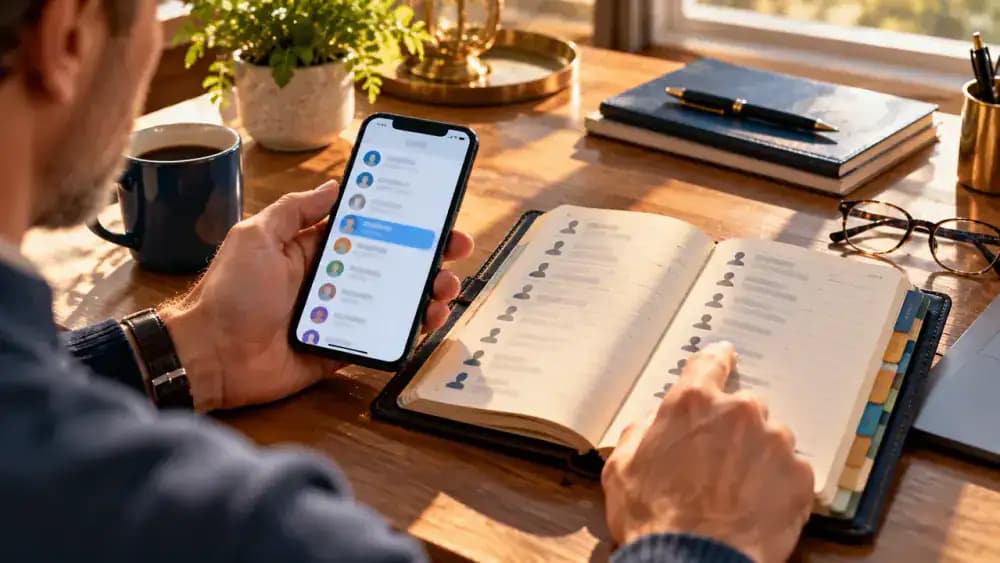
Before transferring money, confirm the recipient's identity using a trusted communication channel. Compare usernames, phone numbers, account details, and profile information carefully, since scammers can imitate familiar names and photographs. For a new recipient, consider confirming payment instructions through a previously verified number rather than replying to an unexpected message. Be especially cautious when someone claims to have changed accounts suddenly. A mistaken recipient selection can be difficult to correct after a payment is completed.
Choosing the Right Payment Method for a Purchase
Different payment methods offer different protections when purchases go wrong. Personal peer-to-peer transfers are generally better suited to trusted recipients, while eligible commercial payment features may provide additional buyer protection. Credit cards also offer federal billing dispute rights for qualifying transactions, subject to applicable conditions. Compare refund eligibility, purchase restrictions, transaction fees, and dispute deadlines before choosing. For unfamiliar sellers, a payment method with clearly documented purchase protections may offer more safeguards than a personal transfer.

What to Ask Your Payment App About Fraud Protection
Before relying on a payment provider, review its policies or contact customer support with specific questions. Ask whether personal transfers qualify for reimbursement, which purchases receive buyer protection, and how disputes must be submitted. Confirm applicable deadlines, investigation procedures, and account security options. Also ask where stored balances are held and whether any deposit insurance applies. Provider policies may offer protections beyond federal minimums, but eligibility requirements, exclusions, and reimbursement decisions can vary significantly.

What to Do Immediately After a Suspicious Transfer
If you discover a suspicious payment, contact the payment app and the linked bank or credit union immediately. Explain what happened and request the appropriate fraud review or dispute process. Secure affected accounts by changing compromised passwords, reviewing connected devices, and enabling multifactor authentication. Preserve transaction identifiers, screenshots, communications, and reporting confirmation numbers. The Consumer Financial Protection Bureau provides information about electronic transfer disputes and accepts eligible consumer complaints when financial institutions fail to resolve concerns appropriately.

A Five-Point Safety Check Before Every Payment
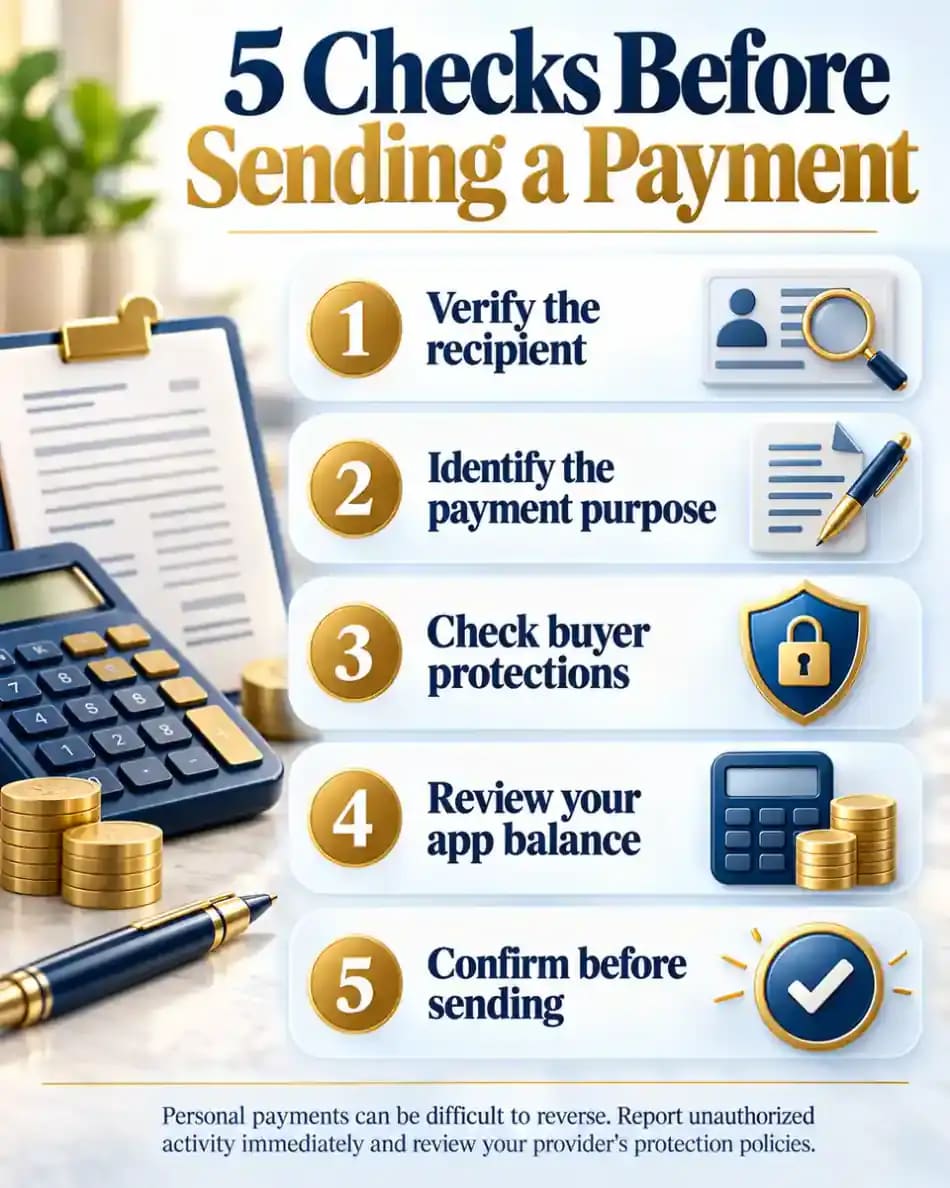
A brief five-point check can make everyday transfers safer. First, verify the recipient through a trusted channel. Second, confirm that you genuinely intend to authorize the payment. Third, determine whether the transaction qualifies for buyer protection. Fourth, understand whether funds remaining in your app balance have applicable deposit insurance. Fifth, review the payment amount and destination before confirming. These habits cannot eliminate every risk, but they help consumers make informed decisions about peer-to-peer payment protections.

Sending money through a peer-to-peer payment app can take seconds. Recovering it after something goes wrong may be much harder. Whether you use an app to split dinner costs, reimburse a friend, or pay an online seller, understanding the limits of payment protections can help you avoid expensive mistakes.
The most important distinction is whether a transfer was authorized. Under the Electronic Fund Transfer Act and its implementing rule, Regulation E, qualifying unauthorized electronic fund transfers receive federal protections. However, when you knowingly initiate a payment because someone has deceived you, those same unauthorized-transfer protections generally do not require reimbursement.
Timing matters, too. Depending on the circumstances and reporting deadlines, liability for unauthorized transfers can be limited to $50, increase to as much as $500, or potentially extend to certain additional losses. The rules are more specific than a simple promise that every stolen dollar will be returned.
There is another overlooked risk: money stored inside a payment app may not have the same deposit insurance as money held directly at an insured bank or credit union. The Consumer Financial Protection Bureau warns that coverage depends on the provider, account arrangement, and applicable insurance requirements.
This guide explains the Federal Reserve's electronic fund transfer framework, the Consumer Financial Protection Bureau's consumer guidance, and the practical differences between unauthorized transfers, scam-induced payments, and uninsured app balances. You will also learn how to check recipients, review account protections, choose safer payment methods, and respond when a transaction looks suspicious.
Where people go wrong
Assuming Every Scam Payment Is Federally Protected. Regulation E does not automatically reimburse consumers who willingly initiate payments after being deceived. Unauthorized account access and scam-induced authorized transfers are generally treated differently. Understand who actually initiated the transaction before assuming federal liability protections apply.
Waiting Too Long to Report Unauthorized Activity. Reporting delays can increase potential liability for unauthorized transfers. Certain lost or stolen access device situations involve a two-business-day notification window, while statement-related rules include a separate 60-day deadline. Contact the appropriate financial institution immediately after discovering suspicious activity.
Treating a Payment App Balance Like an Insured Bank Account. Money stored with a nonbank payment provider is not automatically protected by federal deposit insurance. Certain arrangements may qualify for coverage if applicable requirements are satisfied. Review the provider's disclosures instead of assuming every visible balance has bank-level protection.
Paying Unknown Sellers With Personal Transfers. Sending money directly to an unfamiliar seller through a personal payment feature can leave limited recovery options if merchandise never arrives. Compare the transaction's buyer protection terms with credit card protections before paying someone you do not know.
Trusting Recipient Names Without Verification. Scammers can impersonate friends, businesses, or customer support representatives. A familiar photograph or display name does not prove an account belongs to the intended recipient. Verify payment details through a trusted communication channel before transferring money.
Confusing Deposit Insurance With Fraud Reimbursement. FDIC and NCUA insurance address qualifying failures of insured financial institutions, not ordinary scams or stolen payments. Even when a payment app balance qualifies for pass-through coverage, that does not create automatic reimbursement rights for fraudulent transactions.
Assuming Every Transaction Can Be Reversed. Many peer-to-peer transfers move quickly and may be difficult to cancel after completion. A provider might offer dispute assistance or discretionary recovery, but that is not the same as guaranteed reimbursement. Check payment details and applicable policies beforehand.
Questions people ask
Regulation E can apply to qualifying electronic fund transfers involving payment apps, including certain unauthorized transfers initiated through nonbank providers. However, coverage depends on the account arrangement and the circumstances. A payment that you personally authorize after being deceived generally does not qualify as an unauthorized transfer solely because it involved a scam.
Fixed it?
Get one guide like this every Thursday.