How to Manage Pet Feeding When Guests Visit - Prevent Overfeeding and Unsafe Treats
Keep your dog or cat safe when friends and family visit. Learn how to prevent extra treats, avoid unsafe table scraps, set feeding boundaries, and track everything your pets eat during gatherings.

What you’ll need
Tap to tick things off before you start.
The Dinner Party Feeding Problem
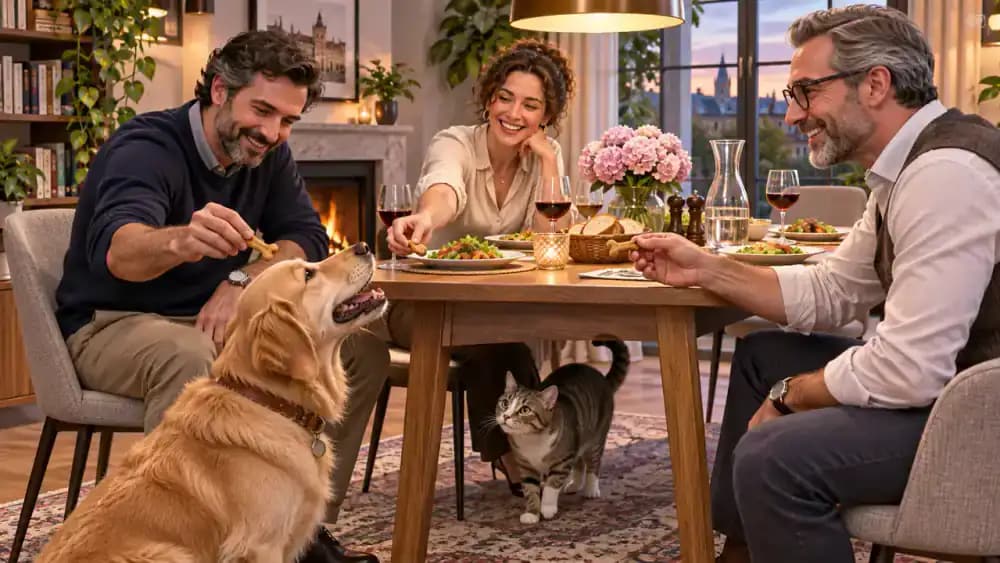
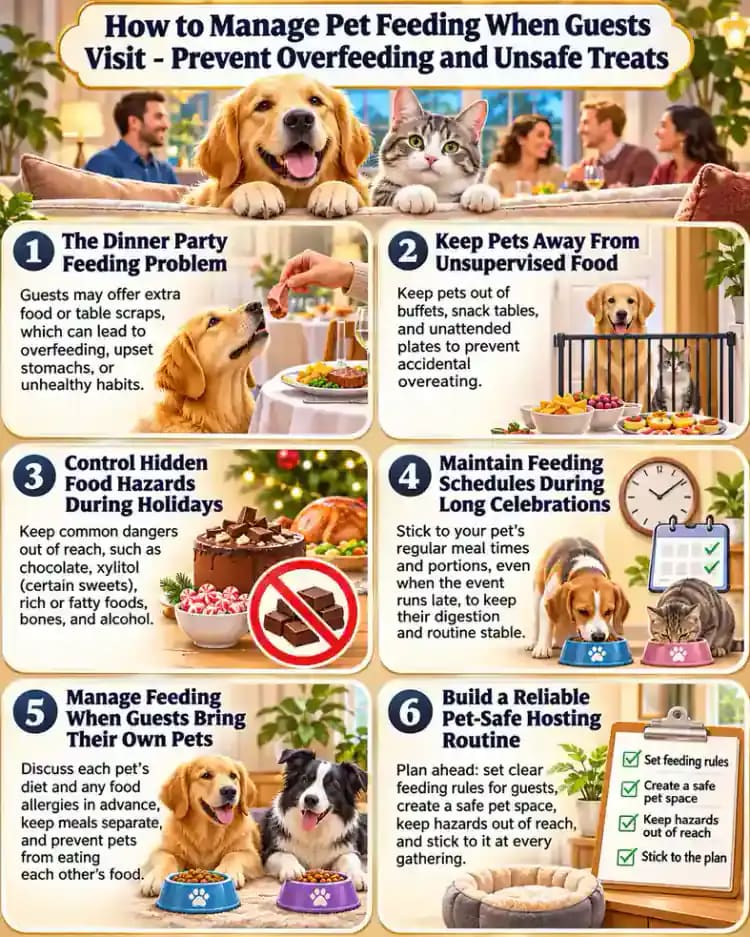
During a dinner party, your dog might collect snacks from several guests while your cat investigates leftovers beneath the table. Each visitor assumes a small bite is harmless, but the combined portions can add up quickly. Pay attention to who offers food and recognize that untracked feeding makes it difficult to protect your pets' diets.
Why Extra Food Creates Real Risks
Unplanned snacks can cause more than excess calorie intake. Fatty leftovers may trigger digestive upset, while chocolate, grapes, raisins, and onions can be toxic to pets. Animals with allergies, diabetes, or prescribed diets face additional risks. Keep potentially hazardous ingredients inaccessible, and contact a veterinarian promptly if you suspect your pet has swallowed something toxic.

Choose One Person to Control Feeding
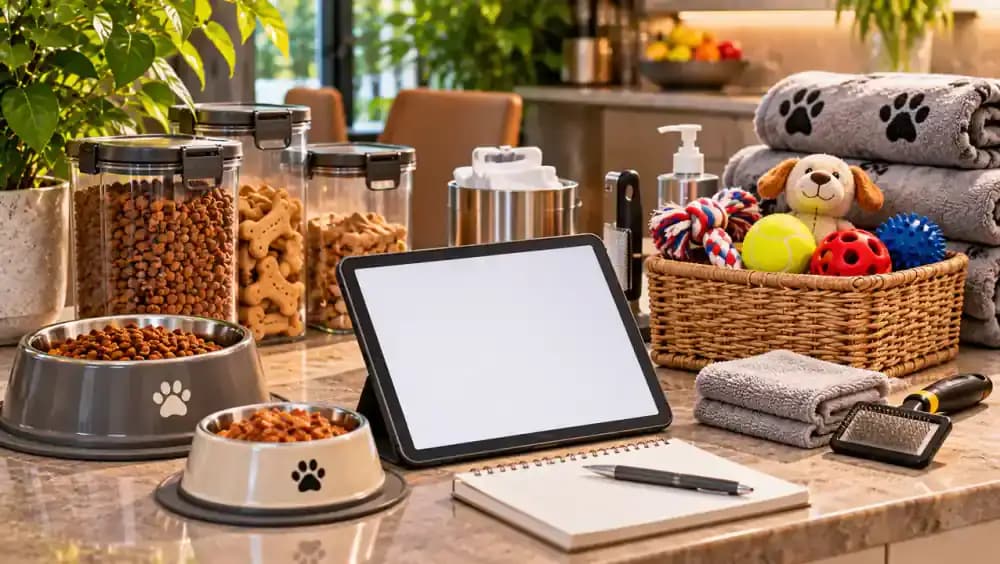
Before guests arrive, designate one household member to manage every pet meal and treat. That person should follow regular feeding schedules, approve snacks, and record what each animal receives. Ask other family members to avoid feeding pets independently. Keep supplies together and make sure everyone knows who has permission to distribute food throughout the gathering.
Prepare Measured Meals and Approved Treats
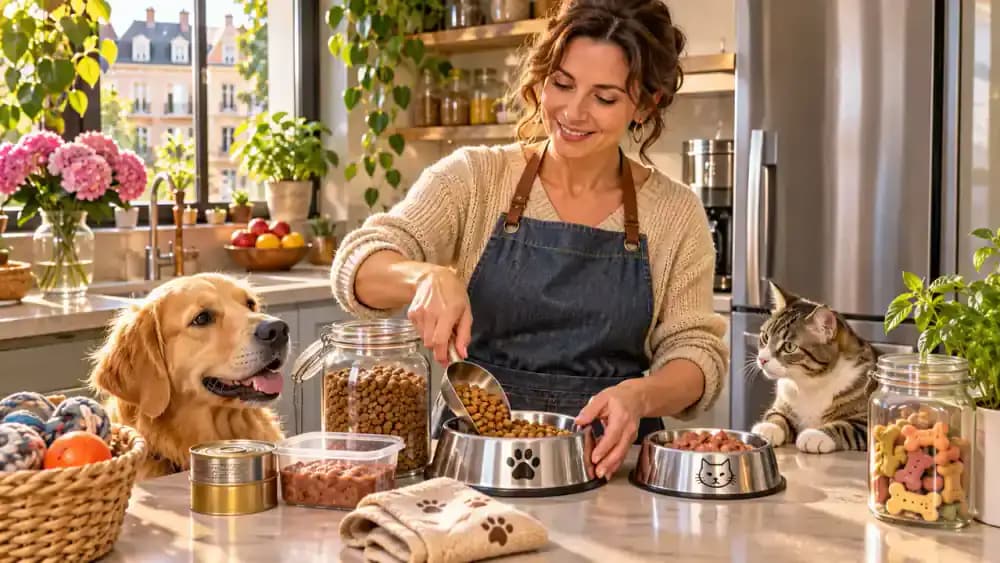
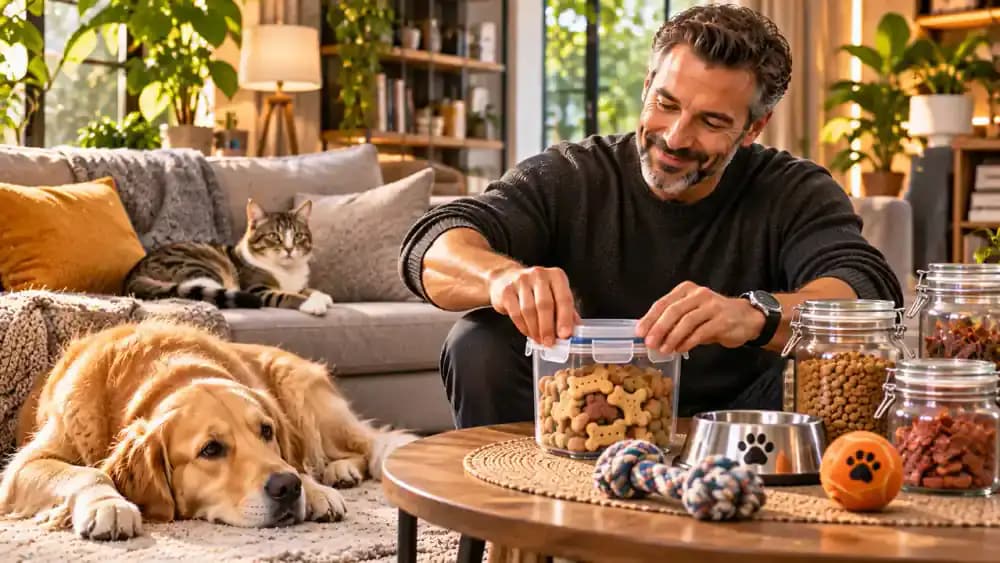
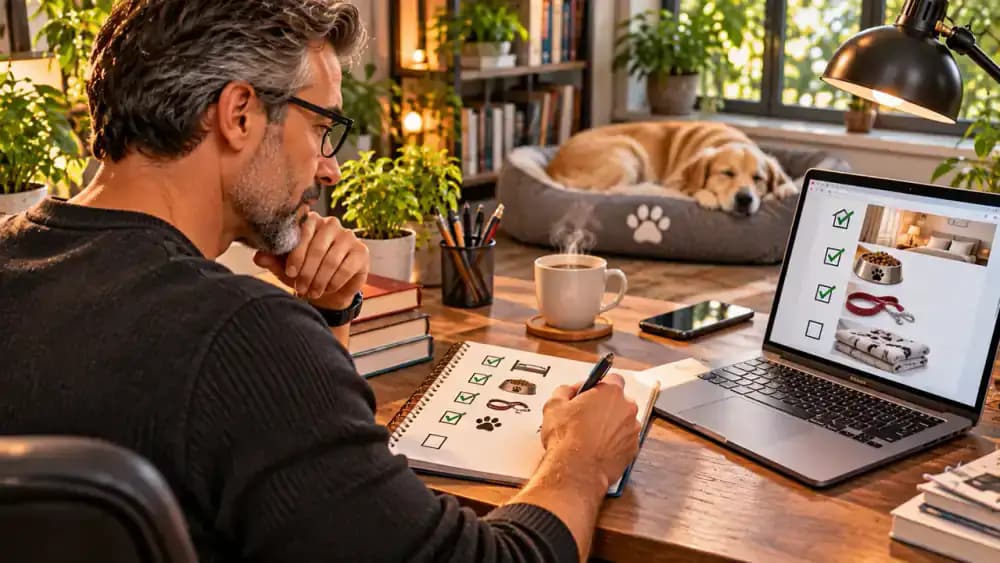
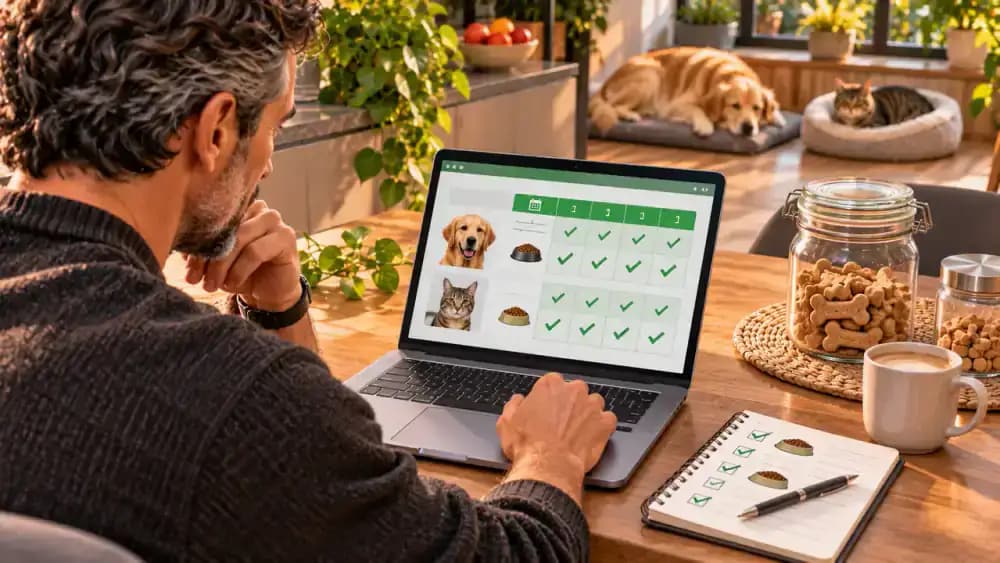
Measure your dog's and cat's usual food portions before visitors arrive, using a kitchen scale or measuring cup. Place approved treats in separate, clearly labeled containers and account for them within each pet's daily allowance. Keep a simple feeding checklist nearby. Once the planned treat supply is gone, avoid offering additional snacks without adjusting the feeding plan appropriately.
Explain Feeding Rules Without Offending Guests
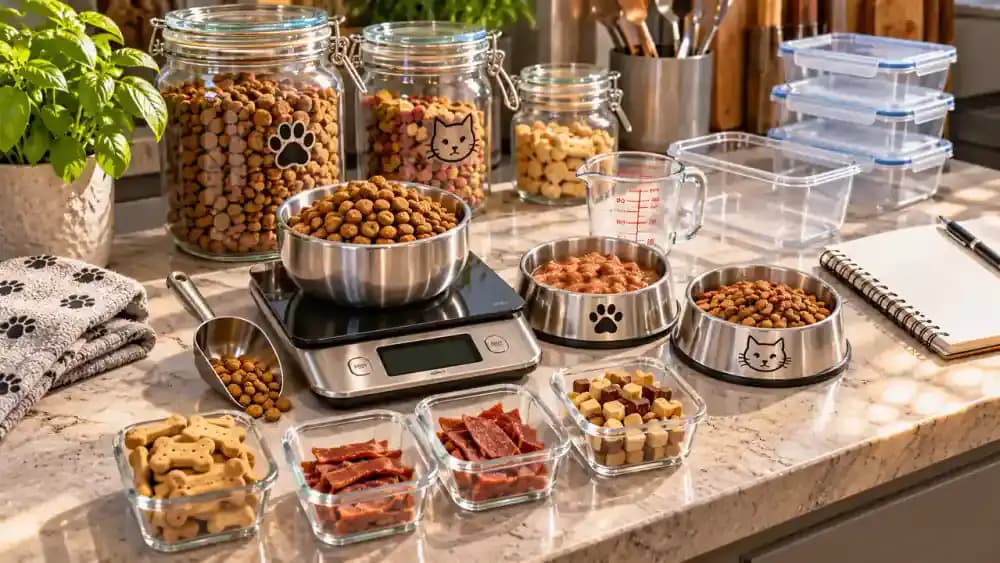
Welcome guests warmly, then explain that your pets follow specific feeding rules and should not receive table scraps. Ask visitors to check with the designated feeder before offering any treats. A small sign near the entrance can reinforce your request. Keep the explanation friendly but firm, emphasizing that consistent portions and approved foods protect your pets' health.
Keep Pets Away From Unsupervised Food
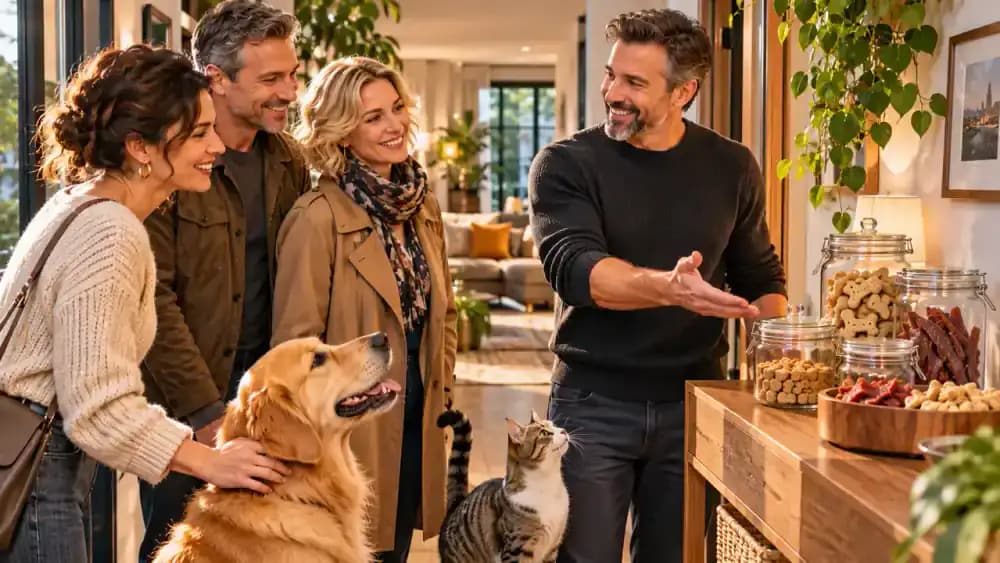
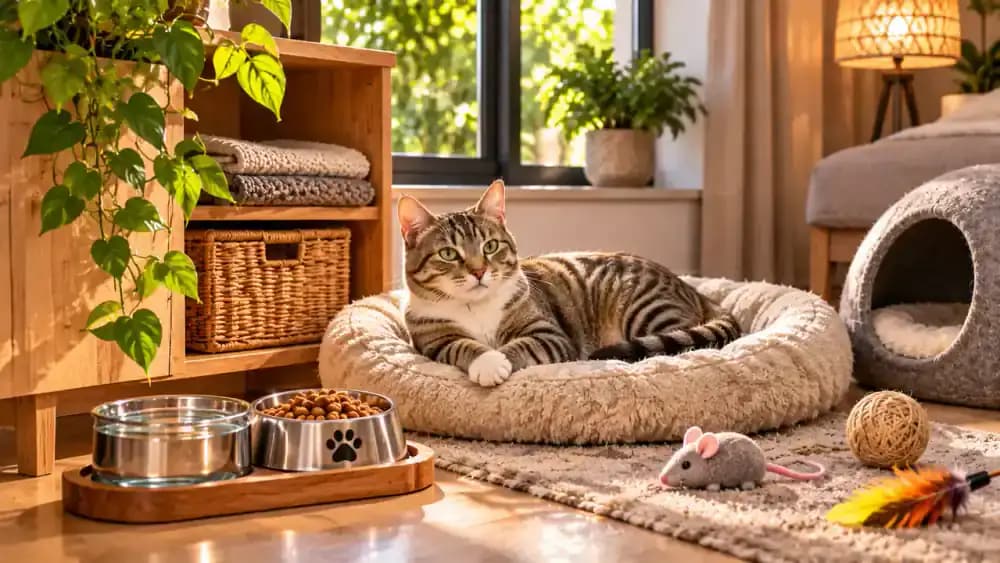
Keep serving dishes out of your pets' reach, remove abandoned plates immediately, and supervise interactions near food. During busy gatherings, consider giving your pets a quiet room away from guests. Provide fresh water, familiar bedding, favorite toys, and their usual feeding bowls. Check on them regularly and make sure the space remains comfortable and secure.
Handle Rule Breakers and Feeding Emergencies
If someone ignores your feeding rules, calmly stop the interaction and remove the unauthorized food. Explain that your pet's dietary restrictions must be respected. If potentially toxic food is swallowed, contact your veterinarian or an animal poison control service immediately. Record the ingredient, estimated amount, and ingestion time. Never wait for symptoms or attempt home treatment without professional guidance.

Enjoy Your Guests While Keeping Pets Safe
As the gathering winds down, review your feeding checklist to confirm that every meal and treat was recorded. Secure leftover food and close treat containers before cleaning up. Let guests enjoy relaxed interactions while pets rest comfortably. Consistent routines make future visits easier, allowing everyone to socialize without worrying about unexpected snacks or disrupted feeding schedules.
Adapt Your Feeding Plan to Different Guests
Review your guest list before each gathering and adjust feeding reminders accordingly. Explain the rules directly to overnight visitors, give holiday guests visible written instructions, and discuss supervised pet interactions with families bringing children. Keep the designated feeder's responsibilities unchanged. Clear expectations tailored to each group reduce confusion and prevent well-meaning visitors from offering unauthorized food.
Teach Children Safe Ways to Interact With Pets
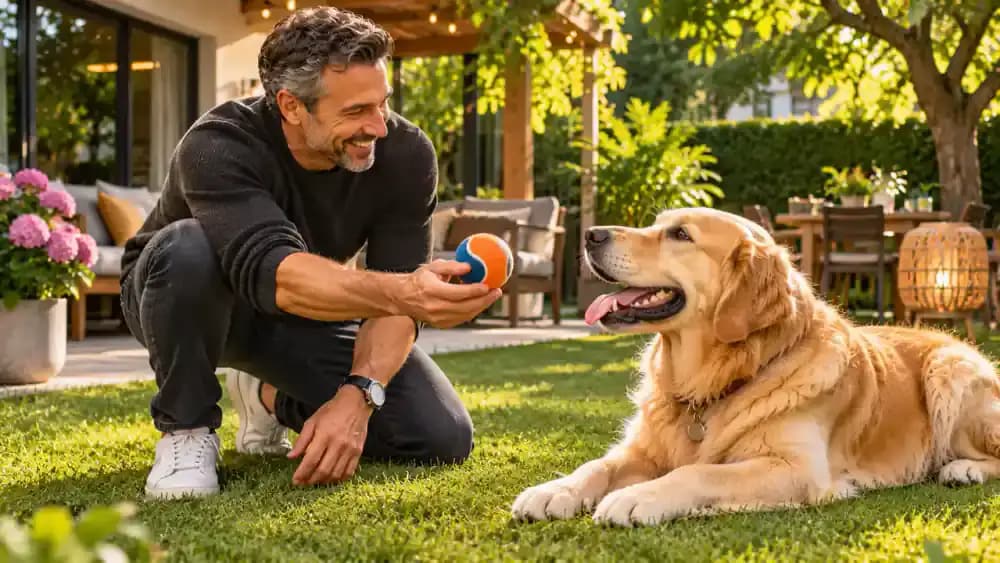
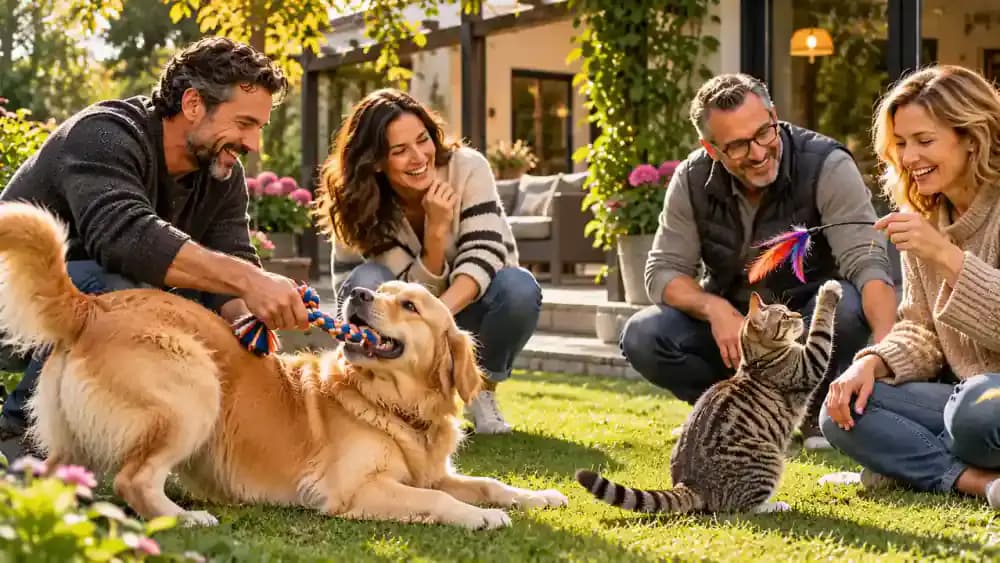
Explain to children that sharing cookies or other human snacks can harm pets, even when offered with good intentions. Encourage supervised alternatives such as tossing a favorite ball or playing with an appropriate toy. Keep children's snacks on raised surfaces and away from animals. An adult should supervise interactions and reinforce the rule that only the designated feeder provides treats.
Prevent Double Feeding With Overnight Guests
Tell overnight guests when your pets normally eat and explain that only the designated feeder should provide meals. Place a clear reminder near the food bowls or kitchen counter, especially if visitors wake early. Ask guests not to refill bowls or offer breakfast treats. This simple precaution prevents accidental double feeding while keeping your pets' regular morning routine consistent.
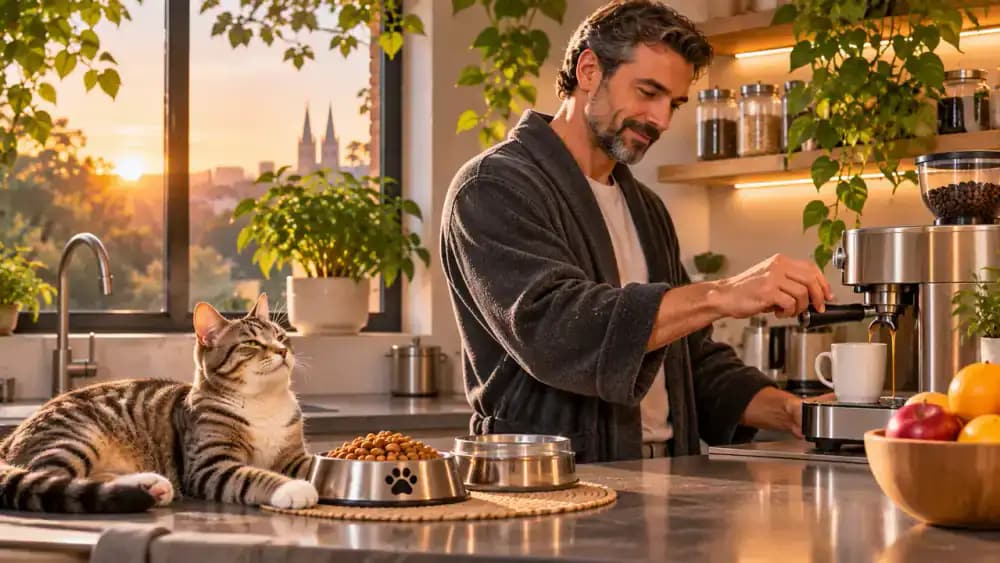
Control Hidden Food Hazards During Holidays
During holiday gatherings, regularly collect abandoned appetizer plates, secure trash cans, and check beneath furniture for dropped food. Remove cooked bones, sharp skewers, wrappers, and unattended alcoholic drinks before pets can reach them. Assign a family member to monitor dining areas throughout the celebration. Use pet gates when necessary to prevent access to crowded food preparation and serving spaces.
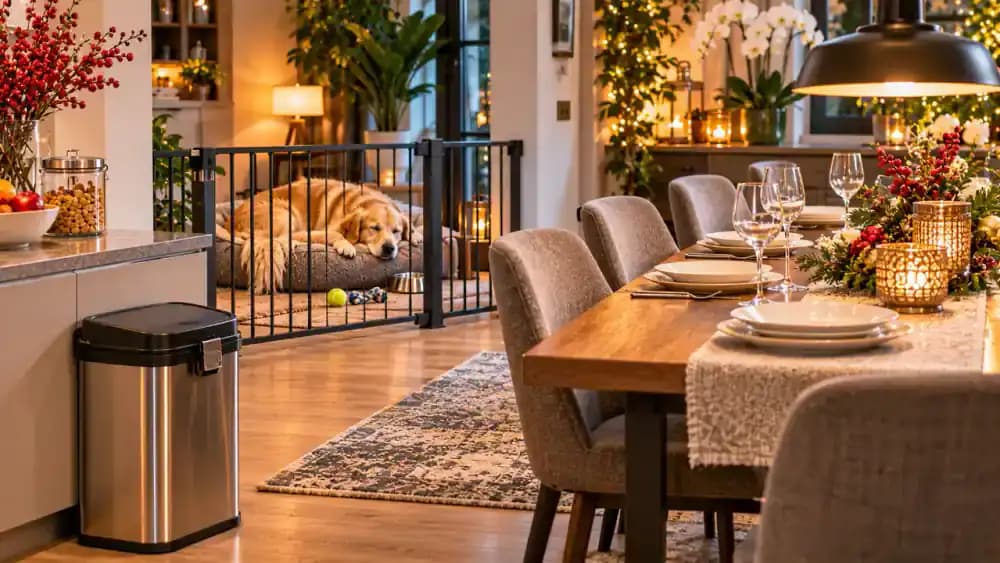
Discourage Begging Without Rewarding It
When your dog begs at guests' knees or your cat approaches food-covered tables, avoid responding with treats or table scraps. Calmly redirect each pet toward a familiar resting area, toy, or appropriate activity. Ask visitors to follow the same rules and avoid reinforcing begging. Reward calm behavior only through your established feeding plan, keeping portions within the daily allowance.
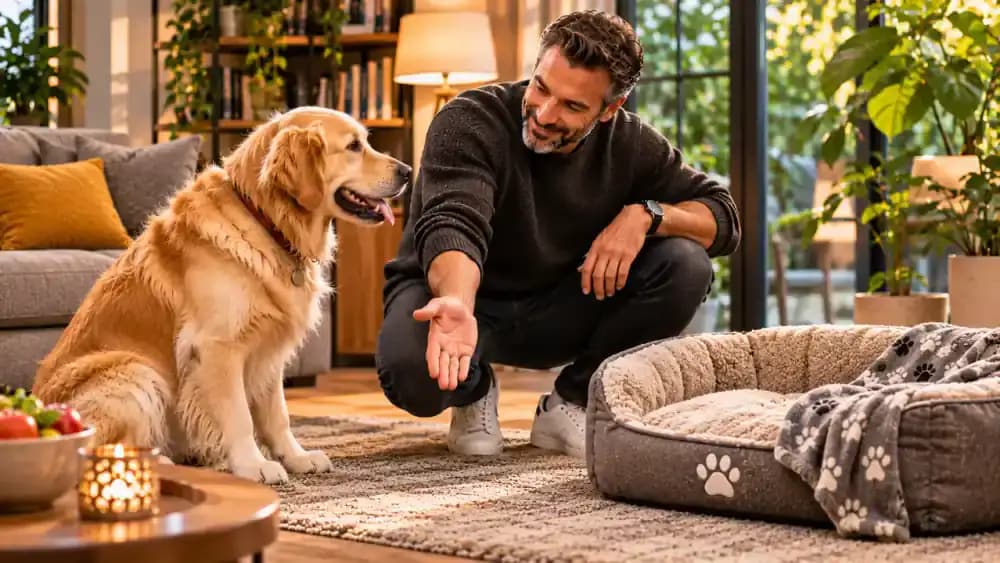
Use Enrichment Instead of Additional Snacks
Keep restless pets occupied with suitable puzzle feeders or enrichment activities during longer gatherings. Measure food from each animal's regular daily allowance rather than adding extra treats. Choose durable, appropriately sized toys and supervise activities involving small or detachable parts. For pets with dietary restrictions, use only approved food. Enrichment provides stimulation without encouraging guests to distribute unauthorized snacks.
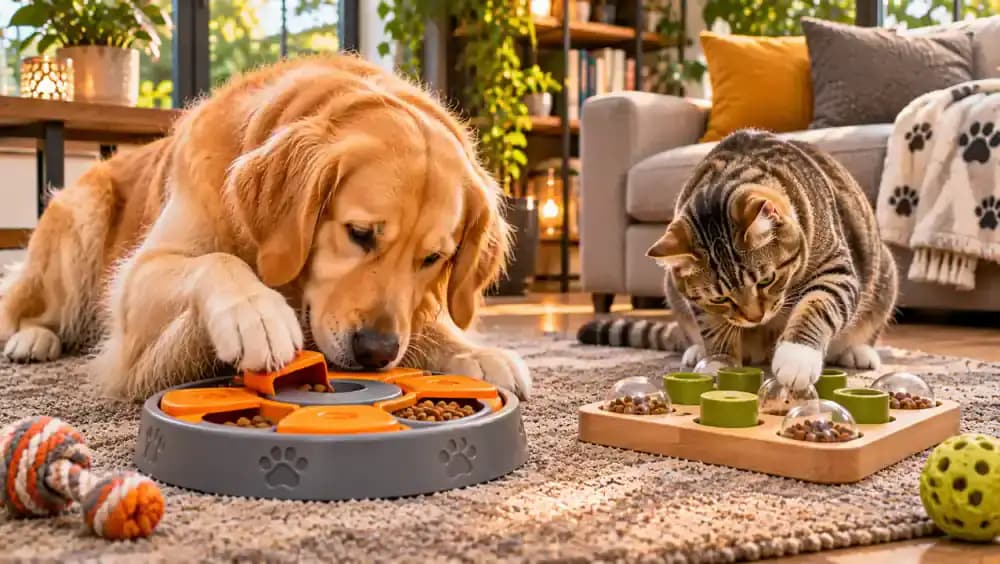
Review Feeding After Guests Leave
After the gathering, compare your feeding log with the remaining treats and ask household members whether any unexpected food was offered. Record discrepancies and note anything you should change next time. Observe your pets for unusual behavior or digestive symptoms, contacting your veterinarian when appropriate. If potentially toxic food was consumed, seek veterinary advice immediately rather than waiting for symptoms.
Make Safe Feeding Part of Every Gathering
Make feeding boundaries a normal part of hosting rather than an uncomfortable restriction. Encourage guests to show affection through gentle petting, supervised play, or familiar toys instead of offering food. Keep approved treats under one person's control and remove accessible leftovers. When everyone follows the same expectations, pets can enjoy social interactions without unnecessary dietary risks.
Make Dietary Restrictions Easy to Understand
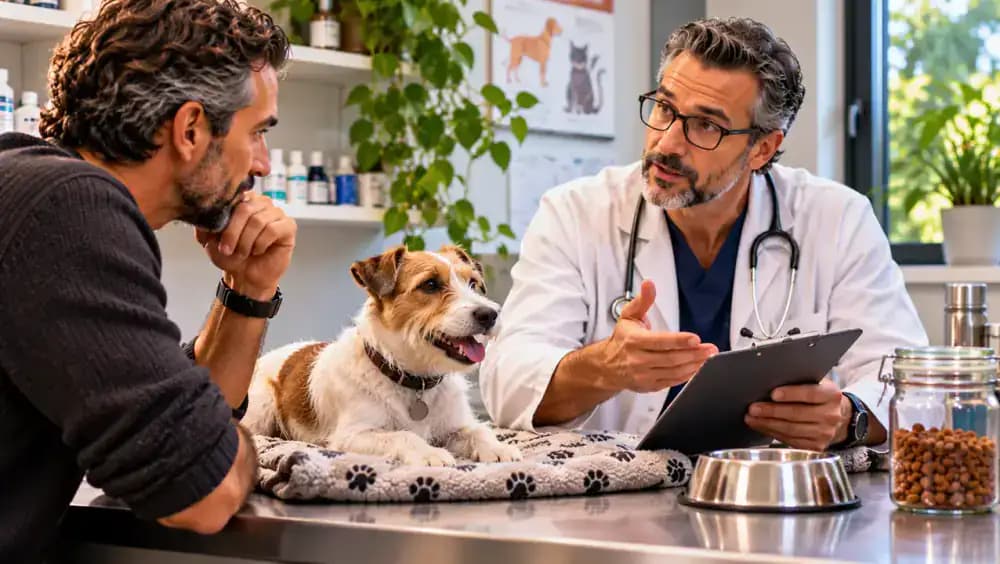
Create a simple dietary information card for any pet with allergies, prescribed food, or other veterinary feeding restrictions. Include approved foods, ingredients to avoid, feeding instructions, and emergency veterinary contact details. Keep the card somewhere visible, such as a pantry door. Explain that guests must still obtain permission before feeding, even when they understand the restrictions.
Maintain Feeding Schedules During Long Celebrations
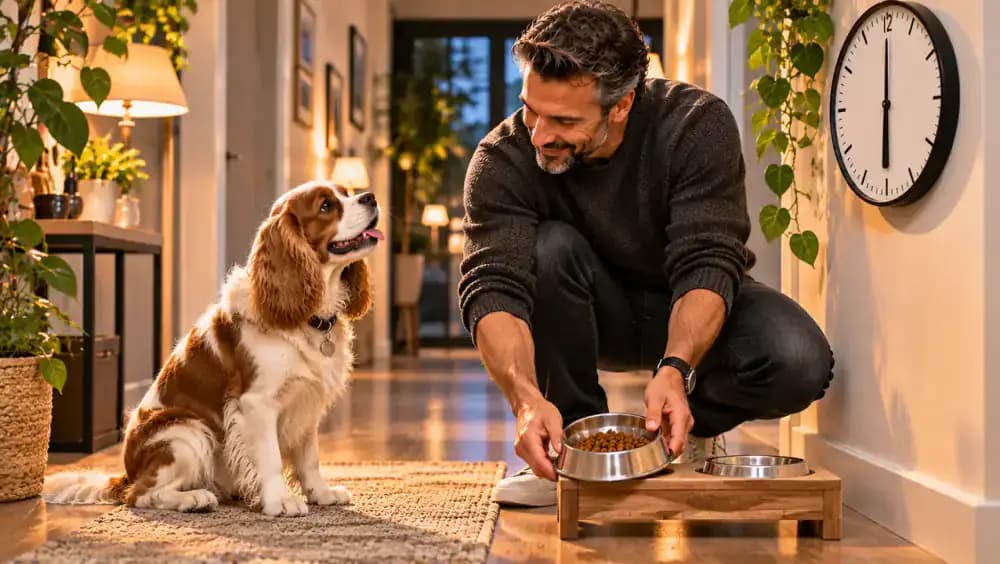
Keep your pets' usual mealtimes consistent, even when celebrations continue into the evening. Set a phone reminder and prepare a quiet feeding space away from noise and visitors. Serve their normal portions using familiar bowls, then handle leftovers according to their established routine. Avoid replacing missed meals with random treats or oversized servings, especially for pets following veterinary feeding instructions.
Secure Food That Visitors Bring Into Your Home
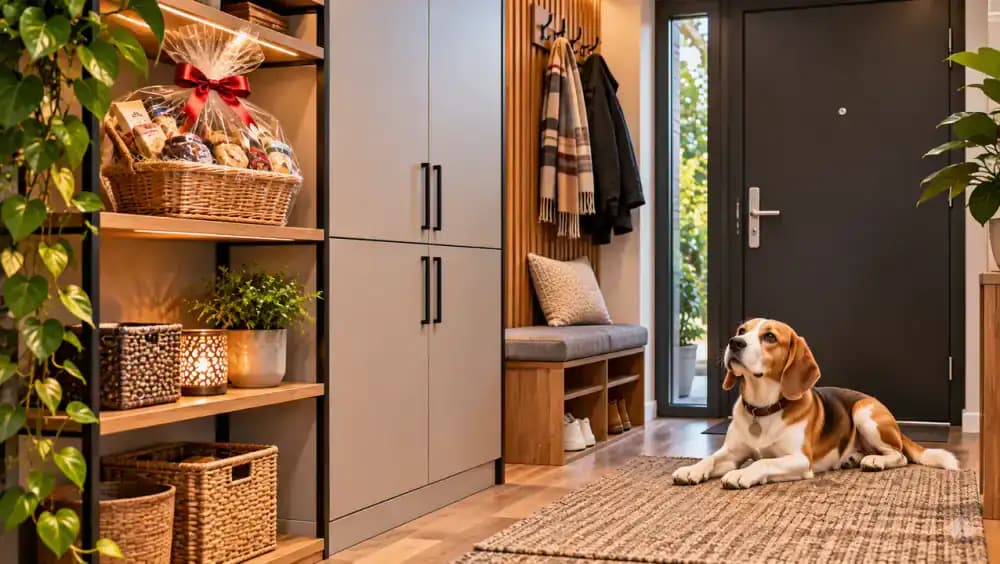
Ask guests to keep food gifts, handbags, and grocery bags away from curious pets when entering your home. Provide a high shelf or closed cupboard for chocolates, snacks, and other edible items. Check whether gift baskets contain potentially hazardous ingredients and store them securely. Remind visitors that packaged food can be just as tempting as unattended dinner plates.
Prevent Pets From Eating Each Other's Food
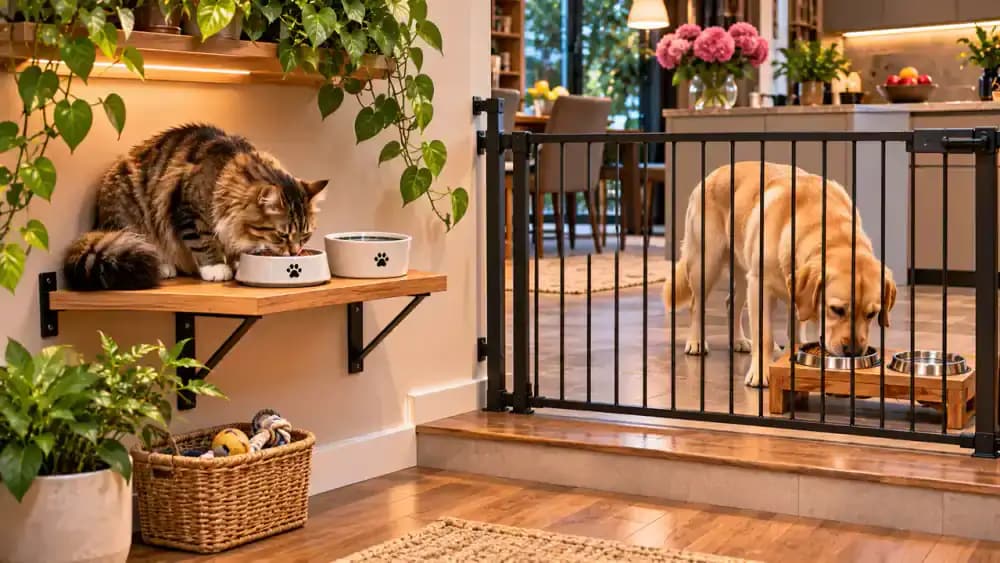
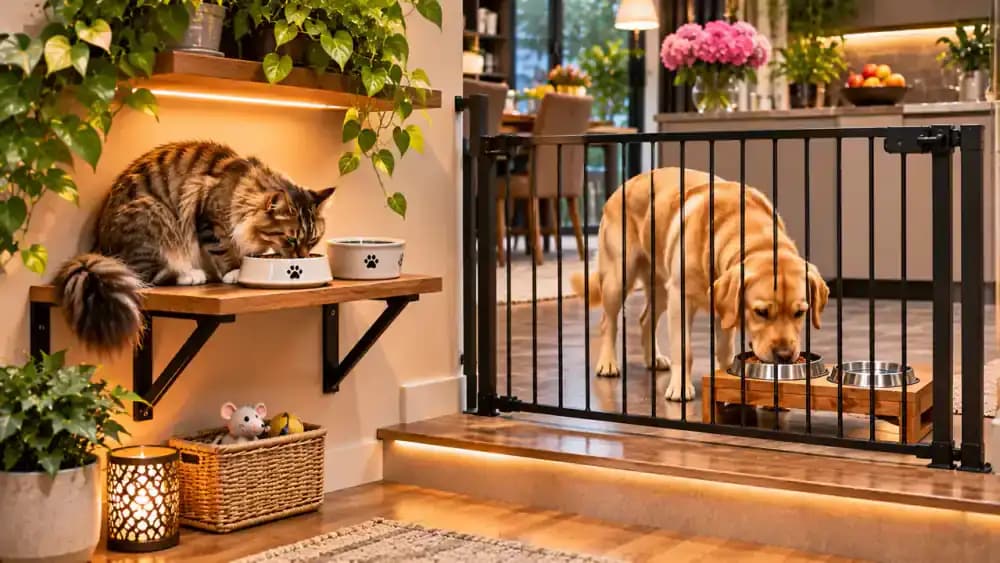
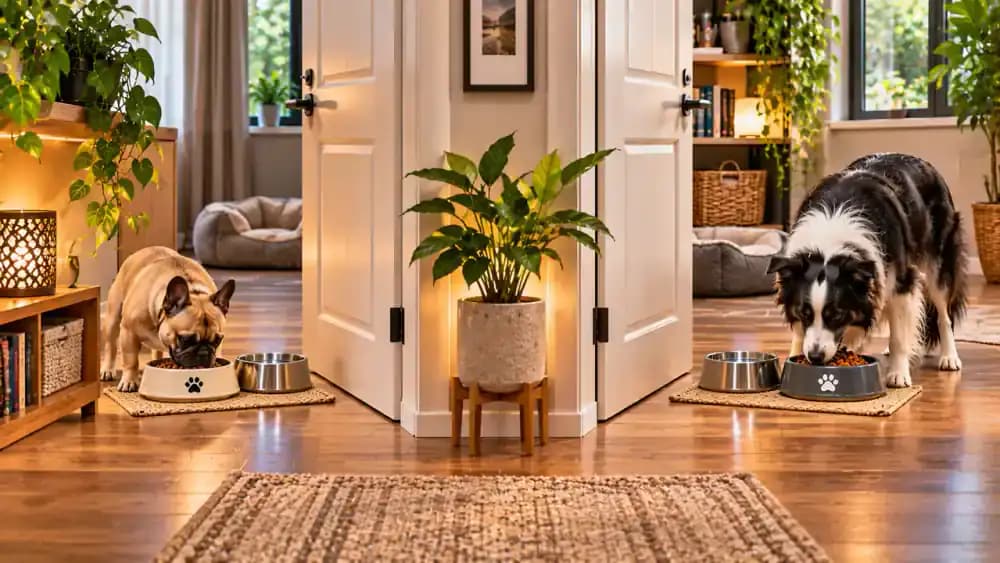
Feed dogs and cats in separate areas when they have different diets or compete for food. Use elevated feeding stations, closed doors, or pet gates to prevent access to another animal's bowl. Supervise meals when necessary and remove remaining food afterward. Separate feeding helps each pet receive its intended portion without unauthorized snacks or interference from other animals.
Respond Confidently to Persistent Guests
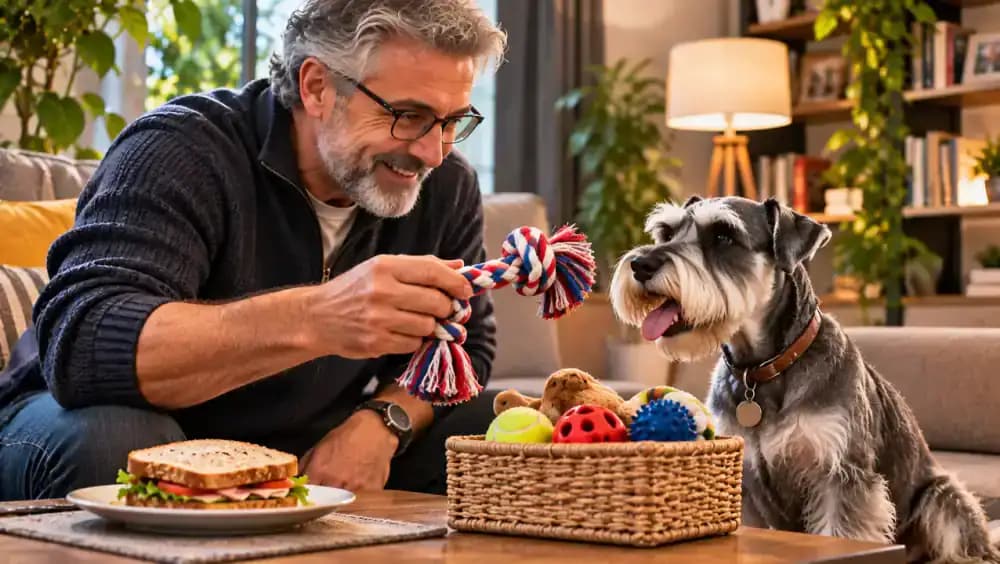
When a guest insists that one small bite cannot hurt, calmly explain that exceptions make tracking your pet's food intake difficult. Thank them for wanting to include your pet, but reinforce the no-sharing rule without debating ingredients or portion sizes. Offer a safe alternative, such as supervised play with a familiar toy, to keep the interaction positive.
Respond Appropriately to Unexpected Extra Food
If your pet receives an unexpected snack, identify the food, check its ingredients, and record the estimated amount and time consumed. Consider your pet's size and dietary restrictions when deciding whether veterinary advice is needed. Contact a veterinarian promptly for potentially toxic ingredients. Never use punitive fasting, induce vomiting, or make abrupt dietary changes without professional guidance.
Your Final Guest Feeding Checklist
Before guests arrive, confirm your pets' regular feeding schedule, designate one feeding coordinator, and secure hazardous foods and unattended snacks. Prepare approved treats and safe activities, then check that separate feeding spaces are ready if needed. Remind everyone to ask before offering anything edible. A consistent checklist makes gatherings easier while protecting your pets' established dietary routines.
Manage Feeding When Guests Bring Their Own Pets
When visitors bring pets, discuss each animal's feeding schedule, dietary restrictions, and treat rules before they arrive. Arrange separate feeding areas to reduce competition, food stealing, and potential guarding behavior. Ask each owner to manage their own pet's meals and treats. Use closed doors or secure barriers during feeding, and supervise introductions rather than assuming unfamiliar animals will share peacefully.
Protect Medication and Special Feeding Requirements
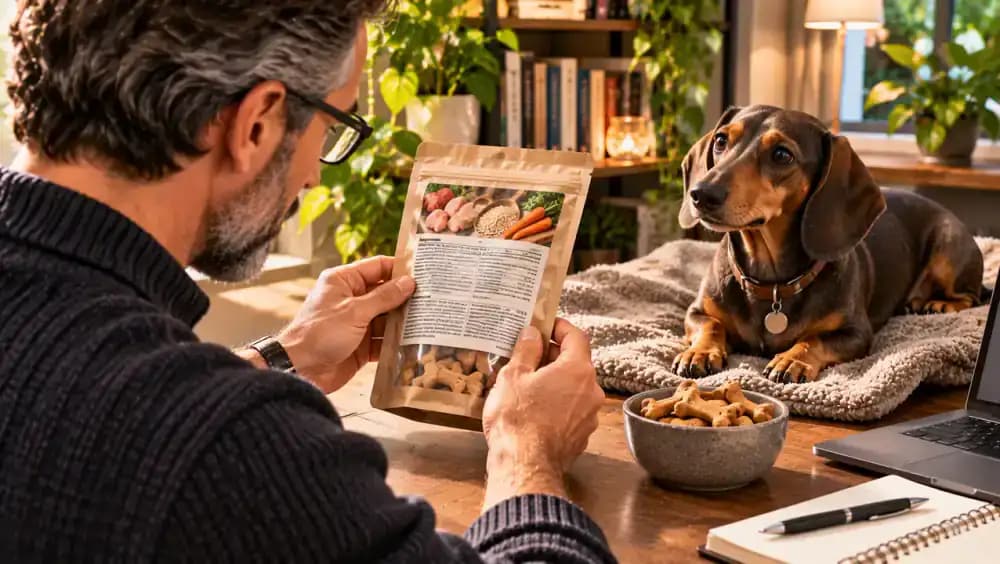
For pets receiving medication with meals or following prescription diets, keep feeding times and instructions consistent during gatherings. Store medications and specialized food securely, and prevent guests from administering anything without authorization. Follow your veterinarian's directions carefully. If your pet refuses a scheduled meal or feeding is delayed, contact your veterinary team before changing medication timing or portions.
Keep Dangerous Drinks Away From Pets
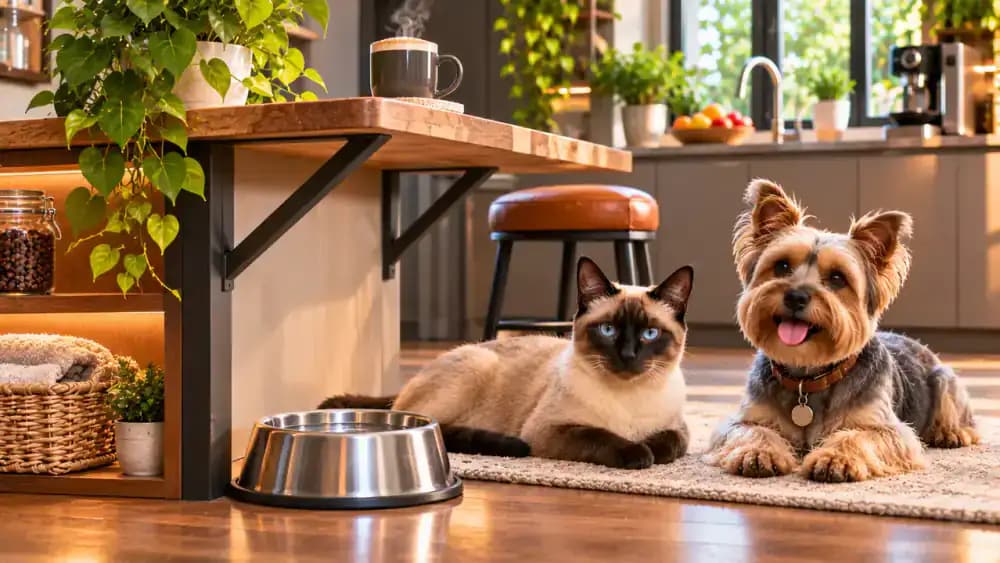
Treat beverages as potential hazards during gatherings. Coffee, alcohol, and drinks containing certain sweeteners can be dangerous for pets. Keep cups on stable, elevated surfaces, clean spills immediately, and remove abandoned glasses before animals investigate them. Provide fresh drinking water in an accessible location throughout the event. If your pet consumes a potentially harmful beverage, contact a veterinarian promptly.

Prevent Feeding Accidents at Outdoor Barbecues
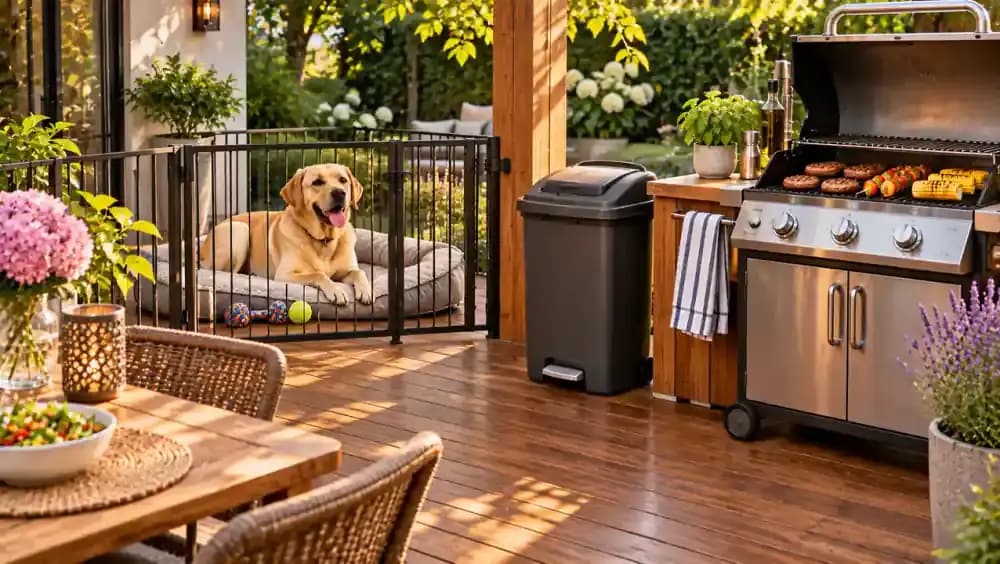
Before starting a barbecue, establish a pet-free zone around the grill and cooking equipment. Secure discarded bones, corn cobs, grease trays, and food scraps in tightly covered trash containers. Check beneath tables and chairs for dropped food after serving. Keep pets supervised near outdoor dining areas, and inspect the patio before allowing them to explore freely.
Handle Homemade Treats and Unexpected Food Gifts
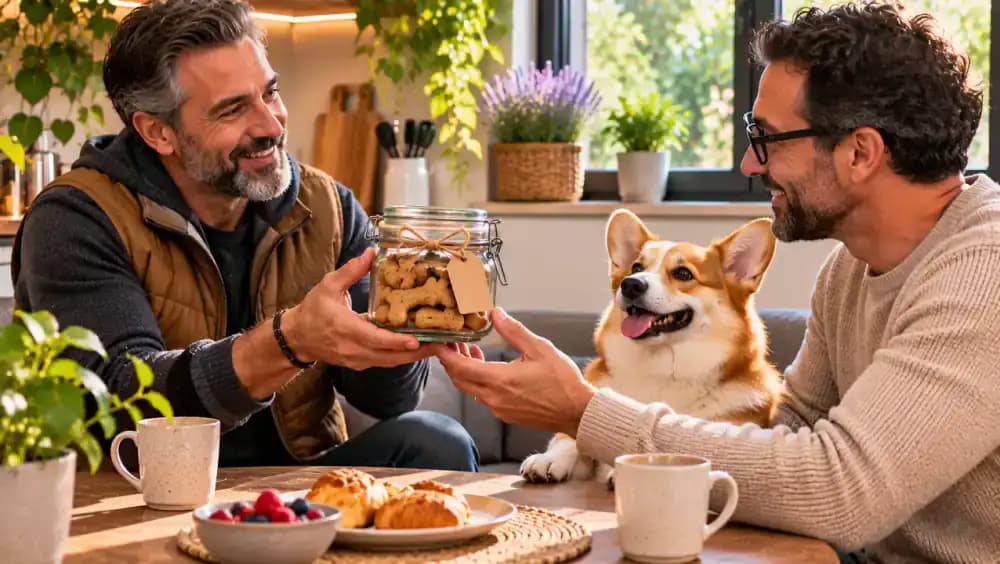
When guests bring homemade pet treats or unfamiliar products, thank them without immediately offering the food to your pet. Store the gift securely until you can review its ingredients, preparation details, and recommended portions. Consider existing allergies and veterinary dietary restrictions before introducing anything new. If ingredients are unclear, avoid serving the treat until its suitability is confirmed.
Recognize When Your Pet Needs a Break
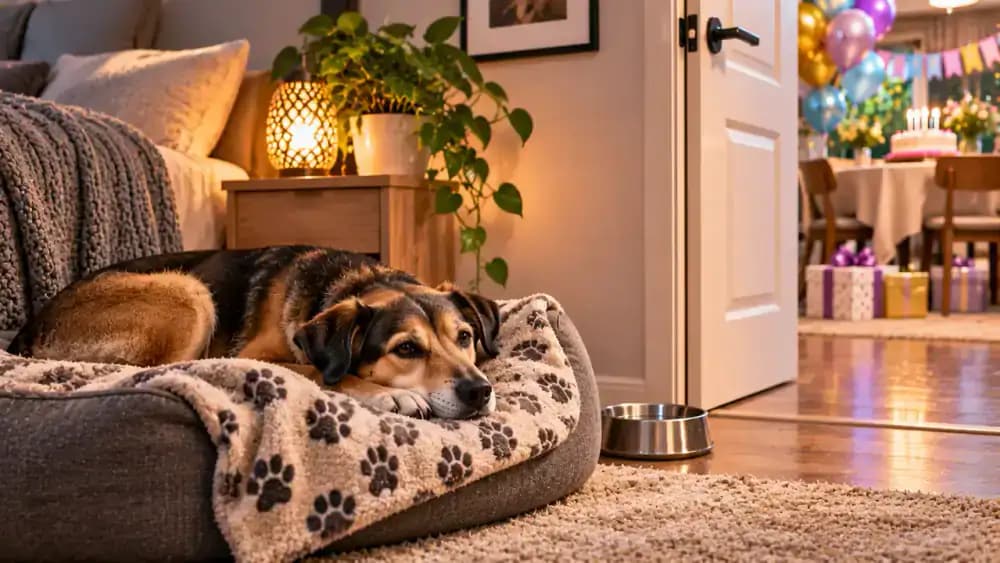
Watch for behavioral changes such as repeated lip licking, pacing, hiding, or moving away from visitors. These behaviors can have different causes, but they may indicate that your pet needs space. Provide access to a quiet room with familiar bedding and water. Ask guests not to follow or pressure the animal, and allow your pet to settle undisturbed.
Build a Reliable Pet-Safe Hosting Routine
Make pet feeding safety part of every hosting routine by preparing measured meals, securing food, and keeping emergency veterinary contacts accessible. Explain the rules to late arrivals and confirm that caregivers know where approved supplies are stored. Maintain one designated feeding coordinator throughout the event. Consistent preparation allows guests to socialize while your pets remain comfortable, supervised, and protected.
You're hosting dinner, everyone is having a great time, and your dog is making the rounds under the table. One guest slips him a piece of chicken. Another offers a bite of cheese. Meanwhile, someone gives your cat a little leftover fish because she looks hungry. By the time dessert arrives, you have no idea how much either pet has eaten.
It's a familiar situation, but those seemingly harmless extras can create real problems. Untracked treats and table scraps can lead to overfeeding, digestive upset, or exposure to ingredients that are dangerous for dogs and cats. Pets with allergies, prescription diets, diabetes, or other medical dietary restrictions may be particularly vulnerable to unexpected food.
The easiest way to manage pet feeding when guests visit is to establish one household rule: one designated person controls all meals, treats, and feeding times. Everyone else asks before offering anything.
Before guests arrive, measure your pets' regular meals, portion out veterinarian-approved or otherwise suitable treats, and place everything in clearly labeled containers. Let visitors know that sharing human food isn't allowed, even in small amounts. Keep unattended plates out of reach, supervise interactions, and give your pets a quiet feeding space when needed.
With a little preparation and consistent boundaries, guests can enjoy spending time with your animals without disrupting their diets. You'll know exactly what your dog and cat have eaten, and everyone can relax.
Where people go wrong
Assuming Small Table Scraps Are Harmless. A tiny bite might seem insignificant, but several guests offering small portions can quickly add up. Rich or fatty foods can upset a pet's stomach, while certain ingredients may be toxic. Explain that the rule applies to every guest and every portion, regardless of how harmless the food appears.
Letting Multiple Guests Hand Out Treats. When everyone feeds the pets independently, nobody knows how many treats have been given. This makes portion control almost impossible and can interfere with restricted diets. Assign one person to manage all food and treats. If guests want to participate, have them ask that person for permission first.
Forgetting That Dogs and Cats Have Different Dietary Needs. A treat that is suitable for one pet may be inappropriate for another. Dogs and cats have different nutritional requirements, and individual allergies or medical restrictions add another layer of concern. Keep food and treats in separate labeled containers, and never assume that a product approved for your dog is automatically appropriate for your cat.
Leaving Plates and Leftovers Within Reach. Unattended dinner plates, serving trays, and trash cans make unauthorized snacking easy. Dogs may grab food from low tables, while cats can access countertops and serving areas. Move food out of reach, clear plates promptly, and secure the trash. Physical prevention is more reliable than expecting pets to ignore tempting smells.
Giving Guests Vague Feeding Instructions. Telling guests to avoid giving pets too much food leaves room for interpretation. Some visitors may believe a small treat is an exception. State the rule clearly before dinner: no human food or treats without the designated feeder's approval. Friendly, specific instructions are easier to follow than casual warnings.
Ignoring Guests Who Repeatedly Break the Rules. A guest who continues offering table scraps after being asked to stop creates an avoidable risk. Repeating a vague request may not solve the problem. Calmly explain that the feeding restriction protects your pet's health, remove accessible food, and separate your pet from the dining area if the behavior continues.
Waiting for Symptoms After Suspected Toxic Food Ingestion. Some dangerous foods can cause serious problems before obvious symptoms appear. If your pet may have eaten chocolate, grapes, raisins, xylitol-containing products, onions, garlic, or another potentially toxic ingredient, contact a veterinarian or animal poison control service promptly. Do not wait for vomiting or unusual behavior, and never induce vomiting unless a veterinary professional specifically instructs you to.
Questions people ask
Tell visitors before the gathering that only one designated person handles pet food and treats. Explain the rule politely and keep approved treats in labeled containers. Ask guests to request permission before offering anything. If someone repeatedly ignores your instructions, move your pet to a comfortable separate area where food sharing cannot occur.
Fixed it?
Get one guide like this every Thursday.