How to Introduce an Adopted Dog to Every Member of Your Household
Help your newly adopted dog settle in with calm, gradual introductions to adults, children, and other household members. Learn how to recognize stress signals, establish safe boundaries, and build trust at your dog's pace.
What you’ll need
Tap to tick things off before you start.
Make the First Arrival Calm
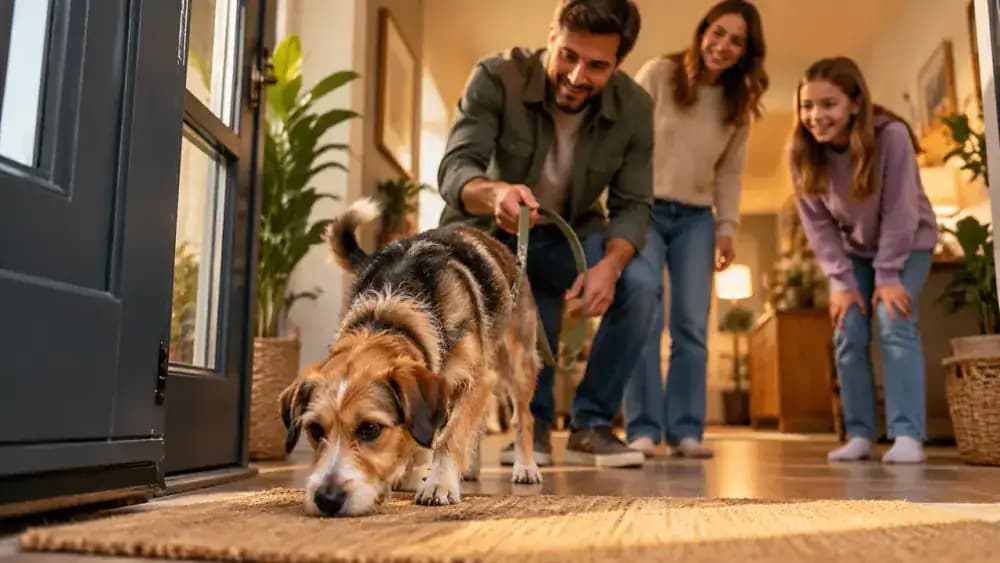
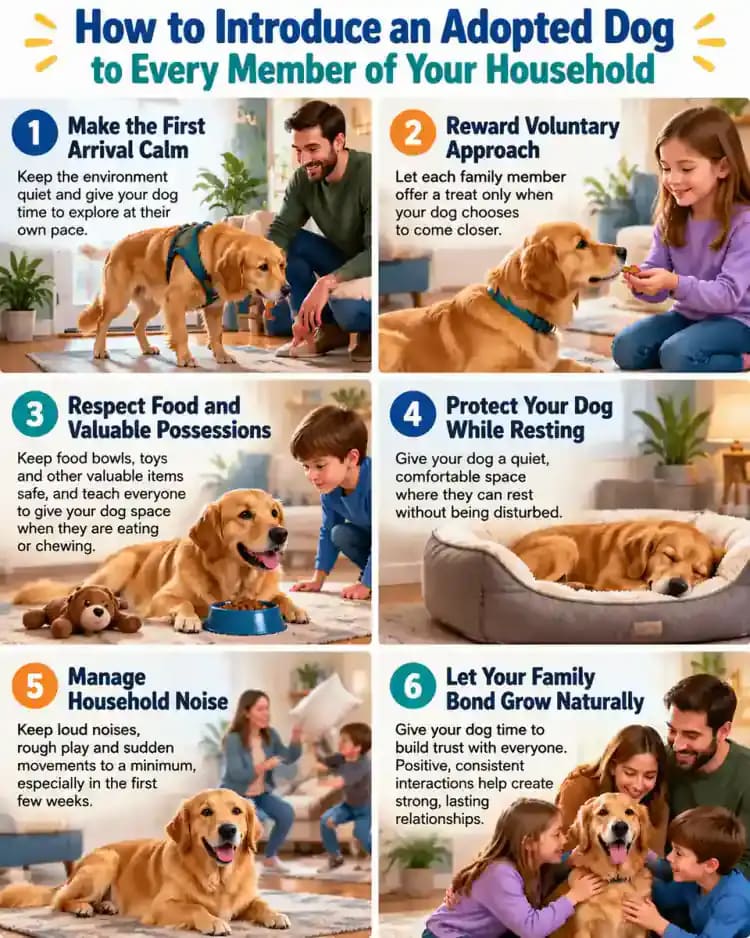
When your adopted dog first enters your home, resist the urge to gather everyone for a welcome. Unfamiliar voices, reaching hands, and excited movements can feel overwhelming. Keep the entrance quiet, maintain a comfortable distance, and let your dog sniff and observe at its own pace. Focus on helping it feel secure rather than meeting everyone immediately.
Prepare a Safe Retreat
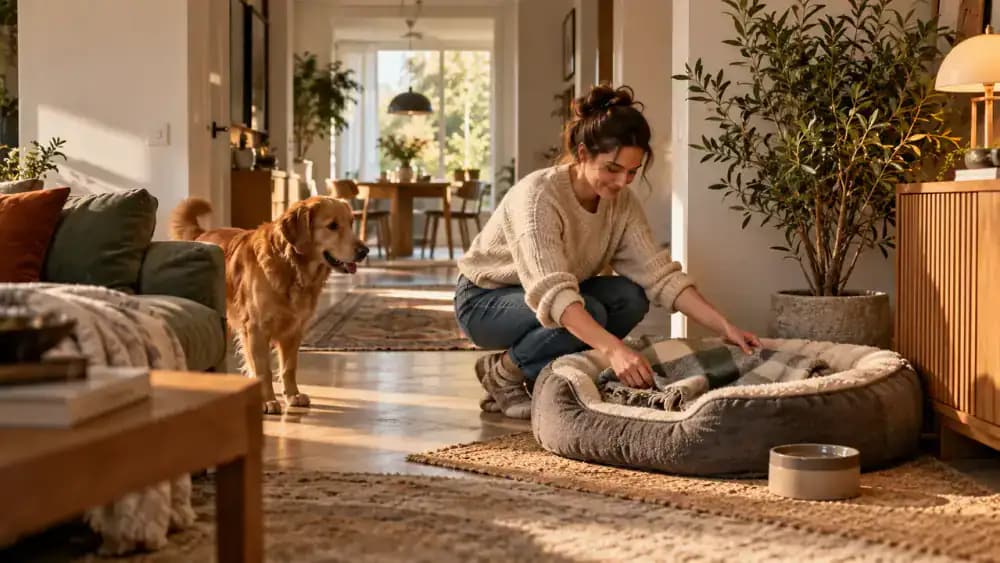
Set up a quiet retreat before beginning household introductions. Provide a comfortable bed, fresh water, and a familiar blanket in an area away from busy walkways. Make sure your dog can leave the space without being cornered, and establish a household rule that nobody follows or disturbs it there. A protected resting area gives your dog room to decompress.
Let Adults Build Trust First
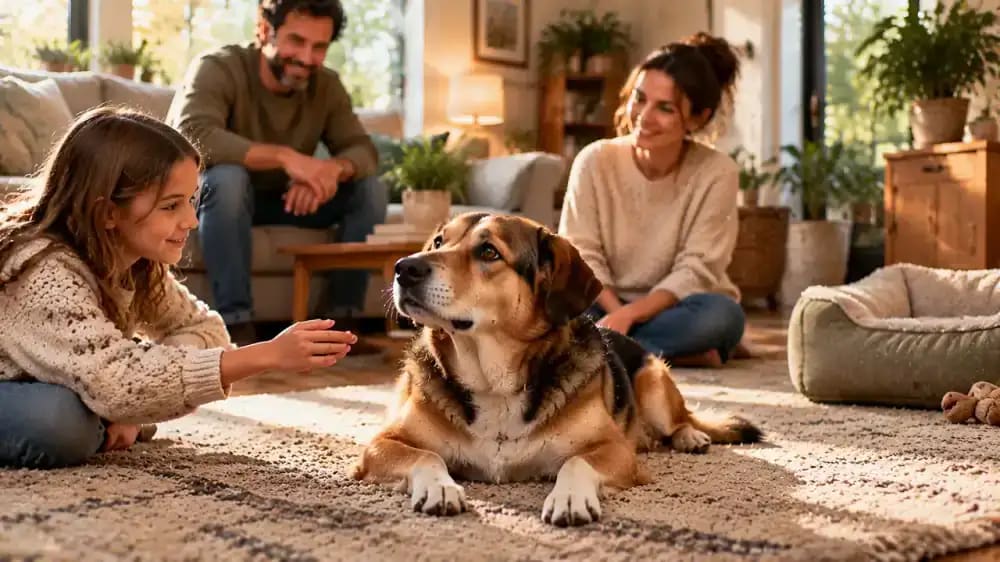
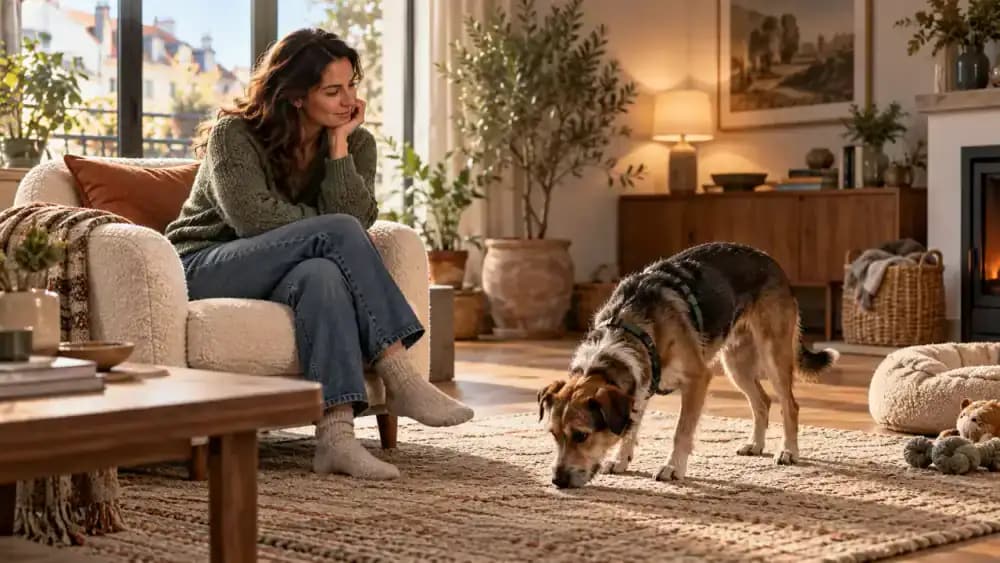
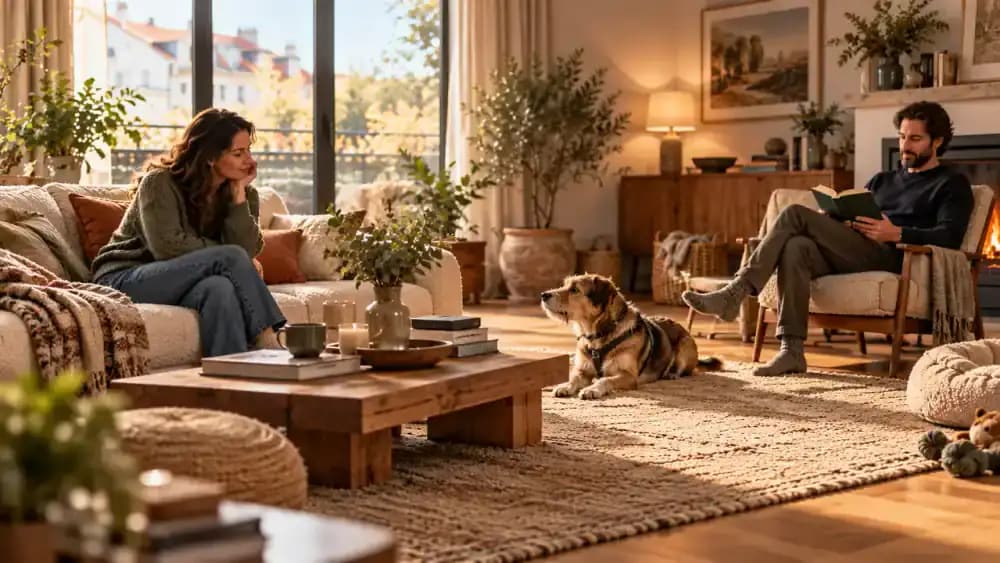
Begin with one calm adult who can respect the dog's boundaries. Sit sideways at a comfortable distance, keep your hands relaxed, and speak softly without leaning over the dog or staring directly at it. Allow the dog to approach if it chooses. If it stays away, remain patient and share the room quietly without reaching out or demanding interaction.
Introduce Household Members One at a Time
Once your dog appears comfortable sharing space with the first adult, introduce another household member individually. Ask the newcomer to enter quietly, sit nearby, and avoid reaching toward the dog. Keep enough distance for everyone to feel comfortable, and leave a clear route to the dog's retreat. Calm, repeated encounters help the dog become familiar with each person without pressure.
Teach Children Safe Interaction Rules
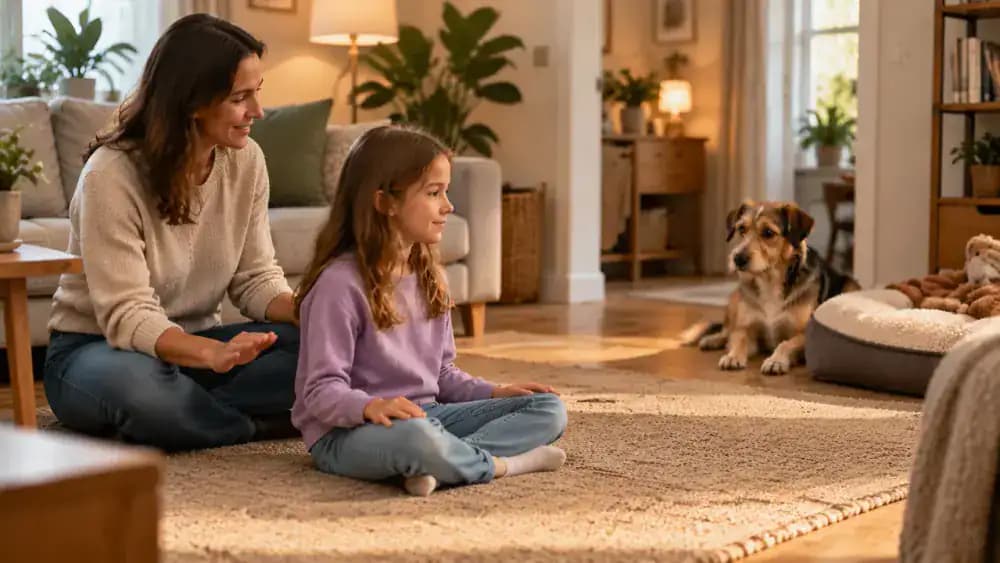
Before children meet the dog, explain that they must move calmly, keep their hands to themselves, and allow the dog to approach voluntarily. Practice standing or sitting quietly without reaching, hugging, chasing, grabbing, or blocking the dog's path. A responsible adult must actively supervise every interaction, regardless of how relaxed the dog appears. Never allow children to disturb the dog while it rests.
Reward Voluntary Approach
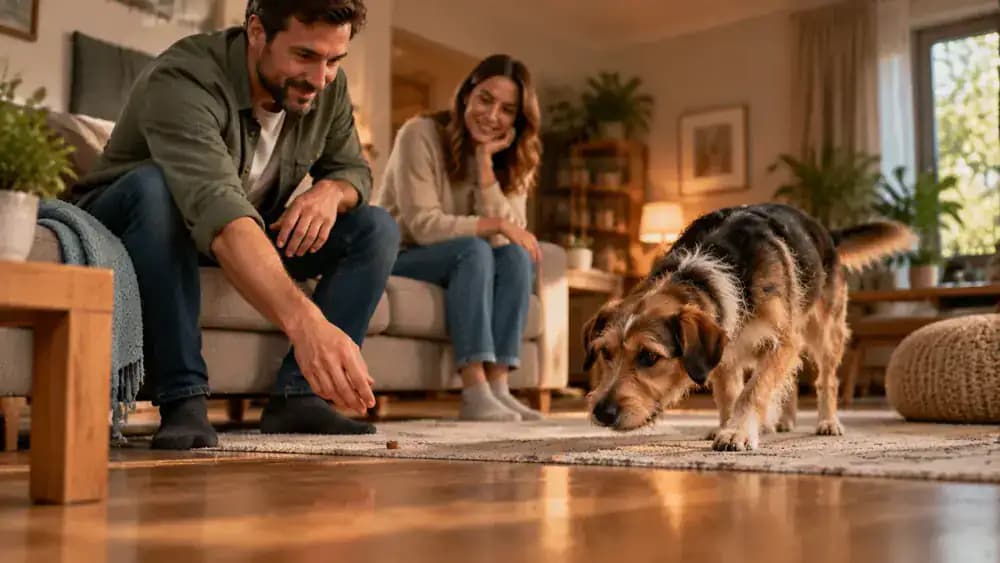
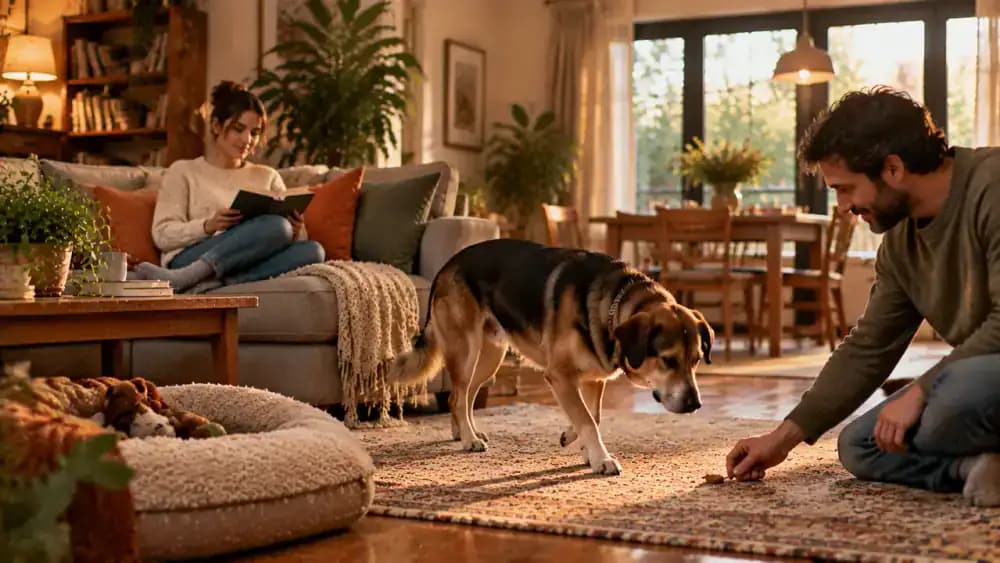
When your dog chooses to approach a family member, keep the interaction brief, calm, and positive. Toss a small, dog-safe treat onto the floor nearby rather than using food to lure the dog into close contact. Keep your hands relaxed, avoid hugging or grabbing, and let your dog decide whether to stay or move away.
Recognize Signs of Stress
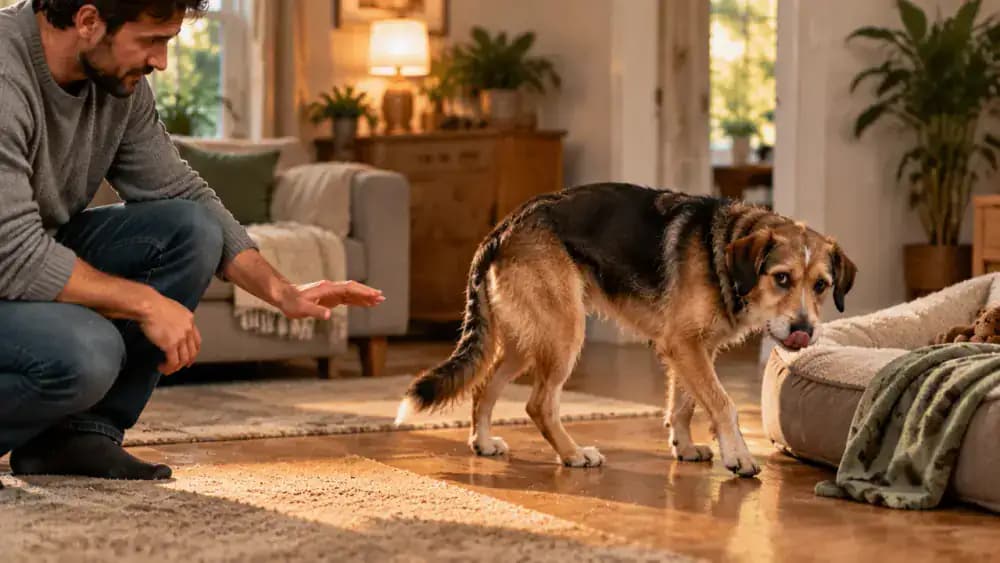
Pay attention to your dog's body language throughout every introduction. Turning away, lip licking, a tucked tail, freezing, repeated yawning, or attempts to retreat can indicate discomfort. Growling is also a warning that deserves respect, not punishment. If you notice these signals, stop the interaction calmly, create more distance, and let your dog settle without being followed.
Build Trust Over Several Days
Repeat short, low-pressure interactions over the coming days, allowing your dog's comfort to determine the pace. Keep household boundaries consistent, protect its resting area, and avoid overwhelming it with visitors or group greetings. Celebrate small signs of voluntary engagement without expecting immediate affection. If fear or aggressive behavior persists, seek guidance from a qualified, reward-based trainer or veterinary behavior professional.
Create Predictable Household Routines
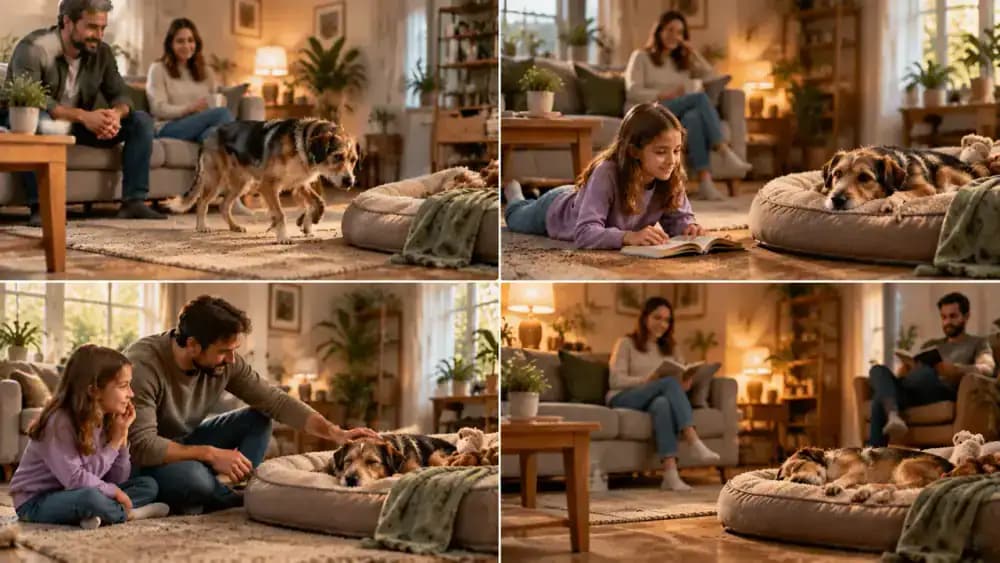
Establish a predictable daily routine for meals, walks, rest, and bedtime so your dog can learn what to expect. Agree on which family member handles each responsibility and communicate changes clearly. Avoid having several people call the dog or direct it at once. Consistent routines and calm transitions can help your dog settle into its new home more comfortably.
Include Every Household Member Thoughtfully
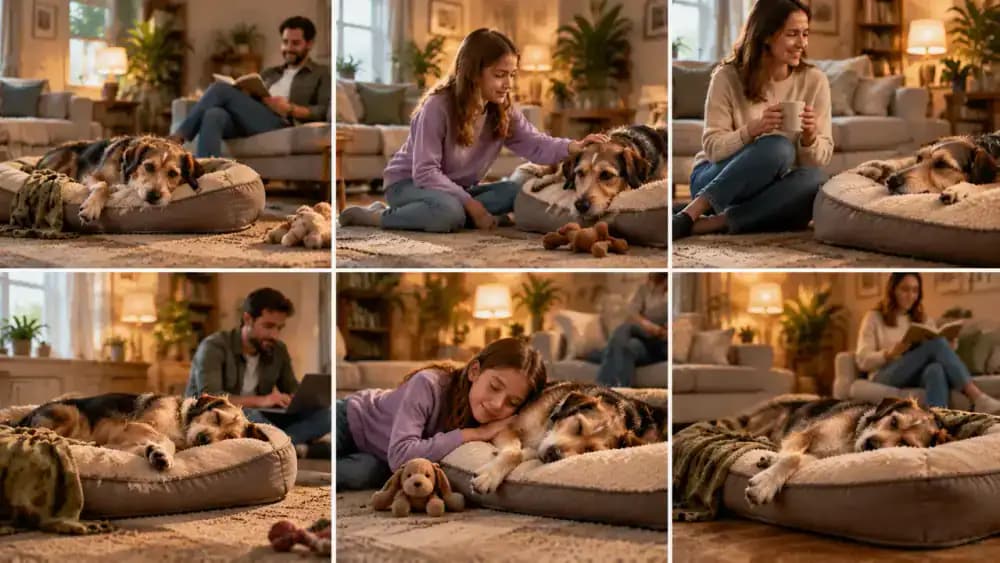
Introduce your dog to household members with different voices, movement patterns, or mobility aids at a comfortable distance. Let the person move naturally while the dog observes freely, without rolling equipment toward it or forcing an approach. Keep pathways clear and interactions unhurried. If the dog shows discomfort, increase the distance and try again later at an easier pace.
Give Everyone a Clear Responsibility
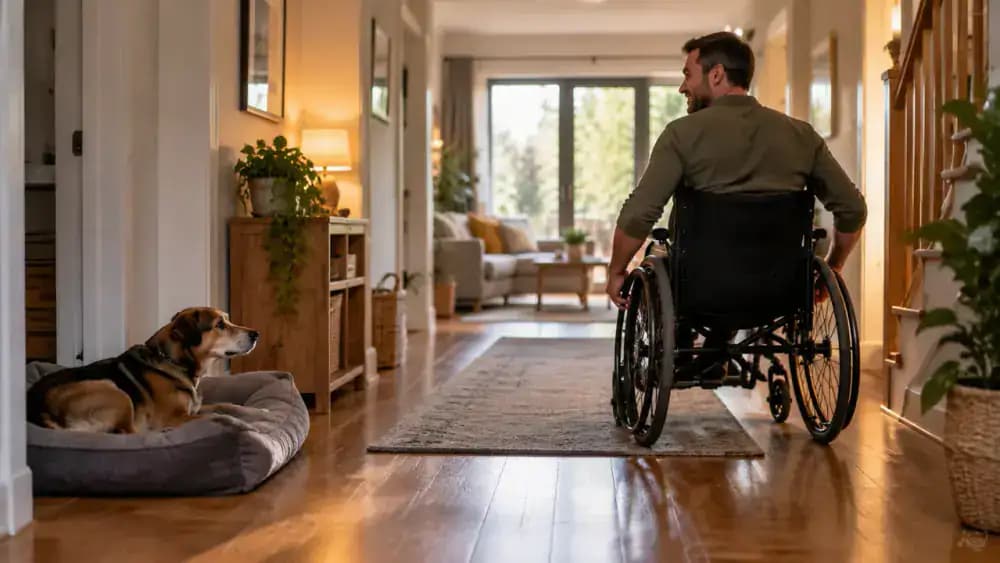
Assign each household member a simple responsibility that matches their age, abilities, and the dog's comfort level. One adult can prepare meals, another can manage walks, and an older child can help refill the water bowl under supervision. Keep tasks consistent, and never require everyone to handle or touch the dog to participate in its care.
Respect Food and Valuable Possessions
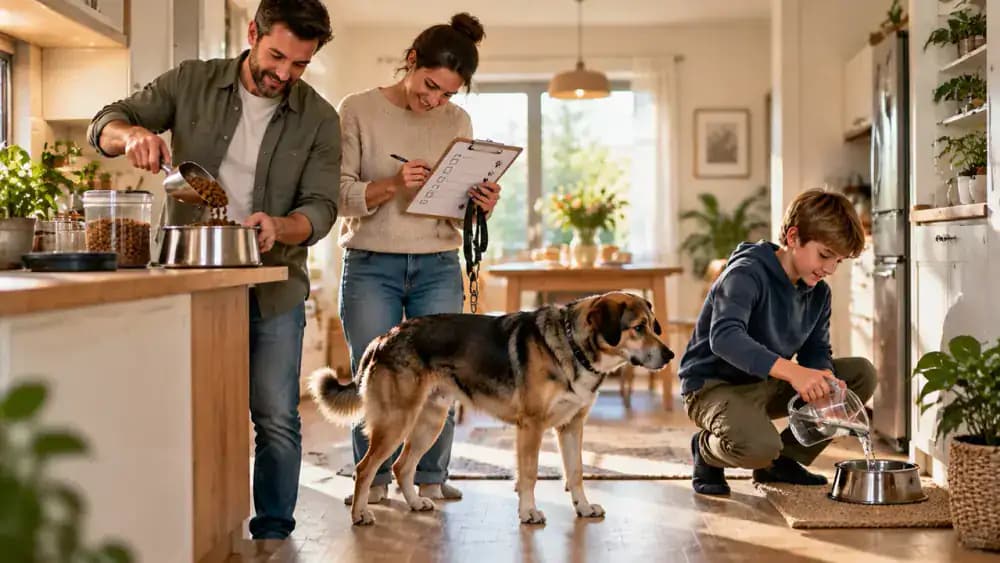
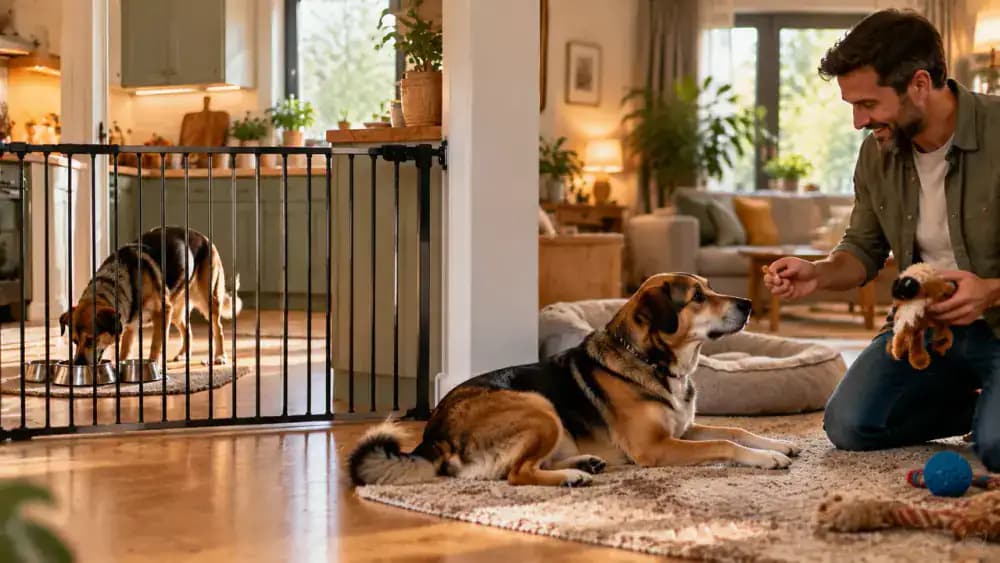
Give your adopted dog a quiet place to eat, and make sure nobody approaches, touches, or removes its food while it is eating. Keep children away from food bowls and chews, and supervise interactions around toys. If an item needs to be retrieved, avoid grabbing it by force. Instead, use a suitable treat to encourage a voluntary exchange.
Prepare for Visitors
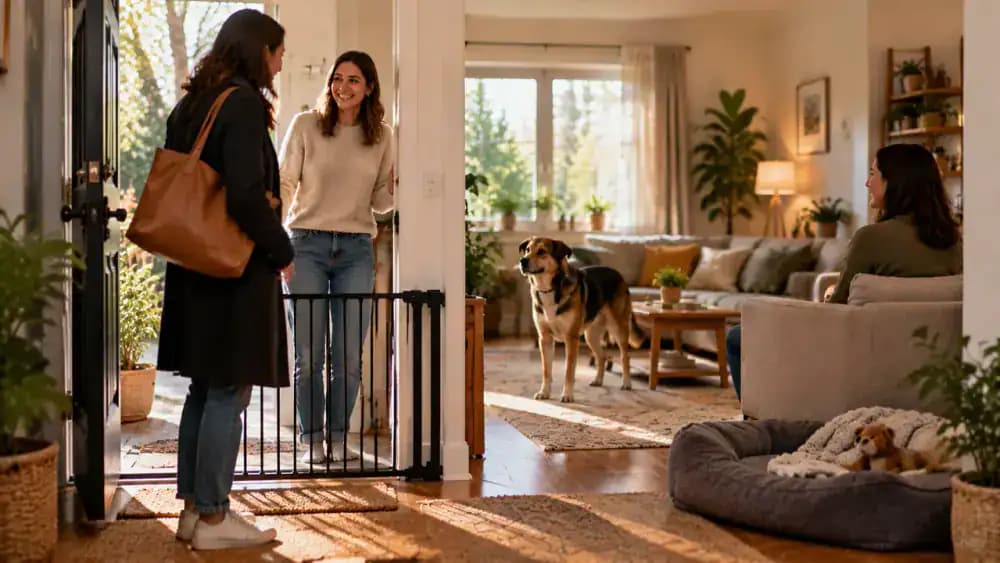
Before inviting friends or relatives over, consider whether your dog is comfortable enough for another introduction. Start with one calm guest who understands your household rules. Ask them to enter quietly, sit sideways, and avoid reaching for or leaning over the dog. Use a secure gate and keep the retreat accessible. If your dog struggles to settle, postpone contact.
Plan Carefully for Other Pets
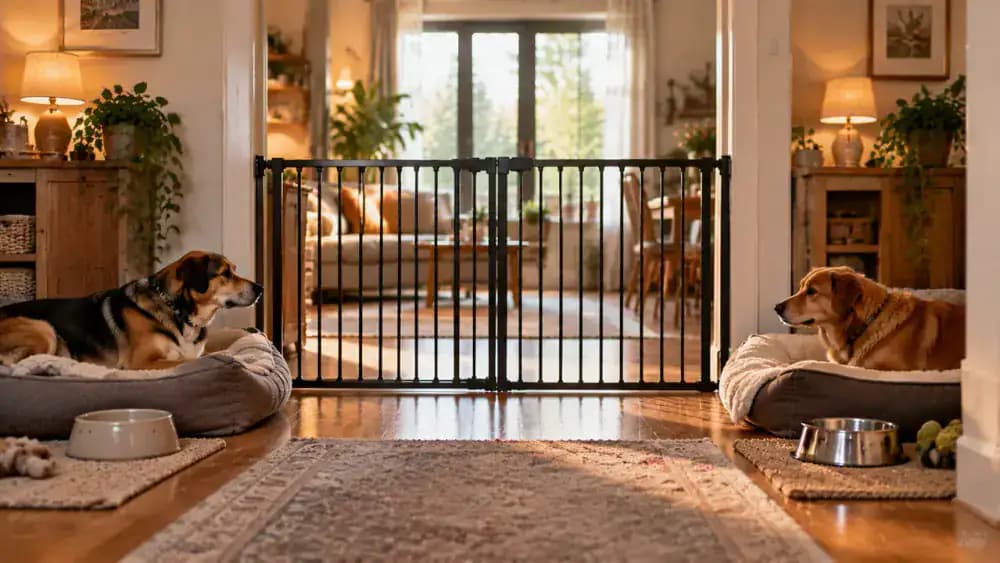
If you have other pets, introduce them separately from the process of meeting human family members. Start with separate areas and secure barriers, giving each animal its own food, water, bedding, and resting space. Arrange gradual, controlled meetings only when appropriate for both animals. Prevent competition around valued resources, and seek qualified professional help if fear or threatening behavior persists.
Adjust the Plan to Your Dog
Review your dog's progress regularly and note which interactions seem comfortable and which require more distance. Your dog may relax around one family member while remaining uncertain around another, and progress can vary from day to day. Adjust the pace to each relationship instead of following a deadline. If concerns persist, consult your veterinarian about appropriate behavioral support.

Build a Lasting Family Bond
Building trust with an adopted dog is an ongoing process, not a milestone everyone must reach in one afternoon. Keep routines predictable, respect the dog's signals, and appreciate small signs of growing comfort, such as choosing to rest near family members. Maintain a clear path to its retreat so your dog always has the option to move away.
Make Shared Spaces Comfortable
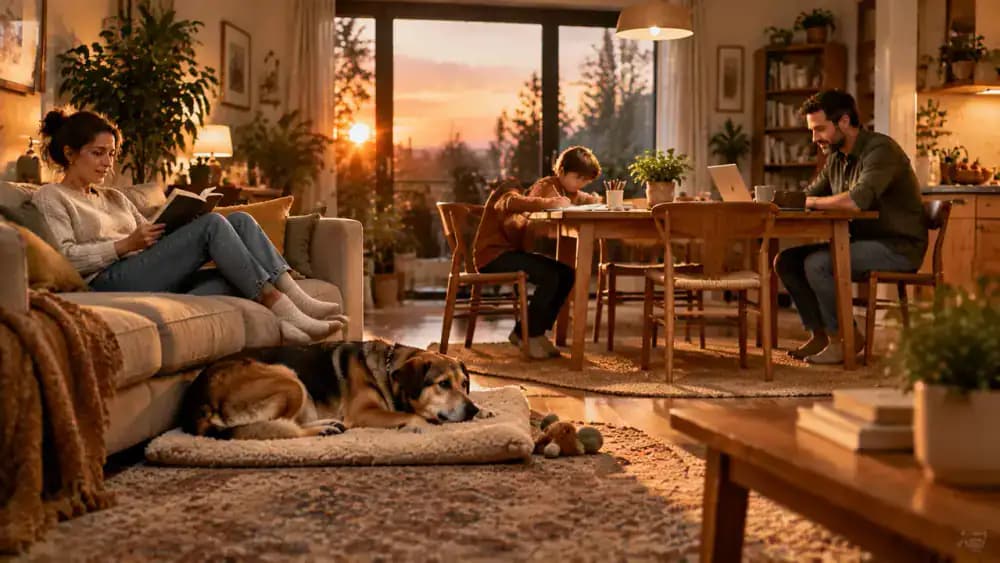
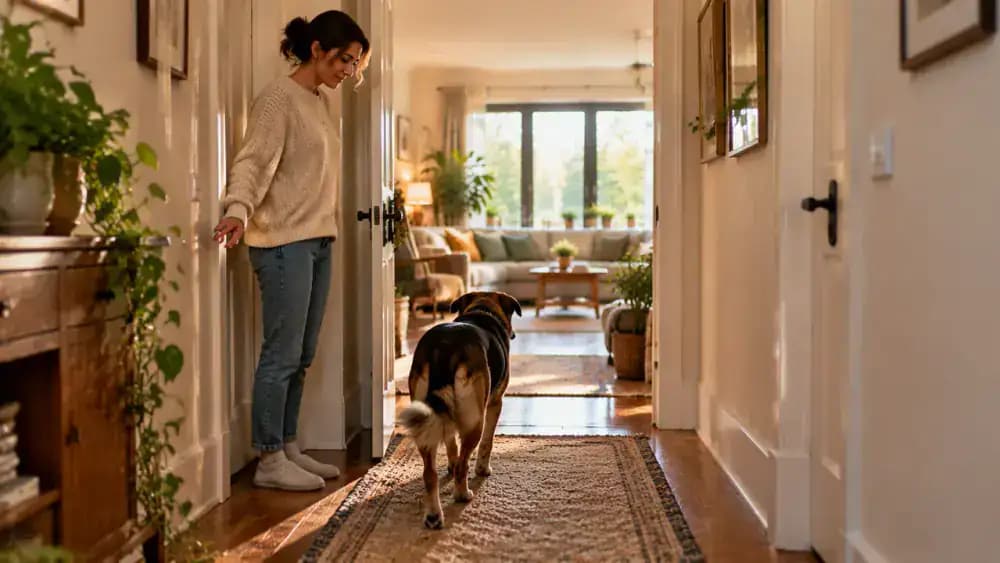
As your dog becomes familiar with the household, pay attention to how it moves through hallways, kitchens, and doorways. Narrow spaces can feel restrictive when people approach from opposite directions. Keep pathways clear, avoid crowding the dog, and let people pass one at a time when space is limited. Give your dog room to move without pressure.
Protect Your Dog While Resting
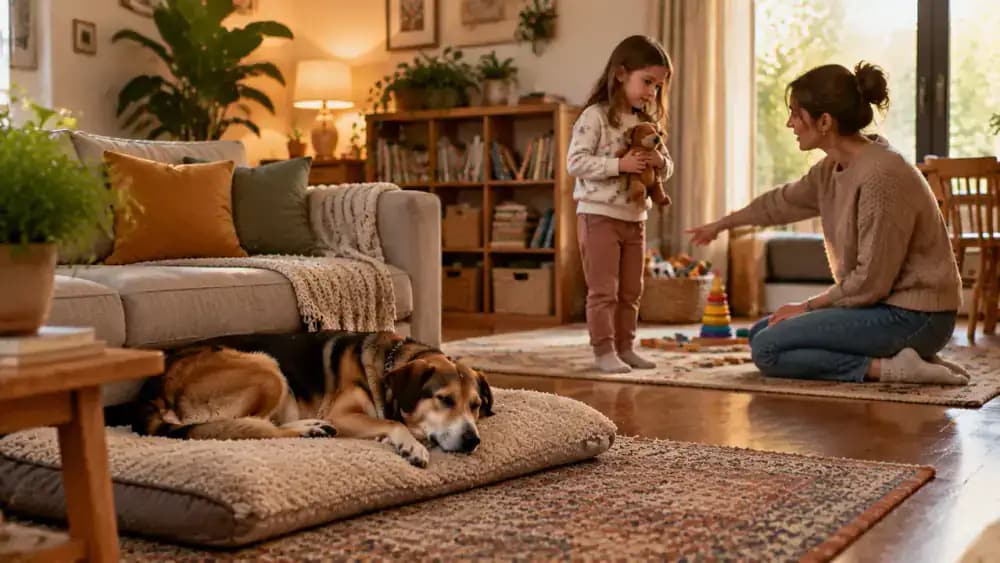
Make uninterrupted rest a household priority. A sleeping or tired dog may be startled by unexpected touching, even when it usually enjoys company. Teach family members to give the dog space and call softly from a distance if interaction is necessary. Let the dog wake naturally and become aware of its surroundings before approaching. Children should never climb on or disturb a resting dog.
Introduce Everyday Objects Gradually
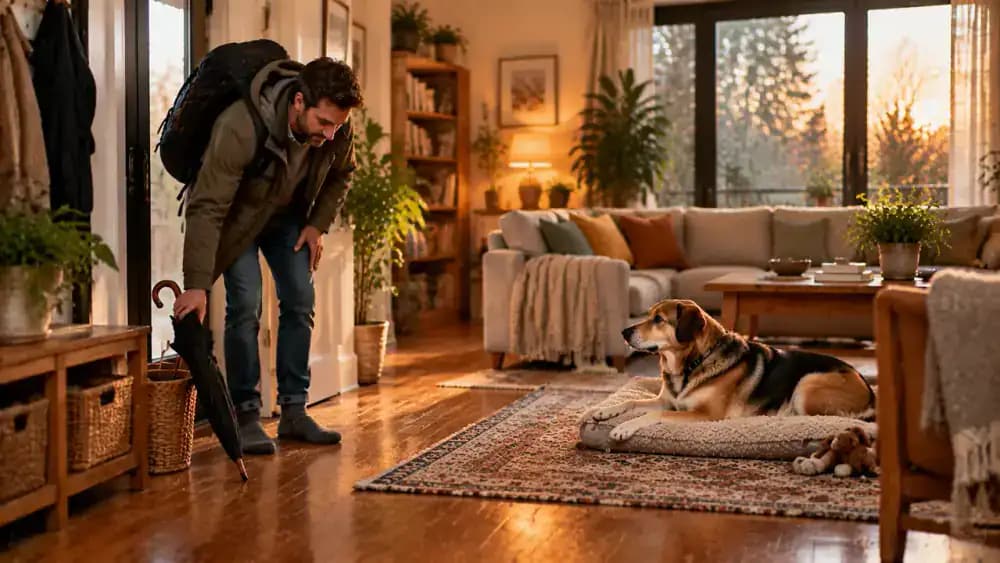
Unfamiliar objects, including umbrellas, backpacks, hats, and work uniforms, may make a newly adopted dog uncertain. Let your dog observe these items from a comfortable distance while you handle them calmly. Avoid waving objects around, moving them toward the dog, or coaxing it closer. If your dog seems uncomfortable, put the items aside and try again later with more distance.
Build Confidence Around Daily Movement
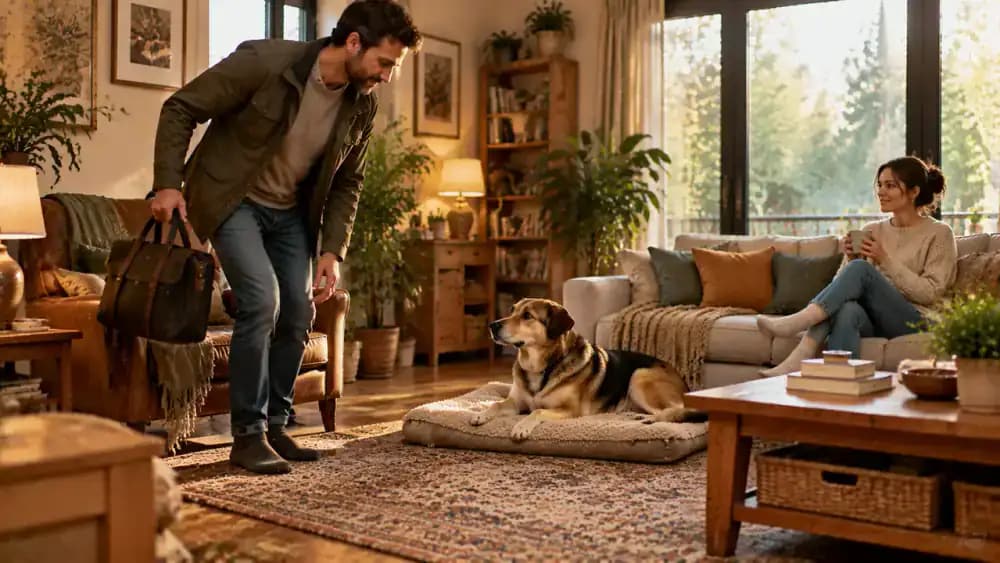
Help your dog become comfortable with ordinary household movements through calm, gradual exposure. Start with one person slowly standing up, walking across the room, or picking up a bag while the dog watches from a comfortable spot. Observe its response and keep movements gentle. If your dog appears uneasy, pause or simplify the activity instead of expecting it to tolerate more.
Respond Calmly to Difficult Moments
If your dog barks, hides, or avoids a household member, stay calm and resist the urge to pull it out, scold it, or insist on contact. Reduce the pressure by increasing distance and allowing the dog to remain in a safe place. Note what happened beforehand so you can recognize patterns and seek qualified professional guidance if reactions persist or escalate.
Celebrate Small Signs of Progress
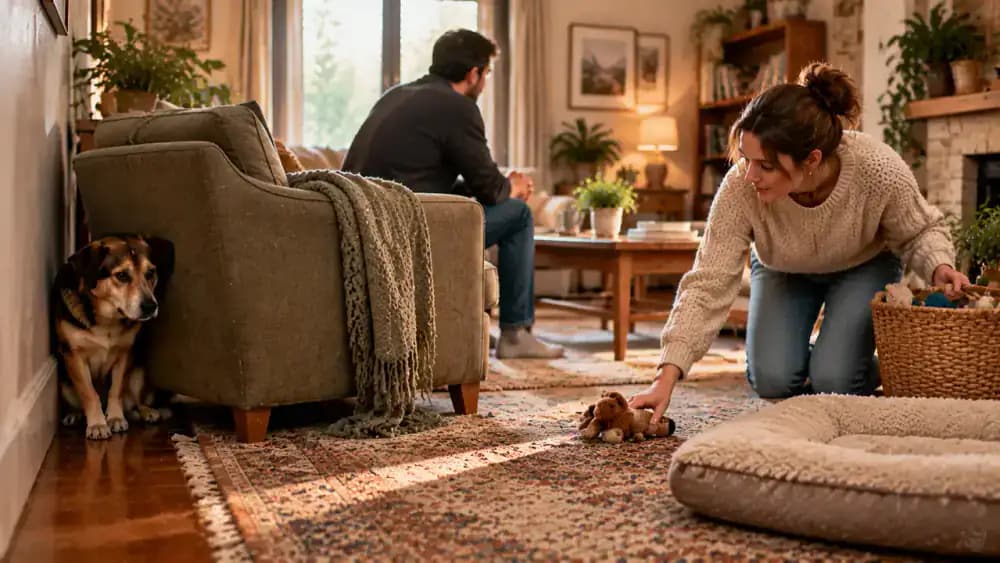
Look for small, meaningful signs that your dog is becoming more comfortable around the household. Choosing to rest in the same room, walking past someone calmly, or accepting a treat placed nearby can all be encouraging. Let these moments happen naturally without gathering everyone around or demanding a group greeting. Remember that confidence can vary with noise, fatigue, and unfamiliar situations.
Keep Building Trust Every Day
Continue respecting your dog's boundaries even after household introductions begin to feel comfortable. Maintain consistent routines, supervise interactions with children, and allow each relationship to develop at its own pace. Some days may bring more confidence than others, so adjust expectations when your dog needs extra space. Share household rules with everyone to keep your home predictable and welcoming.
Manage Household Noise
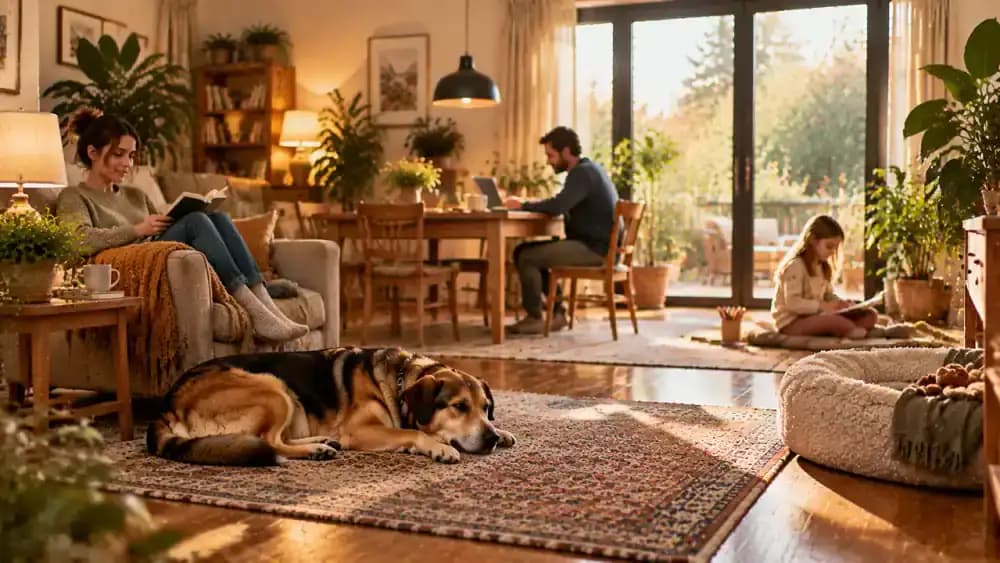
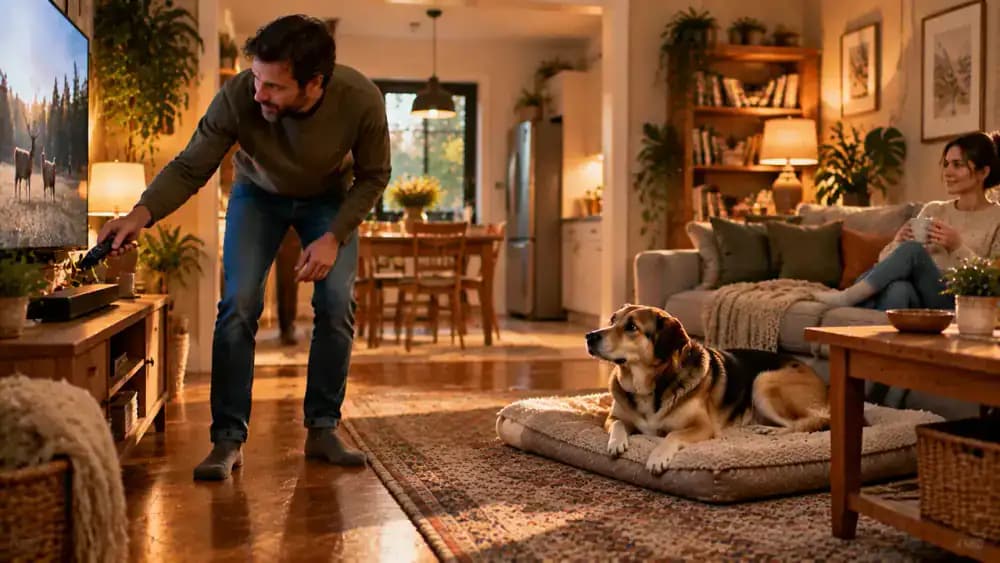
Unfamiliar sounds such as doorbells, television, kitchen appliances, and lively conversations can make settling in more challenging. Keep noise levels modest and introduce louder activities gradually, allowing your dog to retreat whenever it needs to. If it startles, becomes uneasy, or moves away, reduce the noise and give it time to settle before introducing the sound again.
Let Affection Be the Dog's Choice
Allow your dog to decide when it wants physical affection. If it approaches with relaxed body language, offer a brief, gentle stroke on the shoulder or side, then pause and remove your hand. Notice whether the dog chooses to reconnect or moves away. Respect either response, and never assume that approaching once means your dog wants continued touching.
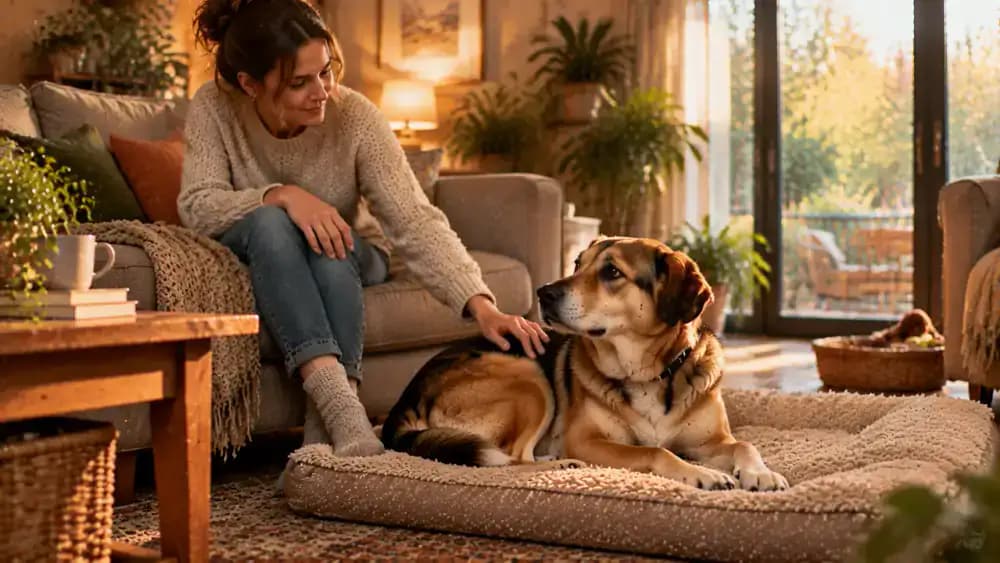
Keep Everyday Interactions Predictable
Help every household member respond calmly when your dog appears during everyday activities. Avoid sudden movements, loud greetings, or gathering around the dog for attention or photographs. Continue ordinary tasks at a relaxed pace while leaving enough room for the dog to observe or move away. Predictable behavior helps your dog become familiar with people without feeling pressured to interact.
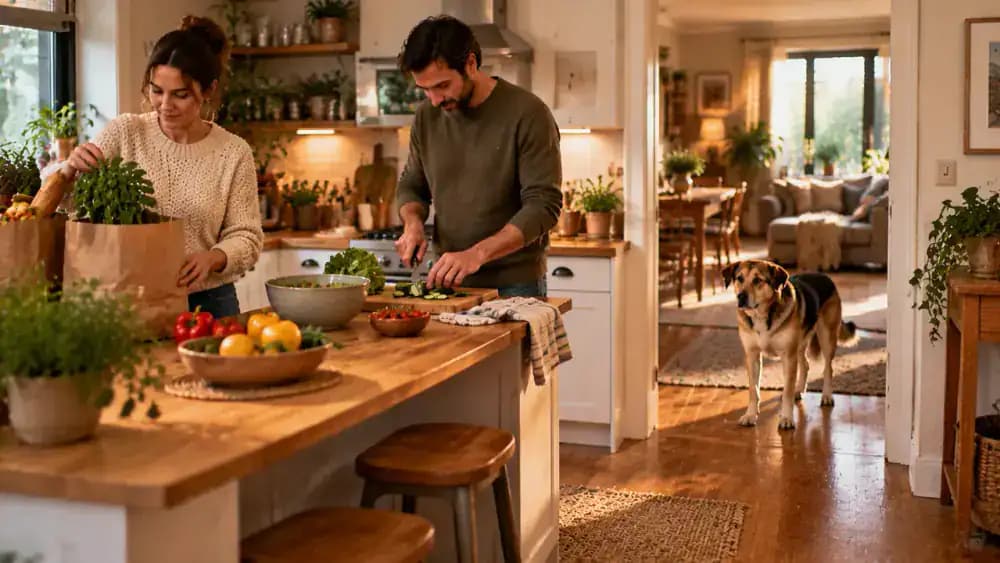
Make Homecomings Calm
When family members return home, keep greetings quiet and give your dog time to settle. Put down bags, avoid rushing toward the dog, and ask children to wait calmly rather than crowding the entrance. Once everyone is settled, let the dog choose whether to approach. These predictable arrivals can help make homecomings more comfortable without creating unnecessary excitement or pressure.
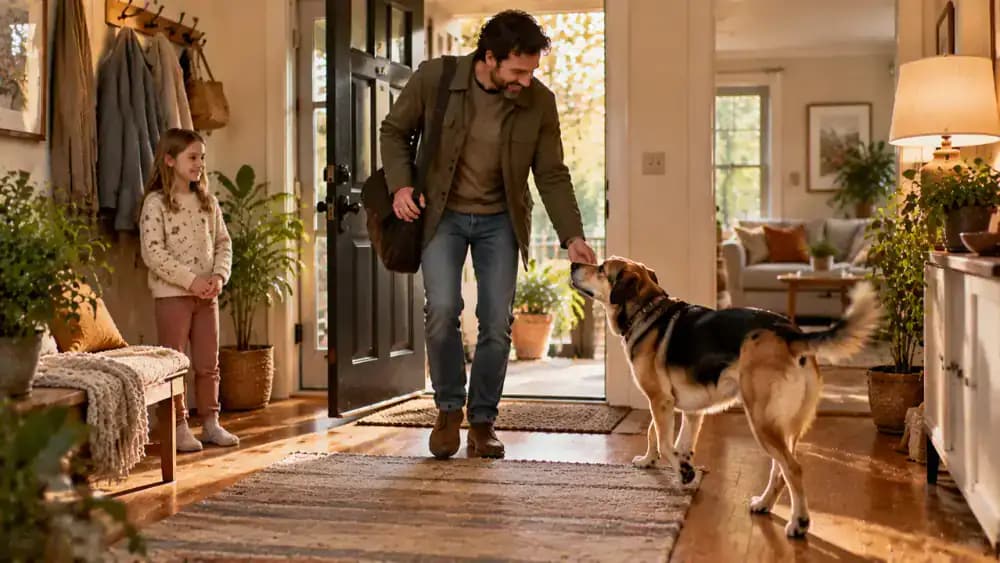
Secure Doors and Outdoor Boundaries
Check doors, garden gates, and outdoor boundaries before giving your adopted dog greater freedom around the home. An unfamiliar sound or sudden movement may cause a startled dog to bolt through an open exit. Keep your dog securely leashed when appropriate, supervise transitions, and make sure every household member knows which doors and gates must remain closed. Prevention helps protect your dog while it adjusts.
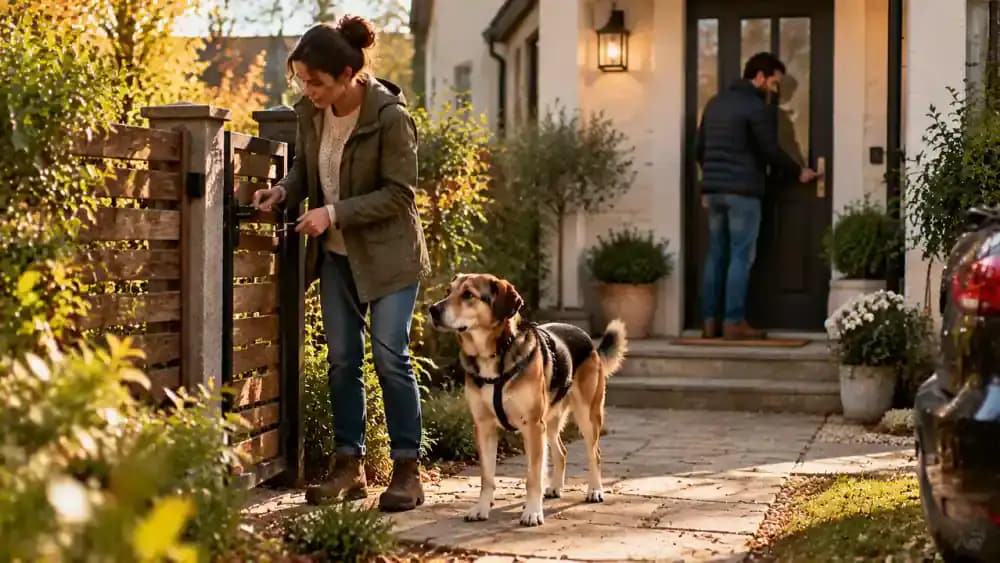
Know When Professional Help Is Needed
Keep notes about situations that make your dog comfortable or uneasy, and share relevant observations with everyone in the household. If your dog repeatedly snaps, lunges, growls, or struggles to settle, pause challenging introductions and prioritize safe separation. Contact your veterinarian and a qualified, reward-based behavior professional for individualized guidance rather than attempting to manage potentially dangerous interactions alone.

Let Your Family Bond Grow Naturally
Continue giving your adopted dog the freedom to choose how and when it interacts with family members. Some dogs become playful quickly, while others prefer quiet companionship for weeks or longer. Build familiarity through calm routines, respectful boundaries, and ordinary shared activities. When your dog voluntarily settles near someone, enjoy the moment without crowding it or expecting affection on demand.
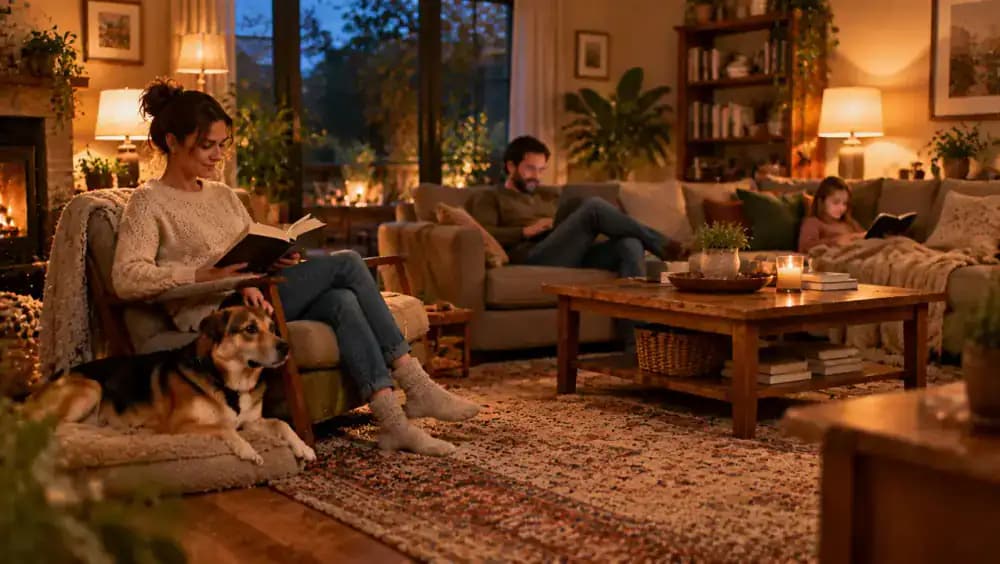
Bringing an adopted dog into your home is an exciting milestone, and everyone in the family may be eager to make a new friend. However, a busy household full of enthusiastic greetings can feel overwhelming to a dog adjusting to unfamiliar people, sounds, smells, and routines. Even a friendly dog may need time to feel safe in a new environment.
Learning how to introduce an adopted dog to every member of your household starts with patience, predictable boundaries, and respect for the dog's choices. Rather than gathering everyone around for a big welcome, create a quiet retreat where your dog can rest undisturbed, with fresh water and comfortable bedding. Let adults begin with calm, low-pressure interactions before gradually introducing children and other household members under appropriate supervision.
Pay attention to your dog's body language throughout the process. Turning away, repeated lip licking, a tucked tail, freezing, growling, or attempts to leave can indicate discomfort. These signals are reasons to pause, increase distance, and give your dog a chance to settle. Never force physical contact or punish a dog for communicating that it needs space.
Keep early interactions brief and positive, offering treats when appropriate and allowing your dog to approach voluntarily. Every family member should follow the same rules for personal space, feeding, resting, and play. Some dogs become comfortable within days, while others need weeks or longer. By keeping expectations realistic and letting trust develop naturally, you can create a safer, more comfortable home for everyone.
Where people go wrong
Having Everyone Greet the Dog at Once. A crowd of excited people can overwhelm a dog that is still learning whether its new environment is safe. Multiple voices, reaching hands, and sudden movements make it harder for the dog to choose a comfortable distance. Introduce household members individually or in small groups, keeping the environment quiet and allowing the dog to approach voluntarily.
Forcing Physical Affection. Hugging, kissing, petting, or holding a newly adopted dog in place can create pressure, even when the intention is affectionate. Some dogs find close contact uncomfortable, particularly with unfamiliar people. Let the dog initiate interaction, keep petting brief, and pause regularly to see whether it chooses to remain nearby or move away.
Letting Children Approach Without Supervision. Children may not recognize when a dog needs space, and sudden movements or loud voices can increase the risk of a frightening encounter. An adult should actively supervise every interaction and teach children to avoid chasing, hugging, grabbing, climbing on, or cornering the dog. Children should never disturb a dog that is eating, sleeping, or resting in its retreat.
Ignoring Subtle Stress Signals. Stress does not always begin with barking or growling. Turning away, repeated lip licking, a tucked tail, freezing, and attempts to retreat can all indicate that an interaction is uncomfortable. These behaviors do not establish a diagnosis or predict every response, but they deserve attention. Pause the interaction, create more distance, and allow the dog to recover without pressure.
Taking Away the Dog's Safe Space. A quiet retreat helps an adopted dog rest and recover from unfamiliar experiences. Allowing family members to follow the dog into its bed area, reach into its crate, or repeatedly call it out removes that important choice. Establish a household rule that the retreat is off-limits to others, and never use it as punishment or force the dog to remain there.
Expecting Trust to Develop on a Fixed Schedule. Some adopted dogs begin exploring and seeking companionship quickly, while others need considerable time to feel comfortable. Expecting immediate affection or treating avoidance as stubbornness can create unnecessary pressure. Keep routines predictable, use short and positive interactions, and adjust the pace to the dog's responses. Progress should be measured by growing comfort, not by a deadline.
Punishing Growling or Other Warnings. Growling can communicate discomfort and a need for more distance. Scolding or punishing a dog for this warning may increase stress and discourage clear communication without resolving the underlying concern. Calmly stop the interaction, separate people from the dog when needed, and review what caused the discomfort. Seek qualified professional guidance if warnings recur or escalate.
Changing Household Rules From Person to Person. Conflicting expectations can make a new home harder to understand. If one person allows the dog on the bed while another repeatedly pushes it away, or family members use different rules around food and resting, the dog may experience unnecessary uncertainty. Agree on shared boundaries before introductions begin, communicate them clearly, and help every household member follow the same routine.
Questions people ask
Adjustment time varies widely. Some dogs begin exploring and seeking companionship within a few days, while others need several weeks or longer to feel comfortable. A dog may also feel secure with one person before becoming comfortable with everyone else. Maintain predictable routines, provide a quiet retreat, and judge progress by relaxed behavior and voluntary interaction rather than a fixed timeline.
Fixed it?
Get one guide like this every Thursday.