How to Teach Your Dog to Release a Toy on Cue
Teach your dog to drop a toy on cue using positive reinforcement, simple trades, and short practice sessions that keep playtime fun and frustration-free.
What you’ll need
Tap to tick things off before you start.
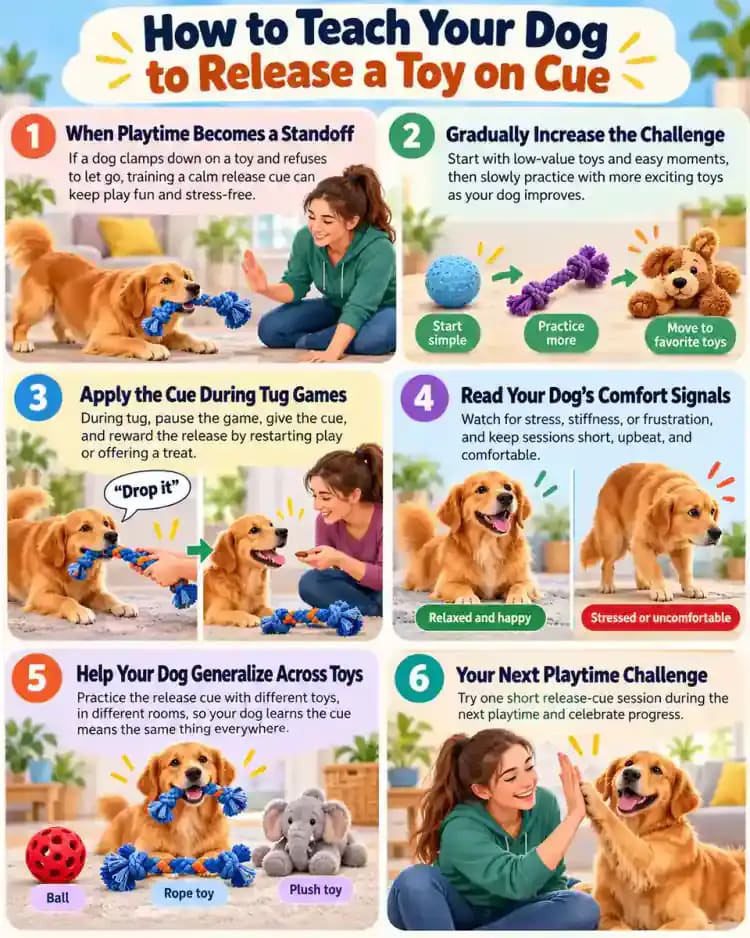
When Playtime Becomes a Standoff
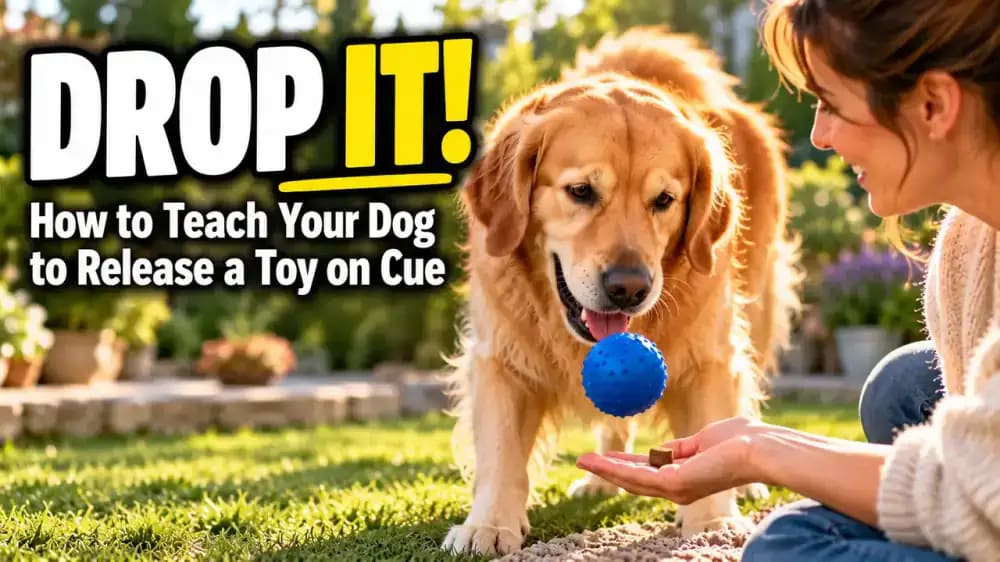
When your dog returns with a ball but refuses to release it, resist the urge to chase, pull, or reach into their mouth. Instead, stay relaxed and give your dog space. The goal is to teach a cooperative exchange where letting go brings a reward, making it easier to keep playtime enjoyable.
Set Up an Easy First Win
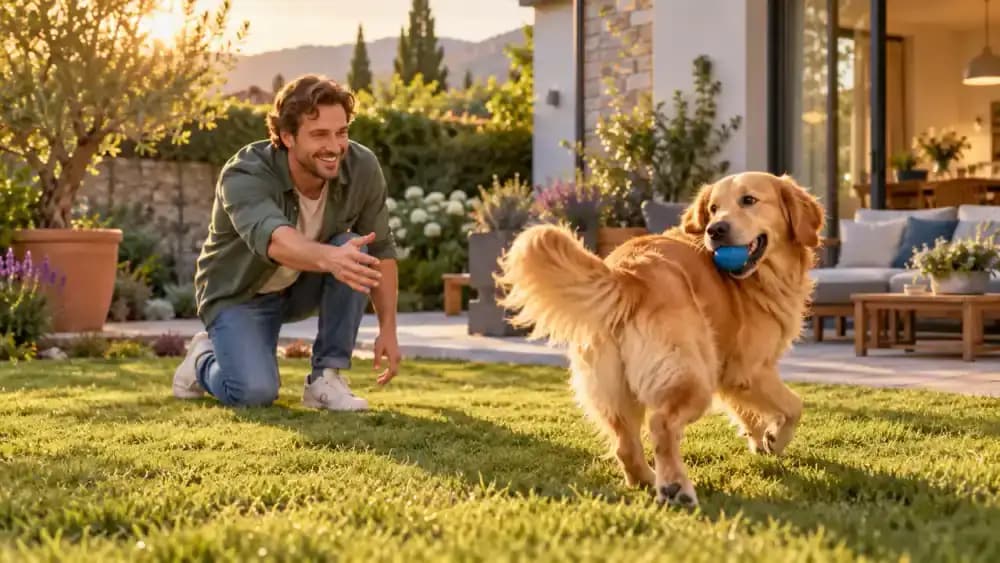
Choose a quiet room without distracting sounds, other pets, or exciting activity. Place a familiar, low-value fabric toy on the floor and keep several small, high-value treats ready in a pouch. Put favorite toys out of sight. Allow your dog to approach and pick up the practice toy voluntarily before beginning the exchange.
Make the First Rewarding Trade
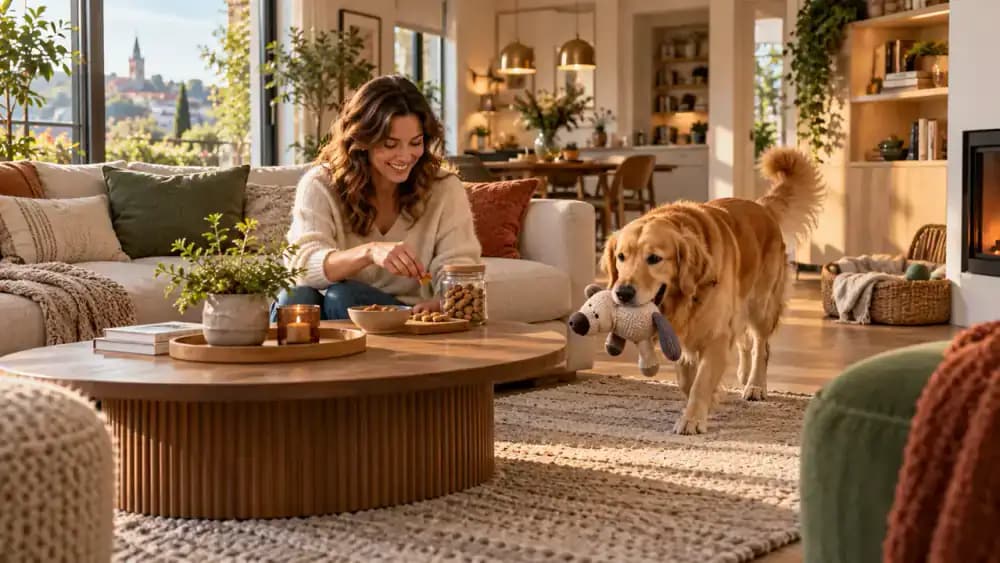
While your dog gently holds the toy, offer a small, appealing treat near their nose without touching or pulling the toy. Wait for them to open their mouth voluntarily. As the toy drops, immediately say "yes" and give the treat. Leave the toy untouched on the floor while your dog enjoys the reward.
Introduce the Drop It Cue
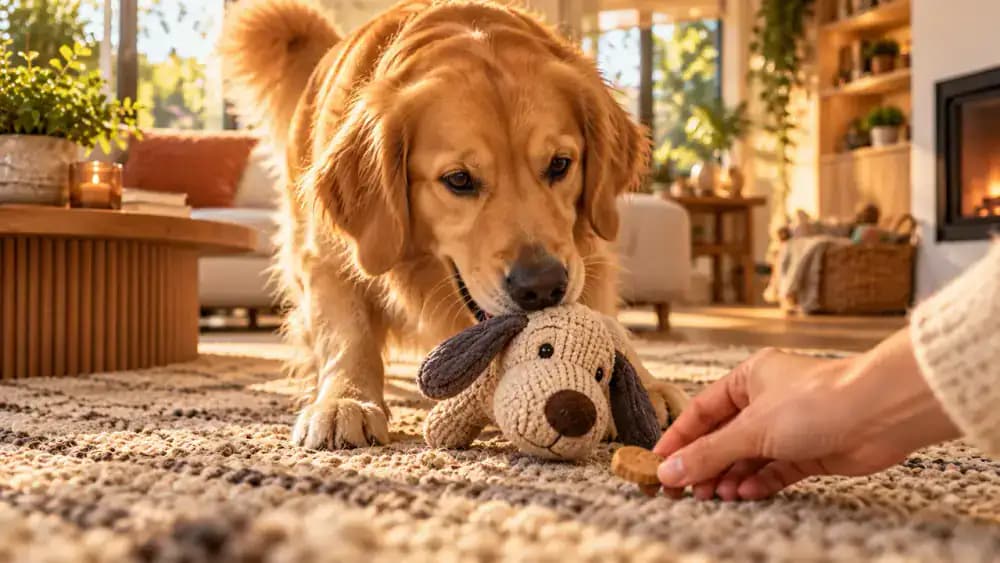
Repeat the successful exchange several times, allowing your dog to pick up the toy again between repetitions. Once they consistently release it when anticipating a reward, say "drop it" just before the expected release. Mark the moment with "yes" and reward immediately. Use the same calm, cheerful cue once per attempt to build a clear association.
Fade the Lure and Build Trust
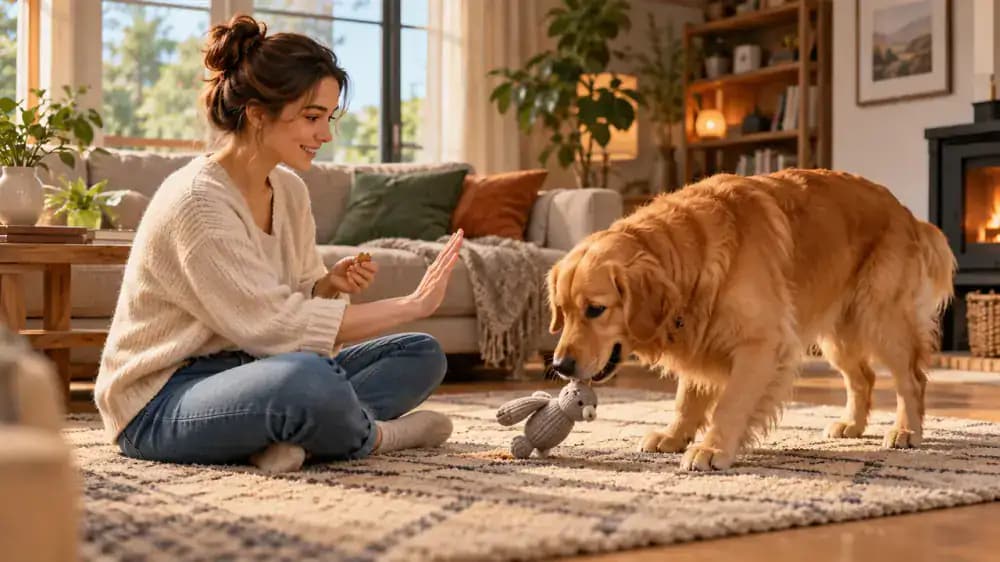
Once your dog responds reliably, keep treats out of sight and say "drop it" with empty hands. When the toy falls, mark the release, retrieve a treat from your pocket, and reward your dog. Frequently offer the toy back afterward. This reinforces the cue while showing your dog that releasing a toy doesn't always end playtime.
Gradually Increase the Challenge
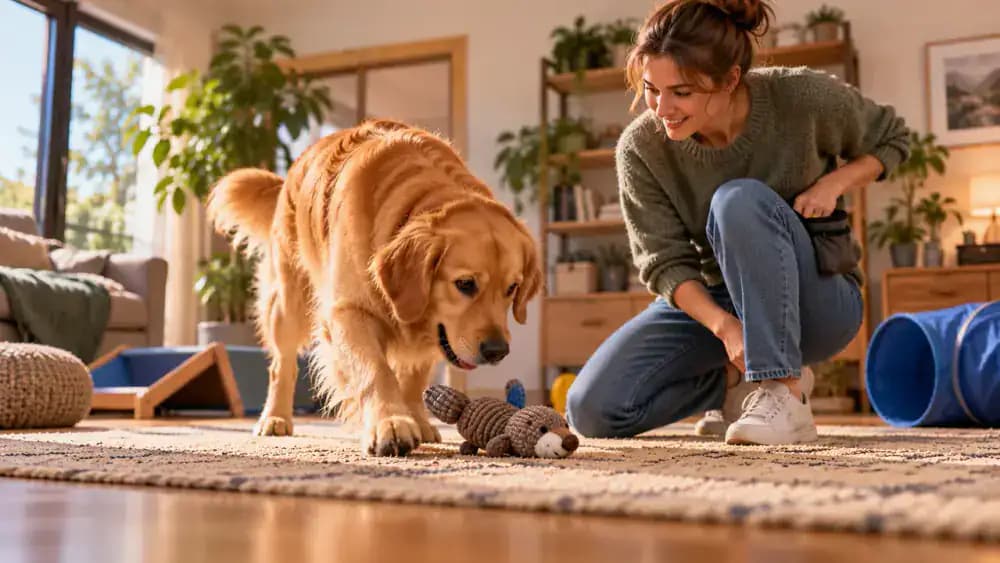
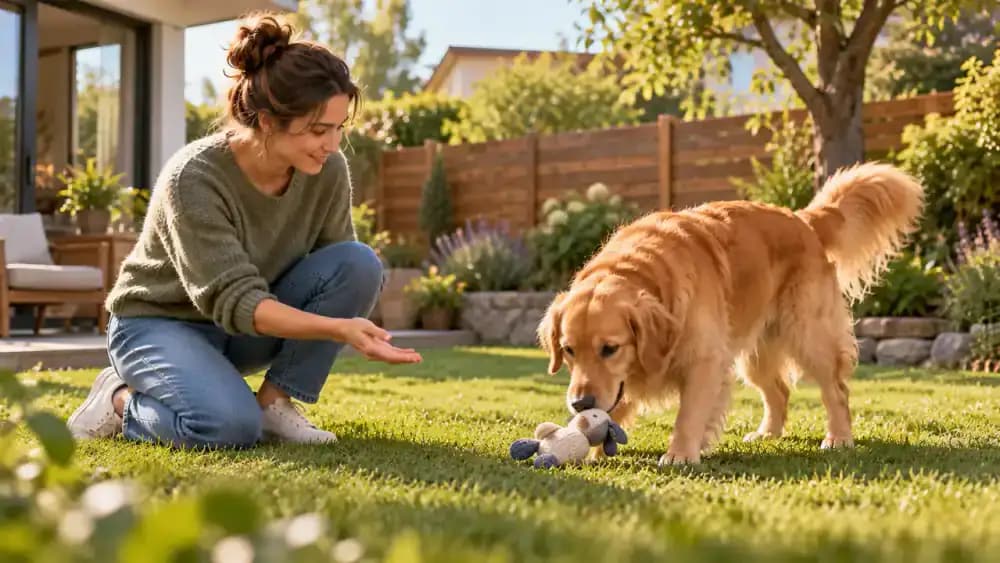
Once your dog releases the fabric toy reliably, practice with a slightly more interesting rubber toy. Next, try a quiet, securely fenced outdoor area. Change only one difficulty at a time. If your dog hesitates, return to an easier toy or familiar location. Keep sessions around 3-5 minutes and celebrate successful exchanges.
Avoid Mistakes and Recognize Warning Signs
If your dog walks away with the toy, avoid chasing, grabbing, or repeatedly saying "drop it." Never force their mouth open. Watch for stiffening, freezing, growling, or protective behavior around toys. If these occur, stop the exercise and give your dog space. Consult a qualified, reward-based behavior professional before attempting further exchanges.
Turn Every Release Into More Fun
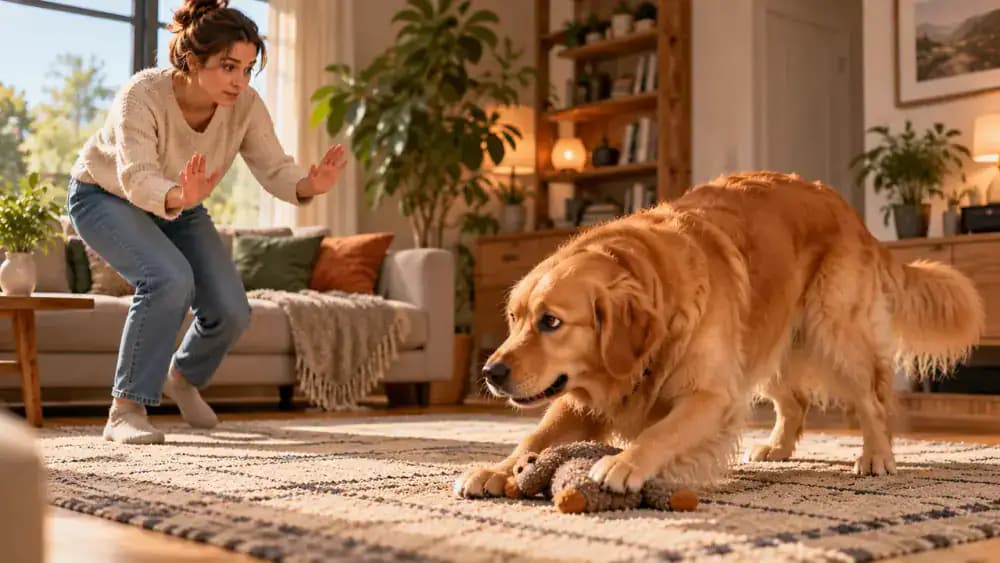
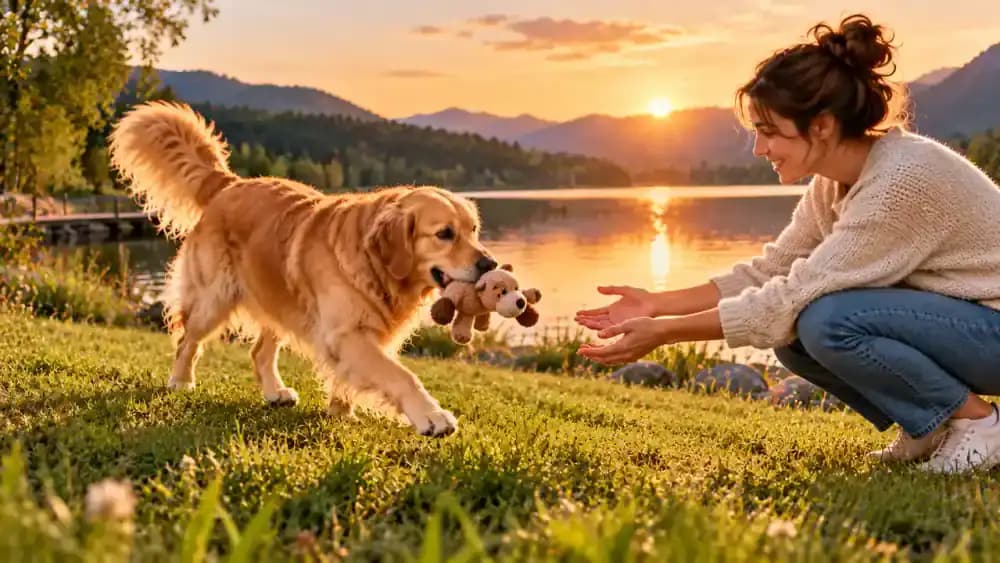
Bring your dog's new release skill into a familiar game of fetch. When they return with the ball, calmly say "drop it" once and wait for the release. Praise your dog, pick up the ball, and throw it again. Continuing the game rewards cooperation and teaches your dog that dropping a toy often brings more fun.
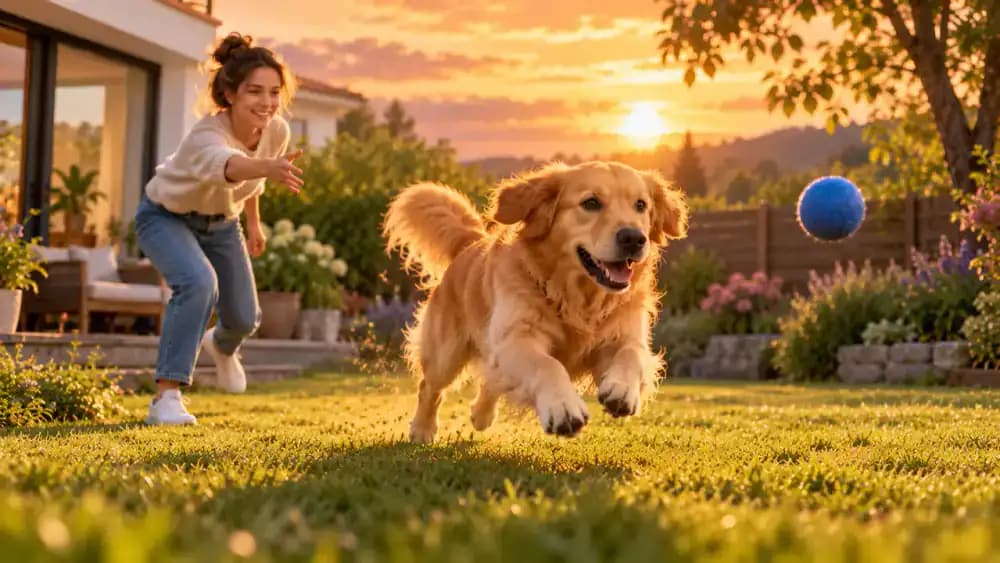
Teach Your Dog to Bring the Toy Closer
If your dog returns with a ball but stops several steps away, reward them for approaching before requesting a release. Stay relaxed, avoid reaching toward their mouth, and encourage slightly closer returns over several repetitions. Reward each improvement without rushing. Gradually, your dog can learn to carry the ball comfortably toward your feet.
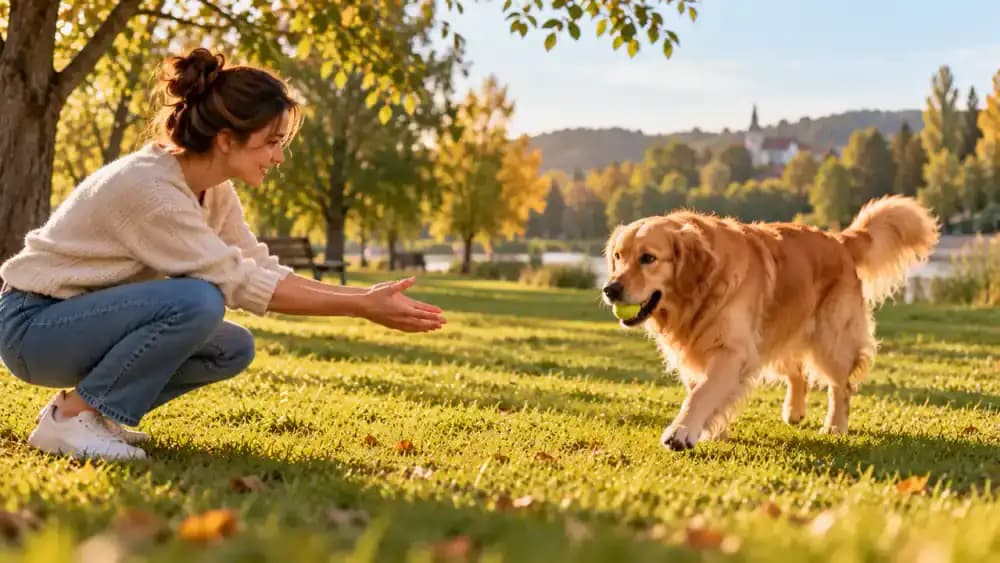
Teach a More Precise Release
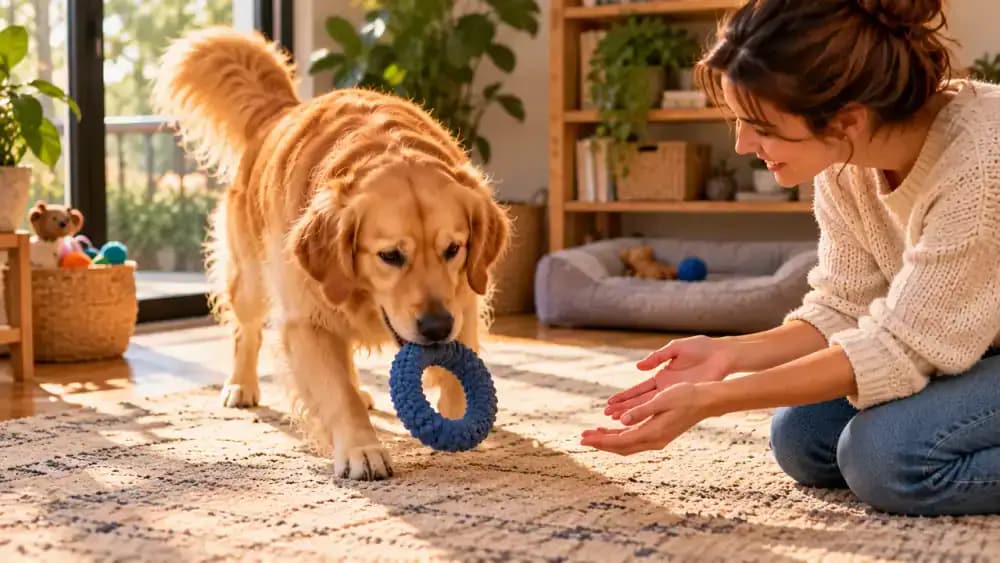
Place a shallow, stable basket on the floor and reward your dog for calmly investigating it. Once comfortable, invite them to carry a small plush toy near the opening. Give the familiar "drop it" cue when the toy is positioned above the basket. Reward successful drops inside, then offer another opportunity to play.
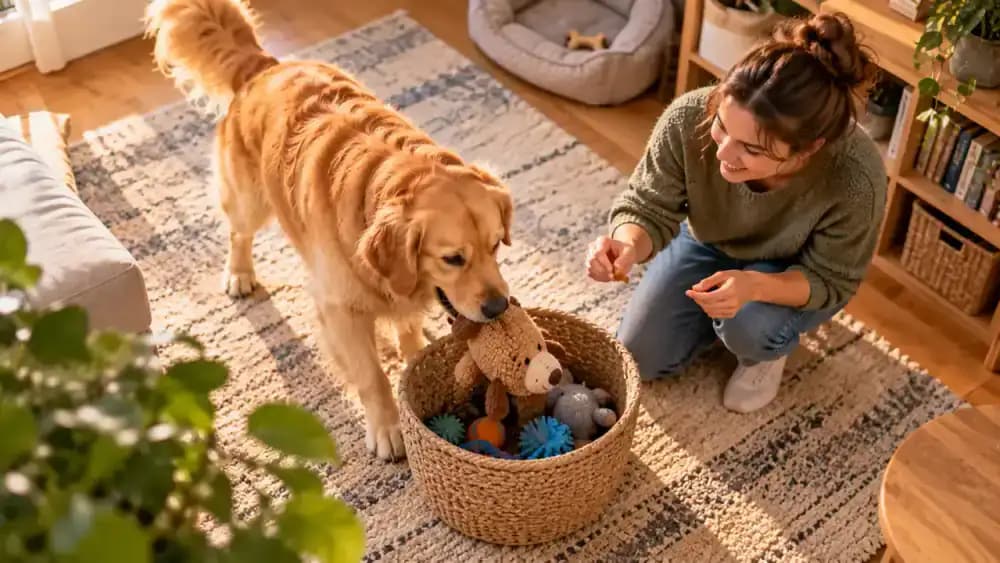
Practice Around Other People
Once your dog reliably releases toys at home, introduce a calm visitor at a comfortable distance. Ask the person to remain quiet while you practice familiar exchanges. Reward successful releases without involving the guest. Gradually change the visitor's position as your dog becomes comfortable. Avoid asking others to handle toys or test an unreliable cue.
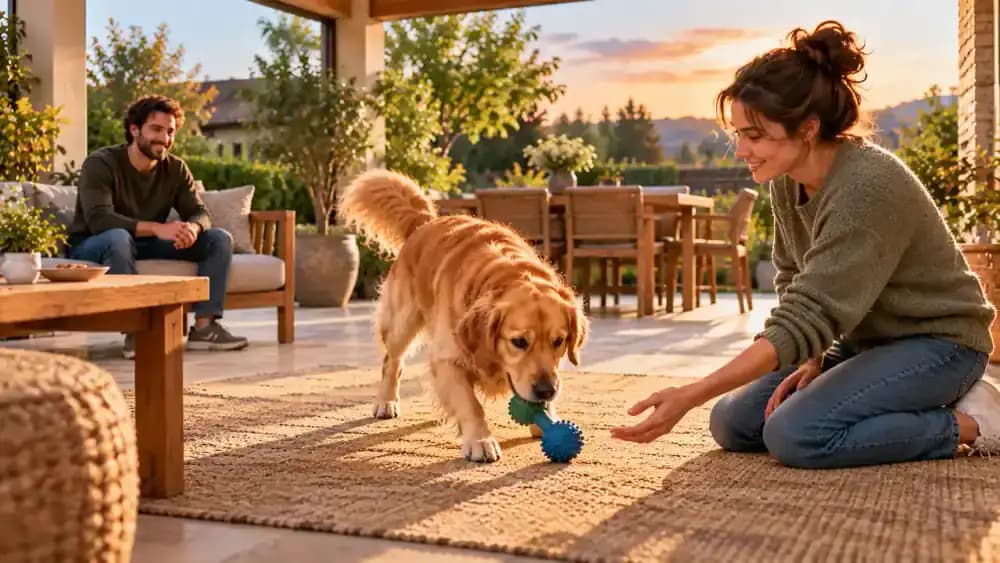
Apply the Cue During Tug Games
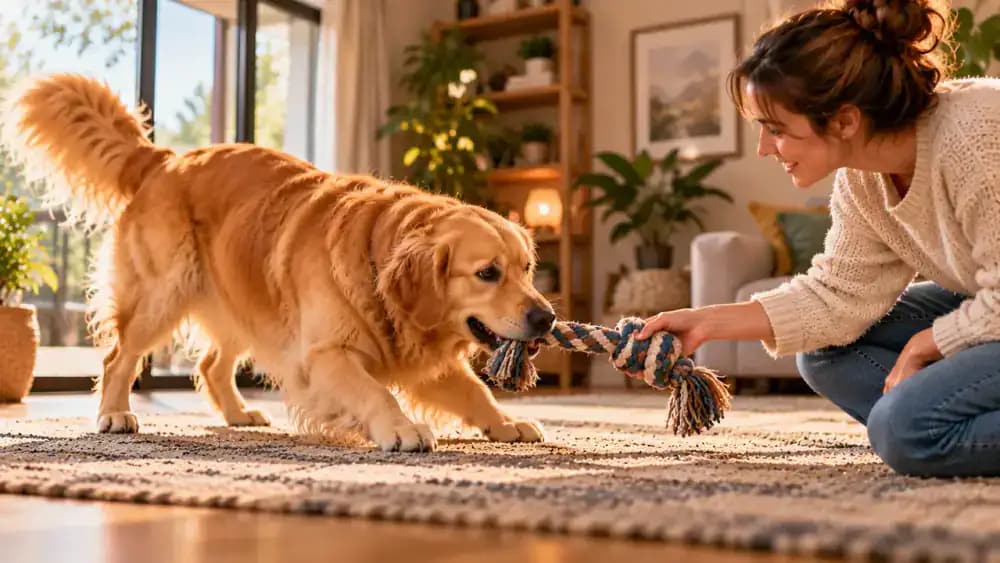
Begin a gentle tug game using a comfortable rope toy. After several seconds, stop moving the rope and calmly say "drop it" once. When your dog voluntarily releases it, offer praise and immediately invite another round of tug. Keep movements controlled and the toy low. If your dog struggles, return to easier reward-based exchanges.
Choose Rewards Your Dog Actually Values
Pay attention to which rewards motivate your dog during training. Compare small training treats, tiny pieces of plain cooked chicken, and favorite toys during easy exchanges. If your dog ignores one reward, calmly try something more appealing rather than repeating the cue louder. Consider your dog's dietary needs, excitement level, and surroundings when choosing rewards.

Check Whether Your Dog Understands
Test your dog's understanding in a quiet room using a familiar toy. Keep your hands relaxed at your sides, with rewards hidden, and say "drop it" once. Watch whether your dog releases without seeing a treat or second toy. If they hesitate, return to easier exchanges and reward successful attempts before gradually practicing independent responses again.
Handle Unexpected Objects Safely
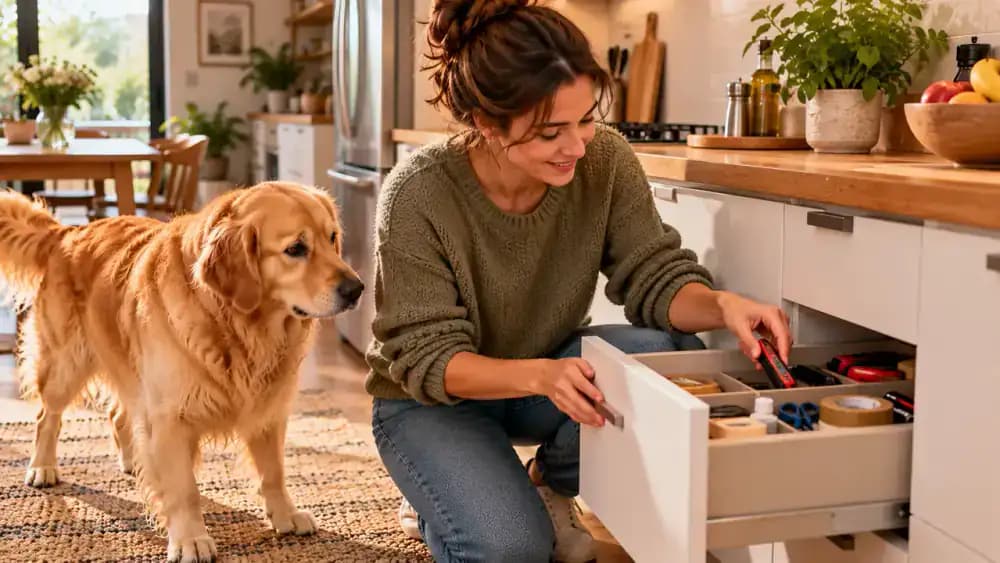
If your dog approaches an unfamiliar household object, calmly redirect them before they pick it up and secure the item out of reach. Avoid using dangerous objects to test training or attempting forceful removal. If your dog has swallowed something potentially toxic, sharp, or otherwise hazardous, contact your veterinarian or an emergency veterinary service immediately for guidance.
Build a Lifetime of Cooperative Play
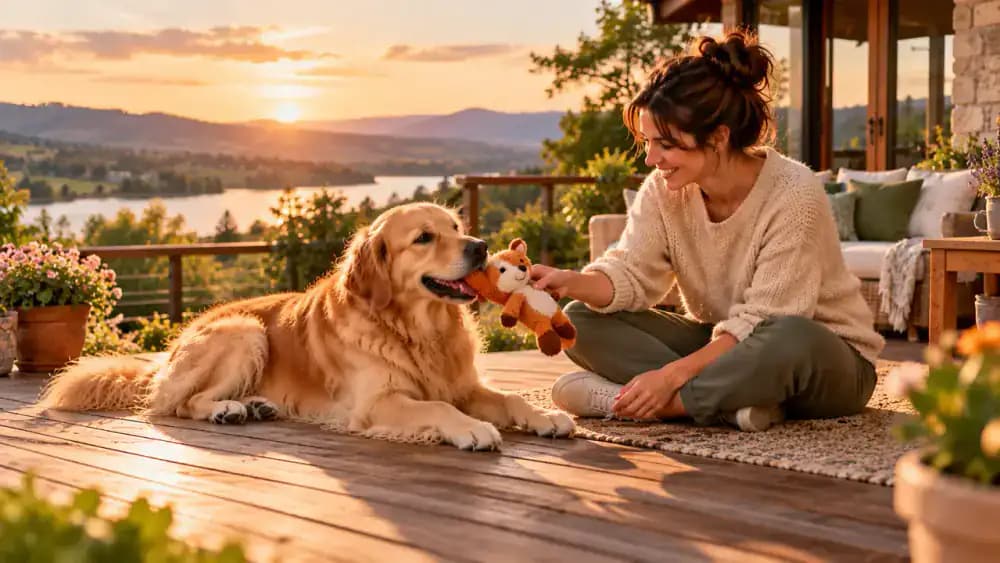
Keep reinforcing your dog's willingness to release toys during everyday play. When they voluntarily drop a favorite toy, offer cheerful praise and occasionally return it with another gentle toss. Focus on relaxed exchanges rather than perfect responses. Consistent, positive experiences help your dog trust that cooperation leads to enjoyable activities together.
Create a Simple Weekly Practice Routine
Schedule two or three short release exercises during ordinary play each day, adjusting the frequency to your dog's interest. Record which toys your dog releases, how quickly they respond, and whether distractions affect performance. Use a notebook or weekly calendar to track progress. Celebrate consistent improvements and simplify future sessions whenever responses become less reliable.
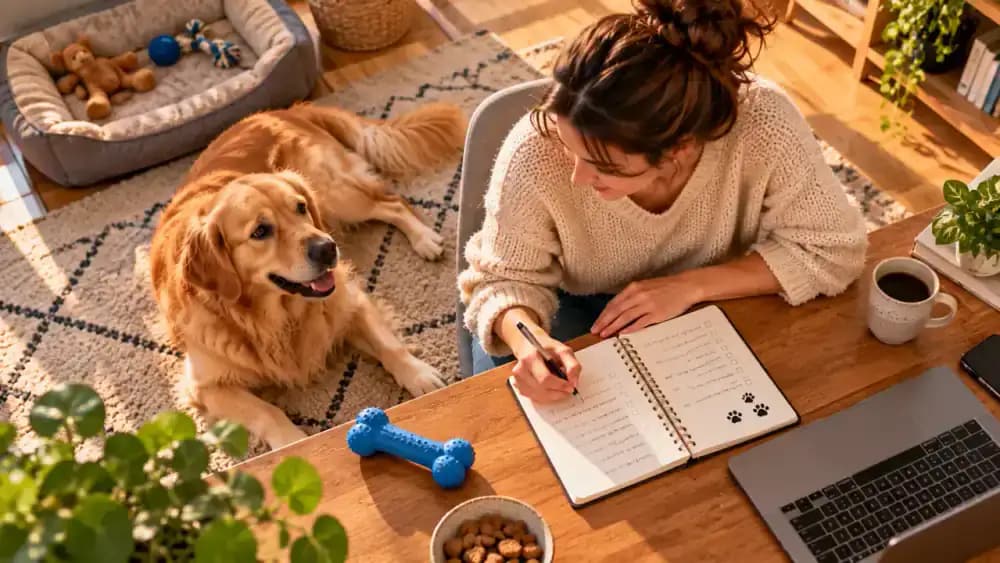
Read Your Dog's Comfort Signals
Observe your dog's body language throughout each exchange. Soft eyes, relaxed muscles, and an easy return to play are encouraging signs. Repeatedly turning away, hurried movements, or increasing tension may indicate discomfort. Stop increasing the difficulty and offer space when needed. Keep future practice easier, and seek qualified guidance if guarding behaviors appear.
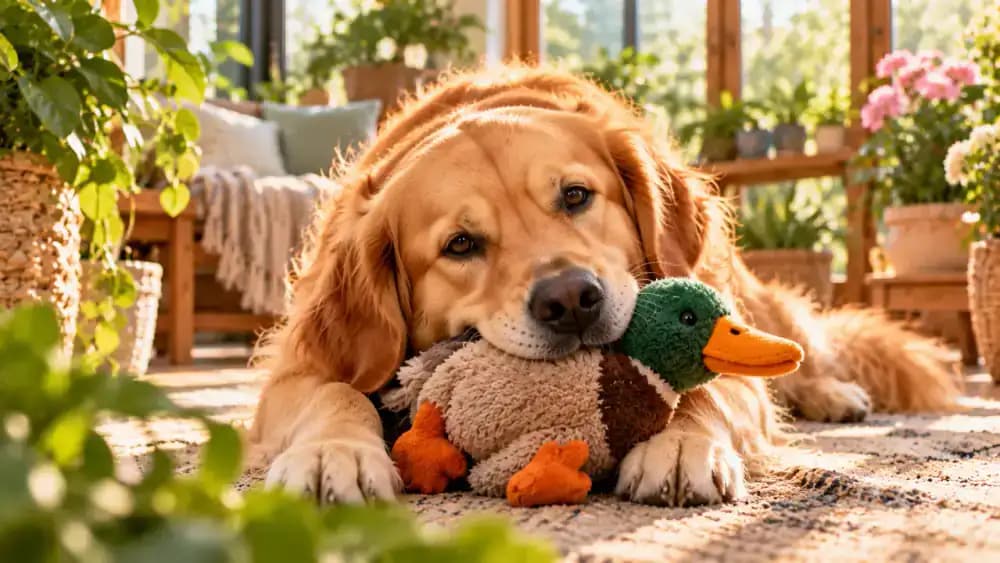
Prevent Immediate Toy Grabbing
After your dog releases a low-value toy, offer a treat a few steps away from where it landed. While your dog voluntarily moves toward the reward, calmly collect the toy without rushing or competing for it. Practice in a spacious, quiet area. Gradually reinforce brief pauses before returning the toy or beginning another enjoyable activity.
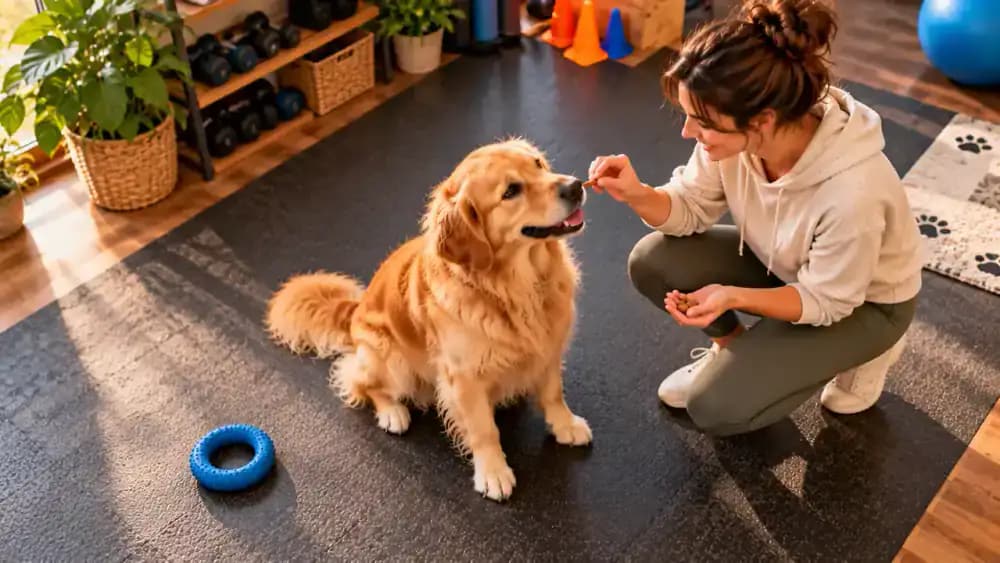
Use Two Toys as an Alternative Reward
Choose two similarly appealing, dog-safe toys and begin in a secure, distraction-free area. Let your dog hold the first toy while keeping the second completely still. Say "drop it" once, and when your dog releases the first toy, gently move the second along the floor. Reward cooperation with playful movement rather than frantic waving or teasing.
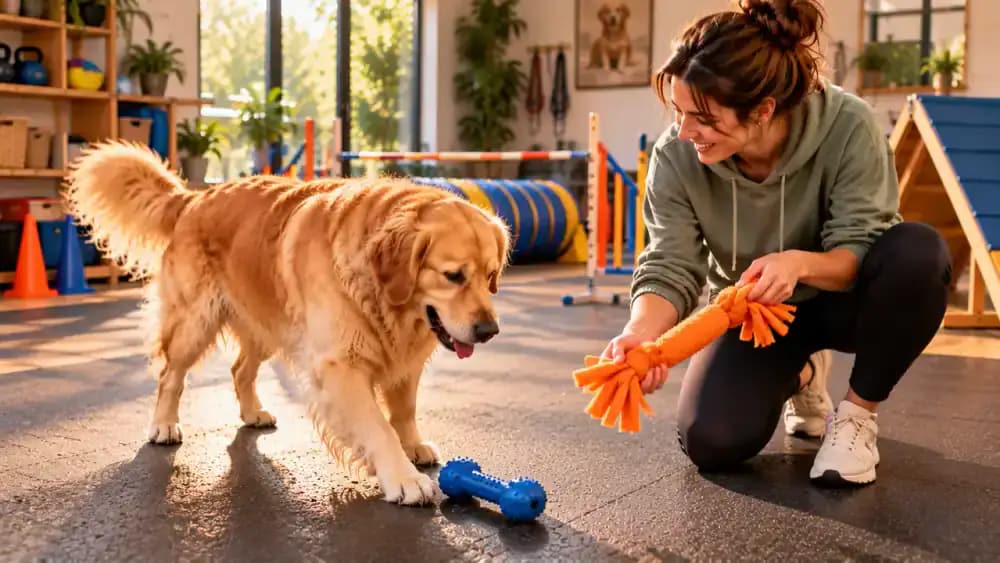
Practice Safely in Multi-Dog Households
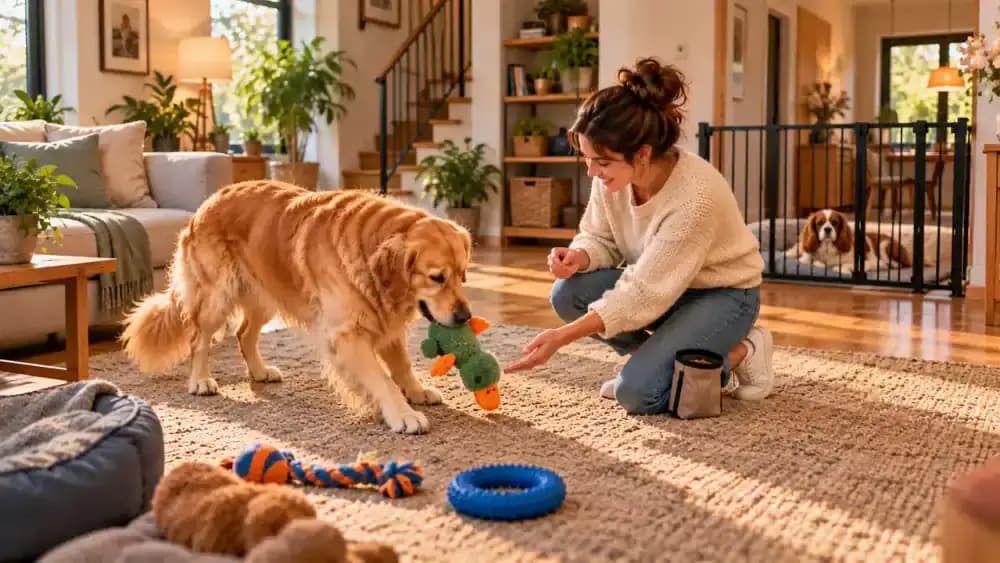
If you have multiple dogs, teach the release cue to each dog separately before considering shared activities. Use secure baby gates or different rooms to prevent competition over toys and treats. Reward calm, voluntary releases while the other dog remains comfortably separated. Watch for crowding or tension, and avoid group exchanges when either dog seems uncomfortable.
Create a Positive End to Playtime
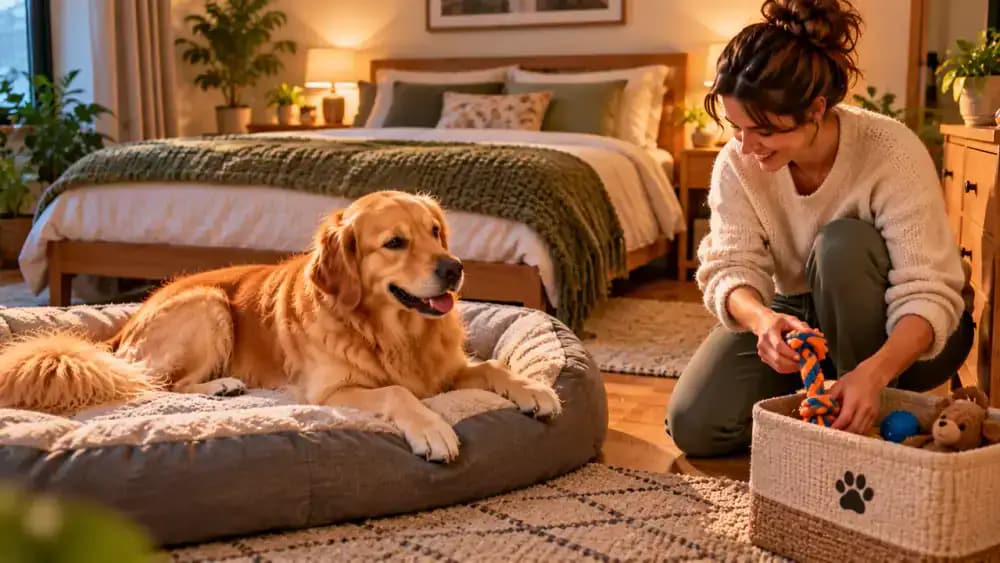
When playtime is nearly over, use one familiar toy exchange to begin a calm finishing routine. Ask for a voluntary release, reward your dog, and gently place the toy in its storage basket. Invite your dog toward a comfortable resting spot. Keeping the ending predictable helps maintain positive feelings about releasing toys, even when play stops.
Make Cooperation Your Everyday Goal
During everyday play, choose a manageable toy and invite your dog to release it using the familiar cue. Reward voluntary cooperation and occasionally offer the toy back to continue playing. Pay attention to hesitation and adjust expectations when needed. Focus on building trust through enjoyable exchanges rather than treating every toy release as a contest.
Help Your Dog Generalize Across Toys
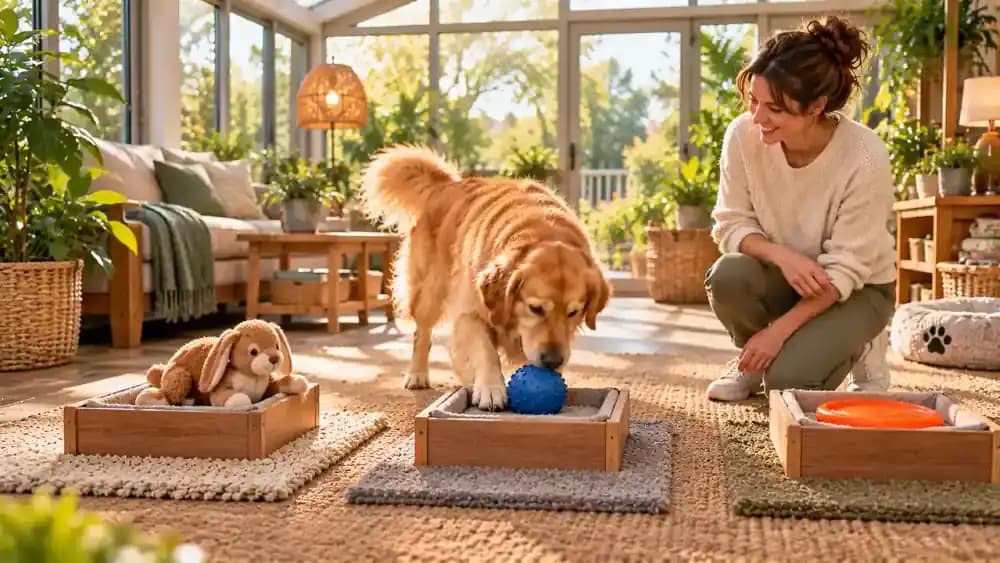
Arrange three familiar, dog-safe toys in separate areas, such as a stuffed animal, rubber ball, and fabric frisbee. Practice one easy release with each toy, rewarding your dog immediately afterward. Notice whether different shapes, textures, or sounds affect their response. If your dog hesitates, return to an easier toy and rebuild confidence before progressing.
Reward Spontaneous Releases
Watch for moments when your dog voluntarily drops a toy without hearing the release cue. If the situation is safe, immediately mark the behavior with "yes" and offer a small reward or cheerful praise. Reinforcing these natural choices helps make releasing toys worthwhile. Continue practicing the verbal cue separately so your dog also responds when asked.
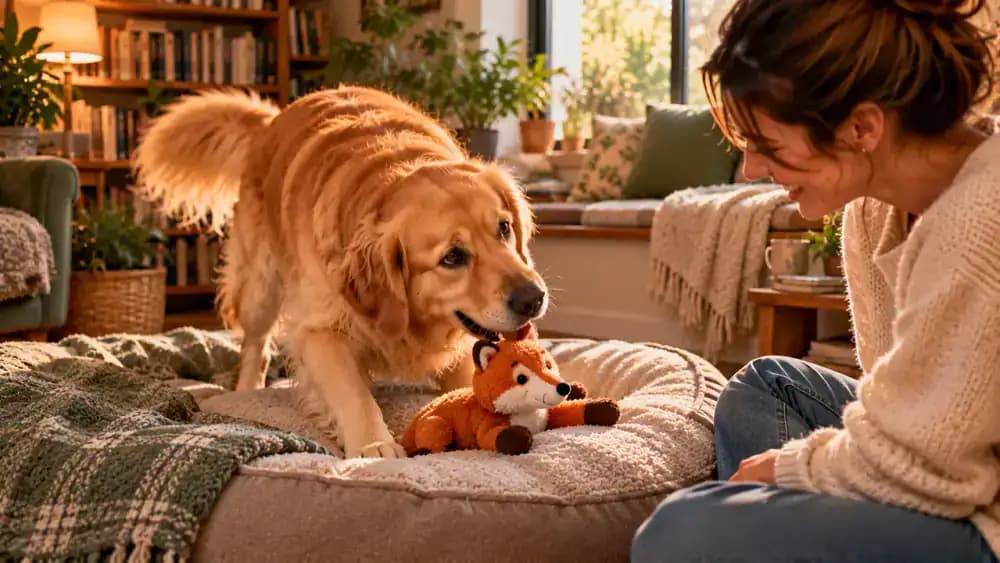
Practice From Different Positions
Practice the release cue while standing upright, sitting in a chair, and resting beside a low table. Keep your hands relaxed and reward each successful release. Your dog may need extra practice when your posture changes. Avoid leaning over them or reaching toward their mouth, which can make an otherwise comfortable exchange feel intimidating.
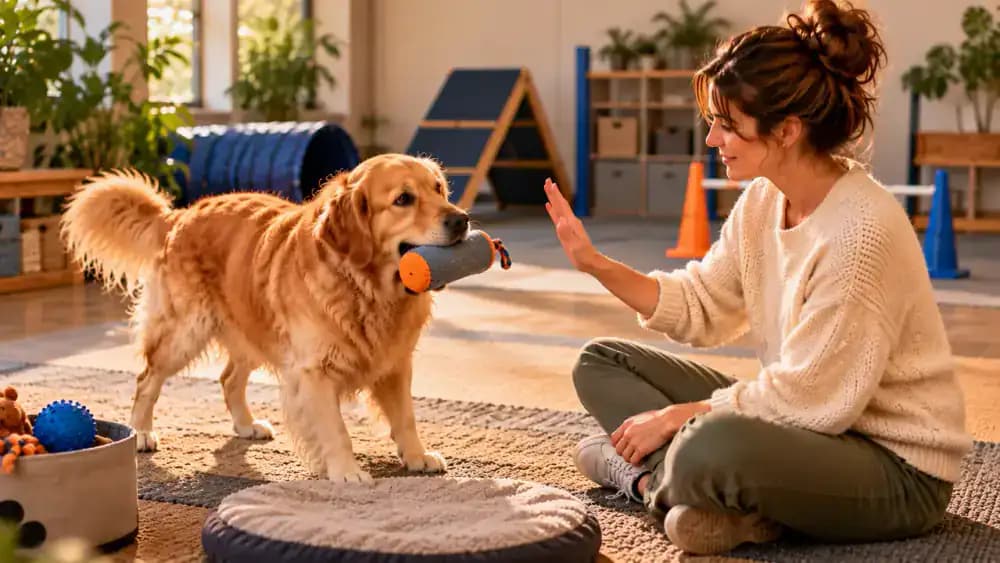
Choose the Right Training Surface
Choose a non-slip rug or grassy area where dropped toys are unlikely to roll away. A ball bouncing across a hard floor may distract your dog and restart an unwanted chase. Practice releasing the toy onto a stable surface first. Once your dog responds reliably, introduce different flooring gradually while rewarding calm, controlled releases.
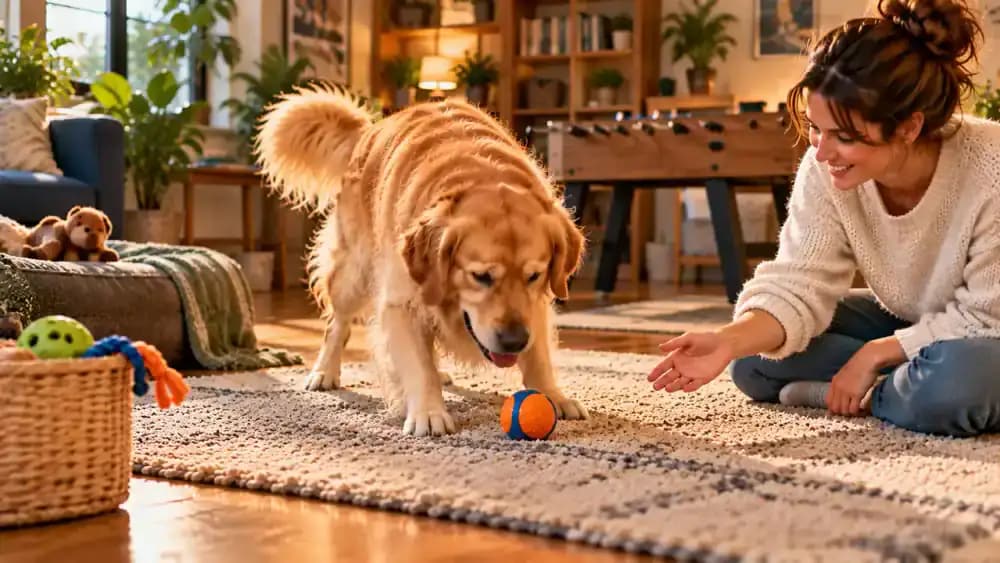
Keep Children Safe During Toy Exchanges
Have an adult manage toy exchanges whenever children are nearby. Let children observe from a comfortable distance and offer verbal praise after a successful release. Never allow a child to grab, pull, or reach into a dog's mouth for a toy. Maintain active adult supervision, provide plenty of space, and stop interactions if anyone seems uncomfortable.
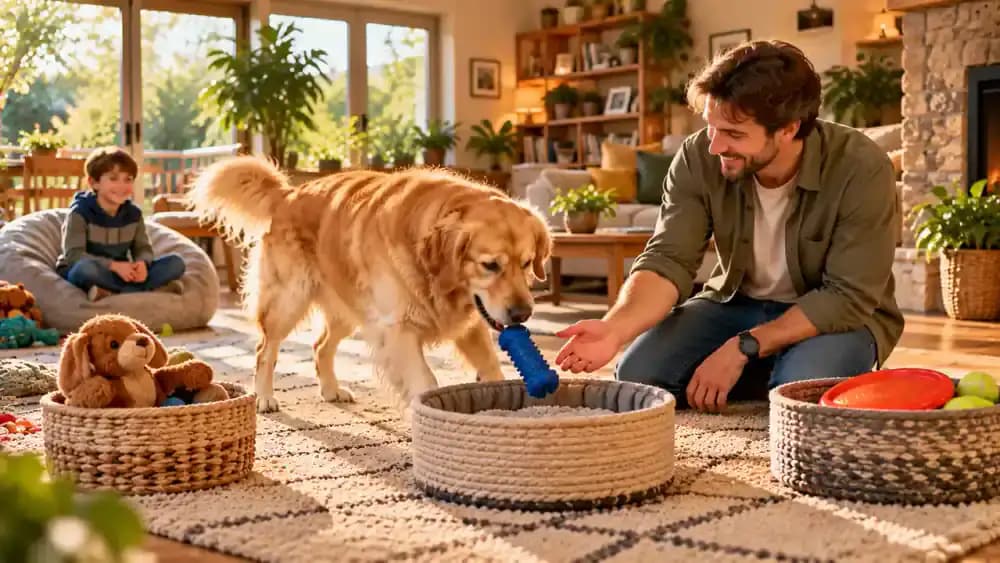
Understand Why Progress Can Vary
Expect your dog's response to vary with energy, excitement, and surroundings. After a tiring walk, choose rest instead of training. In a busy environment, move somewhere quieter before practicing. Measure progress through relaxed body language, voluntary releases, and willingness to play again rather than speed alone. Short, positive sessions help maintain confidence when circumstances change.
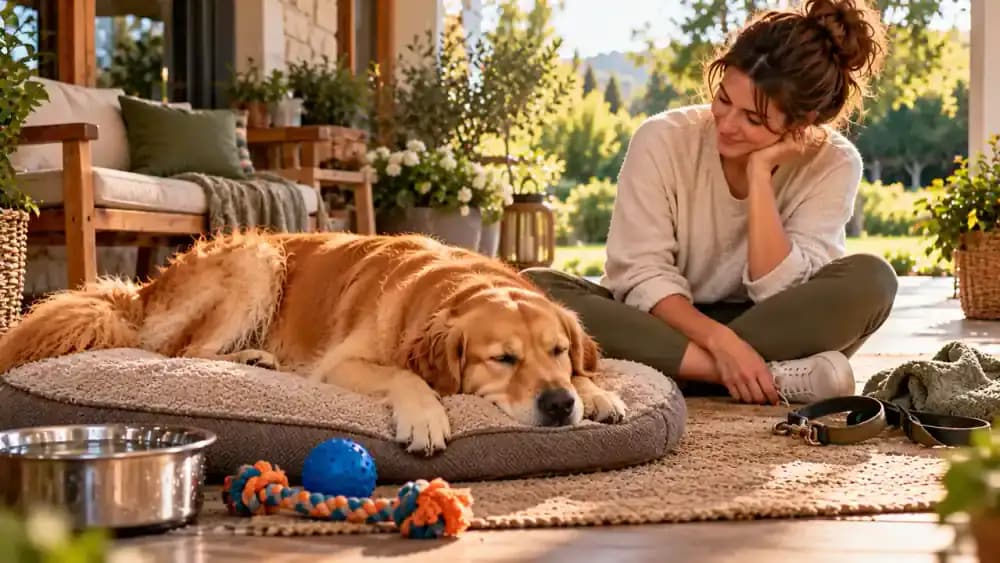
Your Next Playtime Challenge
During your next relaxed play session, invite your dog to bring a familiar toy and ask for one easy release. When they voluntarily drop it, offer cheerful praise and a suitable reward. Then return the toy and continue playing. Finish while your dog remains enthusiastic, reinforcing that cooperation keeps favorite games enjoyable and builds lasting trust.
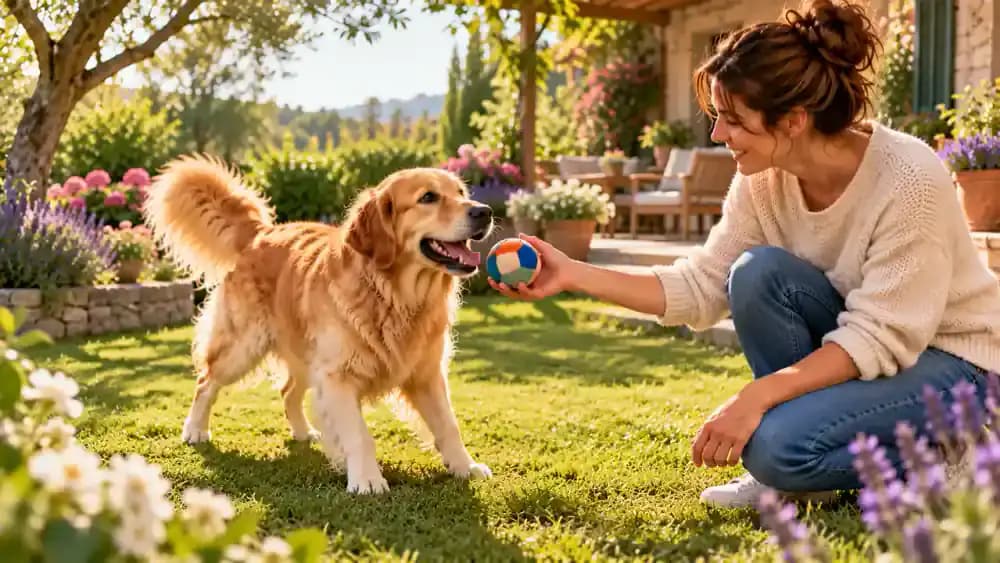
Your dog races across the yard, grabs their favorite ball, and proudly brings it back. There's just one problem: they won't let go. You reach for the ball, your dog tightens their grip, and what should be a fun game of fetch turns into a frustrating standoff.
Fortunately, teaching your dog to release a toy doesn't have to involve pulling, chasing, or wrestling it away. The secret is helping your dog discover that letting go makes good things happen. When releasing a toy consistently leads to a tasty reward, another exciting toy, or more playtime, your dog has a reason to cooperate.
Learning how to teach your dog to drop a toy starts with a simple, pressure-free exchange. You'll use a less exciting toy, a reward your dog genuinely wants, and a quiet space where distractions won't interfere. Once your dog willingly releases the toy, you can introduce the verbal cue "drop it" and gradually practice with more interesting objects.
This approach works for puppies and adult dogs, although learning speed varies. Keep sessions short, celebrate small successes, and avoid forcing your dog's mouth open. If your dog stiffens, growls, or shows guarding behavior, stop the exercise and seek qualified professional guidance.
With patient practice, your dog can learn that giving up a toy isn't the end of the fun. It's often how the next round begins.
Where people go wrong
Pulling the Toy Out of Your Dog's Mouth. Grabbing a toy, tugging against your dog's grip, or prying their jaws open can make the exchange stressful and may encourage tighter holding. It also increases the risk of accidental injury or a defensive reaction. Instead, offer an appropriate reward and wait for your dog to voluntarily release the toy. Never force an exchange.
Chasing Your Dog When They Refuse to Let Go. Running after a dog who carries off a toy can accidentally turn refusal into an exciting game. Some dogs quickly learn that holding onto the object earns attention and a lively chase. Stay calm, avoid pursuing your dog, and practice exchanges in a smaller, distraction-free area where voluntary cooperation is easier to reward.
Repeating the Drop It Cue Over and Over. Saying "drop it" repeatedly while your dog continues holding the toy can weaken the cue's meaning. Your dog needs to learn a clear connection between the words and the release behavior. Introduce the cue only when a voluntary release is predictable, say it once, and reward successful responses. If your dog struggles, make the exercise easier.
Starting With a Highly Prized Toy. A favorite squeaky ball, special chew, or intensely exciting tug toy may be too difficult for an early training session. Starting with something your dog strongly values can create frustration and reduce cooperation. Choose a less exciting, safe toy first, reward easy releases, and gradually introduce more desirable toys as your dog's confidence and reliability improve.
Making Every Release End Playtime. If dropping a toy always means losing it for the rest of the game, your dog may become less willing to cooperate. Build a different expectation by frequently returning the toy after a successful release. Resume fetch, offer another toy, or restart a gentle game of tug. Your dog learns that releasing can lead to more fun.
Showing the Treat Before Every Attempt. Using a visible treat is helpful when first teaching an exchange, but relying on it indefinitely can make your dog respond only when food is in sight. Once releases become predictable, keep treats out of view and present the reward after your dog follows the verbal cue. Continue reinforcing successful responses while gradually varying the rewards.
Ignoring Signs of Discomfort or Guarding. Freezing, stiffening, growling, snapping, or positioning the body to protect a toy are signals to stop rather than push through training. Avoid punishment, confrontation, or attempts to take the object by force. Give your dog space and contact a qualified, reward-based behavior professional experienced with resource guarding for individualized guidance before attempting further exchanges.
Questions people ask
Some dogs begin understanding simple toy exchanges within a few short sessions, while others need several weeks of consistent practice. Progress depends on your dog's previous experiences, motivation, distraction level, and how valuable the toy feels. Practice for approximately 3-5 minutes at a time, reward voluntary releases, and increase difficulty gradually instead of expecting immediate reliability.
Fixed it?
Get one guide like this every Thursday.