How to Teach Your Dog to Come When Called: 30 Easy Training Steps
Teach your dog to come when called with 30 practical recall training steps. Start indoors, build reliable habits, add distractions, and practice safely outdoors using positive rewards.

What you’ll need
Tap to tick things off before you start.
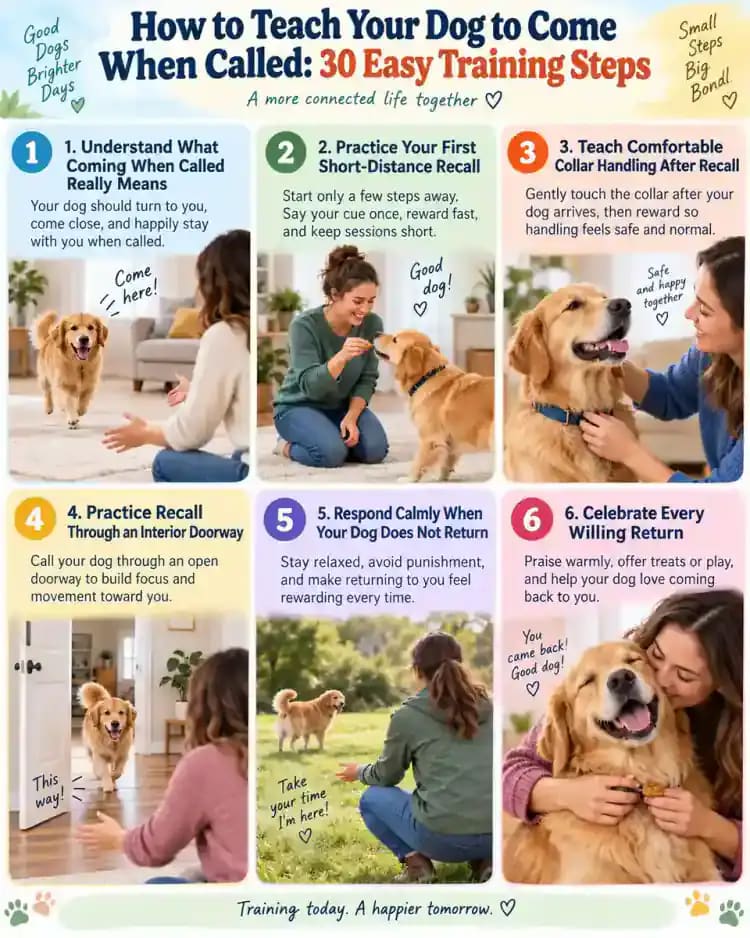
Understand What Coming When Called Really Means
Before teaching recall, recognize that ignoring a call does not automatically mean your dog is disobedient. Interesting smells and activities compete for attention. Your job is to make returning rewarding. Begin with manageable situations and gradually build a positive history of responding to your voice.
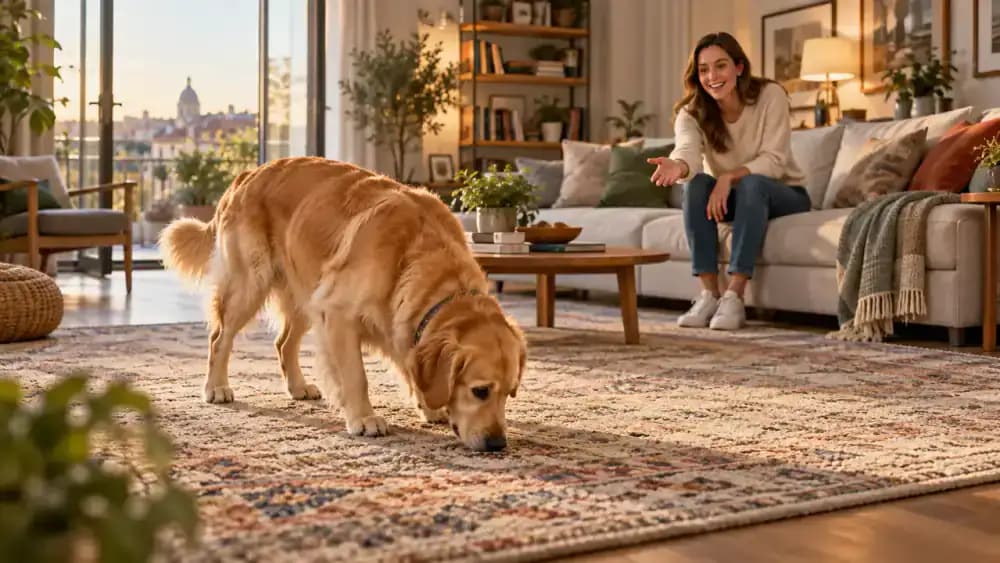
Prepare a Quiet Training Space
Choose a familiar room, close the door, and remove tempting toys before beginning. Prepare several tiny treats that your dog can eat quickly. Keep your first practice sessions around two or three minutes. A calm environment makes it easier to recognize progress without competing distractions.
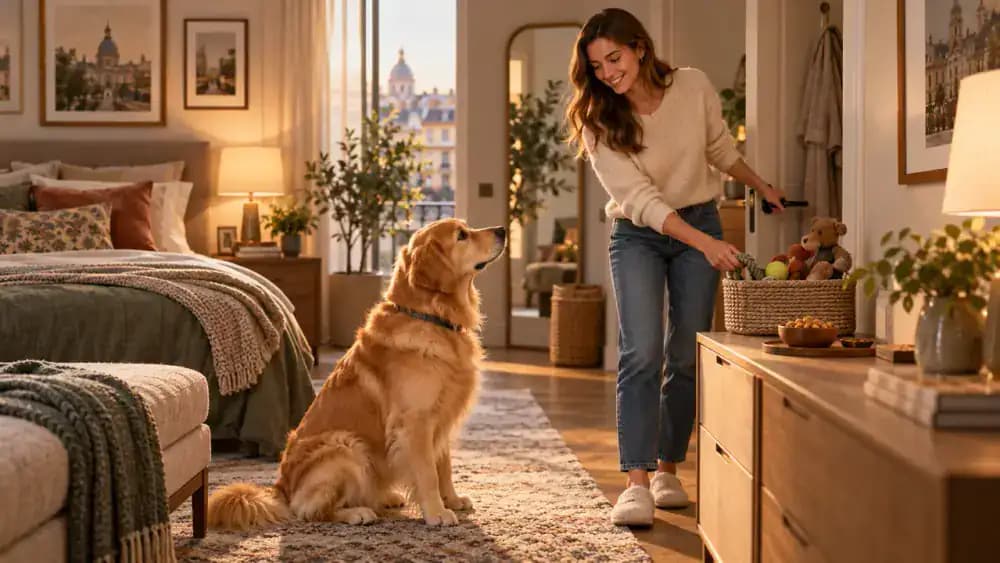
Choose One Consistent Recall Word
Select a simple word such as come or here. Ask everyone in your household to use the same word with an upbeat voice. Say it once rather than repeating it continuously. During early training, use your chosen cue only when your dog is likely to respond successfully.

Connect Your Recall Cue With Great Rewards
Stand or kneel beside your dog and say the chosen word once. Immediately give a delicious treat near your knees. Repeat a few times with brief pauses, without asking your dog to move away first. Watch for growing interest when the familiar word predicts something enjoyable.

Deliver Every Reward Close to Your Legs
Where you reward matters as much as when you reward. Offer treats directly beside your legs rather than throwing them across the room. Occasionally deliver several tiny treats individually while your dog remains close. This encourages a complete return and makes staying near you more appealing.
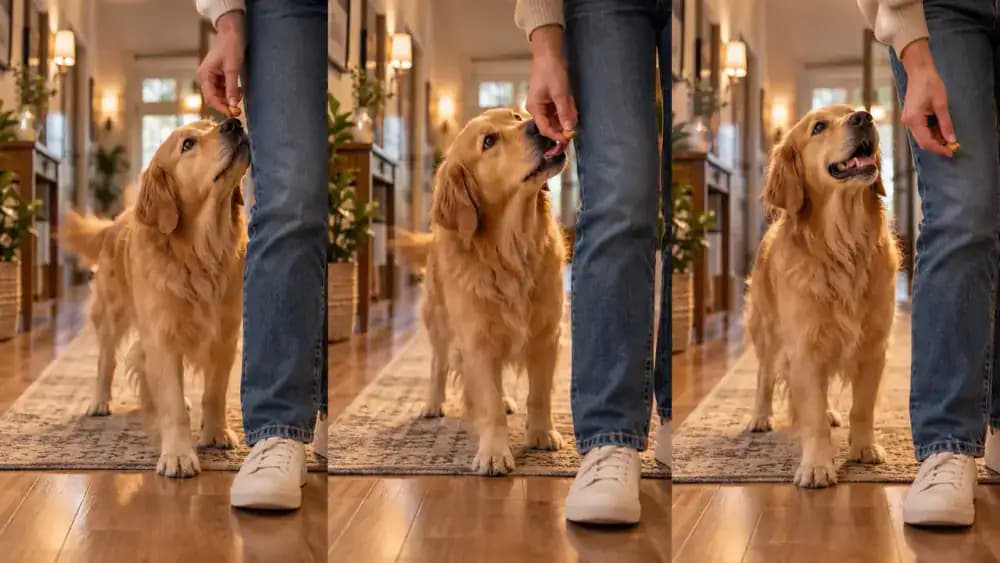
Practice Your First Short-Distance Recall
Wait until your dog is only one or two steps away and looking elsewhere. Give the cue once, crouch slightly, and encourage a cheerful approach. Reward immediately when your dog reaches you. If the response is uncertain, move closer next time and make the exercise easier.
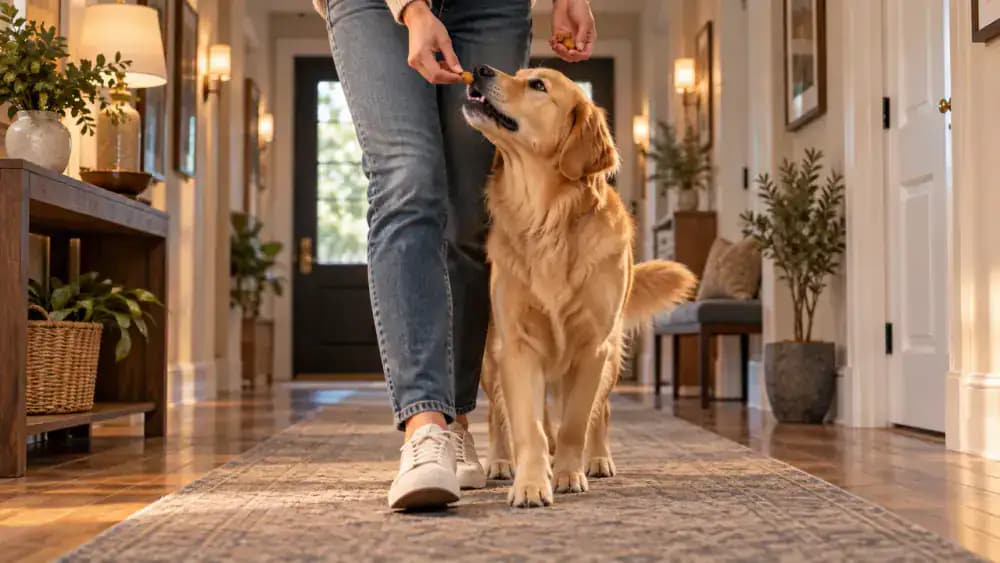
Mark the Moment Your Dog Reaches You
Use a consistent word such as yes, or a training clicker, precisely when your dog arrives beside your legs. Follow immediately with a treat. The marker identifies the completed action that earned the reward. Avoid marking only a glance or an incomplete approach during this exercise.
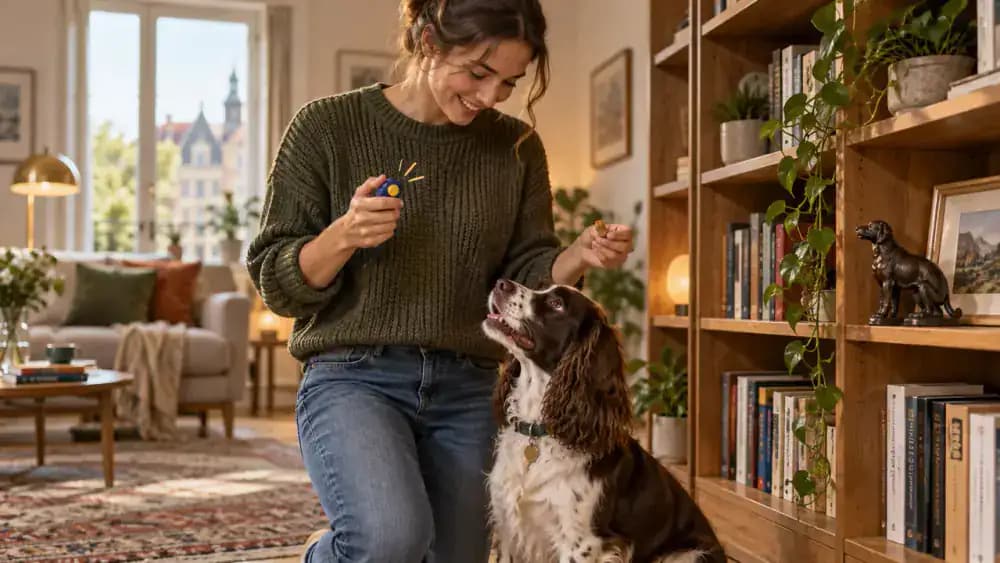
Keep Every Return Free From Punishment
If your dog wanders toward something interesting before returning, resist the urge to scold. Punishing an arrival can make future returns less appealing. Reward the dog for finally reaching you, then adjust the next exercise. Shorter distances and fewer distractions create better opportunities for success.
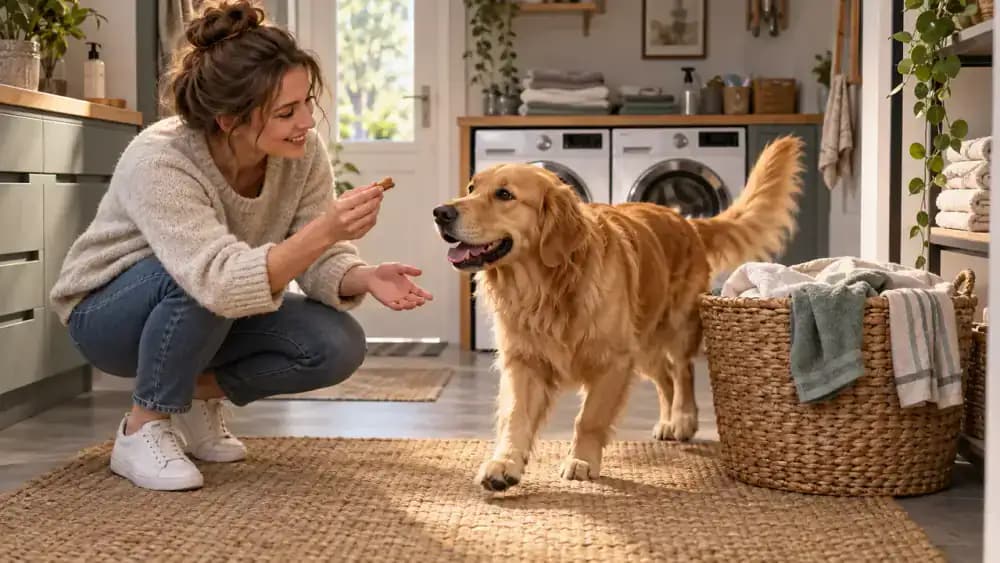
Use Gentle Backward Movement to Encourage Recall
Make returning more inviting by taking two playful steps backward after giving the cue. Smile and encourage your dog to follow. Stop when your dog catches up and reward beside your feet. Practice on a nonslip surface and avoid chasing your dog around furniture or obstacles.
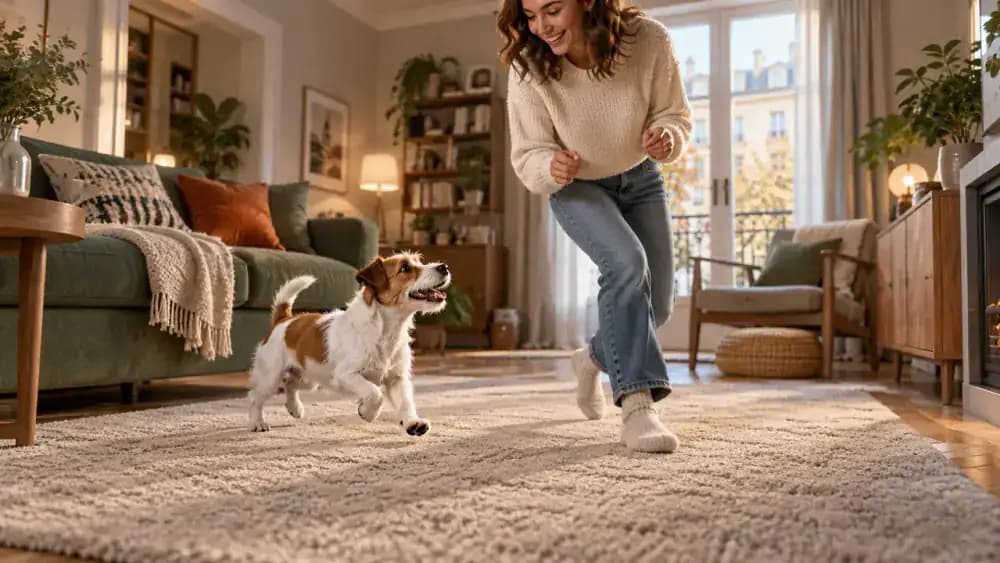
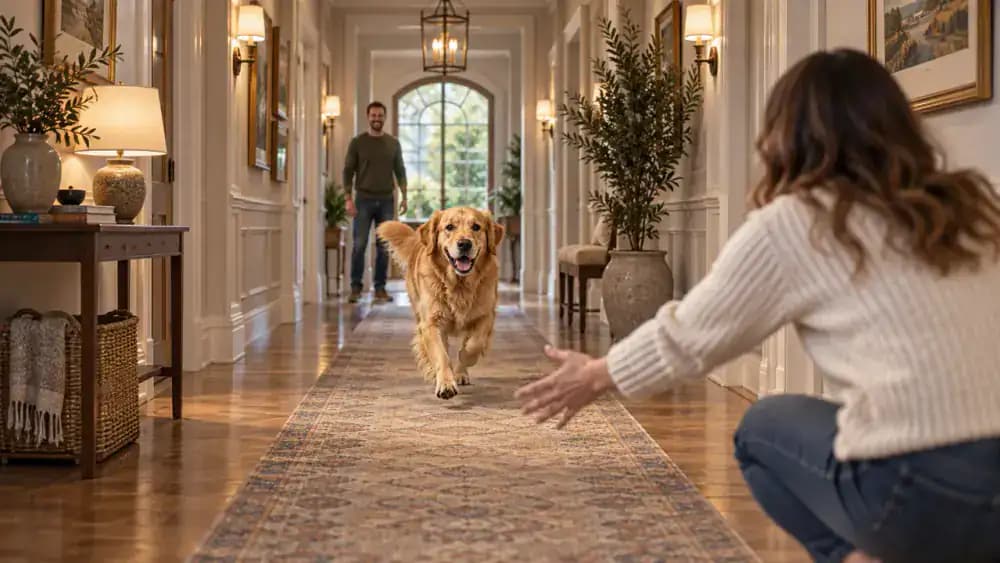
Turn a Hallway Into a Recall Game
Stand at one end of a quiet hallway while your dog begins near the other end. Have a helper supervise if necessary. Call once and reward the complete arrival enthusiastically. Change your position between attempts so your dog learns to follow your cue rather than a familiar route.
Practice Taking Turns With Family Members
Position two people on opposite sides of a room. Have the first person call, reward, and wait until the dog finishes chewing. Then the second person can call. Never call simultaneously. This enjoyable game teaches your dog to respond to different family voices without receiving conflicting instructions.
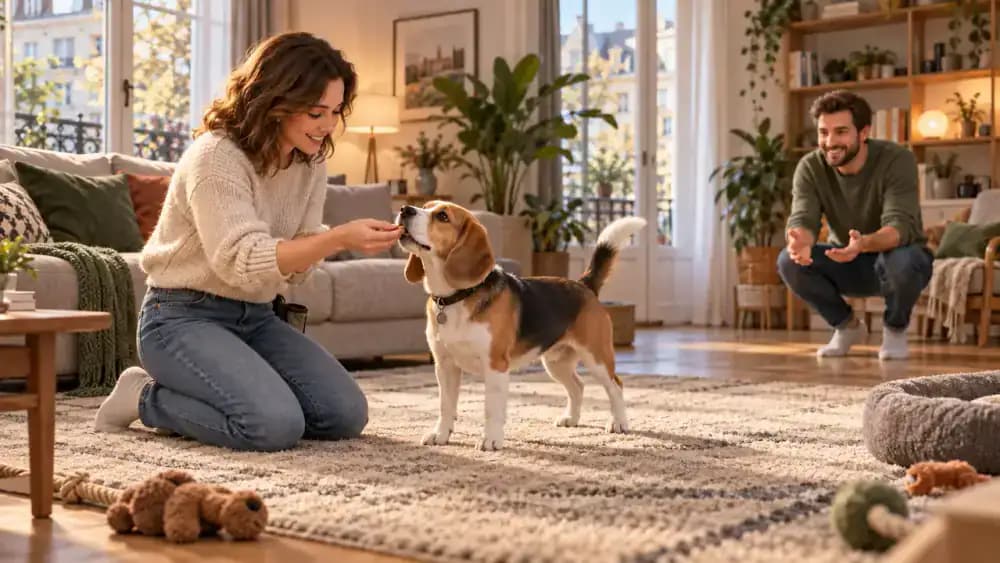
Teach Comfortable Collar Handling After Recall
When your dog arrives, gently touch its collar before offering a reward. Begin with brief, predictable contact and progress only while your dog remains comfortable. Never grab suddenly or roughly. Practicing this association helps prepare your dog for situations when you need to attach a leash.
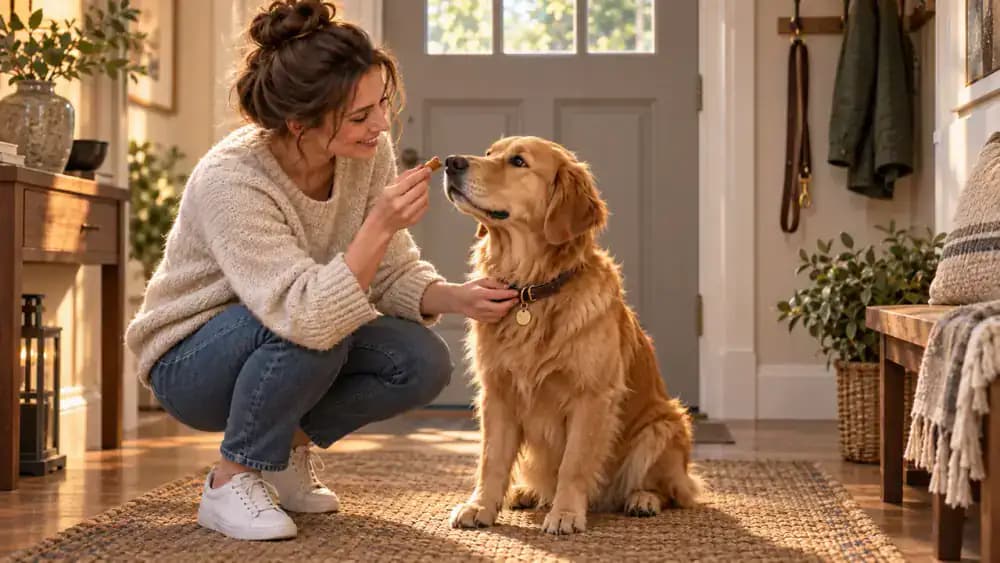
Release Your Dog Back to Fun Activities
Call your dog away from a safe indoor toy, reward the return, and give a consistent release word. Then allow play to resume. Repeat occasionally during enjoyable activities. Your dog learns that responding does not always end the fun, reducing the temptation to avoid returning.
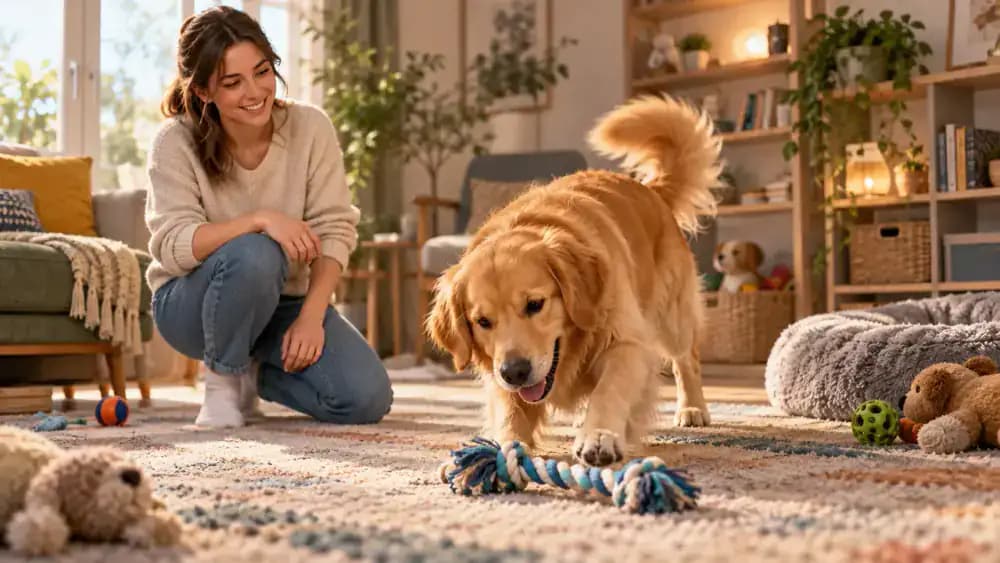
Notice When Your Dog Needs an Easier Exercise
Pay attention when your dog looks away, freezes, or becomes absorbed in sniffing. These behaviors may indicate distraction, uncertainty, or tiredness. Rather than assuming stubbornness, move closer or simplify the task. End the session if your dog needs a break. Productive training depends on appropriate expectations.
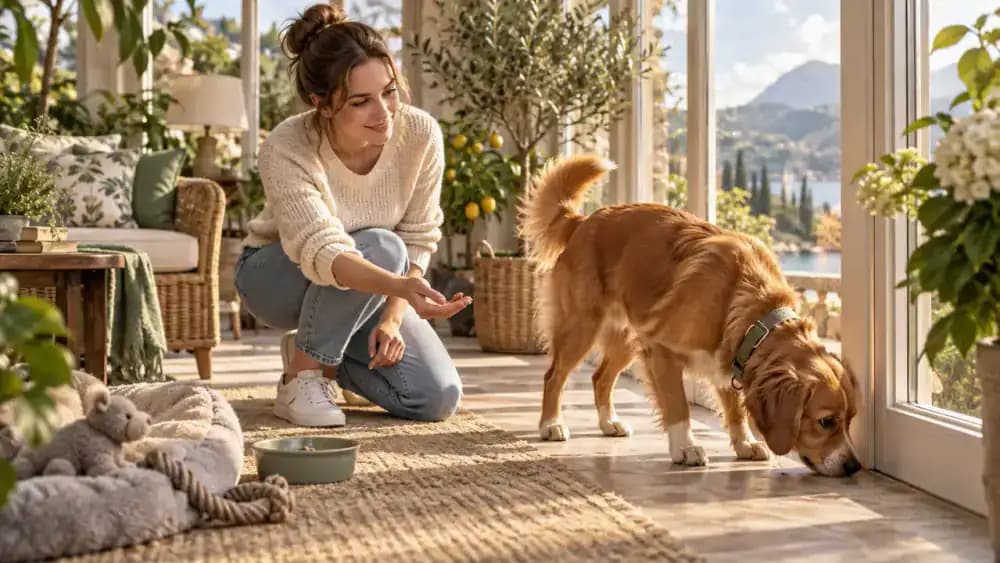
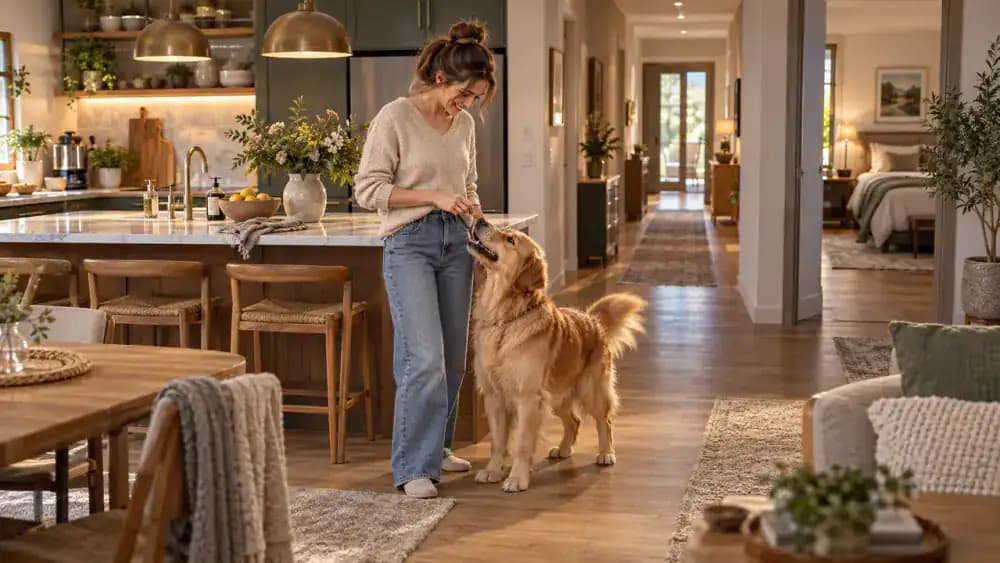
Repeat the Exercise in Different Rooms
After your dog responds readily in one room, move to another familiar location. Try the kitchen, hallway, or bedroom, starting again at a short distance. Different surroundings introduce different sights and smells. Treat each room as a fresh opportunity to reinforce the same reliable response.
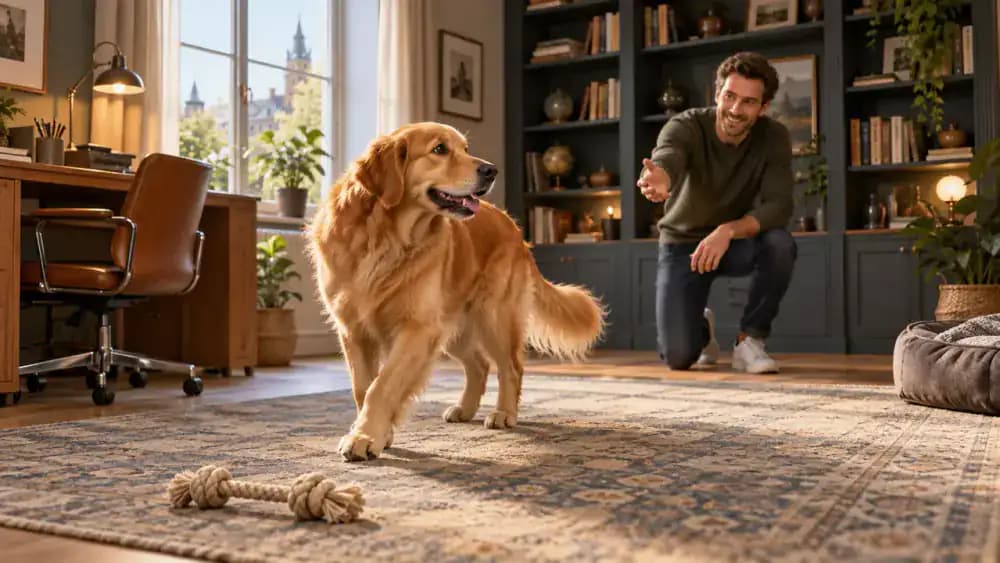
Introduce a Simple Toy Distraction
Place an ordinary toy several feet away and call before your dog becomes intensely interested. Reward the return directly beside your legs. If the toy captures your dog's attention instead, remove it or increase the distance. Add distractions gradually so your dog can continue succeeding.
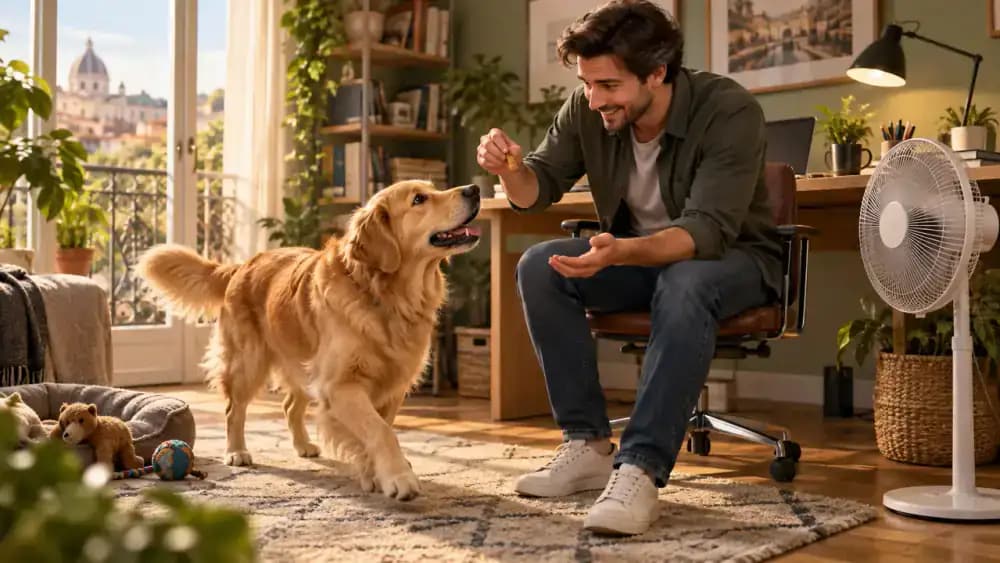
Practice Around Quiet Household Sounds
Introduce a gentle background sound, such as a nearby electric fan, while keeping everything else familiar. Call your dog from a short distance and reward successful arrivals. Avoid loud or frightening sounds. Change only one element when possible, allowing your dog to become comfortable before increasing difficulty.
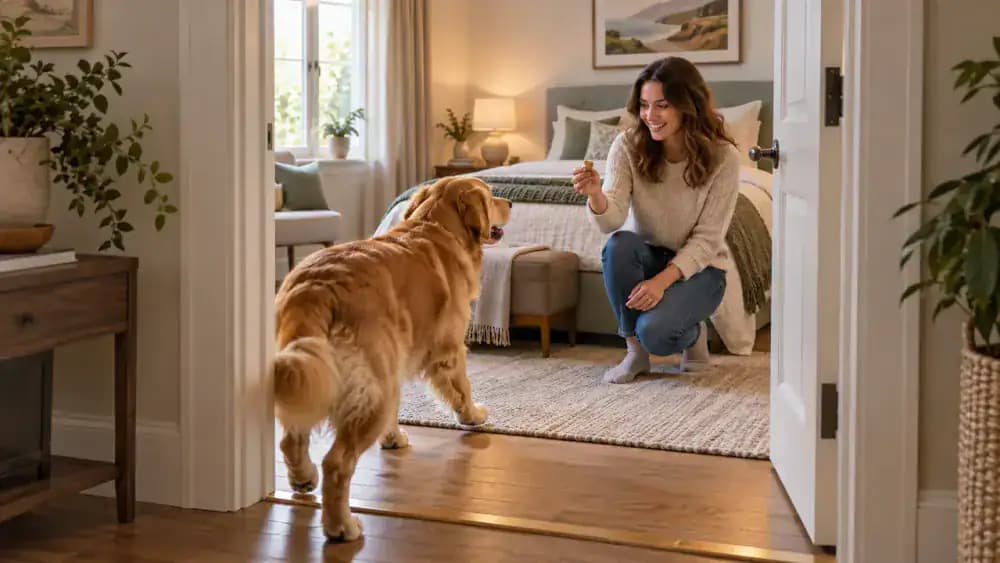
Practice Recall Through an Interior Doorway
Stand just beyond an open interior doorway where your dog can clearly see you. Give your recall cue once and reward when your dog crosses the threshold and reaches you. Keep the exercise short and comfortable. Never use an exterior doorway leading toward traffic or another unsafe location.
Increase Recall Distance a Few Steps at a Time
When shorter recalls become consistently successful, increase your distance by a few steps. Keep the surroundings quiet while changing this one variable. Give an especially worthwhile reward for a complete return. If responses become slower or inconsistent, shorten the distance and rebuild confidence before trying again.
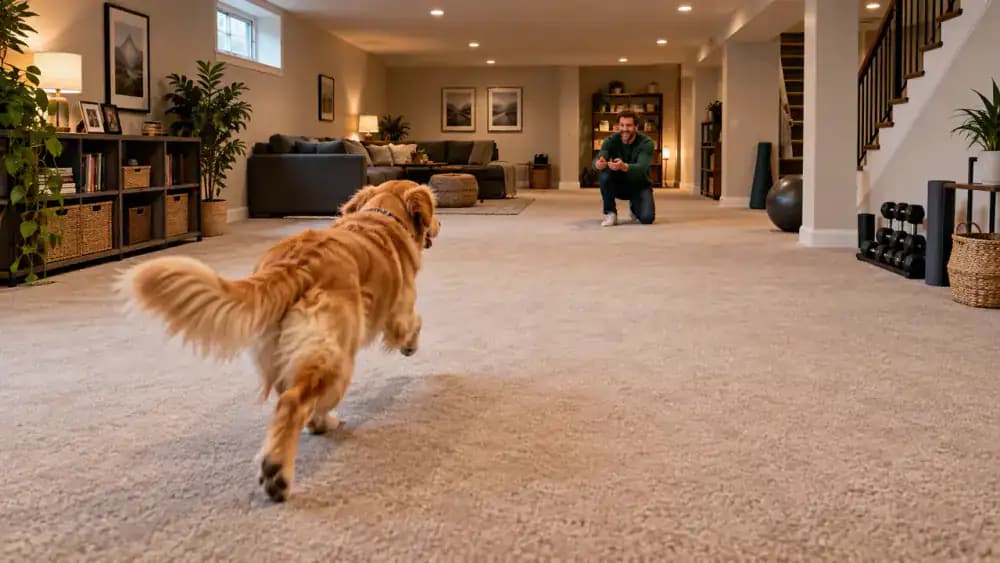
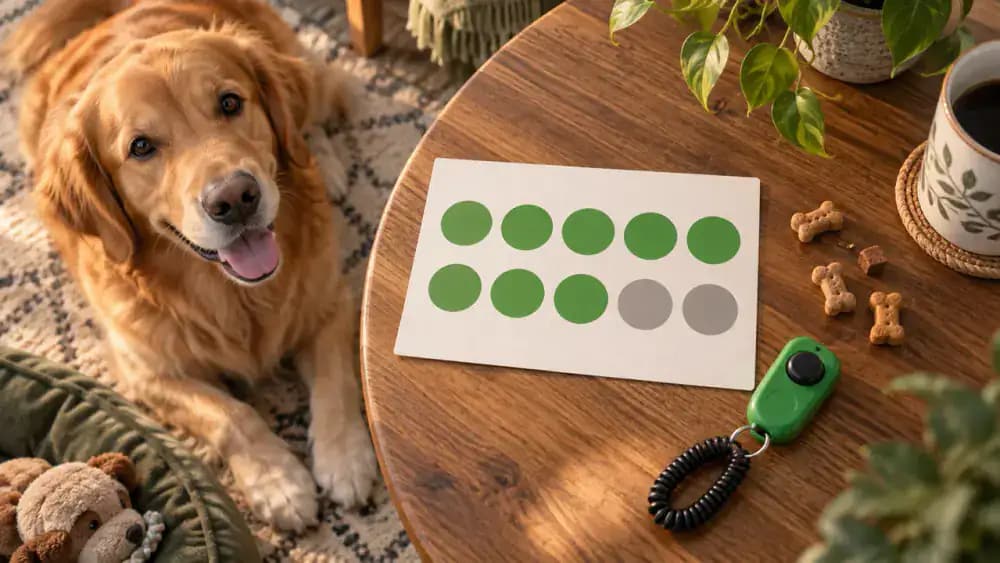
Track Successful Recalls in a Notebook
Record ten comparable attempts and note how many succeed after one cue. Eight successful returns may indicate readiness for a modest challenge, but they do not guarantee reliability. If your results decline, return to easier exercises. Simple written records help distinguish genuine improvement from occasional lucky responses.
Add Short Recall Exercises Before Meals
Use ordinary routines to create convenient practice opportunities. Before serving dinner, call your dog from nearby and reward with a few pieces of regular food if they enjoy it. Then serve the meal normally. Keep the exercise cheerful and brief rather than making dinner depend on repeated obedience tests.

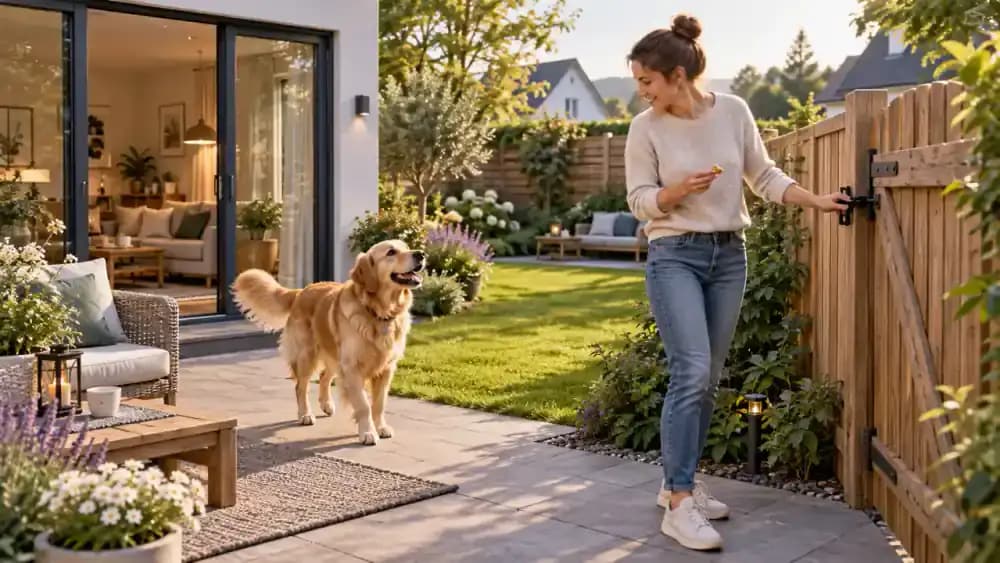
Begin Outdoor Recall in a Securely Fenced Yard
Before training outside, inspect the fence and check that gates are securely closed. Begin near the house with your dog only a short distance away. Offer an appealing reward for returning. Outdoor smells and movement create additional distractions, so temporarily reduce distance and difficulty compared with indoor practice.
Use a Long Training Line Without Pulling
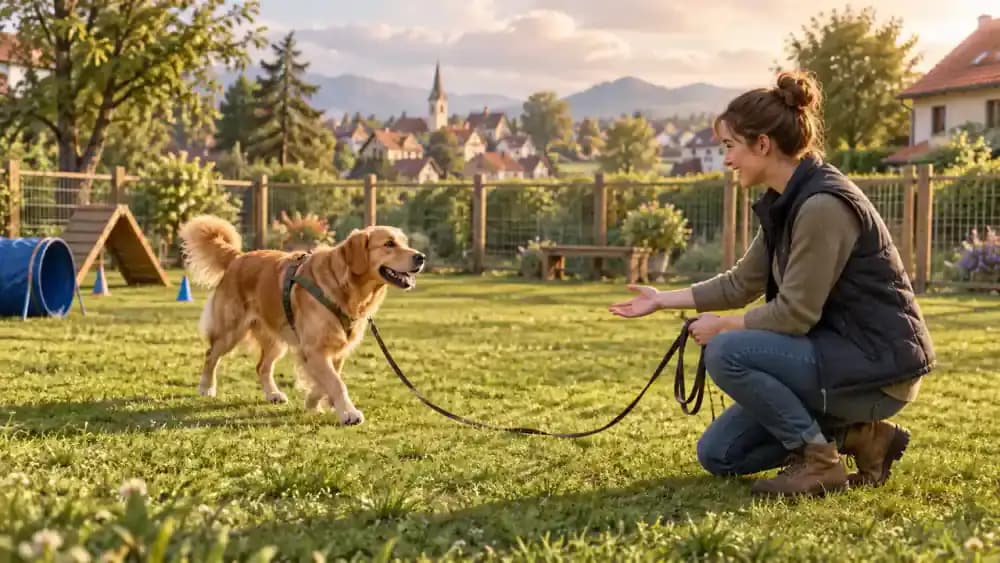
In a larger securely enclosed area, attach a managed long training line to a well-fitted body harness. Prevent tangles and avoid jerking your dog toward you. Give the cue when attention is available, then reward voluntary movement. Follow local leash requirements and use the line as backup security.
Respond Calmly When Your Dog Does Not Return
If your dog ignores one recall while sniffing, avoid shouting the word repeatedly. Approach calmly, regain attention, and simplify the next attempt. Manage a long line gently without dragging or chasing. Reward an easier successful return. Missed recalls reveal which conditions need additional practice, not reasons for punishment.
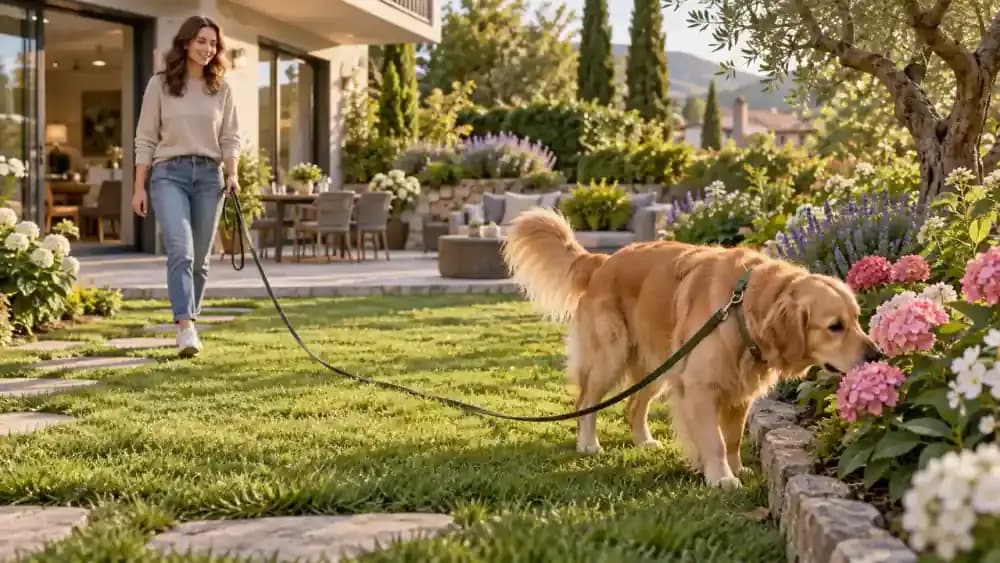
Vary Rewards After Your Dog Builds Confidence
During early learning, reward every successful recall with something your dog values. Later, introduce variety through favorite toys, enthusiastic praise, treats, or permission to resume play. Continue offering valuable rewards frequently, particularly around distractions. Changing the reward should keep returning enjoyable rather than make rewards disappear.
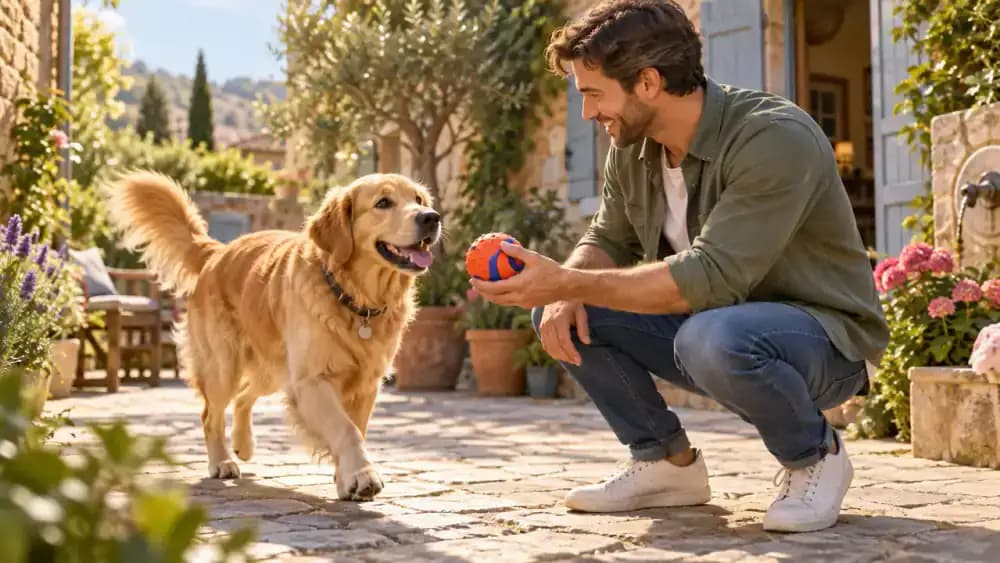
Recognize Situations Where Recall Is Too Risky
Avoid testing an unreliable recall when your dog is pursuing wildlife, frightened by fireworks, or intensely focused on another dog. Maintain appropriate leash control and increase distance from distractions. Train under easier conditions later. Even strong recall training cannot replace physical safety precautions when circumstances become unpredictable.
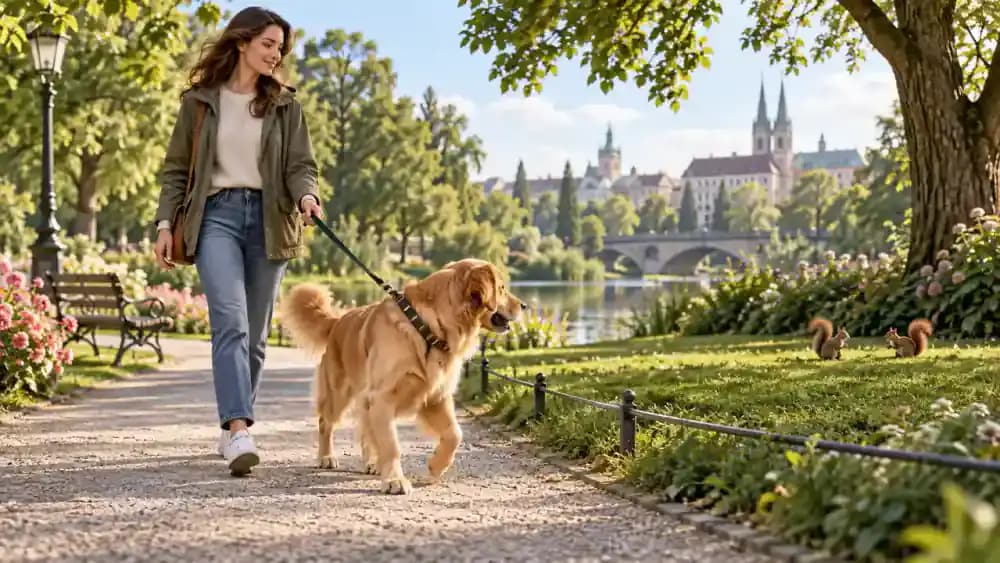
Introduce Small Changes With Familiar Objects
Ask a family member to quietly place a cardboard box in a familiar room. Allow your dog to notice it naturally, then practice an easy recall. Reward the return. If the object causes uncertainty, increase distance or remove it. Novelty should provide manageable practice rather than deliberately startling your dog.
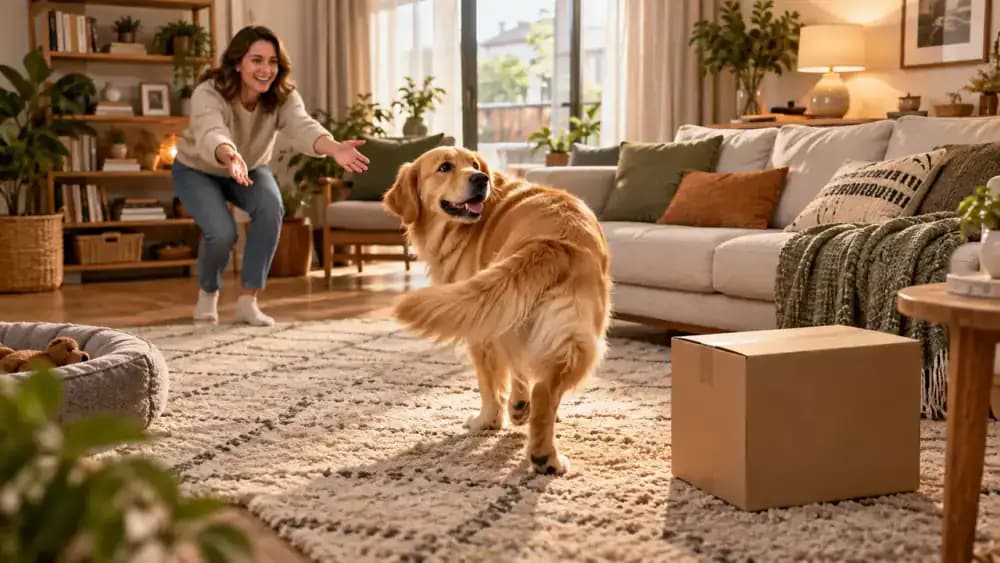
Create a Special Emergency Recall Signal
Consider teaching a separate word or whistle pattern reserved for urgent situations. Introduce it during easy exercises and immediately provide exceptionally valuable rewards. Practice gradually while keeping the special signal distinct from your everyday cue. Emergency recall still has limitations and must never be considered a substitute for secure handling.
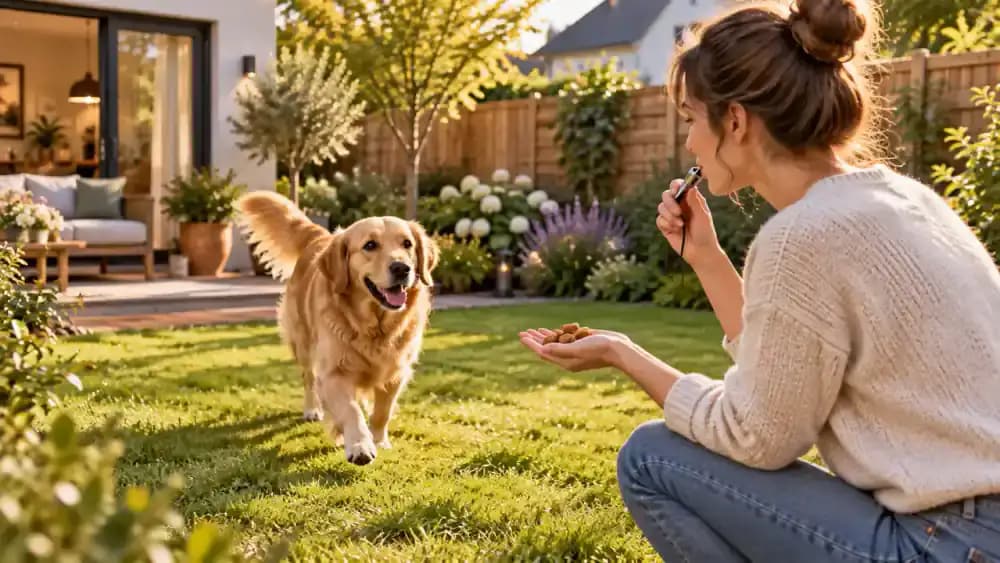
Build a Flexible Weekly Recall Practice Plan
Schedule several brief sessions throughout the week instead of one exhausting lesson. Practice in the hallway on one day, introduce a toy another day, and use a quiet fenced yard when ready. Repeat easier activities whenever necessary. Let your dog's engagement and progress determine the pace.
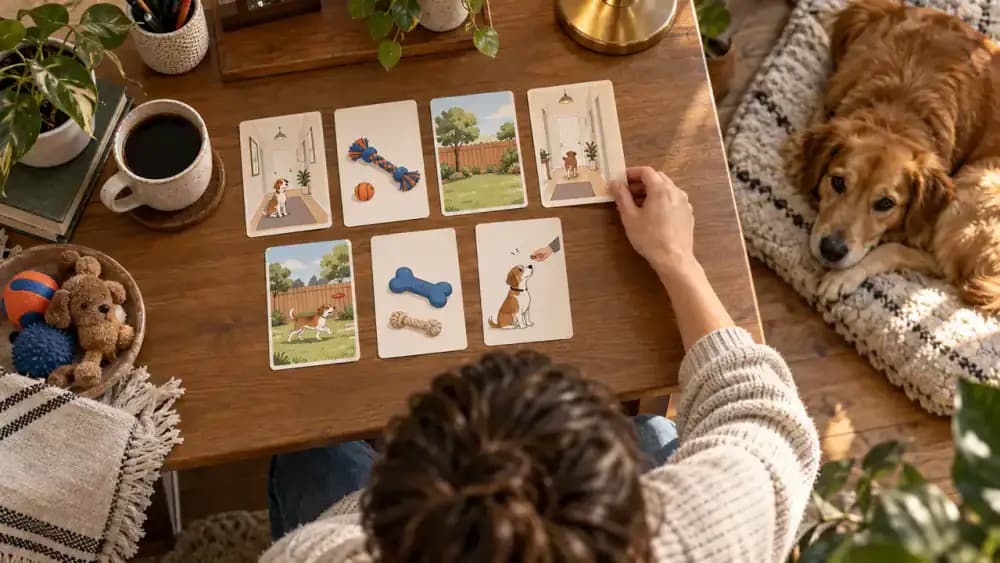
Celebrate Every Willing Return
Bring the exercises together in a securely fenced space with manageable distractions. Call once, welcome your dog's complete return, and reward beside your legs. Occasionally release your dog to resume an enjoyable activity. Dependable recall develops through many successful experiences, patient repetition, and a relationship built on trust.

You call your dog. Your dog hears you, glances in your direction, and immediately returns to sniffing the floor. Sound familiar?
Learning how to teach your dog to come when called begins with understanding one important principle: recall is a learned skill, not a test of loyalty or stubbornness. Dogs need consistent practice and positive experiences to understand why returning to you is worthwhile.
The good news is that you can begin in your own living room. You don't need complicated equipment, exhausting sessions, or harsh corrections. A few small treats, one consistent word, and a patient approach can help establish the foundation for dependable recall.
This 30-step guide takes you from your first indoor exercise to more challenging practice in securely enclosed outdoor spaces. You'll learn how to reward complete arrivals, introduce distractions, respond to missed recalls, and build an enjoyable routine.
Remember that no recall command guarantees safety in every situation. Even well-trained dogs can become overwhelmed by exciting or frightening surroundings. Your goal is steady improvement through successful, rewarding experiences, while maintaining appropriate physical safety measures.
Where people go wrong
Repeating the Recall Cue Too Many Times. Calling come repeatedly can weaken the usefulness of the signal. Say your chosen cue once when success is likely. If your dog does not respond, reduce the difficulty instead of continuing to shout.
Scolding Your Dog After a Delayed Return. Punishment after arrival may make returning unpleasant. Reward the completed return, regardless of the delay, and improve your training setup before the next attempt.
Rewarding Too Far From Your Body. Throwing treats away from you can reinforce stopping short or leaving immediately. Deliver rewards beside your legs to encourage complete arrivals and comfortable proximity.
Increasing Distractions Too Quickly. Moving directly from a quiet living room to exciting outdoor situations can overwhelm a beginner. Change one variable at a time and return to easier exercises when responses decline.
Ending Every Enjoyable Activity With Recall. If returning always means playtime ends, your dog may become less enthusiastic. Occasionally reward a successful recall and release your dog back to a safe activity.
Using a Long Line to Drag Your Dog. Pulling or jerking defeats the goal of teaching voluntary returns. Use a properly managed line for protection while encouraging your dog to approach willingly.
Practicing for Too Long. Extended sessions can reduce enthusiasm and attention. Try a few enjoyable repetitions, reward successful responses, and finish while your dog remains interested.
Trusting an Unproven Recall Around Hazards. Even a well-practiced cue may fail when wildlife, fear, or other powerful distractions take over. Use fences, leashes, and sensible distance management rather than relying on verbal control alone.
Questions people ask
Start in a quiet room with your dog standing nearby. Say one consistent recall word and immediately provide a delicious treat beside your legs. After several successful associations, practice calling from one or two steps away. Reward every complete arrival.
Fixed it?
Get one guide like this every Thursday.