How to Teach Your Cat to Come When Called
Yes, cats can learn to come when called. Discover how to teach your cat a reliable recall cue using treats, positive reinforcement, and short daily training sessions.

What you’ll need
Tap to tick things off before you start.
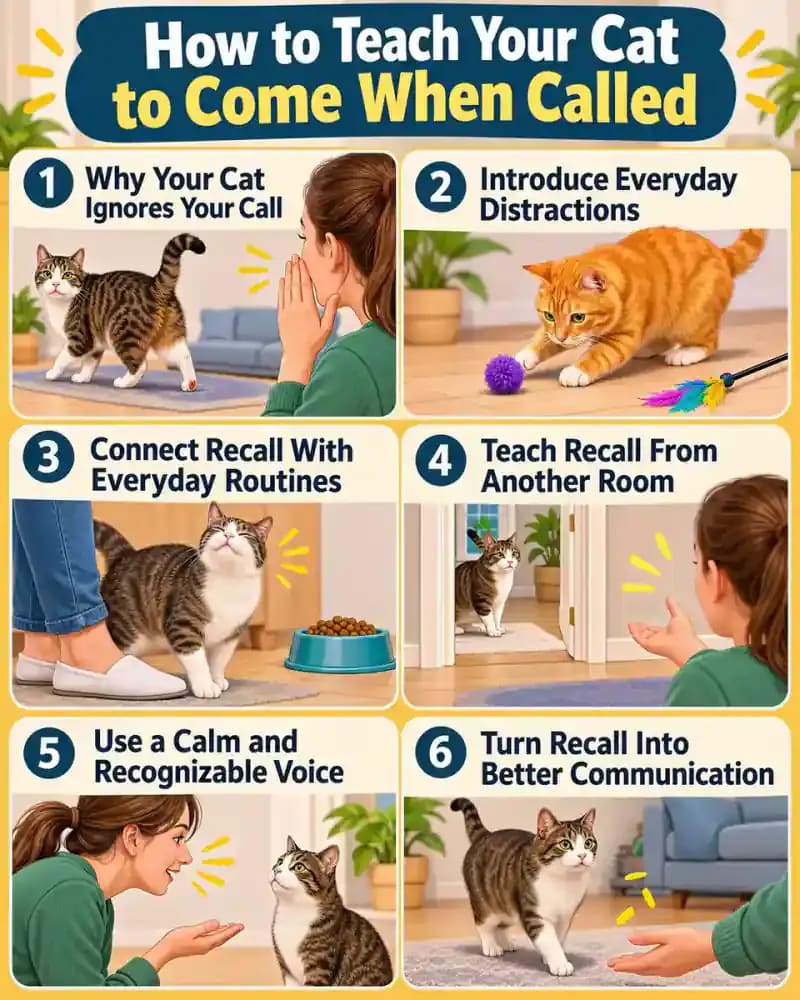
Why Your Cat Ignores Your Call
If your cat looks at you and walks away when you call, don't assume they can't learn. Cats often need a good reason to respond. Instead of raising your voice or repeating their name, teach your cat that coming toward you leads to something enjoyable. Consistent positive reinforcement makes your call worth answering.
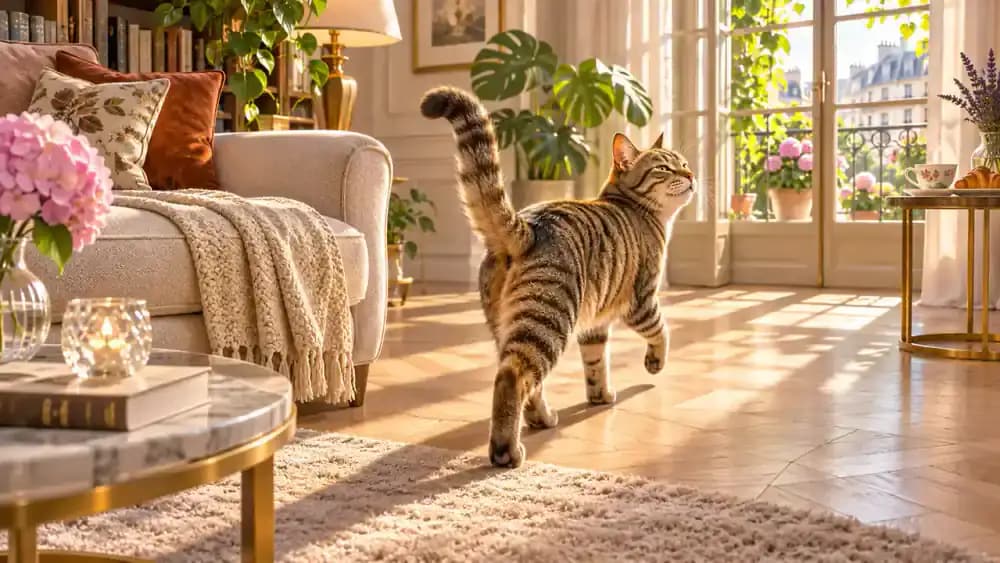
Find Your Cat's Favorite Reward
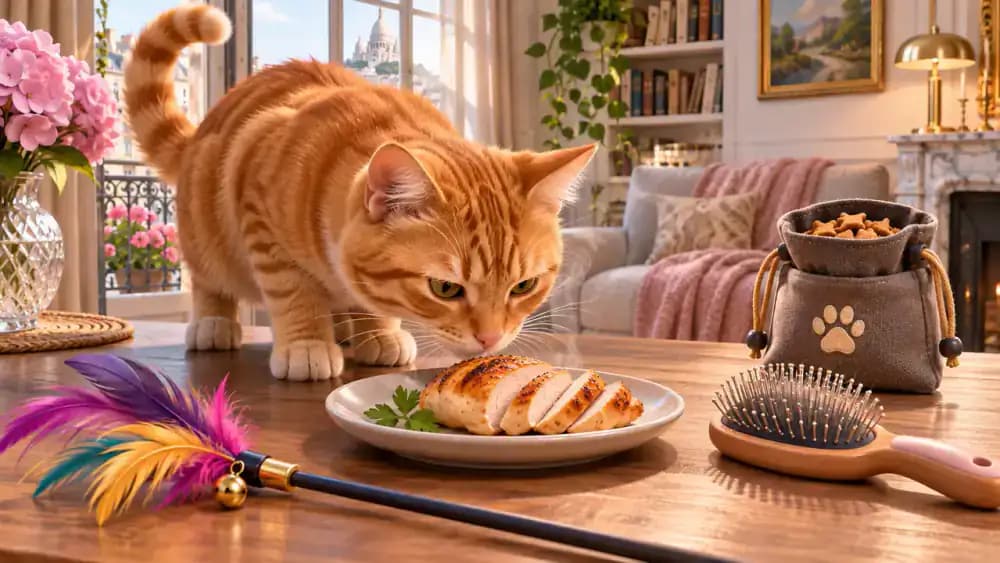
Offer your cat a few different rewards, such as tiny pieces of plain cooked chicken, a feather toy, or gentle petting. Watch which option gets the most enthusiastic response. Choose something your cat genuinely enjoys and reserve it for recall practice. Keep food rewards small, and avoid ingredients like onion, garlic, or added seasoning.
Choose One Consistent Recall Cue
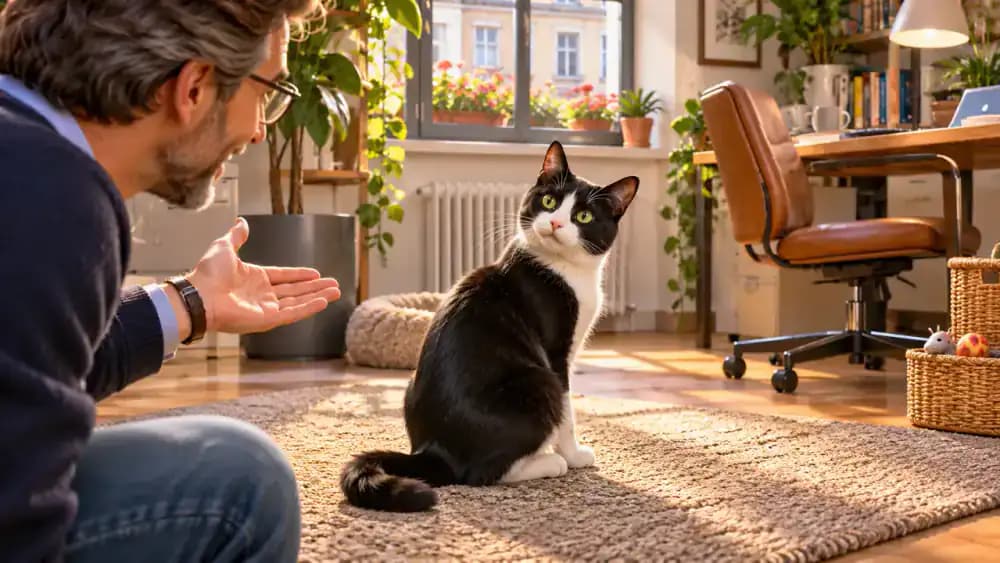
Pick one short phrase, such as 'Here, kitty,' or a distinctive whistle, and use it consistently. Ask everyone in your household to use the same cue. Start in a quiet room with your cat about one step away. When your cat is calm and attentive, say the cue once in a friendly voice and encourage them to approach.
Reward the First Successful Approach
When your cat moves toward you after hearing the cue, encourage them warmly and reward them immediately when they arrive. At first, acknowledge even small steps in your direction to build confidence. Repeat the exercise a few times, keeping each session around two to three minutes. Finish while your cat is still interested and enjoying the activity.
Gradually Increase the Distance
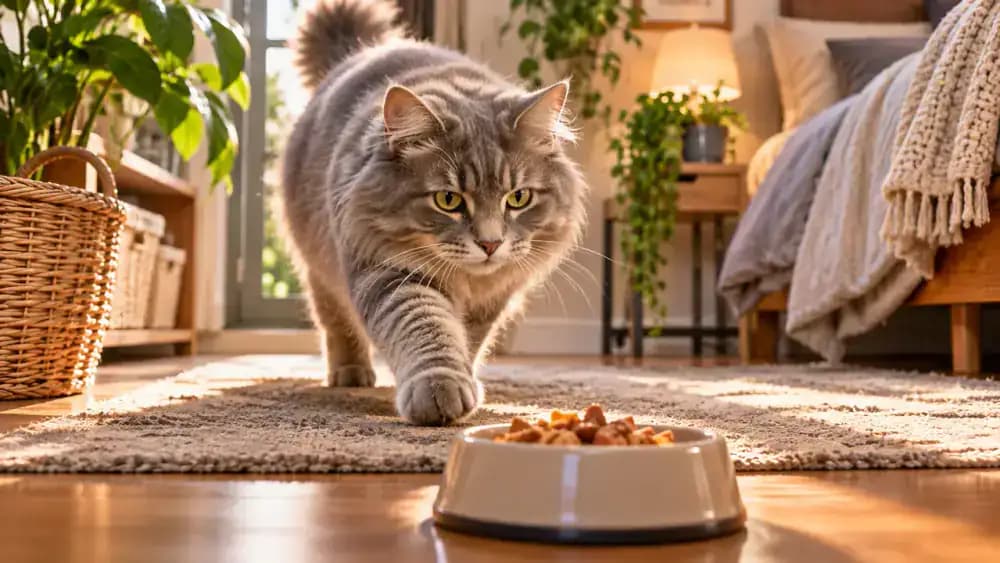
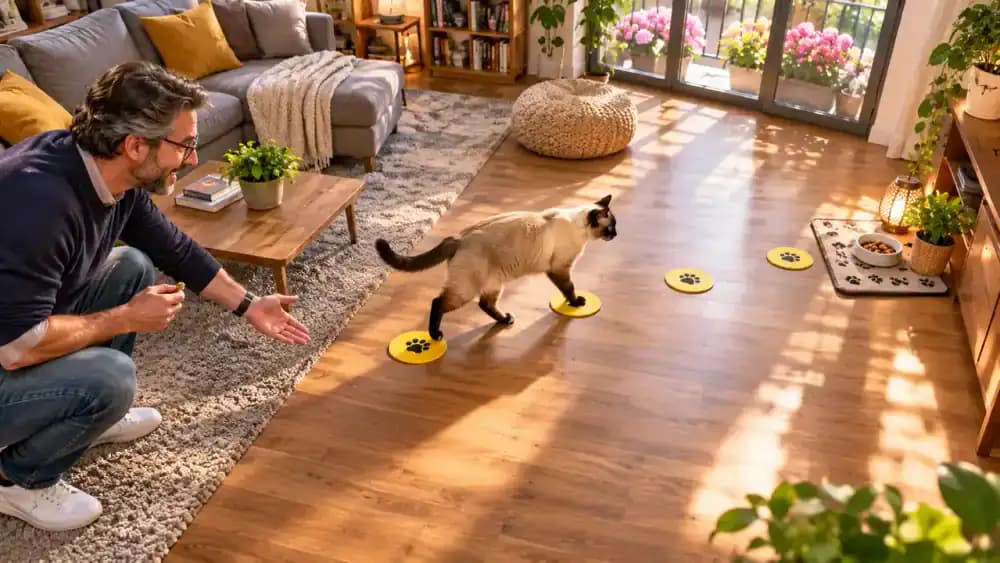
Once your cat consistently approaches from one step away, gradually increase the distance to two steps, then several feet, and eventually across the room. Reward every successful approach. If your cat hesitates or ignores the cue, move closer and try an easier repetition. Increase distance only when your cat responds reliably, keeping each practice session positive.
Introduce Everyday Distractions
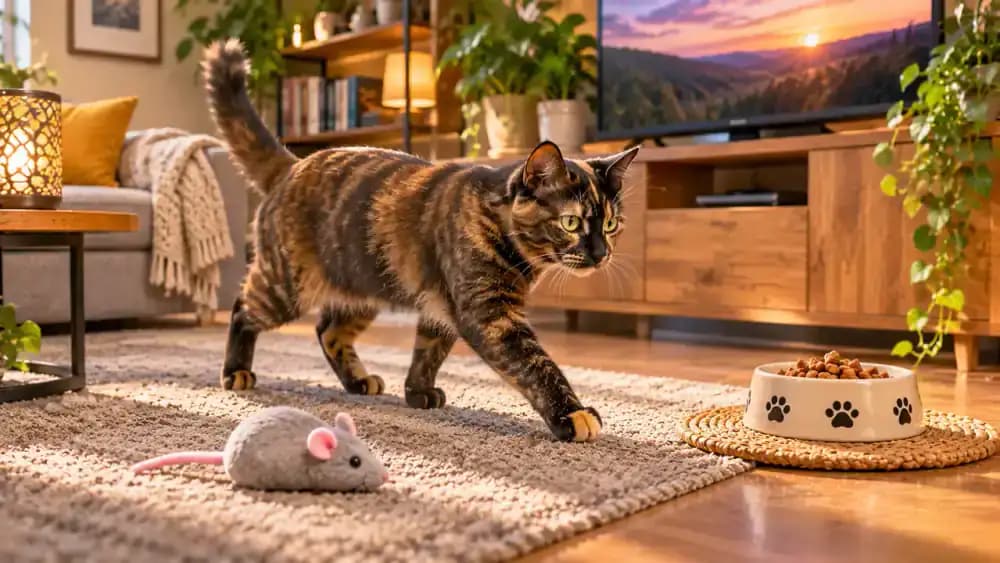
Once your cat responds reliably in a quiet room, introduce mild distractions such as a television playing softly or a favorite toy nearby. Start from a short distance and offer an especially appealing reward. Call only when your cat seems receptive. If they lose focus, remove the distraction or move closer before trying again.
Avoid Mistakes That Ruin Recall
Protect your recall cue by avoiding habits that weaken its meaning. Don't repeat the command endlessly, chase your cat, or call them only before unpleasant activities like nail trimming. Instead, say the cue once, allow time to respond, and reward voluntary approaches. Keep training enjoyable so your cat continues associating your call with positive experiences.
Practice Daily and Celebrate Progress
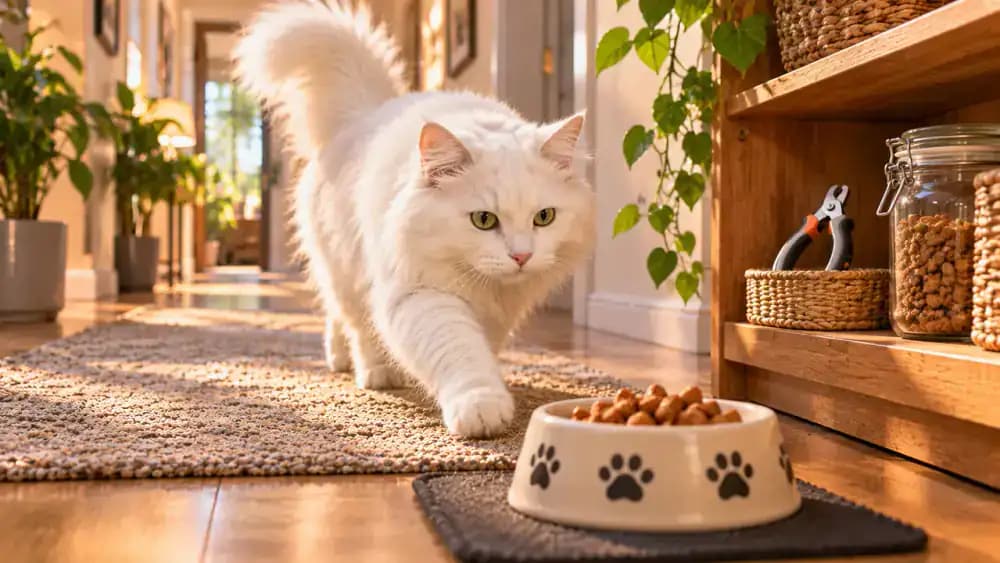
Practice three short recall sessions each day, gradually working toward calling your cat from another room. Record successful responses on a seven-day calendar to recognize improvement. Reward your cat whenever they approach and celebrate small victories without demanding perfection. Even well-trained cats may ignore calls, so always maintain secure doors, windows, and appropriate outdoor safety precautions.

Read Your Cat's Body Language
Before each recall attempt, check whether your cat seems comfortable and interested. Relaxed ears, soft eyes, and curious movement often indicate a good opportunity to practice. Flattened ears, a twitching tail, or walking away may signal discomfort or disinterest. Respect these signals, pause training when necessary, and resume when your cat appears relaxed and receptive.

Teach Your Cat Where to Arrive
Teach your cat to come all the way to your side rather than simply looking toward you. Hold a treat near your knees, give the recall cue once, and reward your cat when they reach that position. Practice in a safe indoor area away from stairs or hazards. Consistent reward placement helps establish a clear destination.
Train Multiple Cats Without Competition
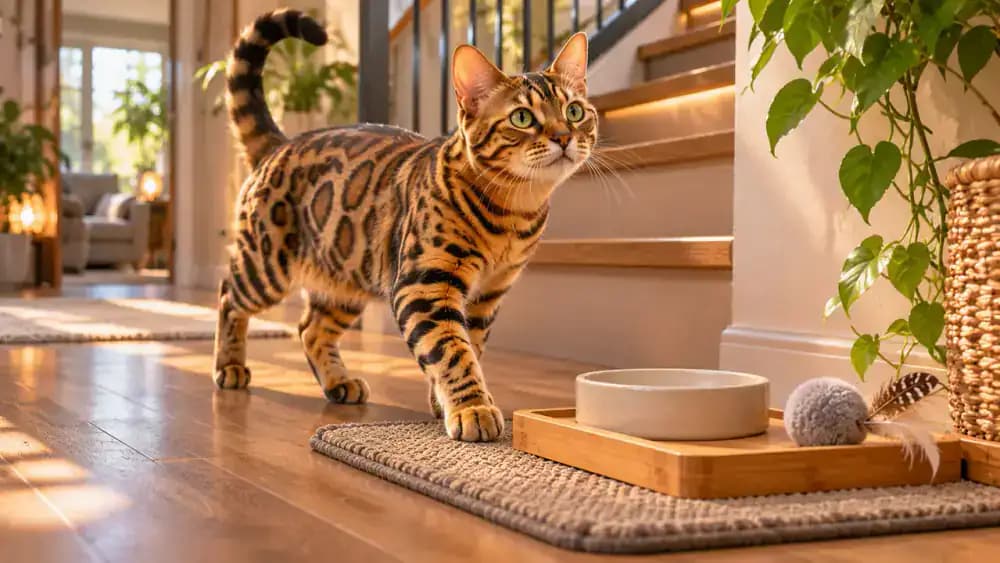
If you have multiple cats, train each one separately before practicing together. Let one cat relax in another room while you work with the other. Use individual rewards that match each cat's preferences and learning pace. Once both respond consistently, introduce supervised group sessions with enough space for each cat to approach and receive rewards without competition.
Connect Recall With Everyday Routines
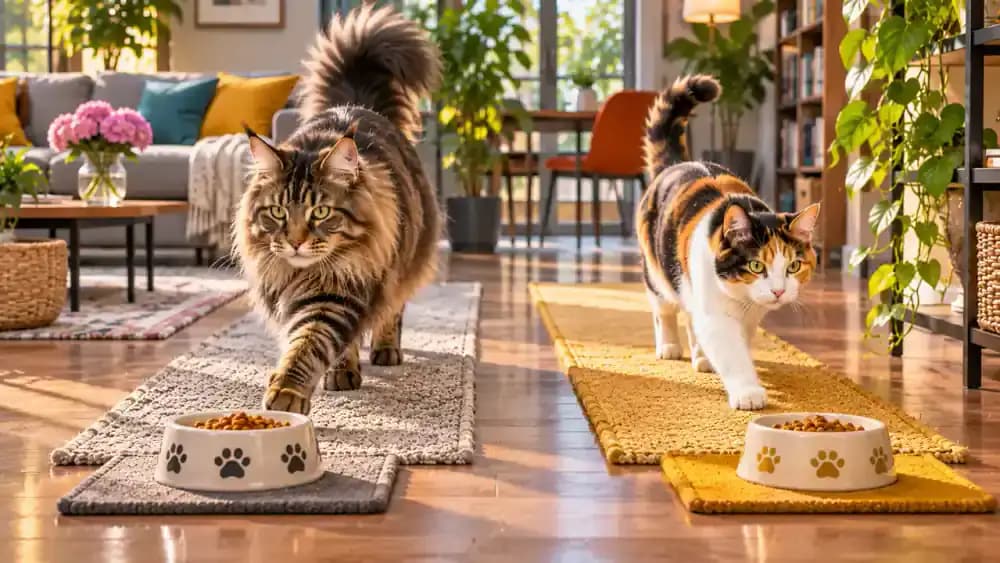
Make recall part of enjoyable daily activities rather than limiting it to formal training. Call your cat before serving dinner, starting a favorite game, or inviting them to a comfortable resting spot. Reward their arrival with the promised activity. Vary these positive experiences to strengthen the cue's meaning while avoiding situations your cat might find unpleasant.
What to Do When Recall Stops Working
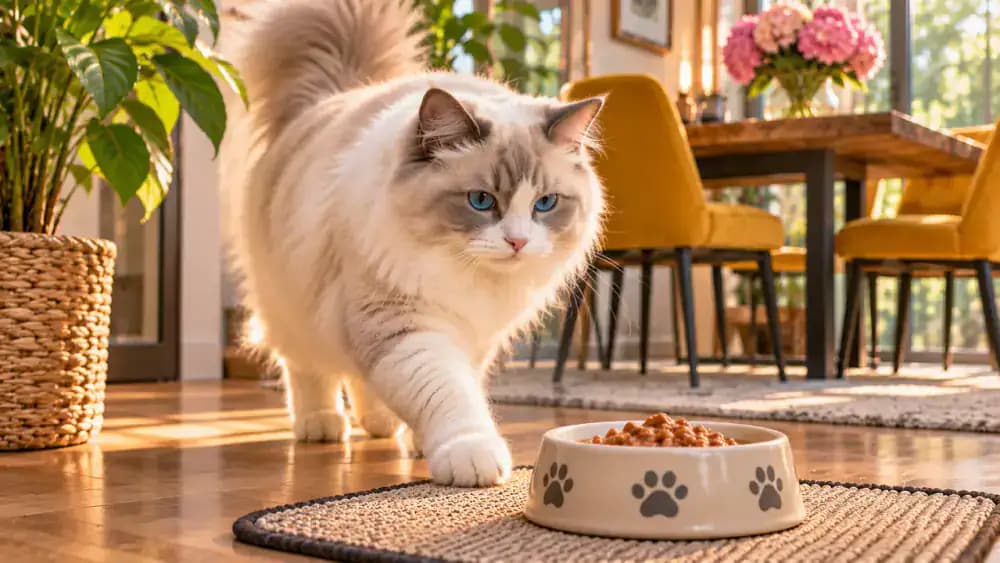
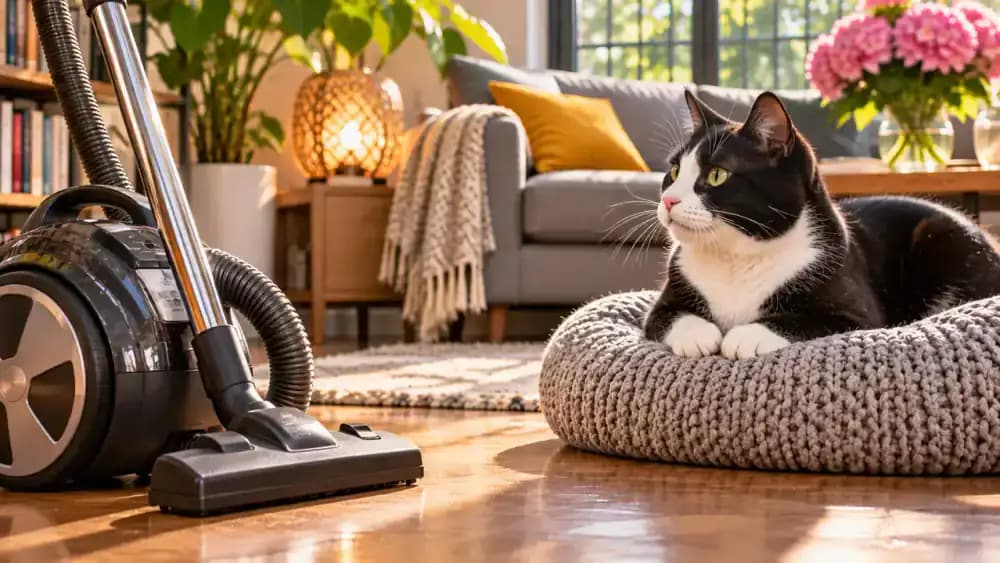
If your cat suddenly stops responding, check for changes in their surroundings or routine. Visitors, loud appliances, or less appealing rewards can interfere with familiar training. Return to a quiet room, shorten the distance, and reward easy successes. If the behavior change is sudden or accompanied by signs of pain, illness, or unusual behavior, contact your veterinarian.
Keep Recall Rewards Interesting
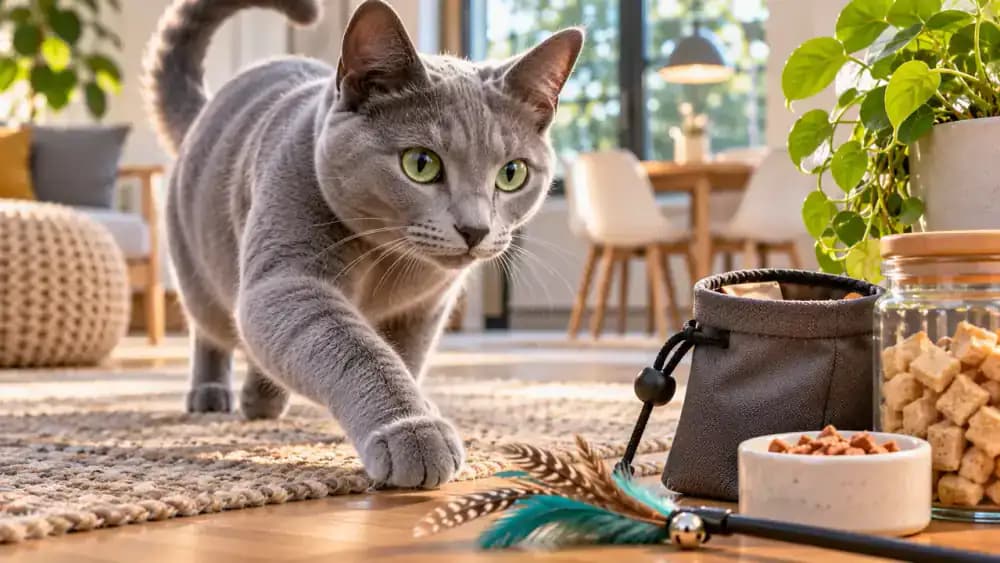
Once your cat responds consistently, vary the rewards to maintain interest. Offer a small treat, several tiny treats, or a favorite feather toy after successful approaches. Keep rewards out of sight until your cat arrives so they respond to the cue rather than visible food. Continue reinforcing successful recall instead of abruptly removing rewards from training.
Use Recall Around Doors Safely
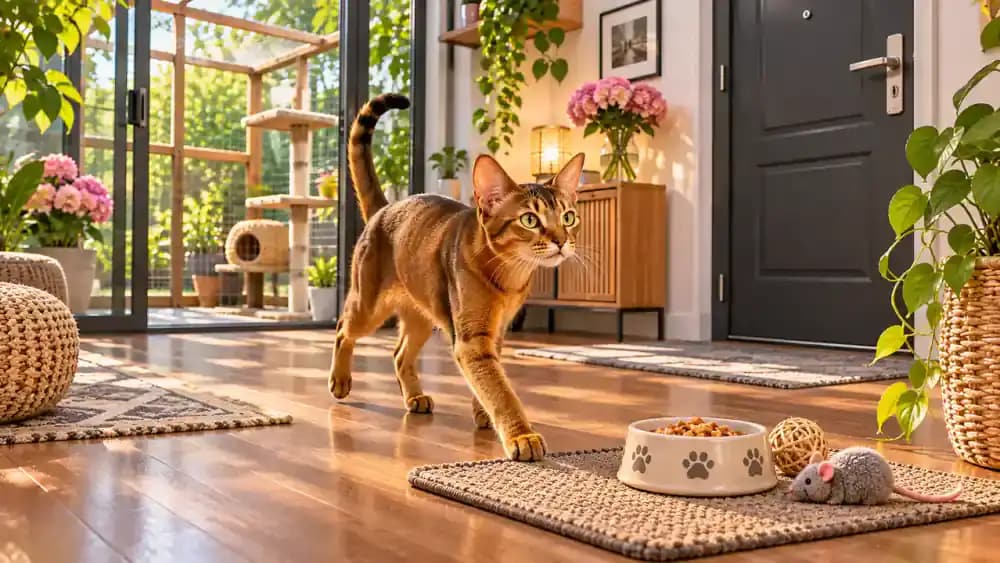
Practice calling your cat away from a securely closed entrance while another person quietly handles keys. Reward your cat for moving toward a designated indoor mat, away from the doorway. Never practice with an unsecured exterior door or assume recall will prevent escapes. For outdoor enjoyment, consider a secure catio or supervised walks using a properly fitted harness.
Build Trust Through Consistent Practice
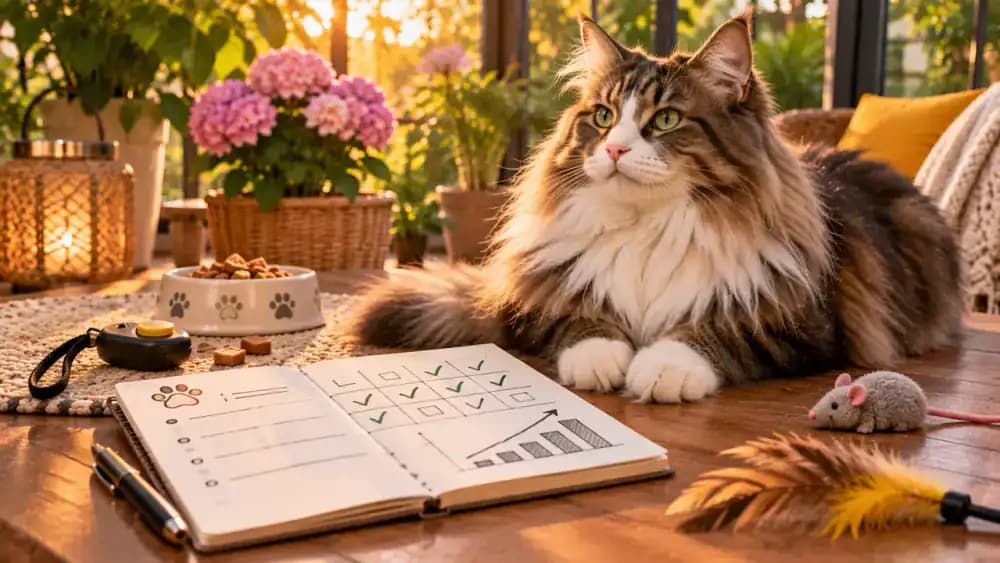
Focus on building trust rather than demanding perfect obedience. Keep a simple training notebook to record successful responses, distances, and distractions across several days. Adjust each session to match your cat's progress, and reward voluntary approaches generously. Small, consistent successes help strengthen your cat's confidence and make responding to your call an enjoyable part of your relationship.
Practice Recall From Different Positions
Once your cat understands the recall cue, practice using it from different body positions. Try sitting on the floor, standing beside a chair, or facing slightly away. Keep the distance short and reward each successful approach. Changing your posture helps your cat recognize the verbal cue without depending on familiar gestures or a particular standing position.
Teach Recall From Another Room
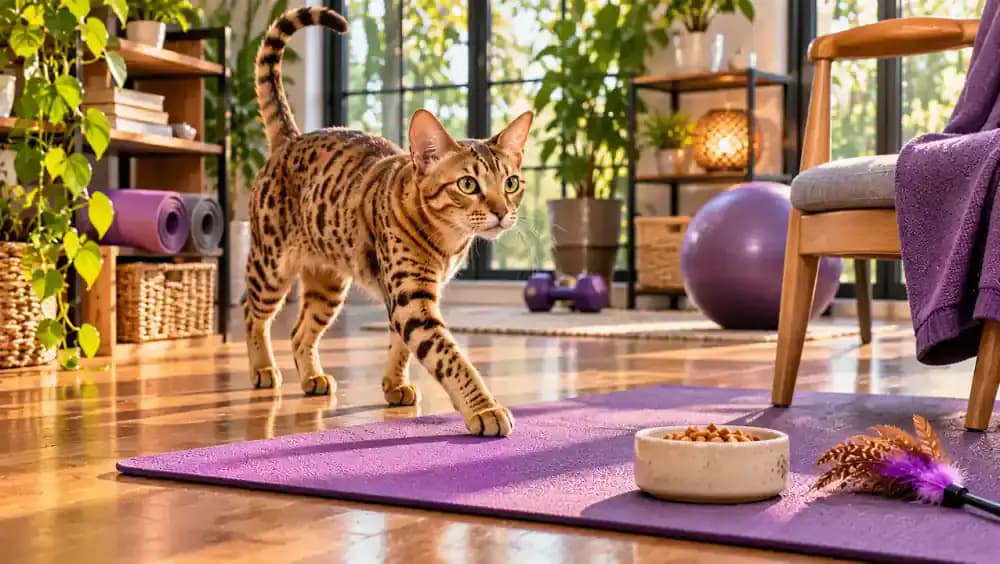
When your cat reliably approaches from across a room, try calling from just beyond an open interior doorway. Make sure the route is clear, safe, and familiar. Say your recall cue once and allow your cat time to locate you. Reward them immediately upon arrival. Gradually increase the distance as they become comfortable responding without seeing you.
Adapt Recall Training for Shy Cats
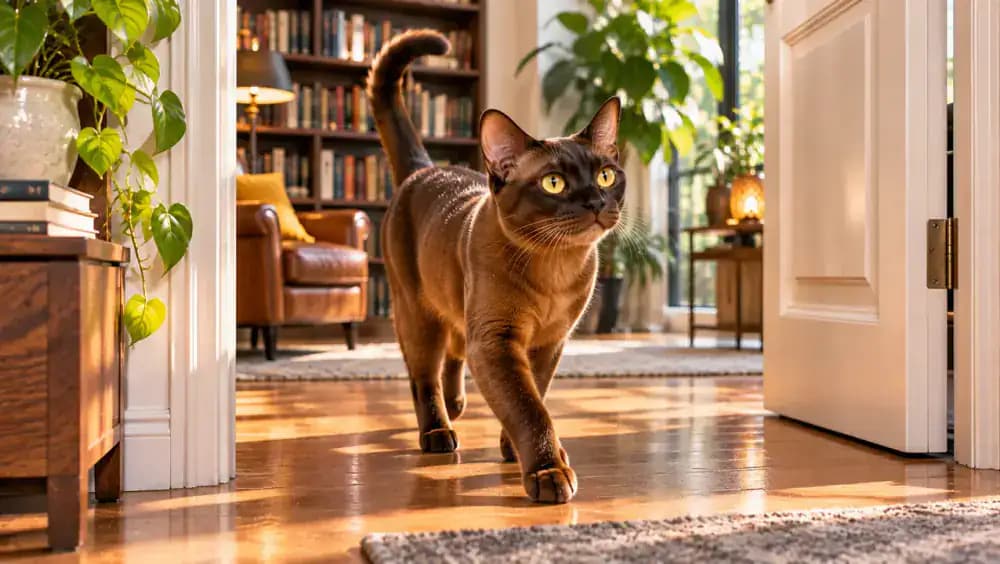
If your cat is cautious, begin in a familiar, quiet space and allow plenty of time to approach voluntarily. Sit calmly with relaxed hands and avoid sudden movements or reaching to grab them. Reward small advances without pressuring your cat to continue. Keep sessions brief, respect their boundaries, and let their confidence determine how quickly training progresses.
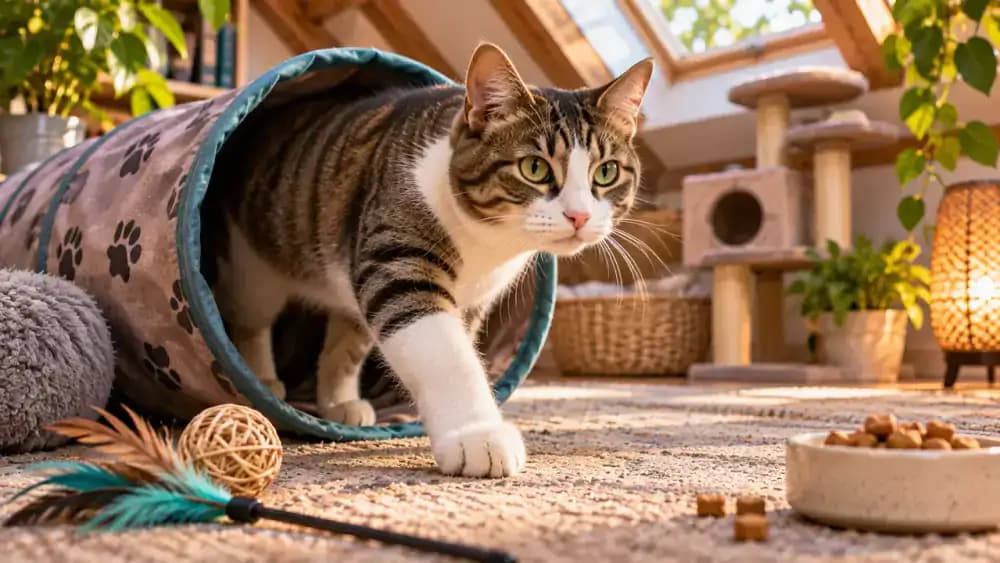
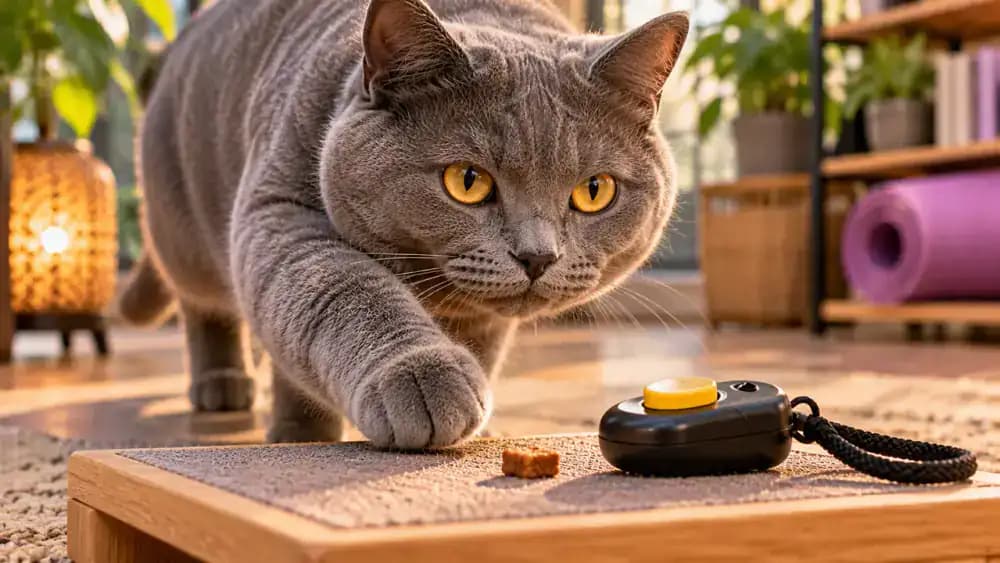
Improve Precision With a Training Marker
A clicker or short marker word can help your cat identify exactly which behavior earns a reward. First, make the marker sound and immediately offer a tiny treat several times to establish the association. During recall practice, mark the moment your cat reaches you, then deliver the reward promptly. Use consistent timing to reinforce successful arrivals clearly.
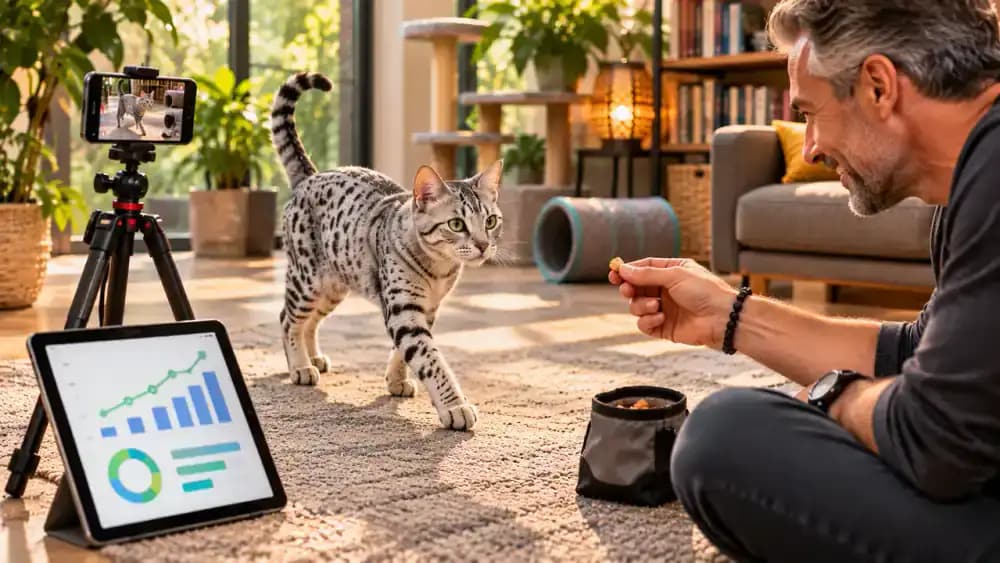
Measure Your Cat's Recall Progress
Track more than whether your cat comes when called. Notice how quickly they turn toward your voice, whether they complete the approach, and which environments cause hesitation. Record results across several short sessions using a notebook or smartphone. Look for consistent improvement before increasing difficulty, and return to easier exercises whenever successful responses become less frequent.
Know When Not to Call Your Cat
Avoid practicing recall when your cat appears frightened, overwhelmed, or unwilling to interact. During fireworks, unfamiliar visits, or other stressful situations, provide a quiet hiding place and allow your cat to settle without pressure. Don't repeatedly call or force them out of hiding. Resume training when they appear comfortable and interested in participating voluntarily.

Make Recall a Lifelong Skill
Keep practicing recall even after your cat responds reliably. Include occasional easy exercises during ordinary routines, and refresh their enthusiasm with favorite treats, toys, or affection. Practice in familiar indoor spaces throughout the year without making every interaction a training session. Consistent, enjoyable reinforcement helps your cat maintain the habit of approaching when they hear your cue.

Use a Calm and Recognizable Voice
Deliver your recall cue in a clear, friendly voice at a consistent volume. Avoid shouting, even when your cat seems distracted, because sudden changes in tone may startle them. If background noise makes communication difficult, move closer or wait for a quieter moment. Practice using your normal speaking voice so the cue remains familiar and easy to recognize.

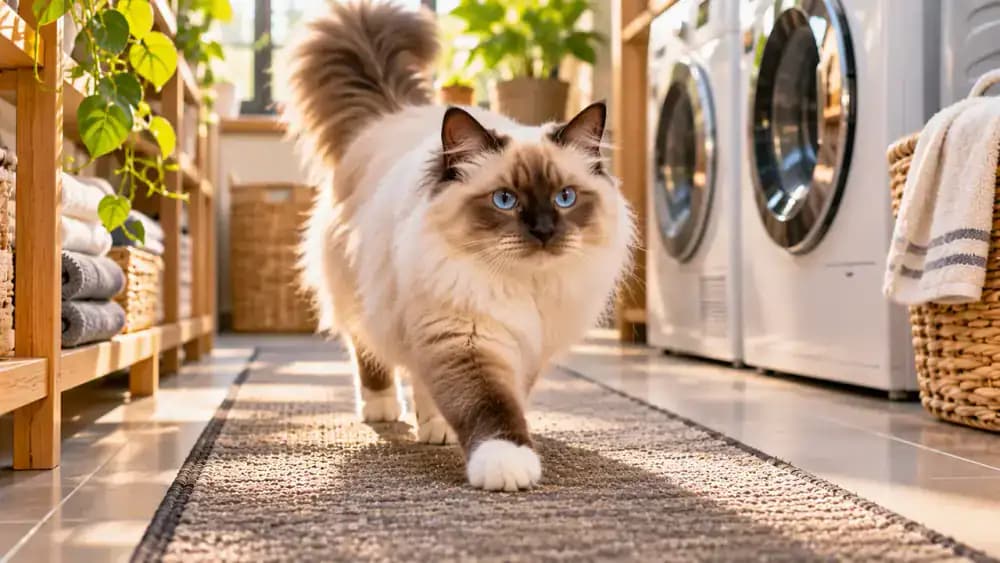
Create a Comfortable Training Path
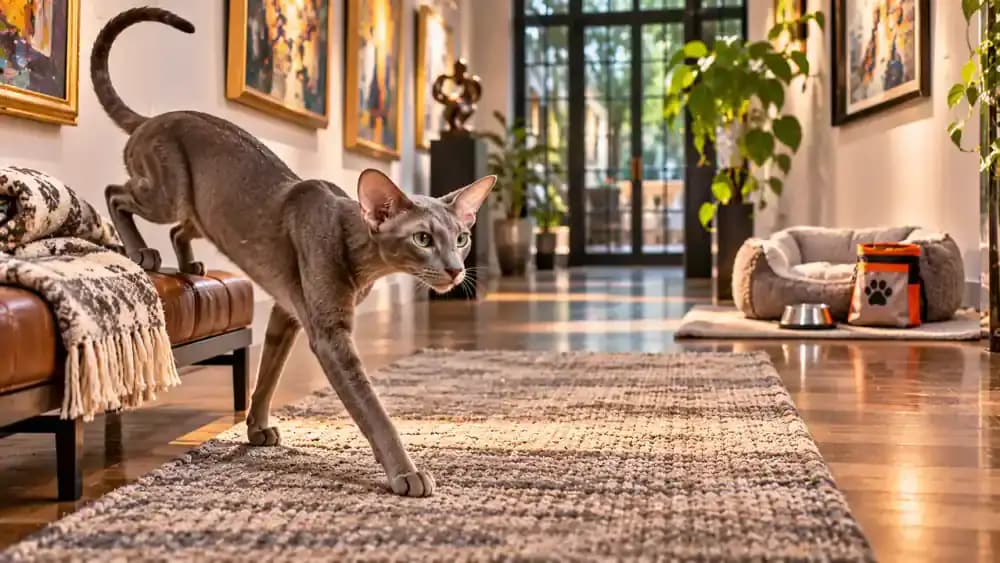
Check the walking route before calling your cat, especially if they are older or cautious on unfamiliar surfaces. Remove clutter, avoid unstable furniture, and provide nonslip rugs where smooth floors make walking difficult. Begin with a short, unobstructed path and reward successful approaches. Comfortable footing helps your cat focus on responding rather than navigating potential obstacles.
Manage Training Treats and Calories
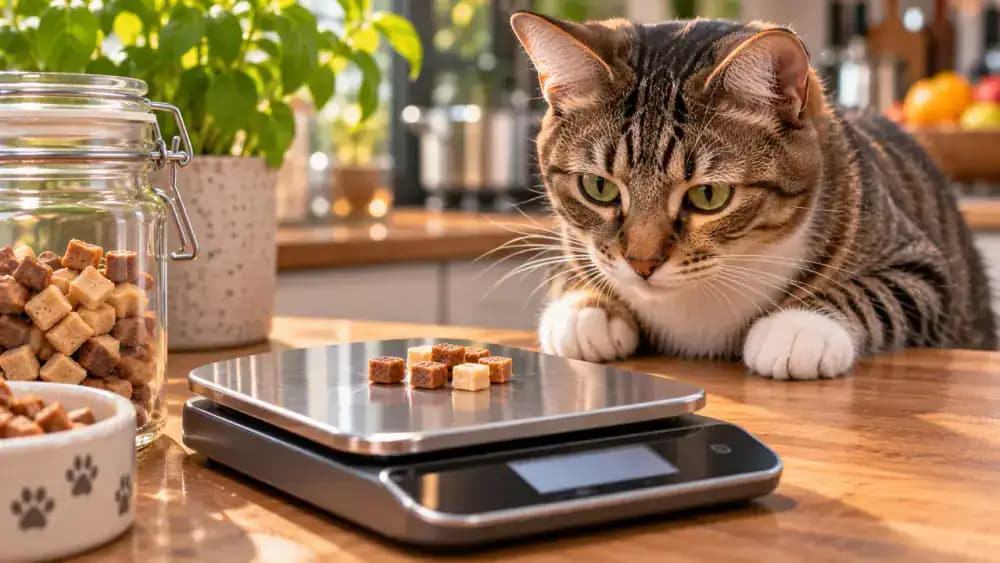
Keep food rewards small and include them in your cat's daily calorie intake. Break suitable treats into tiny pieces, measure portions before training, and adjust regular meals when appropriate to avoid overfeeding. Treats should generally provide no more than 10% of daily calories. If your cat follows a prescription diet, consult your veterinarian about suitable rewards.
Practice Recall in New Environments
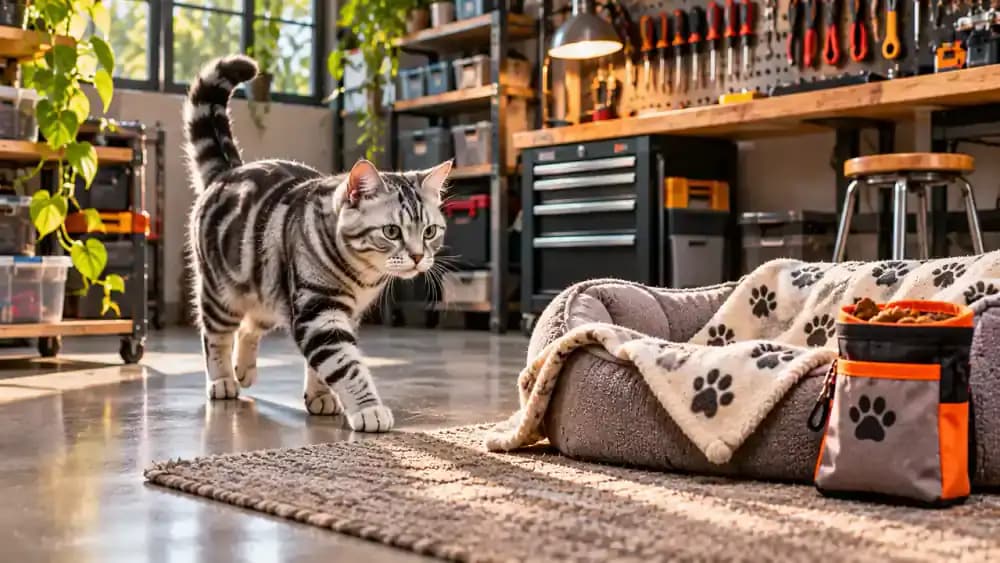
Once your cat responds consistently in familiar rooms, practice in another quiet, secure indoor area. Bring a familiar blanket and preferred rewards to help your cat feel comfortable. Allow time to explore before introducing the recall cue from a short distance. Increase difficulty gradually, remembering that cats may need additional practice when their surroundings change.
Know the Difference Between Following and Recall
A cat following you around the house isn't necessarily responding to a recall cue. To check their understanding, stand still while your cat rests a short distance away. Say the established cue once and observe whether they approach independently. Reward a successful arrival. Repeat occasionally in quiet settings to distinguish learned recall from naturally following your movements.
Practice With Another Familiar Person
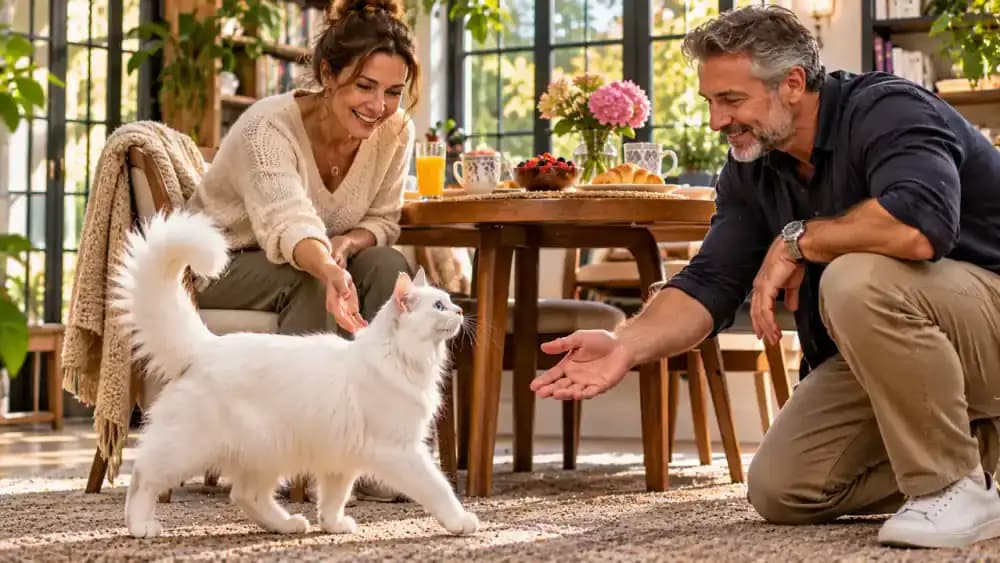
Invite another trusted household member to practice using your cat's established recall cue. Have them use the same phrase, calm tone, and preferred reward while starting from a short distance. Your cat may need time to recognize the cue from another voice. Reward each successful approach and gradually build consistency without pressuring your cat to respond immediately.
Turn Recall Into Better Communication
Treat recall as an opportunity to strengthen communication and trust, not demand perfect obedience. Choose one easy practice opportunity today, use your familiar cue, and reward your cat for approaching voluntarily. Notice their confidence, comfort, and willingness to participate. Continue practicing regularly, celebrate gradual improvements, and remember that positive interactions make your invitation more meaningful over time.

You call your cat from across the living room. Nothing happens. You try again, using that special voice you reserve for your favorite feline. Your cat looks directly at you, blinks slowly, and goes right back to whatever they were doing. Sound familiar?
Cats have a reputation for ignoring their owners, but that doesn't mean they can't learn to respond to their names or come when called. With positive reinforcement, consistent cues, and the right rewards, many cats can develop surprisingly dependable recall skills.
The secret isn't making your cat obey. It's teaching them that approaching you when they hear a particular word or sound leads to something worth their effort. That might be a favorite treat, a lick of wet food, or a quick play session with a beloved toy.
Learning how to teach your cat to come when called starts with a quiet room, a short recall cue, and just a few minutes of practice. You'll begin close together, reward successful approaches, and gradually introduce more distance and everyday distractions as your cat gains confidence.
You don't need expensive equipment or professional training experience. You do need patience, good timing, and realistic expectations. Even well-trained cats sometimes choose not to respond, and recall training should never replace outdoor safety measures.
Ready to turn those selective-hearing moments into a useful skill? Start small, make every successful response rewarding, and watch your cat's confidence grow.
Where people go wrong
Repeating the Recall Cue Over and Over. Calling 'Come, come, come!' repeatedly teaches your cat that the cue is background noise rather than a meaningful signal. Say your chosen word once and allow your cat a moment to respond. If nothing happens, make the exercise easier by moving closer or reducing distractions. Reward the next successful approach instead of increasing your volume.
Chasing or Grabbing Your Cat. Running after your cat when they ignore you can turn recall training into an unpleasant experience. Some cats may become frightened, while others may interpret the chase as a game. Either reaction works against your training goal. Stay calm, avoid forcing contact, and create opportunities for your cat to approach you voluntarily for something rewarding.
Stopping Treat Rewards Too Soon. Your cat may respond beautifully during the first few sessions, but that doesn't mean the behavior is firmly established. Removing rewards too early can weaken the connection between the recall cue and a positive outcome. Continue rewarding successful approaches consistently during initial training. Once recall becomes dependable, gradually introduce varied rewards while maintaining the behavior's positive association.
Using Recall Only for Unpleasant Experiences. If calling your cat always leads to nail trimming, medication, or being placed in a carrier, your cat may learn to avoid the cue. Protect its meaning by using recall primarily for enjoyable interactions. When possible, approach your cat calmly for necessary care rather than using your special recall word. Occasionally reward a successful recall and then let your cat return to their activity.
Increasing Distance Before Your Cat Is Ready. Calling from another room before your cat reliably approaches from a few feet away creates unnecessary difficulty. Build distance gradually, starting with one or two steps and increasing only after repeated successes. If your cat stops responding, return to an easier distance. Progress should depend on your cat's actual performance, not how quickly you hope to finish training.
Training for Too Long. Long practice sessions can cause your cat to lose interest, especially when the same exercise is repeated without variation. Two or three minutes of focused training is usually more productive than an extended session. Watch for signs that your cat wants to disengage, such as walking away or ignoring treats. Finish on a successful response whenever possible.
Practicing Around Too Many Distractions. Televisions, visitors, moving toys, and other pets can make a simple recall exercise unexpectedly difficult. A cat that responds consistently in a quiet bedroom may struggle in a busy living room. Introduce distractions gradually, one at a time. If your cat becomes distracted, shorten the distance or return to a calmer environment before trying again.
Expecting Perfect Recall in Every Situation. Even a well-trained cat may ignore a familiar recall cue when frightened, intensely focused, or distracted by something exciting. Treat recall as a useful communication skill rather than a guarantee of obedience. Never rely on it to prevent escapes, traffic accidents, or outdoor encounters. Secure doors, enclosed outdoor spaces, and appropriate supervision remain essential for safety.
Questions people ask
Yes. Cats can learn to associate a specific word or sound with a rewarding experience, making them more likely to approach when they hear it. Positive reinforcement is particularly useful because it encourages voluntary behavior. Individual results vary according to temperament, motivation, training consistency, and environmental distractions. Even cats with strong recall skills won't necessarily respond every single time.
Fixed it?
Get one guide like this every Thursday.