How to Store Dry and Wet Pet Food to Keep It Fresh
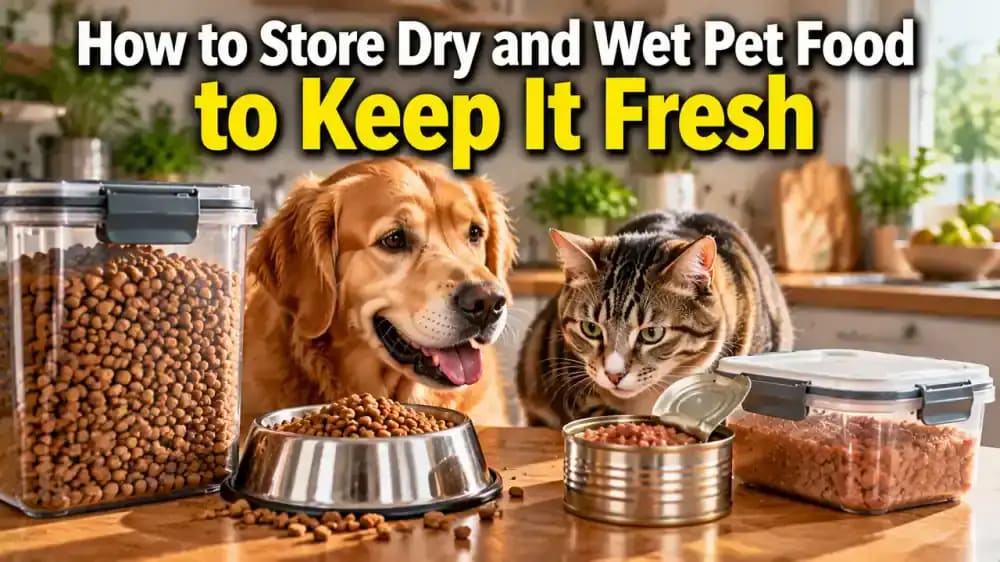
Keep your pet's food fresh and safe with simple storage habits. Learn how to protect dry kibble, refrigerate opened wet food, spot potential spoilage, and organize your feeding area.
What you’ll need
Tap to tick things off before you start.
The Hidden Problem With Pet Food Storage
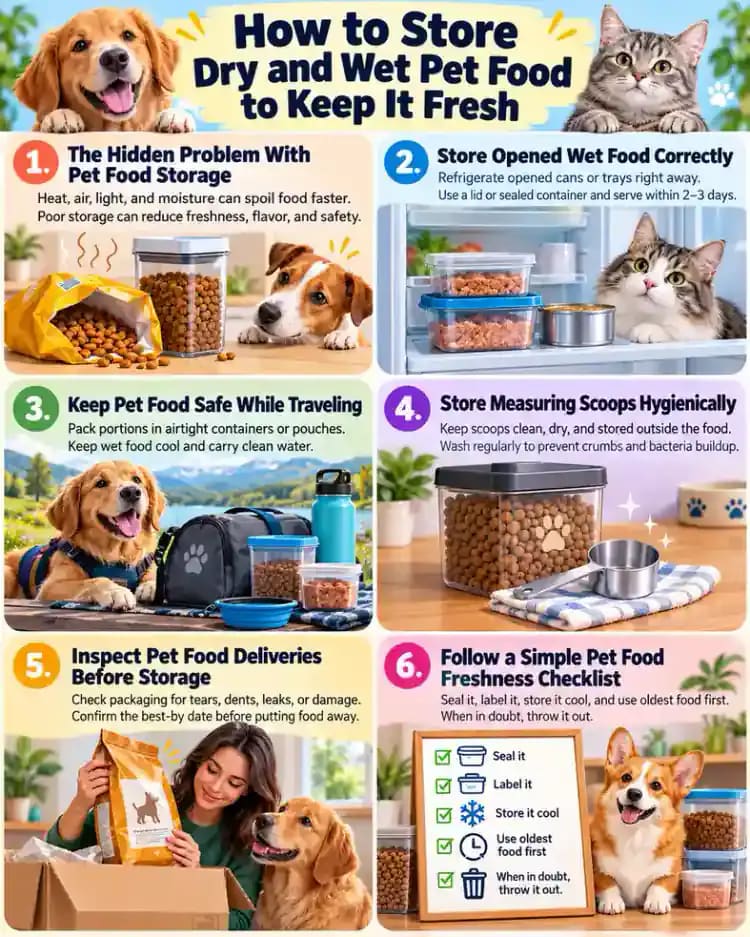
Pet food can lose freshness faster than you might expect when exposed to air, heat, moisture, or contamination. Dry kibble may develop an unusual smell, while uncovered wet food can spoil quickly. Check food before every serving, discard anything suspicious, and establish simple storage habits that help protect your pet's meals from unnecessary deterioration.
Check the Label Before Storing
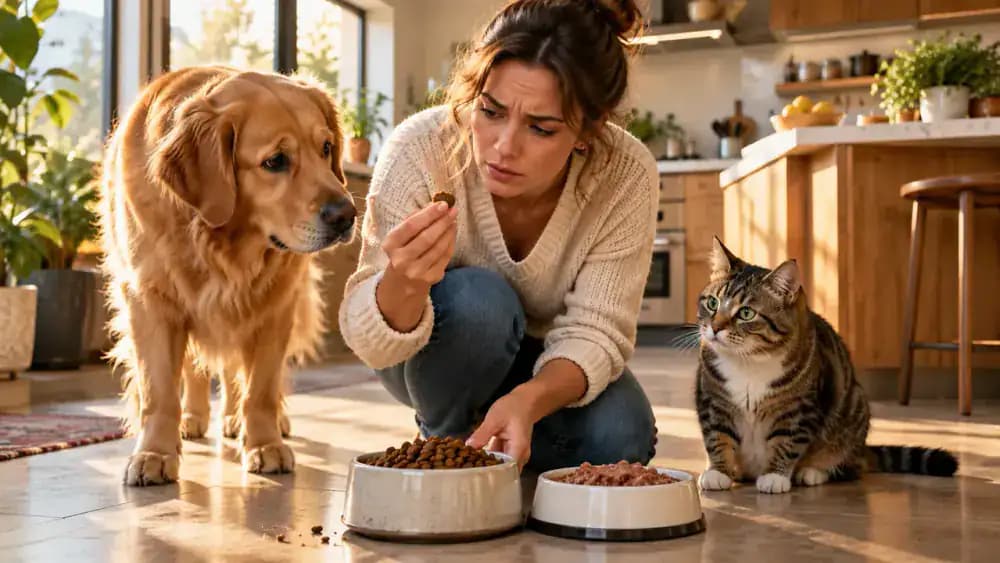
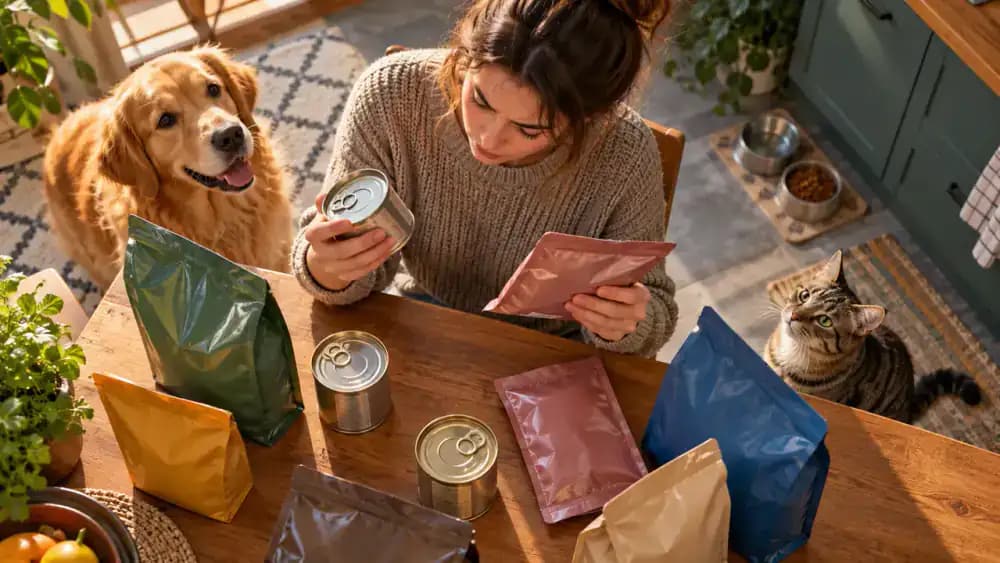
Read the storage instructions and best-by date on every package before putting pet food away. Inspect bags for tears, cans for swelling or damaged seams, and pouches for leaks. Follow any product-specific refrigeration directions. Keep unopened supplies separate from food already in use so you can track freshness and avoid opening unnecessary packages.
The Right Way to Store Dry Kibble
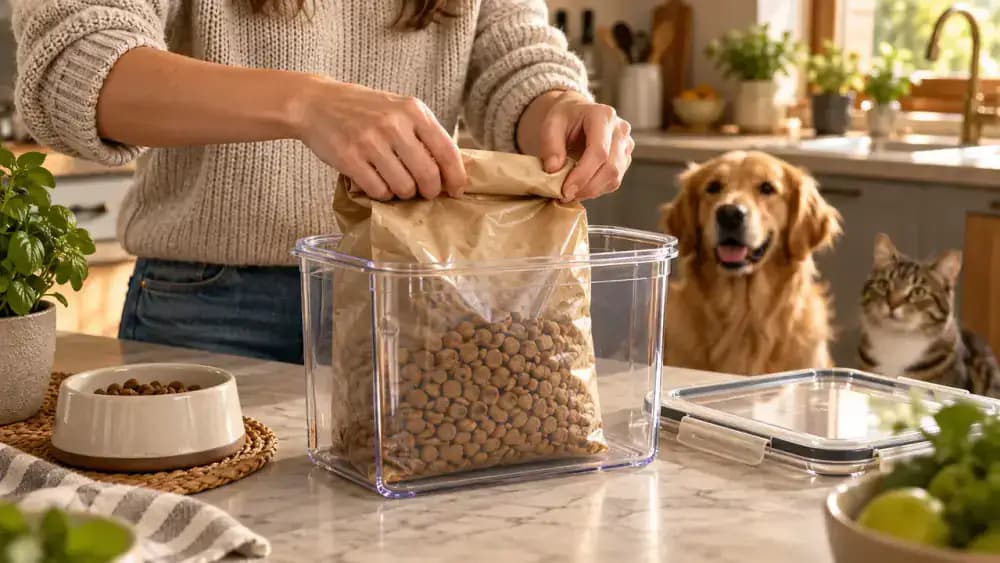
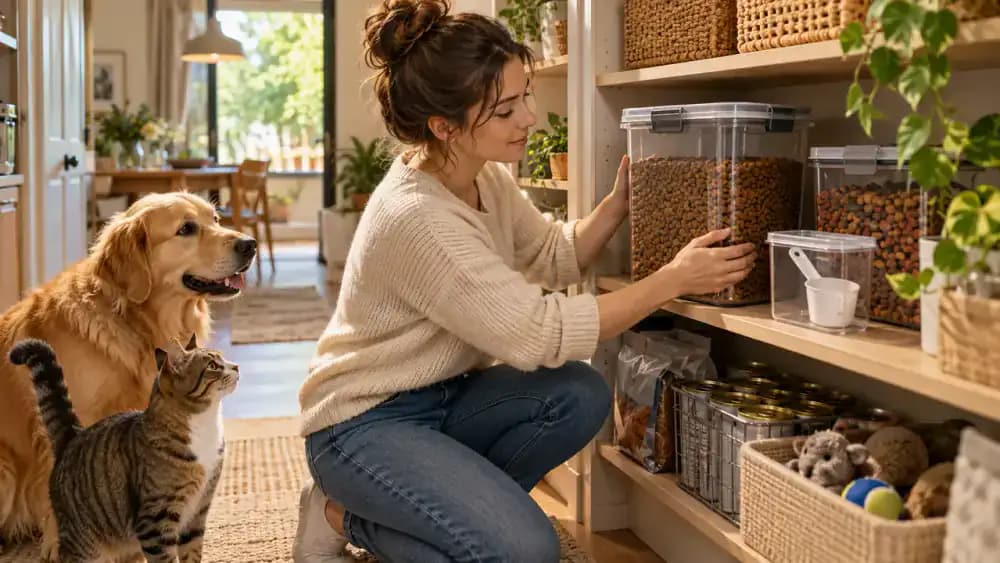
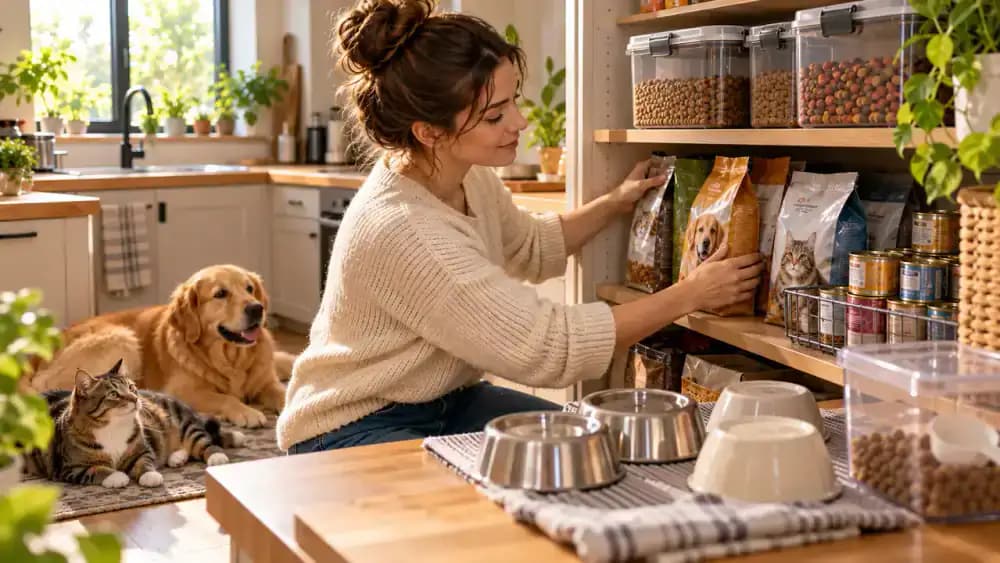
Keep dry kibble inside its original bag rather than pouring it directly into a storage bin. Press out excess air, fold the bag closed, and place it inside a clean, food-safe container with a tight-fitting lid. The original packaging preserves important product information, while the sealed outer container provides additional protection against humidity and pests.
Find the Safest Storage Location
Store your sealed kibble container in a cool, dry pantry or cabinet away from direct sunlight, cooking appliances, and damp surfaces. Avoid garages and outdoor sheds where temperatures fluctuate significantly. Close the lid immediately after feeding, and use a clean, completely dry scoop each time to prevent introducing moisture or contaminants into the food.
Keep Batch Details and Rotate Supplies
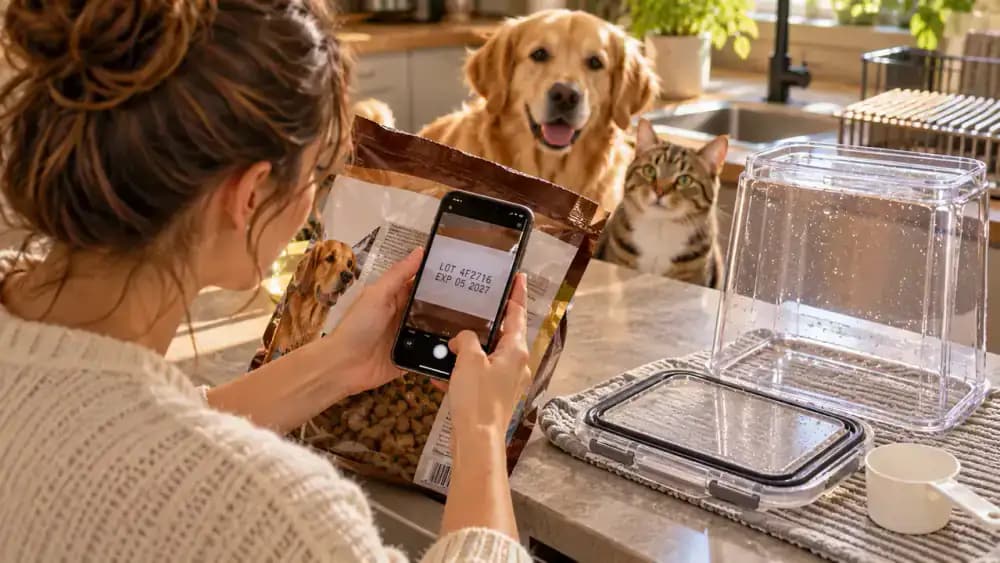
Before discarding an empty food bag, photograph its lot number and best-by date so you can identify the product if a recall occurs. Use older food before opening a replacement, and never mix fresh kibble into leftover supplies. Between bags, wash the storage container, rinse thoroughly, and allow it to dry completely before reusing it.
Store Opened Wet Food Correctly
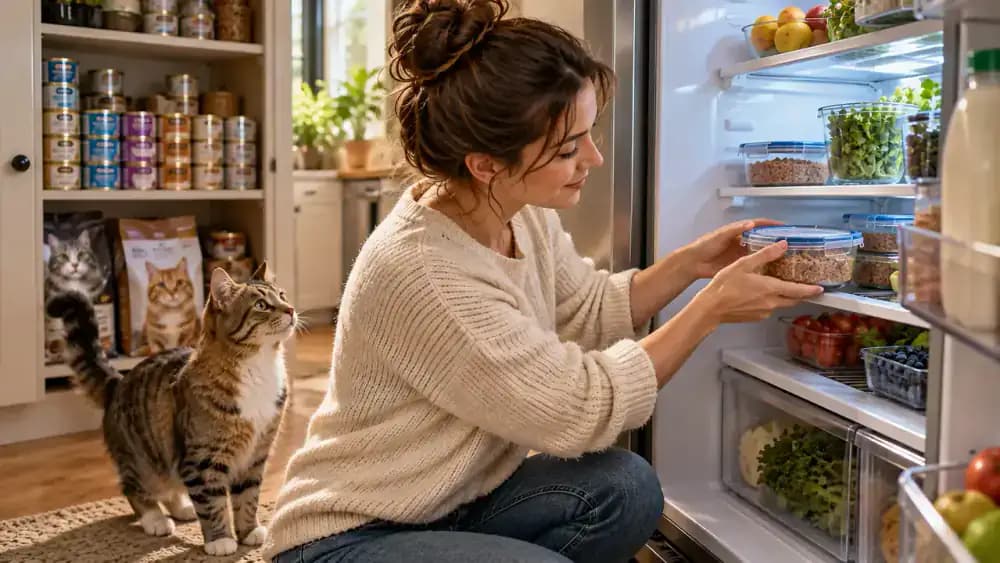
Keep unopened wet food cans and pouches in a cool, dry place, following package instructions and avoiding extreme temperatures. After opening, promptly refrigerate unused food in a clean, covered food-safe container or properly covered can. Label leftovers with the opening date and follow the manufacturer's storage guidance to prevent food from sitting too long.
Serve Wet Food Without Contamination
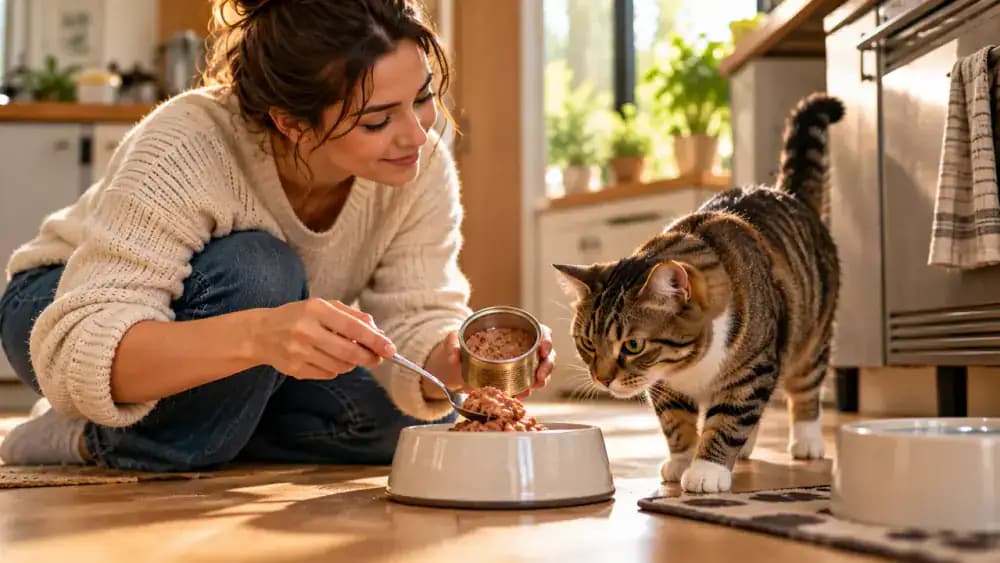
Always use a clean spoon when serving refrigerated wet food, and return unused portions to the refrigerator immediately. Offer only what your pet is likely to eat in one sitting. Follow the manufacturer's storage limits and discard wet food left out too long, particularly in warm conditions that encourage bacterial growth.
Spot Warning Signs and Build a Freshness Routine
Check pet food before every meal for mold, unusual smells, moisture, swollen packaging, or unexpected texture changes. Discard questionable food, remembering that contamination is not always visible. Wash feeding bowls and utensils regularly, rotate older packages toward the front, and review expiration dates and storage conditions during a weekly kitchen check.
Handle Mixed Dry and Wet Meals Safely
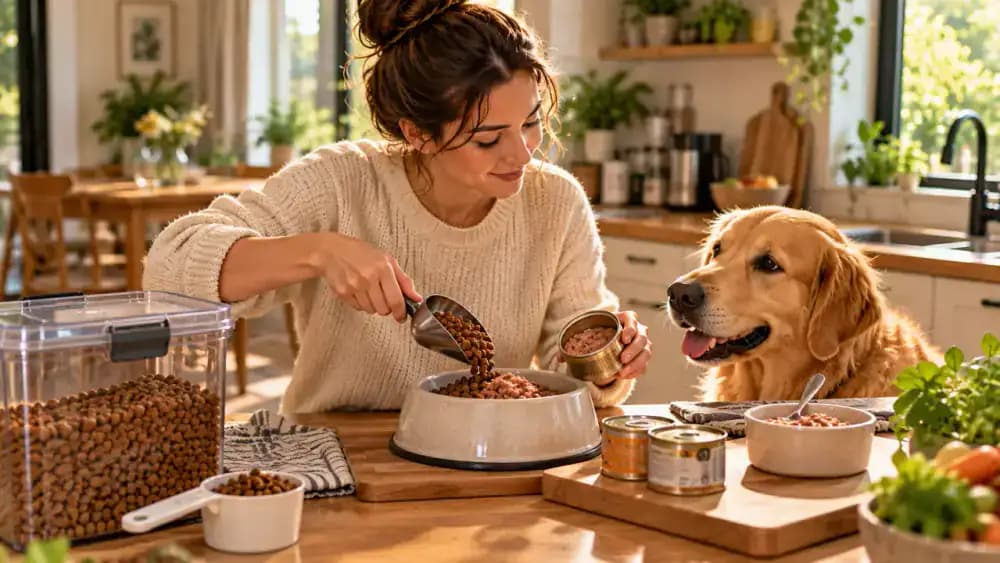
Measure dry kibble and wet food separately before combining them immediately before feeding. Once mixed, moisture changes the kibble's texture and makes the entire meal more perishable. Never pour unused mixed food back into the original kibble bag or storage container. Discard leftovers according to wet food safety guidance rather than treating them as shelf-stable.
Choose Food Bags You Can Finish
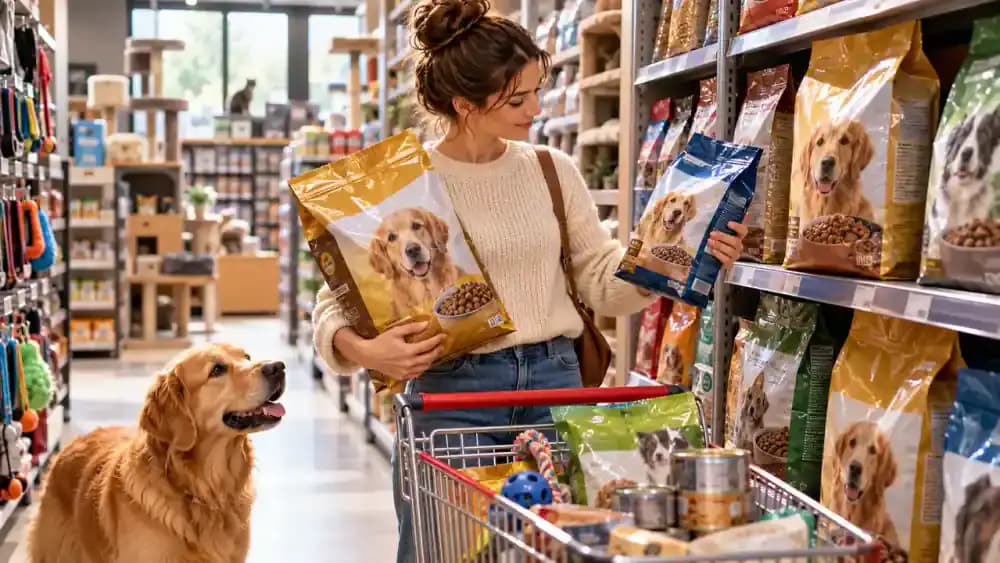
Large bags of kibble may cost less per pound, but they are not economical if the food loses freshness before your pet finishes it. Choose a package size that matches your pet's actual consumption and the manufacturer's recommended use period after opening. Record the opening date and check it weekly before buying more.
Protect Pet Food From Humidity and Pests
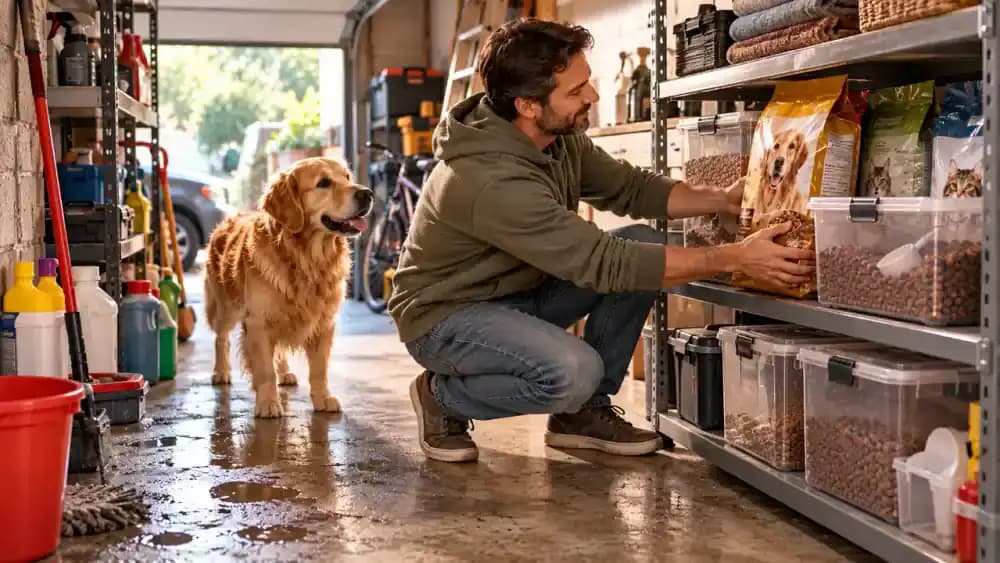
Avoid storing pet food in humid garages, laundry rooms, or outdoor sheds where temperature changes can cause condensation. If shelves or containers feel damp, move the food to a cool, dry indoor location. Keep sealed containers elevated off the floor and separated from cleaning chemicals, pesticides, and areas accessible to insects or rodents.
Keep Pet Food Safe While Traveling
For weekend trips, pack measured portions of dry pet food in clean, sealed, food-safe containers. Keep a photo of the original packaging and feeding instructions on your phone. Never leave food sitting in a hot vehicle or direct sunlight. Transport refrigerated wet food in an insulated cooler with sufficient ice packs to keep it safely cold.
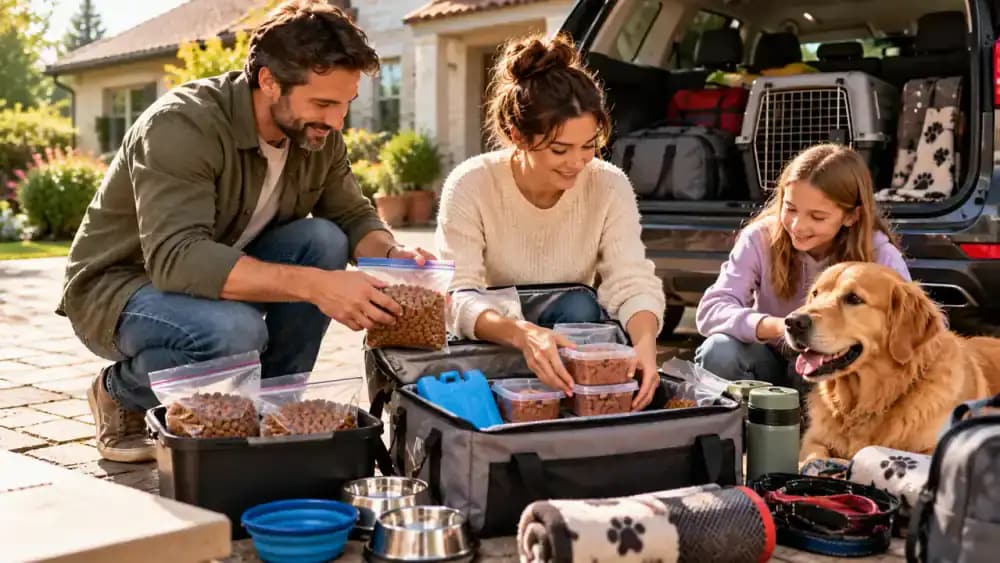
Manage Food for Slow Eaters
If your pet prefers eating slowly, serve smaller portions instead of leaving a large meal out all day. Remove leftover wet food promptly, following package instructions and considering room temperature. Refrigerate unused food from the original container as directed, and wash feeding bowls between servings. Ask your veterinarian about safe feeding arrangements for pets that need frequent access.
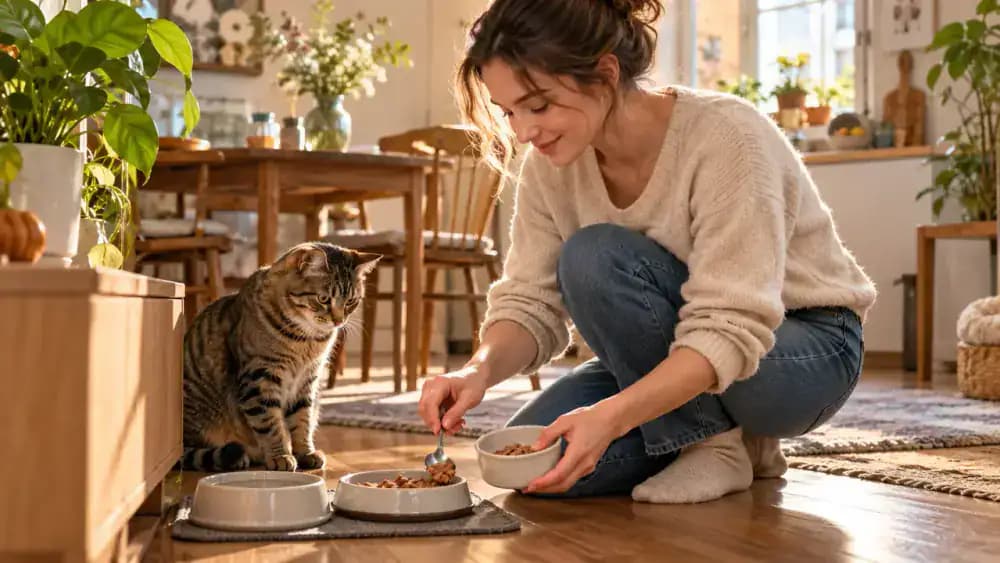
Maintain Automatic Pet Feeders
Automatic feeders require regular cleaning even when they dispense only dry kibble. Follow the manufacturer's instructions, empty the hopper periodically, and brush away crumbs trapped around dispensing mechanisms. Wash removable parts as directed and let everything dry completely before reassembly. Check that the feeder supports your chosen food and monitor both freshness and how much your pet actually eats.
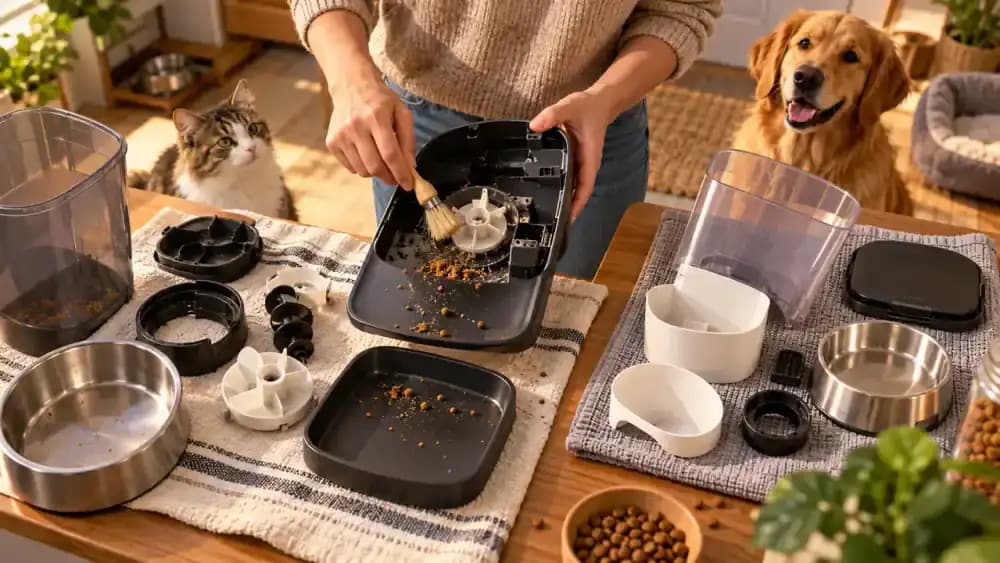
Know What to Do When Food Seems Wrong
When your pet unexpectedly refuses familiar food, check the package opening date, storage conditions, odor, and texture. Watch for unusual discoloration, mold, or damaged packaging. Stop serving anything suspicious, and never taste questionable pet food yourself. Keep the packaging and lot information available. Contact your veterinarian promptly if your pet appears unwell or may have eaten spoiled food.
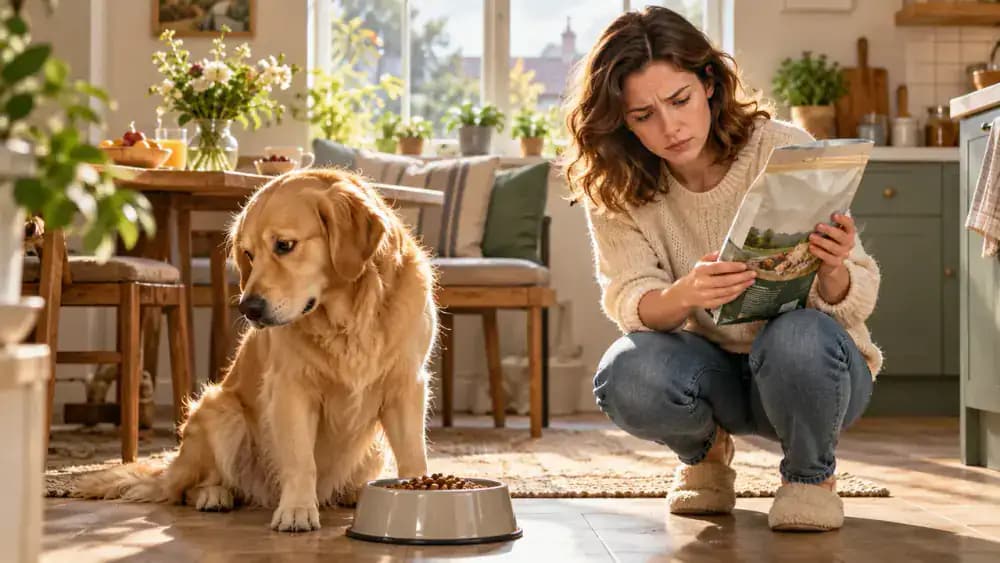
Make Fresh Food Storage a Lasting Habit
Before your next grocery trip, spend a minute checking your pet food inventory. Record how much dry food remains, check expiration dates on unopened cans, and identify refrigerated portions that need using or discarding. Replace damaged containers or lids, and buy only what your pets can finish while the food remains fresh.
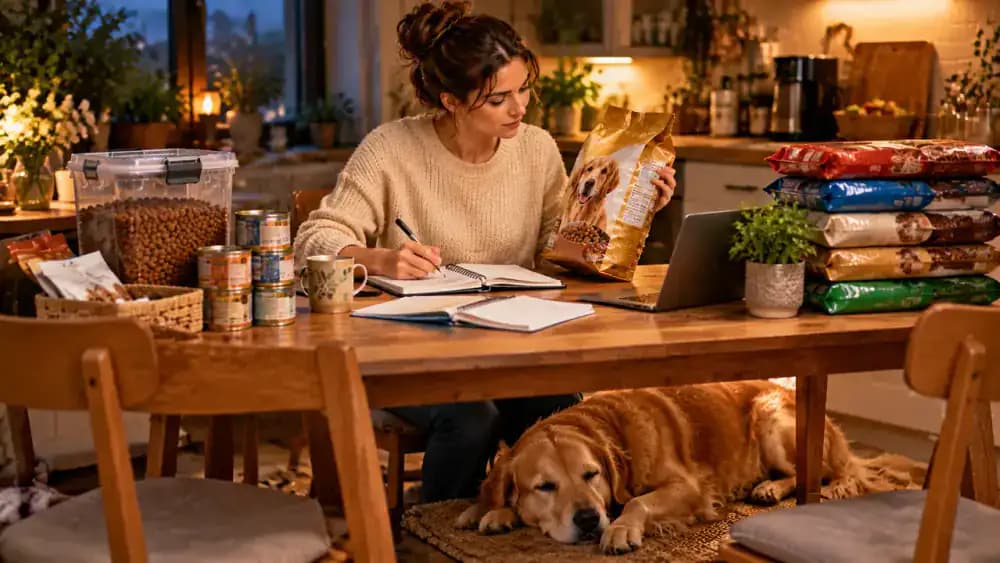
Separate Pet Food From Household Chemicals
Never store pet food beside laundry detergent, cleaning sprays, pesticides, or other household chemicals. Even sealed packages can become contaminated by leaks or spills. Choose a dedicated, clean cabinet away from chemical storage areas, preferably in a cool, dry location. Keeping these supplies separate reduces accidental exposure and makes household organization safer.
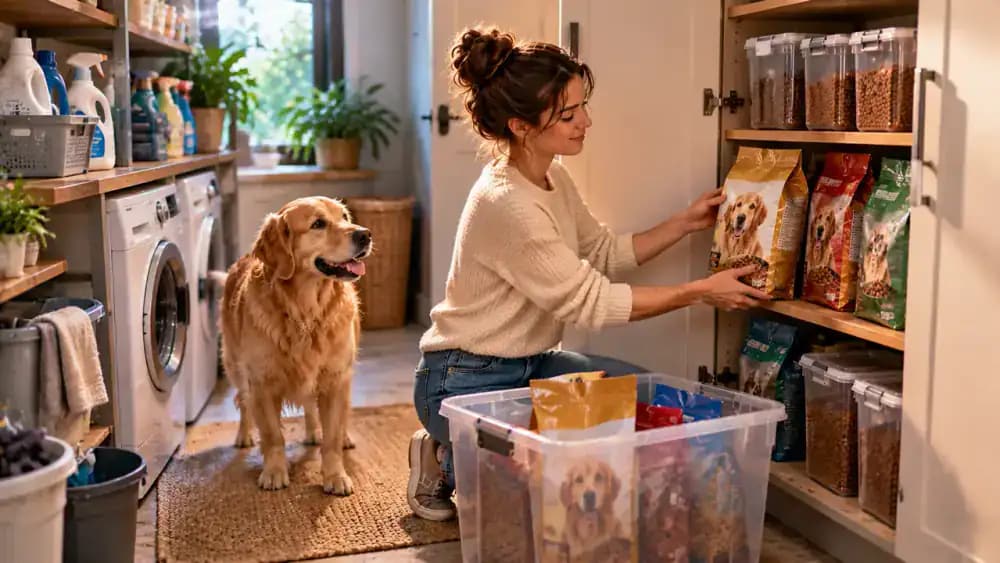
Store Measuring Scoops Hygienically
Keep your pet food measuring scoop clean, dry, and separate from stored kibble. Leaving it inside the bag or container can introduce moisture, oils, and residue through repeated handling. Wash the scoop whenever it becomes dirty or greasy, then dry it thoroughly. A dedicated covered holder keeps it ready for the next feeding.
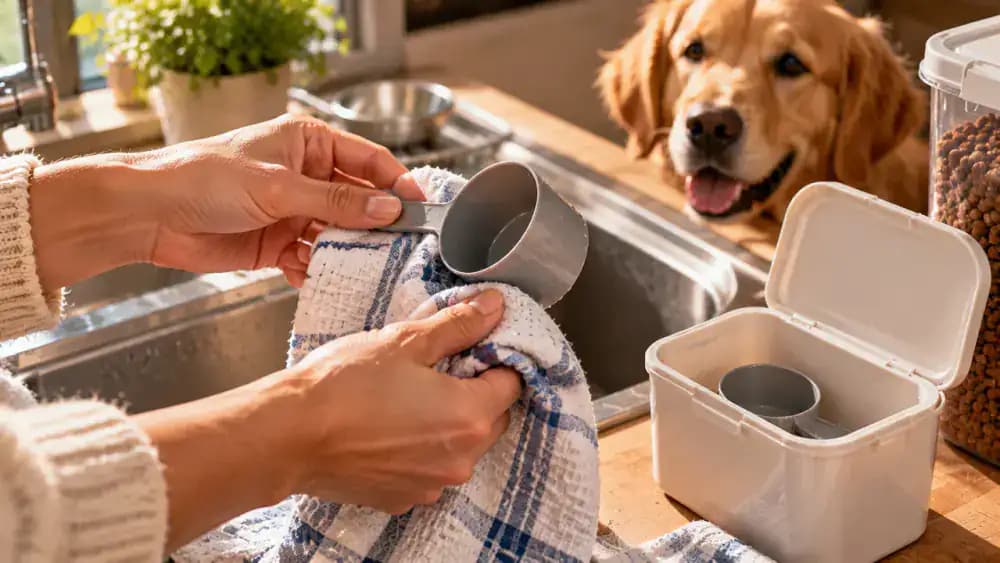
Check Every Closure After Feeding
After every feeding, take a few seconds to confirm that your pet food is properly sealed. Fold or close the original kibble bag tightly, then secure the outer storage container's lid around its entire rim. Check for trapped packaging or crumbs that might prevent a tight seal. This quick habit helps limit air and moisture exposure.
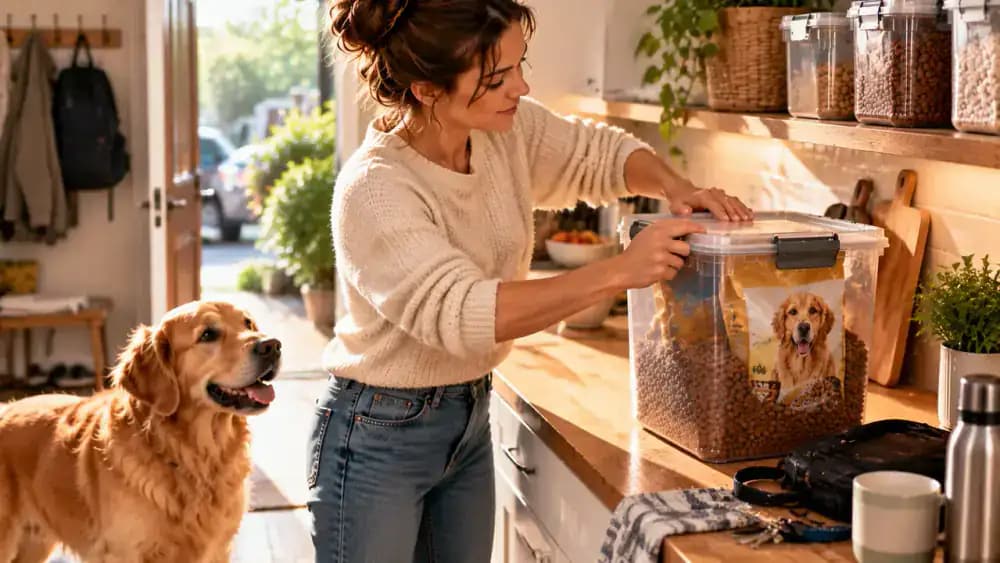
Organize Different Pets' Food Separately
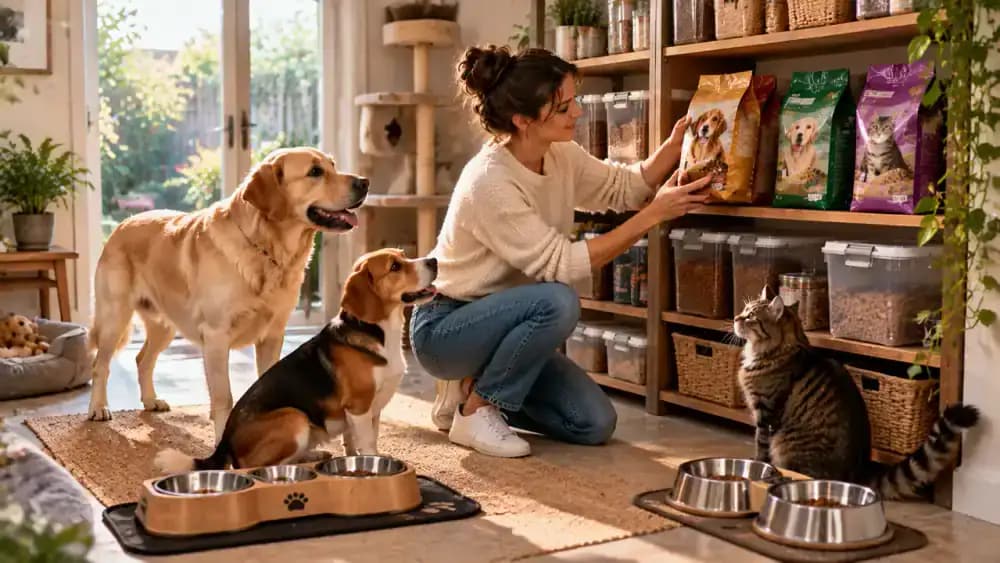
When several pets share a household, organize their food to prevent feeding mistakes. Give each animal a clearly labeled storage space and a dedicated measuring scoop. Keep original packaging available so feeding instructions and product information remain accessible. Before preparing meals, double-check the label and feeding chart, especially when pets eat different formulas or specialized diets.
Adjust Storage for Seasonal Temperature Changes
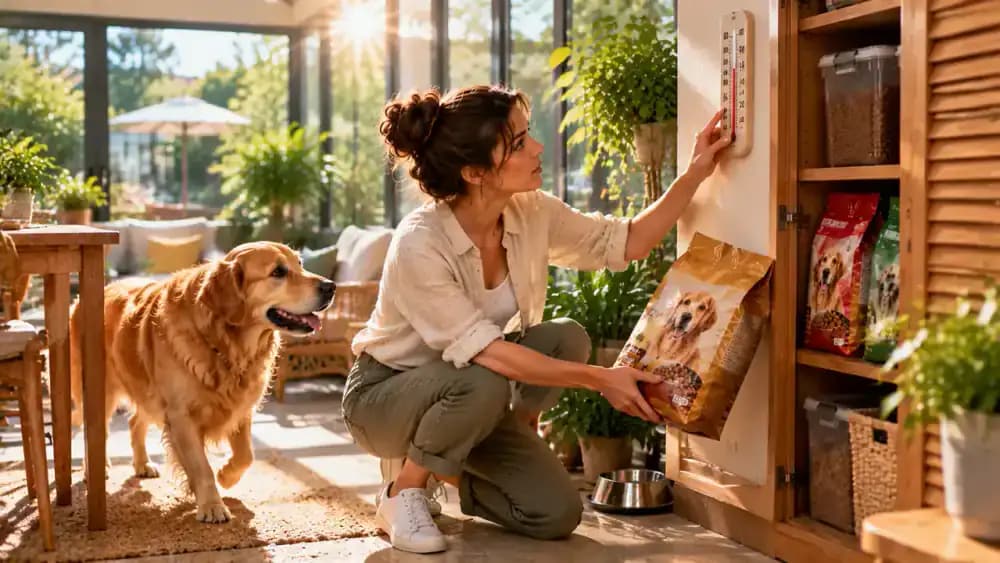
Seasonal temperature changes can affect how well pet food stays fresh. A cupboard that remains cool in winter may become too warm during summer, especially near windows, exterior walls, or appliances. Check storage temperatures during the hottest part of the day, relocate food when necessary, and avoid cars, sheds, or other areas with extreme temperature swings.
Protect Refrigerated Food During Power Outages
During a power outage, keep the refrigerator door closed to help maintain a safe temperature for opened wet pet food. Record when the outage begins and check how long refrigeration was interrupted. A closed refrigerator generally keeps food cold for about four hours. If you cannot confirm the food remained safely chilled, discard it rather than risking spoilage.

Make Safe Food Storage a Household Routine
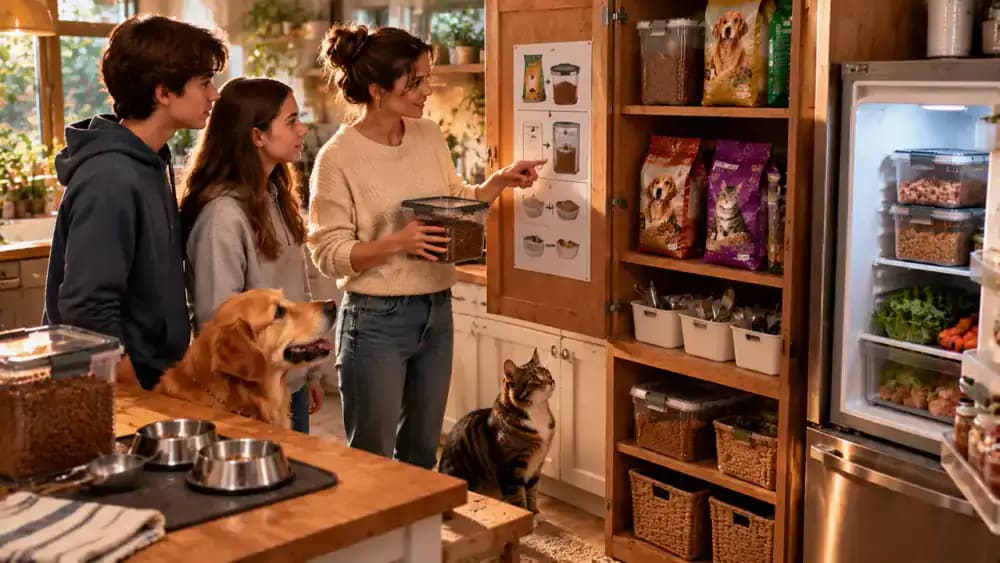
Create a simple storage routine that everyone responsible for feeding your pets can follow. Explain where dry food belongs, which opened wet food portions require refrigeration, and where clean measuring tools are stored. Keep manufacturer instructions accessible and label containers when helpful. Consistent practices among family members reduce confusion, preserve freshness, and prevent avoidable feeding mistakes.
Inspect Pet Food Deliveries Before Storage
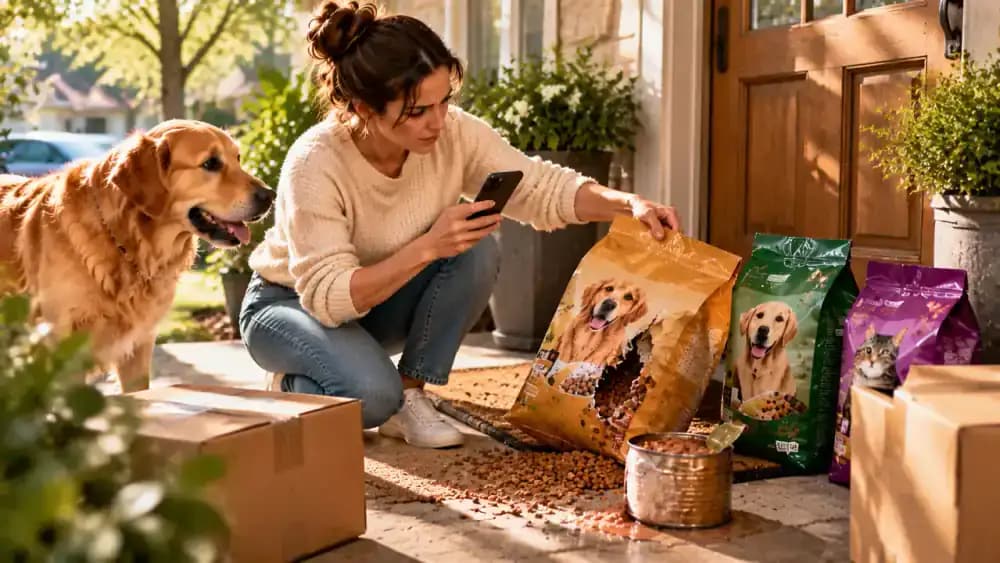
Inspect every pet food delivery before moving products into storage. Check bags for tears, cans for leaks or damaged seams, and packages for broken seals or moisture. A valid expiration date does not guarantee that shipping damage left the contents protected. Separate questionable products, photograph visible defects, and contact the retailer or manufacturer for guidance or replacement before feeding.
Avoid Buying More Pet Food Than You Need
Buying pet food in bulk may lower the price per serving, but oversized purchases can lose their value if food becomes stale or expires. Estimate monthly consumption, compare package sizes, and check expiration dates before ordering. Consider available storage space and how quickly opened packages will be used. Choose quantities your pets can finish while the food remains fresh.
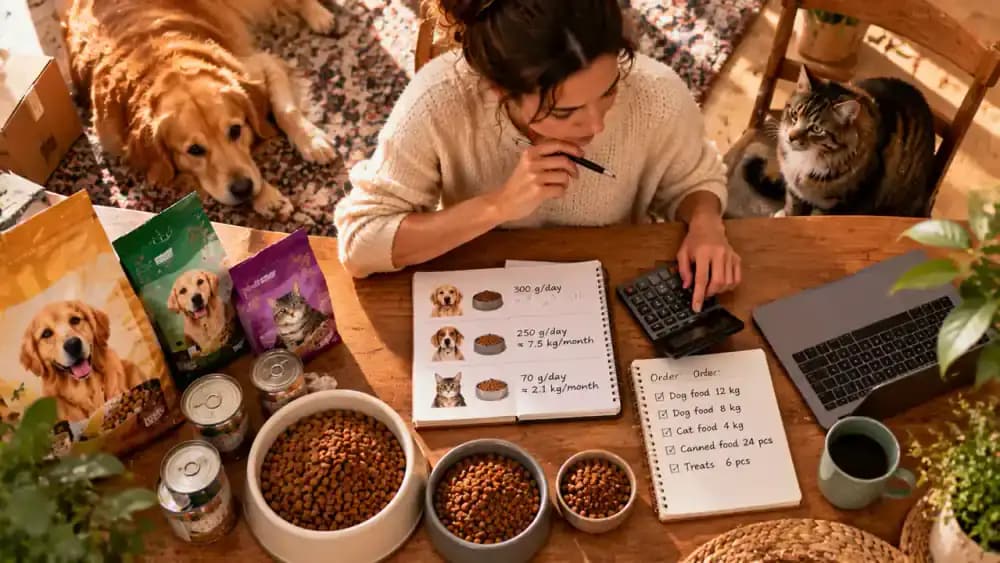
Keep Specialized and Prescription Diets Clearly Identified
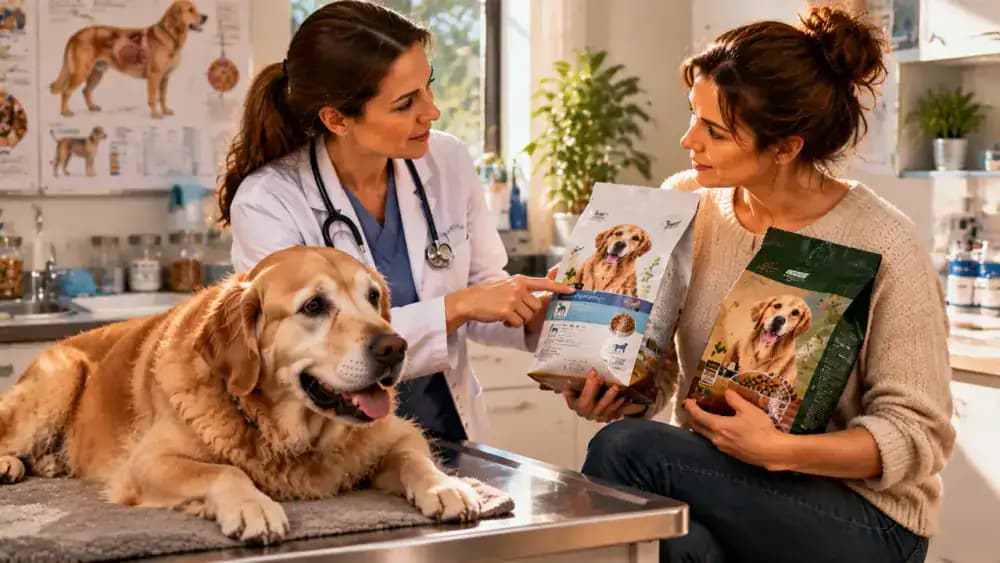
Store prescription diets and specialized pet foods in their original, clearly identified packaging to prevent accidental mix-ups. Keep old and newly recommended formulas separate, especially when feeding plans change. Confirm with your veterinarian which food is currently appropriate, whether a gradual transition is needed, and what to do with unused or unopened supplies.
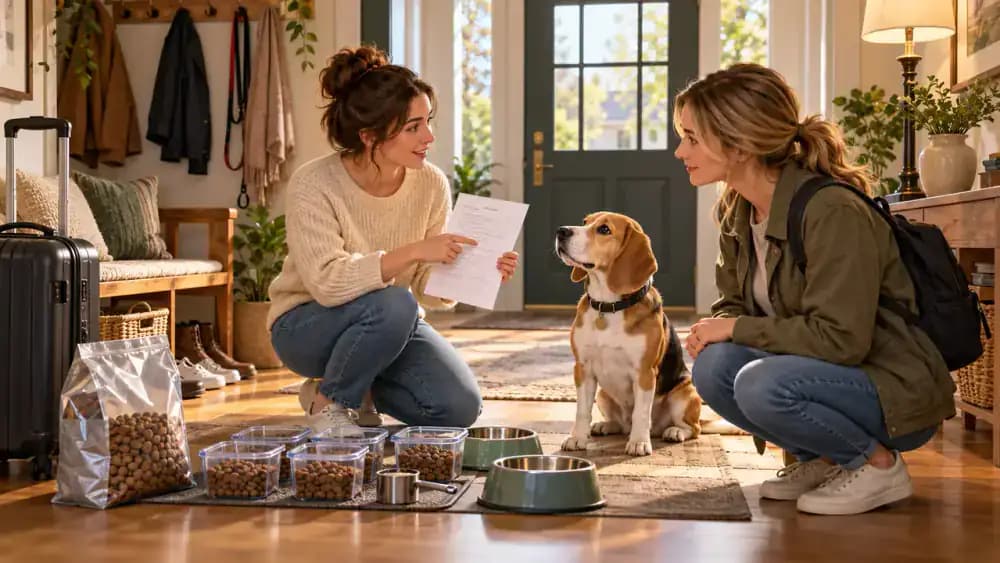
Prepare Clear Food Instructions for Pet Sitters
Before leaving your pet with a sitter, write down the exact food, serving size, feeding schedule, and storage location. Explain how to refrigerate leftover wet food and when opened portions must be discarded. Prepare labeled daily portions when practical, and show the sitter where supplies belong so meals stay consistent and fresh.
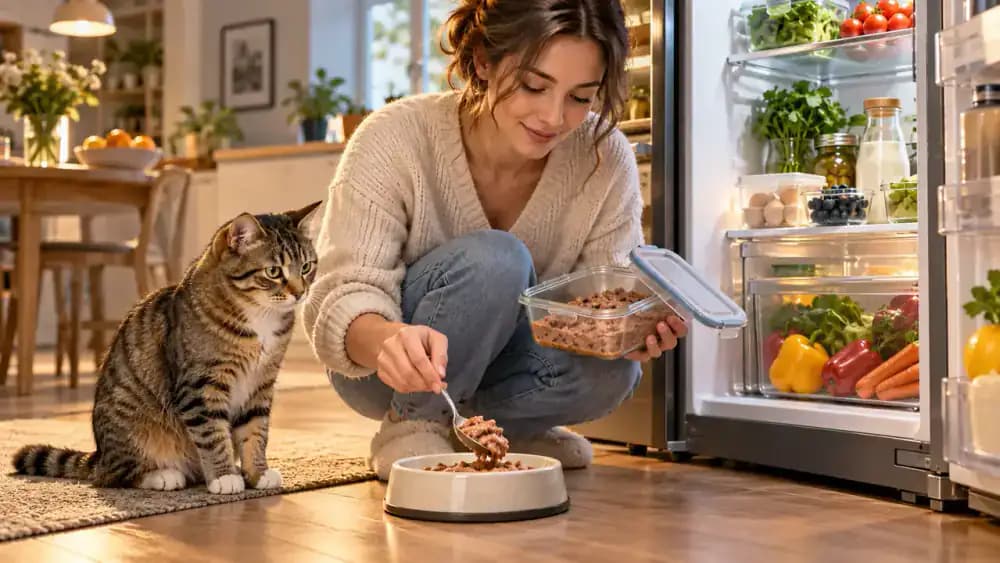
Handle Chilled Wet Food Carefully Before Serving
When serving refrigerated wet food, use a clean spoon to transfer only the portion your pet needs into a clean bowl. Reseal the remaining food and return it to the refrigerator promptly. If your pet dislikes cold meals, ask your veterinarian about safe serving methods instead of leaving food on the counter to warm.
Inspect Storage Areas for Hidden Contamination
Inspect pet food storage cabinets and pantry shelves at least once a month. Look behind containers and into corners for crumbs, moisture, insects, droppings, or damaged packaging. Remove supplies before cleaning, use a pet-safe method, and allow surfaces to dry completely. Address suspected pest contamination before returning food to the storage area.

Follow a Simple Pet Food Freshness Checklist
Build a quick routine around four essentials: keep original labels accessible, record opening dates, seal packages tightly, and follow the manufacturer's storage instructions. Before serving, check for unusual odors, texture changes, damaged packaging, or signs of pests. Consistent checks make daily feeding easier, protect food quality, and reduce unnecessary waste over time.
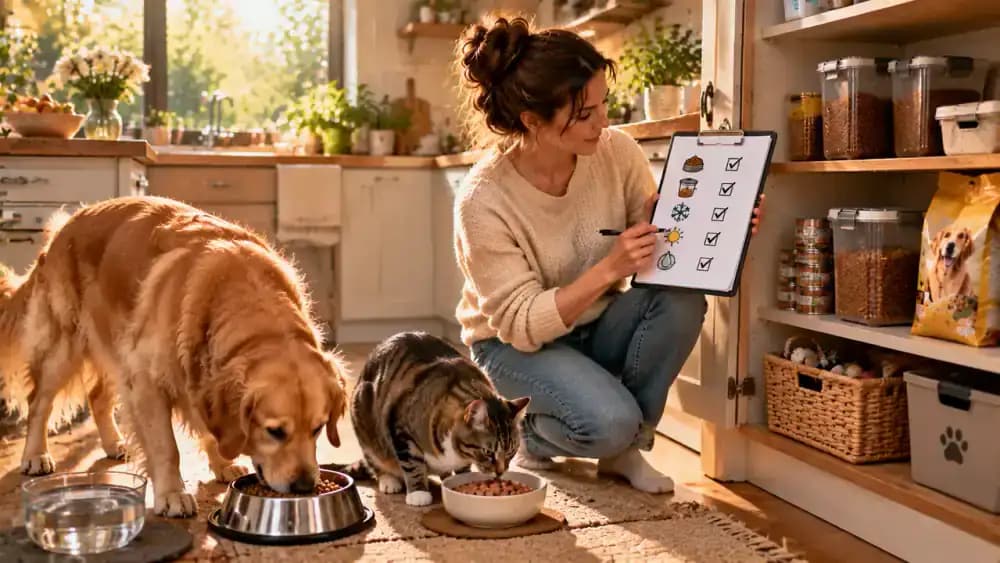
You reach for your pet's breakfast, open the kibble bag, and notice something isn't right. The food smells stale, the pieces have lost their usual crunch, and an uncovered can of wet food from yesterday is still sitting on the counter. Suddenly, a routine feeding raises an important question: Are you storing your pet's food safely?
Proper pet food storage isn't just about keeping meals appetizing. Exposure to air, moisture, heat, and contamination can affect food quality and increase the risk of spoilage. Even premium dog and cat food can deteriorate when stored incorrectly, and potentially unsafe food doesn't always have an obvious smell or appearance.
Fortunately, protecting your pet's meals doesn't require expensive equipment or complicated routines. A clean, airtight container, the original food packaging, appropriate refrigeration, and a few consistent habits can make a meaningful difference.
In this guide, you'll learn how to store dry and wet pet food while following manufacturer recommendations. We'll cover protecting kibble from moisture, handling opened cans, checking expiration dates and lot numbers, recognizing potential warning signs, and keeping your feeding station clean.
Whether you're feeding one cat, several dogs, or a combination of pets, these practical storage habits will help reduce waste, preserve freshness, and make everyday feeding safer and more organized.
Where people go wrong
Pouring Kibble Directly Into a Storage Bin. Emptying an entire bag of kibble into a plastic bin may seem convenient, but it can leave food exposed to residue from previous batches and separate it from important packaging information. Whenever practical, place the entire original bag inside a clean, airtight container. This adds protection while preserving the manufacturer's expiration date, lot number, and feeding instructions.
Adding New Kibble on Top of Old Food. Topping off a container with fresh kibble leaves older pieces buried at the bottom, where they may remain long after their intended storage period. Residual fats and crumbs can also accumulate. Instead, finish the current supply before opening another bag, and thoroughly wash and dry the container between batches when appropriate.
Keeping Pet Food Near Heat or Moisture. A sunny windowsill, damp garage, or cabinet beside a heat source can create unfavorable storage conditions. Heat, humidity, and moisture may accelerate deterioration and encourage mold growth. Store unopened and opened dry food according to the label, generally in a cool, dry indoor location. Avoid areas with frequent temperature changes, water leaks, or direct sunlight.
Leaving Opened Wet Food at Room Temperature. Once a can or pouch is opened, wet pet food needs more careful handling than unopened shelf-stable products. Leaving unused portions on the counter increases opportunities for microbial growth. Promptly cover and refrigerate unused food according to its label, and discard food left in the feeding bowl beyond the manufacturer's recommended serving window.
Ignoring Expiration Dates and Damaged Packaging. An unopened package is not automatically safe simply because it has remained sealed. Expiration dates, storage history, and packaging condition all matter. Check for swollen or leaking cans, broken seals, punctures, moisture, and other damage. Never taste questionable pet food to determine safety, and do not assume a normal appearance guarantees that it is safe.
Using Dirty Scoops, Bowls, or Containers. Food residue, saliva, grease, and moisture can accumulate on feeding equipment. Scoops returned to food containers after touching dirty surfaces may introduce contamination. Use clean utensils, wash bowls regularly, and clean containers before refilling them. Dry every surface thoroughly before it contacts dry kibble, since trapped moisture can compromise storage conditions.
Keeping Refrigerated Wet Food Without Tracking Dates. A covered container in the refrigerator can easily be forgotten, especially when several pets eat different foods. Refrigeration slows deterioration but does not preserve opened food indefinitely. Label containers with the opening date, follow the manufacturer's recommended refrigerated storage period, and discard leftovers when that period expires or their safety is uncertain.
Questions people ask
Keep dry pet food in its original bag, close the bag securely, and place it inside a clean, airtight, food-safe storage container. Store the container in a cool, dry indoor location away from direct sunlight and moisture. Follow the manufacturer's specific storage recommendations and use the food within the recommended period after opening.
Fixed it?
Get one guide like this every Thursday.