How to Redirect Puppy Play Biting Without Punishment
Puppy teeth can turn a fun play session into a painful experience. Learn how to redirect playful biting toward appropriate toys, reward gentle behavior, recognize overstimulation, and build better habits without scolding or punishment.
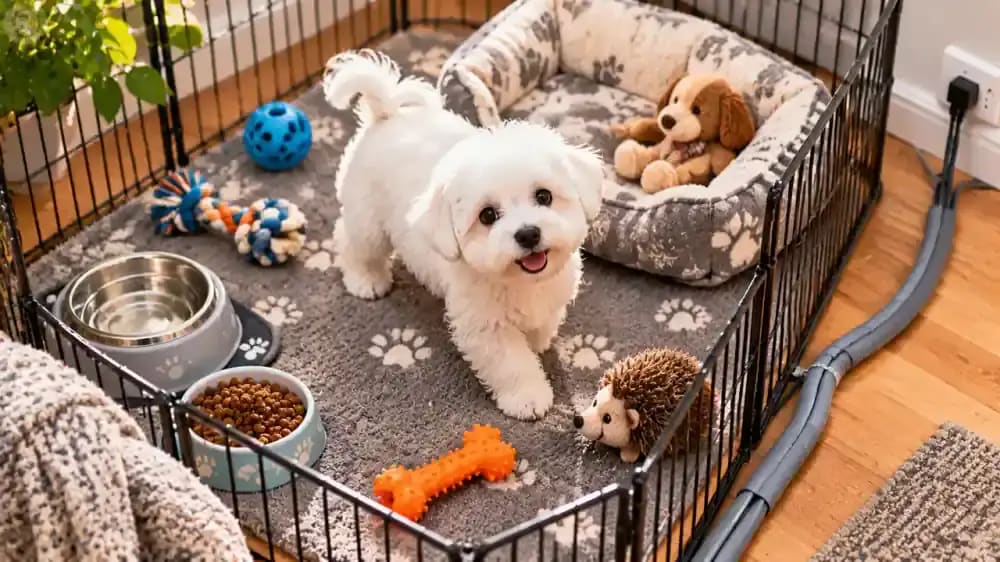
What you’ll need
Tap to tick things off before you start.
When Playtime Turns Painful
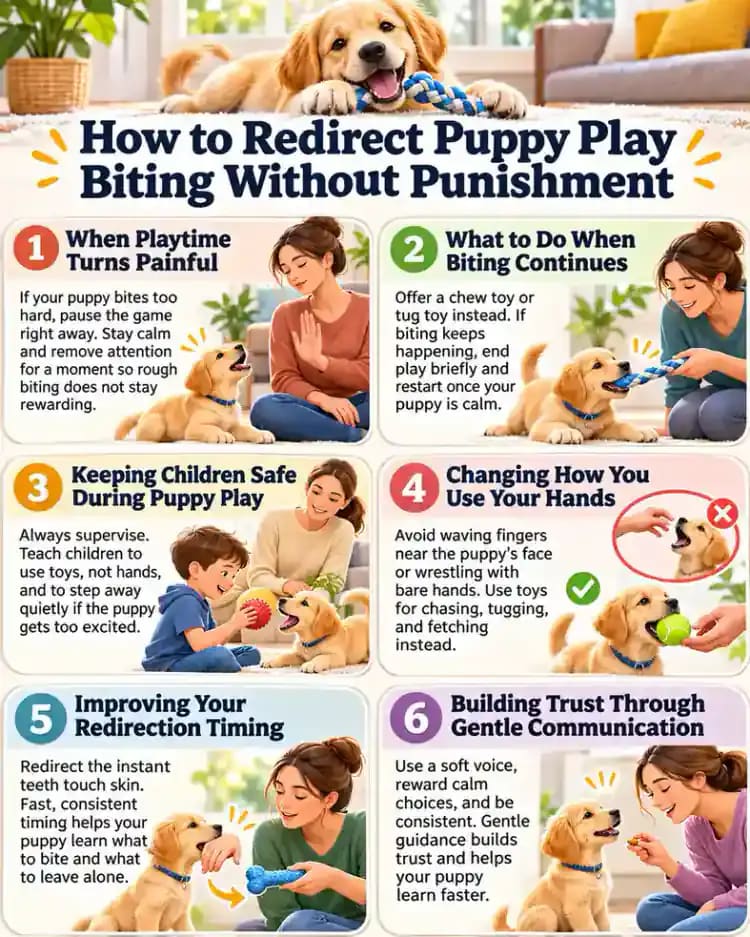
Sit with your puppy on the floor and observe how quickly playful excitement can turn into grabbing fingers or sleeves. Those tiny teeth can hurt even during friendly play. Keep a suitable toy nearby and avoid encouraging games involving bare hands. Your goal is to preserve the fun while teaching your puppy safer ways to interact.

Understanding Why Puppies Bite
Remember that puppies naturally explore with their mouths, and teething can increase their urge to chew. Exciting movement, energetic games, and fatigue may also encourage grabbing. Notice when your puppy becomes especially mouthy, such as after active play or before a nap. Identifying these patterns helps you offer appropriate toys, quieter activities, or rest.

Recognizing Overstimulation Early
Watch for changes in your puppy's movements during play. Frantic running, repeated jumping, grabbing loose clothing, or difficulty responding to familiar cues can indicate rising excitement. When you notice these signs, slow the activity before biting escalates. Give your puppy space to settle, and remember which situations tend to trigger overly intense play.
Redirecting Biting Toward Toys
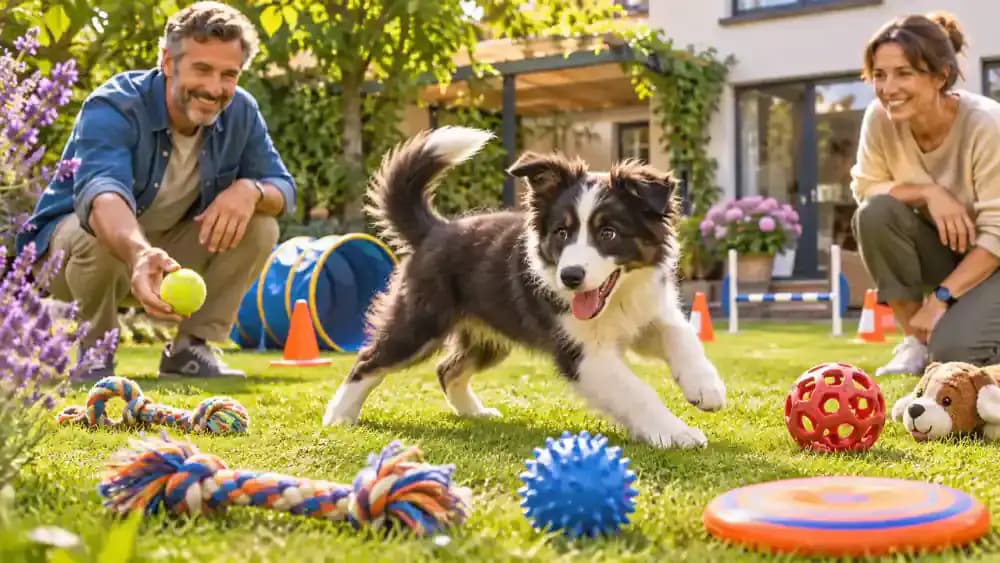
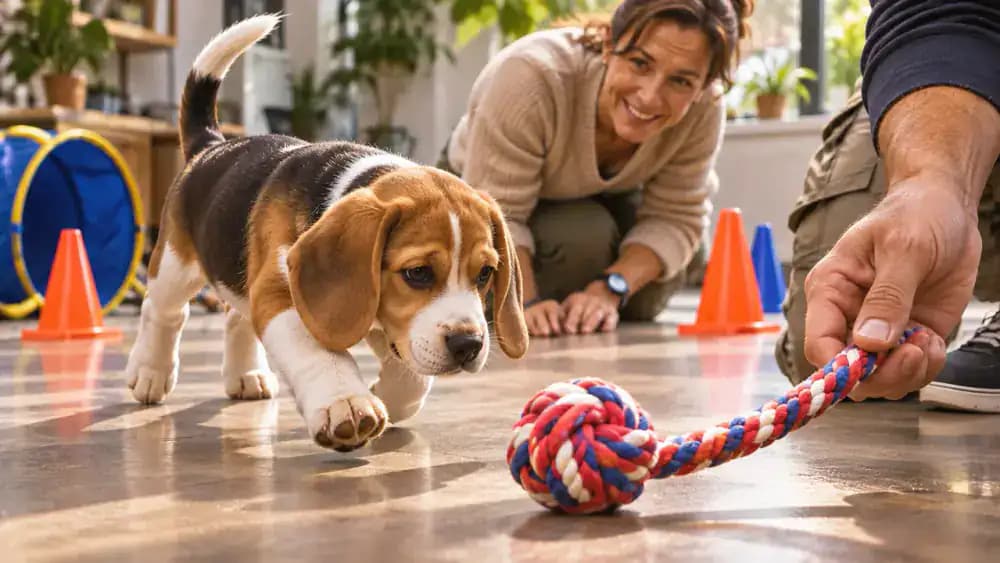
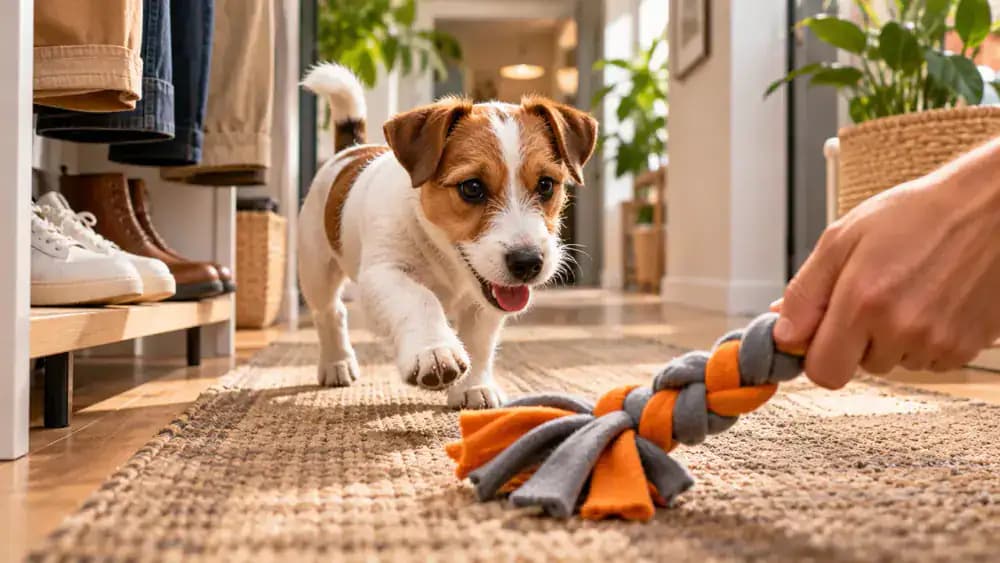
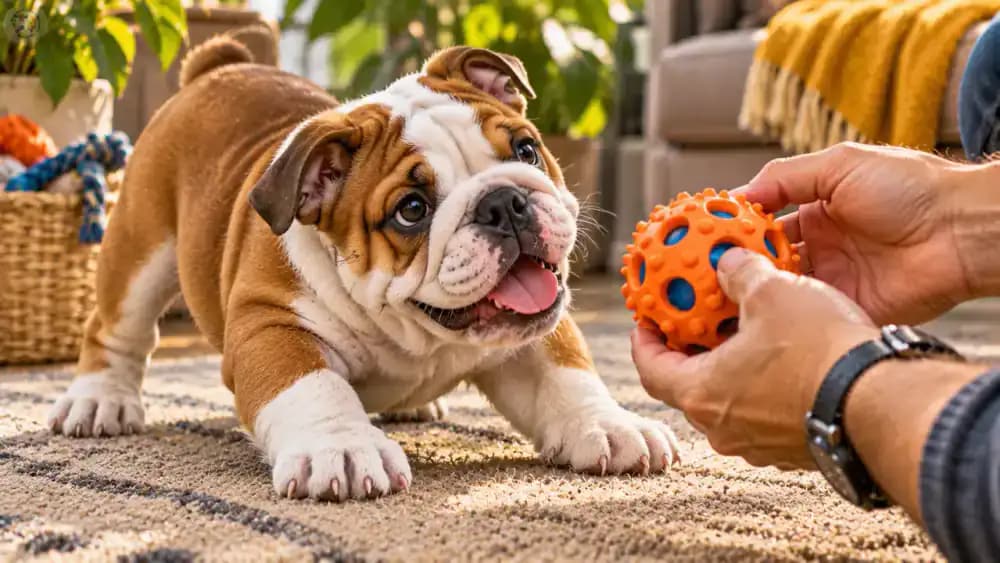
Keep a soft, appropriately sized chew or tug toy within reach during interactions. When your puppy approaches your hand, calmly present the toy before teeth touch skin. Move it gently along the floor to attract attention without creating frantic excitement. Once your puppy grabs the toy, continue a controlled game to reinforce the appropriate choice.
Rewarding Gentle Interactions
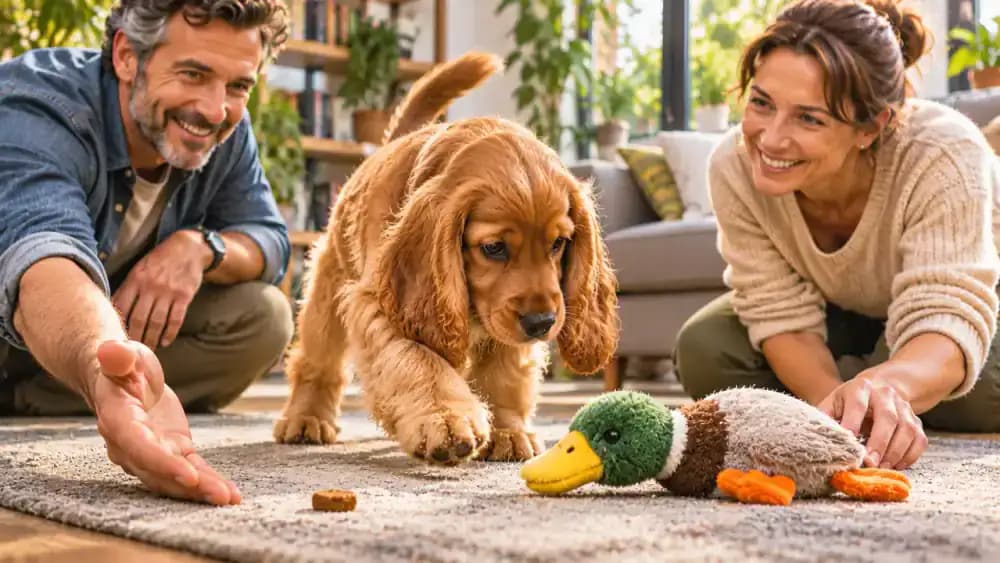
Reward your puppy immediately when they choose a toy instead of your fingers. Offer cheerful praise, continue gentle play, or provide a small training treat. Also recognize moments when your puppy releases your hand or settles calmly. Place treats on the floor when needed to protect your fingers. Consistent rewards help appropriate behavior become more reliable.
What to Do When Biting Continues
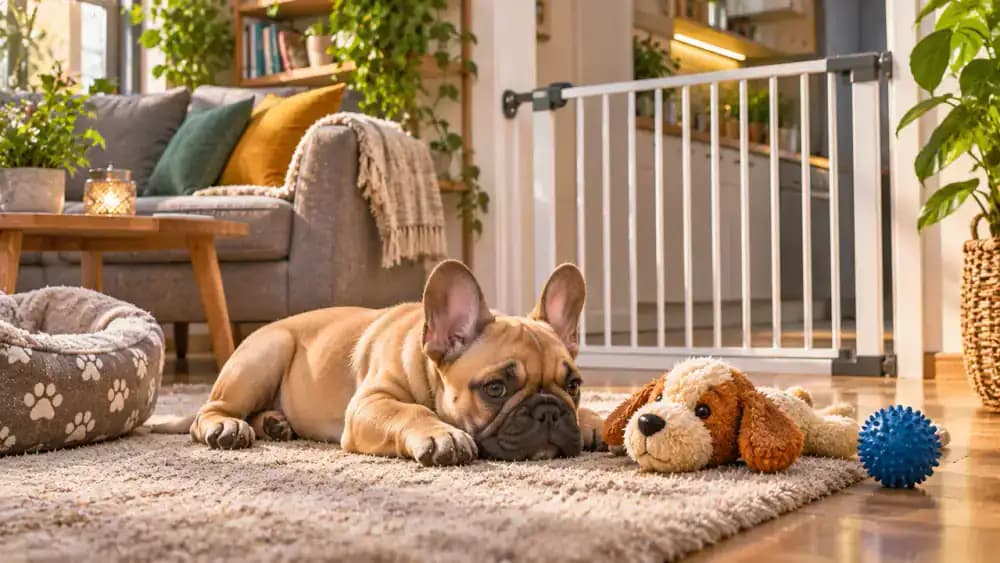
If your puppy keeps grabbing your hands despite redirection, briefly stop moving and calmly end the game. Stand up without sudden reactions and step behind a nearby pet gate if necessary. Allow a short break for excitement to subside. Avoid yelling, pushing, or holding your puppy's muzzle, as these reactions can increase fear or excitement.
Building a Bite Prevention Routine
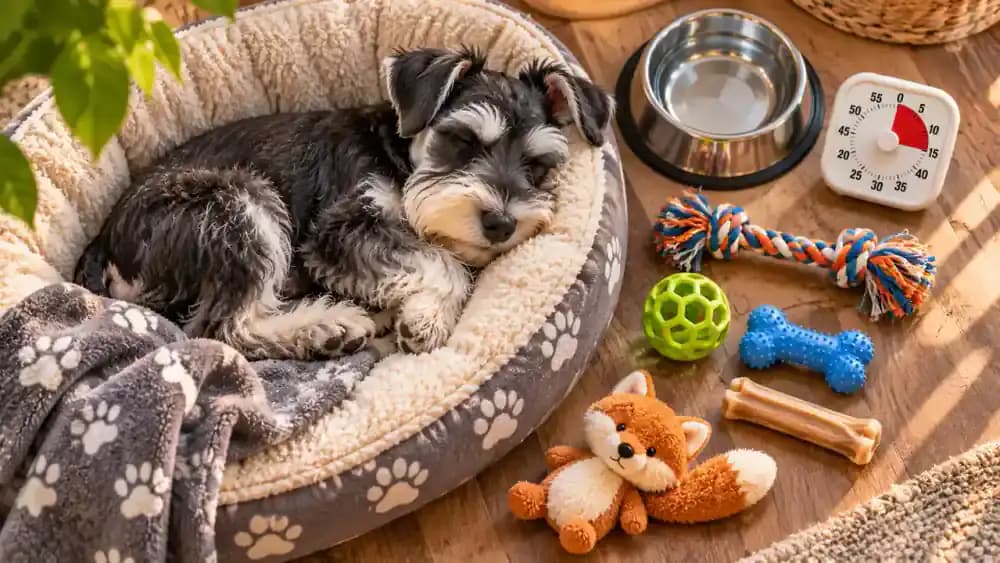
Create a predictable daily routine with short play sessions, appropriate chew toys, and regular naps. Provide quiet breaks before your puppy becomes overly excited. Ask everyone in the household to follow consistent rules: hands are not toys, and gentle play earns attention. Reward calm interactions throughout the day instead of waiting for biting to begin.
Building Lasting Gentle Play Habits
Practice consistently and watch for gradual improvements, such as your puppy choosing toys independently, releasing hands sooner, and settling more easily after play. Expect occasional setbacks, especially during exciting moments. Focus on overall progress rather than perfect behavior. If biting becomes intense, causes injuries, or involves concerning body language, consult a qualified, reward-based trainer or veterinary behaviorist.

Practicing Around Everyday Distractions
Begin practicing toy redirection in a quiet room where your puppy can focus. Once gentle play becomes consistent, introduce mild distractions, such as someone walking nearby or familiar outdoor sounds. Reward your puppy for returning attention to the toy. If biting increases, move back to a quieter setting and gradually rebuild success before adding more challenges.
Teaching a Reliable Drop Cue
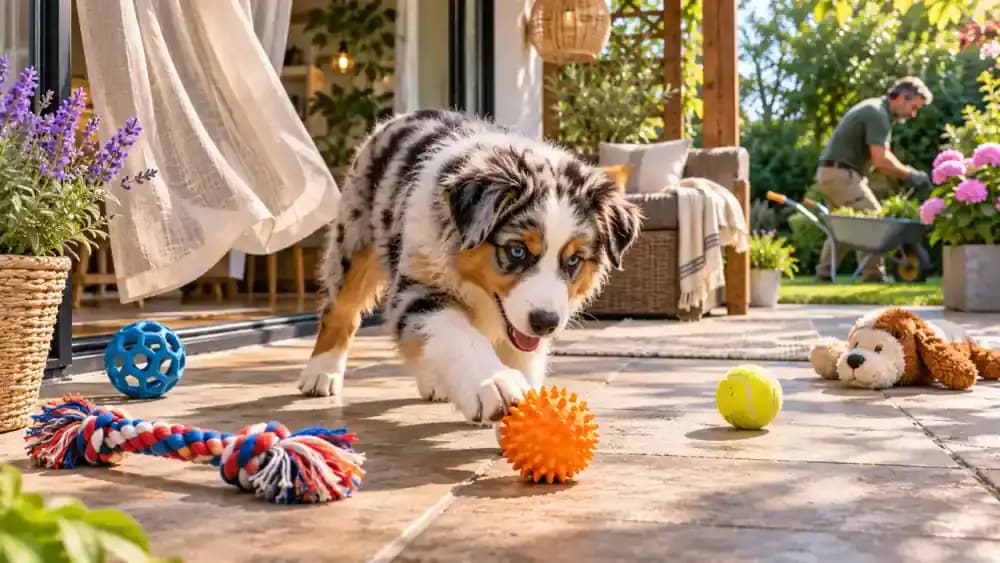
Offer your puppy a soft tug toy and let them hold it comfortably. Present a small treat near their nose, and when they release the toy, say "drop" and reward immediately. Repeat until the release becomes predictable, then introduce the cue just before they let go. Return the toy frequently so releasing it remains a positive experience.
Stopping Clothing and Ankle Biting
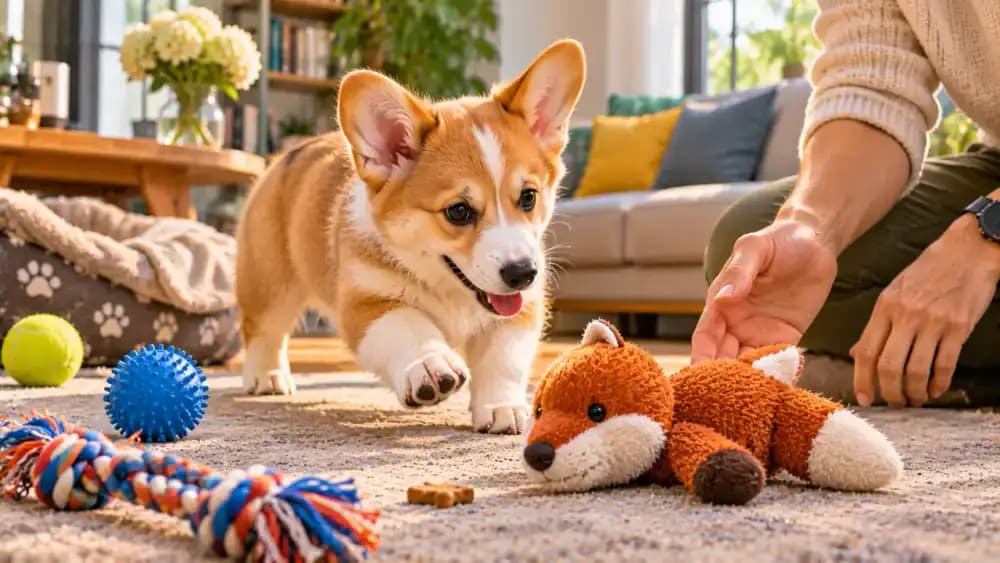
Moving pant legs, shoelaces, and loose sleeves can tempt puppies to chase and grab. Carry a suitable tug toy when walking near your playful puppy, and encourage them to follow it instead. If they catch your clothing, stop moving and wait for a release. Calmly redirect toward the toy, then reward appropriate play without encouraging another chase.
Keeping Children Safe During Puppy Play
Always have an attentive adult supervise interactions between children and puppies. Teach children to avoid running, wrestling, or pulling their hands away when a puppy becomes mouthy. Instead, they should stand still and call an adult for help. Under supervision, children can practice tossing treats away from themselves. Use a secure pet gate whenever separation is needed.

Choosing Safe and Appealing Chew Toys
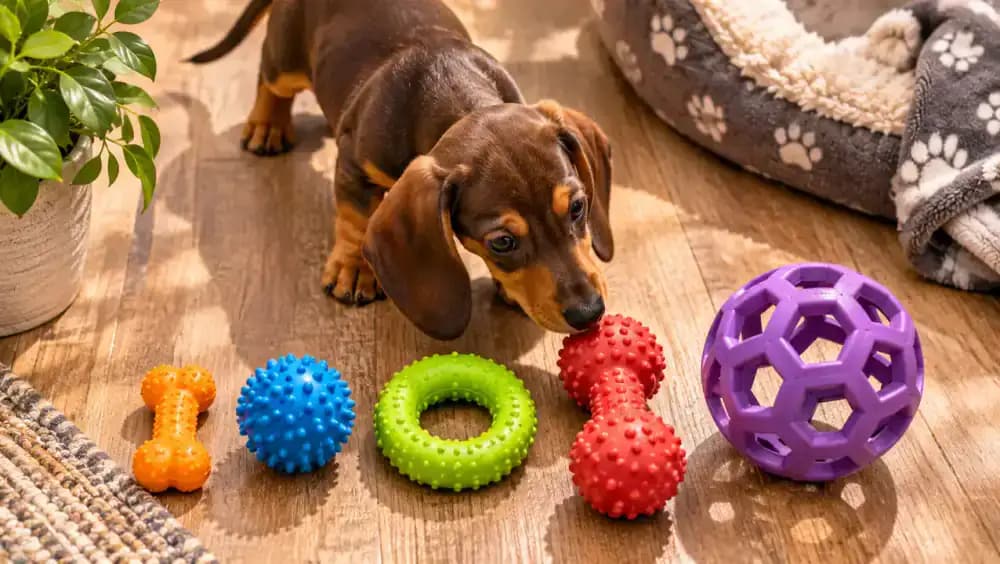
Select puppy-safe chew toys that match your puppy's size, chewing strength, and preferences. Try flexible rubber or textured options that are sturdy enough to resist breaking into swallowable pieces. Supervise your puppy when introducing unfamiliar toys, and inspect them regularly for damage. Rotate a few suitable choices to maintain interest, replacing anything torn, cracked, or unsafe.
Teaching a Calm Mat Behavior
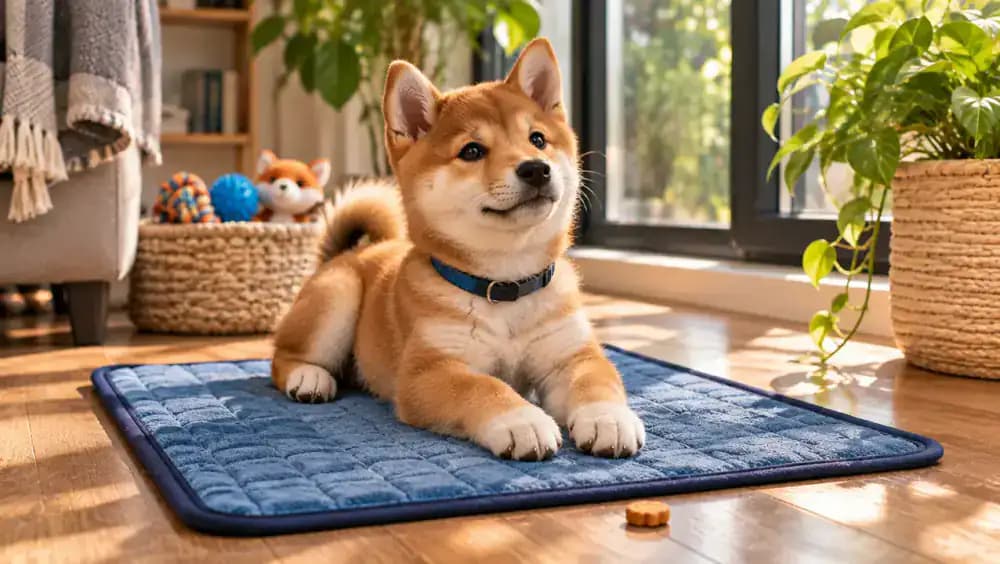
Place a comfortable training mat in a quiet area and encourage your puppy to approach it voluntarily. Reward stepping onto the mat with a small treat, then gradually reinforce sitting or resting there. Practice in short, relaxed sessions before excitement builds. Never force your puppy onto the mat or use it as punishment. Keep the experience consistently positive.
Tracking Improvements in Puppy Behavior
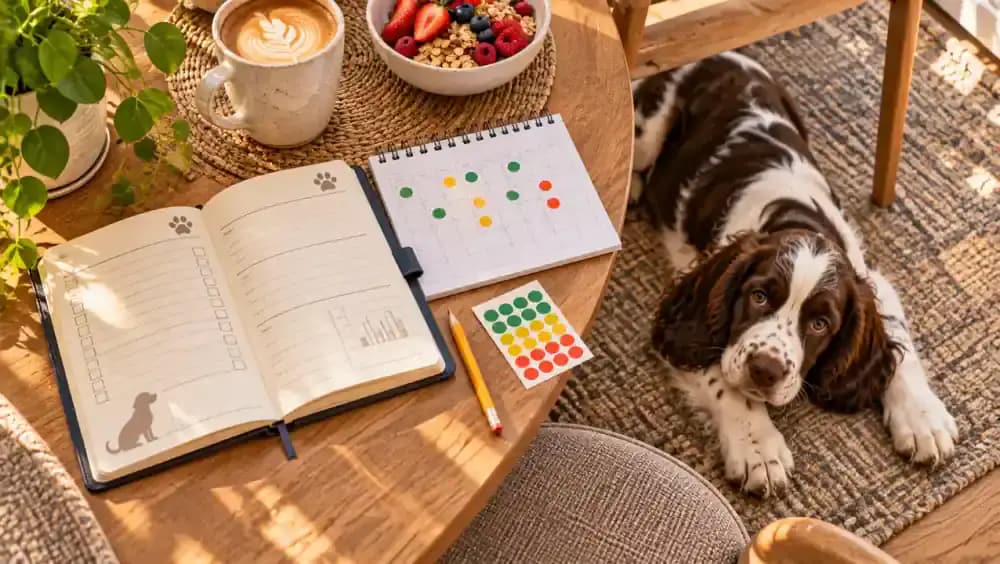
Keep a simple journal of biting incidents, noting the time, activity, possible triggers, and how quickly your puppy settled afterward. Review entries weekly to identify patterns and adjust play sessions, rest periods, or toy choices. Look for fewer incidents, gentler contact, and faster recovery. Celebrate gradual improvements while continuing consistent practice through occasional setbacks.
Creating a Lifetime of Gentle Play
Build lasting gentle play habits through consistent rewards, appropriate toys, and manageable interactions. Encourage your puppy to approach with a toy, play calmly, and settle comfortably afterward. Avoid intimidation or physical punishment. If biting repeatedly breaks skin, behavior changes suddenly, or your puppy appears fearful or defensive, consult your veterinarian and a qualified behavior professional.

Distinguishing Play Biting From Warning Signs
Observe your puppy's body language before responding to biting. Loose movements, playful bouncing, and easy disengagement often accompany friendly play. Freezing, stiff posture, guarding objects, or repeated attempts to escape require greater caution. Never provoke another bite to test your puppy's reaction. Increase distance, avoid confrontation, and seek qualified professional guidance when behavior raises safety concerns.

Changing How You Use Your Hands
Avoid wiggling fingers, tapping your puppy's face, or wrestling with bare hands during play. These movements can make skin an appealing target. Instead, introduce a long plush toy before your puppy becomes excited, keeping your fingers safely away from their mouth. Use predictable movements and consistently encourage interaction with toys rather than hands or clothing.
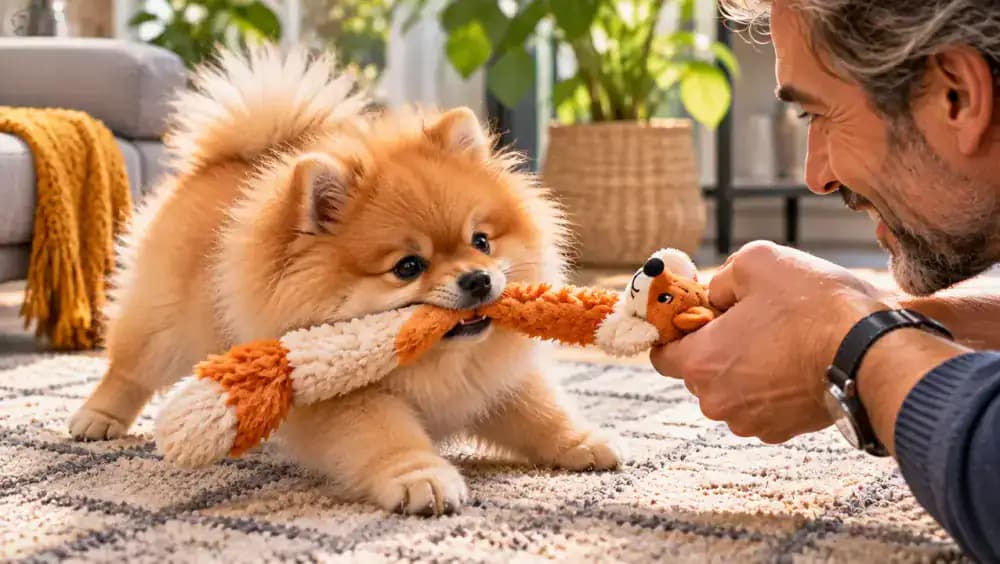
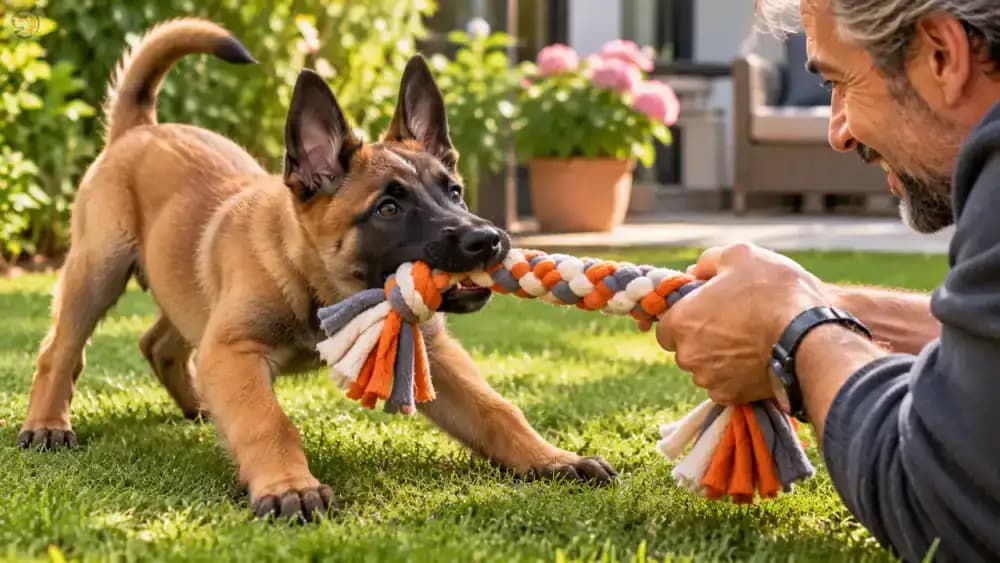
Making Tug Games Safe and Structured
Choose a long, soft tug toy that keeps your hands away from your puppy's teeth. Invite your puppy to grip the toy, then begin gentle tugging without jerking or lifting them. Periodically stop moving the toy and reward calm waiting or voluntary release. Resume play when appropriate, and finish before excitement becomes difficult to manage.
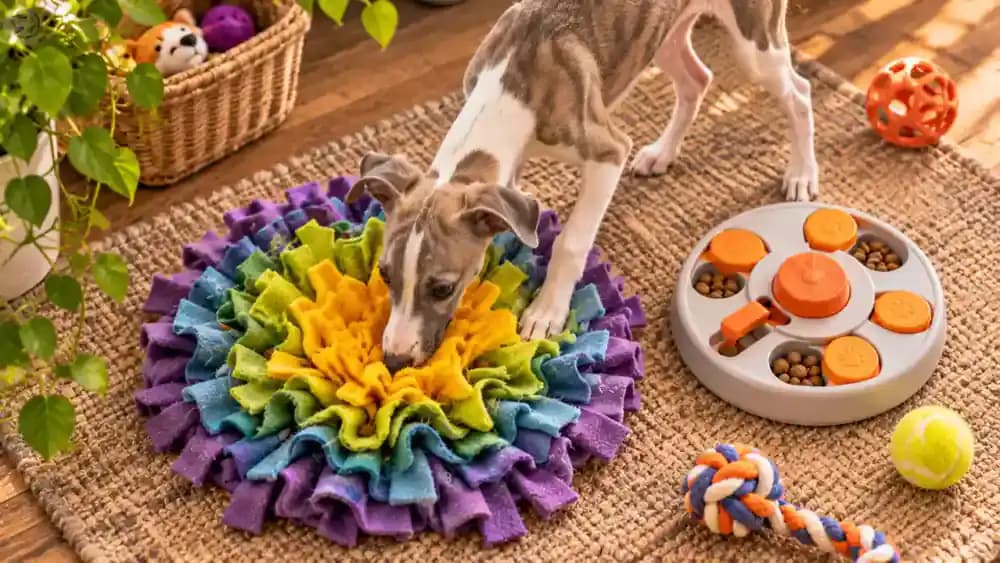
Using Food Enrichment to Reduce Mouthing
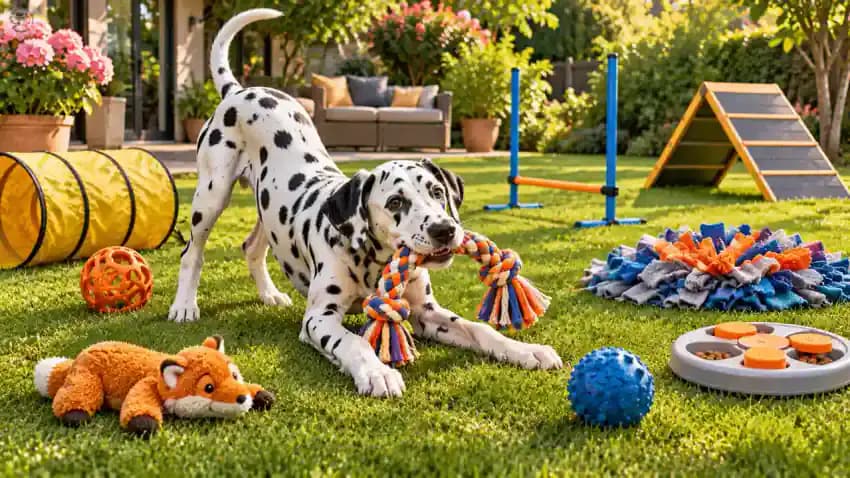
Offer supervised food enrichment to give your puppy an appropriate activity for their mouth and mind. Scatter measured kibble from their regular meal across a snuffle mat or introduce an age-appropriate food puzzle. Start with easy challenges and increase difficulty gradually. Stay nearby, prevent access to damaged pieces, and use these activities to encourage calm, independent engagement.
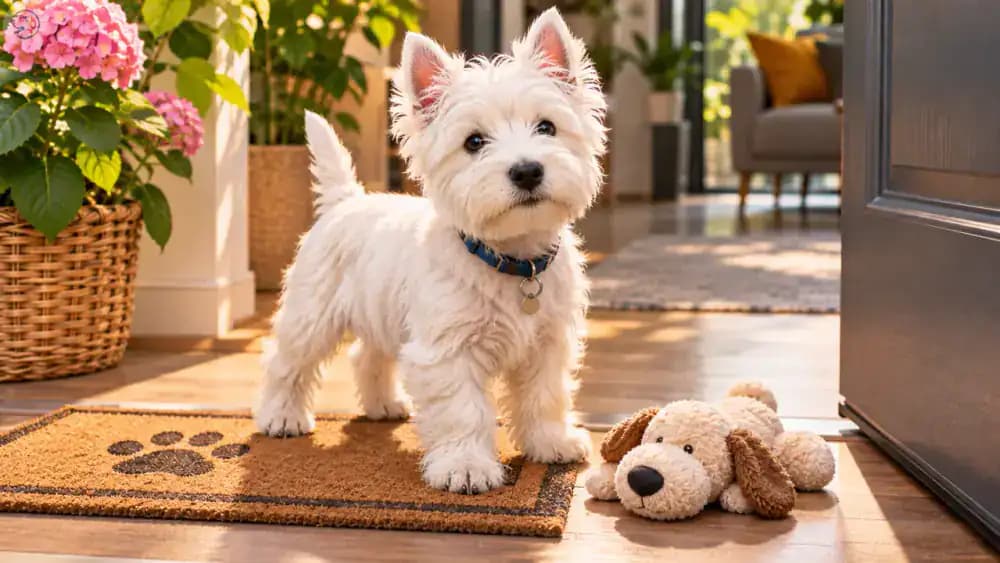
Preventing Biting During Excited Greetings
Keep homecoming greetings calm to prevent jumping and playful nipping. Enter without exaggerated excitement and have a suitable plush toy ready before approaching your puppy. Redirect their attention toward the toy and reward moments when all four paws remain on the floor. Once your puppy settles, crouch down and offer gentle affection without restarting overly energetic play.
Adapting Training as Your Puppy Matures
Adjust your training as your puppy grows and develops new teeth, confidence, and energy. Continue reinforcing familiar skills, including choosing toys, releasing gently, and settling after play. Shorten sessions when excitement becomes difficult to manage, and gradually introduce new challenges when your puppy succeeds. Treat occasional setbacks as opportunities to adjust your routine rather than signs of failure.
Putting Gentle Play Into Practice
Bring the skills together during a short, controlled play session. Notice your puppy approaching, offer an appropriate toy, and encourage gentle interaction. Reward choosing the toy and releasing it calmly. End the game before excitement becomes overwhelming, then provide a comfortable resting space. Repeat this predictable routine to strengthen gentle play habits through positive reinforcement.

Improving Your Redirection Timing
Practice redirecting your puppy before their teeth touch your skin. Watch for early signals, such as looking toward your moving fingers or approaching with an open mouth. Immediately offer a suitable toy within easy reach. Praise your puppy for changing direction and engaging with it. Early rewards reinforce appropriate choices before unwanted biting becomes part of the interaction.
Checking Physical Comfort Before Training
Check your puppy's basic needs before beginning training. Provide fresh drinking water, a comfortable temperature, appropriate rest, and regular meals. Offer a suitable teething toy if chewing seems appealing. Avoid demanding active play when your puppy appears uncomfortable or unusually sensitive. If discomfort persists or behavior changes unexpectedly, consult your veterinarian for an appropriate assessment.

Avoiding Reactions That Encourage Biting
Stay calm when your puppy attempts to grab your hands or clothing. Loud squealing, sudden movements, and dramatic reactions can make biting more exciting. Instead, maintain a neutral expression, keep your body steady, and calmly offer an appropriate toy. Reward your puppy for choosing the toy, making gentle behavior more rewarding than grabbing people.
Helping Visitors Reinforce Good Habits
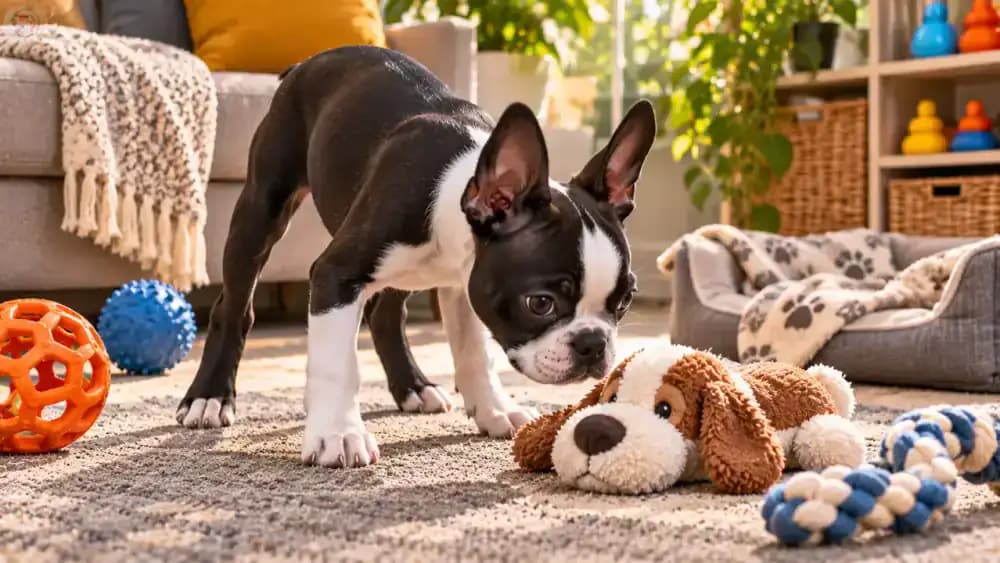
Explain your puppy's play rules to visitors before allowing interactions. Ask guests to avoid rough wrestling, dangling fingers, and encouraging excited jumping. Provide suitable toys and demonstrate how to reward calm greetings. Supervise interactions and offer breaks when excitement increases. Consistent responses from everyone help your puppy understand that toys are appropriate for biting, but people are not.

Creating an Environment That Prevents Mistakes
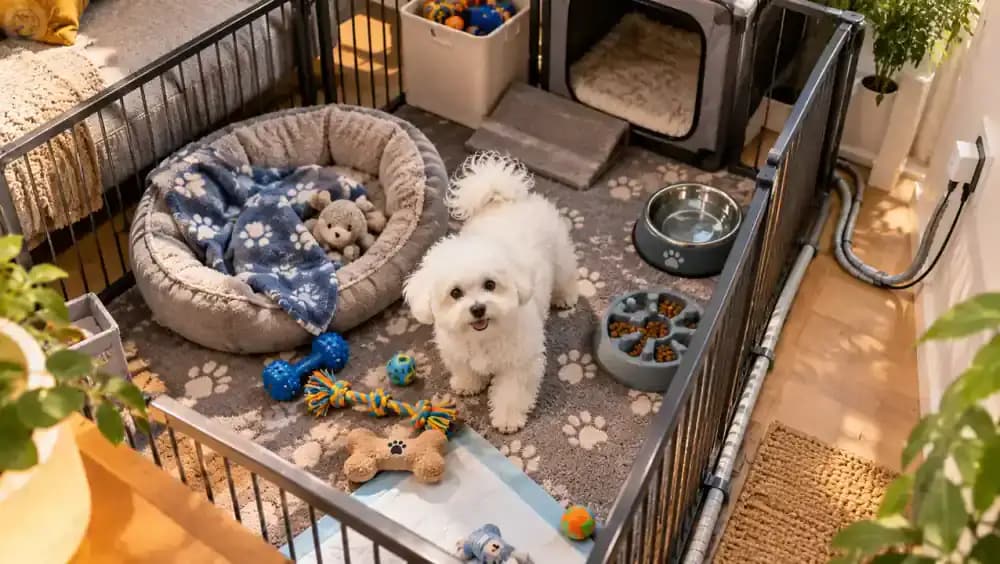
Arrange a puppy-safe space that makes appropriate choices easy. Remove loose shoes, secure electrical cords, and limit access to tempting household objects. Provide fresh water, a comfortable resting area, and several suitable chew toys. Use exercise pens or pet gates when supervision is limited. Reward your puppy for independently choosing approved toys instead of inappropriate items.
Managing Biting During Daily Transitions
Prepare for transitions that may trigger excitement, such as returning indoors or finishing a walk. Practice a simple follow cue in quiet settings before using it around distractions. Invite your puppy toward the next activity and reward each voluntary step. Avoid pulling, chasing, or physically forcing movement. Calm, predictable transitions help prevent frustration and unwanted grabbing.
Building Trust Through Gentle Communication
Encourage a trusting relationship by allowing your puppy to choose gentle interaction and take breaks when needed. Welcome appropriate toy play, reward calm behavior, and respect signs that your puppy wants space. Avoid forcing contact or demanding constant engagement. With patience and consistent positive reinforcement, your puppy can develop safer play habits while becoming increasingly comfortable around you.
You're sitting on the floor with your new puppy, enjoying what seems like an innocent game. Suddenly, those tiny teeth grab your fingers. You pull your hand away, and your puppy immediately lunges for your sleeve. Within seconds, a sweet moment has turned into a painful tug-of-war with your clothing.
Sound familiar? Puppy play biting is one of the most common challenges new dog owners face. Although those sharp little teeth can hurt, mouthing is a normal part of puppy development. Puppies explore their surroundings with their mouths, practice social interactions through play, and learn how much pressure is appropriate. Teething, excitement, frustration, fatigue, and overstimulation can make the behavior more frequent or intense.
The goal isn't to frighten your puppy into keeping their mouth closed. It's to teach them what they can bite, how to interact gently, and when play needs to settle down.
Fortunately, you don't need yelling, physical corrections, or intimidating techniques to make progress. With appropriately sized toys, timely rewards, short breaks, and predictable daily routines, you can help your puppy develop better play habits.
This guide explains how to recognize the signs that biting is about to escalate, redirect your puppy toward appropriate outlets, and reinforce calmer choices. You'll also learn why consistent practice matters more than expecting perfect behavior overnight.
Where people go wrong
Pulling Your Hands Away Too Quickly. When a puppy grabs your fingers, rapidly jerking your hands away can make them look like exciting moving targets. Some puppies respond by chasing, jumping, or biting again. Instead of turning the interaction into a game of pursuit, briefly keep your movements calm and controlled. Once the puppy releases, offer an appropriate toy and reinforce the choice to engage with it.
Using Your Hands as Play Toys. Wrestling with your puppy using bare hands may seem harmless when they're small, but it creates confusion about acceptable targets. Puppies cannot reliably understand why grabbing fingers is welcome during one game but unacceptable during another. Use dedicated tug toys, soft toys, or other appropriate outlets instead. Ask everyone in the household to follow the same rule.
Waiting Until Biting Gets Intense. Redirection becomes harder when a puppy is already jumping wildly, grabbing repeatedly, or struggling to disengage. Watch for increasingly frantic movements, repeated attempts to catch clothing, and escalating excitement. Introduce a toy before the puppy reaches that point. If the puppy is already overstimulated, calmly reduce interaction and provide an opportunity to settle rather than repeatedly presenting more exciting games.
Scolding, Holding the Mouth Shut, or Using Physical Corrections. Yelling, tapping the nose, holding the muzzle closed, or physically intimidating a puppy can create fear, increase arousal, and damage trust. These actions also fail to clearly teach an acceptable alternative. Focus on preventing unwanted rehearsal, rewarding toy engagement, and briefly removing attention when biting continues. Calm, predictable responses give your puppy clearer information about which behaviors keep play going.
Ignoring Fatigue and Overstimulation. A puppy that becomes increasingly mouthy may need rest rather than another energetic activity. Long play sessions, noisy environments, and missed naps can make gentle interaction more difficult. Notice when biting occurs and whether your puppy has had enough quiet time. Offer a calm resting opportunity before behavior escalates, and avoid assuming every burst of biting means the puppy needs more exercise.
Rewarding Biting by Accident. Repeatedly waving a toy, speaking excitedly, or initiating a lively game immediately after biting can unintentionally make grabbing skin part of the routine. Aim to present toys before contact whenever possible. Reward moments when your puppy releases, chooses a toy, or interacts gently. If biting persists, briefly end the interaction so the puppy learns that rough contact does not keep play going.
Expecting Perfect Bite Control After a Few Sessions. Learning bite inhibition and appropriate play habits takes repetition, especially while puppies are developing and teething. One successful redirection does not mean the behavior has disappeared. Expect occasional setbacks during exciting situations and developmental changes. Track gradual improvements, such as shorter biting episodes, faster disengagement, and more frequent toy choices. Consistent, reward-based practice is more useful than demanding immediate perfection.
Questions people ask
Yes. Mouthing and playful grabbing are common parts of puppy development. Puppies use their mouths to explore, interact, and practice social skills. However, normal puppy behavior can still be painful and should be guided toward appropriate outlets. Encourage toy-based play, reward gentle interaction, and watch for changes in intensity or body language. Persistent or concerning biting deserves individualized professional guidance.
Fixed it?
Get one guide like this every Thursday.