How to Prepare Your Pet for a Routine Veterinary Visit
Make your dog's or cat's next veterinary visit easier with 30 practical steps covering appointment preparation, medical records, safe transportation, clinic visits, and home care.
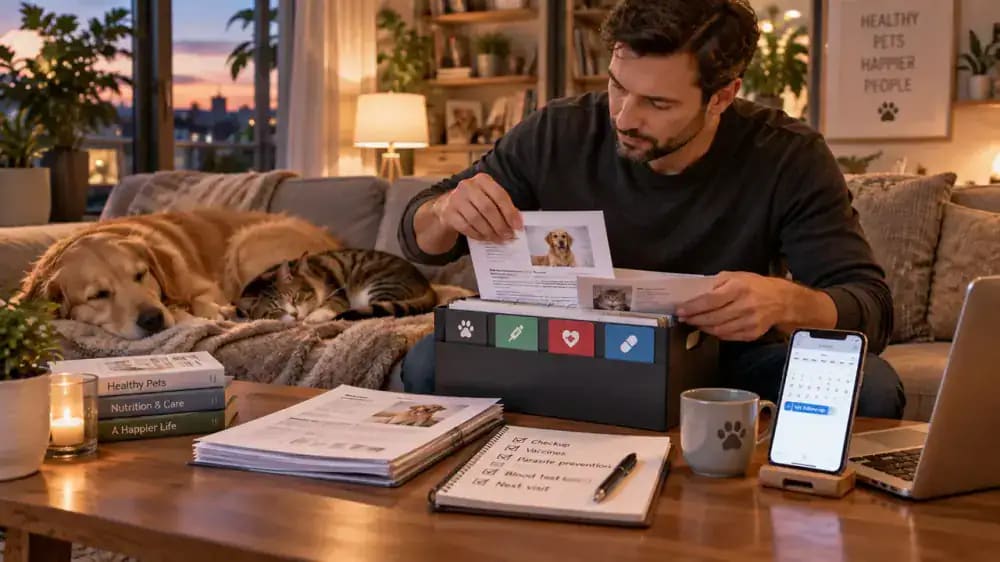
What you’ll need
Tap to tick things off before you start.
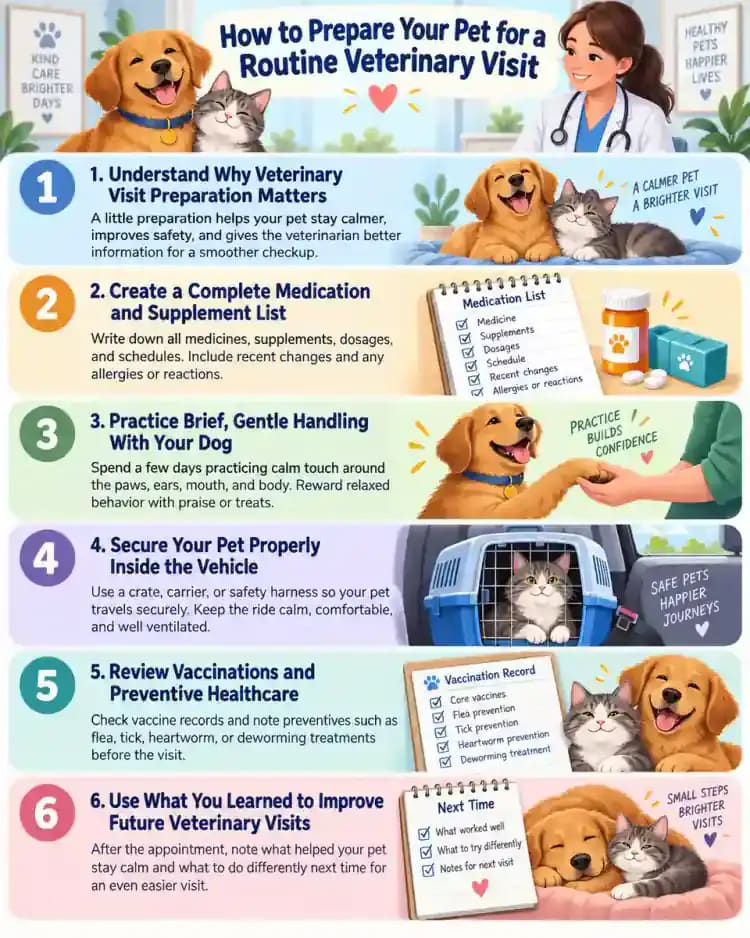
Understand Why Veterinary Visit Preparation Matters
Preparing your pet for a routine veterinary visit starts at home. Set aside a few minutes to create a checklist covering records, transportation, questions, and appointment details. Good preparation helps prevent last-minute problems, gives your veterinarian useful information, and makes the experience more predictable for your dog or cat.

Book the Appropriate Type of Veterinary Appointment
Tell the clinic your pet's species, age, and reason for visiting. A routine wellness examination differs from an appointment for vomiting, limping, or respiratory concerns. Describe symptoms when booking so staff can recommend appropriate scheduling. Sudden, severe, or rapidly worsening problems may require more urgent veterinary attention.

Choose an Appointment Time That Avoids Rushing
Select a time that fits your pet's regular routine and allows comfortable travel. Consider morning walks, feeding schedules, your cat's quieter periods, and expected traffic. Ask whether the clinic needs you to arrive early or complete forms online. Allow extra time for bathroom breaks and unexpected delays.

Confirm the Veterinary Clinic's Arrival Requirements
Call ahead to confirm leash and carrier rules, waiting room arrangements, and any requested samples. Ask whether your pet should eat normally before the appointment. Some visits have specific preparation requirements, so never assume fasting is necessary. Follow the clinic's instructions and clarify anything you do not understand.
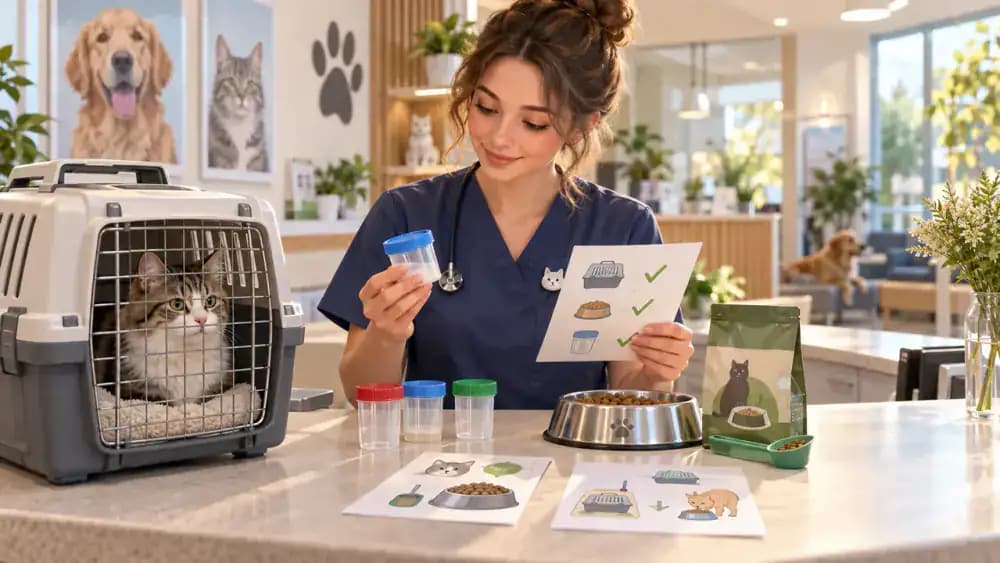
Gather Your Pet's Medical Records
Collect available vaccination records, previous diagnoses, surgical information, and laboratory results. If your pet recently joined your household, include documentation from the shelter, breeder, or previous veterinarian. Arrange everything in one folder for easy access. Even incomplete records can provide valuable background and reduce unnecessary confusion.
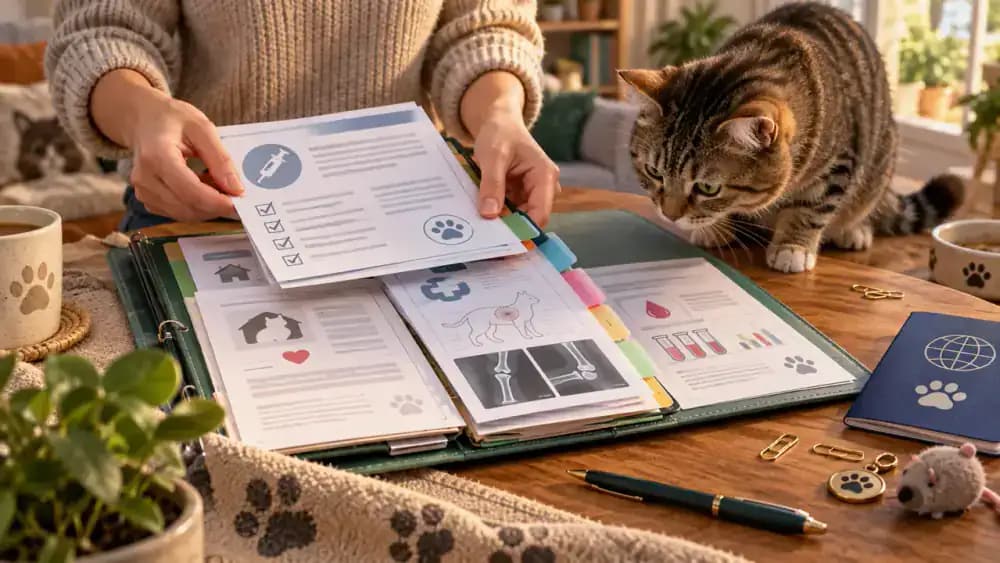
Create a Complete Medication and Supplement List
Write down every prescription medicine, parasite preventive, supplement, and over-the-counter product your pet receives. Include the actual dose and frequency, not just the product name. Photograph packaging when convenient. Continue prescribed treatments unless your veterinarian instructs otherwise, and ask before changing medication schedules for the appointment.

Track Changes in Your Pet's Everyday Behavior
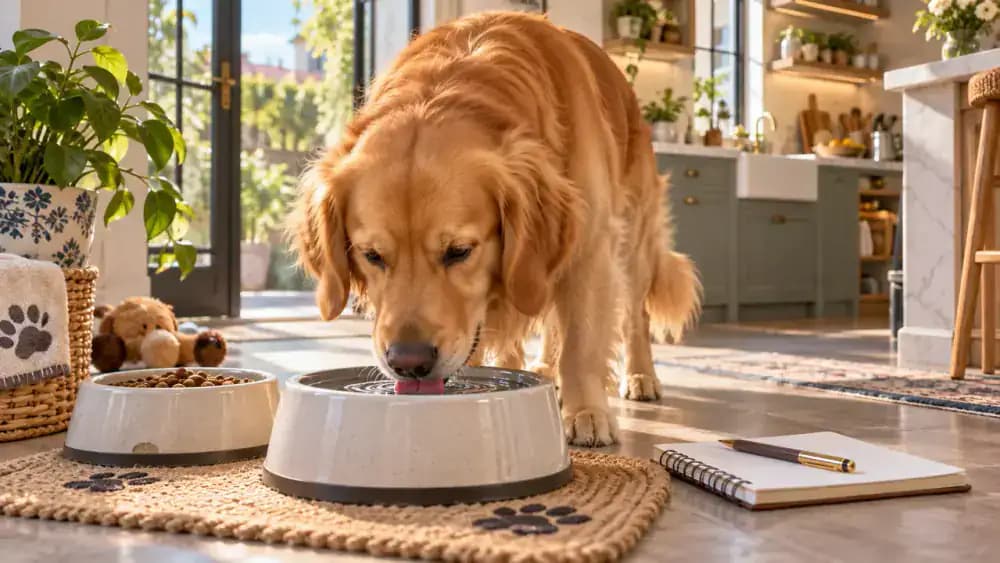
Pay attention to appetite, drinking habits, energy, sleep, play, and bathroom routines during the weeks before the visit. Record anything noticeably different, including when the change began. Specific observations, such as drinking more frequently than usual, are more informative than vague descriptions and can guide your veterinarian's questions.
Record Occasional Symptoms When It Is Safe
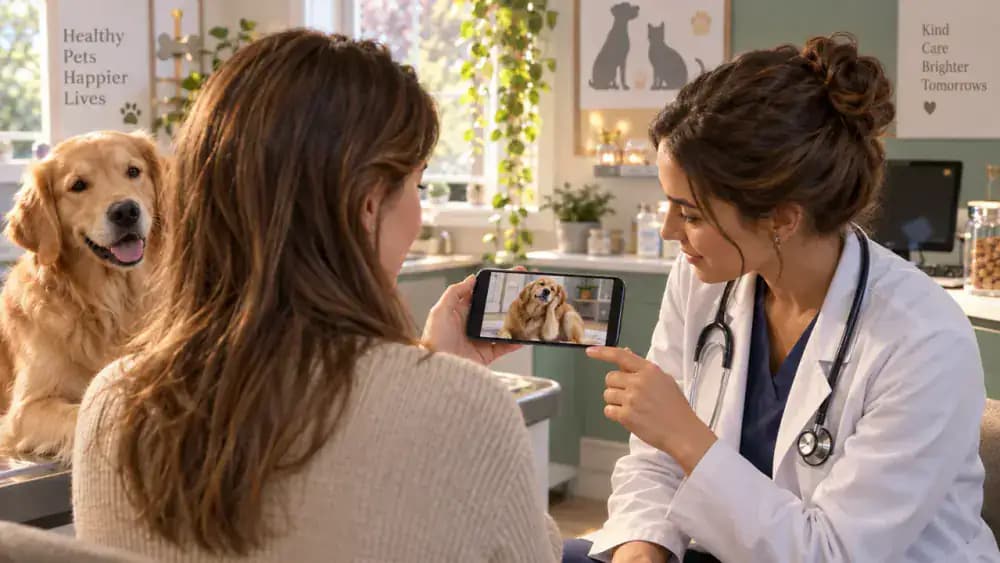
Some behaviors disappear before your pet reaches the examination room. If your dog coughs occasionally or your cat develops an unusual walking pattern, record a short video when the event occurs naturally. Never provoke symptoms to capture footage. Save the date and show the recording during your consultation.

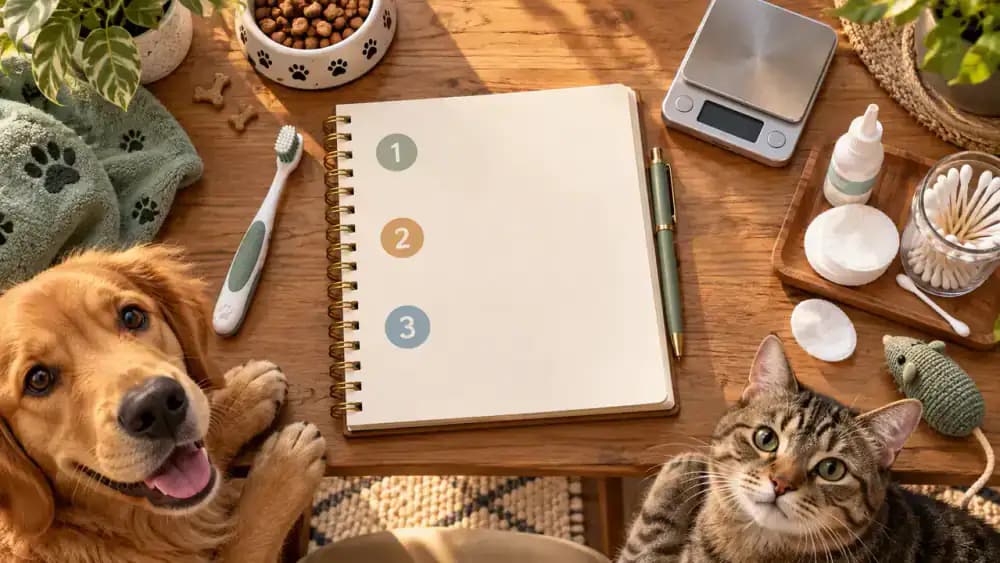
Write Down Your Three Most Important Questions
Prepare three priority questions before leaving home. Common topics include dental hygiene, changes in weight, itching, or unusual behavior. Put your biggest concern first and bring the list into the examination room. If you have several unrelated concerns, contact the clinic beforehand to discuss additional appointment time.
Verify Your Pet's Identification Information
Check that your pet's identification tag displays a current telephone number. If your pet has a microchip, confirm that its registration information is accurate. Remember that microchips identify registered animals but do not track their locations. Secure transportation remains essential, while updated identification provides an important additional safeguard.

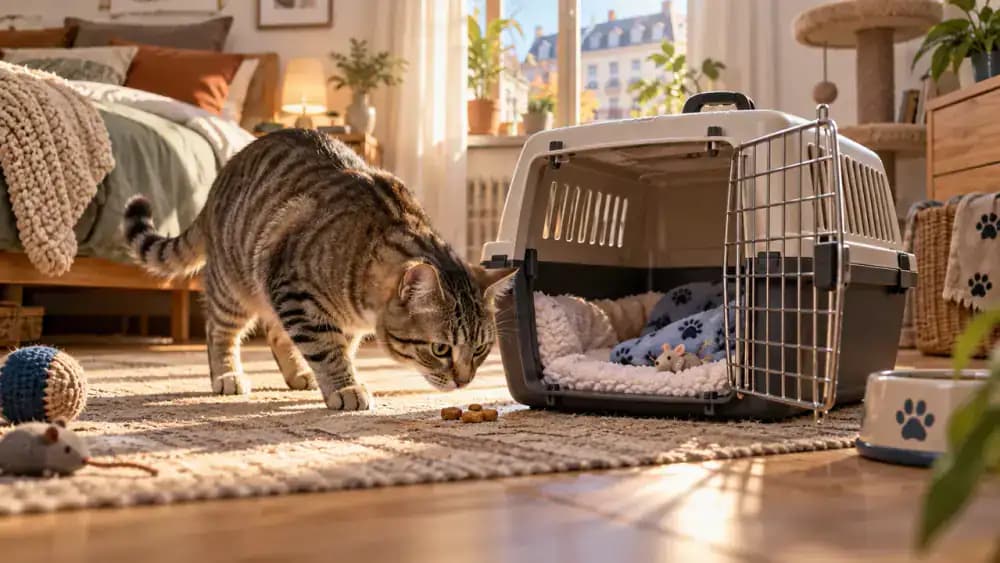
Help Your Cat Become Comfortable With Its Carrier
Several days before the visit, place your cat's carrier in a familiar room with the door secured open. Add comfortable bedding and offer treats nearby when appropriate. Allow voluntary exploration without forcing entry. A carrier with a removable top may also simplify handling during certain veterinary examinations.
Practice Brief, Gentle Handling With Your Dog
Help your dog become familiar with simple examination movements by practicing short handling sessions at home. Gently touch a paw, ear, or shoulder and reward relaxed behavior. Stop before your dog becomes uncomfortable. Never force a fearful animal to cooperate, and seek professional guidance if handling consistently causes distress.

Arrange Special Accommodations for Fearful Pets
Contact the clinic before your appointment if your pet has previously panicked, hidden, growled, or attempted to bite. Explain the behavior clearly rather than minimizing it. Staff may arrange quieter entry or an individualized handling approach. Ask your veterinarian whether additional preparation is appropriate, including any possible previsit medication.

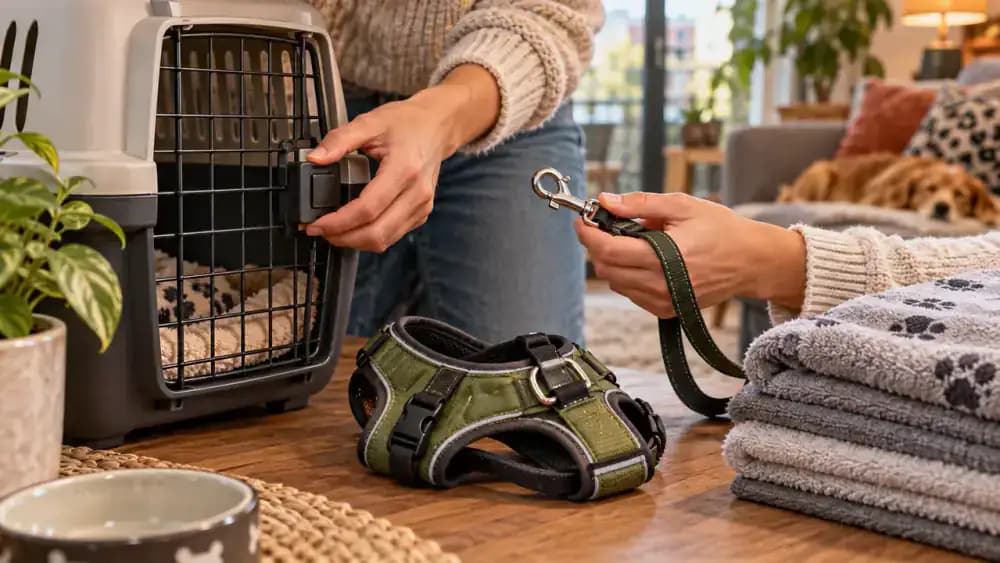
Inspect Your Carrier, Leash, and Harness
The evening before the appointment, test your carrier latch, leash clip, and harness fit. Replace equipment that is damaged or insecure. Add an absorbent towel to a suitable carrier and keep spare bedding ready for accidents. Completing this check ahead of time prevents avoidable problems during departure.
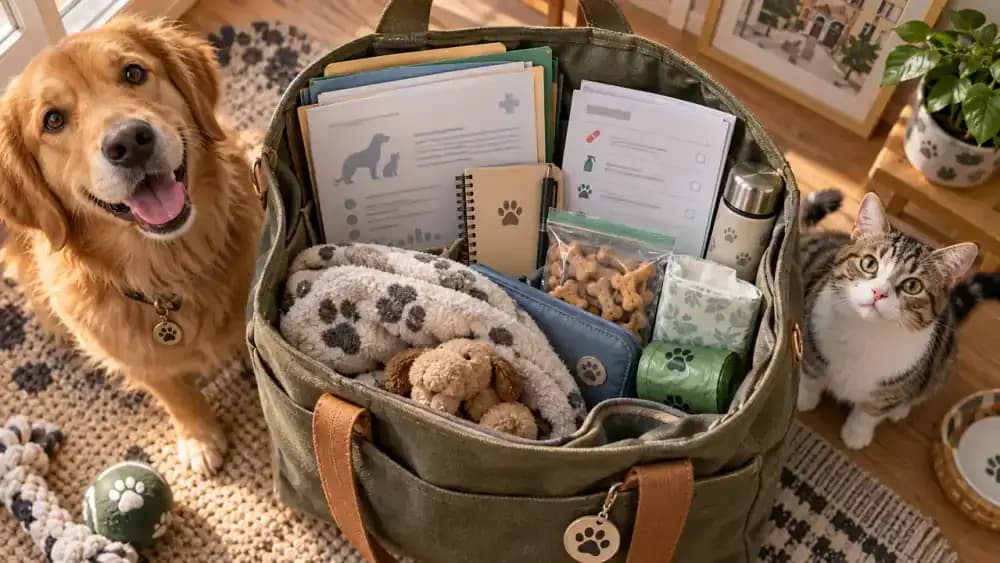
Pack a Practical Veterinary Appointment Bag
Keep your medical records, medication list, questions, waste bags, tissues, and familiar bedding together in one bag. Pack suitable treats if your veterinarian has not restricted feeding. Organizing these supplies in advance means fewer distractions at the clinic and makes important information easier to find when requested.
Maintain Your Pet's Normal Morning Routine
On appointment day, keep feeding, drinking, and bathroom routines as familiar as the clinic's instructions allow. Do not skip meals or restrict water simply to simplify transportation. Young animals and pets with medical conditions may need individualized directions. When unsure, contact the clinic before changing your pet's routine.
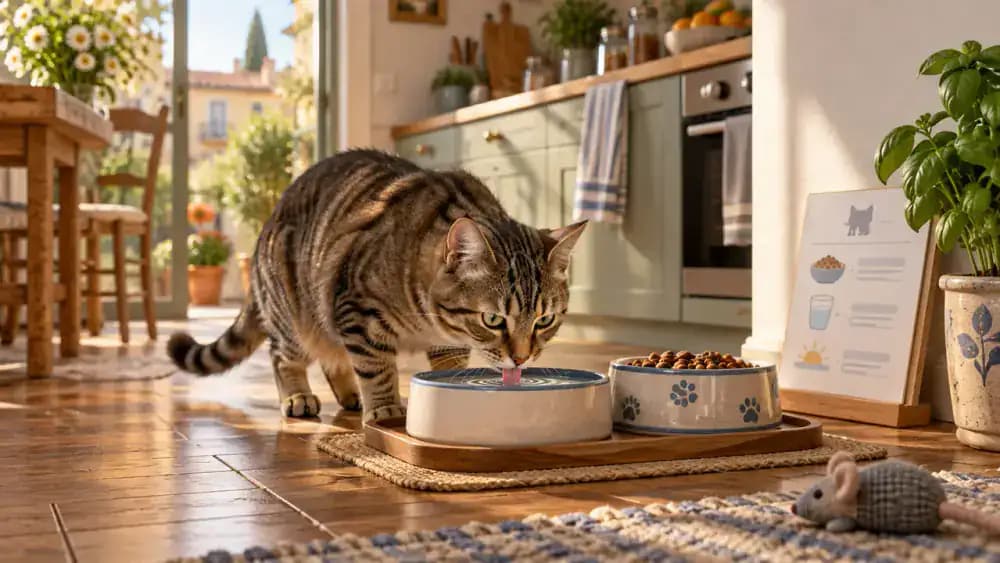
Take Your Dog for a Calm Bathroom Walk
Before traveling, give your dog an opportunity to eliminate during a relaxed, securely leashed walk. Allow time for sniffing without rushing or encouraging intense activity. Avoid strenuous exercise immediately before the examination unless instructed otherwise. A comfortable dog may settle more easily during the journey and clinic arrival.

Secure Your Pet Properly Inside the Vehicle
Place cats and small pets in appropriate closed carriers secured against movement. Use a suitable tested restraint or secured crate for your dog. Never allow pets to travel loose on the driver's lap. Maintain comfortable ventilation, check restraints before departure, and never leave an animal unattended inside a parked vehicle.
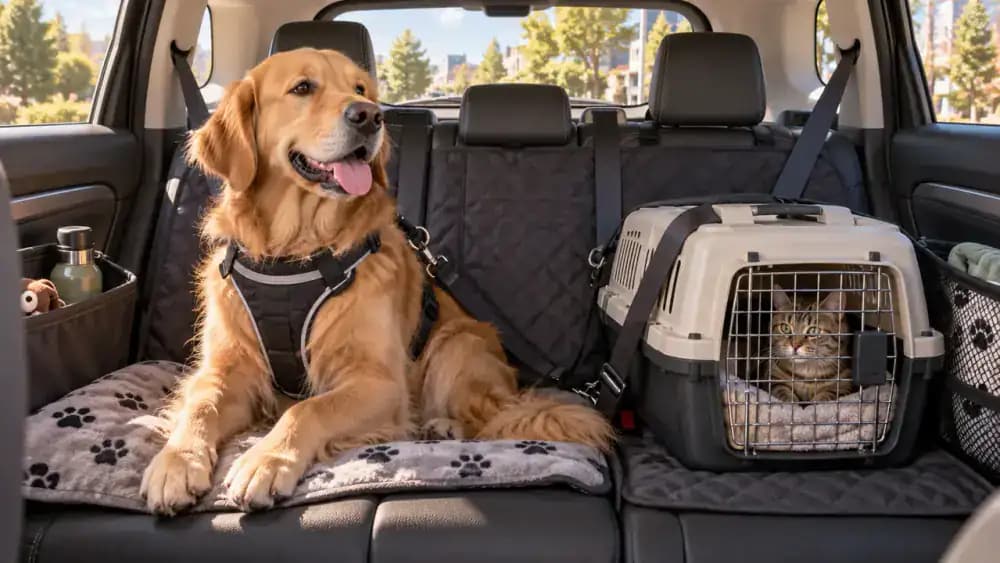
Check Everything Before Entering the Clinic
After parking, check the leash attachment or carrier latch before opening the vehicle door. Veterinary parking areas may contain other animals, moving vehicles, and unfamiliar distractions. Keep your pet controlled during unloading. If your animal becomes overwhelmed easily, call reception and ask about waiting outside until an examination room becomes available.

Give Your Pet Space in the Waiting Room
Keep dogs on short, secure leashes and avoid unnecessary introductions to unfamiliar animals. If permitted, position cat carriers on a stable raised surface without blocking ventilation. Watch for trembling, freezing, or repeated scanning of the room. Tell reception if your pet appears distressed and needs a quieter arrangement.
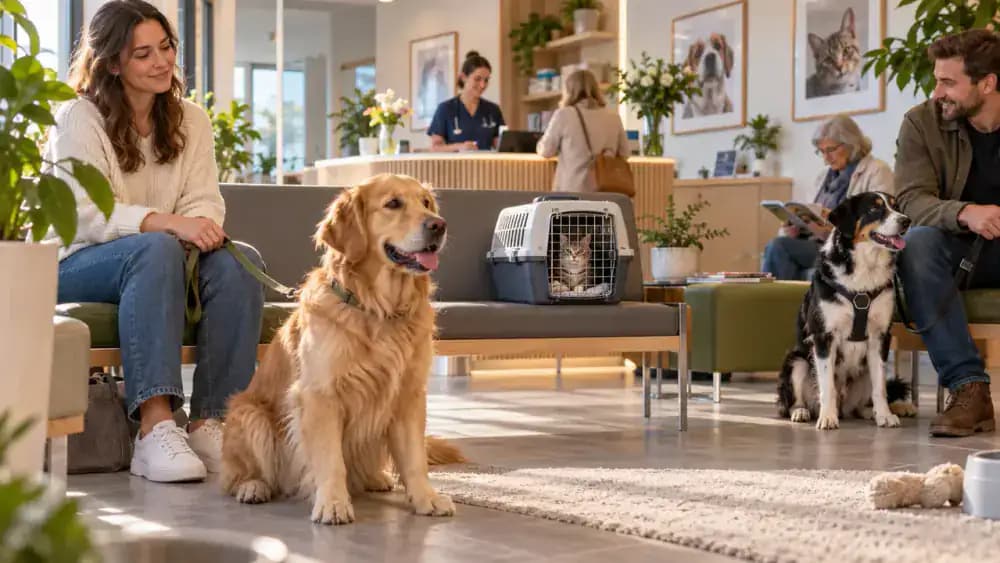
Share Important Information During Check-In
At reception, confirm the appointment purpose and provide any requested records. Mention new symptoms or important changes since booking so the clinical team receives current information. Keep your explanation brief but specific. If your pet suddenly appears seriously unwell, notify staff immediately instead of waiting silently for the scheduled examination.
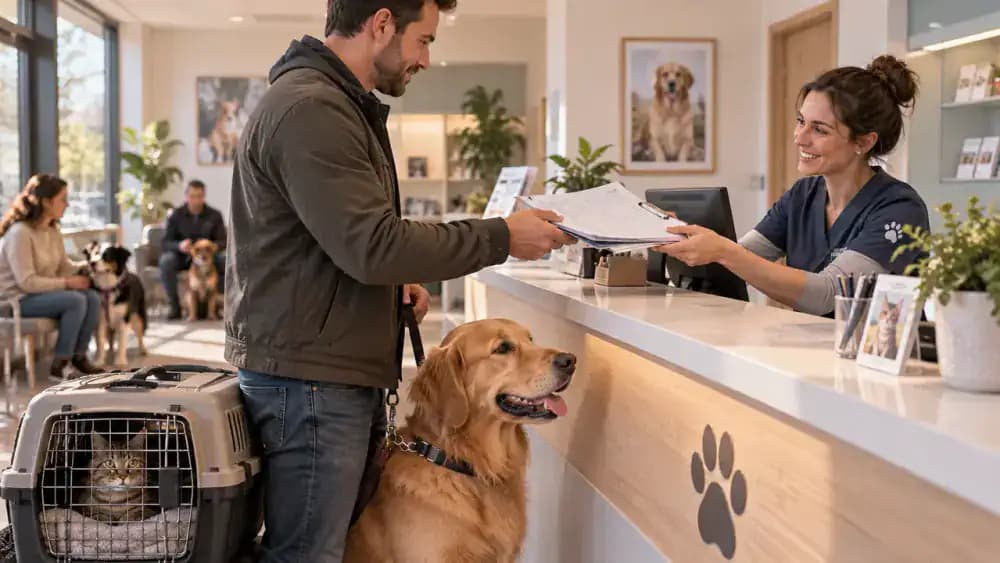
Let the Veterinarian Guide the Physical Examination
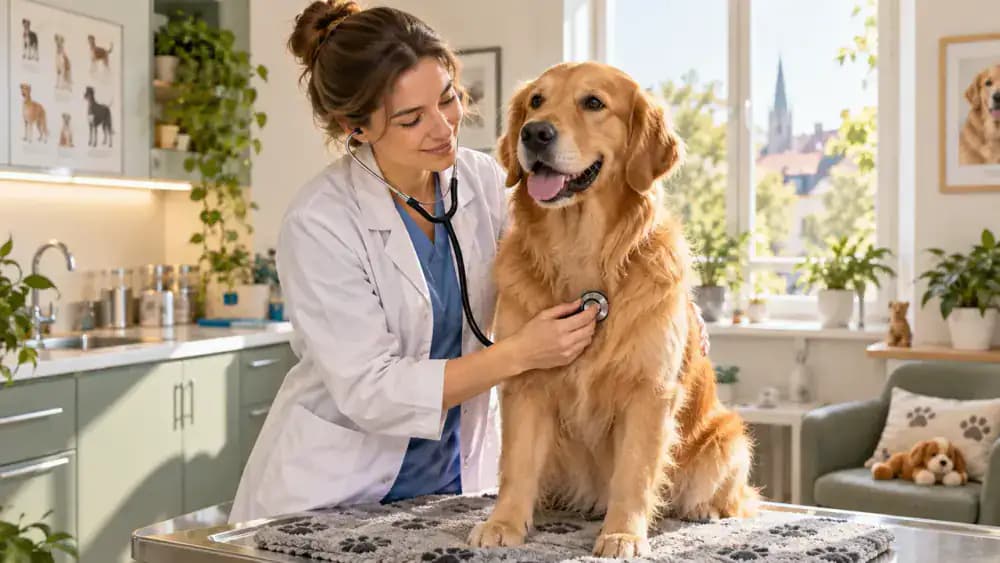
During the examination, follow the veterinarian's handling directions and stay nearby when invited. A familiar voice may help your pet remain comfortable. Avoid unexpected movements or unnecessary restraint. Depending on the appointment, the veterinarian may examine the ears, eyes, heart, abdomen, and overall body condition while assessing your animal's health.
Explain Symptoms With Specific Observations
Use your notes to describe exactly what you noticed and when it started. Explain how frequently it happens and whether the pattern has changed. Show relevant photographs or recordings without assuming a particular diagnosis. Accurate descriptions help your veterinarian decide whether further investigation or continued observation is appropriate.
Review Vaccinations and Preventive Healthcare
Ask which vaccinations, parasite preventive measures, dental assessments, or screening tests suit your pet. Recommendations depend on age, medical history, lifestyle, travel, and exposure risks. Discuss the purpose of each recommendation rather than requesting every available test automatically. Preventive care should reflect your individual animal's circumstances.
Ask What Recommended Tests and Treatments Involve
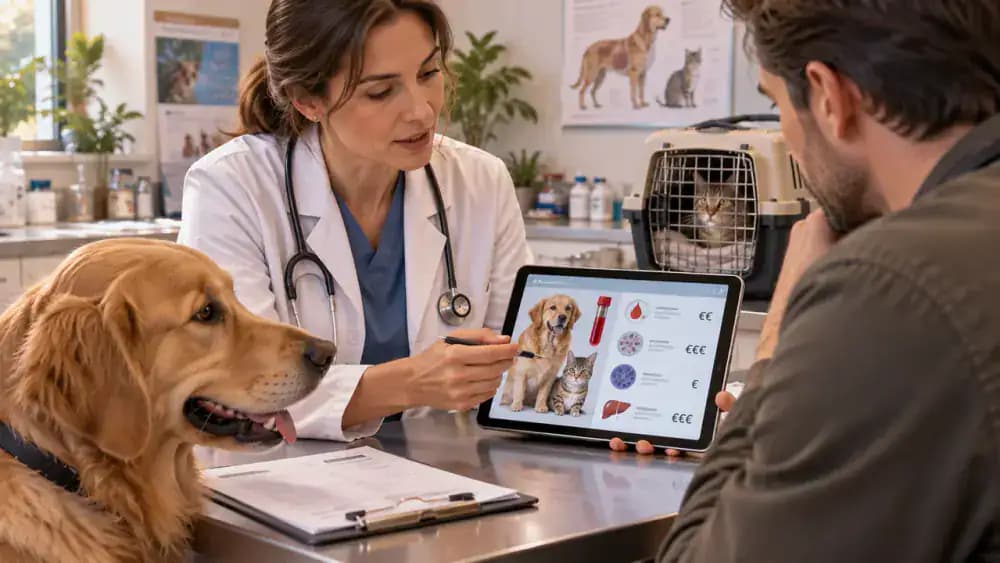
When a veterinarian proposes testing or treatment, ask what information it should provide and how the results could affect care. Discuss timing, potential alternatives, and anticipated costs. Request an estimate when appropriate. Understanding the purpose and next steps helps you make informed decisions without feeling pressured or confused.

Review All Home Care Instructions Before Leaving
Before leaving, repeat the veterinarian's instructions in your own words to confirm your understanding. Check medication names, doses, schedules, and what to do about missed doses. Ask which changes require a phone call or urgent attention. Request written directions whenever available so you have a reliable reference at home.
Save the Visit Summary and Schedule Follow-Up Care
At checkout, confirm recommended follow-up dates, pending results, and how the clinic will contact you. Verify your telephone number and prescription arrangements. Save the invoice and examination summary in your pet's medical folder. Add any upcoming appointments or expected callbacks to your calendar before they are forgotten.
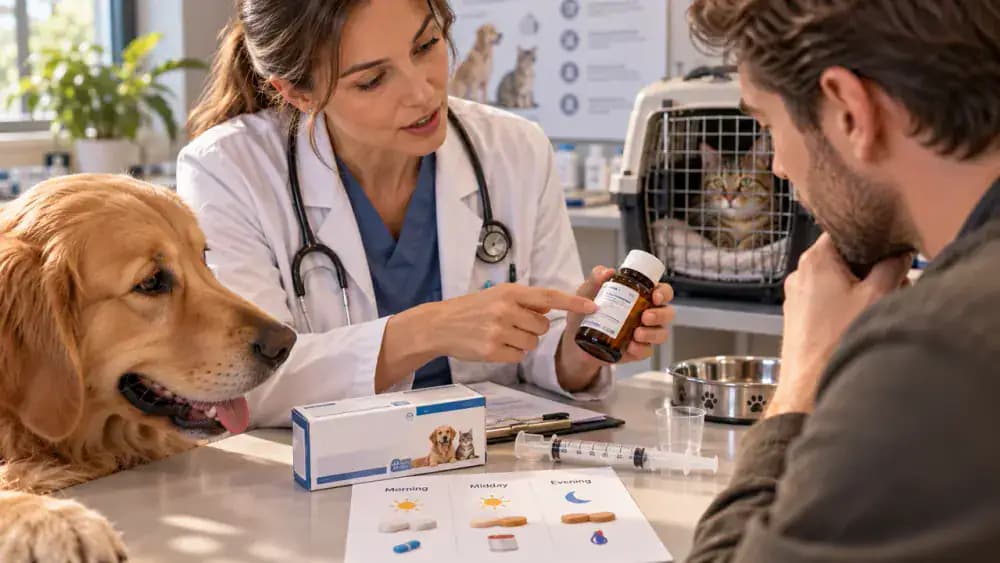
Give Your Pet Time to Relax After Returning Home
Once home, provide a quiet, familiar space and allow your pet to choose whether to rest or interact. Offer water and resume activities according to the clinic's directions. Avoid forcing attention on an animal that wants space. Follow any specific observation instructions after vaccinations, procedures, or administered medications.

Monitor Your Pet and Recognize When to Contact the Clinic
Follow the veterinarian's monitoring instructions during the next day or two. Note relevant changes and contact the clinic if symptoms worsen or care directions remain unclear. Difficulty breathing, collapse, or other severe signs require urgent veterinary attention. Continued communication helps ensure concerns are addressed after the appointment ends.
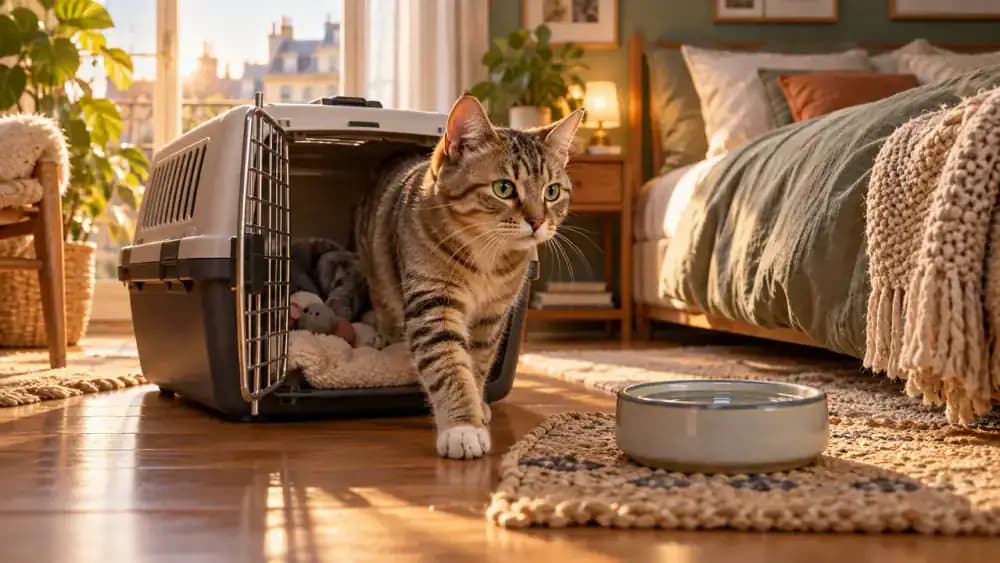
Use What You Learned to Improve Future Veterinary Visits
Update your pet's medical folder, medication list, and appointment reminders while the visit is still fresh. Think about which handling and transportation strategies worked well and what could improve next time. Consistent preparation builds a more reliable care routine and helps future appointments feel manageable for both you and your pet.

Knowing how to prepare your pet for a vet visit can make a noticeable difference in how smoothly the appointment goes. Whether you share your home with a playful golden retriever, a cautious indoor cat, or both, preparation helps you communicate clearly, travel safely, and reduce avoidable stress.
A routine veterinary visit involves more than showing up for an examination. Your veterinarian benefits from accurate medical records, observations about your pet's behavior, and a clear description of any changes you have noticed. Meanwhile, your pet benefits from familiar routines, appropriate transportation, and patient handling.
This practical 30-step guide follows the entire process, from scheduling the appointment to organizing follow-up care at home. You do not need expensive equipment or specialized experience. A little planning, a reliable checklist, and attention to your pet's individual needs can make each visit easier.
Where people go wrong
Waiting Until the Appointment to Mention Symptoms. Unexpected symptoms may require a different appointment type or more urgent attention. Tell the clinic about important changes when booking or as soon as they appear.
Changing Feeding or Medication Without Instructions. Do not assume your pet should fast or skip prescribed medicines. Follow veterinary directions, especially when your pet has ongoing medical needs.
Forcing an Anxious Pet Into Unfamiliar Equipment. Introduce carriers and handling gradually when possible. Forcing cooperation can increase fear and make future veterinary visits more difficult.
Allowing Pets to Travel Without Proper Restraints. An unsecured pet can be injured or distract the driver. Check carriers, vehicle restraints, leashes, and harnesses before departure.
Letting Pets Approach Every Animal in the Waiting Room. Unfamiliar animals may be frightened, uncomfortable, or reactive. Maintain appropriate distance and ask staff for quieter arrangements when necessary.
Leaving Without Understanding Home Care. Confirm medication instructions, follow-up dates, monitoring requirements, and warning signs before leaving. Ask for written directions when available.
Questions people ask
Begin several days ahead when possible, particularly if your cat needs carrier familiarization or your dog benefits from gentle handling practice. Gather records and confirm clinic requirements before appointment day.
Fixed it?
Get one guide like this every Thursday.