How to Prepare Pet-Safe Fruit and Vegetable Treats
Learn how to choose, wash, cut, and serve fruit and vegetable treats safely for your pet. Discover which ingredients to avoid, how to prevent choking hazards, and why small portions matter.
What you’ll need
Tap to tick things off before you start.
The Hidden Risks of Sharing Snacks
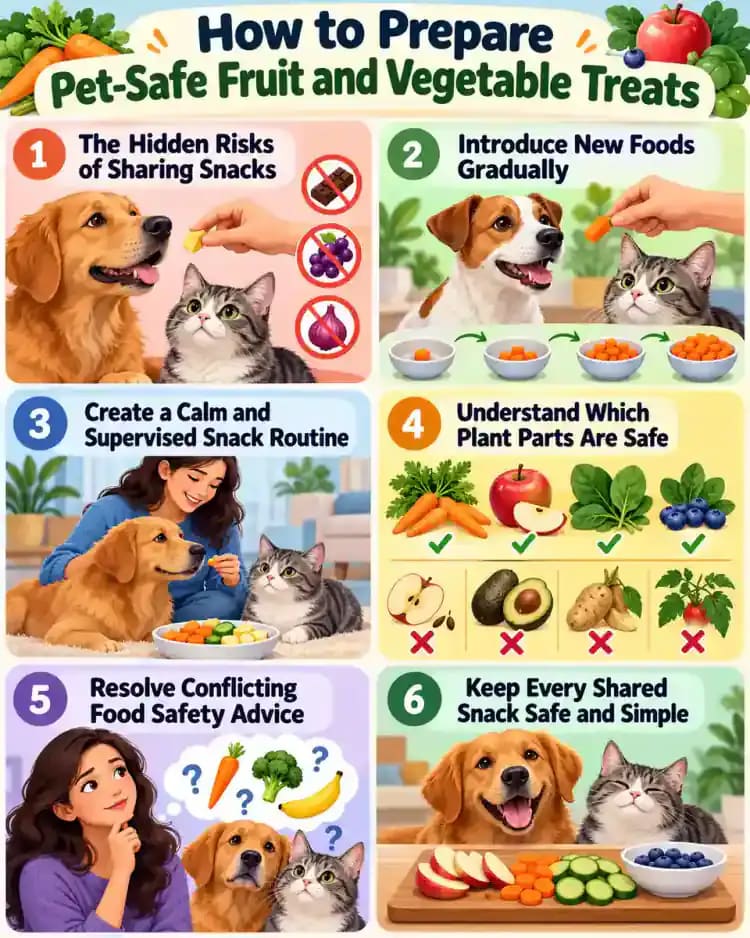
Before sharing a bite of your apple, remember that human snacks are not automatically safe for pets. Even fresh produce can contain harmful components or create choking hazards. Look closely at the ingredient, including its seeds, core, and skin. Never offer a piece simply because it looks healthy or your pet seems eager to try it.
Check Safety for Your Specific Pet
Identify your pet's species, age, health needs, and dietary restrictions before selecting a treat. Dogs, cats, rabbits, and birds have different nutritional requirements, so a food suitable for one may harm another. Check the exact ingredient using a trusted veterinary resource, such as the ASPCA's poison control guidance, and ask your veterinarian when uncertain.

Recognize Suitable and Dangerous Foods
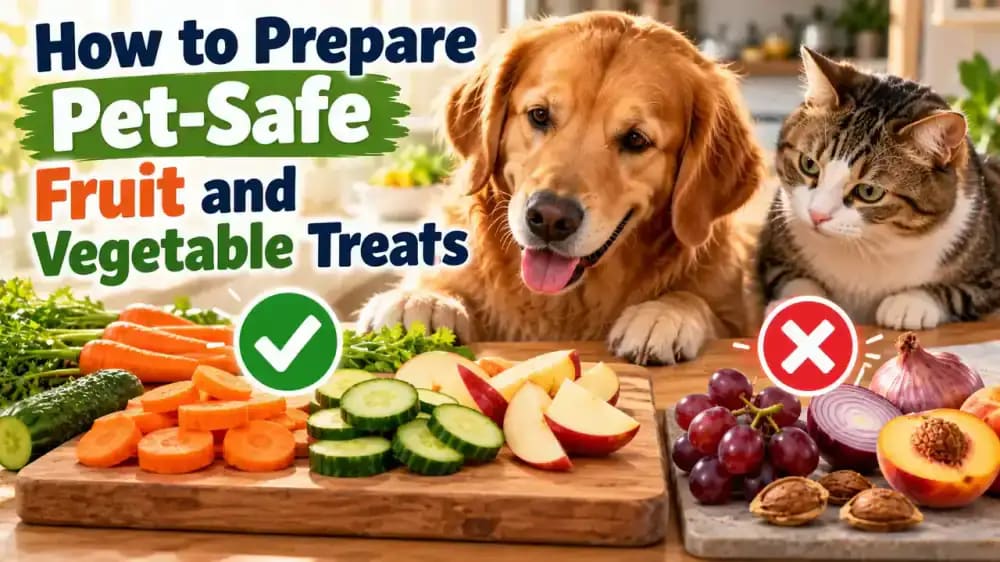
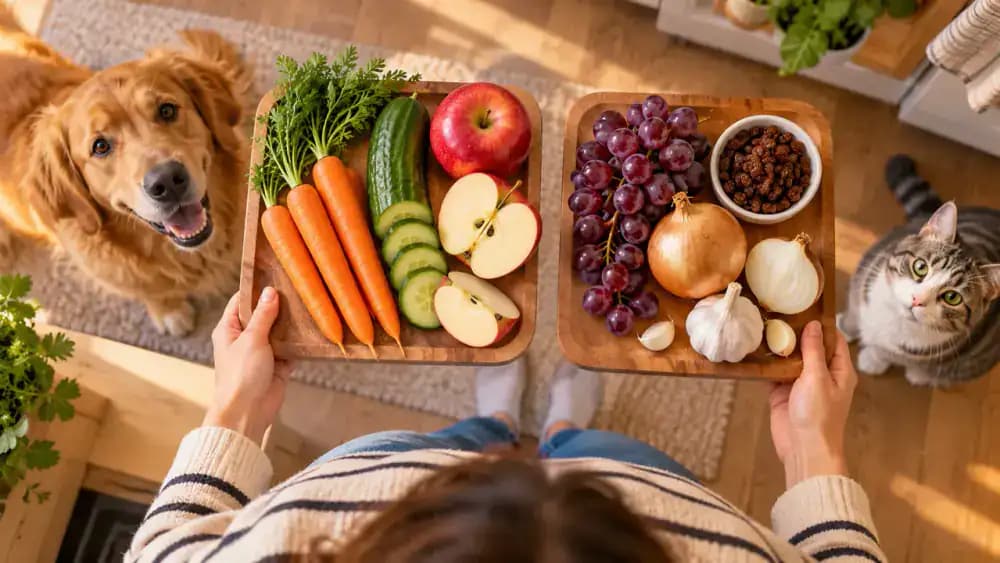
Compare each ingredient against species-specific veterinary guidance. Plain carrots, cucumber, and seedless apple flesh may be suitable occasional treats for some healthy dogs. Never give dogs grapes or raisins, which can cause serious kidney injury. Onions and garlic are harmful to dogs and cats. Remove unsafe ingredients from your workspace to prevent accidental feeding.
Wash, Trim, and Cut Correctly
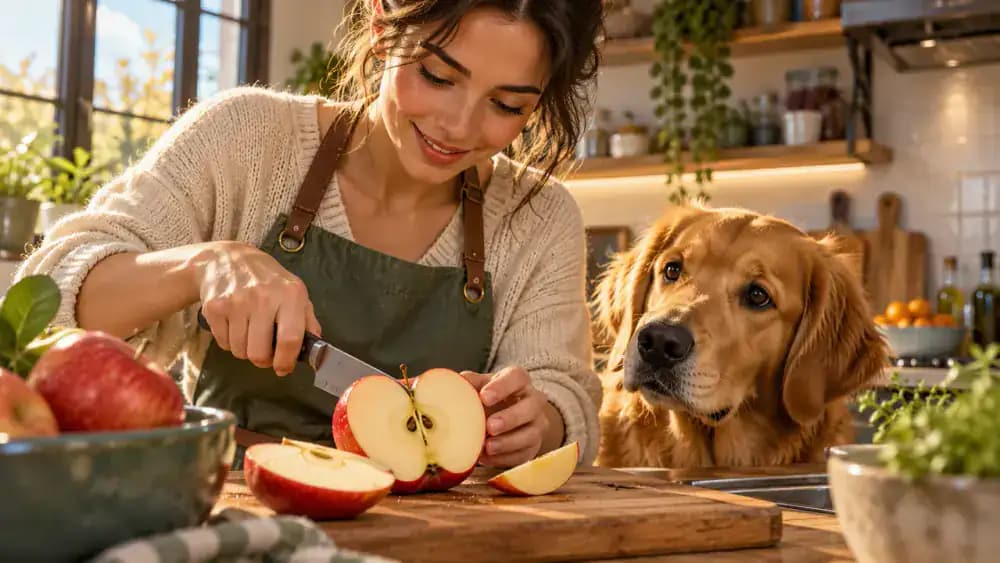
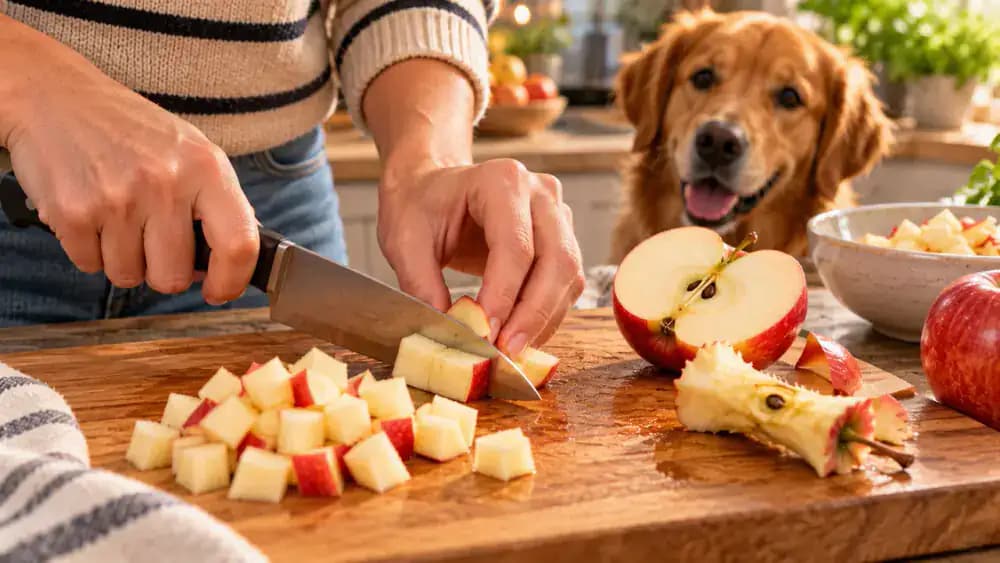
Wash your hands and clean your cutting board and knife before handling produce. Rinse fruits and vegetables thoroughly under running water. Remove apple cores, seeds, fruit pits, and other parts identified as unsafe for your pet. Cut approved portions into pieces suited to the animal's size and chewing ability, and supervise eating to reduce choking risks.
Keep Every Treat Plain
Serve verified pet-safe produce without added sugar, salt, butter, sauces, dressings, or seasonings. These additions offer no necessary benefit and may contain ingredients harmful to animals. Place the prepared pieces in a clean pet dish, away from family meals and cooking ingredients. Avoid sweeteners entirely, especially xylitol, which is highly toxic to dogs.
Introduce New Foods Gradually
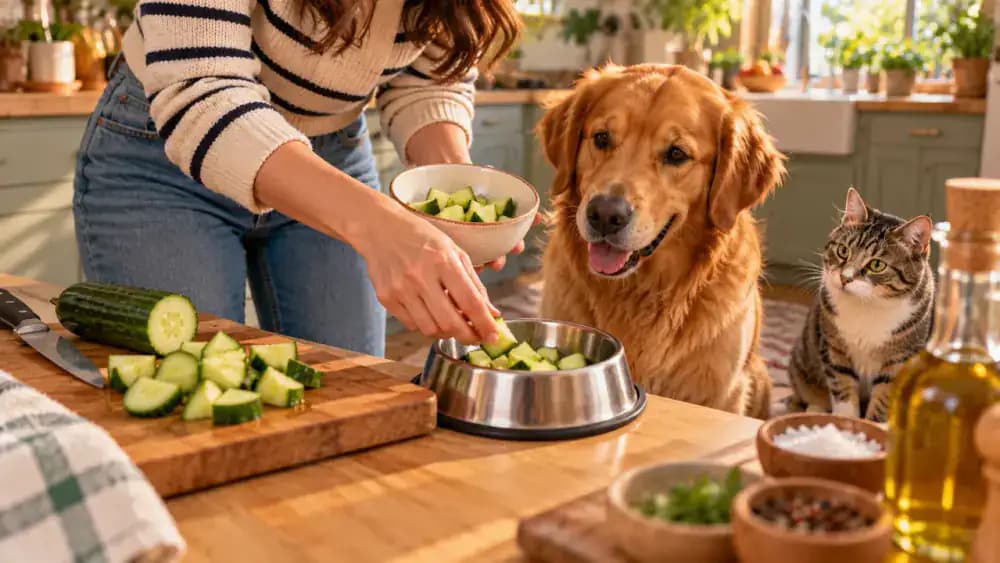
Offer one tiny piece of a single new, veterinarian-approved food, then monitor your pet before offering more. Watch for vomiting, diarrhea, itching, swelling, or unusual behavior. If concerning symptoms appear, stop serving the treat and contact your veterinarian promptly. Difficulty breathing, collapse, or severe swelling requires immediate emergency veterinary care.
Control Portions and Protect Nutrition
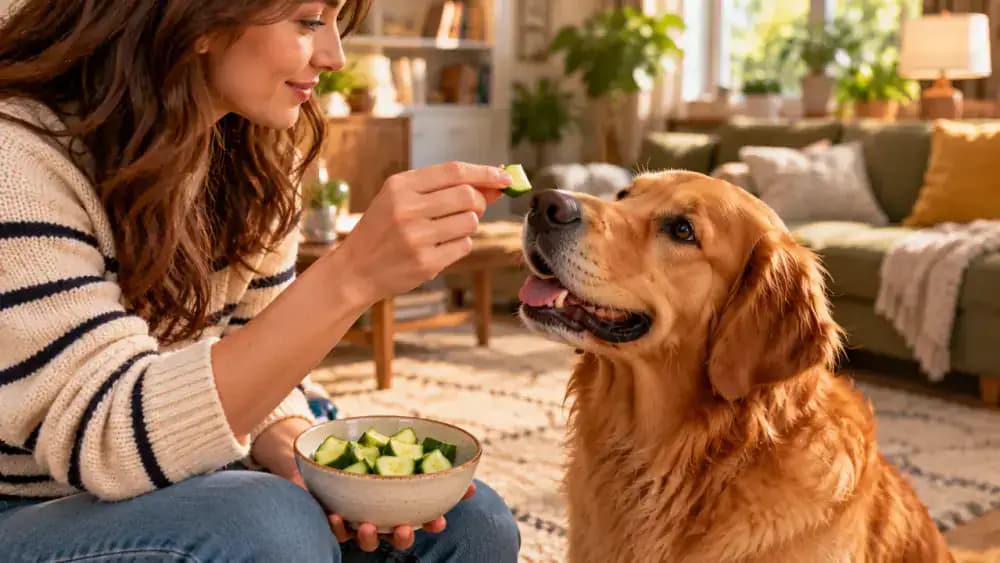
Measure a small serving of approved produce instead of offering unlimited bites. For many healthy dogs and cats, treats should provide no more than 10% of daily calories, with a complete, balanced diet supplying the rest. Adjust portions for your pet's species, size, and health needs, following your veterinarian's recommendations when appropriate.
The Three-Step Safe Treat Checklist
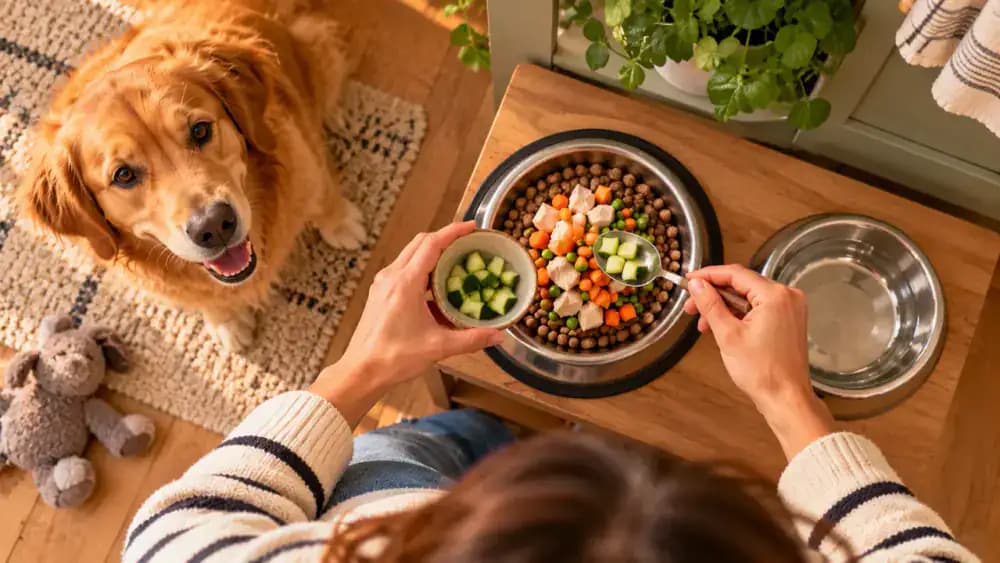
Remember three simple checks before sharing produce: verify, prepare, and portion. Verify the exact ingredient using species-specific veterinary guidance. Prepare only suitable parts, washed and cut appropriately, without seasonings or additives. Portion a small serving that fits your pet's daily diet. Keep your veterinarian's recommendations accessible whenever ingredient safety or dietary restrictions are uncertain.
Look Beyond Food Packaging Claims
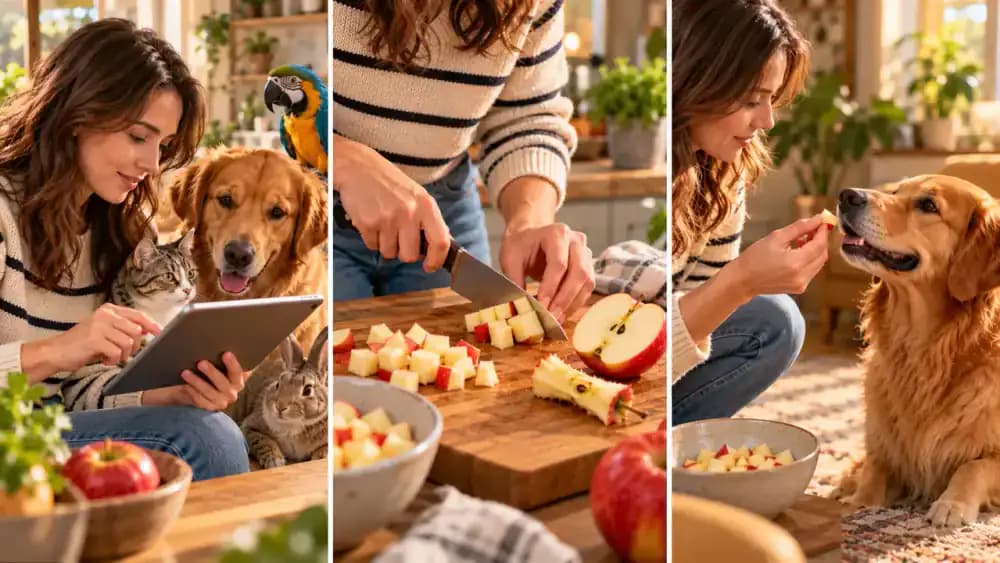
Read the complete ingredient list before buying packaged fruit or vegetable treats. Words like natural, wholesome, or fruity do not guarantee safety for your pet. Check for added sweeteners, flavorings, salt, and potentially harmful ingredients. Dried blends and smoothies may contain multiple foods, so verify every component and choose simpler alternatives when labels are unclear.
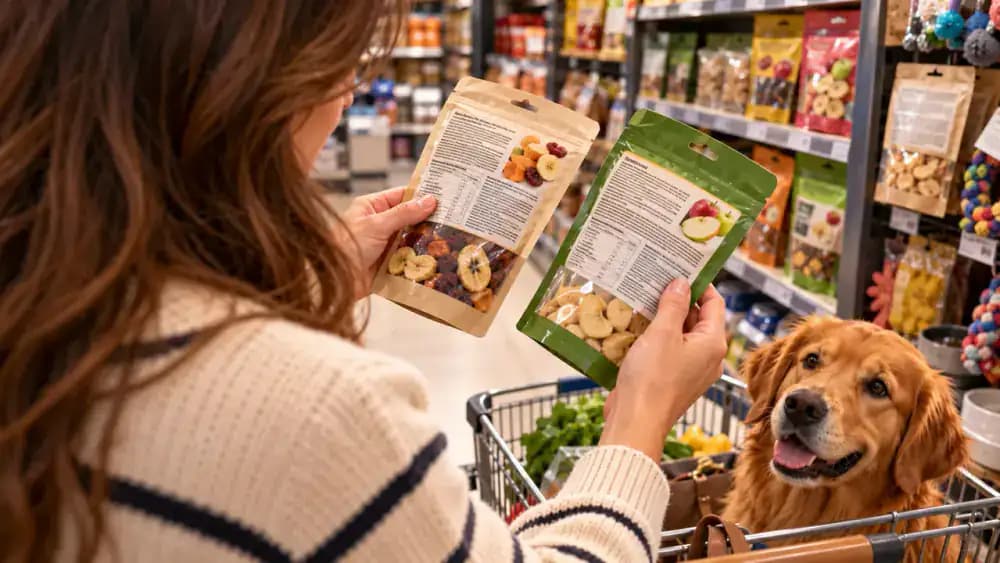
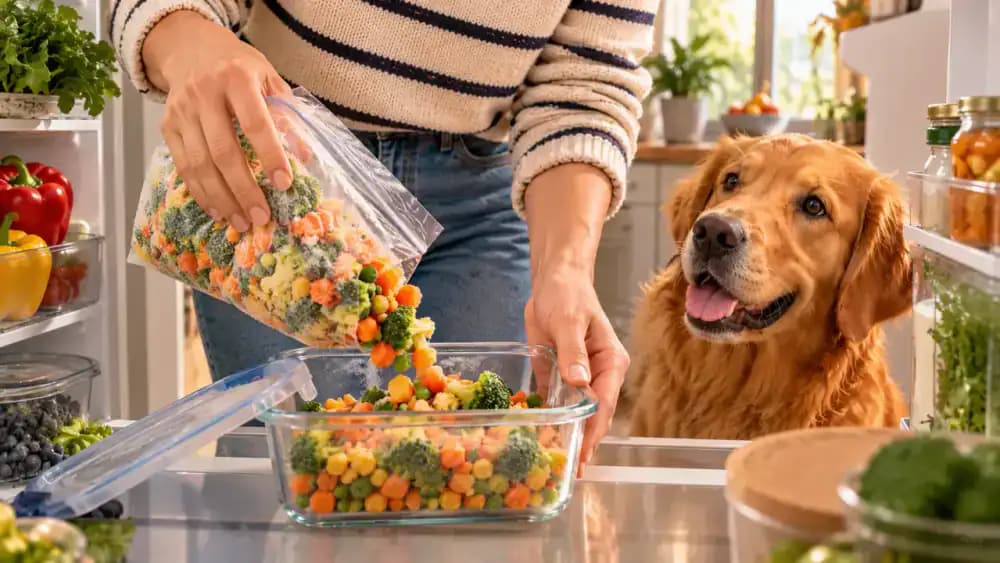
Handle Frozen and Chilled Produce Safely
Check frozen produce for added seasonings or sauces, and confirm the ingredient is safe for your pet. Hard frozen pieces can damage teeth or pose choking hazards, so thaw approved portions in the refrigerator when needed. Serve at a comfortable temperature and discard spoiled leftovers. Remember that freezing never makes a toxic ingredient safe.
Adapt Texture to Your Pet's Needs
Consider your pet's chewing ability before serving approved vegetables. Raw carrots may be difficult for senior pets or animals with dental problems. Gently steam suitable vegetables without salt, butter, or seasonings to soften them. Let cooked pieces cool completely, then check their tenderness, temperature, and size before offering a small portion under supervision.

Create a Calm and Supervised Snack Routine
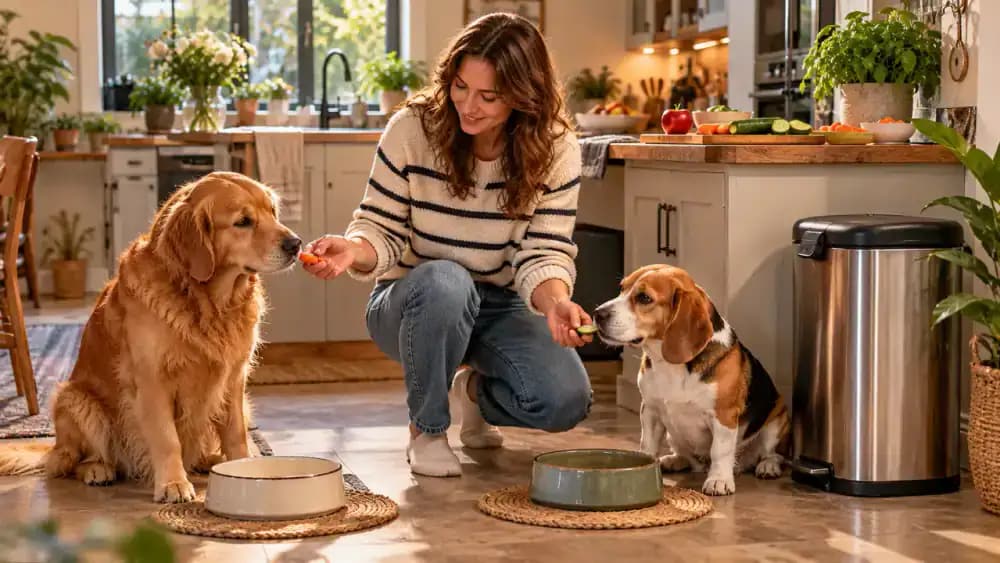
Serve treats in a quiet area where you can watch your pet eat. Excited animals may swallow food too quickly, while competing pets might grab pieces intended for someone else. Separate animals during snack time when necessary. Clean up dropped produce immediately, secure kitchen trash, and keep unapproved scraps beyond every pet's reach.
Store Prepared Treats Properly
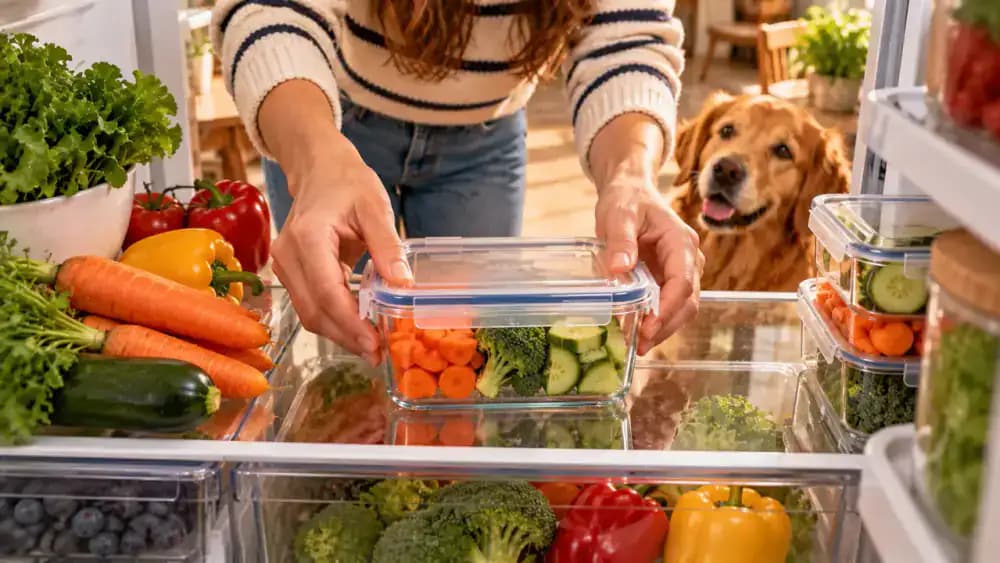
Transfer leftover approved produce into a clean, covered food-safe container and refrigerate it promptly. Label the container with the preparation date so you can track freshness. Follow appropriate food storage guidelines, and discard pieces showing spoilage or questionable quality. Prepare small batches to reduce waste, and never leave a bowl of treats available throughout the day.
Prevent Mistakes in Multi-Pet Homes
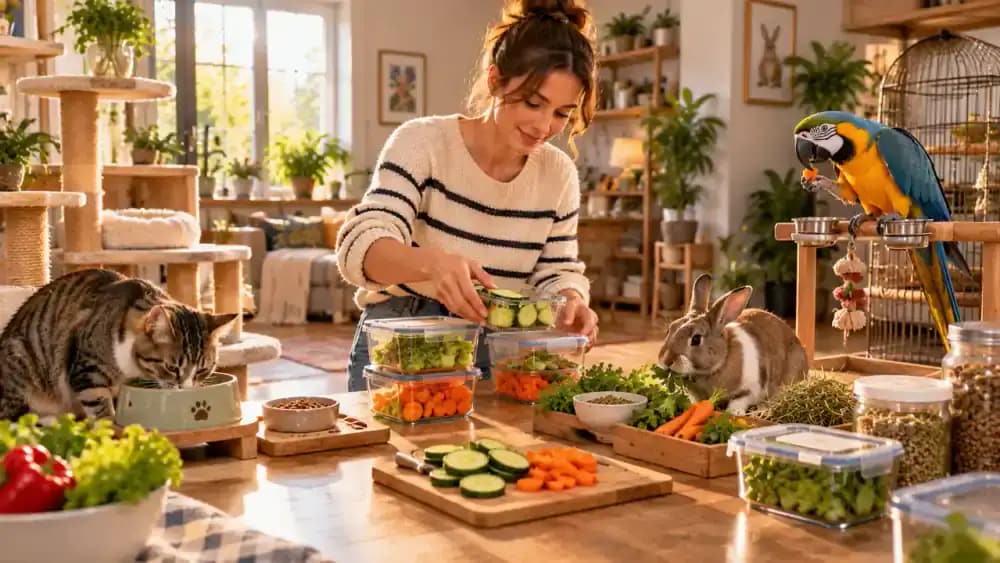
Keep separate, clearly labeled treat containers for each pet, especially when different species share your home. Cats, rabbits, and birds have distinct dietary requirements, so never assume an approved snack is suitable for everyone. Post a simple feeding chart listing veterinarian-approved ingredients and portions. Make sure every household member understands the rules before offering treats.
Respond Quickly to Accidental Ingestion
If your pet swallows a potentially toxic ingredient, contact your veterinarian or an animal poison control service immediately, even if no symptoms are visible. Identify the food, estimated amount, and approximate ingestion time. Save packaging or take a photograph for reference. Never induce vomiting or give home remedies unless a veterinary professional specifically instructs you to.

Make Safe Treats Part of a Happy Routine
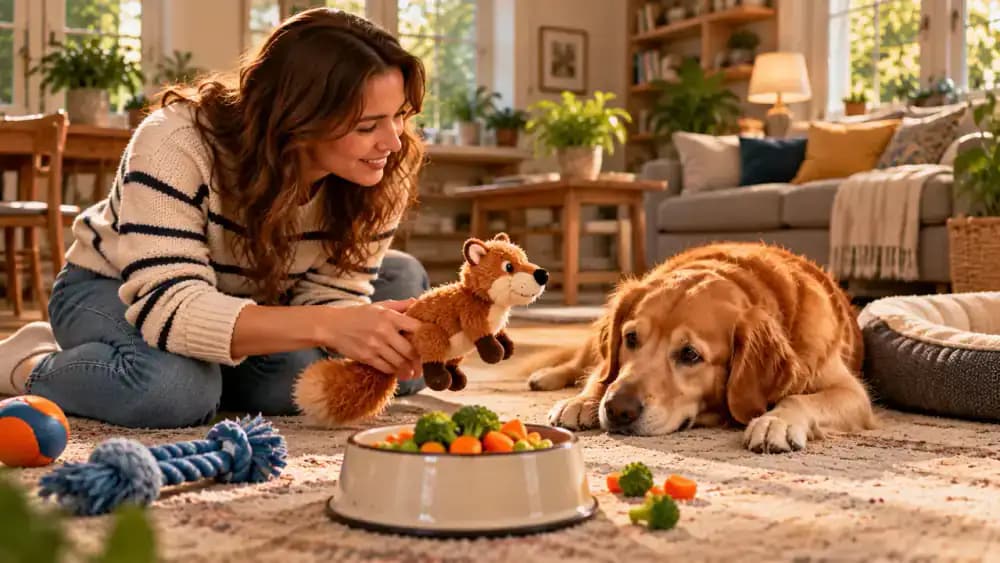
Let your pet decide whether an approved treat is appealing. Never force unfamiliar foods or repeatedly offer something your pet refuses. Instead, try a favorite toy, gentle play, or species-appropriate enrichment. Treats should provide occasional enjoyment without replacing balanced meals. Keep snack time relaxed, supervised, and guided by your veterinarian's dietary recommendations.
Prevent Sneaky Snacking Accidents
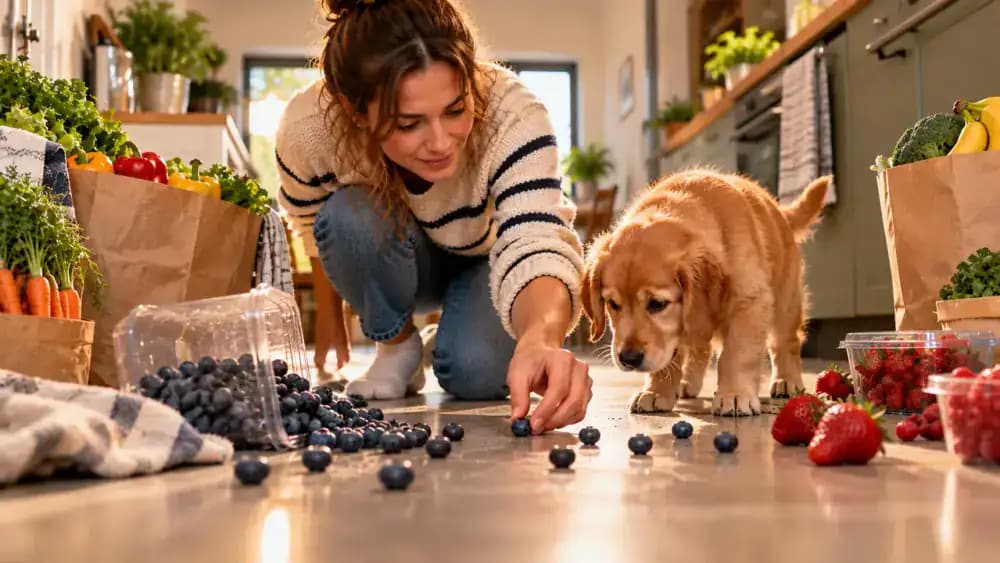
Keep curious pets away from grocery bags, countertops, and food preparation areas. Pick up dropped berries, peels, and vegetable scraps immediately, even when they appear harmless. Store produce in closed containers or inaccessible locations, and supervise pets while unpacking groceries. A consistent cleanup routine reduces opportunities for accidental ingestion of unsafe foods.
Understand Which Plant Parts Are Safe
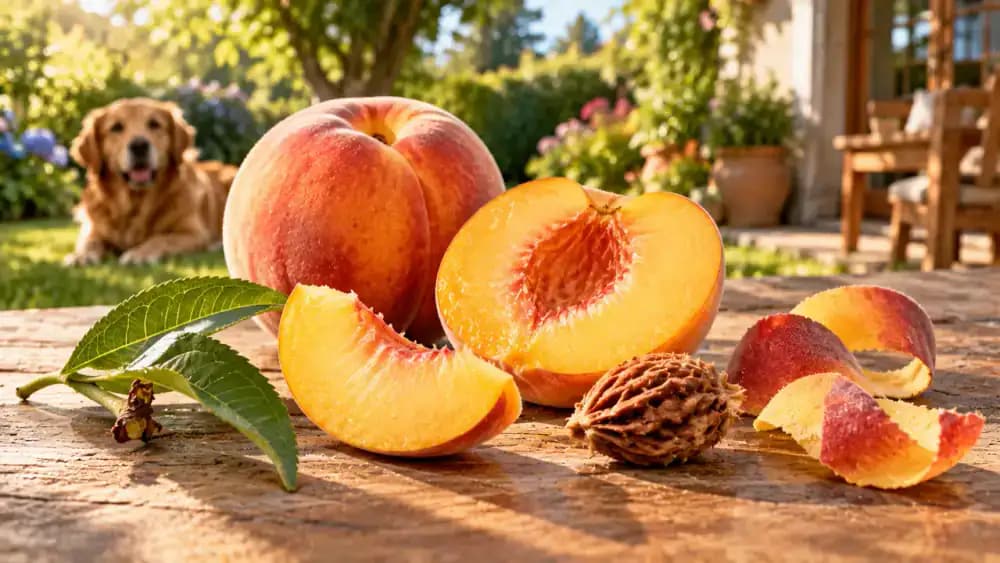
Check each part of a fruit or vegetable separately before feeding it to your pet. Flesh, skins, leaves, stems, and pits may have different safety concerns. For example, peach flesh may be suitable for some dogs, but the pit presents serious hazards. Use species-specific veterinary guidance, especially when collecting produce directly from your garden.
Watch for Garden Chemical Exposure
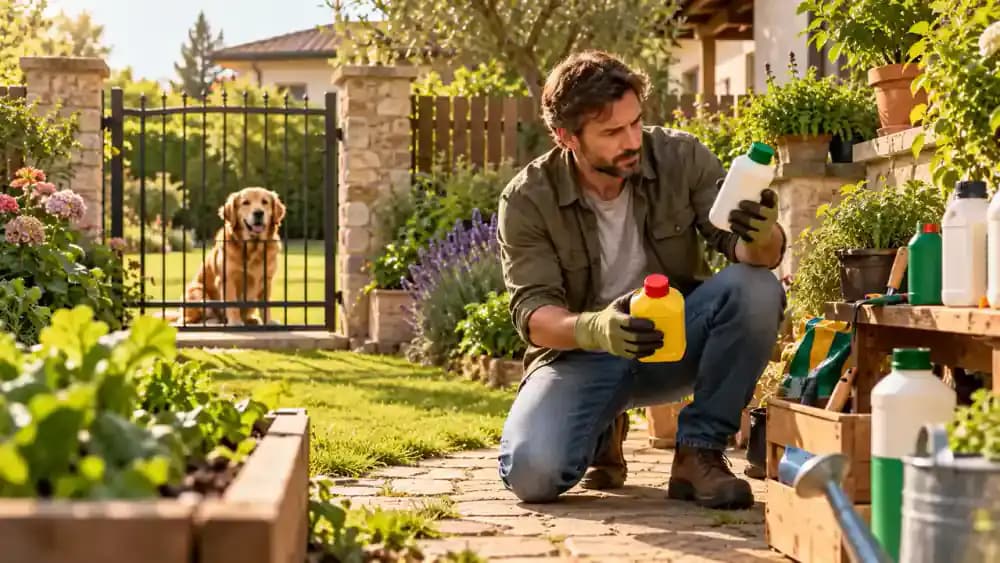
Before sharing homegrown produce, consider whether it was exposed to pesticides, fertilizers, slug bait, or other garden chemicals. Keep pets away from treated planting beds and follow all product safety instructions, including reentry and harvest restrictions. Wash approved produce thoroughly, but never assume washing eliminates every hazard. Avoid ingredients with uncertain chemical exposure.
Avoid Overwhelming Pets With Variety
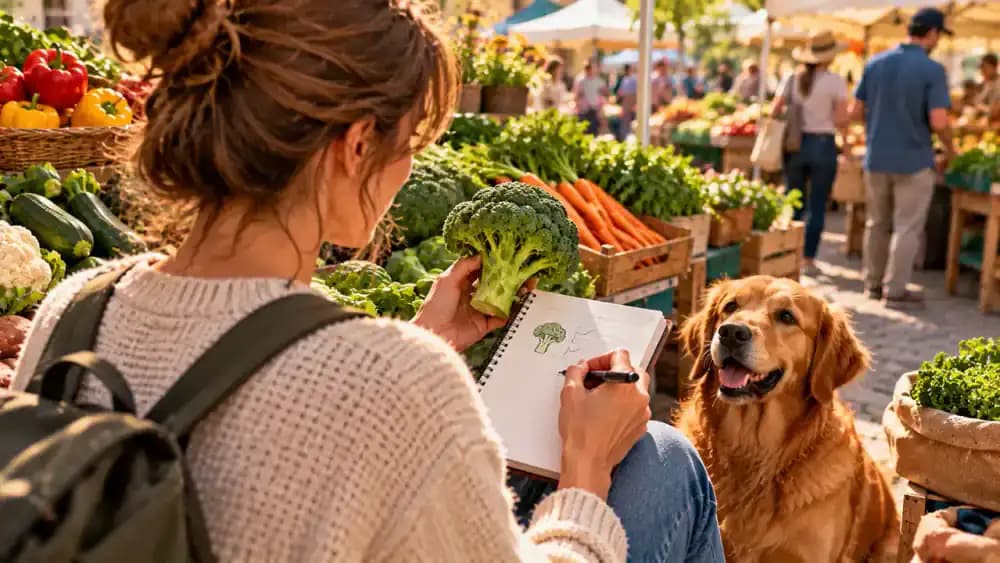
Resist offering several new fruits or vegetables simply because seasonal produce is available. Choose one previously approved, well-tolerated ingredient and serve a modest portion. Record the food, serving date, quantity, and any noticeable changes in appetite, digestion, or behavior. Introduce unfamiliar ingredients individually and gradually, following veterinary guidance whenever dietary concerns arise.
Respect Veterinary Diet Restrictions
If your pet follows a prescription or therapeutic diet, ask the treating veterinarian before offering fruit or vegetable treats. Even small extras can interfere with carefully controlled nutrients, calories, or ingredients. Request a list of approved rewards and specific serving limits. Share these instructions with everyone responsible for feeding your pet to maintain dietary consistency.

Use Treats to Encourage Good Habits
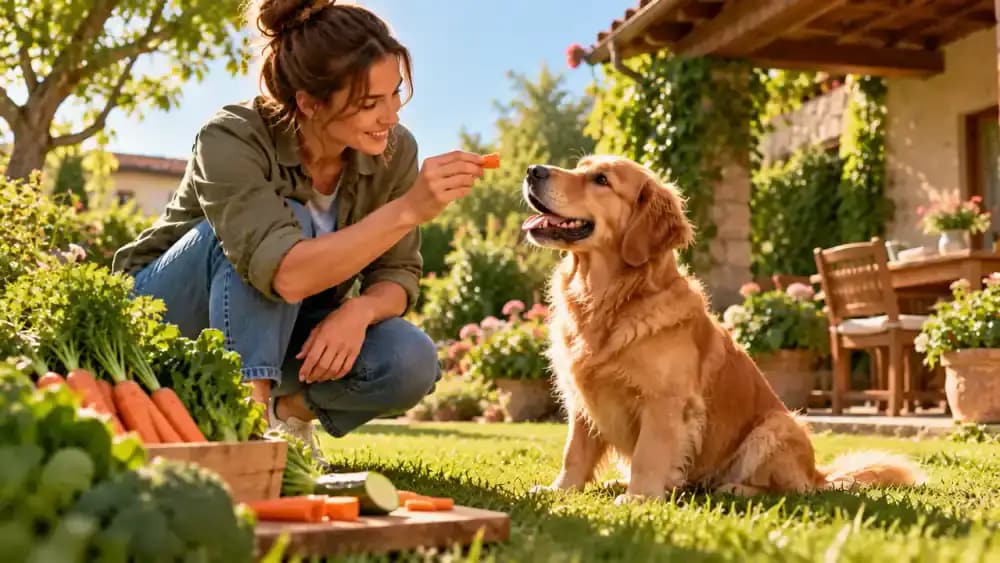
Offer approved vegetable treats during calm training activities rather than sharing food from your dinner plate. Reward a simple behavior, such as sitting, with one appropriately sized piece. This helps establish predictable feeding boundaries and may reduce begging. Measure rewards beforehand, supervise chewing, and return unused portions to appropriate storage when training ends.
Build Confidence With Every Treat
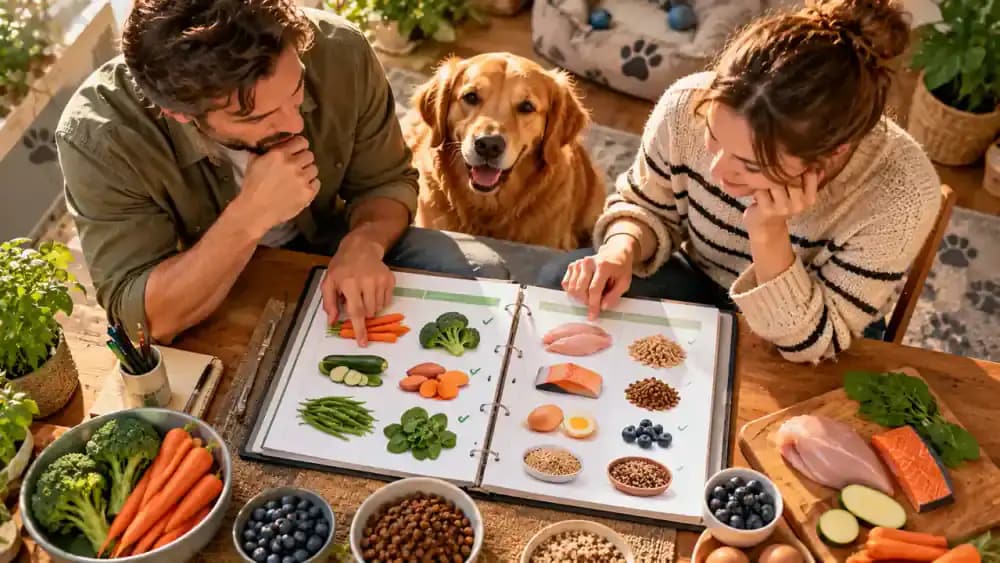
Keep a simple reference listing each veterinarian-approved ingredient, its suitable edible parts, and the appropriate serving amount for your pet. Store this information where family members and caregivers can find it. Before offering anything, confirm that the food remains suitable for your animal. Consistent choices help protect nutrition while keeping occasional treats enjoyable and predictable.
Resolve Conflicting Food Safety Advice
When online sources disagree about a fruit or vegetable, avoid giving it to your pet until you can verify its safety. Look for guidance from veterinary organizations that identifies the species, edible portions, preparation requirements, and potential risks. Be cautious with unsupported claims or incomplete lists. Ask your veterinarian to clarify any remaining uncertainty before introducing the ingredient.

Update Treat Choices as Pets Age
Review your pet's approved treat list as its age, health, and chewing ability change. Foods tolerated during adulthood may require different preparation or portions later in life. Dental concerns, digestive sensitivities, or new dietary restrictions can affect snack choices. Discuss treats during routine veterinary visits and adjust ingredients, textures, and serving sizes according to professional recommendations.
Coordinate Treats Across the Household
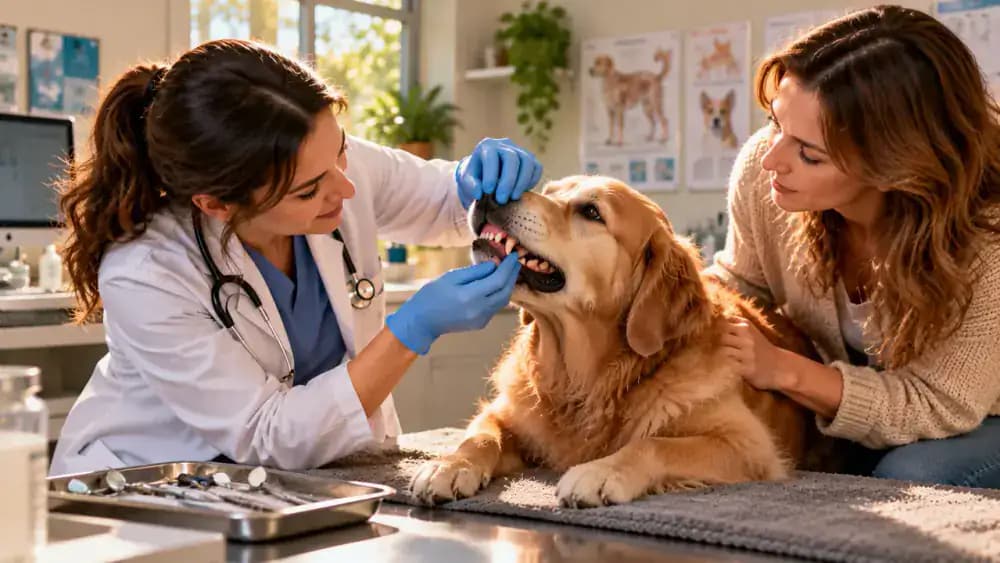
Set a shared daily treat allowance so family members do not accidentally overfeed your pet. Record each serving on a refrigerator chart or simple tracker, including rewards given during training. Make sure everyone understands the approved ingredients and portion limits. Once the daily allowance is reached, offer praise, playtime, or a favorite toy instead of additional food.
Transport Fresh Treats Without Spoilage
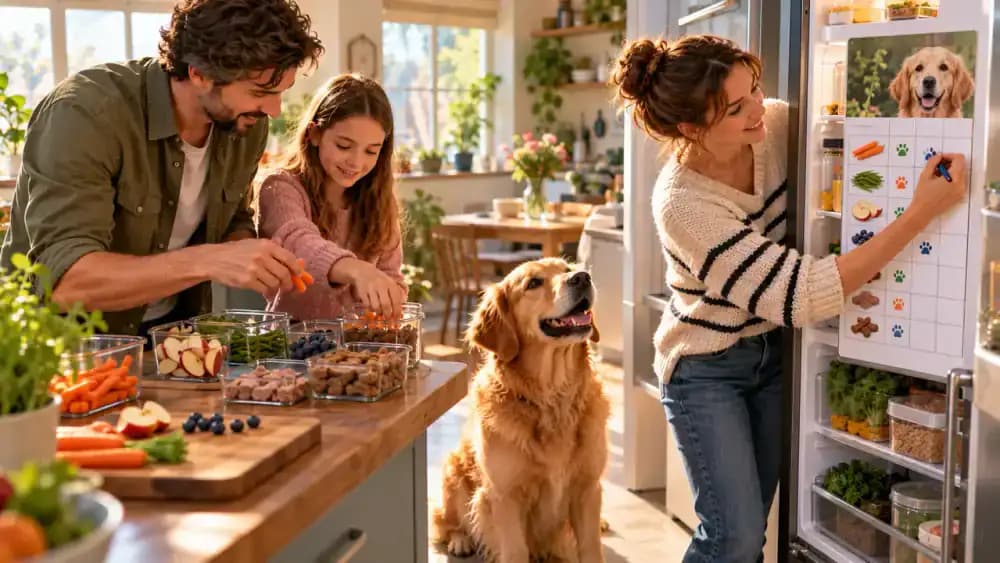
Pack approved fruit and vegetable treats in a clean, food-safe container before heading outdoors. Keep perishable pieces chilled in an insulated pouch with a cold pack, especially during warm weather. Carry only the amount your pet needs for the outing. Discard produce left unrefrigerated too long, and never save questionable leftovers for another walk.

Understand Concentrated Fruit Products
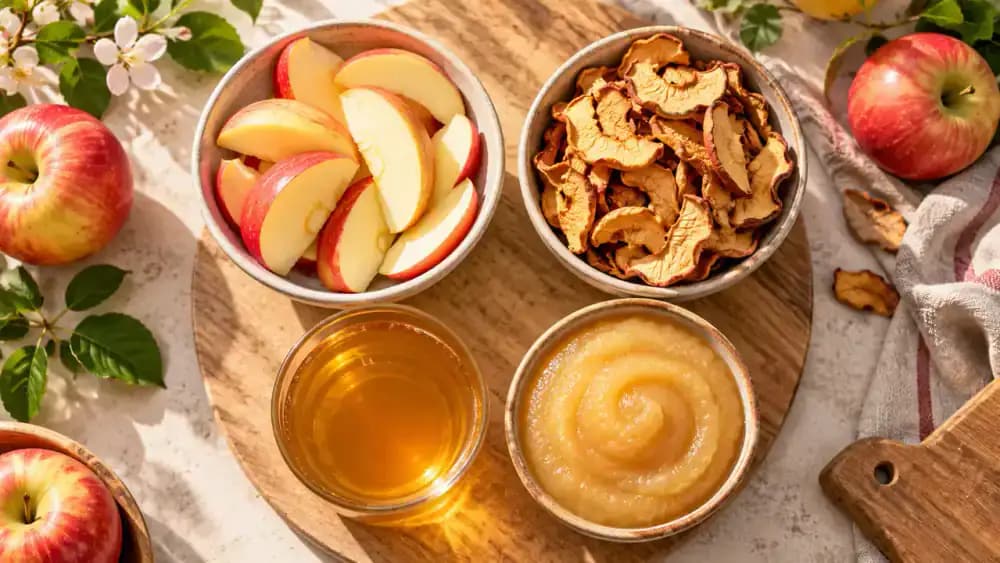
Be cautious with dried fruits, fruit purees, and juices because they can contain concentrated sugars, added ingredients, or unexpected choking hazards. Never offer grapes or raisins to dogs, regardless of their preparation. Check ingredient labels carefully, including sweeteners and preservatives. Whenever appropriate, choose small portions of verified-safe, plain fresh produce instead of concentrated fruit products.
Do Not Mistake Appetite for Safety
Never judge food safety by how eagerly your pet approaches a snack. Animals may enthusiastically investigate harmful ingredients or ignore foods that are perfectly suitable. Verify every ingredient through reliable, species-specific veterinary guidance before offering it. Keep unsafe foods inaccessible, and redirect begging or curious behavior with a familiar toy, attention, or another appropriate activity.

Keep Every Shared Snack Safe and Simple
Before sharing fresh produce, follow three essential habits: verify the exact ingredient for your pet, prepare only the approved parts safely, and serve a modest portion. Keep treats secondary to a complete, balanced, species-appropriate diet. When safety, preparation, or dietary restrictions are uncertain, consult your veterinarian. Thoughtful choices make occasional snacks enjoyable without unnecessary risks.

You're slicing a crisp apple or peeling a fresh carrot when your pet wanders into the kitchen, hoping for a bite. Sharing a little fresh produce seems harmless, especially when you're choosing something nutritious for yourself. But that innocent-looking snack can carry unexpected risks for animals.
Grapes and raisins, for example, can cause serious kidney damage in dogs, while onions and garlic contain compounds that can harm dogs and cats. Even foods that are generally suitable for some pets may create choking hazards, digestive problems, or complications related to individual health conditions.
The safest approach starts with checking the exact ingredient against a trustworthy, species-specific veterinary resource, such as the ASPCA's animal poison control guidance, and asking your veterinarian when anything is uncertain. Plain carrots, cucumber, or apple flesh may be reasonable occasional treats for many healthy dogs, but suitability should never be assumed for every animal.
Once an ingredient is confirmed safe, careful washing, appropriate trimming, and bite-sized cutting help make preparation safer. Treats should be served plain, without sugar, salt, sauces, or seasonings, and introduced gradually in tiny amounts.
This guide covers the ingredients, preparation habits, portion limits, and warning signs worth knowing before sharing fresh produce. Remember three essentials: verify the ingredient, prepare it safely, and serve only a little. Your pet's complete, balanced diet should always come first.
Where people go wrong
Assuming Human-Healthy Foods Are Safe for Pets. A food that's nutritious for people isn't automatically safe for animals. Grapes and raisins can seriously harm dogs, while onions and garlic are dangerous to dogs and cats. Different species have different nutritional needs and sensitivities. Always verify the exact ingredient using reliable veterinary information before offering even a small taste.
Leaving Seeds, Pits, Cores, or Tough Parts Attached. Seeds, pits, cores, and tough skins can create choking or digestive hazards, and certain fruit parts contain harmful compounds. Removing these components is important when veterinary guidance identifies them as unsafe. For example, apple flesh may be suitable for many dogs, but the core and seeds should be removed before serving.
Cutting Treats Into Pieces That Are Too Large. A large apple chunk or thick carrot round may be difficult for a small animal to manage. However, very small pieces can also be swallowed without chewing. Match the size, shape, and texture to your pet's mouth, chewing ability, and individual needs. Supervise eating and avoid foods that remain difficult to chew safely.
Adding Salt, Sugar, Sauces, or Seasonings. Fresh produce doesn't need extra flavoring to become a pet treat. Salt, added sugar, butter, dressings, and seasoned sauces can introduce unnecessary calories or potentially harmful ingredients. Some preparations contain onion, garlic, or xylitol, which is toxic to dogs. Serve verified ingredients plain, without toppings or flavor enhancers.
Introducing Several New Foods at Once. Offering multiple unfamiliar fruits and vegetables together makes it harder to identify which ingredient caused a reaction. A pet may develop vomiting, loose stools, or other symptoms after a dietary change. Introduce only one confirmed-safe food at a time, begin with a tiny amount, and monitor your pet before offering more.
Giving Too Many Treats Throughout the Day. Small snacks can quietly add up, especially when several household members share food with the same animal. For many dogs and cats, veterinary nutrition guidance recommends keeping treats at or below 10% of daily calories. Excessive extras can unbalance nutrition or contribute to unwanted weight gain, even when the ingredients themselves are safe.
Ignoring Individual Dietary Restrictions. An ingredient considered suitable for a healthy adult dog may not be appropriate for a pet with a medical condition, prescribed diet, food sensitivity, or special nutritional requirements. Puppies, kittens, senior animals, and other species may also need different precautions. Consult your veterinarian before changing the treats offered to an animal with individual dietary needs.
Questions people ask
Many healthy dogs can enjoy small amounts of plain carrots, cucumber, green beans, or apple flesh with the core and seeds removed. However, these examples are not universally suitable. Preparation, serving size, health conditions, and individual tolerance matter. Check veterinary guidance for each specific ingredient and consult your veterinarian when your dog's dietary needs are uncertain.
Fixed it?
Get one guide like this every Thursday.