How to Prepare Children for Life with a New Dog or Cat
Bringing home a new dog or cat is exciting for children, but a successful introduction takes patience. Learn how to teach kids safe interactions, recognize pet boundaries, establish household rules, and build lasting trust.

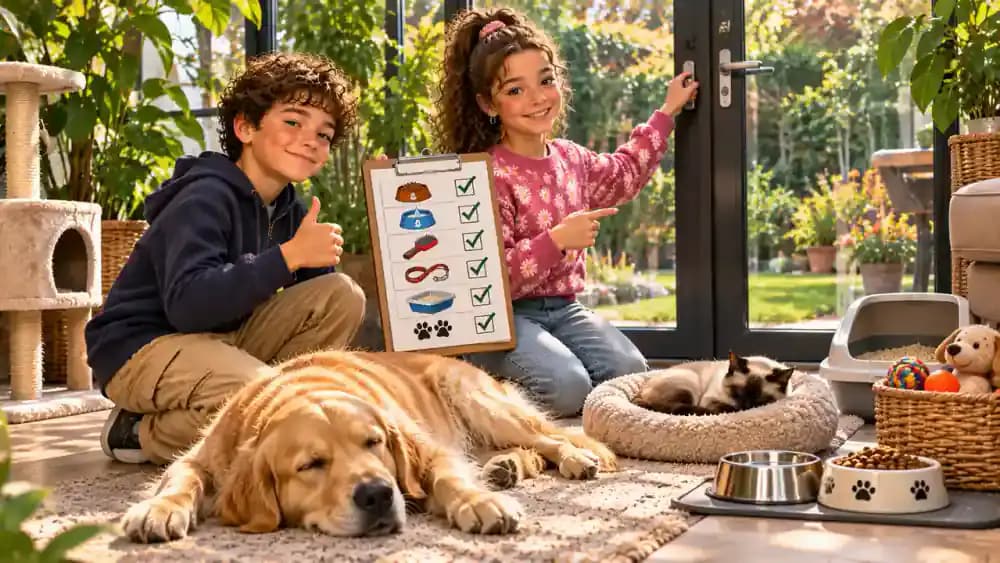
What you’ll need
Tap to tick things off before you start.
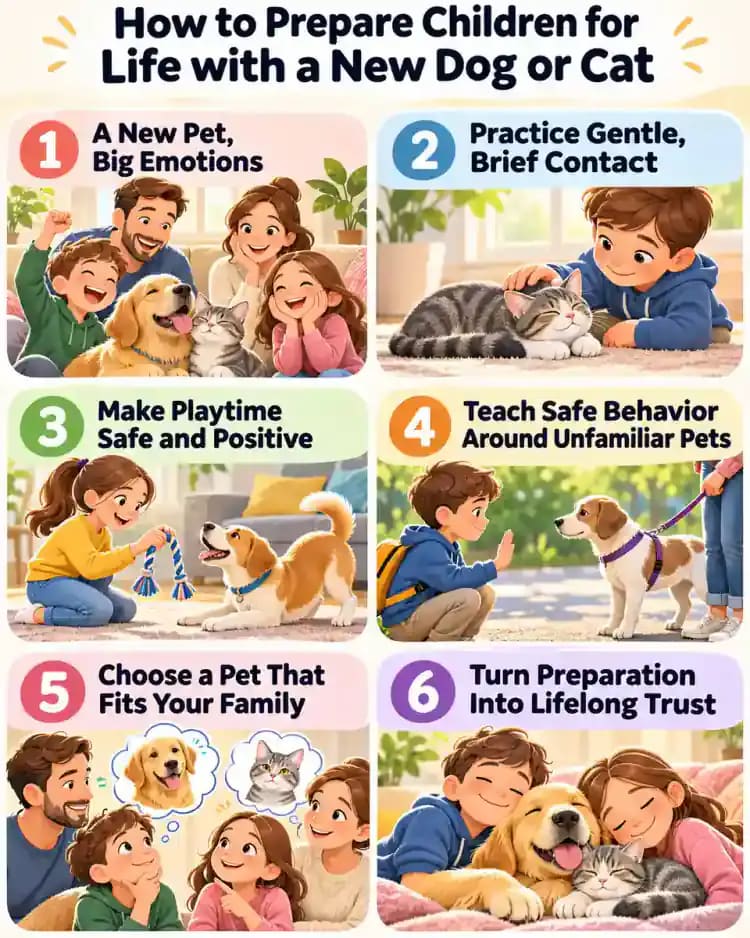
A New Pet, Big Emotions
Bringing home a new dog or cat is exciting, but unfamiliar surroundings and enthusiastic children can overwhelm an animal. Before greeting your new companion, remind children to use quiet voices, walk slowly, and avoid chasing, grabbing, or hugging. An adult should guide the introduction and give the pet enough space to settle comfortably.

Set Boundaries Before Arrival
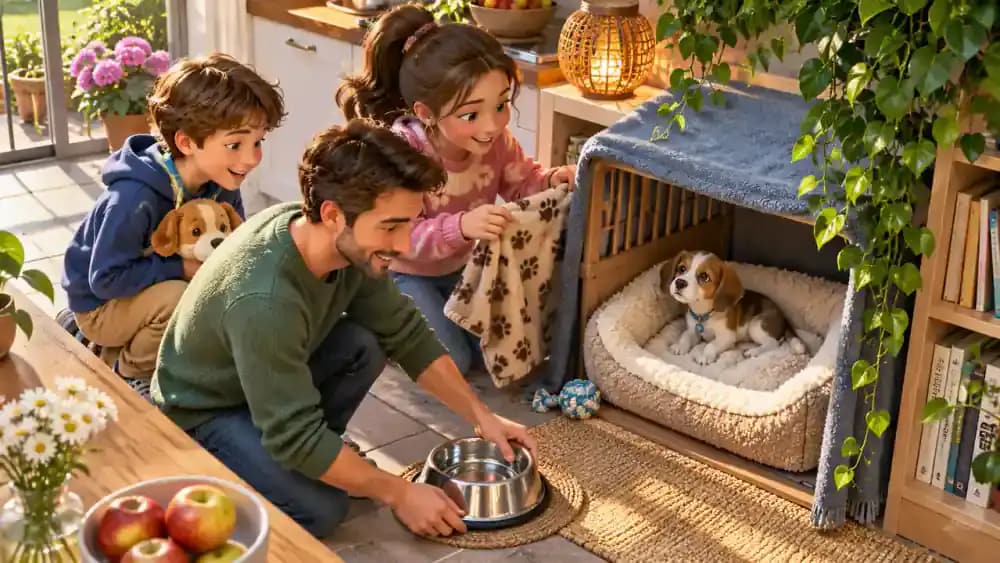
Hold a family meeting before bringing your pet home. Explain that dogs and cats need personal space, predictable routines, and uninterrupted rest. Together, prepare a quiet retreat with comfortable bedding, fresh water, and an accessible hiding spot. Establish a simple rule: children must respect the pet's private area and never force interaction.
Let the Pet Make the First Move
During the first introduction, have your child sit quietly, slightly sideways, with hands resting near their body. Allow the dog or cat to approach voluntarily without calling, reaching, or following. If the animal seems comfortable, an adult can supervise gentle contact. If it retreats or walks away, respect that decision and give it space.

Understand Animal Warning Signs
Teach children to recognize the difference between relaxed and uncomfortable animal behavior. A loose body and voluntary approach may indicate comfort, while stiffness, freezing, pinned ears, retreating, growling, or hissing can signal distress. Tail wagging alone does not guarantee friendliness. When warning signs appear, children should stop, calmly move away, and alert an adult.

Protect Mealtimes and Rest
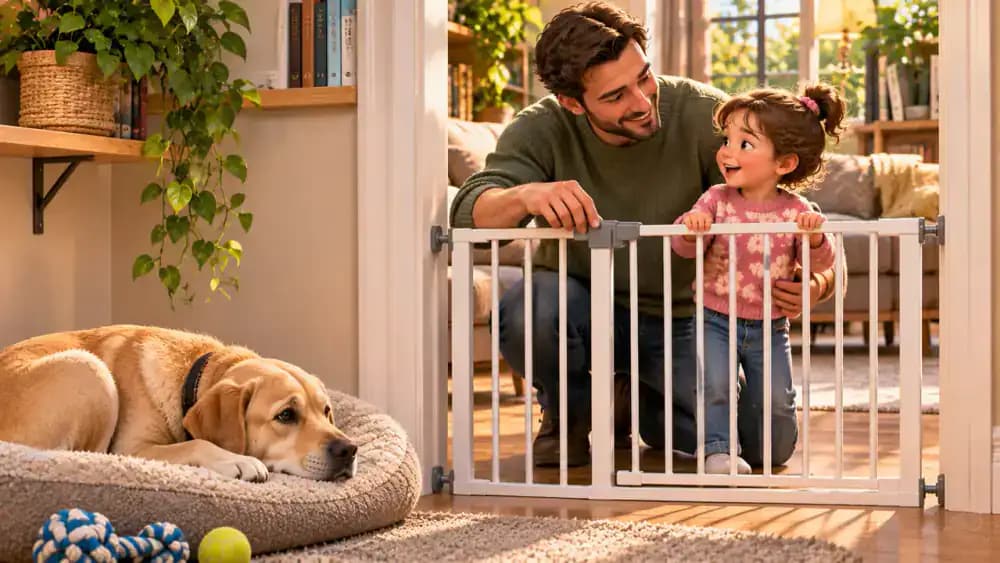
Establish firm household rules against disturbing pets while eating, sleeping, hiding, or caring for their young. Keep feeding stations and resting areas separate from children's play spaces, using appropriate barriers when needed. If a toy lands near an eating or resting animal, children should leave it alone and ask an adult for help.

Practice Gentle, Brief Contact
When your new pet approaches voluntarily and appears relaxed, demonstrate gentle petting with your child. Stroke the animal's shoulder or side briefly, avoiding its face, paws, and tail. Pause after a few seconds to observe its response. If the pet leans closer, contact may continue. If it moves away, stop immediately and respect its choice.

Supervision Is Non-Negotiable
Always actively supervise interactions between young children and pets, even when the animal seems friendly and familiar. Stay close enough to recognize discomfort and intervene immediately. Never leave a young child alone with a dog or cat. When supervision becomes impossible, separate them using a secure door or barrier, ensuring the pet has a comfortable resting area.
Build Trust That Lasts
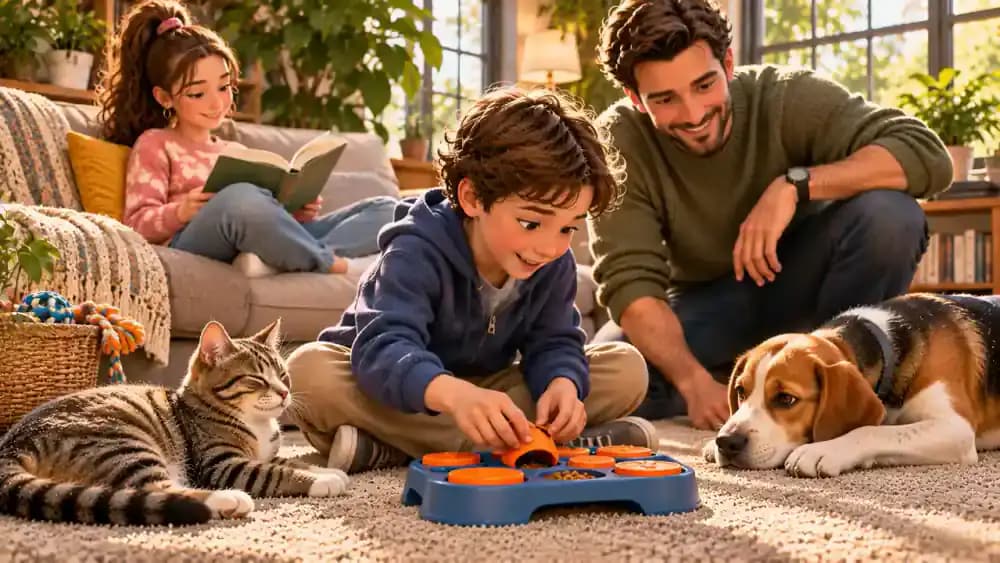
Give children age-appropriate responsibilities that encourage patience without requiring physical contact. They can organize supplies, help measure food under adult supervision, or prepare simple enrichment activities. Praise children for respecting boundaries rather than seeking constant affection. Maintain predictable daily routines and allow the pet to choose companionship. Lasting trust develops through consistent, positive experiences.
Every Pet Has a Different Personality
Help children understand that dogs and cats have individual personalities and different comfort levels. Some approach new people immediately, while others prefer observing from a distance. Avoid comparing pets or expecting affection within a specific timeframe. Encourage children to notice each animal's preferences, respect hesitation, and recognize progress through increasing comfort rather than immediate playfulness.
Manage Noise and Sudden Movements
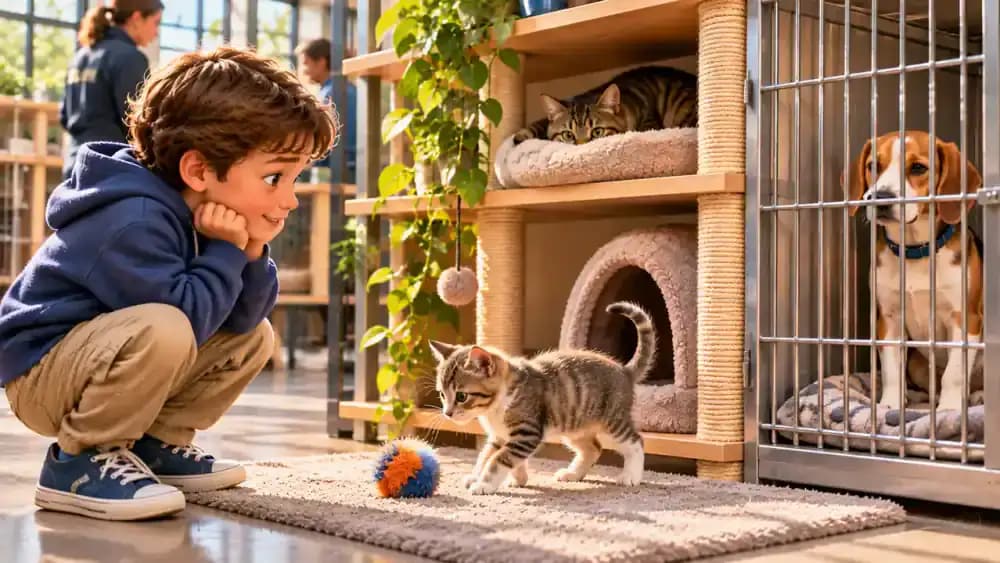
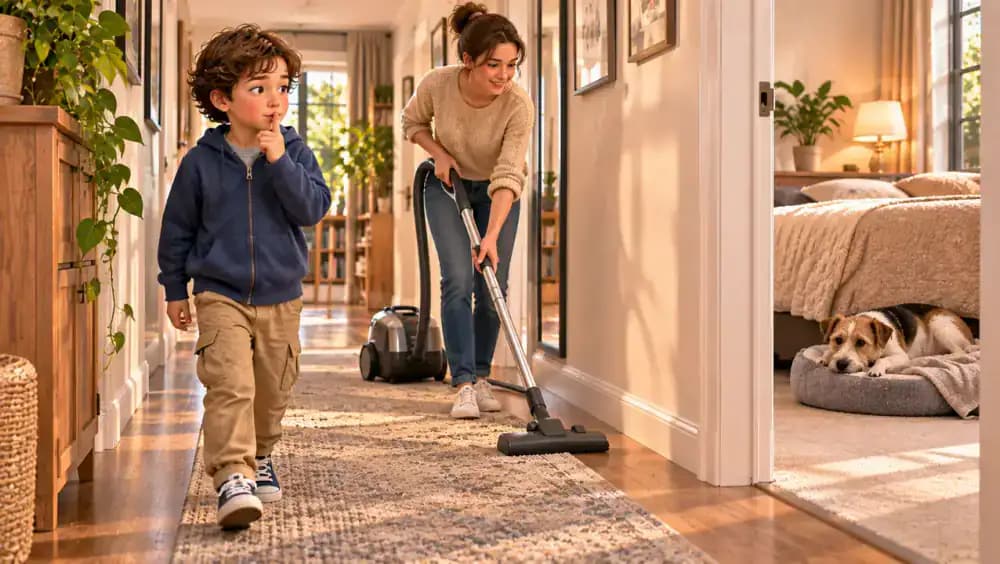
Explain that loud noises, running children, and sudden movements can startle a new dog or cat. Practice using indoor voices, walking calmly, and avoiding unexpected approaches. During vacuuming, parties, or energetic play, provide a separate quiet room with familiar bedding and water. Keep the retreat accessible and undisturbed so the animal can relax safely.
Teach Visitors to Respect Boundaries
Before inviting friends or relatives to meet your new pet, explain the household rules to everyone. Ask visitors to remain calm, avoid approaching the animal, and let it settle without attention. Children should never promise guests an introduction. An adult must decide whether interaction is appropriate, and the pet should always have a quiet retreat available.

Make Playtime Safe and Positive
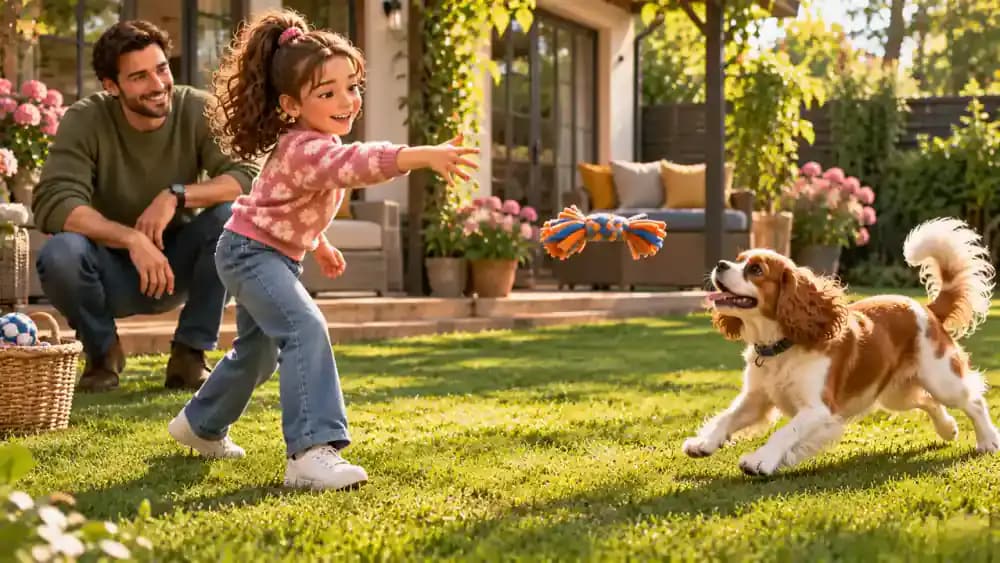
Choose supervised activities that keep children's hands away from teeth and claws. For dogs, demonstrate tossing a soft toy away from the child rather than pulling it from the animal's mouth. For cats, use a wand toy instead of fingers. Keep play sessions short, watch for overstimulation, and stop before excitement becomes difficult to manage.
Respond Calmly When Mistakes Happen
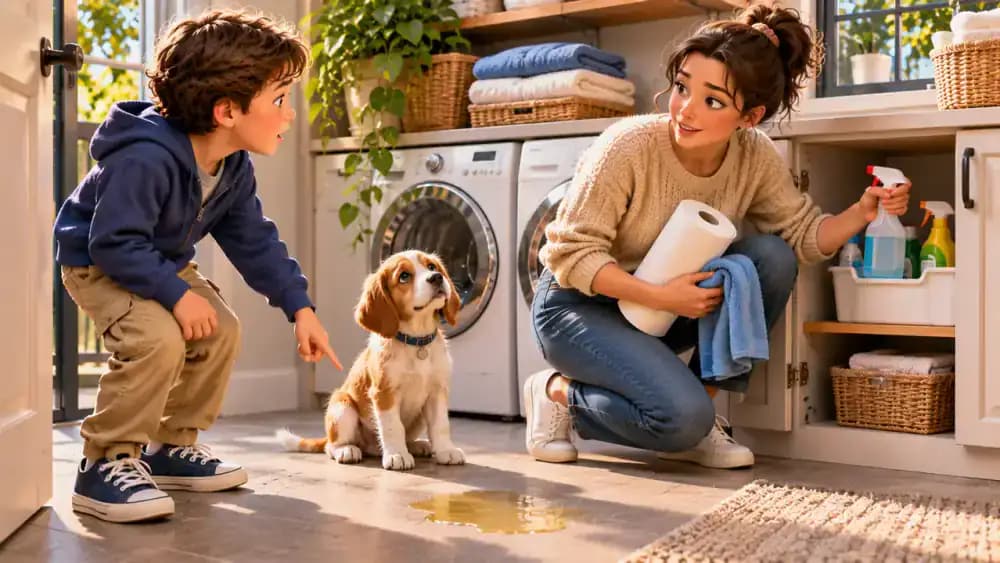
Accidents and unexpected behavior are normal parts of adjusting to a new home. If your pet has an indoor accident, scratches furniture, or retreats after a loud noise, teach children to stay calm and notify an adult. Never shout, punish, or corner the animal. Clean up safely and consider how the environment could be improved.
Recognize Signs of Growing Confidence
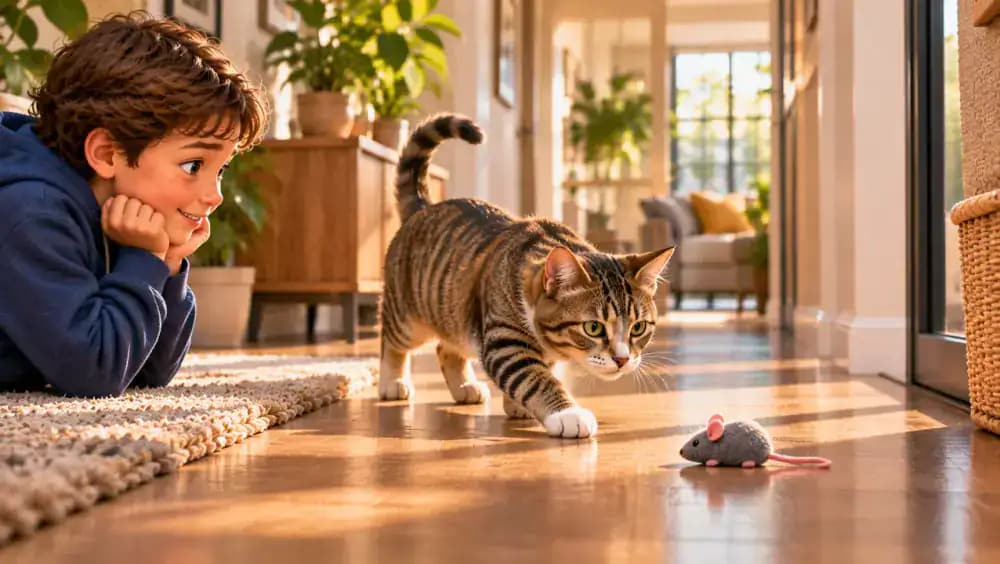
Help children notice small changes as their new pet becomes familiar with the household. Exploring additional rooms, resting in open areas, or playing with favorite toys may indicate increasing comfort. However, progress is rarely perfectly consistent. Continue respecting boundaries, allow quiet time, and remind children that a confident moment does not mean every interaction is welcome.
Know What to Do When Something Goes Wrong
If a dog snaps, a cat scratches, or a child becomes frightened, calmly separate everyone without punishing or pursuing the animal. Check for injuries, wash broken skin promptly, and seek medical advice after bites or significant scratches. An adult should review what happened, strengthen safety precautions, and consult a qualified behavior professional if concerning interactions continue.

Raise Children Who Respect Animals
Teach children that caring for animals means respecting their choices, not demanding affection. Encourage them to notice relaxed behavior, accept when a pet moves away, and appreciate peaceful companionship. Adults should consistently model patience and kindness while maintaining clear safety boundaries. Over time, these everyday habits help children develop empathy and build trusting relationships with their pets.

Practice Safe Choices Through Role Playing
Use stuffed animals to help children practice safe decisions before real situations arise. Pretend a toy dog is eating, a cat is sleeping, or a pet is walking away. Ask what your child should do next. Encourage stepping back, respecting boundaries, and calling an adult when necessary. Repeat these exercises until safe responses become familiar.

Teach Safe Behavior Around Unfamiliar Pets
Remind children that unfamiliar animals require extra caution, even when they appear friendly. Before approaching someone else's dog, children must ask both their supervising adult and the dog's owner for permission. Never approach unattended animals or reach through fences, car windows, or carriers. If permission is denied or the animal seems uncomfortable, maintain a safe distance.

Choose Age-Appropriate Pet Responsibilities
Assign pet care tasks according to each child's age, maturity, and abilities. Preschoolers can select clean blankets or organize supplies, while older children may help refill water bowls and maintain care charts under supervision. Avoid tasks involving unfamiliar, frightened, or overly excited animals. Adults must remain responsible for feeding decisions, veterinary care, medications, and overall pet safety.

Build Healthy Hygiene Habits
Teach children to wash their hands thoroughly with soap and running water after touching pets, handling pet supplies, or playing with animals, and always before eating. Adults should manage litter boxes, animal waste, medications, and veterinary care. Keep pet feeding equipment separate from human dishes, clean shared surfaces regularly, and reinforce consistent hygiene habits throughout the household.

Help Children Handle Disappointment
Children may feel rejected when a new pet prefers another family member or avoids their attention. Acknowledge their disappointment while explaining that animals have individual preferences and need freedom to choose interactions. Suggest preparing a simple enrichment activity together under adult supervision. Encourage patience and remind children that trust develops through respectful experiences, not forced affection.

Update Safety Rules as Your Pet Grows
Review household safety rules regularly as your puppy or kitten grows and its abilities change. A larger dog may reach previously inaccessible areas, while an adult cat may jump over barriers. Check gates, resting spaces, and supervision arrangements. Ask children about changes they notice, and adjust routines whenever your pet's behavior, health, or environment changes.

Create a Safe and Respectful Family Home
Bring the family together to reinforce one essential rule: when a pet does not want attention, everyone gives it space. Encourage children to recognize boundaries, remain calm, and involve an adult when uncertain. Maintain accessible resting areas and consistent supervision. A successful family-pet relationship depends on mutual respect, predictable routines, and a shared commitment to safety.

Choose a Pet That Fits Your Family
Before adopting, research the daily needs and temperament of different dogs and cats as a family. Consider exercise, grooming, enrichment, veterinary expenses, and available household space. Invite children to participate in discussions, but keep adoption decisions with responsible adults. Choose an individual animal whose needs match your family's lifestyle, resources, and ability to provide long-term care.

Prepare for the Journey Home
Plan a calm, secure trip when bringing your new pet home. Use an appropriately sized, properly secured carrier or suitable vehicle restraint, and keep children buckled in their seats. Explain that they must never open the carrier, reach inside, or distract the driver. Adults should manage transportation and arrival while children remain quiet and respectful.

Introduce Your Pet to One Room First
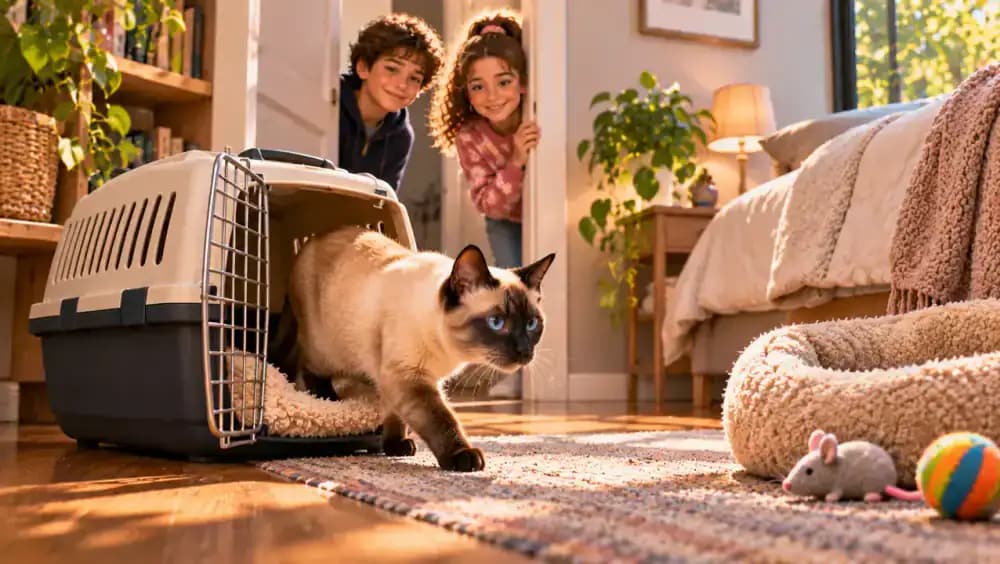
When your new pet arrives, begin with one quiet, comfortable room rather than allowing immediate access to the entire house. Provide fresh water, suitable bedding, a hiding place, and a litter box for cats. Let an adult open the carrier and allow the animal to emerge voluntarily. Children should observe quietly from outside the room.
Make Your Home Pet Safe
Inspect your home from your new pet's perspective before allowing wider exploration. Secure electrical cords, medications, cleaning supplies, fragile objects, and potentially toxic foods. Check windows, balconies, and exterior doors for escape hazards. Encourage children to identify dangerous items without touching them. Adults should handle repairs, remove hazards, and secure cabinets or barriers.

Prevent Accidental Escapes
Establish a doorway safety routine before your pet begins exploring the home. Teach children to check the animal's location and notify an adult before opening exterior doors. Use secure gates or closed interior doors during deliveries and busy arrivals. Adults should manage leashes, carriers, and identification tags, ensuring children never become responsible for physically stopping an escaping animal.

Plan for Consistent Adult Care
Create a family care schedule that identifies which adults handle feeding, exercise, veterinary appointments, and daily safety checks. Include arrangements for school hours, work commitments, vacations, and unexpected emergencies. Let children contribute appropriate tasks, but never depend on them for essential care. Record a trusted backup caregiver's contact information and review responsibilities regularly.

Turn Preparation Into Lifelong Trust
Ask each child to choose one practical way to support the new pet tomorrow, such as checking a closed door, reporting a hazard, or helping prepare supplies. Praise thoughtful decisions rather than demanding affection. Continue reinforcing boundaries, supervision, and predictable routines. Small, consistent acts of responsibility help children and pets develop a safe, trusting relationship over time.
The front door opens, and your child races toward the family's newly adopted dog or cat, arms outstretched and ready for a hug. It's a heartwarming moment in theory, but for an animal entering unfamiliar surroundings, that burst of excitement can feel overwhelming. Even a friendly pet may become uncomfortable when children crowd, chase, grab, or demand attention before it has settled in.
Preparing children for a new dog or cat starts before the first cuddle. A calm family conversation can establish an important principle: pets are living beings with their own feelings, boundaries, and need for personal space. They require predictable routines, quiet places to retreat, and opportunities to approach people voluntarily.
Children also need help understanding pet body language. A relaxed animal that chooses to approach is very different from one that becomes stiff, backs away, growls, hisses, or tries to hide. Recognizing these signals helps children understand when to stop interacting and give their new companion space.
This guide explains how to establish practical household rules, encourage gentle and supervised interactions, assign age-appropriate pet care responsibilities, and create a home where children and animals can feel comfortable together. With patient adults setting the example, everyday moments can become opportunities to build trust, confidence, and a respectful lifelong bond.
Where people go wrong
Allowing Children to Rush Toward the New Pet. Excited children may run toward a newly adopted animal, shout its name, or reach out immediately. This attention can overwhelm a dog or cat that is still adjusting to unfamiliar sights, sounds, and smells. Teach children to move slowly, speak softly, and remain at a comfortable distance while allowing the pet to approach voluntarily.
Forcing Hugs, Kisses, or Physical Affection. Children often express love through hugs and kisses, but many dogs and cats dislike being restrained or having faces brought close to theirs. Never require an animal to tolerate cuddling, lifting, or prolonged petting. Encourage brief, gentle contact only when the pet welcomes it, and teach children to stop immediately when the animal moves away.
Ignoring Signs That an Animal Wants Space. A stiff body, sudden stillness, retreating, growling, hissing, or hiding can indicate that a pet is uncomfortable. Children may misunderstand these signals or continue approaching because they want to help. Explain that warning behaviors should never be punished or challenged. Instead, children should stop interacting, move away calmly, and notify a supervising adult.
Disturbing Pets During Meals, Sleep, or Quiet Time. Children may assume that a resting or eating pet is available for attention whenever they want. Interrupting an animal during vulnerable moments can create unnecessary stress and unsafe encounters. Establish firm rules against touching pets while they eat, sleep, hide, or care for their young. Adults should also protect these quiet periods from household interruptions.
Leaving Young Children Alone with a Dog or Cat. A familiar, affectionate pet can still react unpredictably when startled, hurt, or overwhelmed. Never assume that a gentle temperament eliminates the need for supervision. An adult must actively observe and be ready to intervene during child-pet interactions. When direct supervision is impossible, separate the animal and child using secure, appropriate spaces rather than relying on verbal instructions.
Giving Children More Responsibility Than They Can Manage. Assigning pet care duties can teach empathy and consistency, but young children should not be responsible for feeding decisions, handling unfamiliar animals, or managing difficult behavior alone. Match tasks to each child's maturity and abilities. Adults should oversee feeding, supervise enrichment, maintain veterinary care, and remain fully accountable for the pet's health and daily needs.
Expecting an Immediate Bond Between Children and Pets. Some newly adopted animals become comfortable quickly, while others need considerably more time to explore and settle into family life. Pressuring a reluctant pet to play or interact can undermine trust. Allow the relationship to develop at the animal's pace through predictable routines, calm experiences, and positive interactions without treating affection as an obligation.
Questions people ask
Start with a calm family conversation about what pets need to feel comfortable. Explain that animals require personal space, predictable routines, and gentle treatment. Practice approaching slowly, recognizing when an animal wants to be left alone, and asking an adult before interacting. Establish clear household rules and prepare a quiet retreat area before the new pet arrives.
Fixed it?
Get one guide like this every Thursday.