How to Make Water More Appealing to Your Cat
Help your cat drink more comfortably by improving bowl placement, freshness, water choices, food moisture, and access while learning which drinking and urination changes deserve veterinary attention.
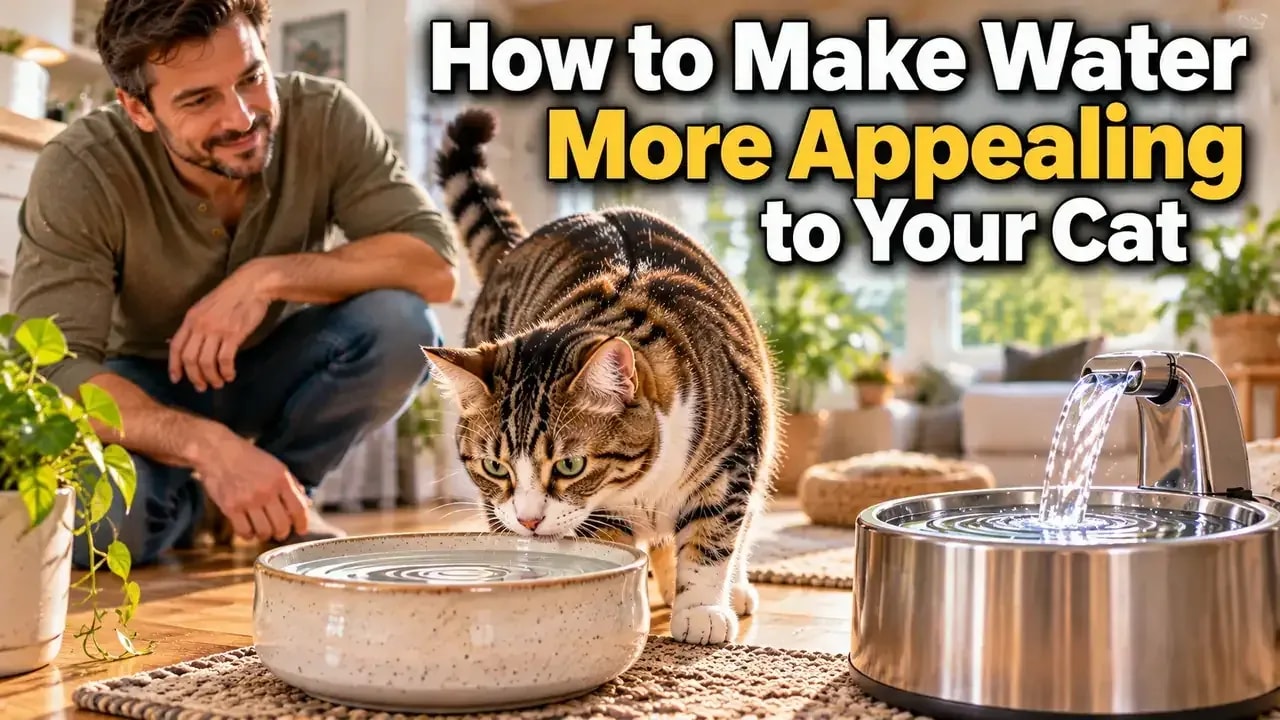
What you’ll need
Tap to tick things off before you start.
Start With Observation
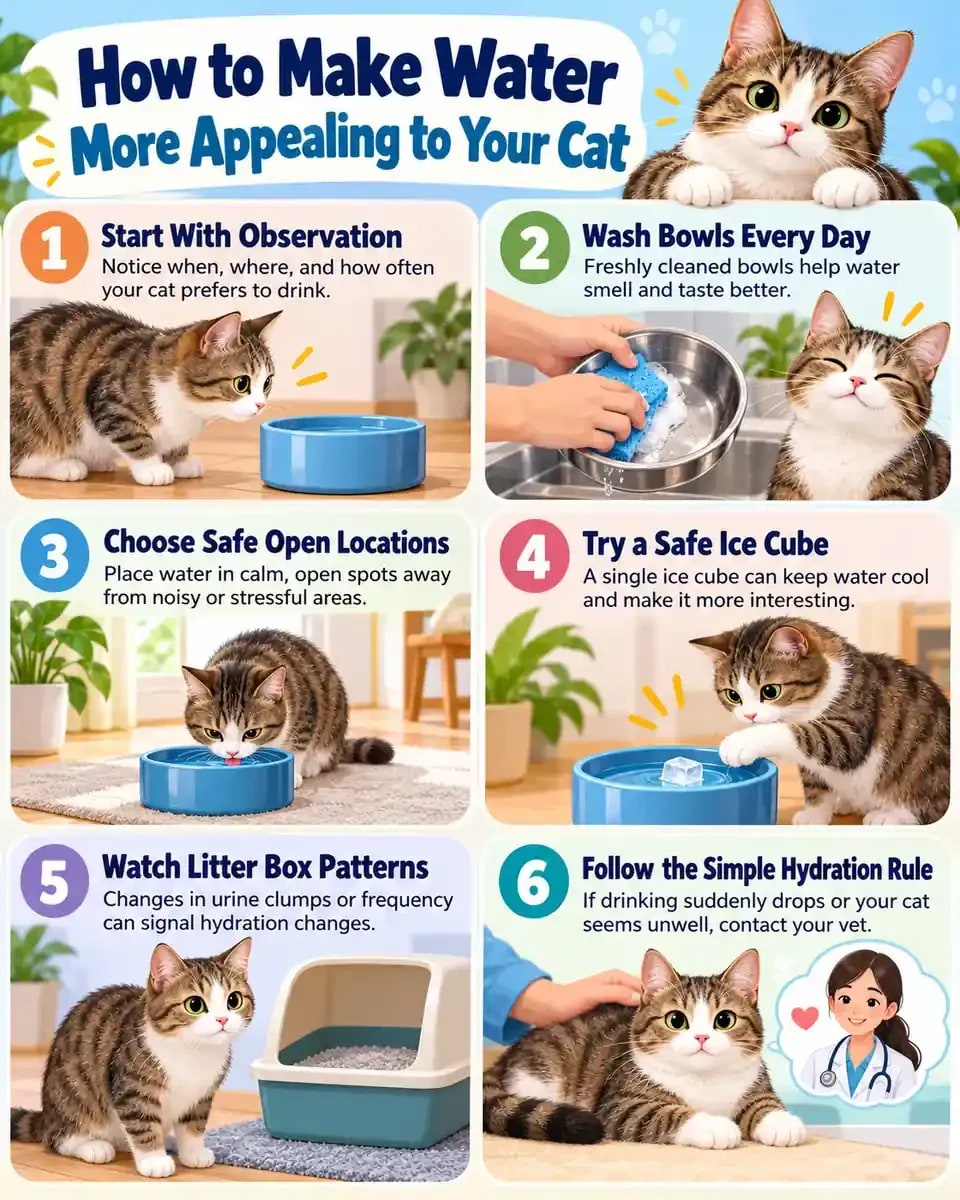
Before changing anything, watch how your cat already interacts with water. Notice which rooms it enters to drink, what time of day it visits the bowl, whether it seems interested in faucets or moving water, and whether it avoids a bowl near its food. Cats often drink less noticeably than dogs, so observation gives you a useful baseline. The goal is not to make drinking complicated. It is to identify small barriers and create fresh, comfortable water choices that fit your cat's existing habits.
Offer More Than One Station
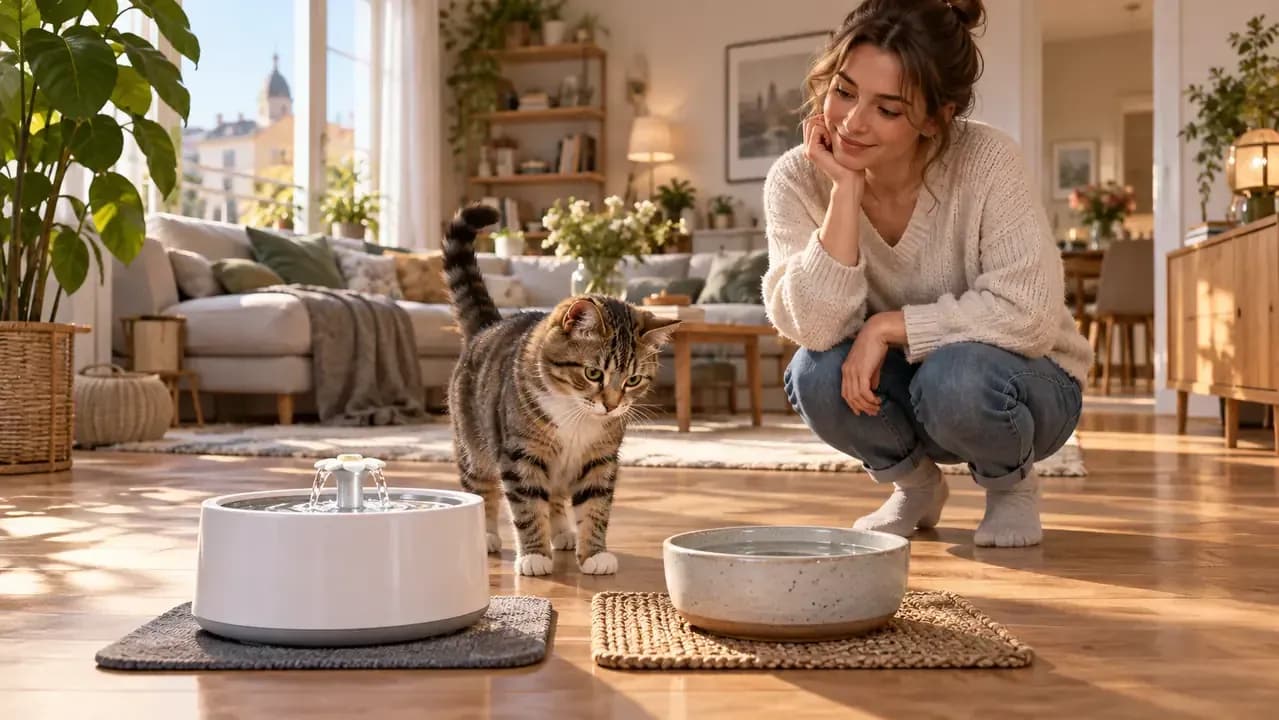
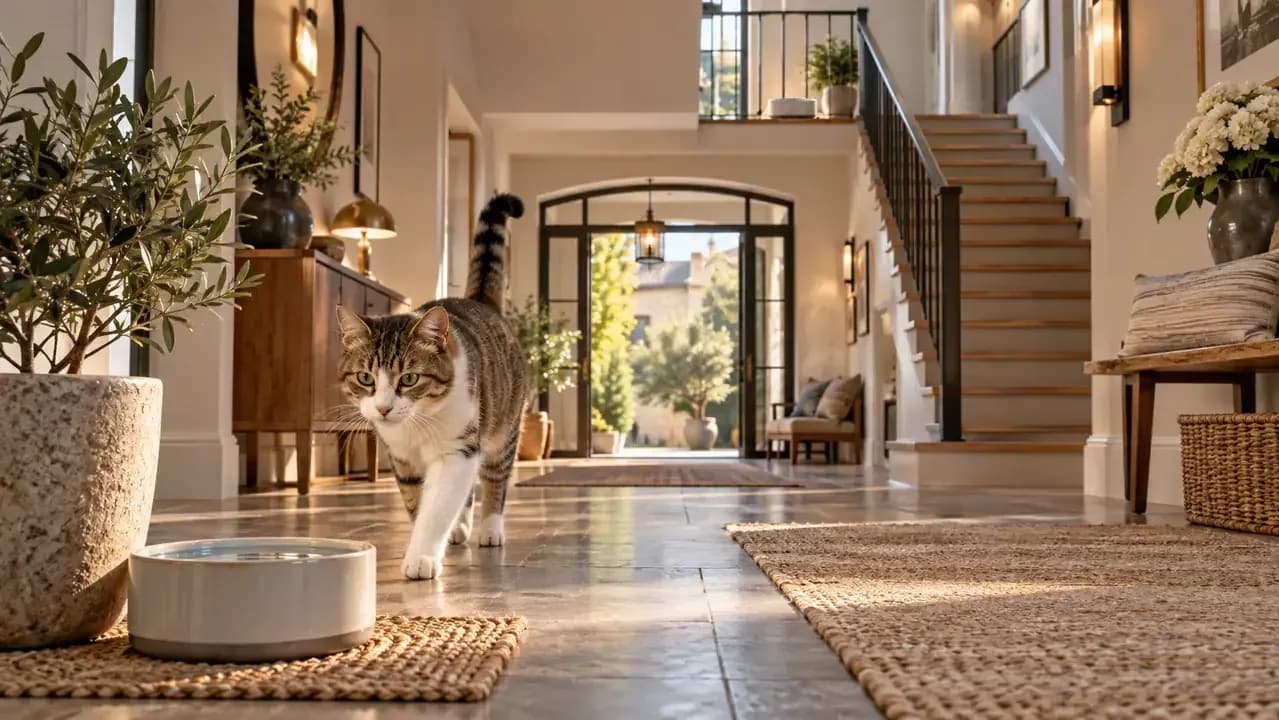
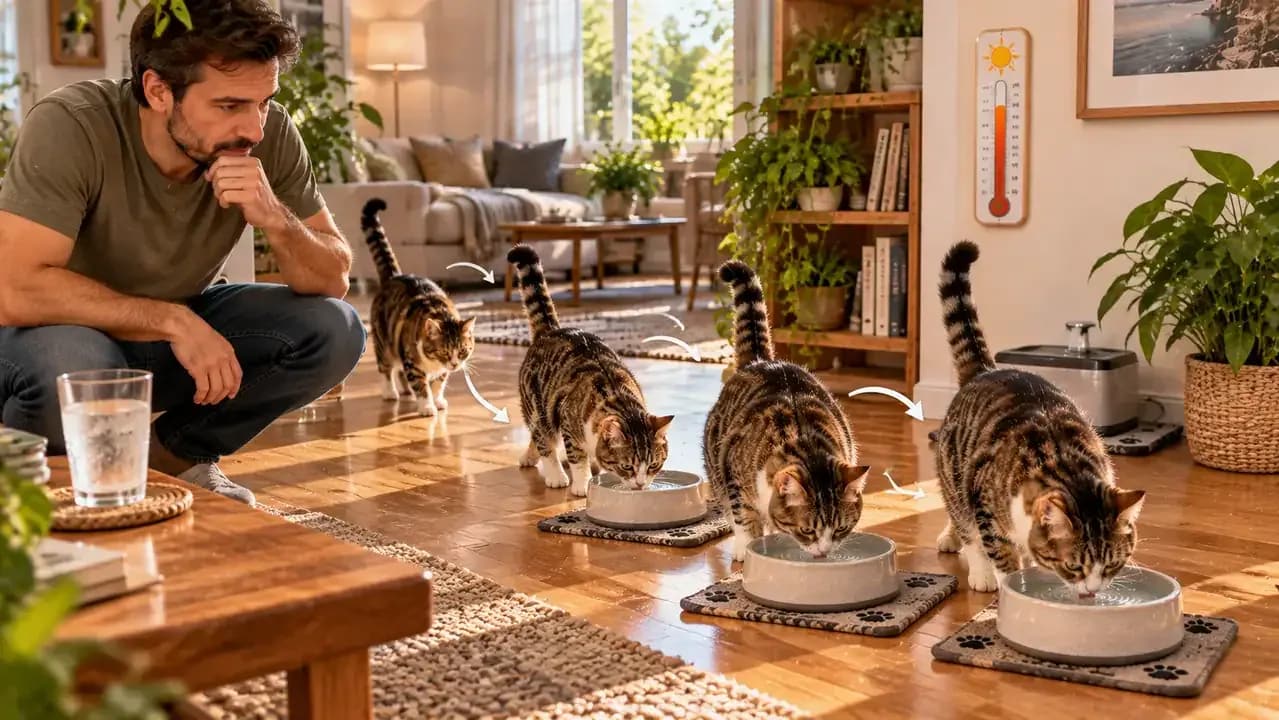
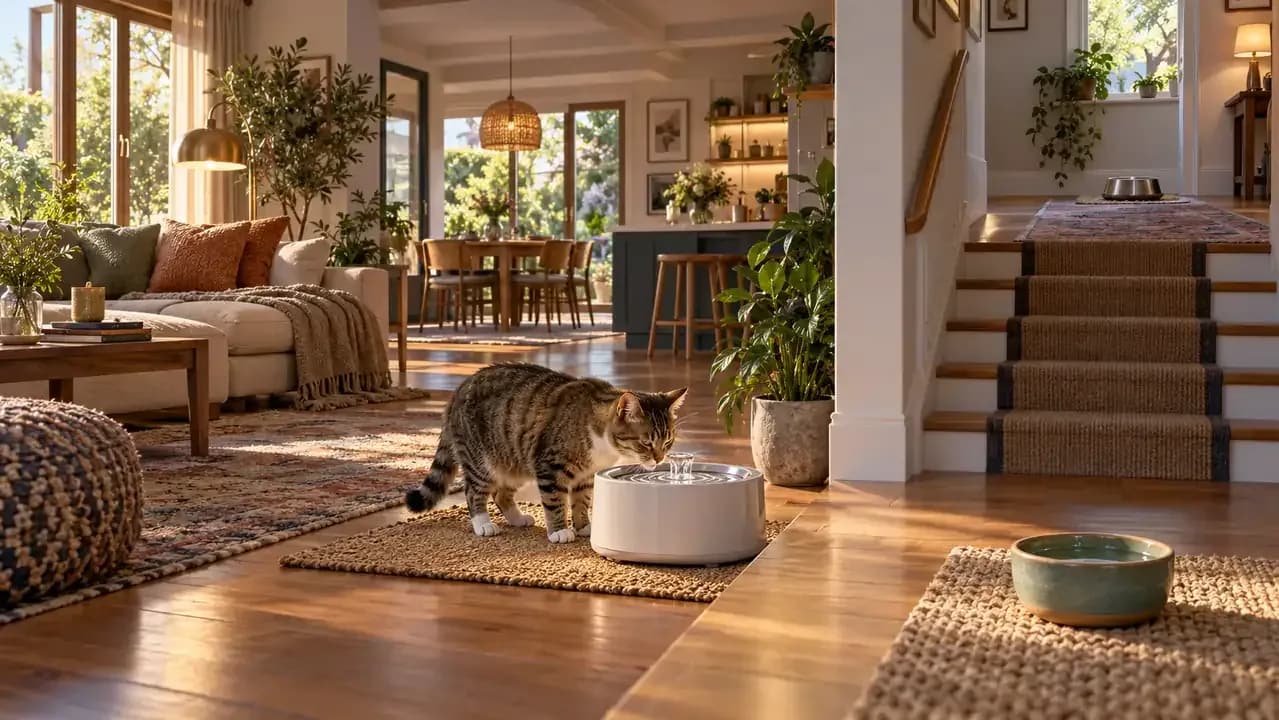
Put water in more than one part of the home, especially if you have multiple floors or rooms that your cat uses regularly. A cat should not have to cross a noisy kitchen, pass another animal, or climb stairs every time it wants water. Try two or three calm locations and leave them in place long enough to see a pattern. Over several days, one station may clearly receive more visits than another, giving you useful information about your cat's preferred location.
Separate Water From Food
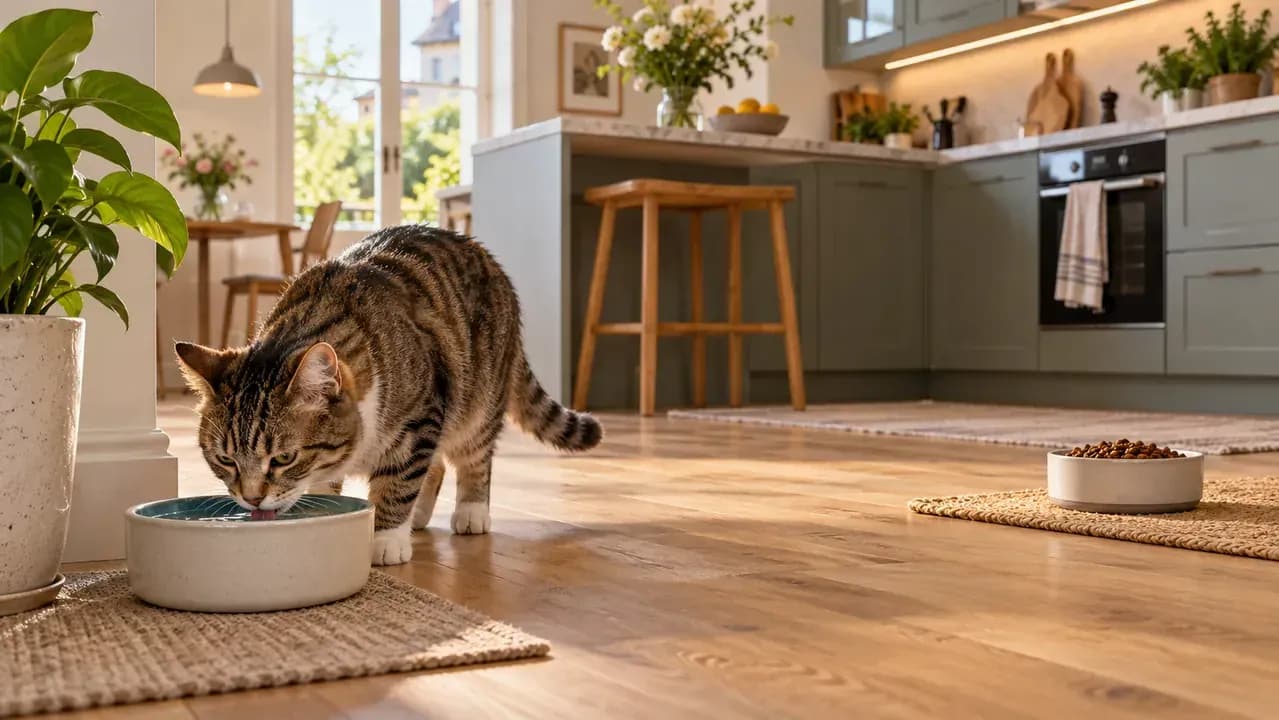
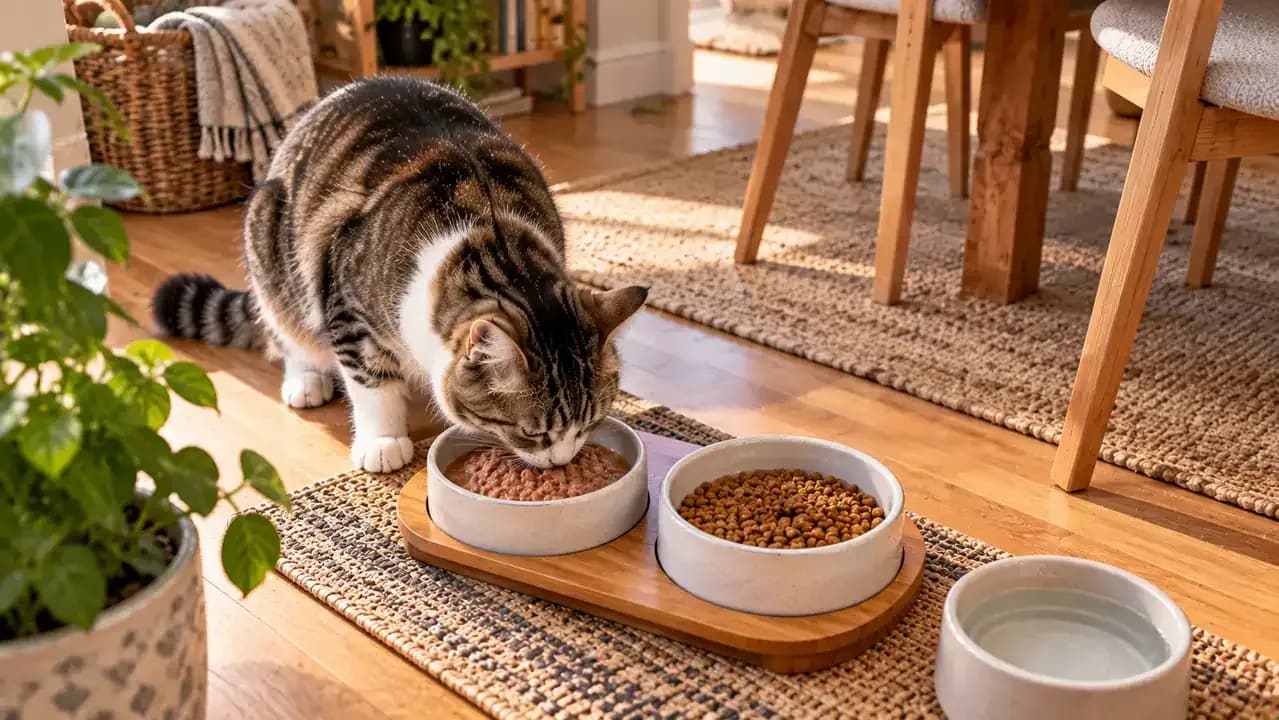
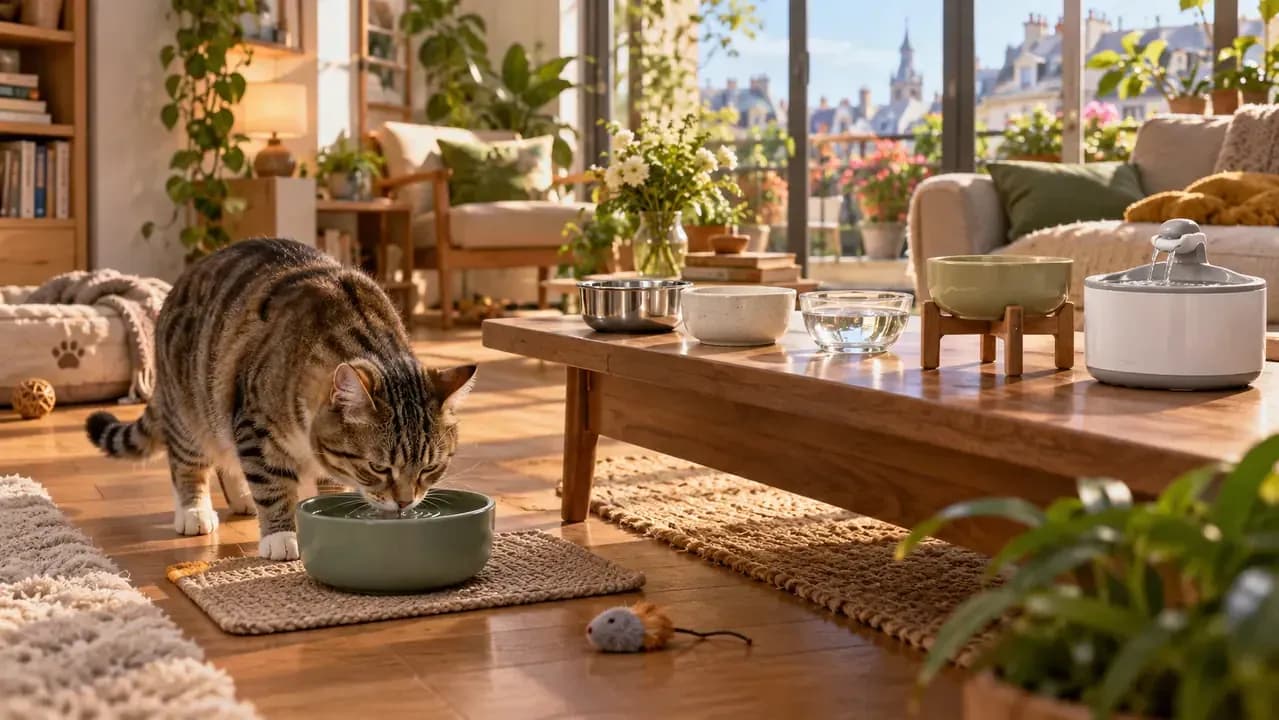
Keep at least one water bowl several feet away from the food dish. Some cats appear more willing to drink when their water is separate from the feeding area, and greater distance can also help keep crumbs and food odors out of the water. Instead of placing every bowl directly beside dinner, try a quiet station across the room or in another nearby area. Compare which location your cat uses rather than assuming the most convenient placement for you is also the most appealing placement for the cat.
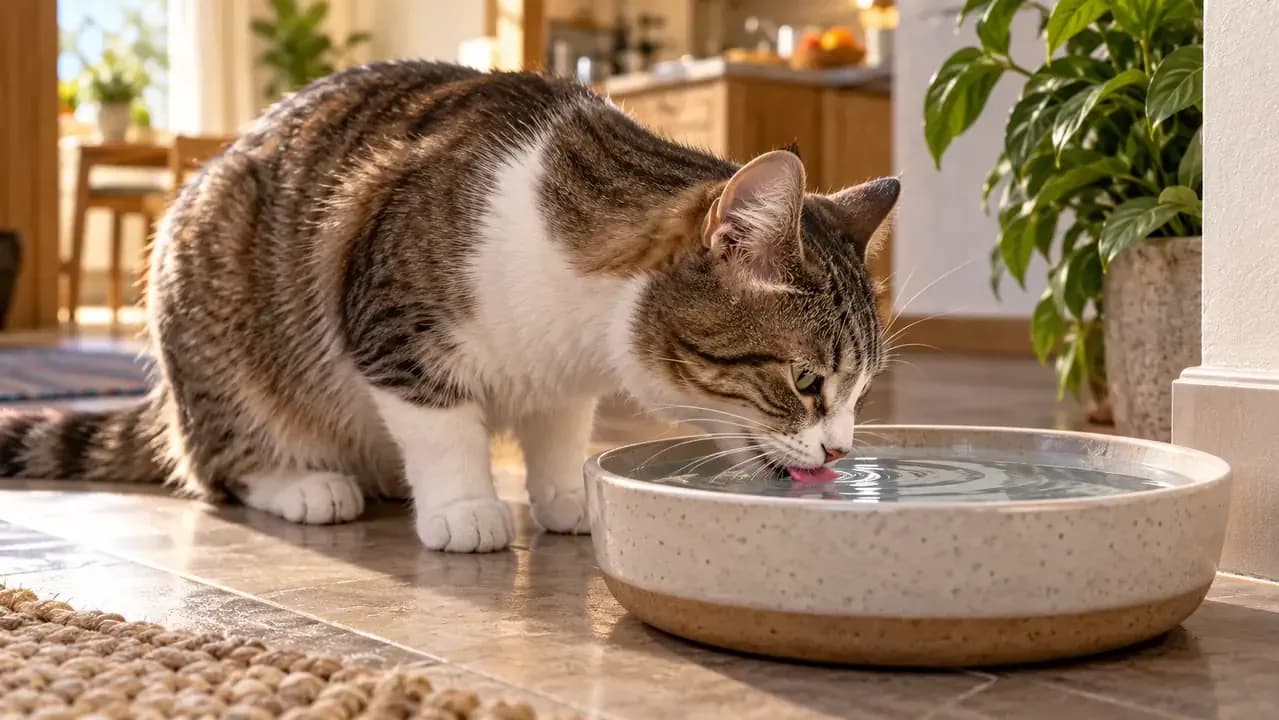
Use a Wide Shallow Bowl
Try a wide, shallow bowl that gives your cat room to drink without repeatedly pressing its whiskers against narrow sides. Some cats seem less comfortable with deep or tight containers. A low ceramic or stainless steel bowl can provide easier access, a clear view of the surroundings, and a relaxed drinking posture. Watch your cat rather than treating bowl shape as a universal rule. If it uses a wider bowl more readily than a narrow one, that preference is worth keeping.
Try Better Bowl Materials
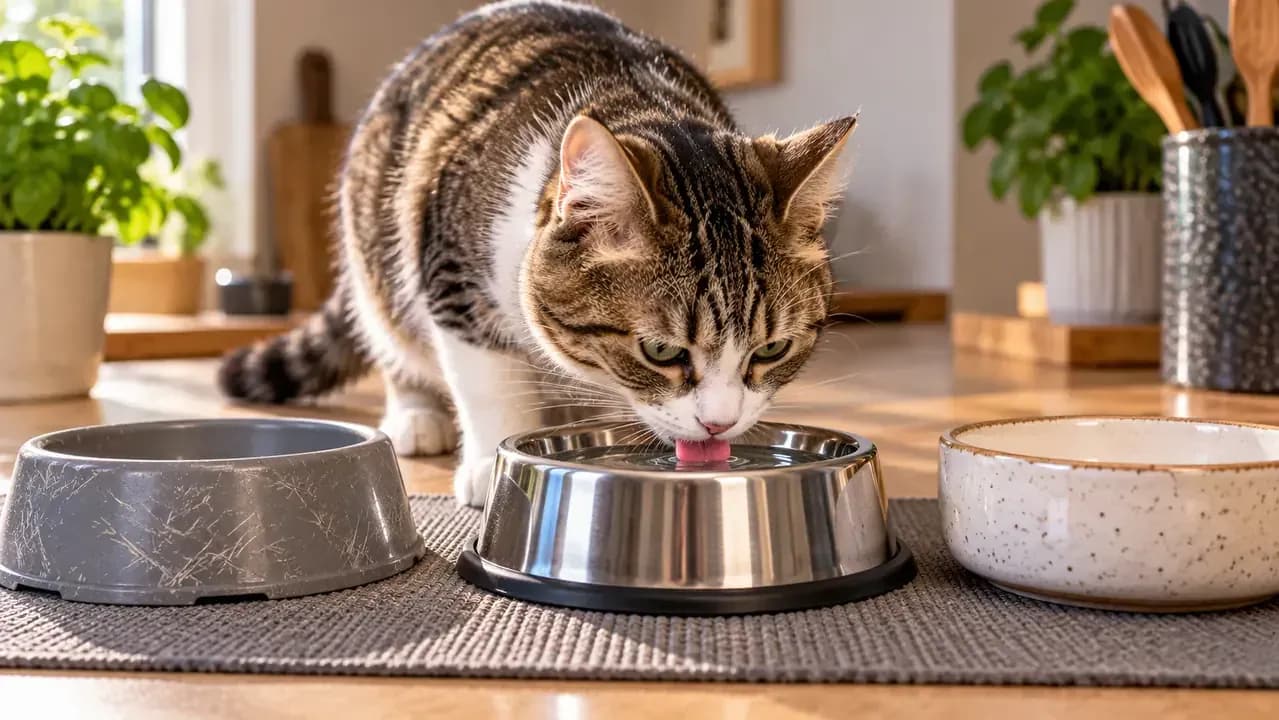
If your cat repeatedly ignores one bowl, experiment with the material. Stainless steel and glazed ceramic are easy to clean and generally resist lingering odors better than scratched plastic. Worn plastic can develop surface damage that is harder to keep fresh. Instead of concluding that your cat simply does not like drinking, swap one bowl for a clean ceramic or stainless steel version and observe the result. A basic material change may be enough to make the water station more appealing.
Wash Bowls Every Day
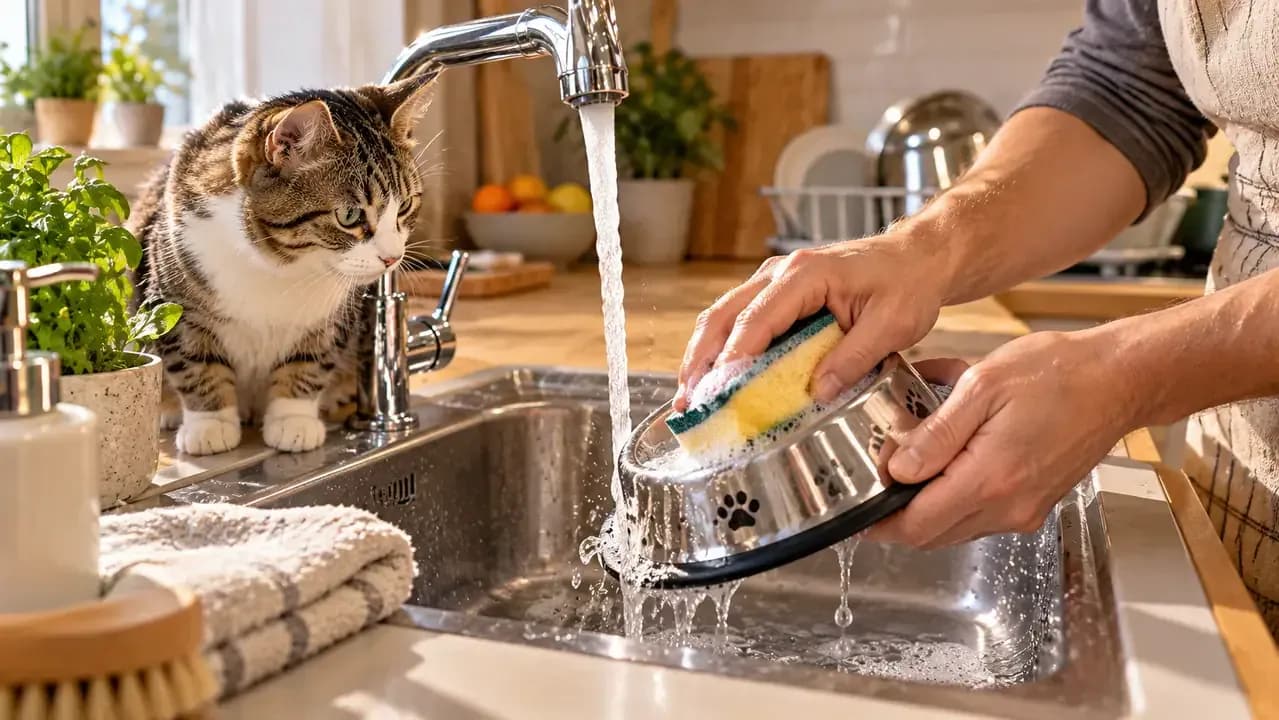
Clean water bowls daily with mild dish soap, rinse them thoroughly, and refill them. Even a bowl that looks clean can develop a slippery film made from saliva, debris, and other residue. That buildup may affect how the water smells or tastes to a sensitive cat. Daily cleaning is one of the simplest improvements you can make because it removes old residue before it accumulates. Pay attention to rims, bottoms, and any grooves where debris can collect, then rinse away all soap before adding fresh water.
Refresh Instead of Topping Up
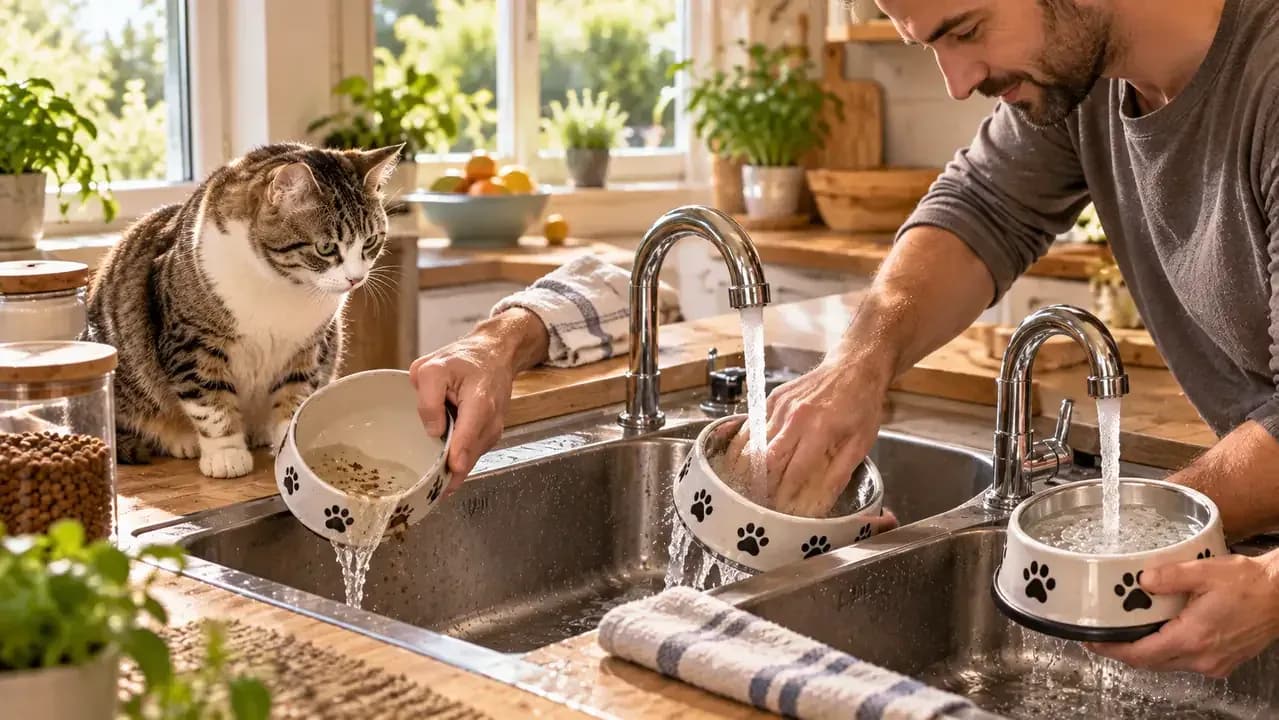
Replace the water completely at least once or twice each day, and do it more often if you see hair, dust, crumbs, or other debris. Rather than pouring fresh water on top of what is already in the bowl, empty the old water, rinse the container, and refill it. Cats can be sensitive to freshness, and a complete refill gives a more consistent smell, taste, and temperature. This small habit also gives you a regular opportunity to check whether the bowl itself needs cleaning.
Test Water Temperature
Your cat may prefer cool water, room-temperature water, or have no strong preference at all. The easiest way to find out is to test rather than guess. Put small amounts of water at different temperatures in otherwise similar bowls and observe which one your cat visits. Keep the comparison simple so temperature is the main difference. If one bowl consistently empties faster or receives more visits, temperature may be influencing the choice. There is no single correct temperature for every cat.
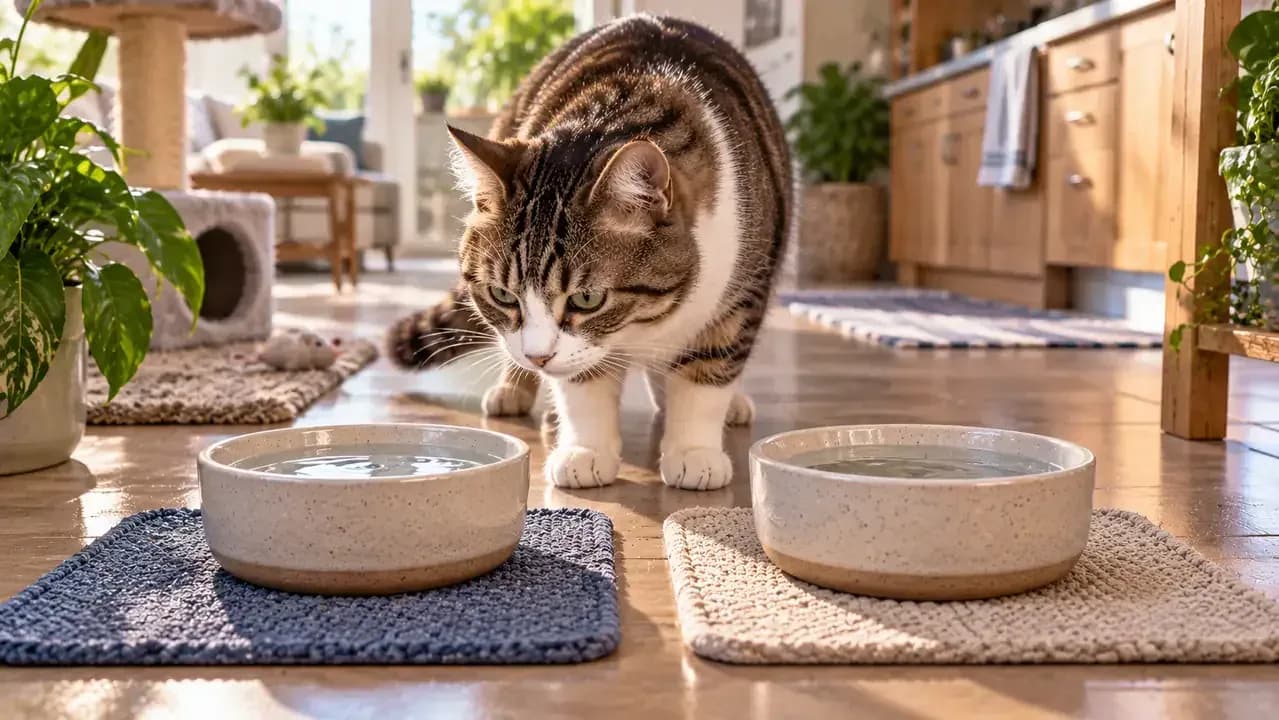
Consider a Cat Fountain
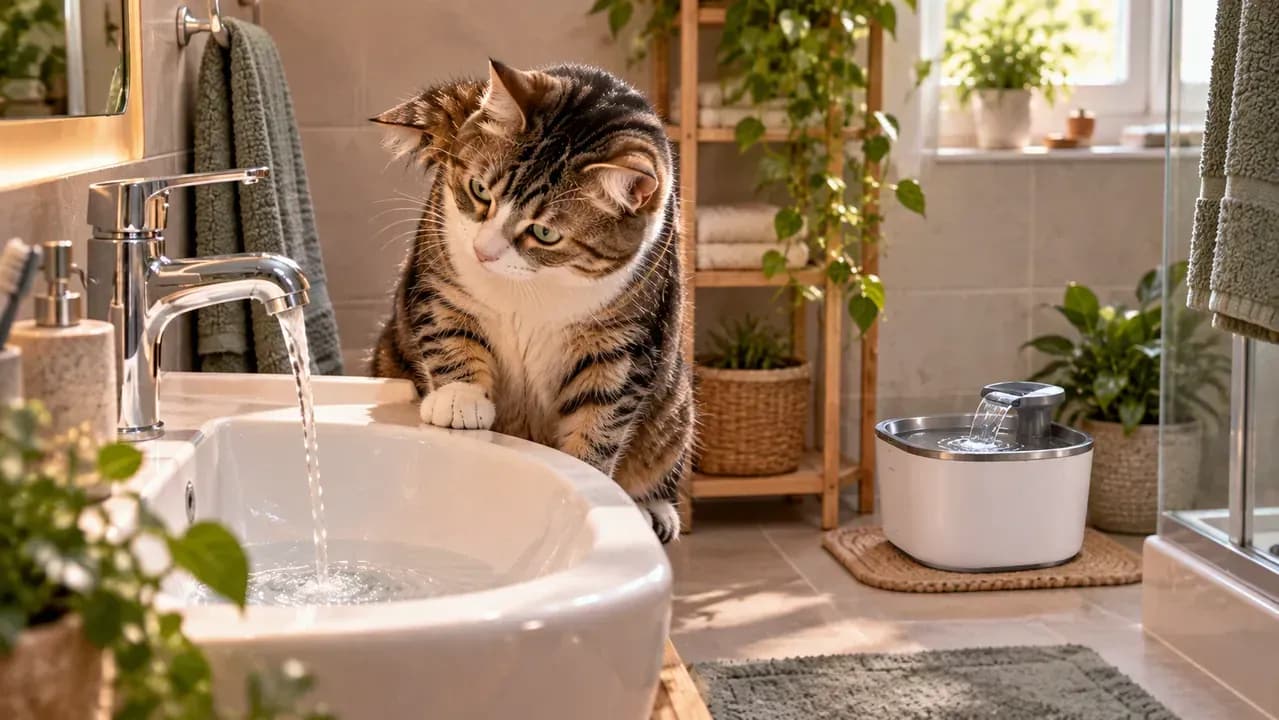
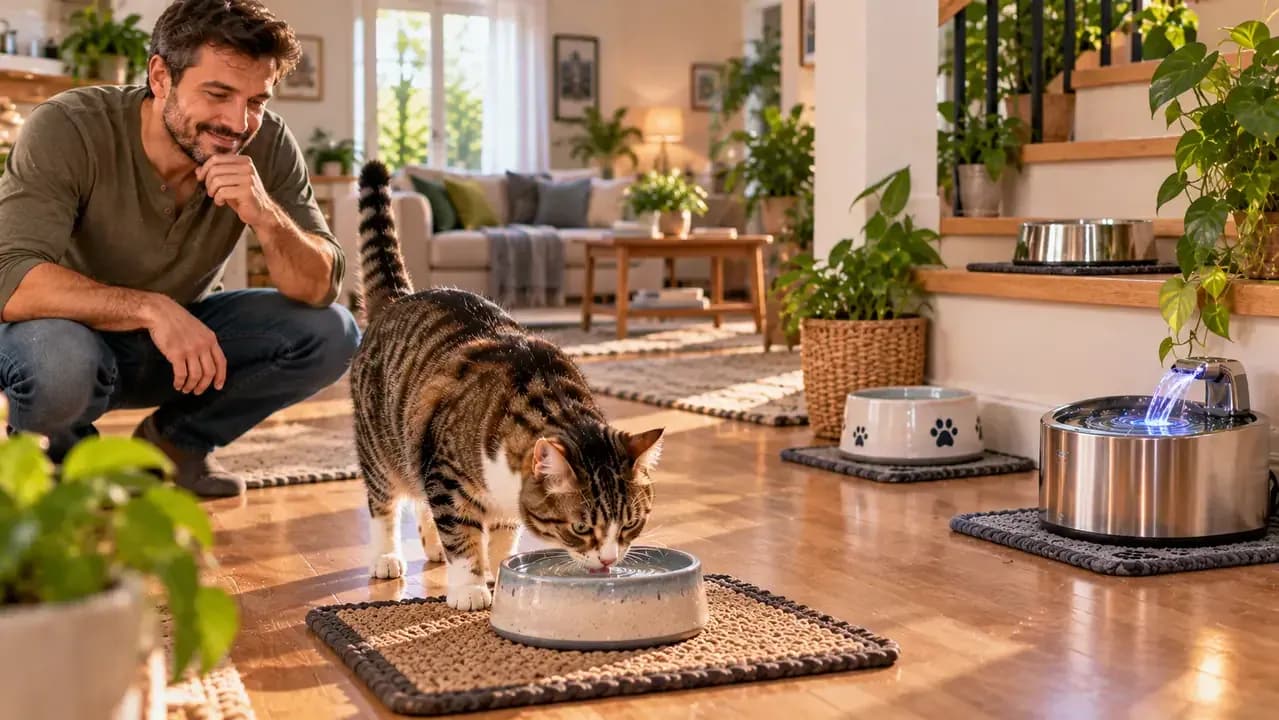
If your cat watches faucets or seems interested in moving water, a pet fountain may be worth trying. The movement and gentle sound can attract some cats and encourage them to investigate the water source. Choose a fountain that is stable, quiet, easy to take apart, and straightforward to clean. A complicated fountain that is difficult to sanitize is less useful than a simple clean bowl. Moving water is only an advantage when the fountain itself remains fresh and well maintained.
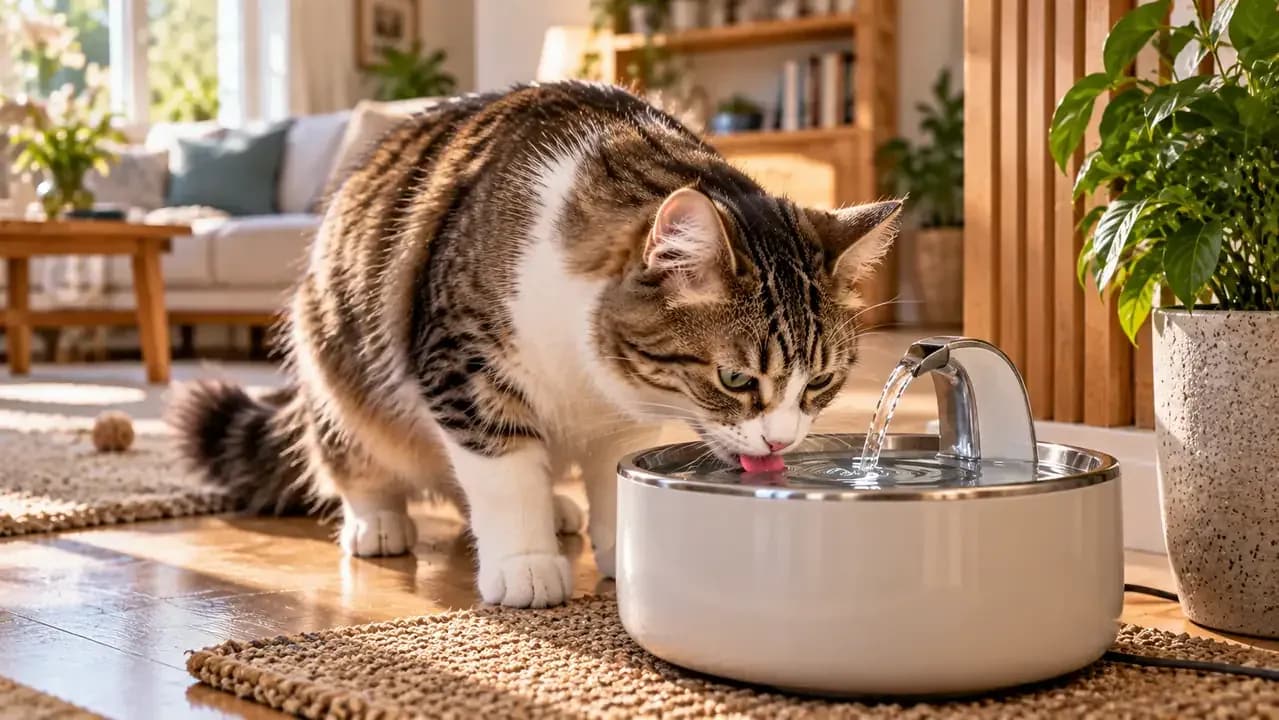
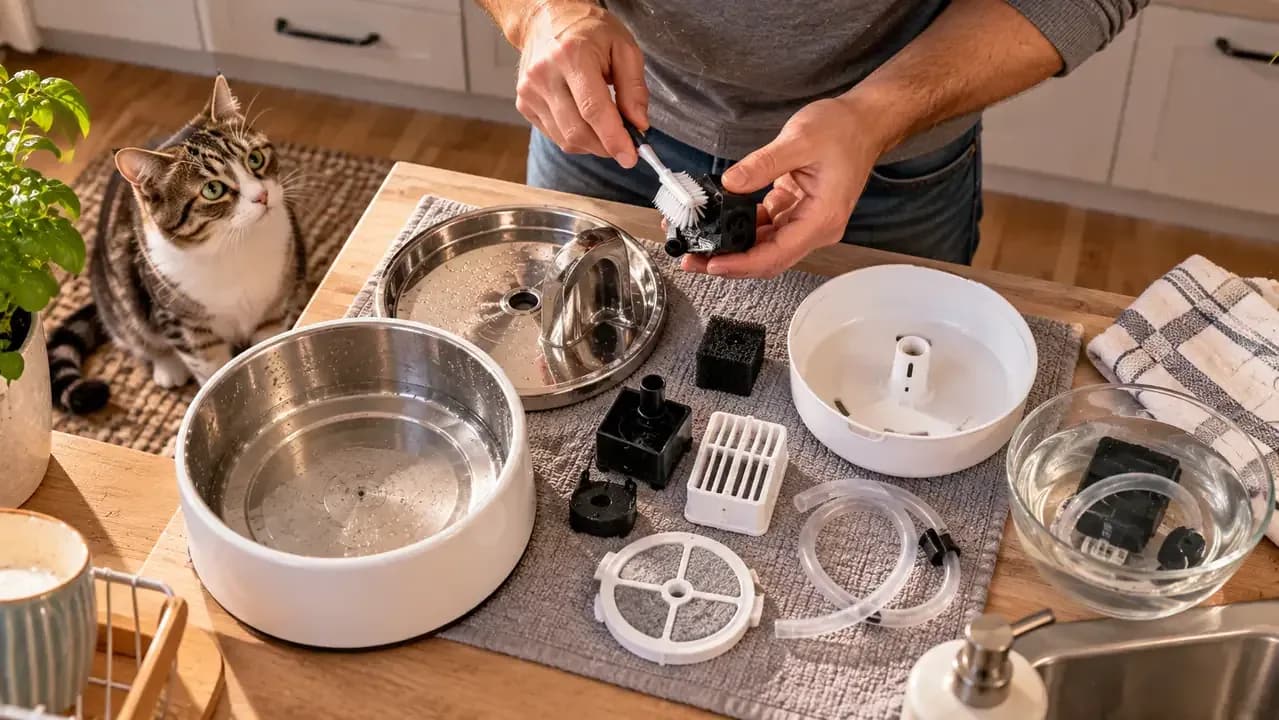
Clean the Fountain Properly
A fountain needs more than a quick rinse of the visible basin. Clean the pump, corners, tubing, filter housing, and other removable parts according to the fountain's care routine. Residue and slippery buildup can collect in hidden areas even when the surface water looks acceptable. Replace filters according to the manufacturer's instructions as well. If a fountain becomes dirty, it may be less appealing than a plain bowl. The benefit comes from combining movement with reliable cleanliness, not from movement alone.
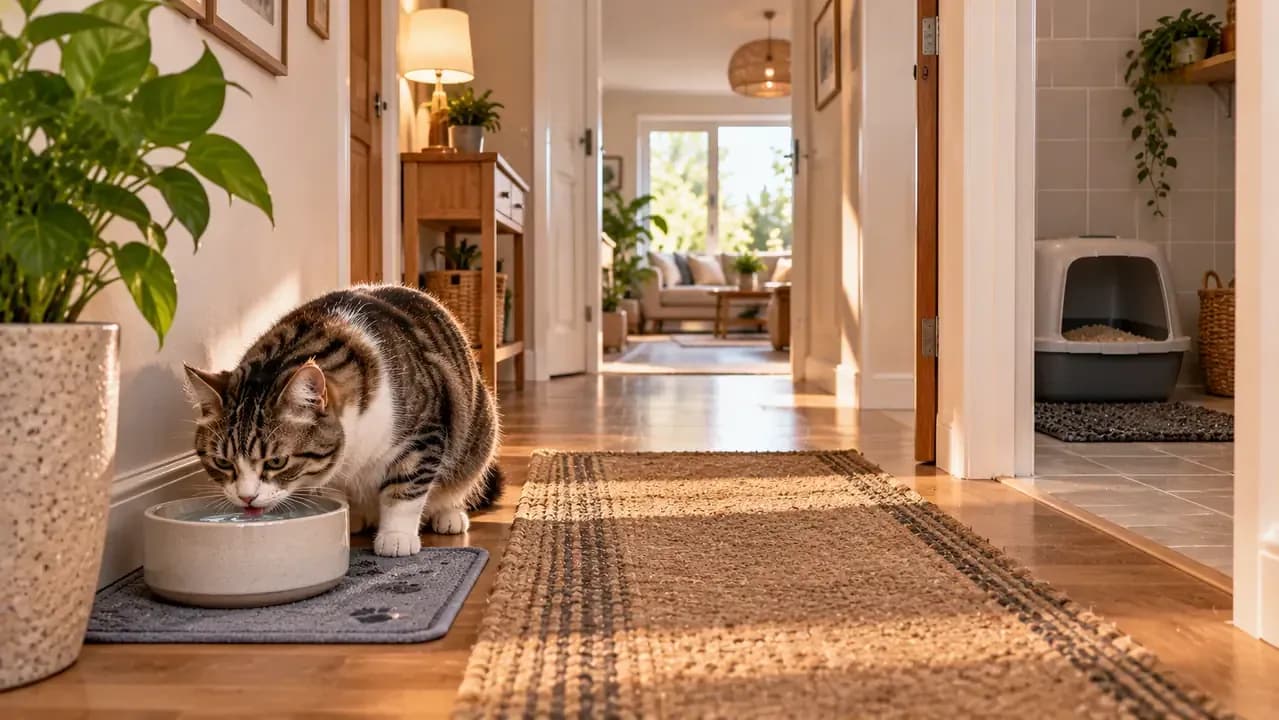
Keep Water Away From Litter
Avoid placing every water source next to the litter box. A drinking area is more appealing when it feels clean and separate from toileting. Litter odors, tracked particles, dust, and activity around the box may make the location less attractive. If a water bowl is currently near the litter area, move one station to a cleaner, calmer location and compare how often it gets used. Convenience for the household should not be the only factor when deciding where the cat's water belongs.
Choose Safe Open Locations
Look at the area from your cat's perspective. A timid cat may hesitate to drink from a tight corner where another animal could block the only exit. Put water where the cat has good visibility and can approach, drink, and leave without feeling trapped. This matters particularly in homes with several cats because social pressure can influence access even when you never see an obvious fight. Open locations with more than one easy path in and out can make a station feel safer.
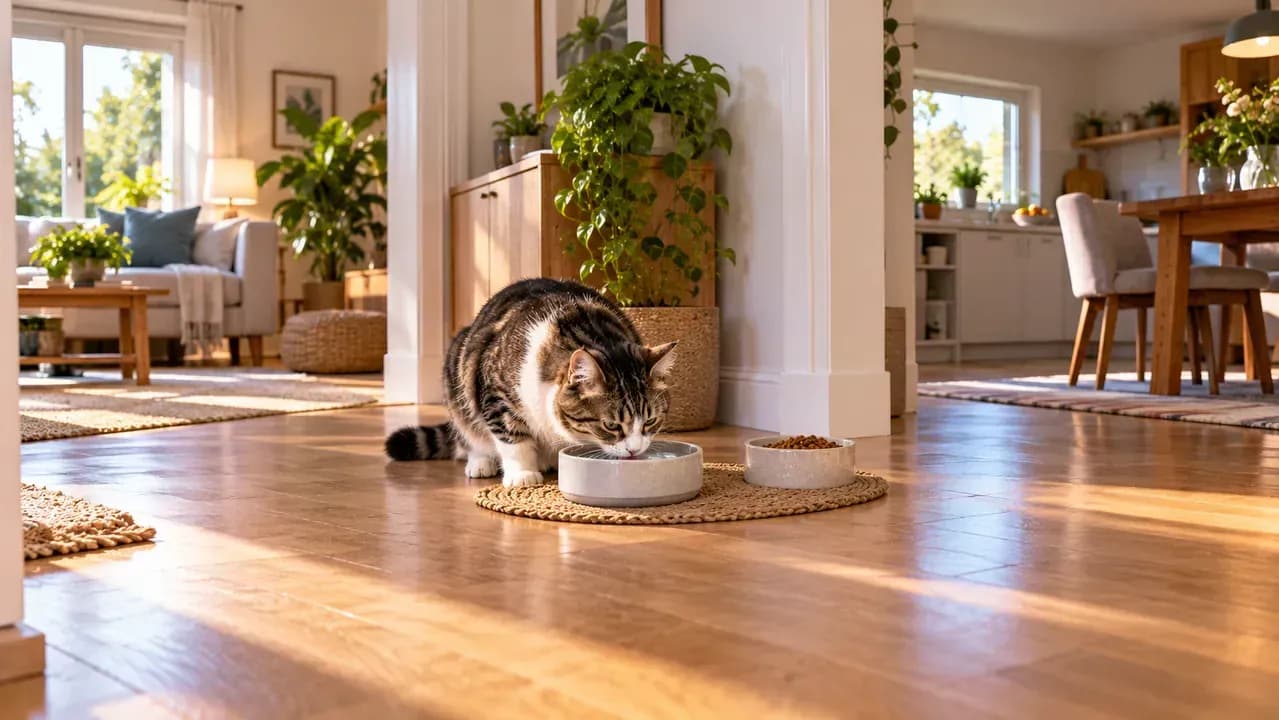
Reduce Competition Between Cats
In a multi-cat home, do not rely on one shared water bowl. Provide several stations in different locations so a shy cat does not need to wait for another cat to move. Spreading water sources across separate rooms reduces the chance that one animal can control access to all of them. Avoid placing several bowls directly beside each other and treating that as multiple stations. Separate resources are more useful because each cat has another place to go if one area feels occupied or uncomfortable.
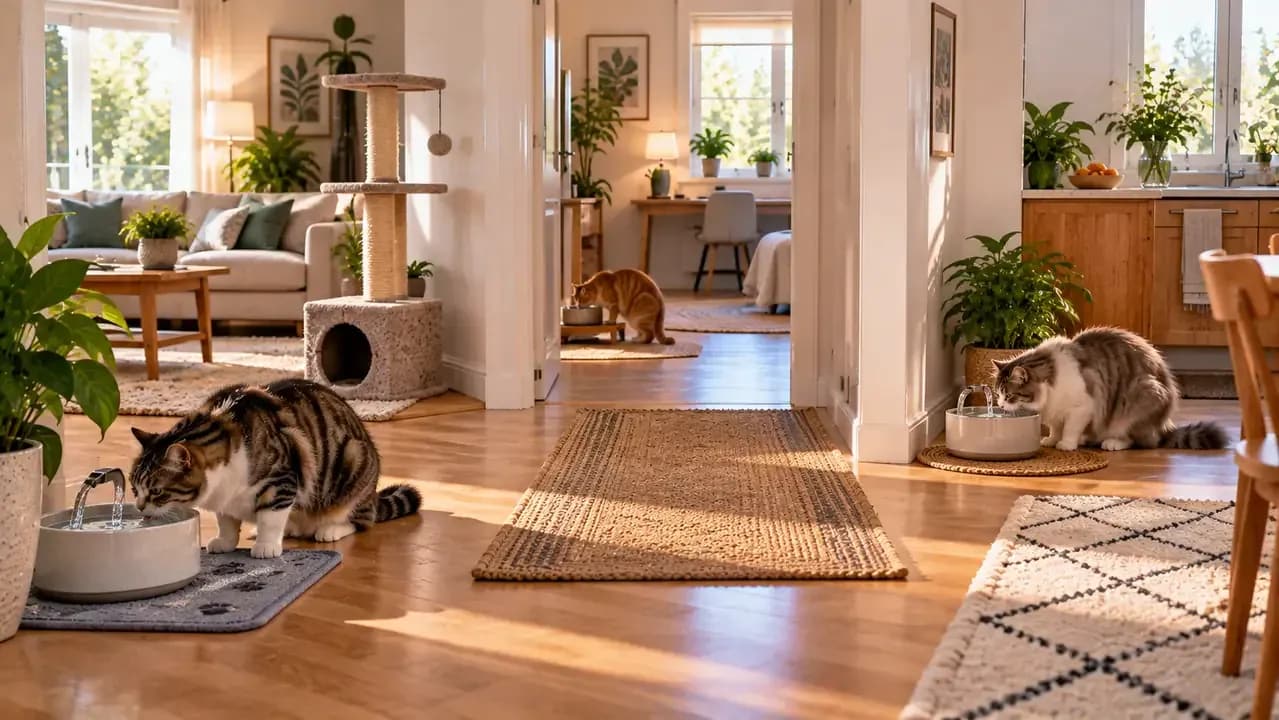
Adjust Bowl Height for Comfort
Most healthy cats can comfortably drink from a low bowl on the floor, but some older cats may prefer a slightly raised dish that requires less bending. If you test a raised option, keep it stable, easy to reach, and only modestly elevated. A nonslip base can help prevent movement while the cat drinks. There is usually no need for dramatic elevation unless your veterinarian has recommended a particular setup. Let your cat's posture and willingness to use the bowl guide the choice.
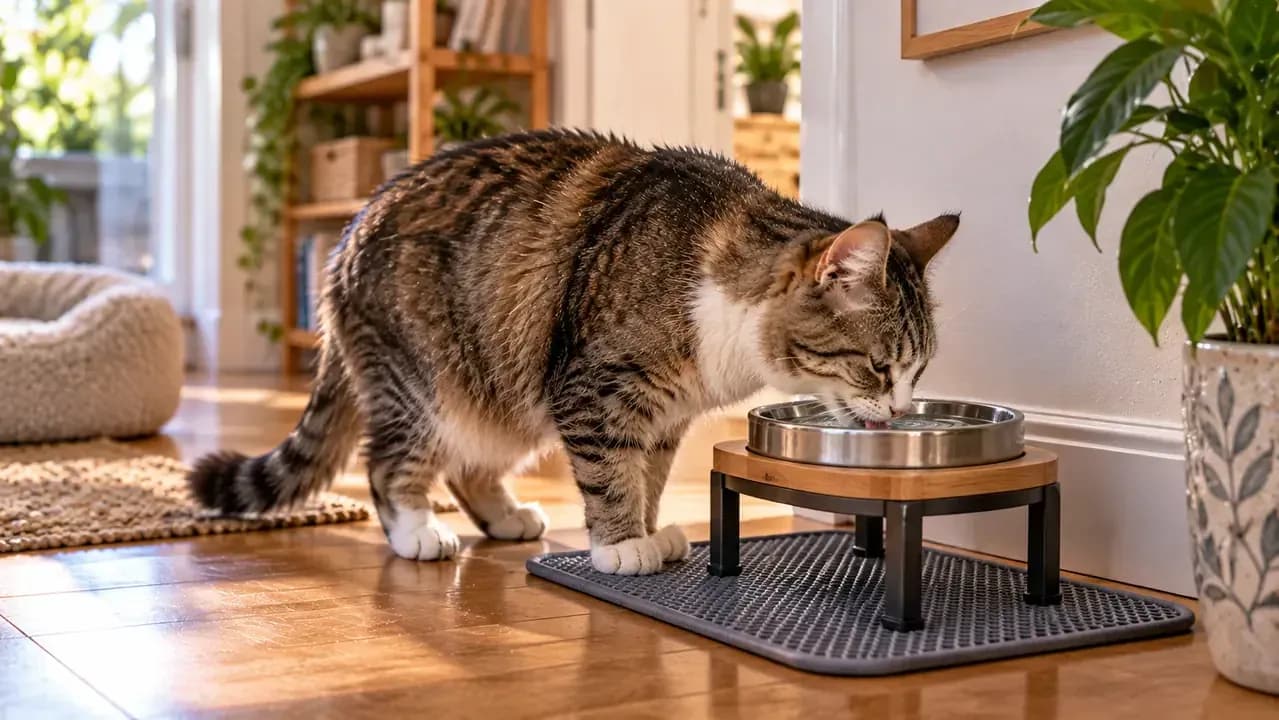
Add Water to Wet Food
If your cat already eats wet food, you can try mixing in a small spoonful of water. Blend it thoroughly so the texture changes only slightly, then see whether your cat continues eating normally. If the meal is accepted, you can gradually add a little more over time. This increases total fluid intake without depending entirely on voluntary drinking. Do not add so much water that the cat refuses the food or consumes less overall. Acceptance of the meal remains important.
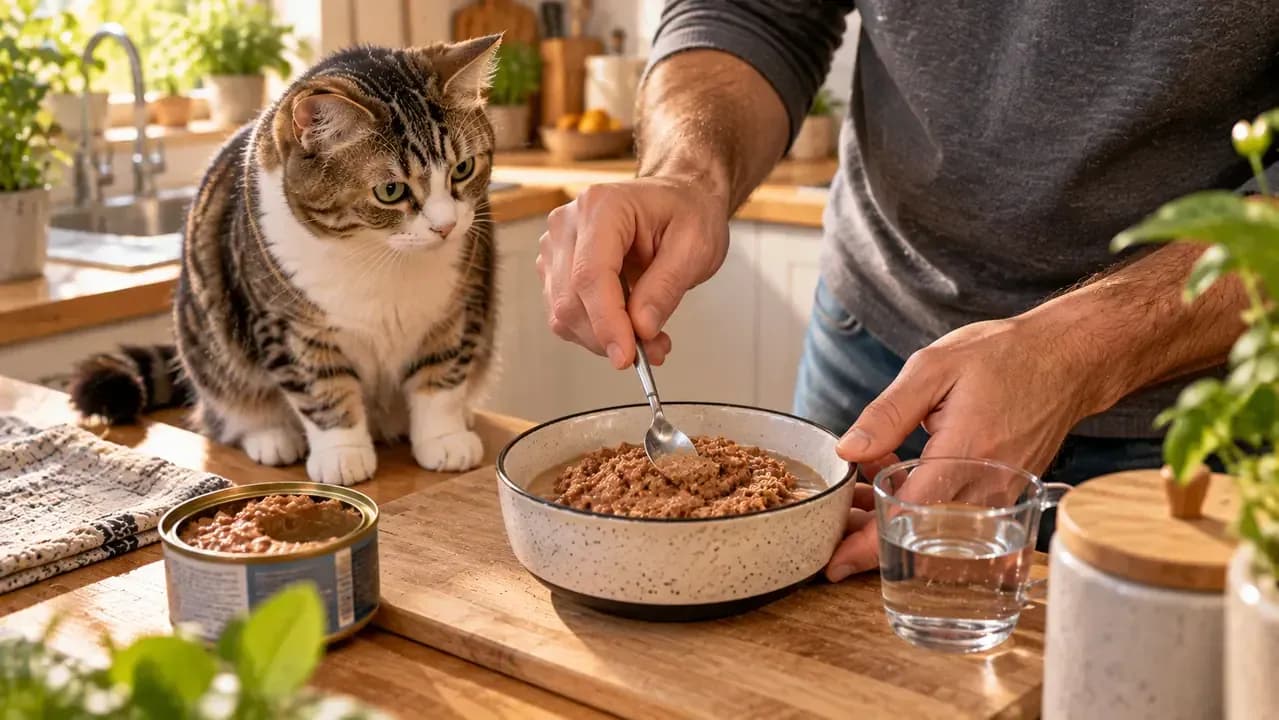
Use Wet Food for Moisture
Wet food naturally contains much more moisture than dry kibble, so feeding some or all meals as wet food can contribute to overall fluid intake. Any change in diet should be made gradually so the cat can adjust and to reduce the chance of digestive upset. The food still needs to meet your cat's nutritional needs. If your cat is already on a medical diet, do not casually replace it with another food simply to increase moisture. Ask your veterinarian before changing the diet type.
Use Flavor Carefully
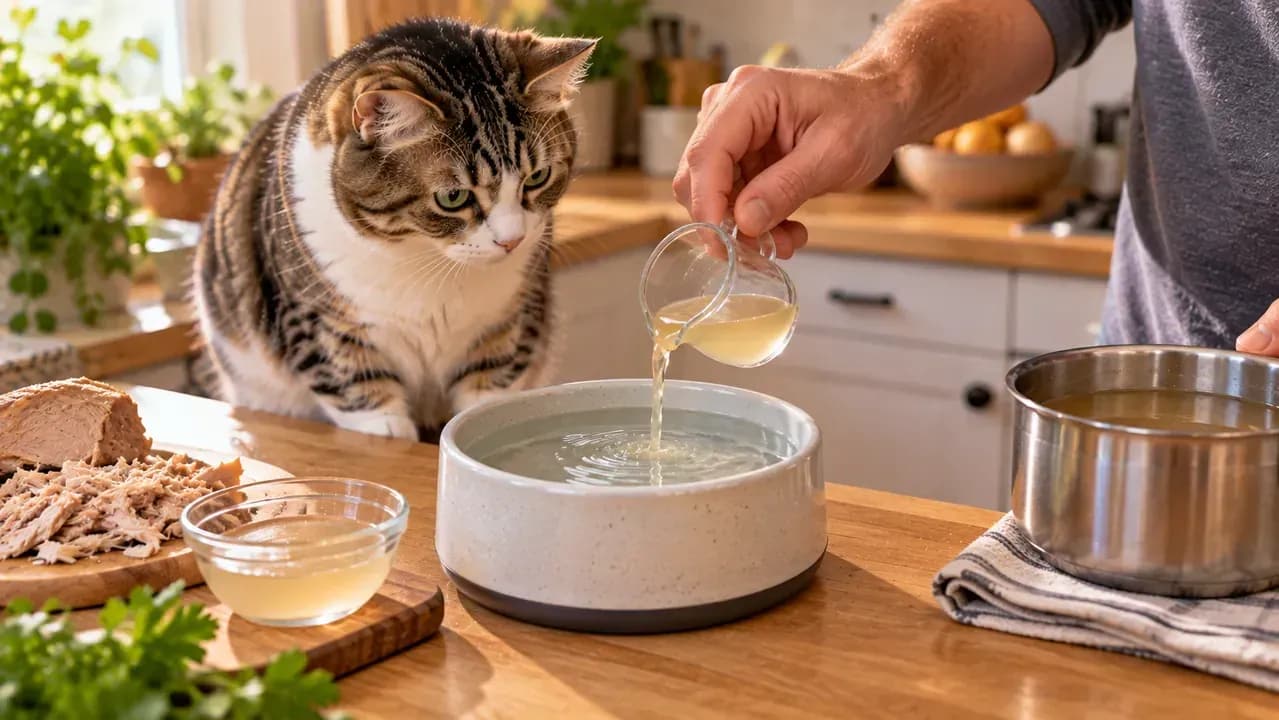
A small amount of pet-safe, unsalted liquid from plain cooked meat may make water more interesting to some cats. If you try it, use only a tiny quantity and keep the preparation plain. Avoid onion, garlic, heavy salt, spices, or rich broth. Flavored water should be an occasional encouragement rather than the cat's only drink. Keep clean, plain water available at all times so the cat always has a familiar option and is never dependent on added flavor before it will drink.
Try a Safe Ice Cube
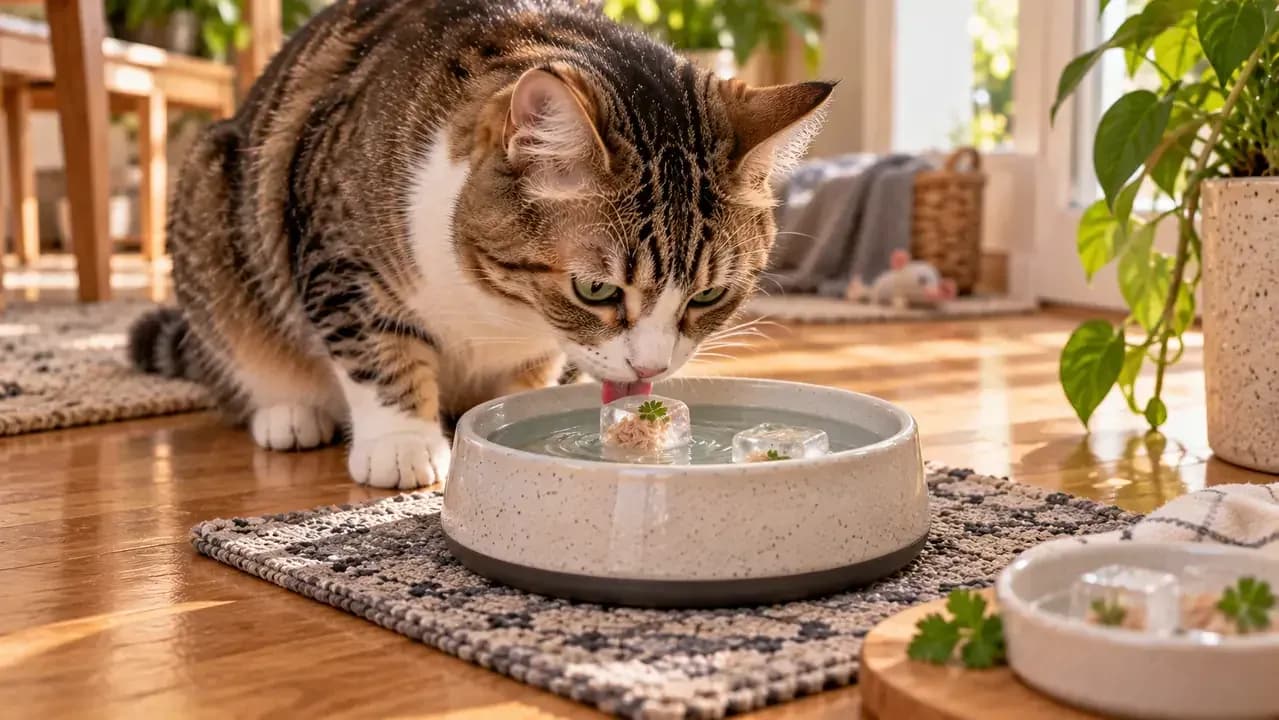
For a cat that enjoys investigating new things, freeze a small amount of pet-safe liquid into an ice cube and place one cube in a separate bowl of water. Some cats may sniff, lick, or watch the cube as it melts. Treat this as an optional experiment, not a requirement. Always provide a normal bowl of water nearby so the cat does not lose access to its familiar drink. If the cat shows no interest, simply discontinue the idea and try something else.
Learn From Faucet Interest
A cat that repeatedly watches or drinks from a running faucet is giving you useful information about its preferences. It may be attracted to movement rather than the sink itself. Leaving a tap dripping continuously is not always practical or easy to keep hygienic, so use faucet interest as a clue. A properly maintained fountain can provide similar movement with more predictable access and cleanliness. You are not trying to stop the preference. You are translating it into a practical everyday setup.
Skip Regular Milk
Do not use regular milk as a routine way to encourage your cat to drink. Many adult cats do not tolerate lactose well, and milk can add unnecessary calories or cause digestive upset. Plain water should remain the main drink. If your cat seems especially attracted to creamy flavors, that does not mean cow's milk should become part of its daily hydration routine. Discuss suitable alternatives with your veterinarian instead of replacing water with milk or adding milk to the water bowl.
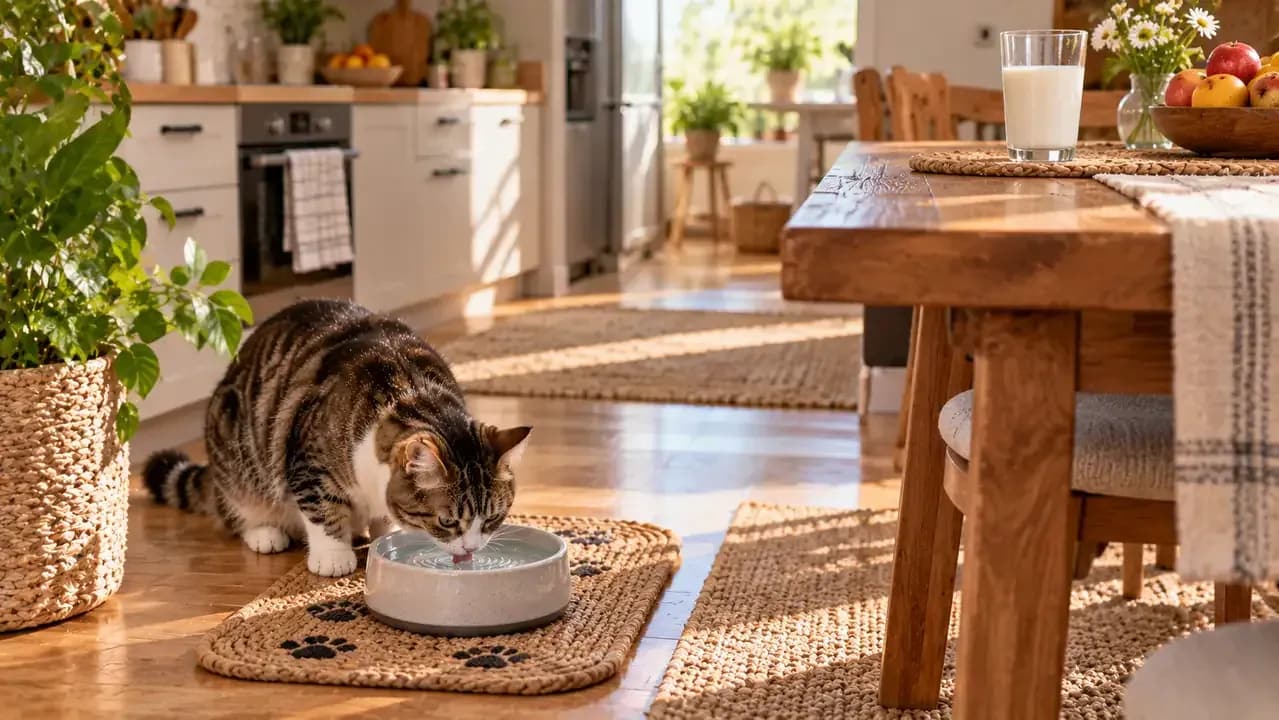
Keep Stations Predictable
Once you discover water locations your cat uses willingly, keep those stations consistent. Cats often rely on familiar routines, and constantly moving bowls can make resources less predictable. You can still experiment, but change only one feature at a time while keeping the rest of the setup familiar. For example, leave the bowl in the same place while testing ceramic instead of stainless steel. Predictability gives your cat reliable access and gives you a clearer idea of whether the specific change actually affected its behavior.
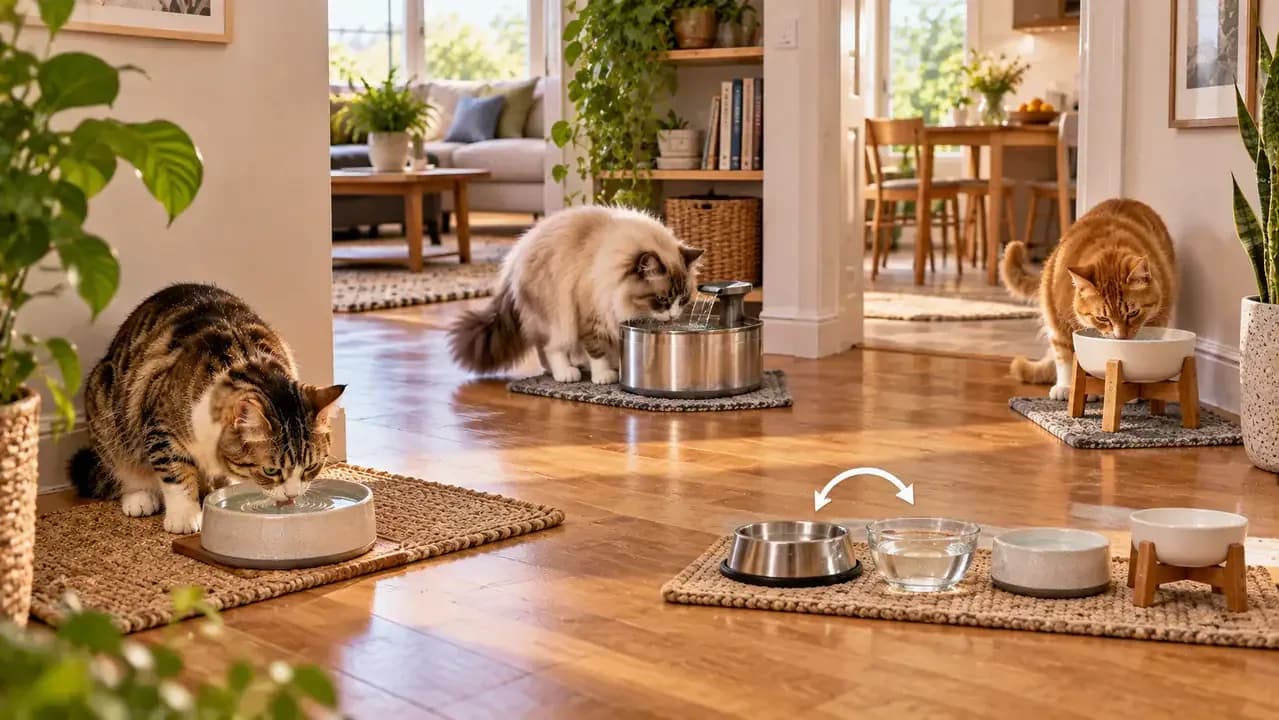
Never Force Drinking
Do not carry your cat to the bowl, push its face toward the water, or splash water at it to attract attention. Pressure can create avoidance and makes it harder to learn what the cat genuinely prefers. Instead, improve the environment and allow the cat to approach voluntarily. Fresh water, comfortable bowls, good locations, and quiet access are more useful than repeatedly directing the cat toward the drink. Your job is to make water available and appealing, then let normal choice do the rest.
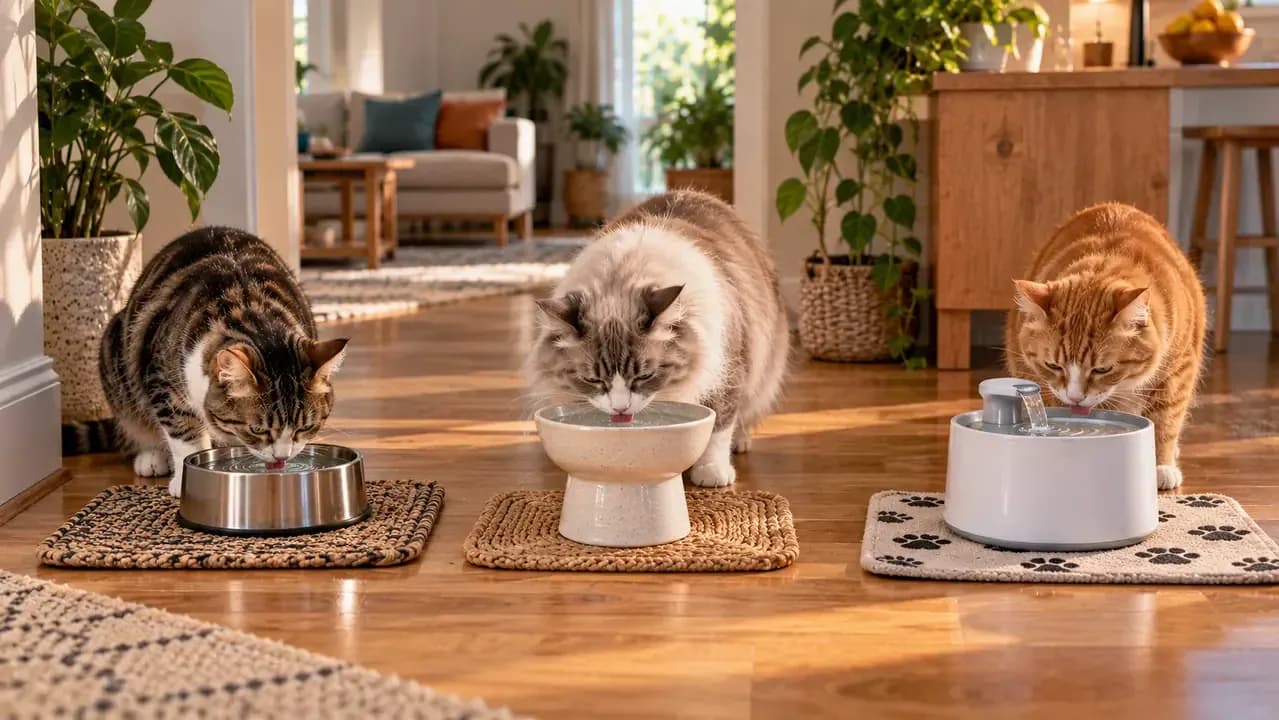
Track Water Use Simply
If you want a clearer picture of water use, fill a bowl to the same marked level at roughly the same time each day and note what remains later. Treat the result as a rough pattern rather than an exact measurement. Evaporation, spills, fountains, and multiple pets can all affect the amount left in the bowl. The purpose is to notice major changes over time, not to create a laboratory-style calculation. A basic daily log can help you recognize when drinking appears meaningfully different from your cat's usual routine.
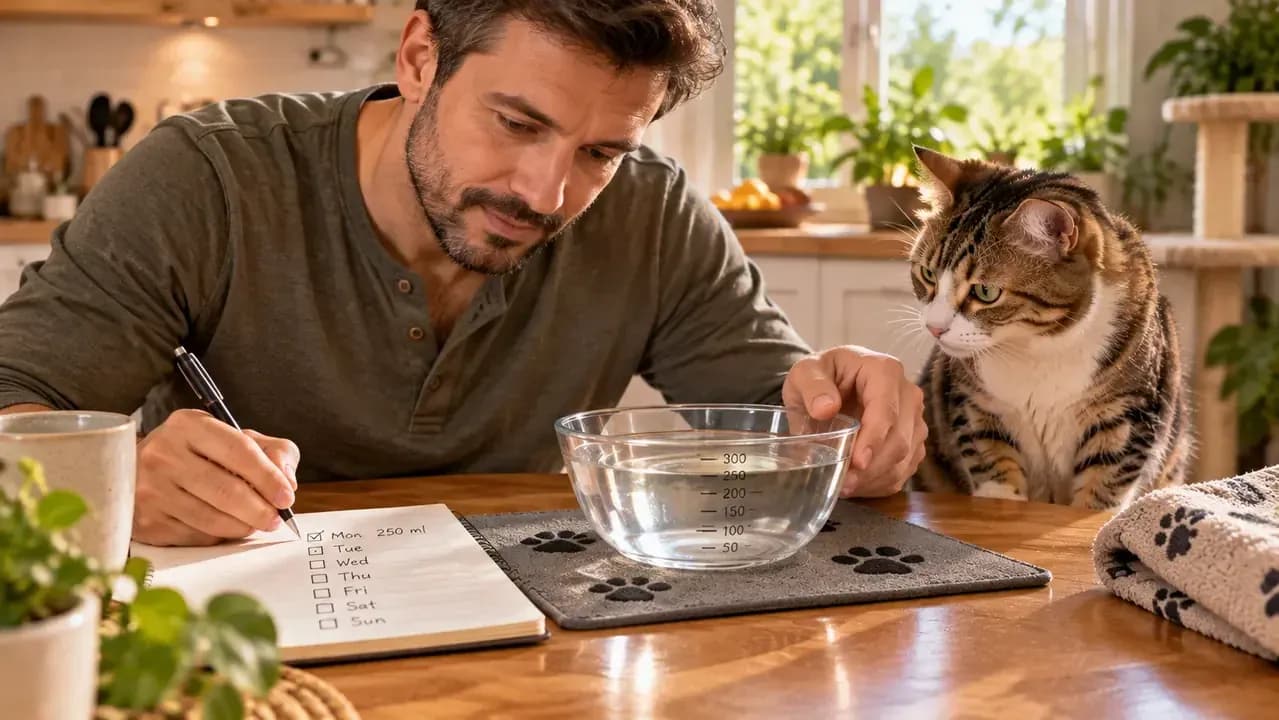
Watch Litter Box Patterns
Drinking habits make more sense when considered alongside litter box patterns. Pay attention to urine clump size and frequency, while recognizing that litter type and multiple cats can make interpretation difficult. One unusual clump does not necessarily tell you much. A noticeable increase or decrease in urine output over time is more important. Changes in drinking and urination can provide context for each other, so include both in your observations rather than focusing exclusively on how quickly a water bowl empties.
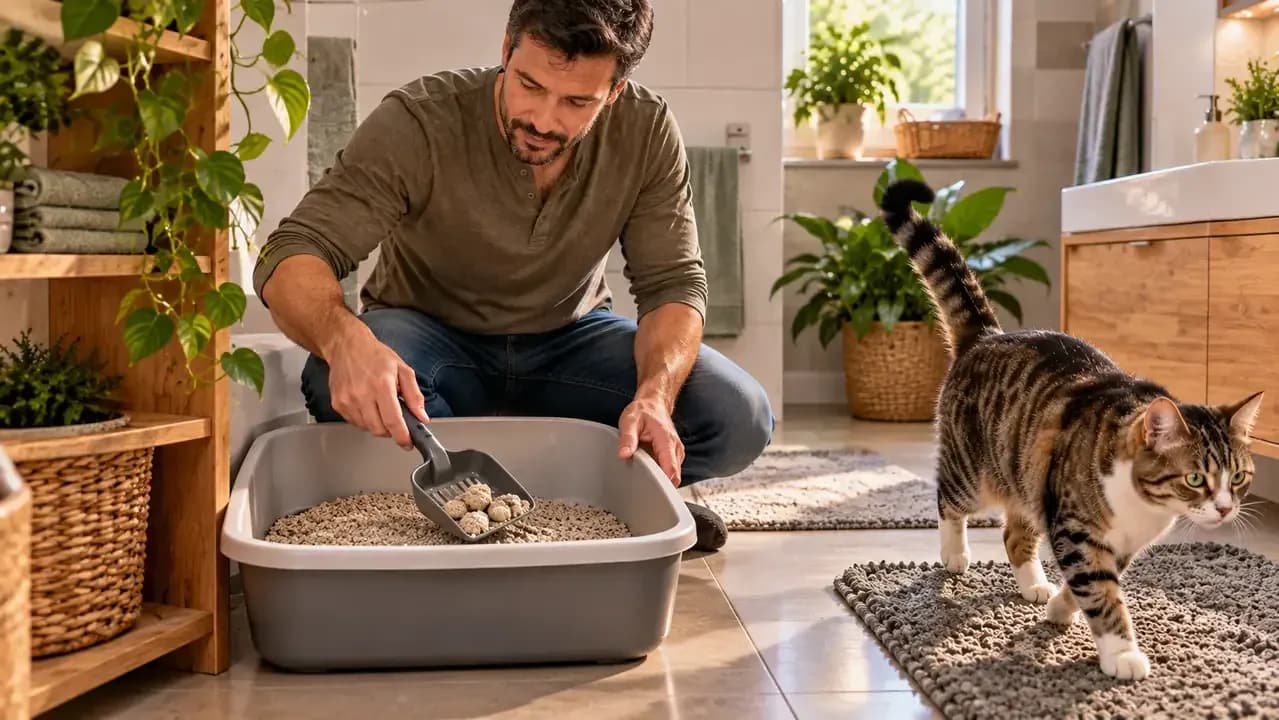
Notice Increased Thirst
Pay attention if your cat suddenly starts drinking much more than usual. Hot weather, a diet change, or increased activity can influence thirst, but persistent excessive drinking can also occur alongside medical problems. Do not assume that a cat making repeated trips to the bowl simply loves its new fountain. If the increase is clear and continues, contact your veterinarian for guidance. Your baseline observations are useful because they help distinguish an ordinary preference for one water source from a genuine change in overall thirst.
Notice Reduced Drinking
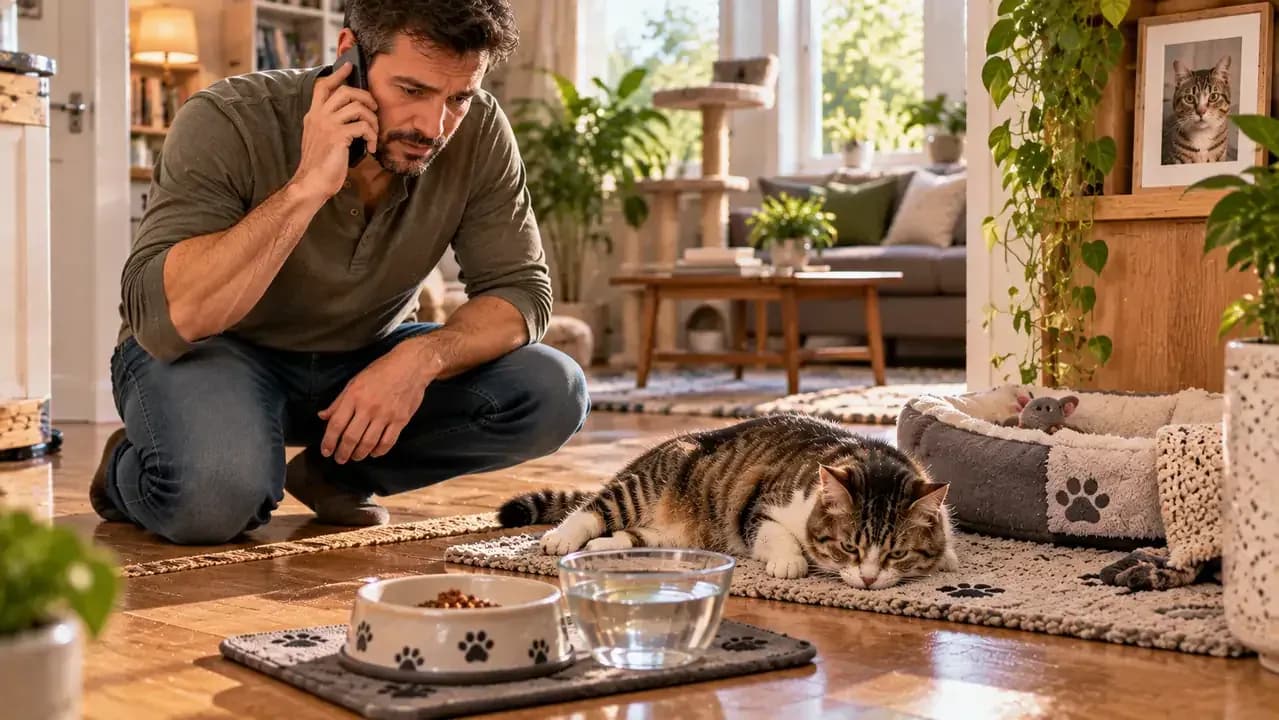
Reduced drinking deserves more concern when it appears together with other changes such as poor appetite, vomiting, diarrhea, lethargy, hiding, dry gums, weakness, or reduced urination. A cat that seems unwell should not be managed only by experimenting with bowls, fountains, or flavored water. Ill cats can become dehydrated, and a significant behavioral change may warrant veterinary advice. The important distinction is whether a healthy cat is merely choosing one water option over another or whether the cat's overall condition has changed.
Know Urinary Emergencies
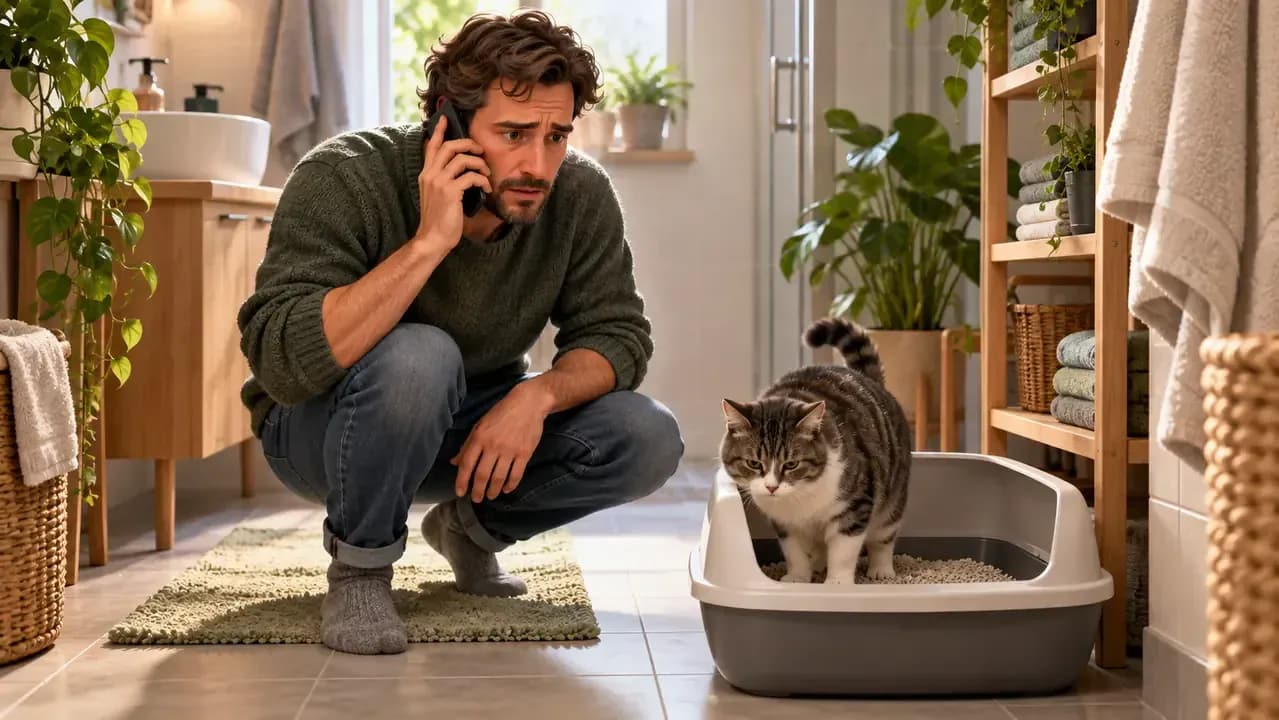
A male cat that repeatedly enters the litter box, strains to urinate, cries, or produces little to no urine needs urgent veterinary attention. A urinary blockage can become life-threatening quickly and is not something to address by moving a bowl, adding a fountain, or increasing moisture at home. Everyday hydration practices can support routine care, but they do not treat an obstruction. When these warning signs appear, the priority changes immediately from improving water appeal to obtaining urgent professional veterinary care.
Change One Variable at a Time
For a healthy cat, test improvements in a controlled way. Move one bowl, change one material, introduce one fountain, alter one water temperature, or adjust one food-moisture routine at a time. This makes it easier to identify what your cat actually prefers. If you change the bowl, location, temperature, fountain, and food on the same day, you will not know which adjustment affected the result. Too many simultaneous changes can also disrupt a cat that values consistency, so simple experiments are more informative.
Build the Final Setup
After a week or two of observation, keep the options your cat uses most reliably. Your final arrangement could be a wide ceramic bowl in a quiet room, a stainless steel bowl upstairs, and a clean fountain in a shared area, or it could be much simpler. The best hydration setup is not necessarily the most expensive or elaborate. It is the collection of clean, accessible options your cat voluntarily uses day after day. Remove experiments that consistently go untouched and maintain the successful choices well.
Follow the Simple Hydration Rule
Keep the overall rule straightforward: provide several clean and accessible water choices, refresh them regularly, and pay attention to changes in your cat's normal habits. Bowl placement, shape, material, moving water, temperature, and food moisture can all influence how appealing hydration feels to an individual cat. You do not need every possible option. You need the ones your cat actually uses. If drinking or urination changes noticeably rather than simply shifting from one bowl to another, involve your veterinarian instead of treating the change as a preference issue.
Cats can be surprisingly particular about where and how they drink. A bowl can contain perfectly good water and still be ignored because it is too close to food, placed in a busy location, made from an unappealing material, difficult to drink from comfortably, or simply not as fresh as your cat prefers. The most useful approach is not to force more drinking, but to make water easier to access and more appealing while observing what your cat naturally chooses. For a healthy cat, small adjustments to location, bowl shape, cleanliness, temperature, movement, and food moisture can improve the overall hydration environment without disrupting familiar routines. It is equally important to know when a change is no longer just a preference. Drinking much more than usual, drinking much less while acting unwell, changes in urine output, or difficulty urinating can require veterinary attention. Use the following process to test improvements one at a time, keep the options your cat consistently uses, and stay alert to meaningful changes in normal behavior.
Where people go wrong
Keeping Every Bowl Beside Food. Some cats may prefer water separated from meals, and food crumbs or odors can make nearby water less appealing.
Only Topping Up Old Water. Continually adding fresh water to old water leaves behind debris and residue. Empty, rinse, and refill instead.
Ignoring Fountain Maintenance. Moving water is not automatically cleaner. Pumps, tubing, corners, and filter housings can collect residue and need regular cleaning.
Putting All Resources in One Area. Several bowls clustered together still allow one cat or one stressful location to interfere with access.
Changing Everything at Once. Testing multiple variables simultaneously makes it difficult to identify what your cat actually prefers.
Forcing the Cat Toward Water. Carrying, splashing, or pushing a cat toward a bowl can create avoidance instead of encouraging voluntary drinking.
Using Milk as a Hydration Strategy. Regular milk is not an appropriate substitute for water and may add unnecessary calories or cause digestive upset in adult cats.
Treating Medical Changes as Preferences. Marked changes in thirst, urination, behavior, or overall condition should not be dismissed as a bowl or fountain preference.
Questions people ask
The water itself may not be the only factor. Your cat may prefer a different location, wider bowl, cleaner container, different material, different temperature, or moving water. Test one variable at a time and observe which setup receives more voluntary use.
Fixed it?
Get one guide like this every Thursday.