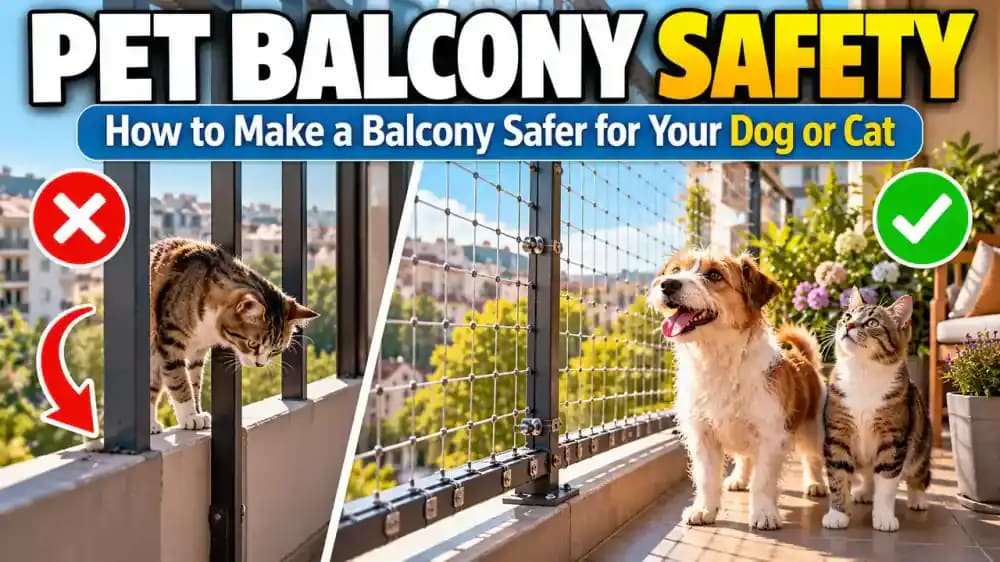
How to Make a Balcony Safer for Your Dog or Cat
Make your apartment balcony safer for dogs and cats with practical tips on railing gaps, secure barriers, toxic plants, hot surfaces, and supervised outdoor time.
What you’ll need
Tap to tick things off before you start.
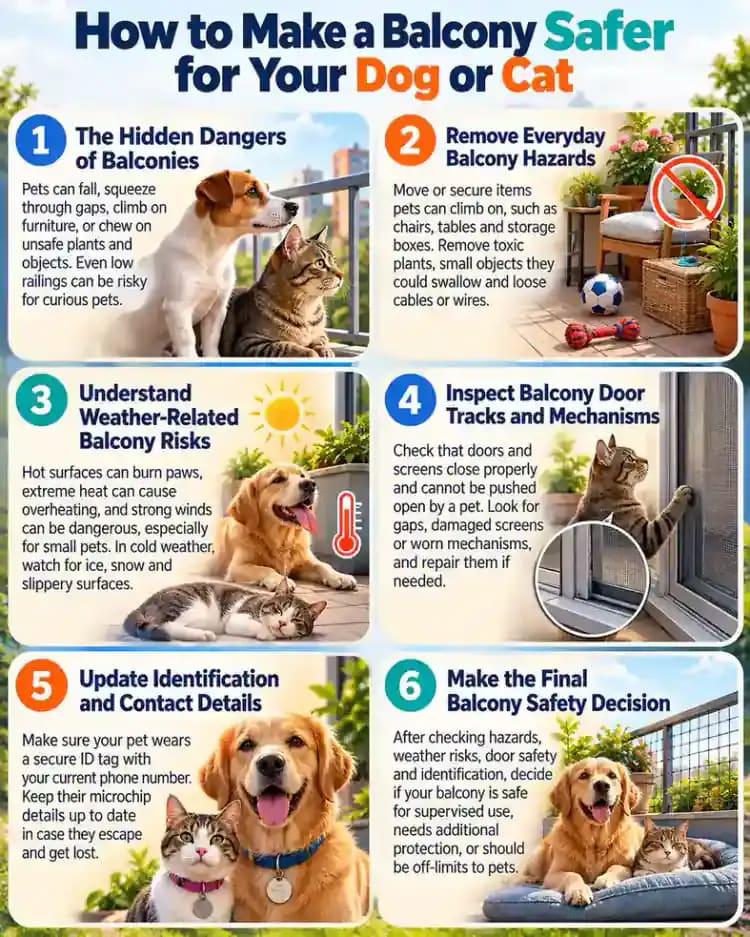
The Hidden Dangers of Balconies
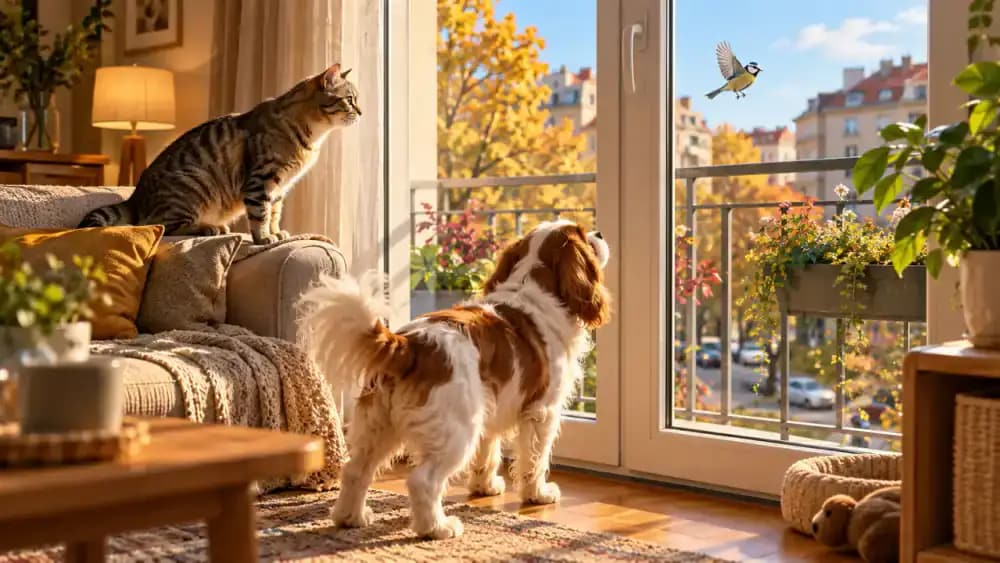
A sunny balcony can seem like the perfect outdoor retreat for your dog or cat, but serious risks may be hiding in plain sight. Passing birds, sudden noises, or unexpected movements can trigger unpredictable reactions. Cats may misjudge jumps, while dogs can squeeze through openings. Always assess balcony safety before allowing your pet outside.
Start With a Balcony Safety Inspection
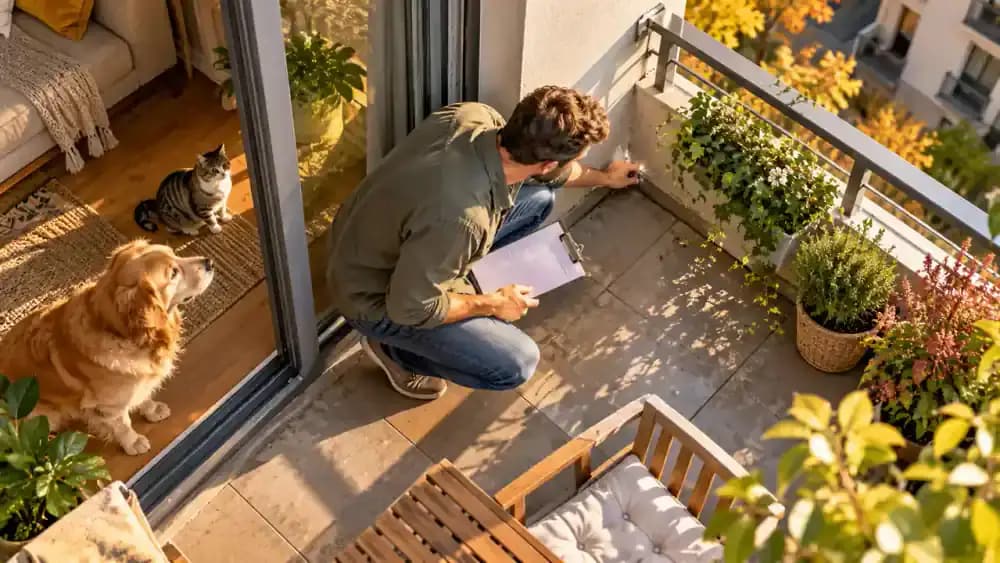
Keep your pet safely indoors while you examine the entire balcony. Check railings, corners, floor edges, door thresholds, and overhead openings for gaps, damage, or unstable fixtures. Pay special attention to areas that are difficult to see from standing height. Photograph questionable spots and record your findings before planning any safety improvements.
Identify Escape Routes and Climbing Hazards
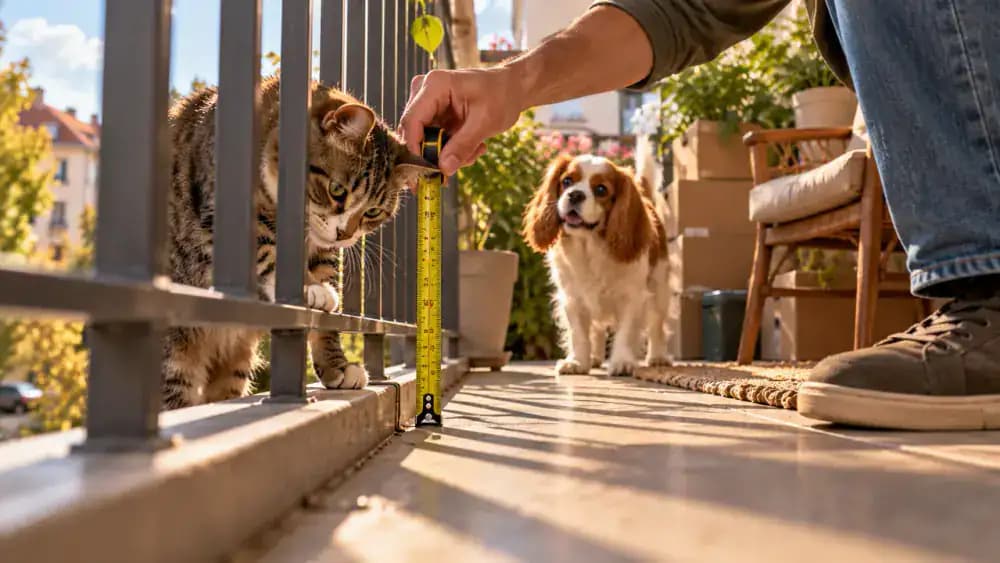
Inspect gaps beneath and between railings that a small dog or cat might squeeze through. Look for chairs, planters, storage boxes, or tables that could help your pet climb toward an exposed edge. Measure suspicious openings and move climbable objects away from the perimeter. Remember that furniture rearrangement alone does not provide reliable fall protection.
Choose Professionally Secured Barriers
Avoid relying on decorative railings, ordinary insect screens, temporary mesh, or loosely attached netting to prevent falls. Consult a qualified professional about a protective enclosure suited to your balcony's structure and your pet's behavior. The installation should address accessible openings and use appropriate secure attachments. Never treat ordinary netting as guaranteed fall protection.
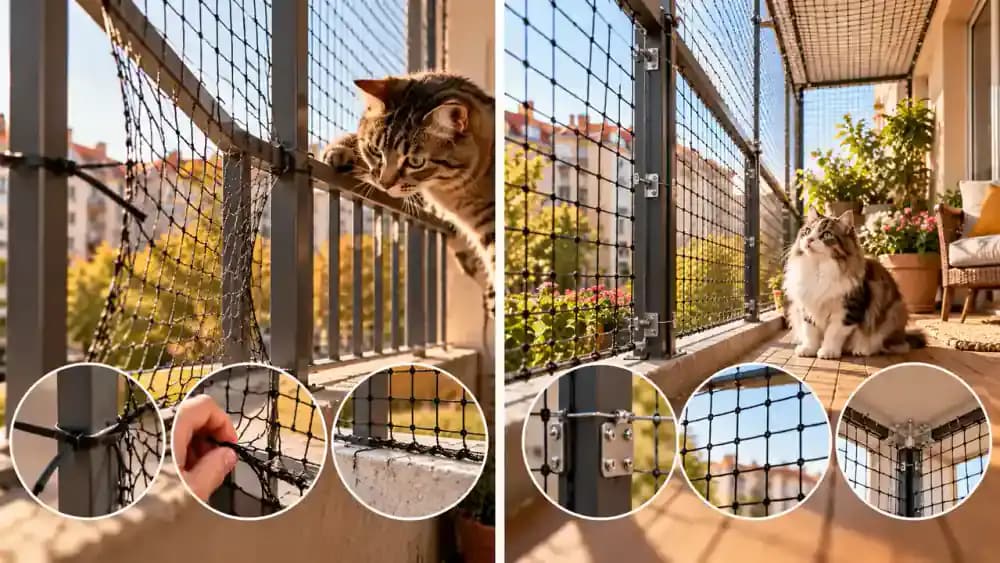
Verify Installation and Structural Safety
Before installing any enclosure, ask a qualified specialist to evaluate structural attachment points, wind exposure, hardware, and material suitability. Check your lease, building rules, and applicable local requirements before approving modifications. Request maintenance instructions and recommended inspection intervals. Even a professionally installed barrier needs regular checks, and no enclosure should be assumed completely fail-proof.
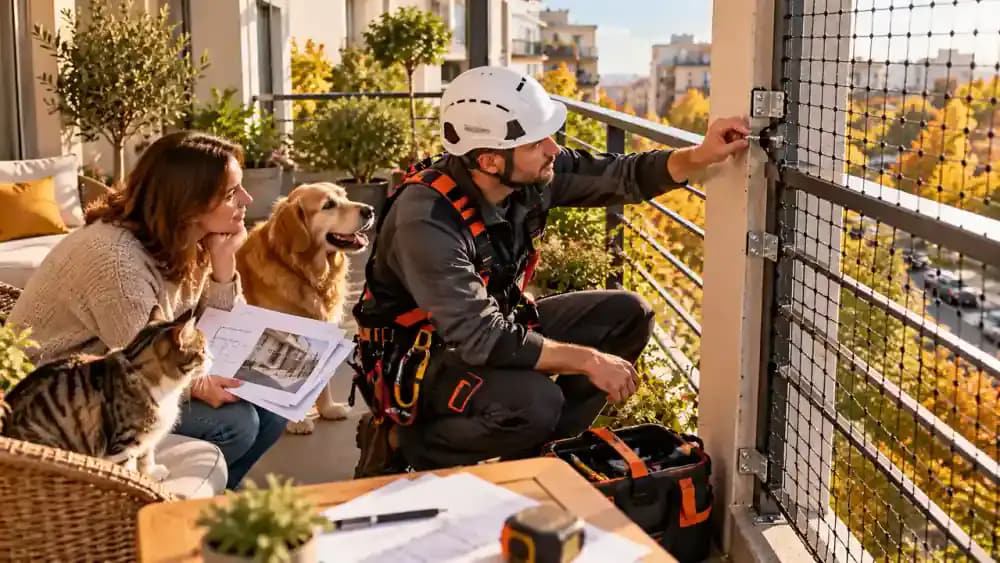
Remove Everyday Balcony Hazards
Check your balcony for toxic plants, exposed cleaning products, sharp gardening tools, and unsecured containers. Move hazardous items indoors and verify that remaining plants are safe for your pet. Sunlit tiles can become dangerously hot, so check surface temperatures before visits. Provide a shaded resting area and fresh drinking water in a stable bowl.
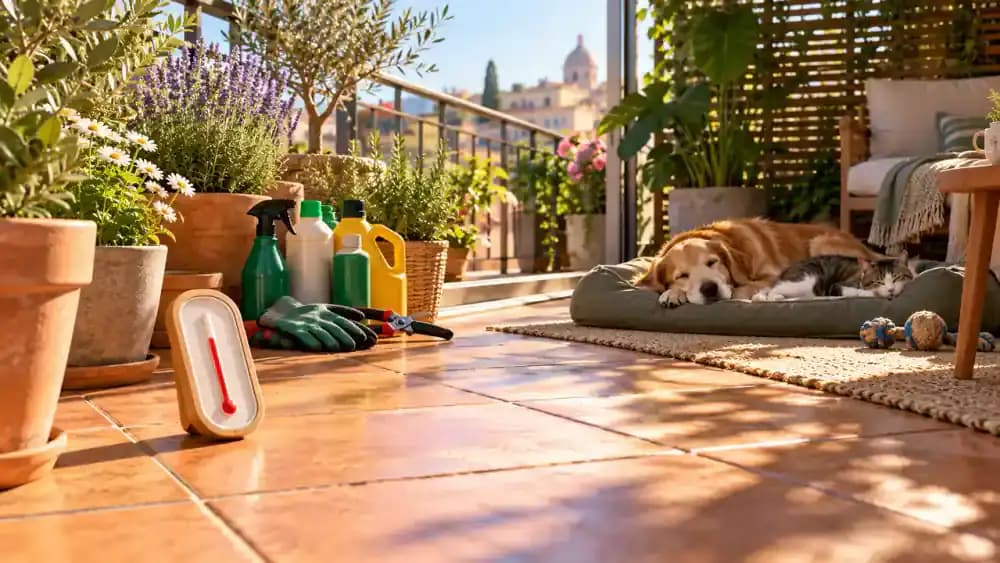
Establish Supervised Outdoor Access
Before each balcony visit, inspect the protective enclosure, check its attachments, and confirm the door latch works properly. Stay outside with your pet and watch for climbing, chewing, or sudden excitement. If your dog or cat becomes unusually agitated or approaches a potential hazard, calmly guide them indoors. Never leave pets unattended, even inside an enclosure.

Maintain Safety and Know When to Say No
Inspect enclosure panels, anchors, connections, and openings regularly, especially after storms or building maintenance. Arrange professional repairs whenever components appear damaged, loose, or displaced. Keep the balcony door securely closed when supervision is unavailable. If dependable fall protection cannot be installed or maintained, create a comfortable indoor viewing area instead of risking an unsafe balcony visit.
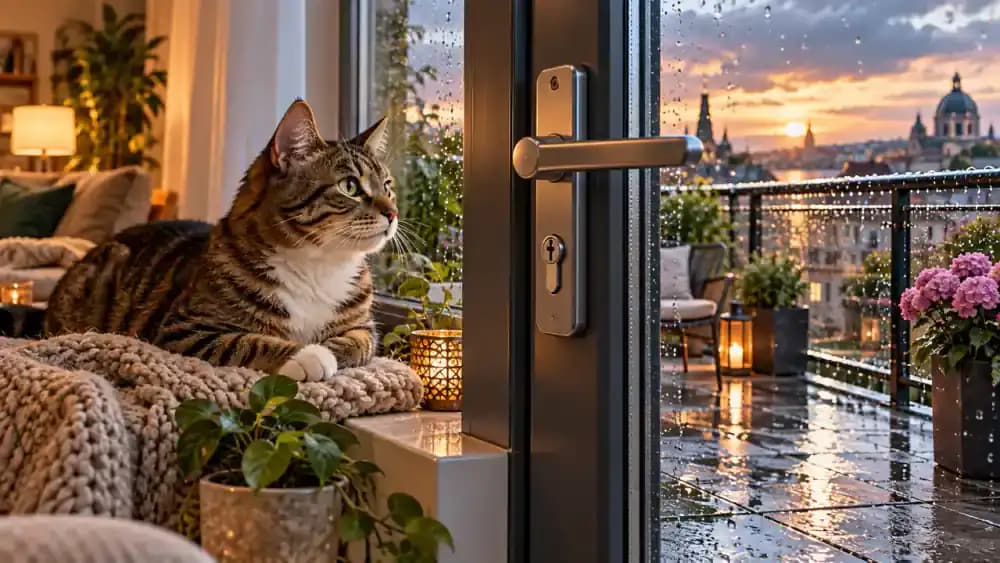
Recognize Your Pet's Stress Signals
Pay attention to your pet's body language before considering balcony access. Flattened ears, trembling, tense posture, frantic pacing, or repeated attempts to retreat may indicate discomfort. If you notice these behaviors, move your pet to a quiet indoor space. Remember that even relaxed animals can react unpredictably, so calm behavior never replaces reliable barriers and supervision.
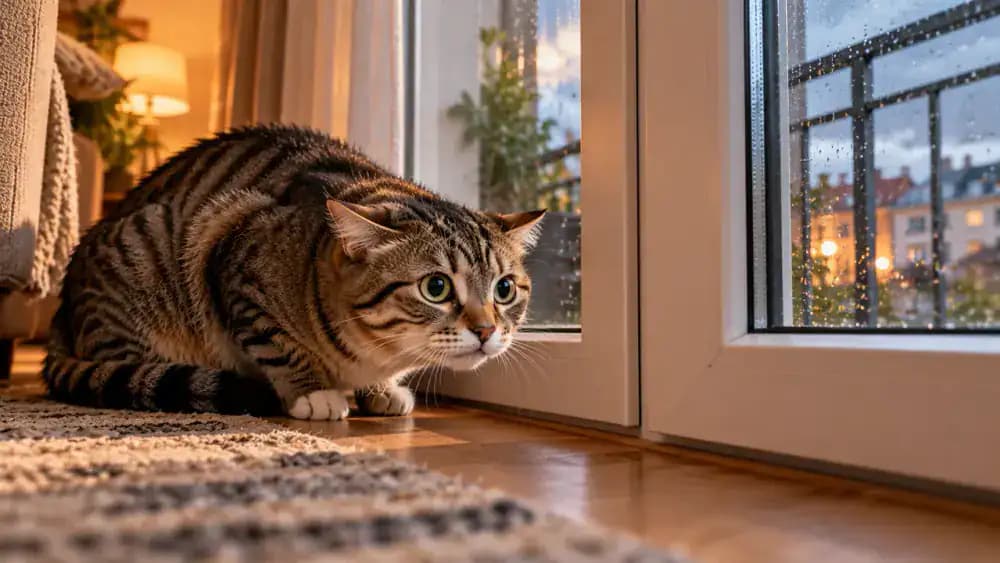
Introduce Balcony Time Gradually
Once a qualified professional has confirmed suitable balcony protection, begin with brief, supervised visits during quiet periods. Stay close to your pet near the doorway and allow gentle exploration without forcing interaction. Return indoors while your pet remains comfortable. Gradually adjust future visits based on their behavior, and avoid busy or noisy periods that might cause sudden reactions.
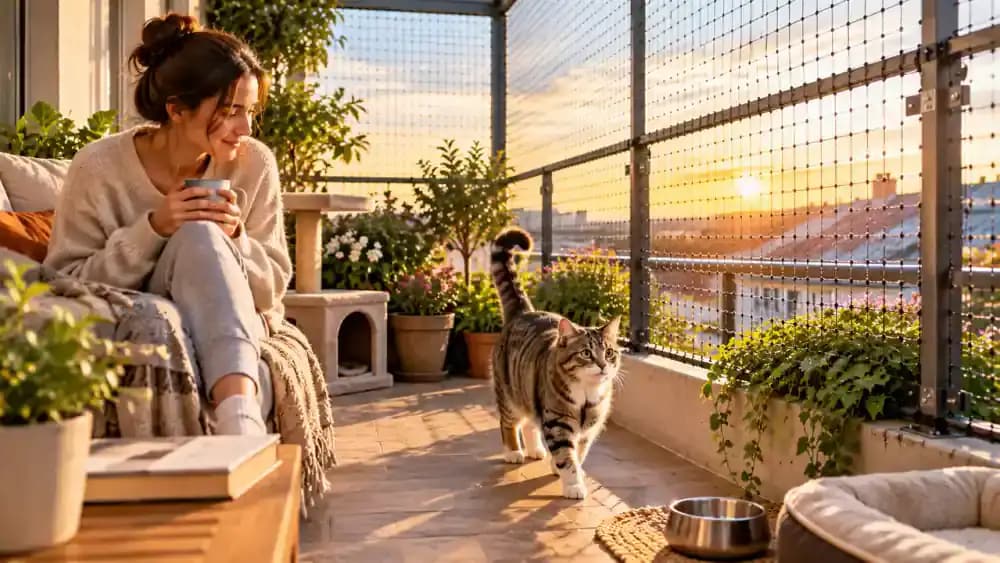
Adapt Safety Measures to Your Pet
Consider your pet's size, age, mobility, energy level, and habits when planning balcony protection. Kittens may squeeze through narrow openings, older dogs may need slip-resistant flooring, and energetic dogs can exert considerable force against barriers. Discuss these differences with a qualified enclosure professional and reassess safety requirements as your pet grows or its needs change.
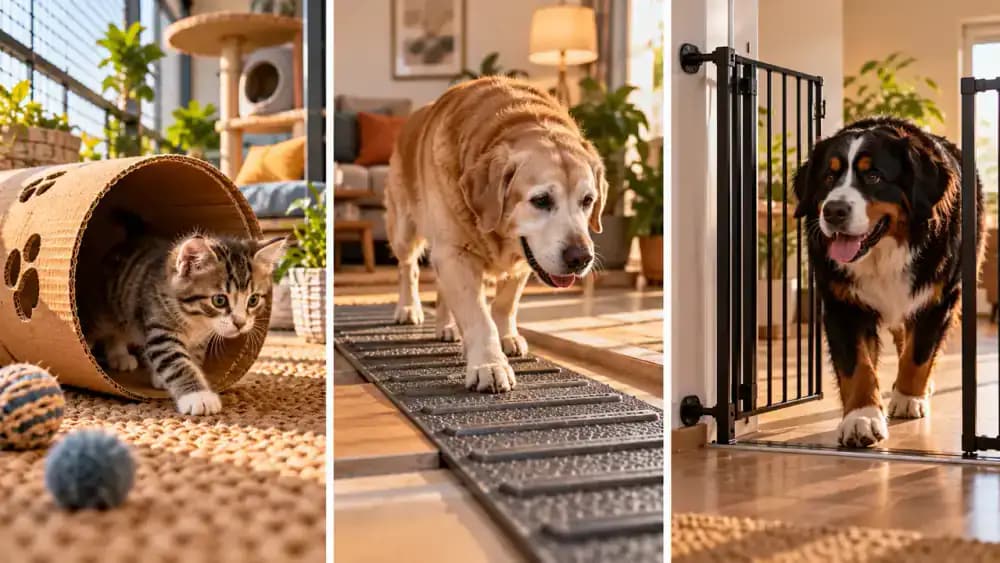
Understand Weather-Related Balcony Risks
Check weather conditions before allowing your pet onto the balcony. Strong winds can move unsecured objects, rain can create slippery flooring, and direct sunlight can quickly overheat exposed surfaces. Monitor temperature, wind, and approaching storms throughout each visit. Bring your pet indoors during thunderstorms, high winds, extreme temperatures, or any conditions that make outdoor access unsafe.

Prepare for Shared Building Activities
Stay aware of activities around your apartment that could affect balcony safety. Neighbors watering plants, nearby construction, and exterior maintenance may create unexpected hazards or startling noises. Keep pets indoors during building work and review maintenance notices regularly. During deliveries or gatherings, close the balcony door securely and prevent guests from accidentally allowing pets outside.

Create a Balcony Emergency Plan
Keep your veterinarian's number, an emergency veterinary clinic contact, and building management information readily available. Store a secure pet carrier where you can reach it quickly. If your pet falls, seek emergency veterinary care even if injuries are not visible. Never climb over railings or attempt dangerous rescues. Contact emergency services or qualified building personnel when necessary.
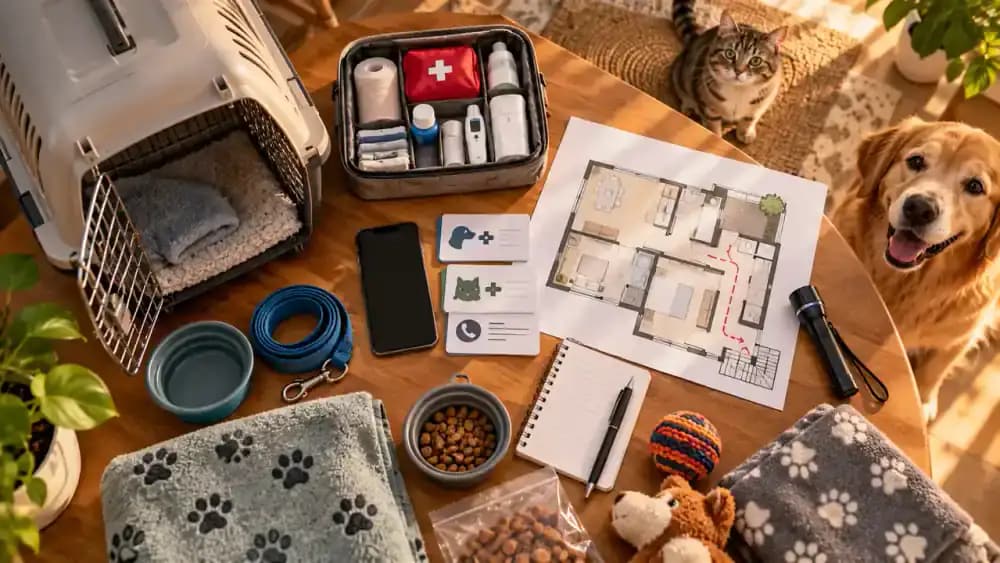
Make Balcony Rules a Household Habit
Make sure everyone in your household understands the balcony access rules, including children, visitors, and pet sitters. Explain that pets need reliable protective barriers and continuous adult supervision whenever outside. Post a reminder near the balcony door covering permission, supervision, and secure closure. Assign one responsible adult during gatherings so supervision is never left to chance.

Choose Safety Over Balcony Access
Prioritize your pet's safety and comfort over spending time outdoors. Some dogs enjoy brief, supervised balcony visits, while cats may prefer watching birds from a secure indoor perch. Follow professional recommendations and adjust your plans when conditions change. If reliable protection is unavailable, keep the balcony off-limits and provide enjoyable indoor alternatives instead.
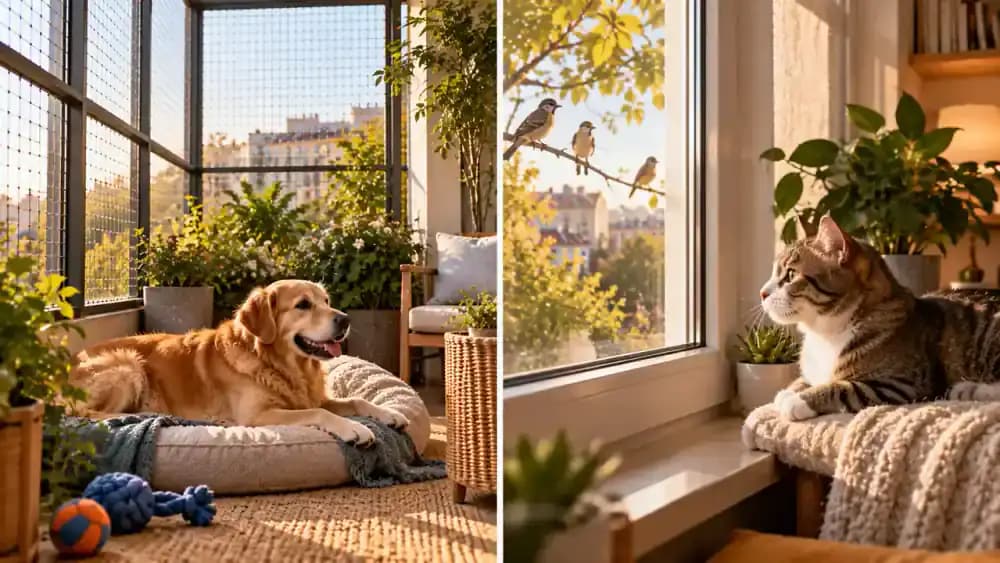
Provide Enrichment Beyond the Balcony
Give your pet enjoyable indoor activities that satisfy curiosity without balcony access. Try scent games and food puzzles for dogs, interactive feeders for cats, and secure window perches for watching outdoor activity. Rotate toys and activities to maintain interest. Choose enrichment that matches your pet's abilities and preferences rather than assuming outdoor access is necessary.
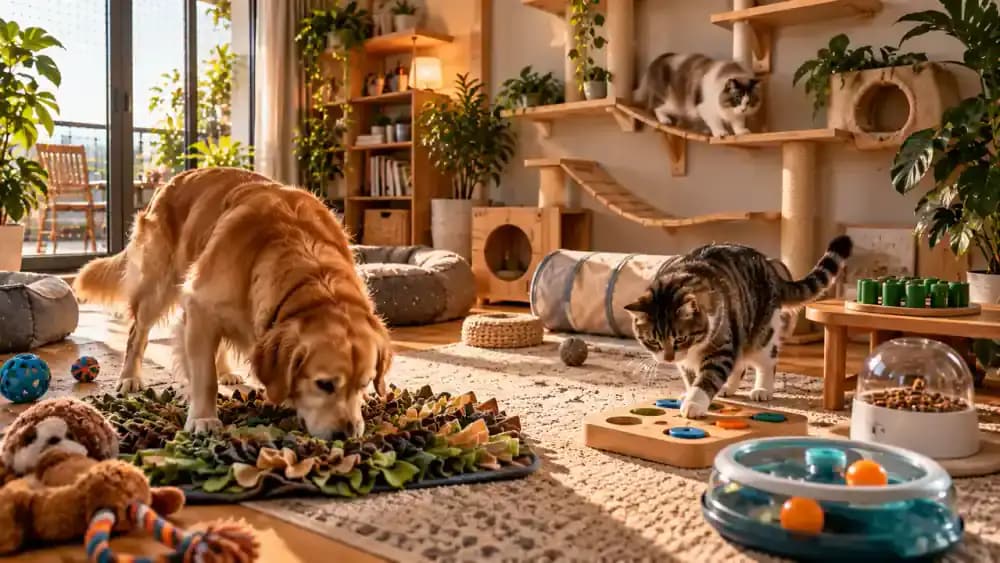
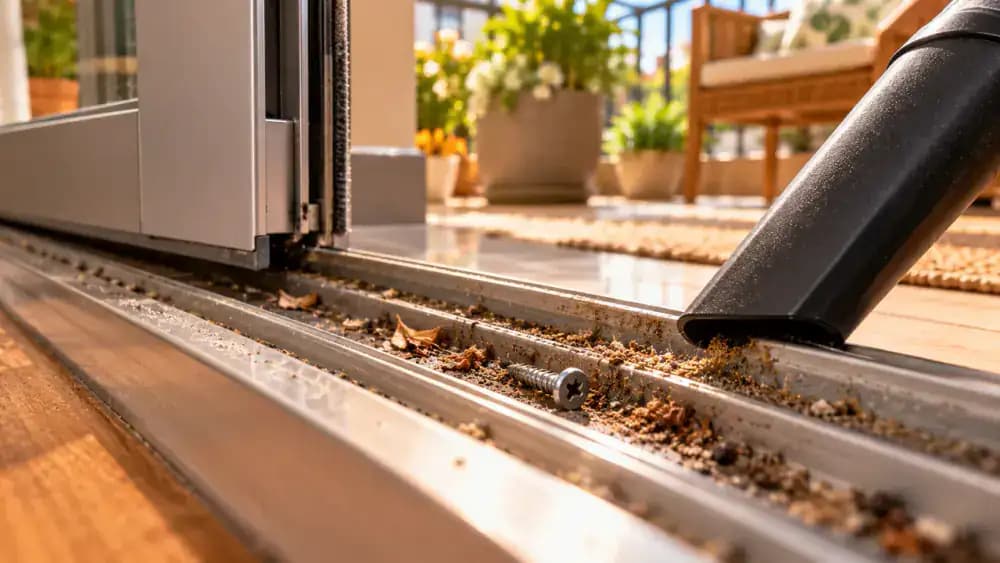
Inspect Balcony Door Tracks and Mechanisms
Examine sliding balcony door tracks for dirt, loose screws, sharp fragments, and other debris that could injure paws. Clean the channels using a vacuum attachment and soft brush. Keep pets away whenever opening or closing the door to prevent trapped toes or tails. Check seals, rollers, and latches regularly to ensure smooth, secure operation.
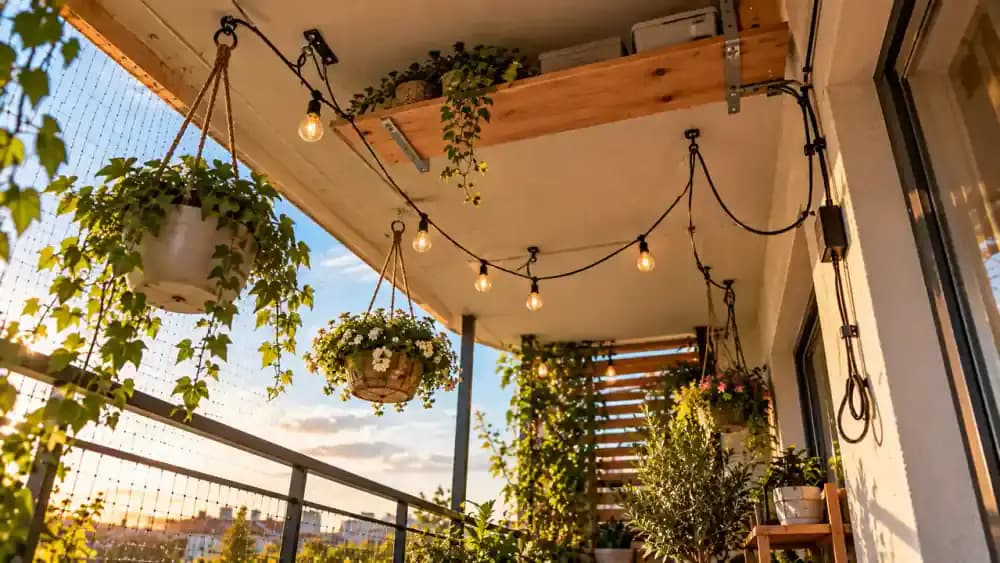
Secure Overhead Fixtures and Decorations
Inspect hanging planters, decorative lights, suspended shelves, and other overhead balcony fixtures for loose attachments or dangling cords. Remove unnecessary decorations that could fall or attract curious pets. Ask a qualified professional to evaluate questionable mounting hardware. Keep electrical connections protected from moisture and positioned beyond your pet's reach to reduce injury and chewing hazards.
Pay Attention to Enclosure Junctions
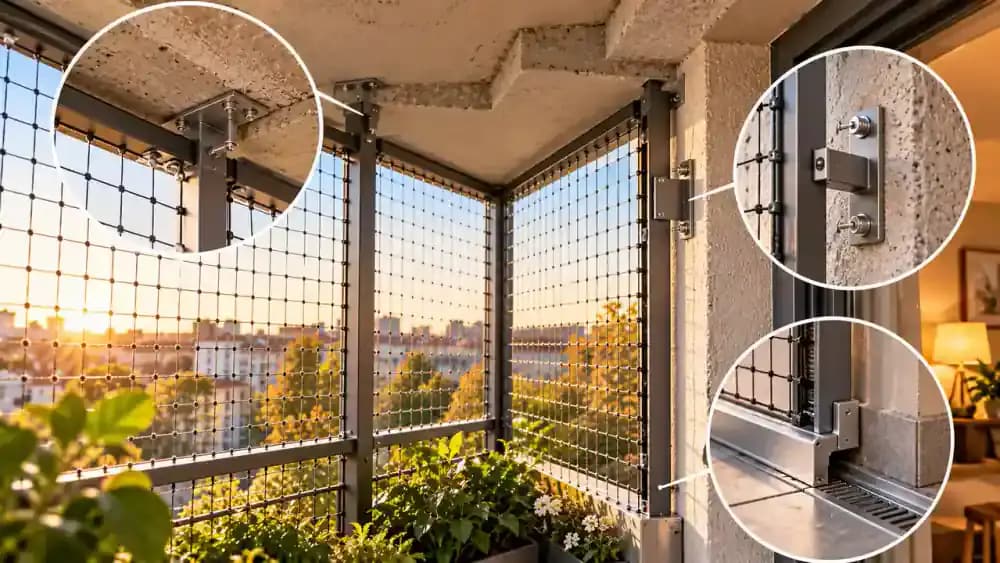
Inspect the places where protective enclosure panels connect to balcony walls, floors, and ceilings. Irregular corners, drainage channels, and changing surface materials can create overlooked openings or weak connections. Ask your professional installer to explain how each junction is secured without blocking necessary drainage. Photograph completed connections and compare them during future inspections to identify changes.
Keep the Return Route Clear
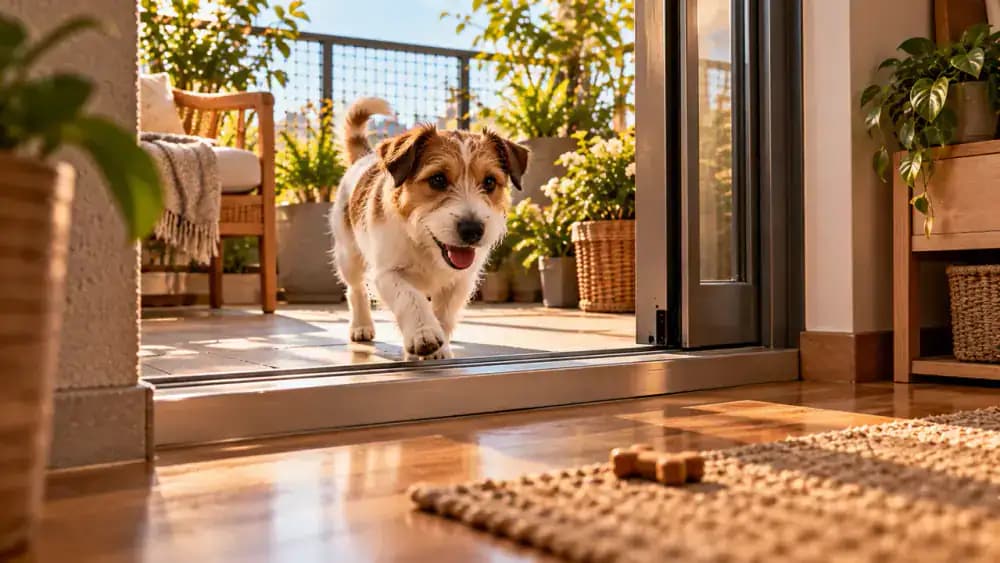
Keep the balcony doorway free of shoes, bags, furniture, and other obstacles that could delay your pet's return indoors. Check raised thresholds and make sure the door operates smoothly. Practice a familiar recall cue indoors using positive rewards. During supervised visits, maintain a clear exit route, but never rely on training alone to prevent falls or escapes.
Document Inspections and Maintenance
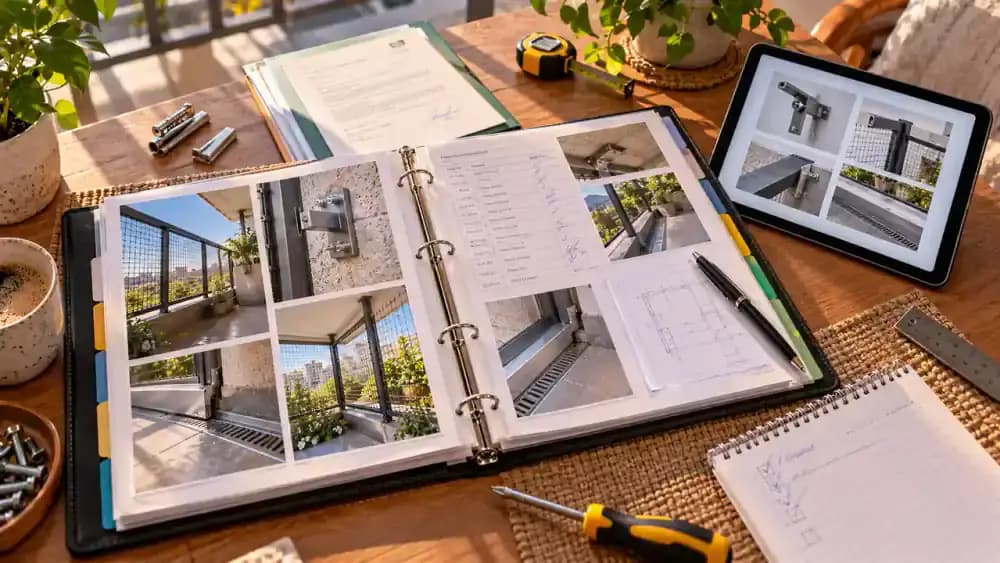
Maintain a simple record of balcony enclosure inspections, repairs, and professional recommendations. Include dates, photographs, loose attachments, damaged panels, and changes in railing gaps. Review previous entries to identify recurring problems or gradual wear. If you rent, keep written installation approvals and maintenance documents accessible for discussions with your landlord or building management.
Build a Lasting Pet Safety Routine
Make balcony safety part of your everyday pet care routine. Rely on professionally assessed protective barriers, consider your pet's individual needs, and inspect the space before each supervised visit. Share access rules with family members and caregivers. When conditions change or protection becomes unreliable, close the balcony door and choose a safe indoor activity instead.
Update Identification and Contact Details
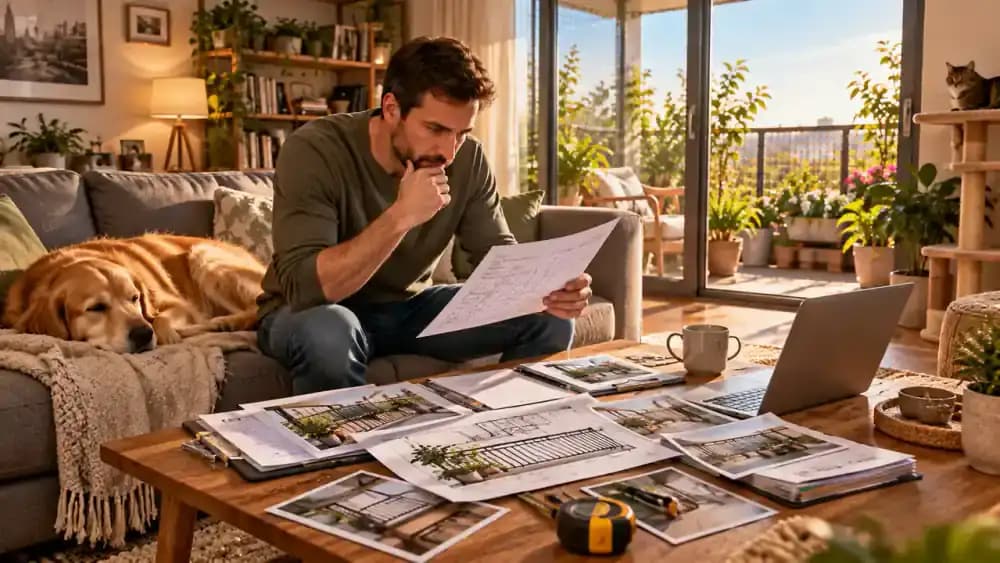
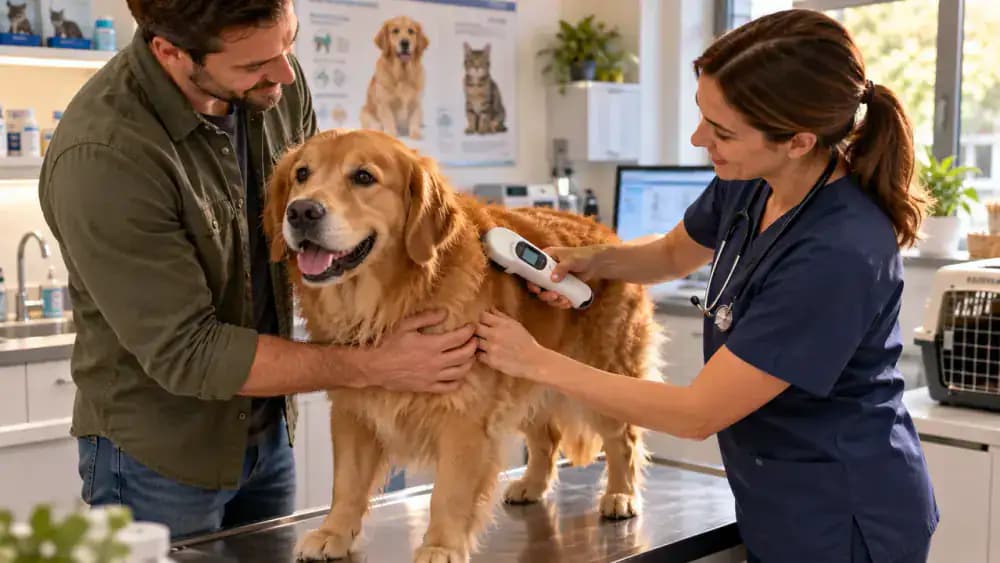
Prepare for unexpected escapes by keeping your pet's microchip registration and contact information current. Ask your veterinarian to verify the microchip details, and consider a properly fitted collar with an identification tag when appropriate. Save important emergency contacts on your phone. Identification helps with reunification but never replaces secure barriers, active supervision, or fall prevention.
Check Hidden Hazards in Plant Containers
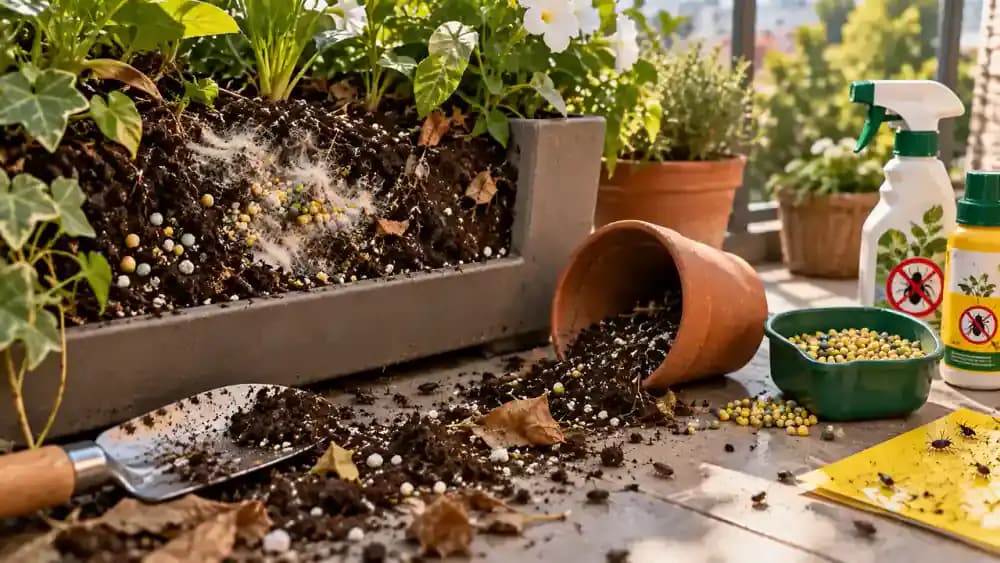
Inspect balcony planters for hazards beyond the plants themselves. Fertilizer pellets, insect treatments, moldy soil, and small objects hidden in potting mix may attract curious pets. Remove spills promptly and store gardening products in a secure indoor cabinet. Choose pet-appropriate gardening supplies, and consult your veterinarian about questionable plants or products before allowing exposure.
Avoid Dangerous Balcony Tethering
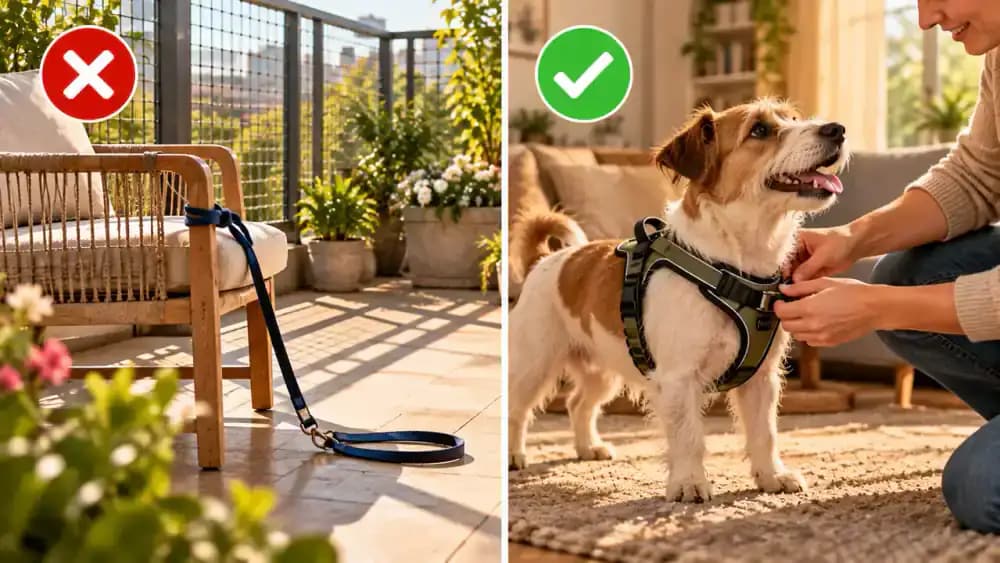
Never tie your dog or cat to balcony furniture, railings, or fixtures. Tethering can cause entanglement, choking, or dangerous suspension if your pet suddenly jumps or slips. A leash cannot replace a properly assessed protective enclosure. If using a harness for supervised handling, hold the leash securely and keep your pet away from exposed edges.
Recognize Aging Protective Materials
Inspect balcony enclosure materials for signs of deterioration caused by sunlight, moisture, temperature changes, and repeated contact. Watch for frayed mesh, discoloration, corrosion, cracked components, and loose fasteners. Ask a qualified professional to evaluate suspected damage and recommend repairs or replacements. Keep your pet indoors until the enclosure's protective integrity has been professionally confirmed.

Avoid Attracting Wildlife
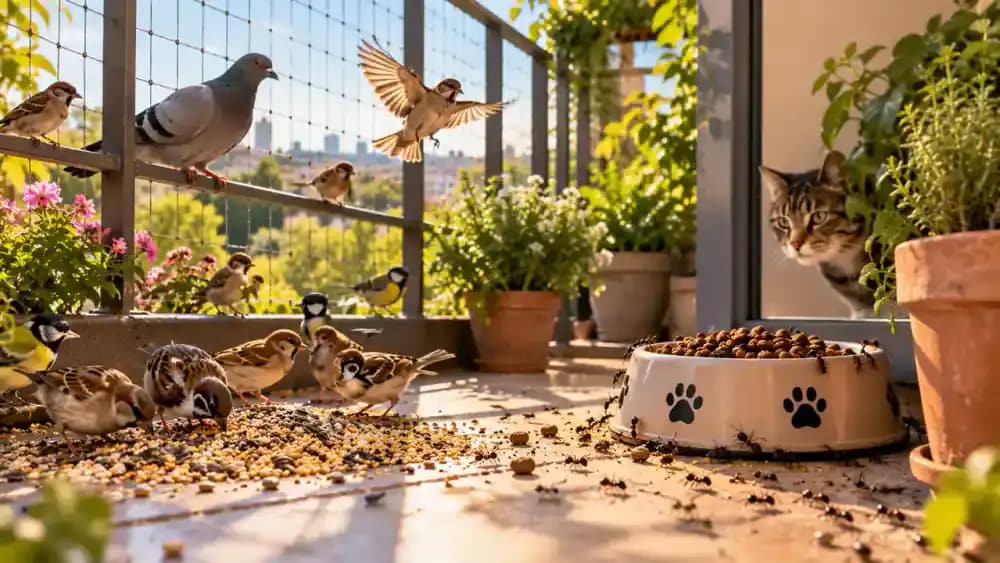
Keep birdseed, leftover pet food, crumbs, and other food attractants off your balcony. These items can draw birds, rodents, and insects close to your pet's enclosure, potentially triggering sudden excitement or creating sanitation concerns. Clean spills promptly, remove unattended food bowls, and store treats indoors in sealed containers. Avoid feeding wildlife from your balcony.
Maintain Safe Balcony Drainage
Check balcony drainage outlets for leaves, debris, and standing water, especially after rainfall or watering plants. Blocked drains can create slippery surfaces and encourage insects. Never cover drainage openings or alter building drainage systems without approval. Report recurring blockages to building maintenance, and keep pets indoors while cleaning or until wet flooring has completely dried.

Make the Final Balcony Safety Decision
Before every visit, confirm that protective barriers are professionally assessed, attachments remain secure, hazards are removed, and active supervision is available. If any safety concern remains unresolved, keep the balcony door closed. Share these rules with everyone caring for your pet. A comfortable indoor enrichment activity is always preferable to taking unnecessary risks outside.
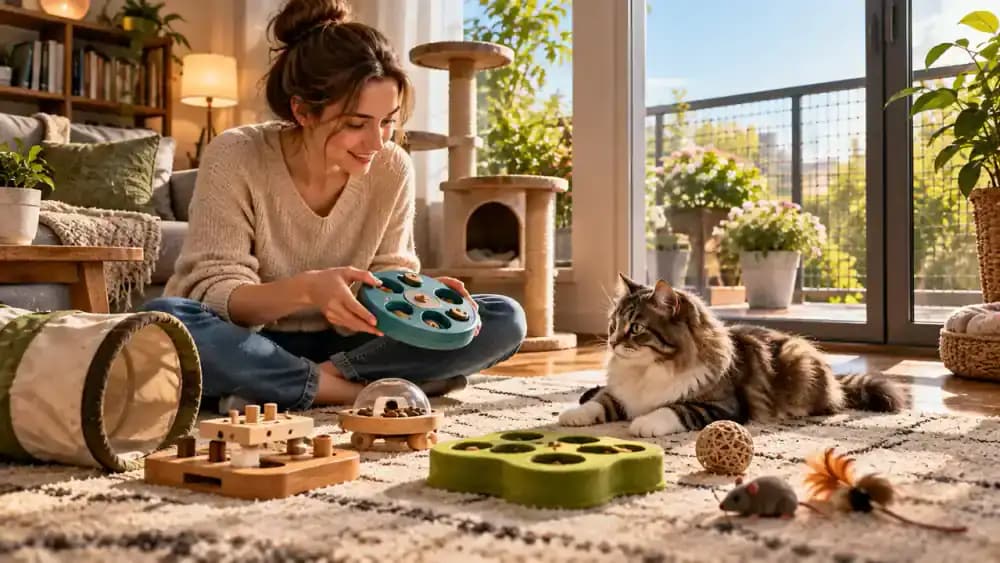
Your cat spots a bird outside the sliding door and inches toward the balcony. Or your dog hears something below and rushes to investigate. A little fresh air sounds harmless, but an ordinary apartment balcony can expose pets to serious falls, unexpected escapes, and hidden hazards.
Even well-behaved pets can react unpredictably to birds, loud noises, unfamiliar animals, or sudden movement. A gap that looks too small might be large enough for a curious cat or small dog to squeeze through. Patio furniture can become an unexpected climbing platform, while loose screens and damaged railings can create dangerous openings.
Before allowing your pet outside, take a wide look at the entire balcony. Examine the railings, floor edges, furniture, overhead openings, and possible escape routes. Don't assume a decorative screen or ordinary netting provides reliable fall protection. A qualified professional should assess whether a securely anchored, pet-appropriate enclosure is suitable for your balcony, including its structural attachment points and building restrictions.
You'll also want to consider toxic plants, overheated flooring, sharp objects, cleaning products, and containers of standing water. These everyday items can make an otherwise comfortable outdoor space unsafe.
This guide explains what to inspect, which precautions matter most, and how to maintain a supervised balcony routine. If reliable protection isn't possible, keeping the balcony off-limits is the safest choice.
Where people go wrong
Assuming Your Pet Understands Heights. A cat that normally moves carefully or a dog that obeys commands can still react suddenly to wildlife, noises, or unfamiliar activity. Familiarity with the balcony does not eliminate fall risks. Never assume your pet understands the drop beyond a railing. Inspect the space thoroughly and establish appropriate physical protection before considering supervised access.
Using Ordinary Netting as Guaranteed Fall Protection. Lightweight garden netting, insect screens, zip ties, and temporary mesh can tear, detach, stretch, or leave openings. These materials should not be treated as reliable fall protection. Ask a qualified professional to evaluate your balcony and recommend a suitable, securely anchored system. If dependable protection cannot be established, prevent your pet from accessing the balcony.
Overlooking Furniture That Makes Railings Climbable. Chairs, storage boxes, plant stands, and small tables can help pets reach dangerous heights. Cats may jump from furniture onto railings, while dogs may climb or lean over elevated surfaces. Removing climbable objects near the perimeter reduces opportunities for accidents, but furniture rearrangement alone cannot replace a properly assessed protective enclosure.
Ignoring Building Rules and Structural Limitations. Drilling into railings, walls, or overhead structures without approval can damage building components or violate rental and association rules. An attachment that looks solid may not be suitable for an enclosure. Check the applicable requirements and have a qualified professional assess attachment points before installation. Never compromise required drainage, maintenance access, or emergency escape routes.
Forgetting Plants, Heat, and Household Chemicals. Balcony safety involves more than preventing falls. Toxic plants, concentrated cleaners, fertilizers, sharp gardening tools, and sun-heated concrete can all threaten pets. Review every accessible item before outdoor time. Choose pet-appropriate plants, store hazardous products securely, and check surface temperatures. Keep pets inside during extreme heat or whenever the balcony cannot provide comfortable conditions.
Leaving Pets Outside Without Active Supervision. Even a professionally installed enclosure requires ongoing inspection and responsible supervision. A loose attachment, displaced object, or newly created opening might go unnoticed when a pet is alone. Stay outside with your dog or cat, watch their behavior, and end the session if conditions change. Close and secure the balcony door after bringing your pet indoors.
Skipping Inspections After Weather or Maintenance. Wind, storms, repairs, and routine building maintenance can affect barriers, fixtures, and stored objects. A previously secure setup may develop loose fasteners, damaged panels, or accessible gaps. Check the entire protected area before each use and request professional reassessment after any suspected damage. Do not allow pets back onto the balcony until safety concerns are resolved.
Questions people ask
Some balconies can be made suitable for short, supervised pet visits, but safety depends on the balcony's design, structural condition, openings, and protective barriers. A qualified professional should assess any proposed enclosure. Owners must also manage plants, temperature, chemicals, and furniture. If reliable fall and escape protection cannot be provided, keep the balcony off-limits.
Fixed it?
Get one guide like this every Thursday.