How to Keep Your Dog's Beard Clean After Meals
Keep your dog's beard fresh, clean, and comfortable after meals with a gentle grooming routine. Learn how to remove food, prevent tangles, dry facial hair properly, and avoid common mistakes.
What you’ll need
Tap to tick things off before you start.
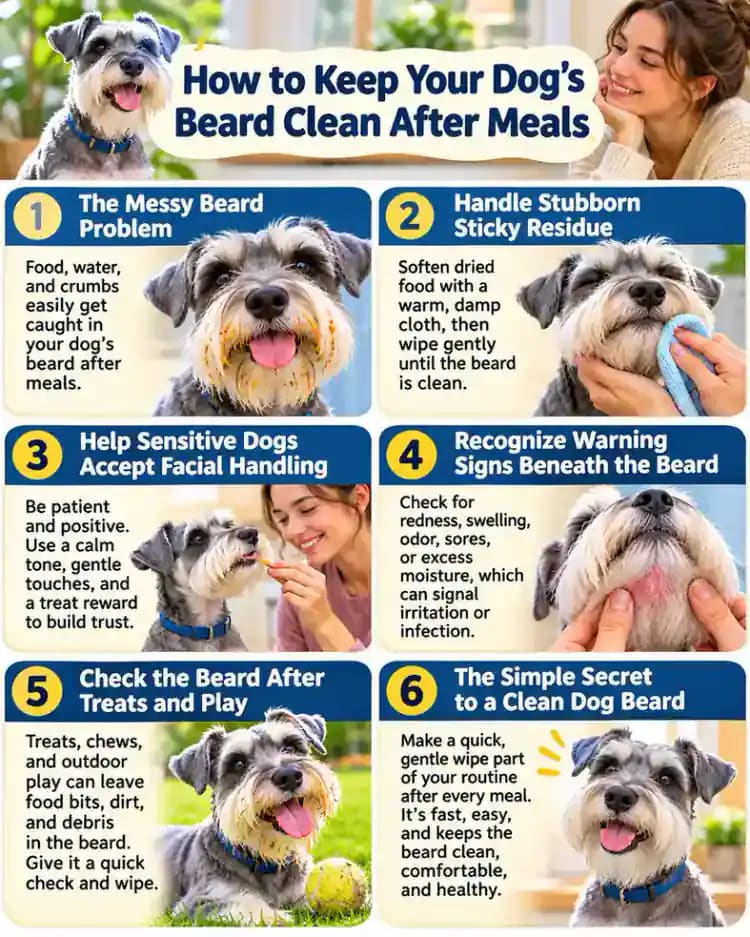
The Messy Beard Problem
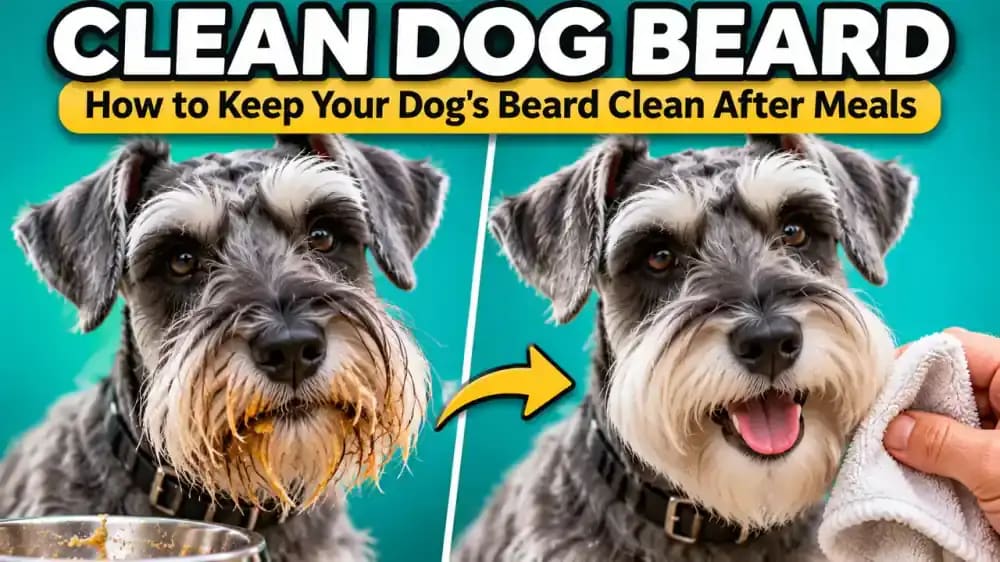
After your dog finishes eating, take a close look at its beard before the food residue dries. Bearded breeds like Miniature Schnauzers often collect crumbs, wet food, and moisture around their muzzles. Even small amounts can lead to tangles and unpleasant odors. A quick check after meals helps prevent buildup and makes regular grooming easier.

Where Food Residue Hides
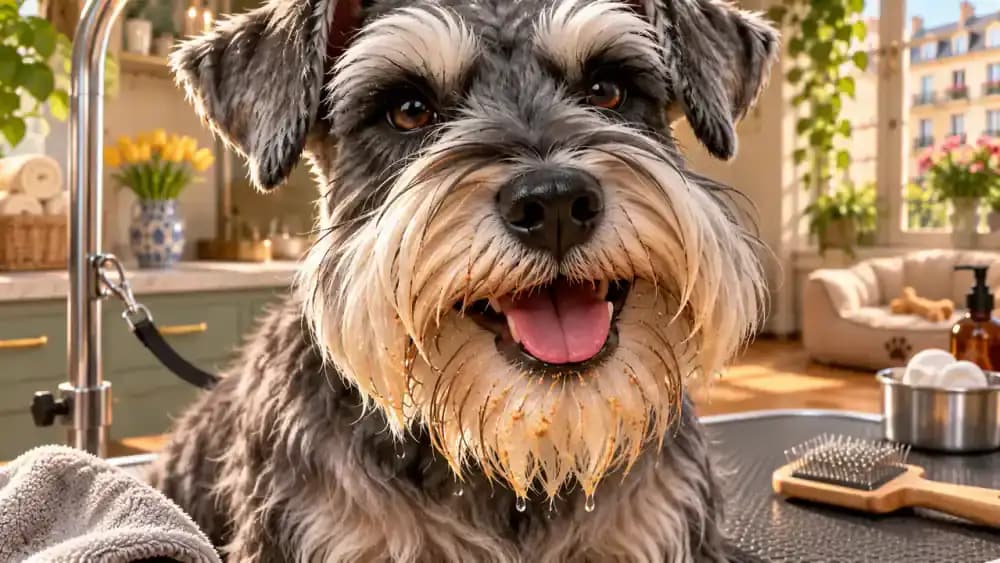
Gently inspect the corners of your dog's mouth, the whiskers along both sides of the muzzle, and the hair beneath the chin. Lift small sections of the beard to spot dried food and trapped moisture. Pay attention to hidden patches without pulling the hair. Identifying dirty areas first helps you clean efficiently without unnecessary rubbing.
Prepare Your Grooming Essentials
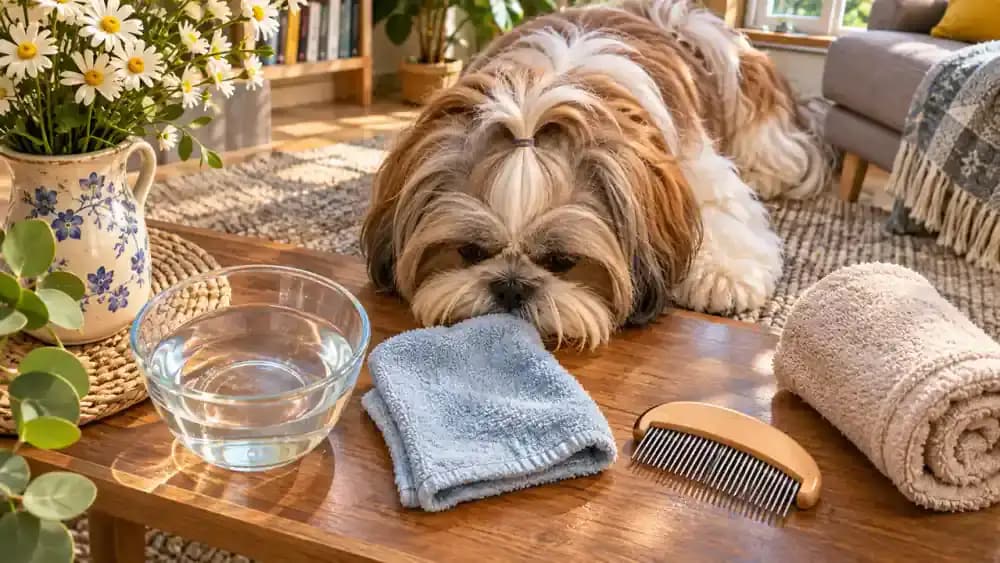
Gather a soft washcloth, lukewarm water, an absorbent microfiber towel, and a rounded-tip grooming comb suitable for your dog's coat. Choose a quiet, well-lit area with a stable surface. Let your dog sniff the supplies before beginning, and offer a small treat for calm behavior. Having everything ready keeps cleaning brief, comfortable, and predictable.
Gently Wipe Away Food
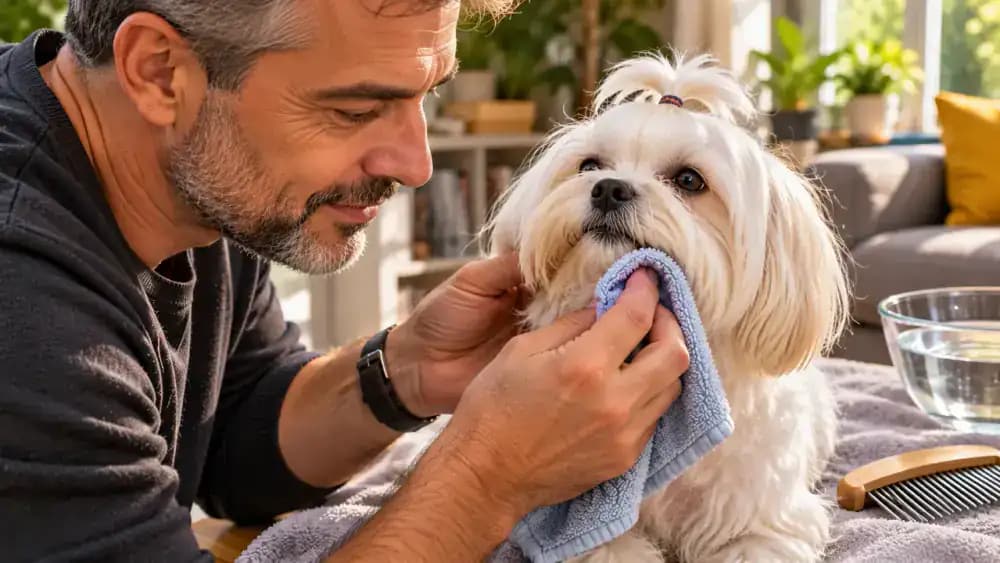
Dip a soft cloth into lukewarm water and wring it out until damp, not dripping. Lightly support your dog's chin while wiping the beard downward and outward, following the direction of hair growth. Use short, gentle strokes around the lips and avoid the eyes. Switch to a clean section of cloth as food residue collects.
Remove Tangled Crumbs Safely
For crumbs caught in longer facial hair, use a gentle dog-safe comb with smooth, rounded teeth. Support each small section of beard near the skin, then carefully comb from the tips toward the roots. If the comb catches, stop and separate the strands with your fingers. Never yank through knots or force a frightened dog to continue.
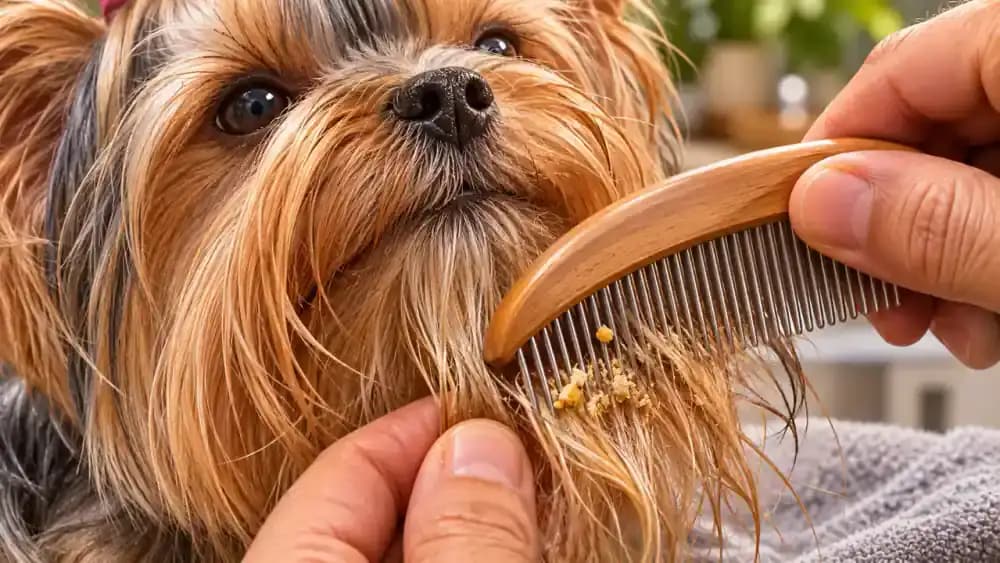
Handle Stubborn Sticky Residue
If lukewarm water cannot remove sticky food residue, use a cleanser specifically labeled safe for dogs' faces. Follow the product directions and apply only the recommended amount with a soft cloth. Keep cleanser away from the eyes, nostrils, and inside the mouth. Remove any remaining product as directed. Never substitute human shampoo or heavily fragranced products.

Dry the Beard Thoroughly
After cleaning, gently wrap a clean, absorbent towel around your dog's lower beard and press to remove excess moisture. Avoid vigorous rubbing, which can create tangles. Pay particular attention beneath the chin and around the mouth corners. Check for remaining dampness with your fingertips and repeat as needed. Never direct hot air from a hair dryer toward your dog's face.

Build a Comfortable Daily Habit
Once your dog's beard is clean and dry, offer a small treat and allow your dog to move away freely. Repeat this gentle routine after messy meals, keeping sessions brief and adjusting to your dog's comfort. Never restrain a frightened dog unnecessarily. If you notice redness, persistent odor, sores, or discomfort, contact your veterinarian for guidance.
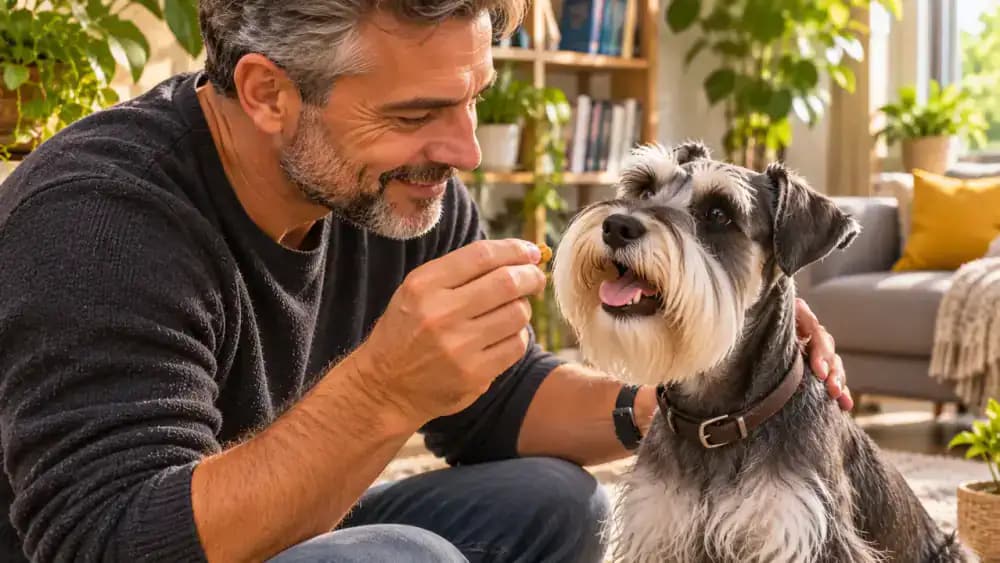
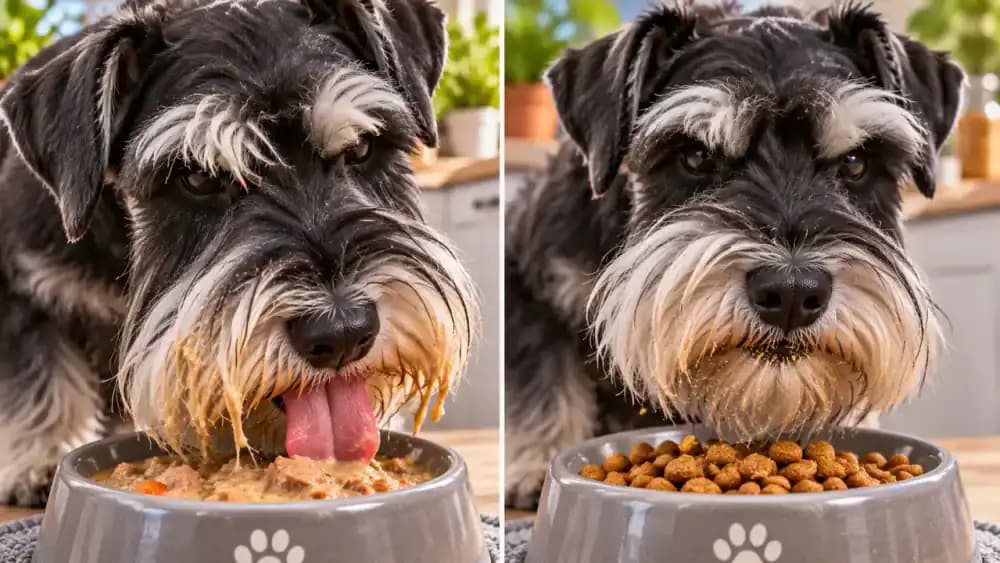
Different Meals Create Different Messes
Pay attention to how different foods affect your dog's beard. Wet food often leaves sticky smears along longer whiskers, while dry kibble may leave small crumbs near the lips. Check the muzzle after each meal and focus on areas with visible residue. Adjust your cleaning effort to the mess rather than performing a complete grooming session every time.
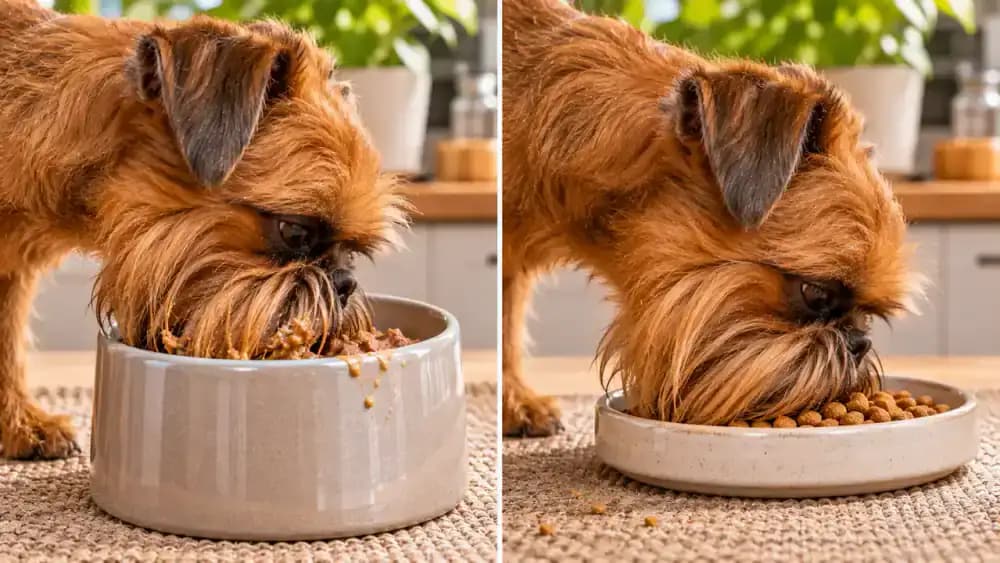
Choose a Beard-Friendly Food Bowl
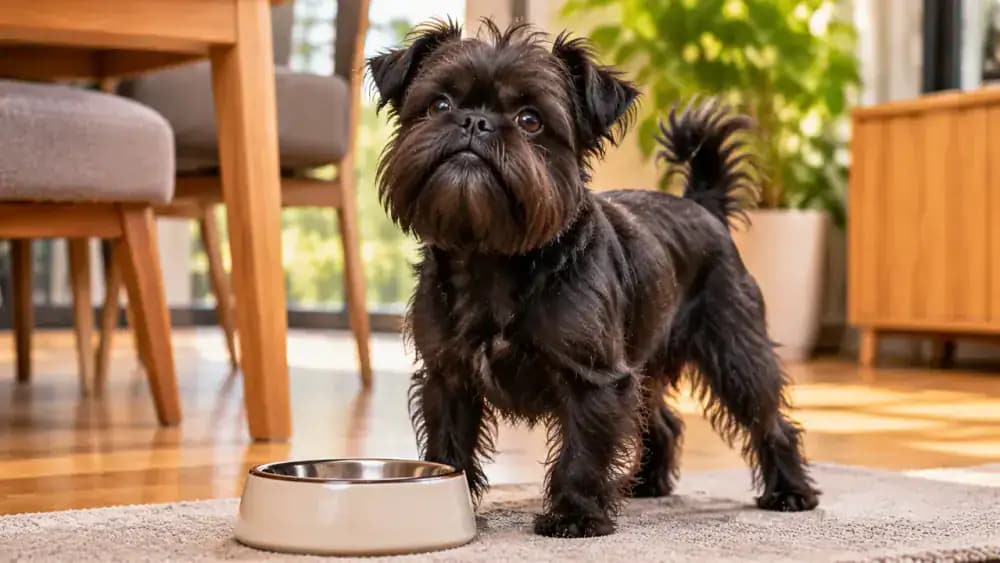
Consider whether your dog's food bowl contributes to messy facial hair. A wide, shallow dish may reduce beard contact with the sides compared with a narrow, deep bowl. Watch your dog's natural eating posture and choose a stable, easy-to-clean bowl that comfortably accommodates its muzzle. A nonslip base can help prevent sliding and make mealtimes easier.
Watch for Water Drips
Check your dog's beard after drinking, especially if long facial hair hangs into the water bowl. Trapped moisture can keep the skin damp and leave drips around your home. Keep a dedicated absorbent towel near the water station and gently pat the lower beard dry. Pay attention to dogs whose facial hair becomes repeatedly soaked throughout the day.
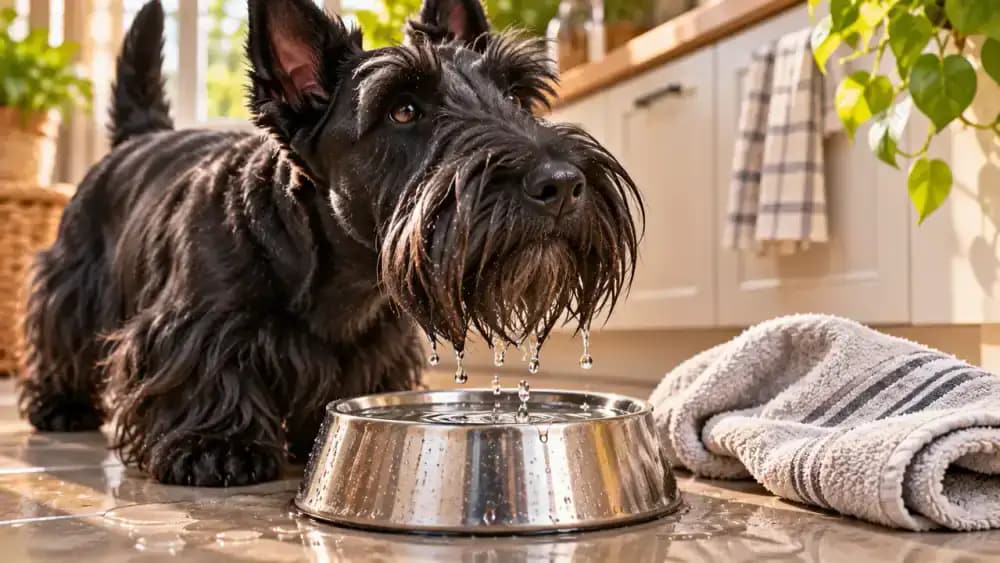
Help Sensitive Dogs Accept Facial Handling
If your dog dislikes facial handling, practice gentle contact away from mealtimes. Briefly touch the cheek, remove your hand, and offer a small reward. Gradually introduce touching beneath the chin while your dog remains relaxed. Watch for turning away, stiffening, or other signs of discomfort. Stop immediately when needed and allow your dog to approach voluntarily.
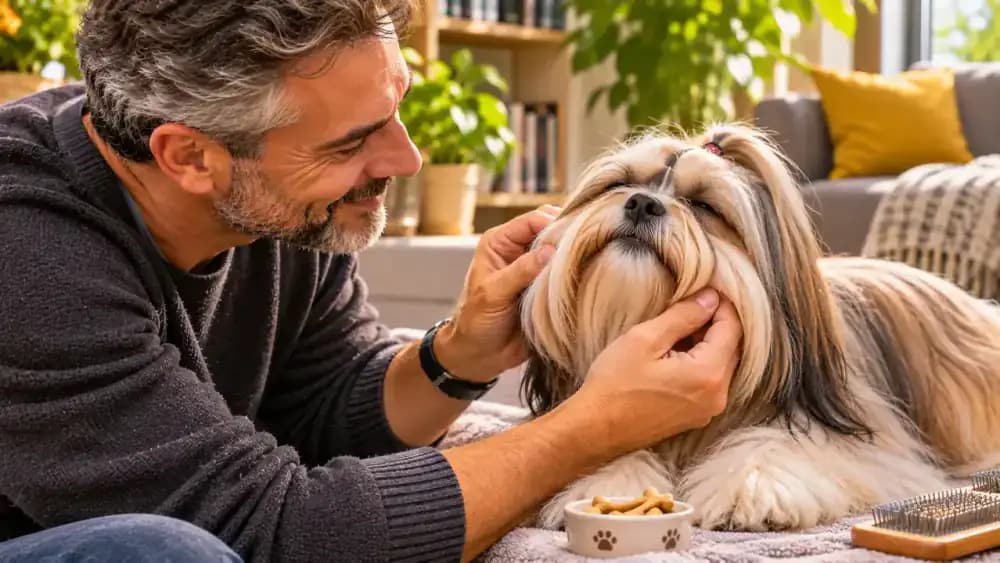
Consider a Practical Beard Trim
Long facial hair can trap more food and require frequent detangling, so consider whether a shorter beard would simplify daily care. Ask a qualified groomer to recommend a practical length that suits your dog's coat and appearance. Professional trimming helps maintain a neat shape while reducing the risks of using sharp scissors near moving lips and sensitive facial areas.
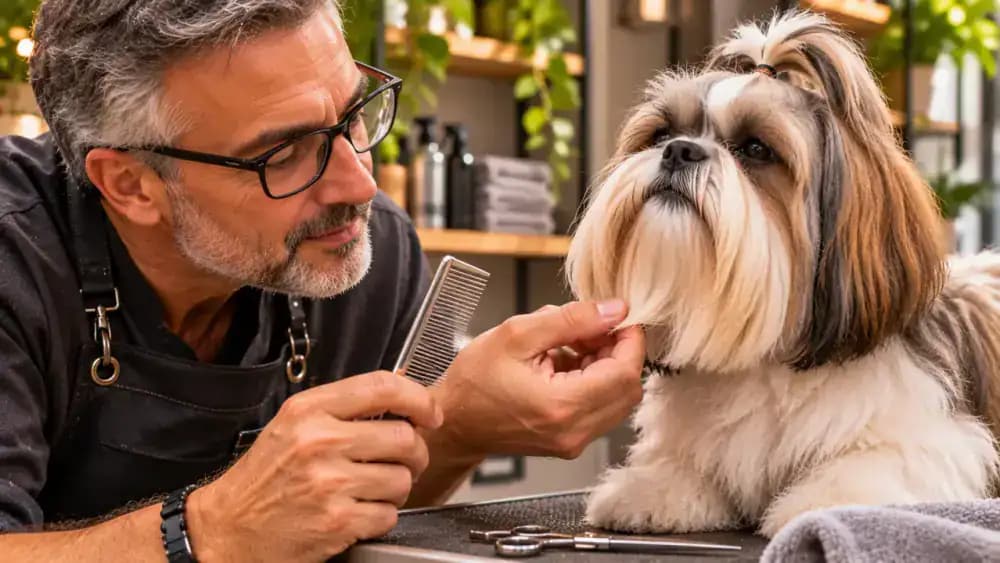
Understand Facial Hair Staining
Light-colored dogs may develop reddish-brown discoloration around their mouths even with regular grooming. Stained hair does not necessarily indicate poor hygiene, and aggressive scrubbing or whitening products can irritate sensitive skin. Focus on gentle cleaning and thorough drying instead of perfect coloring. Consult your veterinarian if staining appears alongside redness, discharge, persistent odor, or discomfort.
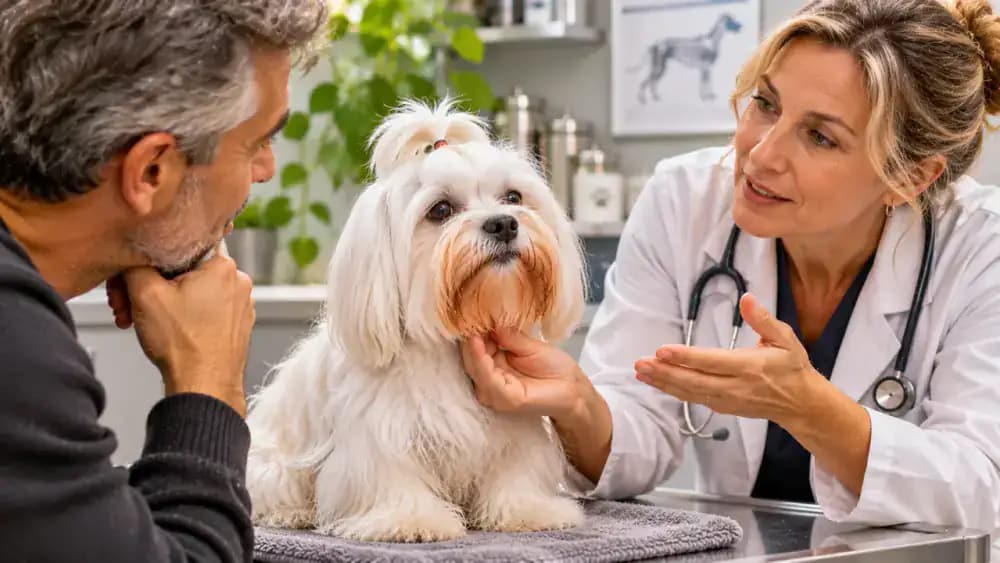
Keep Grooming Supplies Hygienic
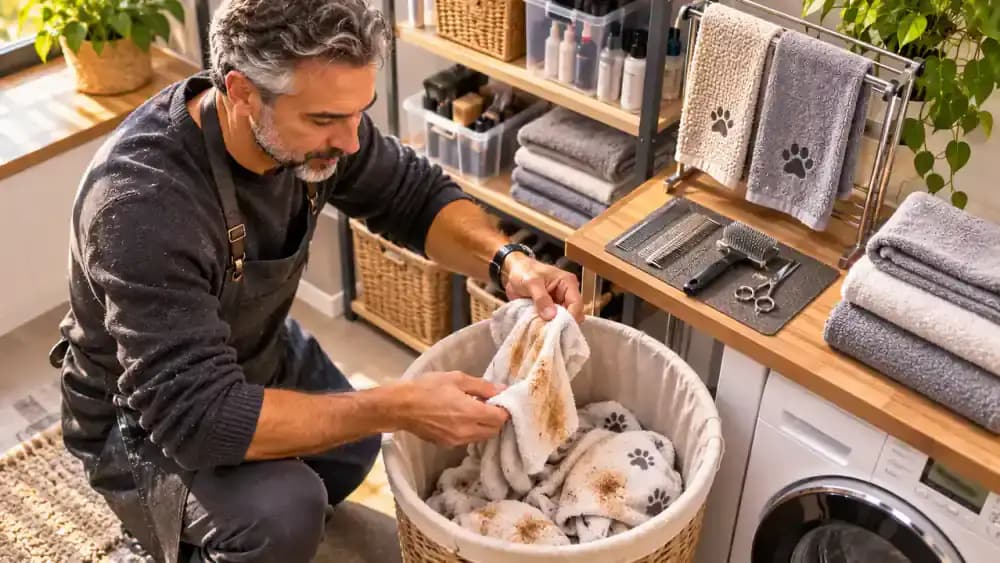
Wash reusable grooming cloths and towels after each cleaning session to prevent leftover food and moisture from accumulating. Allow supplies to dry completely before storing them in a clean container. Inspect combs regularly for bent, sharp, or damaged teeth that could scratch delicate skin. Keep fresh cloths near your grooming area so every cleanup starts with hygienic equipment.
Make Clean Beard Care Effortless
Keep post-meal beard care simple by focusing on visible food residue, lingering moisture, and your dog's comfort. Avoid chasing a perfectly styled appearance or extending grooming sessions unnecessarily. Adjust your approach as your dog's coat, diet, or tolerance changes. With gentle handling and consistent observation, a clean beard becomes an easy part of everyday care.

Know When Cleaning Is Unnecessary
Not every meal requires a full beard cleaning. If your dog eats neatly and its facial hair remains clean and dry, a quick visual inspection may be sufficient. Check around the lips, whiskers, and chin for visible residue before reaching for a washcloth. Avoid unnecessary soaking or repeated wiping that could irritate sensitive skin or disrupt your dog.
Recognize Warning Signs Beneath the Beard
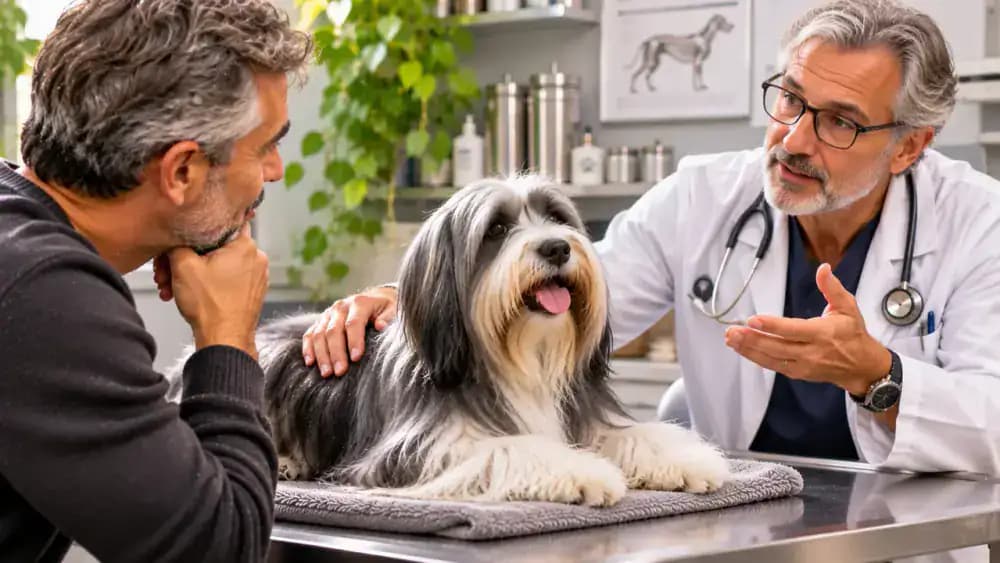
Periodically check the skin beneath your dog's beard for persistent redness, swelling, crusting, or visible discomfort. Notice repeated muzzle scratching, rubbing against furniture, or unusual sensitivity during gentle handling. Document any changes and contact your veterinarian for an assessment. Avoid applying unfamiliar products or scrubbing affected areas, as these actions may worsen irritation.
Separate Beard Hygiene From Dental Health
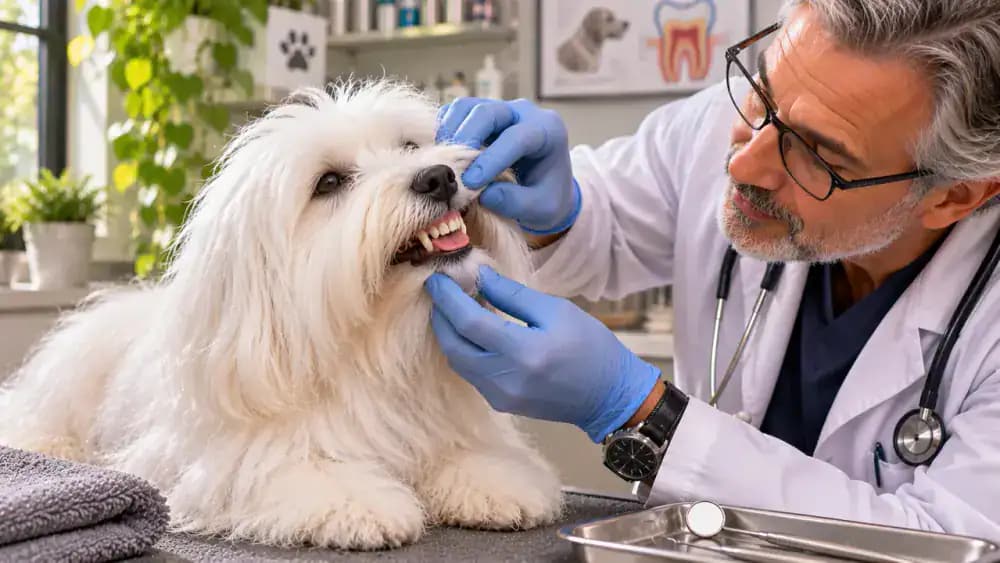
Remember that cleaning your dog's beard does not replace proper dental care. Even a spotless muzzle can hide problems involving the teeth or gums. Watch for persistent bad breath, unusual drooling, difficulty chewing, or reluctance to eat. Arrange a prompt veterinary dental assessment if these signs appear, and maintain an appropriate oral hygiene routine alongside regular facial grooming.
Adapt Cleaning to Facial Folds
If your dog has facial folds, recognize that these areas may require different care from the surrounding beard. Moisture can collect within skin creases, making individual grooming guidance important. Ask your veterinarian or qualified groomer about appropriate cleaning and drying techniques. Never force a cloth deep into a fold or assume every dog's facial anatomy needs identical treatment.
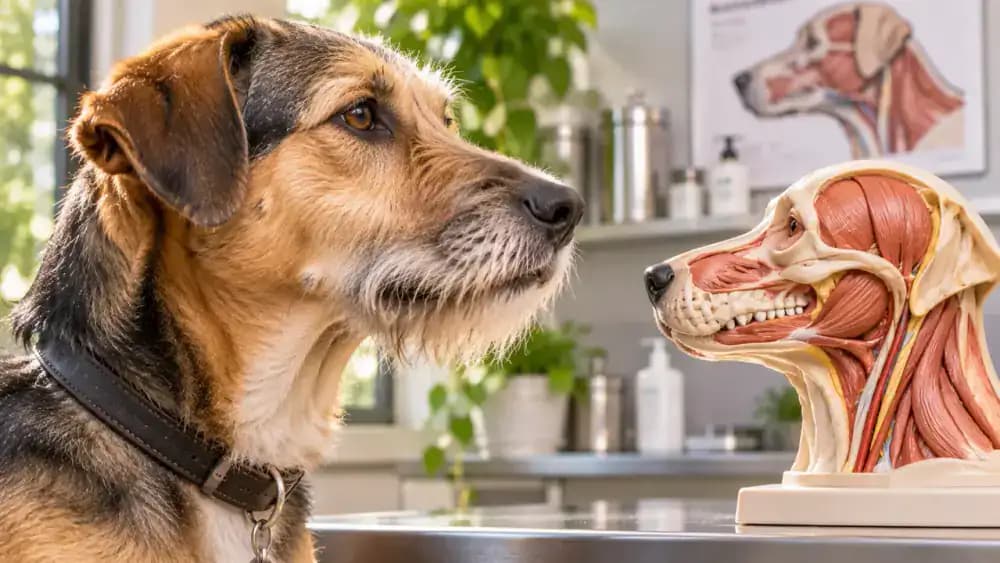
Create a Consistent Family Routine
When multiple family members care for your dog, establish a simple post-meal beard cleaning routine everyone understands. Store clean cloths in one convenient location and agree on who checks the muzzle after feeding. Teach caregivers to recognize discomfort and use gentle handling. A shared checklist helps prevent missed cleanups and unnecessary repeated grooming throughout the day.
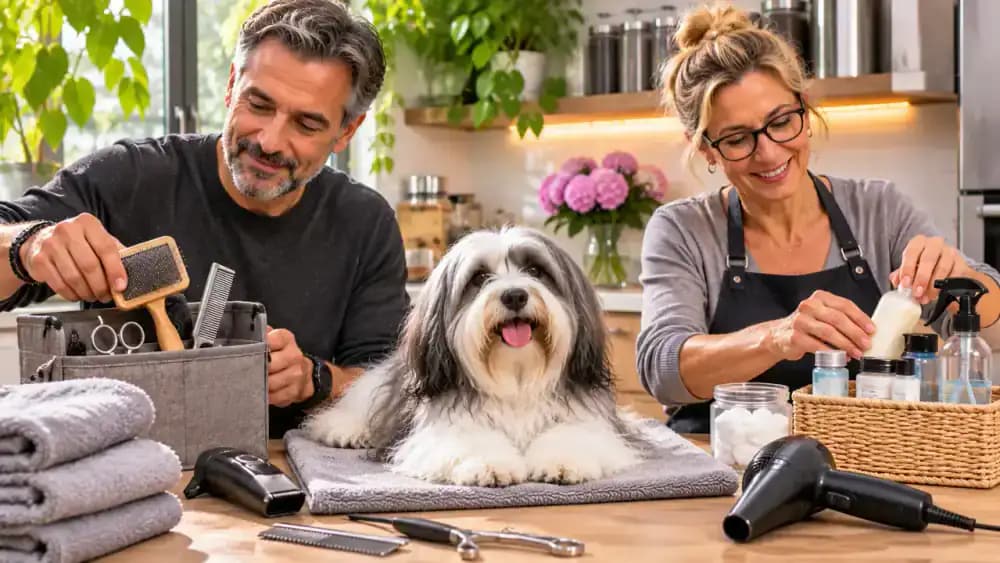
Track Progress Without Overdoing It
Monitor your dog's beard care routine over the next week by noting visible residue, tangles, and reactions to grooming. Look for easier combing, fewer dried food particles, and relaxed behavior during cleaning. A simple diary or occasional photograph can help identify improvements. If grooming becomes uncomfortable or skin changes appear, reconsider your approach and seek professional guidance when appropriate.
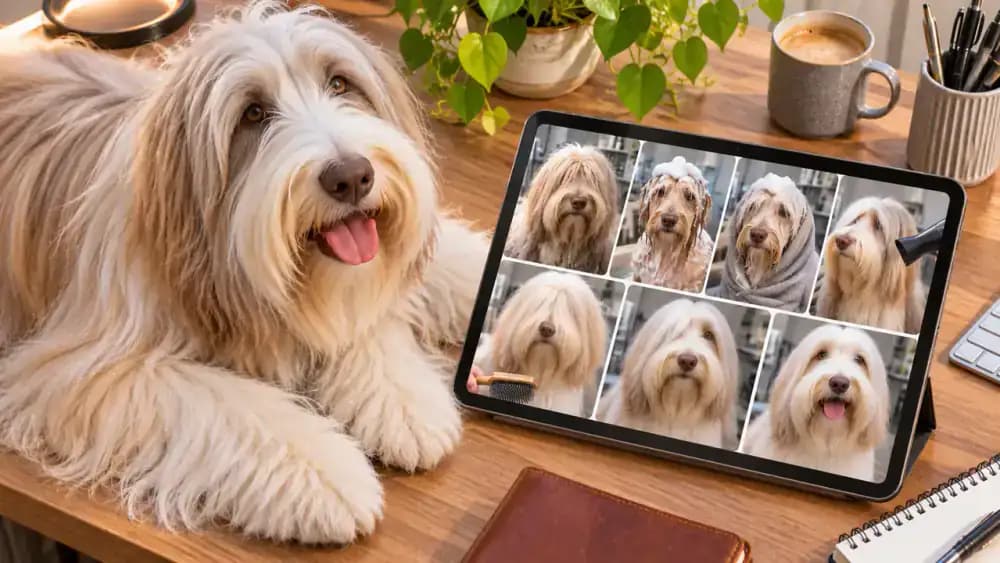
Keep Every Mealtime Comfortable
Make beard cleaning a brief, comfortable part of your dog's daily routine rather than an unnecessary chore. Check for leftover food, gently remove visible residue, and dry damp facial hair before allowing your dog to relax. Avoid excessive handling when the beard is already clean. Consistent, gentle care helps your companion enjoy meals without carrying messy leftovers afterward.

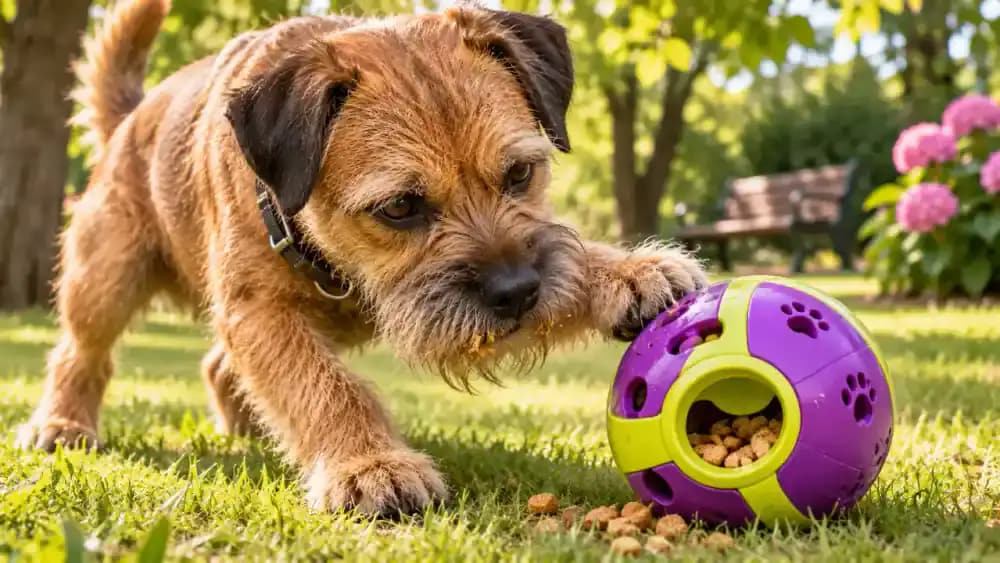
Check the Beard After Treats and Play
Remember that meals are not the only source of messy facial hair. Soft training treats, food-filled enrichment toys, and chew residue can leave particles trapped in your dog's beard. After especially messy activities, briefly inspect the muzzle and remove visible crumbs with a soft cloth. Let your dog finish playing before cleaning, and avoid unnecessary interruptions or restraint.
Adjust Beard Care for Seasonal Weather
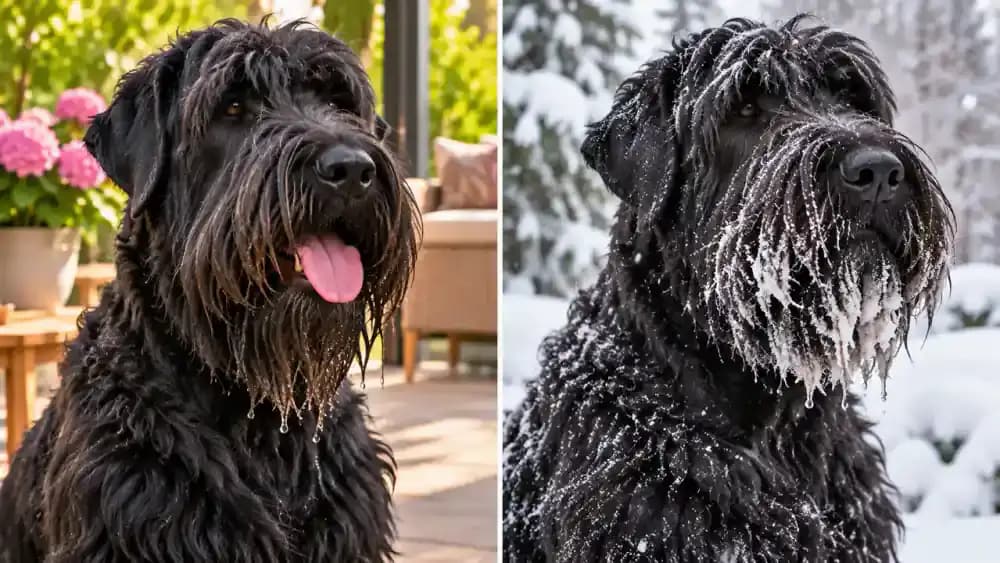
Adapt your dog's beard care to changing weather conditions. Humid summer days may slow drying, while snowy winter walks can leave melting moisture trapped around the muzzle. After outdoor activities, gently check beneath the chin and between longer facial strands. Pat damp areas with an absorbent towel, avoiding excessive heat, harsh products, or unnecessary repeated washing.
Consider Feeding Equipment and Comfort
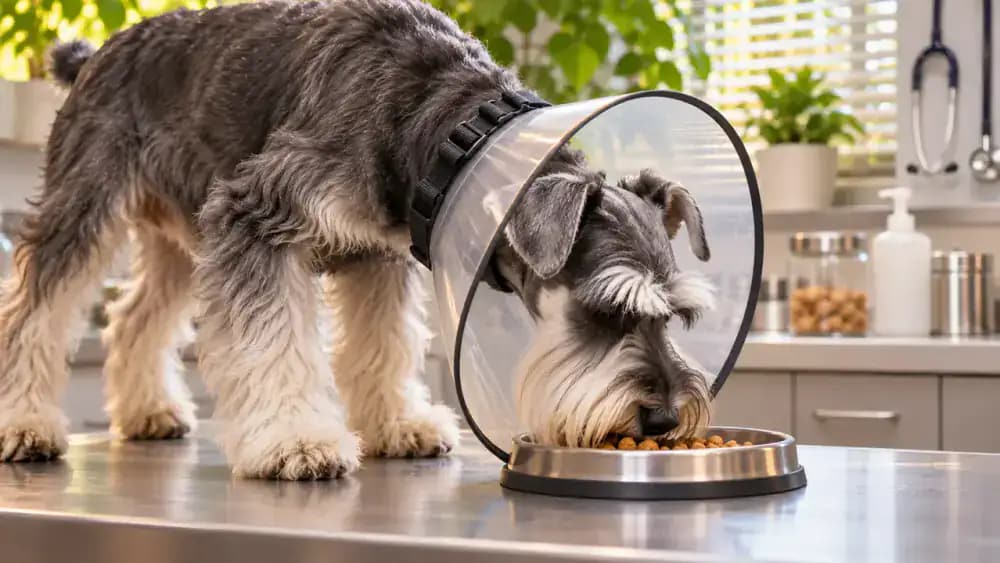
Check whether your dog's collar, harness, or protective cone interferes with comfortable access to its food bowl. Restricted movement can make eating awkward and leave additional food around the beard. Never remove medically prescribed equipment without veterinary approval. Ask your veterinarian whether adjusting the bowl's position or feeding arrangement could improve comfort while maintaining necessary protection.
Modify Grooming During Recovery
If your dog is recovering from surgery or illness, adjust beard cleaning to its current comfort and veterinary instructions. Facial sensitivity, limited mobility, or nausea may make ordinary grooming unpleasant. Prioritize rest, hydration, and recovery over appearance. After dental procedures or other treatments involving the mouth, ask your veterinary team when and how facial cleaning can safely resume.

Maintain Beard Hygiene While Traveling
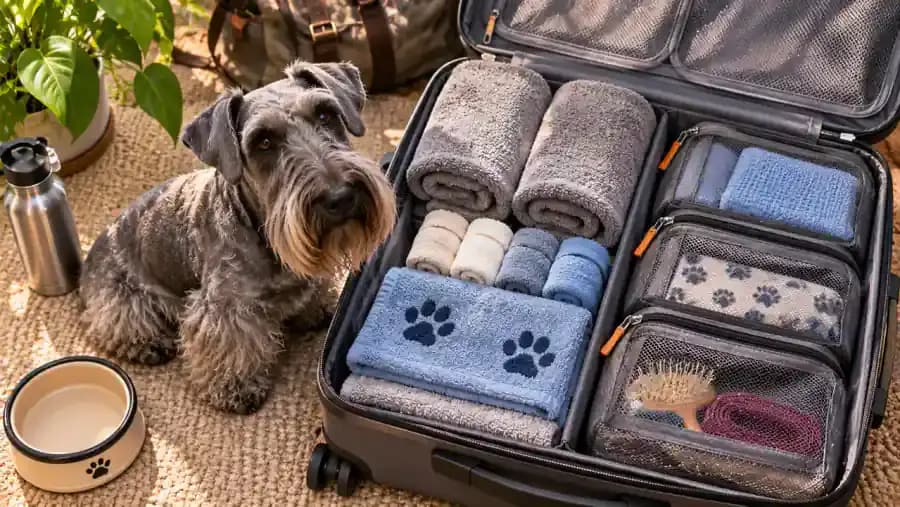
Pack a clean washcloth, a small absorbent towel, and separate washable pouches when traveling with your bearded dog. After messy meals away from home, dampen the cloth with safe drinking water and gently remove visible residue. Pat the beard dry before continuing your activities. Keep used fabrics separate from clean supplies and wash and dry them promptly.
Recognize Your Dog's Comfort Signals
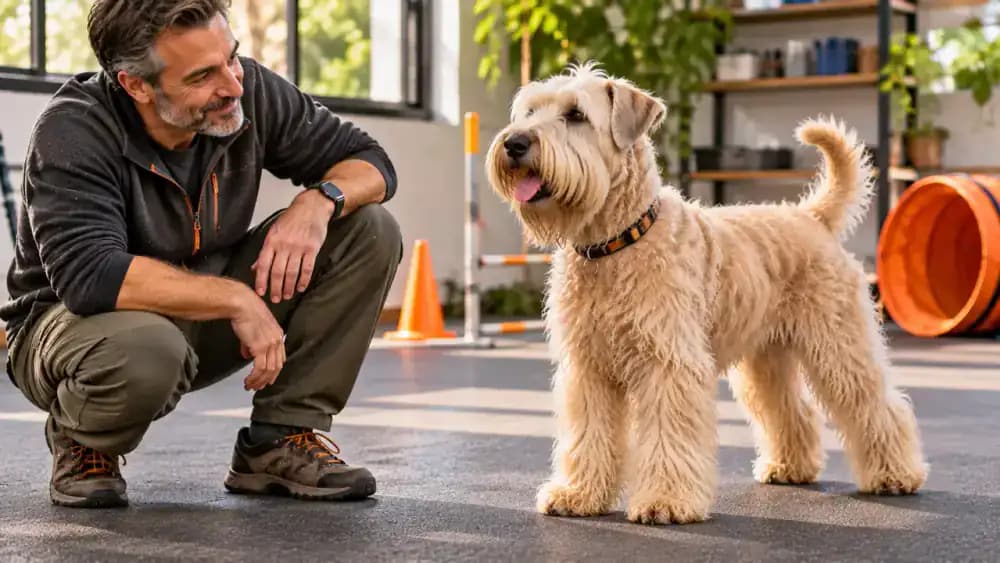
Watch your dog's body language throughout beard cleaning. Relaxed eyes, loose posture, and voluntary cooperation generally suggest comfort, while repeated lip licking, freezing, turning away, or attempts to escape may indicate stress. Stop handling the muzzle when these signals appear and allow your dog space. Resume only when comfortable, using shorter sessions and positive reinforcement.
The Simple Secret to a Clean Dog Beard
Keep your dog's beard care routine practical, gentle, and responsive to individual needs. Remove visible food after messy meals, dry lingering moisture, and maintain clean grooming supplies. Respect your dog's comfort and seek veterinary advice for persistent irritation or unusual changes. A naturally tidy, comfortable beard matters more than perfect styling, leaving your dog free to enjoy everyday activities.
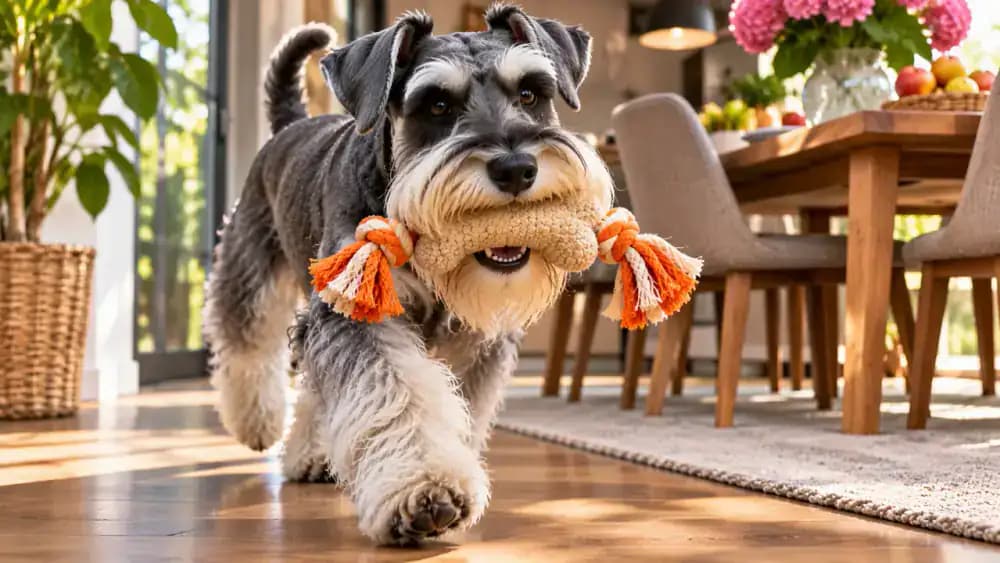
Your Schnauzer has just finished breakfast, and one look at that adorable beard tells the whole story. Tiny crumbs cling to the whiskers, a little moisture collects beneath the chin, and yesterday's perfectly groomed muzzle suddenly looks like it has been through a food fight.
For dogs with prominent facial hair, including Schnauzers, Shih Tzus, and many terrier breeds, messy beards are part of everyday life. Unfortunately, leftover food and trapped moisture can do more than make your dog look untidy. When facial hair stays dirty or damp, it may develop unpleasant odors, become tangled, and contribute to irritation around sensitive skin.
The good news? Keeping your dog's beard clean after meals takes just a few minutes and doesn't require expensive grooming equipment. A soft cloth, lukewarm water, a gentle dog-safe comb, and an absorbent towel are usually enough to handle everyday messes.
The secret is working gently. Wiping in the direction of hair growth, loosening stubborn crumbs without tugging, and thoroughly drying the beard can make grooming more comfortable for your dog. Occasionally, a dog-safe facial cleanser may help with stubborn residue, provided you follow its directions carefully.
With a consistent, positive routine, post-meal beard cleaning can become an easy habit that keeps your dog's muzzle looking neat, feeling comfortable, and ready for the next meal.
Where people go wrong
Leaving the Beard Damp After Cleaning. Wiping away food is only half the job. Moisture trapped beneath the chin or around the mouth can contribute to unpleasant smells, tangling, and skin irritation. After cleaning, gently press an absorbent towel against the beard until it feels dry. Pay particular attention to thick facial hair, where moisture may remain hidden close to the skin.
Using Human Shampoo or Facial Cleansers. Products designed for human skin may contain fragrances, detergents, or other ingredients that irritate a dog's sensitive muzzle. Even gentle human facial cleansers are not necessarily appropriate for pets. Stick to lukewarm water for routine cleaning and use a dog-safe facial cleanser only when needed. Follow the label and keep products away from the eyes and mouth.
Rubbing the Beard Too Aggressively. Scrubbing vigorously might seem like the fastest way to remove stubborn food, but excessive friction can irritate sensitive skin and create additional tangles. Instead, use a damp, soft cloth and gently wipe downward and outward in the direction of hair growth. Repeat light passes as needed rather than trying to remove every crumb with one forceful motion.
Pulling a Comb Through Knots. A comb can remove trapped crumbs, but dragging it through tangled facial hair may cause discomfort and make your dog resist future grooming sessions. Support the hair near its base while carefully working through small tangles from the ends. Never force the comb through a knot. If matting is tight or close to the skin, seek professional grooming assistance.
Forgetting the Area Beneath the Chin. The visible whiskers get most of the attention, but moisture and food particles can collect beneath the chin and near the corners of the mouth. These areas are easy to overlook, especially on dogs with thick beards. Gently check them after cleaning, remove any remaining residue, and pat the hair dry without pulling or stretching sensitive skin.
Forcing a Nervous Dog to Cooperate. Holding a frightened dog's muzzle tightly or continuing when the dog struggles can turn a simple cleaning routine into a stressful experience. Introduce the cloth and comb gradually, offer treats, and keep early sessions brief. Allow breaks whenever necessary. If your dog consistently resists facial handling, a veterinarian or qualified force-free trainer can help you develop a safer approach.
Using Excessive Heat to Dry Facial Hair. A hot hair dryer might dry a wet beard quickly, but concentrated heat and blowing air near the face can cause discomfort or irritate sensitive areas. For ordinary post-meal cleaning, an absorbent towel is generally sufficient. Pat the beard repeatedly rather than rubbing it. If additional drying is necessary, ask your groomer about safe, low-stress methods.
Questions people ask
Check your dog's beard after every meal, especially if your dog eats wet food or frequently dips its muzzle into its bowl. A quick wipe may be all that is necessary when the beard looks clean. More thorough cleaning is helpful after messy meals. Regular attention prevents food particles from accumulating and helps keep facial hair manageable.
Fixed it?
Get one guide like this every Thursday.