How to Keep Dogs and Cats Comfortable in Cold Weather
Cold weather affects every pet differently. Learn how to keep dogs and cats warm, protect their paws, prepare cozy resting spaces, avoid winter hazards, and recognize when they need extra care.

What you’ll need
Tap to tick things off before you start.
Cold Weather Affects Every Pet Differently
Watch how your pet responds when temperatures drop. A dog hesitating at the doorway or a cat seeking a warmer sleeping spot may be showing discomfort. Pay attention to shivering, reluctance to go outside, and changes in activity. Rather than relying on one temperature rule, adjust your pet's environment and outdoor routine based on individual behavior.

Understanding Individual Cold Tolerance
Consider your pet's coat thickness, body size, age, and overall health before planning outdoor activities. A thick-coated Husky may tolerate snowy conditions better than a short-haired Chihuahua, while senior pets may need additional protection. Wind, moisture, and prolonged exposure increase cold-related risks. Check conditions frequently and shorten outdoor time whenever your pet appears uncomfortable.

Creating a Warm and Protected Resting Area
Place your pet's bed in a dry, draft-protected area away from exterior doors and chilly windows. Add comfortable cushioning and position the bed over a rug if the floor feels cold. Maintain a comfortable indoor temperature without placing bedding against heaters. Keep fresh drinking water nearby and check that your pet can reach it easily.

Choosing Winter Clothing and Safer Walks
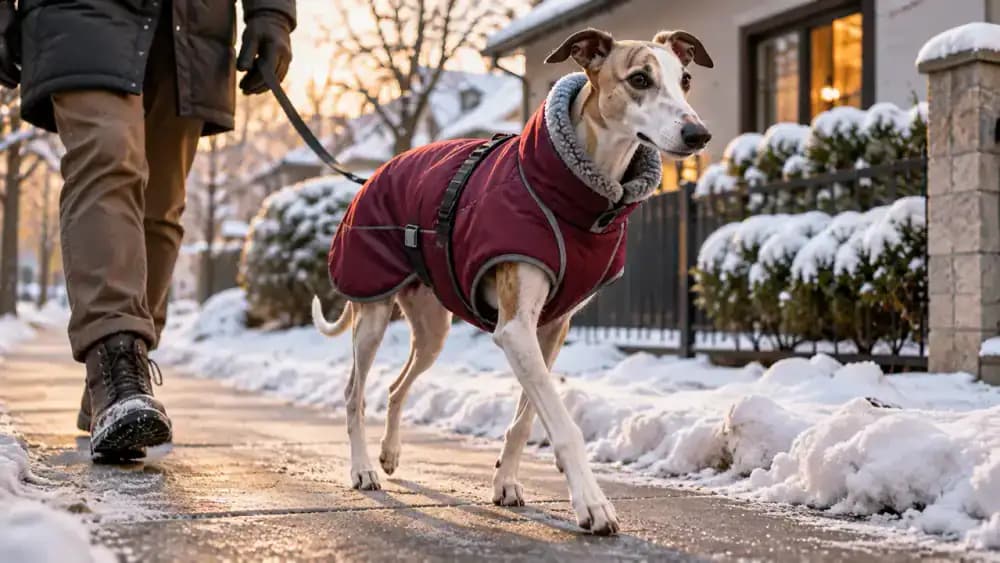
Choose a properly fitted winter coat for dogs that need extra warmth, especially small or short-haired breeds. Make sure it covers the torso without restricting movement, causing rubbing, or interfering with bathroom breaks. During freezing, windy, or wet weather, favor shorter walks and monitor your dog's comfort. Remove wet clothing promptly after returning indoors.
Protecting Paws From Ice and Salt
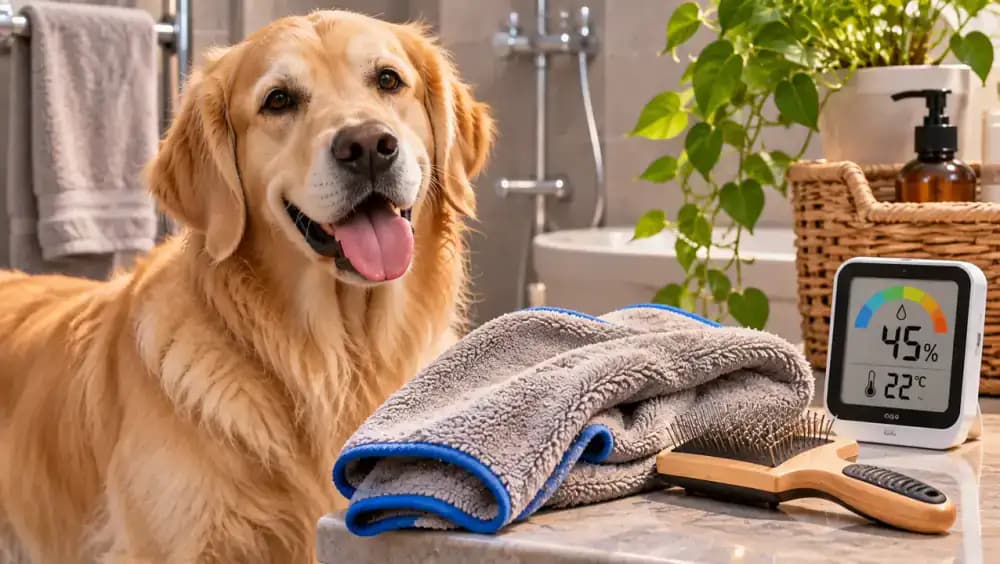
After walking on snowy or treated sidewalks, inspect your dog's paws for trapped ice, redness, cuts, or irritation. Gently separate the toes and rinse away road salt and de-icing residue using lukewarm water. Dry each paw thoroughly with a soft towel. Consider properly fitted dog booties for additional protection if your dog comfortably accepts them.

Avoiding Antifreeze and Chemical Hazards
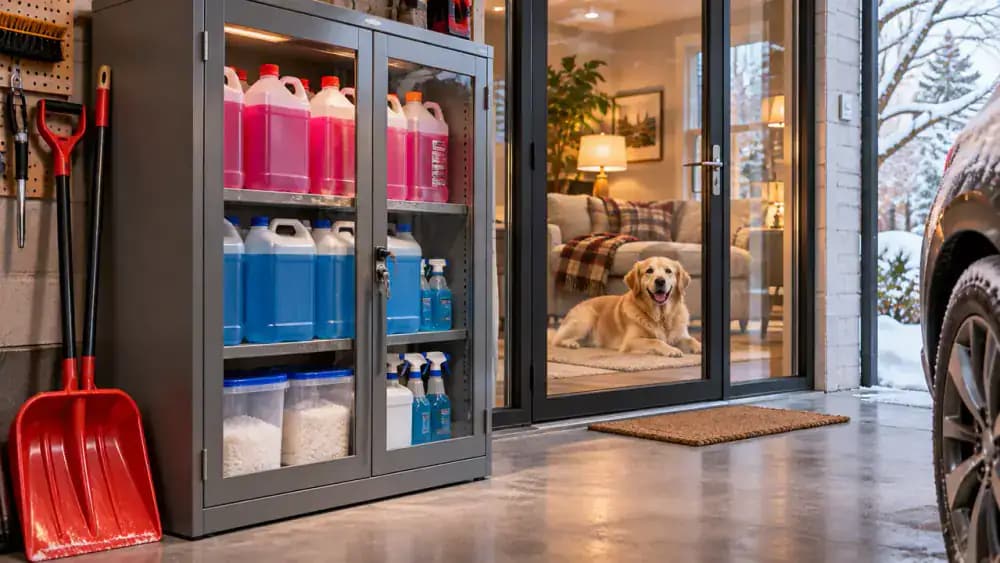
Keep antifreeze and de-icing products in sealed containers inside a locked cabinet, away from pets. Clean automotive fluid spills immediately while keeping animals out of the area. Prevent dogs and cats from drinking roadside puddles or licking contaminated surfaces. Antifreeze containing ethylene glycol is extremely toxic. If exposure is suspected, contact an emergency veterinarian immediately.
Recognizing Dangerous Cold Stress
Watch for shivering, repeated paw lifting, reluctance to walk, or attempts to find shelter. If your pet appears uncomfortable, bring it indoors promptly and provide a warm, dry resting area. Use blankets for gentle warming, avoiding direct heat. Marked weakness, confusion, or unusually slow responses require immediate veterinary attention, even after the pet is indoors.

Building a Simple Daily Winter Care Routine
Start each day by checking that your pet's bedding is dry, drinking water is available, and resting areas are free from drafts. Review outdoor conditions before walks and adjust clothing and exposure time accordingly. Clean and dry paws afterward, keep hazardous chemicals secured, and monitor behavior. Prioritize individual comfort over fixed schedules or temperature rules.

Keeping Indoor Cats Comfortable During Winter
Check your cat's favorite windowsills and resting spots for cold surfaces or drafts. Place a soft, padded perch nearby so your cat can enjoy watching outside without lying against chilly glass or stone. Provide several comfortable sleeping options and allow your cat to choose freely. Avoid placing beds against heaters or using unattended electric warming devices.

Providing Safe Outdoor Access for Cats
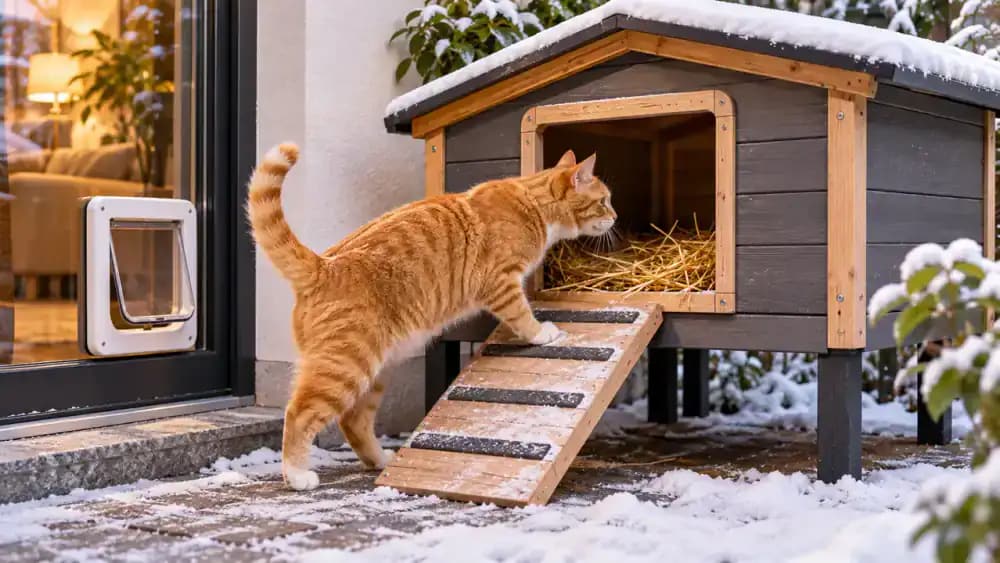
Make sure outdoor cats can return indoors quickly when temperatures fall or weather changes unexpectedly. If additional shelter is needed, provide a weatherproof structure elevated above cold ground, with a protected entrance and dry straw insulation. Inspect the shelter regularly for moisture, damage, and blocked access. During severe weather, prioritize keeping household cats safely indoors.
Maintaining Exercise and Mental Stimulation Indoors
Replace shortened winter walks with engaging indoor activities suited to your pet's energy level and mobility. Offer dogs scent searches, snuffle mats, or short positive training sessions. Keep cats active with puzzle feeders, climbing structures, and supervised interactive toys. Rotate activities to maintain interest, and avoid increasing food portions automatically when outdoor exercise decreases.

Managing Dry Air and Winter Skin Comfort
Monitor indoor humidity during heating season and maintain comfortable ventilation without creating cold drafts. After rainy or snowy outings, gently dry your pet's fur, paying attention beneath collars and around skin folds. Check for redness, excessive scratching, or irritated areas. Avoid applying human lotions or unapproved remedies, and consult your veterinarian about persistent itching, sores, or unusual hair loss.
Supporting Senior Pets During Colder Months
Make winter mornings easier for older pets by providing supportive bedding and nonslip walking surfaces. Allow extra time for standing, stretching, and moving without rushing. Keep food, water, litter boxes, and bathroom access conveniently located. Observe changes in walking, jumping, or posture rather than assuming they are weather-related. Contact your veterinarian if mobility changes persist or worsen.

Preventing Burns From Household Heating
Keep pet beds a safe distance from fireplaces, portable heaters, and other hot surfaces. Install sturdy protective screens around fireplaces and prevent pets from accessing exposed heating elements or electrical cords. Supervise heated equipment and switch off portable heaters when leaving the room. Provide comfortable unheated resting options so pets can move away from warmth whenever needed.

Checking Weather Conditions Before Going Outside
Check the forecast before every winter outing, including wind chill, freezing rain, and icy surface conditions. Choose sheltered, well-lit routes and use reflective walking gear when daylight is limited. Keep pets away from frozen ponds and lakes, where ice may be unstable. During severe weather, prioritize brief bathroom breaks and provide additional indoor activities instead of extended walks.

Making Winter Comfort a Lasting Habit
Observe your pet's daily behavior throughout winter, including preferred resting spots, movement, appetite, and energy levels. Notice whether your dog or cat seeks extra warmth or avoids certain areas. Adjust bedding, indoor temperatures, and outdoor activities as conditions change. If unusual symptoms persist or worsen, consult your veterinarian rather than assuming cold weather is responsible.

Keeping Drinking Water Available in Freezing Weather
Check outdoor water bowls frequently because freezing temperatures can quickly turn drinking water into ice. Replace frozen water with fresh, accessible water and consider a pet-safe heated bowl designed for outdoor use. Keep indoor bowls clean and regularly filled. Monitor your pet's drinking habits, and contact your veterinarian if you notice a sudden or persistent change.

Adjusting Winter Nutrition Without Overfeeding
Measure your pet's regular meals instead of automatically increasing portions when temperatures drop. Mostly indoor pets generally do not need extra calories simply because it is winter. Animals spending substantial time outdoors may have different energy needs. Consider activity level, body condition, and veterinary guidance before adjusting food quantities. Include training treats when calculating daily intake.

Maintaining Healthy Winter Coats
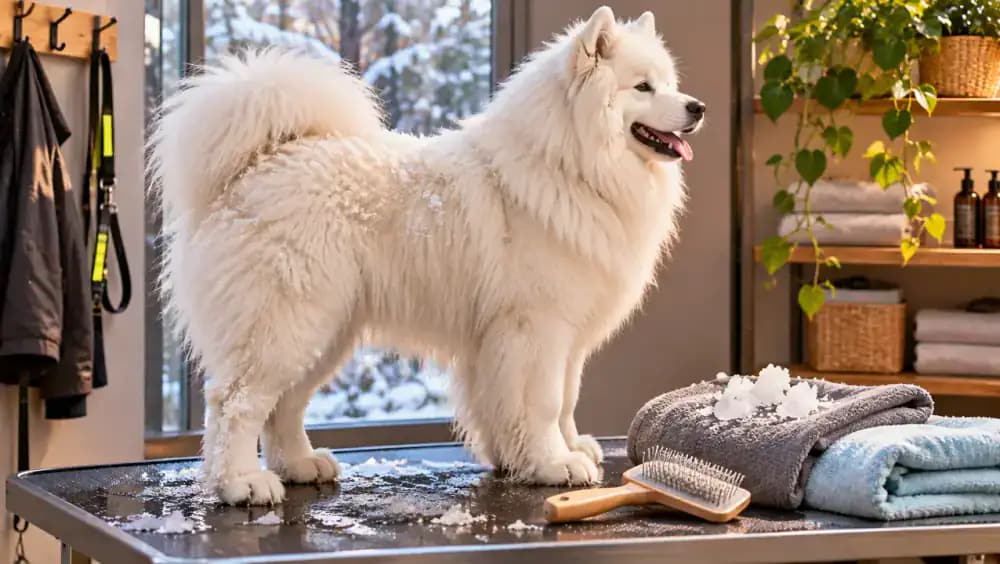
Brush your pet regularly using grooming tools appropriate for its coat type, paying attention to tangles that can hold moisture against the skin. After snowy outings, inspect the belly, legs, and longer fur for trapped ice or snow. Gently soften and remove clumps without pulling. Avoid shaving insulating coats without professional guidance, and dry damp fur thoroughly.
Why Pets Should Never Wait in Cold Cars
Never leave your dog or cat unattended in a parked vehicle during cold weather. Interior temperatures can drop quickly after the engine is switched off, and a thick coat does not guarantee adequate protection. Plan shopping trips and errands so your pet can remain safely indoors. If travel is necessary, keep your animal supervised and avoid prolonged stops.

Preparing for Winter Power Outages and Emergencies
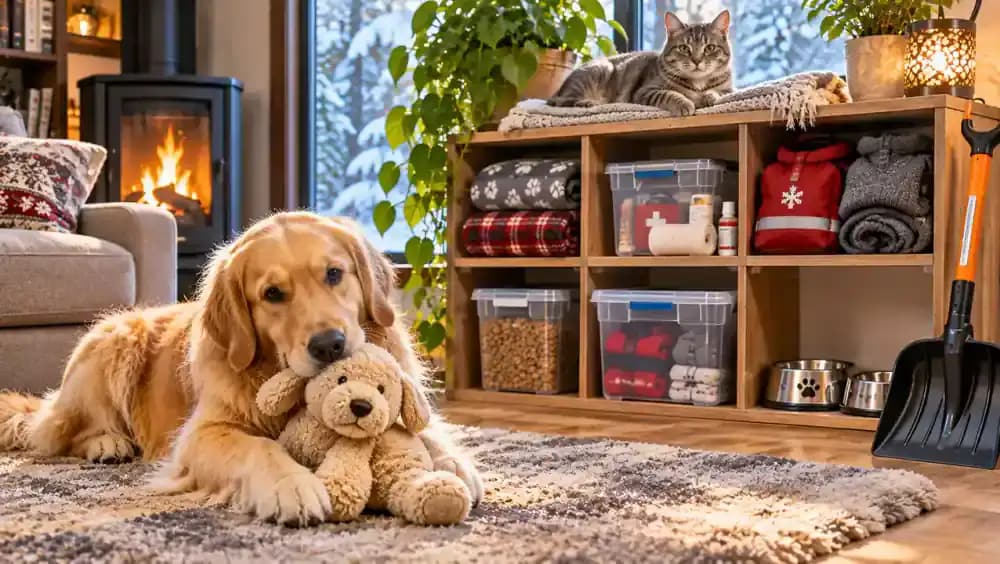
Prepare a pet emergency kit with several days of familiar food, drinking water, essential medications, waste bags, and identification information. Keep carriers, leashes, and warm blankets accessible in case evacuation becomes necessary. Store veterinary contact details with your supplies and identify nearby pet-friendly shelters or accommodations. Review expiration dates and replenish supplies before major winter storms.

Traveling Safely With Pets During Winter
Secure your pet in an appropriate vehicle restraint or carrier before traveling. Clear snow from the exhaust outlet before starting the engine, and maintain comfortable cabin ventilation. Pack drinking water, familiar bedding, and prescribed medications. During stops, check for slippery ground and nearby traffic before opening doors. Never leave pets unattended in a parked vehicle during winter.

Helping Dogs and Cats Thrive Throughout Winter
Keep your winter pet care routine consistent while adapting to changing weather and individual needs. Share feeding instructions, walking limits, paw cleaning habits, and emergency contacts with everyone in your household. Reassess your pet's comfort whenever health, activity levels, or temperatures change. Reliable daily attention helps dogs and cats remain comfortable, active, and protected throughout winter.
Recognizing and Preventing Frostbite
Limit prolonged exposure to extreme cold, especially when your pet's ears, tail, or paws are unprotected. Watch for unusually pale, gray, swollen, or painful skin after outdoor activity. If frostbite is suspected, bring your pet indoors and seek prompt veterinary attention. Avoid rubbing affected areas, applying direct heat, or attempting aggressive warming, which may worsen tissue damage.

Making Winter Bathroom Breaks Easier
Clear a short, safe path to your dog's regular bathroom area and provide nonslip footing on steps or icy surfaces. Choose a sheltered location when possible and keep outdoor breaks brief during severe cold. For cats, maintain a clean, accessible indoor litter box in a quiet area. Seek veterinary attention promptly for straining, unusual urination patterns, or difficulty passing urine.

Keeping Pets Safe Around Snow and Ice
Choose clean, supervised play areas and keep your dog away from dirty roadside snowbanks, sharp ice, and hidden debris. Discourage eating snow, especially near treated sidewalks where chemical residues may accumulate. Watch closely during digging or chasing games. Afterward, inspect paws for injuries, check for mouth irritation, and observe your dog's movement for limping or discomfort.
Improving Winter Visibility and Identification
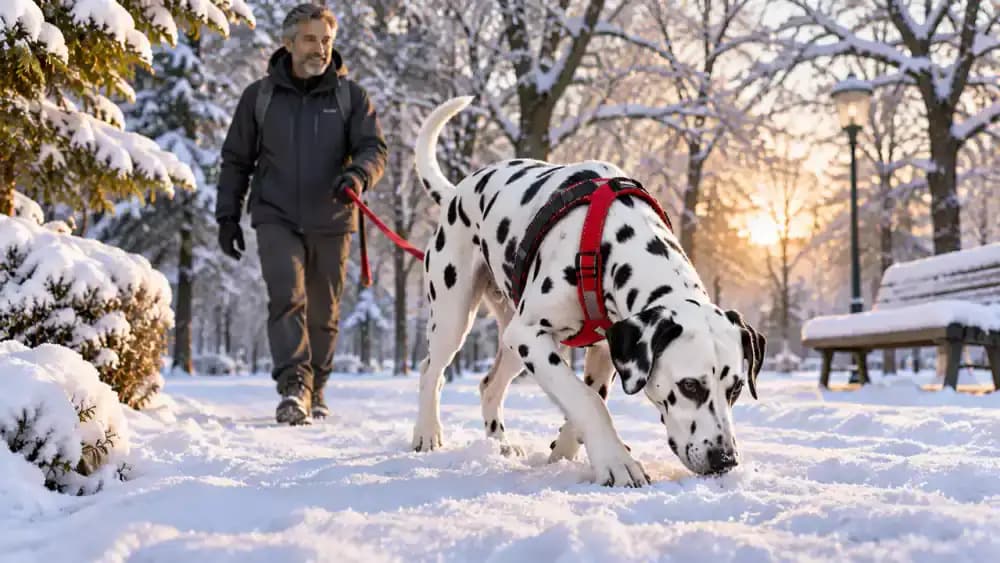
Use reflective collars, harnesses, or leash accessories to improve visibility during dark winter walks. Check that your pet's identification tag displays current contact information and verify that microchip registration details are accurate. Keep dogs securely leashed near traffic, even when wearing reflective gear. Prevent indoor cats from slipping outside by controlling exterior doors during deliveries and household activities.

Supporting Community Cats During Winter
Support community cats by providing fresh food at a covered feeding station protected from snow and moisture. Remove spoiled leftovers promptly and keep feeding areas separate from insulated sleeping shelters. Check that shelter bedding stays dry and entrances remain accessible. Coordinate with local rescue volunteers when possible to maintain consistent feeding, shelter inspections, and winter safety arrangements.

Knowing When Winter Symptoms Need Veterinary Care
Pay attention to unusual changes in your pet's movement, breathing, appetite, or energy during winter. Record when symptoms appear, how long they last, and whether they occur during activity or rest. Share these observations with your veterinarian instead of assuming cold weather explains everything. Seek urgent veterinary attention for breathing difficulty, collapse, or marked weakness.

A Comfortable Winter Starts With Thoughtful Care
Make winter safety part of your everyday pet care routine by checking weather conditions, providing warm resting areas, and adjusting outdoor activity to individual needs. Keep paws clean, water accessible, and household hazards secured. Watch for changes in comfort or behavior and respond promptly. Consistent preparation helps dogs and cats enjoy winter while staying protected from avoidable risks.

Your dog stops at the front door, looks at the frosty sidewalk, and seems less enthusiastic about the usual morning walk. Meanwhile, your cat has abandoned its favorite windowsill for a warm blanket in the quietest corner of the house. Both reactions are reminders that cold weather affects dogs and cats differently, and their comfort deserves more attention than the number on the thermometer.
A thick-coated, healthy adult dog may enjoy a brisk winter outing, while a small, short-haired dog may become uncomfortable much sooner. Cats also vary in their tolerance for chilly conditions, particularly when they are young, older, thin, or accustomed to living indoors. Wind, moisture, snow, and exposure time can make an otherwise manageable temperature much harder on an animal.
Fortunately, keeping dogs and cats comfortable in cold weather usually comes down to practical adjustments rather than expensive equipment. A dry, draft-free resting area, suitable bedding, fresh water, shorter outdoor sessions when necessary, and careful paw cleaning can make everyday winter care easier.
You'll also learn when a winter coat may help, which household cold-weather products require extra caution, and how to recognize signs that your pet needs warmth or veterinary attention. The goal isn't to follow one temperature rule for every animal. It's to build a simple, flexible winter routine around your pet's individual needs.
Where people go wrong
Assuming Every Pet Can Handle the Same Temperature. A temperature that feels comfortable to one animal may be too cold for another. Coat thickness, body size, age, physical condition, and previous exposure all influence cold tolerance. Instead of following a universal cutoff, observe your pet's behavior and consider wind, moisture, and time outdoors. Adjust winter activities whenever your animal appears uncomfortable.
Leaving Pets Outdoors Too Long. Even animals with thick coats can become dangerously cold during prolonged exposure, especially when wet or exposed to strong wind. A sheltered yard does not automatically provide adequate protection. Keep outdoor sessions appropriate for the individual pet, supervise when practical, and provide prompt access to a warm, dry indoor environment when conditions become uncomfortable.
Using an Ill-Fitting Winter Coat. A winter coat should support comfortable movement without squeezing the chest, restricting the shoulders, or interfering with bathroom breaks. Oversized clothing can shift or snag, while tight garments may cause rubbing. Choose an appropriate size, check the fit around the neck and chest, and remove wet clothing promptly. Not every dog needs an additional layer.
Skipping Paw Cleaning After Winter Walks. Road salt, ice-melting chemicals, packed snow, and grit can remain between paw pads after a winter outing. These substances may irritate skin, and pets may swallow residue while grooming. Inspect each paw, gently rinse away visible contamination with lukewarm water, and dry thoroughly. Pay attention to redness, tenderness, or persistent licking that warrants veterinary advice.
Placing Pet Beds Near Drafts or Unsafe Heat Sources. A bed beside an exterior door or on a damp basement floor may leave a pet uncomfortable despite thick blankets. Moving bedding directly against a space heater creates a different risk. Choose a dry, insulated, draft-protected location with room to move away from warmth. Avoid unattended heating devices and products that could cause burns or overheating.
Treating Antifreeze and De-Icers as Minor Hazards. Antifreeze containing ethylene glycol is extremely toxic to dogs and cats, and even small exposures can become life-threatening. Some de-icing products can also irritate paws or cause illness if swallowed. Store chemicals securely, clean spills immediately, and prevent access to contaminated puddles. Suspected antifreeze ingestion requires immediate veterinary attention, even before symptoms appear.
Waiting for Severe Symptoms Before Bringing a Pet Inside. Shivering, repeated paw lifting, reluctance to walk, unusual quietness, and weakness can indicate that cold exposure has become a problem. Do not wait for a pet to collapse or become severely distressed. Move the animal to a warm, dry area, remove wet items, and seek prompt veterinary guidance for concerning or persistent symptoms.
Forgetting That Winter Comfort Requires Daily Adjustments. Yesterday's comfortable walk may be unsuitable today if temperatures drop, winds increase, or sidewalks become icy. A fixed schedule can overlook changing conditions and individual needs. Check the forecast, assess your pet's comfort, inspect outdoor surfaces, refresh water, and adjust exercise duration. Short indoor play sessions can help compensate when outdoor activity is limited.
Questions people ask
There is no single outdoor temperature that is safe for every dog or cat. Body size, coat type, age, health, wind, moisture, and exposure duration all matter. Small, short-haired, young, older, or medically vulnerable animals may need additional protection sooner. Watch for discomfort rather than relying exclusively on a thermometer, and prioritize warm indoor shelter during harsh conditions.
Fixed it?
Get one guide like this every Thursday.