How to Introduce Your Dog to Public Transportation | Step-by-Step Guide
Help your dog feel more comfortable riding buses, trains, and subways with gradual exposure, positive reinforcement, smart preparation, and stress-aware travel tips.

What you’ll need
Tap to tick things off before you start.
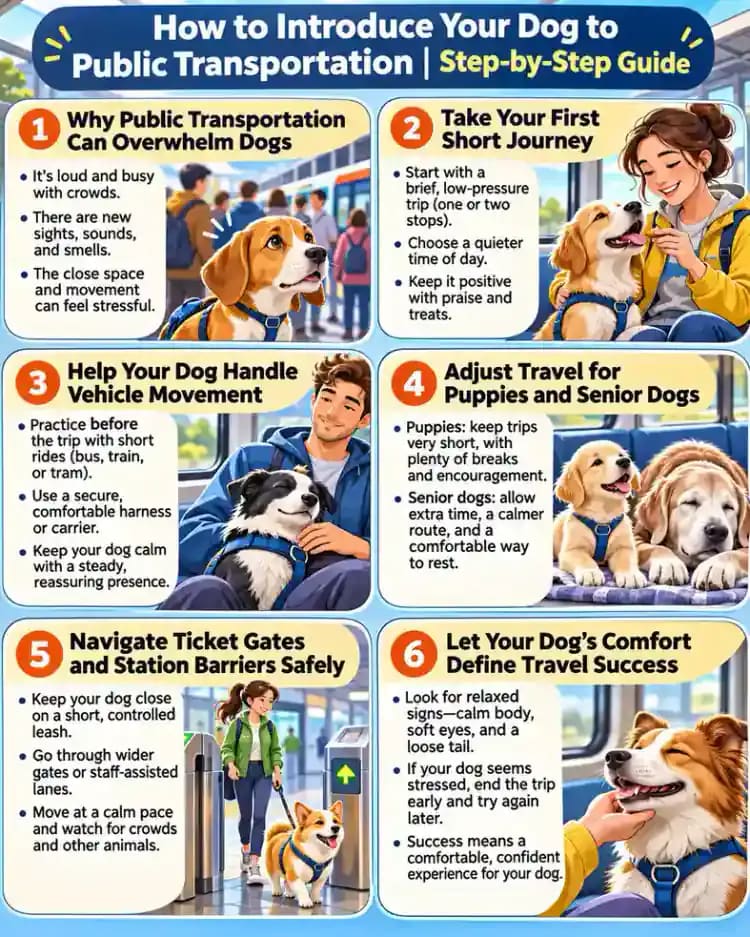
Why Public Transportation Can Overwhelm Dogs
Before attempting your first ride, understand why buses and trains may feel intimidating to your dog. Loud brakes, unfamiliar smells, moving crowds, and sudden noises can create sensory overload. If your dog hesitates or stops walking, avoid pulling them forward. Focus on building confidence through gradual exposure rather than making boarding your immediate goal.
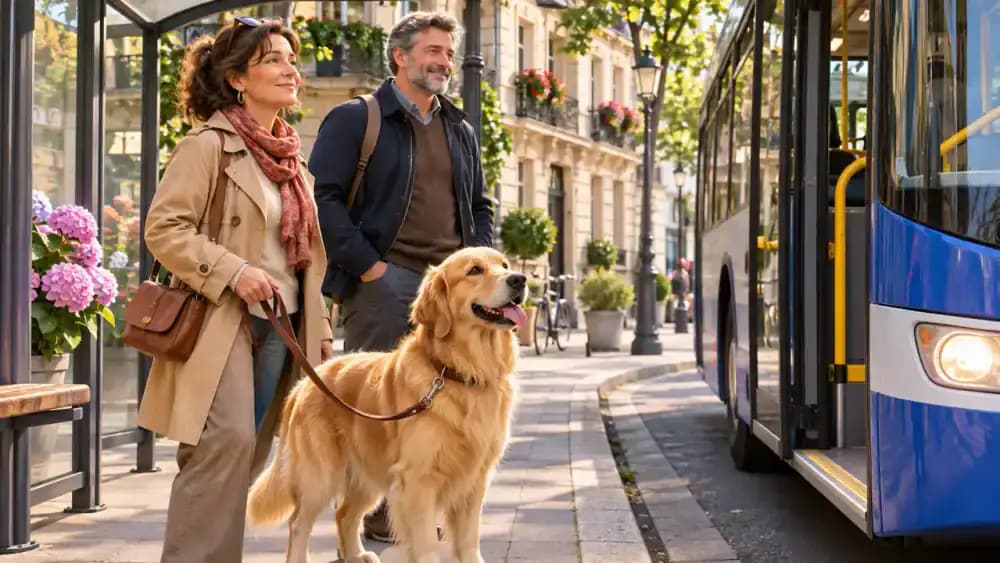
Check Pet Travel Rules Before Leaving
Visit your transit operator's official website and review its current pet transportation policies. Check whether dogs need approved carriers, short leashes, muzzles, or separate tickets. Confirm any size restrictions, prohibited services, and limited travel hours. Identify accessible stations, suitable exits, and quieter departure times before planning your first practice outing with your dog.
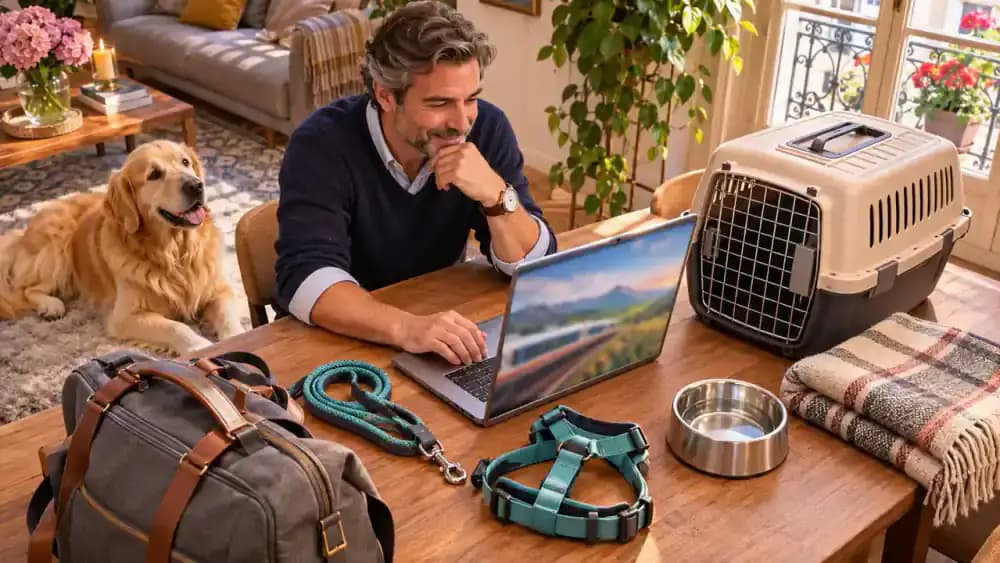
Practice Travel Skills at Home
Introduce travel equipment in a familiar, quiet room before visiting a station. Allow your dog to investigate a carrier or harness voluntarily, rewarding relaxed behavior with small treats. Practice settling beside your feet, responding to simple cues, and walking across stable unfamiliar surfaces. Keep sessions short, positive, and free from pressure.
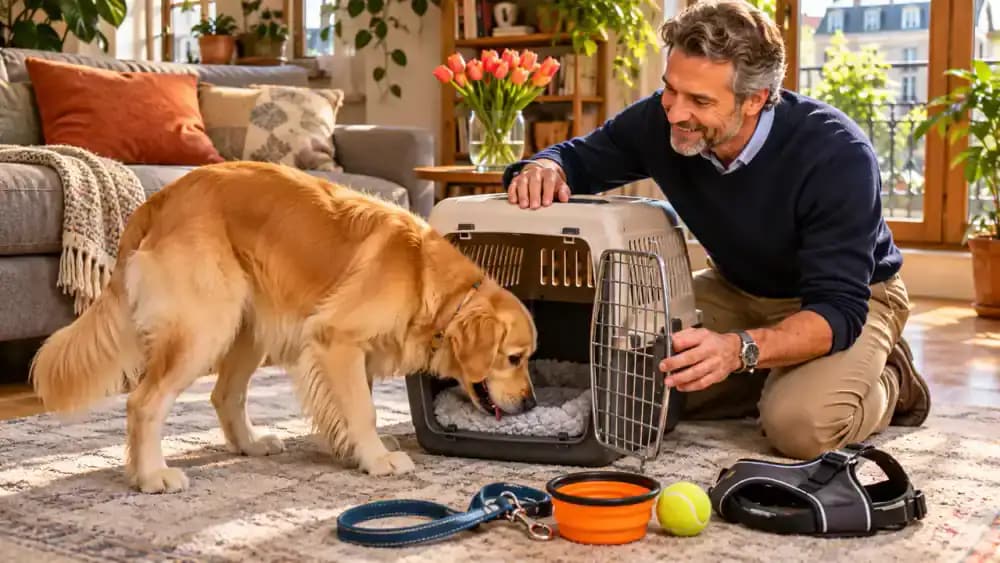
Introduce the Transit Environment Gradually
Visit a quiet station without intending to board a vehicle. Position yourself far enough away that your dog can comfortably observe passing trains, announcements, and passengers. Reward relaxed attention and allow breaks whenever needed. End the visit while your dog remains comfortable. During future sessions, gradually decrease the distance only when your dog shows readiness.
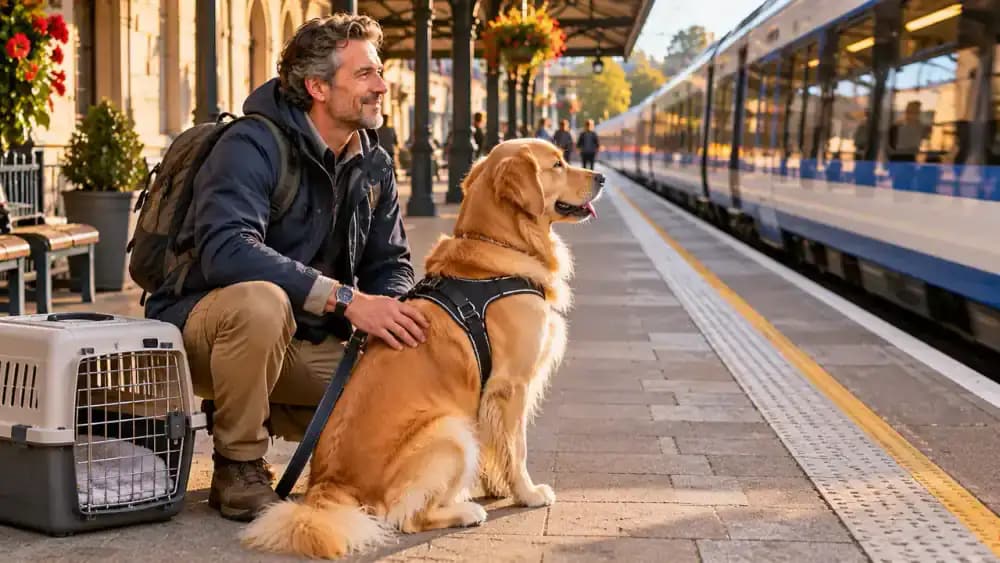
Recognize Stress Signals and Respect Limits
Watch your dog's body language throughout every practice session. Freezing, trembling, repeated lip licking, a tucked tail, or frantic scanning may indicate discomfort. Refusing familiar treats can also signal that the environment is too challenging. If these behaviors appear, calmly increase your distance or leave. Never force your dog to continue when overwhelmed.

Take Your First Short Journey
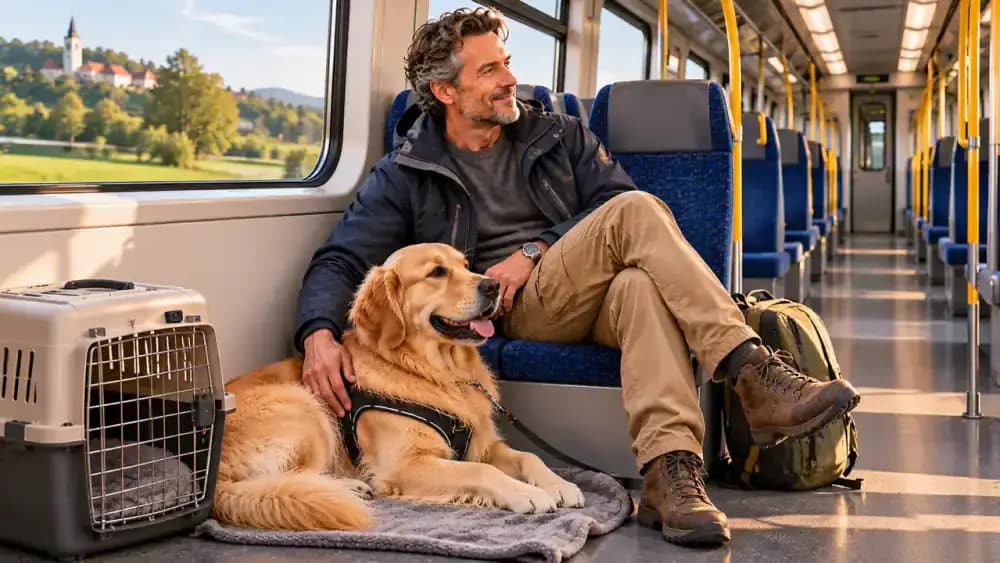
Choose a short, off-peak trip once your dog seems comfortable around the station. Wait safely behind the platform line and let passengers exit before approaching. Allow your dog to board voluntarily without pulling the leash. Inside, find a secure position away from doors, crowded aisles, and moving feet. Keep your first ride brief.
Travel Essentials and Onboard Safety
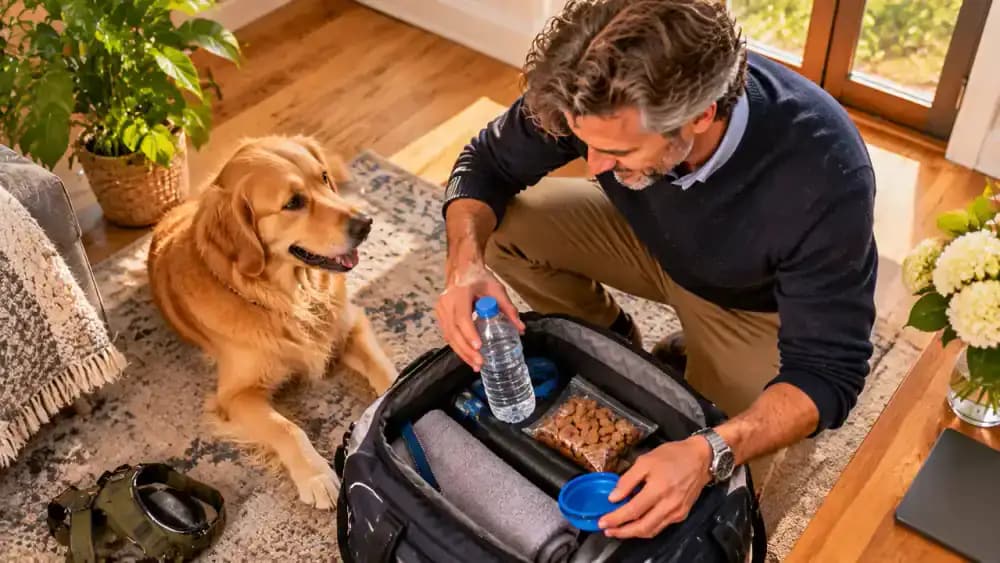
Pack fresh water, a collapsible bowl, waste bags, identification, and familiar treats before leaving. Keep your dog's leash short enough for control without wrapping it tightly around your hand. Choose elevators or safe stairs instead of escalators. Monitor your dog's comfort throughout the ride, and exit at the next safe stop if conditions become overwhelming.
Build Confidence One Journey at a Time
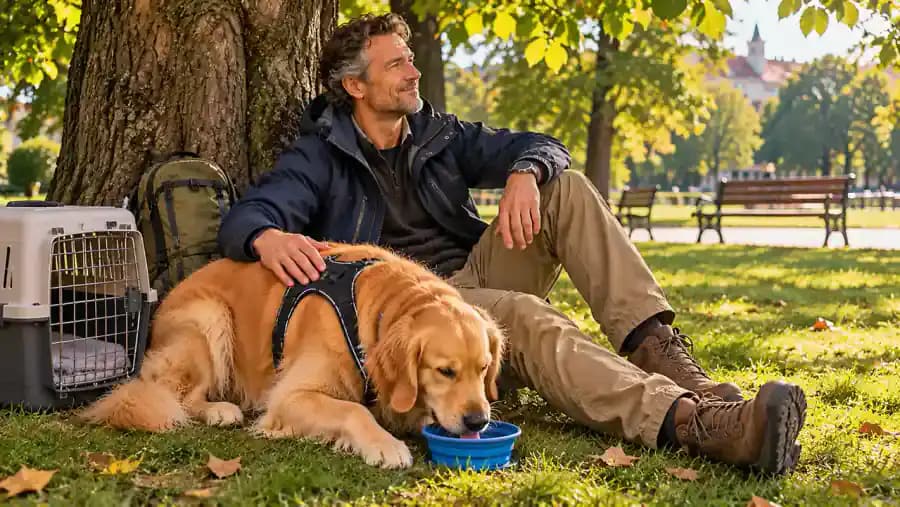
After your first ride, visit a quiet area where your dog can rest, drink water, and decompress. Notice which parts of the journey went smoothly and which seemed challenging. Repeat comfortable routes before increasing travel distance. Avoid rushing progress or expecting identical results every day. Some dogs may prefer alternative transportation, and respecting their limits matters.
Track Progress and Adjust Your Training
Keep a simple journal after each practice trip, recording the route, ride duration, passenger activity, and your dog's behavior. Note relaxed moments alongside signs of hesitation or discomfort. Compare several outings rather than judging progress from one experience. Use these observations to repeat successful conditions, shorten difficult journeys, or introduce one manageable challenge at a time.

Teach Calm Behavior Around Moving Crowds
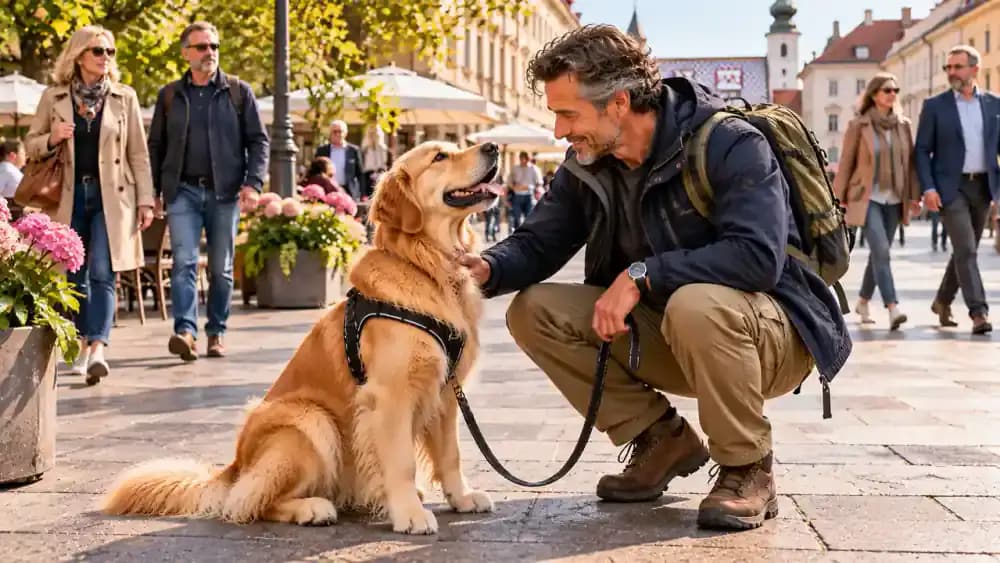
Practice calm waiting in a spacious pedestrian area where people and cyclists pass at a comfortable distance. Reward your dog for relaxed standing and voluntarily checking in with you. Maintain enough space to prevent unwanted contact, and politely decline strangers who request petting during training. Gradually introduce busier surroundings only when your dog remains comfortable and responsive.
Prepare for Unexpected Transit Sounds
Introduce unfamiliar transit sounds gradually while keeping your dog at a comfortable distance. Let them hear station announcements, ticket gates, and closing doors without forcing them closer. Pair gentle exposure with familiar treats or praise when appropriate. Avoid sudden loud recordings or overwhelming environments. Increase exposure only when your dog consistently remains relaxed and responsive.
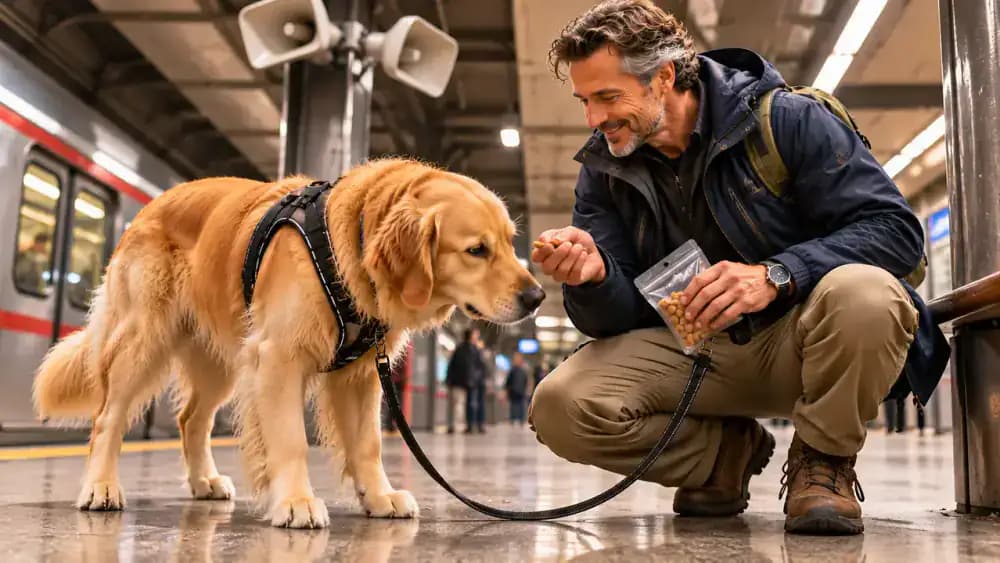
Help Your Dog Handle Vehicle Movement
Help your dog become comfortable with vehicle movement by practicing secure positioning before longer journeys. If permitted, introduce stationary vehicles, or practice balanced footing on stable surfaces at home. During actual rides, keep your dog close with a properly fitted harness and controlled leash. Anticipate sudden braking, avoid crowded aisles, and provide enough space for stable footing.
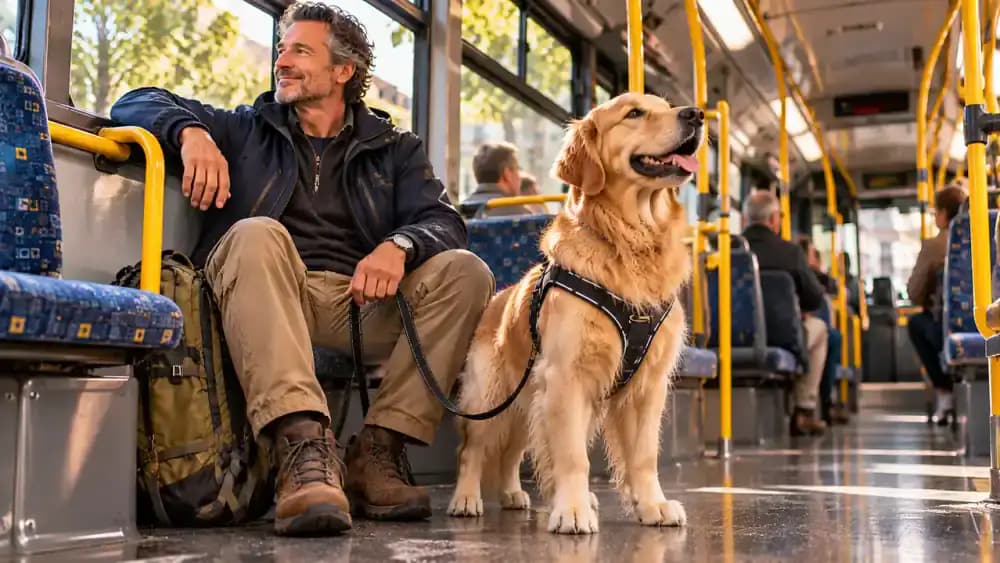
Plan Transfers Without Rushing
Choose routes with generous transfer times so your dog never needs to rush between vehicles. Identify quieter connecting corridors, accessible pathways, and waiting areas before traveling. Pause whenever your dog needs additional time to settle. If a station becomes crowded or stressful, allow the next service to leave. Prioritize comfortable transitions over reaching your destination quickly.
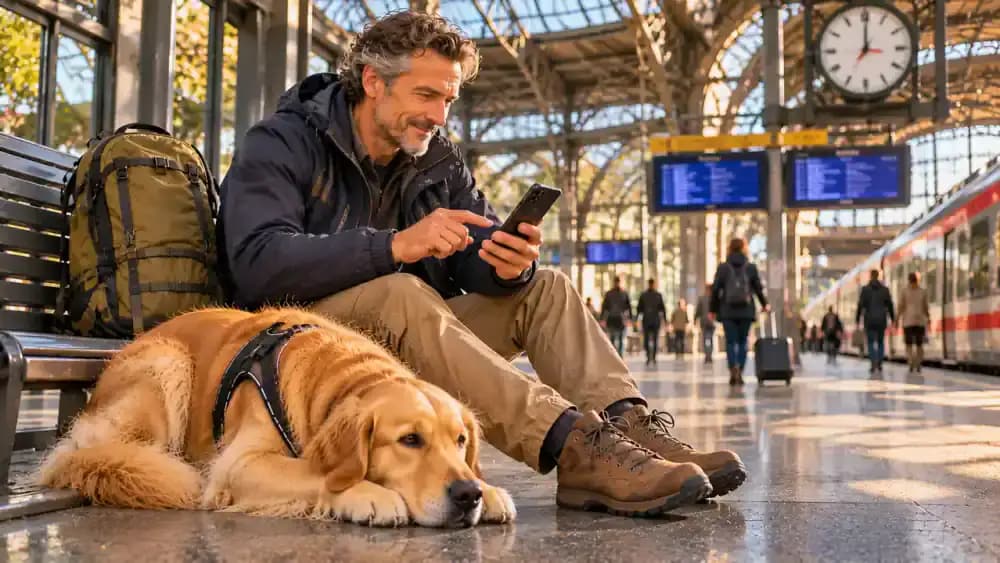
Consider Weather and Physical Comfort
Check the weather forecast and travel conditions before taking your dog on public transportation. Hot platforms, crowded vehicles, cold rain, and slippery surfaces can make journeys uncomfortable or unsafe. Be especially cautious with older, flat-faced, or thick-coated dogs. Carry drinking water, seek sheltered waiting areas, and avoid potentially dangerous temperatures. Postpone travel when conditions are unsuitable.
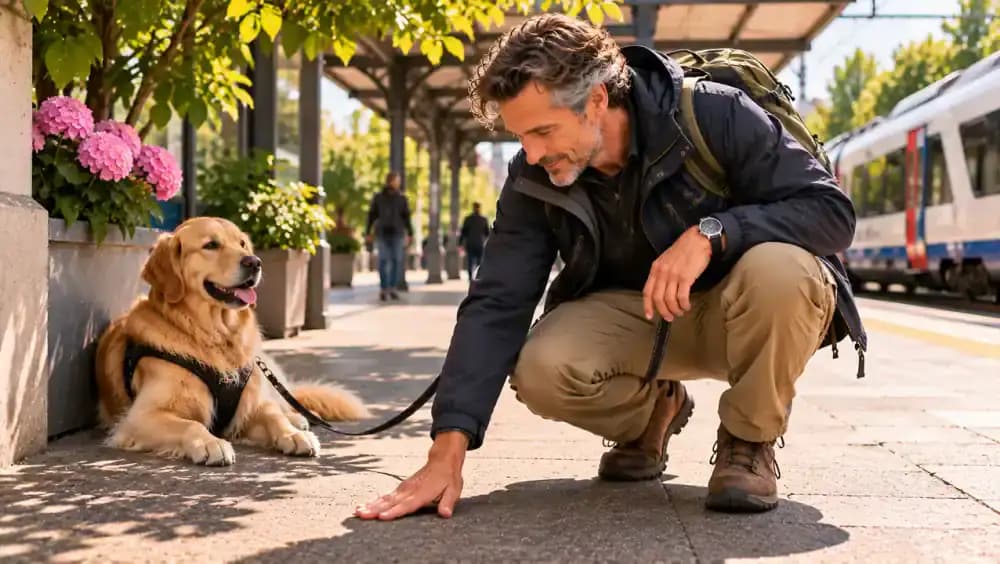
Know When to Seek Professional Help
Consult a qualified reward-based dog trainer or veterinary behavior professional if your dog repeatedly panics, attempts to escape, or struggles to recover after gentle practice. A veterinarian can also evaluate possible physical discomfort or travel-related symptoms, including motion sickness. Avoid increasing exposure when distress persists. Professional guidance can help determine whether continued training or alternative transportation is appropriate.
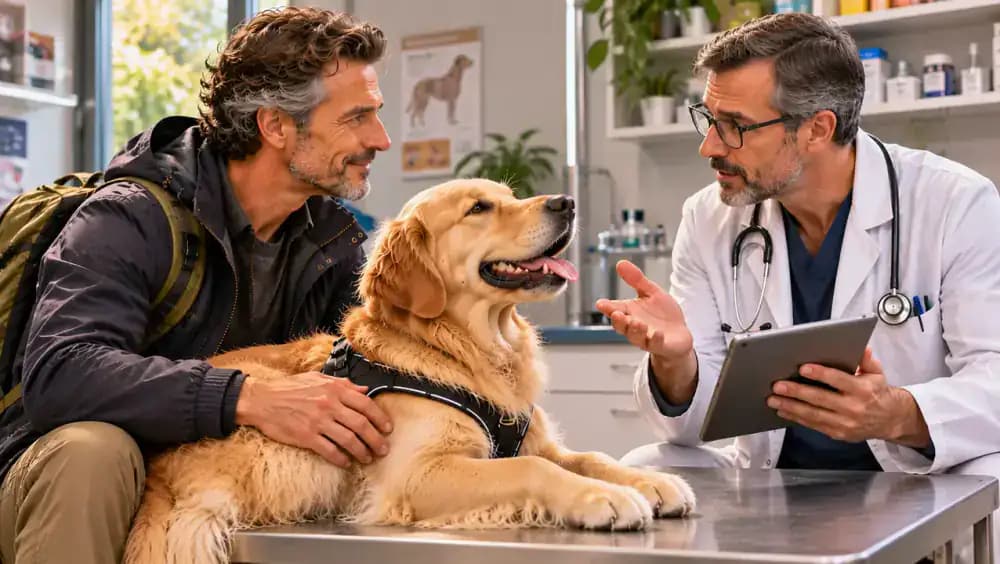
Make Every Journey a Positive Experience
Focus on making each trip comfortable rather than expecting perfect obedience. Choose manageable routes, reward relaxed behavior, and respect your dog's individual limits. Keep an alternative transportation option available if conditions become stressful. Your dog does not need to enjoy every vehicle or station. Calm, safe travel and steady confidence are the measures of success.
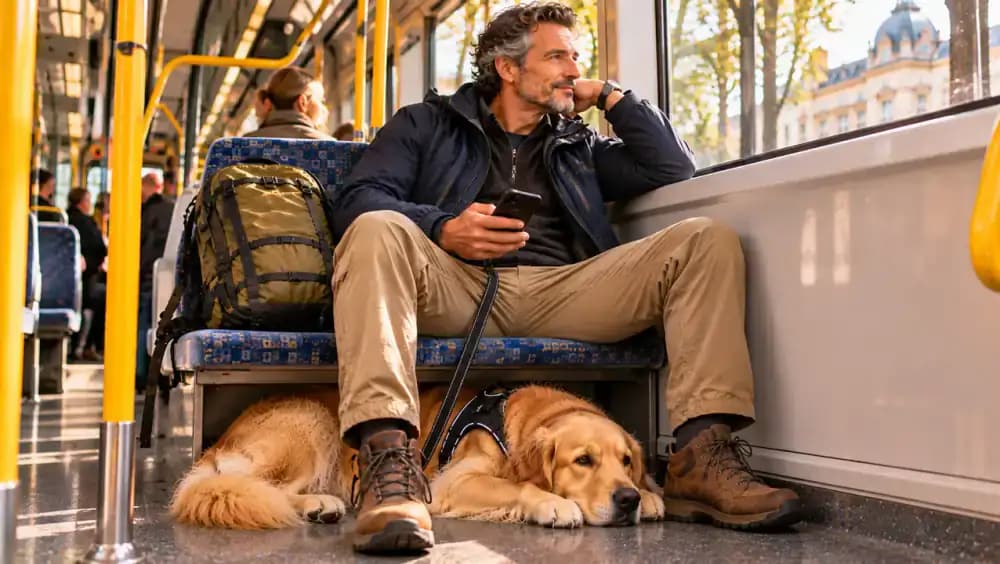
Adapt Training to Different Types of Transport
Introduce each unfamiliar type of public transportation as a separate training experience. Wide train entrances, narrow bus doorways, and underground subway platforms present different sounds, movements, and physical challenges. Begin by observing the new environment from a comfortable distance. Reward relaxed behavior and progress gradually. Never assume confidence on one route guarantees comfort elsewhere.
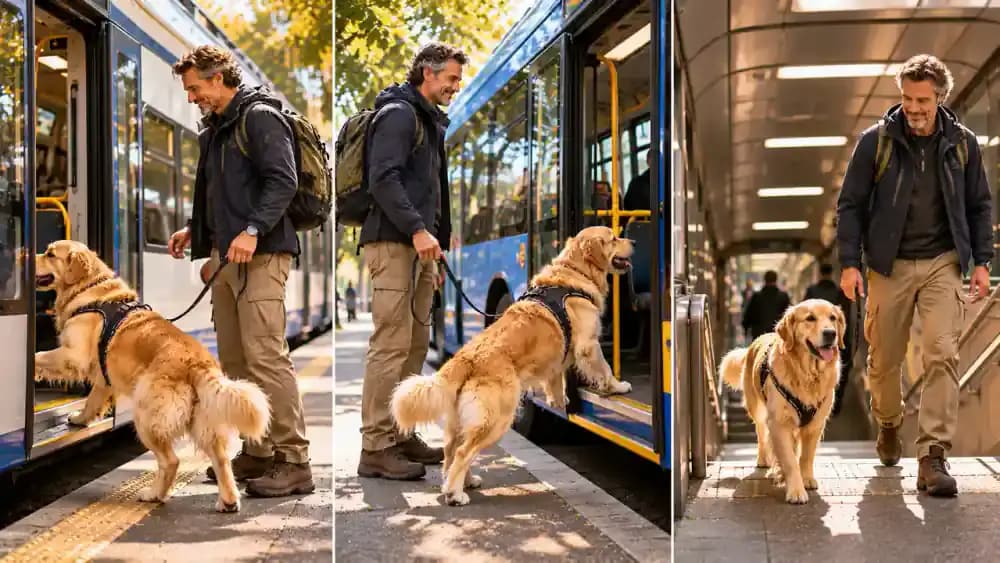
Adjust Travel for Puppies and Senior Dogs
Adapt your travel plans to your dog's age, mobility, and physical needs. Puppies may require frequent bathroom breaks, shorter outings, and secure carriers. Senior dogs may benefit from low-floor vehicles, accessible entrances, and opportunities to rest. Avoid steep steps and slippery surfaces when possible. Choose routes that minimize physical strain and allow comfortable movement.
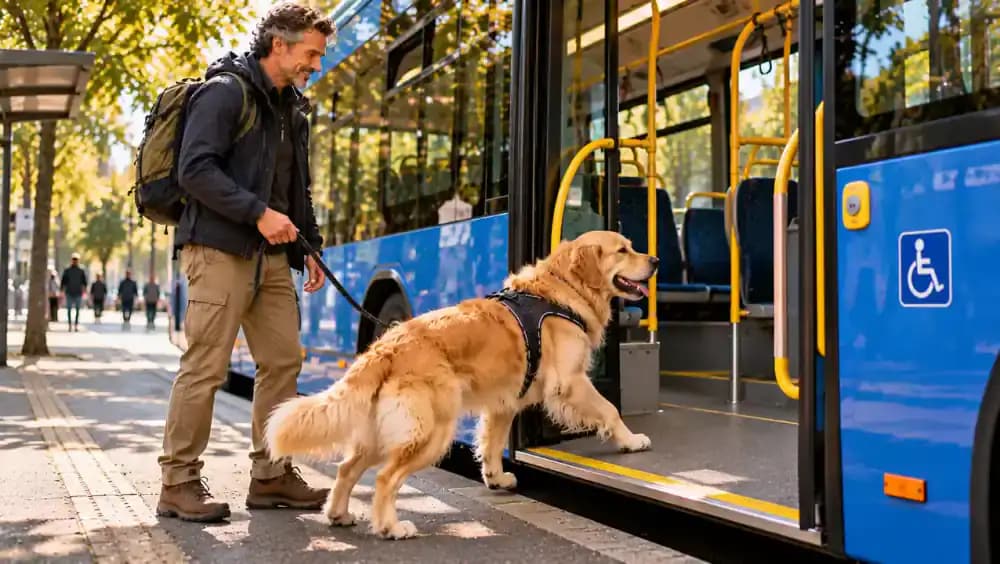
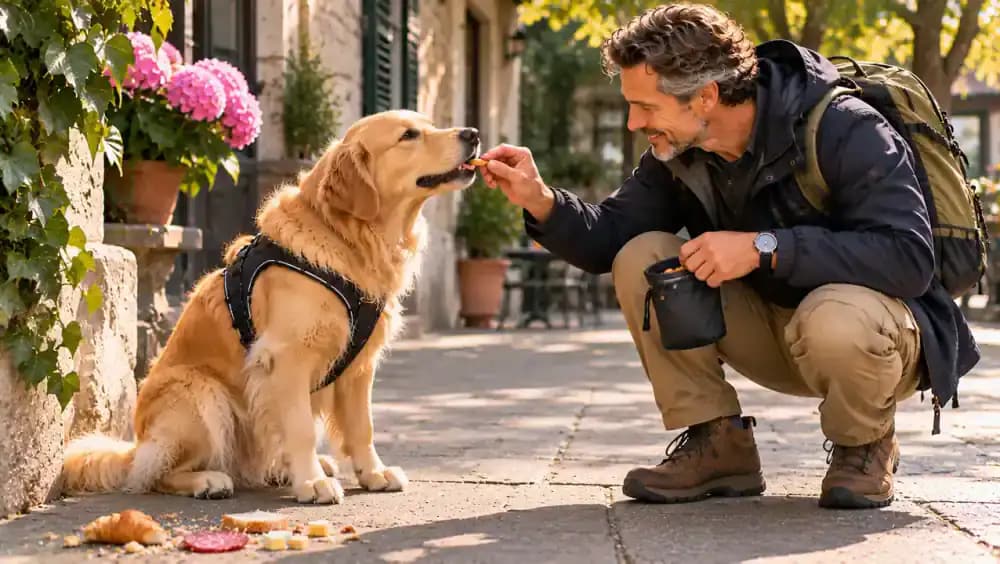
Prevent Dangerous Scavenging at Stations
Teach a reliable leave it cue before visiting busy transit stations. Practice with harmless items in a controlled environment, rewarding your dog for looking away and returning attention to you. At stations, watch for discarded food, sharp packaging, and unknown substances. Keep your dog supervised and guide them around hazards rather than depending entirely on verbal commands.
Prepare for Delays and Unexpected Changes
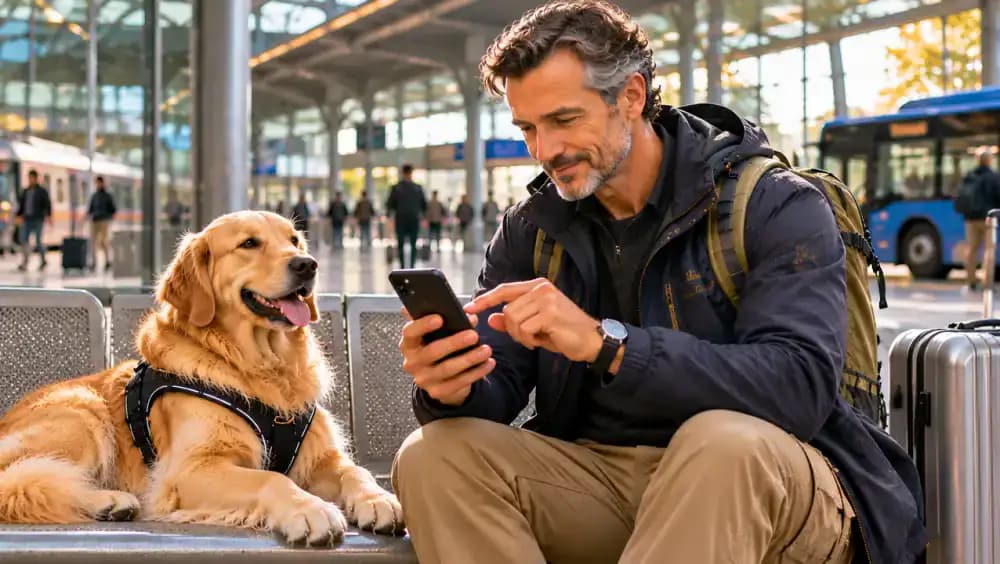
Plan for canceled services, unexpected delays, and route changes before traveling regularly with your dog. Identify nearby quiet areas for resting, drinking water, and bathroom breaks. Carry essential supplies and check alternative routes when disruptions occur. If continuing becomes impractical, consider walking, arranging a pet-friendly taxi, or contacting someone for assistance. Prioritize your dog's comfort over your schedule.
Practice Respectful Behavior Around Passengers
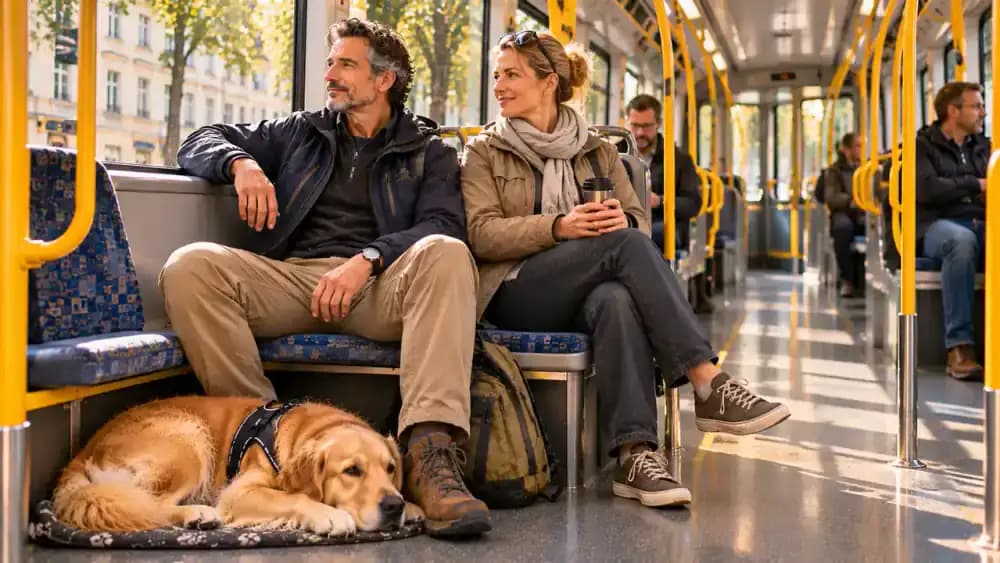
Keep your dog positioned safely beside you without blocking aisles, doors, or accessible spaces. Make sure their paws, tail, and leash stay clear of passing passengers. Prevent unwanted greetings, even when your dog seems friendly. Respect people who prefer additional distance, and reward your dog for remaining calm while others move through the vehicle.
Maintain Confidence Through Consistent Practice
Maintain your dog's confidence by practicing familiar travel routines regularly while introducing small variations. Try a different station entrance, seating location, or slightly longer journey, changing only one element at a time. Include easy, familiar trips between new challenges. Watch your dog's comfort level throughout each outing, and return to simpler experiences whenever necessary.
Choose Comfort Over Completing the Journey
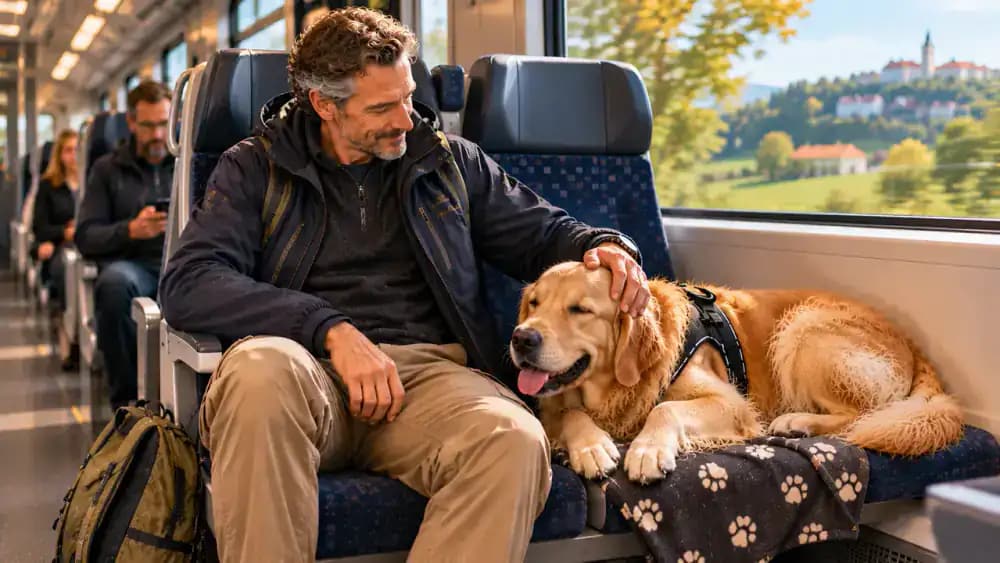
Before every trip, consider your dog's behavior, physical comfort, and the conditions you may encounter. If your dog appears uncomfortable or the station seems overwhelming, choose a quieter route or alternative transportation. Sometimes a peaceful walk is more appropriate than boarding a train. Protecting your dog's trust matters more than completing any particular journey.
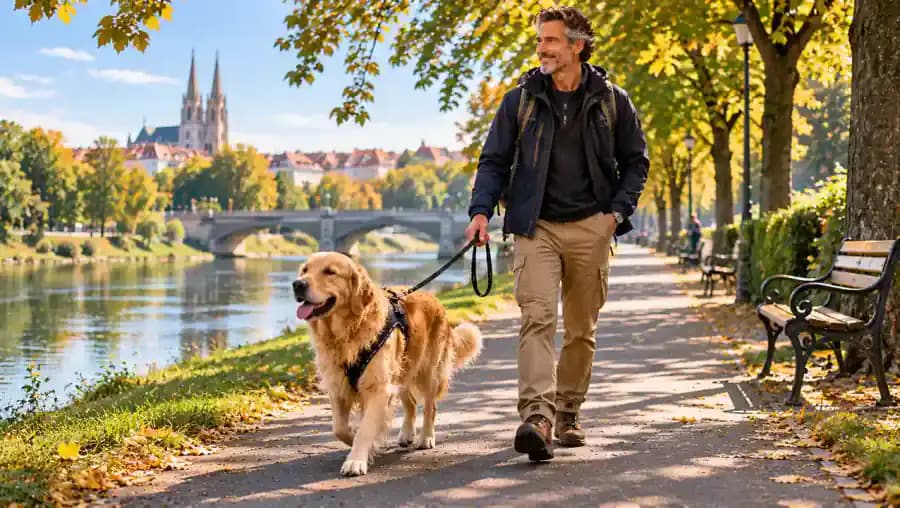
Navigate Ticket Gates and Station Barriers Safely
Approach ticket barriers carefully, especially when gates close automatically or entrances are narrow. Look for a wide, accessible gate and request station staff assistance when available. Keep your dog's leash controlled and clear of moving panels. Wait until the gate opens completely, then walk through together without rushing. Reward calm behavior once you reach the other side.
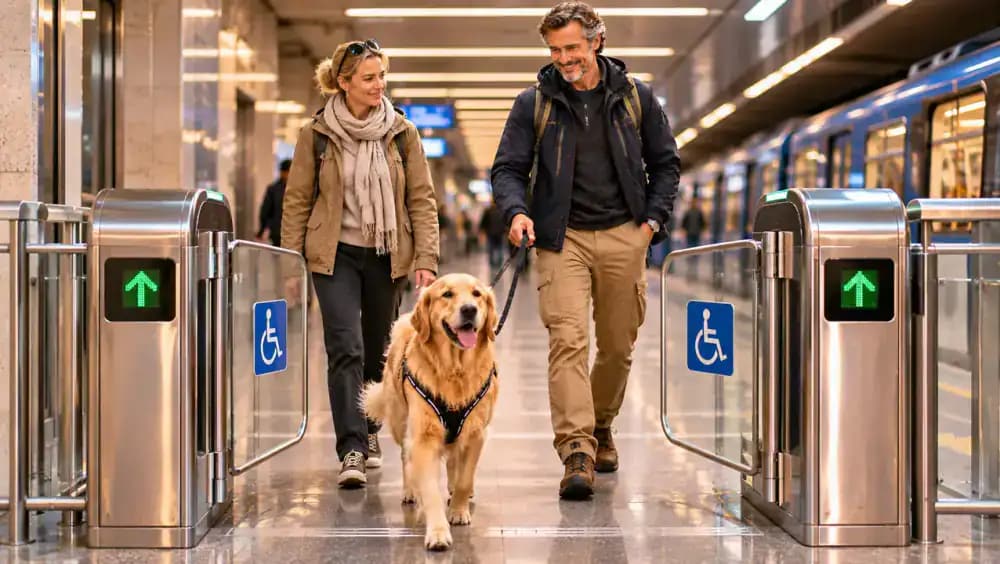
Watch for Dangerous Platform Gaps
Inspect the gap and height difference between the platform and vehicle before allowing your dog to board. Keep your dog behind the safety line while checking for uneven steps, moving doors, and spaces where paws could slip. Avoid encouraging sudden jumps across unfamiliar gaps. If boarding appears unsafe, locate an accessible entrance or choose another suitable service.
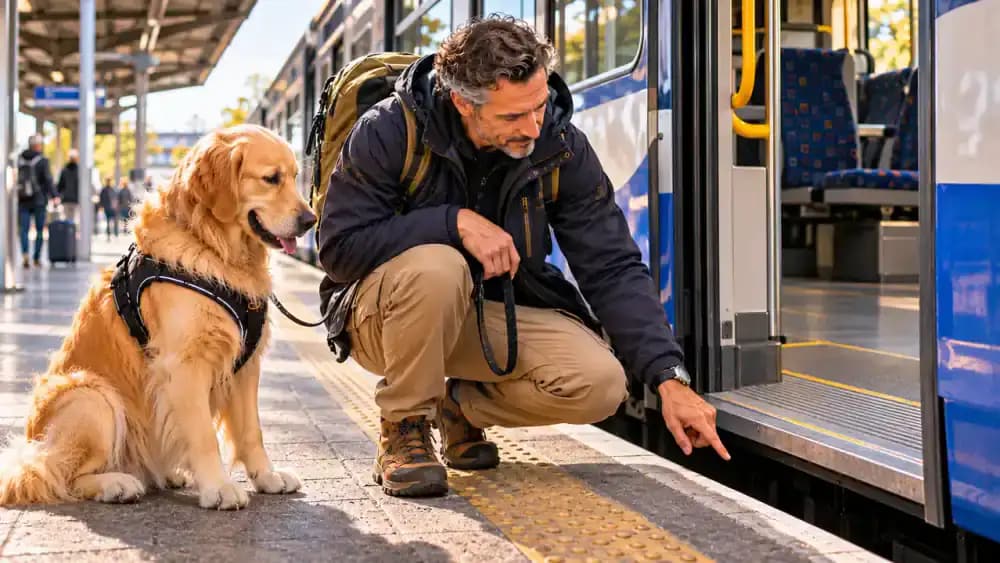
Identify a Safe Place for Your Dog to Settle
Choose a secure resting spot before your dog settles inside the vehicle. Look for ordinary seating areas away from doors, busy aisles, and designated wheelchair spaces. Check whether the transit operator requires pets to occupy specific areas. Keep your dog close without blocking passengers or accessibility features. A consistent position can make future journeys more predictable.
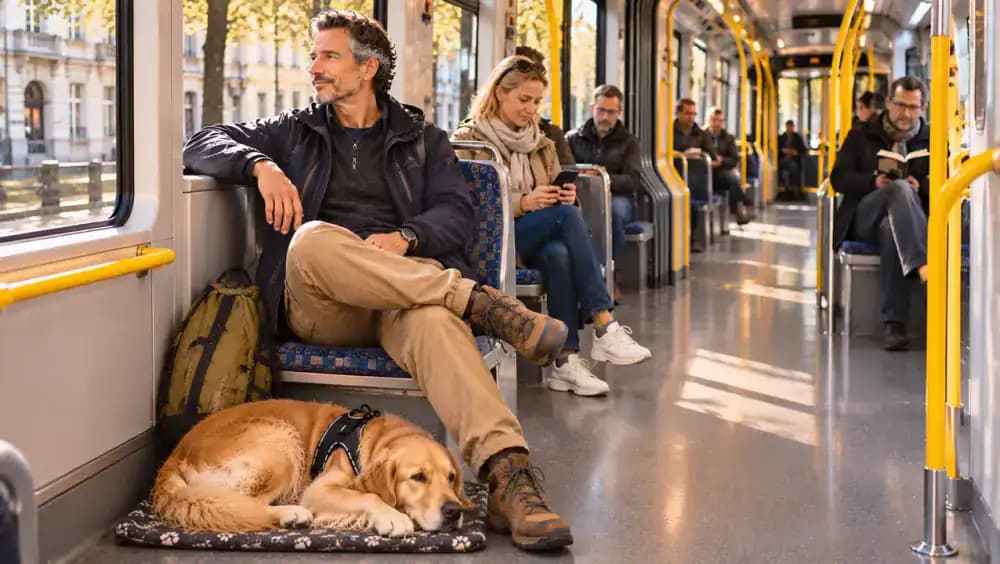
Build a Comfortable Pre-Travel Routine
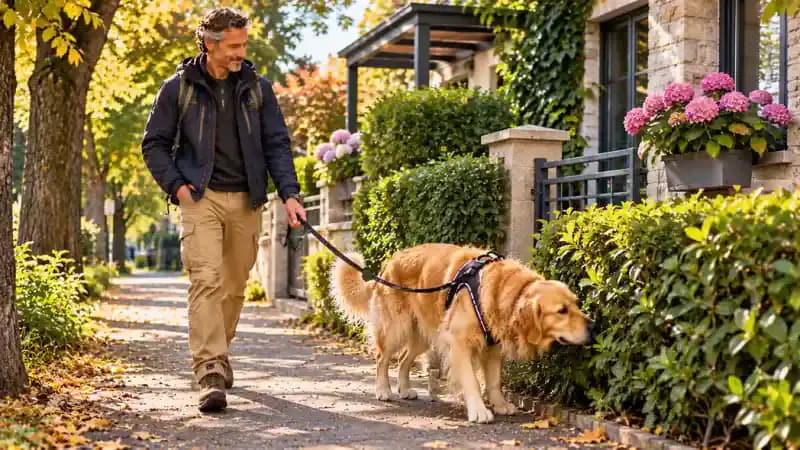
Give your dog time for a relaxed walk before heading to the bus stop or train station. Allow opportunities to sniff, explore, and relieve themselves in an appropriate outdoor area. Always collect and dispose of waste responsibly. Avoid rushing directly from home to a crowded platform. A predictable routine helps reduce unnecessary discomfort during travel.
Evaluate Your Dog's Recovery After Traveling
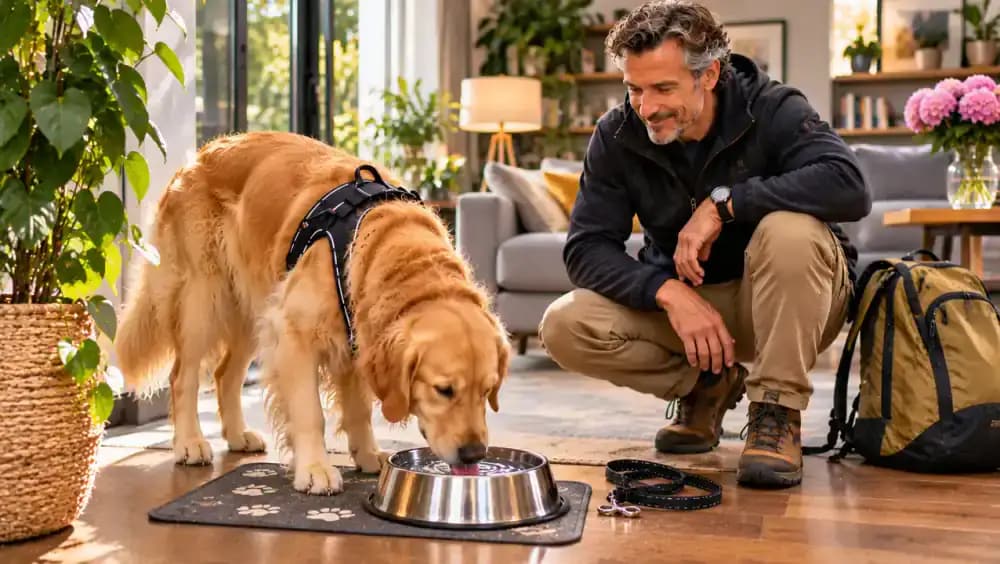
Observe your dog's behavior after returning home from each journey. Notice whether they voluntarily drink water, rest comfortably, play, or resume familiar activities. Prolonged pacing, unusual withdrawal, or difficulty settling may suggest the outing was too demanding. Record these observations alongside your training notes. Consistent recovery matters more than completing one apparently successful ride.
Scout Longer Routes Before Bringing Your Dog
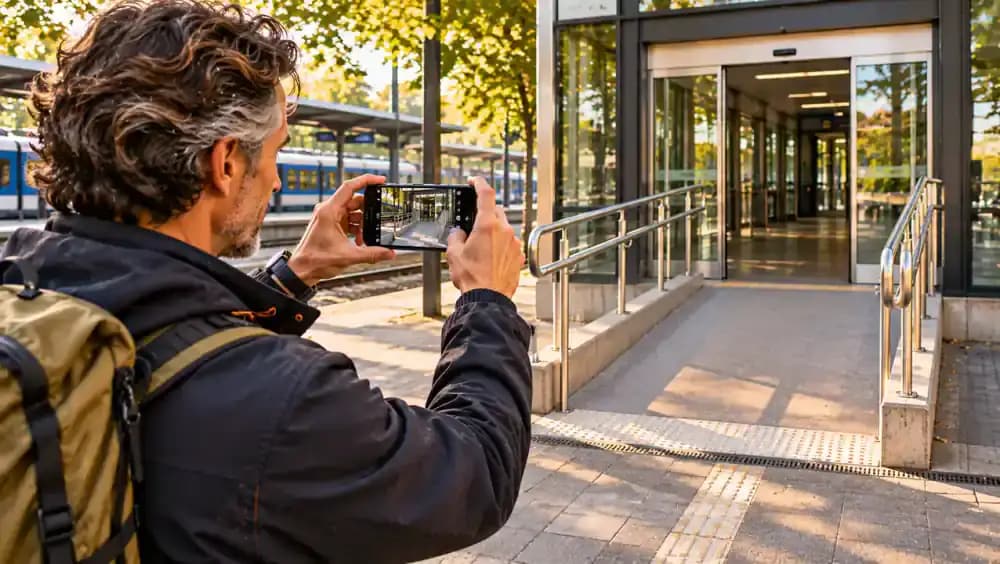
Explore unfamiliar routes without your dog before attempting a longer journey together. Identify step-free entrances, sheltered waiting areas, quiet exits, and nearby green spaces. Check departure schedules, return connections, and possible alternative transportation. Save useful locations on your phone for quick reference. Knowing the route beforehand helps you respond calmly if your dog needs an unexpected break.
Let Your Dog's Comfort Define Travel Success
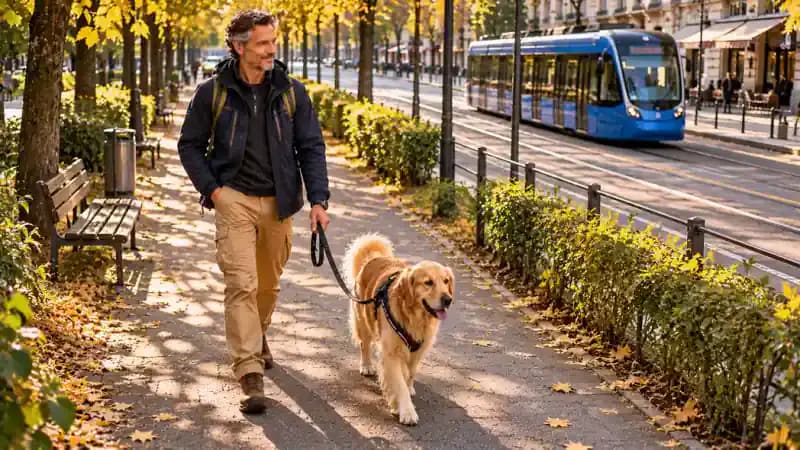
Measure success by your dog's comfort, not the number of trips completed. Continue observing their behavior, reinforcing positive experiences, and revisiting easier exercises when necessary. Some dogs eventually enjoy regular transit journeys, while others remain happier walking or using alternative transportation. Respect individual preferences and physical limitations. Safe, comfortable participation should always guide your travel decisions.
Your dog stops a few feet from the bus stop. The brakes hiss, passengers hurry past, and an unfamiliar engine rumbles nearby. You gently encourage your dog forward, but those paws stay firmly planted. If this sounds familiar, you're not alone. Public transportation can be overwhelming for dogs that have never experienced its sounds, movement, crowds, and confined spaces.
The good news? Learning how to introduce your dog to public transportation starts long before the first ride. With patience, positive reinforcement, and carefully managed exposure, many dogs can become more comfortable around buses, trains, and subways. The goal isn't to get your dog aboard as quickly as possible. It's to create positive experiences while respecting your dog's individual comfort level.
Before visiting a station, you'll need to check your local transit operator's pet policies. Some services require carriers, while others permit leashed dogs under specific conditions. Muzzles, additional fares, size restrictions, and service limitations may also apply. Rules vary by city, operator, and route.
This guide covers what to bring, how to recognize signs of discomfort, which common mistakes to avoid, and when your dog may be ready for a short, quiet ride. You'll also learn why crowded vehicles, escalators, and rushed boarding can create unnecessary risks.
A successful first trip doesn't have to cover miles. Sometimes, calmly watching a bus arrive from a safe distance is meaningful progress.
Where people go wrong
Making the First Experience a Full-Length Ride. A long trip introduces too many unfamiliar experiences at once, including engine noise, vehicle movement, strangers, and sudden stops. A dog that becomes overwhelmed may struggle with future outings. Begin with manageable exposure near a quiet stop or station, and progress only when your dog remains comfortable. Short, positive experiences are more useful than covering a particular distance.
Forcing Your Dog Toward a Noisy Vehicle. Pulling a hesitant dog toward a bus or train can make the situation more frightening and increase the risk of escape or injury. Freezing, trembling, repeated lip licking, and attempts to retreat are reasons to reassess the situation. Give your dog more space, reduce the intensity of the experience, and allow progress at a comfortable pace.
Assuming Every Transit System Has the Same Pet Rules. Pet policies vary significantly between transit agencies, vehicle types, and routes. One operator may allow leashed dogs, while another requires a carrier or restricts non-service animals entirely. Arriving without the correct equipment or fare can result in denied boarding. Check the operator's current official guidance before every unfamiliar journey, including any rules for transfers.
Traveling During Rush Hour Too Soon. Crowded platforms and packed vehicles create additional pressure for inexperienced dogs. Limited personal space, unpredictable movements, and frequent contact with strangers can make an already challenging environment harder to manage. Schedule early practice rides during quieter periods, maintain a safe distance from other passengers when possible, and avoid boarding when there isn't enough room for your dog to settle safely.
Overlooking Subtle Signs of Stress. Not every uncomfortable dog barks, whines, or pulls away. Some become unusually still, repeatedly lick their lips, tuck their tails, or refuse familiar treats. These behaviors must be interpreted in context rather than treated as proof of a specific problem. Watch for changes in your dog's normal behavior and respond by reducing exposure or ending the session.
Using Escalators or Standing Too Close to Platform Edges. Escalators can trap paws, nails, leashes, or loose equipment, creating a serious injury risk. Train platforms and curbside boarding areas also require careful positioning. Use an elevator or another safe, accessible route instead of an escalator. Keep your dog away from platform edges, maintain control of the leash, and never allow your dog to approach moving vehicle doors.
Treating Every Outing as a Training Test. Expecting constant improvement can lead owners to increase difficulty before their dogs are ready. Noise levels, temperature, fatigue, and passenger activity change between outings, so comfort can vary from day to day. Repeat easier experiences whenever necessary and end sessions before your dog becomes overwhelmed. Progress should be measured by relaxed behavior, not the number of stops completed.
Questions people ask
Some public transportation systems allow pet dogs, but policies differ by operator and service. Depending on the system, pets may need to remain inside approved carriers, wear specific equipment, or meet other restrictions. Additional fares may apply. Trained service dogs generally have different access protections under applicable law. Always consult the transit operator's current official rules before bringing a pet aboard.
Fixed it?
Get one guide like this every Thursday.