How to Introduce a Different Litter Box to Your Cat
Switching your cat to a different litter box does not have to disrupt their bathroom routine. Learn how to make a new box feel familiar, encourage comfortable exploration, and gradually retire the old one without rushing your cat.

What you’ll need
Tap to tick things off before you start.
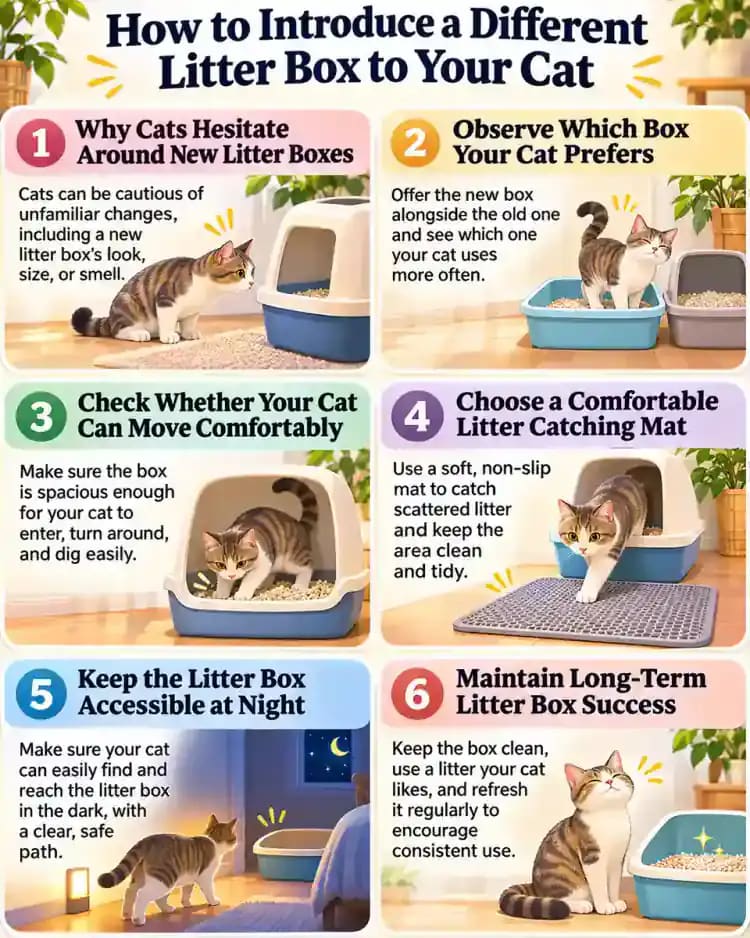
Why Cats Hesitate Around New Litter Boxes
A new litter box may look like an improvement, but your cat might see it as an unfamiliar place. Cats often prefer predictable bathroom routines, so a different shape, smell, or surface can cause hesitation. If your cat sniffs the replacement and walks away, don't force a decision. Focus on making exploration comfortable and stress-free.
Choose a Box That Fits Your Cat
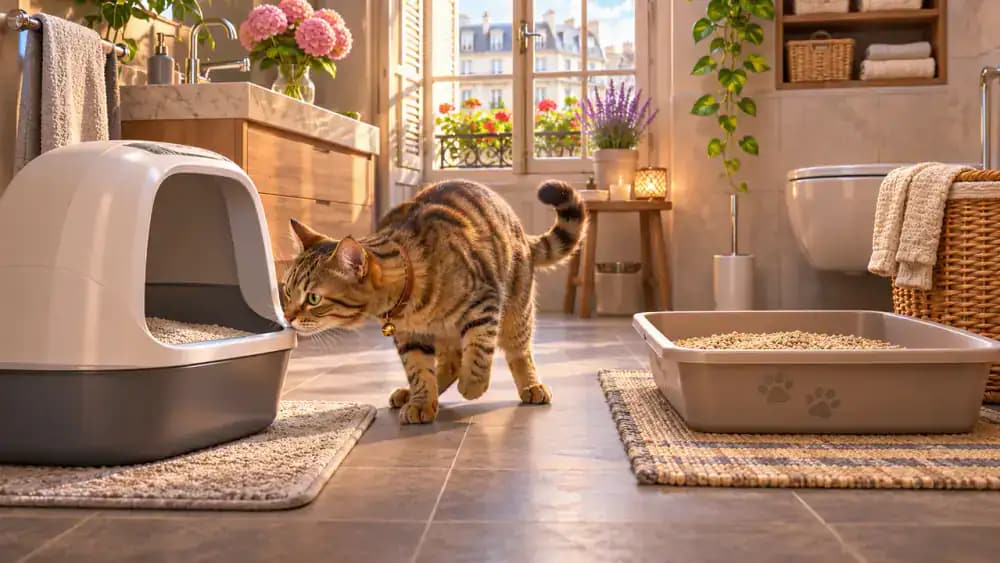
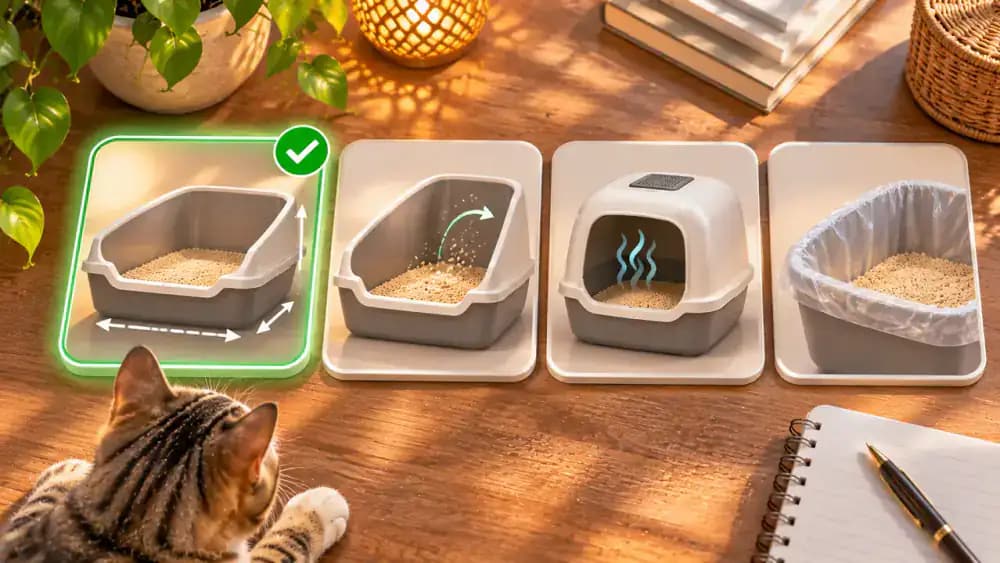
Choose a litter box that gives your cat enough room to turn, dig, and position comfortably. High sides can make entry difficult for kittens, senior cats, or cats with limited mobility. Covered boxes may feel cramped or retain odors. Compare different designs and prioritize a spacious tray with an entrance your cat can easily navigate.
Position Both Boxes Side by Side
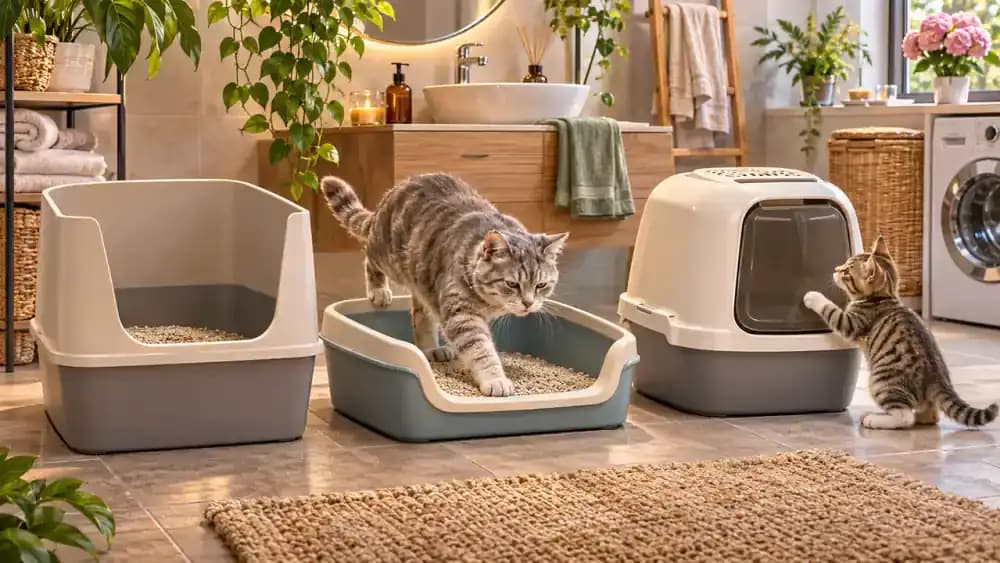
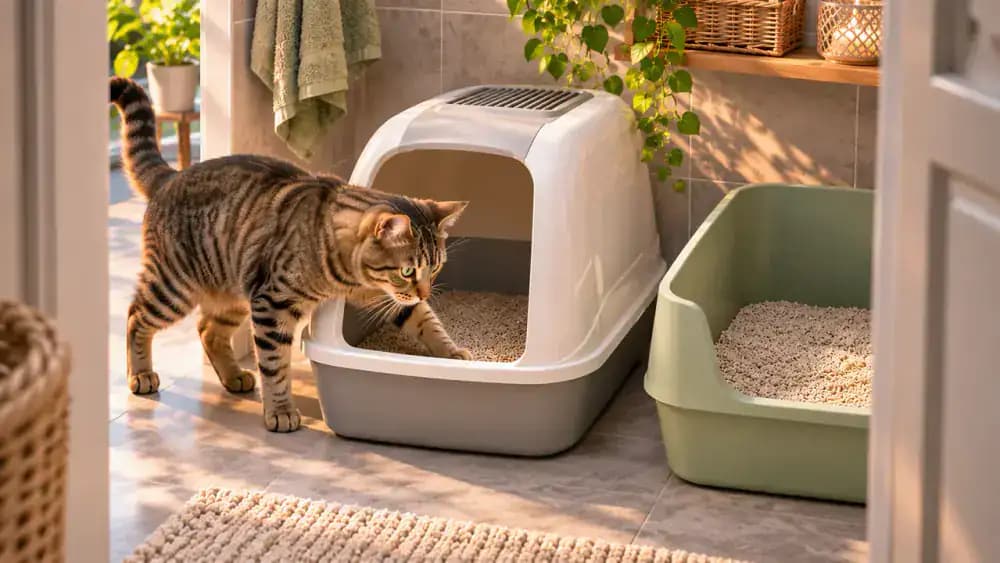
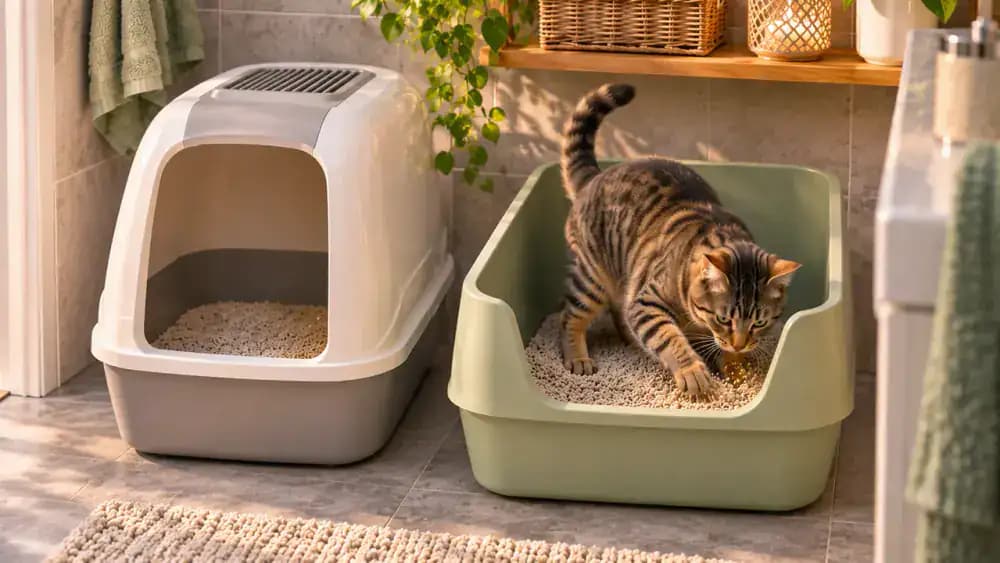
Place the new litter box directly beside the original in your cat's usual bathroom location. Choose a quiet spot with enough space for both entrances to remain accessible. Avoid relocating the old box or introducing a new bathroom area during this adjustment. Keeping the familiar option available allows your cat to investigate without losing an established routine.
Keep the Litter Familiar
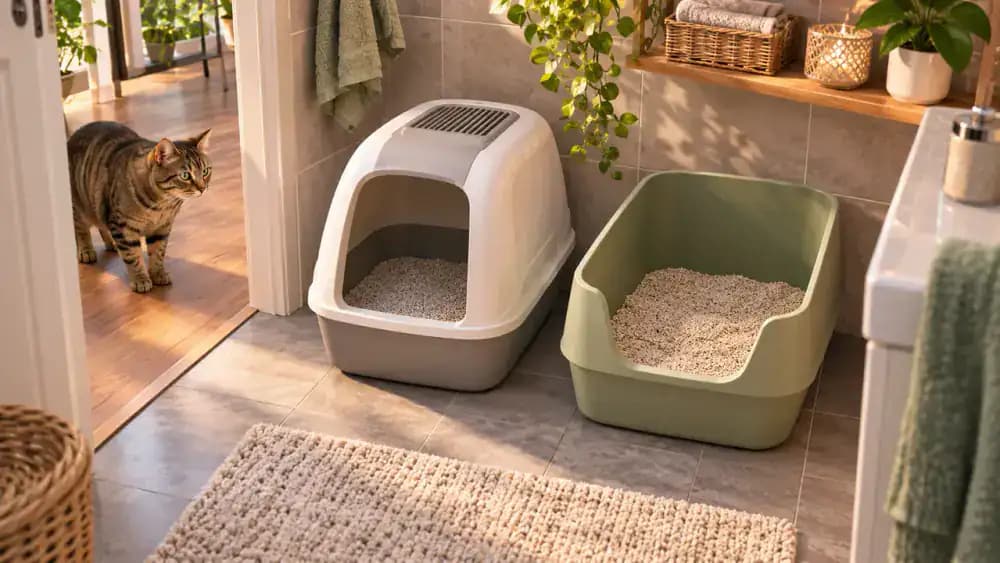
Fill the replacement box with the same litter your cat already uses, keeping the depth similar to the original tray. Avoid switching to scented litter, unfamiliar pellets, or strongly fragranced cleaning products. Maintaining the usual texture and smell reduces unnecessary changes. Scoop both boxes regularly so your cat can choose between equally clean, comfortable options.
Allow Your Cat to Explore Naturally
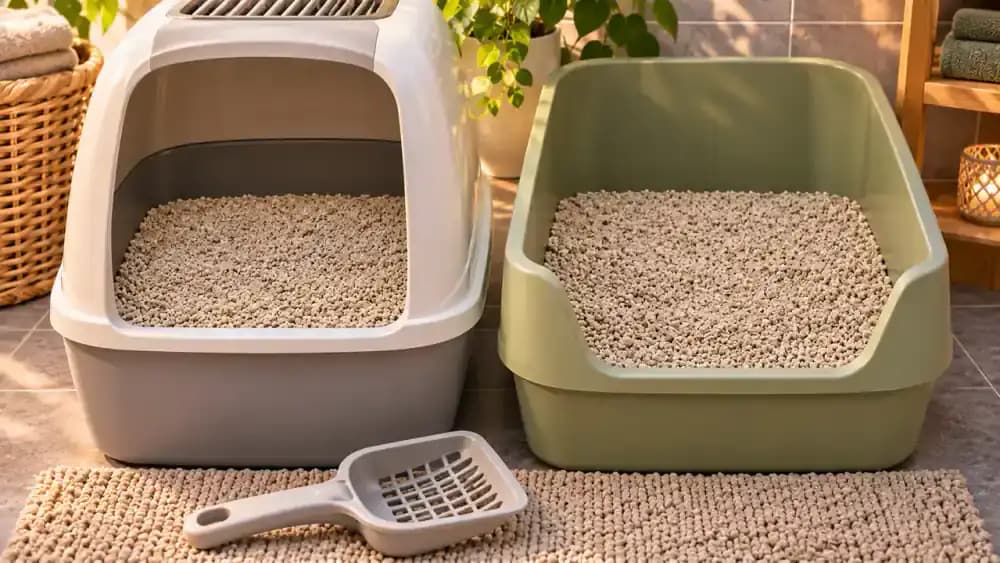
Give your cat time and privacy to investigate the new litter box independently. They may sniff the rim, place a paw inside, or leave without using it. These reactions are normal during exploration. Never push, carry, or trap your cat inside the replacement. Keep both boxes accessible and let repeated, pressure-free visits build familiarity.
Observe Which Box Your Cat Prefers
Monitor your cat's litter box habits over the next several days, noting which tray they actually use. Watch for comfortable entry, normal digging, and relaxed exits rather than occasional sniffing. If your cat consistently chooses the original, reconsider the replacement's size, entry height, or cover. Allow additional adjustment time without forcing the switch.
Retire the Old Box Only When Ready
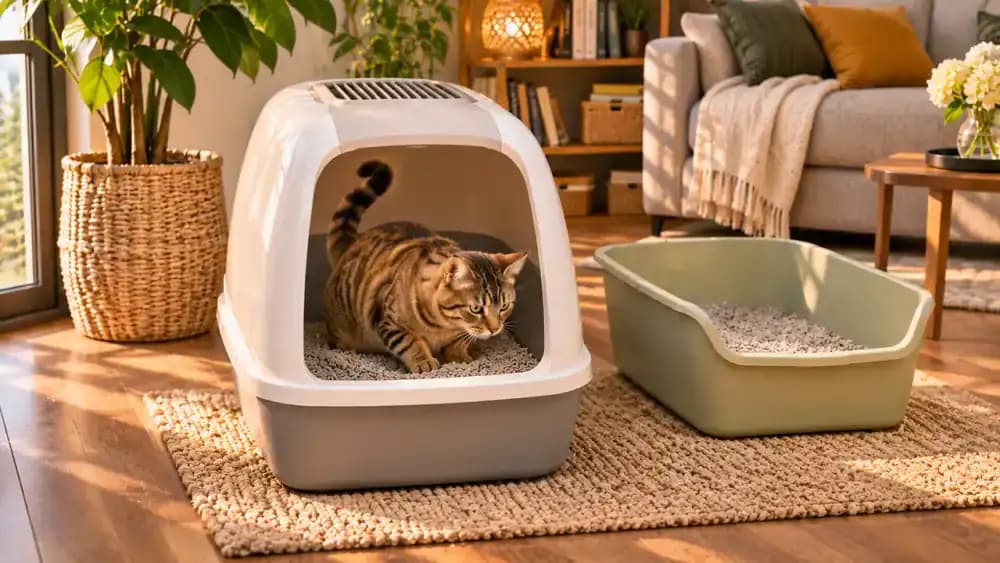
Wait until your cat uses the new litter box consistently and comfortably before removing the original. Several successful visits over multiple days provide better evidence than one isolated use. Maintain enough clean, accessible boxes for every cat in your household. If accidents or avoidance begin after removal, restore a familiar option and reassess the transition.
Recognize Warning Signs and Finish Confidently
Sudden litter box avoidance or changes in urination should never be dismissed as stubbornness. Contact your veterinarian if your cat strains, cries while urinating, or has blood in their urine. Repeated unsuccessful attempts or an inability to urinate require emergency veterinary care. Once concerns are addressed, maintain a clean, familiar setup and allow your cat to adjust.

Make the Litter Box Easy to Access
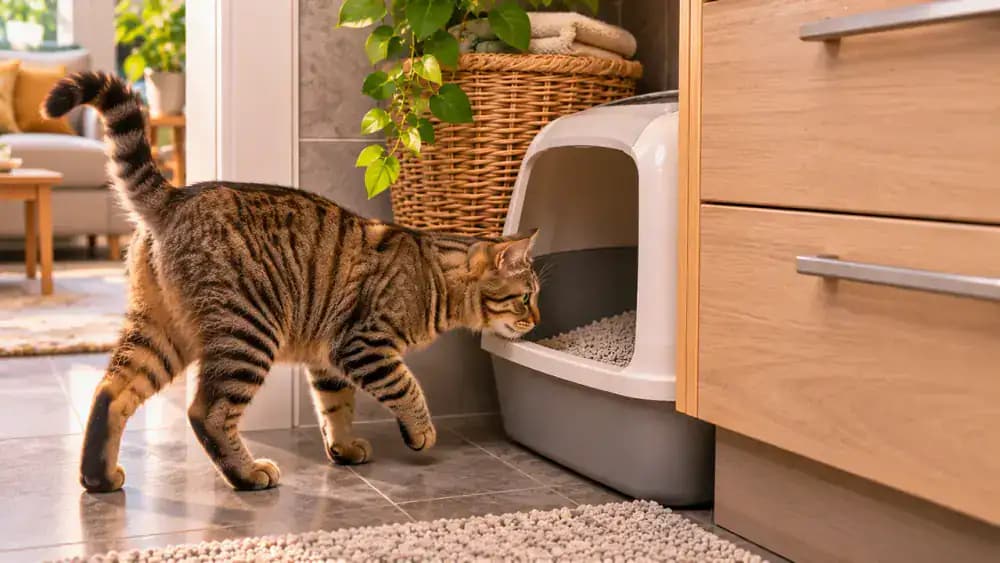
Check that your cat can approach and leave the new litter box without squeezing around furniture or navigating obstacles. Keep the entrance clear and provide enough surrounding space for comfortable movement. Avoid locations where closing doors could block access. A quiet, open pathway with an easy exit helps your cat feel more comfortable during bathroom visits.
Avoid Noisy and Stressful Locations
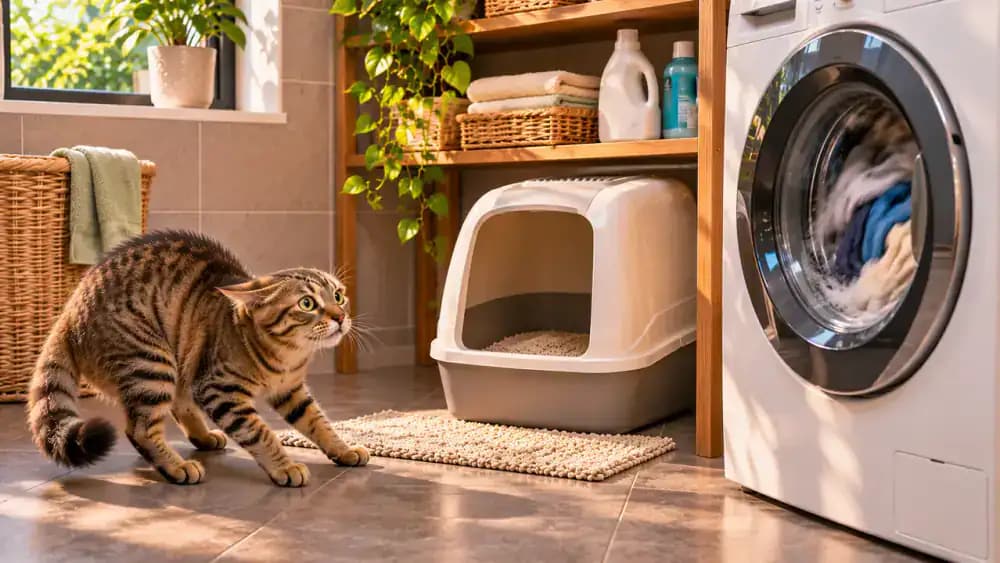
Choose a litter box location away from sudden household noises, heavy foot traffic, and frequently used appliances. Washing machines, furnaces, and busy stairways may startle cats during bathroom visits. If the established location is noisy, offer an additional clean tray in a quieter area rather than abruptly relocating the familiar box. Preserve convenient access and privacy.
Prevent Litter Box Competition Between Cats
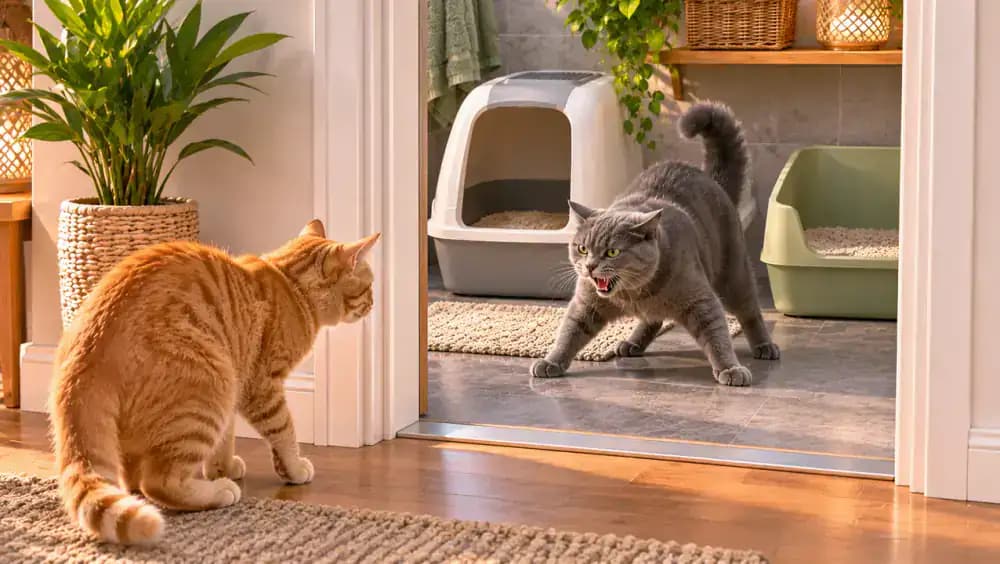
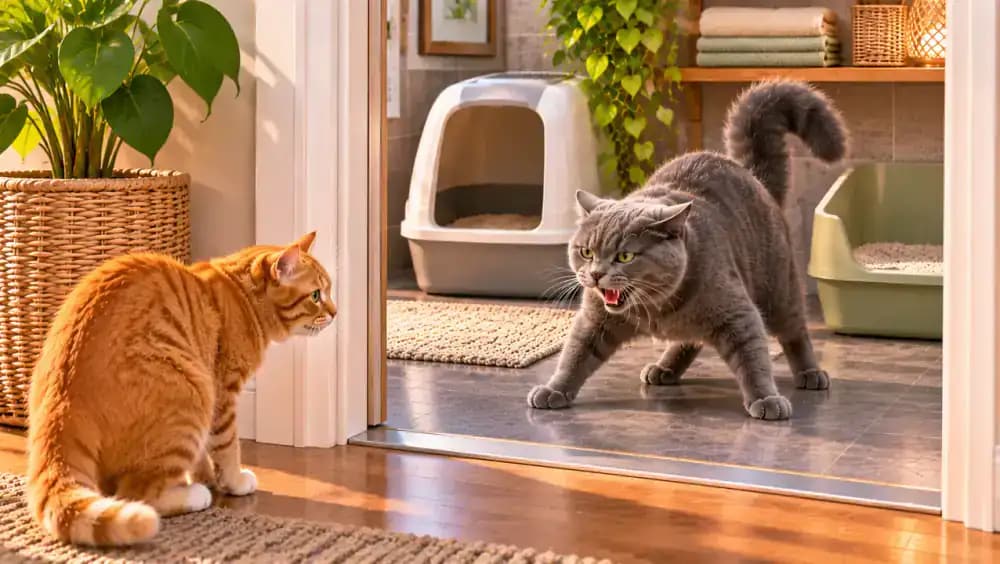
In multi-cat households, avoid relying on a single shared litter box area. One cat may block a doorway or discourage another from approaching, even without obvious aggression. Provide separate litter stations throughout your home, ideally one box per cat plus one extra. Position them where each cat can enter and leave without encountering another cat.
Check Whether Your Cat Can Move Comfortably
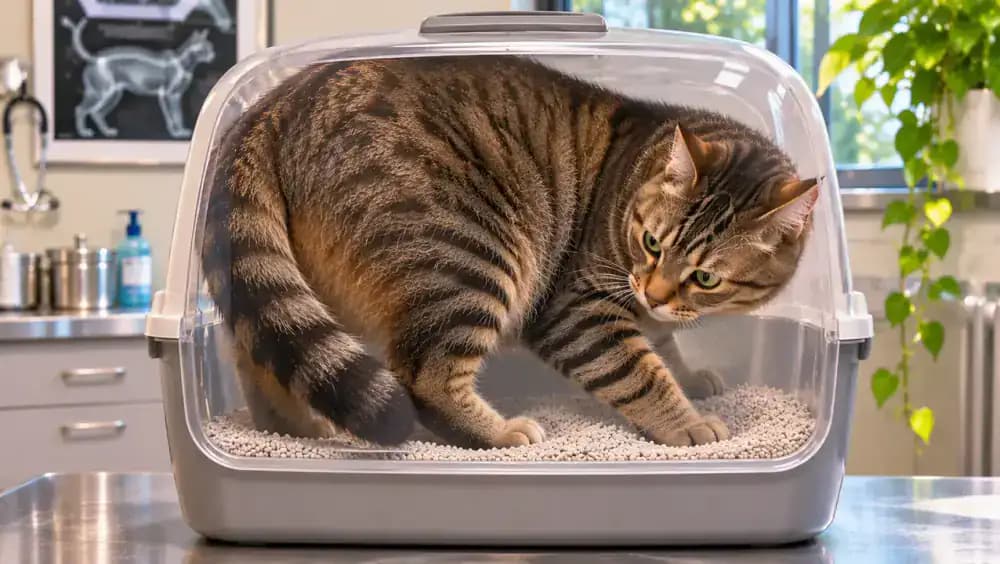
Observe how your cat moves after entering the new litter box. They should have enough room to turn around, dig, and squat without pressing against the sides. Watch for awkward movements, hesitation, or balancing on the rim. If the box restricts normal movement, consider a larger model with a more comfortable entrance and usable interior space.
Test Removable Covers and Entry Flaps
If your replacement litter box includes a detachable hood or swinging entry flap, try removing these features temporarily. Some cats dislike confined spaces, restricted visibility, or doors touching their bodies. Keep the litter and location unchanged while testing the open configuration. If your cat becomes more comfortable entering, the enclosure may have been discouraging use.
Handle Litter Box Accidents Without Punishment
If your cat eliminates outside the litter box, respond calmly and avoid punishment. Blot the affected area, then use a pet-safe enzymatic cleaner according to its instructions. Record where and when accidents occur to identify possible patterns. Never shout or force your cat into the tray afterward. Contact your veterinarian about sudden or persistent changes in elimination habits.
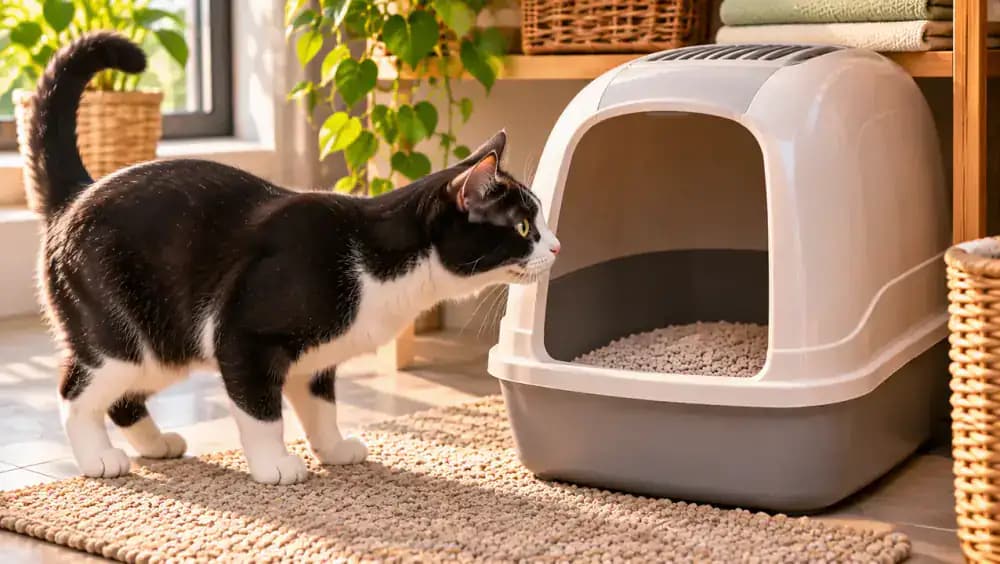
Adapt the Litter Box as Your Cat Ages
Reevaluate your cat's litter box as their size, mobility, and daily needs change. Kittens may benefit from shallow entrances, while larger adults need generous interior space. Senior cats or those recovering from injuries may find high sides difficult to navigate. Check entry height, floor traction, and accessibility periodically, and adjust the setup when necessary.
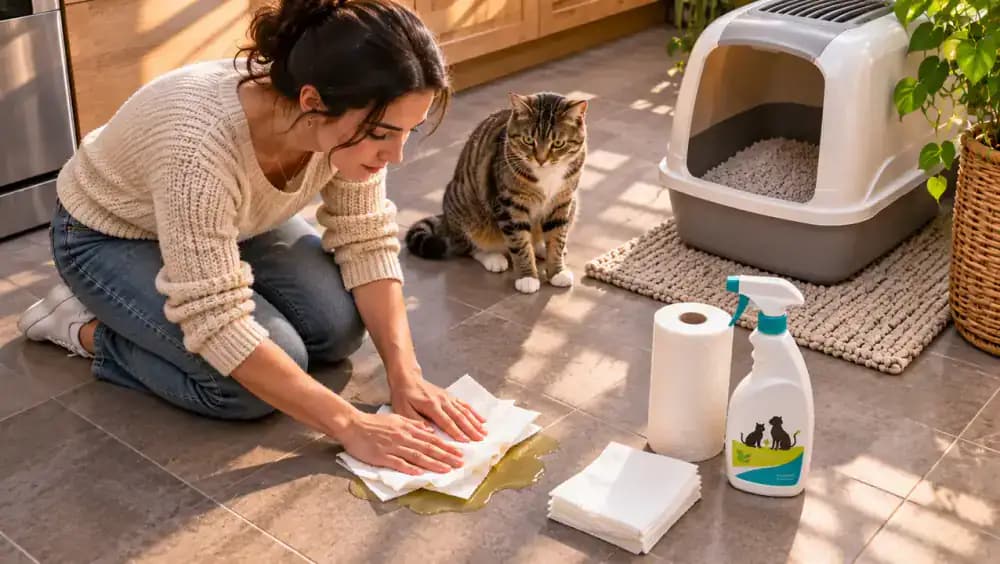
Create a Comfortable Long-Term Litter Box Setup
Evaluate your cat's litter box area from floor level to ensure the entrance is clear, the walking route is accessible, and the surroundings remain quiet. Keep the tray clean and spacious, with enough room for comfortable movement. Make improvements one at a time and observe your cat's response. Prioritize familiarity, accessibility, and consistent bathroom routines.
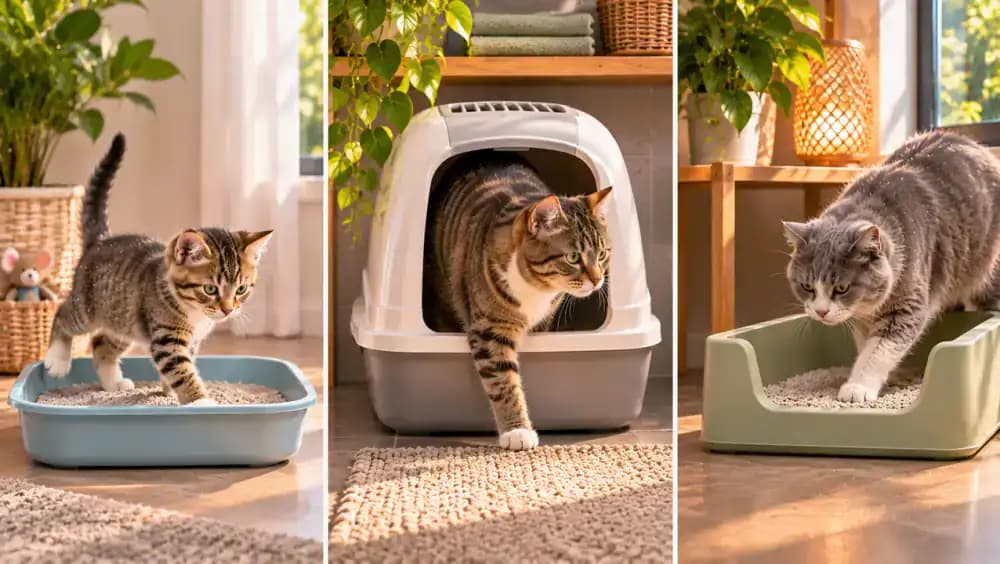
Keep the Litter Box Stable
Check whether the new litter box slides or shifts when your cat enters or digs. On smooth tile or hardwood flooring, place a thin, washable nonslip mat beneath the tray to improve stability. Gently test the empty box with your hand before filling it. Keep the surrounding floor dry and avoid mats that create raised obstacles.
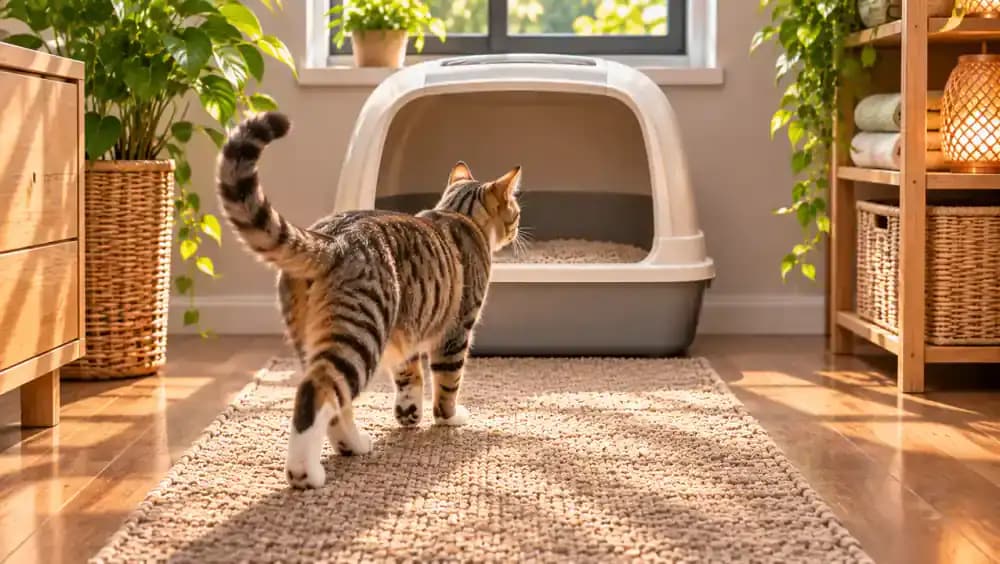
Choose a Comfortable Litter Catching Mat
Place a soft, easy-to-clean litter-catching mat near the box entrance to collect scattered grains without making access uncomfortable. Avoid coarse textures that may irritate sensitive paws. Observe whether your cat walks across the mat naturally or tries to avoid it. If your cat hesitates, jumps over it, or changes their route, remove or replace the mat.
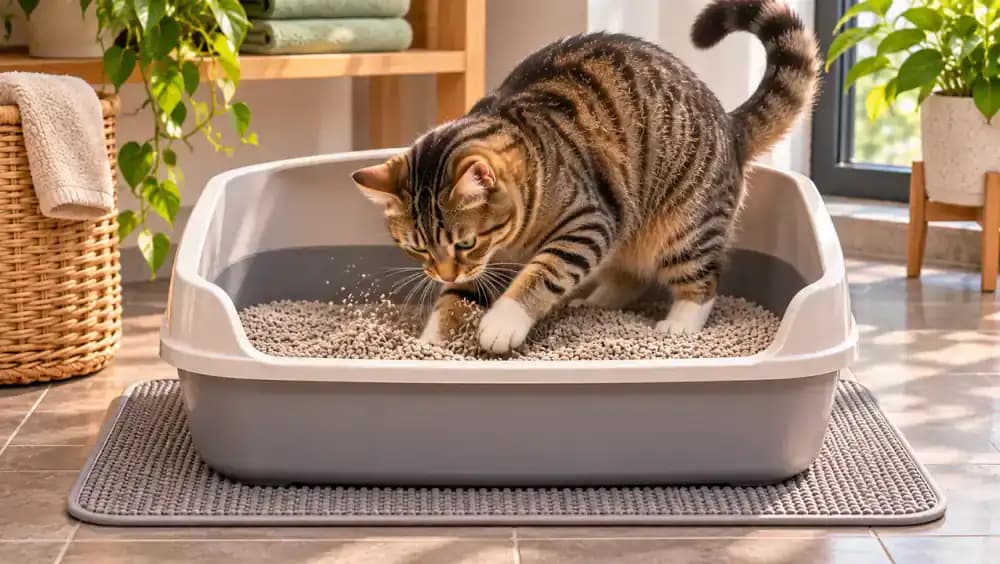
Deep Clean the Box Without Strong Fragrances
Periodically empty the litter box completely to remove residue that regular scooping cannot reach. Wash the tray with mild, unscented soap and a soft sponge, paying attention to corners and seams. Rinse thoroughly to remove cleaning residue, then dry the container completely before adding fresh litter. Avoid heavily fragranced products that may discourage your cat from using the box.
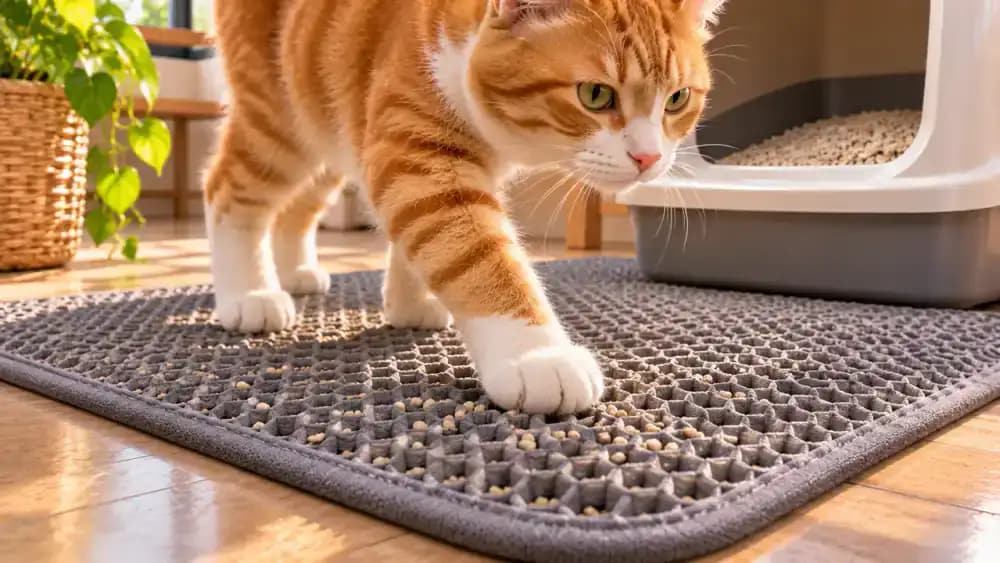
Introduce Automatic Cleaning Features Carefully
If your replacement is a self-cleaning litter box, keep its automatic mechanism disabled during the initial introduction. Follow the manufacturer's setup and safety instructions, including any size or weight restrictions. Let your cat become comfortable using the stationary unit before testing its cleaning cycle. Activate the mechanism only when your cat is safely away, and observe their response afterward.

Maintain a Comfortable Litter Depth
Keep the litter at a consistent depth that allows your cat to dig and cover waste comfortably. A shallow layer may make digging difficult, while excessive litter can shift underfoot. Start with the depth your cat already prefers, typically around 2-3 inches, and observe their behavior. Make small adjustments rather than changing the litter level suddenly.
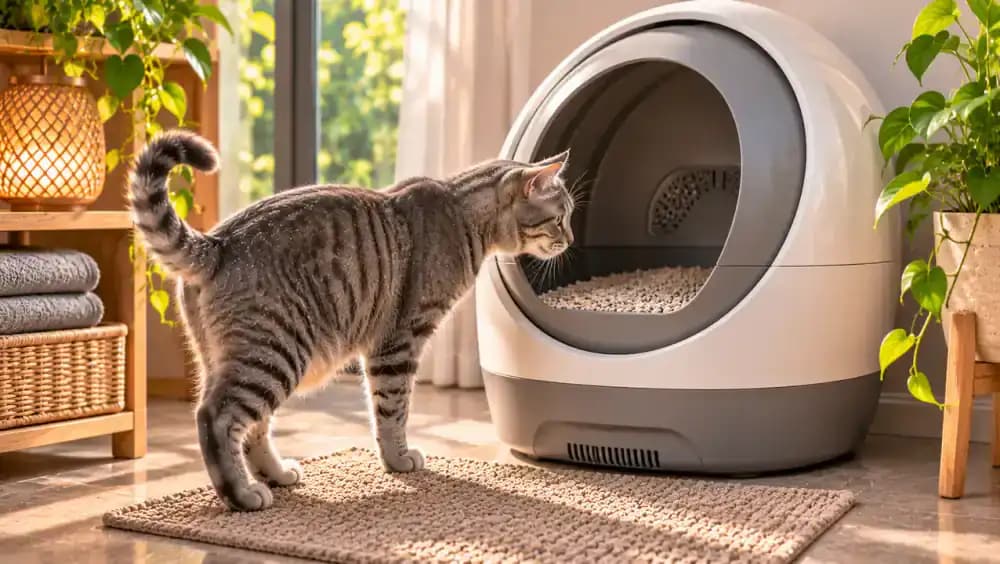
Protect Your Cat's Routine During Household Changes
During renovations, travel, or visits from guests, preserve your cat's established litter box routine whenever possible. Keep familiar boxes accessible and away from construction noise, moving furniture, or temporary barriers. If a room becomes unavailable, provide an alternative location before blocking access. Avoid introducing unnecessary equipment changes until your household returns to a predictable routine.

Let Your Cat Define a Successful Transition
Judge the success of a new litter box by your cat's comfort rather than its price, appearance, or advanced features. Look for consistent use, relaxed entry and exit, and normal bathroom habits without hesitation. If problems continue, consult your veterinarian. Otherwise, maintain the setup your cat prefers and avoid unnecessary changes once a comfortable routine is established.
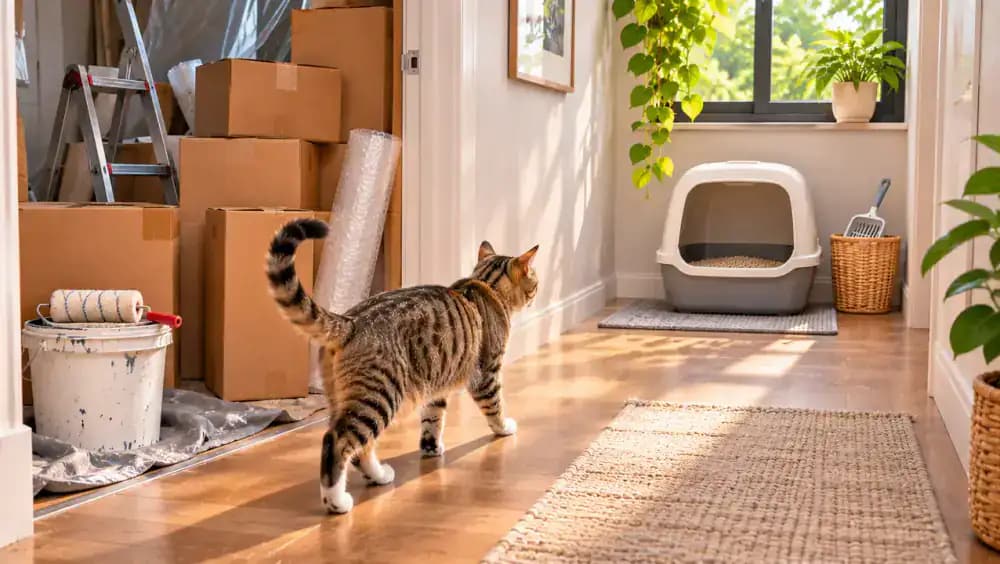
Keep the Litter Box Accessible at Night
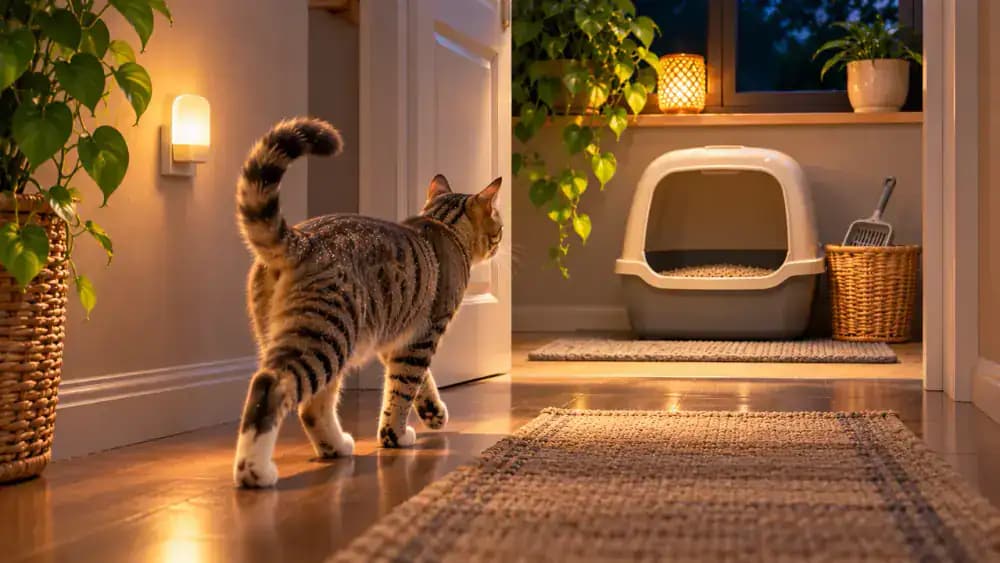
Make sure your cat can reach the litter box throughout the night, even when household doors are closed. Check for blocked hallways, unfamiliar obstacles, or changes in the usual walking route. If your cat has difficulty navigating in low light, consider a gentle nightlight. Maintain a clear, predictable path so bathroom access remains convenient at any hour.
Avoid Uncomfortable Temperatures Around the Box
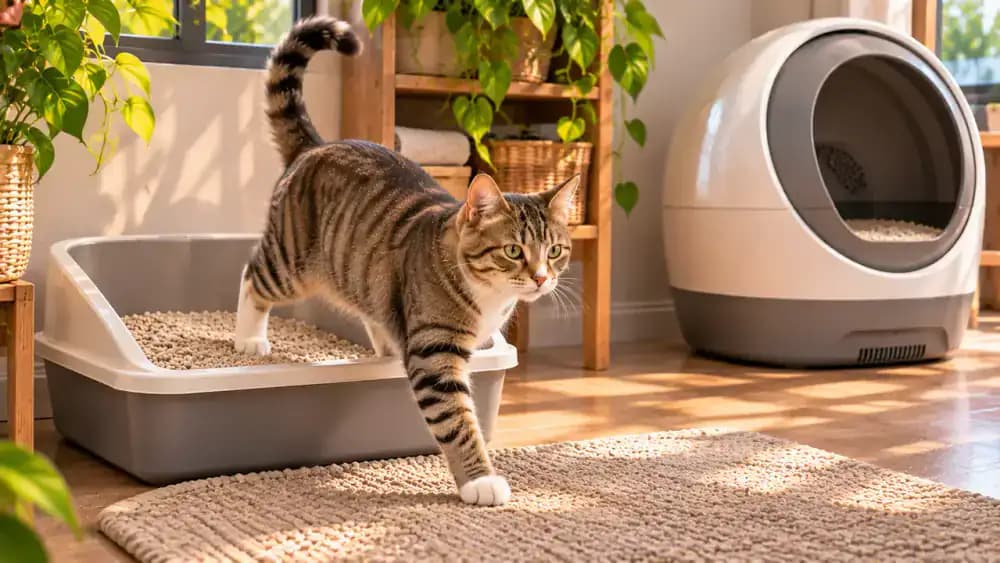
Check whether your cat's litter box is exposed to cold drafts, direct heating airflow, or intense afternoon sunlight. These conditions can make an otherwise suitable location uncomfortable. Observe temperature changes throughout the day and check whether the tray feels unusually hot or cold. Choose a sheltered, temperature-stable spot while avoiding repeated relocations of an established bathroom area.
Consider Whether Litter Box Liners Cause Discomfort
Check whether plastic liners affect your cat's comfort when using the new litter box. Liners can wrinkle, shift, or catch on claws during digging, making the surface feel unstable. If your cat paws repeatedly at the liner or avoids digging, remove it and refill the tray with familiar litter. Observe whether your cat becomes more comfortable.

Choose Wall Heights That Prevent Accidents
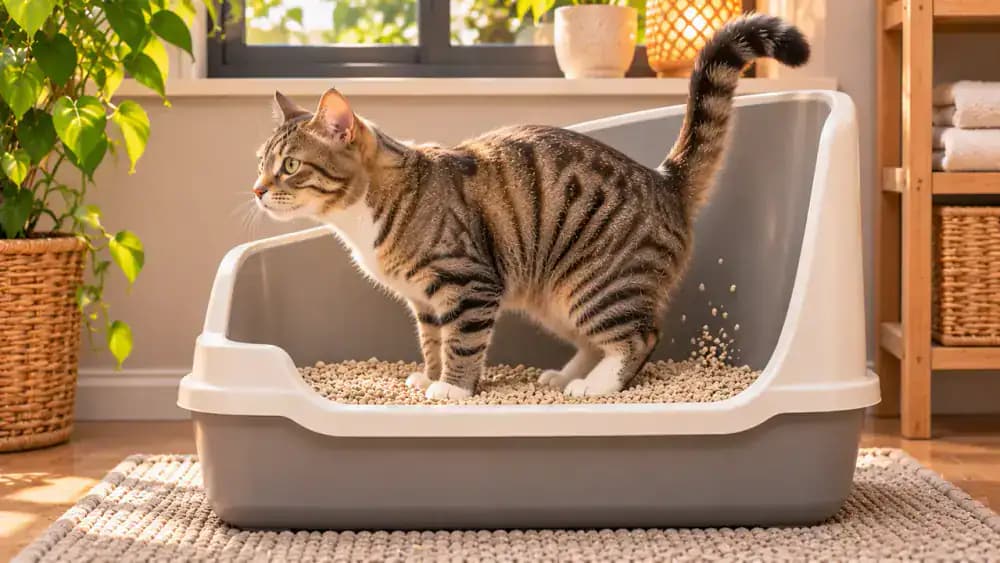
Consider your cat's natural posture when choosing litter box wall heights. Some cats raise their hindquarters while urinating, allowing urine to pass over a low rim. Higher back and side walls can help contain accidents, but the entrance should remain easy to navigate. Look for a spacious design with a lowered front opening that balances containment and accessibility.

Recognize Digestive Problems That Affect Litter Habits
Pay attention to changes in your cat's bowel movements during the litter box transition. Hard stools, diarrhea, or discomfort while defecating may indicate concerns unrelated to the replacement tray. Record unusual observations, including their frequency and duration, and discuss persistent changes with your veterinarian. Do not assume every change in bathroom behavior reflects a litter box preference.
Change One Litter Box Feature at a Time
When evaluating different litter box designs, adjust only one feature at a time. Keep the litter type, location, and cleaning routine consistent while testing changes such as box size or entrance height. Record your cat's reactions over several days, including hesitation and actual usage. Comparing one adjustment at a time makes preferences easier to identify without introducing unnecessary stress.

Maintain Long-Term Litter Box Success
Once your cat comfortably uses the replacement litter box, maintain a consistent routine rather than introducing unnecessary upgrades. Scoop regularly, keep the surrounding area accessible, and periodically check the tray's condition. Watch for meaningful changes in bathroom habits and contact your veterinarian when concerns arise. A dependable, comfortable setup matters more than appearance or advanced features.
Your cat approaches the new litter box, pauses beside it, gives it a cautious sniff, and walks away. To you, it looks like a simple replacement for an old plastic container. To your cat, however, the new box may feel like an entirely different bathroom.
Cats often depend on familiar surroundings and predictable routines. Even when you place a new litter box in the same room, differences in shape, size, entry height, or enclosure can make it less inviting. A covered box may feel restrictive to a cat accustomed to an open tray, while taller sides can make entering more difficult. Changing the litter's scent or texture at the same time adds another unfamiliar element.
The easiest way to introduce a new litter box to your cat is to preserve as much of the existing routine as possible. Keep the original box available, position the replacement beside it, and use the same litter at a familiar depth. Allow your cat to investigate independently rather than placing them inside or expecting an immediate switch.
Some cats accept a new box quickly, while others need days or longer. Watching their behavior will help you decide when to retire the original. This guide explains what to prepare, which common mistakes to avoid, and when changes in bathroom habits warrant veterinary attention.
Where people go wrong
Removing the Old Litter Box Immediately. Taking away the familiar litter box as soon as the replacement arrives removes your cat's preferred option before they have accepted the new one. This can create unnecessary stress or lead to bathroom avoidance. Keep both boxes available during the transition and retire the original only after your cat demonstrates consistent, comfortable use of the replacement.
Changing the Litter and Box at the Same Time. A different box already introduces unfamiliar dimensions, surfaces, and possibly a new enclosure. Switching litter brands, fragrances, or textures simultaneously makes the change harder to evaluate and may discourage use. Start with the same litter your cat already accepts, maintaining a similar depth. Consider any desired litter changes separately after the new box becomes familiar.
Forcing Your Cat Into the New Box. Picking up your cat and repeatedly placing them inside an unfamiliar litter box can turn a neutral experience into a stressful one. Some cats may begin avoiding the area altogether. Instead, allow voluntary investigation. Keep the replacement accessible, maintain a calm environment, and let your cat approach, inspect, enter, or leave without interference.
Choosing a Box With an Uncomfortable Entry. A taller entry, cramped interior, or covered design may make a new litter box less comfortable than the original. This matters particularly for kittens, senior cats, and cats with mobility limitations. Evaluate usable interior space, ease of entry, and freedom to turn around. A box that looks attractive to people may not suit your cat.
Moving the Bathroom Location During the Switch. Relocating the litter box while introducing a replacement changes two important parts of your cat's routine at once. A new location may also introduce unfamiliar noise, foot traffic, or restricted access. Place the replacement beside the original in the established bathroom area. If relocation is necessary, handle that adjustment separately and gradually.
Neglecting Cleaning While Both Boxes Are Available. Keeping two litter boxes does not help if either becomes unpleasant to use. Waste buildup, strong cleaning fragrances, or lingering moisture may affect which box your cat chooses. Scoop both regularly, replenish litter as needed, and use appropriate unscented cleaning products. Consistent cleanliness helps you observe genuine preferences rather than reactions to poor maintenance.
Assuming Sudden Bathroom Avoidance Is Behavioral. A cat that suddenly avoids the litter box may be experiencing more than discomfort with a replacement. Changes in urination, elimination, or behavior can accompany medical problems and should not automatically be blamed on the new setup. Contact your veterinarian about sudden changes. Straining to urinate or producing little to no urine requires immediate veterinary attention.
Questions people ask
Some cats begin using a replacement litter box the same day, while others need several days or even weeks to become comfortable. The timeline depends on your cat's preferences, previous experiences, and how different the replacement feels. Keep the original available and look for consistent, relaxed use rather than following a fixed deadline.
Fixed it?
Get one guide like this every Thursday.