How to Help Your Dog Get Comfortable Wearing a Harness
Does your dog back away when you bring out the harness? Learn how to build trust with gentle, reward-based training, recognize signs of discomfort, and help your dog wear a properly fitted harness with confidence.
What you’ll need
Tap to tick things off before you start.
Why Your Dog Avoids the Harness
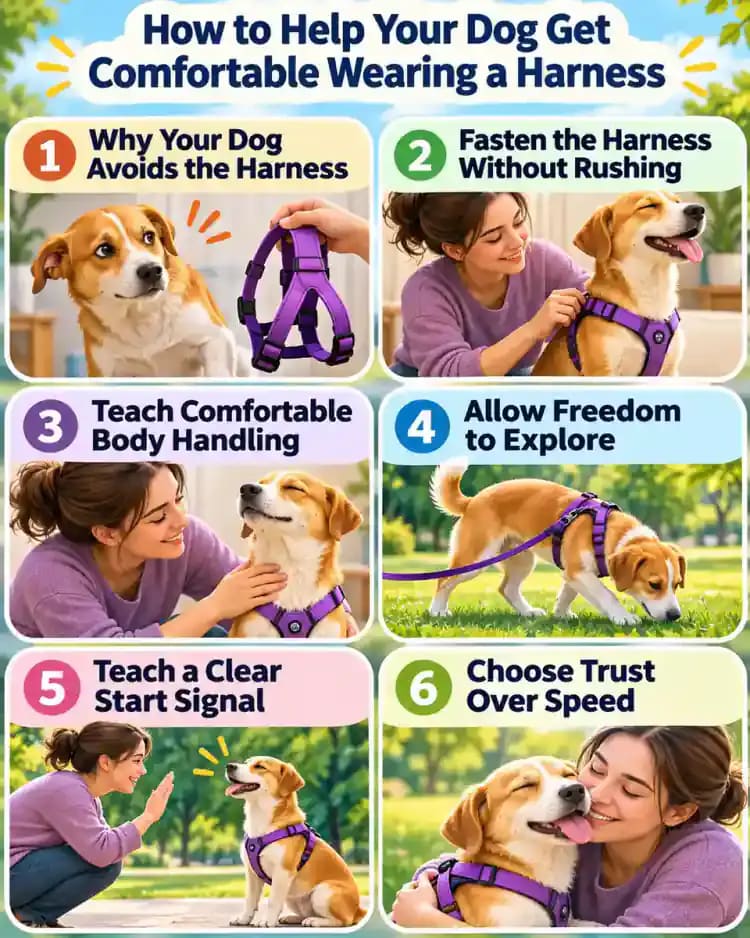
If your dog backs away when you pick up the harness, don't assume they're being stubborn. They may associate it with uncomfortable handling, pressure, or a previous frightening experience. Chasing or restraining your dog can increase resistance. Instead, give them space, avoid forcing the harness on, and focus on building trust through positive experiences.
Let Your Dog Investigate
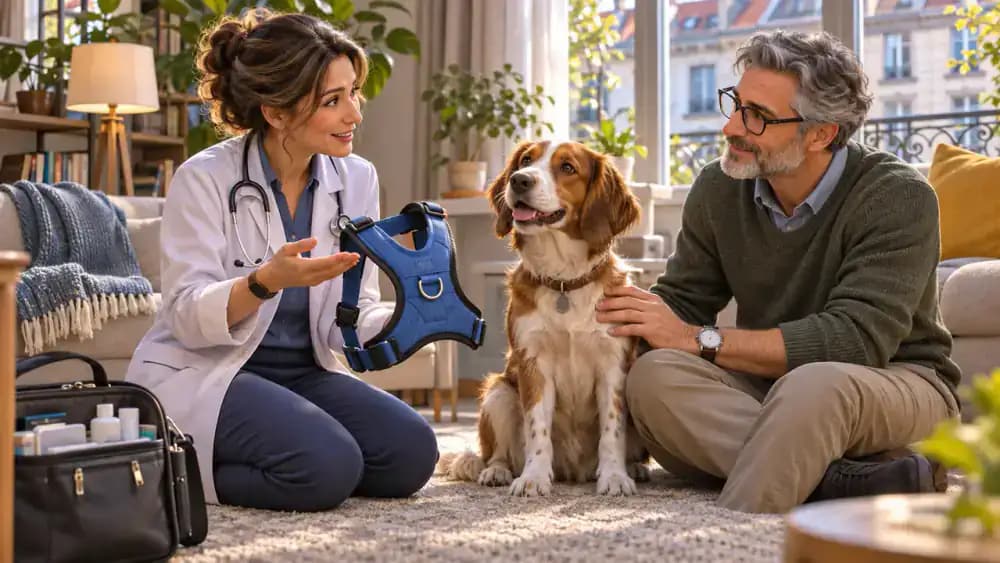
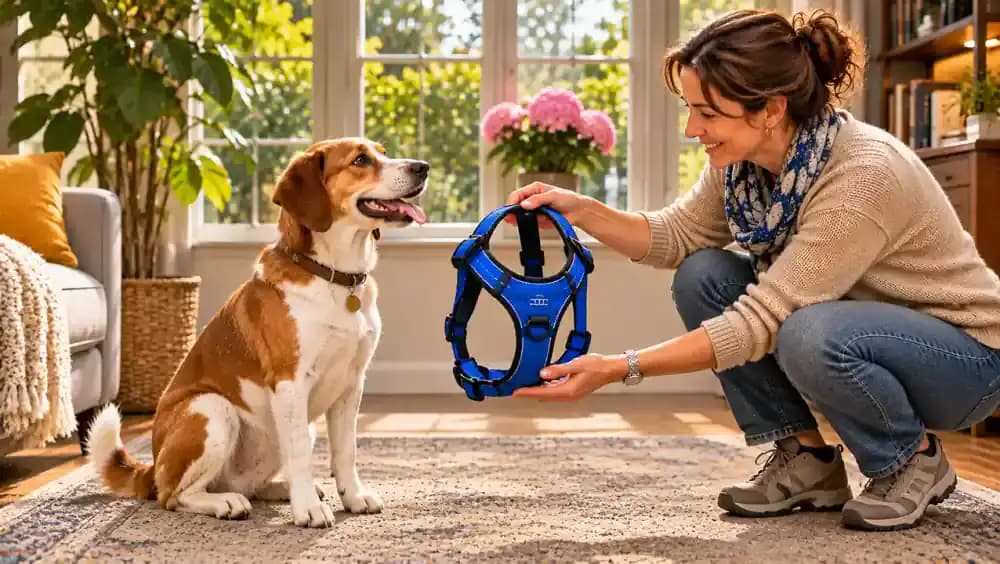
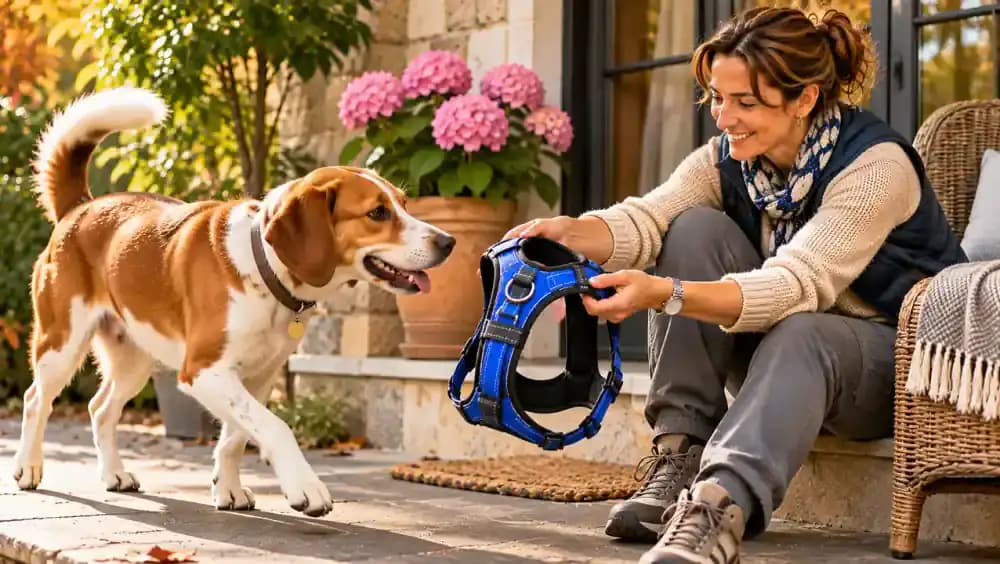
Choose a quiet room where your dog can move around freely. Place the harness on the floor several feet away, then sit back and observe. Let your dog look at it, approach, or sniff without interference. Don't move the harness toward them. Allowing independent exploration helps make the unfamiliar equipment feel less threatening.
Reward Voluntary Approaches
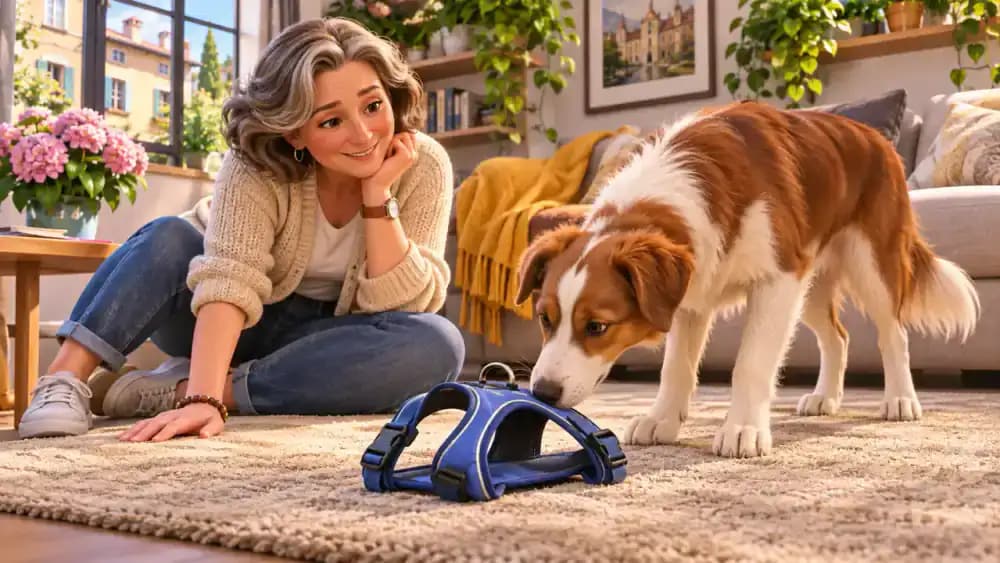
Reward your dog whenever they willingly show interest in the harness. Start with a calm glance, then reinforce small steps closer or a curious sniff. Place treats near your dog's comfortable position rather than using food to lure them forward. Gradually reward closer interaction as confidence grows, keeping sessions short and positive.
Teach the Head-Through Movement
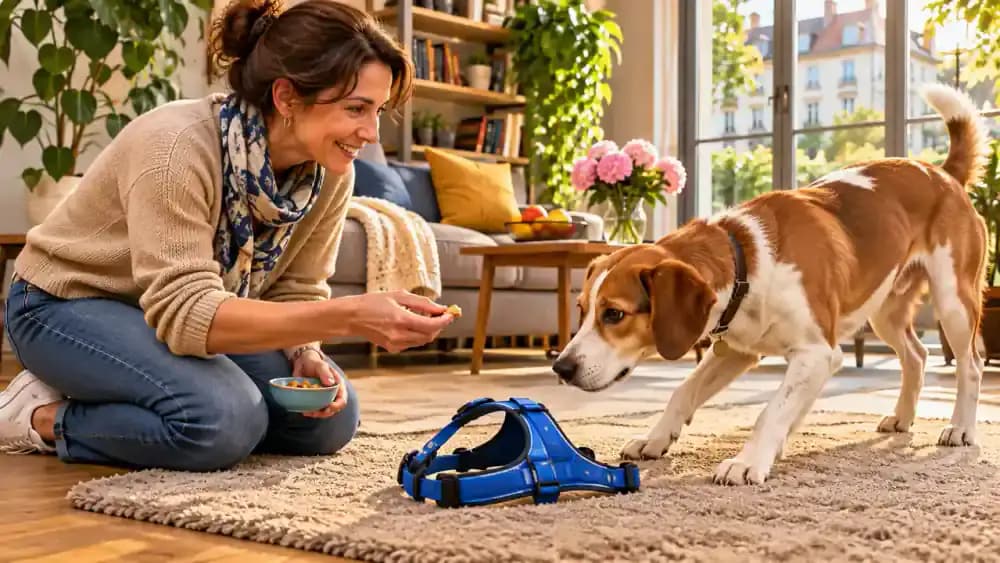
Hold the harness opening steady at your dog's head height without pushing it toward their face. Reward voluntary nose movements toward and into the opening. Gradually encourage your dog to extend their head through, rewarding each comfortable attempt. Keep the opening loose and allow immediate withdrawal. Never pull the harness over their head.
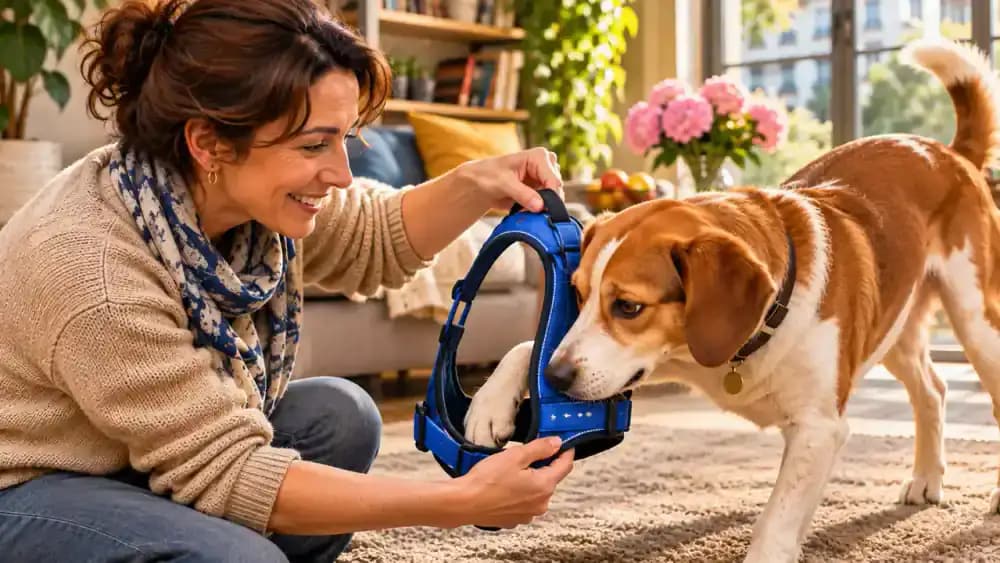
Introduce Straps and Buckles Gradually
Once your dog comfortably places their head through the opening, introduce strap contact in small increments. Gently touch one loose strap against their shoulder, reward, and remove it. Next, let them experience the buckle touching nearby. Practice clicking it at a comfortable distance before fastening. Pause whenever your dog shows discomfort or avoidance.
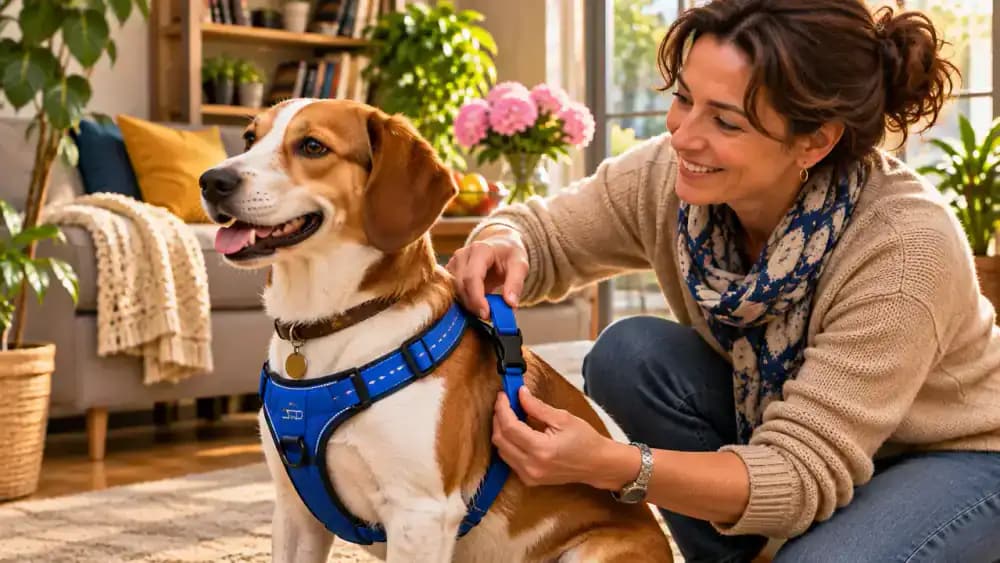
Fasten the Harness Without Rushing
When your dog remains relaxed, gently position the straps and fasten one buckle without pulling or tightening suddenly. Reward immediately with a favorite treat, then unclip and remove the harness before discomfort develops. Repeat this process across several short sessions, gradually increasing wearing time. Prioritize voluntary cooperation over keeping the harness on.
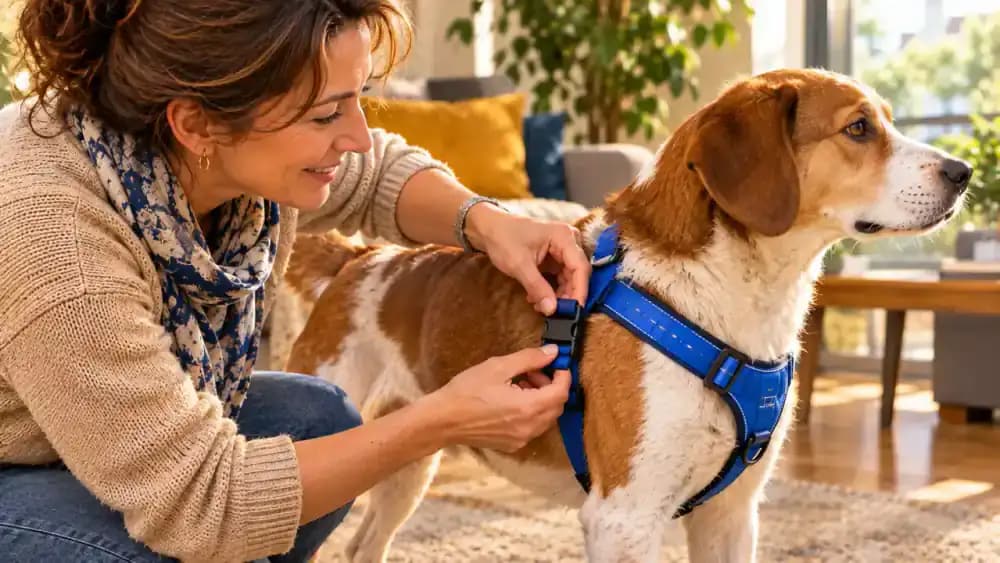
Check the Harness Fit
Check that the harness sits securely without pressing against your dog's throat or rubbing behind the front legs. As a general guideline, two fingers should fit comfortably beneath the straps, although manufacturer instructions take priority. Make sure your dog cannot slip out, then observe their walking movement for restricted shoulders, shifting straps, or irritation.
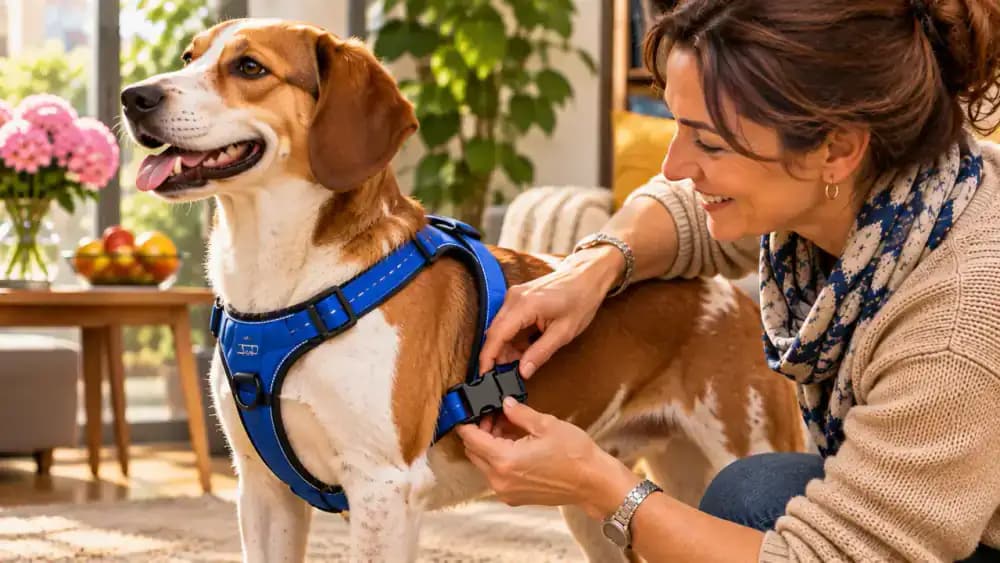
Recognize Stress and Build Confidence
Watch for freezing, repeated lip licking, turning away, or attempts to escape during harness training. These behaviors may indicate discomfort, so pause and give your dog space. Return to an easier exercise when they're ready. Seek veterinary guidance for suspected pain or qualified behavioral support for persistent distress. Comfortable, voluntary participation is the goal.
Practice in Different Environments
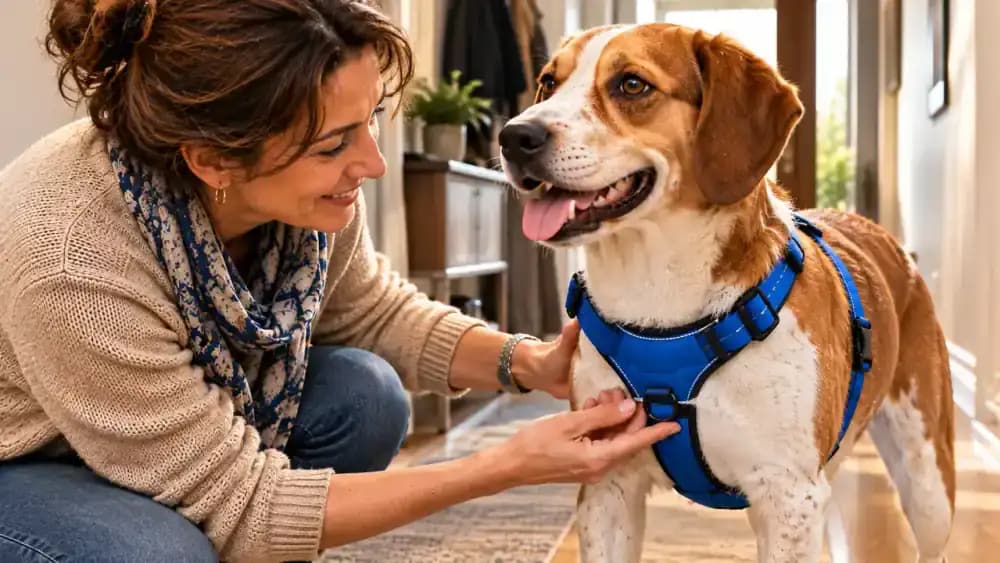
Once your dog willingly wears the harness in a familiar room, practice in other quiet areas of your home. Try the hallway, another room, or near the front door. Begin with easy, familiar exercises and reward voluntary participation. If your dog hesitates, reduce distractions or return to a comfortable location before progressing again.
Make the Harness Part of Everyday Life
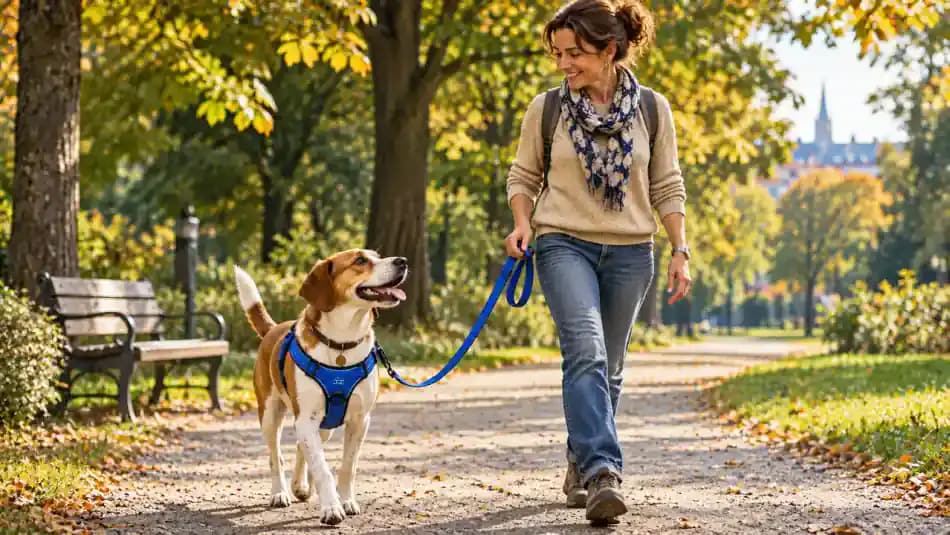
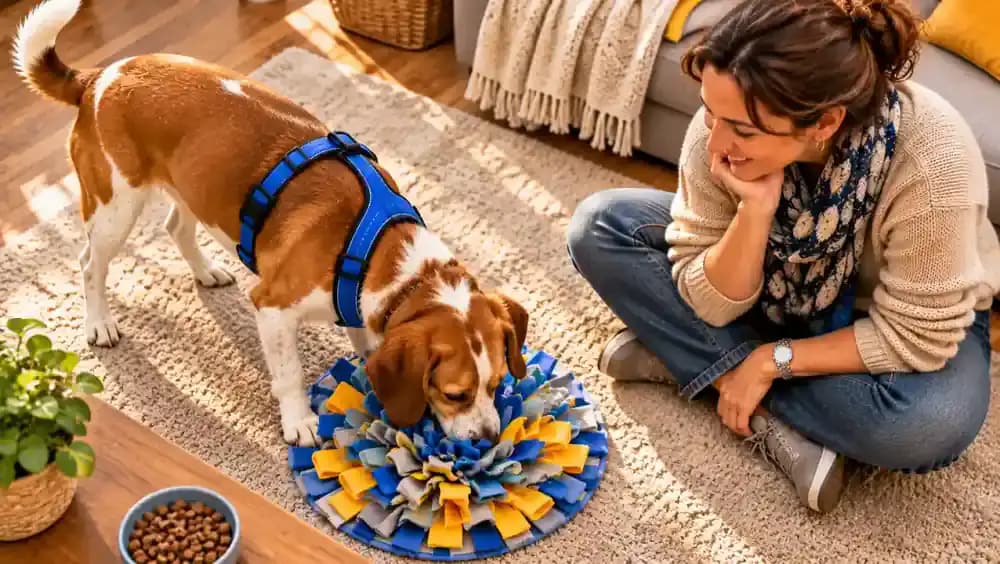
Help your dog associate the harness with enjoyable activities beyond walks. Occasionally fasten it indoors, offer a favorite game or scatter treats across a snuffle mat, and remove it while your dog remains relaxed. Keep these experiences brief and supervised. Varying the routine helps your dog accept the harness without anticipating an immediate outing.
Create a Predictable Harness Routine
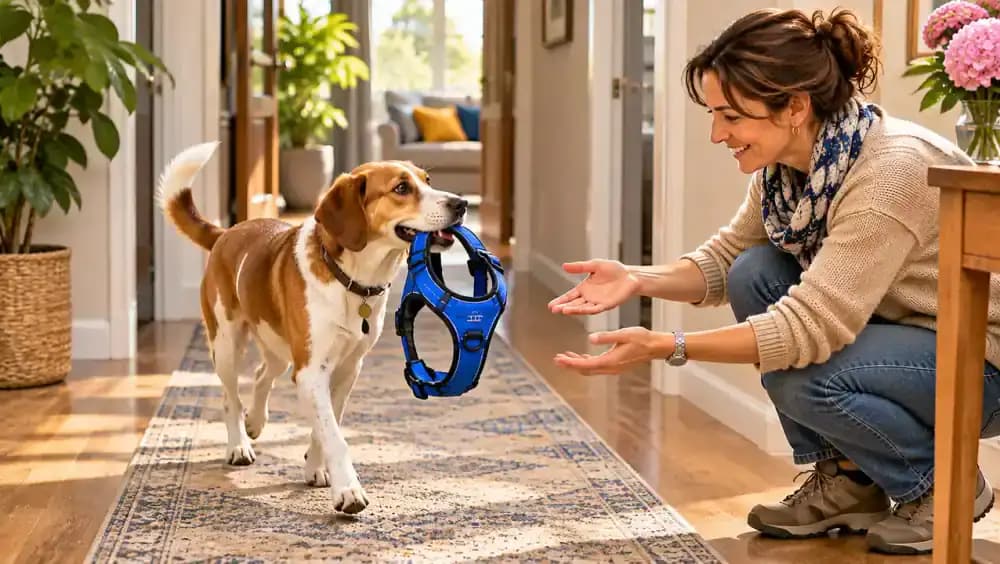
Choose a consistent training spot and hold the harness open at your dog's natural head height. Remain still and give your dog time to approach voluntarily instead of following them around. Reward calm participation and repeat the same setup during future sessions. A predictable routine helps your dog understand what to expect without feeling pressured.
Teach Comfortable Body Handling
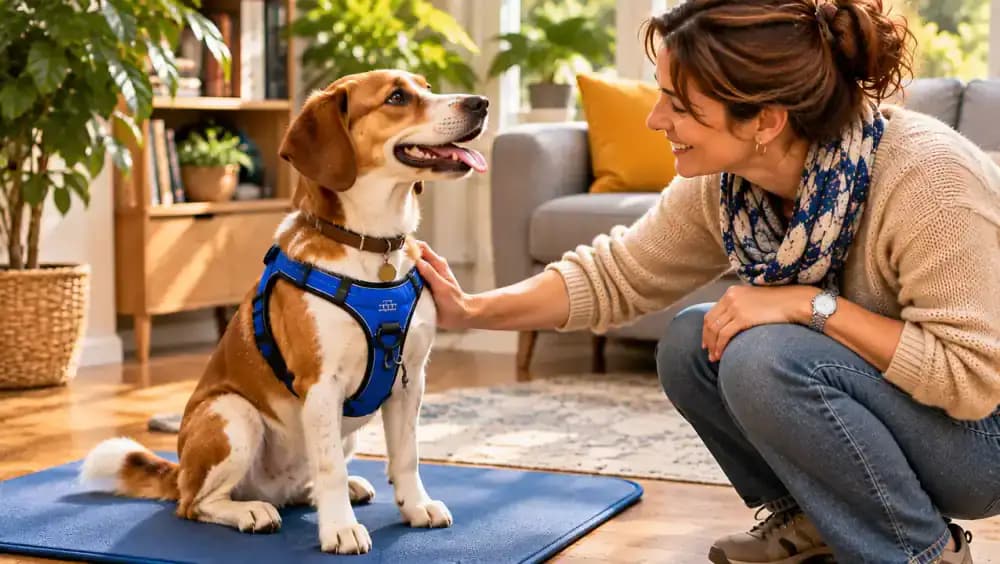
Practice gentle handling separately from harness training, especially if your dog dislikes hands reaching around their body. Begin with a brief touch on the shoulder, reward relaxed behavior, and remove your hand. Gradually introduce contact near the chest and back where straps will sit. Always allow your dog to move away without restraint.
Choose Equipment That Feels Comfortable
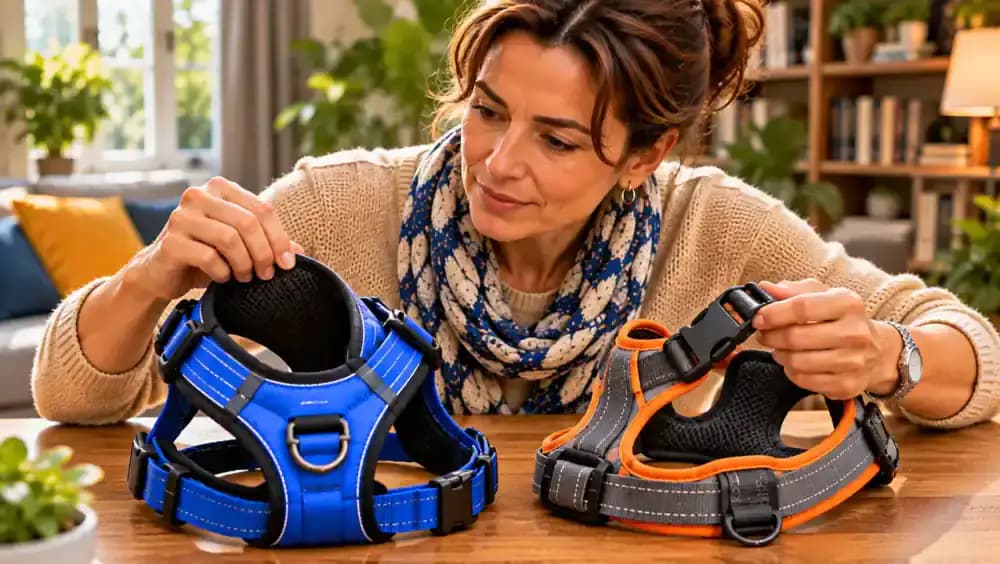
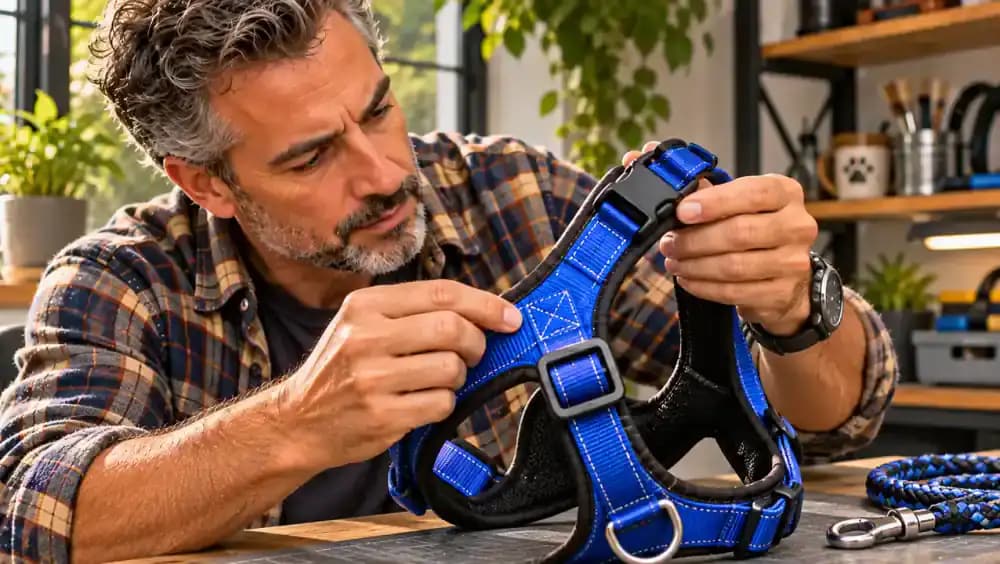
Inspect your dog's harness for stiff edges, rough stitching, heavy buckles, or straps that shift during movement. Compare different materials and designs if your dog seems uncomfortable despite careful fitting. Look for soft contact points, adjustable straps, and unrestricted shoulder movement. Replace equipment that causes rubbing rather than relying on treats to overcome discomfort.
Practice Natural Movement Indoors
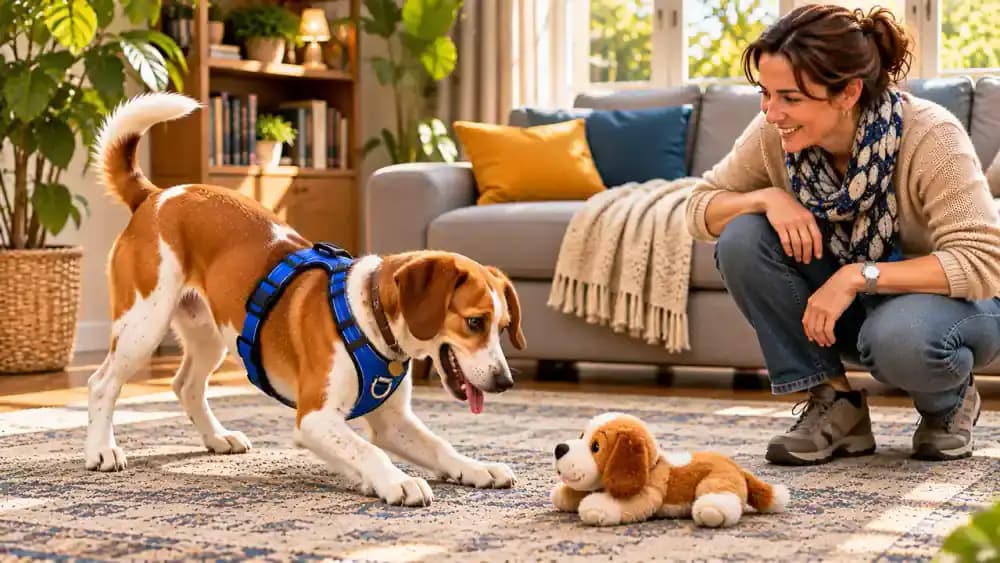
Once your dog accepts the fastened harness, encourage a few relaxed steps across a nonslip indoor surface. Invite them toward a favorite toy without pulling or directing their body. Observe how they walk, turn, sit, and lie down. If movement appears restricted or hesitant, remove the harness, reassess its fit, and reduce the exercise difficulty.
Handle Setbacks Without Pressure
Expect occasional setbacks, especially when unfamiliar noises, visitors, or stressful experiences interrupt your dog's routine. If your dog avoids the harness, don't chase them or insist on finishing. Return to an easier activity or skip training that day. Respecting hesitation helps preserve trust and makes future sessions more comfortable and productive.
Build a Lasting Cooperative Routine
Build a harness routine around your dog's individual comfort rather than a strict training schedule. Look for voluntary approaches, relaxed body language, and willingness to participate again. Reward cooperation consistently and adjust your expectations when needed. With patient practice, the harness can become a familiar, comfortable part of enjoyable walks and shared outdoor adventures.
Introduce the Leash Connection
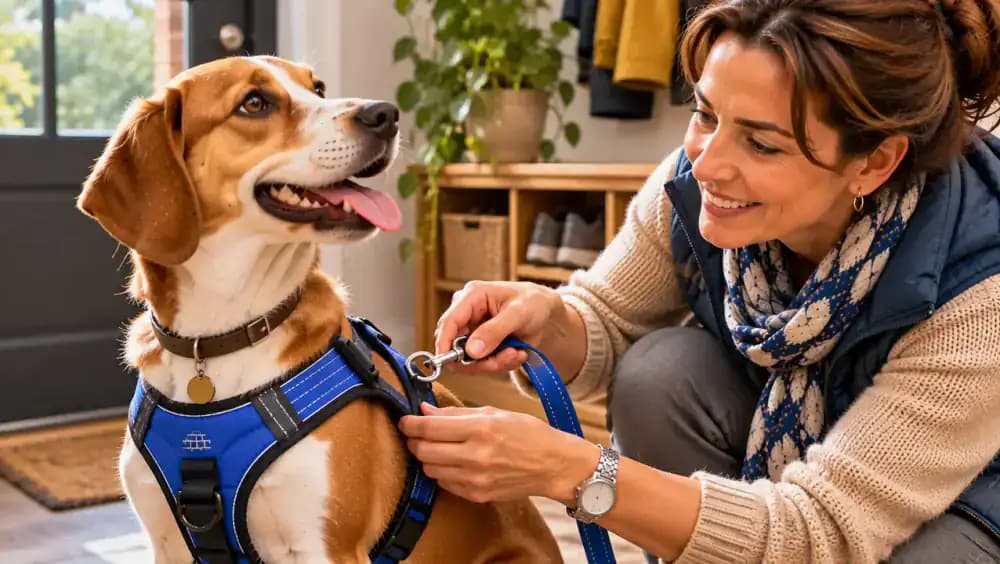
Once your dog comfortably wears the harness, introduce the leash clip separately. Bring the clip toward the attachment ring without fastening it, rewarding relaxed responses. Gradually move closer before gently connecting the leash. Keep the leash slack and avoid sudden movements or pulling. Repeat until your dog remains comfortable throughout the attachment process.
Allow Freedom to Explore
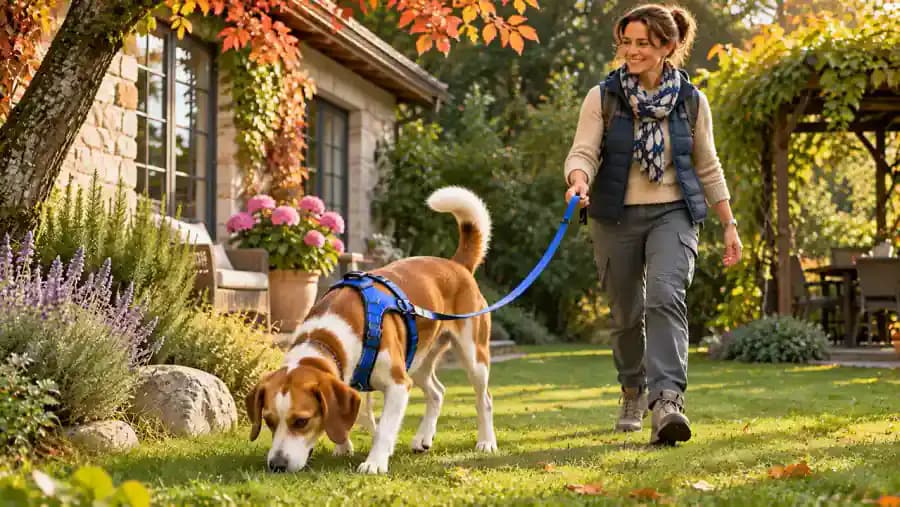
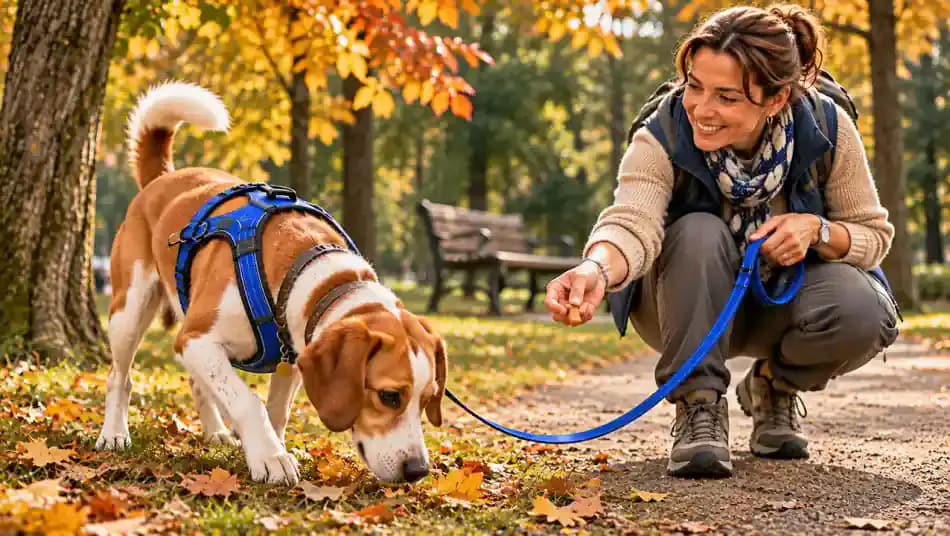
Begin leash practice in a securely enclosed, quiet area where your dog can explore safely. Allow them to sniff the ground and choose comfortable directions while you follow without pulling. Keep the leash loose and prevent it from tangling around obstacles. Reward relaxed movement, letting your dog become familiar with the equipment before introducing more structured walking.
Prepare for Real Walks
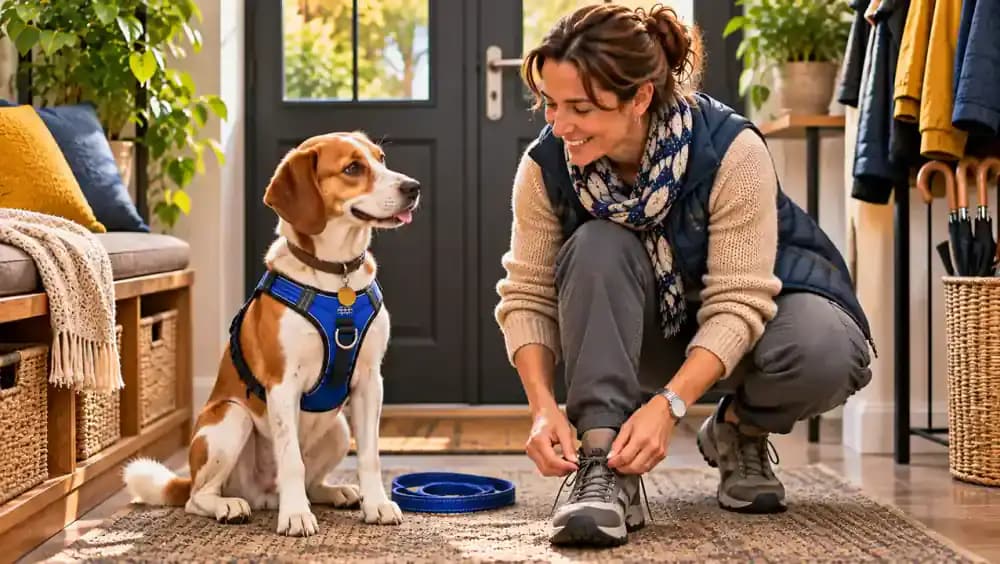
Introduce everyday departure activities one at a time while your dog wears the harness comfortably. Put on your shoes, pick up your keys, or approach the front door, rewarding calm behavior after each activity. Avoid rushing through everything together. If excitement or hesitation increases, simplify the routine and practice again before attempting a full walk.
Choose a Calm First Outing
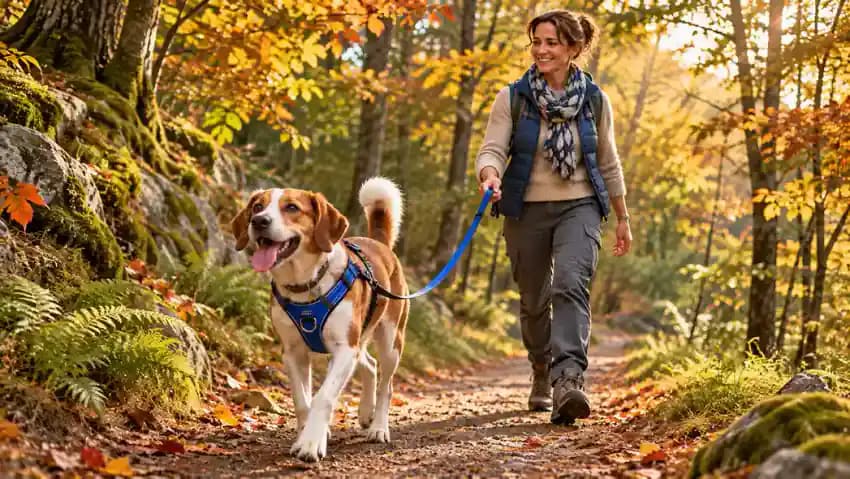
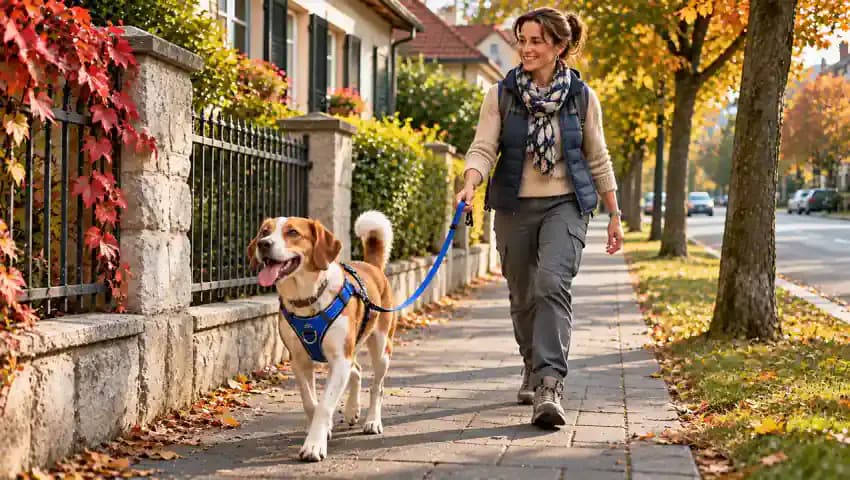
Choose a quiet time of day and a short, familiar route for your dog's first harness walk. Avoid crowded sidewalks, heavy traffic, and overwhelming distractions. Keep the leash loose and let your dog explore at a comfortable pace. Watch for hesitation or stress, and return home early if needed. Prioritize confidence over distance.
Guide Without Pulling
When your dog pauses to investigate something, avoid pulling them forward by the harness. Stop, use a gentle verbal cue, and reward any voluntary movement toward you. Keep the leash loose and allow reasonable opportunities to sniff. Consistent, pressure-free guidance helps your dog learn that walking together doesn't require uncomfortable pulling or sudden changes in direction.
Inspect for Rubbing After Walks
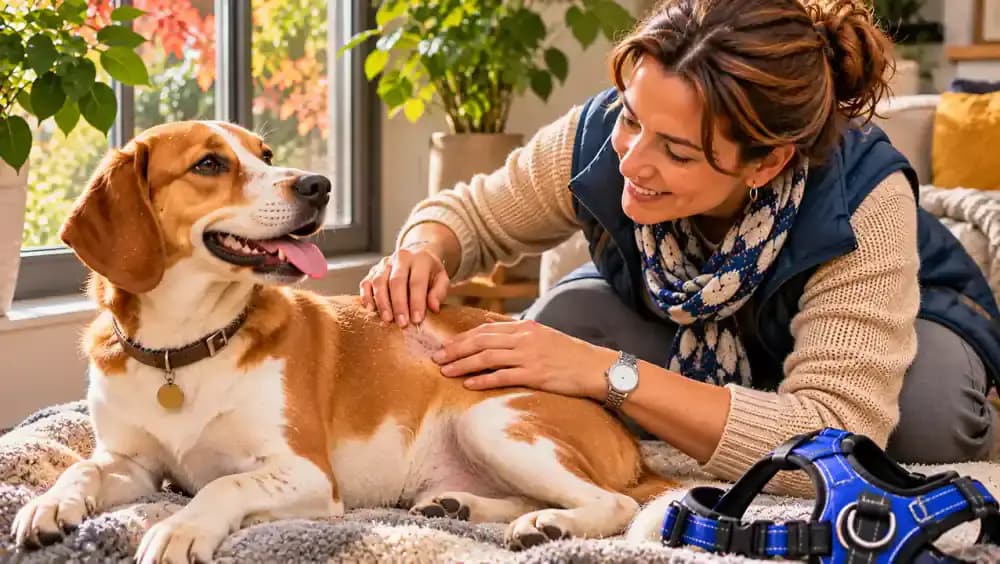
After each walk, remove the harness and gently examine areas where the straps touched your dog's skin and coat. Check behind the front legs, across the chest, and around the neck for redness, broken fur, or irritation. Pay extra attention after wet or lengthy outings. Stop using the harness if rubbing occurs until the cause is resolved.
Make Cooperation a Lifelong Habit
Continue rewarding voluntary participation even after your dog becomes comfortable wearing the harness. Pay attention to changing preferences, body condition, and mobility as your dog grows or ages. Adjust the equipment and training routine whenever comfort changes. Lasting success means your dog can approach the harness willingly, remain relaxed, and communicate when they need a break.
Teach a Clear Start Signal
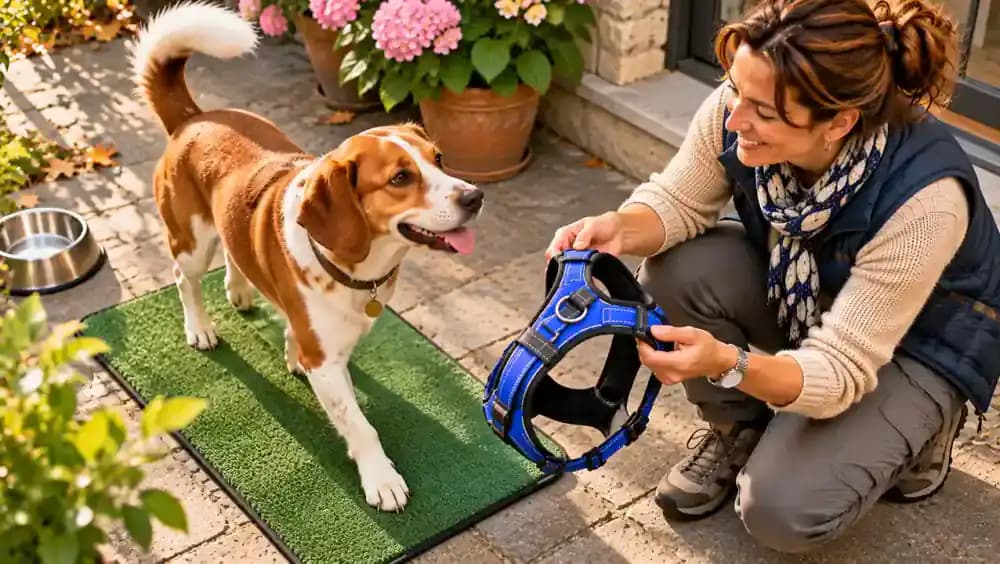
Place a small nonslip mat in your training area and reward your dog for voluntarily stepping onto it. Begin gentle harness handling only while they remain comfortably on the mat. If they step away, immediately pause the interaction. Over time, this predictable routine gives your dog a clear way to indicate readiness and request a break.
Keep Handling Consistent Across Family Members
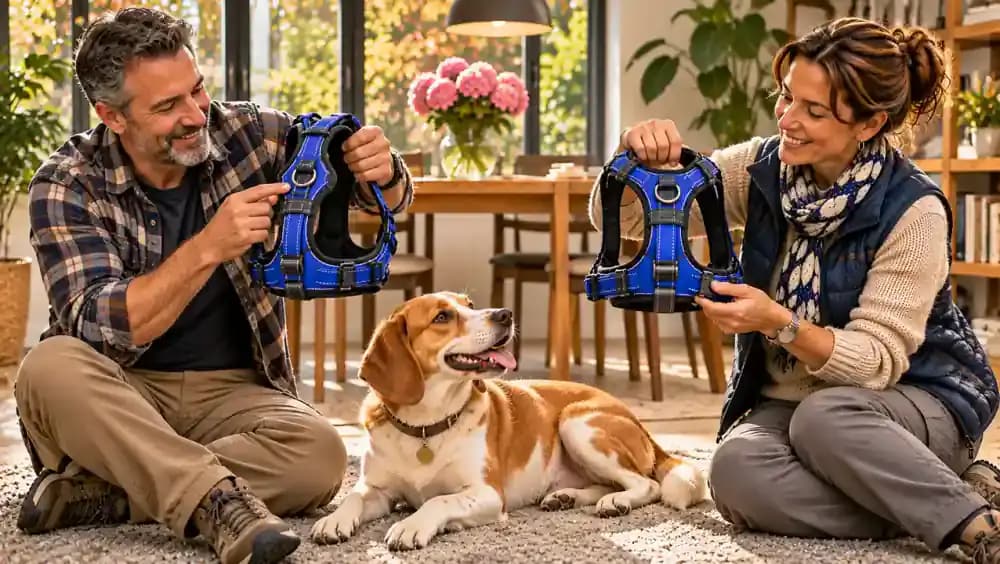
Make sure everyone who handles your dog's harness follows the same gentle routine. Agree on consistent verbal cues, reward timing, and how to position the equipment without forcing movement. Have each family member begin with familiar exercises before introducing anything new. Predictable handling helps your dog feel comfortable and confident regardless of who prepares them for a walk.
Find Rewards Your Dog Truly Enjoys
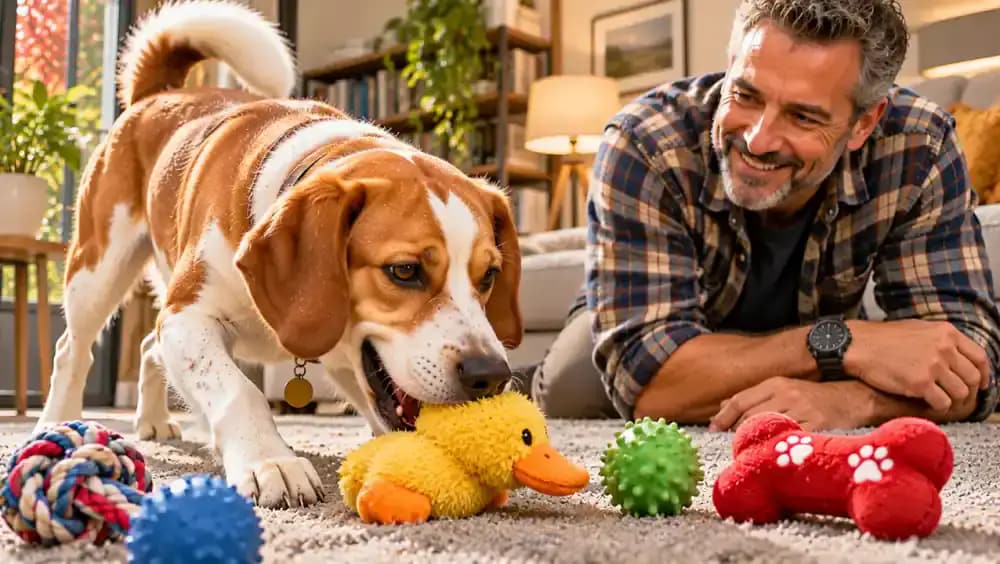
Experiment with different rewards to discover what motivates your dog during harness training. Offer small, soft treats, a favorite toy, or opportunities to sniff and explore. Choose rewards that encourage calm participation without excessive excitement. If your dog suddenly refuses something they normally enjoy, reduce the training difficulty and check whether they feel comfortable.
Recognize Early Signs of Uncertainty
Pay attention to subtle changes in your dog's body language before obvious avoidance develops. A suddenly closed mouth, still posture, or head turning away may indicate uncertainty, particularly when several signals appear together. Compare these behaviors with your dog's usual relaxed expression. Pause, provide space, and simplify the exercise whenever their comfort appears to decrease.
Maintain and Inspect Your Harness
Before each outing, check that the harness straps are correctly positioned, untwisted, and properly adjusted. Examine stitching, buckles, attachment rings, and adjustment sliders for wear or damage. Recheck sizing regularly, especially for growing puppies or dogs experiencing weight changes. Replace frayed straps or unreliable hardware immediately to prevent equipment failure during walks.

Investigate Sudden Harness Resistance
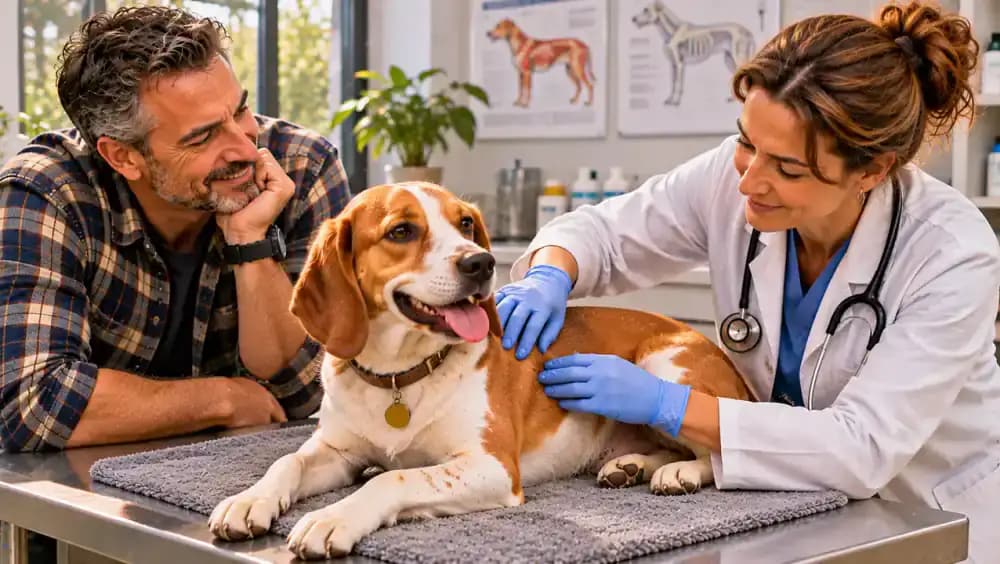
If your dog unexpectedly begins avoiding a harness they previously wore comfortably, stop and investigate possible sources of discomfort. Check for rubbing, incorrect adjustments, or changes in how the equipment contacts their body. Don't force another fitting. Consult your veterinarian if resistance appears suddenly, especially alongside sensitivity, unusual movement, or signs of pain.
Choose Trust Over Speed
Focus on your dog's comfort rather than how quickly you can fasten the harness or finish a walk. Offer opportunities to participate voluntarily, recognize hesitation, and adjust your approach without pressure. Continue rewarding calm cooperation even after training becomes routine. Patience, consistent handling, and respect for your dog's choices help maintain lasting confidence and trust.
You pick up your dog's harness, expecting an easy walk, but your dog immediately backs away. Maybe they hide behind the couch, lower their head, or refuse to come closer. What should be a simple part of your daily routine suddenly becomes a frustrating struggle.
If your dog doesn't like wearing a harness, forcing it over their head or chasing them around the room can make the problem worse. Dogs may become uncomfortable with the sensation of straps, the sound of buckles, unfamiliar handling, or the feeling of being restrained. Even a harness that fits correctly can seem intimidating when a dog hasn't had time to get used to it.
The goal isn't simply to get the harness onto your dog. It's to help your dog choose to participate willingly and associate the harness with predictable, positive experiences.
With a comfortable harness, small treats, and a little patience, you can introduce each part of the experience gradually. Your dog can investigate the harness, approach it voluntarily, become familiar with its openings and straps, and eventually wear it without unnecessary pressure.
Some dogs become comfortable after a few short sessions, while others need days or weeks. Watch your dog's body language, reward small signs of confidence, and let their comfort determine the pace. A relaxed dog is worth more than a rushed training session.
Where people go wrong
Forcing the Harness Onto a Reluctant Dog. Holding your dog still, pulling the harness over their head, or cornering them may get the equipment on temporarily, but it can also increase avoidance during future sessions. Instead, give your dog room to investigate and approach voluntarily. Reward small choices to participate, and allow them to move away without being chased or restrained.
Moving Too Quickly Between Training Stages. A dog who happily sniffs a harness isn't necessarily ready to have it fastened. Introducing head openings, body contact, buckle sounds, and fastening all at once can overwhelm an uncertain dog. Practice each new sensation separately, look for relaxed participation, and advance only when your dog remains comfortable with the previous experience.
Using Treats to Lure a Dog Into Discomfort. Holding an irresistible treat beyond the harness opening may tempt your dog to stretch forward farther than they feel comfortable. Once the treat disappears, they may retreat or become more hesitant. Instead, reward voluntary approaches and small movements toward the opening. Keep the harness steady and let your dog decide how far to move.
Ignoring Subtle Signs of Stress. Freezing, repeated lip licking, turning away, lowering the body, or attempting to escape can indicate that your dog needs more space or an easier exercise. Continuing because the dog isn't barking or struggling overlooks important communication. Pause when these behaviors appear, reduce the difficulty, and resume only when your dog seems comfortable and willing.
Choosing a Harness That Rubs or Restricts Movement. Even successful training won't make an uncomfortable harness a good choice. Straps that press into the armpits, interfere with shoulder movement, or shift excessively can make wearing the harness unpleasant. Check the manufacturer's fitting instructions, examine contact points, and observe your dog walking naturally. Adjust or replace equipment that causes rubbing or limits movement.
Practicing Only When It's Time for a Walk. If the harness appears only when you're rushing out the door, your dog may experience pressure before they've learned what to expect. Set aside calm practice sessions that don't require leaving the house. This removes the urgency to finish, lets your dog participate at their own pace, and makes it easier to reward relaxed behavior.
Leaving the Harness On for Too Long Initially. A dog who tolerates a fastened harness for a few seconds may not be ready to wear it for an entire afternoon. Prolonged exposure can introduce discomfort that undermines earlier progress. Begin with very brief, successful experiences, reward cooperation, and remove the harness calmly before your dog becomes distressed. Increase wearing time gradually.
Questions people ask
Your dog may associate the harness with uncomfortable handling, unfamiliar sensations, or previous attempts to put it on too quickly. Some dogs also dislike equipment passing over their heads or touching sensitive areas. Avoid chasing or restraining your dog. Instead, place the harness nearby, allow voluntary investigation, and reward relaxed behavior. If the reaction is sudden or accompanied by signs of pain, consult your veterinarian.
Fixed it?
Get one guide like this every Thursday.