How to Help a Rescue Dog Learn Your Household Routine
Help your newly adopted rescue dog feel comfortable at home with predictable meals, bathroom breaks, gentle exercise, quiet rest, and patient daily routines.

What you’ll need
Tap to tick things off before you start.
A New Home, An Unfamiliar World
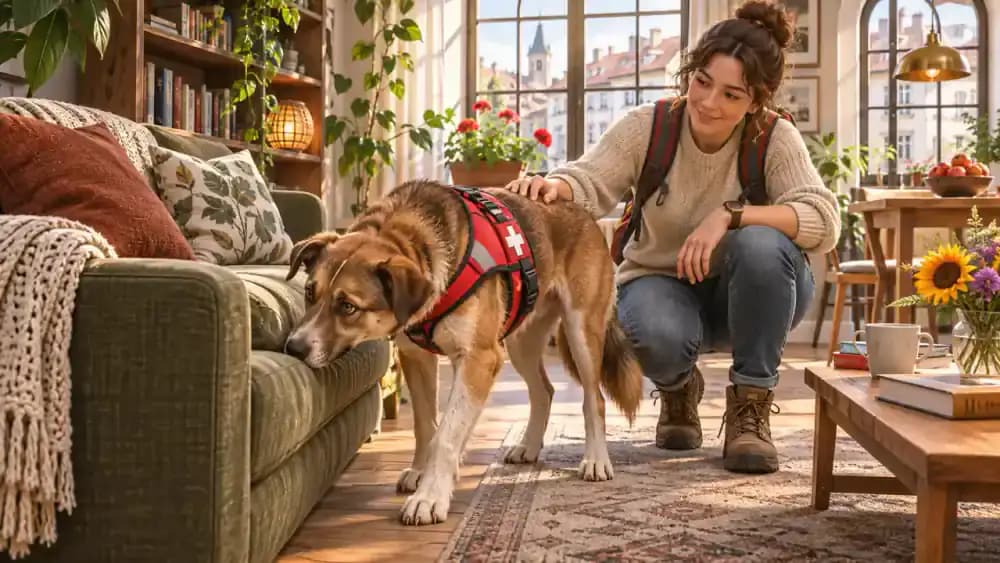
Give your newly adopted rescue dog time to explore their new surroundings without pressure. Keep the environment calm, allow them to sniff unfamiliar spaces, and avoid forcing interactions. Your dog does not yet understand household expectations, so focus on establishing safety and predictability. Introduce familiar daily patterns gradually instead of expecting immediate adjustment.
Build a Schedule You Can Maintain
Create a simple daily schedule covering wake-up times, bathroom breaks, meals, walks, and uninterrupted rest. Write it in a notebook or display it on the refrigerator so everyone follows similar routines. Keep activities in a recognizable order without enforcing rigid times. Adjust the schedule to accommodate your dog's age, energy level, comfort, and individual needs.

Make Bathroom Breaks Predictable
Take your rescue dog outside after waking, after meals, before bedtime, and whenever they show signs of needing a bathroom break. Visit a familiar grassy area and allow time for sniffing. Immediately reward successful outdoor toileting with gentle praise or a treat. If an indoor accident occurs, clean it with a pet-safe enzymatic cleaner without punishment.

Establish Meals and Gentle Exercise
Feed your rescue dog appropriate portions at roughly consistent times, and keep fresh drinking water available throughout the day. Serve meals in a quiet location without unnecessary interruptions. Start with short, relaxed walks in familiar surroundings, allowing time to sniff and explore. Adjust walking distance and intensity according to your dog's age, health, energy, and comfort.

Protect Quiet Time and Rest
Place a comfortable dog bed in a peaceful area away from busy walkways, loud appliances, and frequent interruptions. Let your rescue dog approach or leave this space voluntarily. Avoid waking them for attention, forcing affection, or allowing visitors to disturb their rest. Encourage household members to respect this quiet area so your dog can relax undisturbed.

Use Familiar Cues and Sequences
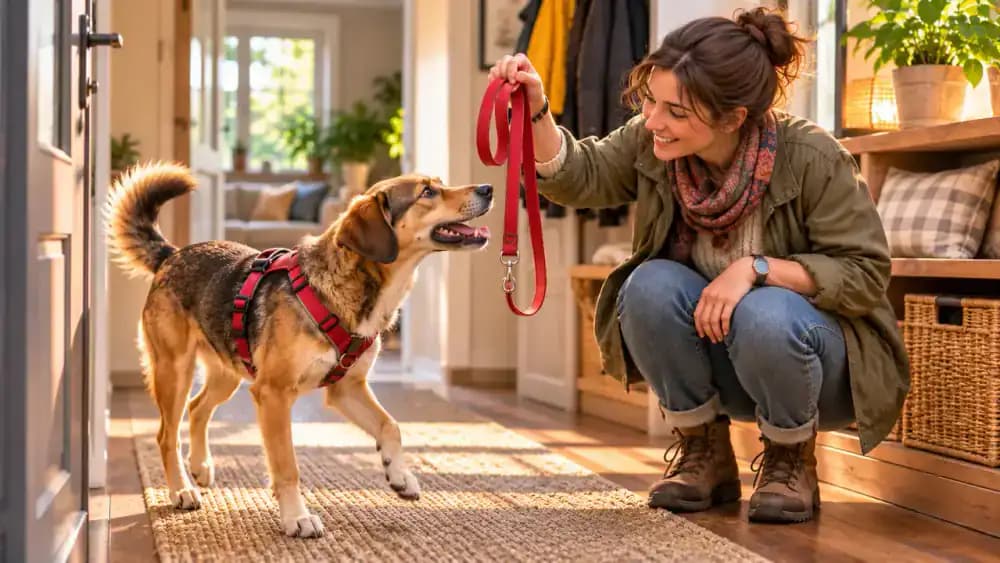
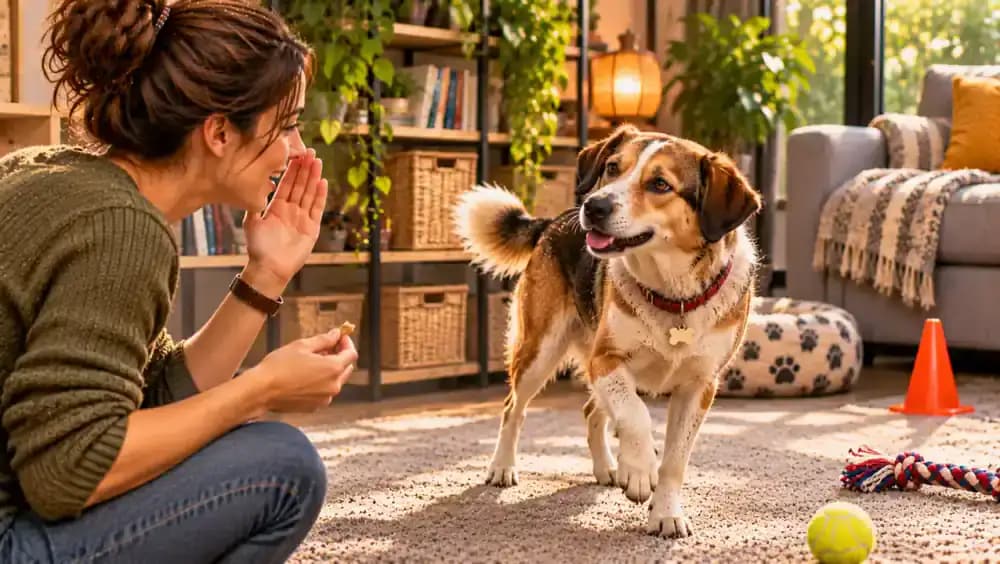
Introduce simple, consistent signals before everyday activities so your rescue dog can anticipate what comes next. Pick up the same leash before walks, use a friendly phrase before serving meals, and establish a familiar bedtime sequence. Repeat these cues calmly without demanding immediate responses. Over time, recognizable patterns can help your dog navigate daily life with greater confidence.
Respond to Setbacks With Flexibility
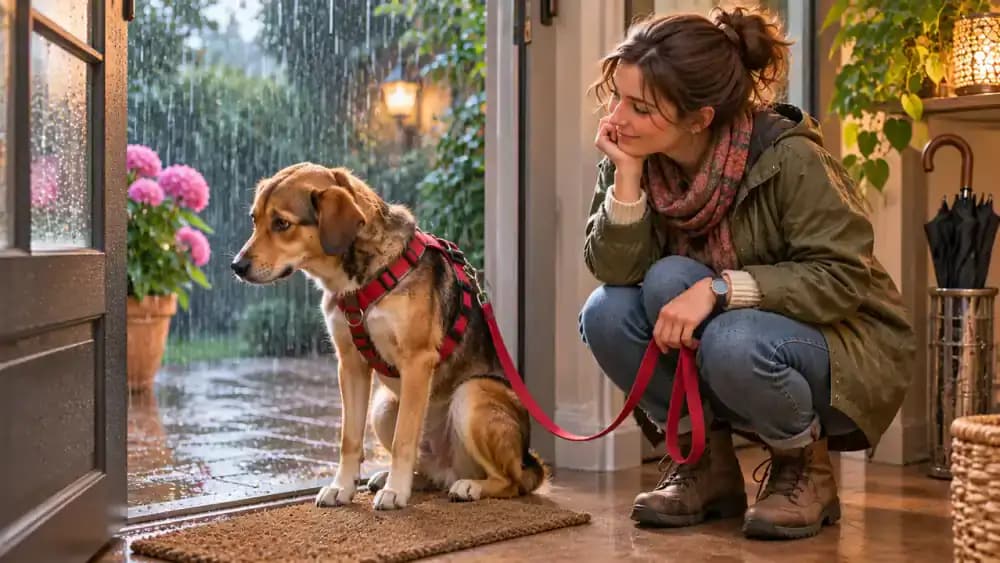
Expect occasional setbacks as your rescue dog adjusts to household life. If your dog hesitates at a doorway, avoids a walk, or has an indoor accident, observe their body language instead of forcing compliance. Reduce distractions, offer a manageable alternative, and remain patient. Contact your veterinarian if behavioral changes are sudden, persistent, or accompanied by concerning physical symptoms.
Build Trust Through Everyday Consistency
Notice small improvements as your rescue dog becomes familiar with household life over the following weeks. They may approach the door when you prepare a walk, settle after breakfast, or choose their resting area independently. Continue reinforcing comfortable routines while allowing individual preferences to develop. Measure progress through relaxed behavior and voluntary engagement, not an arbitrary adjustment deadline.
Keep Household Rules Consistent
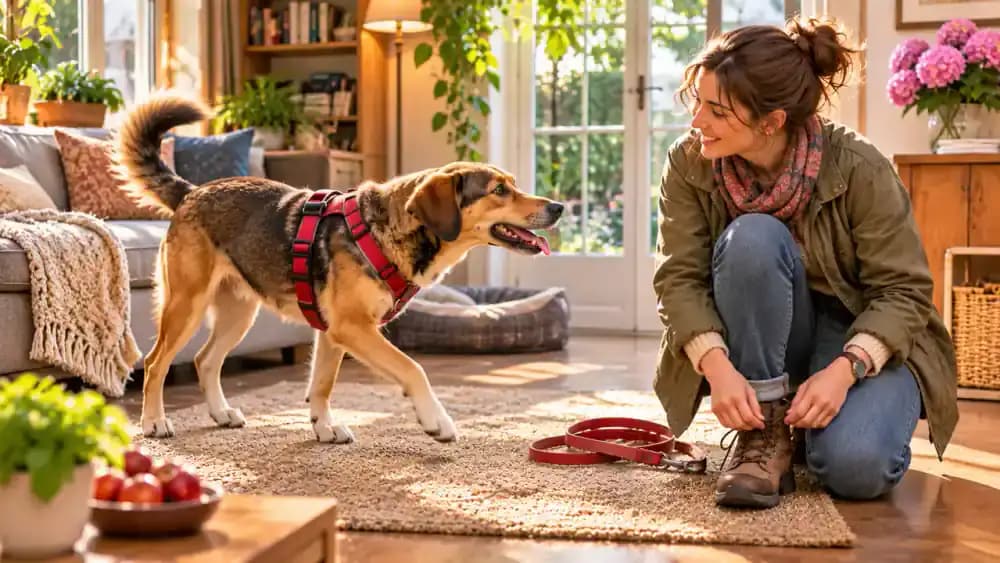
Agree on basic household rules with everyone who interacts with your rescue dog. Decide which rooms are accessible, where toys belong, and how to invite your dog onto designated resting areas. Use consistent, reward-based guidance rather than conflicting commands or punishment. Make expectations clear to children and guests, and ensure every family member respects your dog's personal space and comfort.
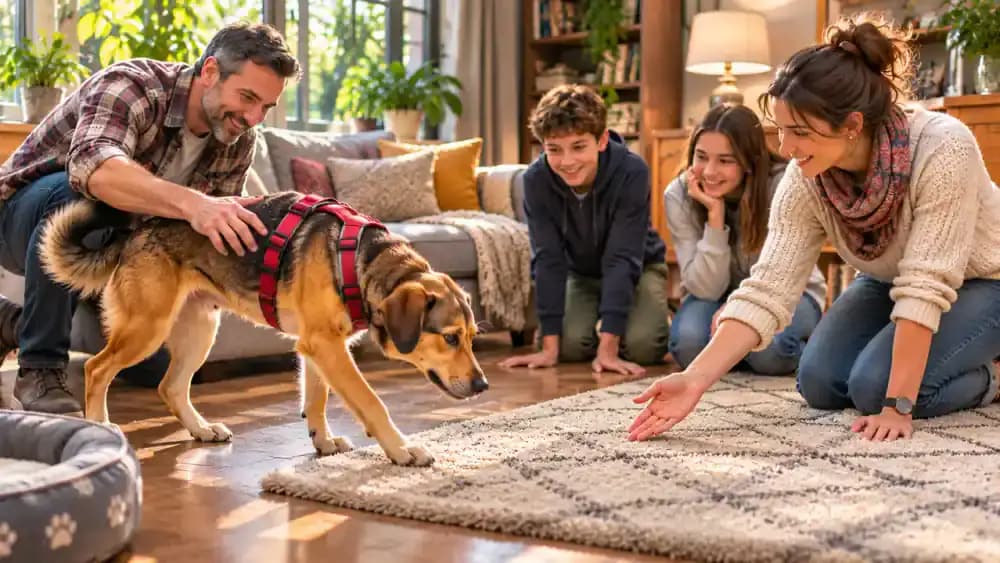
Introduce Visitors Without Pressure
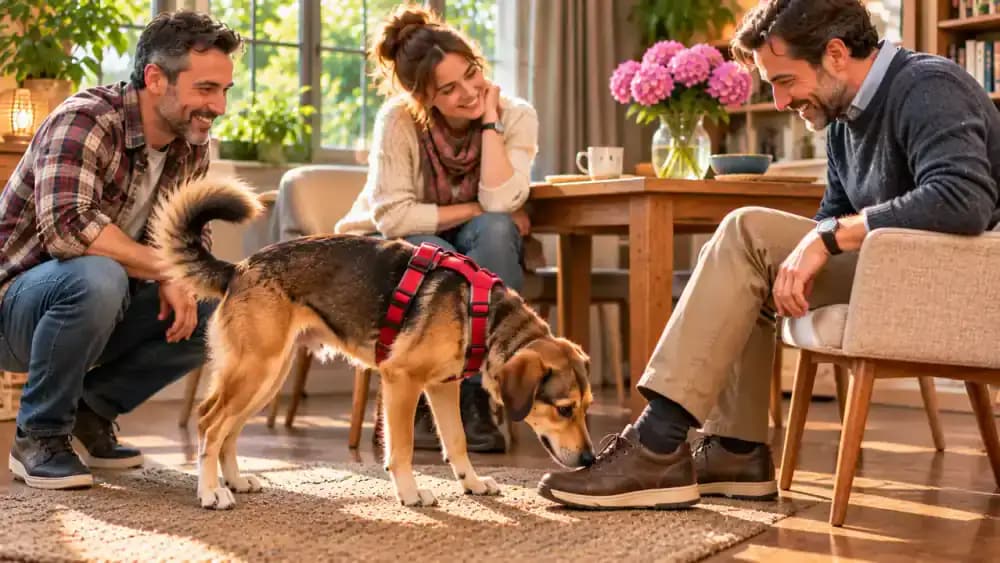
Prepare a quiet retreat before inviting visitors into your home, and let your rescue dog decide whether to participate. Ask guests to remain seated, avoid direct approaches, and refrain from reaching toward the dog. If your dog voluntarily investigates, allow a brief, calm interaction without forcing contact. Watch for discomfort and provide an easy escape to their resting area.
Practice Comfortable Time Apart
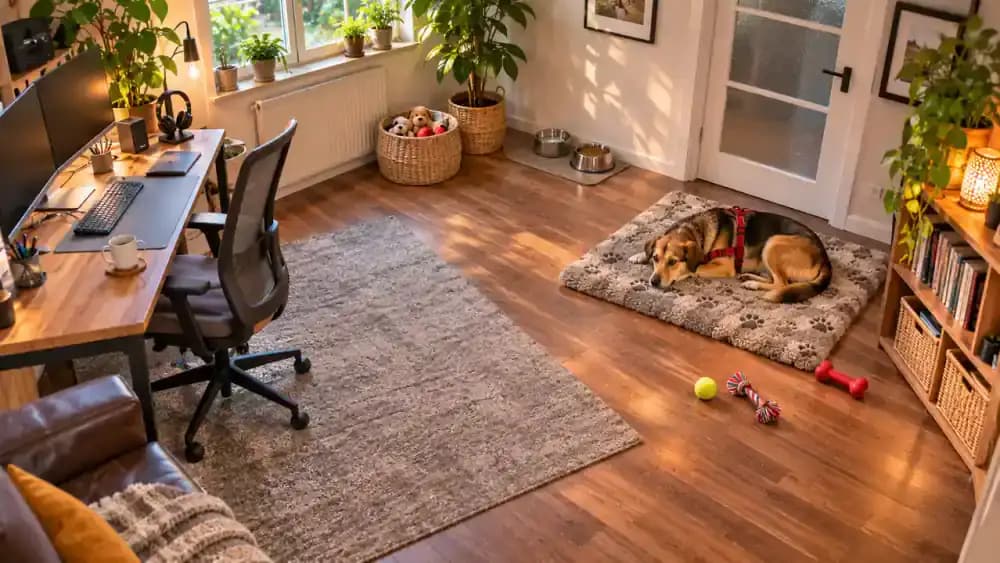
Help your rescue dog become comfortable with ordinary departures by starting with very brief absences in a familiar, dog-proofed space. Use a pet camera to observe their behavior, and return calmly before signs of distress develop. Increase separation gradually only when your dog remains comfortable. Seek qualified behavioral support if persistent barking, panic, or destructive escape attempts occur.
Add Simple Mental Enrichment
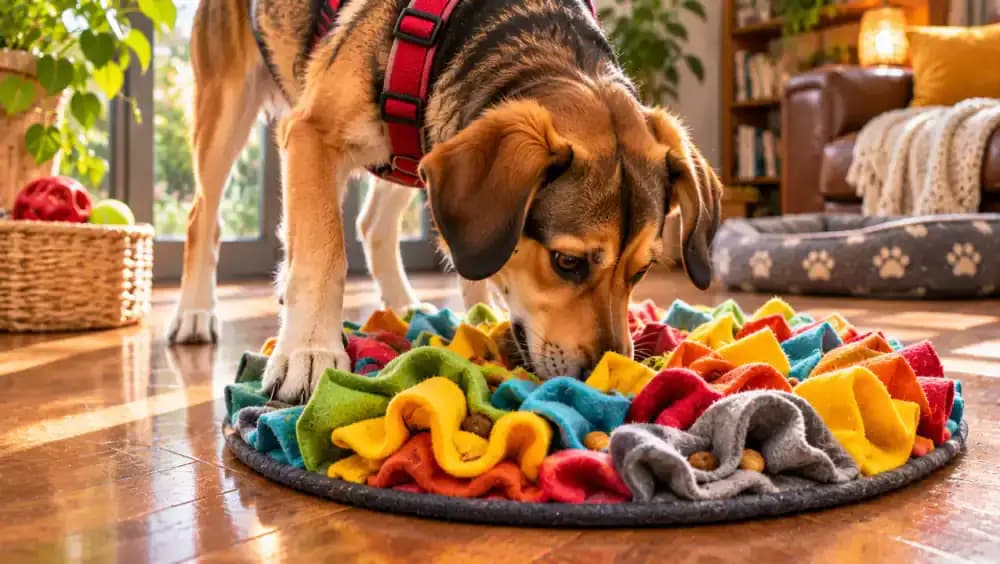
Include short, enjoyable enrichment activities between your rescue dog's regular meals, walks, and rest periods. Scatter a few pieces of their usual kibble in a safe area, introduce a suitable snuffle mat, or offer a simple puzzle feeder. Supervise unfamiliar toys, keep activities manageable, and allow your dog to stop whenever they lose interest or become uncomfortable.
Manage Everyday Household Noise
Introduce ordinary household sounds carefully, especially appliances, doorbells, and busy family activities. Allow your rescue dog to observe from a comfortable distance with an unobstructed route to a quiet retreat. If they appear uneasy, stop or reduce the noise and give them space. Reward calm behavior when appropriate, but never force your dog to remain near frightening sounds.
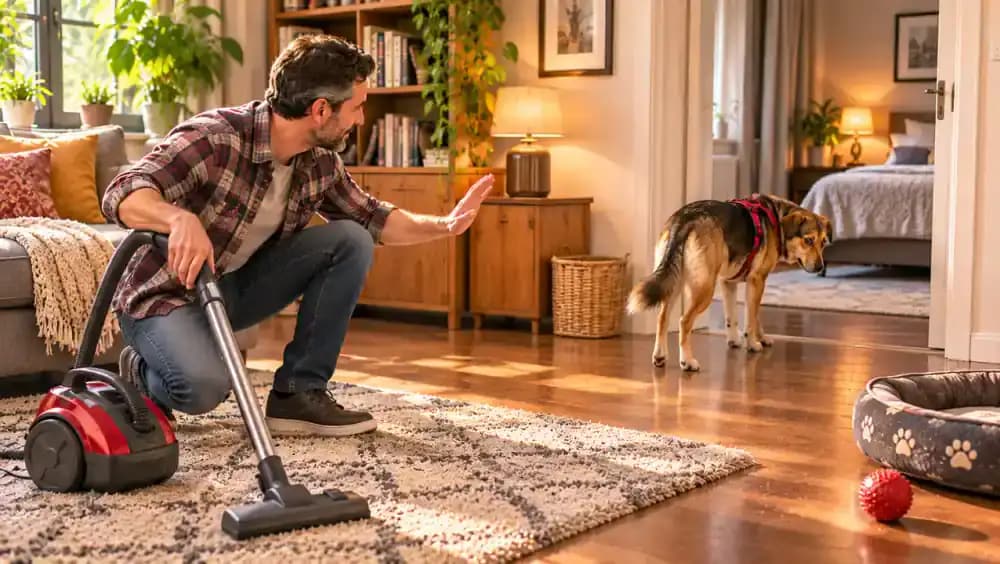
Learn to Read Your Dog's Signals
Observe your rescue dog's entire body when introducing activities or interacting with unfamiliar objects. Soft eyes, loose posture, and voluntary approaches may indicate comfort, while turning away, repeated lip licking, or a tucked tail can suggest uneasiness. Consider the surrounding circumstances instead of interpreting one gesture alone. Increase distance or reduce stimulation when your dog appears uncomfortable.
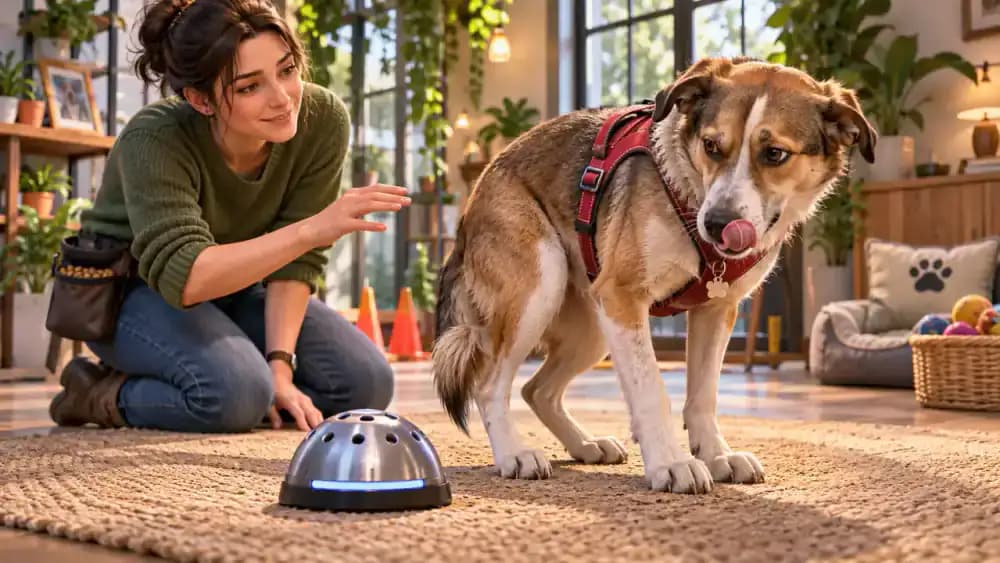
Prepare for Changes in Your Schedule
Plan for unexpected appointments, delayed workdays, and weather changes before they disrupt your rescue dog's essential care. Identify a trusted backup caregiver, keep written instructions accessible, and organize food, leashes, and cleaning supplies. Preserve bathroom opportunities, meals, and rest even when exact timing changes. If your dog has medical or mobility limitations, coordinate appropriate adjustments with your veterinarian.
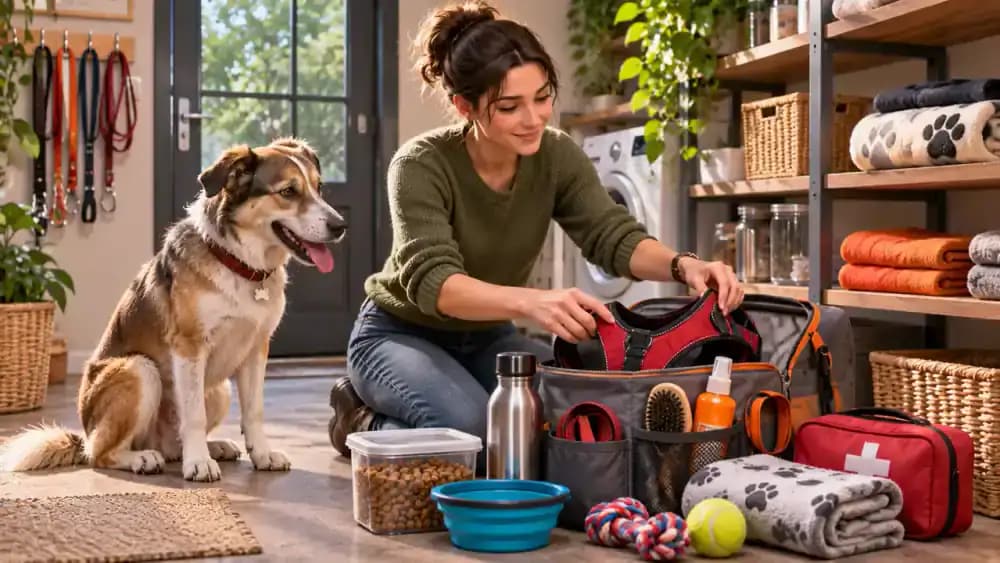
Let Your Routine Grow With Your Dog
Review your rescue dog's daily routine as their confidence, preferences, and needs change over time. Adjust meal schedules, exercise, enrichment, and rest based on their comfort and well-being rather than strict deadlines. Watch for relaxed behavior, healthy habits, and voluntary interaction. Keep familiar patterns while making gradual improvements that support your dog's long-term happiness and security.

Make Grooming Part of Everyday Life
Introduce grooming gradually by allowing your rescue dog to investigate a soft brush, towel, or paw cloth before handling begins. Reward voluntary interest with praise or small treats, then try brief, gentle contact. Use a nonslip surface and watch for discomfort. Keep sessions short, stop when necessary, and build positive associations before attempting longer grooming activities.

Include Veterinary Care in the Routine
Schedule a veterinary appointment after adoption to review your rescue dog's health history, vaccinations, parasite prevention, and microchip registration. Discuss suitable nutrition, exercise, and any special care requirements with your veterinarian. Keep medical records and recommendations organized in an accessible location. Share essential information with household members and caregivers so everyone follows the same current care plan.

Create Positive Neighborhood Experiences
Choose quiet walking routes where your rescue dog can observe unfamiliar people, bicycles, traffic, and other animals from a comfortable distance. Keep the leash relaxed and avoid forcing greetings or close encounters. Reward calm observation when your dog is receptive. If their posture changes or they appear uneasy, move toward a quieter area and allow time to recover.
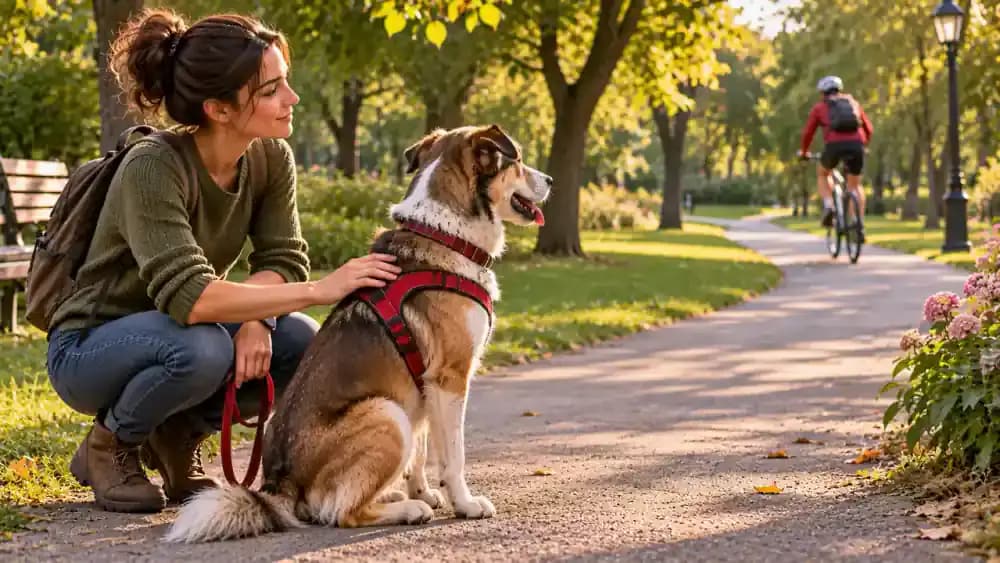
Build Trust Around Food and Toys
Respect your rescue dog's space when they are eating, chewing, or enjoying a favorite toy. Avoid grabbing objects directly from their mouth or disturbing meals. Practice voluntary exchanges by offering an appealing alternative and rewarding willing cooperation. Never force a trade if your dog appears uncomfortable. Seek qualified, reward-based behavioral guidance if guarding behavior makes interactions unsafe.

Track Patterns Instead of Individual Mistakes
Keep a simple daily journal of your rescue dog's meals, bathroom habits, sleep, exercise, and behavior. Record when unusual reactions occur and what was happening beforehand. Review observations across several days to identify recurring patterns rather than focusing on isolated setbacks. Share relevant notes with your veterinarian or qualified trainer if persistent concerns require professional guidance.

Expand Experiences at Your Dog's Pace
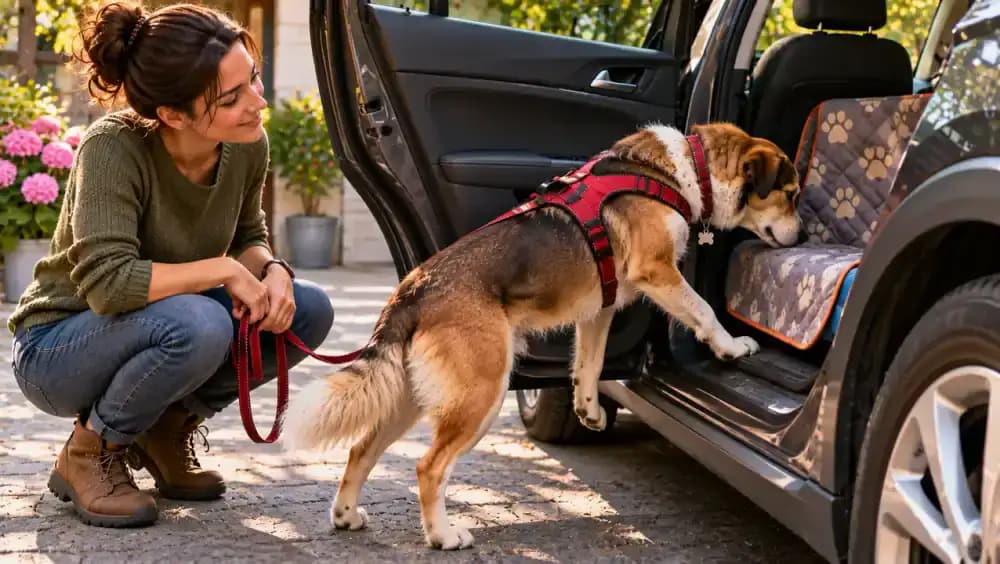
Introduce new experiences gradually as your rescue dog becomes more comfortable with familiar routines. Try a different walking route, a short car introduction, or a quiet visit with someone they know. Start with manageable activities and allow your dog to investigate voluntarily. Watch their body language, provide an easy exit, and stop before discomfort becomes overwhelming.
A Routine Built on Trust
Focus on creating a household rhythm that helps your rescue dog anticipate meals, bathroom breaks, activity, and rest without depending on a perfect timetable. Continue observing their preferences and responding patiently when circumstances change. Celebrate voluntary interaction and relaxed behavior as meaningful progress. A dependable routine develops through consistent care, flexibility, and mutual trust over time.

Make Busy Mornings Easier
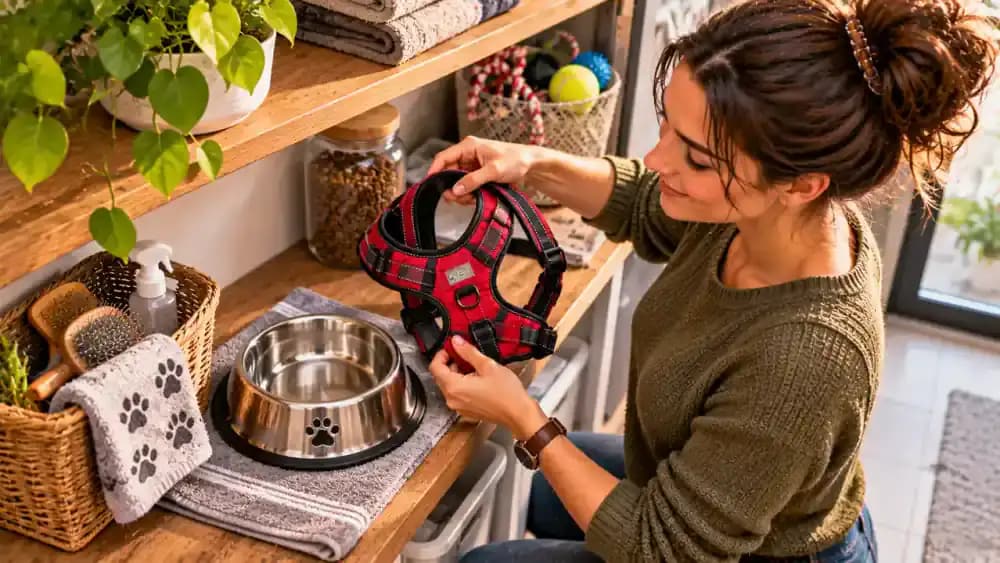
Prepare your rescue dog's morning essentials the night before to avoid unnecessary rushing. Organize the leash, harness, clean feeding bowl, and any prescribed care supplies in a convenient location. Begin the morning with a calm greeting and a predictable bathroom opportunity before tackling household tasks. Maintain familiar activity sequences even when your work schedule requires occasional timing adjustments.
Make Activity Transitions Predictable
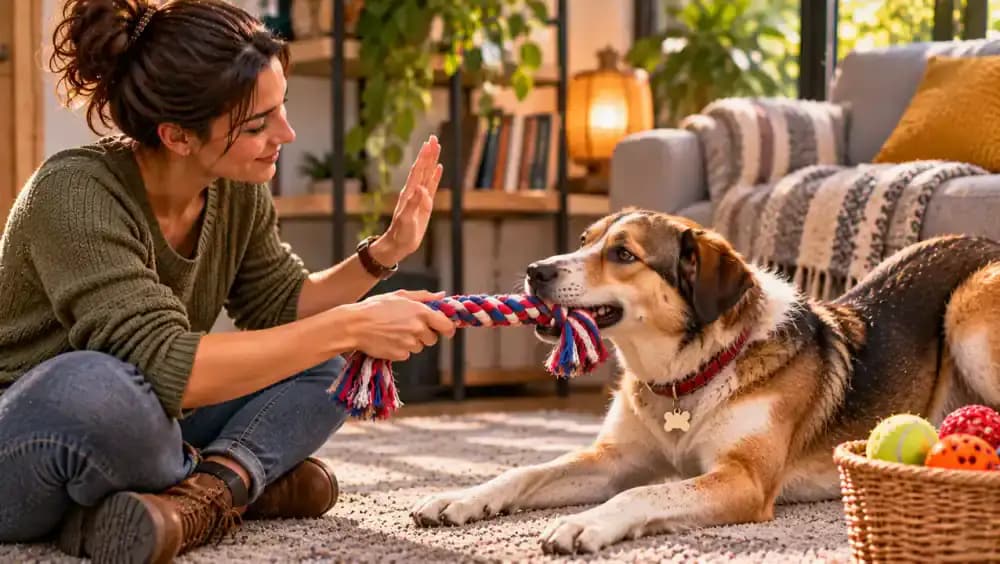
Help your rescue dog move comfortably between playtime, meals, walks, and rest by using familiar verbal cues and gradual changes in activity. Before ending a game, slow your movements and encourage a voluntary toy release with positive reinforcement. Put toys away calmly and allow a brief settling period. Avoid abrupt interruptions that could make ordinary transitions confusing or stressful.
Teach Children Respectful Interactions
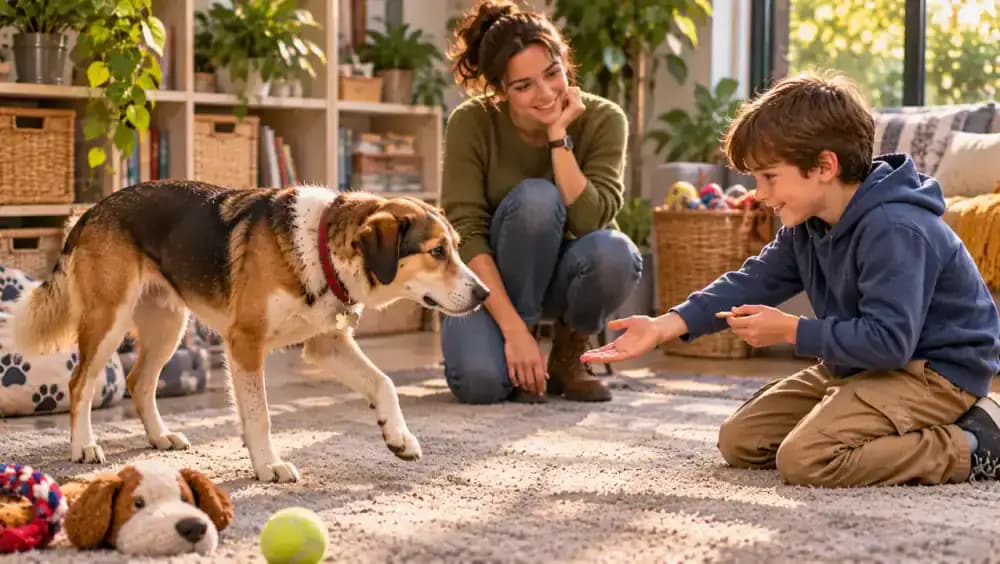
Teach children to respect your rescue dog's boundaries by inviting interaction instead of chasing, hugging, or cornering them. Encourage children to remain calm and let the dog approach voluntarily. Always supervise interactions closely, regardless of how comfortable everyone appears. Use a secure gate or separate spaces when direct supervision is unavailable, and allow your dog to retreat freely.
Recognize Changes That Need Attention
Monitor your rescue dog's appetite, energy, drinking habits, and general behavior as they adjust to household life. Record noticeable changes in your daily care journal rather than assuming every concern reflects adjustment stress. Contact your veterinarian about sudden appetite loss, repeated vomiting, unusual thirst, or pronounced lethargy. Seek prompt veterinary attention when symptoms are severe or rapidly worsening.

Create a Calm Evening Atmosphere
Establish a relaxing evening routine by gradually dimming household lights, putting away stimulating toys, and reducing noisy activities. Offer a final outdoor bathroom opportunity before bedtime and check whether your rescue dog needs water or other basic care. Keep their sleeping area comfortable and accessible. Use familiar, gentle cues to encourage rest without forcing your dog to settle immediately.

Keep Training Goals Small and Achievable
Focus on practical skills that make everyday routines easier, such as responding to their name, voluntarily checking in, and moving calmly through doorways. Practice in a quiet area with minimal distractions, using small rewards for desired responses. Keep sessions brief and enjoyable, and finish while your dog remains comfortable and engaged. Increase difficulty gradually as confidence develops.
A Lifetime of Dependable Care
Maintain your rescue dog's familiar routines while adapting to changes in age, health, energy, and household circumstances. Continue providing predictable meals, bathroom opportunities, appropriate activity, and peaceful rest. Respect their need for personal space and welcome voluntary interaction. Measure success through comfort, trust, and everyday well-being rather than perfect obedience to a schedule. Dependable care remains an ongoing commitment.

Your newly adopted rescue dog steps through the front door, pauses, and looks around. Everything is unfamiliar - the furniture, household sounds, people, and even the location of the back door. You already know when breakfast happens, where everyone sleeps, and what an ordinary afternoon looks like. Your dog doesn't.
Helping a rescue dog learn your household routine starts with making everyday life predictable, not demanding immediate obedience. A simple pattern of bathroom opportunities, regular meals, comfortable exercise, positive interaction, and uninterrupted rest gives your dog repeated chances to understand what happens next.
In the beginning, everyday transitions offer useful learning opportunities. Going outside after waking or eating, hearing the same friendly cue before a walk, and resting in a quiet area can gradually become familiar experiences. Calm praise and small rewards help reinforce behaviors you want to encourage, while patience makes occasional accidents or setbacks easier to manage.
You don't need a rigid schedule that runs precisely by the clock. Consistent sequences and recognizable cues often matter more than exact timing. Your dog's age, background, physical comfort, and individual personality should shape the pace.
Over the first few weeks, watch for small changes: choosing a favorite resting spot, approaching you voluntarily, or appearing more relaxed during familiar activities. The goal isn't a perfect schedule. It's a household rhythm your dog can understand and feel comfortable living within.
Where people go wrong
Expecting Your Rescue Dog to Understand the Schedule Immediately. A newly adopted dog cannot automatically know when meals happen, which door leads outside, or where to rest. Expecting immediate understanding can create unnecessary frustration. Introduce predictable patterns gradually, repeat familiar cues, and allow time for observation. Look for small improvements rather than expecting your dog to settle into every household activity within the first few days.
Changing Bathroom Break Times Too Often. Irregular bathroom opportunities make it harder for a new dog to develop reliable expectations. Offer outdoor breaks after waking, meals, and other predictable transitions, with additional opportunities based on individual needs. Calmly reward successful outdoor toileting. If an accident happens indoors, clean the area thoroughly without scolding, then reconsider whether your dog needs more frequent opportunities.
Creating a Schedule That Is Too Rigid. Consistency is helpful, but treating every activity as a strict appointment can make ordinary changes unnecessarily stressful. Dogs can learn from repeated sequences, familiar words, and environmental cues without requiring identical clock times every day. Keep the general order of meals, bathroom breaks, activity, and rest recognizable while allowing reasonable adjustments for your dog's comfort and your household's needs.
Overloading the First Week With Visitors and Activities. Introducing too many people, outings, noises, or new experiences at once can overwhelm a dog who is still learning the home environment. Keep early activities manageable and watch how your dog responds. If your dog withdraws, freezes, avoids interaction, or appears uncomfortable, reduce the intensity and offer a quieter alternative. Gradual exposure is more useful than forcing participation.
Interrupting Your Dog's Rest to Encourage Bonding. Frequent petting, calling, or handling during rest can make a new environment feel unpredictable. Give your rescue dog a comfortable place to retreat and establish a household rule that resting dogs are left undisturbed. Invite interaction when your dog is awake and receptive, but allow them to decline. Voluntary engagement is a better foundation for trust than constant attention.
Making Walks Too Long or Physically Demanding. A lengthy walk is not automatically better for a newly adopted dog. Physical needs differ by age, size, health, fitness, and comfort with unfamiliar surroundings. Begin with manageable outings that allow relaxed exploration and bathroom opportunities. Adjust the pace or shorten the activity if your dog appears tired, hesitant, or uncomfortable. Ask your veterinarian about appropriate exercise when health limitations are known or suspected.
Punishing Accidents or Other Early Setbacks. Scolding a rescue dog for an indoor accident or an unfamiliar behavior does not explain what you want them to do instead. It can also make interactions more stressful. Clean accidents calmly, offer more appropriate opportunities, and reward desired behavior when it occurs. If progress stalls, review the environment and schedule before assuming your dog is being stubborn or deliberately disobedient.
Comparing Your Dog's Adjustment With Another Dog's Timeline. Some rescue dogs begin exploring and engaging quickly, while others need considerably more time to feel comfortable. A popular adjustment timeline is not a deadline or a guarantee. Pay attention to your dog's individual responses, including relaxation, appetite, willingness to explore, and voluntary interaction. Adjust expectations as needed and seek professional guidance when persistent difficulties affect daily well-being.

Questions people ask
Some dogs begin recognizing daily patterns within several days, while others may need weeks or longer to become comfortable. Learning the sequence of meals, bathroom breaks, walks, and rest is not necessarily the same as feeling fully settled. Your dog's background, age, temperament, and environment all influence progress. Focus on consistent opportunities and gradual improvements instead of expecting a fixed adjustment deadline.
Fixed it?
Get one guide like this every Thursday.