How to Get Your Cat Comfortable with Nail Clippers
Does your cat disappear the moment nail clippers come out? Learn how to build trust with gentle handling, treats, and short practice sessions so nail trimming becomes less stressful for both of you.

What you’ll need
Tap to tick things off before you start.
Why Nail Clippers Make Cats Disappear
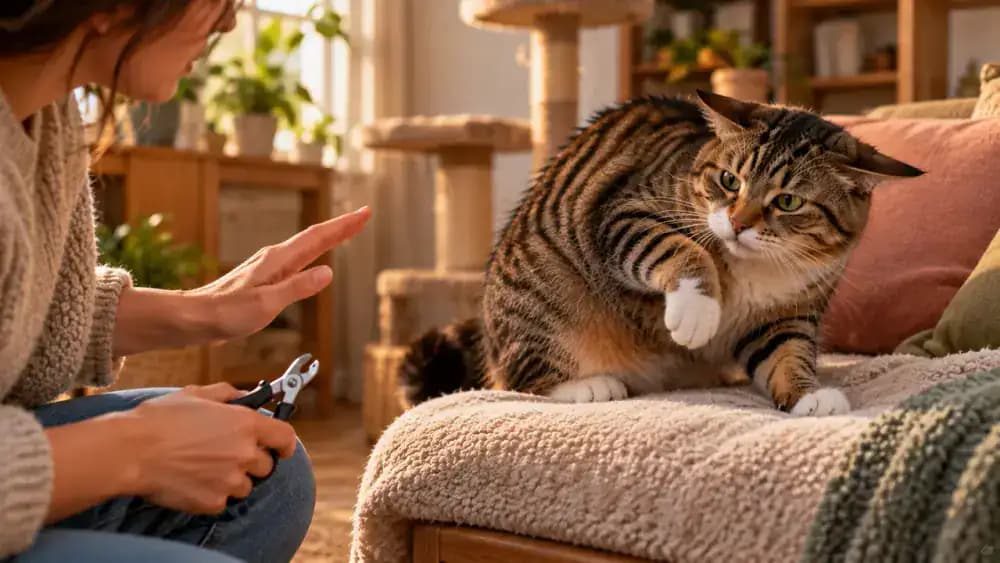
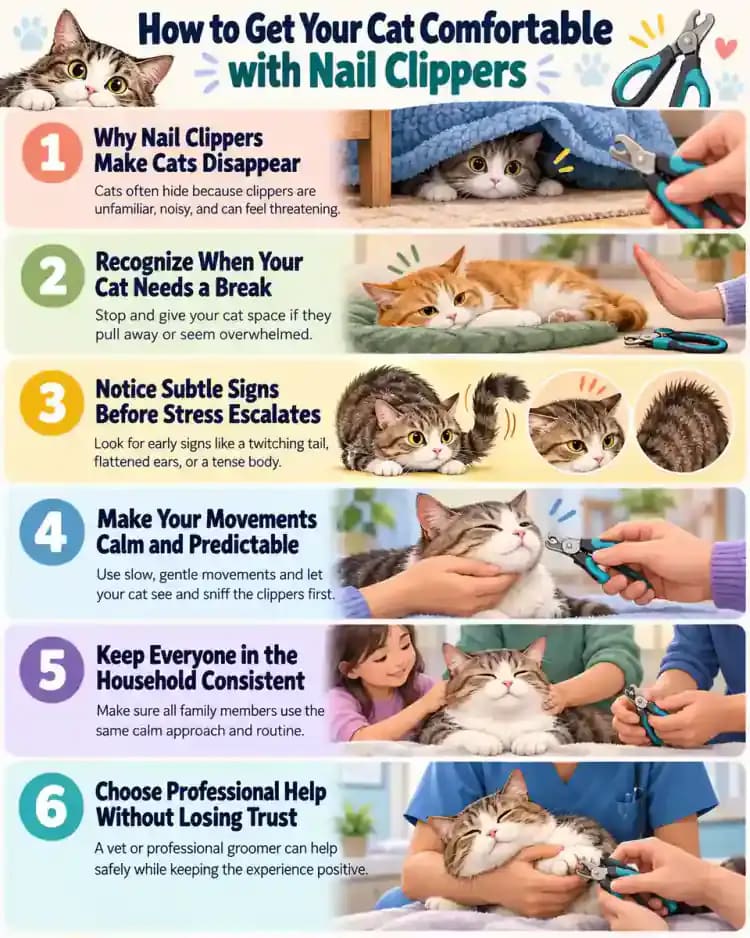
If your cat vanishes whenever nail clippers appear, don't follow or force an introduction. The unfamiliar tool, clicking sounds, or previous uncomfortable handling may make your cat uneasy. Instead, put the clippers away and allow your cat to retreat freely. Building a sense of safety and control comes before attempting any nail trimming.
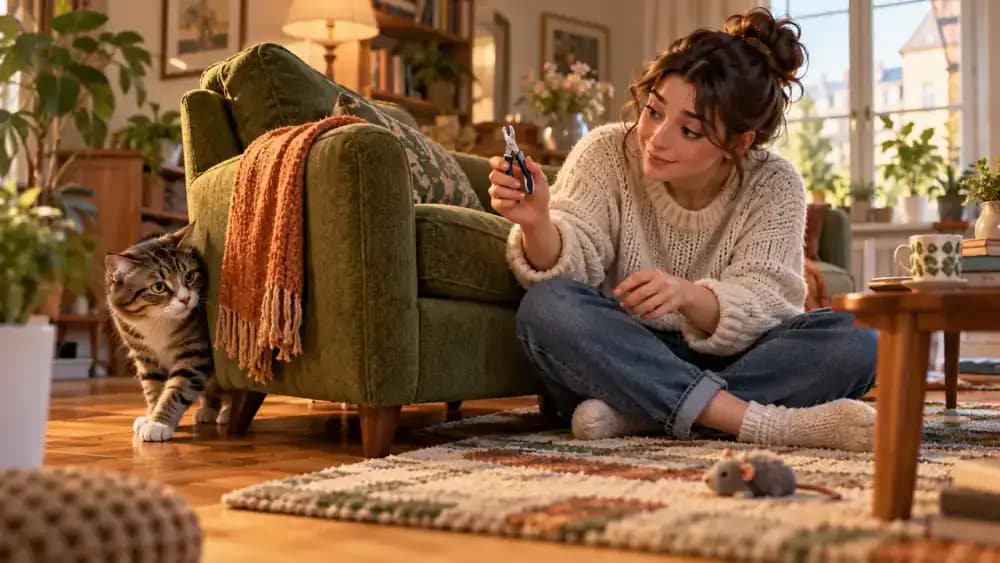
Make the Clippers a Harmless Object
Place closed nail clippers on the floor several feet from your cat's favorite resting spot. Leave them completely still and offer a small treat whenever your cat calmly notices them. Reward voluntary approaches or sniffing, but never move the clippers closer. Repeat these relaxed introductions until the clippers become an ordinary, uninteresting part of the environment.
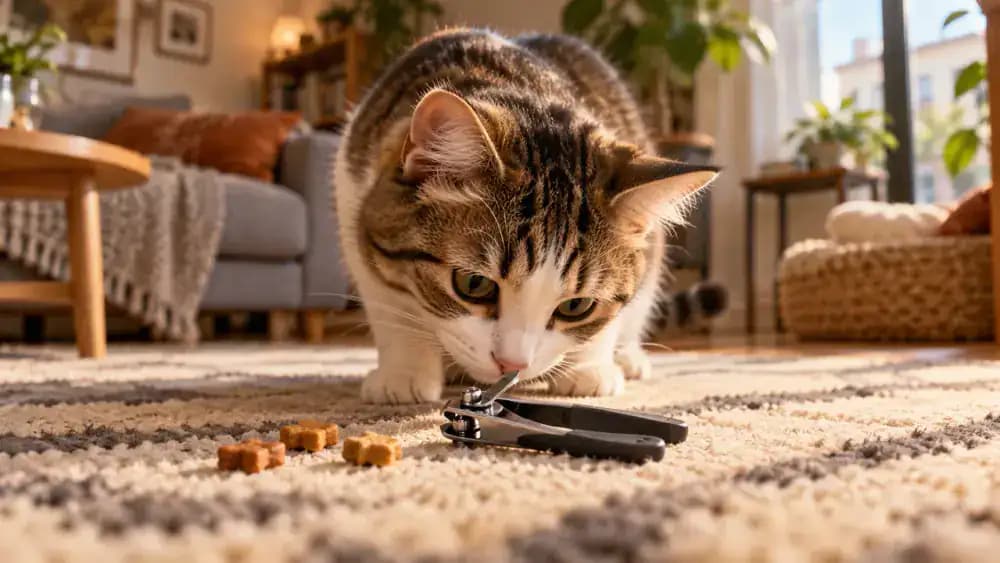
Build Trust Through Gentle Touch
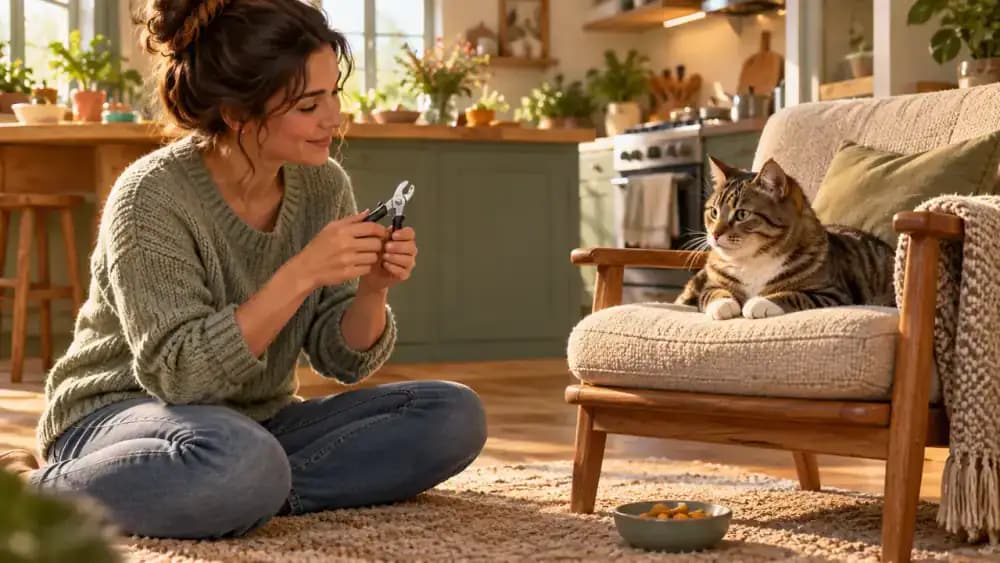
Once your cat ignores the clippers, practice gentle handling without the tool nearby. Start by stroking a shoulder, then briefly touch a front leg and offer a treat. During later sessions, lightly touch one paw before releasing it. Watch for signs of discomfort and stop immediately if your cat pulls away. Keep every interaction short and rewarding.

Introduce the Sound Without Fear
With your cat resting comfortably several feet away, slowly open and close the nail clippers once. If your cat remains relaxed, offer a favorite treat without moving closer. Practice this simple sound-and-reward routine during separate, brief sessions. Increase repetitions gradually only when your cat stays comfortable. If the sound causes retreat or tension, return to an easier step.
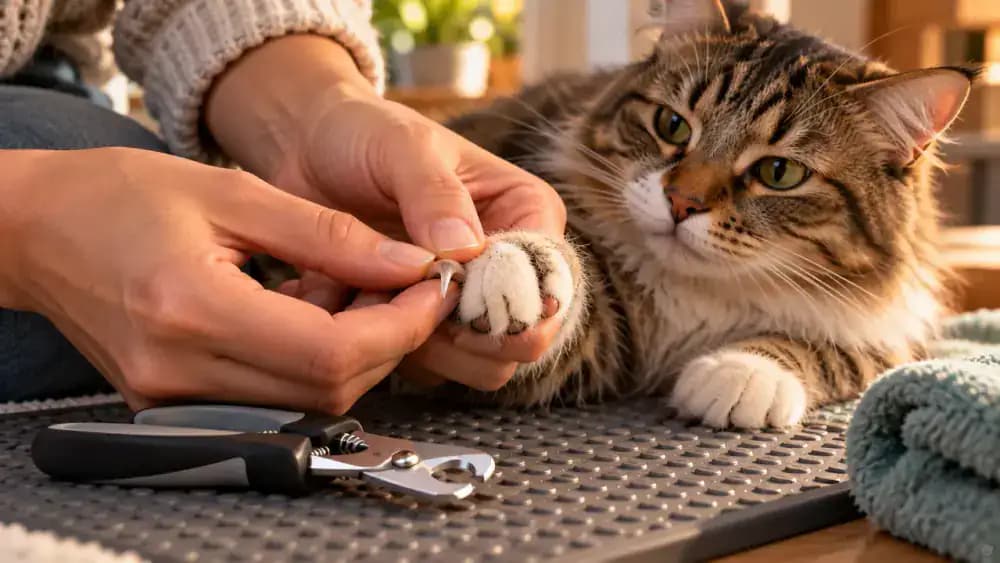
Practice Revealing a Claw Without Cutting
When your cat willingly settles beside you, briefly touch one paw, reward, and release. During a later session, gently press a toe pad until the claw extends, then release immediately. Once this feels routine, hold closed clippers nearby while repeating the movement. Never restrain a struggling cat or attempt a cut yet. Progress only when your cat remains comfortable.
Recognize When Your Cat Needs a Break
Pay attention to your cat's body language throughout each practice session. A sharply flicking tail, flattened ears, sudden stillness, growling, or pulling away can signal discomfort. If your cat shows these signs, lower the clippers, withdraw your hands, and allow them to leave. During your next session, return to an easier, more comfortable activity.
Trim Only One Tiny Nail Tip
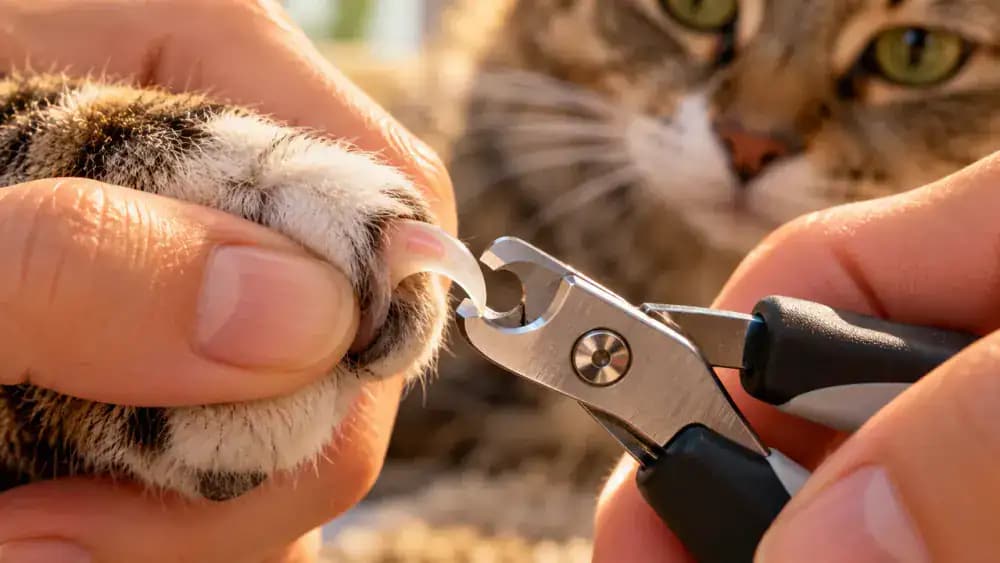
Once your cat comfortably accepts paw handling and nearby clippers, start with just one nail. Under bright lighting, gently extend the claw and locate its sharp, translucent tip. Keep the clippers safely away from the pink quick, which contains nerves and blood vessels. Remove only the very end, offer a reward, and finish the session. Ask a veterinarian or groomer for guidance if needed.
Small Positive Sessions Build Lasting Confidence
End each practice session while your cat is still relaxed, even if you never touch a nail. Offer a favorite treat, put the clippers away, and let your cat decide whether to stay nearby. Frequent, short experiences help build confidence without unnecessary pressure. A curious glance, voluntary approach, or comfortable paw touch deserves recognition as meaningful progress.

Understand That Progress Is Not Linear
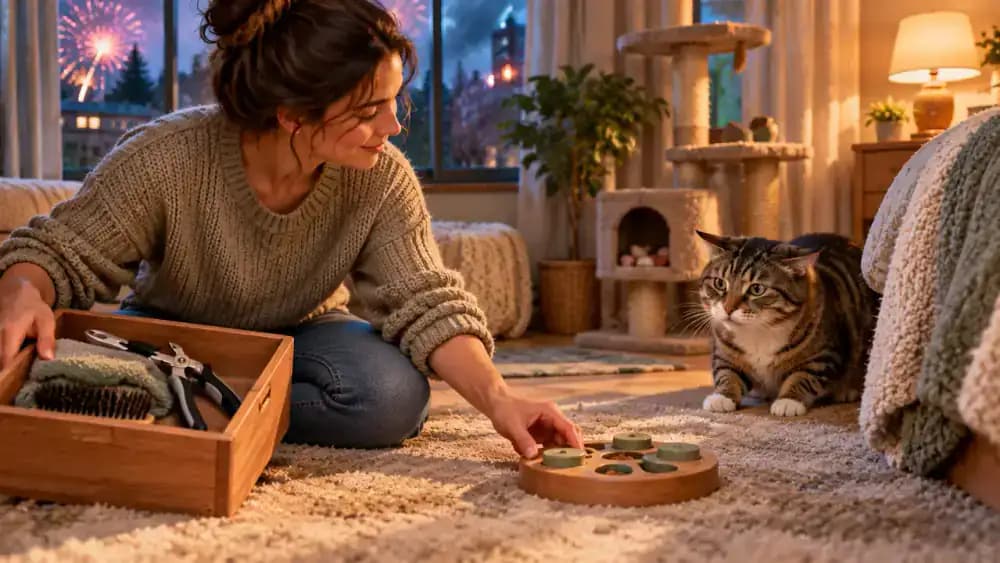
Your cat might approach the clippers confidently one day and hesitate the next. This is normal and does not mean previous practice was wasted. Look for environmental changes, such as loud construction, visitors, or disrupted rest. Reduce distractions, put grooming supplies aside when necessary, and offer a familiar activity. Resume with an easier step when your cat feels comfortable again.
Choose the Right Moment and Environment
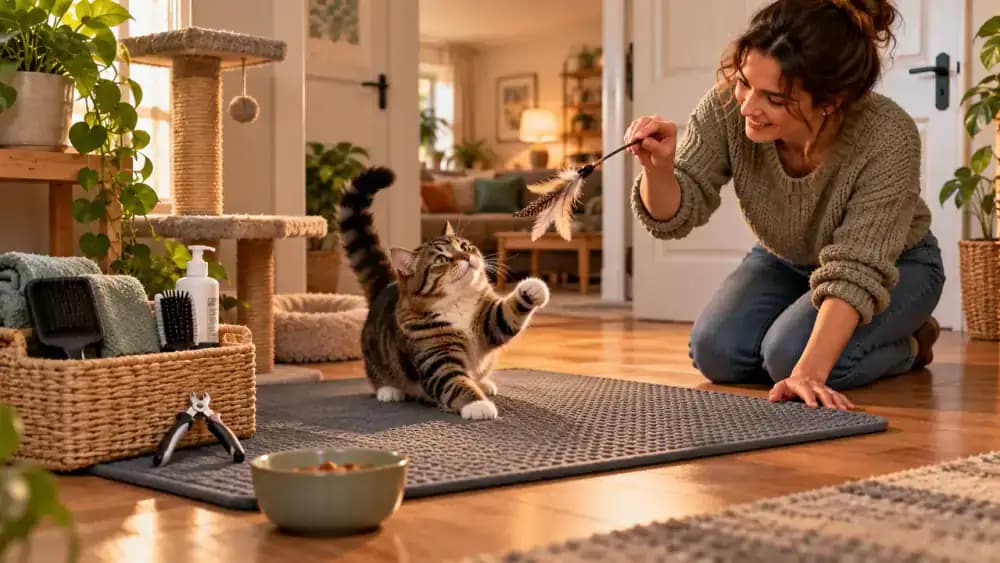
Plan nail care for a time when your cat is awake, calm, and receptive rather than hungry or excited from play. Prepare a nonslip mat, treats, and closed cat nail clippers before inviting interaction. Choose a quiet, well-lit location with a stable surface and an unobstructed exit. Allow your cat to approach voluntarily instead of placing them in position.
Reward the Exact Behavior You Want
Reward your cat immediately after a voluntary approach, gentle paw movement, or relaxed interaction with the clippers. Timing helps your cat connect the reward with the behavior you want to encourage. Try tiny treats, lickable snacks, gentle praise, or a favorite toy. Choose what your cat enjoys most, and keep food rewards small.
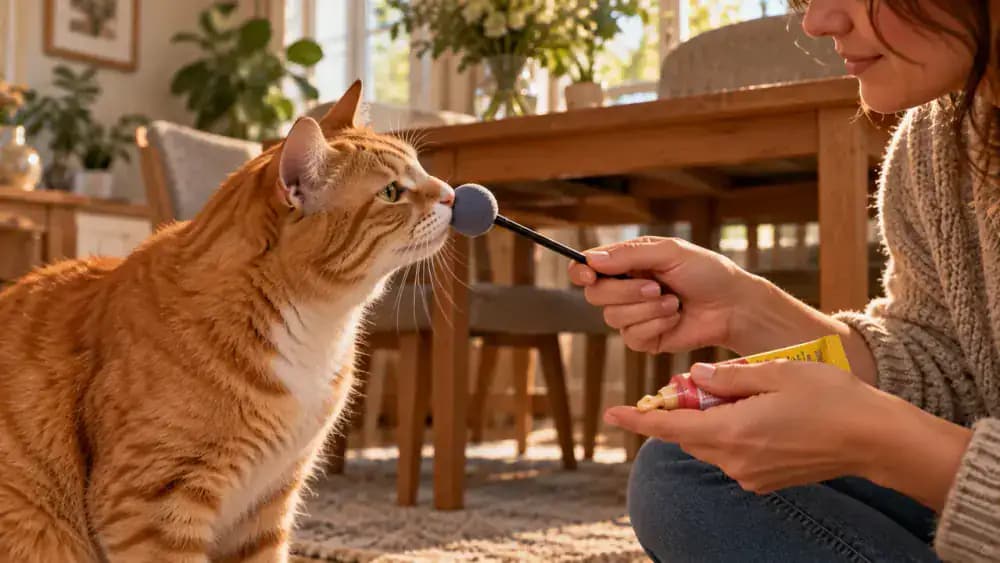
Notice Subtle Signs Before Stress Escalates
Pay attention to small changes in your cat's behavior during practice. Pausing while eating, stiffening the shoulders, widening the pupils, or turning away can signal discomfort or uncertainty. If you notice these signs, move the grooming supplies farther away and stop asking for interaction. Give your cat space to relax or leave without pressure.
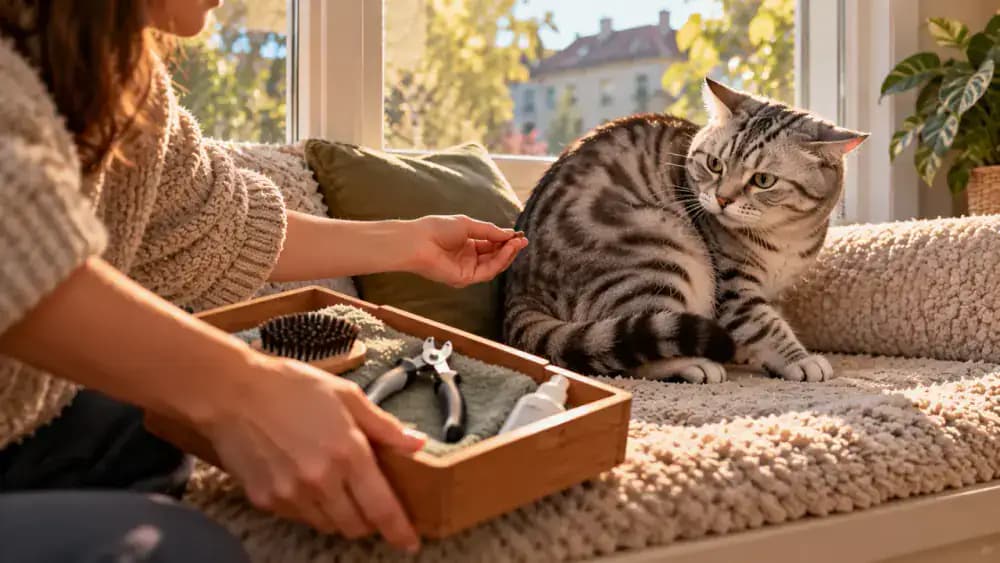
Treat Every Paw as a Separate Challenge
Your cat may willingly offer one front paw while keeping the other tucked away. Hind paws can require a different approach, too. Practice with each paw separately, beginning with movements your cat already accepts comfortably. Reward voluntary contact without reaching for a reluctant paw. Let your cat determine when to explore another position or movement.
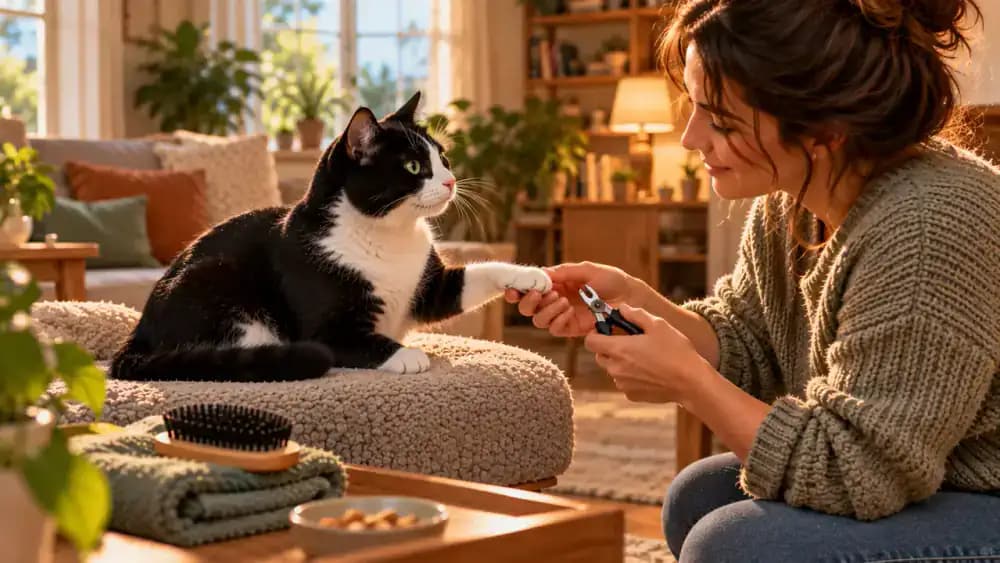
Know When Fear May Actually Be Pain
A previous painful nail trim can make your cat hesitant about future handling. Rebuild confidence gradually rather than testing how much contact your cat will tolerate. If you notice an overgrown or painful claw, swollen toes, limping, or difficulty walking, arrange a veterinary examination before continuing. Training should never replace care for physical discomfort.

Make Nail Checks Part of Regular Care
Once your cat accepts gentle paw handling, make nail checks part of your regular care routine. Store clippers where they are easy to find and watch for claws that become too long or catch on fabric. Older and indoor cats may need closer monitoring. Ask your veterinarian about a checking schedule suited to your cat.

Build Confidence That Lasts
Your cat does not need to love nail clippers to become comfortable around them. Focus on making each interaction predictable, voluntary, and low-stress. Reward relaxed curiosity, allow your cat to walk away, and avoid forcing progress. If handling remains difficult, consult a veterinarian or experienced cat-friendly groomer for guidance on safer nail care.

Give Your Cat the Freedom to Participate
Place a small towel on a low, stable surface and let your cat approach it without encouragement or pressure. Reward your cat for stepping onto the towel independently. Keep sessions brief and allow your cat to leave whenever it chooses. Over time, the towel can become a familiar invitation to participate in grooming practice.

Make Your Movements Calm and Predictable
Sit beside your cat rather than leaning directly over it, and keep your hands within view. Slowly pick up the closed nail clippers from a nearby table, hold them briefly, and set them down again. Reward your cat for remaining relaxed. Repeat these simple movements until handling the tool becomes an ordinary, uneventful part of your routine.
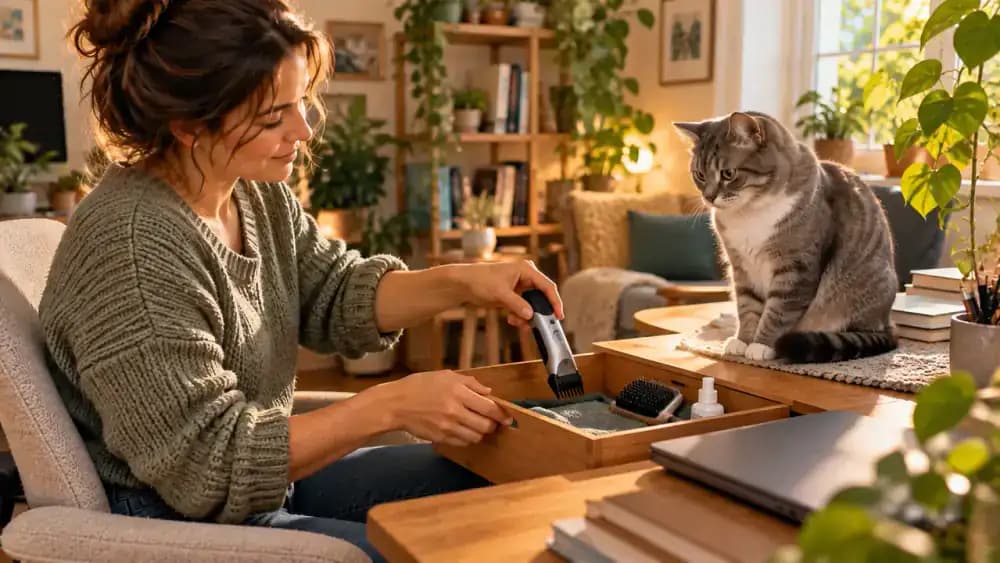
Get Comfortable Using the Clippers Yourself
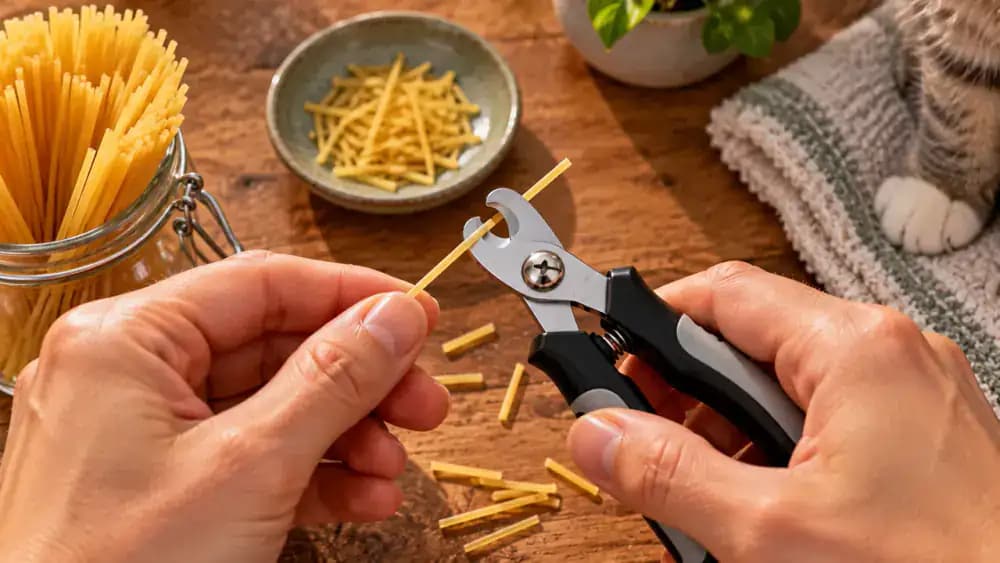
Before attempting a nail trim, inspect your clippers for clean, sharp blades, smooth movement, and a comfortable grip. Practice opening and closing them away from your cat. Try cutting a strand of uncooked spaghetti to understand the pressure and motion required. This preparation helps you work more confidently and avoid unnecessary hesitation during future trimming sessions.
Create a Clear Start Signal
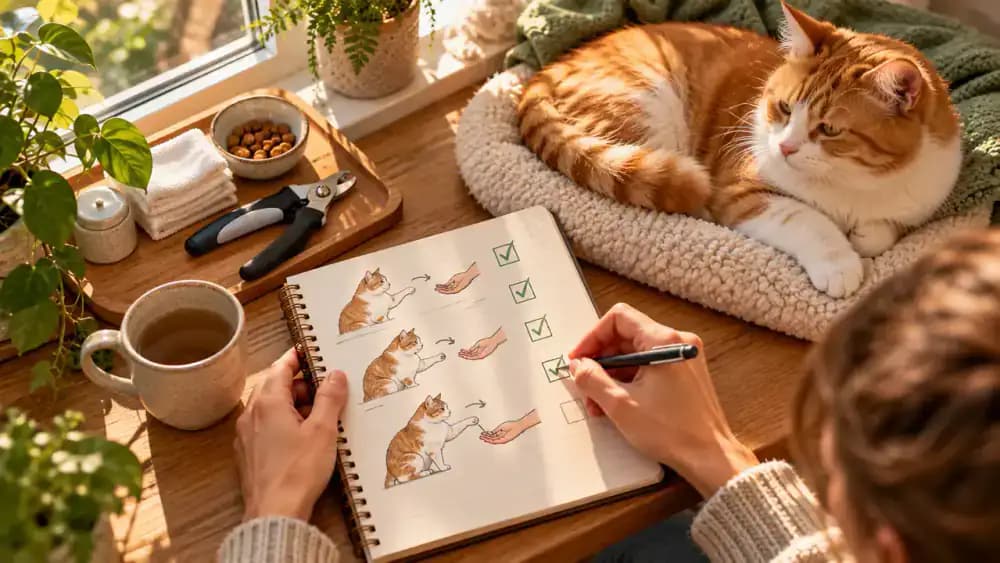
Teach your cat that grooming practice begins with a recognizable invitation. Present an open palm near its paws while it rests on a training mat, then wait patiently. Reward a voluntary paw touch before beginning a familiar, gentle exercise. If your cat keeps its paws tucked away, withdraw your hand and try again another time without pressure.

Remember That Every Nail Is Different
Each of your cat's paws may respond differently to handling. Front claws are often easier to see and access, while hind paws may require extra patience. Even neighboring nails can present different challenges. Work with one paw at a time, respect your cat's natural movements, and never force an uncomfortable position just to finish trimming.

Prepare for Mistakes Before They Happen
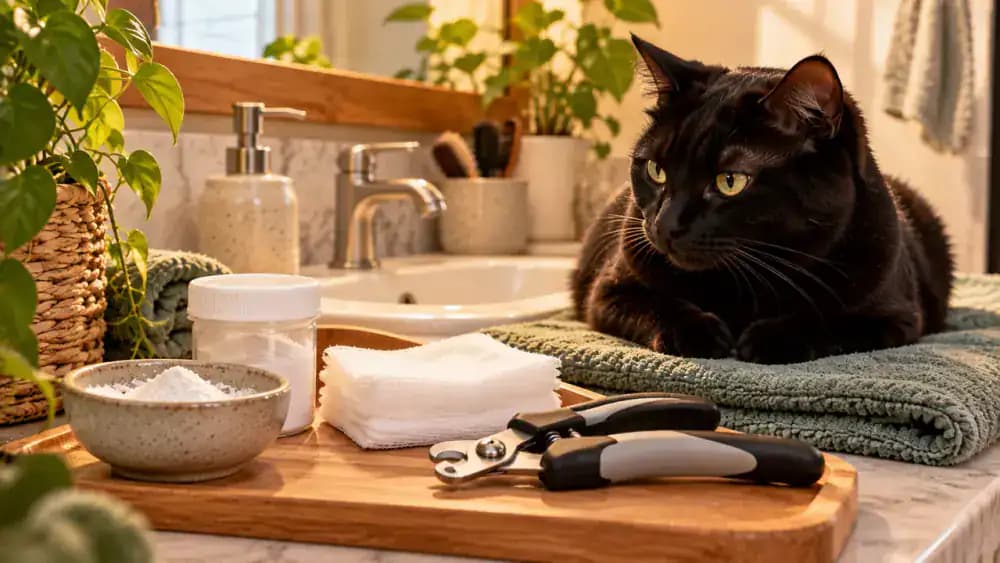
Before trimming, keep pet-safe styptic powder, clean gauze, and your veterinarian's contact information nearby. If you accidentally cut the quick, stop trimming and apply gentle pressure with gauze. Styptic powder can help control minor bleeding. Contact your veterinarian if bleeding persists or your cat appears injured. Prioritize recovery over completing the remaining nails.
Measure Success by Trust, Not Nail Count
A successful grooming session does not require trimming every nail. Pay attention to whether your cat approaches voluntarily, tolerates gentle paw handling, and remains relaxed afterward. Reward these small signs of confidence, even when no trimming happens. Ending on a positive note builds trust and makes future nail care easier, safer, and more predictable.

Keep Everyone in the Household Consistent
Make sure everyone involved in your cat's grooming follows the same routine. Agree on simple cues, gentle handling techniques, rewards, and clear stopping signals. Practice brief interactions without trimming so your cat learns what to expect from each person. Consistency reduces confusion and prevents unexpected paw grabbing from undoing the confidence built during earlier sessions.

Make Clippers Part of Everyday Life
Help your cat become familiar with nail clippers outside grooming sessions. Occasionally place the closed clippers somewhere visible but safely beyond your cat's reach during quiet activities, such as relaxing near a window. Allow your cat to notice them without expecting interaction. Afterward, store the clippers securely. Repeated neutral experiences can reduce anxiety about seeing the tool.

Let Your Cat Choose a Comfortable Surface
Choose a stable, nonslip surface where your cat can stand or rest comfortably during nail clipper practice. Smooth countertops may feel insecure, even when your cat accepts paw handling. Try placing a soft cotton mat on the floor and letting your cat explore it independently. Offer a treat when your cat settles, without repositioning or restraining them.

Protect Your Cat's Natural Balance
Keep your cat's natural balance in mind whenever you handle a paw. Your cat should be able to shift weight, turn, or walk away without difficulty. Instead of raising a paw into an awkward position, move yourself closer or adjust your angle. Touch the paw gently at its resting height, then release it before your cat becomes uncomfortable.

Let Your Cat Decide Whether to Continue
After a successful paw touch or brief clipper interaction, pause instead of immediately repeating the exercise. Lower your hands and give your cat time to decide what happens next. If your cat approaches or offers a paw again, reward that choice and continue gently. If your cat walks away, end the session positively and try another day.

Track the Small Wins That Matter
Keep a simple training journal to record what your cat willingly accepts during each practice session. Note the date, which paw you touched, the reward you offered, and any environmental distractions. Review your notes to identify comfortable conditions and gradual improvements. Focus on relaxed participation and growing confidence rather than counting how many claws you trim.
Choose Professional Help Without Losing Trust
If your cat needs a nail trim before they are comfortable with clippers, contact your veterinarian or a cat-friendly grooming professional. Explain what your cat currently tolerates and share any training notes that might help. Avoid forcing a stressful session at home. Continue practicing gentle, reward-based handling between appointments so future nail care can become safer and more cooperative.

You reach for the nail clippers, and your cat immediately walks away. Maybe they slip under the couch, retreat to another room, or give you that unmistakable look that says, "Absolutely not." If this sounds familiar, you're dealing with a common challenge: your cat hasn't learned that nail clippers are something they can safely ignore.
Cats can be cautious around unfamiliar objects, especially when those objects make clicking sounds or appear during unwanted handling. If previous nail-trimming attempts involved being held down, struggling, or feeling frightened, your cat may already associate the clippers with an unpleasant experience.
The solution isn't to hold your cat more firmly or rush through the trimming before they escape. It's to build comfort and trust before attempting to cut a single nail.
You can begin by placing the clippers nearby, letting your cat investigate voluntarily, and rewarding calm behavior with a favorite treat. Over several short sessions, you'll gradually introduce gentle paw handling, the sound of the clippers, and eventually the sensation of positioning them near a claw.
The goal isn't to trim every nail in one sitting. It's to help your cat feel safe enough to participate without struggling or being restrained against their wishes.
With patience, consistent rewards, and attention to your cat's body language, even one relaxed interaction with the clippers can become meaningful progress toward easier nail care.
Where people go wrong
Holding Your Cat Down to Get It Over With. Forcing your cat to stay still might allow you to trim a nail today, but it can make future sessions considerably harder. Your cat may begin avoiding your hands, the grooming area, or the clippers themselves. Instead, practice when your cat can move away freely. Voluntary participation helps build lasting confidence and makes grooming safer.
Introducing Too Many New Sensations at Once. Showing the clippers, touching your cat's paws, making a clicking sound, and attempting a trim in the same session can overwhelm a cautious cat. Each new sensation deserves its own introduction. Begin with simply seeing the clippers, then gradually add handling and sound. Move forward only when your cat remains relaxed at the current stage.
Ignoring Early Signs of Discomfort. Tail lashing, flattened ears, tense muscles, pulling away, freezing, growling, and attempts to escape can indicate that your cat is uncomfortable. Continuing because your cat hasn't scratched or bitten is a mistake. Stop the interaction, allow your cat space, and make the next session easier. Responding early can prevent a stressful experience from escalating.
Moving the Clippers Toward Your Cat Too Quickly. Even a cat that calmly investigates nail clippers on the floor may become uncomfortable when they suddenly move toward a paw. These are different experiences and should be practiced separately. Keep the clippers at a comfortable distance, reward relaxed behavior, and decrease that distance gradually. Avoid surprising your cat with quick movements or unexpected contact.
Practicing Only When Nails Need Trimming. If the clippers appear only when you intend to cut nails, your cat has fewer opportunities to develop a positive association with them. Include occasional sessions that involve nothing more than seeing the tool, receiving a treat, or accepting brief paw contact. These low-pressure interactions help separate the presence of the clippers from the expectation of trimming.
Trying to Finish Every Nail in One Session. A full nail trim may sound efficient, but pushing through several claws after your cat becomes restless can undo earlier progress. Trimming just one sharp tip may be enough for a successful session. Stop while your cat is still comfortable, offer a reward, and address additional nails another time. Consistent cooperation matters more than finishing quickly.
Cutting Without Clearly Identifying the Quick. The quick contains blood vessels and nerves, and cutting into it can cause pain and bleeding. On light-colored claws, it may appear pink, while dark claws can make it harder to identify. Never guess where to cut. Remove only a small portion of the sharp tip, and ask a veterinarian or experienced professional to demonstrate safe trimming if you're uncertain.
Questions people ask
Some cats become comfortable after several short sessions, while others need weeks of gradual practice. Previous frightening experiences, sensitivity to paw handling, and individual temperament can affect the timeline. Avoid setting a deadline. Instead, look for relaxed body language, voluntary approaches, and comfortable paw contact. Progress is measured by your cat's confidence, not how quickly you trim a nail.
Fixed it?
Get one guide like this every Thursday.