How to Establish a Hygienic Cat Litter Box Cleaning Routine
Keep your cat's litter box fresh, clean, and comfortable with a practical daily scooping routine, safe washing methods, and an easy maintenance schedule.
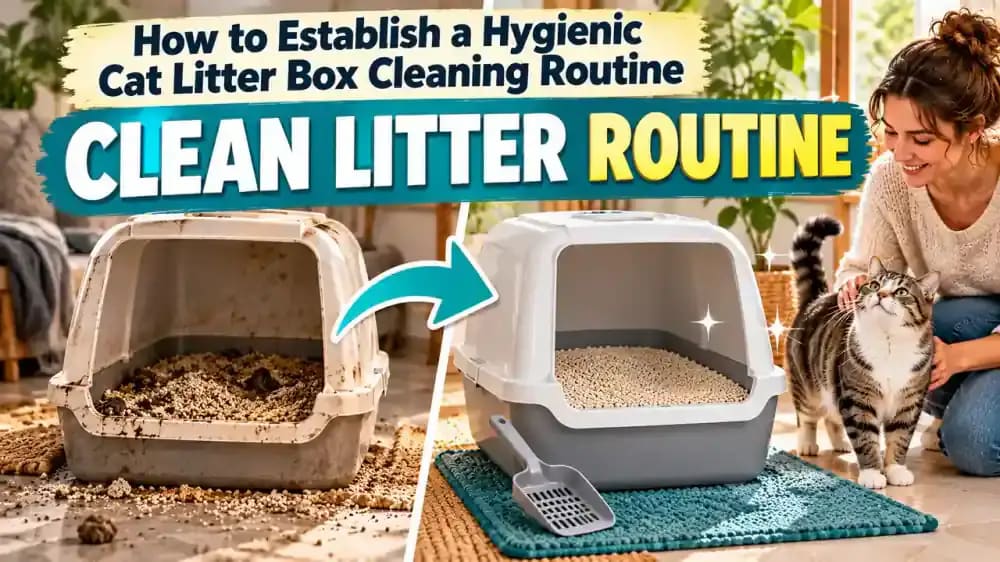
What you’ll need
Tap to tick things off before you start.
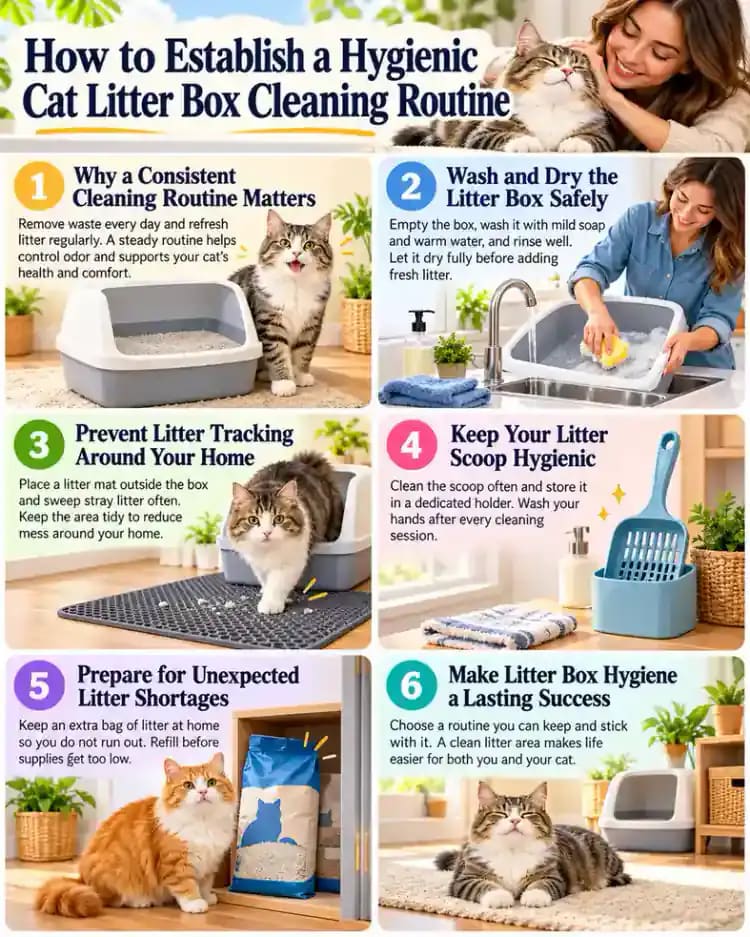
Why a Consistent Cleaning Routine Matters
A litter box can become unpleasant quickly when cleaning only happens after odors appear. Establish a predictable routine that combines daily scooping with occasional deeper cleaning. This helps control odors, prevents waste from accumulating, and gives your cat a more comfortable bathroom. A regular schedule also makes litter box maintenance easier to manage.
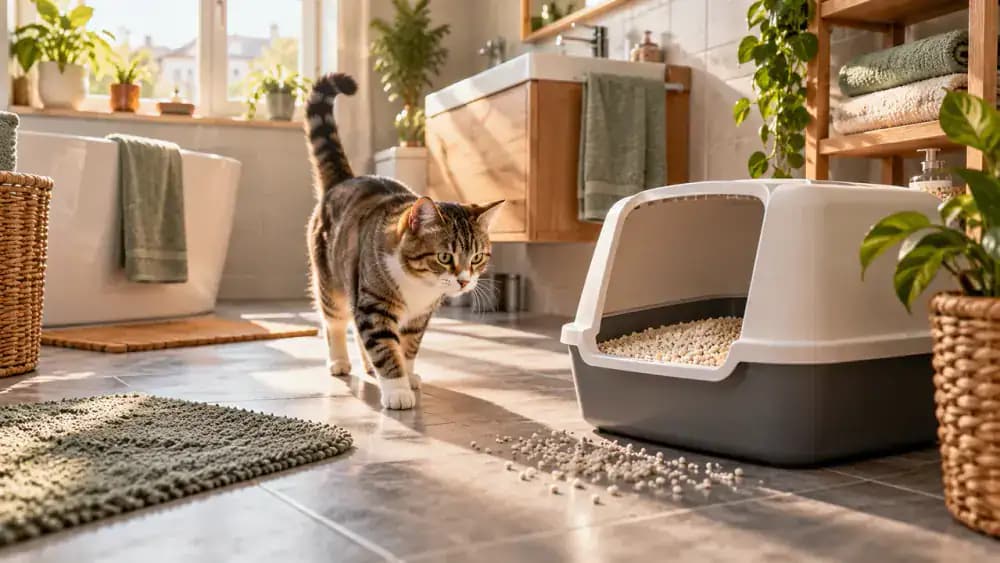
Prepare Your Essential Cleaning Supplies
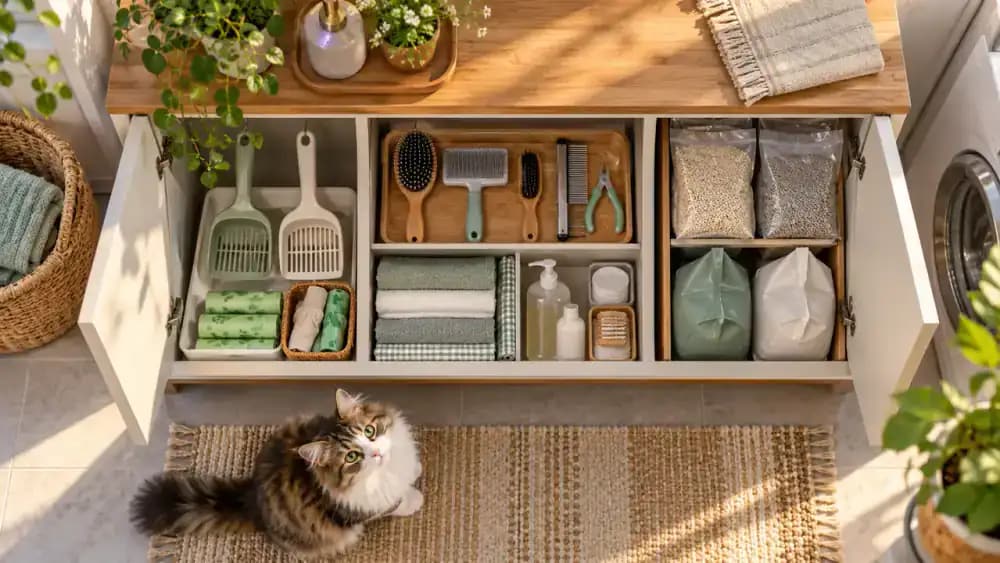
Gather a sturdy slotted litter scoop, waste bags, a dedicated cleaning brush, microfiber cloths, mild unscented soap, and fresh cat litter. Organize these supplies in a convenient cleaning station near the litter area. Store everything securely beyond your cat's reach, keeping replacement litter sealed and dry. Having supplies ready makes daily maintenance quicker.
Master the Daily Scooping Routine
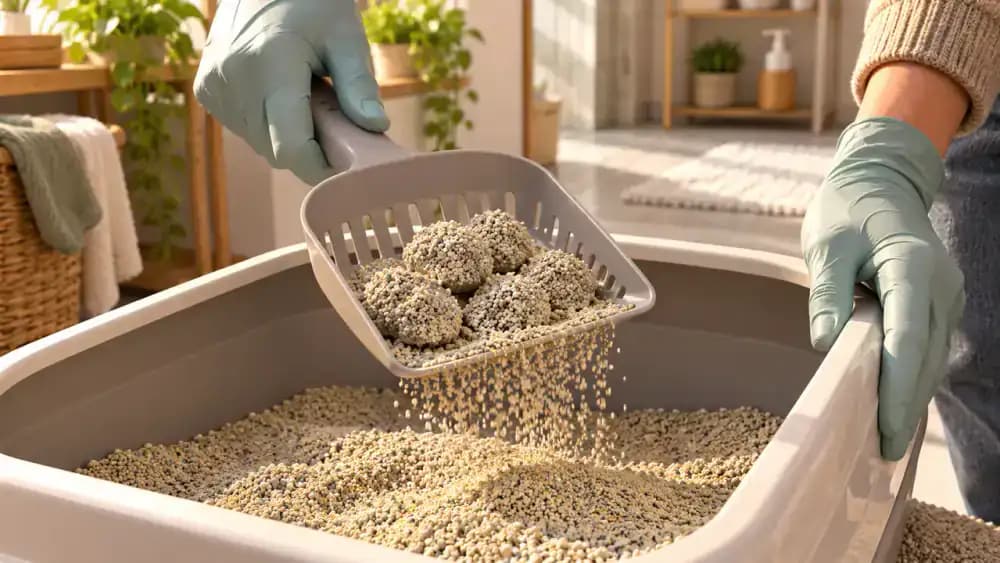
Scoop your cat's litter box at least once daily, preferably twice when needed. Use a slotted scoop to lift solid waste and urine clumps while allowing clean litter to fall back into the box. Check corners for hidden waste. Place removed material in a sturdy bag, tie it securely, and discard it in household trash. Never flush litter.
Maintain the Correct Litter Depth
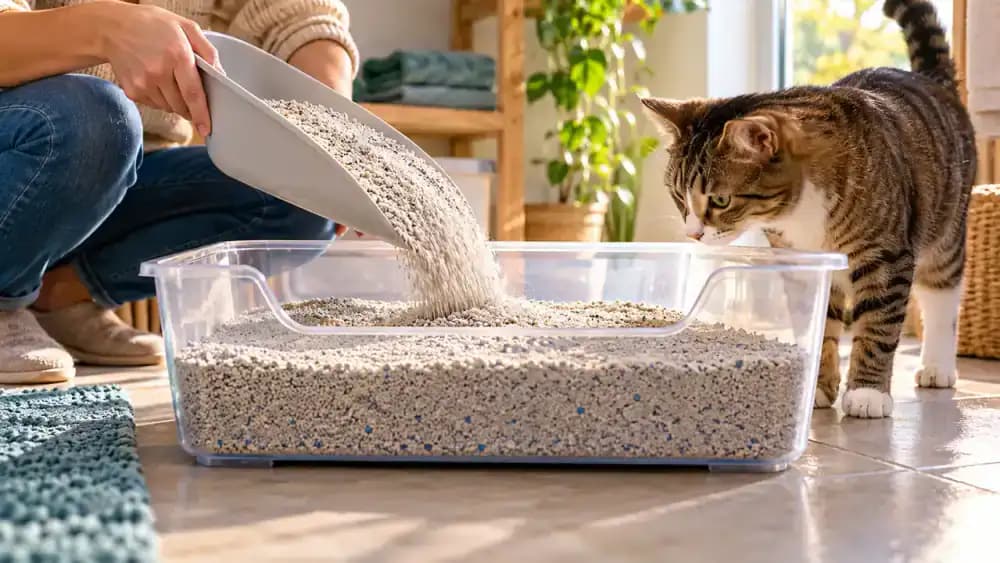
After scooping, sweep scattered litter from the surrounding floor and check the remaining depth. Approximately 2-3 inches works well for many cats, although preferences and manufacturer instructions vary. Gradually add fresh litter of the same compatible type, spreading it evenly across the box. Avoid overfilling, and observe whether your cat can dig and cover waste comfortably.
Schedule Complete Litter Replacements
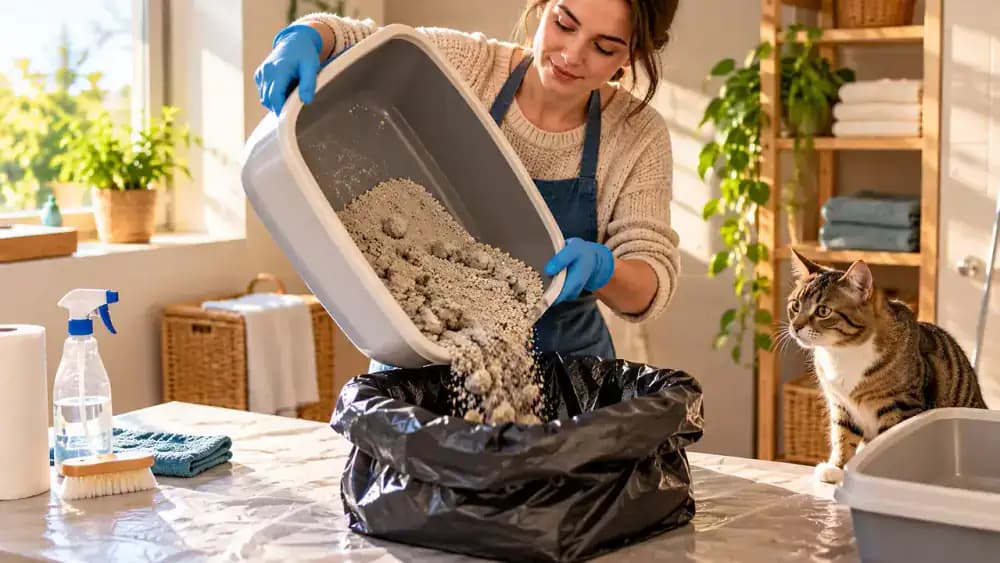
Daily scooping does not eliminate the need for complete litter replacement. Follow your litter manufacturer's instructions, adjusting the schedule based on the number of cats, box usage, and accumulated odors. Set a recurring calendar reminder to stay consistent. When replacement is due, carefully empty all used litter into a sturdy trash bag rather than mixing old litter with fresh.
Wash and Dry the Litter Box Safely
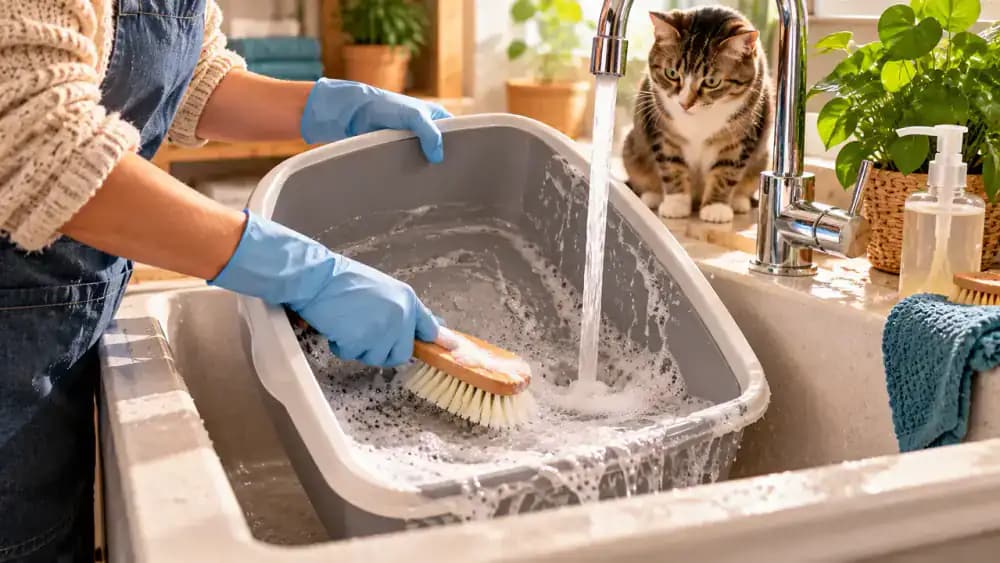
Once the litter box is completely empty, wash it with warm water and mild unscented soap. Use a dedicated soft brush or cloth to clean corners, seams, and scratched surfaces where residue may collect. Rinse thoroughly until no soap remains, then dry every surface with a clean towel before adding a fresh, even layer of litter.
Avoid Unsafe Cleaning Products
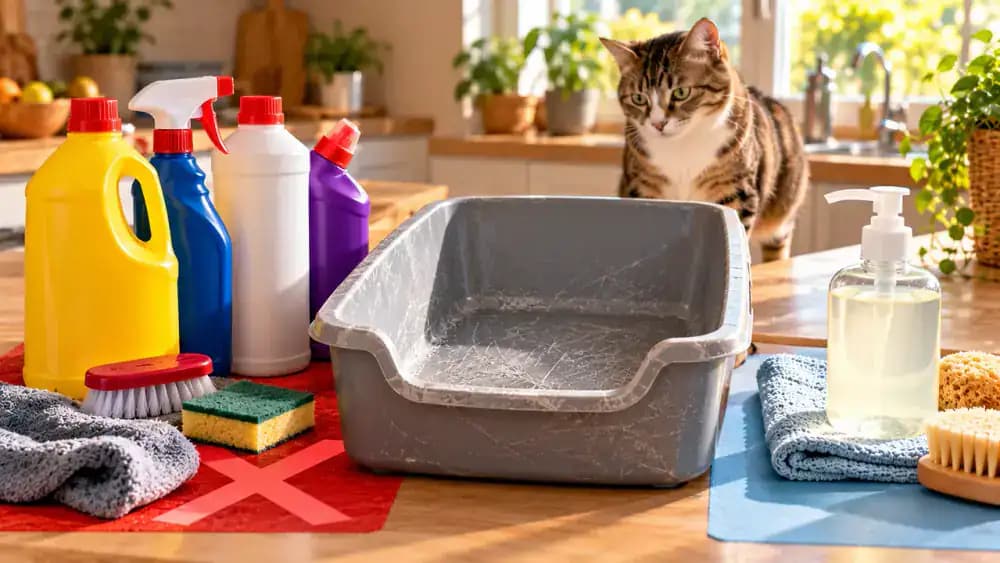
Avoid bleach, ammonia-based cleaners, and strongly fragranced products when cleaning your cat's litter box. These products may leave irritating odors or residues, and mixing cleaning chemicals can create dangerous fumes. Keep your cat in another room during washing, use mild unscented soap, and wash your hands afterward. Replace deeply scratched boxes that retain odors despite cleaning.
Customize and Maintain Your Routine
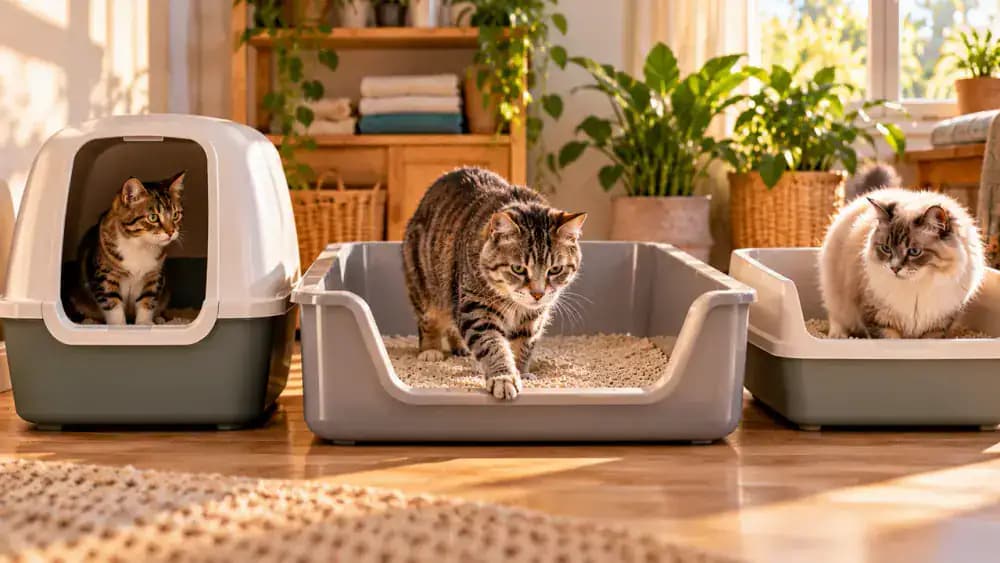
Adjust your cleaning routine to your cats' needs and household activity. For multiple cats, provide separate litter boxes, ideally one per cat plus one extra. Scoop daily, check litter depth, and schedule complete replacements and washing. Increase cleaning frequency when odors return quickly. If your cat suddenly avoids the box or shows unusual bathroom habits, contact your veterinarian.
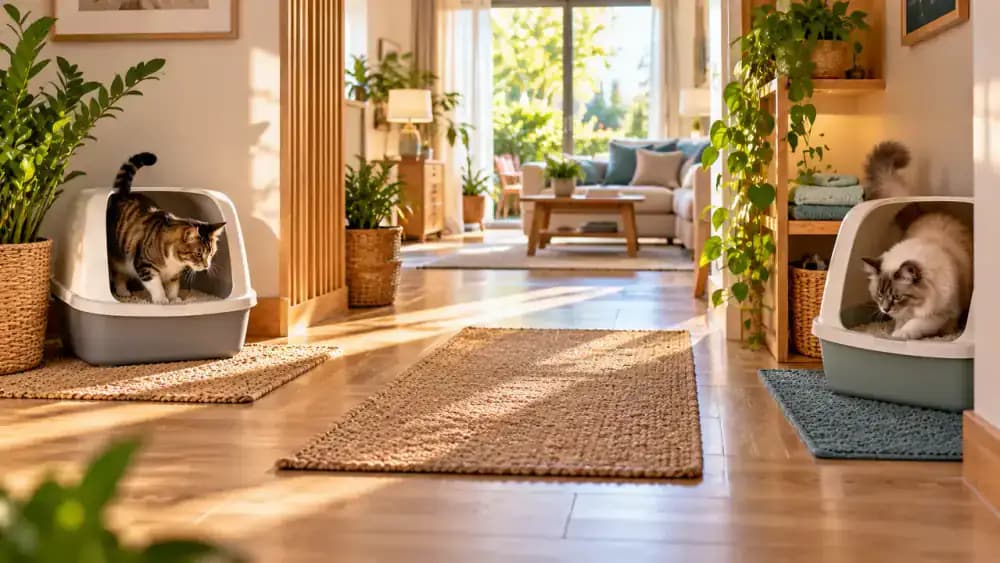
Choose the Best Litter Box Location
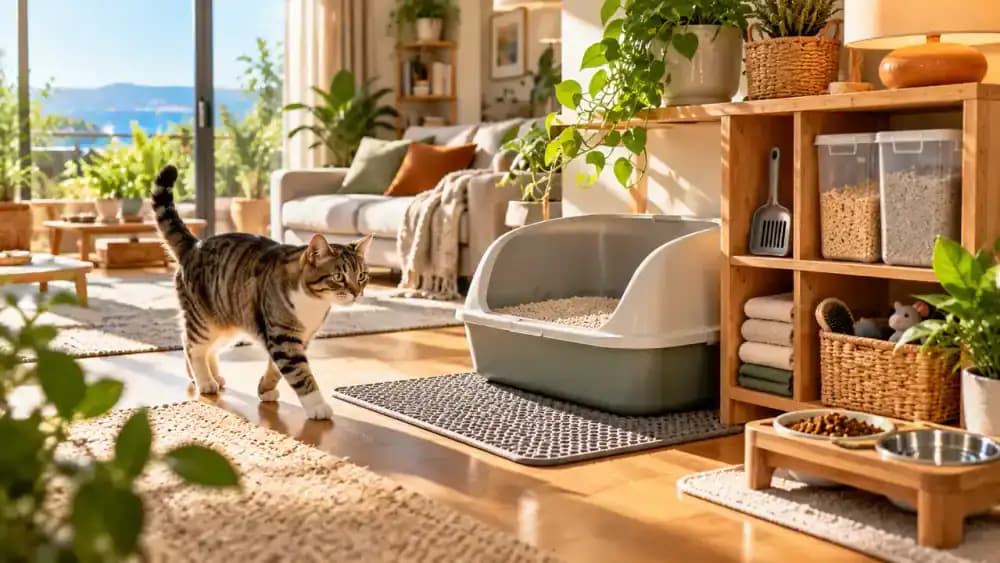
Place your cat's litter box in a quiet, accessible area away from vibrating appliances, busy hallways, and feeding stations. Choose a location with clear entry and exit paths so your cat never feels trapped. Avoid isolated spaces that are difficult to reach or clean. Check the surrounding floor regularly and keep access unobstructed throughout the day.
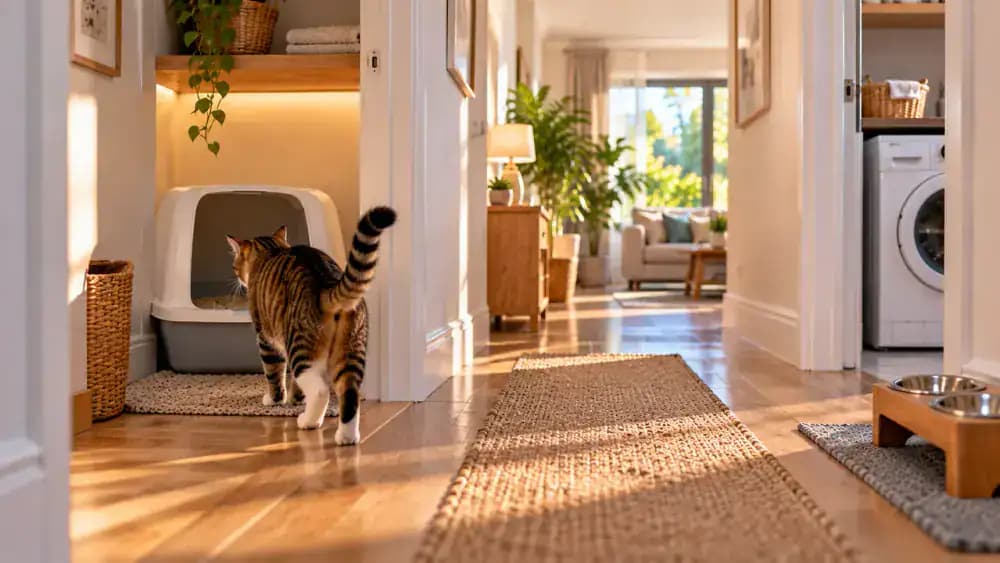
Select a Comfortable Litter Box Design
Choose a litter box spacious enough for your cat to enter, turn around, dig, and cover waste comfortably. Low-entry trays may help kittens, senior cats, and cats with limited mobility. Open boxes often provide better airflow, while enclosed designs may trap odors. Observe your cat's preferences and prioritize accessibility, cleanliness, and comfort over decorative appearance.
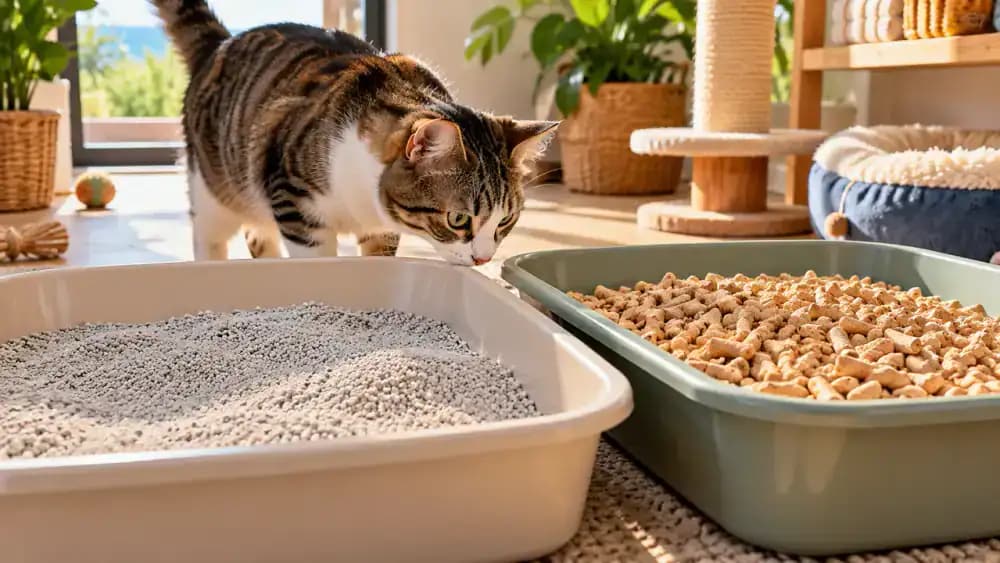
Choose Litter Your Cat Actually Likes
Choose cat litter based on your cat's comfort rather than fragrance or packaging claims. Compare fine, coarse, and pellet-style options, paying attention to dust and texture. When introducing a different product, offer it in a separate box alongside familiar litter. Observe which option your cat prefers, and avoid sudden changes that might discourage regular litter box use.
Prevent Litter Tracking Around Your Home
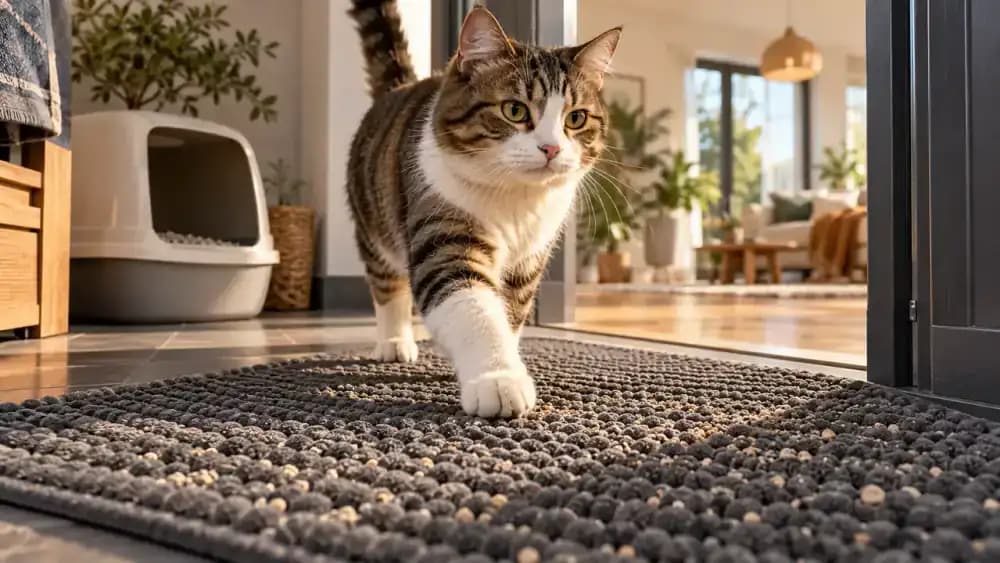
Place a washable, cat-friendly litter mat outside the box to catch granules carried on your cat's paws. Choose a soft texture that allows comfortable entry and exit. Regularly empty collected litter into the trash, wash the mat when needed, and clean nearby baseboards. Use a quiet vacuum while your cat is elsewhere to minimize stress.
Investigate Persistent Litter Box Odors
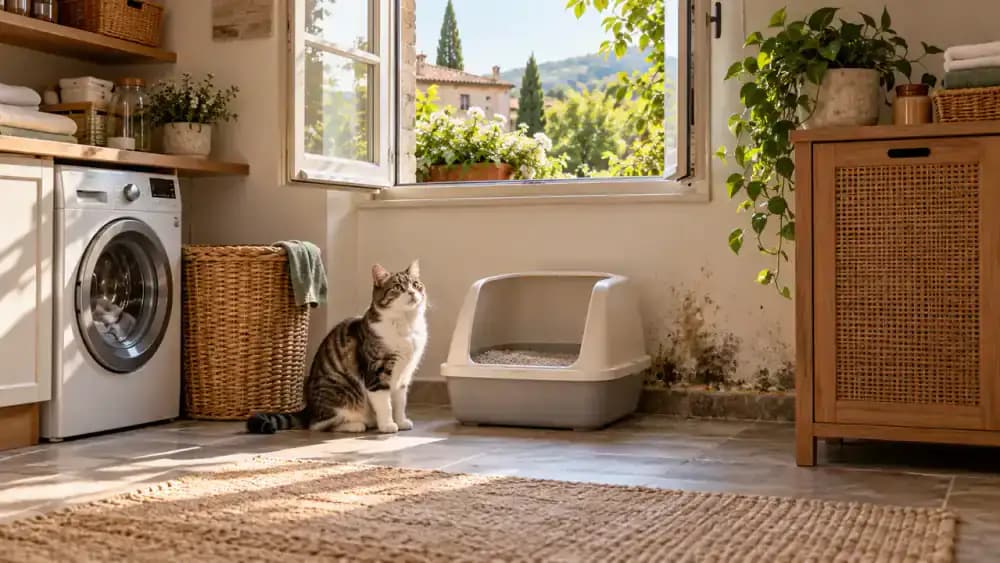
If unpleasant odors persist despite regular scooping and washing, inspect the entire litter area. Check for damp flooring, hidden accidents, saturated litter, and poor ventilation. Clean affected surfaces with appropriate pet-safe products and improve airflow when possible. Avoid fragrance diffusers that merely mask smells. Contact your veterinarian if unusual odors accompany changes in your cat's urination habits.
Recognize Important Changes in Bathroom Habits
Monitor your cat's litter box habits during daily cleaning. Watch for unusually frequent visits, straining, vocalizing, blood in urine, or repeated attempts to urinate without producing urine. These changes require prompt veterinary attention. Inability to urinate is an emergency requiring immediate care. Keeping the box clean makes unusual bathroom behavior easier to notice and report accurately.

Make Cleaning Responsibilities Easy to Share
Create a shared cleaning schedule so litter box maintenance continues even when household routines change. Assign daily scooping and periodic washing to specific family members, and use a visible checklist to track completed tasks. Check supply levels regularly and restock before running out. When traveling, provide your pet sitter with clear instructions and necessary supplies.

Build a Routine That Lasts
Review your litter box cleaning routine each week to ensure it remains practical and effective. Check whether your cat uses the box comfortably, the surrounding area stays clean, and supplies are adequately stocked. Review completed daily and periodic tasks, then adjust one habit at a time. Consistent, manageable maintenance helps keep your cat's bathroom inviting.
Reduce Dust During Litter Maintenance
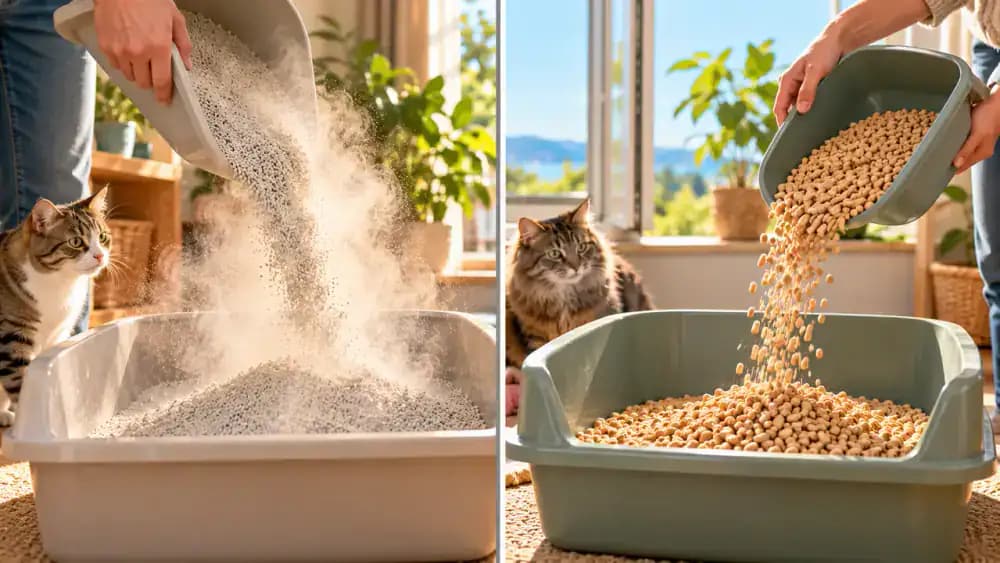
Minimize airborne litter dust by pouring fresh granules slowly and close to the bottom of the tray. Avoid pouring from excessive heights, which can create visible dust clouds. If dust becomes bothersome, consider switching to a low-dust, unscented litter your cat accepts. Maintain gentle ventilation during cleaning, and keep your cat away until airborne particles settle.
Keep Your Litter Scoop Hygienic
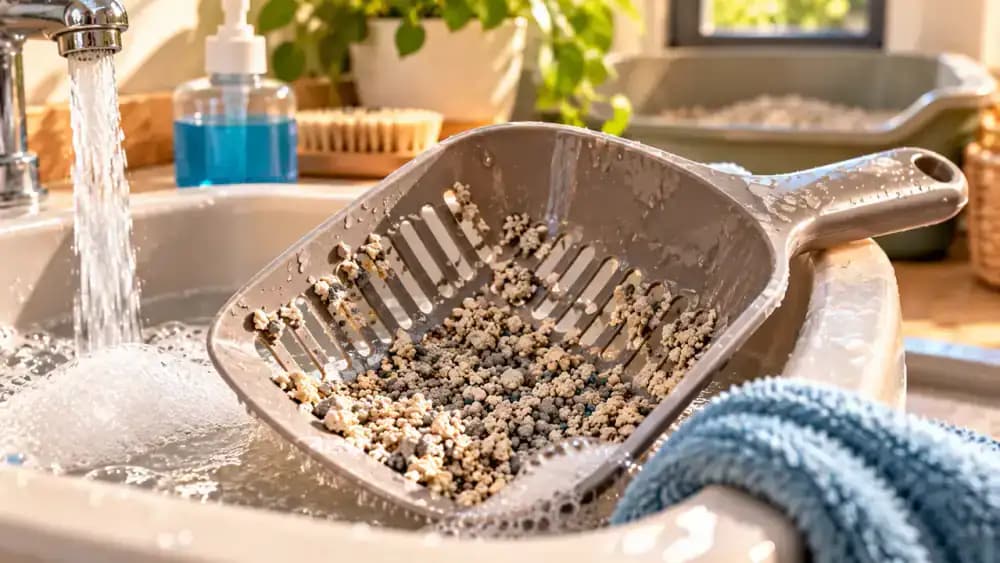
Inspect your litter scoop regularly for trapped waste and residue between its slots. Wash it as needed using warm water and mild unscented soap in a designated utility basin. Rinse thoroughly and allow it to dry completely before storage. Keep the scoop in a washable holder near the litter area, separate from food preparation surfaces and household utensils.
Follow Extra Hygiene Precautions When Needed
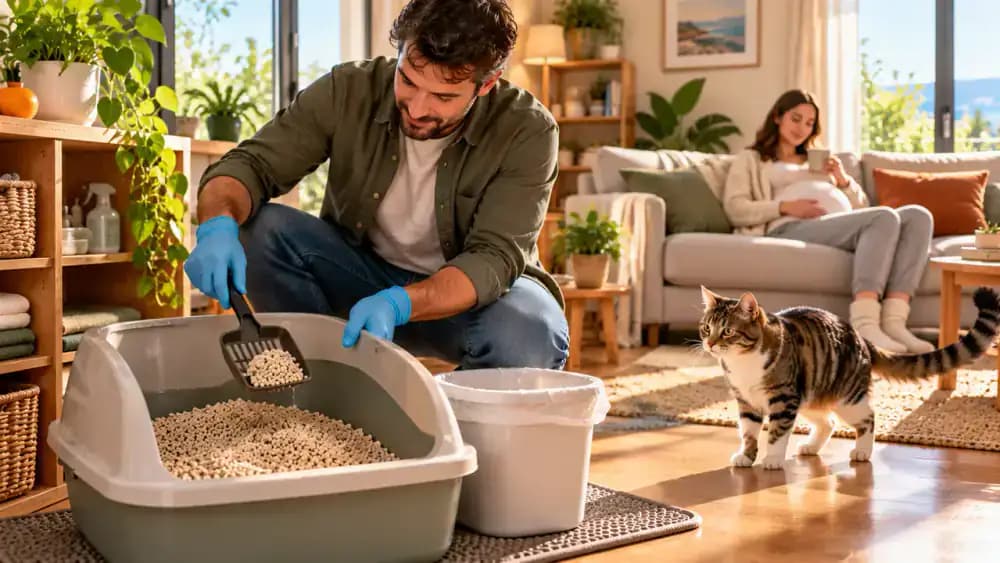
Pregnant people and those with weakened immune systems should avoid handling cat litter whenever possible because cat feces can carry Toxoplasma gondii. Ask another household member to manage cleaning duties. If that is not possible, wear disposable gloves, remove waste daily, and wash hands thoroughly afterward. Consult a healthcare professional about additional precautions appropriate to your circumstances.
Protect Floors and Surrounding Surfaces
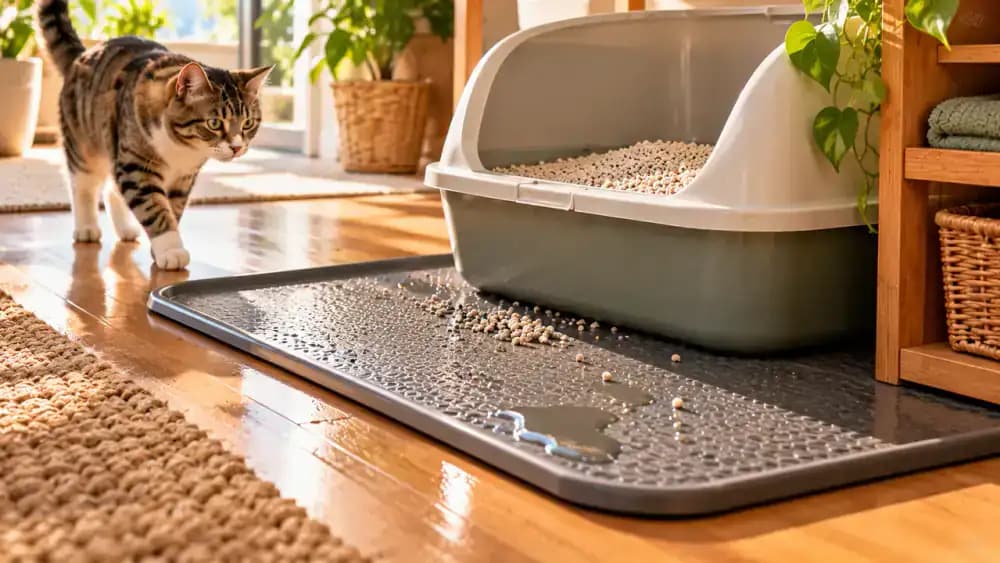
Protect flooring beneath the litter box with a washable, waterproof mat that extends beyond the tray's edges. This helps contain occasional spills and prevents moisture from reaching vulnerable floor joints. Regularly lift the mat to inspect underneath, check nearby walls for splashes, and clean affected surfaces with appropriate pet-safe products. Dry everything thoroughly before replacing the box.
Fix Common Scooping Problems
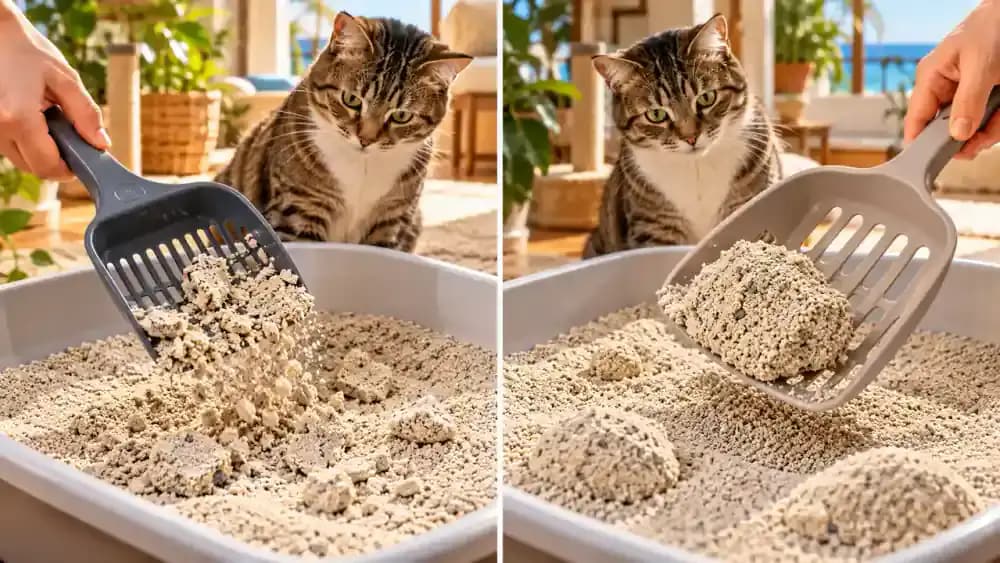
If urine clumps crumble during scooping, check whether the litter has had enough time to absorb moisture and form firm clumps. Compare scoop shapes and slot sizes to find one suited to your litter's texture. Consider a compatible clumping formula if problems continue. Better equipment and gentle scooping can make daily cleaning faster and more effective.
Track Improvements Without Guesswork
Keep a simple observation log when changing litter products, box locations, or cleaning routines. Record the date, litter type, box setup, and how comfortably your cat uses the area. Review observations over several days to identify useful patterns rather than relying on isolated incidents. If litter box avoidance persists, consult your veterinarian instead of repeatedly changing the setup.

Create a Cleaner and More Comfortable Home
Combine daily scooping, periodic washing, thoughtful box placement, and regular observation into a manageable household routine. Choose one practical improvement to make today, then maintain it consistently before introducing another change. Keep supplies organized and prioritize your cat's comfort over convenience alone. A clean, accessible litter area helps create a fresher, more pleasant home for everyone.

Prepare for Unexpected Litter Shortages
Keep a small reserve of your cat's preferred litter so unexpected shortages do not disrupt the cleaning routine. Save the product name, type, and packaging details for easier shopping. If your usual litter becomes unavailable, choose a similar unscented alternative and introduce it gradually when possible. Monitor your cat's comfort and avoid unnecessary abrupt changes.

Check Litter Box Stability and Condition
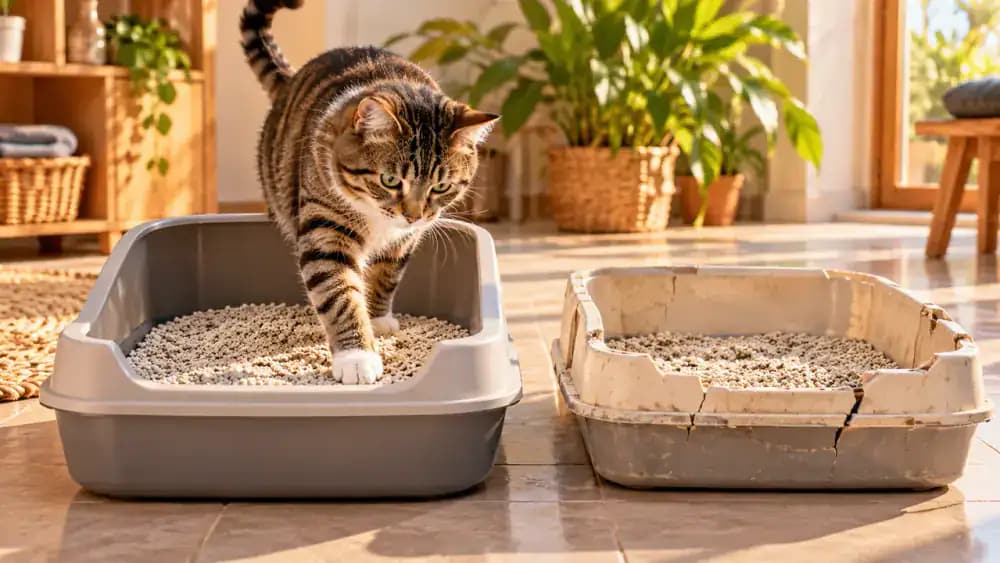
Inspect your cat's litter box regularly for sliding, bending, cracks, and sharp or damaged edges. Place the tray on a level, stable surface and consider a nonslip mat if it moves during use. Replace worn plastic boxes that cannot be cleaned effectively or safely. A sturdy, appropriately sized tray provides secure footing and makes routine handling easier.
Understand Your Cat's Post-Litter Behavior
Observe how your cat behaves before and after using the litter box without interrupting. A quick exit can be normal, but repeated hesitation, scratching outside the tray, or reluctance to approach deserves attention. Track recurring behaviors rather than isolated incidents. Check cleanliness, litter texture, and accessibility, and consult your veterinarian if concerning changes persist.
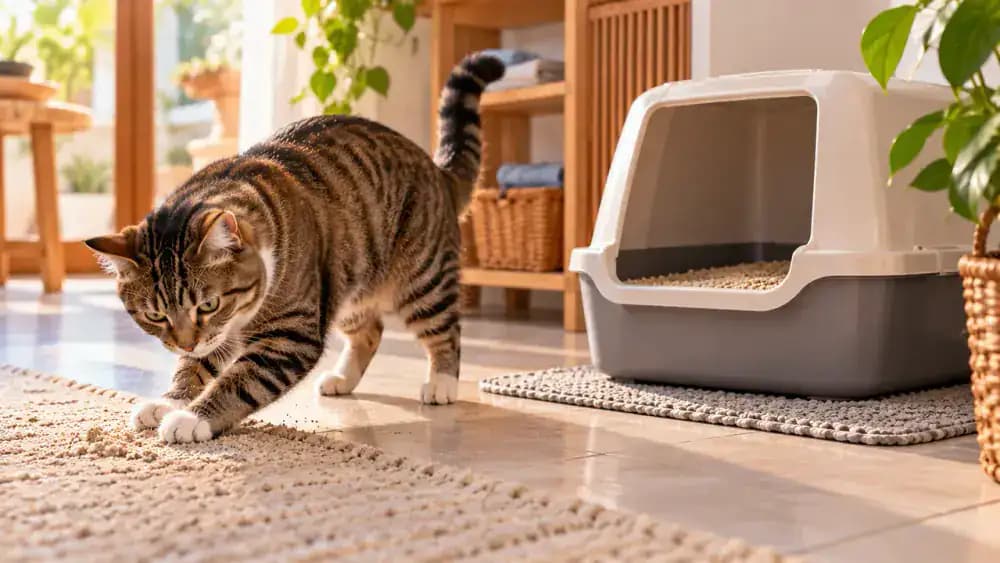
Provide Easy Access in Multilevel Homes
In multilevel homes, provide conveniently located litter boxes on each floor your cat regularly uses. This is especially helpful for kittens, senior cats, and cats with limited mobility. Choose quiet, accessible spots that do not require navigating stairs or obstacles. Keep every box clean and unobstructed so your cat can comfortably reach a suitable bathroom throughout the day.

Turn Litter Maintenance Into an Automatic Habit
Make daily litter box cleaning easier by connecting it to an existing household habit. Scoop immediately after breakfast or before getting ready for bed, using the same reminder each day. Keep supplies nearby and focus on completing a brief, consistent cleaning session. A predictable routine reduces forgotten tasks and helps prevent waste from accumulating between cleanings.

Create a Reliable Plan for Extended Absences
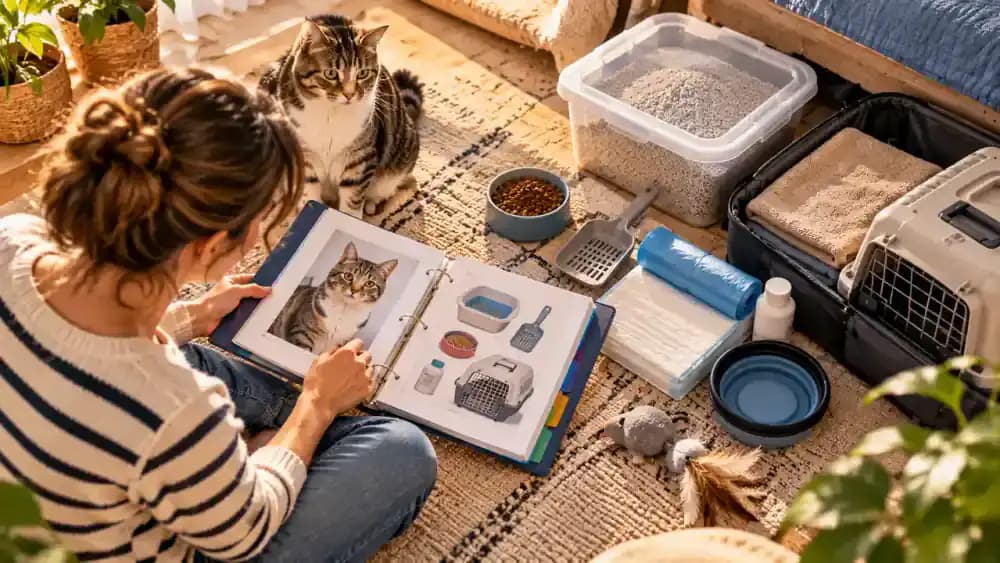
Before traveling, arrange for a trusted caretaker to maintain your cat's regular litter box routine. Provide written instructions covering scooping frequency, waste disposal, cleaning supplies, and expected bathroom habits. Show where spare litter is stored and share veterinary contact information. Include emergency authorization and explain when to seek help so your cat receives consistent care during your absence.
Make Litter Box Hygiene a Lasting Success
Maintain a hygienic litter area by focusing on your cat's comfort, consistent cleaning, and practical adjustments. Scoop daily, replace litter as needed, wash the box periodically, and monitor bathroom habits. Use a simple checklist to keep responsibilities clear and address problems promptly. Preserve what works, improve what does not, and share useful cleaning tips with fellow cat owners.

You walk into the laundry room, catch an unpleasant smell, and immediately know what needs attention: your cat's litter box. Maybe yesterday was especially busy, or perhaps the litter seemed clean enough to last another day. Now there are scattered granules on the floor, several urine clumps, and an odor that refuses to disappear.
Sound familiar? Maintaining a clean litter box is one of the less glamorous parts of sharing your home with a cat, but it doesn't have to become an overwhelming chore.
A consistent cat litter box cleaning routine helps control odors, reduces contact with waste, and gives your cat a more comfortable place to do their business. It also makes it easier to notice changes in litter box habits that may deserve veterinary attention.
The secret is combining a few minutes of daily maintenance with periodic, more thorough cleaning. You'll need a sturdy litter scoop, waste bags, mild unscented cleaner, clean cloths, and fresh cat litter. With these basics ready, keeping the litter area tidy becomes much easier.
This guide covers safe cleaning supplies, daily waste removal, proper litter depth, complete litter changes, and practical adjustments for multi-cat households. You'll also find common mistakes to avoid and a manageable maintenance checklist you can adapt to your cat's preferences and your household schedule.
Where people go wrong
Waiting Several Days Between Scooping Sessions. Allowing urine clumps and solid waste to accumulate creates unpleasant odors and makes the litter box less inviting. Some cats may become reluctant to use a heavily soiled box. Scoop at least once daily, preferably twice when practical, and pay attention to usage. Households with multiple cats often need more frequent waste removal.
Using Bleach, Ammonia, or Strongly Scented Cleaners. Harsh cleaning products can leave irritating residues or odors that cats dislike. Ammonia-based products may also have an odor resembling urine, while bleach must never be mixed with ammonia or other incompatible cleaners. Choose mild unscented soap, rinse every surface thoroughly, and let the box dry completely before adding fresh litter.
Adding Fresh Litter Without Removing Old Waste. Pouring clean litter over accumulated waste hides the problem rather than solving it. Buried urine clumps and feces can continue producing odors and contaminate the surrounding litter. Remove visible waste before topping up, and periodically empty the entire box according to litter type, manufacturer guidance, and household usage. Fresh litter cannot replace proper cleaning.
Maintaining an Inconsistent Litter Depth. Too little litter may allow urine to reach the box floor, while excessive depth can cause tracking, waste, and discomfort for some cats. Approximately 2-3 inches works as a starting point for many conventional litters, but preferences vary. Check the manufacturer's recommendations and adjust the depth based on how comfortably your cat digs and covers waste.
Refilling the Box Before It Is Completely Dry. Adding fresh litter to a damp box can cause clumping against the bottom and sides, making future cleaning more difficult. Moisture may also interfere with certain litter products. After washing, rinse thoroughly and dry every corner with a clean towel or allow adequate air-drying time. Keep your cat safely away from the cleaning area until the box is ready.
Ignoring the Floor and Surrounding Litter Area. Even a freshly scooped box can leave the room unpleasant when tracked litter, dust, and small waste particles remain nearby. Check the surrounding floor daily, clean spills promptly, and wash litter mats as needed. Avoid using the same cloths or cleaning tools on kitchen counters or food preparation surfaces, and always wash your hands afterward.
Using Too Few Boxes for Multiple Cats. Several cats sharing a limited number of boxes can quickly overwhelm a cleaning routine and create competition for access. A useful starting guideline is one litter box per cat, plus one extra, placed in accessible locations. Scoop more often when necessary and monitor whether each cat can use a clean box without interference from other pets.
Questions people ask
Scoop solid waste and urine clumps at least once every day. Twice-daily scooping can be especially helpful for busy boxes, smaller spaces, and multi-cat households. Remove waste promptly, dispose of it in a securely tied bag, and check the floor for scattered litter. Regular scooping keeps odors manageable and makes changes in your cat's bathroom habits easier to notice.
Fixed it?
Get one guide like this every Thursday.