How to Dispute a Credit Card Charge: Deadlines, Rights, and the Regulation Z Process
Learn how to dispute a credit card charge under Regulation Z, including the 60-day notice rule, issuer deadlines, payment protections, evidence to keep, and what happens after the investigation.
What you’ll need
Tap to tick things off before you start.
Confirm It Is a Credit Card Transaction
Start by confirming which account funded the transaction. This guide addresses open-end credit card billing errors under the Truth in Lending Act and Regulation Z. Debit-card transactions usually fall under Regulation E, which has different procedures and timing. If a wallet or payment app was involved, identify whether the underlying purchase was funded by your credit card and whether the charge appears on the credit card statement.

Review the Statement Carefully
Read the full statement, not just the suspicious line. Check the merchant descriptor, date, amount, credits, fees, interest, and previous balance. Some legitimate merchants bill under a parent company or payment processor name that looks unfamiliar. Compare the statement with receipts and account activity before assuming fraud. The CFPB recommends reviewing credit card statements closely every month because early detection gives you more time to act.

Identify the Type of Billing Error
Regulation Z recognizes multiple categories of billing error. These include unauthorized extensions of credit, transactions that are not properly identified, certain property or services not accepted or not delivered as agreed, failure to credit a payment or other account credit properly, computational errors, and qualifying requests for clarification. Matching the facts to the right category makes your notice clearer and helps separate a billing error from a general dissatisfaction with a purchase.

Distinguish Unauthorized Use From a Merchant Dispute
An unauthorized charge generally means someone without actual, implied, or apparent authority used the account. That is different from a purchase you authorized but later disliked. Regulation Z also covers certain cases where goods or services were not accepted or were not delivered as agreed, but its official commentary distinguishes those situations from disputes solely about the quality of something you accepted. Describe the facts precisely rather than labeling every problem as fraud.
Check Whether Goods Were Delivered as Agreed
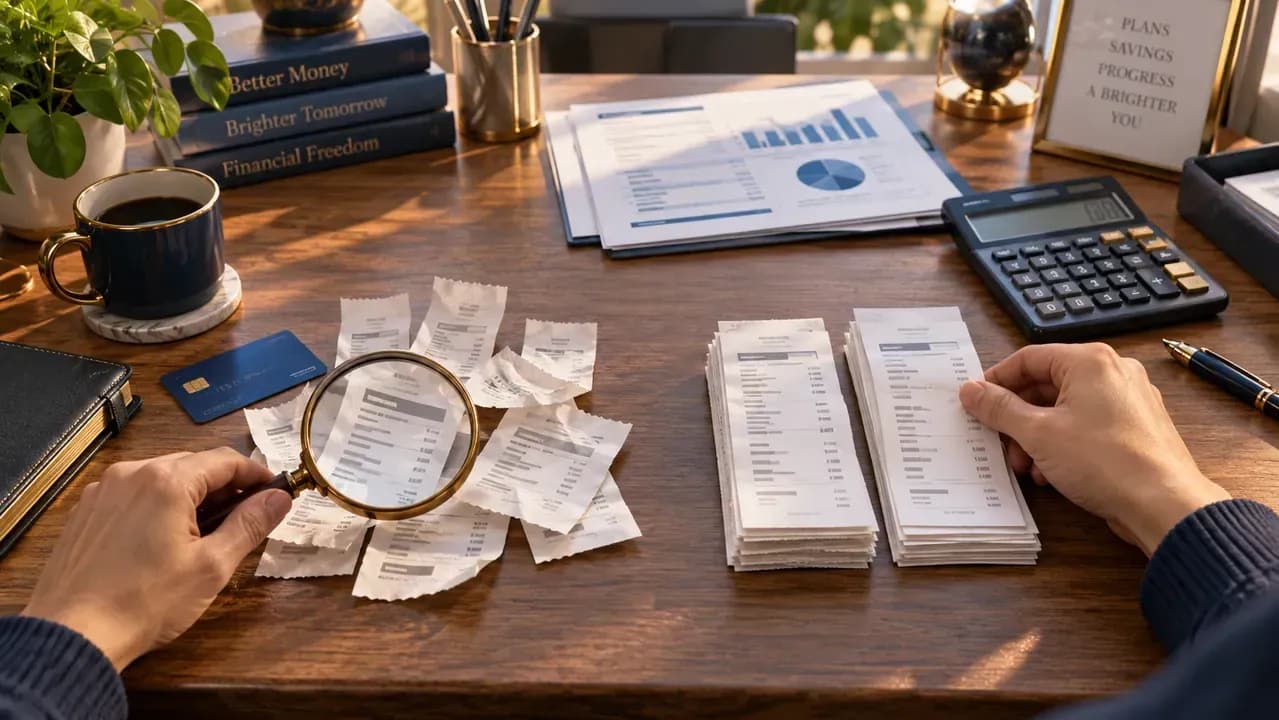
If the dispute involves a purchase, document what was promised and what happened. Regulation Z specifically includes property or services not accepted by the consumer or not delivered as agreed. CFPB commentary gives examples such as the wrong goods, wrong quantity, late delivery, or delivery to the wrong location. Save the order page, invoice, tracking history, photos of what arrived, and any messages discussing the promised delivery terms.

Check Payments and Credits
Not every dispute involves a purchase. A billing error can also occur when the creditor fails to credit a payment or other credit to your account properly. Compare bank records, payment confirmations, refund notices, and the credit card statement. If you paid $100 but only $50 was posted, or a promised merchant credit never appeared, identify the exact amount that should have been credited and the statement on which it should have appeared.

Look for Math or Identification Errors
Regulation Z also covers computational or similar accounting errors made by the creditor. Check totals, finance charges, account credits, and whether a transaction is identified accurately enough to recognize it. If the issue is that you need clarification or documentary evidence for a suspicious extension of credit, say that clearly. A generic request for a receipt solely for recordkeeping may not trigger the formal billing-error process.
Find the First Statement Showing the Error
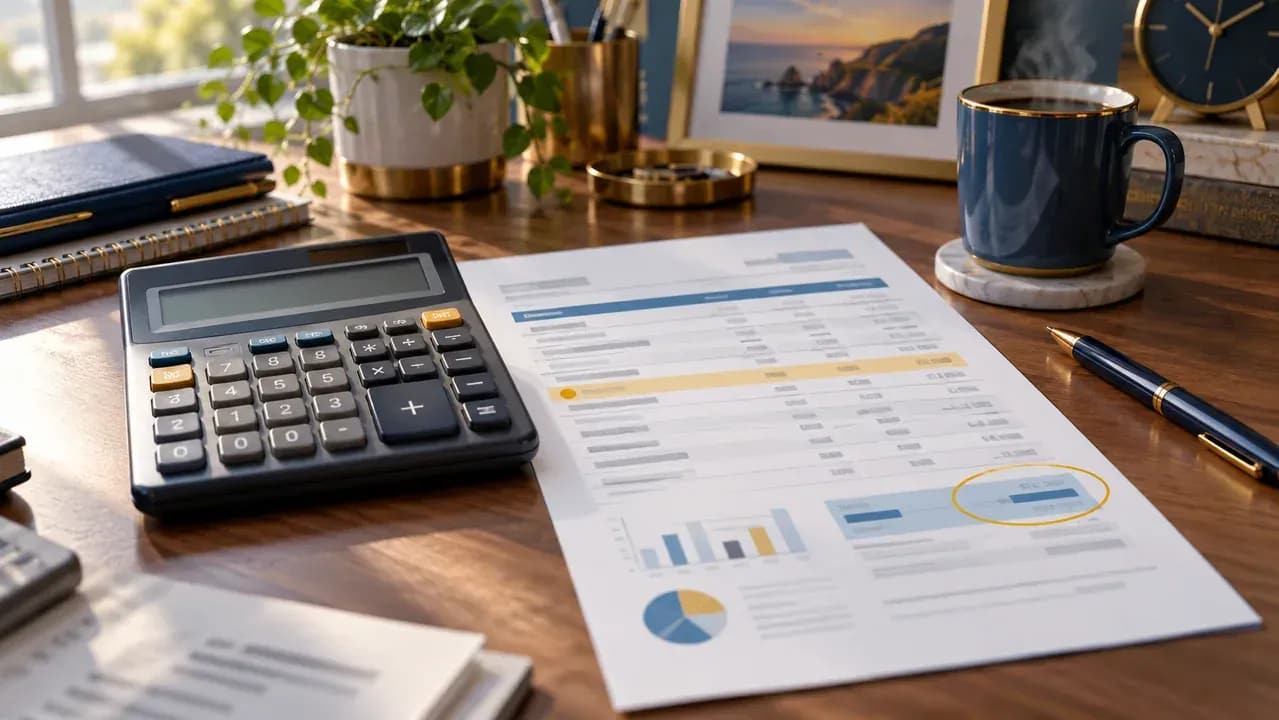
The federal timing rule is tied to the first periodic statement that reflects the alleged billing error. Locate that statement and record when the creditor transmitted it. Do not calculate the deadline from the purchase date unless it happens to align with the statement timing. If a credit should have appeared but did not, Regulation Z commentary measures the period from the statement on which that credit should have appeared.

Treat 60 Days as a Hard Working Deadline
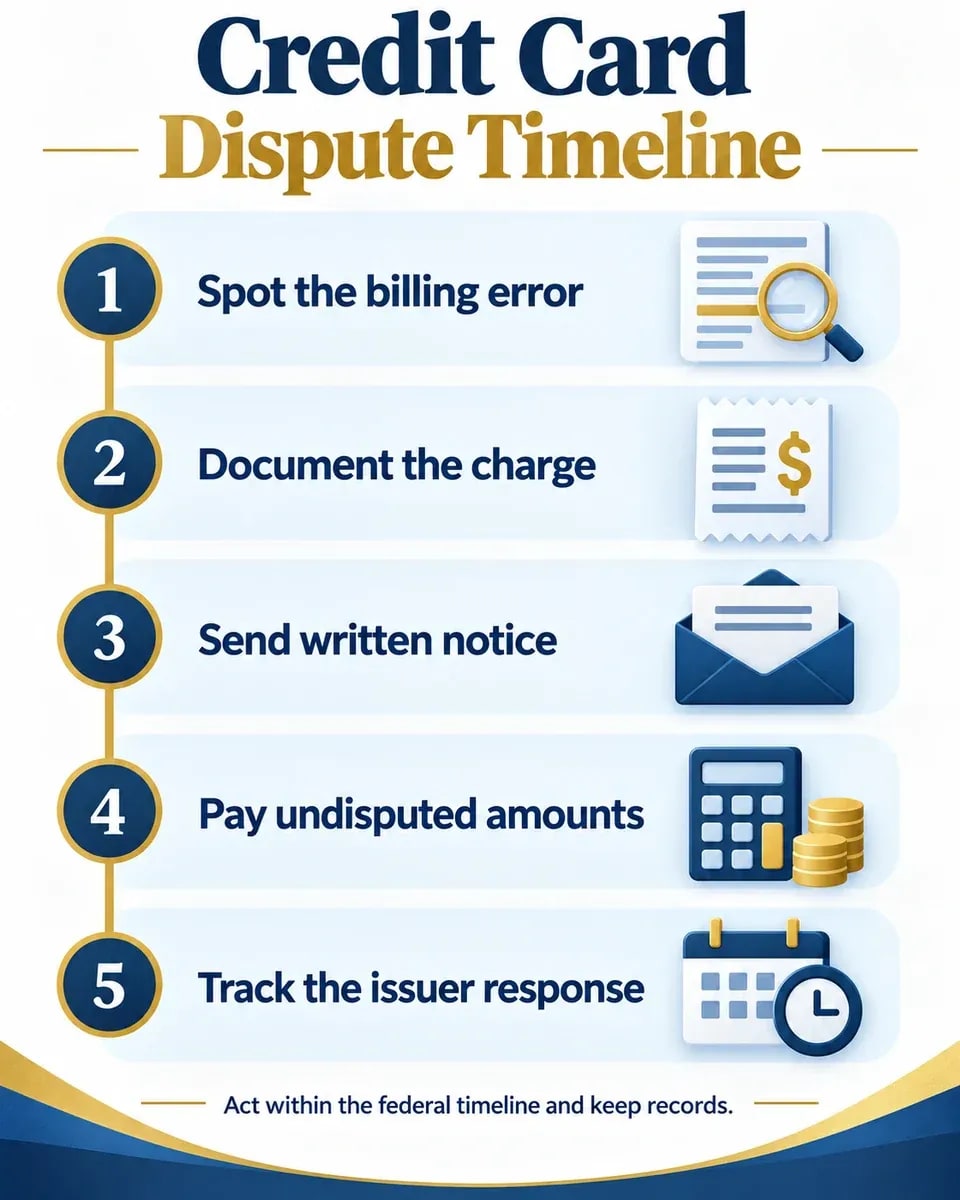
For the formal Regulation Z procedure, the creditor generally must receive the billing-error notice no later than 60 days after it transmitted the first statement reflecting the error. That wording matters. Do not plan around mailing something on day 60. Build in delivery time and submit well before the limit. An issuer may voluntarily offer a longer internal dispute window, but relying on that should not replace preserving federal rights.

Contact the Issuer Quickly
Calling the issuer or using its app can be useful as an immediate first move, particularly when you suspect unauthorized use and want the card locked or replaced. The CFPB also advises consumers to call customer service or file a dispute online. However, speed and formal legal notice are separate issues. Use the quick channel to contain the problem, then make sure the dispute is submitted in a form that satisfies the Regulation Z written-notice requirement.
Use the Correct Billing-Error Address
Credit card statements and billing-rights disclosures identify where billing-error notices should be sent. That address may be different from the payment address. A notice sent to the wrong place can create avoidable delay. If the issuer accepts electronic billing-error notices under Regulation Z, it should state the method it accepts. Follow those instructions carefully rather than assuming any email address, chat window, or generic upload form will qualify.
Write a Clear Identification Block
Your notice should give the issuer enough information to identify you and the account. Regulation Z requires information that enables the creditor to identify the consumer's name and account. Include your name, mailing address if appropriate, and account identifier as directed by the issuer. For security, avoid placing a full card number in an unsecured message if the issuer provides a safer account-reference method.
Identify the Exact Transaction
State the transaction date, merchant or descriptor, dollar amount, and any reference number that helps locate the item. If several charges are disputed, list each one separately. Avoid broad statements such as 'my bill is wrong' when you can identify the exact line item. Precision helps the issuer investigate faster and reduces the chance that the wrong transaction is reviewed.
Explain Why You Believe It Is Wrong
Regulation Z asks the consumer, to the extent possible, to state the belief that a billing error exists, the reasons for that belief, and the type, date, and amount of the error. Use factual language. For example, say that you did not authorize the transaction, that the item was never delivered, or that a $200 payment was posted as $20. Avoid speculation when a concrete explanation is available.

Attach Supporting Documents
Include copies of evidence that supports the facts you described. Useful records can include receipts, order confirmations, invoices, shipment tracking, merchant correspondence, cancellation confirmations, refund promises, payment confirmations, and screenshots of account activity. Send copies rather than irreplaceable originals. Organize them so the issuer can connect each document to the disputed transaction without guessing.

Do Not Wait on a Merchant Refund
It can be sensible to ask the merchant for a correction, but merchant discussions do not stop the Regulation Z clock. The regulation's official commentary also says consumers disputing certain goods or services not accepted or not delivered as agreed do not have to notify the merchant first before sending a billing-error notice to the creditor. If a promised refund is delayed, protect the issuer dispute deadline rather than waiting indefinitely.

Keep Proof of Delivery
Save a complete copy of the notice, every attachment, and evidence showing when the creditor received it. Depending on the issuer's accepted method, that might be a delivery receipt, certified-mail record, portal confirmation, secure-message timestamp, or another reliable acknowledgment. The purpose is simple: if timing is later questioned, you want a record showing what you submitted and when it reached the issuer.
Watch for the 30-Day Acknowledgment
After receiving a qualifying billing-error notice, the creditor generally must mail or deliver a written acknowledgment within 30 days. There is an important exception: if the creditor completes the required resolution within that 30-day period, a separate acknowledgment is not required. Keep the acknowledgment with your records because it helps establish the issuer's timeline and may include a case number or instructions for additional information.

Understand the Investigation Window
The issuer generally must complete the Regulation Z error-resolution procedures within two complete billing cycles after receiving your notice, but never later than 90 days. Two complete billing cycles means actual cycles occurring after receipt, not simply a fixed number of calendar days equal to two months. This structure gives the creditor time to review your evidence, obtain merchant information when relevant, and make a determination.

Know What a Reasonable Investigation Can Include
The issuer can review transaction patterns, delivery information, merchant records, signatures, and documentation relevant to the claim. For an unauthorized-use allegation, Regulation Z commentary describes several investigative steps a creditor may take, including comparing purchases with prior patterns and requesting supporting information. The regulation also says an issuer may not automatically deny a claim solely because a consumer refuses a particular request such as filing a police report, although missing information can affect what the issuer can reasonably determine.

Keep Paying Undisputed Charges
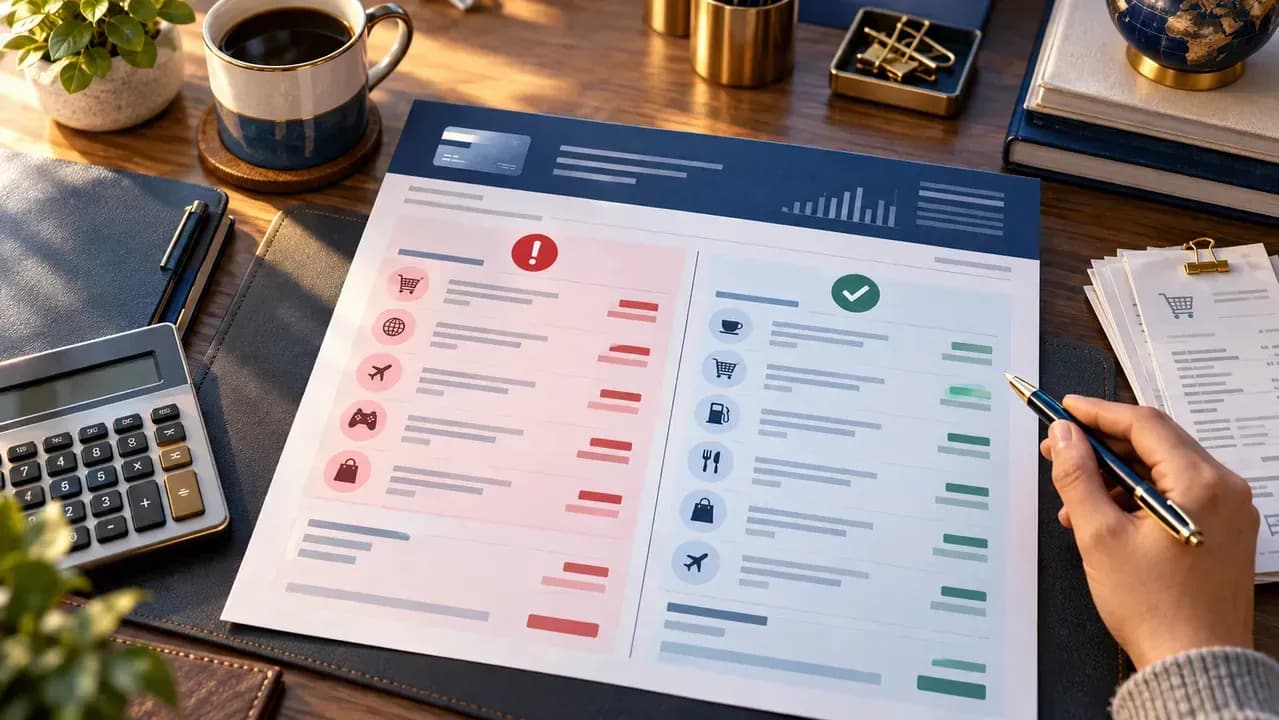
A pending dispute is not permission to stop paying the entire credit card bill. Regulation Z allows you to withhold the disputed amount and related finance or other charges while the qualifying dispute is unresolved, but the issuer can still collect undisputed amounts. Pay correct charges by the normal due date. If a $500 statement includes a disputed $100 item, the remaining $400 still requires ordinary attention.
Check Automatic Payments
If you use an automatic payment plan offered by the card issuer, Regulation Z contains a specific rule for disputed amounts. When the issuer receives the billing-error notice at least three business days before the scheduled payment date, it generally may not deduct the disputed amount or related finance or other charges through that plan. Review your setup carefully because payment arrangements offered by other financial institutions can be treated differently.

Understand Credit Reporting Protection
During the Regulation Z error-resolution period, the creditor may not make or threaten an adverse report because you did not pay the disputed amount or related charges. The issuer may report that the amount or account is in dispute, and it can still report delinquency involving undisputed amounts that you fail to pay. The practical rule is to isolate the disputed item while keeping the rest of the account current.
Know the Account-Restriction Rule
Regulation Z states that a creditor may not accelerate debt or restrict or close an account solely because a consumer exercised the section's rights in good faith. That does not mean a credit limit can never change for any other legitimate reason, and the disputed amount may still reduce available credit while the case is pending. The protection is against action taken solely because you used the billing-error procedure in good faith.
If the Issuer Finds an Error
When the issuer determines that the billing error occurred as asserted, Regulation Z requires it to correct the error and credit the account with the disputed amount and related finance or other charges as applicable. It also must mail or deliver a correction notice. Review the next statement to confirm that the principal amount, relevant fees, and related finance charges were handled consistently with the determination.
If the Issuer Finds No Error
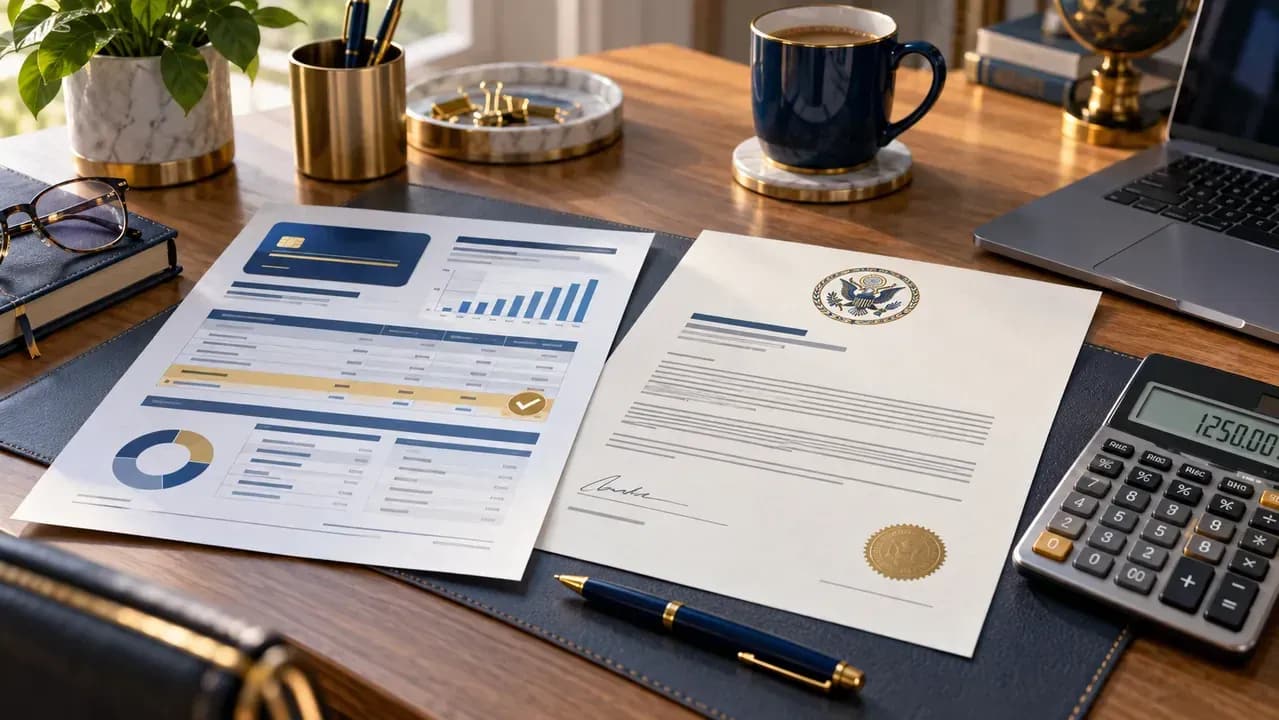
If the issuer concludes after a reasonable investigation that the alleged error did not occur, Regulation Z requires a written explanation of the reasons. If you request documentary evidence of the indebtedness, the regulation provides for copies in the circumstances described by the rule. Read the explanation against your evidence rather than focusing only on the outcome. Note the amount the issuer says remains due and the stated payment timing.
Understand What Happens to Interest After a Denial
Do not assume every finance charge disappears simply because the amount was disputed. Regulation Z protects the dispute process, but if the issuer properly determines that no billing error occurred, some finance charges may ultimately be owed depending on the account and whether you were entitled to a grace period. The rule also limits charges that arise on undisputed balances solely because you withheld the disputed amount. Read the final notice and card agreement carefully.

Reassert the Dispute Promptly if Needed
If the issuer says you owe some or all of the amount and you still dispute its decision, Regulation Z includes additional rules when the consumer sends further written notice within the allowed payment period. The creditor can have credit-reporting obligations connected with the continuing dispute. Because post-resolution situations can become fact-specific, keep the original file intact and consider qualified help if the amount is substantial or collection activity begins.

Separate Credit Card Rights From Debit Card Rights
Do not copy this process blindly for a debit card. Debit-card transactions are generally governed by the Electronic Fund Transfer Act and Regulation E, not the same Regulation Z billing-error provisions discussed here. Liability rules, notice periods, provisional-credit procedures, and investigation requirements can differ. If the transaction came from a checking account rather than a credit line, use the correct debit-card error process immediately.

Build a Dispute File You Can Reuse
Keep one folder containing the first affected statement, your notice, proof of receipt, evidence, merchant communications, issuer acknowledgment, case number, temporary credits, and final decision. Add a simple dated log of calls or portal messages. Good records reduce repeated work and make escalation easier if the issuer's handling appears inconsistent with its own decision or the federal process. For complex or high-dollar situations, a qualified professional can review the specific facts.
A suspicious credit card charge is not something to leave for later. Federal billing-error rules give consumers a structured way to challenge certain mistakes, but the protection depends on timing, documentation, and using the correct dispute channel.
The Consumer Financial Protection Bureau, or CFPB, explains that Regulation Z under the Truth in Lending Act covers several kinds of credit card billing errors, including unauthorized transactions, certain goods or services not accepted or delivered as agreed, incorrectly credited payments, computational errors, and some requests for clarification. The formal process is more specific than simply calling the number on the back of the card.
For the strongest federal protection, a qualifying written billing-error notice generally must reach the creditor within 60 days after the creditor transmitted the first periodic statement showing the alleged error. The issuer then has defined duties while it investigates. This guide explains the mechanics in practical terms. It is general educational information, not individualized financial, legal, or tax advice.
Where people go wrong
Waiting for the merchant past the federal deadline. Working with the merchant may be useful, but it should not cause you to miss the Regulation Z notice period. Preserve your rights with the issuer while merchant discussions continue.
Sending the dispute to the payment address. The billing-error address can be different from the address used for monthly payments. Use the address or electronic method designated by the issuer for billing inquiries.
Relying only on a phone call. A call can alert the issuer quickly, but the formal federal billing-error process depends on written notice that satisfies the regulation. Follow the issuer's instructions for a compliant written or accepted electronic notice.
Stopping all payments on the account. The disputed amount may be withheld while the qualifying dispute is pending, but correct undisputed amounts still need to be paid on time.
Using vague language. Identify the transaction, amount, date, type of problem, and why you believe it is wrong. A clear notice helps the issuer investigate the actual issue.
Discarding proof. Keep statements, letters, portal confirmations, receipts, delivery records, and issuer responses. A clean paper trail can matter if the dispute becomes complicated.
Treating debit-card rules as identical. Debit-card error rules generally fall under Regulation E rather than the same Regulation Z process described here. Timelines and protections can differ.
Questions people ask
For the formal federal billing-error procedure, the creditor generally must receive your written notice no later than 60 days after it transmitted the first periodic statement reflecting the alleged error. Issuers may offer additional or longer internal dispute options, but those should not be assumed to replace the federal timing rule.
Fixed it?
Get one guide like this every Thursday.