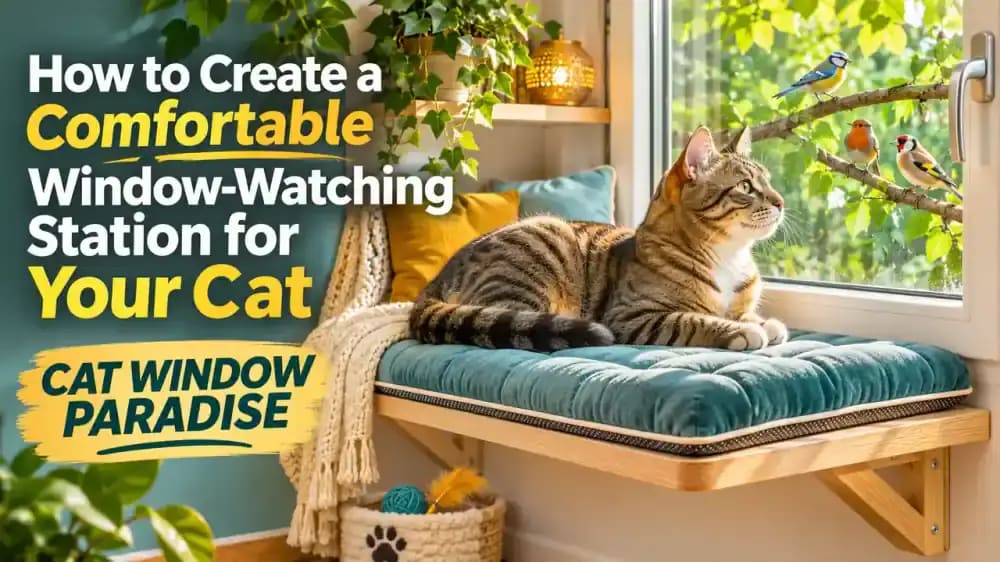
How to Create a Comfortable Window-Watching Station for Your Cat
Give your indoor cat a cozy, secure place to watch birds and outdoor activity. Learn how to choose the right window, set up a stable perch, prevent common hazards, and create a relaxing space your cat can enjoy every day.
What you’ll need
Tap to tick things off before you start.
A Window Into Your Cat's World
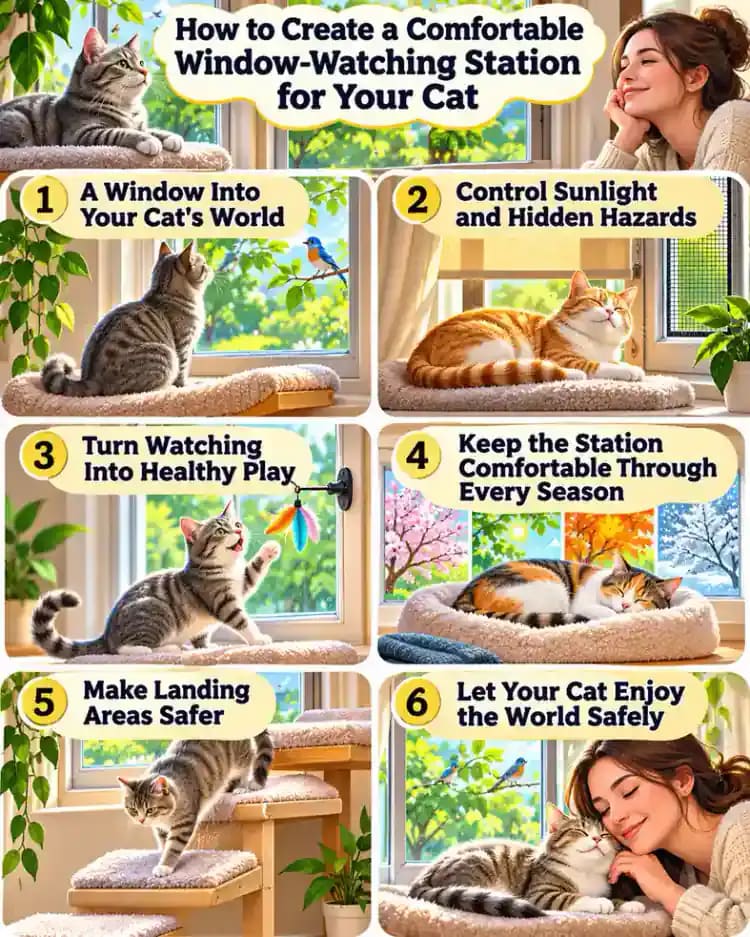
Give your indoor cat a dedicated place to enjoy birds, moving branches, and everyday outdoor activity. Window watching provides visual enrichment and encourages natural curiosity without requiring outdoor access. Notice which views capture your cat's attention, then plan a comfortable observation spot that supports relaxed watching while keeping your cat safely indoors.
Choose the Perfect Window
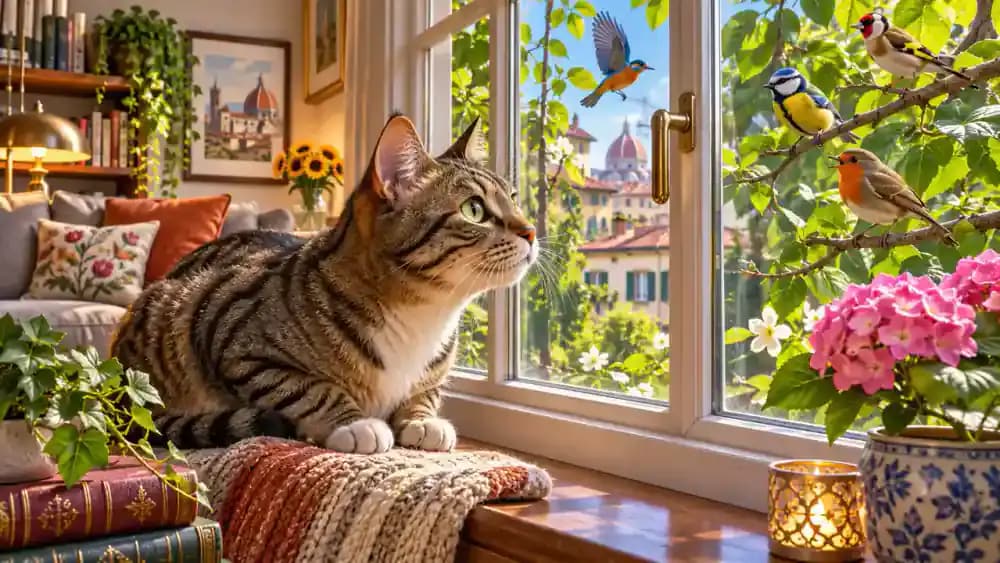
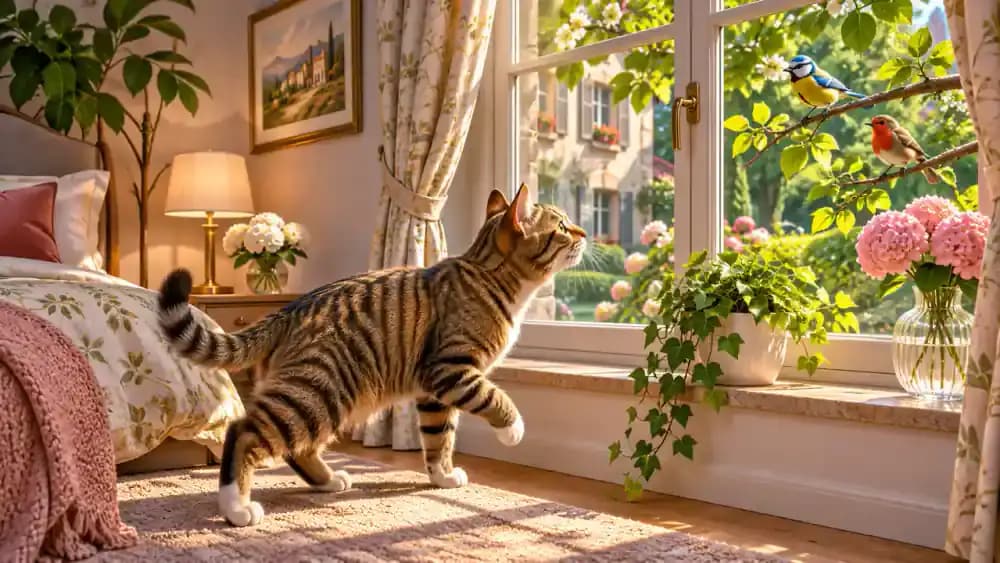
Observe which windows your cat naturally visits and choose a quiet location overlooking trees, a garden, or gentle neighborhood activity. Avoid noisy appliances, busy doorways, and cluttered areas that restrict access. Look for comfortable natural light without excessive afternoon heat. A peaceful window with an unobstructed approach gives your cat space to explore comfortably.
Build a Stable Viewing Platform
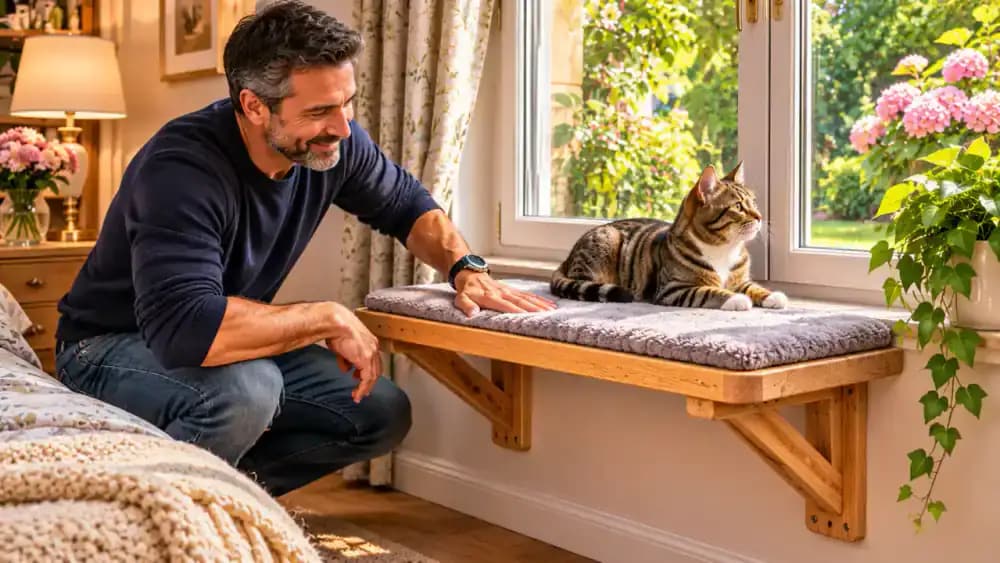
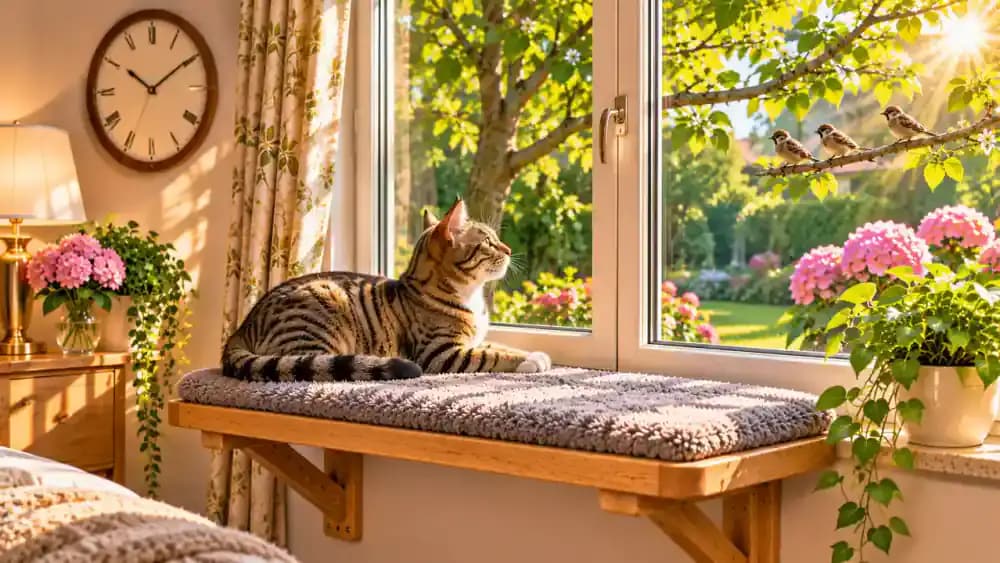
Position a sturdy, appropriately sized cat bench, wide shelf, or stable cat tree platform beside the closed window. Confirm that the surface supports your cat's weight and allows comfortable turning and stretching. Secure furniture against sliding or tipping, then press firmly on each corner to check for wobbling before allowing your cat onto the platform.
Create a Comfortable Non-Slip Surface
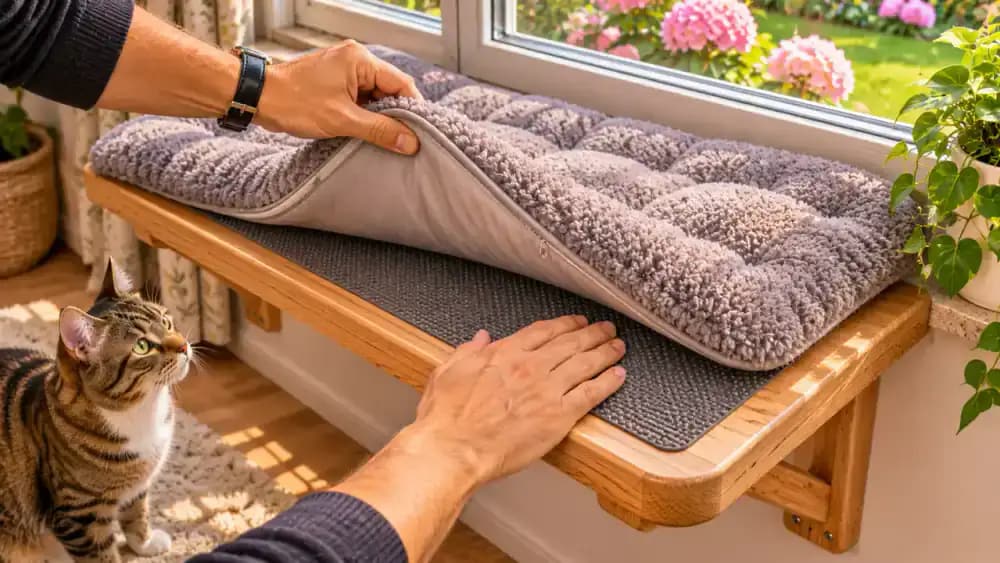
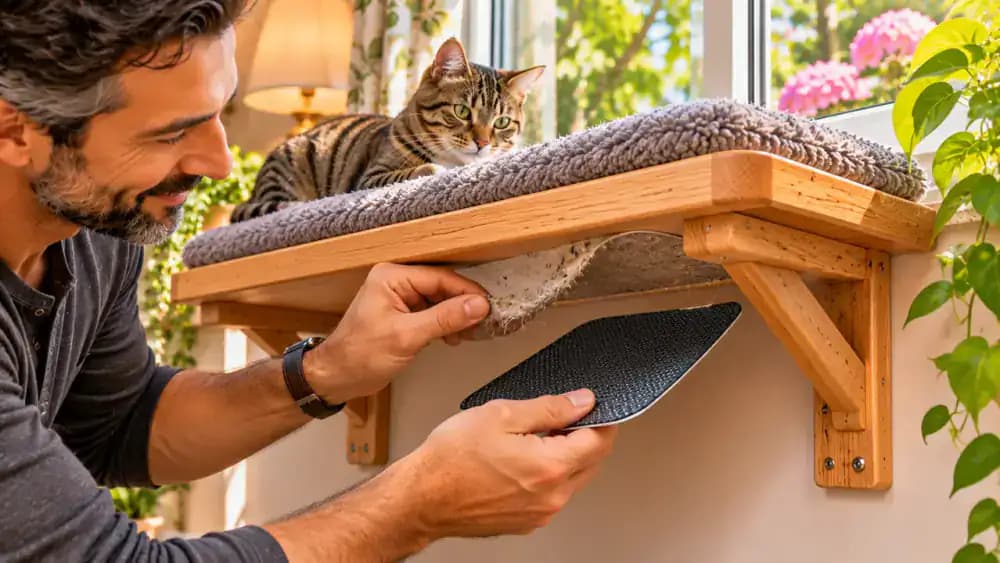
Cover the platform with a secure non-slip mat, then add a soft, washable cushion that fits without hanging over the edges. Check that the bedding stays in place when gently pulled and does not bunch beneath paws. Leave enough exposed space for secure footing when entering or exiting, and choose materials that are easy to clean.
Make Window Safety Non-Negotiable
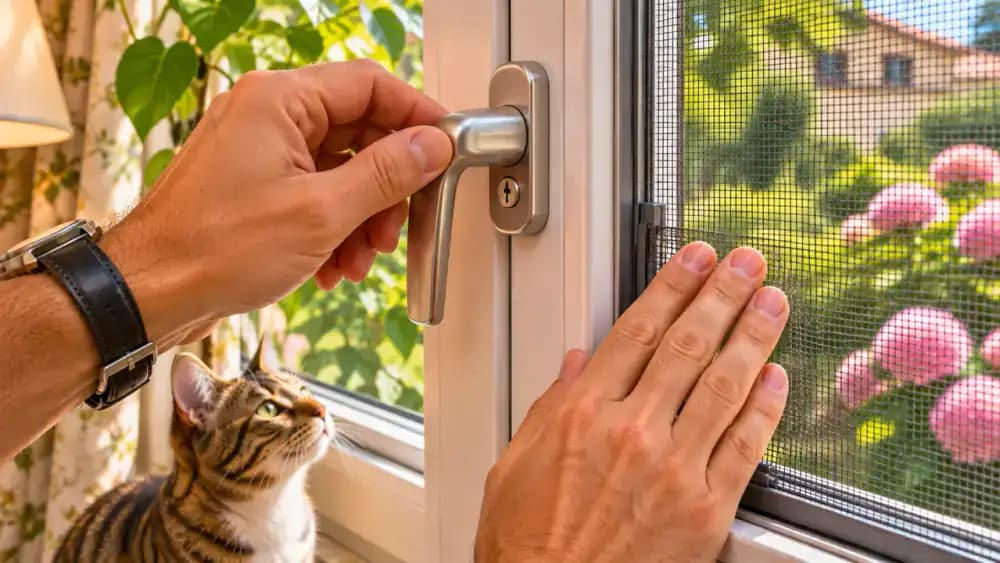
Keep the window securely closed unless a properly installed safety barrier prevents access to dangerous openings. Inspect latches, frames, and nearby gaps, especially on upper floors. Check that insect screens are firmly attached, but never depend on them to prevent falls. Keep your cat away during inspection and confirm all window hardware is secure before allowing access.
Control Sunlight and Hidden Hazards
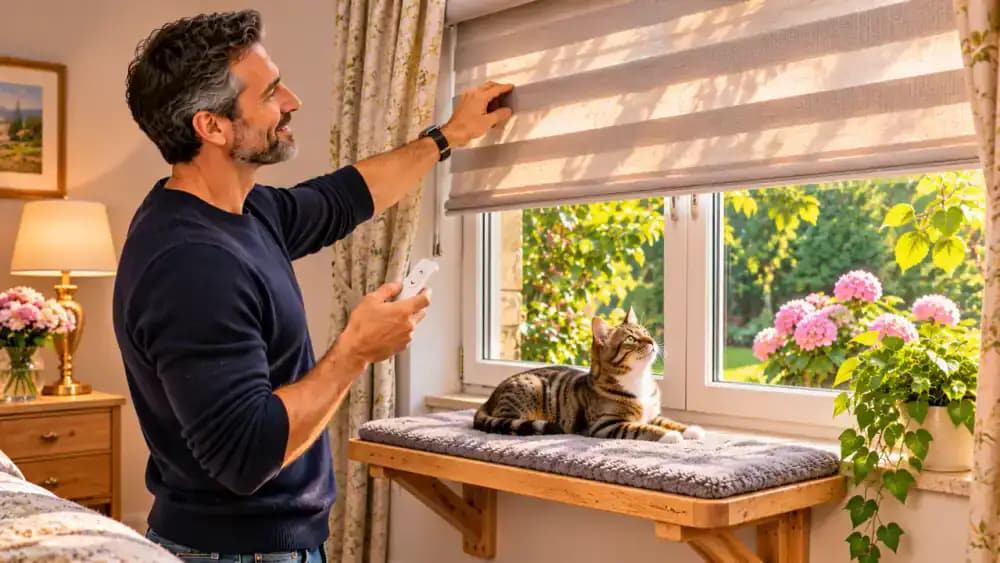
Monitor how sunlight reaches the window station throughout the day, and use a cordless shade if the cushion becomes too warm. Remove fragile decorations, potentially toxic plants, and accessible blind cords from nearby surfaces. Check for uncomfortable glare or distracting outdoor activity, and adjust the viewing angle when necessary to maintain a calm, comfortable environment.
Give Your Cat Freedom to Choose
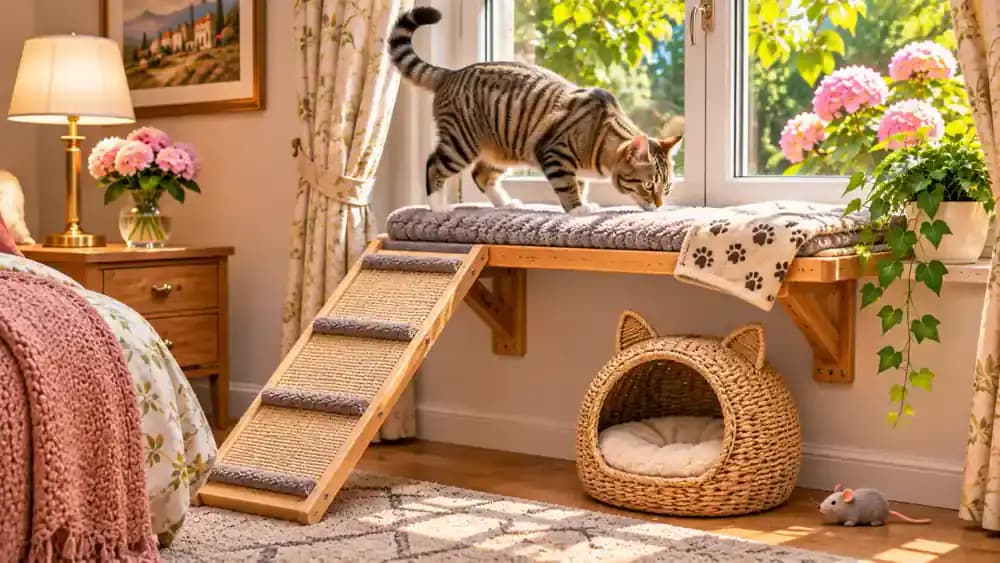
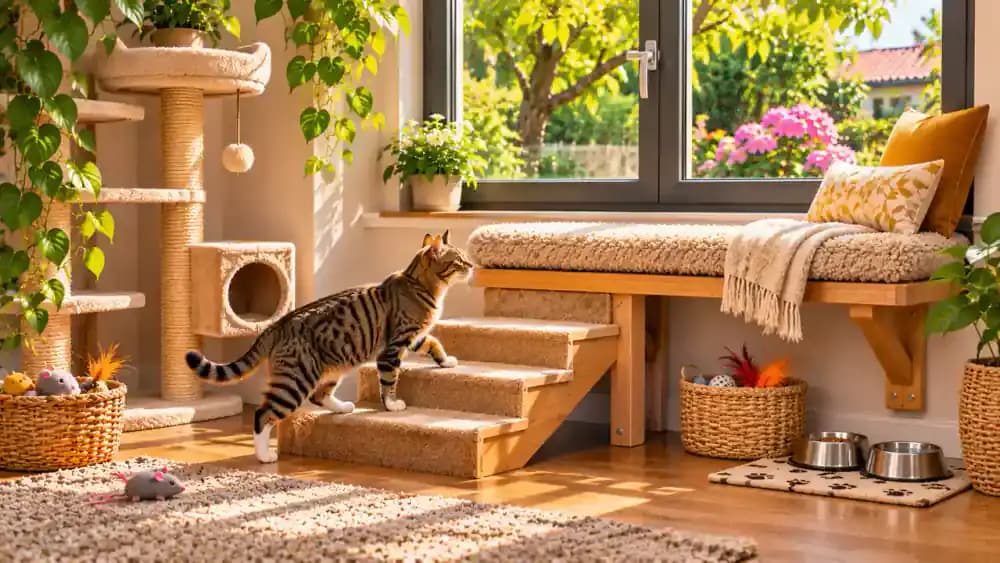
Place a cozy basket or floor bed near the window station so your cat can rest elsewhere whenever it chooses. Keep walking routes clear and provide a stable ramp if easier access is needed. Introduce familiar bedding or a few treats nearby, then step back and let your cat investigate the new perch voluntarily.
Watch for Comfort and Enjoyment
Observe your cat's body language while it uses the window perch. Neutral ears, relaxed muscles, and gentle eye movements often indicate comfortable observation. Persistent hiding, tense posture, or frantic pawing may signal discomfort. Reduce outdoor stimulation or adjust the setup if necessary, and always allow your cat to leave without being restrained or encouraged to stay.
Discover Your Cat's Favorite Viewing Times
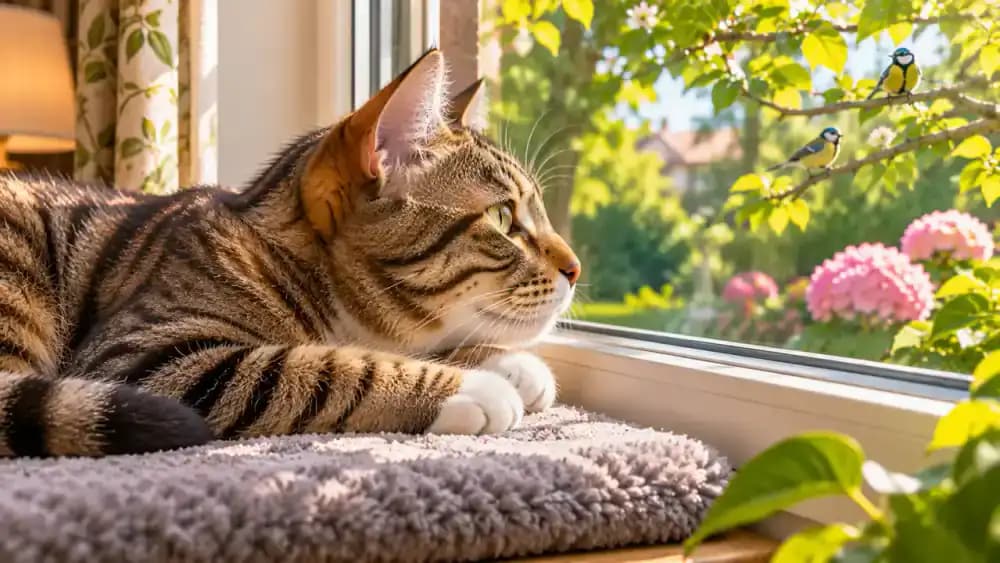
Notice when your cat naturally visits the window station and what outdoor activity captures its attention. Morning birds, afternoon squirrels, and evening pedestrians may offer different experiences. Observe these patterns over several days without forcing a schedule. Maintaining access during preferred viewing periods can support a predictable, enjoyable routine while allowing plenty of quiet resting time.
Make the Outdoor View More Interesting
Enhance a quiet outdoor view by planting native flowers, shrubs, or other wildlife-friendly vegetation in your yard. These plants can attract butterflies and birds while creating natural movement for your cat to observe. Keep wildlife safely separated from your cat, and position feeders according to established bird-window collision prevention guidance rather than placing them casually near glass.

Understand Your Cat's Hunting Reactions
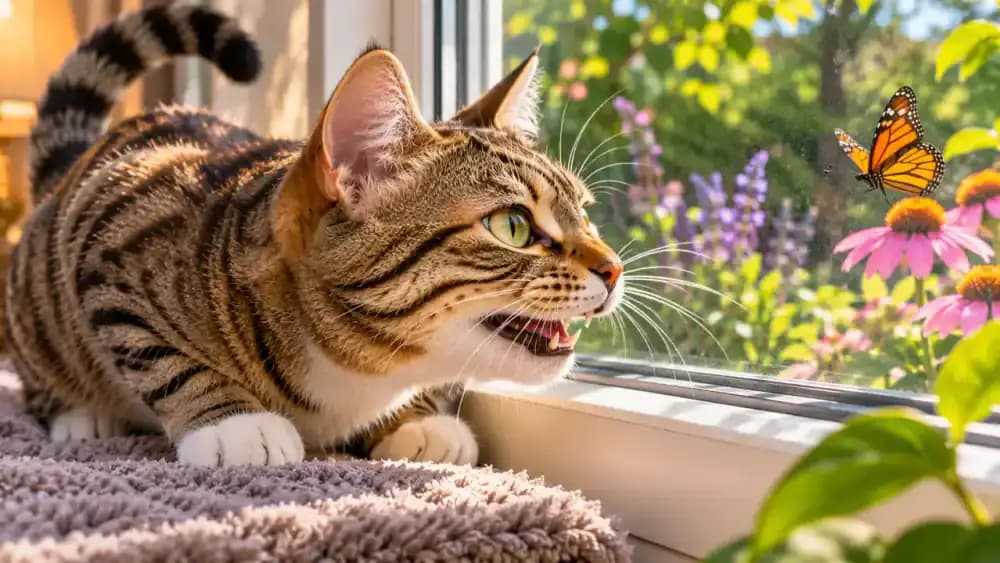
Watch how your cat responds to birds, butterflies, and other movement outside. Jaw chattering, tail twitching, focused staring, and crouching can reflect hunting excitement rather than relaxation. If your cat repeatedly lunges at the glass or struggles to settle afterward, reduce viewing time and redirect its attention toward a quiet indoor puzzle activity.
Turn Watching Into Healthy Play
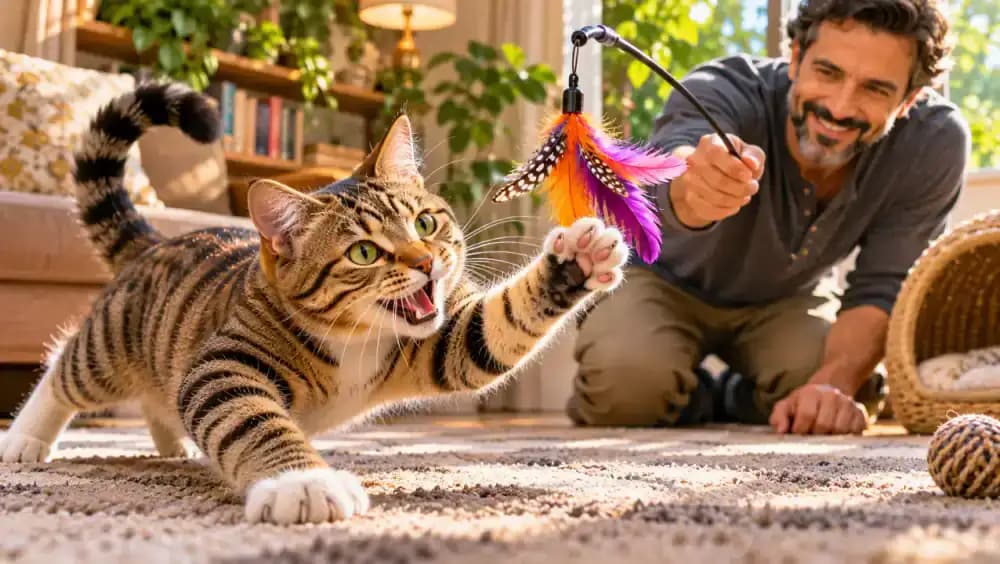
After an exciting window-watching session, offer a few minutes of interactive indoor play. Move a feather wand along the floor in short, unpredictable motions to encourage stalking and pouncing. Let your cat successfully catch the toy several times, then finish with a small treat. Store wand toys safely afterward to prevent unsupervised access to strings.
Keep the Window Station Clean and Secure
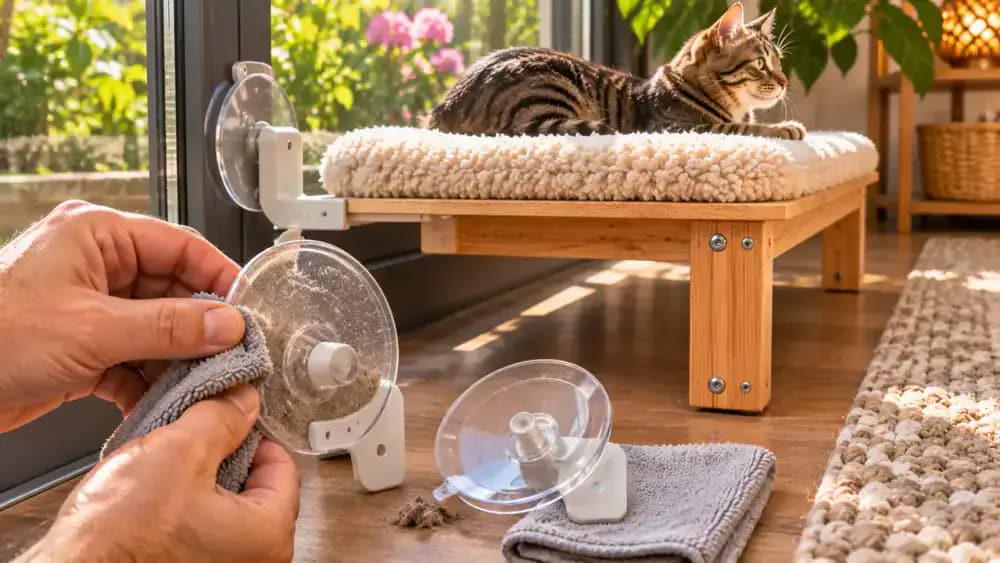
Remove accumulated fur and dust regularly, and wash removable cushions according to their care labels. Clean the window and perch with pet-safe products, allowing surfaces to dry completely before use. Inspect mounting hardware, furniture joints, and non-slip materials for wear. Tighten loose fittings and replace damaged components promptly to maintain a clean, stable resting area.
Adapt the Station as Your Cat Ages
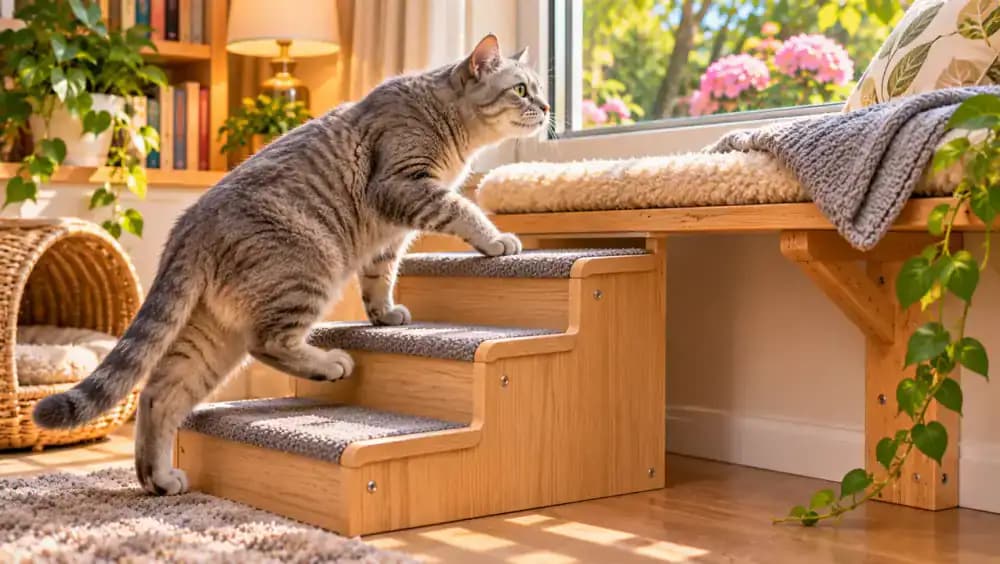
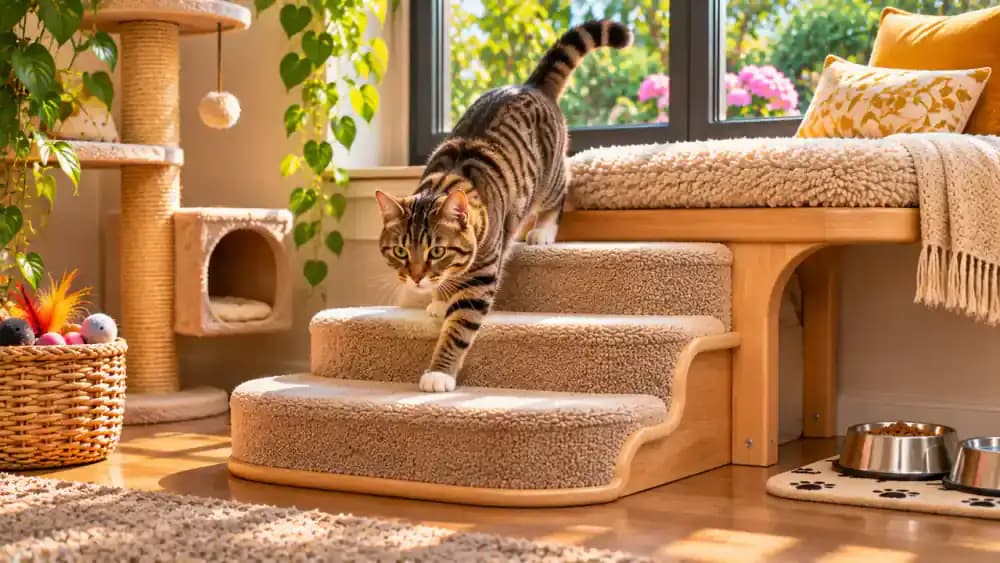
Reevaluate your cat's window station as its mobility and comfort needs change. Replace difficult jumps with a lower, stable platform or broad, non-slip pet steps. Watch for hesitation, slipping, or difficulty reaching the perch, and avoid forcing movement. If mobility concerns persist, consult your veterinarian about suitable accommodations that support comfortable access to favorite resting places.
Create Harmony in Multi-Cat Homes
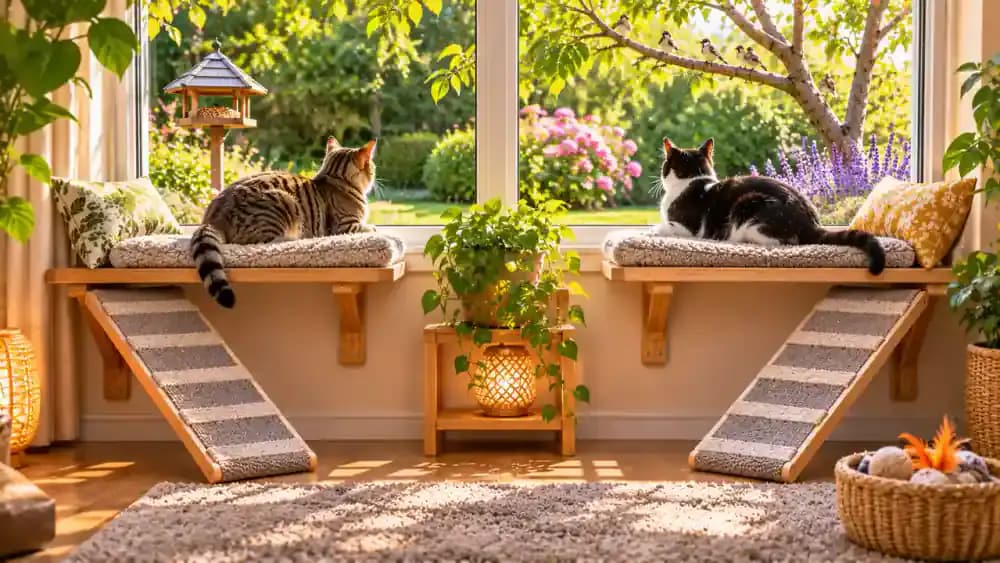
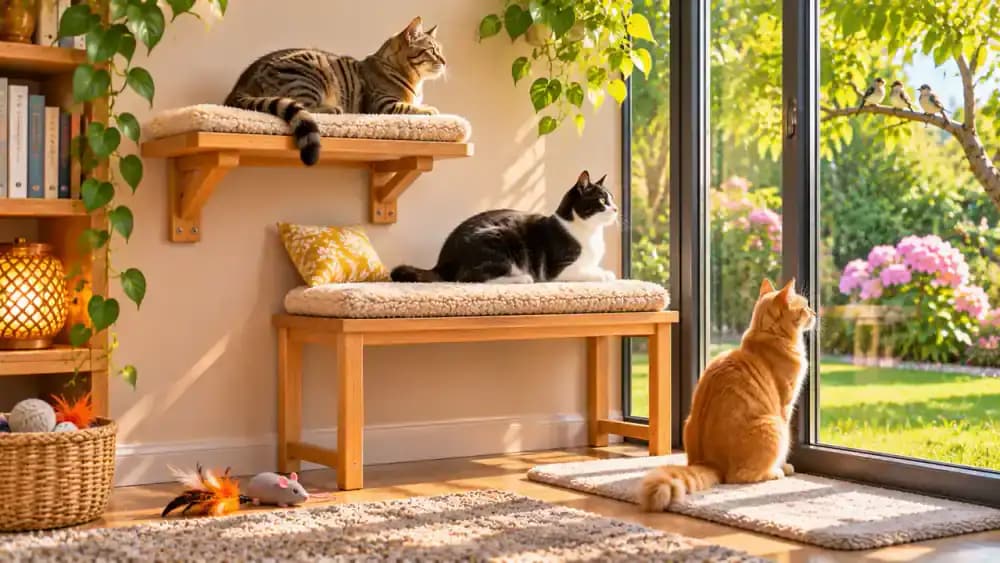
If several cats share your home, provide multiple window perches or comfortable resting areas instead of expecting them to compete for one platform. Position stations with separate approach and exit routes to prevent blocking. Watch for prolonged staring, chasing, or guarding behavior. Giving each cat independent access and an easy retreat can help reduce tension around popular viewing spots.
A Little Window With a Big Purpose
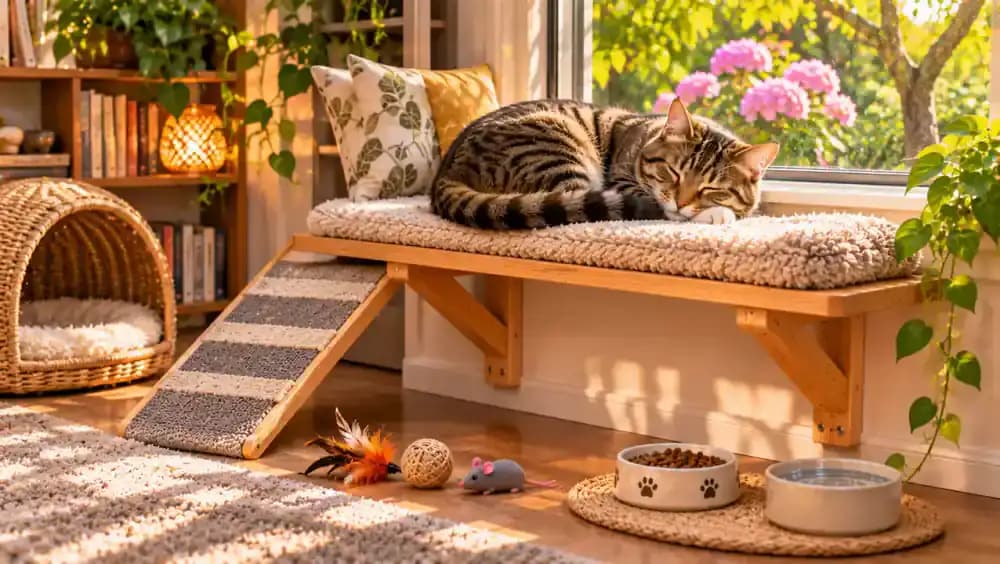
Make the window station a dependable part of your cat's daily routine by keeping it clean, secure, and accessible. Allow your cat to visit between meals, playtime, and naps without interruption. Continue observing its preferences and adjusting the setup as needed. A comfortable perch with a safe outdoor view provides lasting enrichment without demanding constant attention.
Prevent Accidental Window Collisions
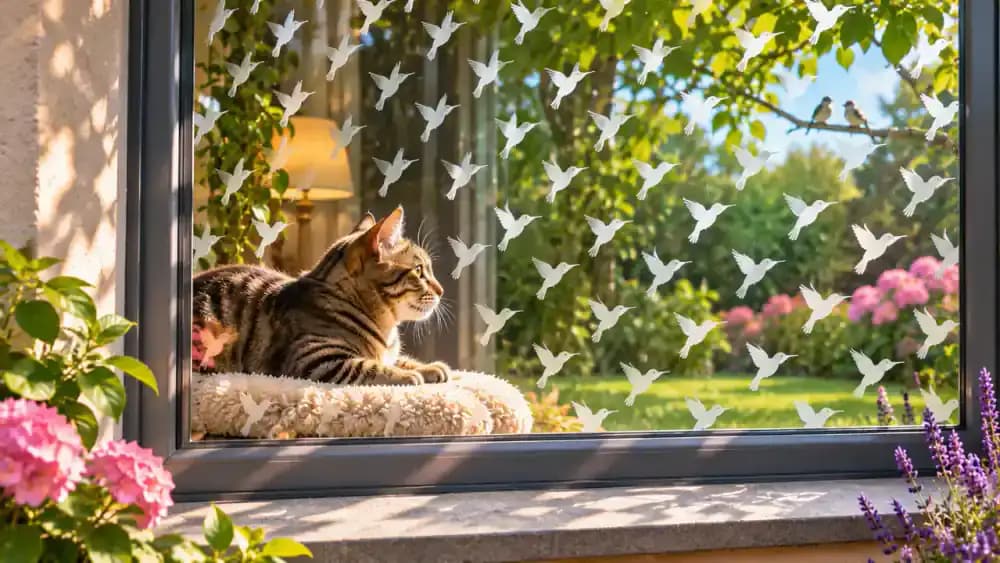
Reduce the risk of birds colliding with your window by applying closely spaced, bird-safe decals across the exterior glass. Choose a pattern designed for collision prevention rather than a few widely separated stickers. Keep the indoor perch clear of obstacles, and avoid dangling decorations. Make sure the decals preserve enough visibility for your cat to enjoy watching outdoors.
Keep the Station Comfortable Through Every Season
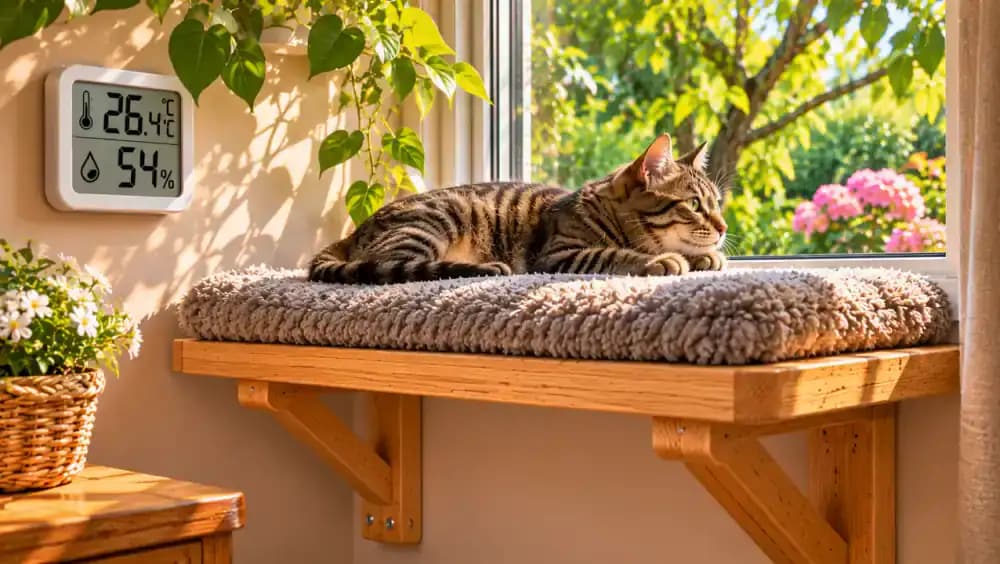
Check your cat's window station as outdoor temperatures change. During winter, inspect the frame for drafts, condensation, and damp bedding. In summer, monitor direct sunlight and heat buildup near the glass. Place a small thermometer beside the perch to track conditions, adjust shade or room temperature when necessary, and always provide an alternative comfortable resting area.
Find Your Cat's Preferred Viewing Height
Observe whether your cat prefers watching from floor level, a medium-height bench, or an elevated platform. Choose a height that supports a relaxed neck position and allows easy access without risky jumps. Check that your cat can sit, turn, and lie down comfortably. Prioritize stability and accessibility over height, especially for smaller or less agile cats.
Add Privacy Without Blocking the View
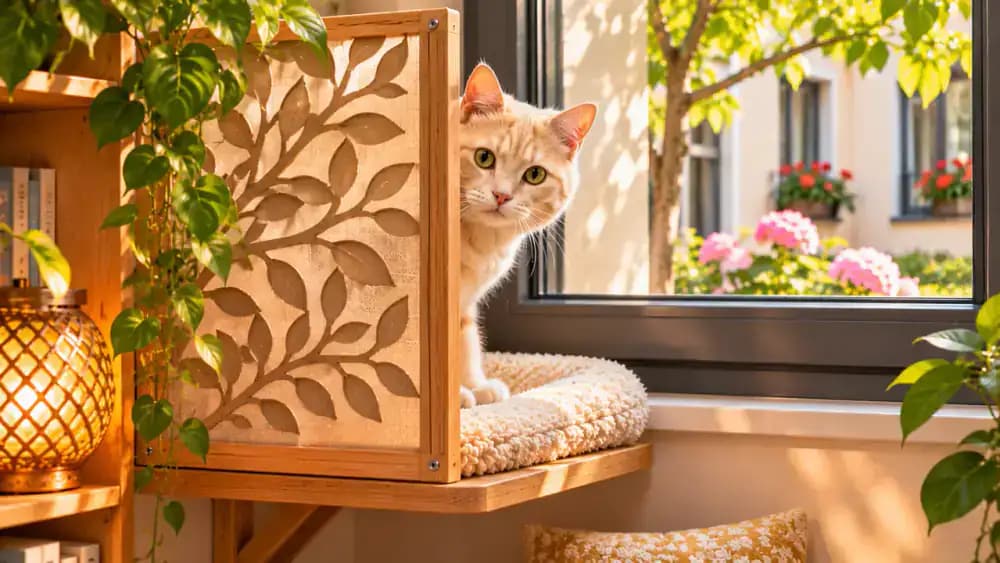
Give a cautious cat a sense of shelter by placing a stable privacy panel or partially covered resting bed beside the window perch. Keep the outdoor view unobstructed and maintain a clear exit route. Avoid heavy, unstable panels or enclosed arrangements that could trap your cat. Let your cat choose between the sheltered area and the open viewing space.
Choose Reliable Mounting Methods
Inspect how your chosen window perch attaches before allowing your cat to use it. Suction cup mounts can loosen because of dust, moisture, temperature changes, or aging materials. Follow the manufacturer's installation instructions and weight limits, and check attachments regularly. If mounting reliability is uncertain, choose a sturdy, floor-supported platform that cannot slide or tip.
Measure the Benefits Beyond Window Watching
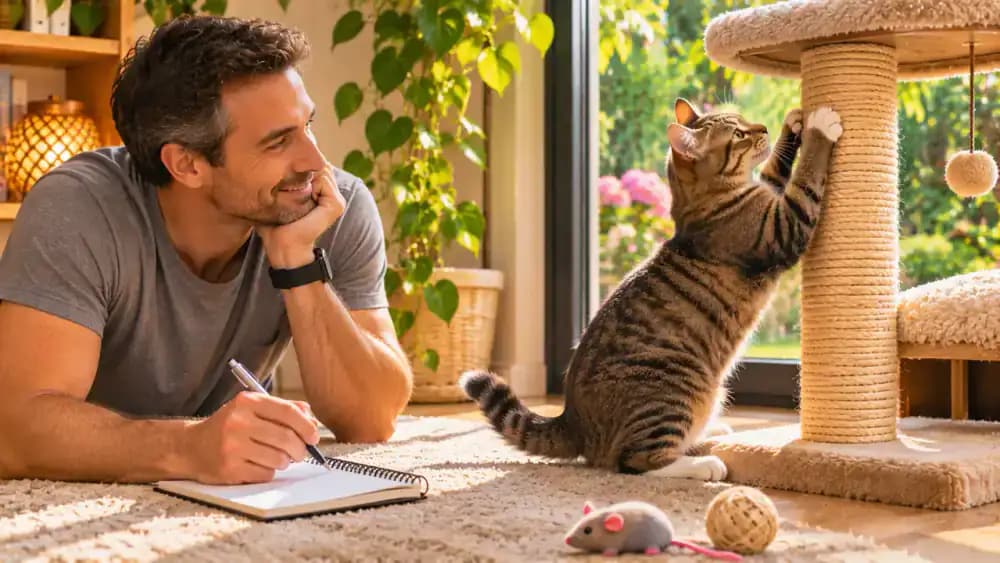
Observe how your cat behaves throughout the day, not just while watching outside. Notice whether it approaches the station voluntarily, relaxes afterward, and continues eating, drinking, playing, and resting normally. Record any noticeable changes in a simple notebook. If persistent agitation or unusual behavior develops, reduce window stimulation and consult your veterinarian or a qualified feline behavior professional.
The Final Window Station Checklist
Review the completed station before making it part of your cat's routine. Confirm the window is securely closed, the platform cannot wobble, and the non-slip cushion stays in place. Check for accessible cords, excessive sunlight, and blocked exits. Keep an alternative resting spot nearby, and make sure your cat can approach, enjoy the view, and leave freely.
Make Landing Areas Safer
Inspect the floor around your cat's window station for obstacles that could make jumping down hazardous. Move sharp-cornered furniture, fragile objects, and loose rugs away from the landing area. For elevated perches, consider a broad, stable intermediate step with a non-slip surface. Keep the descent route clear so your cat can leave safely, even when startled.
Consider Outdoor Noise and Distractions
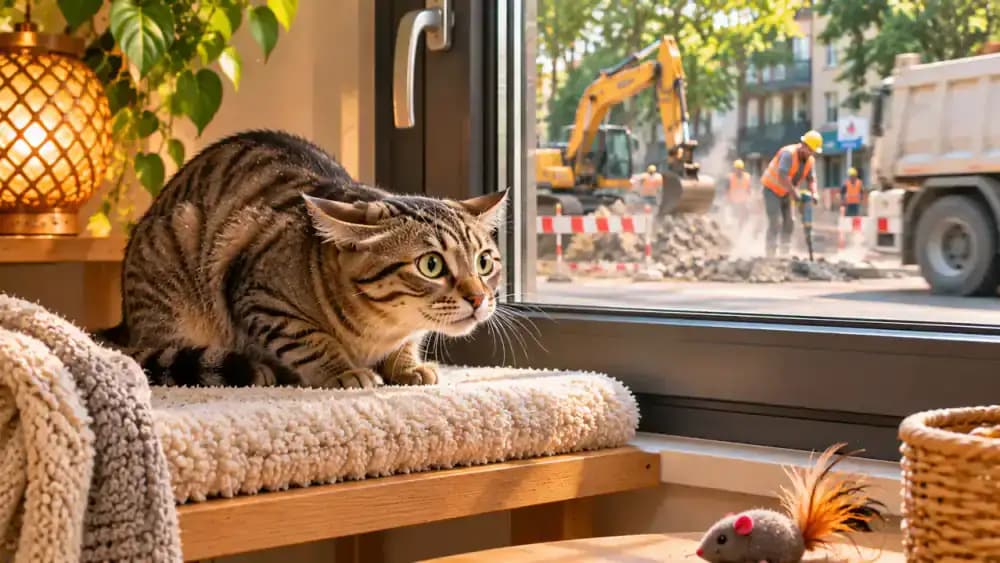
Pay attention to outdoor sounds around the window, including construction equipment, barking dogs, and sudden traffic noise. Watch whether your cat remains relaxed or reacts with flattened ears, tense posture, or attempts to retreat. If loud disturbances happen frequently, relocate the station or provide access to a quieter room. Never force your cat to remain near upsetting sounds.
Create a Safe Window Opening Routine
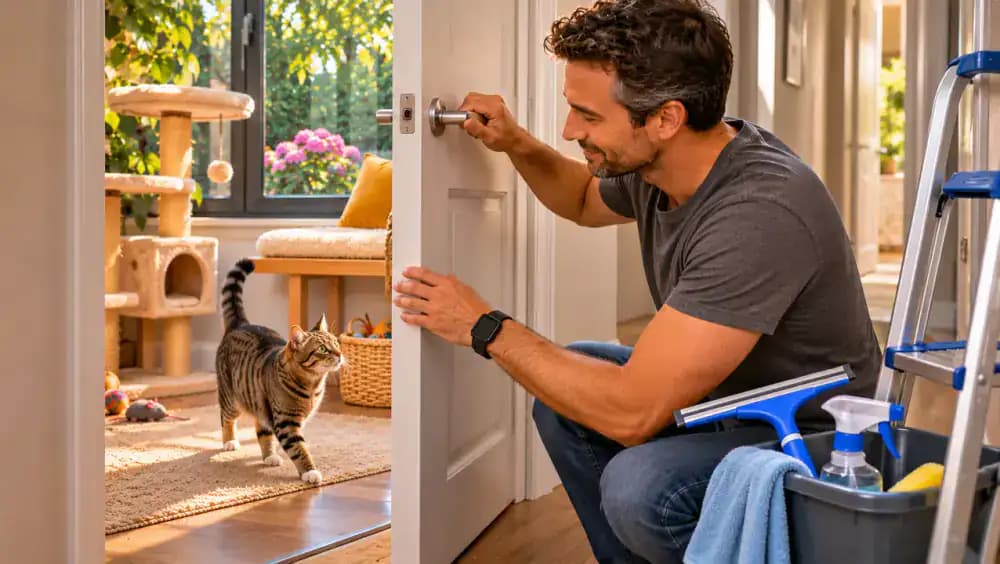
Before opening the window for cleaning or ventilation, move your cat into a separate, secure room and close the interior door. Complete your task while the cat remains safely contained. Close and latch the window, checking that no dangerous gaps remain, before allowing your cat to return. Never rely on verbal commands to prevent access to an open window.
Build a Great Station on a Small Budget
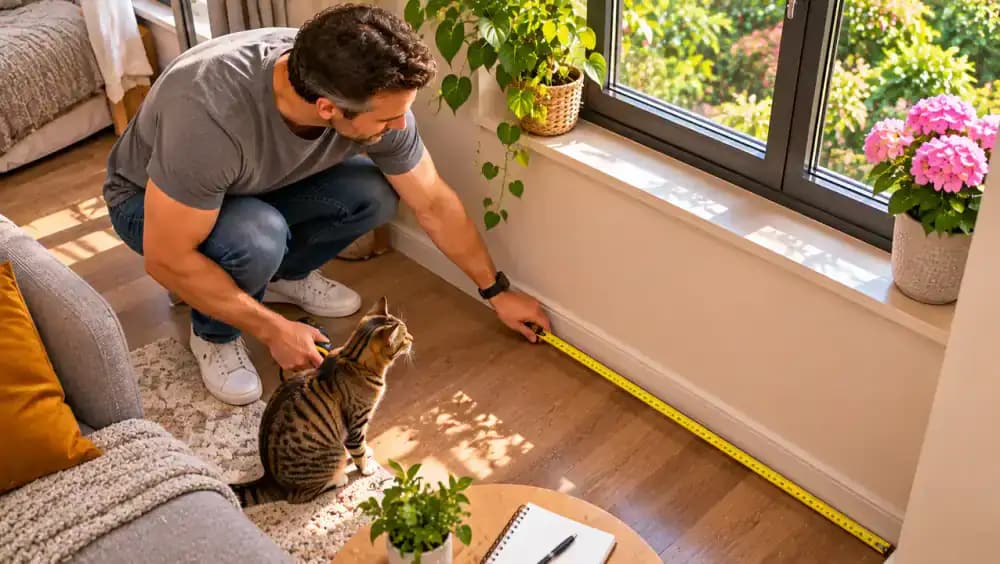
Measure the available space beside your window before purchasing furniture or accessories. An existing sturdy wooden bench or low platform may work without requiring an expensive specialty perch. Verify its stability, weight capacity, and available resting space. Keep walkways and emergency exits clear, and prioritize secure positioning, washable bedding, and easy maintenance over decorative features.
Avoid Overdecorating the Window Station
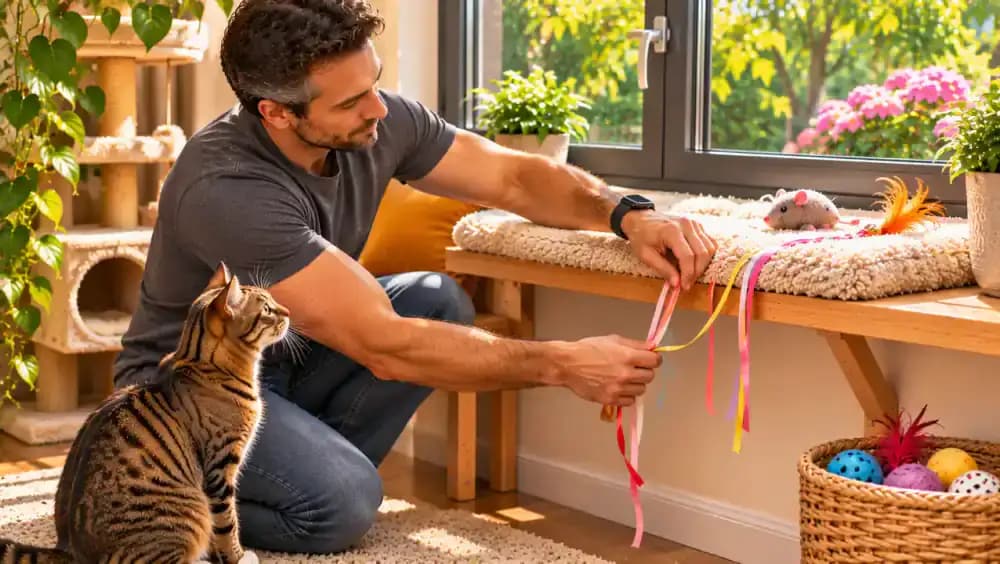
Keep the window station free from hanging ribbons, strings, suspended toys, and unnecessary decorations. These objects may become entanglement hazards or encourage sudden leaps toward the glass. Remove fragile accessories and keep the surrounding surfaces uncluttered. Store interactive toys in a separate area for supervised play, allowing the perch to remain a peaceful place for comfortable observation.
Share Safety Rules With Everyone at Home
Explain the window station's safety requirements to family members, visitors, and pet sitters. Identify which windows must remain closed, which furniture must stay securely positioned, and where your cat can rest instead. Demonstrate the safe window opening routine and leave a short written checklist in a visible location. Consistent precautions help prevent accidents when someone else is caring for your cat.
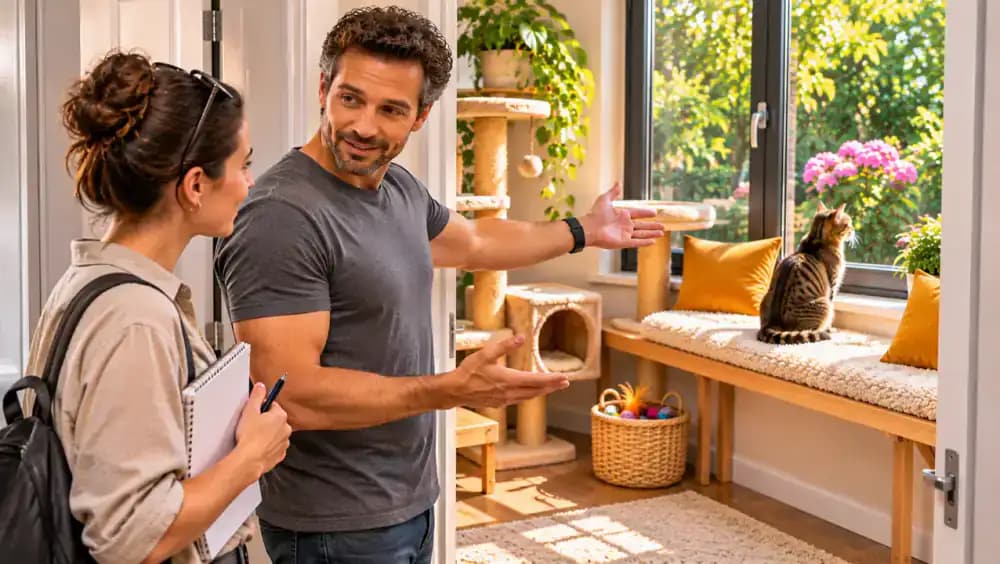
Let Your Cat Enjoy the World Safely
Allow your cat to enjoy the completed window station on its own terms. Keep the window securely closed, the platform stable, and the resting surface comfortable. Observe whether your cat approaches willingly, watches calmly, and leaves without difficulty. Make adjustments when preferences change, remembering that a simple, dependable setup can provide meaningful enrichment throughout your cat's indoor life.

Your indoor cat spots a bird landing on the fence, lifts its ears, and settles beside the window for a closer look. A passing squirrel, fluttering leaves, or neighborhood activity can turn an ordinary window into a fascinating place to spend the afternoon. With a little planning, you can transform that favorite viewing spot into a comfortable cat window perch that supports safe, everyday enrichment.
Window watching gives indoor cats opportunities to observe movement, explore changing sights, and engage their natural curiosity without going outdoors. A thoughtfully arranged station can also provide a peaceful resting area where your cat can stretch out, relax, and enjoy the view at its own pace.
The most important consideration is safety. A good window-watching station needs a stable platform, secure window access, comfortable bedding, and protection from excessive heat, dangling cords, and nearby hazards. Window screens alone are not reliable fall barriers, particularly if a cat pushes against them.
Comfort and choice matter just as much as the view. Your cat should be able to approach voluntarily, change positions, retreat to another resting spot, or leave whenever it wants. Some cats enjoy watching birds for extended periods, while others prefer brief visits. By observing your cat's behavior and adjusting the environment, you can create an inviting window station that fits its individual preferences.
Where people go wrong
Assuming a Window Screen Will Prevent Falls. A window screen may keep insects outside, but it is not designed to support a cat's weight or withstand repeated pushing. Loose frames, worn fasteners, and damaged mesh can fail unexpectedly. Keep windows securely closed or use appropriate safety restrictions that prevent dangerous openings. Never treat an ordinary insect screen as a dependable fall barrier.
Using an Unstable or Undersized Perch. A narrow shelf, lightweight table, or poorly attached perch can shift when a cat jumps onto it. Even a small movement may frighten your cat or cause a fall. Choose a sturdy platform with enough room for natural movement, verify its weight rating, and secure it against sliding or tipping before allowing access.
Placing the Station in Intense Direct Sunlight. A sunny window may look inviting, but prolonged exposure can make the resting surface uncomfortably hot, especially during summer afternoons. Glass can contribute to heat buildup, and cats may remain in a favorite spot longer than expected. Provide adjustable shade, check surface temperatures throughout the day, and make sure a cooler resting area remains accessible.
Leaving Blind Cords and Nearby Hazards Accessible. Dangling blind cords, loose cables, unstable decorations, and fragile objects can make an otherwise pleasant window station unsafe. Cats may paw at swinging objects or become entangled while exploring. Use cordless window coverings when possible, secure electrical cords, and remove breakable items, toxic plants, and objects that could fall from the surrounding area.
Choosing Bedding That Slides or Bunches Up. A thick cushion may appear comfortable, but loose bedding can shift as your cat lands, turns, or stretches. This can reduce stability and make the perch less appealing. Add a suitable non-slip layer and choose washable bedding that fits the platform securely. Avoid bulky cushions that hang over the edges or interfere with safe footing.
Forcing Your Cat to Use the New Station. Placing a reluctant cat directly onto a new perch can create an unpleasant association with the space. Some cats prefer to investigate unfamiliar furniture gradually. Let your cat approach voluntarily, sniff the surface, and decide whether to settle there. Keep an alternative resting place available and allow the cat to leave without interference.
Ignoring Signs That the View Is Stressful. Outdoor movement is not enjoyable for every cat. Nearby dogs, unfamiliar cats, loud traffic, or birds just beyond reach may trigger agitation rather than relaxation. Watch for persistent tail lashing, flattened ears, tense posture, repeated vocalizing, or attempts to escape. Reduce visual exposure, change the location, or provide a quieter alternative if your cat appears uncomfortable.
Questions people ask
A well-designed window perch can provide valuable visual enrichment for indoor cats by offering changing sights, natural movement, and a comfortable observation area. Watching birds, trees, and everyday outdoor activity may encourage curiosity and relaxed engagement. However, window watching should complement other enrichment activities, including interactive play, scratching opportunities, climbing spaces, and regular social interaction suited to your cat's preferences.
Fixed it?
Get one guide like this every Thursday.