How to Clean Your Dog's Ears When Routine Care Is Appropriate
Learn when your dog's ears may benefit from routine cleaning, which supplies to use, how to handle the outer ear gently, and when to stop and seek veterinary advice.
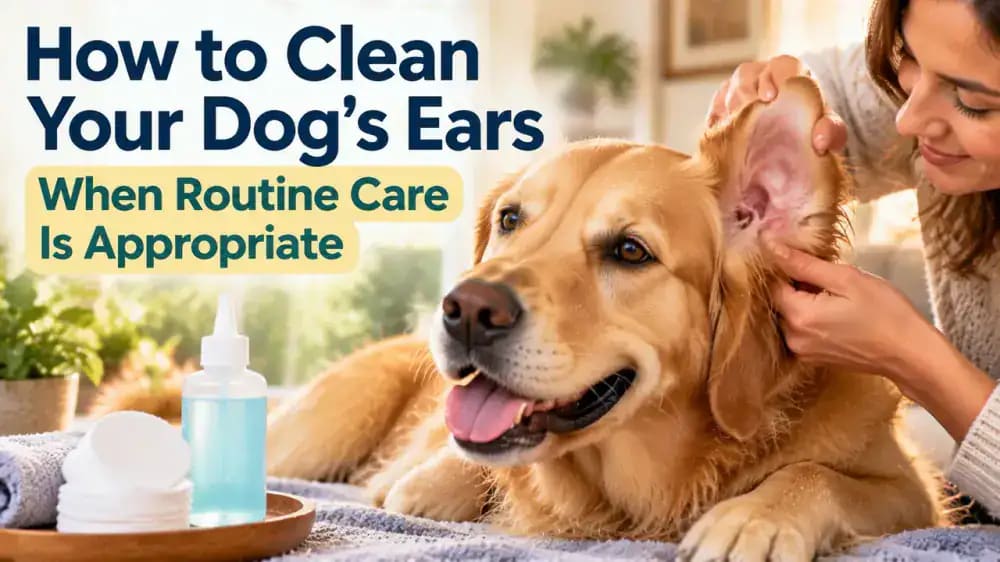
What you’ll need
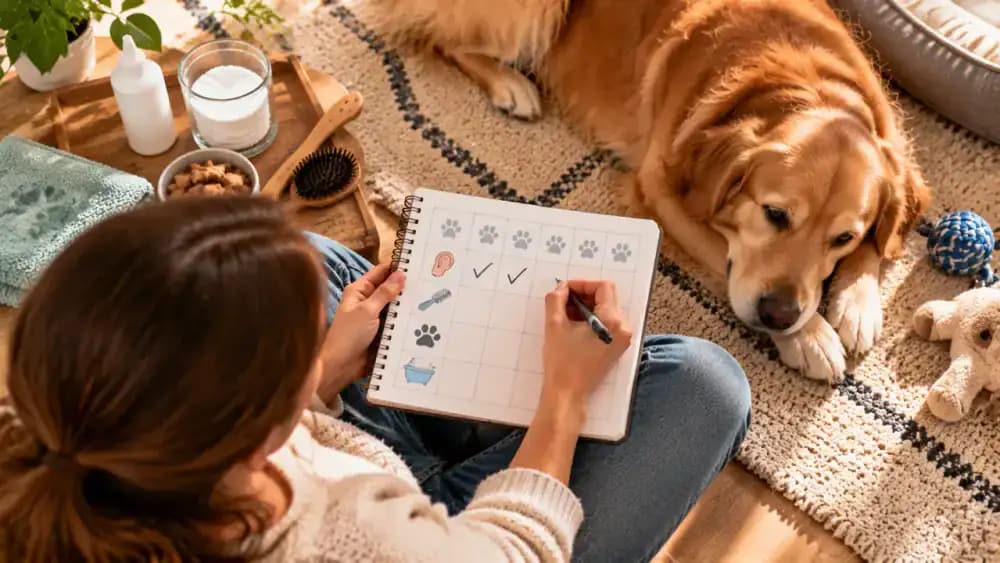
Tap to tick things off before you start.
Does Your Dog Actually Need Ear Cleaning?
Your dog's ears do not automatically need cleaning as part of every grooming session. Some dogs do well with regular observation, while others benefit from an individualized routine recommended by a veterinarian. Consider your dog's usual ear condition and care history before reaching for a cleaner. The goal is comfortable, healthy ears, not spotless-looking skin.
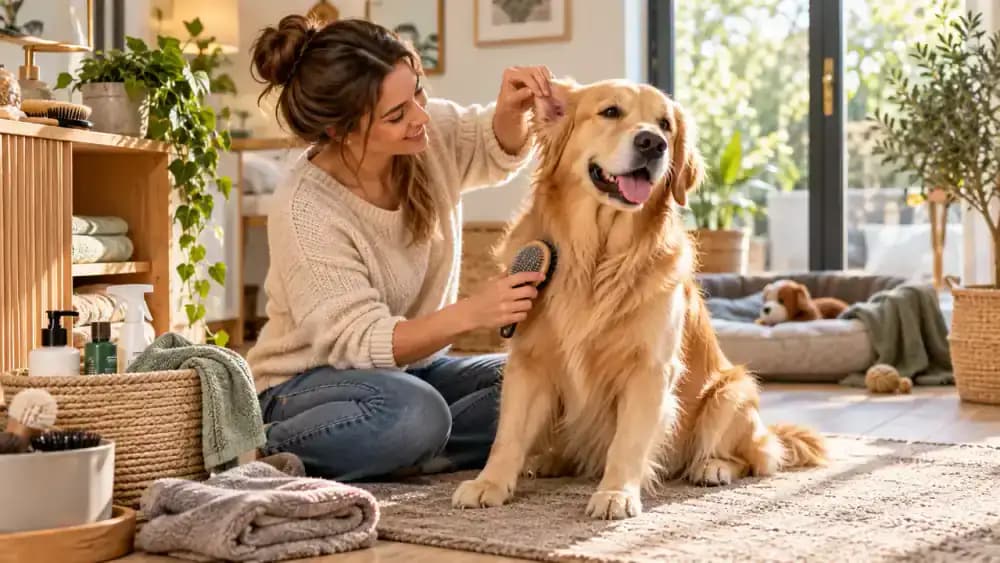
Prepare a Calm, Safe Cleaning Space
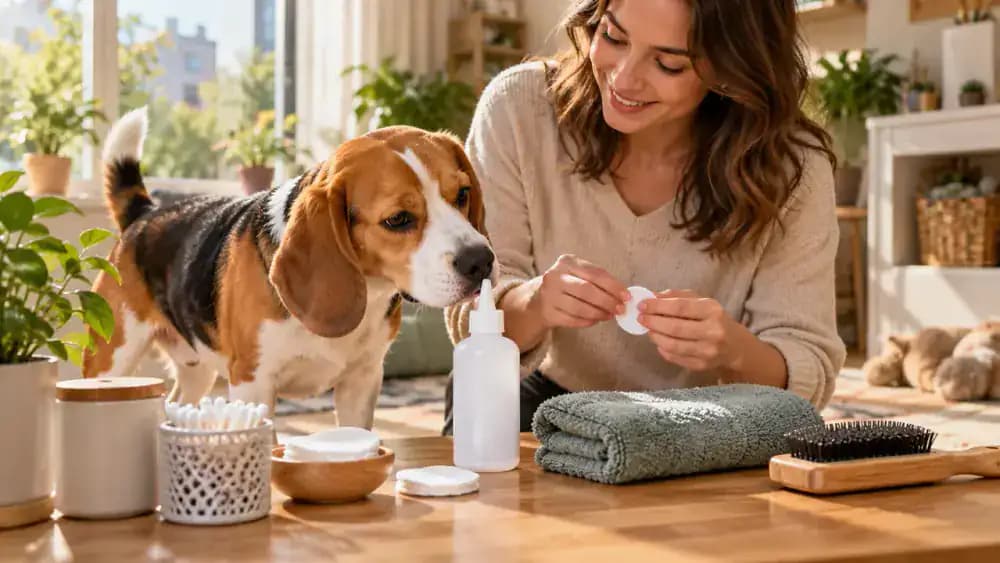
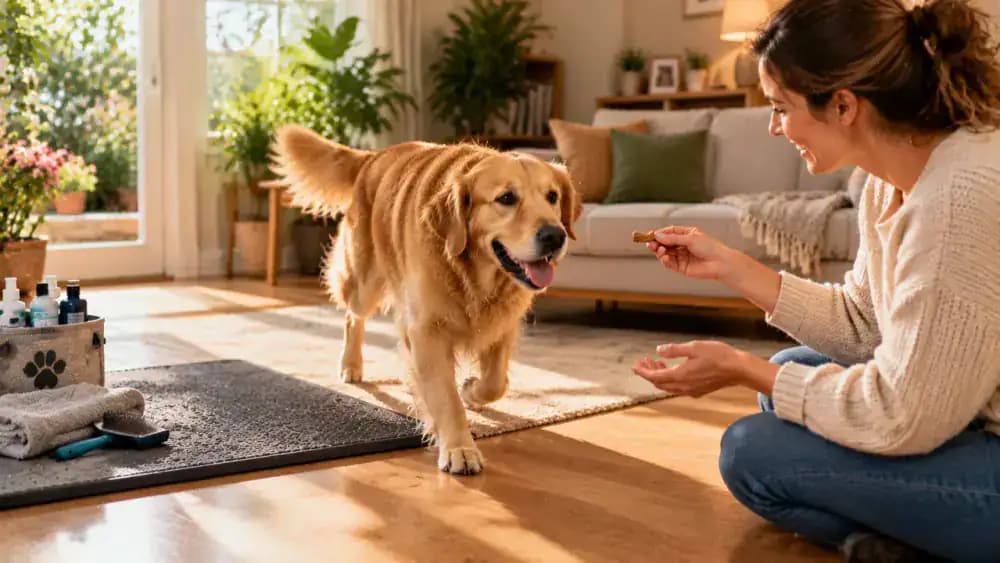
Choose a quiet, well-lit area where your dog can sit or stand comfortably without feeling restrained. Gather soft cotton pads or gauze and a dog-specific ear cleaner recommended for your pet, if cleaning is appropriate. Read the product label, keep supplies within easy reach, and let your dog investigate them while offering calm reassurance and a treat.
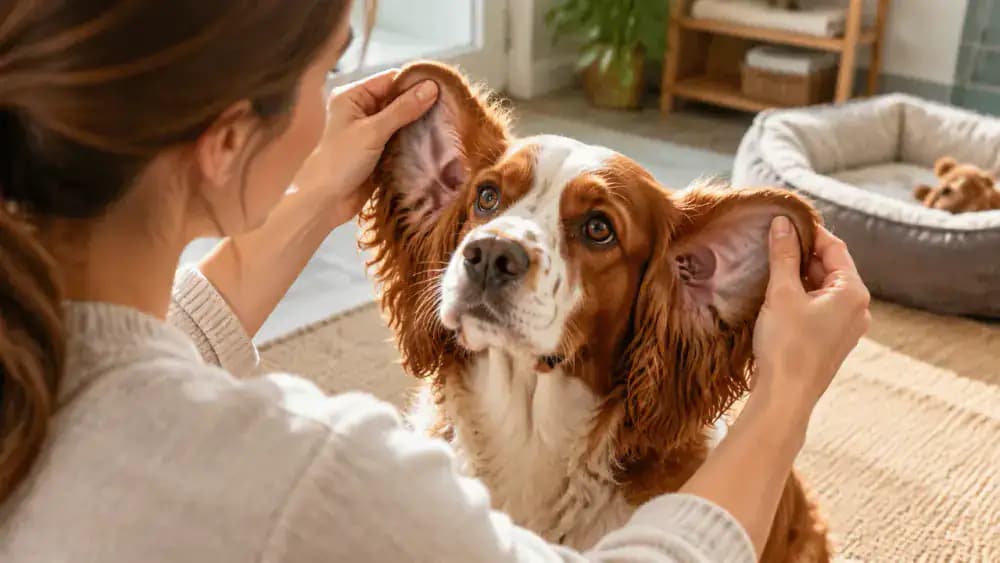
Inspect the Visible Ear First
Gently look at the outer ear flap and visible opening of each ear before cleaning. Check for changes such as redness, swelling, unusual moisture, crusting, discharge, or excess buildup, and notice how your dog responds to handling. Never insert fingers or tools into the canal. If your dog flinches, pulls away, or seems uncomfortable, stop and seek veterinary guidance.
Recognize When Cleaning Should Stop
An unusual or strong odor, discharge, marked redness, swelling, persistent scratching, or repeated head shaking means routine cleaning should wait. These signs warrant veterinary advice rather than additional wiping or home remedies. Do not put cleaner into an inflamed or painful ear unless your veterinarian specifically directs you to do so. Contact your clinic to discuss the appropriate next step.
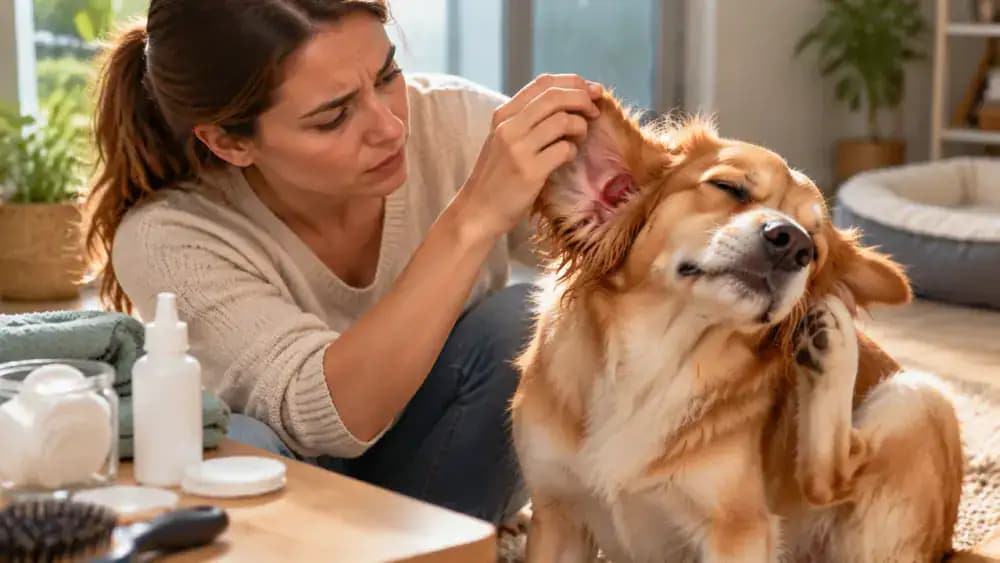
Choose a Dog-Appropriate Ear Cleaner
When the visible ear appears healthy and routine cleaning is suitable, choose a cleaner formulated specifically for canine ears and follow its label and your veterinarian's instructions. Avoid alcohol, hydrogen peroxide, vinegar mixtures, essential oils, and improvised household solutions, which may irritate delicate tissue or be inappropriate for your dog. If you are unsure which product to use, ask your veterinarian.

Follow the Product Instructions Carefully
Use the ear cleaner only as directed on its label or by your veterinarian. If drops are recommended, keep the bottle tip outside the ear opening and avoid touching it to the skin. Massage the ear base only when instructed and your dog remains comfortable. Stop immediately if your dog pulls away, flinches, or shows signs of pain.
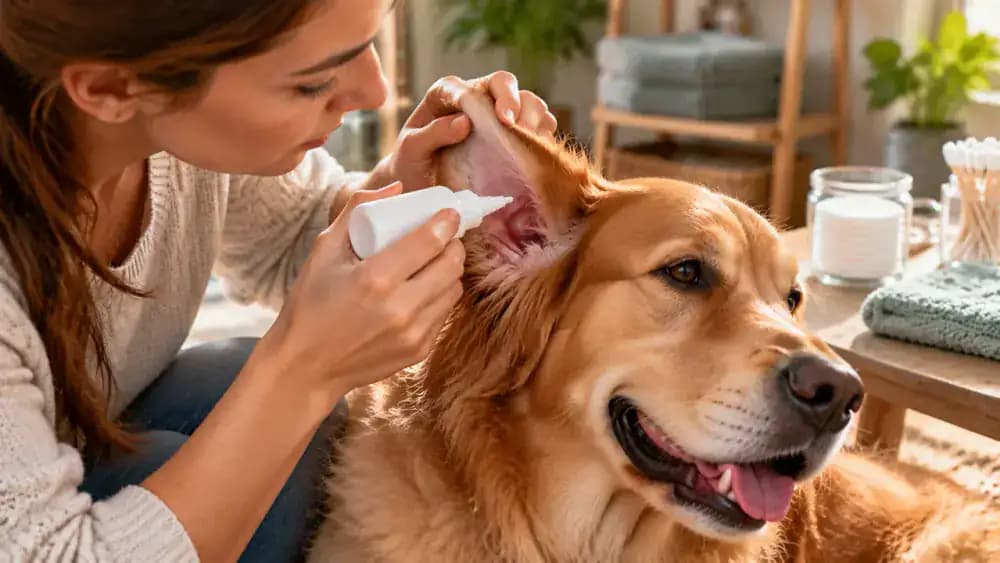
Wipe Only What You Can See
Use a soft cotton pad or gauze to gently wipe visible dirt and excess cleaner from the outer ear flap and other easily accessible surfaces. Make small, shallow movements without rubbing hard, and switch to a clean section when needed. Never insert cotton swabs, fingers, or other tools into the ear canal, as they can injure delicate tissue or push debris deeper.
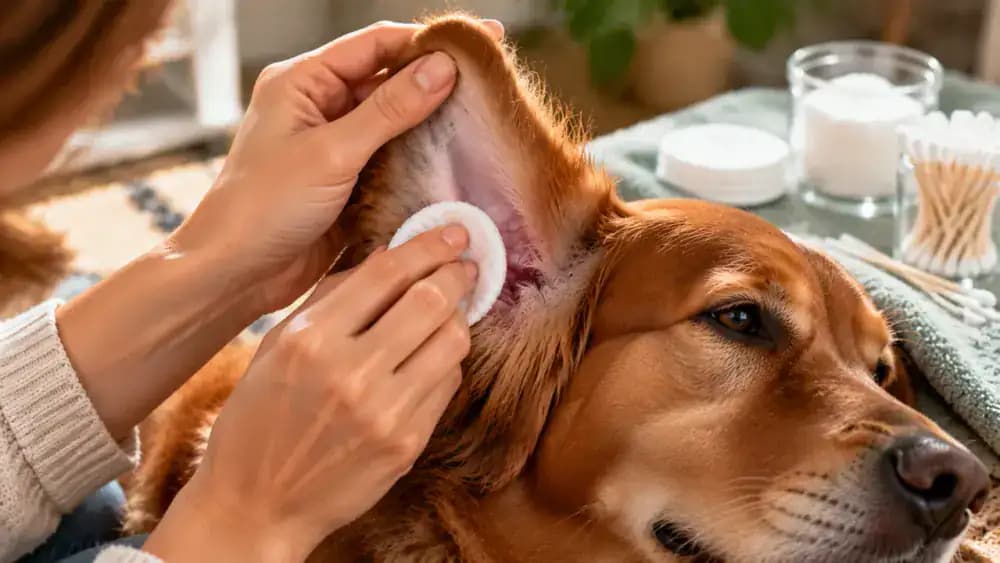
Finish Gently and Know When to Call the Vet
When you finish, check that your dog seems comfortable and offer praise or a small treat. Do not keep cleaning to remove every trace of wax, and avoid repeating the process more often than recommended. If redness, discharge, unusual odor, persistent scratching, head shaking, or pain develops during or after care, stop and contact your veterinary clinic for advice.
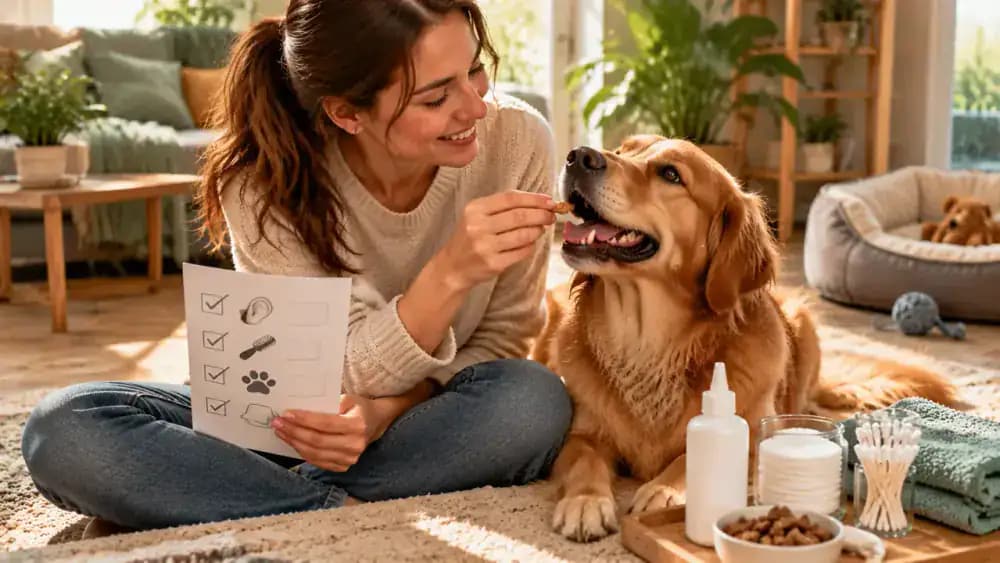
Make Ear Checks Part of Regular Grooming
Include brief ear checks in your dog's usual grooming routine without assuming that every check requires cleaning. Choose a relaxed moment, gently lift the ear flap, and observe only the visible areas. Keep notes about changes you notice over time, but follow your veterinarian's recommendations for cleaning frequency. Calm, positive handling helps make routine checks more comfortable and manageable.
Adapt Care to Your Individual Dog
Your dog's ear shape, breed, swimming habits, allergies, and medical history may affect its individual care needs. Floppy ears or frequent exposure to moisture can make regular observation especially useful, but they do not automatically mean more cleaning is necessary. Ask your veterinarian how often to check or clean your dog's ears, particularly if concerns recur or its routine changes.

Be Mindful of Moisture After Bathing
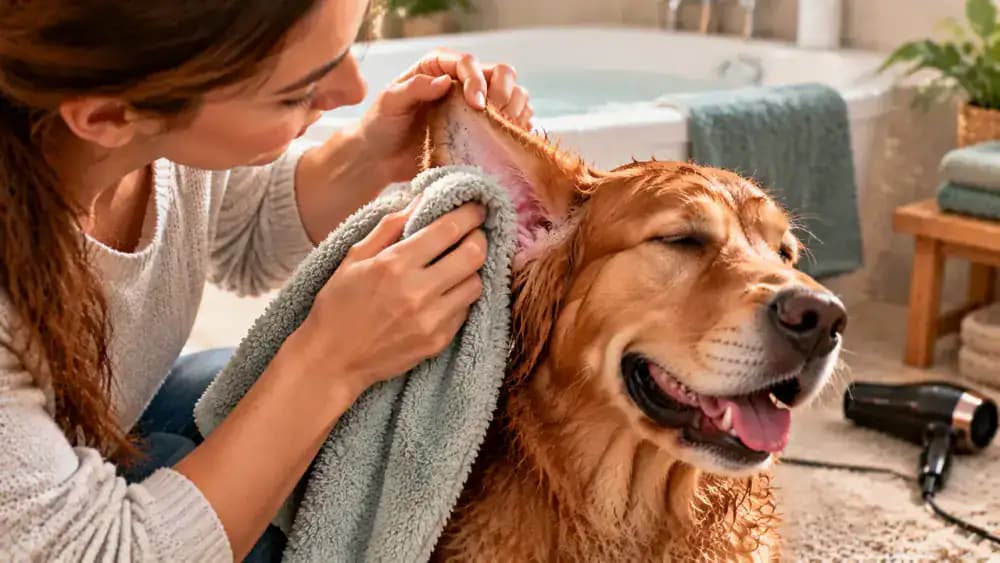
After swimming or bathing, check for moisture around your dog's outer ears and gently dab the accessible ear flap with a clean, dry towel if needed. Avoid inserting towels, cotton swabs, or other objects into the ear canal. Do not use hair dryers, heat, or powders near the opening. Ask your veterinarian about appropriate aftercare if your dog needs extra ear monitoring.
Respect Your Dog's Body Language
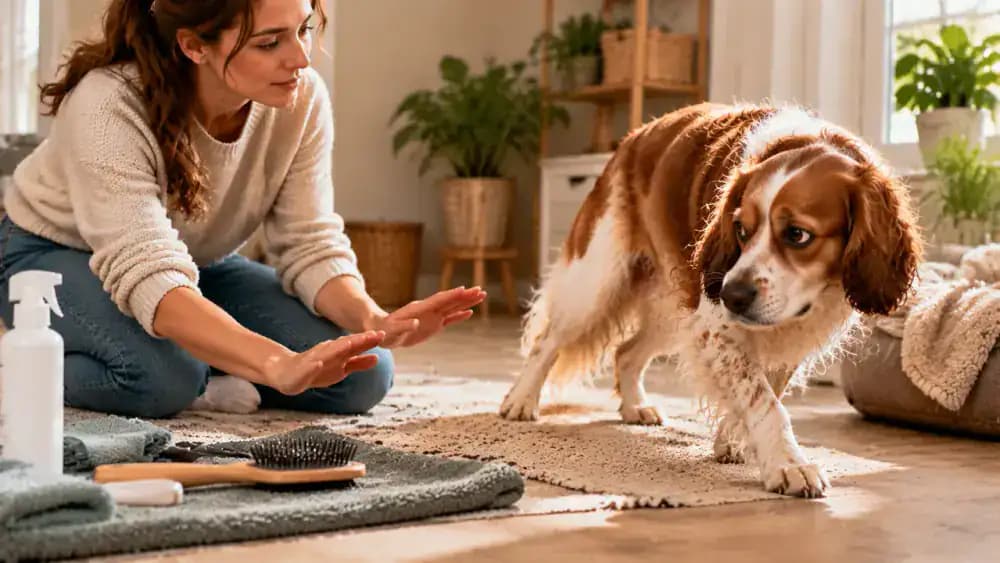
Pay attention to your dog's behavior throughout grooming. Turning away, flattening the ears, stiffening, licking the lips, or trying to leave may indicate stress or discomfort. Pause immediately, lower your hands, and give your dog space to settle. Never force a frightened or uncomfortable dog to continue. Resume routine care another time only if your dog is relaxed and handling remains comfortable.
Track Changes Between Grooming Sessions
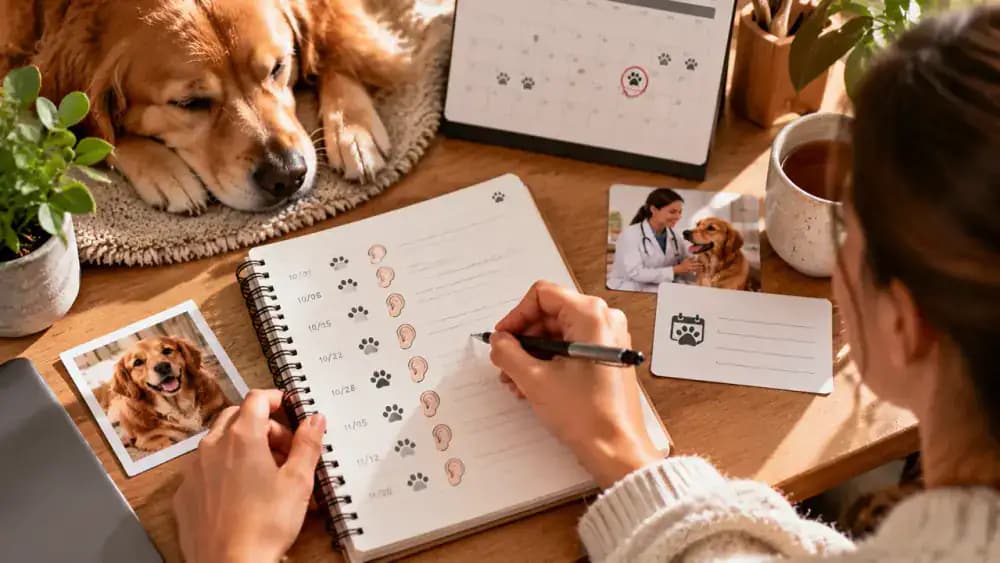
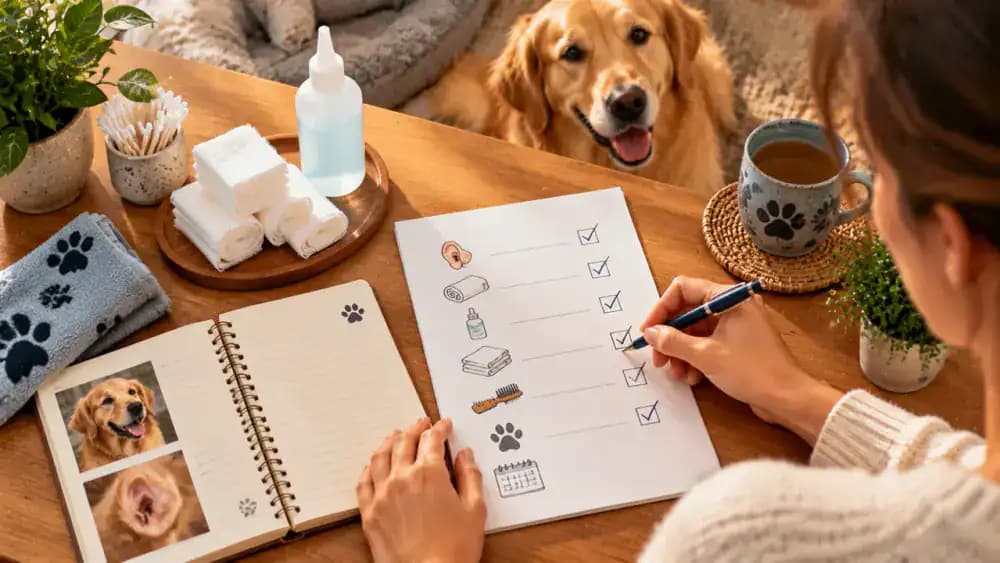
If your dog has recurring ear concerns, keep a simple record of observations between grooming sessions. Note dates, visible changes, any scratching or head shaking, and products used under veterinary guidance. Bring these notes to appointments so your veterinarian can review patterns and discuss the care plan. Written observations are often more useful than trying to remember every detail during a visit.
Never Reuse Prescription Ear Medication
Do not use leftover prescription ear drops or medication prescribed for another pet, even when the symptoms seem similar. Different conditions can require different treatments, and some products may be unsafe in certain circumstances. Repeated cleaning or unapproved medication can delay appropriate care. Contact your veterinarian for an examination and specific guidance before using prescription products for a new ear concern.
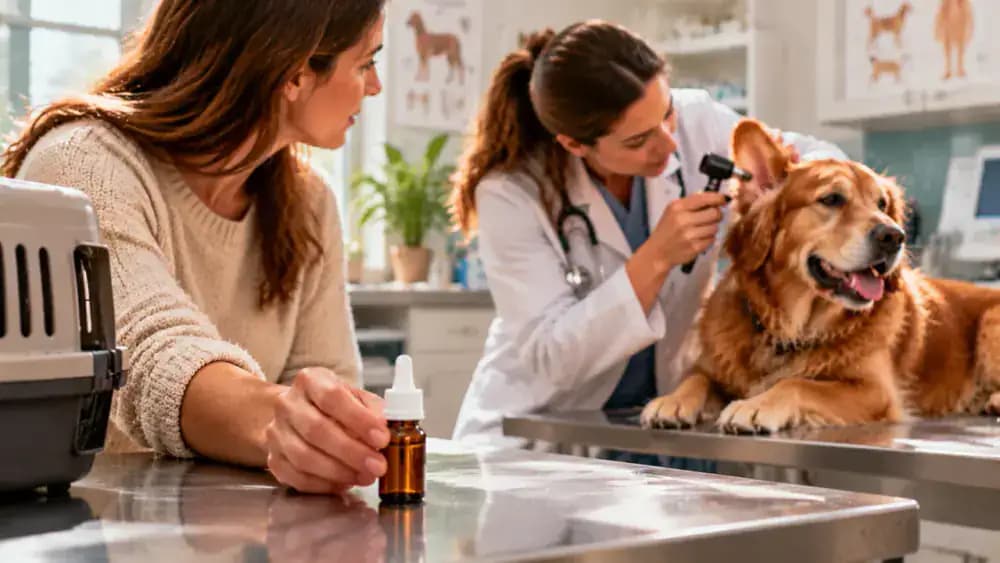
Keep Grooming Supplies Clean
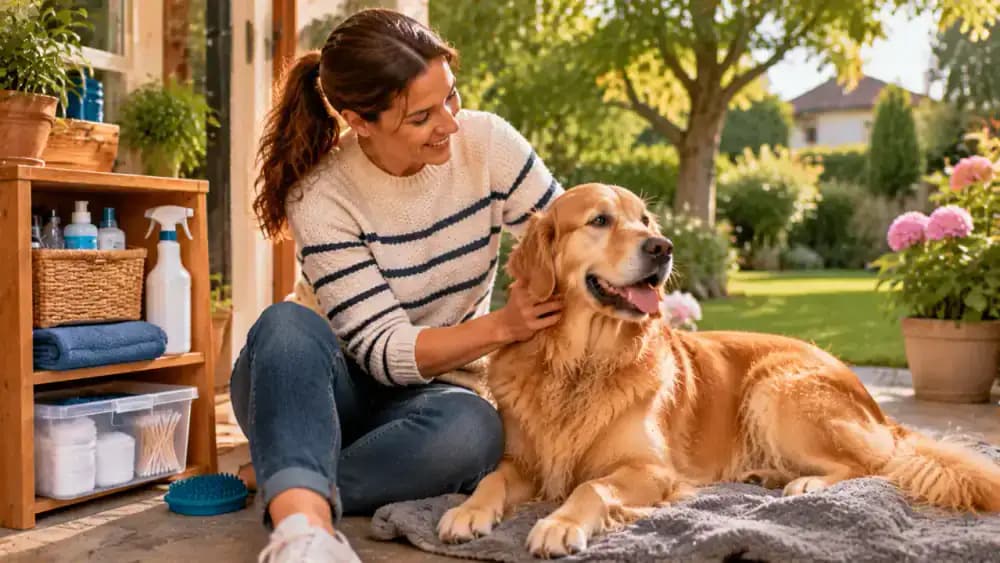
Store your dog's ear cleaner according to its label and keep fresh cotton pads and gauze in a clean, dry place. Use a new pad as needed and discard each used pad instead of reusing it or transferring it between ears. Check the product's appearance and instructions before use. If its color, smell, or consistency changes unexpectedly, stop using it and seek guidance.
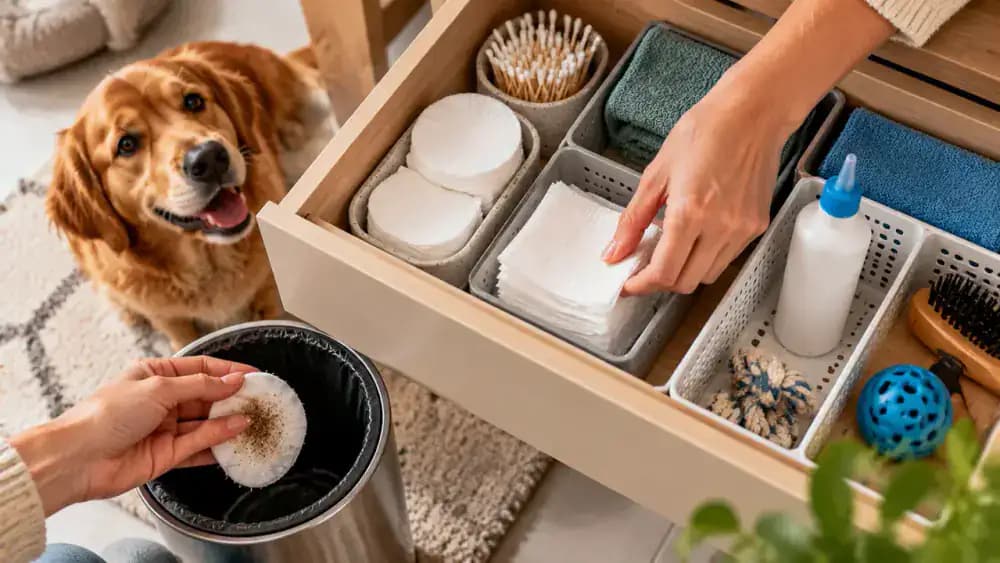
Build a Gentle, Individualized Ear Care Routine
Make ear care about observation first and cleaning only when appropriate for your dog. Keep handling gentle, avoid inserting anything into the ear canal, and follow your veterinarian's recommendations for routine maintenance. If you notice warning signs, pause home care and seek professional advice. Patient handling and an individualized approach help make grooming more comfortable and responsible.
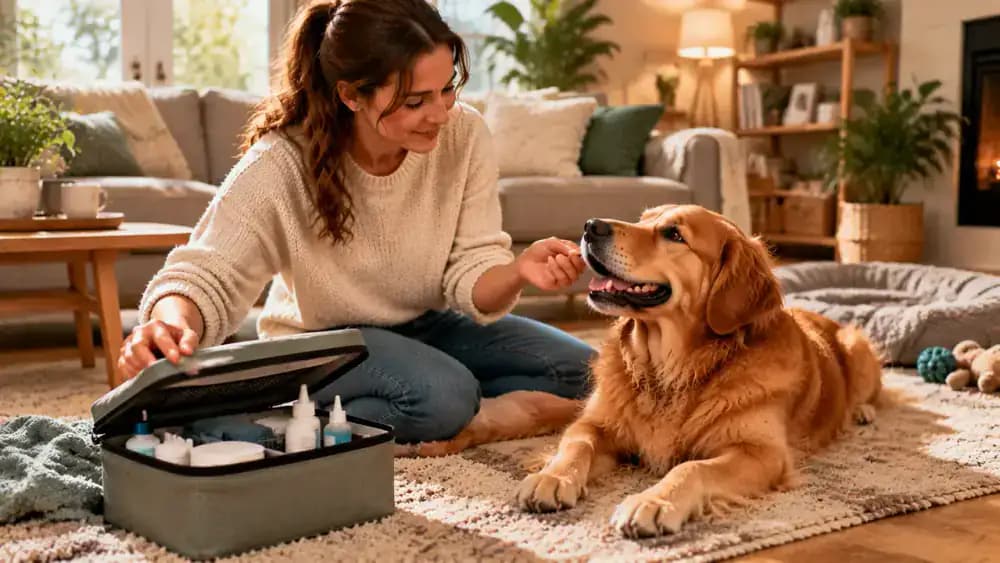
Learn What Is Normal for Your Dog
Healthy ears can vary in color and appearance, and a small amount of visible wax does not automatically mean cleaning is needed. Learn what is usual for your dog instead of aiming for a perfectly spotless ear. If you notice a change in appearance, odor, or comfort, record what you observe and ask your veterinarian whether it needs attention.

Build Confidence With Gentle Handling
Help your dog become comfortable with ear checks by practicing gentle handling when cleaning is not necessary. Begin with brief touches to the shoulder or cheek, rewarding relaxed behavior with praise or a small treat. Approach the ears gradually only while your dog remains comfortable. Keep sessions short, and stop if your dog becomes tense, pulls away, or shows signs of discomfort.
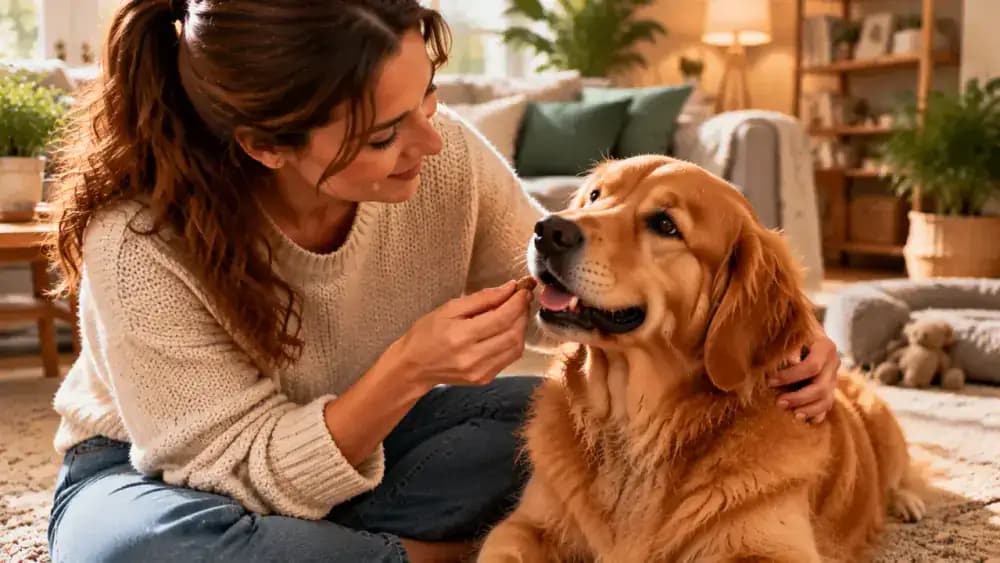
Teach Everyone Safe Ear Care Boundaries
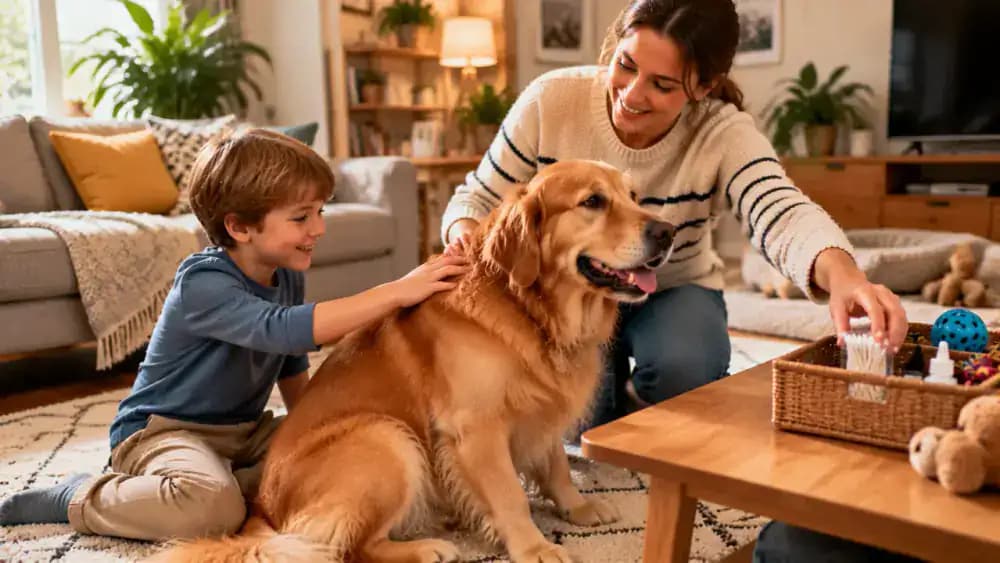
Make sure everyone in your household understands how to handle your dog's ears safely. Teach children to avoid putting fingers, toys, cotton swabs, or other objects near the ear canal, and supervise interactions during grooming. An adult should manage ear checks and cleaning when appropriate. Consistent boundaries help prevent accidental injuries and support your dog's comfort around family members.
Notice Changes After Outdoor Activities
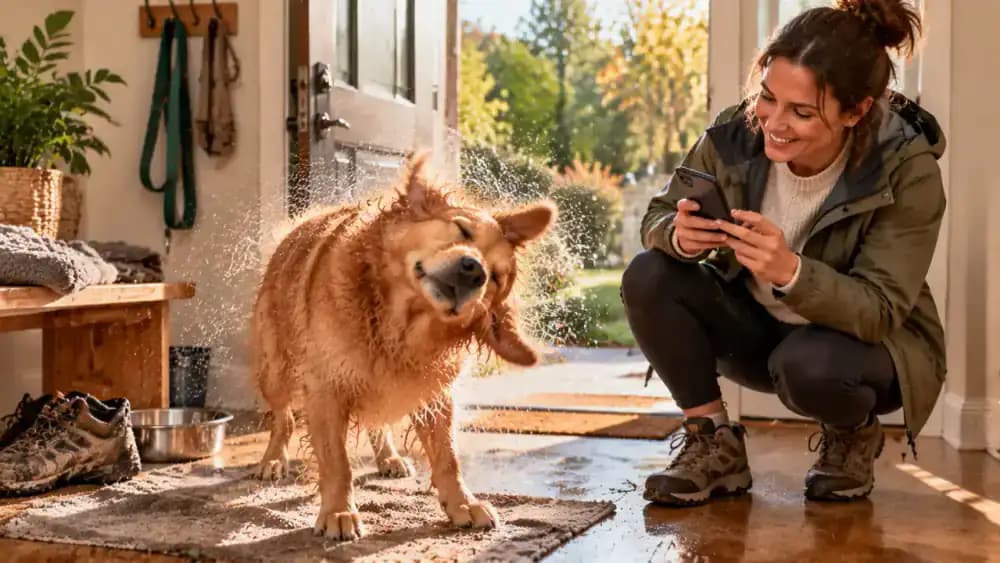
After walks, swimming, bathing, or grooming appointments, pay attention to changes in your dog's behavior without assuming an activity caused them. Sudden head shaking, scratching, or sensitivity around the ears deserves attention rather than repeated cleaning attempts. Note when the change began and what your dog was doing beforehand, then contact your veterinarian for advice about the appropriate next step.
Include Ear History in Veterinary Visits
Make your dog's ear care part of its overall veterinary health plan. During appointments, mention recurring wax buildup, previous ear problems, allergies, and any prescribed treatments or cleaners. These details help your veterinarian recommend an appropriate product and cleaning frequency, or determine that routine cleaning is unnecessary. Follow your dog's individualized care plan rather than advice intended for other pets.

Be Careful With Online Ear Cleaning Advice
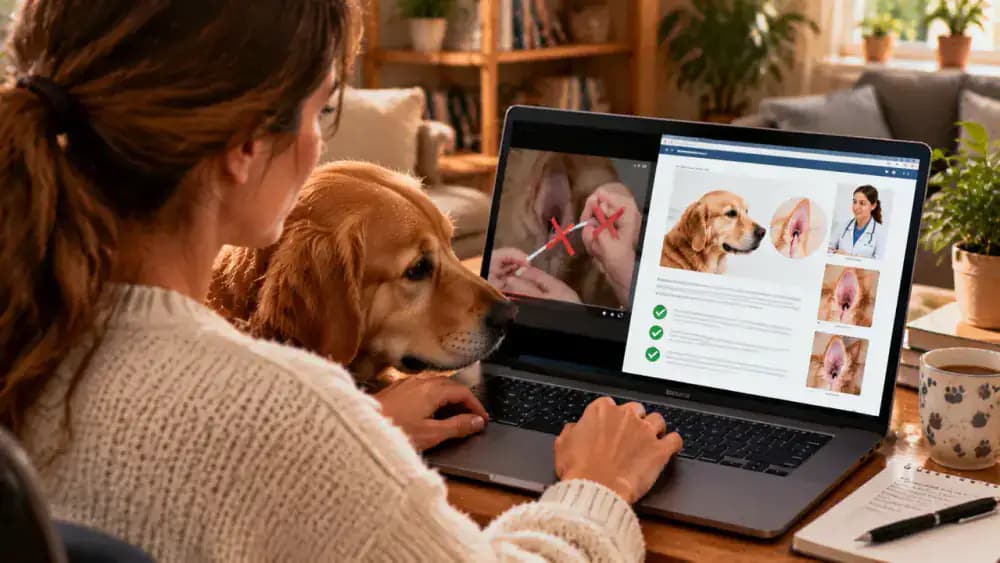
Online grooming advice can be helpful, but recommendations that work for one dog may not suit another. Be cautious of videos promoting deep swabbing, household cleaning liquids, or frequent cleaning for every breed. Look for guidance that emphasizes gentle handling, appropriate products, and veterinary advice when symptoms appear. When information conflicts or seems unclear, consult your veterinarian before trying something new.
Keep Your Dog's Ear Care Safe and Simple
Safe ear care begins with observing your dog, preparing a calm space, and choosing suitable products only when routine cleaning is appropriate. Wipe accessible outer surfaces gently, respect your dog's body language, and stop if discomfort occurs. Seek veterinary guidance for concerning changes rather than experimenting at home. Consistent, individualized care helps prioritize your dog's comfort instead of perfectly spotless-looking ears.
Understand Why Ear Wax Exists
Ear wax is a natural part of your dog's ear environment and is not automatically a reason to clean. It helps trap particles and supports the ear's normal protective function. Trying to remove every trace may be unnecessary and can irritate sensitive skin. Pay attention to your dog's usual ear appearance, overall comfort, and any noticeable changes before deciding whether routine care is appropriate.
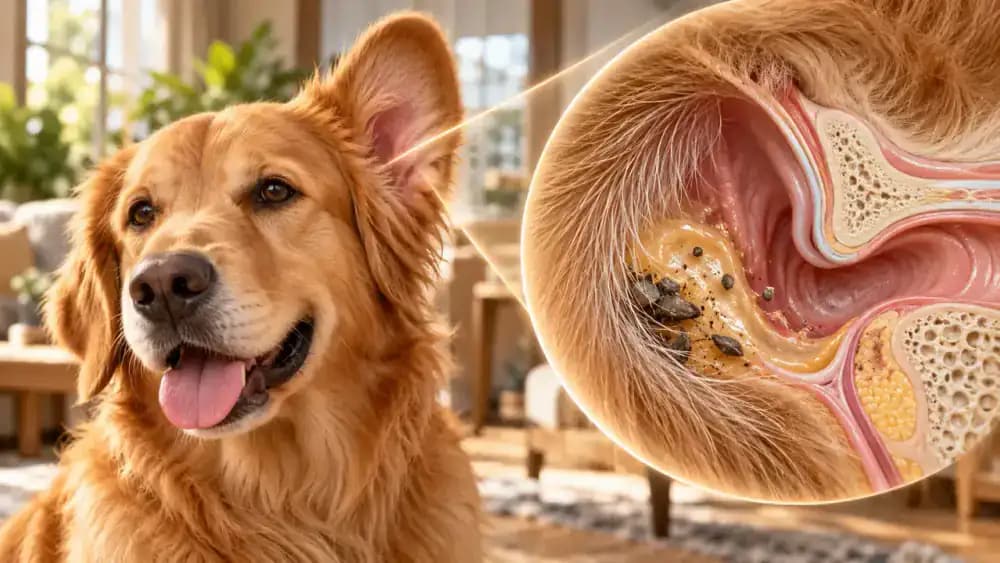
Avoid Overcleaning Between Appointments
Cleaning more frequently does not necessarily improve your dog's ear health. Repeated wiping, unnecessary liquid applications, and excessive handling can irritate delicate skin and make grooming stressful. Follow a cleaning schedule only when your veterinarian recommends one for your individual dog. If the ears appear comfortable and healthy, observation may be enough. Reassess the routine with your veterinarian if concerns develop.
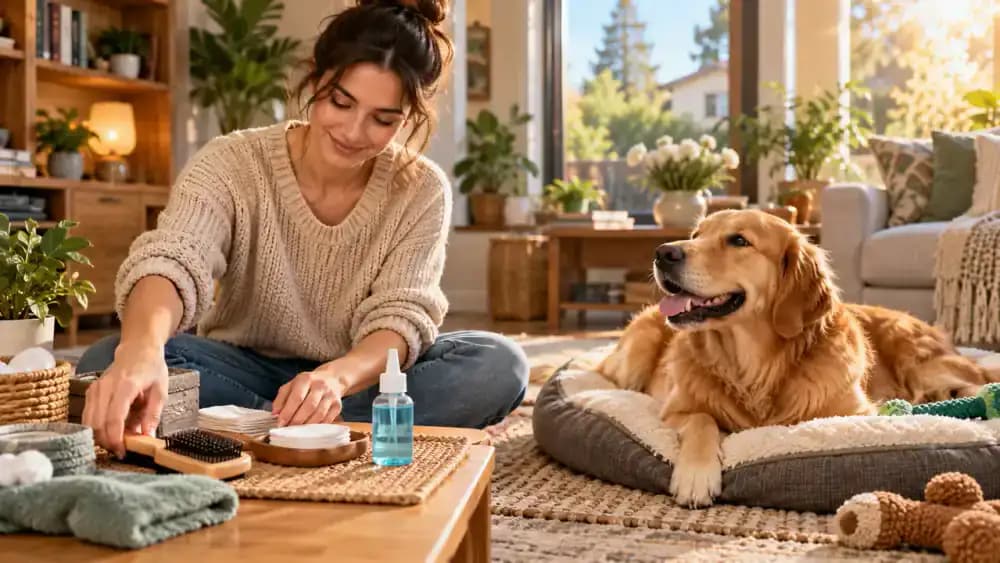
Recognize When Ear Problems May Affect Balance
Ear-related concerns sometimes occur alongside changes in balance or coordination. If your dog develops a persistent head tilt, stumbling, unusual eye movements, or difficulty walking, seek urgent veterinary care instead of attempting home cleaning. These signs can have different causes and need professional assessment. Keep your dog away from stairs and other hazards while contacting a veterinary clinic for immediate guidance.
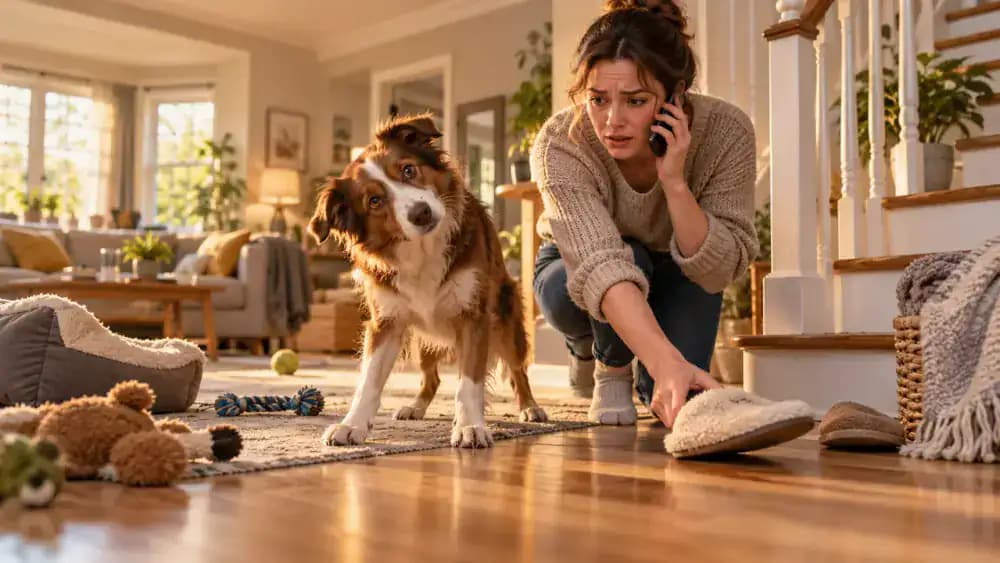
Prepare Useful Details Before Calling the Vet
Before calling your veterinary clinic, note what you observed and when the changes began. Mention any unusual odor, discharge, scratching, head shaking, balance changes, recent swimming, and products already used. Explain whether one or both ears seem affected and whether your dog appears uncomfortable. Clear, specific information helps the clinic assess urgency and recommend an appropriate next step.
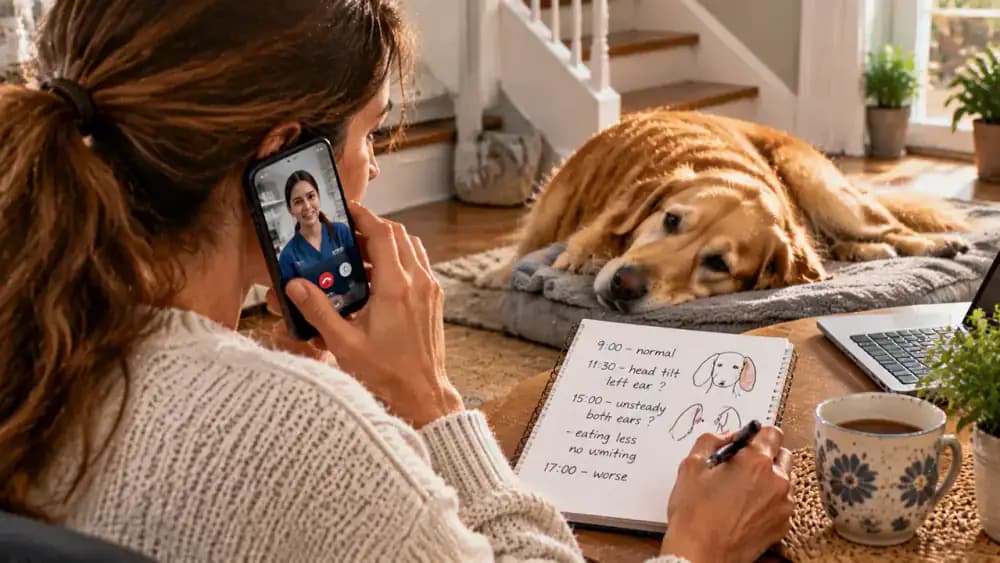
Make the Grooming Experience Positive
Help your dog feel secure by choosing a familiar grooming space and keeping handling sessions brief. Offer praise or a suitable treat when your dog remains relaxed, and allow it to move away when possible. Avoid forcing contact or turning routine care into a struggle. Positive experiences build trust and can make future grooming and general health checks more comfortable.
Review Your Safe Ear Care Checklist
Before your next grooming session, remember to inspect the visible ears first and watch for warning signs. Use a suitable canine ear cleaner only when routine cleaning is appropriate, and wipe accessible outer surfaces gently according to product directions. Never probe inside the canal. If you notice unusual changes or signs of pain, stop and consult your veterinarian for individualized advice.
End With Comfort, Not Perfectly Clean Ears
Responsible ear care focuses on your dog's comfort and well-being rather than achieving a spotless appearance. Learn your dog's normal habits, handle sensitive areas patiently, and seek veterinary advice when you notice concerning changes. Because every dog has different needs, simple observation may be enough for some pets. Let your veterinarian recommend any additional care your companion requires.

Keeping your dog's ears comfortable starts with knowing when they actually need cleaning. Some dogs accumulate wax or debris more readily than others, while dogs with healthy ears may need little or no routine cleaning. Cleaning too often, using unsuitable products, or reaching too far into the ear can irritate delicate tissue and make ear care stressful.
Before you begin, choose a calm, well-lit space and gather a soft cotton pad or gauze and an ear cleaner specifically intended for dogs and appropriate for your pet's needs. Your veterinarian can recommend a suitable product and advise you on how frequently to use it, especially if your dog has a history of ear problems or needs an individualized care routine.
Take a moment to look at the visible parts of both ears. Healthy-looking ears without obvious discomfort may be suitable for routine care, but redness, swelling, unusual odor, discharge, persistent scratching, frequent head shaking, or pain are reasons to stop and contact your veterinarian. These signs should not be treated by simply cleaning more often.
When routine cleaning is appropriate, follow the product label and your veterinarian's guidance. Wipe only the accessible outer ear surfaces, use a gentle touch, and never push cotton swabs or other objects into the ear canal. Keep the experience positive with praise and breaks, and stop if your dog becomes uncomfortable. The goal is simple: support comfortable ear care without irritating healthy ears or overlooking a problem that needs professional attention.
Where people go wrong
Cleaning ears that need veterinary attention. Redness, swelling, unusual odor, discharge, persistent scratching, head shaking, or pain are reasons to pause routine ear care. Cleaning alone may not address the underlying problem and can cause additional discomfort. Contact your veterinarian for guidance instead of repeatedly wiping the ear or attempting to treat visible changes with an over-the-counter product.
Using cotton swabs inside the ear canal. Cotton swabs and similar objects can injure delicate ear tissue or push wax and debris farther into the canal. Even if a swab appears small enough, inserting it is unnecessary for routine external cleaning. Use a soft cotton pad or gauze on accessible surfaces only, leaving deeper cleaning to appropriate veterinary care.
Choosing an unsuitable cleaning solution. Alcohol, hydrogen peroxide, vinegar mixtures, essential oils, and other improvised solutions can irritate sensitive tissue or be unsuitable for an individual dog's ears. A product that works for one pet may not be appropriate for another, particularly when an ear is inflamed or an eardrum problem is possible. Use a dog-specific cleaner recommended for your pet's needs.
Cleaning too frequently. More cleaning does not automatically mean healthier ears. Repeated cleaning can remove protective oils, irritate the skin, and make handling uncomfortable. Dogs differ in how much wax and debris they accumulate, so avoid applying a fixed schedule to every pet. Ask your veterinarian how often your dog needs cleaning and adjust care according to that guidance.
Reaching beyond the visible outer ear. Routine home cleaning should not involve inserting fingers, cotton pads, swabs, or other objects deep into the ear canal. The deeper structures are delicate and cannot be safely assessed by simply looking at the entrance. Wipe only the accessible outer surfaces and follow the cleaner's instructions. Leave any deeper cleaning or examination to a veterinary professional.
Holding the dog still by force. Forceful restraint can increase fear, cause sudden movements, and make future ear care harder. Begin in a quiet space, approach gently, and reward relaxed behavior. If your dog pulls away, growls, cries, or shows other signs of distress, stop rather than forcing the session. A veterinarian can help you plan a safer approach for a dog that cannot tolerate ear handling.
Ignoring product directions or signs of discomfort. Ear cleaners differ in how they should be applied and removed, so do not assume every product is used the same way. Read the label and follow your veterinarian's instructions. Stop immediately if your dog shows pain or marked discomfort. Do not continue cleaning to finish the task, and seek veterinary advice when symptoms or an unexpected reaction occur.

Questions people ask
There is no single cleaning schedule that suits every dog. Some dogs need occasional cleaning because wax or debris builds up, while others with healthy ears may not need routine cleaning. Breed, ear shape, activities, and individual veterinary recommendations can influence care needs. Ask your veterinarian for a schedule tailored to your dog rather than cleaning automatically every week.
Fixed it?
Get one guide like this every Thursday.