How to Choose Grooming Tools for Your Dog's Coat Type
The right grooming brush depends on your dog's coat, not just their breed. Learn which brushes, combs, and deshedding tools work best for smooth, long, curly, wiry, and double coats, plus how to use them without irritating your dog's skin.
What you’ll need
Tap to tick things off before you start.
Why the Right Brush Matters
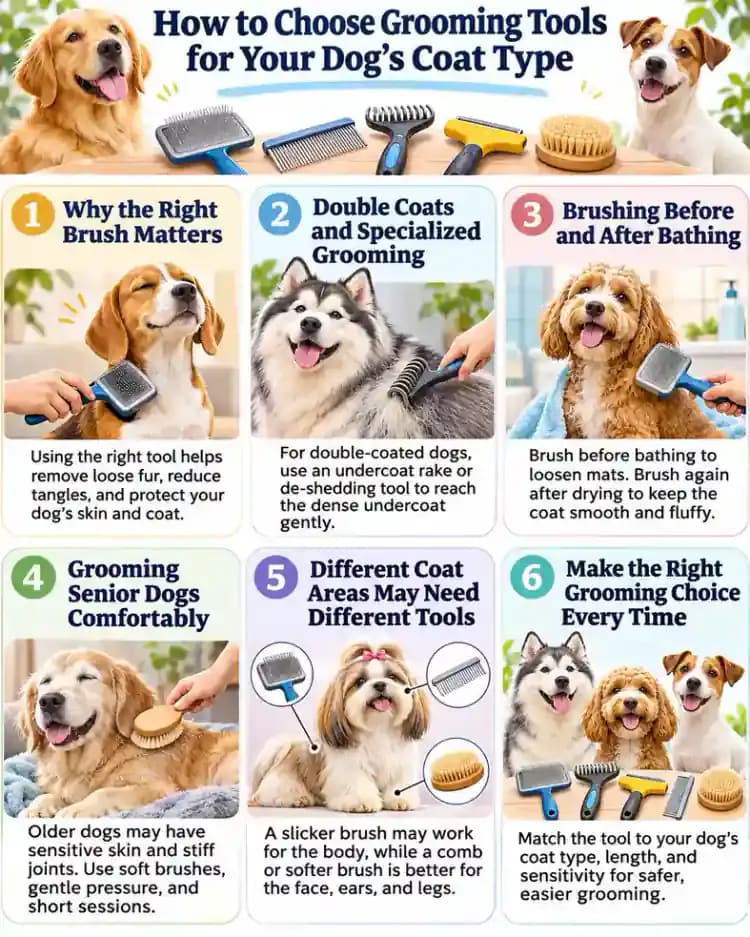
A grooming brush that works beautifully for one dog may pull or snag on another. A rubber curry brush can lift loose fur from a Beagle's smooth coat but struggle with a Poodle's dense curls. Before purchasing grooming tools, examine your dog's coat length, texture, and thickness. The right match makes brushing safer and more comfortable.

Identify Your Dog's Coat Type
Examine your dog's coat before choosing grooming equipment. Short, smooth coats lie close to the skin, while long and silky coats have flowing strands. Curly coats form loops, and wiry coats feel coarse. Double coats contain a softer undercoat beneath protective outer hairs. Mixed breeds may combine textures, so inspect the actual coat rather than relying on breed.
Best Brushes for Short and Smooth Coats
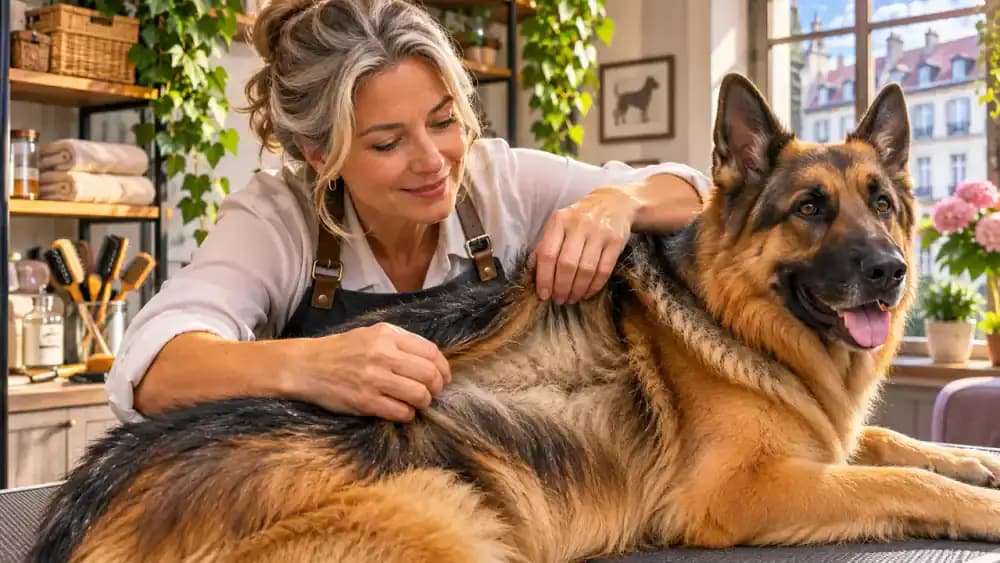
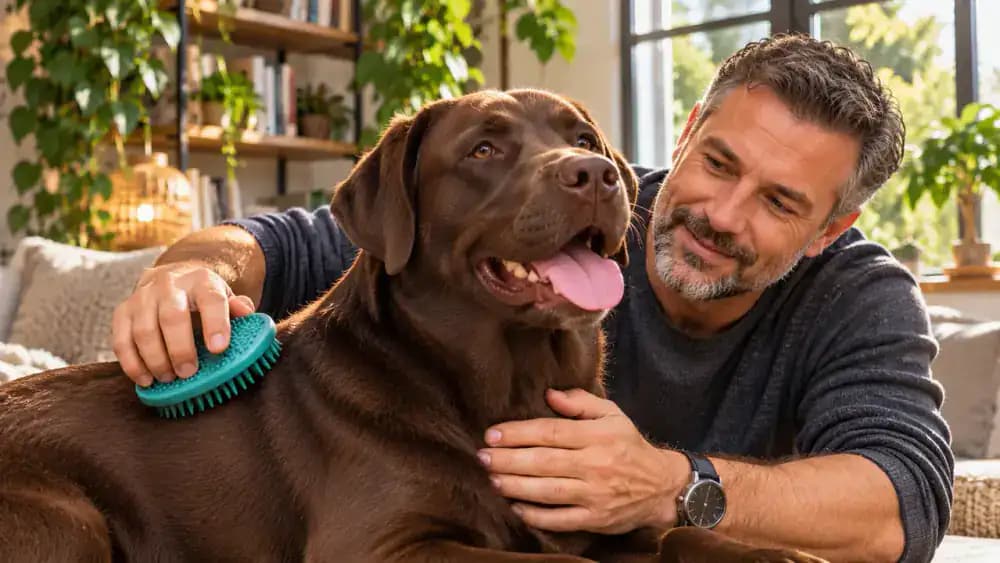
For many short, smooth coats, start with a flexible rubber curry brush to loosen shed hair using light, circular motions. Follow with a soft bristle brush in the direction of hair growth to remove debris and smooth the coat. Use extra care over bony areas. Heavy undercoat rakes are usually unnecessary for routine smooth-coat maintenance.
Grooming Long and Silky Coats
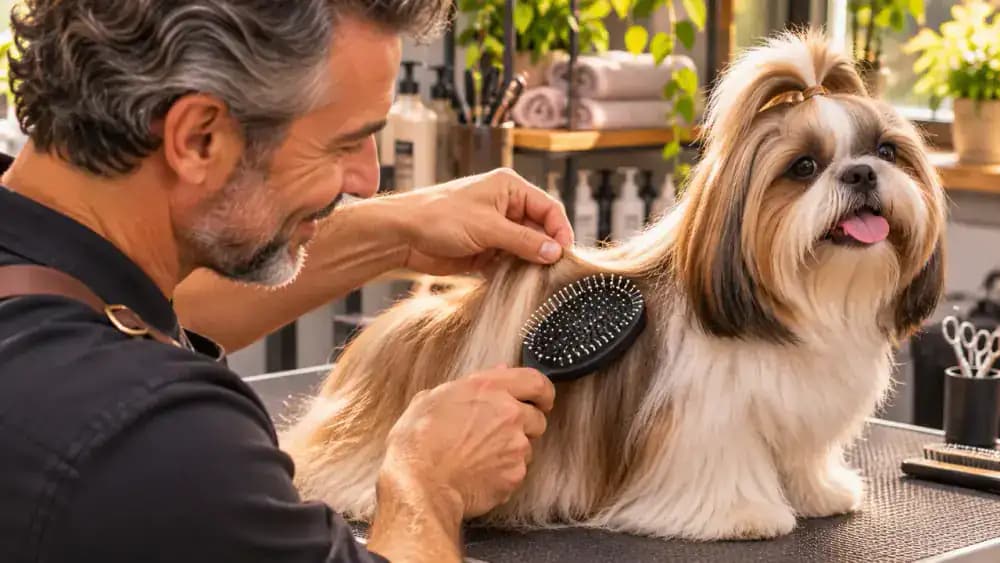
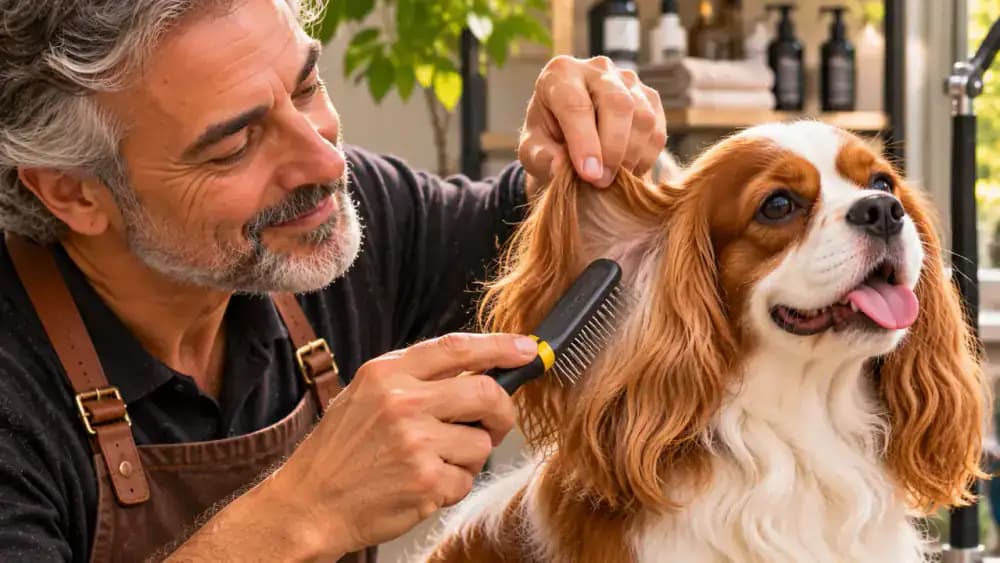
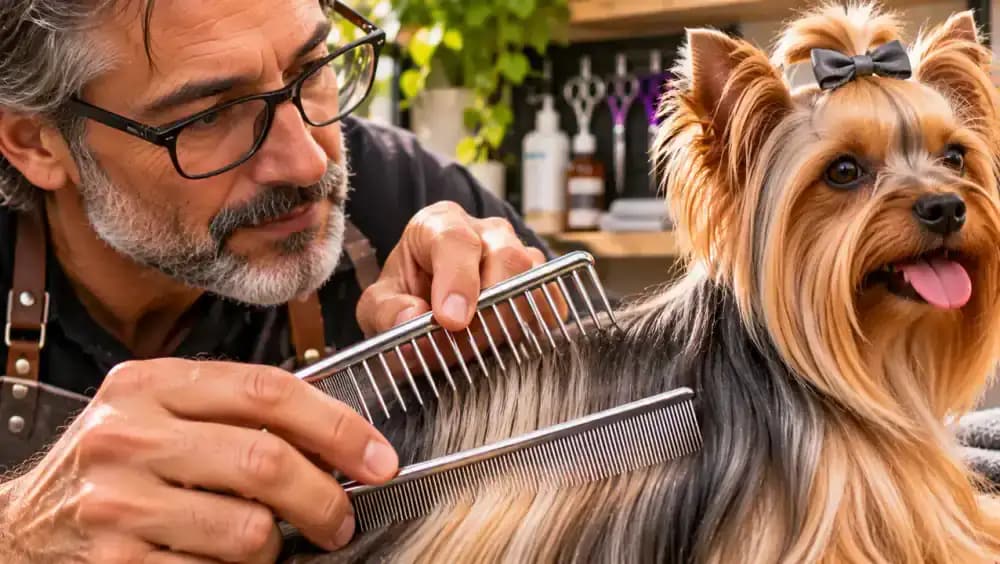
Long, silky coats often develop tangles behind the ears, beneath collars, and under the legs. Divide the hair into small sections, gently supporting each section near the skin while using a pin brush or appropriately selected slicker brush. Brush without pulling, then check your work using a stainless steel comb. Stop if you encounter tight knots.
Preventing Mats in Curly Coats
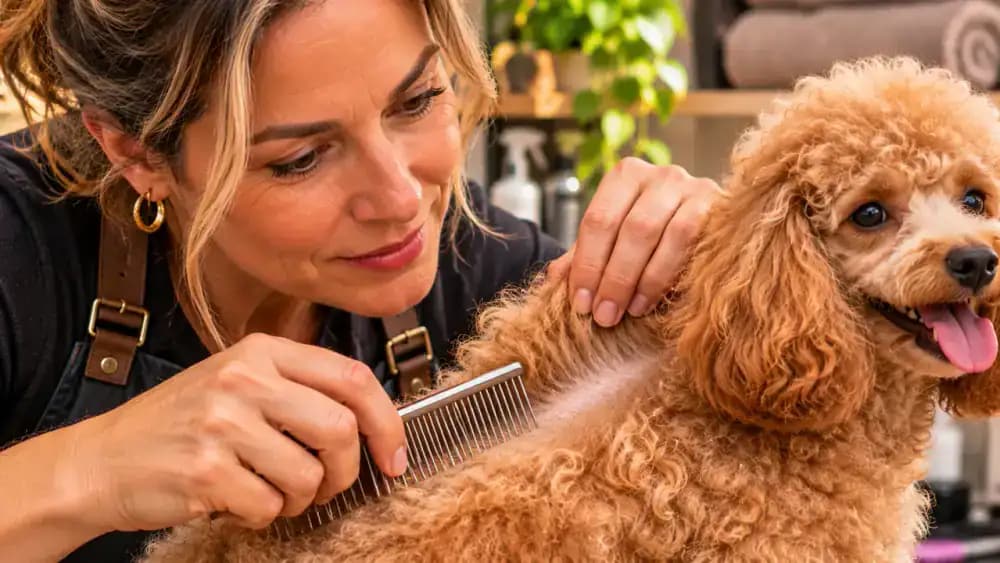
Curly coats can hide tangles beneath a fluffy surface, making regular, thorough brushing essential. Use an appropriately sized slicker brush with light pressure, working through small sections from near the skin outward. Follow with a metal comb to check for remaining knots. If the comb catches, stop rather than pulling. Leave tight mats to a professional groomer.
Double Coats and Specialized Grooming
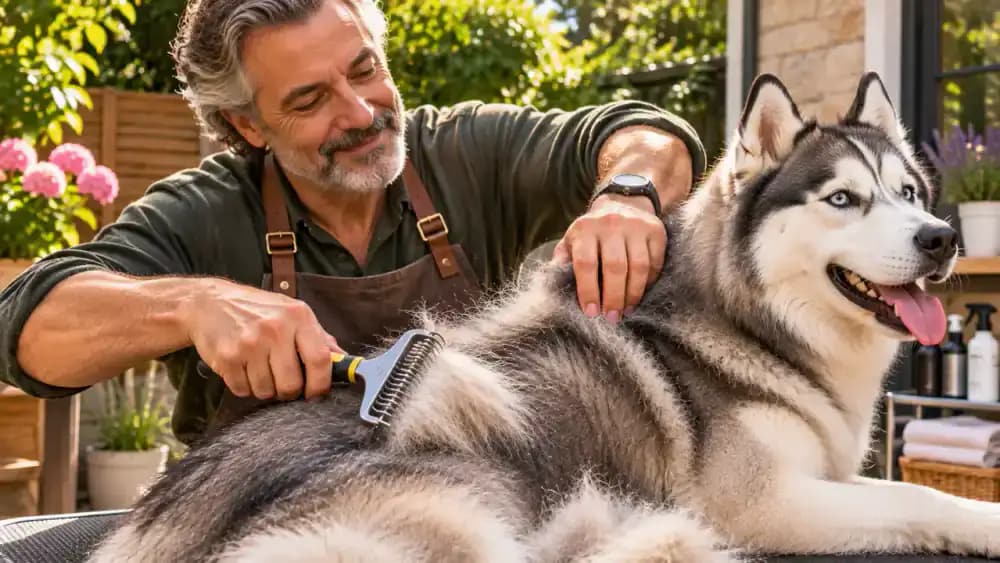
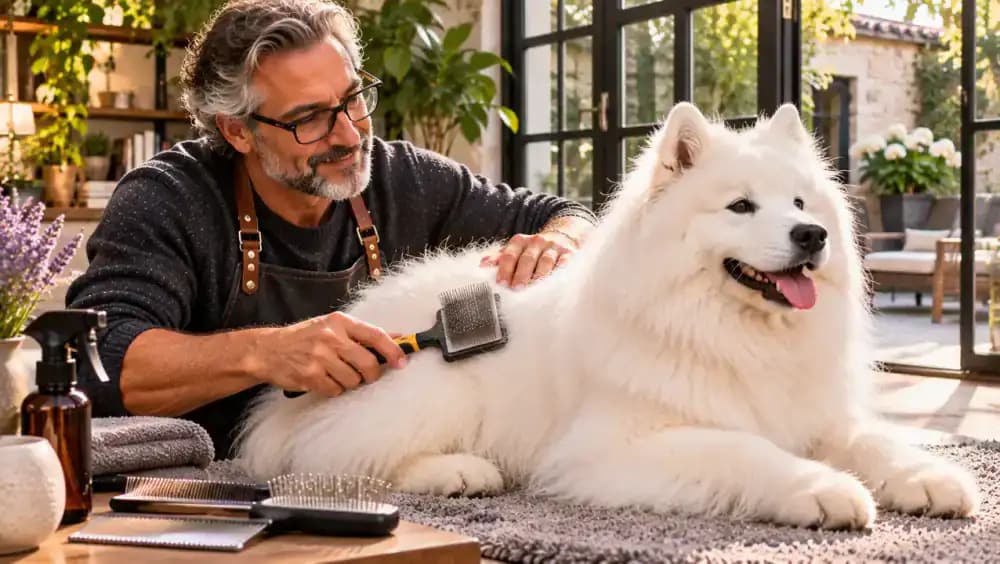
Double-coated dogs have a soft undercoat beneath protective guard hairs, often shedding heavily during seasonal changes. Choose an undercoat rake with suitable tooth length and spacing, using gentle strokes to remove loose fur without damaging the outer coat. Avoid excessive pressure or repeated passes. Wiry coats may require specialized hand-stripping techniques best demonstrated by a qualified professional groomer.
What Makes a Good Grooming Tool
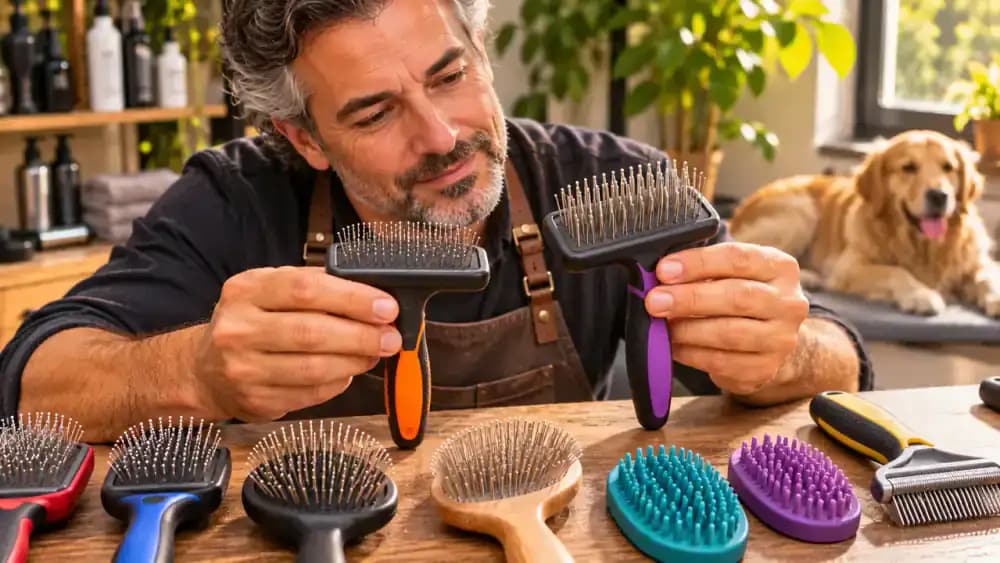
Look beyond brand names and marketing claims when comparing grooming tools. Check whether pin length reaches through your dog's coat without pressing into the skin. Rounded tips, appropriate tooth spacing, and smooth construction reduce unnecessary pulling. Choose an ergonomic handle that feels secure, and favor brush heads that allow easy removal of collected hair after each session.
Build a Safe Grooming Routine
Create a comfortable grooming routine by working through small coat sections with light, controlled strokes. Watch for flinching, resistance, or skin redness, and pause whenever your dog seems uncomfortable. Never force a brush through tight mats or repeatedly scrape one area. Check for remaining tangles with a comb when appropriate, and seek professional help for severe matting.
How Often Should You Brush Your Dog?
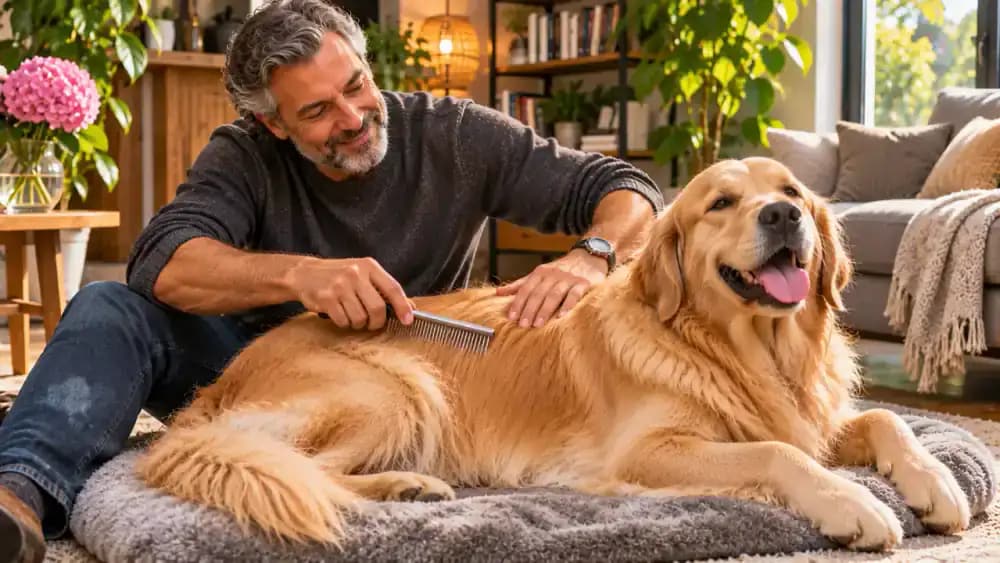
Adjust brushing frequency to your dog's coat type, length, and condition. Short, smooth coats may need only brief weekly sessions, while long or curly coats often benefit from daily attention. Double-coated dogs may require additional brushing during seasonal shedding. Inspect the coat regularly for loose hair and tangles, and adjust your schedule rather than following a rigid calendar.
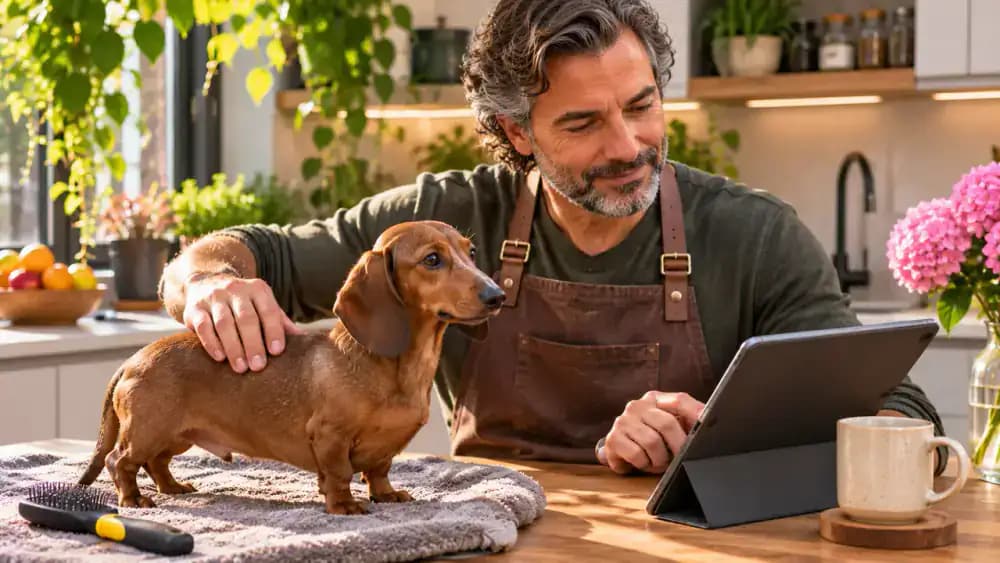
Check Your Dog's Skin Before Brushing
Before brushing, gently part your dog's fur under good lighting to inspect the skin. Look for redness, scabs, parasites, unusual lumps, or areas that appear sensitive to touch. Avoid brushing directly over irritated or broken skin. If you notice persistent redness, unexplained tenderness, or concerning changes, contact your veterinarian for guidance before grooming the affected area.
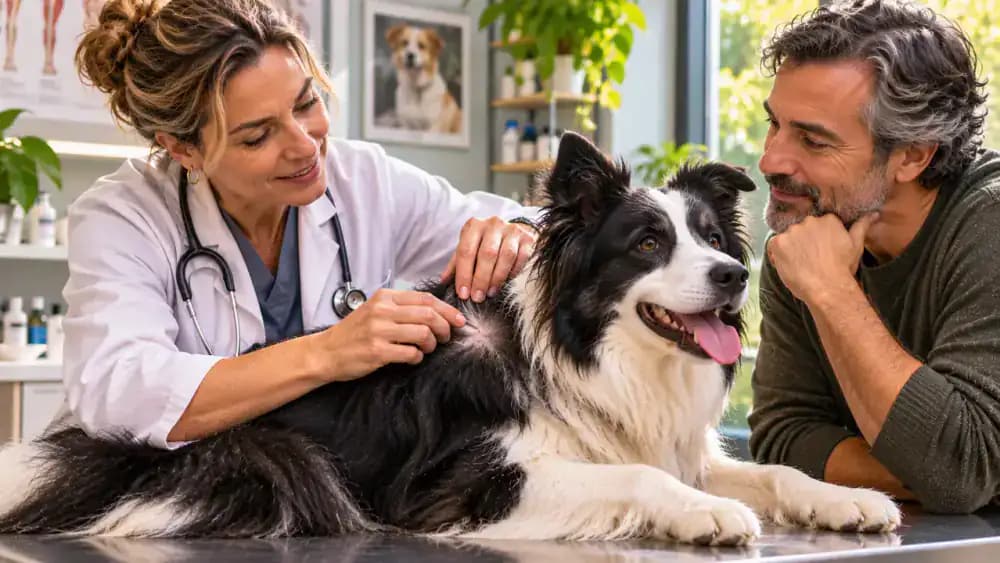
Grooming Sensitive and Hard-to-Reach Areas
Sensitive areas around your dog's ears, armpits, groin, and tail require extra care because the skin may be thin or folded. Choose a smaller, softer brush for precise control, and gently support loose skin with your free hand. Use light strokes, avoid pulling on delicate tissue, and keep grooming tools safely away from the eyes.
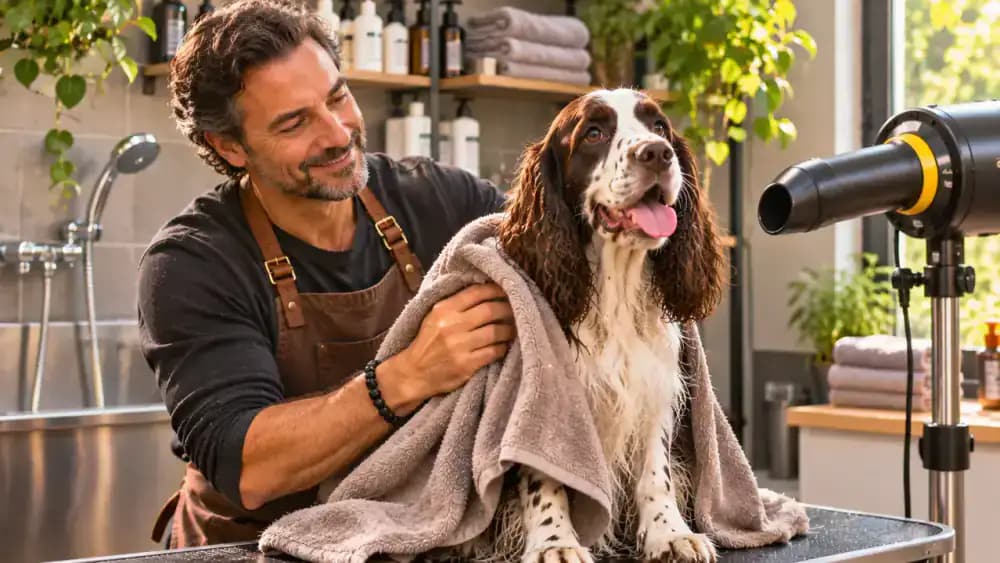
Brushing Before and After Bathing
Before bathing your dog, gently remove loose hair and manageable tangles while the coat is dry, since water can tighten existing mats. Use a shampoo formulated for dogs and rinse thoroughly. After bathing, towel-dry the coat and use a pet-safe dryer when appropriate. Keep airflow comfortable, avoid excessive heat, and brush gently once the coat is sufficiently dry.
Normal Shedding Versus Excessive Hair Loss
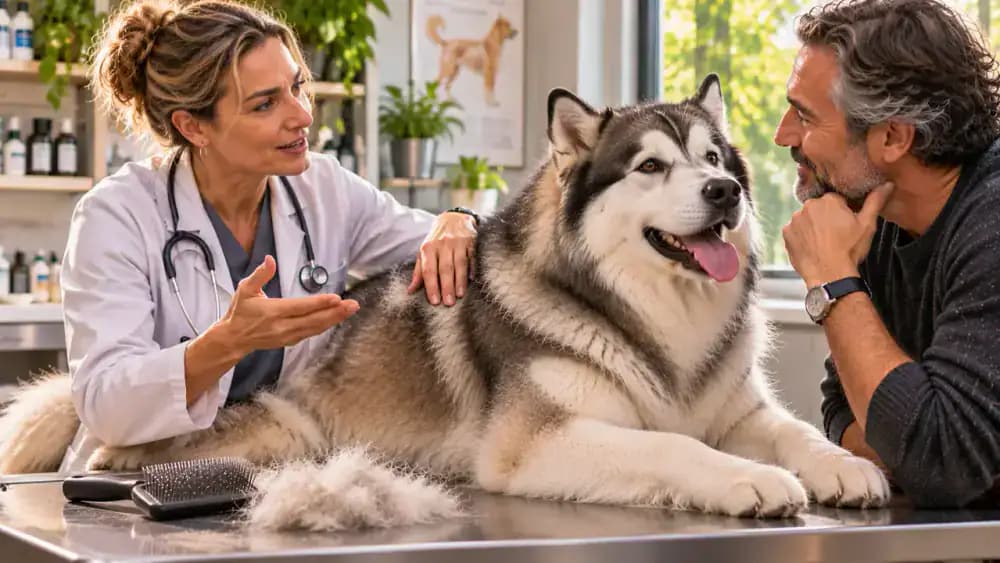
Seasonal shedding is normal for many dogs, particularly breeds with thick double coats. However, sudden changes in shedding, unexplained bald patches, or irritated skin deserve attention. Monitor your dog's usual hair loss patterns and watch for unusual scratching or discomfort. Avoid aggressive deshedding to compensate for unexpected hair loss, and consult your veterinarian about concerning changes.
Cleaning and Maintaining Grooming Tools
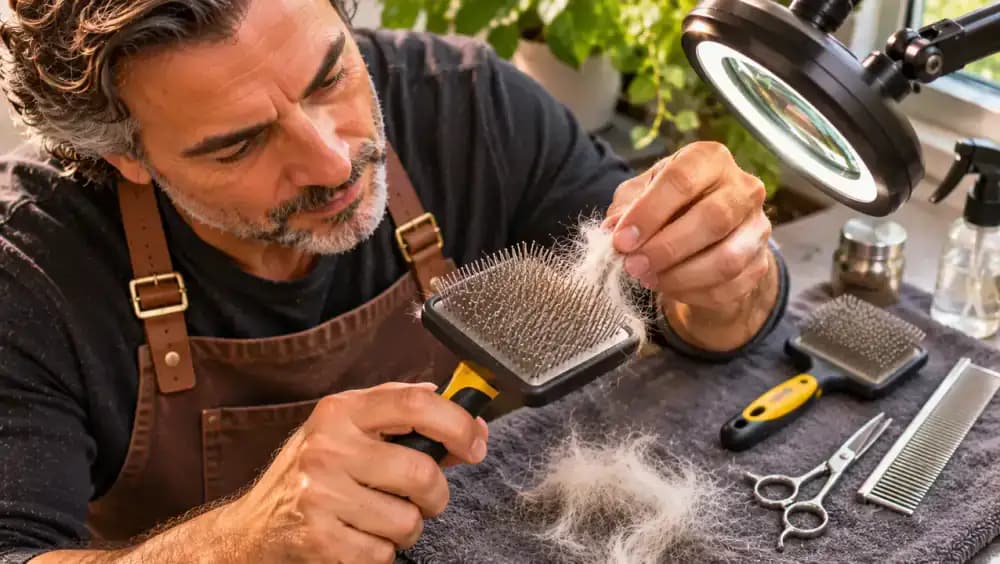
Remove trapped fur from brushes and combs after every grooming session to keep them effective and hygienic. Clean washable equipment according to manufacturer instructions, then dry metal components thoroughly to help prevent rust. Regularly inspect pins, bristles, handles, and brush cushions for damage. Replace tools with bent or sharp pins, cracked surfaces, or loose components that could scratch your dog.
Helping Dogs Who Dislike Being Brushed
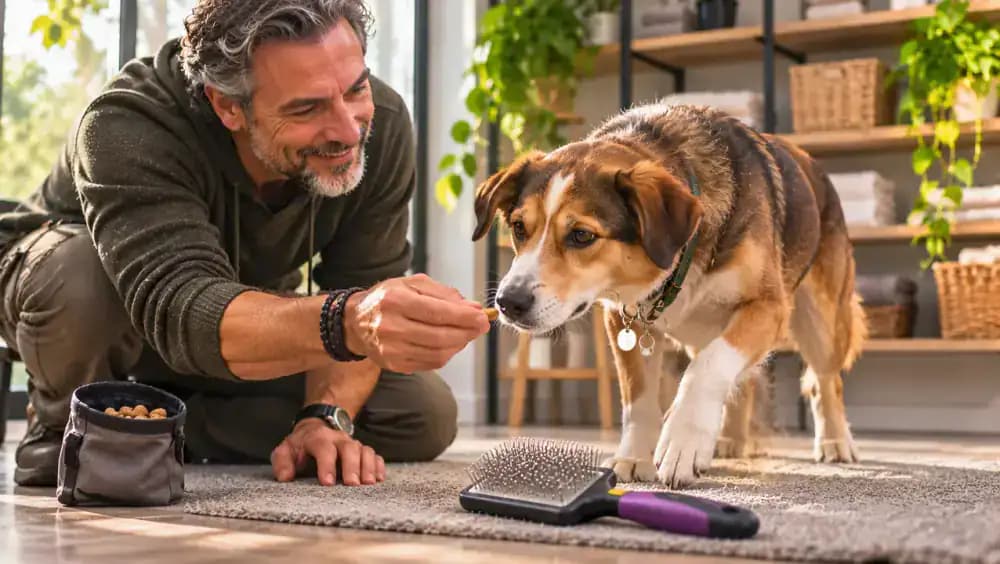
If your dog resists brushing, start by introducing the grooming tool without touching the coat. Reward voluntary curiosity with small treats, then gradually introduce brief, gentle strokes. Allow your dog to move away freely and watch for freezing, retreating, or growling. Keep sessions short and positive, increasing contact only when your dog remains comfortable and relaxed.
Choosing Your Final Grooming Kit
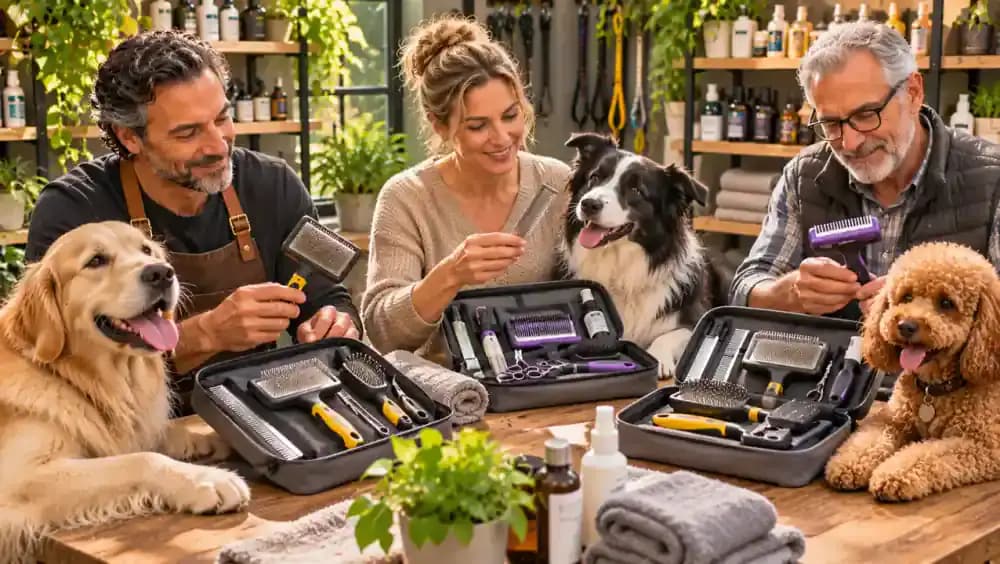
Build your grooming kit around your dog's actual coat type, skin sensitivity, and comfort. A short-haired Boxer may need a rubber curry brush, while a curly Bichon Frise benefits from a slicker and metal comb. Longer coats require appropriately selected brushes. Start with essential tools, add specialized equipment only when necessary, and reassess your choices as the coat changes.
Choosing Brushes for Puppies
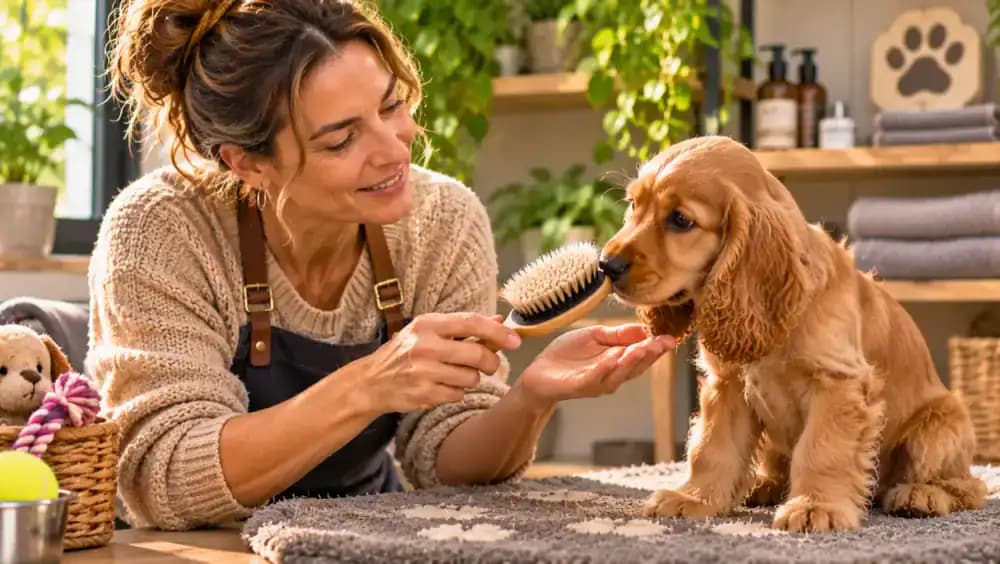
Puppy coats are often softer and finer than adult coats, so begin with a gentle brush suited to your puppy's current hair texture. Introduce brushing through short, positive sessions with treats and minimal pressure. As adult hair develops, reassess coat length, density, and tangling. Some breeds need different grooming tools as their coats mature.
Grooming Senior Dogs Comfortably
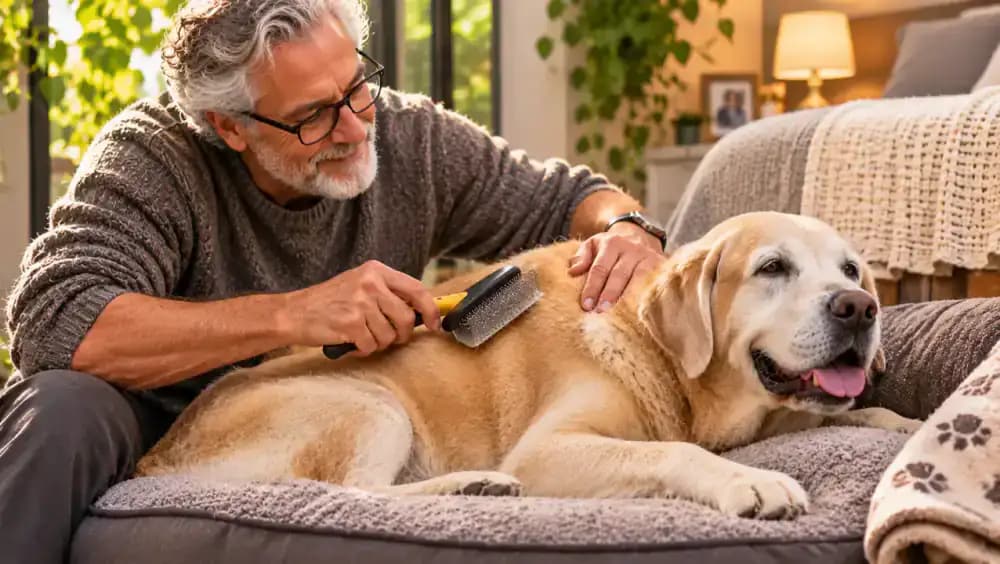
Older dogs may find prolonged standing, repositioning, or vigorous brushing uncomfortable. Provide stable footing or allow your dog to rest on a supportive bed while grooming accessible sections. Use gentle strokes, avoid stretching stiff limbs, and offer frequent breaks. If grooming causes new discomfort or pain, stop and consult your veterinarian about safe handling.
Useful Accessories Beyond Brushes
A few practical accessories can make grooming safer and more comfortable. Use a nonslip mat for secure footing, a soft towel for cleanup, and small treats to reward cooperation. A dog-safe detangling spray may help reduce friction in suitable coats. Follow product directions, avoid ingredients unsafe for pets, and never force a comb through resistant tangles.

Why Cutting Out Mats Can Be Dangerous
Tight mats can pull a dog's skin into the tangled hair, making scissors and sharp dematting blades especially dangerous. Never cut blindly beneath a knot or force a blade against the skin. If gentle finger separation is impossible, stop attempting removal. A qualified professional groomer can assess the mat and determine whether controlled clipping is appropriate.
Are Expensive Deshedding Tools Worth It?
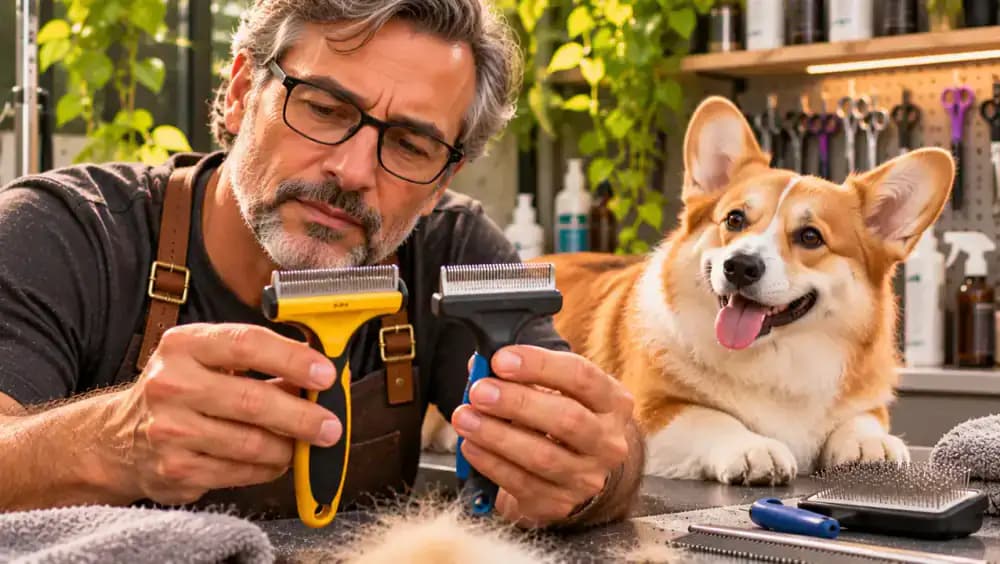
Expensive deshedding tools are not automatically better for your dog's coat. Some effectively remove loose undercoat, while sharp edges or repeated strokes may damage healthy guard hairs and irritate skin. Compare tooth design, blade construction, and coat compatibility before purchasing. Ask a professional groomer to demonstrate suitable options, and prioritize gentle, controlled use over the amount of fur collected.
How to Measure Grooming Success
Track grooming results by photographing your dog's coat and noting areas where tangles frequently develop. Recheck those locations over several weeks, recording brushing frequency, coat condition, and your dog's comfort. Effective grooming should make maintenance easier without causing irritation or resistance. If knots persist despite consistent care, reconsider your technique or consult a professional groomer.

The Secret to Choosing the Right Grooming Tools
Successful grooming is about maintaining a manageable coat, protecting sensitive skin, and keeping your dog comfortable. A brush full of fur does not necessarily indicate better results. Choose simple tools suited to your dog's coat, use them gently, and observe the response. Reassess your equipment as grooming needs change, seeking professional advice whenever discomfort or persistent problems arise.
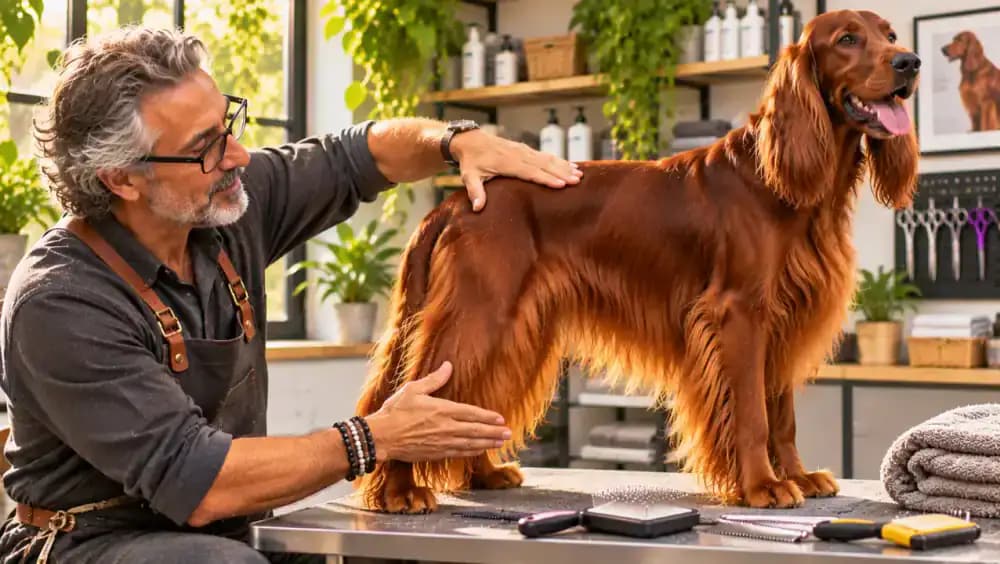
Different Coat Areas May Need Different Tools
Your dog may need different brushes for different body areas, even when the overall coat appears uniform. Long feathering on the legs and tail can tangle more easily than shorter back hair. Examine each region separately, matching brush size, pin length, and tooth spacing to its texture. Adjust your selections after trimming or seasonal coat changes.
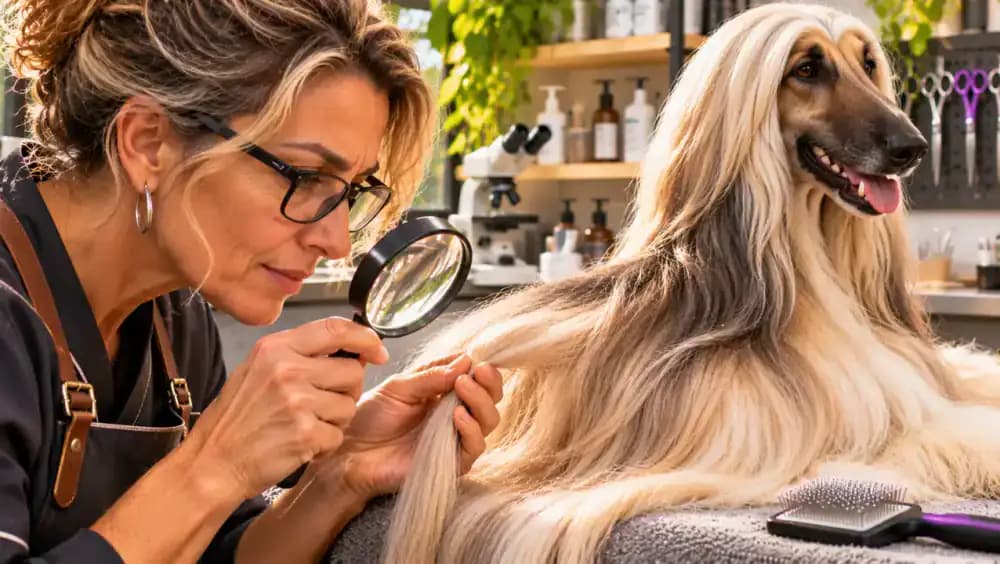
Recognizing When a Brush Is Damaging Hair
A suitable grooming brush should move through prepared coat sections without excessive resistance, scraping, or pulling. Test new tools on a small area and watch for snagging, broken strands, or skin movement during brushing. Stop immediately if the brush catches repeatedly. Examine the hair and tool condition, then adjust your technique or consult a professional groomer before continuing.
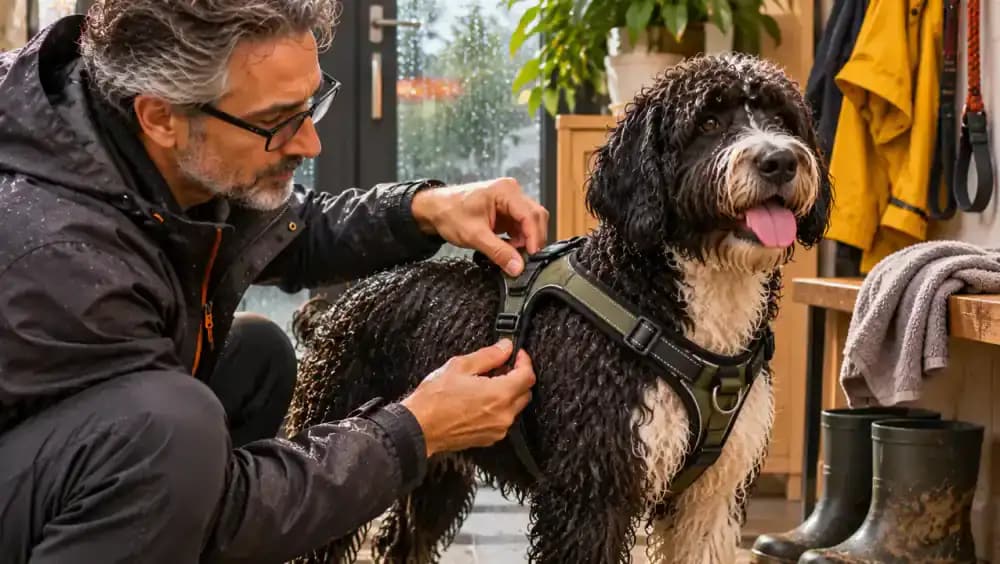
Adapting Grooming After Outdoor Activities
Outdoor adventures can leave your dog's coat damp, muddy, or tangled, especially around harness contact points. After walks, remove the harness, gently wipe away debris, and dry the coat appropriately before addressing stubborn tangles. Inspect the chest, shoulders, legs, and other friction areas. Regular checks help prevent small knots from developing into uncomfortable mats.
Wide Tooth Versus Fine Tooth Combs
Wide-tooth combs help separate longer strands and work through minor tangles, while fine-tooth combs reveal smaller knots that brushing may miss. Choose smooth, rounded teeth suited to your dog's coat density. Begin detangling near the hair ends, supporting the strands to minimize pulling. Never force a comb through resistance or scrape sensitive skin.
Learning From Your Professional Groomer
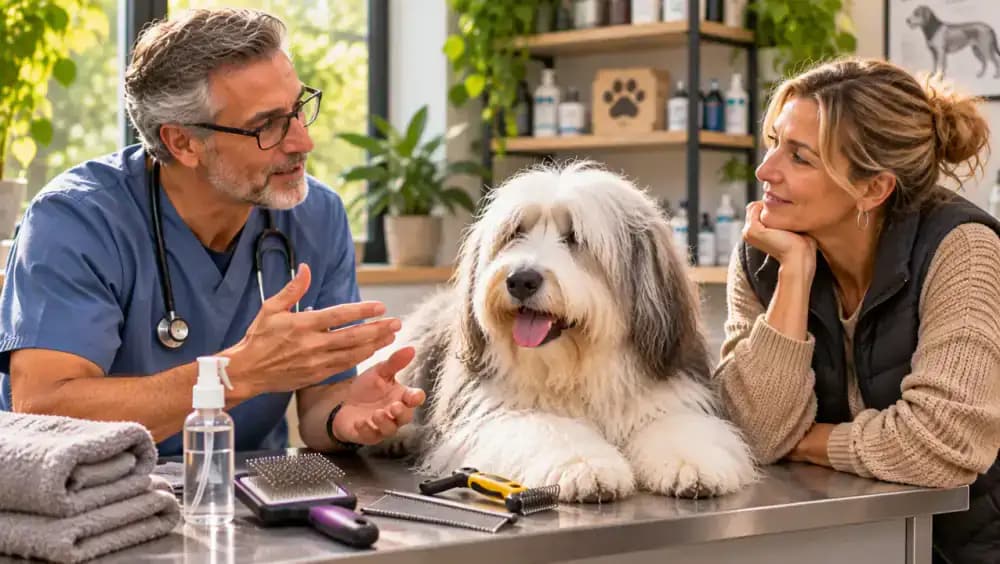
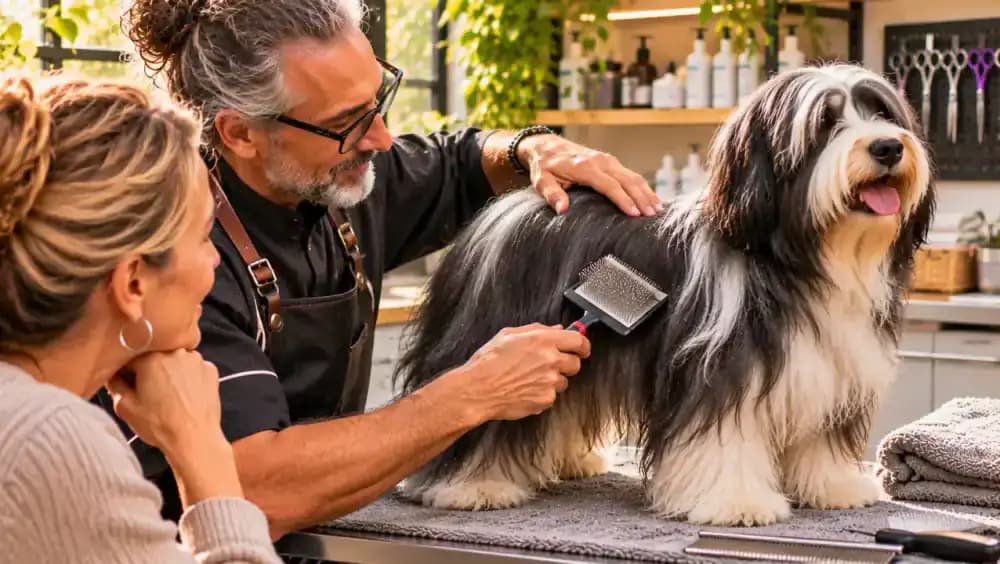
Use professional grooming appointments to understand your dog's individual coat requirements. Ask which brushes and combs worked best, where tangles developed, and how frequently home grooming is needed. Request a brief demonstration of proper brushing pressure and technique. Personalized guidance from someone examining your dog's coat is often more useful than generic product recommendations.
Understanding Misleading Deshedding Claims
No grooming brush can permanently eliminate natural shedding, regardless of advertising claims. Dogs regularly release hair as part of normal coat renewal, and excessive deshedding may damage healthy fur. Evaluate products by comfort, coat compatibility, and gentle removal of loose hair. Document unexpected thinning or patchy hair loss, and consult your veterinarian if concerning changes appear.

Make the Right Grooming Choice Every Time
Before each grooming session, examine your dog's coat and identify the areas needing attention. Select the gentlest suitable brush or comb, work through small sections, and monitor comfort throughout. Check for remaining tangles without forcing the tool. Adjust your approach when coat conditions change. Consistent, thoughtful grooming helps maintain healthy fur and strengthens your dog's trust.
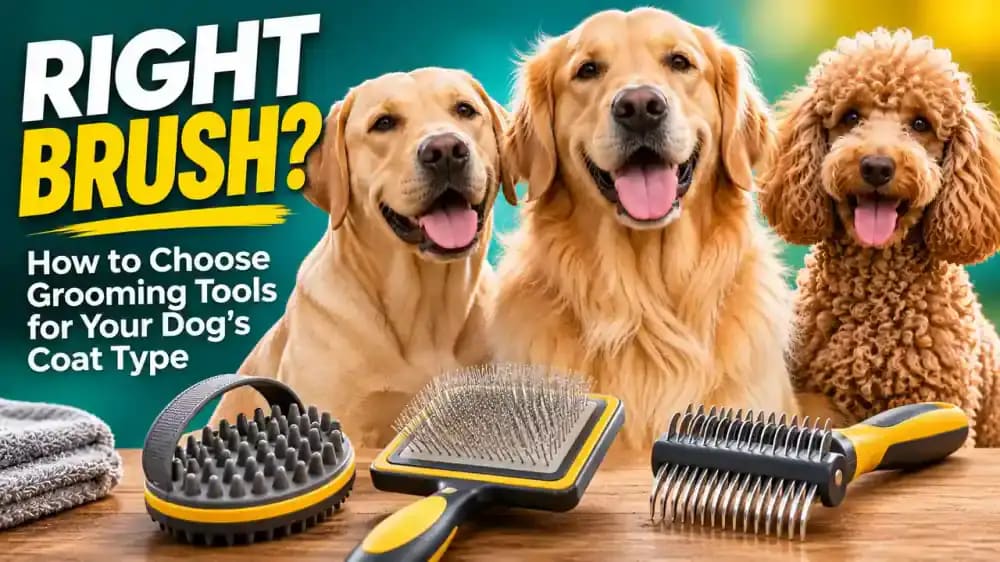
Picture two dogs standing side by side: a Beagle with a short, smooth coat and a Golden Retriever with a thick double coat. A rubber curry brush might pick up loose hair beautifully from the Beagle, yet barely reach the Golden Retriever's dense undercoat. Switch to an undercoat rake, and the results could reverse. Both dogs need regular grooming, but they don't need the same tools.
Choosing dog grooming tools by coat type is one of the simplest ways to make brushing more effective, comfortable, and manageable. The wrong brush can miss hidden tangles, pull unnecessarily on healthy hair, or irritate sensitive skin. The right combination can help remove loose fur, prevent manageable tangles from becoming mats, and make grooming a more pleasant experience for your dog.
Dog coats generally fall into several practical categories: short, smooth, long, silky, curly, wiry, and double coats. These categories can overlap, and mixed-breed dogs may have coat characteristics that don't fit neatly into one group. That's why examining your dog's actual hair length, texture, density, and shedding pattern matters more than relying on a breed label.
This guide compares rubber curry brushes, bristle brushes, pin brushes, slicker brushes, metal combs, undercoat rakes, and deshedding tools. You'll learn what each tool does, which coat types it may suit, what features to look for, and how to brush gently without damaging the coat or irritating the skin.
Where people go wrong
Choosing a Brush Based Only on Breed. Breed guides can provide a useful starting point, but individual dogs often have different coat textures, densities, and grooming needs. Mixed breeds are especially variable. A brush recommended for one dog may be ineffective or uncomfortable for another. Examine your dog's actual coat, including the undercoat, before selecting brush head design, pin length, and tooth spacing.
Using Too Much Pressure With Slicker Brushes. Slicker brushes can be effective for longer, curly, and tangle-prone coats, but their fine metal pins may irritate skin when pressed too firmly. Use short, controlled strokes with minimal pressure, and keep the brush moving gently through small sections. Avoid repeatedly brushing one spot. Stop if your dog shows discomfort or the skin becomes irritated.
Pulling a Brush Through Tight Mats. Forcing a brush through compacted hair can pull painfully on the skin and make grooming stressful. Never yank through resistance or try to tear apart a mat with sharp tools. Small, loose tangles may respond to careful detangling, but tight mats, especially those close to the skin, are best handled by a professional groomer.
Overusing Deshedding Tools on Double Coats. Aggressive deshedding can remove or damage healthy guard hairs along with loose undercoat. This is particularly concerning with sharp-edged tools or repeated passes over the same area. Choose equipment designed for the coat's density and length, use light pressure, and stop when loose hair removal slows. More hair collected does not automatically mean better grooming.
Skipping the Comb Check After Brushing. A coat can look smooth on the surface while hiding tangles closer to the skin, especially behind the ears, around the legs, and beneath the collar. After brushing, gently work an appropriate metal comb through small sections. If the comb catches, investigate without pulling. Persistent resistance may indicate a tangle that needs careful attention or professional help.
Using Sharp Tools Near Sensitive Skin. Thin skin around the armpits, belly, ears, and groin requires extra care. Sharp-edged deshedding tools, mat splitters, and scissors can cause injuries when used without appropriate training. Avoid cutting close to the skin or forcing tools into hidden tangles. If you cannot clearly separate the coat from the skin, arrange professional grooming instead.
Making Grooming Sessions Too Long. Trying to finish an entire coat in one session can overwhelm dogs that are uncomfortable with handling or unfamiliar tools. Resistance, restlessness, and attempts to escape should not be ignored. Start with a few calm minutes, reward cooperation, and gradually increase session length. Several comfortable sessions are more useful than one stressful brushing marathon.
Questions people ask
A rubber curry brush is a practical starting point for many short, smooth-coated dogs because its flexible surface helps loosen shed hair without relying on sharp pins. A soft bristle brush can remove surface debris and provide a smooth finish. Choose gentle materials, observe your dog's comfort, and remember that short coats can still vary in density and undercoat.
Fixed it?
Get one guide like this every Thursday.