How to Choose a Cat Litter Type Your Cat Can Use Comfortably
Compare clay, paper, clumping, and other cat litter types to find a comfortable, low-dust option that suits your cat, your cleaning routine, and your household.
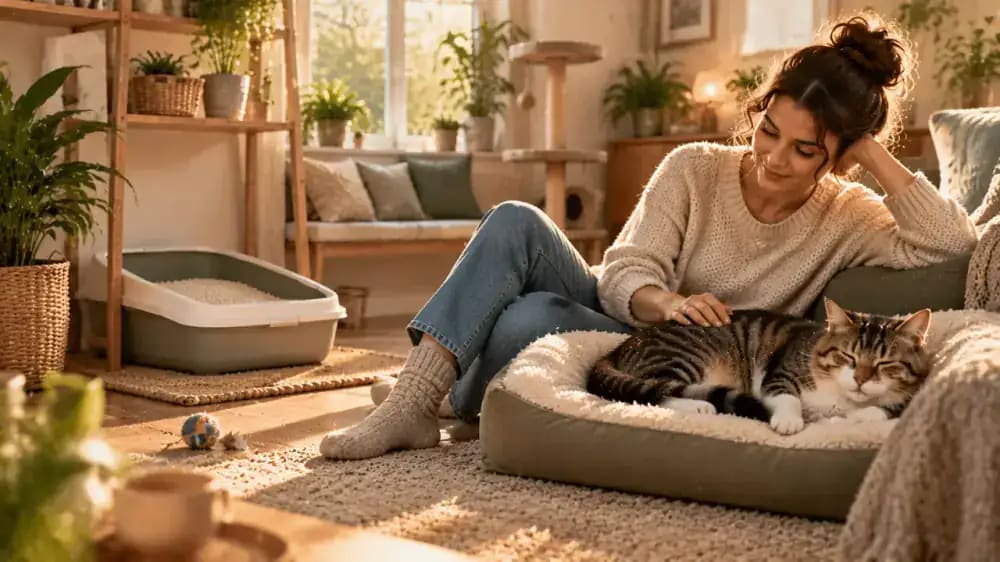
What you’ll need
Tap to tick things off before you start.
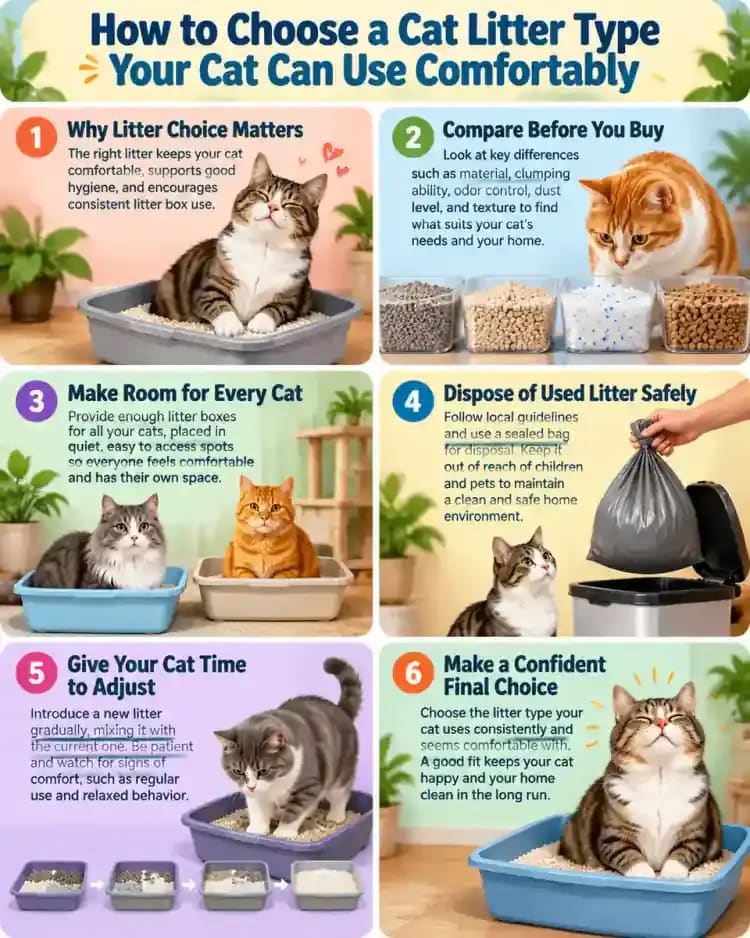
Why Litter Choice Matters
Choosing cat litter can feel overwhelming when shelves are filled with clumping, non-clumping, scented, unscented, clay, and paper-based products. Instead of choosing the most expensive or popular option, consider your cat's comfort, your cleaning routine, and your household needs. A suitable litter should encourage consistent box use while remaining practical to maintain every day.

Clumping Versus Non-Clumping
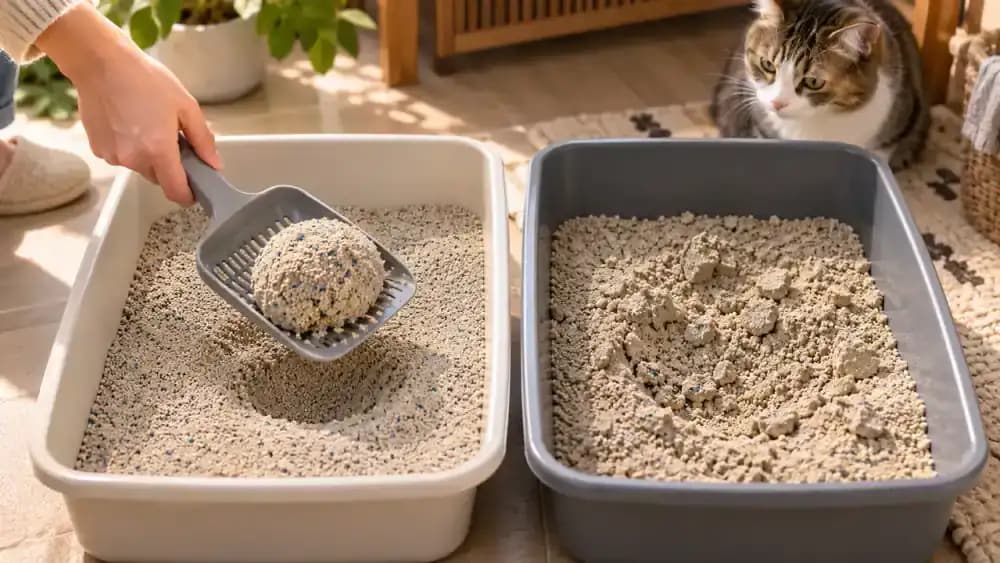
Clumping litter forms solid clumps when wet, allowing you to scoop away soiled material while leaving much of the clean litter behind. Non-clumping litter absorbs moisture without forming firm clumps and may need more frequent replacement. Compare both options by cleaning effort, absorbency, cost, and your cat's preferences, and follow the manufacturer's maintenance instructions.
Texture and Paw Comfort
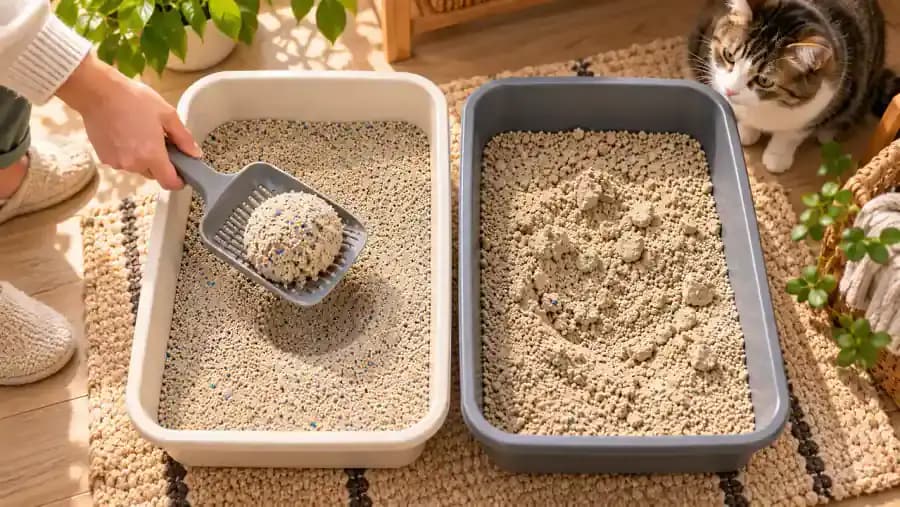
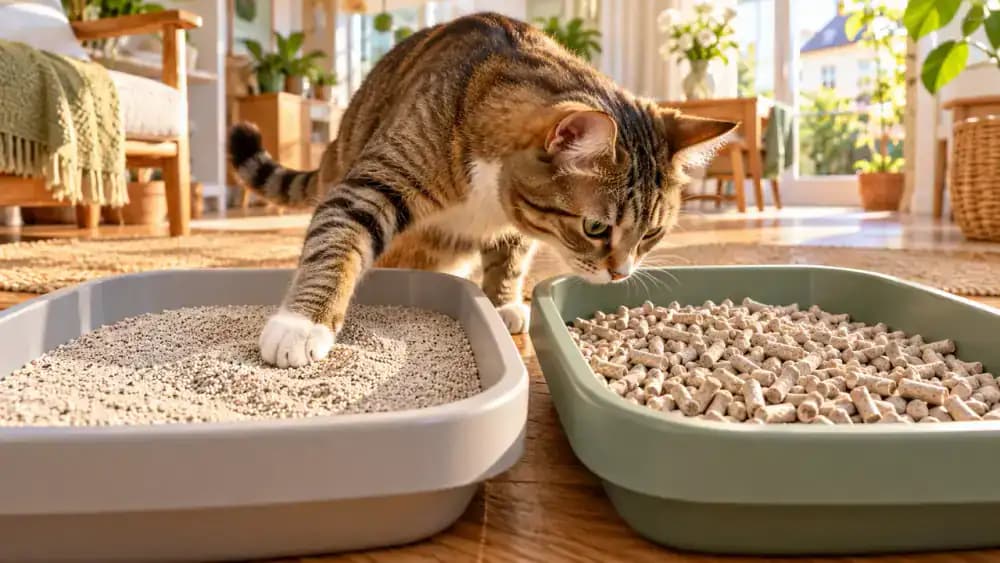
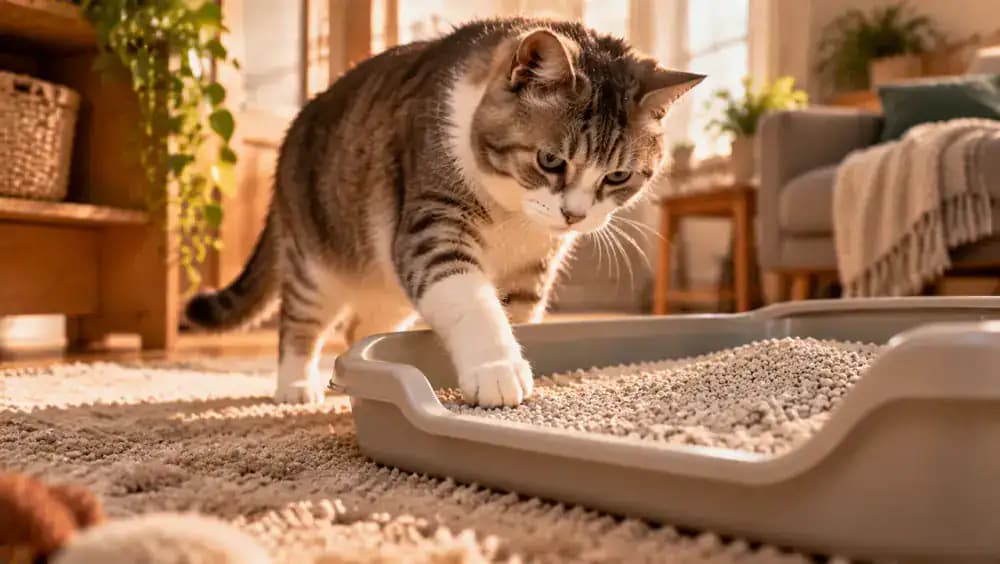
Litter texture can influence whether your cat feels comfortable using its box. Fine granules, coarse crystals, and paper pellets offer different sensations underfoot, and a cat accustomed to one material may hesitate around another. Observe whether your cat enters willingly, digs naturally, and covers waste comfortably. Let your cat's response guide your choice rather than assuming every texture will work.
Dust and Fragrance
Dust and fragrance are important factors when comparing cat litter products. Some varieties release particles when poured or disturbed, while scented options contain added perfumes that may bother some cats or household members. Unscented, low-dust litter is a sensible starting point for many homes. Check product details, pour carefully, and evaluate odor control through regular cleaning rather than relying on fragrance alone.
Tracking and Household Needs
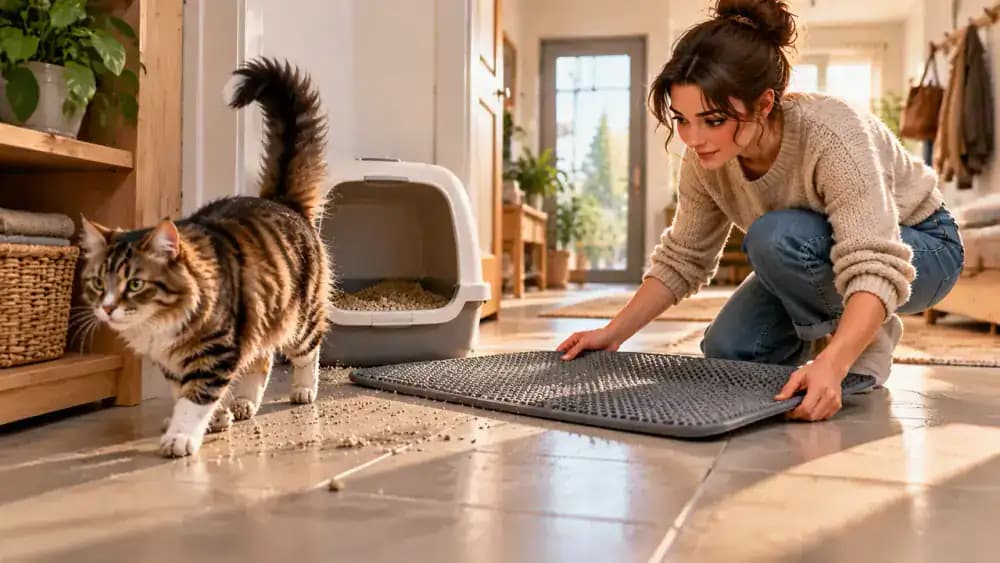
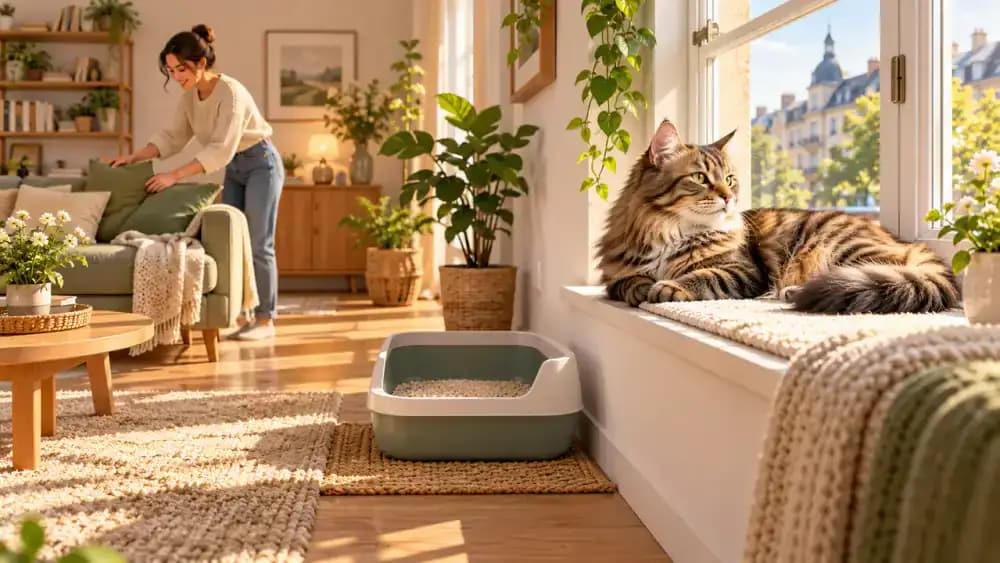
A litter that suits your cat should also fit your living space and cleaning routine. Lightweight granules and certain particle shapes may scatter across floors or stick to paws, increasing daily cleanup. Consider the tray's location, floor surfaces, storage space, and ongoing cost before choosing. A low-profile litter mat can catch stray granules, provided it leaves your cat's entrance clear and comfortable.

Compare Before You Buy
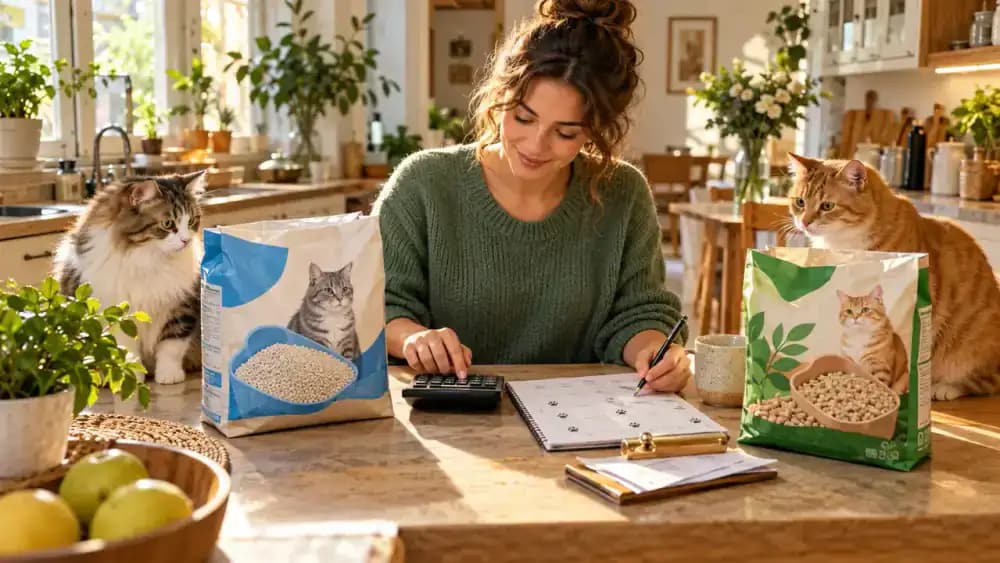
Before committing to a large bag, compare a few suitable cat litter products and consider purchasing a smaller package for testing. Review each product's material, particle size, fragrance, dust information, absorbency, and cleaning requirements. Compare prices alongside practical benefits, since a low-cost option may create extra work or go unused if your cat dislikes its texture.
Introduce New Litter Gradually
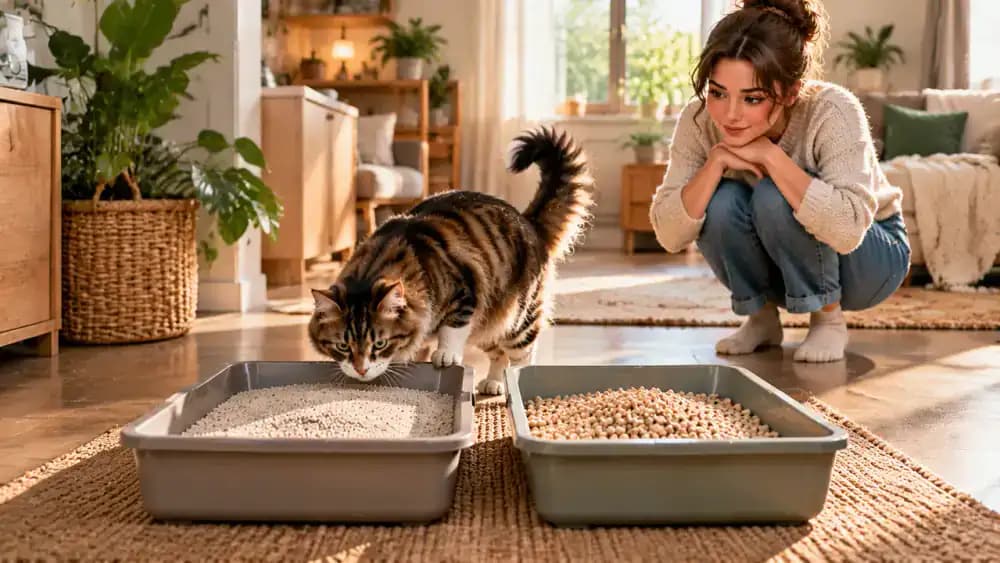
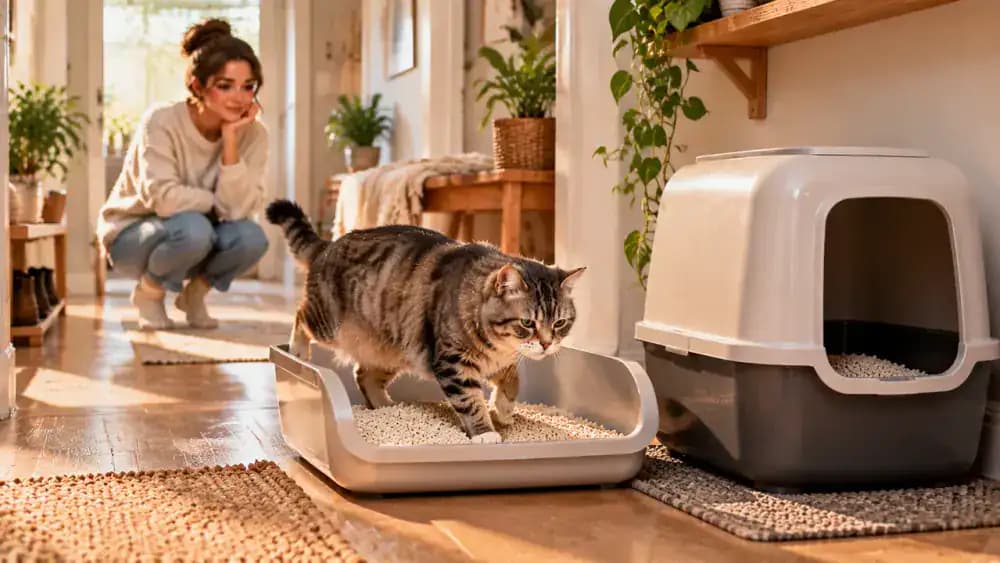
Give your cat a choice when introducing an unfamiliar litter. Set up a second litter box with the new material while keeping the original box and familiar litter available. Place both boxes in accessible locations and maintain your usual cleaning routine. Allow your cat to investigate independently, without placing it in either box or pressuring it to switch.

Let Your Cat's Response Guide You
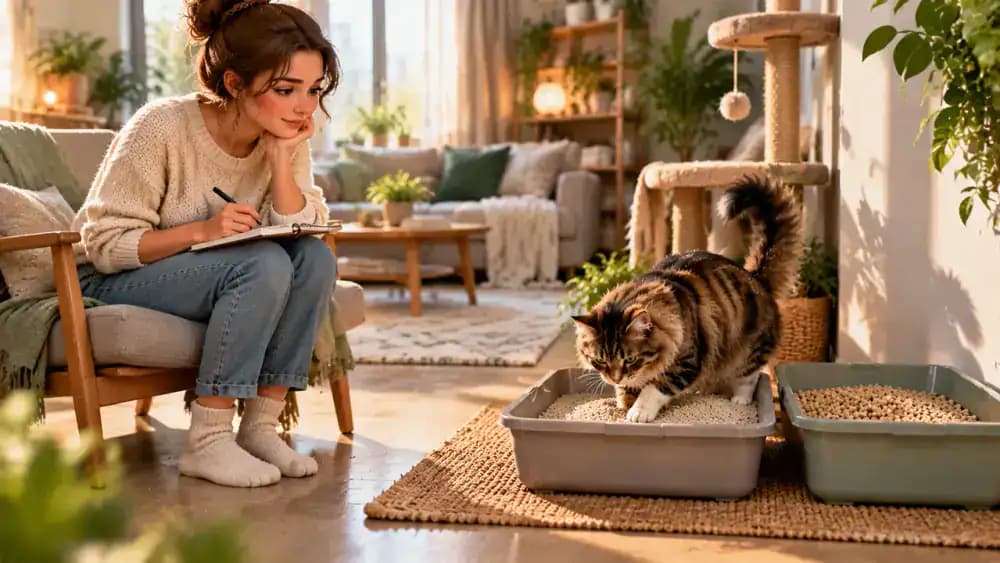
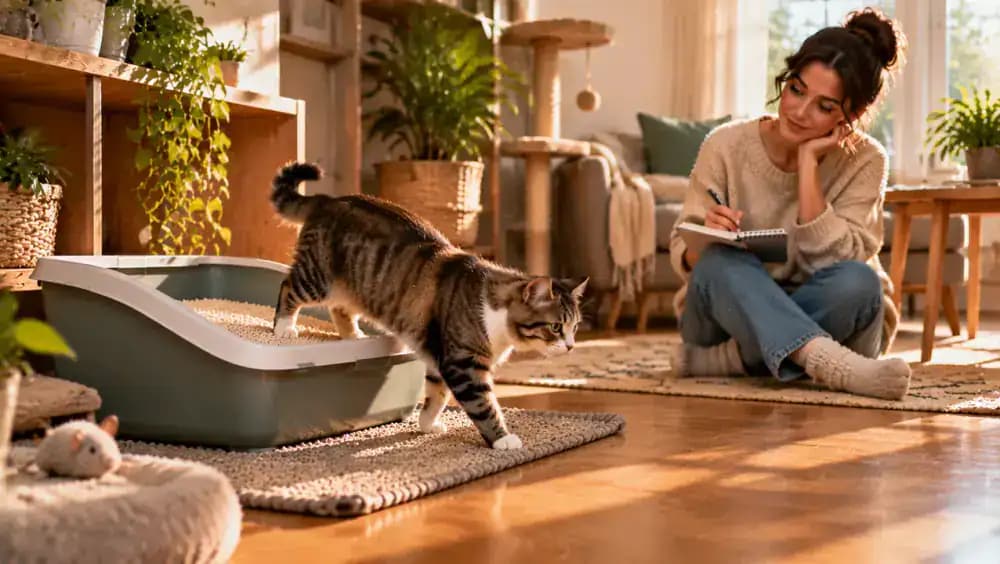
Observe your cat's litter box habits over the following days, noting which box it chooses and whether digging and covering appear comfortable. Hesitation, avoidance, or elimination outside the box may mean the setup needs reconsideration. Restore the familiar arrangement if necessary. Contact your veterinarian about persistent changes, straining, signs of pain, or unusual urination rather than assuming the litter is responsible.
Keep the Transition Consistent
Once your cat begins accepting a new litter, keep the boxes in their established locations and maintain a consistent cleaning routine. Avoid changing the litter material, box placement, and cleaning products simultaneously, since multiple changes can make preferences harder to evaluate. Check both boxes regularly and record their condition. A steady routine helps you assess whether the new litter remains comfortable over time.
Check the Litter Depth
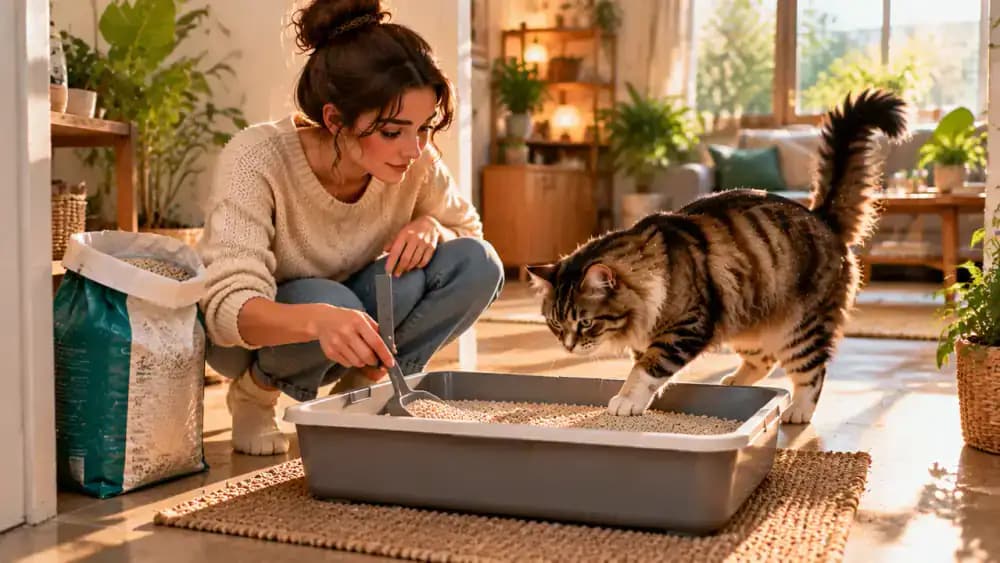
The amount of litter in the tray can affect how comfortably your cat digs and covers waste. Too little may make these natural behaviors difficult, while excessive depth can cause instability or spill over the sides. Check the manufacturer's recommended depth, adjust the amount as needed, and observe your cat entering, digging, and leaving the box without difficulty.

Choose an Accessible Litter Box
The litter box itself can affect your cat's comfort, even when the litter material is suitable. Some cats prefer open trays, while others feel more comfortable with covered designs that still allow easy entry and exit. Older cats and cats with limited mobility may benefit from lower sides. Consider box size, entrance height, and available space before changing litter.
Make Room for Every Cat
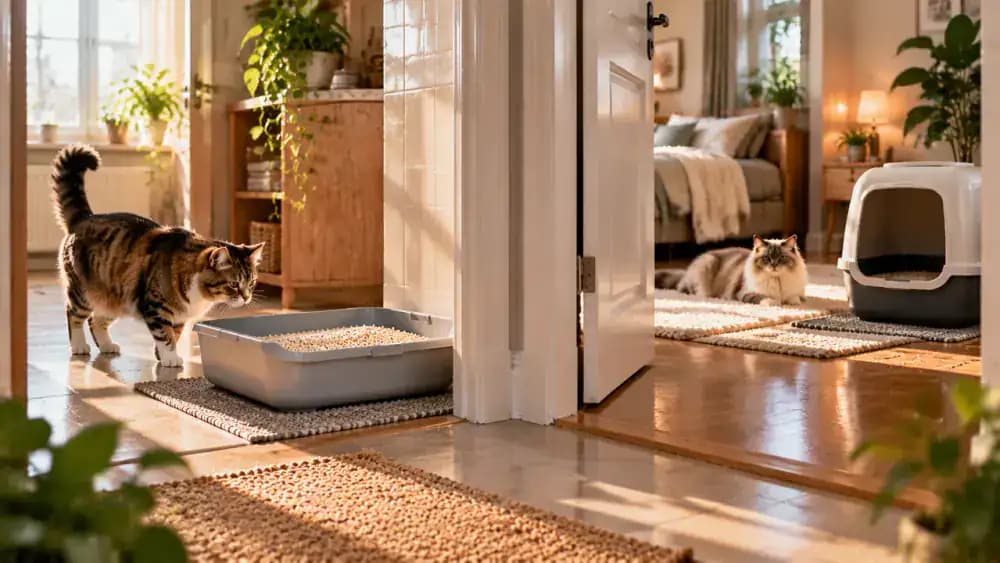
In a multi-cat household, provide enough litter boxes in separate, accessible locations so every cat can use one without competition. A cat may hesitate if another pet blocks the approach or guards the area. Place boxes in quiet spaces with clear entry and exit routes, and observe whether each cat has reliable access to its preferred litter and toilet area.
Maintain a Clean Litter Box
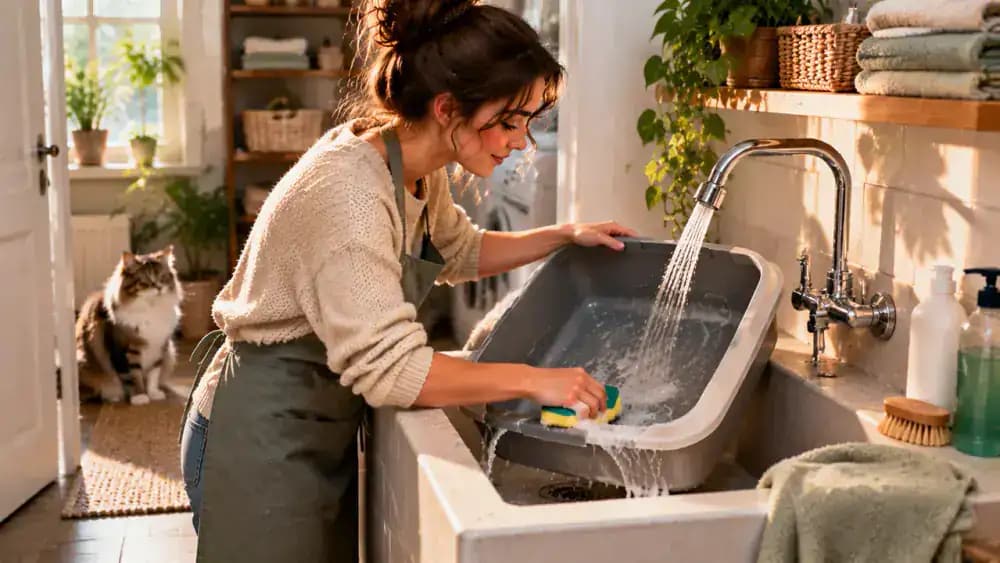
Regular cleaning helps keep the litter box comfortable and hygienic. Remove waste at least daily, replenish or replace litter according to the product instructions, and wash the tray with a mild, unscented cleaner. Rinse thoroughly and let the box dry before adding fresh litter. Avoid strong fragrances and harsh chemical residues that could make the area unpleasant for your cat.
Be Careful With Litter Additives
Deodorizing powders, scented beads, liners, and other litter accessories can change the texture or smell of your cat's box. These extras are not always necessary and may make it harder to determine which features your cat prefers. Start with a simple setup, introduce any optional product individually, and monitor your cat's response. Remove an accessory if box avoidance develops.
Know When to Call the Vet
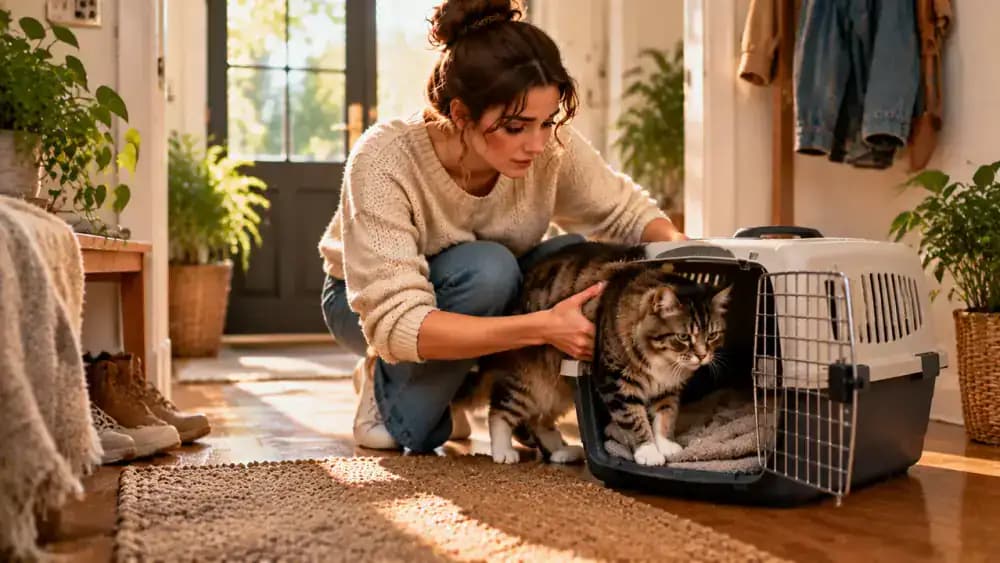
Sudden changes in litter box habits should not automatically be blamed on the litter. Discomfort, urinary or digestive problems, stress, and household changes can all affect elimination. Contact your veterinarian about persistent or unexplained changes. Seek emergency veterinary care if your cat repeatedly strains to urinate, produces little or no urine, or appears seriously distressed, as urinary blockage can be life-threatening.

Find the Right Fit for Your Cat
The best cat litter is one your cat uses comfortably and you can maintain consistently. Compare material, texture, dust, fragrance, tracking, and cost, then evaluate new options gradually. Keep the familiar litter available while observing your cat's preferences. Once you find a suitable choice, maintain a clean, accessible box and consult your veterinarian about concerning elimination changes.
Store Litter Properly
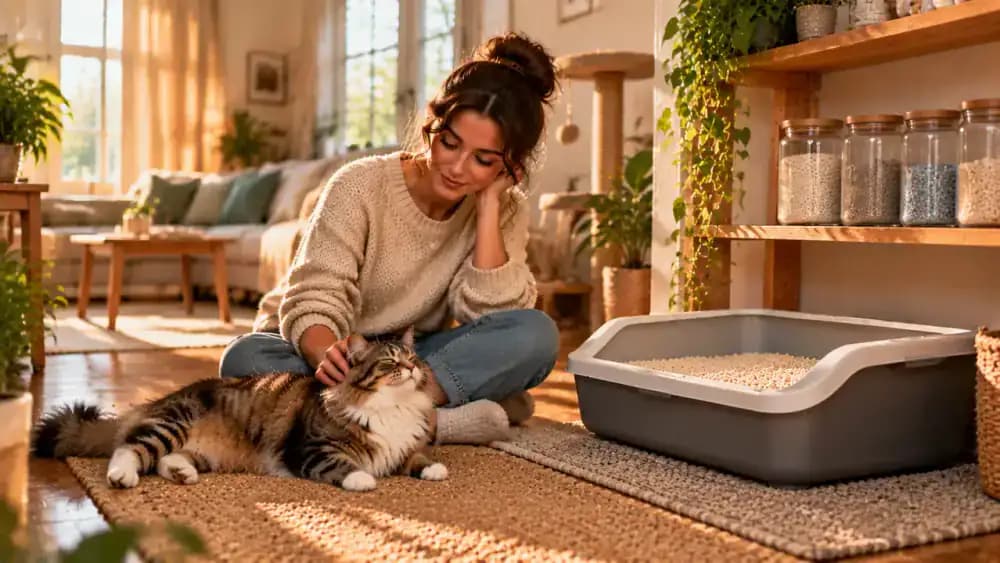
Store unused cat litter in a cool, dry place to protect it from moisture and strong household odors. Seal opened bags securely and keep supplies away from cleaning chemicals, food, and curious pets. Use a clean, dry scoop when handling fresh litter, and follow the manufacturer's storage recommendations. Proper storage helps maintain product quality and keeps your litter supplies organized.
Dispose of Used Litter Safely
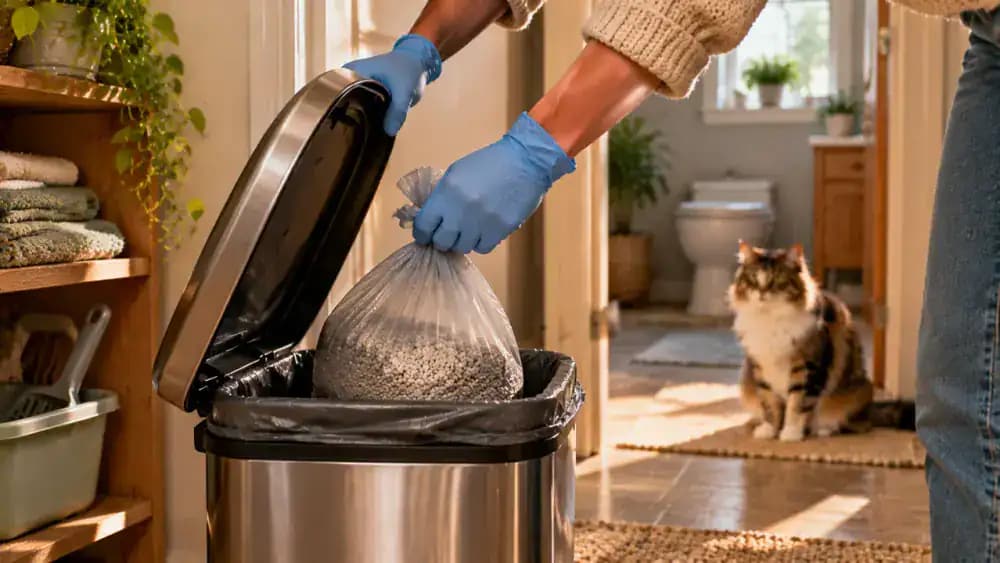
Consider disposal requirements before choosing a cat litter product. Most used litter should go into household waste according to local regulations rather than down the toilet, where it may contribute to plumbing problems. Even products labeled flushable may not be suitable for every sewer or septic system. Check the packaging and local guidance, then establish a secure, practical waste disposal routine.

Consider Kittens and Safety
Kittens may explore unfamiliar materials by licking, chewing, or mouthing them, so litter selection deserves extra care during early development. Supervise initial use and review product ingredients, age recommendations, and safety information before choosing a litter. Ask your veterinarian for guidance if you are unsure which material is appropriate for your kitten, especially if you notice repeated chewing or swallowing of litter.
Account for Household Changes
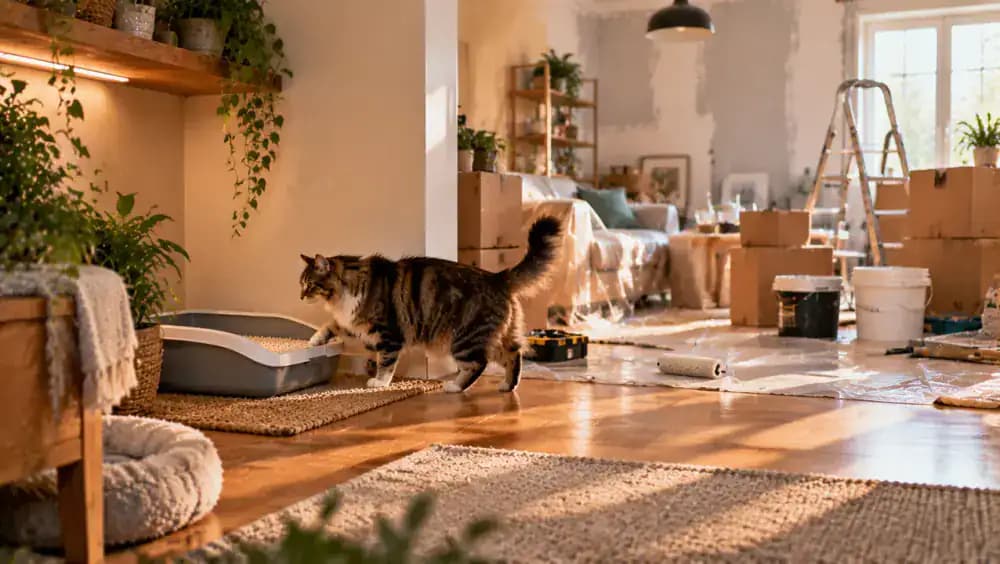
Visitors, travel preparations, renovations, and moving furniture can disrupt your cat's familiar routine. During busy periods, keep the litter box in a quiet, accessible location and avoid introducing a new litter at the same time. If your cat seems reluctant to use its box, restore a predictable setup and reduce nearby disturbances. Reevaluate litter preferences when household conditions become stable again.

Track Your Trial Results
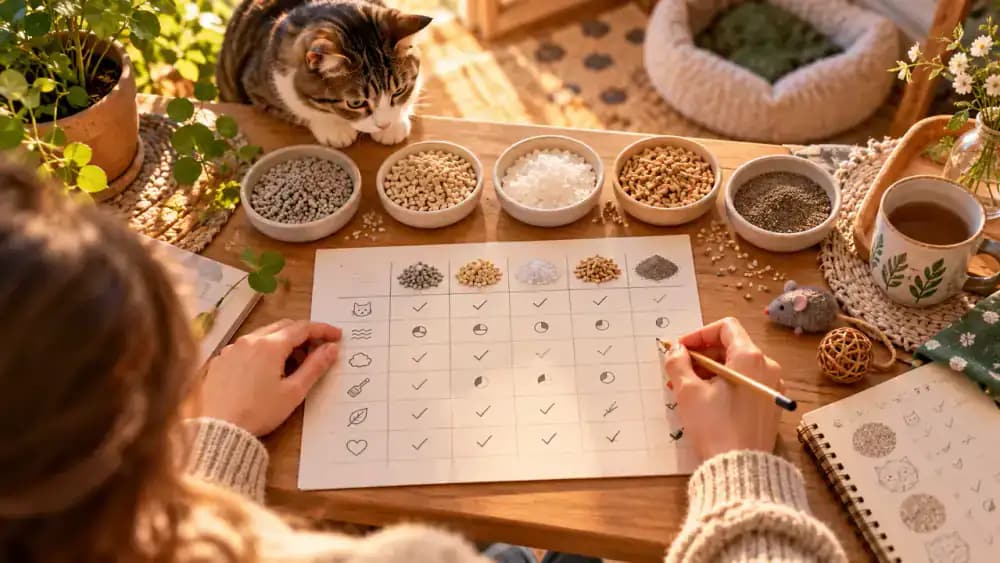
Keep a simple comparison chart while testing different cat litters to make your decision easier. Record each product's name, how often your cat uses the box, whether digging appears comfortable, and how much cleanup it requires. Note any avoidance or scattered granules, too. Reviewing observations over several days can reveal consistent preferences more reliably than memory alone.
Balance Cost and Convenience
Compare the ongoing cost of each litter rather than judging products by bag price alone. Consider how much usable material you receive, how frequently the litter needs replacing, and whether extra cleaning supplies or tracking mats are necessary. A cheaper product may require more frequent changes. Choose an option that fits your budget while maintaining your cat's comfort and a manageable cleaning routine.
Build a Comfortable Long-Term Routine
Once you identify a litter your cat accepts, establish a consistent routine that keeps the box clean, accessible, and comfortable. Use your comparison notes to weigh texture, dust, fragrance, tracking, and cost. Continue observing your cat's habits after settling on a product, and consult your veterinarian about concerning elimination changes. A reliable routine should work for both your cat and your household.
Give Your Cat Time to Adjust
A cat may need time to explore an unfamiliar litter, even when the material seems suitable. Watch how readily your cat approaches the tray, steps inside, digs, and leaves. Avoid rushing the decision based on a single visit. If your cat begins avoiding the box or seems uncomfortable, reconsider the material and setup while keeping the familiar option available.
Consider Sensitive Paws
Texture and accessibility deserve extra attention if your cat has sensitive paws or limited mobility. Coarse, heavy granules may be difficult for some cats to navigate, while fine particles can cling to paws or fur. Choose a manageable material and a tray with an easy entrance. If your cat consistently struggles or appears uncomfortable, ask your veterinarian for individualized guidance.
Choose a Suitable Box Location
The litter box location can affect your cat's comfort and how easily odors disperse. Choose a quiet, ventilated area with a clear entrance and enough room to move freely. Avoid cramped cupboards, noisy appliances, and spots beside food or water bowls. A thoughtfully placed tray makes access easier and helps your cat use the box without unnecessary disturbances.
Check Automatic Litter Box Requirements
Automatic litter boxes may require specific litter materials, particle sizes, or clumping properties to operate correctly. Check the manufacturer's instructions before purchasing a new product, and never assume that every litter is compatible with every device. Inspect and maintain the equipment as directed, and make sure your cat can enter, exit, and use the box comfortably without being startled by its operation.
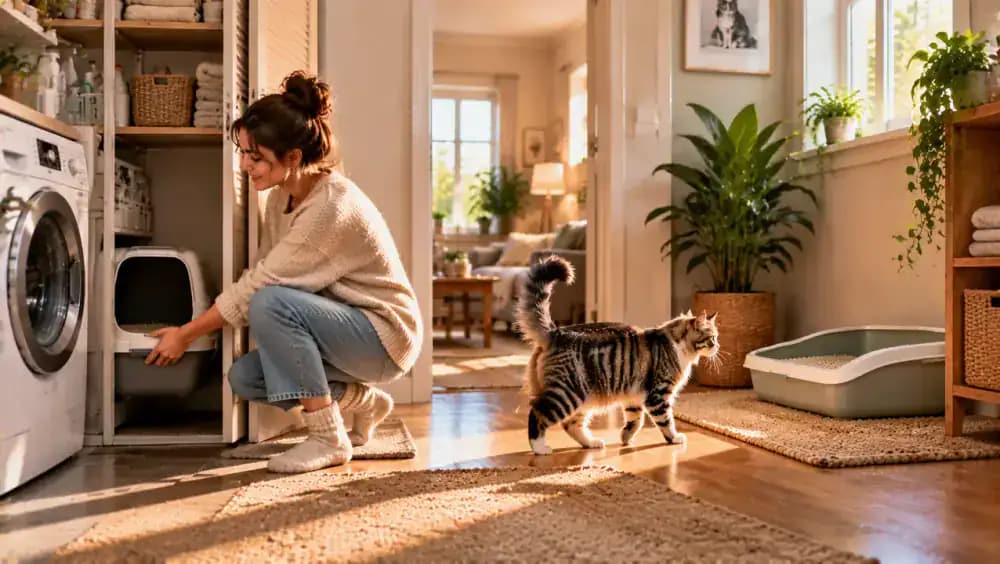
Compare Different Brands Carefully
Switching brands can change your cat's litter experience even when the packages appear similar. Products may differ in particle size, ingredients, fragrance, dust levels, and clumping performance. Compare labels carefully and introduce a small amount of the replacement in a separate tray while keeping the established litter available. This approach helps you evaluate acceptance before committing to a full change.
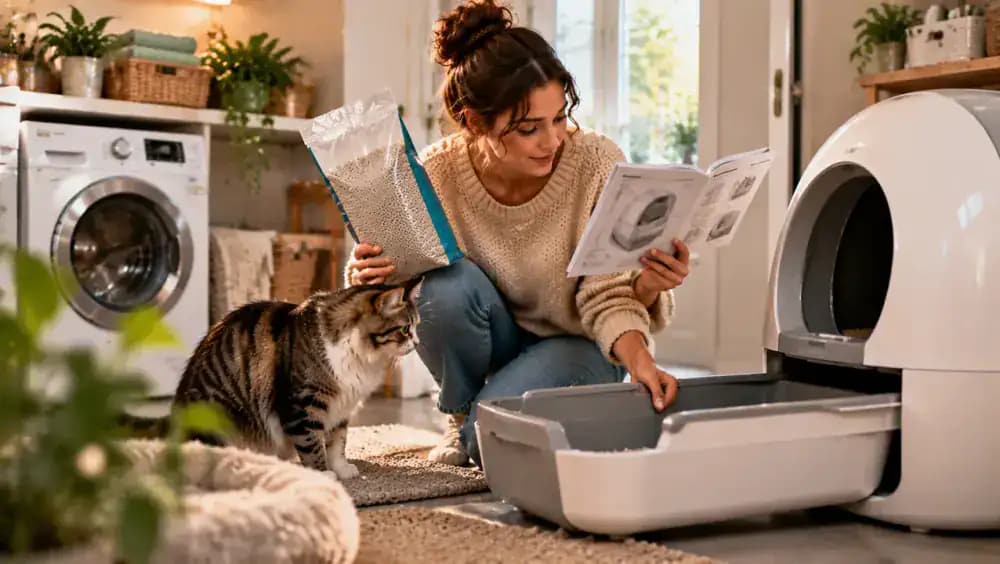
Look Beyond the Litter Itself
If your cat hesitates to use its litter box, consider the surrounding environment before changing products again. A dirty tray, loud appliance, conflict with another pet, or difficult entrance can discourage box use. Reduce disturbances, maintain cleanliness, and provide a clear, quiet route. If avoidance persists or your cat shows signs of discomfort, consult your veterinarian rather than assuming the litter is responsible.
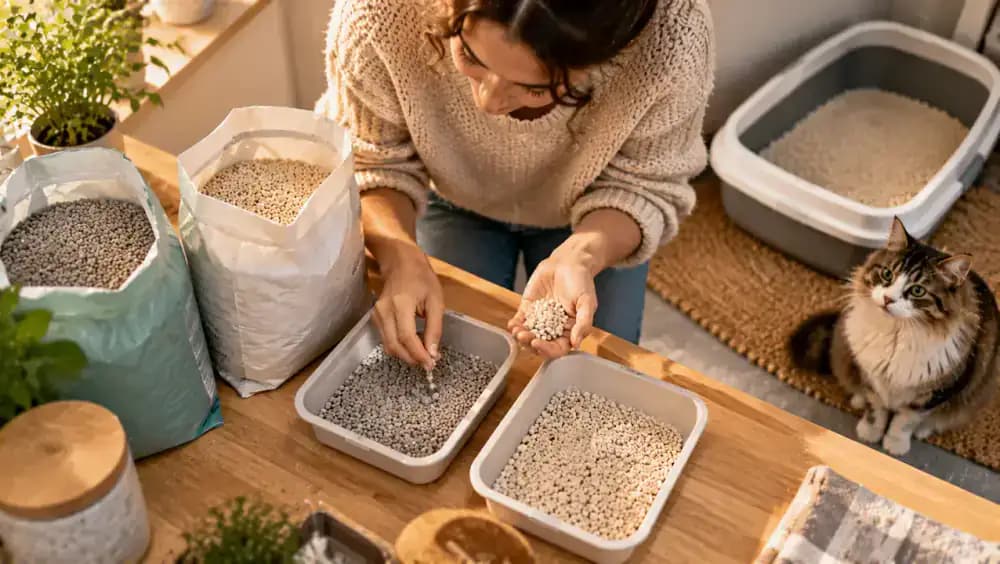
Make a Confident Final Choice
Choose a litter that balances your cat's preferences with your household's budget, cleaning routine, and practical needs. Introduce changes gradually, observe your cat's response, and maintain a clean, accessible box in a predictable location. You do not need to find a universally perfect product. Focus on consistent comfort, reliable maintenance, and veterinary guidance whenever concerning changes in elimination habits arise.
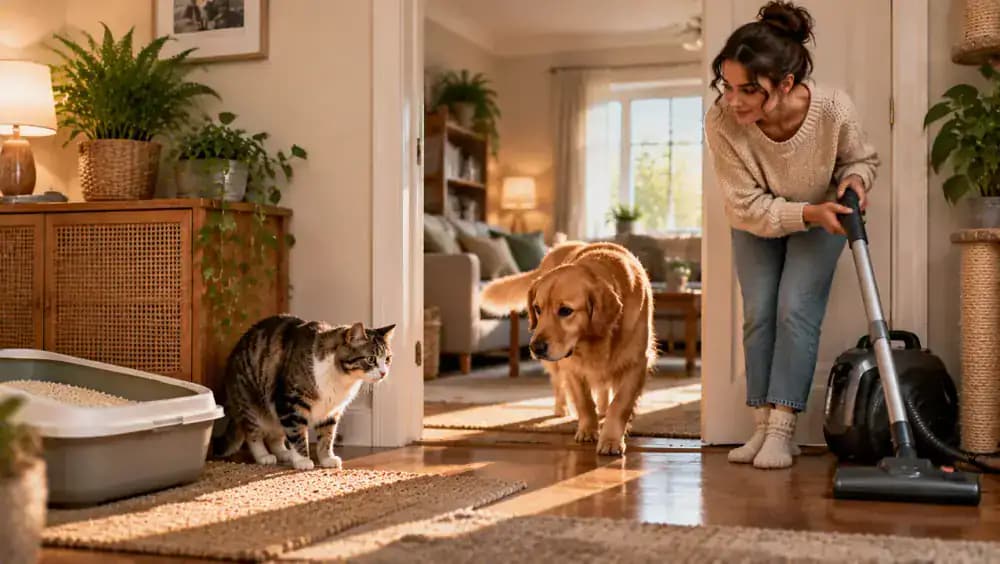
Choosing cat litter seems simple until you face shelves filled with clay, paper, wood, silica, clumping, non-clumping, scented, and unscented options. Each product promises something different, but the best cat litter is not necessarily the most expensive or the one with the strongest odor control. It is the option your cat can use comfortably and that you can maintain consistently.
Start by considering your cat's preferences and your household's practical needs. Some cats prefer a fine, sand-like texture, while others may accept larger granules or softer paper-based materials. Dust levels, fragrance, absorbency, tracking, and cleaning frequency can all influence your decision. Unscented, low-dust litter is a sensible starting point for many households, although individual preferences vary.
It also helps to distinguish between litter material and litter performance. Clay litter may be clumping or non-clumping, while plant-based products can differ in texture, odor control, and disposal requirements. No single category works best for every cat, and a product that is convenient for you may not be comfortable for your pet.
Rather than replacing the familiar litter overnight, offer the new option in a separate box whenever possible. Keep the existing setup available, observe how your cat uses each box, and allow time for a preference to emerge. Avoid forcing a transition if your cat begins avoiding the box. With a gradual approach and attention to everyday behavior, you can find a practical litter choice without making your cat's routine unnecessarily stressful.
Where people go wrong
Choosing litter based only on fragrance. Strong fragrances may make a litter smell more appealing to people, but they do not guarantee better odor control or greater feline acceptance. Some cats may avoid heavily scented products, particularly when they are accustomed to unscented litter. Compare odor control, absorbency, and cleaning requirements instead of relying on perfume to mask waste. Regular scooping and appropriate box maintenance remain essential.
Assuming all litter materials feel the same. Clay, paper, wood, silica, and plant-based litters can differ considerably in particle size, softness, weight, and texture. A cat that readily digs in fine granules may be reluctant to use coarse pellets. Consider your cat's established preferences when choosing a material, and evaluate a small quantity before buying a large supply. A litter's advertised benefits cannot predict every cat's response.
Switching the entire litter box overnight. Replacing familiar litter suddenly can make the box feel unfamiliar and may lead some cats to avoid it. A separate box containing the new material gives your cat an opportunity to investigate without losing access to the established option. If a separate box is not practical, make changes cautiously and monitor acceptance closely. Return to the familiar setup if avoidance develops.
Ignoring dust and tracking. A litter that controls odor well can still create unwanted dust or scatter granules around the home. Dust levels vary between products, even within the same material category, so check product information and observe what happens during pouring and digging. A low-tracking litter may simplify cleanup, but texture and particle size also matter. Consider household sensitivities and ventilation when evaluating your options.
Prioritizing convenience over box cleanliness. Some litter types are easier to scoop, while others require more frequent full changes or careful monitoring of moisture and odor. Choosing a product with minimal maintenance requirements on paper will not help if the box becomes unpleasant for your cat. Follow the manufacturer's cleaning guidance, remove waste regularly, and keep the box in a quiet, accessible location. Consistent maintenance supports comfortable litter box use.
Forcing acceptance when your cat avoids the box. Repeatedly placing a reluctant cat in the box or removing every familiar alternative can increase stress without establishing a reliable preference. If your cat rejects the new litter, restore access to the comfortable setup and reassess the texture, fragrance, cleanliness, and box location. Persistent avoidance or changes in elimination habits warrant veterinary advice rather than repeated product experimentation alone.
Questions people ask
There is no single litter type that suits every cat. Unscented, low-dust litter with a comfortable texture is a reasonable starting point for many households, and fine-grained litter may appeal to cats accustomed to digging in sand-like material. However, age, prior experience, individual preferences, and household needs all influence acceptance. Observe how your cat uses the box rather than choosing solely by marketing claims.
Fixed it?
Get one guide like this every Thursday.