How to Choose and Portion Training Treats for Your Dog
Learn how to choose healthy dog training treats, understand treat calories, and portion rewards for effective training without overfeeding your dog.
What you’ll need
Tap to tick things off before you start.
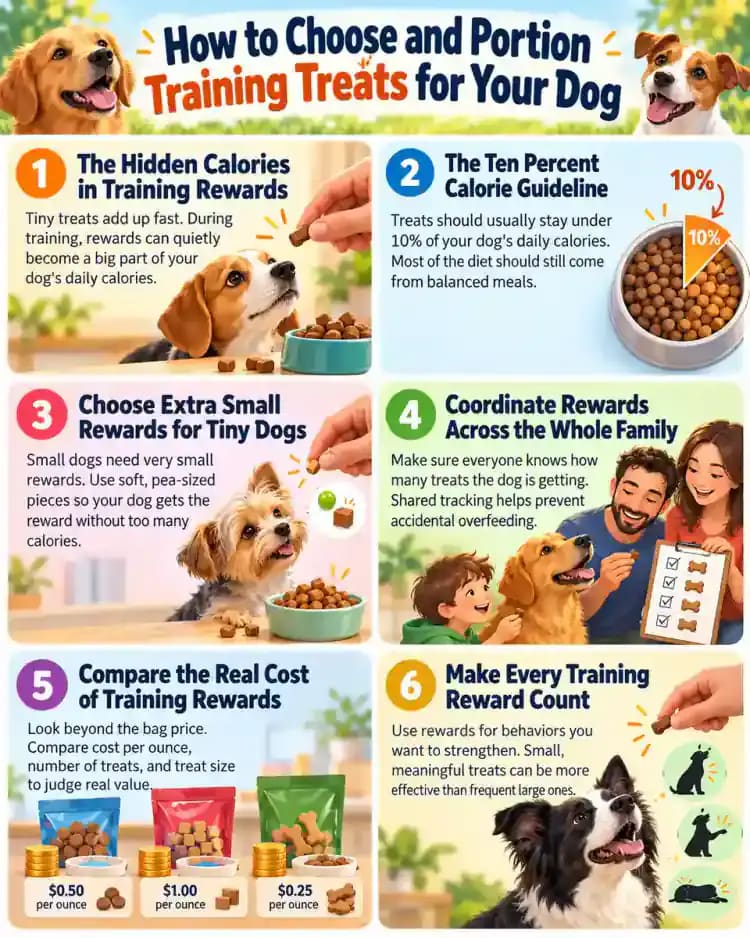
The Hidden Calories in Training Rewards
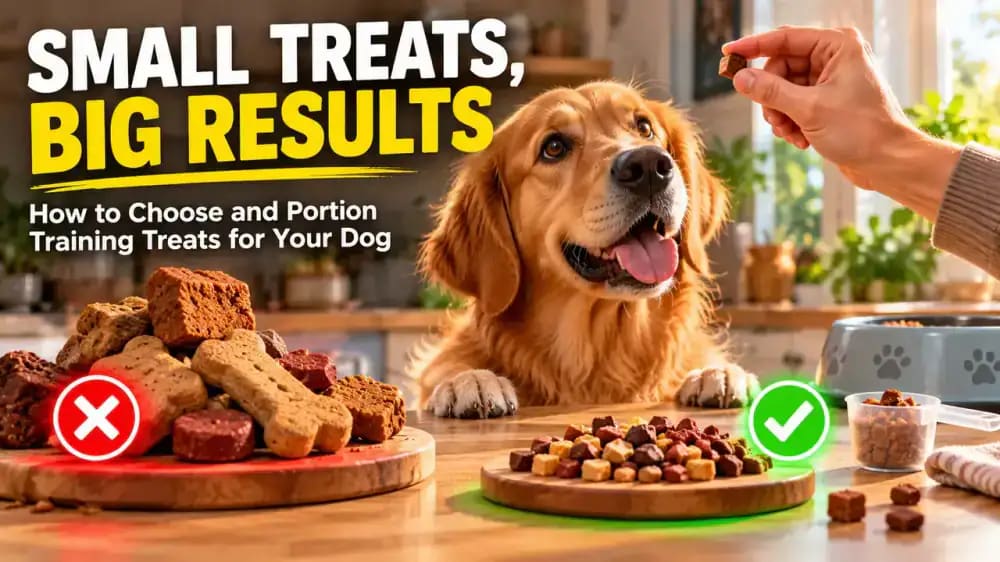
Training rewards can add up faster than you expect. A treat for sitting, another for lying down, and a third for offering a paw can turn a short practice session into a substantial snack. Even tiny rewards contain calories, so account for everything your dog earns during training as part of their daily food intake.
What Makes a Good Training Treat?
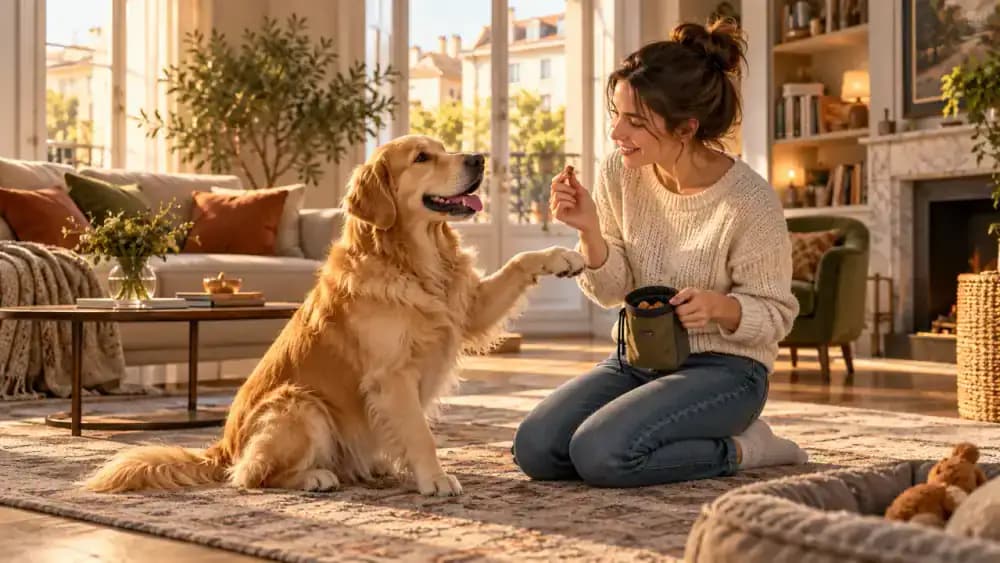
An effective training treat should capture your dog's attention without slowing down the session. Choose small, appealing rewards that your dog can eat quickly, allowing you to reinforce behavior immediately. Experiment with different options to discover what motivates your dog, and reserve especially exciting treats for challenging exercises or distracting environments.

Compare Texture, Aroma, and Ingredients
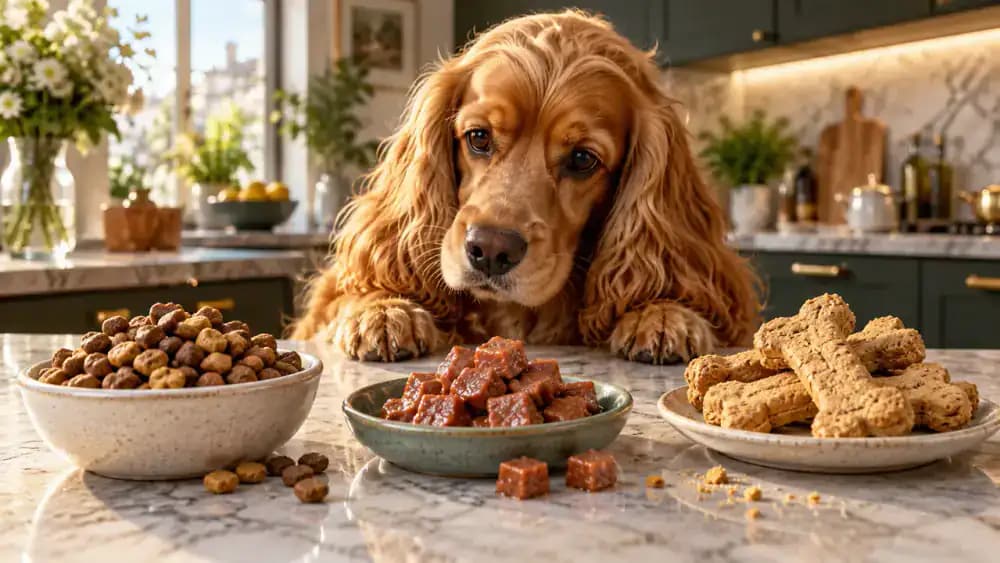
Different dogs prefer different textures and aromas. Ordinary kibble may work well for familiar commands, while soft, fragrant treats can provide extra motivation around distractions. Compare ingredients and choose options appropriate for your dog's dietary needs. Avoid oversized, hard biscuits that require prolonged chewing, and remember that attractive packaging doesn't guarantee nutritional quality.
Turn One Large Treat Into Several Rewards
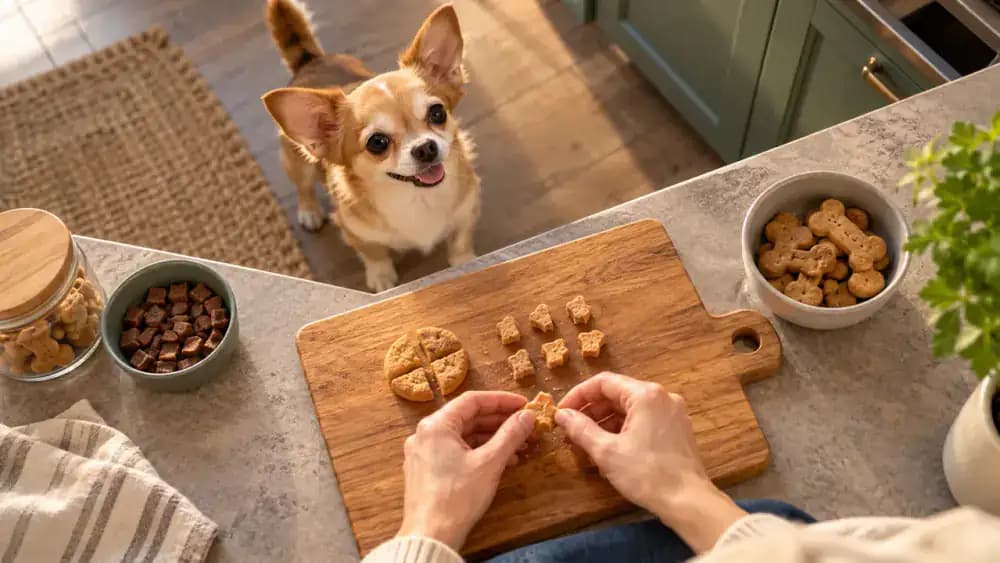
Instead of giving a whole biscuit after every successful command, divide a larger soft treat into multiple tiny rewards. Pea-sized pieces or smaller may be sufficient, depending on your dog's size. Adjust portions to suit their chewing ability, and avoid pieces that could create a choking hazard. Smaller rewards make frequent reinforcement easier without unnecessary calories.
Read the Treat Label Before Buying
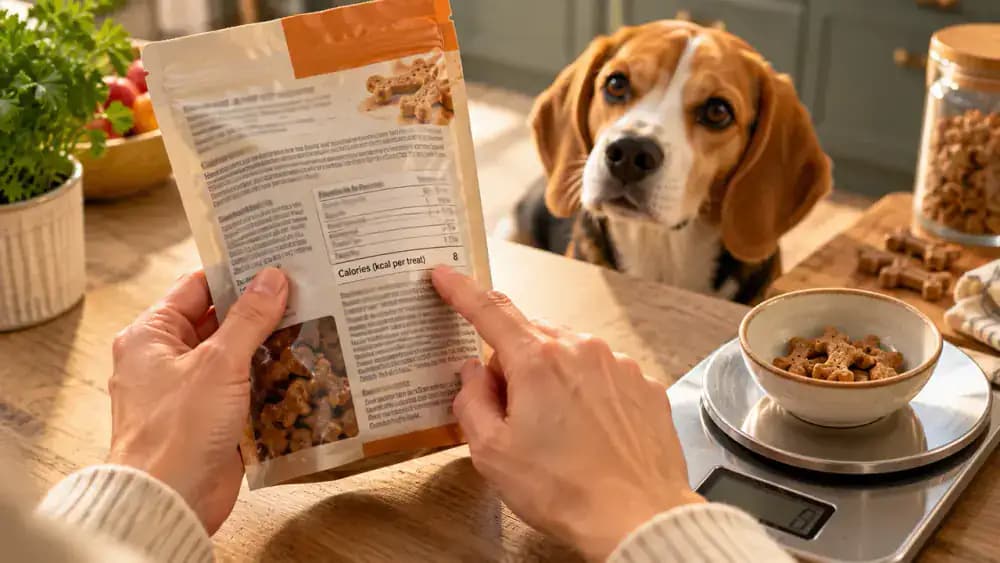
Check the package before purchasing training treats. Look for calories per treat, feeding recommendations, and a complete ingredient list. Confirm that the ingredients suit your dog's dietary restrictions, and compare calorie values across products. If the information is missing, ask the manufacturer. Remember that physically small treats can still be calorie-dense, particularly when high in fat.
The Ten Percent Calorie Guideline
As a general rule, training treats and other extras should account for no more than about 10 percent of your dog's daily calories. For a dog needing 500 calories daily, that means approximately 50 calories for treats and 450 for complete, balanced meals. This simple guideline helps prevent rewards from displacing essential nutrients.
Build a Smarter Daily Reward Routine
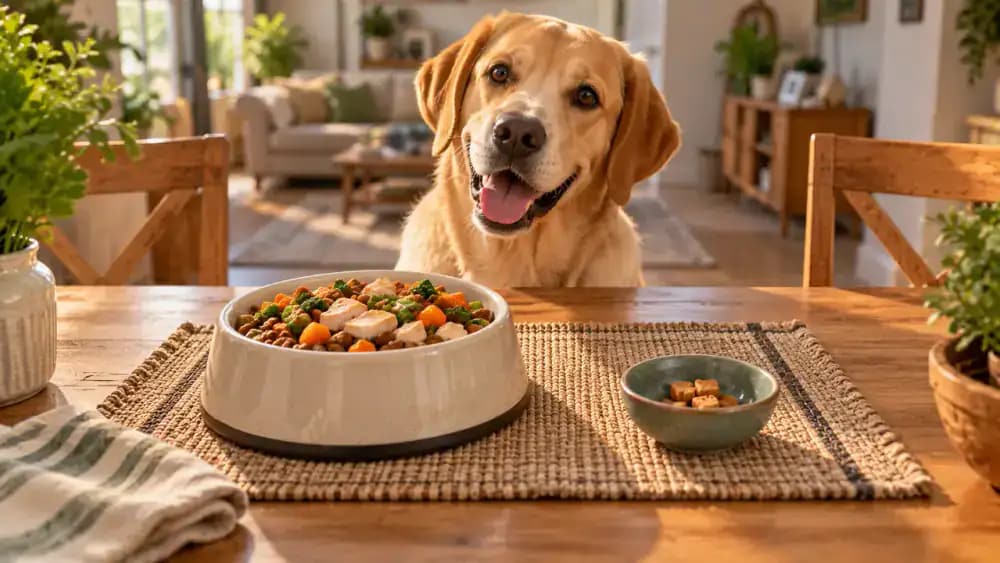
Measure your dog's daily training treats before each session so you can reward consistently without exceeding the calorie budget. Use portions of regular kibble for familiar commands and save especially appealing treats for harder challenges. Alternate food rewards with enthusiastic praise, favorite toys, or short play sessions to keep training engaging without unnecessary calories.
Adjust Treat Portions for Your Individual Dog
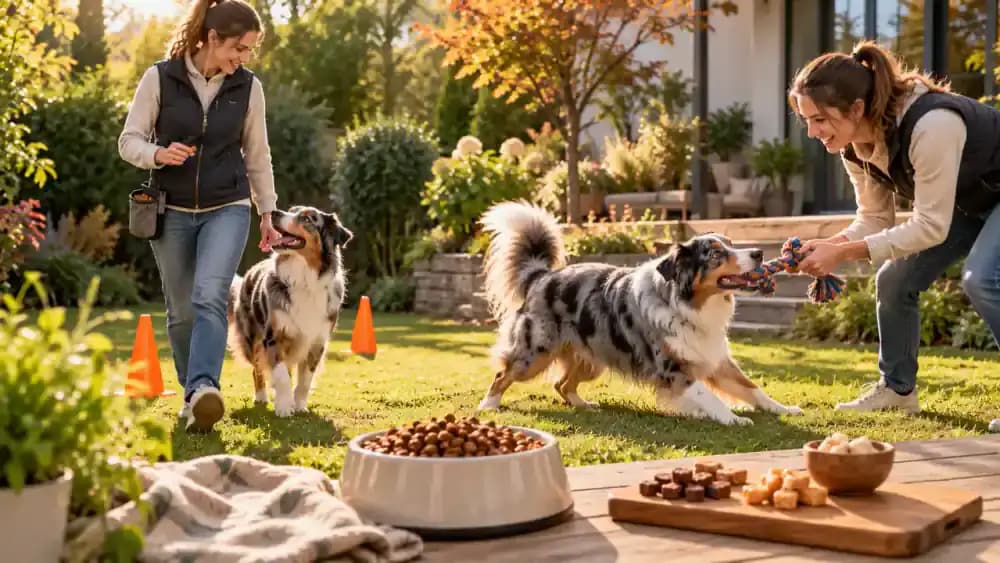
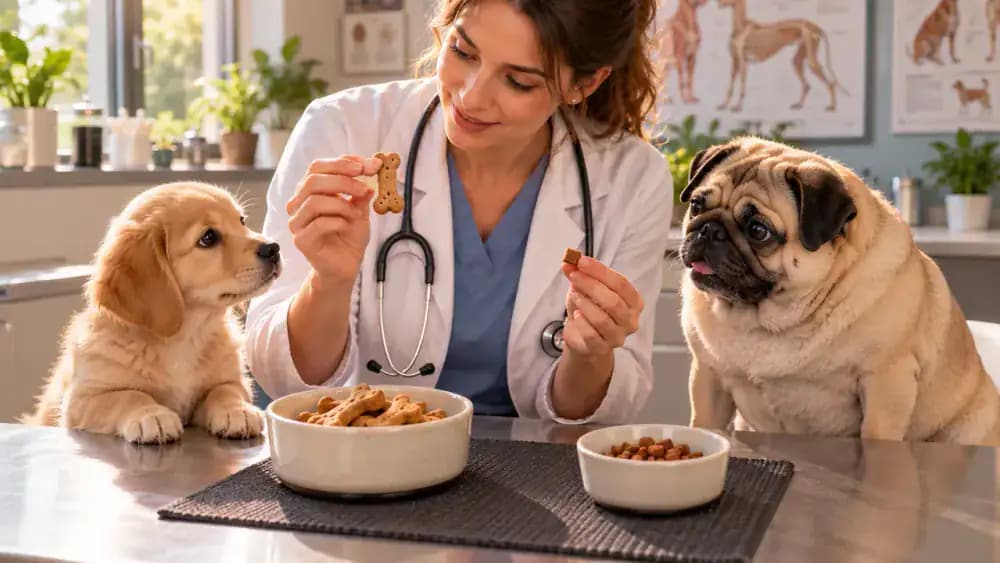
Treat portions should reflect your dog's size, age, activity level, and nutritional needs. Puppies need appropriately sized rewards that support balanced growth, while small breeds have limited calorie allowances. Dogs carrying excess weight may need smaller portions. If your dog has food allergies, medical concerns, or a prescription diet, consult your veterinarian before introducing new treats.
Match Reward Value to Training Difficulty
Not every successful command requires your dog's favorite treat. Use ordinary kibble to reinforce familiar behaviors in quiet settings, then introduce small, higher-value rewards when distractions or difficulty increase. For example, reward a reliable sit with kibble and focused attention around another dog with something more exciting. This approach makes special treats more meaningful without increasing overall calories.
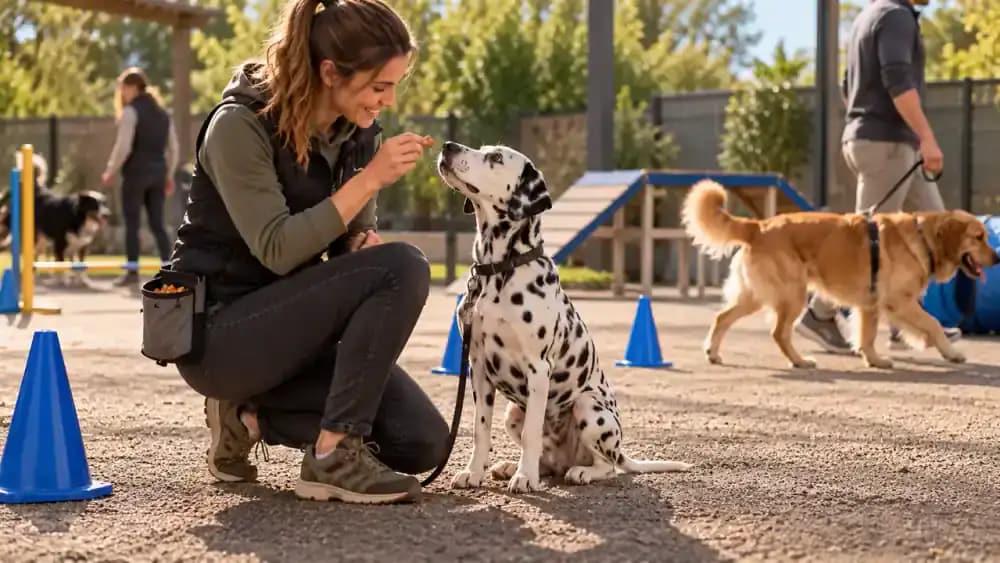
Reward Timing Matters More Than Treat Size
Deliver each reward immediately after your dog performs the behavior you want to reinforce. Keep tiny treats accessible before giving a cue so you can respond without fumbling through a pouch. When teaching sit, reward as soon as your dog's bottom reaches the floor. Precise timing creates a clearer connection between the action and its reward than larger, delayed treats.
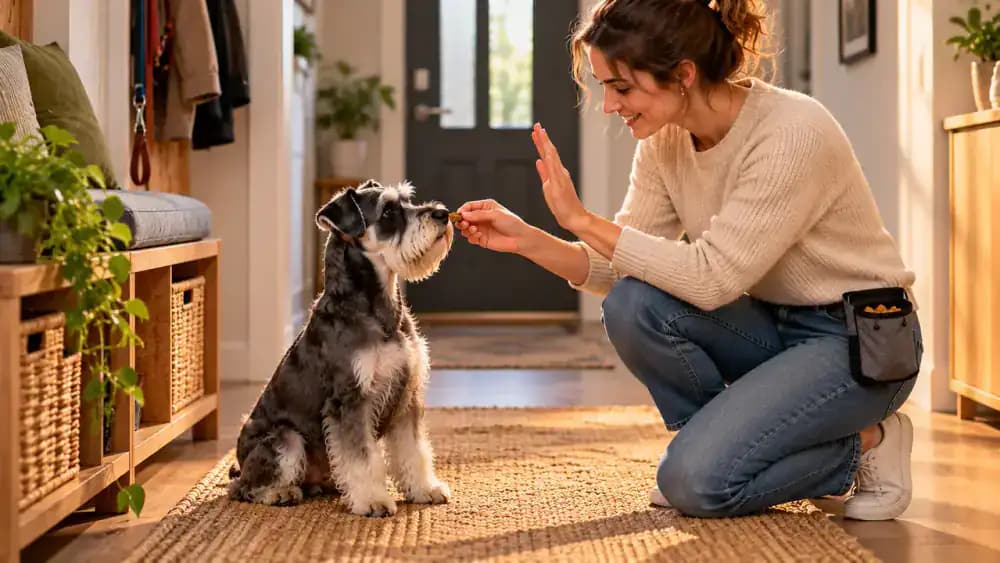
Prepare a Fixed Training Treat Allowance
Before each training session, measure out your dog's treat allowance and place it in a small, reusable container. Store the original bag out of reach to discourage extra handfuls. Keep the prepared treats nearby and monitor how quickly they disappear. This simple habit makes portion control easier and prevents training rewards from becoming an unintended extra meal.
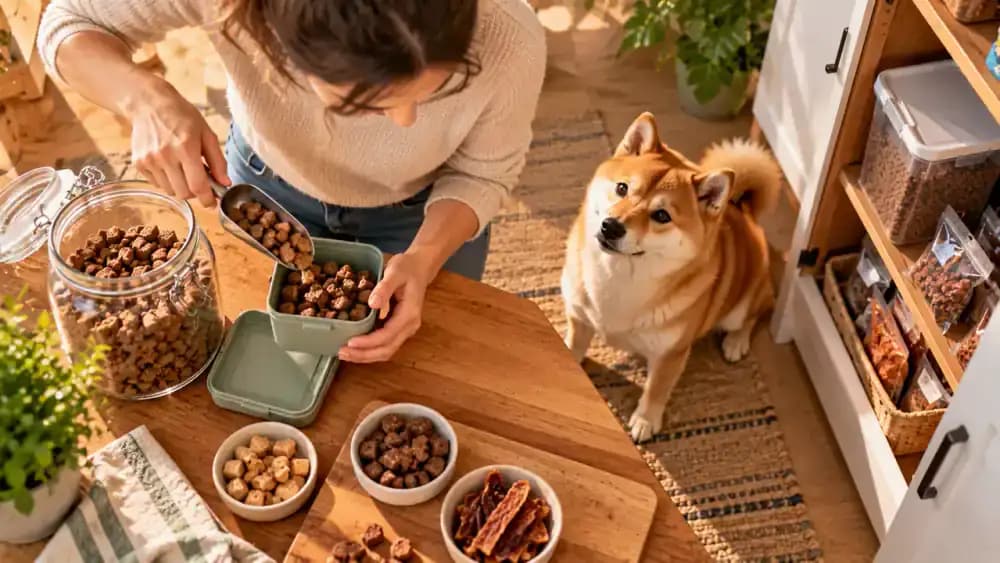
Choose Extra Small Rewards for Tiny Dogs
Small breeds need rewards proportionate to their size. Even miniature commercial treats may be too large for repeated exercises, so choose tiny, soft pieces your dog can chew and swallow comfortably. Avoid hard chunks that increase choking risks, and supervise every reward. Smaller portions support frequent reinforcement without quickly exhausting your dog's daily calorie allowance.
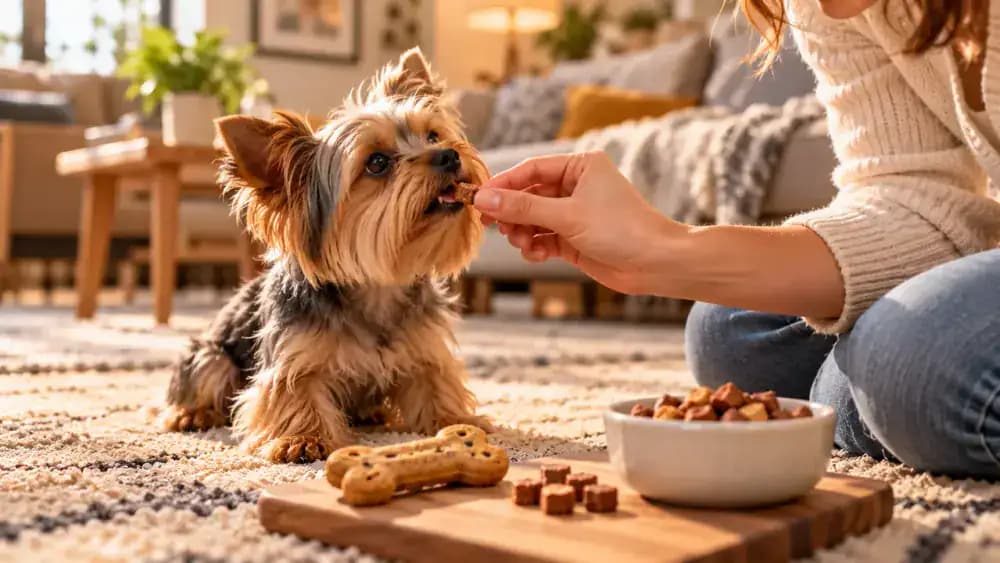
Keep Puppy Training Nutritionally Balanced
Growing puppies need balanced meals alongside frequent, positive training experiences. Use a portion of your puppy's measured daily kibble for simple exercises, reserving special treats for more demanding behaviors. Keep practice sessions short, relaxed, and rewarding, with play breaks when needed. Ask your veterinarian about appropriate ingredients and portions instead of relying on adult dog feeding guidelines.
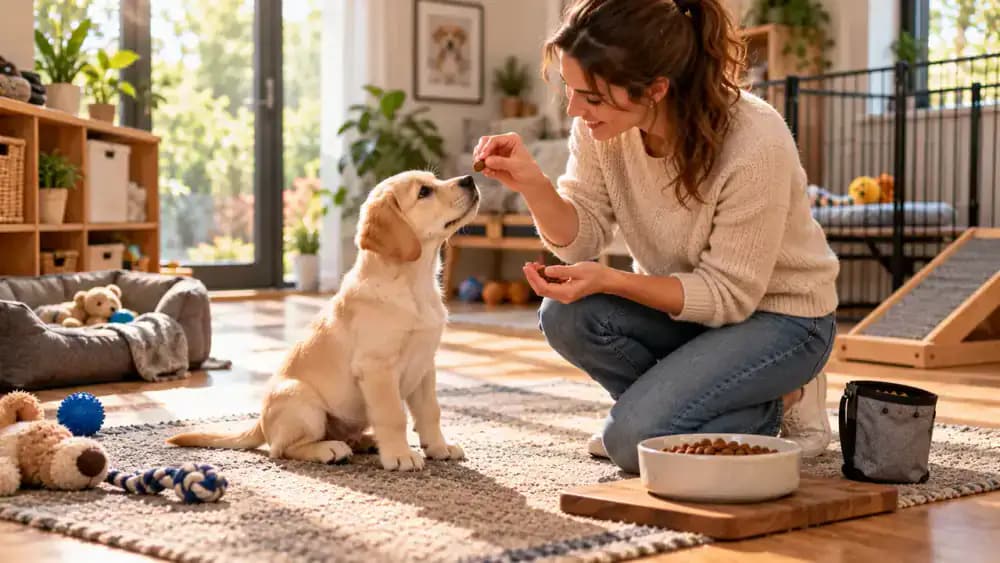
Adapt Rewards for Dogs With Dietary Restrictions
Dogs with food allergies, digestive conditions, or prescribed diets may need carefully selected training rewards. Review ingredient labels, including flavorings, and confirm suitable options with your veterinarian before introducing anything new. For dogs managing their weight, consider replacing some edible rewards with praise, gentle play, or a favorite toy, provided those alternatives keep your dog motivated.
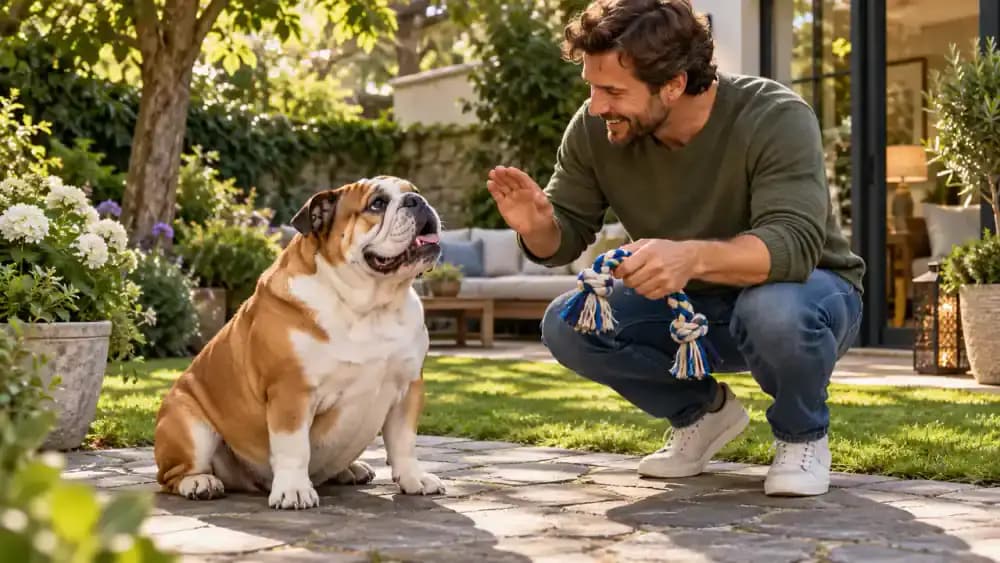
Watch Your Dog and Adjust Training Rewards
Pay attention to your dog's engagement throughout training rather than offering treats automatically. Distraction may indicate that an exercise is too difficult or the reward is not motivating enough. If chewing slows practice, try smaller pieces. Adjust exercise difficulty, reward appeal, and session pacing while maintaining your planned daily treat allowance to avoid unnecessary extra calories.
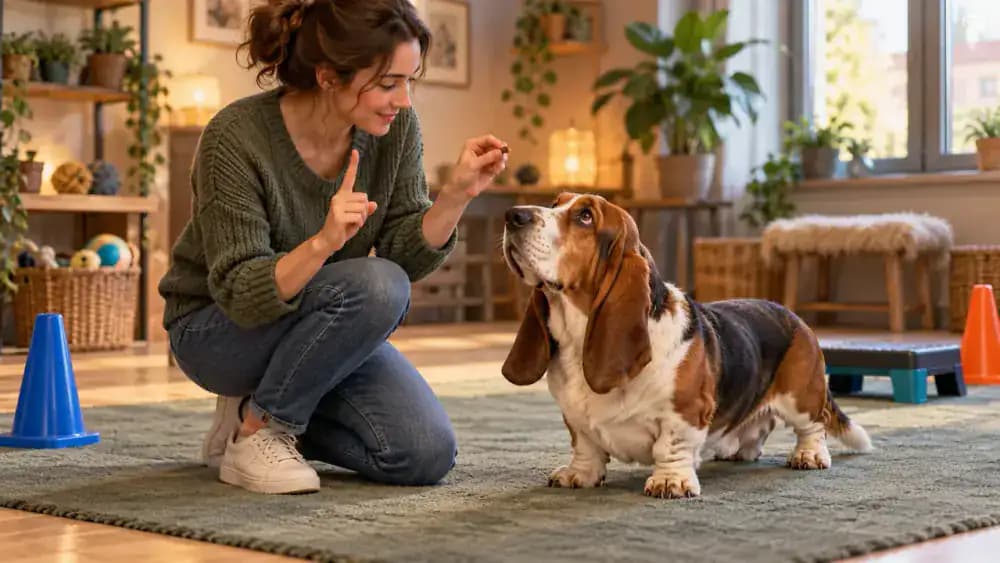
Small Rewards, Stronger Training Results
Put your training strategy into practice with a simple recall exercise in a secure area. Call your dog once, praise them as soon as they reach you, and offer one tiny, high-value treat. Save unused rewards for later and account for them in the daily allowance. Consistent timing and appropriate portions matter more than generous servings.

Track Every Reward Throughout the Day
Keep a simple daily record of every training treat your dog receives, including rewards during walks, practice sessions, and family interactions. Record approximate quantities immediately rather than relying on memory. A shared log helps everyone recognize when the planned allowance is nearly exhausted and prevents small, forgotten extras from gradually increasing your dog's total calorie intake.
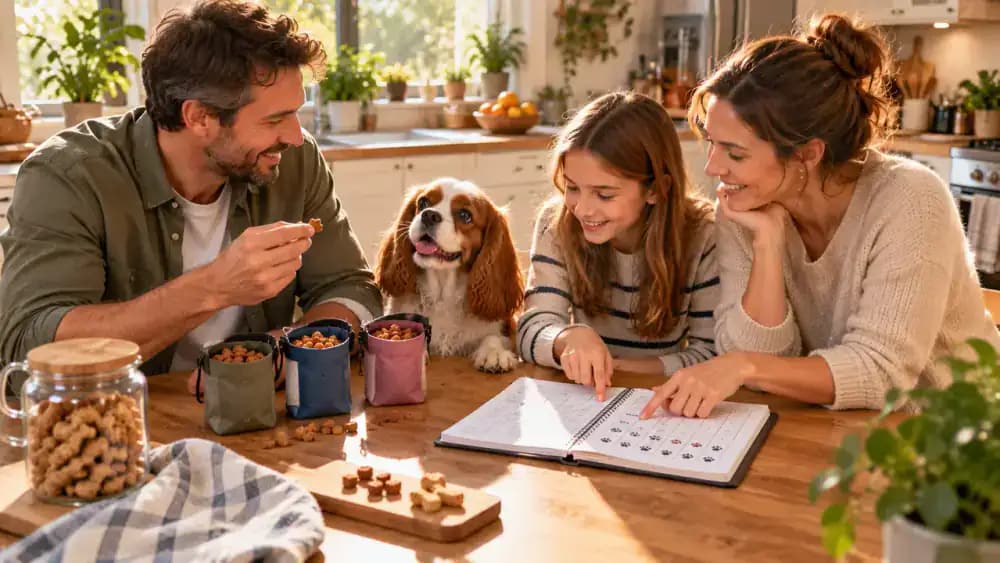
Coordinate Rewards Across the Whole Family
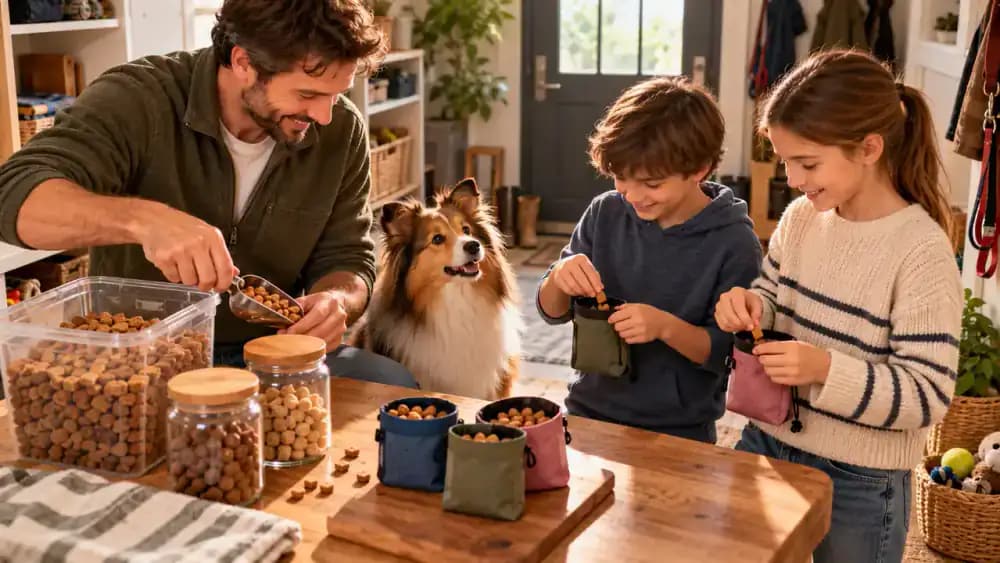
Establish clear treat rules whenever several family members participate in training. Choose approved rewards, measure the daily supply, and store everything in one accessible container. Divide that allowance among reusable training pouches before practice begins. Assign responsibility for refilling them, and return unused portions afterward so nobody accidentally starts a second daily supply.
Practice Calm and Safe Reward Delivery
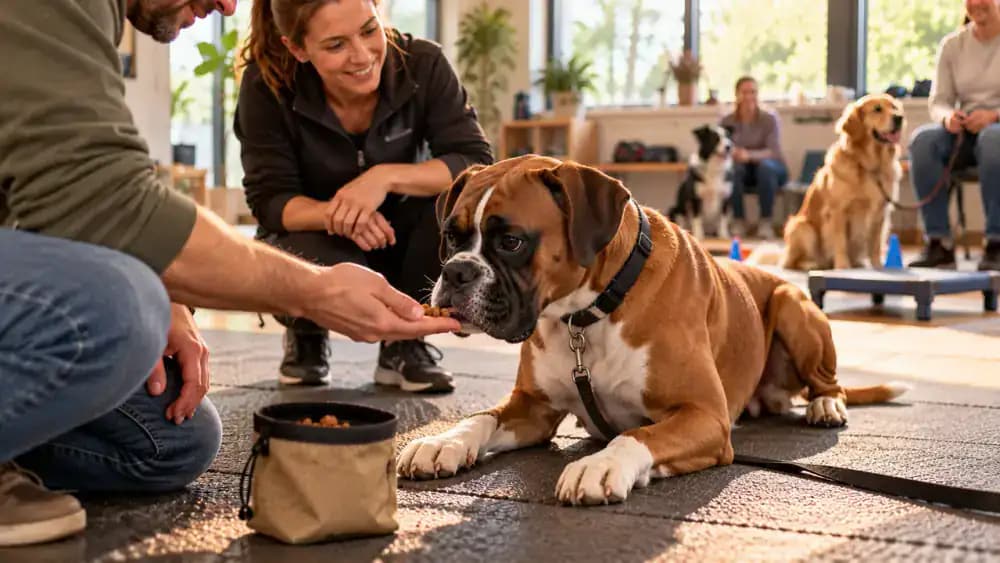
Reward delivery should be controlled, comfortable, and predictable. When appropriate, offer a tiny treat on your open, flat palm with fingers safely extended. If your dog grabs eagerly, practice gentle taking separately or place the reward on a clean, controlled surface. Reinforce calm behavior and avoid encouraging jumping, snapping, or frantic competition for food.
Store Training Treats Safely on the Go
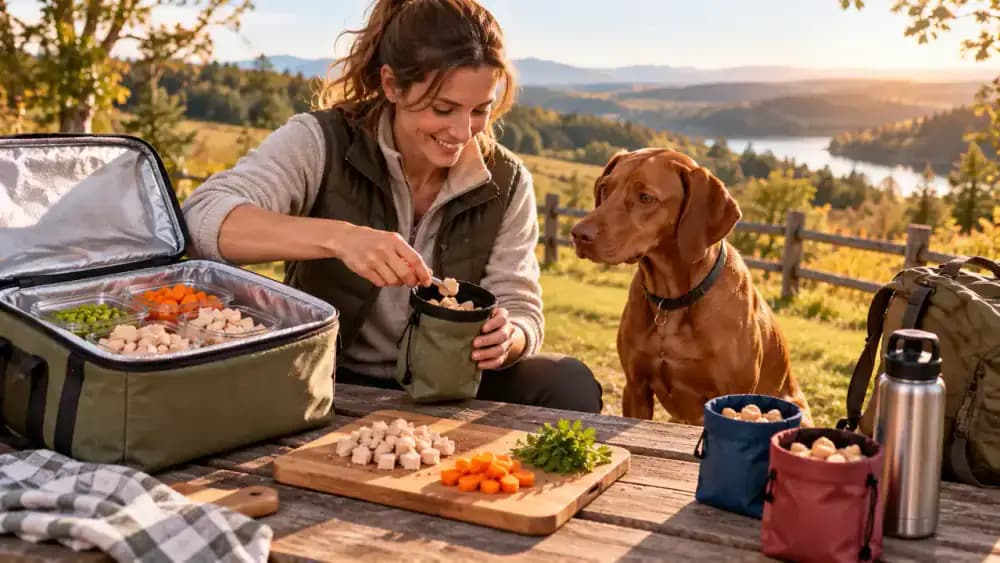
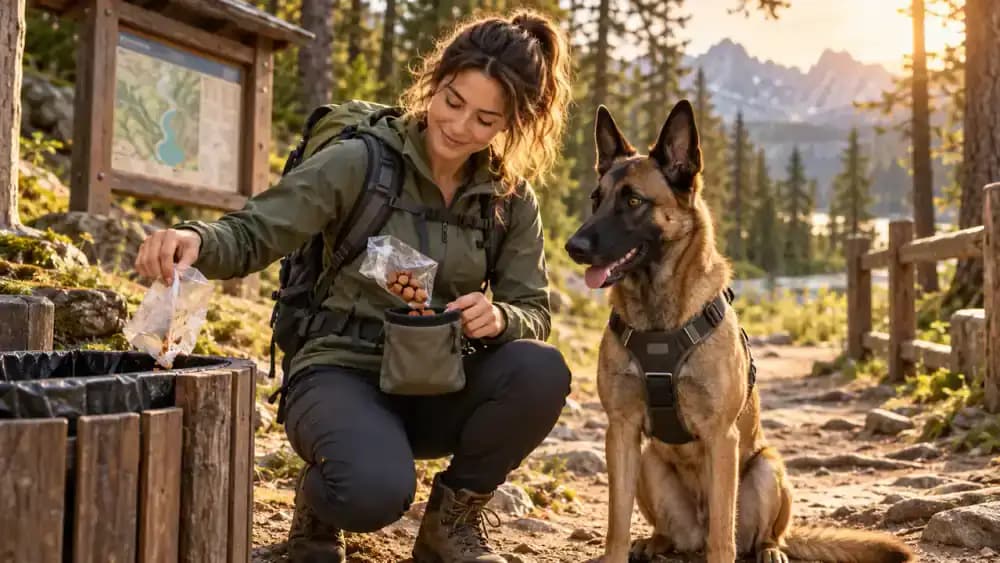
Before heading outdoors, transfer only the treats needed for your training session into a clean, securely closing pouch. Follow package storage instructions and protect food from excessive heat and moisture. Keep perishable homemade treats chilled in an insulated cooler when necessary, and never leave them in a warm vehicle. Discard anything that may have spoiled.
Change the Environment Before Increasing Rewards
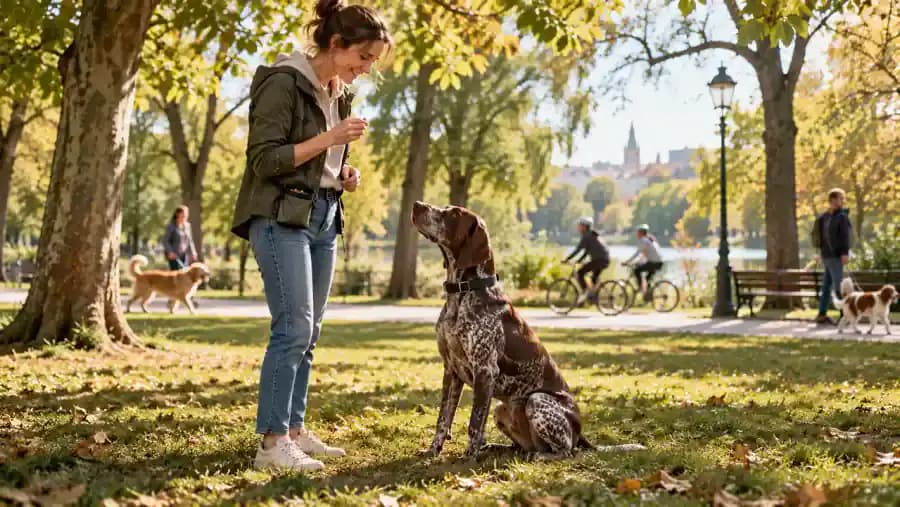
When your dog struggles to focus, consider the surroundings before offering more treats. A quiet room may make training easy, while a busy park introduces competing sights and sounds. Move farther from distractions, choose a calmer area, or shorten the exercise. Reward successful responses with small portions instead of increasing food whenever attention slips.
Monitor Weight and Appetite Over Time
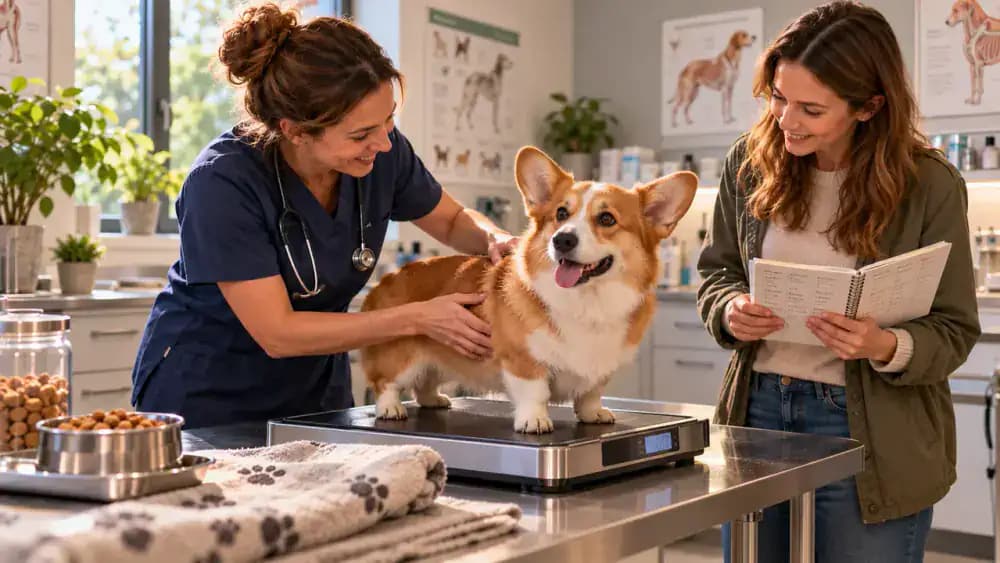
Review your dog's weight, body condition, and appetite regularly to see whether training treats fit comfortably into its diet. Notice patterns such as gradual weight gain, increased begging, or unfinished meals. Record treat portions alongside regular feeding amounts, and avoid making major changes after one unusual day. Discuss persistent changes with your veterinarian.
Make Healthy Rewards a Lasting Habit
Successful training depends on consistent habits rather than perfect calorie calculations. Keep a modest supply of appropriately sized treats available, reward behaviors with purpose, and include verbal praise when food is unnecessary. Make sure everyone handling your dog follows similar portion guidelines. Over time, these simple routines support enjoyable training without letting extra calories accumulate unnoticed.

Compare the Real Cost of Training Rewards
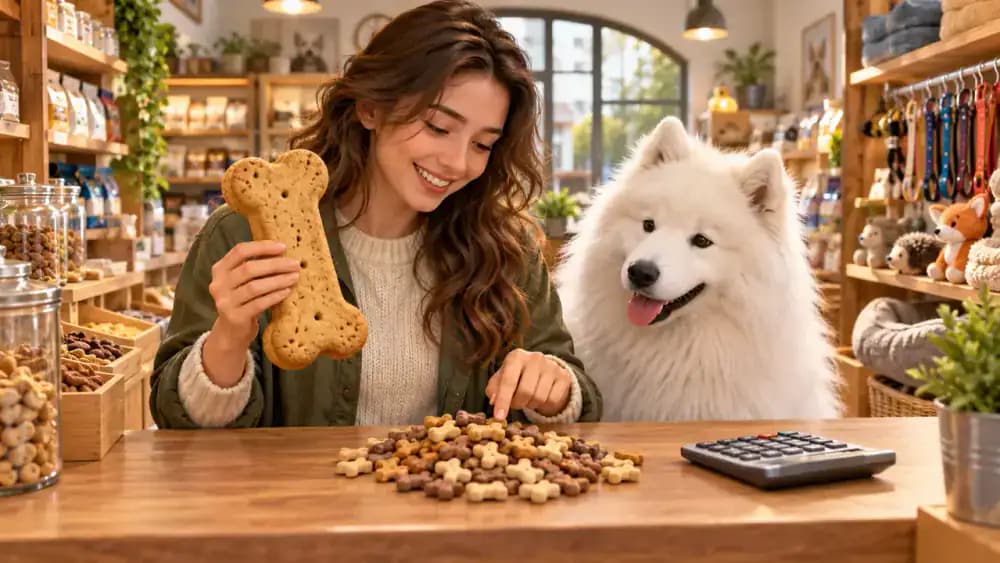
Compare training treat prices by the number of usable rewards, not simply the weight of each package. Large biscuits may require breaking into smaller pieces, while miniature soft treats may already be appropriately sized. Check calories per piece, ingredients, and package cost. Calculate the approximate cost per training reward to identify practical value without encouraging oversized portions.
Recognize Ingredients That Are Unsafe for Dogs
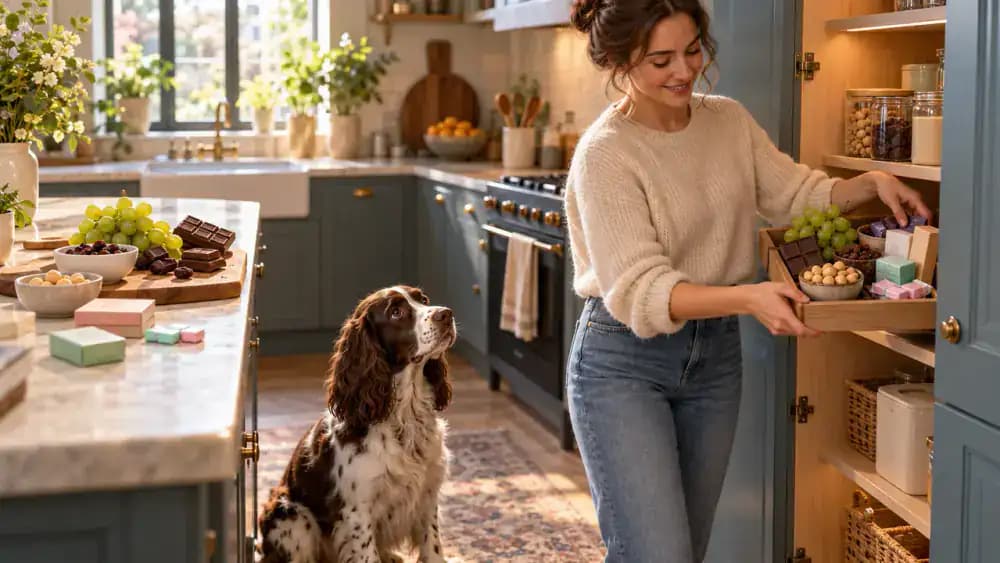
Before using household foods as training rewards, confirm that every ingredient is safe for dogs. Never offer chocolate, grapes, raisins, macadamia nuts, or products containing xylitol, sometimes called birch sugar. Avoid seasoned leftovers and foods with unclear ingredient lists. Store unsafe items securely out of reach, and choose clearly labeled dog treats whenever you are uncertain.
Choose Treats That Travel and Store Well
Choose training treats that hold their shape during walks and remain safe in changing temperatures. Soft treats may crumble in pockets or spoil when exposed to summer heat. Pack small portions in a clean, washable reward pouch, using an insulated container when appropriate. Follow package storage instructions, discard old crumbs, and wash reusable containers regularly.
Plan Rewards Around Training Repetitions
Decide how many rewards a training session needs before you begin. For example, prepare twenty tiny treats for twenty planned repetitions, rewarding clear successes rather than offering snacks between cues. Keep sessions short and focused. If treats remain, store them safely for later. If your supply runs out, switch to play or another suitable activity.
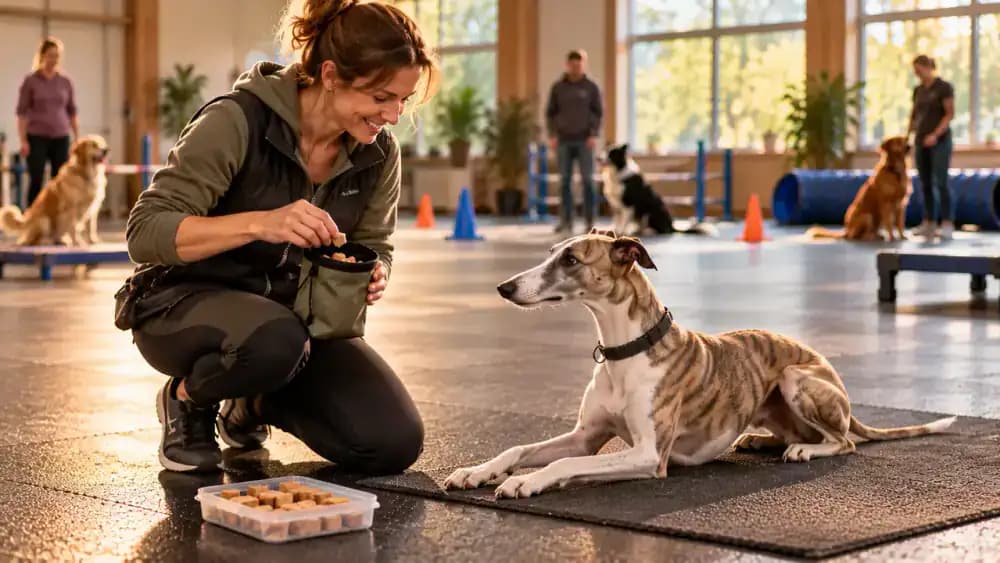
Notice When a Treat Does Not Suit Your Dog
Watch how your dog responds when trying unfamiliar training treats. Loose stools, vomiting, itching, or unusual discomfort after eating may signal that a treat is unsuitable. Stop offering the product and contact your veterinarian for guidance. Introduce new rewards gradually, monitor your dog's response, and keep a simple feeding diary to identify possible patterns.

Gradually Build Training Beyond Food Rewards
As your dog becomes confident with familiar skills, gradually introduce praise, play, and favorite activities alongside occasional food rewards. A short game with a retrieving toy can reinforce a successful response just as effectively for some dogs. Continue using valuable rewards for challenging behaviors, and adjust reinforcement gradually so your dog stays motivated and engaged.
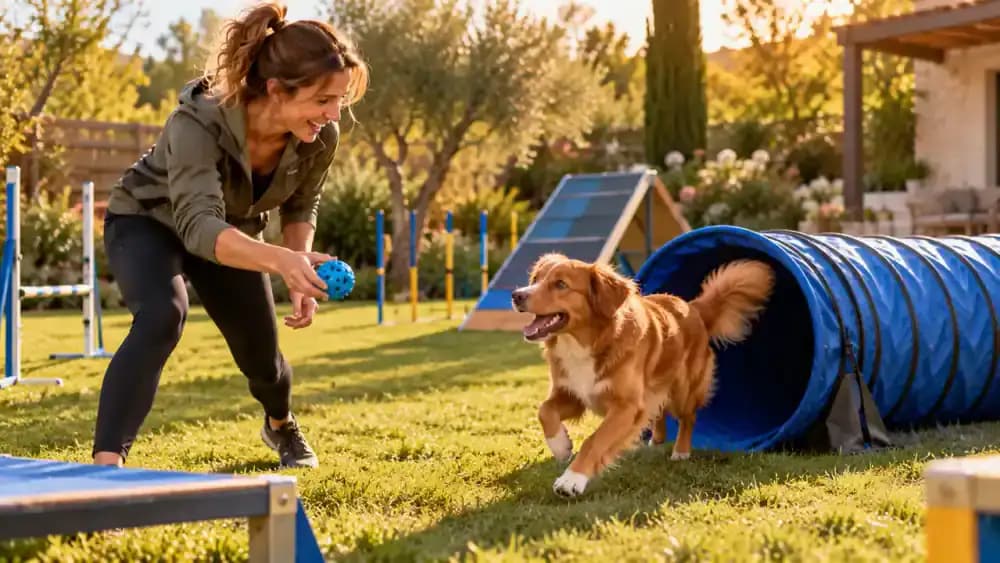
Make Every Training Reward Count
Before each training walk, choose safe treats, divide them into tiny pieces, and measure a portion that fits your dog's daily calorie allowance. Pack only what you plan to use, and include praise and play as additional rewards. Clear cues, timely reinforcement, and consistent practice matter more than the number of treats your dog receives.
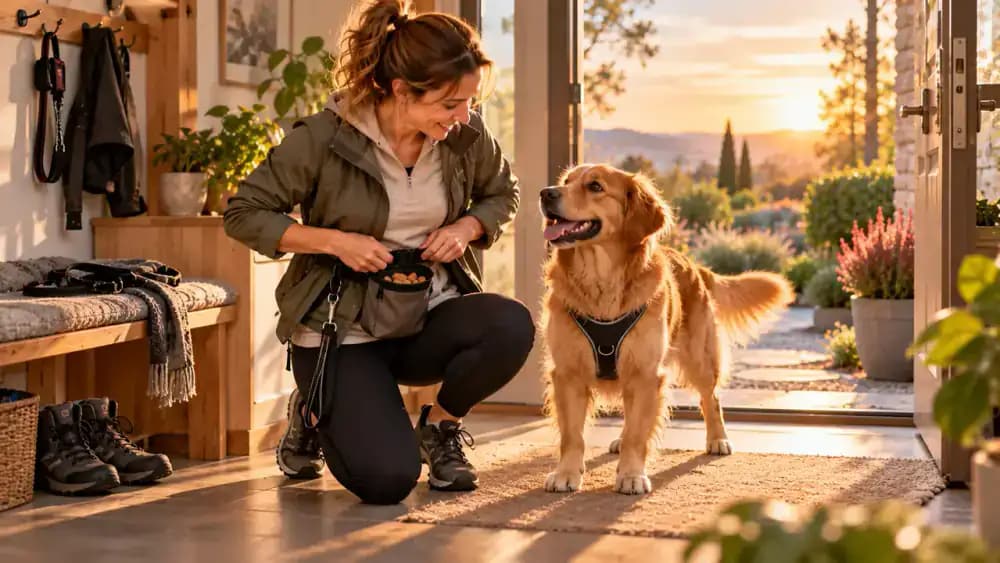
Your dog sits, gives you a paw, spins, and comes running when called. Every successful command earns an enthusiastic "Good job!" and another tasty treat. Training is going beautifully, but after just 15 minutes, you notice something surprising: a considerable portion of the treat bag is already gone.
Small rewards add up faster than most dog owners realize. Whether you're teaching a puppy basic manners or practicing recall with an adult dog, choosing the right dog training treats is about more than finding something your pet loves. The rewards also need to be easy to chew, appropriately sized, and compatible with your dog's daily nutrition.
Fortunately, effective training doesn't require handfuls of expensive snacks. A single commercial treat can often be divided into several bite-sized rewards. Regular kibble may work for familiar commands, while a particularly appealing treat can help maintain motivation around distractions. Praise, toys, and short play sessions can also reinforce behaviors without adding calories.
A useful starting point is the 10% treat guideline: treats and other extras should generally contribute no more than approximately 10% of your dog's daily calorie allowance. The remaining calories should come from a complete and balanced diet appropriate for your dog.
This guide explains how to compare reward options, interpret treat labels, estimate sensible portions, and organize daily training rewards so your dog stays engaged without unnecessary overfeeding.
Where people go wrong
Using Full-Size Treats for Every Successful Command. A commercially packaged treat may be much larger than necessary for a single training reward. Giving one whole treat after every sit, stay, or recall can quickly increase daily calorie intake. When the product and your dog's chewing abilities allow, divide larger treats into tiny pieces that are easy to swallow safely and quick to eat.
Ignoring Calories on the Treat Label. Treats that look nearly identical can contain surprisingly different amounts of energy. Moisture content, fat levels, and ingredient combinations affect calorie density, so appearance alone is unreliable. Check the package for kilocalories per treat or per gram. If calorie information is missing or unclear, contact the manufacturer rather than assuming the product is low-calorie.
Adding Training Rewards Without Adjusting the Feeding Plan. Dogs do not automatically need extra calories because they are learning new commands. Training treats, dental chews, table scraps, and other snacks all contribute to daily energy intake. Count these extras when planning meals, and consider using part of the normal kibble allowance as rewards. Significant dietary adjustments should be discussed with your veterinarian.
Choosing Treats Based Only on Ingredient Marketing. Claims such as natural, premium, or grain-free do not automatically make a training treat nutritionally appropriate. A product can contain familiar ingredients and still deliver more calories than expected. Evaluate its calorie content, ingredient list, suitability for your individual dog, and ease of portioning. Avoid ingredients known to be toxic to dogs, including xylitol, chocolate, grapes, and raisins.
Using Rewards That Take Too Long to Eat. Large biscuits, hard chews, and sticky snacks can interrupt the rhythm of a training session. The dog becomes focused on chewing rather than responding to the next cue. Choose small rewards with an appropriate texture that your dog can comfortably eat. Always consider your dog's size, chewing habits, dental comfort, and potential choking risks.
Offering the Same Reward Regardless of Difficulty. A piece of ordinary kibble might motivate your dog in a quiet living room but become less interesting around other dogs or unfamiliar smells. Match reward value to the difficulty of the exercise and the surrounding distractions. Save especially appealing treats for challenging behaviors while using kibble, praise, or play when those rewards maintain reliable engagement.
Preparing Treats Without Setting a Daily Allowance. Reaching into a treat bag throughout the day makes it difficult to remember how much your dog has eaten. Several family members may also reward the same behavior without coordinating portions. Prepare a measured daily reward supply and share that allowance among caregivers. Include treats used during walks, enrichment games, and casual practice sessions.
Questions people ask
There is no universal number because treat size, calorie density, and your dog's individual energy needs vary. A common veterinary nutrition guideline is to keep treats and other extras at approximately 10% or less of daily calories. For a dog eating 600 calories per day, that means about 60 calories from treats. Ask your veterinarian to help establish an appropriate calorie target.
Fixed it?
Get one guide like this every Thursday.