How to Perform a Simple At-Home Body Check on Your Dog or Cat
Learn how to perform a gentle at-home body check on your dog or cat in 30 simple steps. Check your pet's skin, coat, paws, ears, eyes, and behavior while recognizing changes that deserve veterinary attention.

What you’ll need
Tap to tick things off before you start.
Start by Observing Your Pet Naturally
Before touching your dog or cat, watch them standing, sitting, or resting in a familiar room. Notice their usual posture, breathing, movement, and response to your presence. This first observation establishes a personal baseline. Knowing what looks normal for your individual pet makes later changes easier to recognize.

Choose a Calm and Comfortable Time
Schedule the check when your pet seems relaxed, perhaps after a familiar walk or before their usual cuddle time. Place a nonslip mat on the floor and offer treats nearby. Let your pet approach independently. Never restrain a frightened animal. Short, pleasant sessions are better than one stressful examination.

Gather Your Basic Pet Check Supplies
Prepare clean hands, a soft towel, suitable grooming comb, good lighting, and a smartphone for recording observations. Arrange everything within easy reach before inviting your pet over. Avoid sharp instruments, unfamiliar skin products, and cotton swabs inside ears. A simple home check requires observation and gentle handling, not specialized medical equipment.

Recognize When Your Pet Wants You to Stop
Watch your pet's body language throughout the process. Relaxed muscles, approaching willingly, and accepting treats may indicate comfort. Freezing, turning away, growling, hissing, or flattened ears signal that you should stop. Give your pet space immediately. Successful handling depends on cooperation, never forcing an animal to tolerate unwanted contact.

Watch Your Dog or Cat Walk Naturally
Observe your pet taking several ordinary steps across a level, stable surface. Look for even movement, comfortable rising, and normal use of all four legs. Do not encourage jumping or running to test an apparent problem. New limping, stumbling, or reluctance to move deserves veterinary advice, especially when movement seems painful.

Examine Your Pet's Overall Body Shape
Look at your pet from above and from the side while they stand comfortably. Notice the waist, belly outline, and any apparent change in overall shape. Compare observations with previous photographs or veterinary weight records. Gradual changes deserve discussion, while sudden abdominal swelling with distress or retching requires immediate veterinary attention.

Observe Breathing While Your Pet Is Resting
Watch the chest rise and fall when your dog or cat is quietly resting, not immediately after exercise or excitement. Familiarize yourself with their usual breathing pattern. Labored breathing, collapse, blue gums, or open-mouth breathing in a cat are emergency warning signs. Seek immediate veterinary care rather than continuing the inspection.

Look for Changes in the Coat
Examine the coat visually before separating the fur or brushing. Look for new bald patches, thinning hair, excessive flakes, tangles, matting, or unusually greasy areas. Shedding naturally varies between breeds and seasons. Record unfamiliar changes, particularly when accompanied by scratching, redness, or discomfort, and discuss concerning findings with your veterinarian.

Part the Fur to Inspect the Skin
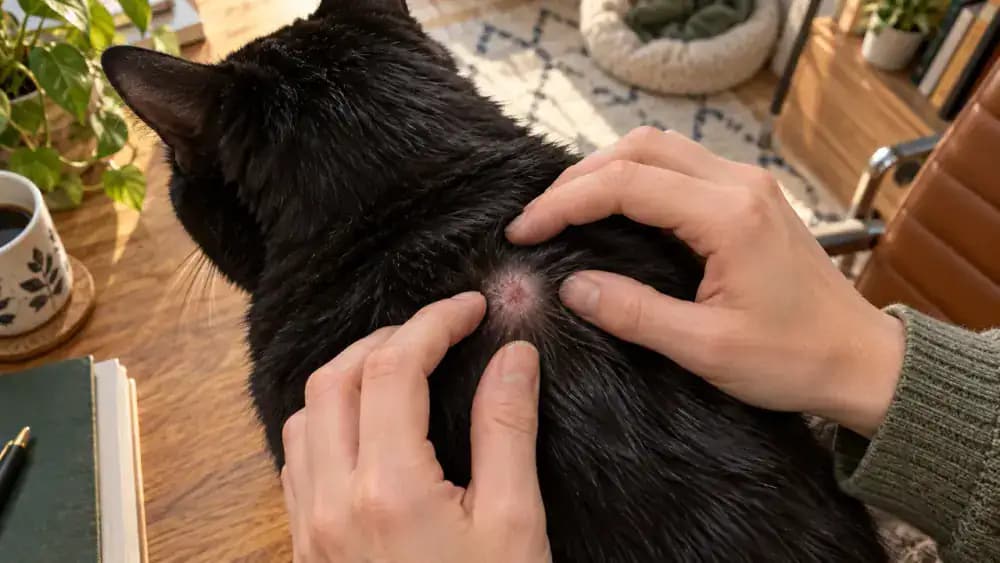
Use two fingertips to gently separate the fur along the back, shoulders, and sides. Examine the visible skin for redness, scabs, bumps, and irritated patches. Check several locations without pulling tangled hair or scraping crusts. Small changes may remain hidden beneath a healthy-looking coat, especially in animals with thick or long fur.
Feel Gently for New Bumps or Tender Areas
Move a flat, relaxed hand along your pet's neck, shoulders, back, and sides. Notice unfamiliar bumps, raised areas, or sensitivity without applying pressure. Never squeeze a lump or attempt to determine its cause by touch. Record where you noticed it and its approximate size so a veterinarian can assess the change.

Check the Belly Without Applying Pressure
If your pet willingly exposes their side or belly, lightly touch the area and observe their response. Stop if they flinch, guard the abdomen, or appear uncomfortable. Never force a cat onto its back or press inward. A firm, painful, or bloated belly needs veterinary assessment, urgently when swelling develops with distress.

Notice Excessive Scratching and Licking
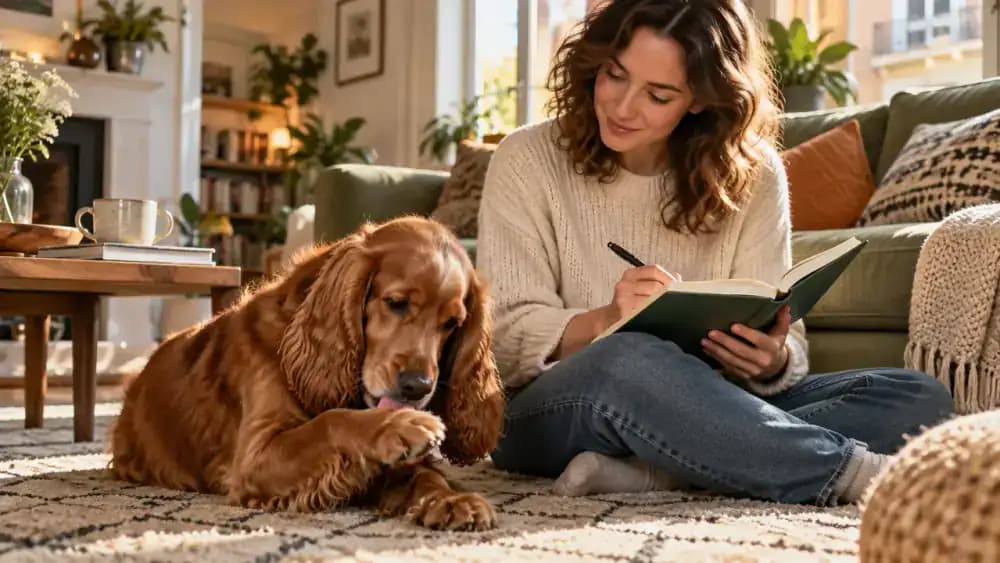
Consider whether your pet has recently started scratching more frequently, chewing their feet, rubbing their face, or licking one particular area. Repeated grooming can cause irritation even when the skin initially appears normal. Record the location and timing of these behaviors. Patterns give your veterinarian useful information when investigating possible underlying causes.
Look for Fleas and Visible Flea Evidence
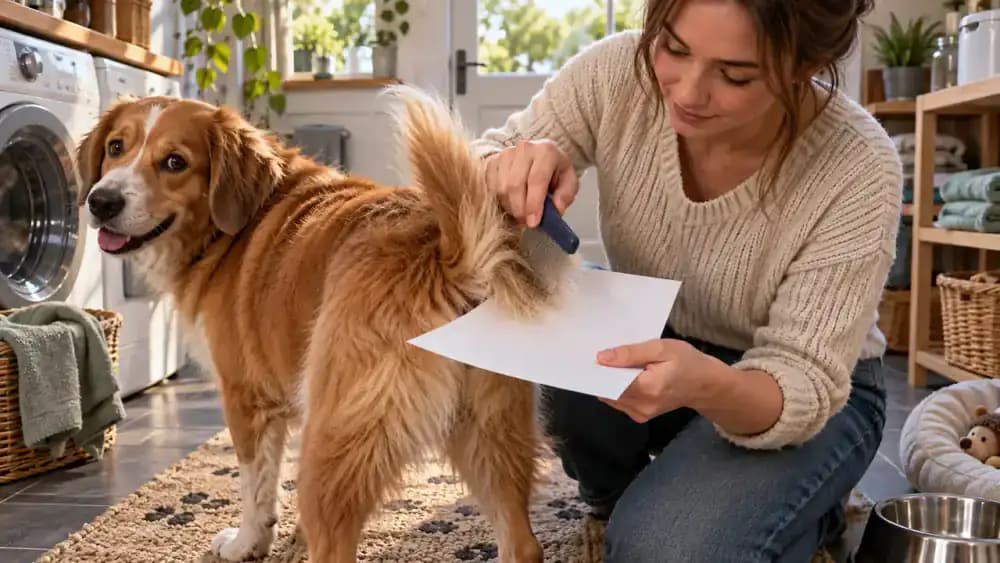
Gently comb through the lower back and base of the tail, where flea evidence may be noticeable. Examine the comb for tiny insects or dark specks. These findings may require veterinary guidance. Never experiment with flea treatments intended for another species. Certain products formulated for dogs can cause serious poisoning in cats.
Inspect Both Front Paws and Paw Pads
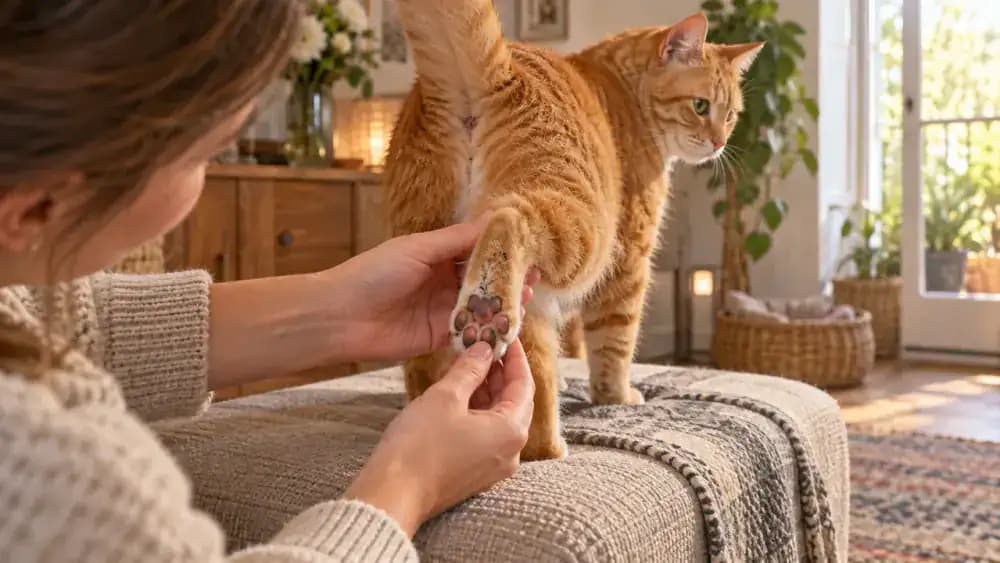
When your pet allows it, gently support one front paw and tilt it enough to see the underside. Check the pads for cracks, cuts, swelling, and trapped debris. Briefly examine between the toes without spreading them forcefully. Release the paw if your pet resists. Repeat on the other side when comfortable.

Check the Hind Paws for Hidden Problems
Hind paws can be overlooked because they are less visible during everyday petting. With your pet standing naturally, examine each back foot gently. Look for redness between the toes, unusual odors, swelling, or embedded material. Avoid twisting the leg or digging out deeply lodged objects. Contact your veterinarian for concerning findings.
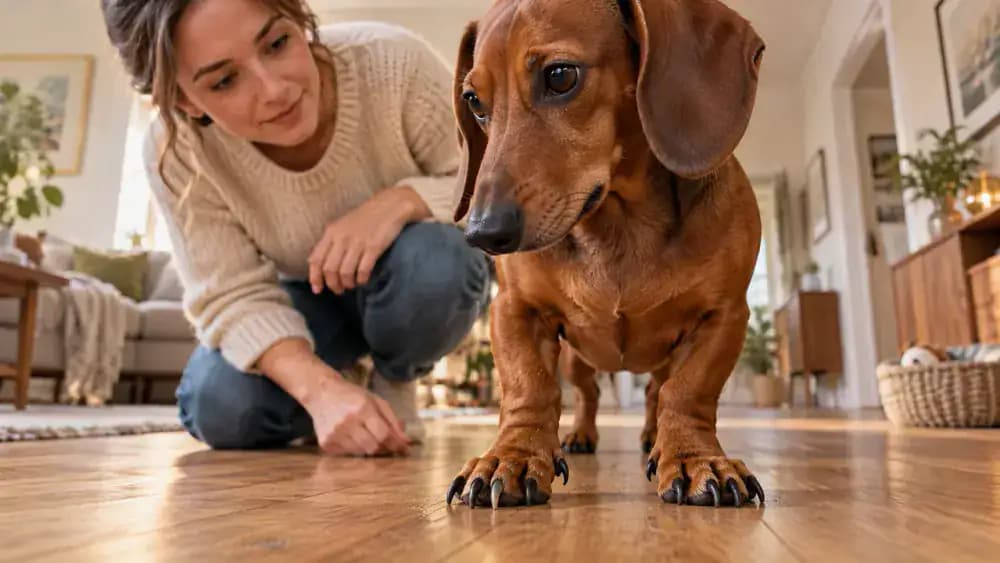
Examine Nail Length and Dewclaws
Observe your pet's nails while they stand on stable flooring. Notice nails that curl toward the pads, catch on fabric, or interfere with comfortable footing. Check dewclaws if present, since they may not wear down naturally. If trimming is needed but you cannot identify the quick safely, request a professional demonstration.
Inspect the Outer Ears and Visible Openings
Gently look at each outer ear flap and the visible entrance to the ear canal. Check for unusual redness, swelling, discharge, odor, or differences between ears. Some wax is normal. Persistent head shaking, scratching, or pain warrants veterinary attention. Never insert cotton swabs or other objects deep into the ear.
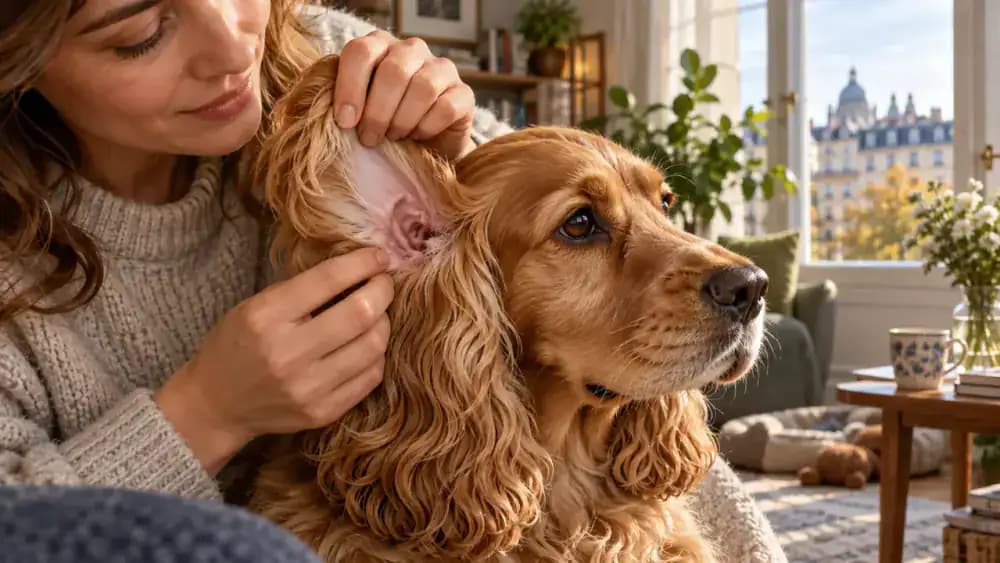
Handle Sensitive Ears With Extra Care
Some dogs and cats strongly dislike ear handling, especially when the area is tender. Begin with a brief touch to the outside of the ear and reward calm acceptance. Stop immediately if your pet pulls away or resists. Avoid pouring cleaning products into a potentially injured or infected ear without veterinary guidance.

Examine Both Eyes Without Touching Them
Observe your pet's eyes in comfortable natural lighting. Compare both sides for redness, cloudiness, swelling, squinting, or unusual discharge. Notice whether either eye looks different from its usual appearance. Never touch the eyeball. Sudden squinting, obvious pain, or abrupt vision changes need urgent veterinary attention because eye conditions can worsen quickly.

Observe the Nose and Facial Symmetry
Look at the nose and surrounding face for new sores, crusts, discharge, bleeding, or swelling. Compare the two sides of the face and notice possible discomfort during ordinary chewing or touch. A dry or cool nose alone does not establish health. Persistent discharge or sudden facial swelling should prompt veterinary advice.

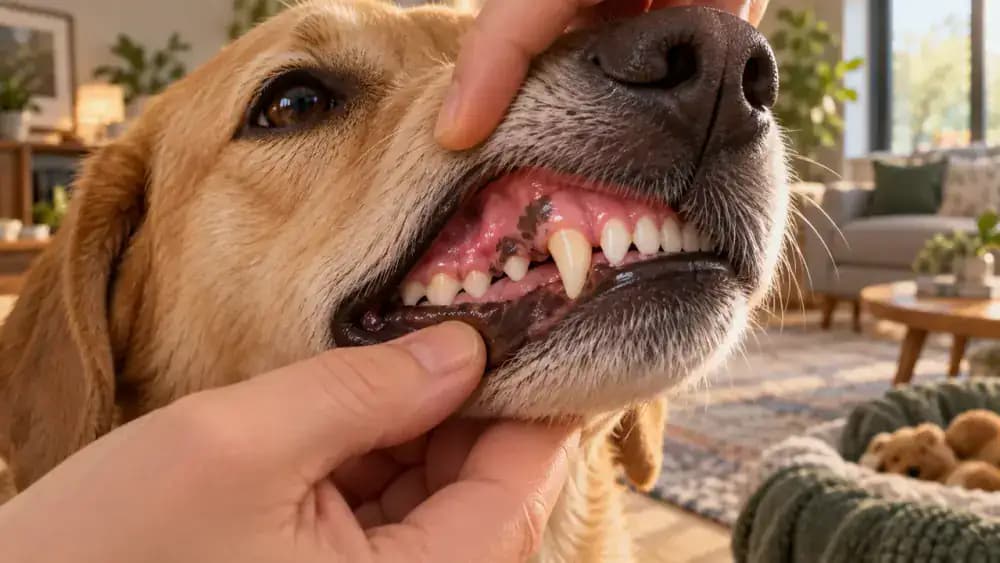
Look at the Teeth and Gumline Safely
If your pet cooperates, briefly lift the lip to see the front teeth and nearby gumline. Look for significant tartar, redness, broken teeth, or obvious swelling. Do not pry the jaws open or place fingers between teeth. Unusual dental findings deserve professional examination, since pets may hide discomfort while eating normally.
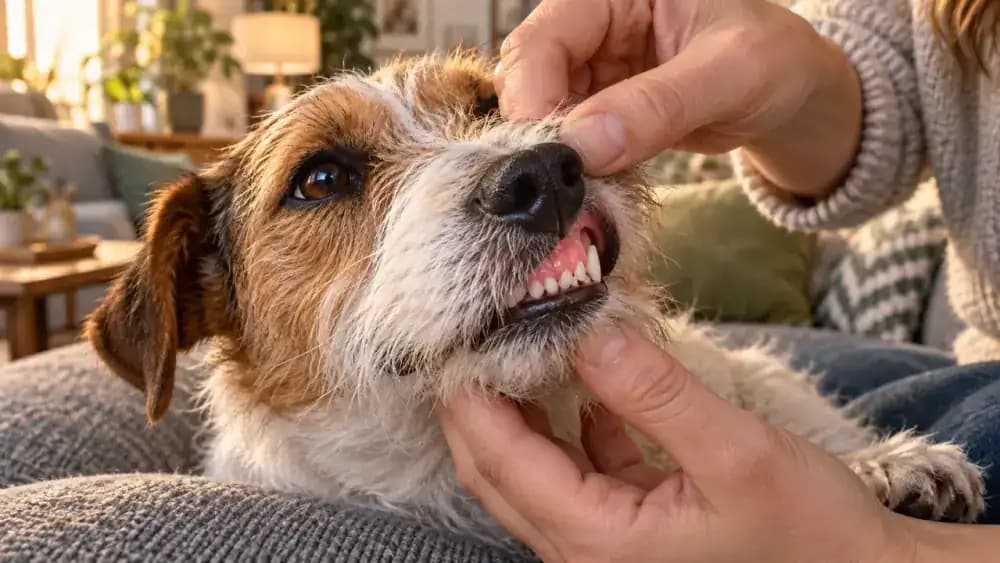
Learn Your Pet's Normal Gum Color
Gum appearance varies between animals, and naturally dark pigmentation can be normal. If your pet willingly permits a lip lift, observe any visible unpigmented gum tissue and remember its usual appearance. Markedly pale, blue, or gray gums, particularly with weakness or breathing difficulty, require emergency veterinary care. Gum color cannot diagnose health.
Check the Visible Area Beneath the Tail
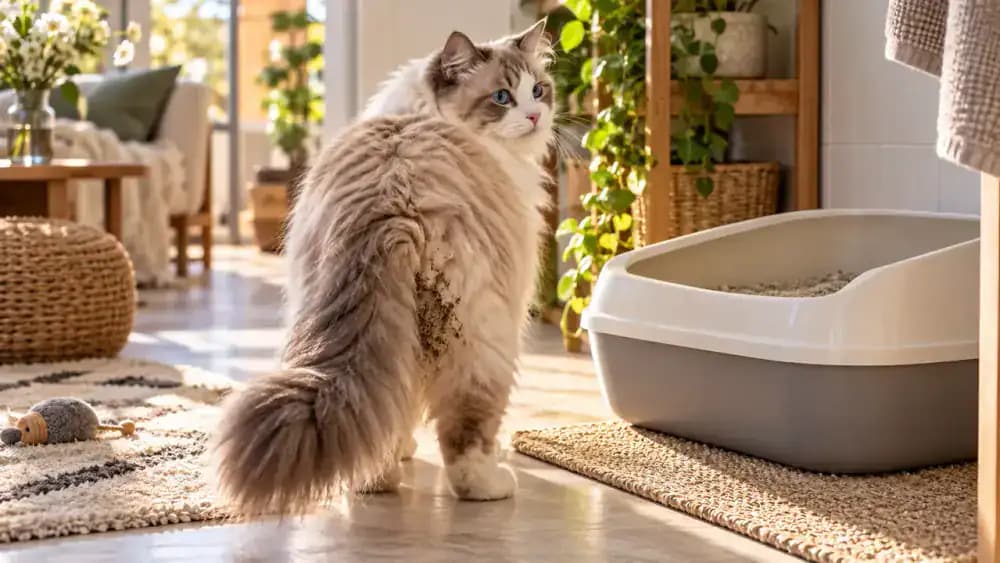
While your pet stands naturally, briefly observe the fur and visible skin around the rear end. Look for stuck feces, redness, discharge, swelling, or excessive licking. Never force the tail upward or attempt to squeeze anal glands. Repeated scooting or discomfort warrants veterinary discussion because different conditions can produce similar behavior.
Track Appetite, Drinking, and Bathroom Habits
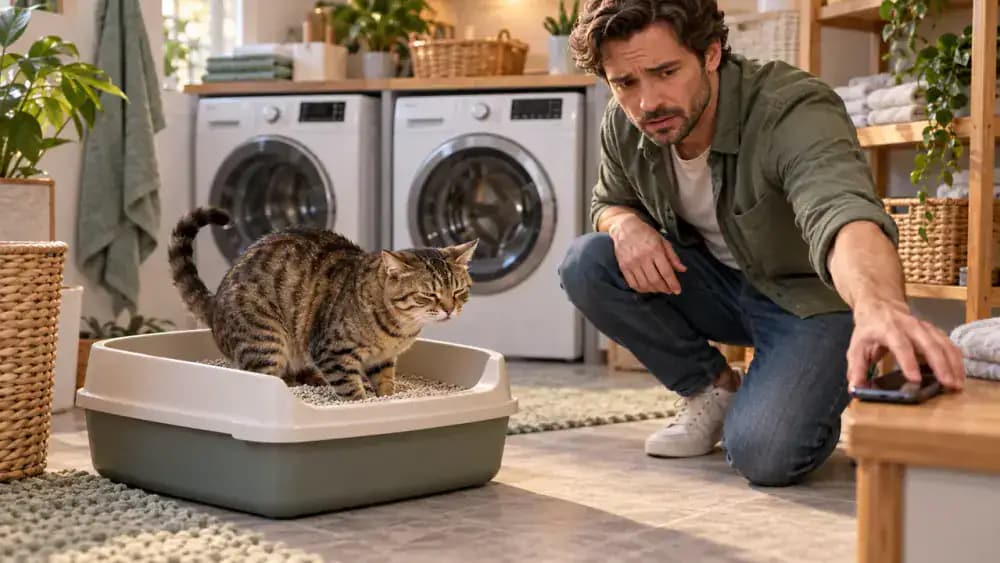
Your pet's daily routine offers information that a physical inspection may miss. Notice changes in appetite, drinking, energy, urination, and stool. Record patterns instead of diagnosing from an isolated observation. Straining to urinate, repeated unsuccessful litter box visits, or producing little or no urine can indicate an emergency requiring immediate veterinary assessment.
Document Any Unusual Findings
Record the date, location, and description of anything unfamiliar. When safe and comfortable for your pet, take a clear photograph that can be compared later. Use a familiar object nearby for size reference without pressing against a sensitive area. Accurate notes help your veterinarian understand when changes appeared and how they developed.

Recognize When Veterinary Care Cannot Wait
Seek veterinary advice for painful new lumps, persistent vomiting, significant limping, worsening skin problems, or sudden behavioral changes. Emergency signs include severe breathing difficulty, collapse, seizures, major bleeding, and a painfully swollen abdomen. Stop your home examination when serious symptoms appear. Routine checks support veterinary care but never replace professional examinations or treatment.

Adjust the Routine for Senior Pets
Older dogs and cats may appreciate slower handling, supportive bedding, and shorter sessions. Pay attention to mobility, grooming, muscle condition, and general comfort without manipulating sore joints. Never assume a new problem is simply part of aging. Veterinary evaluation can help identify changes that deserve attention and appropriate management.

Let Cats Set the Pace
For a cat body check, work wherever your cat already feels secure, such as a favorite blanket or window perch. Offer your hand first, touch briefly, and reward voluntary cooperation. Inspect one area today and another tomorrow if necessary. Avoid chasing, pinning, or scruffing, which can make future handling more stressful.

Establish a Regular Pet Body Check Schedule
Consider a relaxed body check every week or two, adjusted to your pet's needs and veterinary recommendations. Continue observing normal behavior between scheduled checks. Following a familiar sequence can help prevent overlooked areas, but flexibility matters. A brief positive experience is more valuable than completing every item on a rigid timetable.

Finish With Praise and a Positive Experience
End every session with praise, an appropriate treat, or a favorite activity, even if you stopped before finishing. The purpose is to build lasting trust and comfortable handling. As the routine becomes familiar, recognizing and recording changes may become easier. Pair thoughtful home observation with veterinary guidance to support your pet's ongoing well-being.

Your dog or cat cannot explain when something feels different, but small changes in appearance, movement, and behavior can offer useful clues. Learning how to perform an at-home pet body check helps you become familiar with your companion's normal condition and recognize changes worth discussing with a veterinarian.
You do not need specialized equipment or medical training. A quiet room, gentle hands, good lighting, and a few minutes of patient observation are enough to begin. This 30-step guide takes you from watching your pet move naturally to checking the coat, skin, paws, ears, eyes, mouth, and daily habits.
The goal is not to diagnose illnesses or complete every step in one sitting. It is to create a comfortable, repeatable routine that respects your pet's boundaries and supports regular veterinary care. Most importantly, you will learn when to stop checking at home and seek professional advice.
Where people go wrong
Forcing Your Pet to Cooperate. Holding down a frightened animal can increase stress and make future checks harder. Stop when your pet resists and try a shorter session another time.
Pressing on Lumps or Painful Areas. Squeezing unfamiliar bumps or pressing an uncomfortable abdomen may cause pain without providing a reliable answer. Record the finding and request veterinary assessment.
Using the Wrong Flea Treatment. Never assume flea products are interchangeable between dogs and cats. Some dog treatments are seriously toxic to cats. Ask your veterinarian about appropriate prevention.
Inserting Objects Into the Ears. Cotton swabs and other objects can injure sensitive ear structures. Inspect only visible areas and seek veterinary guidance before treating suspected ear problems.
Ignoring Changes Because a Pet Is Older. New limping, behavioral changes, reduced grooming, or discomfort should not automatically be attributed to age. Senior animals still deserve timely veterinary evaluation.
Trying to Diagnose Symptoms at Home. A home body check identifies observations, not causes. Similar symptoms may have different explanations, and some findings require professional tests or examinations.
Overlooking Changes in Daily Habits. Appetite, drinking, urination, bowel movements, and activity provide important context. Pay attention to persistent changes and recognize unsuccessful attempts to urinate as urgent.
Waiting During an Emergency. Severe breathing difficulty, collapse, seizures, major bleeding, or sudden painful abdominal swelling require emergency veterinary care, not continued home observation.

Questions people ask
A gentle check every week or two is a practical starting point for many pets. Adjust the frequency according to your pet's comfort, individual needs, and veterinary advice. Continue casual observation every day.
Fixed it?
Get one guide like this every Thursday.