How to Adjust Your Pet's Grooming Routine During Shedding Season
Seasonal shedding can leave your sofa, floors, and clothes covered in fur. Learn how to adjust your dog or cat's grooming routine with the right brushes, gentle techniques, and coat-specific schedules to manage loose hair while keeping your pet comfortable.

What you’ll need
Tap to tick things off before you start.
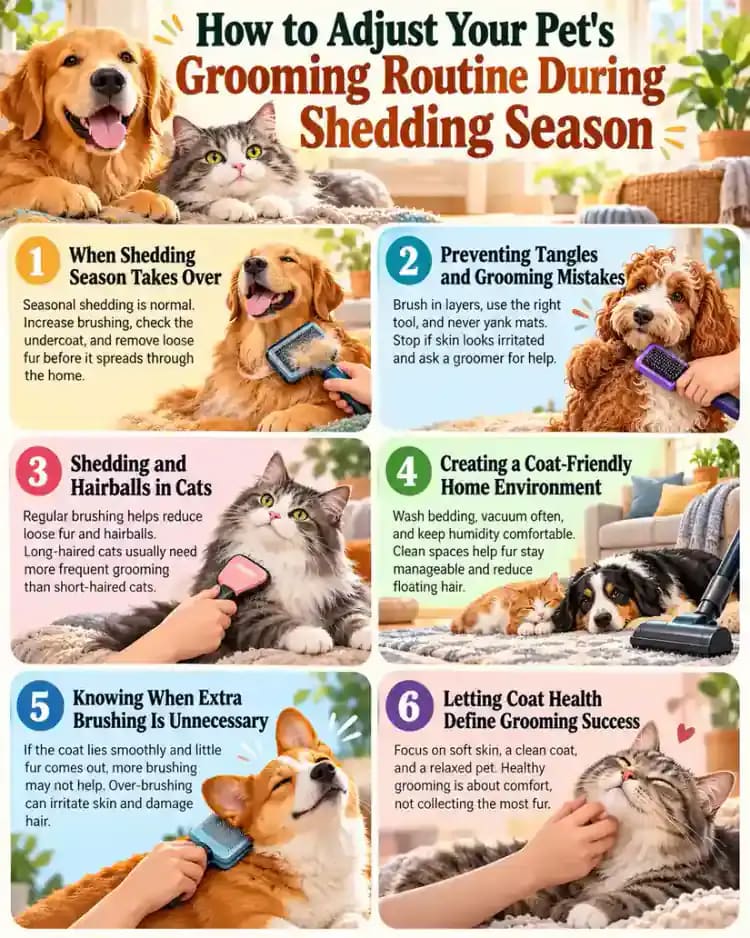
When Shedding Season Takes Over
Finding fur on your sofa just hours after brushing your pet can be frustrating. During shedding season, dogs and cats may release more loose hair than usual, making your regular grooming routine feel ineffective. Instead of brushing harder or longer, focus on understanding your pet's coat and making small, comfortable adjustments to your approach.

Why Seasonal Shedding Happens
Seasonal shedding often happens as changing daylight hours influence your pet's natural hair growth cycle. Many dogs and cats replace older hair as their coats adapt to seasonal conditions. However, breed, indoor lighting, temperature, and individual differences affect shedding patterns. Some pets experience noticeable seasonal changes, while others release loose hair consistently throughout the year.

Three Coat Types, Three Different Needs
Identifying your pet's coat type helps you choose an effective grooming routine. Short-haired pets typically shed loose hairs without significant tangling. Long-haired pets can develop knots when shed hair becomes trapped. Double-coated breeds have a dense insulating undercoat beneath protective outer hairs. Understanding these differences helps prevent discomfort and ensures you select appropriate grooming techniques.

Choosing the Right Grooming Tools
Match your grooming tools to your pet's coat rather than choosing the strongest brush available. A flexible rubber mitt works well for many short coats. Longer coats may benefit from a gentle slicker brush and metal comb. Double coats often require a suitable rounded-tip undercoat rake. Always use light pressure, avoid pulling, and stop if irritation appears.
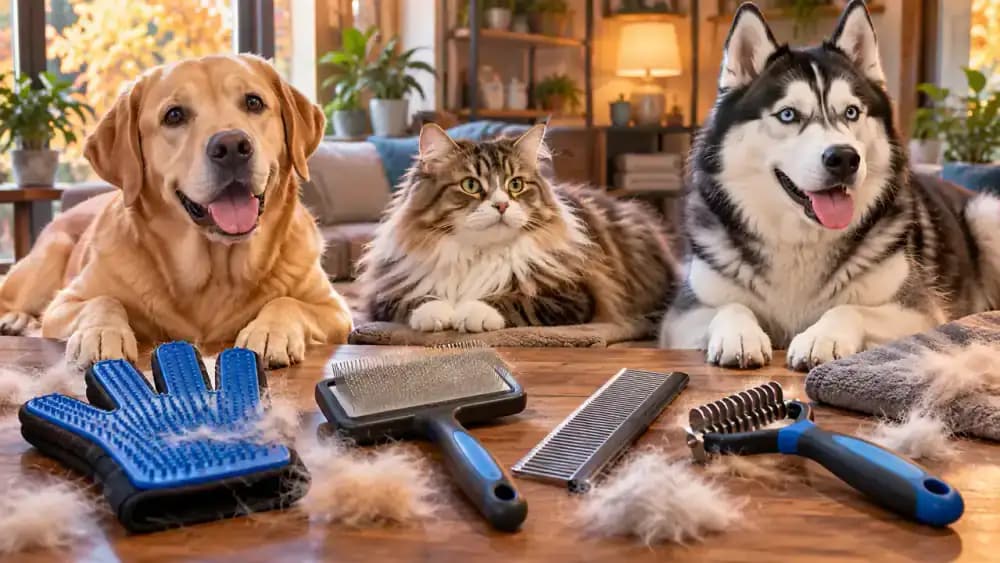
Adjusting Grooming Frequency
During heavy shedding, several short grooming sessions each week can be more effective and comfortable than one lengthy session. Begin with a few gentle minutes and observe how much loose fur you collect. Check for tangles, skin irritation, and signs of discomfort. Adjust your schedule based on your pet's coat condition, tolerance, and shedding intensity.

Preventing Tangles and Grooming Mistakes
Before brushing a long-haired pet, divide the coat into small sections and check for tangles behind the ears, around the legs, and beneath the collar. Gently work through knots from the hair ends toward the skin. Avoid aggressive deshedding, excessive bathing, or shaving a healthy double coat, as these shortcuts can irritate skin or damage protective fur.
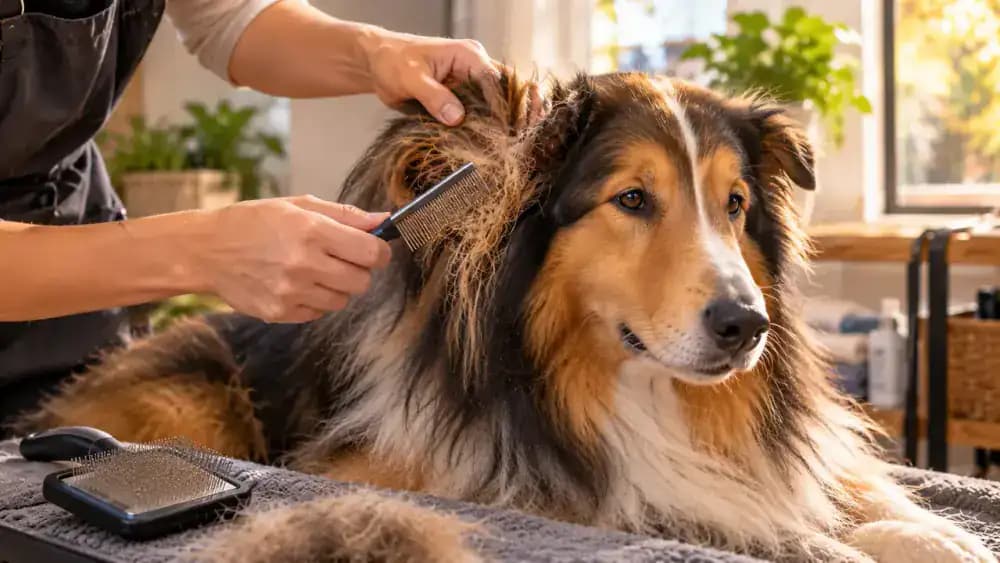
Supporting Healthy Skin and Coat
Support your pet's coat from the inside out with a complete, balanced diet and constant access to fresh water. During regular petting, gently part the fur to observe the skin underneath. Nutrition contributes to healthy hair growth, but supplements rarely eliminate normal shedding. Focus on consistent care and gradual changes rather than expecting a completely fur-free home.

Knowing When Shedding Needs Attention
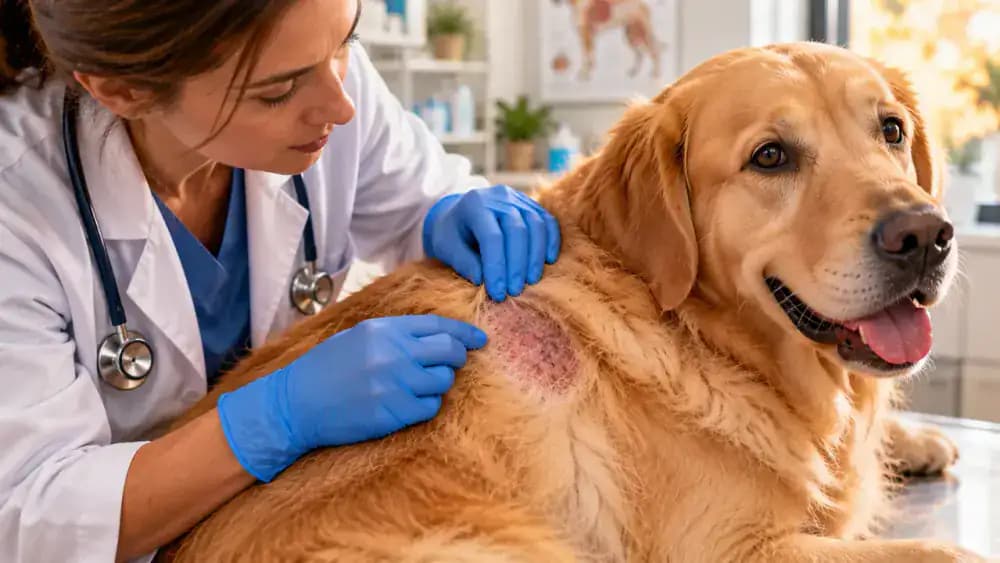
Seasonal shedding is usually manageable, but sudden unexplained hair loss, bald patches, redness, or persistent scratching warrant a veterinary examination. Pay attention to changes in your pet's usual coat and behavior instead of assuming every symptom is seasonal. When everything looks normal, maintain gentle grooming sessions that keep your dog or cat comfortable, relaxed, and healthy.
Managing Loose Fur Around Your Home
Reduce household fur buildup by washing pet bedding regularly and vacuuming furniture with an upholstery attachment. Use a reusable lint remover on cushions, clothing, and other fabrics between cleaning sessions. Keeping favorite resting areas tidy helps manage loose hair without increasing brushing frequency unnecessarily. A practical cleaning routine makes seasonal shedding easier for everyone in your home.

Keeping Grooming Tools Clean and Effective
Remove trapped hair from brushes and combs throughout each grooming session so they continue working effectively. Inspect bristles and teeth for bending, sharp edges, or other damage that could irritate your pet's skin. Follow the manufacturer's cleaning instructions, then allow equipment to dry completely before storing it. Well-maintained tools make grooming gentler, more efficient, and easier to monitor.
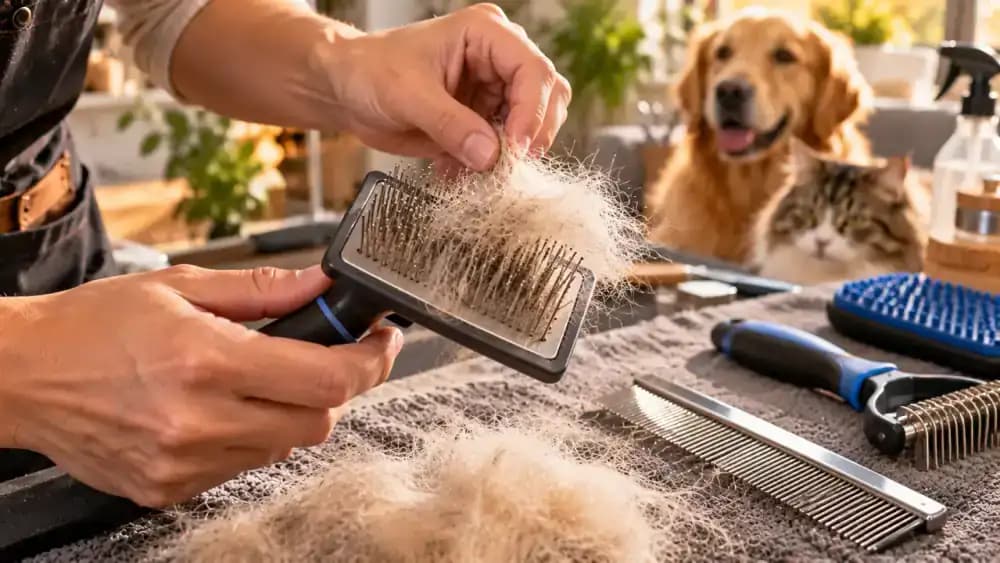
Reading Your Pet's Grooming Signals
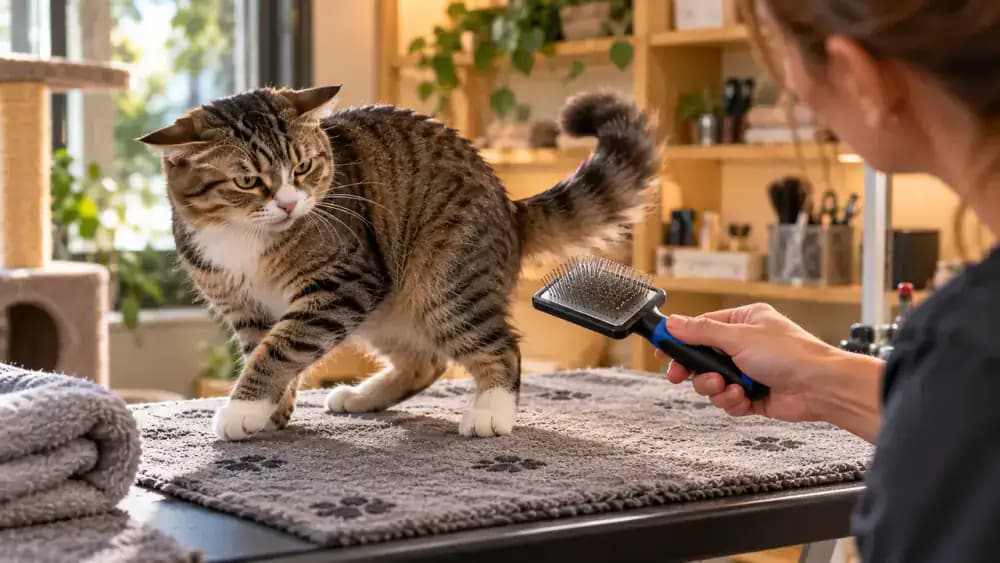
Pay attention to how your pet responds during brushing, not just how much loose fur you remove. Stiff posture, twitching skin, flattened ears, tail swishing, or attempts to escape signal discomfort. Reduce pressure or stop when these behaviors appear. A quiet environment and secure, non-slip surface can help make future grooming sessions more comfortable.
Shedding and Hairballs in Cats
Cats swallow loose hair during their regular self-grooming, which can contribute to hairballs during heavy shedding. Gently combing your cat helps remove loose fur before it gets swallowed, although occasional hairballs may still occur. Repeated vomiting, reduced appetite, or difficulty passing stool warrants veterinary attention rather than additional brushing or home remedies.

Helping Reluctant Pets Accept Grooming
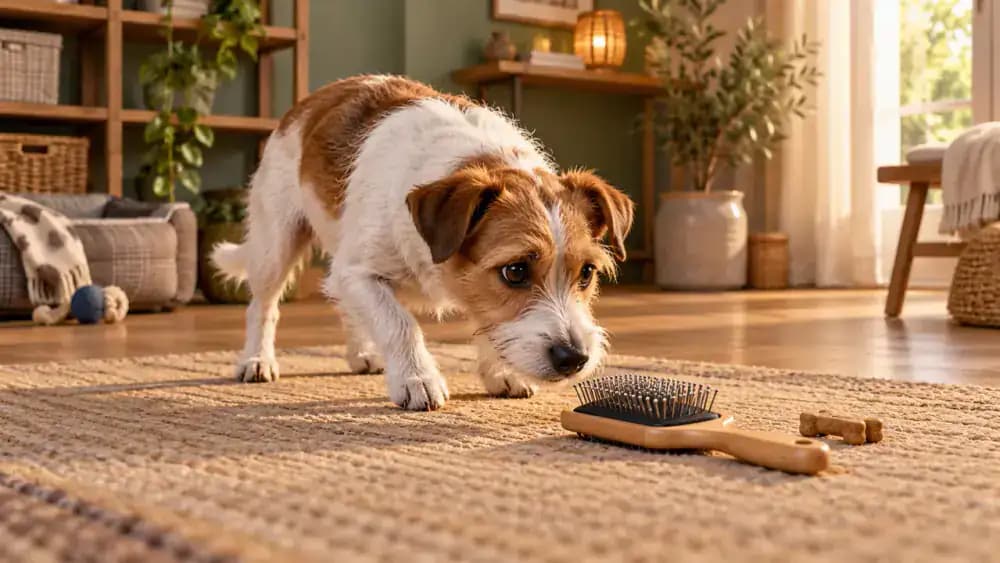
Help a grooming-shy pet build confidence through short, positive experiences. Begin by placing the brush nearby and rewarding relaxed curiosity with a small treat. Progress to one or two gentle strokes, stopping before your pet becomes uncomfortable. Gradually extend sessions as confidence grows. Avoid restraint or forced brushing, which can strengthen fear and resistance.
Bathing and Drying During Heavy Shedding
An occasional bath can help loosen shedding fur, but regular brushing remains essential. Choose a shampoo formulated for your pet, rinse thoroughly, and dry the coat completely, especially beneath thick outer layers. Trapped moisture can irritate the skin. Use comfortable water and dryer temperatures, and consider professional grooming if thorough drying becomes difficult or stressful.

Tracking Changes in Your Pet's Coat
Keep a simple weekly grooming record to understand how your pet's coat changes throughout shedding season. Note loose hair, tangles, coat texture, skin appearance, and your pet's comfort during each session. Comparing observations over several weeks helps you adjust brushing frequency, recognize unusual changes, and share useful details with your veterinarian when needed.

A Smarter Routine for Every Shedding Season
A successful shedding routine is not about eliminating every loose hair. Focus on keeping your pet comfortable, maintaining a healthy coat, and choosing grooming habits you can sustain throughout the year. Observe changes in shedding patterns, adjust brushing frequency as needed, and consult a veterinarian or professional groomer when unexpected coat or skin changes appear.

Targeting Areas Where Loose Fur Collects
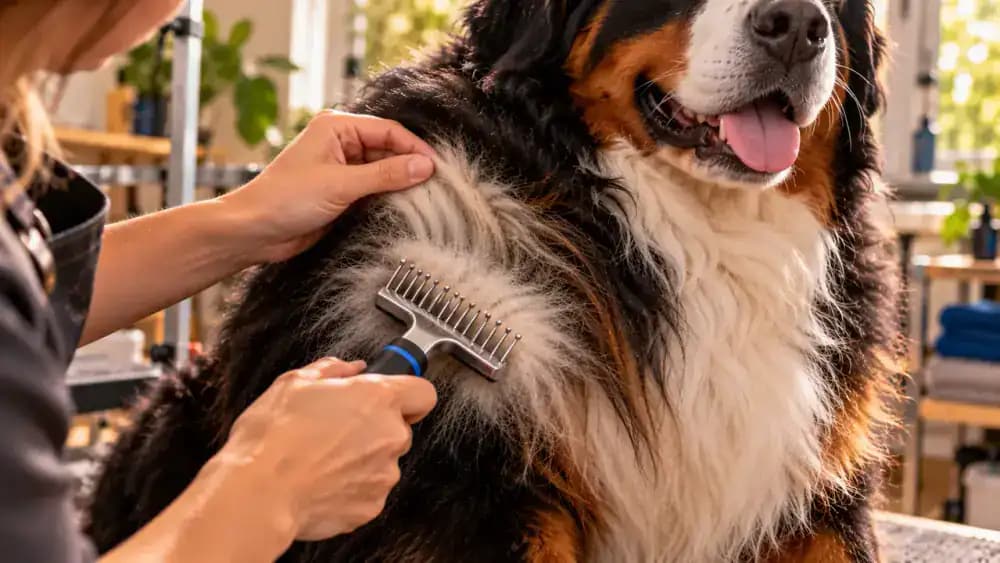
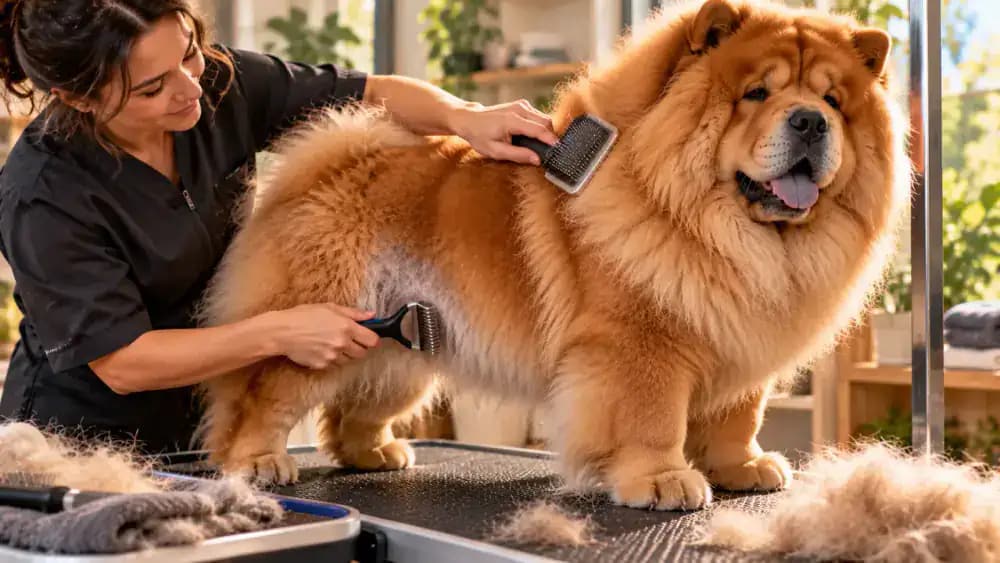
Focus extra brushing attention on areas where loose undercoat tends to accumulate, including the chest, collar area, and hindquarters. For thick-coated dogs, gently separate the longer outer hairs and use an appropriate grooming tool to lift trapped fur. Work in short sections, avoid scraping the skin, and stop if your pet becomes uncomfortable.
Creating a Coat-Friendly Home Environment
A comfortable indoor environment can make seasonal shedding easier to manage. Keep pet bedding clean and completely dry, provide adequate ventilation, and monitor indoor humidity during winter heating. Excessively dry air may contribute to skin discomfort, while damp bedding can encourage tangles. Watch for unusual scratching or irritation, and prioritize comfort rather than trying to prevent natural shedding.

Keeping Everyone Consistent With Grooming
When multiple family members share grooming responsibilities, establish a simple weekly schedule to prevent unnecessary brushing. Record completed sessions and communicate any observations about tangles, sensitive areas, or changes in shedding. Keep grooming supplies together so everyone uses appropriate tools. A coordinated approach reduces repeated handling, supports your pet's comfort, and makes unusual coat changes easier to notice.

Adapting Grooming for Senior Pets
Senior pets often benefit from shorter, gentler grooming sessions that accommodate reduced mobility. Let older dogs rest on supportive cushions while brushing, and provide senior cats with stable, easily accessible surfaces. Allow frequent breaks and comfortable position changes instead of requiring prolonged standing. If your pet develops new stiffness, sensitivity, or pain, consult your veterinarian before adjusting its grooming routine.

Checking Your Pet's Comfort After Grooming
After grooming, take a moment to observe how your pet responds. Relaxed stretching, shaking, or settling down comfortably can indicate a positive experience. Check the skin for redness and watch for repeated licking or avoidance. If your pet seems uncomfortable, shorten future sessions and use gentler techniques. Comfort matters more than the amount of fur removed.

Recognizing Loose Fur Versus Hair Breakage
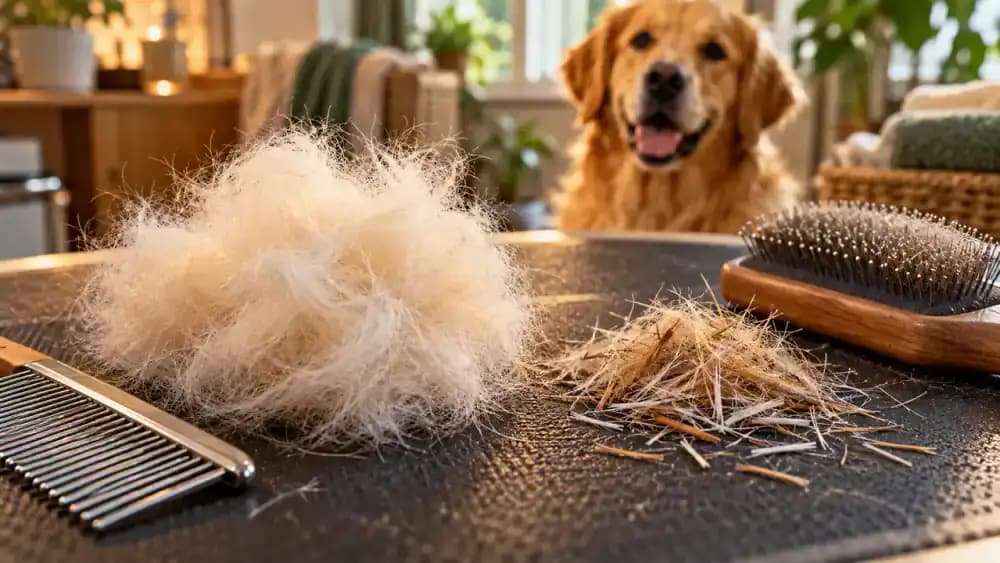
Examine the hair collected during grooming before cleaning your tools. Naturally shed undercoat often feels soft and fluffy, while broken strands may appear shorter or uneven. These differences cannot establish coat health on their own, but unexpected breakage deserves attention. Review your brushing pressure and tool selection, and consult a veterinarian or professional groomer if changes persist.

Making Seasonal Grooming Comfortable and Sustainable
A successful shedding routine focuses on your pet's comfort rather than removing as much hair as possible. Select tools appropriate for the coat, brush gently, and allow breaks whenever needed. Pay attention to changes in skin condition or behavior. Consistent, manageable care keeps grooming practical throughout the seasons and helps make the experience enjoyable for both you and your pet.
Knowing When Extra Brushing Is Unnecessary
Pets may release loose hair after sleeping, playing, or moving around the house, but that does not always mean another brushing session is necessary. Gently run your fingers through the coat and check the skin. If only a few hairs come away and your pet appears comfortable, leave the brush aside. Avoid unnecessary grooming that could irritate sensitive skin.

Using Bedding to Recognize Shedding Patterns
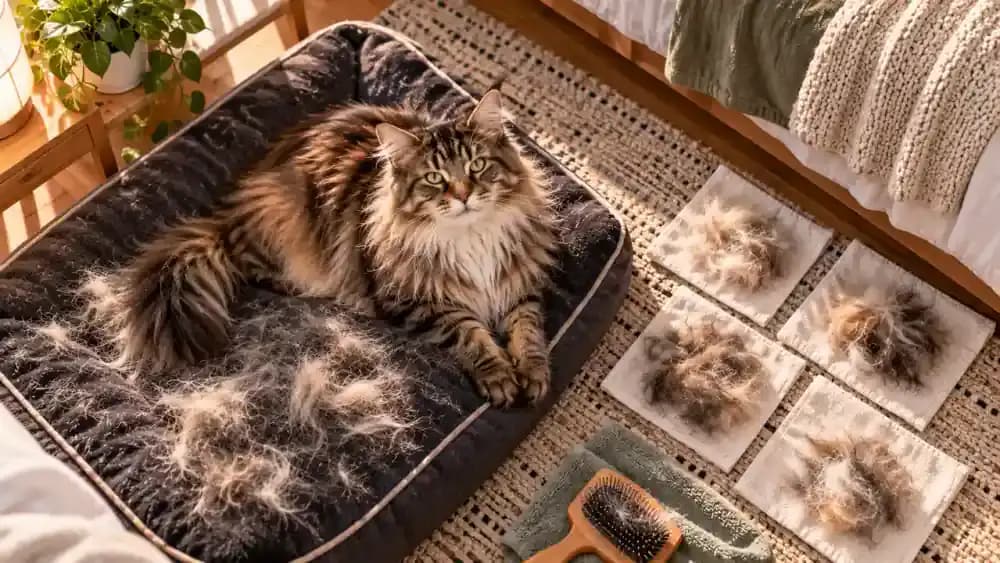
Your pet's bedding provides a simple way to track seasonal shedding. Check the amount of loose hair after regular periods of rest and compare what accumulates over several days. Focus on consistent changes rather than isolated clumps. This helps you recognize when shedding increases naturally and adjust your grooming schedule without brushing unnecessarily after every visible collection of fur.

Recognizing Resistance Before It Causes Discomfort
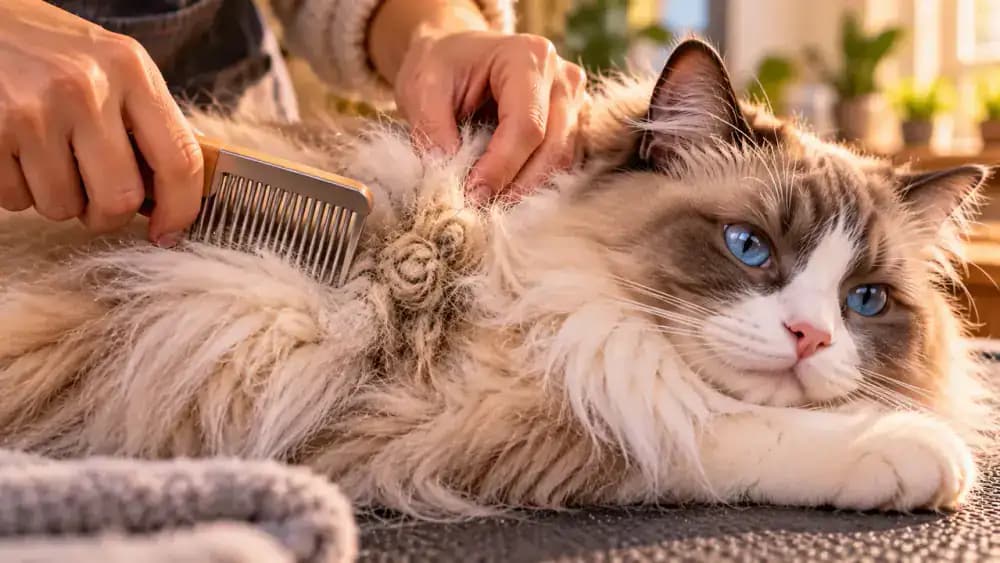
During shedding season, pay attention to how easily your grooming tools move through your pet's coat. Resistance may indicate a hidden tangle, dense undercoat, or incorrect brushing angle. Never pull or force the brush through. Instead, pause, gently separate the fur with your fingers, and use a suitable wide-toothed comb when necessary to protect sensitive skin.
Adjusting Technique Across Different Body Areas
Your pet's coat may require different grooming techniques across individual body areas. Thick neck fur can trap substantial loose undercoat, while thinner belly fur needs much gentler attention. Always brush in the direction of hair growth, support sensitive areas, and adjust pressure according to coat density. Stop once the tool moves freely without pulling or irritating the skin.
Matching Brush Size to Your Pet's Body
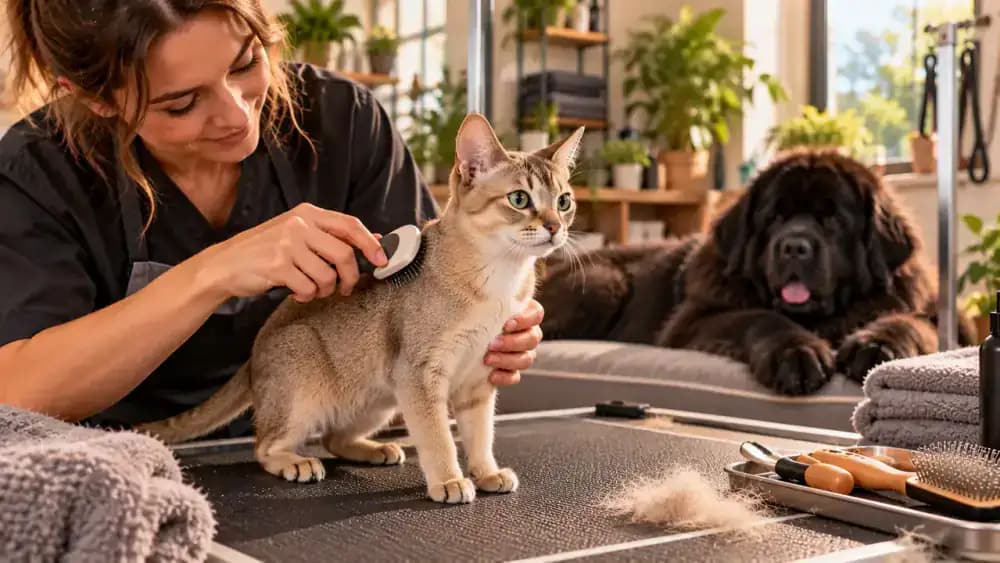
Choosing the correct brush size makes shedding management safer and more comfortable. Large brushes work well across broad surfaces but can be difficult to control around small shoulders, legs, and narrow areas. Select tools that match your pet's proportions, with comfortable handles that encourage gentle strokes. When precise movements become difficult, switch to a smaller brush instead of applying additional pressure.
Preventing Hidden Tangles After Wet Walks
Rainy walks can create unexpected grooming challenges, especially for long-haired pets wearing collars or harnesses. Moisture flattens the coat and can conceal developing tangles around friction points. After returning indoors, remove the harness and gently pat the fur with an absorbent towel. Allow the coat to dry thoroughly before carefully checking vulnerable areas with your fingers and a wide-toothed comb.
Letting Coat Health Define Grooming Success
Successful shedding management means maintaining a comfortable pet, not eliminating every loose hair from your home. Focus on a manageable routine that supports a healthy-looking coat and comfortable skin. As seasonal shedding decreases, adjust brushing frequency to your pet's changing needs. Watch for unusual hair loss, redness, or irritation, and consult your veterinarian when concerning changes appear.

You vacuum the living room, straighten the cushions, and settle onto the sofa - only to discover another layer of Golden Retriever fur. Meanwhile, your fluffy cat stretches across the armrest, leaving behind enough loose hair to make you wonder whether either pet has any coat left. Welcome to shedding season.
For many dogs and cats, shedding becomes more noticeable as the seasons change. Shifts in daylight help influence natural coat cycles, particularly in animals that develop thicker coats for colder weather. However, pets living primarily indoors may shed throughout the year because artificial lighting, indoor temperatures, and individual hair-growth cycles can affect when loose fur appears.
The solution isn't necessarily more brushing. It's smarter grooming tailored to your pet's coat type, comfort, and shedding pattern.
A short-haired Beagle, a long-haired Persian cat, and a double-coated Golden Retriever have different grooming needs. Choosing the wrong tool or brushing too aggressively can cause discomfort, skin irritation, or unnecessary coat damage. Even a useful deshedding tool can become a problem when used with excessive pressure or frequency.
This guide explains how to recognize your pet's coat profile, select appropriate grooming tools, temporarily adjust brushing frequency, and manage loose fur without overdoing it. You'll also learn which changes are typical during shedding season and which skin or coat changes deserve veterinary attention.
Where people go wrong
Brushing Harder Instead of Adjusting the Technique. Heavy shedding can make aggressive brushing seem productive, especially when large amounts of fur come away. However, excessive pressure and repeated passes over the same area may irritate the skin or damage healthy hair. Use gentle strokes, work in manageable sections, and check your pet's comfort regularly. A longer session isn't necessarily a better session.
Using the Same Brush on Every Coat Type. A rubber grooming mitt that works well on a short-haired Beagle may do little to address loose undercoat in a Golden Retriever. Likewise, an undercoat rake may be inappropriate for a delicate single coat. Match grooming tools to coat length, density, texture, and skin sensitivity. When uncertain, ask a qualified groomer to demonstrate suitable tools and techniques.
Increasing Brushing Frequency Without Watching the Skin. Daily brushing may help some heavily shedding pets, but it isn't automatically necessary or suitable for every animal. Frequent use of abrasive tools can cause redness, tenderness, and coat damage. Begin with your pet's established routine, add short sessions when needed, and reduce the frequency if loose hair decreases or your pet shows discomfort.
Shaving a Double-Coated Pet to Stop Shedding. Shaving a Golden Retriever, Husky, or other double-coated animal doesn't stop the natural shedding cycle. Removing the coat can also interfere with its protective functions and may affect regrowth. Unless shaving is necessary for a medical procedure or specifically recommended by a veterinarian, focus on appropriate undercoat grooming and regular coat maintenance instead.
Bathing Too Often to Remove Loose Fur. A bath can help release loose hair when it is appropriate for the individual pet, but frequent washing may dry or irritate sensitive skin. Avoid treating every shedding increase as a reason to shampoo. Follow species-appropriate bathing guidance, use suitable products, rinse thoroughly, and dry the coat properly. Cats generally have different bathing needs than dogs.
Pulling Through Tangles and Tight Mats. Forcing a brush through tangled fur can tug painfully on the skin, particularly behind the ears, under the legs, and around the collar. Check for resistance before brushing and separate manageable tangles gently. Tight mats close to the skin are best handled by a qualified groomer or veterinarian. Never cut close-fitting mats with household scissors.
Assuming Every Type of Hair Loss Is Seasonal. Normal shedding generally involves the release of loose hair without obvious skin injury or distinct bald areas. Sudden hair loss, persistent scratching, redness, sores, or unusually thin patches deserve veterinary attention. Don't assume a new skin or coat change is harmless simply because it happens in spring or fall. Early assessment can help address an underlying problem.
Relying on Supplements Instead of Basic Coat Care. Balanced nutrition and adequate hydration support normal skin and coat function, but supplements aren't a shortcut to eliminating seasonal shedding. Adding oils, vitamins, or other products without veterinary guidance may be unnecessary or inappropriate. Prioritize complete, balanced food suited to your pet's needs, accessible fresh water, routine grooming, and veterinary advice when concerns arise.
Questions people ask
Brushing frequency depends on coat type, shedding intensity, skin condition, and your pet's tolerance. Some short-haired pets do well with a few sessions weekly, while heavily shedding double-coated animals may benefit from brief daily brushing. Begin with gentle sessions, monitor how much loose hair comes away, and reduce brushing if irritation or discomfort appears.
Fixed it?
Get one guide like this every Thursday.