How to Plan a Safer Hot-Weather Routine for Dogs and Cats
Keep your dog or cat comfortable when temperatures rise with a practical hot-weather routine covering cooler activity times, hydration, shade, indoor cooling, and warning signs of overheating.
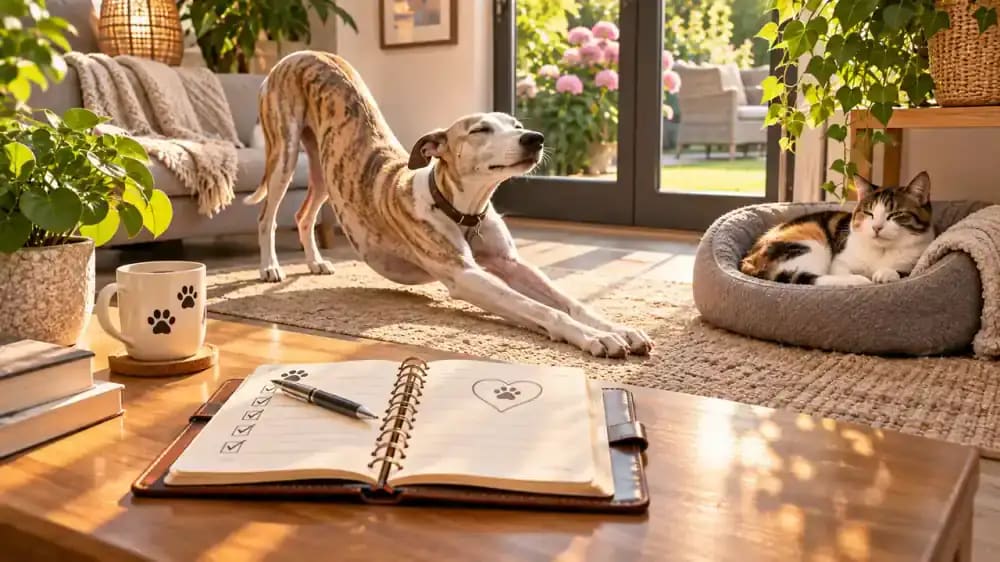
What you’ll need
Tap to tick things off before you start.
Why Hot Weather Changes Everything
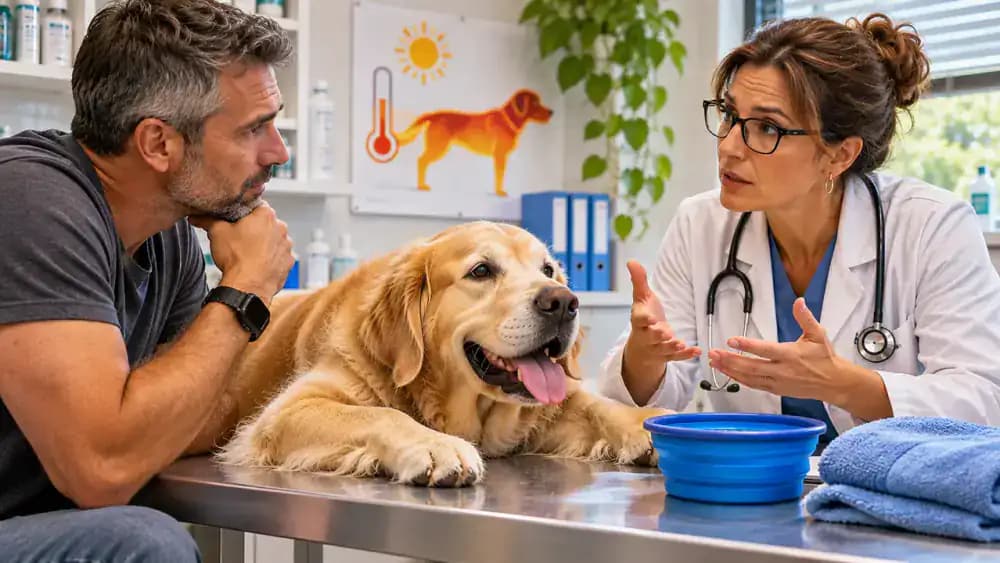
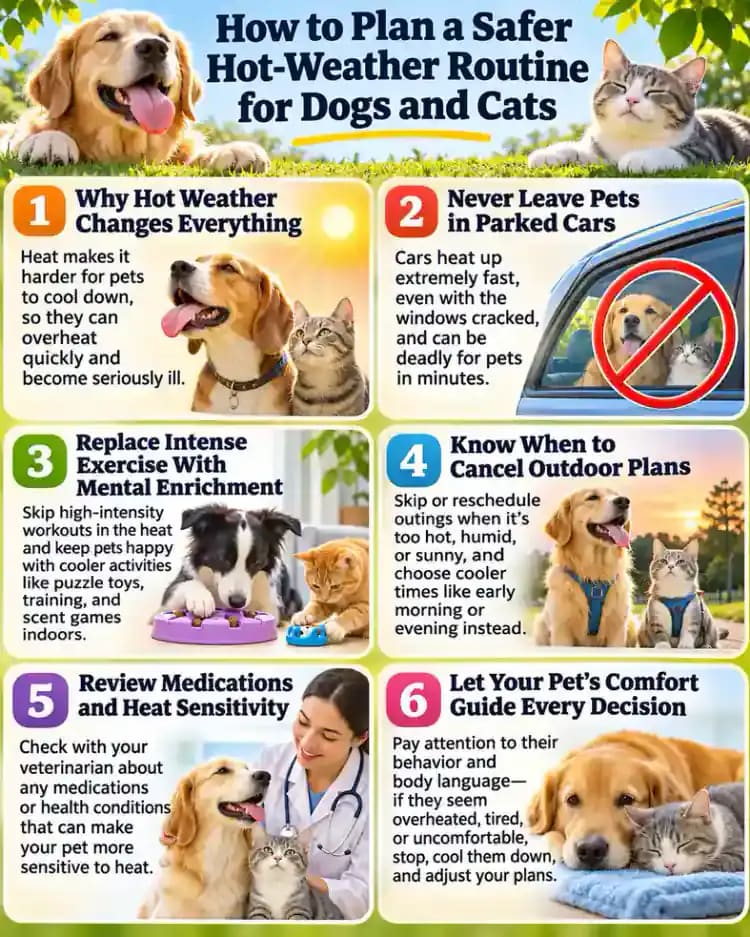
Before starting your pet's usual routine, check the hourly forecast for temperature, humidity, and heat advisories. Dogs rely heavily on panting to release heat, while cats often seek cooler spaces and groom themselves. Neither cools down like a sweating human. Watch how your pets respond to rising temperatures, even during familiar activities.
Schedule Exercise Around Cooler Hours
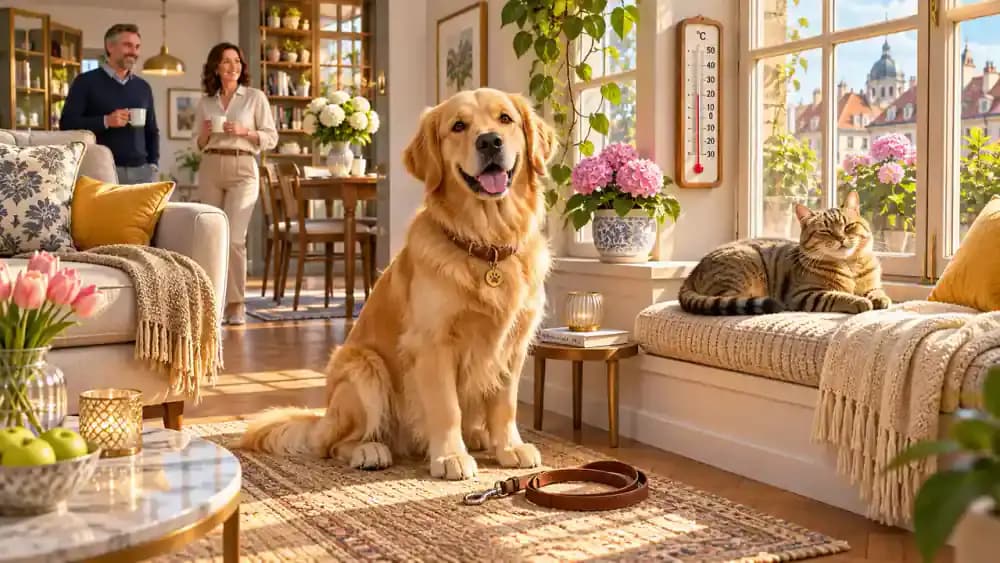
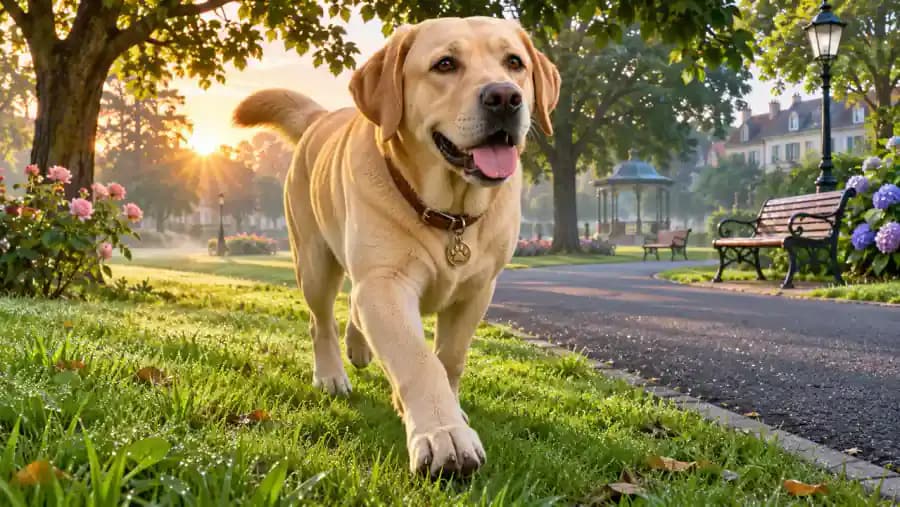
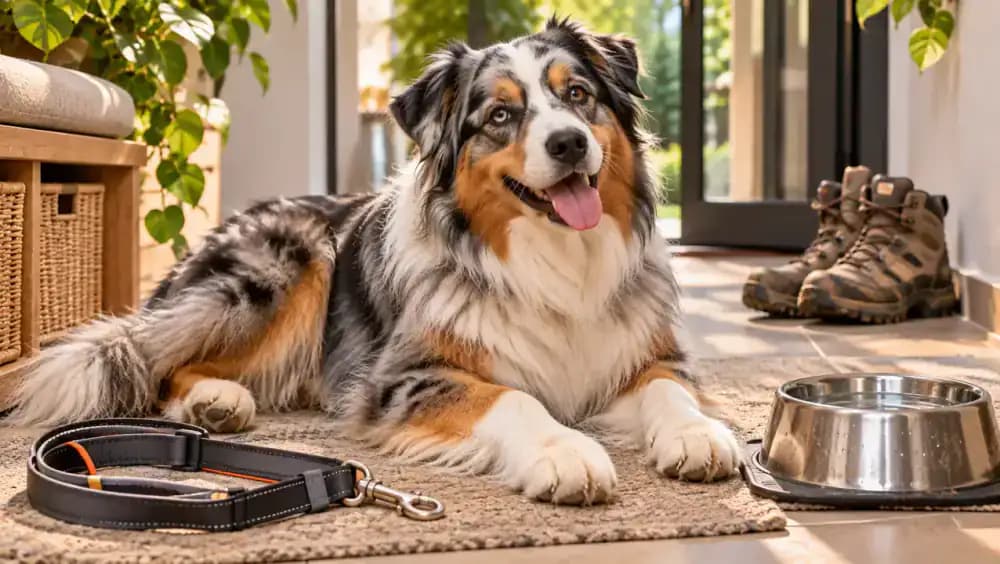
Move dog walks and outdoor play to cooler early mornings or evenings, and check humidity before leaving. Keep activities shorter and gentler when conditions are warm. Press the back of your hand against the pavement for several seconds. If it feels uncomfortably hot, choose shaded grass or postpone the walk until conditions improve.
Make Hydration and Shade Easy
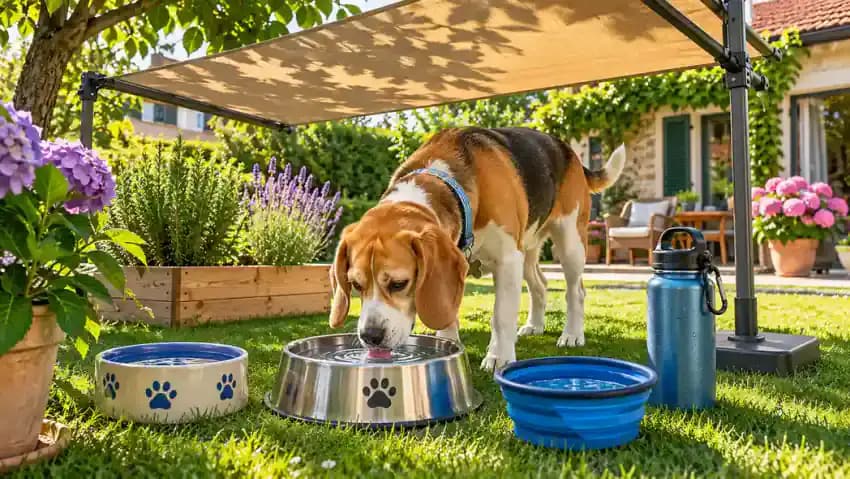
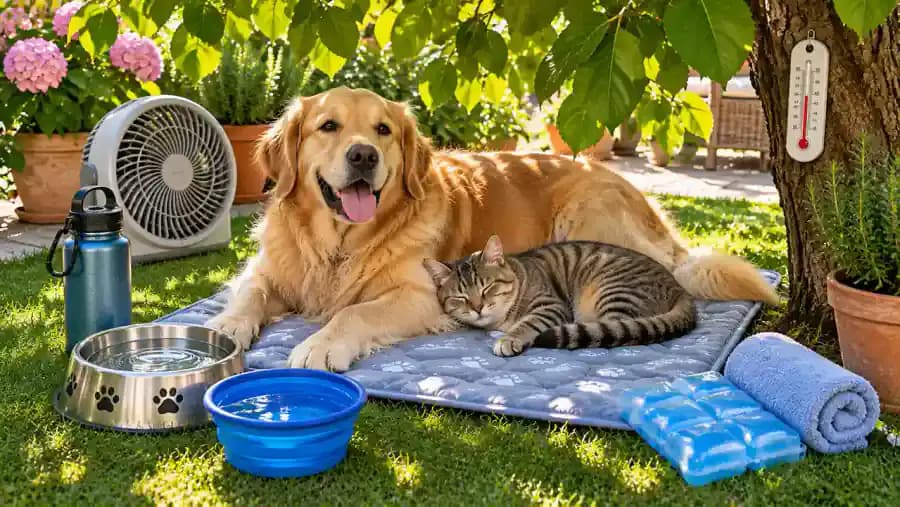
Set out multiple clean water bowls in places your pets regularly visit, and refill them throughout the day. Carry a portable water bottle and drinking bowl whenever your dog goes outside. Provide dependable shade with a canopy, covered patio, or similar shelter. Check that shaded areas remain protected as the sun changes position throughout the afternoon.
Create a Cooler Indoor Environment
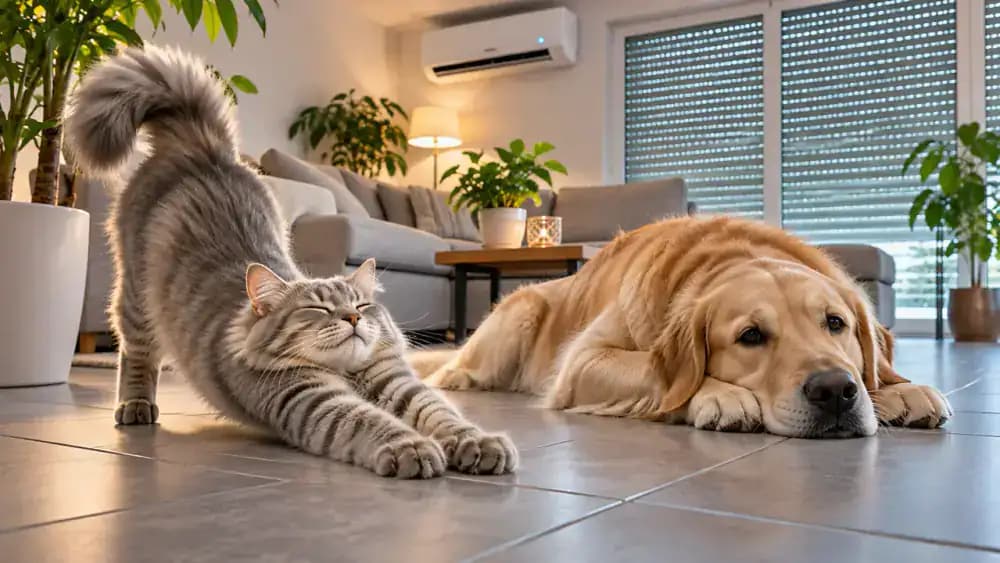
Keep indoor resting areas comfortable by closing blinds or curtains during intense afternoon sunlight. Use air conditioning or another effective cooling method when temperatures rise, since fans alone may be insufficient in extreme heat. Provide access to cool tile floors or pet-safe cooling mats. Make sure cats and dogs can freely move between comfortable resting spaces.
Recognize Pets That Need Extra Protection
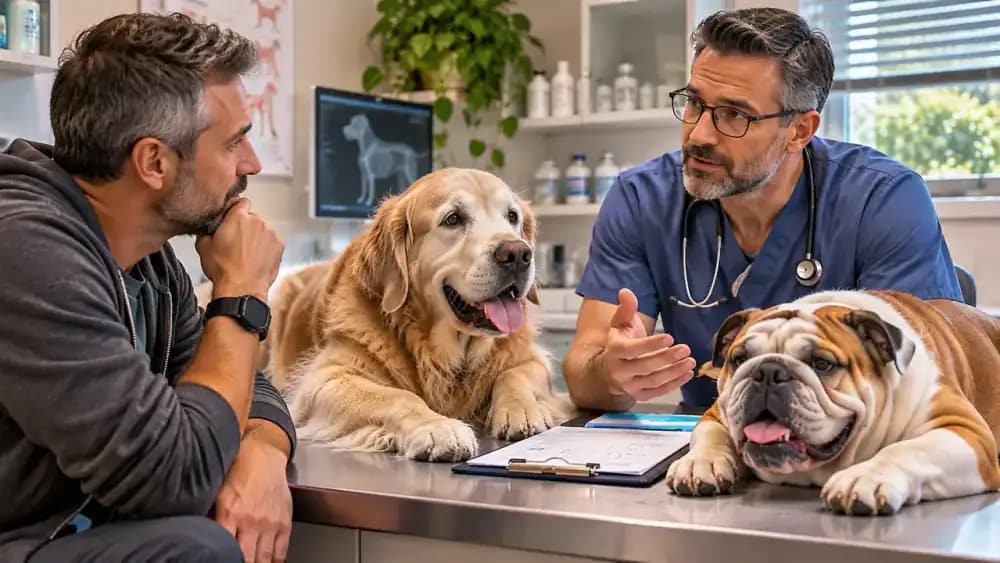
Adjust your hot-weather routine for puppies, kittens, senior animals, overweight pets, and flat-faced breeds such as French Bulldogs. Pets with existing heart or respiratory conditions may also need additional precautions. Limit strenuous activity, offer frequent breaks, and monitor individual comfort. Ask your veterinarian about suitable exercise limits and cooling arrangements when your pet has specific health concerns.
Never Leave Pets in Parked Cars
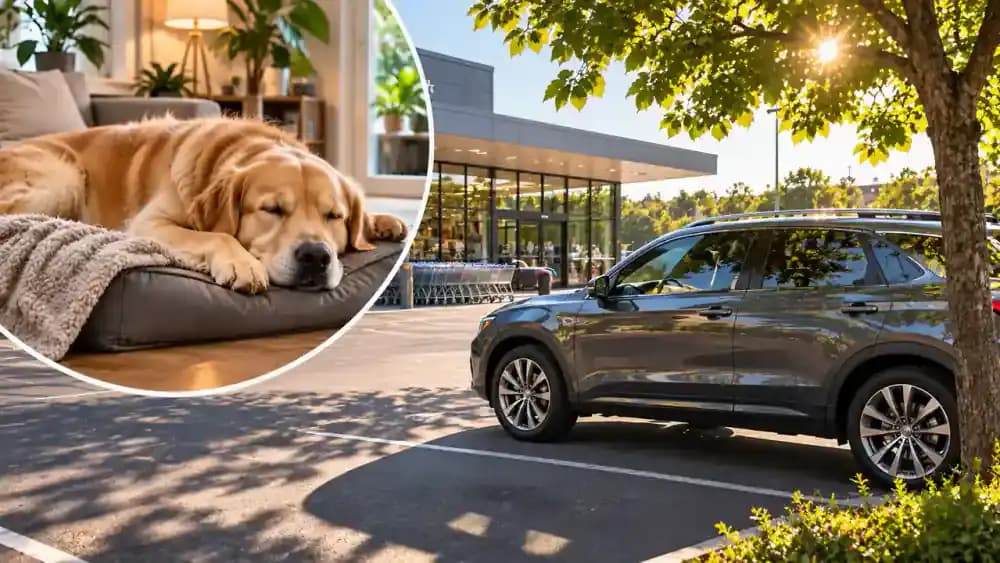
Never leave a dog or cat unattended in a parked vehicle, even for a quick errand. Interior temperatures can rise dangerously fast, and partially open windows provide little protection. Running air conditioning is not a reliable safeguard against system failure. Leave your pet comfortably at home with fresh water and cooling, or arrange appropriate supervision elsewhere.
Spot Heatstroke and Act Immediately
Watch for excessive panting, heavy drooling, weakness, vomiting, confusion, or collapse. Open-mouth breathing in cats is particularly concerning. If you suspect heatstroke, immediately move your pet into a cooler area, apply cool water to its body, and encourage airflow. Avoid ice-cold immersion, contact an emergency veterinarian immediately, and arrange urgent veterinary care.
Build a Safer Daily Summer Routine
Begin each day by reviewing the weather forecast and choosing cooler periods for outdoor activity. Refresh drinking water, inspect shaded areas, and confirm that indoor cooling works properly. Schedule frequent rest breaks and observe your pets during and after exercise. Adjust the routine whenever temperatures, humidity, or your pet's comfort changes throughout the day.
Understand Hidden Heat Around Your Home
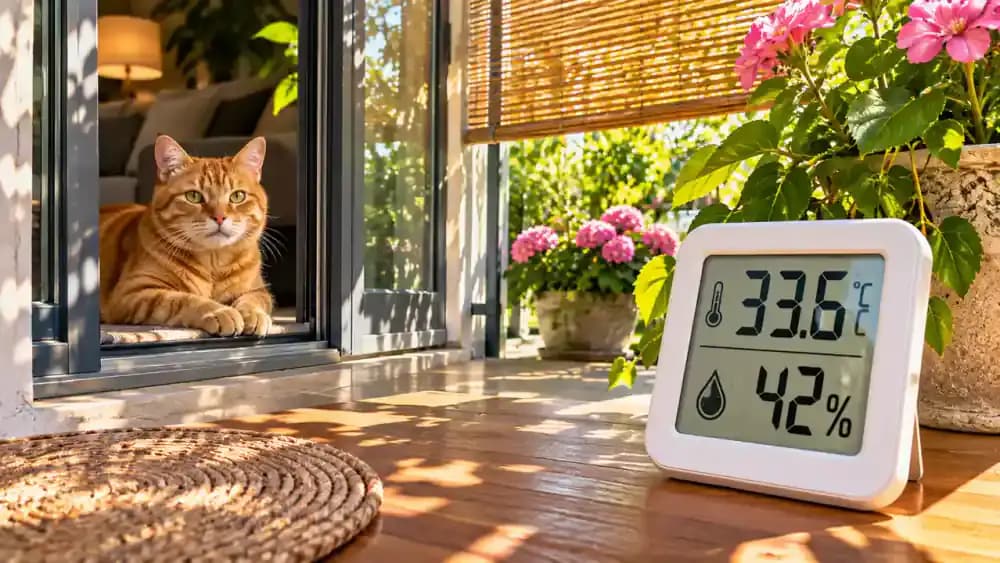
Check the actual spaces your pets occupy instead of relying solely on outdoor weather reports. Sunny balconies, enclosed porches, and poorly ventilated corners can become much hotter than nearby shaded areas. Use a thermometer to monitor conditions throughout the day, particularly during afternoon sunlight. Move pets to cooler locations whenever their resting areas become excessively warm.
Make Balconies Safer for Cats
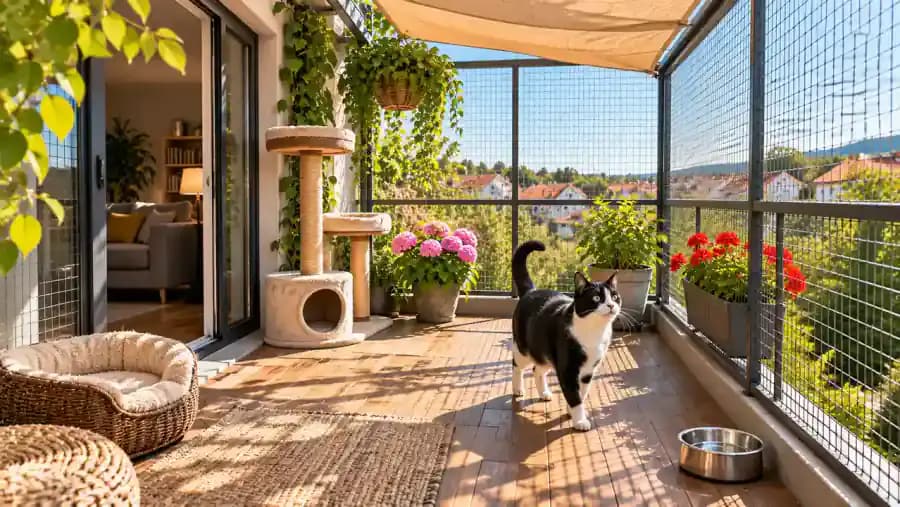
Allow cats onto balconies only when the area is securely enclosed, supervised, and comfortable. Check floor temperatures and available shade before opening access, since surfaces can heat rapidly under direct sunlight. Keep an unobstructed route indoors and provide fresh water nearby. If the balcony becomes hot or poorly ventilated, bring your cat inside to a cooler resting area.
Encourage Healthy Drinking Habits
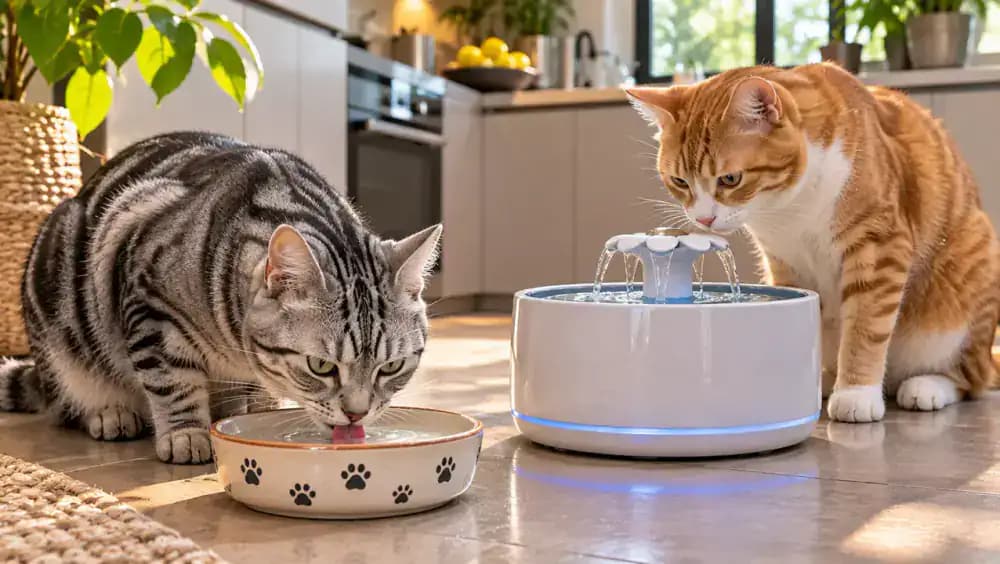
Make drinking water appealing by placing clean bowls in quiet, accessible locations away from litter boxes. Try wide, shallow bowls or a circulating fountain if your cat prefers moving water. Wash containers and replace water regularly. Monitor drinking habits, and contact your veterinarian if your pet suddenly drinks much less, becomes unusually lethargic, or repeatedly vomits.
Replace Intense Exercise With Mental Enrichment
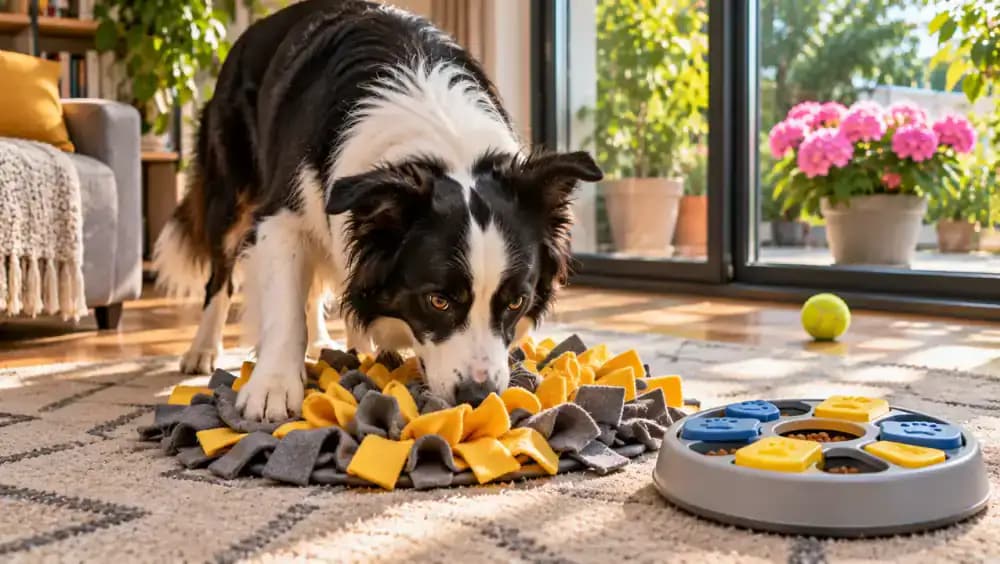
Replace exhausting outdoor fetch sessions with mentally engaging activities during hot afternoons. Hide treats in a snuffle mat, offer food puzzles, or practice short obedience exercises in a comfortably cooled room. Keep sessions brief and allow frequent breaks. Even enthusiastic dogs can overexert themselves, so prioritize gentle stimulation over prolonged running, chasing, or vigorous play.
Prepare for Safer Summer Travel
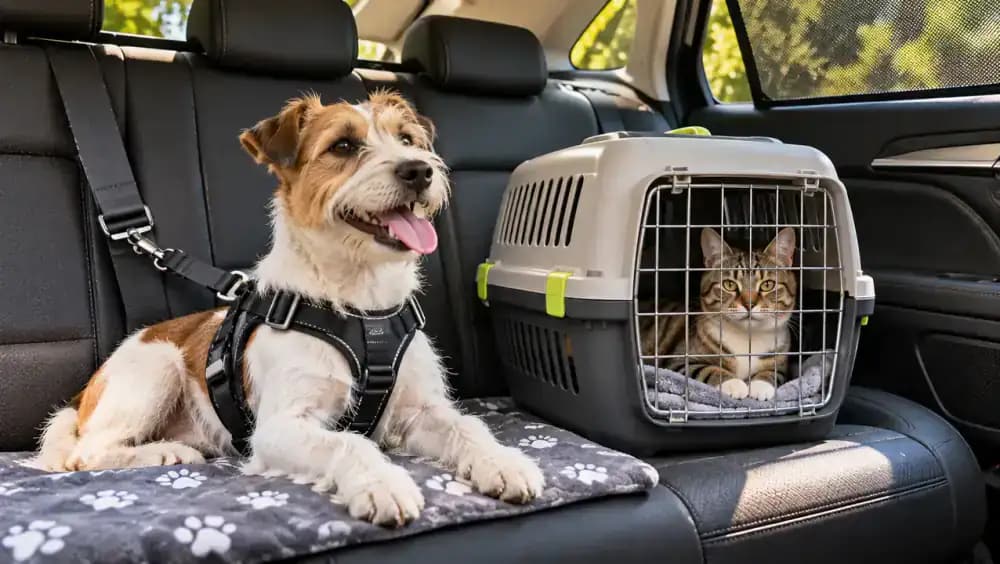
Cool your vehicle before loading pets, and secure dogs with an appropriate travel harness or cats in properly restrained, ventilated carriers. Check that airflow reaches their seating areas without direct sunlight overheating them. Pack fresh water and plan suitable breaks. Monitor comfort throughout the journey, and never leave an animal unattended inside a parked vehicle.
Manage Your Pet's Coat During Summer
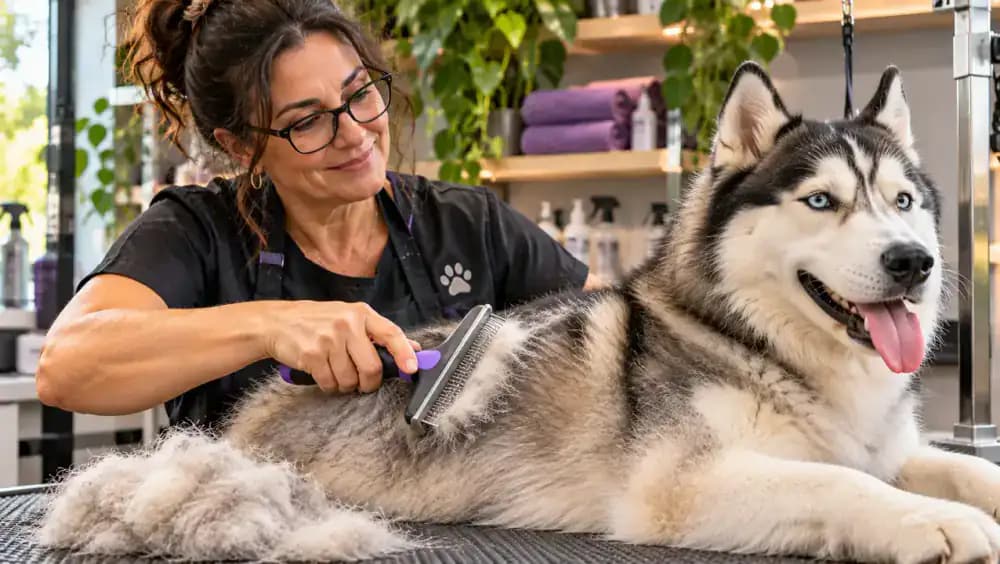
Brush your pet regularly to remove loose fur and prevent mats that can interfere with coat maintenance and skin comfort. Use grooming tools appropriate for the animal's coat type, especially with thick double-coated breeds. Avoid shaving without professional guidance, since coats can provide important protection. Consult a qualified groomer or veterinarian about safe summer grooming and sun exposure.
Coordinate Heat Safety With Everyone
Share your summer pet care rules with family members, dog walkers, and pet sitters. Explain approved walking hours, water and cooling arrangements, and activities to avoid during excessive heat. Keep emergency veterinary contact information readily available. Make sure every caregiver recognizes concerning symptoms and understands that suspected heatstroke requires immediate cooling and urgent veterinary attention.
Make Summer Safety a Lasting Habit
Make heat safety part of your everyday pet care routine by checking the forecast each morning and adjusting activities accordingly. Pay attention to your pet's comfort rather than completing every planned walk or play session. Shorter outings, additional rest, and quiet indoor afternoons are sensible choices. Reassess conditions throughout the day and prioritize your pet's well-being.
Monitor Recovery After Activity
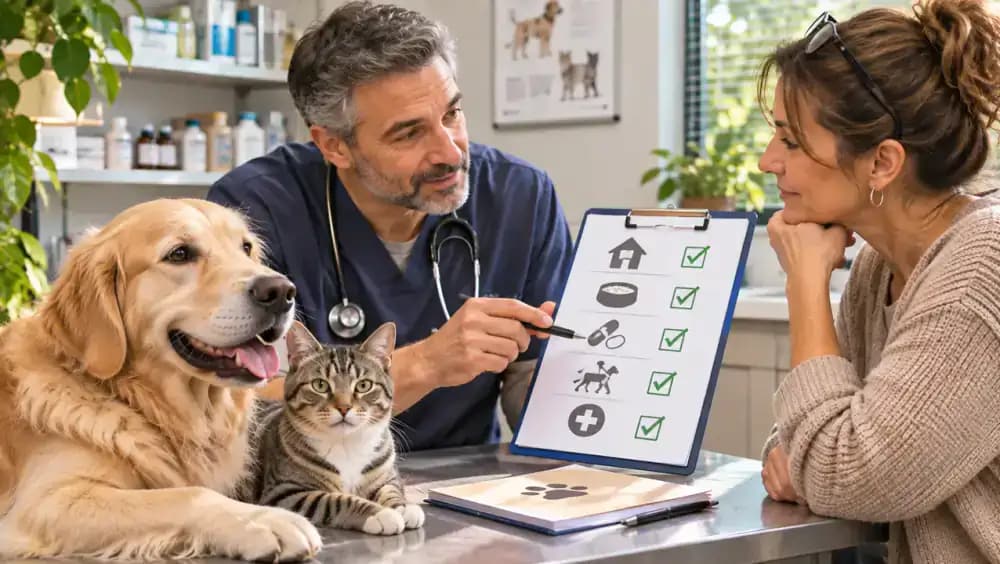
After every outdoor activity, bring your pet into a comfortably cooled area and observe its breathing, energy, and behavior. Offer fresh water and allow uninterrupted rest. Breathing should gradually settle as your pet recovers. If unusual panting, weakness, agitation, or other concerning symptoms persist, contact a veterinarian promptly rather than assuming your pet is simply tired.
Know When to Cancel Outdoor Plans
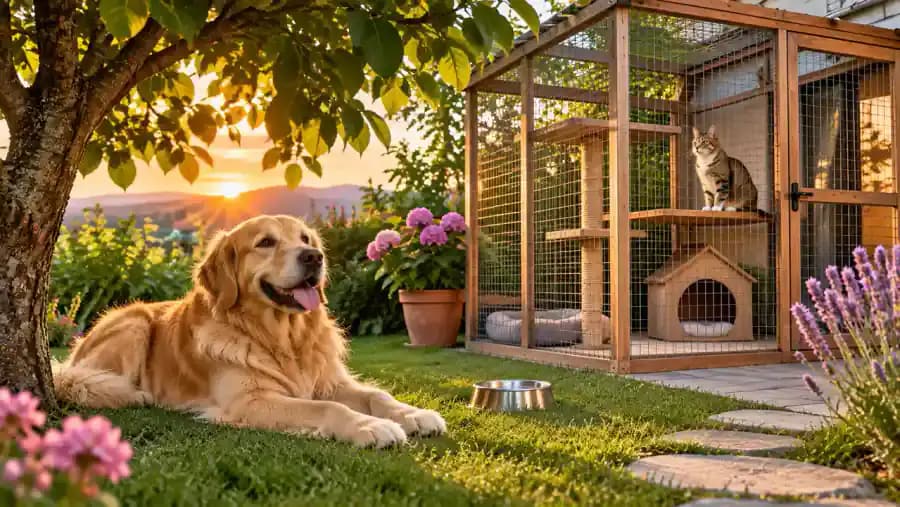
Cancel optional outdoor activities when extreme heat, humidity, or direct sunlight makes conditions unsafe. Skip crowded markets, lengthy social outings, and unnecessary exercise. For essential dog bathroom breaks, choose a short, shaded route and return indoors promptly. Keep outdoor cats inside during hazardous conditions, with accessible water, comfortable temperatures, and suitable indoor enrichment.
Use Cooling Products Safely
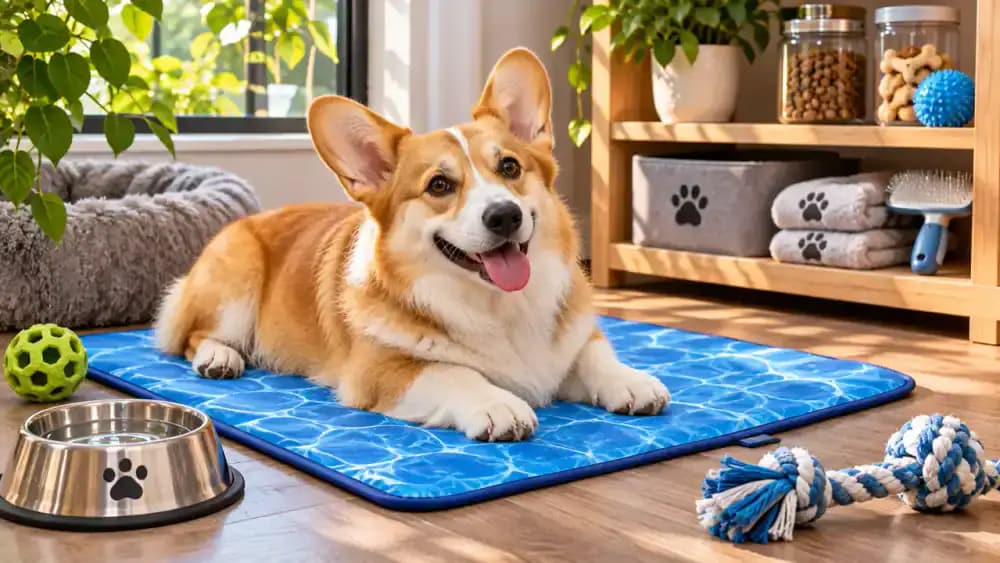
Choose pet-safe cooling mats and accessories that allow your animal to move away whenever it wants. Inspect products regularly for tears, leaks, or exposed materials, especially if your pet chews or scratches. Never place frozen ice packs directly against skin or force pets into cold water. Remember that cooling accessories cannot replace adequate ventilation and comfortable indoor temperatures.

Keep Summer Water Activities Safe
Supervise your dog closely during swimming and choose locations with calm water and an easy exit. Use a properly fitted canine life jacket when appropriate, and avoid strong currents, questionable water quality, and exhausting retrieval games. Prevent excessive drinking of pool or salt water. After swimming, rinse away chlorine or salt, offer fresh drinking water, and provide shaded rest.
Prevent Food Spoilage in Hot Weather
Store wet pet food according to package instructions and avoid leaving it exposed to summer heat. Serve small portions in shaded feeding areas, remove uneaten food promptly, and refrigerate opened containers. Wash bowls thoroughly with warm, soapy water after meals. Remember that harmful spoilage may occur even when food looks and smells normal.
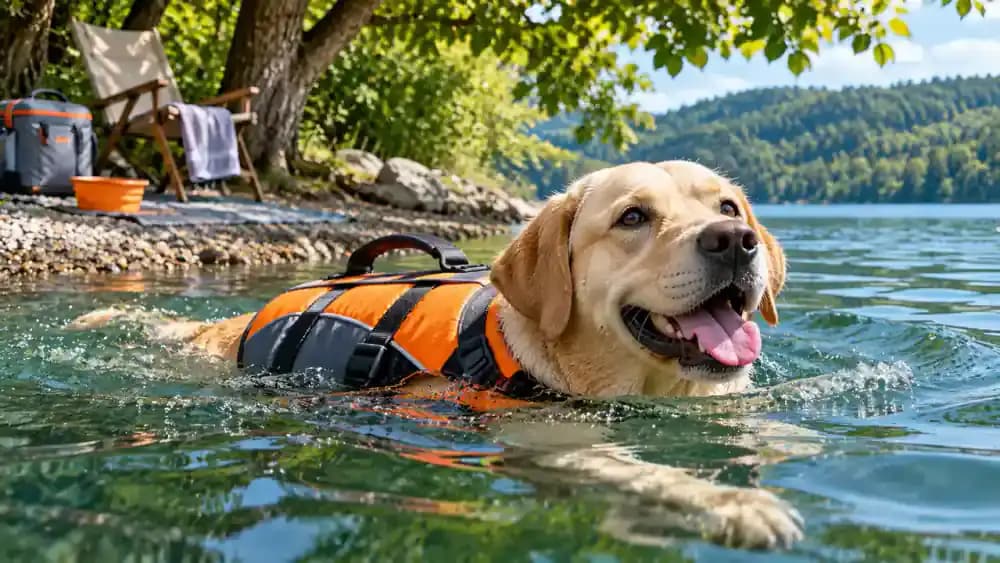
Prepare for Heatwaves and Power Outages
Prepare for summer power outages by identifying a pet-friendly location with reliable cooling before extreme weather arrives. Keep carriers, drinking water, essential supplies, and veterinary contact information accessible. Monitor indoor temperatures if electricity fails, and relocate pets before conditions become unsafe. Ask your veterinarian about additional emergency precautions for animals with existing health conditions.
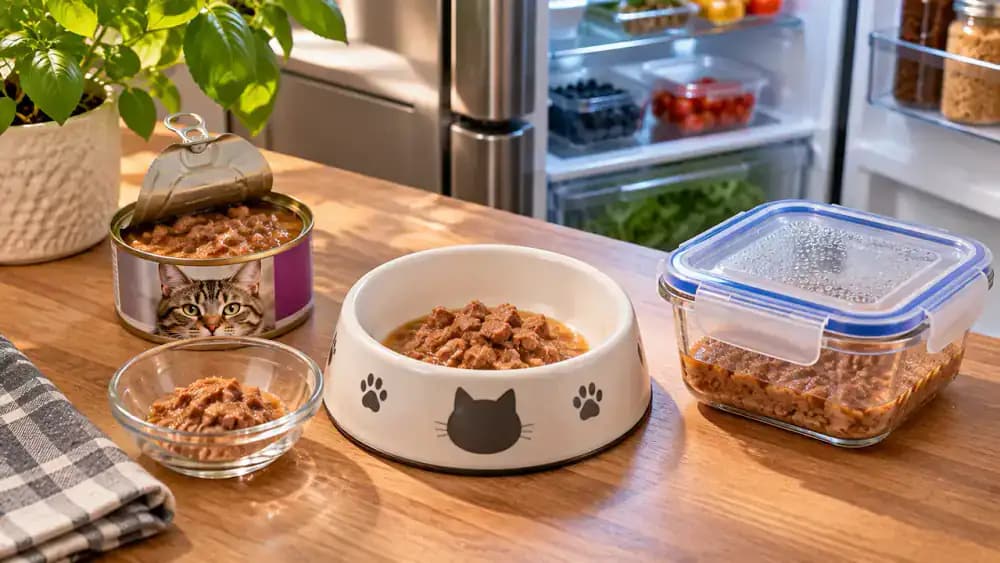
Protect Your Pets Throughout the Summer
Keep summer safety consistent by observing your pet's behavior, adjusting daily activities, and allowing plenty of comfortable rest. Maintain fresh water, dependable shade, and effective indoor cooling throughout the season. Keep emergency veterinary contact details accessible. If you notice concerning signs of overheating, begin appropriate cooling and seek urgent veterinary attention rather than waiting for improvement.
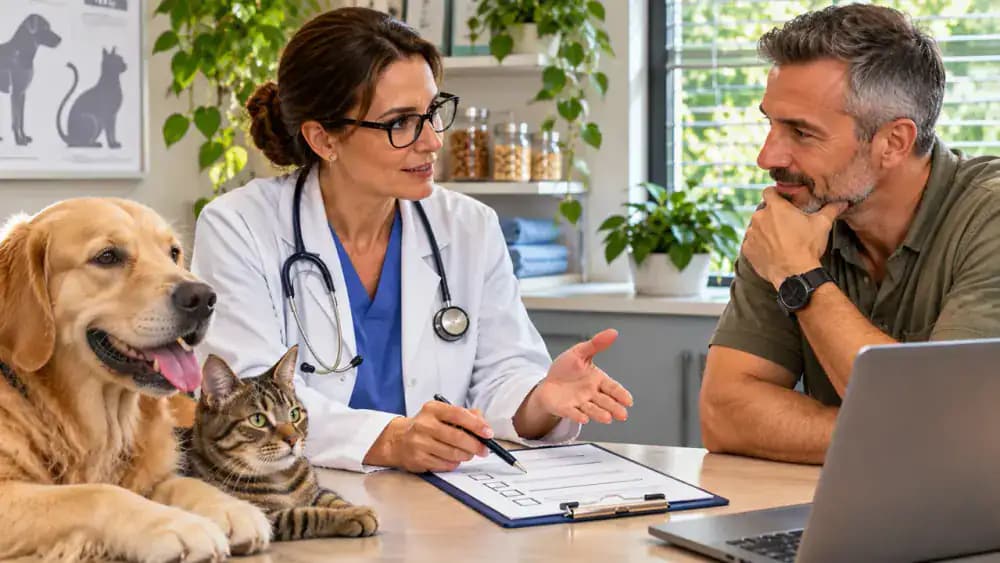
Review Medications and Heat Sensitivity
Ask your veterinarian whether your pet's medications or existing medical conditions require additional hot-weather precautions. Some treatments may affect hydration, alertness, or temperature regulation, making individual monitoring especially important. Never reduce, stop, or adjust prescribed medication without veterinary guidance. Review your pet's needs before heatwaves, summer travel, or extended periods of unusually high temperatures.
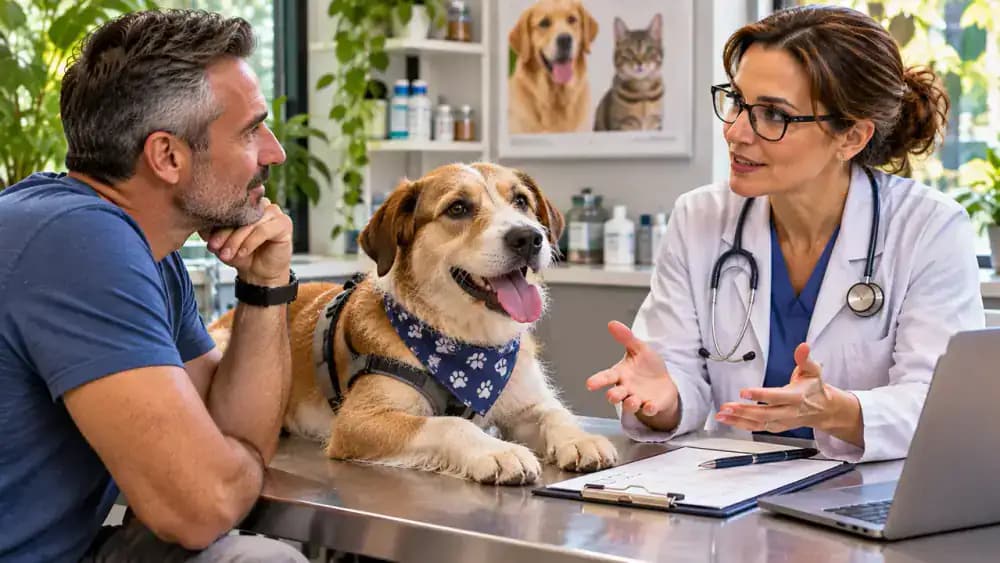
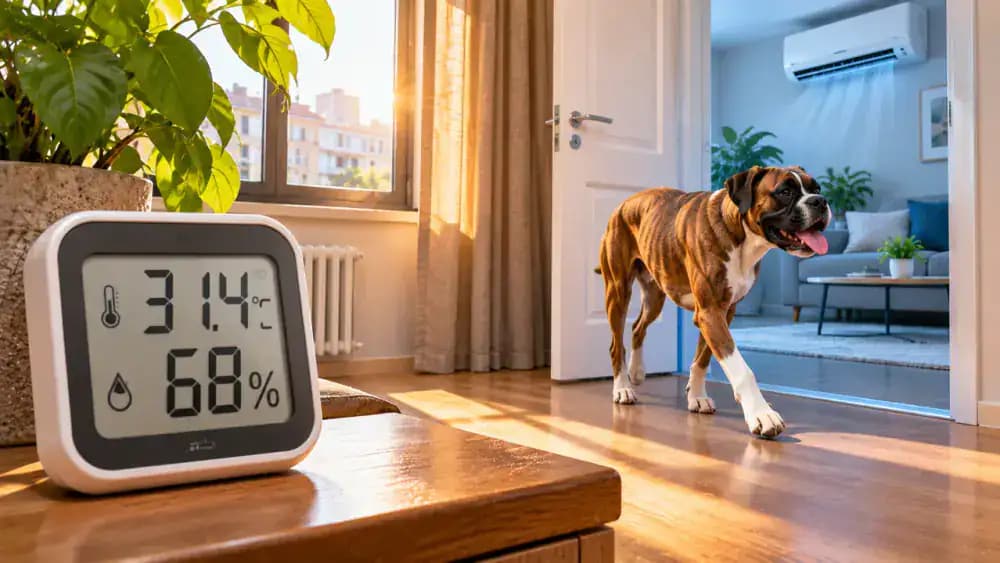
Understand the Impact of Humidity
Check indoor humidity alongside temperature, especially during muggy summer afternoons. High humidity makes evaporative cooling less effective, limiting how efficiently dogs release heat through panting. Use a digital thermometer and humidity monitor to assess indoor conditions. Avoid closed, stuffy rooms, and provide access to effective air conditioning or another reliably cooler environment when necessary.

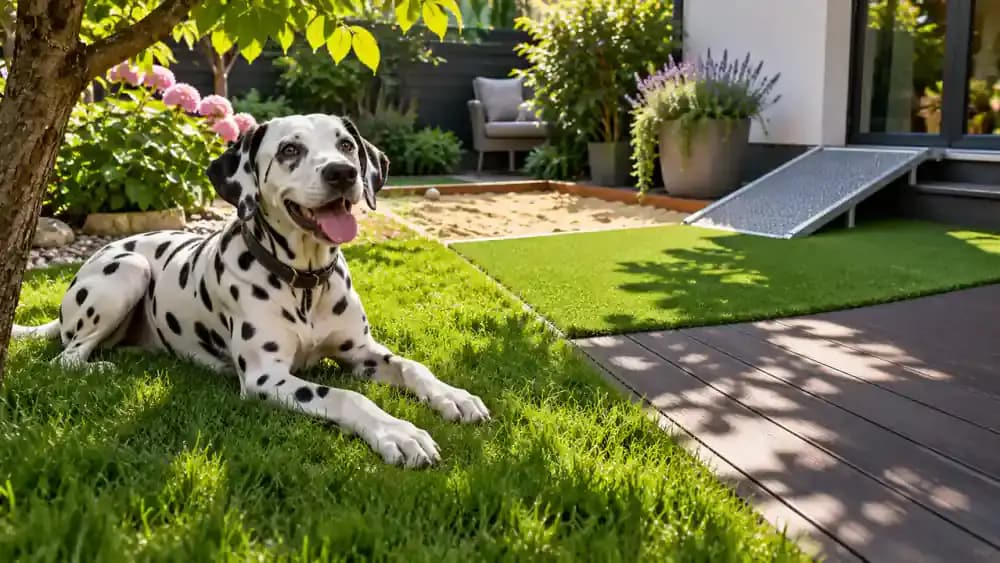
Identify Dangerous Outdoor Surfaces
Check outdoor surfaces before allowing pets to walk, play, or rest on them. Artificial turf, metal ramps, dark decking, and sand can become dangerously hot in direct sunlight. Test surfaces carefully or use an infrared thermometer to compare temperatures. Choose cooler natural grass or shaded routes, remembering that recently shaded materials may still retain considerable heat.
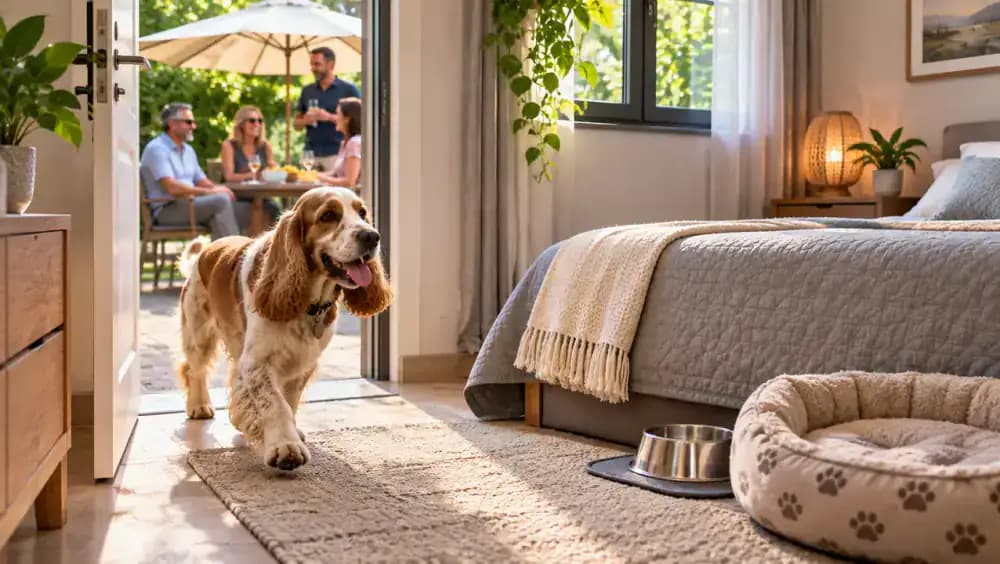
Protect Pets During Summer Gatherings
Prepare a quiet, comfortably cooled retreat before welcoming summer guests. Keep fresh water and a familiar resting bed accessible, and ensure visitors cannot accidentally block your pet's escape route. Ask guests not to offer table scraps or encourage strenuous play. Monitor doors, supervise interactions, and check your pet regularly for signs of discomfort or overheating.
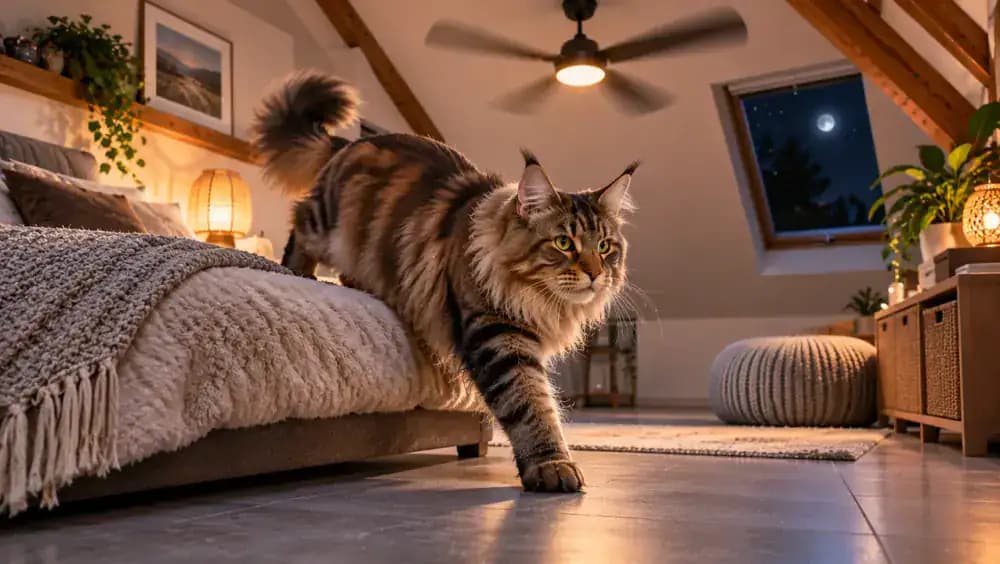
Make Sleeping Areas Comfortable
Monitor nighttime temperatures in the rooms where your pets sleep, particularly upstairs spaces that retain afternoon heat. Offer several resting options, including cooler floors, lightweight bedding, and well-ventilated areas. Let pets move freely between comfortable locations without forcing them onto a particular bed. Use effective cooling when necessary, and investigate persistent restlessness or unusual breathing.
Prepare for Emergency Veterinary Care
Save your nearest emergency veterinary clinic's phone number, verify its operating hours, and plan safe transportation before an emergency occurs. If heatstroke is suspected, move your pet somewhere cooler, apply cool water, and encourage airflow while arranging immediate veterinary treatment. Avoid ice-cold immersion and do not delay professional care, even if your pet appears to improve.
Let Your Pet's Comfort Guide Every Decision
Observe your pet's appetite, energy, breathing, and preferred resting locations as summer conditions change. Record unusual patterns in a simple wellness journal, including recent activity and environmental temperatures. Adjust exercise, cooling, and rest according to individual comfort rather than following a rigid schedule. Consult your veterinarian about persistent changes, and seek urgent care for concerning heat-related symptoms.
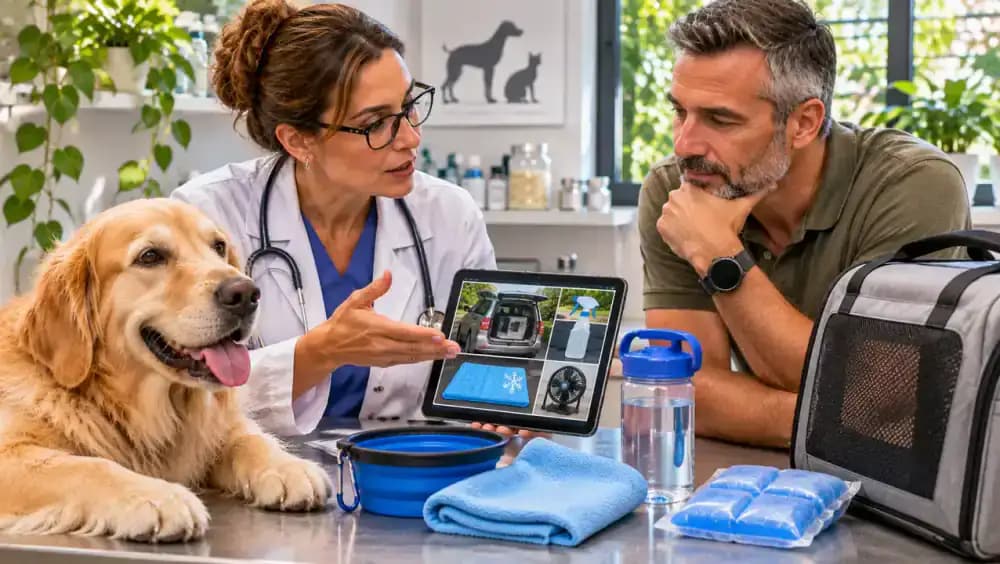
Your dog is waiting by the front door, leash in sight, ready for the usual afternoon walk. Across the room, your cat is stretched out near a sunny window, enjoying a favorite resting spot. But as outdoor temperatures climb, familiar routines can become uncomfortable or even dangerous for both pets.
Dogs and cats don't cool themselves the same way humans do. People release heat largely through sweating, while dogs rely heavily on panting and have limited sweat glands in their paw pads. Cats also sweat through their paw pads and use behaviors such as grooming, seeking shade, and changing resting spots to manage warmth. Neither animal can rely on widespread sweating to cool down. High humidity, direct sunlight, physical activity, and poorly ventilated spaces can make overheating more likely.
Fortunately, hot weather safety for dogs and cats starts with a few practical changes. Moving walks to cooler hours, checking pavement before heading outside, keeping fresh water available, and creating shaded, well-ventilated resting areas can make daily life much safer. Indoor cats need protection too, particularly when sunlight heats rooms or airflow is limited.
This guide helps you organize a realistic summer routine for pets of different ages, breeds, and activity levels. You'll learn how to reduce everyday heat exposure, recognize concerning changes in behavior, and respond quickly when overheating is suspected. The goal is simple: keep ordinary summer activities comfortable without taking unnecessary risks.
Where people go wrong
Walking Dogs During the Hottest Part of the Day. A familiar walking schedule isn't necessarily safe during a heat wave. Midday and afternoon temperatures can make even short outings stressful, especially when humidity is high. Plan walks for cooler early mornings or evenings, shorten their duration when necessary, and replace vigorous exercise with gentle indoor activities. Always adjust the routine to current conditions rather than the clock alone.
Assuming Pavement Is Safe Because the Air Feels Comfortable. Asphalt, concrete, and other hard surfaces can become much hotter than the surrounding air, potentially burning sensitive paw pads. Before a walk, check the surface with the back of your hand for several seconds. If it feels uncomfortably hot, choose shaded grass, another cooler route, or a different time. Remember that shaded pavement can still retain heat.
Leaving Pets in Parked Vehicles. A parked vehicle can heat up dangerously fast, even when the outside temperature seems moderate or the windows are cracked open. Leaving the air conditioning running is not a dependable safety plan because systems can fail. Never leave a dog or cat unattended in a parked vehicle. Arrange pet care at home or bring another responsible adult who can remain with the animal.
Providing Water Without Enough Shade or Cooling. Fresh water is essential, but hydration alone cannot protect an animal from excessive heat. Pets also need relief from direct sunlight, access to cooler resting areas, and an environment that allows body heat to escape. Outdoor shade must remain available as the sun moves. Indoors, monitor room temperatures and use reliable cooling rather than assuming an open window is sufficient.
Overlooking Heat Exposure for Indoor Cats. Cats that never go outside can still become overheated in sun-facing rooms, poorly ventilated apartments, or spaces without effective cooling. A favorite windowsill may become uncomfortable as sunlight intensifies. Close blinds during peak sun exposure, maintain a comfortable indoor environment, and provide several accessible resting locations. Make sure cats can freely move away from warm surfaces and seek cooler spaces.
Treating Every Pet as Equally Heat Tolerant. Puppies, kittens, senior pets, overweight animals, flat-faced breeds, and pets with certain medical conditions may have greater difficulty coping with heat. A routine that suits a healthy adult animal may be inappropriate for a more vulnerable pet. Reduce activity conservatively, offer additional cooling opportunities, and ask your veterinarian about restrictions or precautions specific to your pet.
Waiting Too Long When Overheating Is Suspected. Excessive panting, unusual drooling, weakness, vomiting, confusion, or collapse can indicate a serious heat-related emergency. Do not wait to see whether your pet improves on its own. Move the animal to a cooler location, begin cooling with cool water while avoiding ice-cold immersion, and contact an emergency veterinarian immediately. Continue cooling during transport when safely possible and follow veterinary instructions.
Questions people ask
There is no single safe temperature for every dog. Humidity, direct sunlight, pavement temperature, breed, age, health, and exercise intensity all influence risk. Even moderately warm conditions can become hazardous for vulnerable animals. During hot weather, choose cooler morning or evening periods, shorten walks, and check the ground before heading out. When conditions are oppressive, indoor exercise is safer.
Fixed it?
Get one guide like this every Thursday.