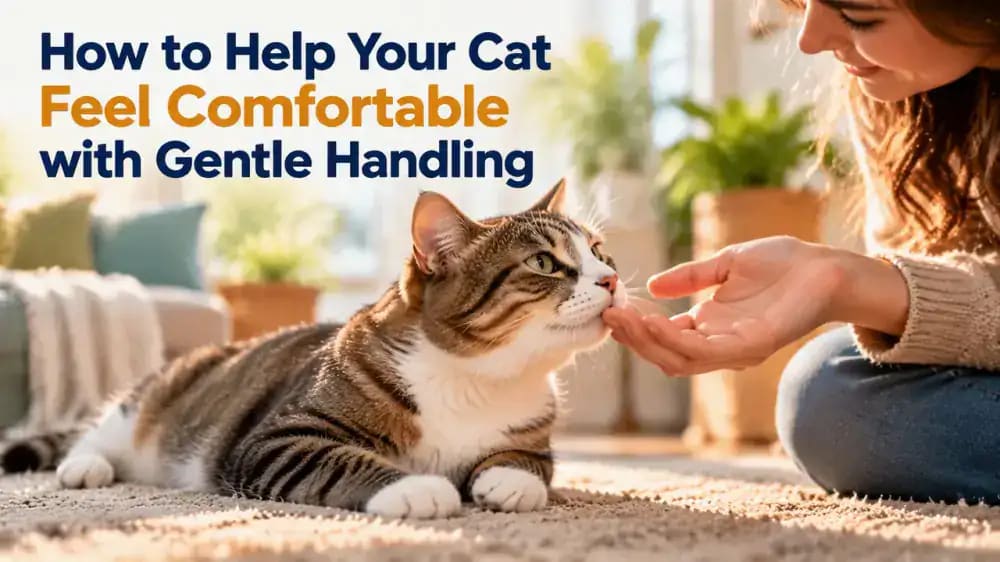
How to Help Your Cat Feel Comfortable with Gentle Handling
Help your cat become more comfortable with gentle handling through patience, positive rewards, and respect for their boundaries. Learn how to recognize stress signals, build trust, and make everyday interactions feel safer for your feline companion.
What you’ll need
Tap to tick things off before you start.
Understand Your Cat's Boundaries
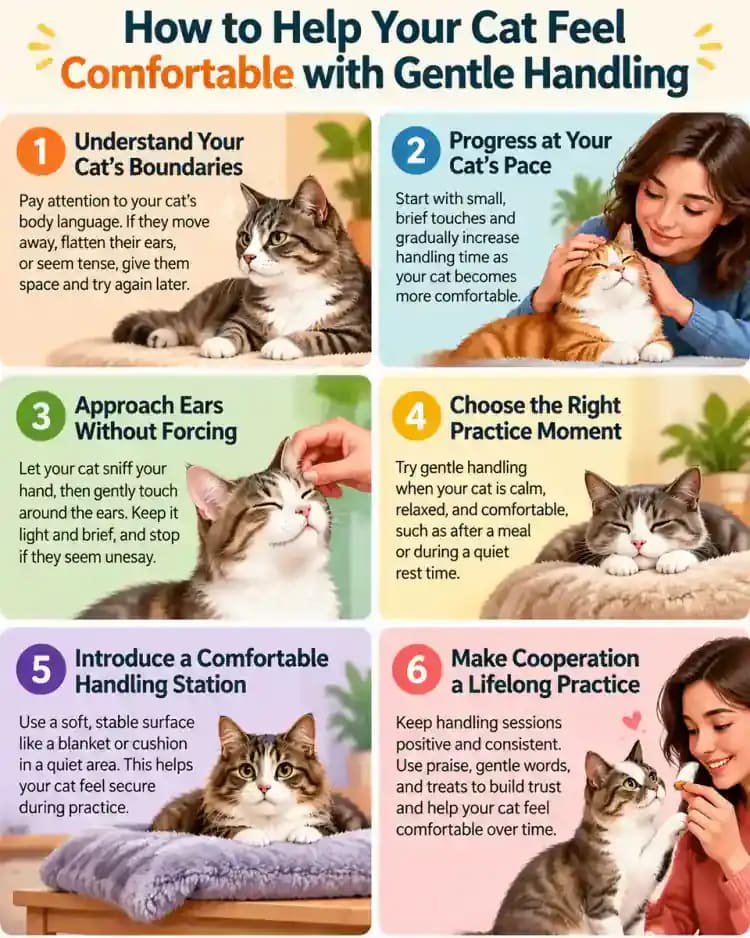
When your cat pulls away from your hand, respect that choice instead of trying again immediately. Even gentle contact can feel uncomfortable when your cat is not ready for it. Give them room to move, settle, or explore without pressure. By allowing your cat to control when interactions begin and end, you can build trust through predictable, respectful experiences.

Prepare a Calm Environment
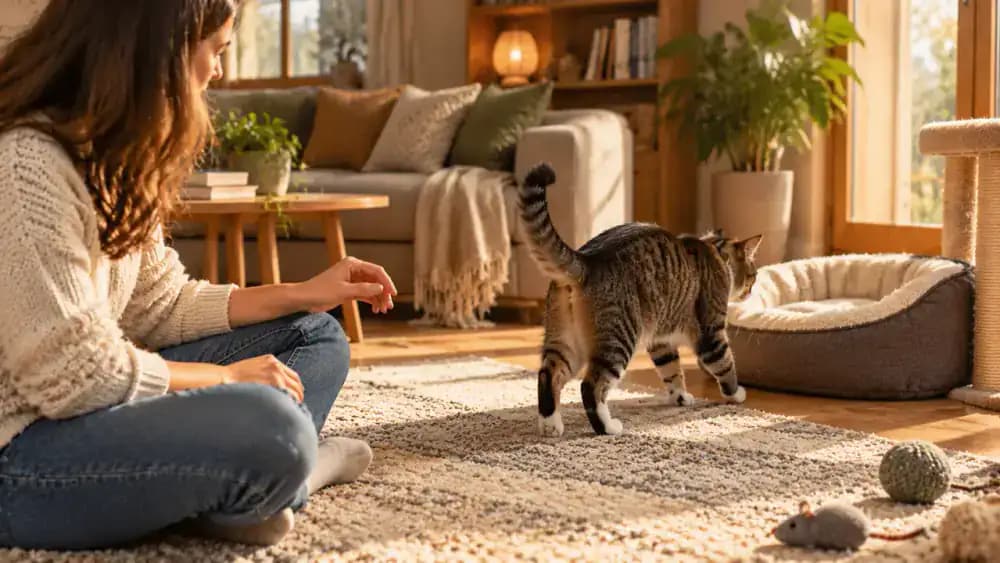
Choose a quiet, familiar room when your cat is already relaxed. Sit sideways on the floor, keep a few favorite treats within reach, and leave an unobstructed path so your cat can walk away whenever they want. Avoid waking, cornering, or picking them up to begin. A comfortable setting and a patient approach give your cat the freedom to participate willingly.

Let Your Cat Approach
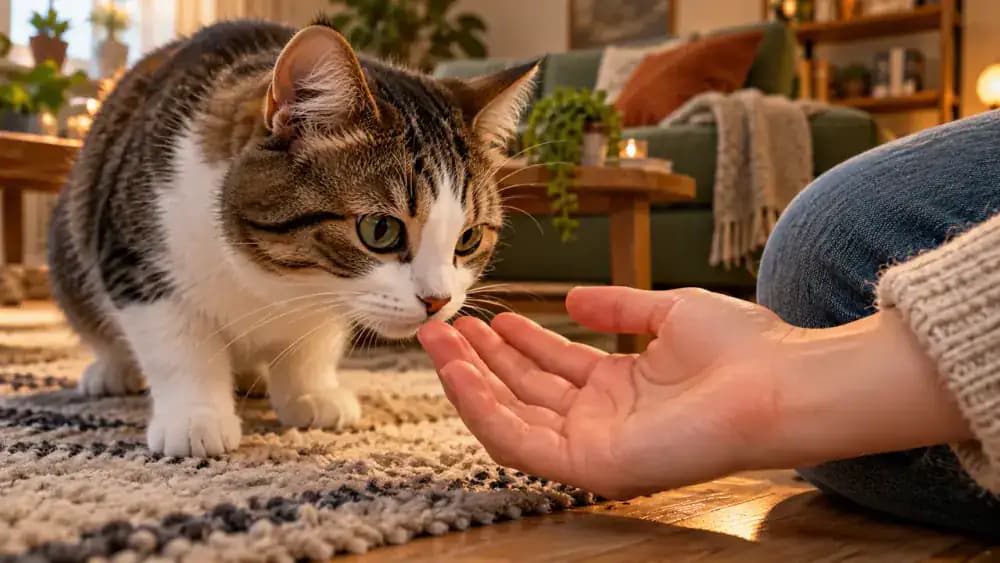
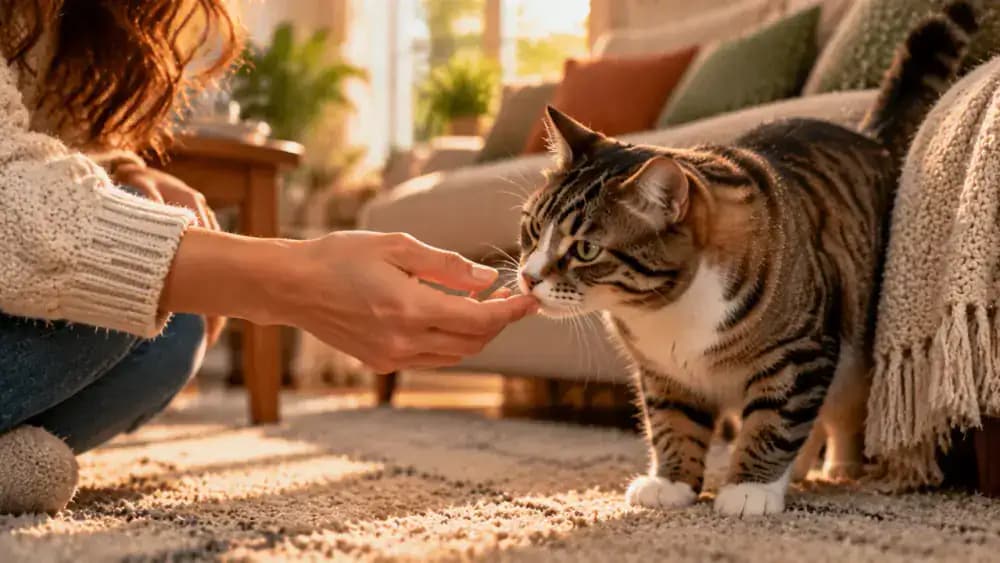
Rest your open hand beside your knee and let your cat decide whether to investigate. Keep your fingers relaxed, avoid reaching toward their face, and resist the urge to move closer if they hesitate. If your cat approaches to sniff, quietly offer a small treat nearby. If they ignore your hand or turn away, let them be. Voluntary curiosity is a positive beginning.
Begin with Familiar Touch
When your cat comfortably approaches your hand, offer one gentle, brief touch on a familiar area, such as the cheek or shoulder. Withdraw your hand promptly, then provide a small treat to create a positive association. Keep the first interaction short, even if your cat seems comfortable. Avoid repeated stroking or moving to sensitive areas until your cat consistently welcomes the initial contact.
Recognize Early Stress Signals
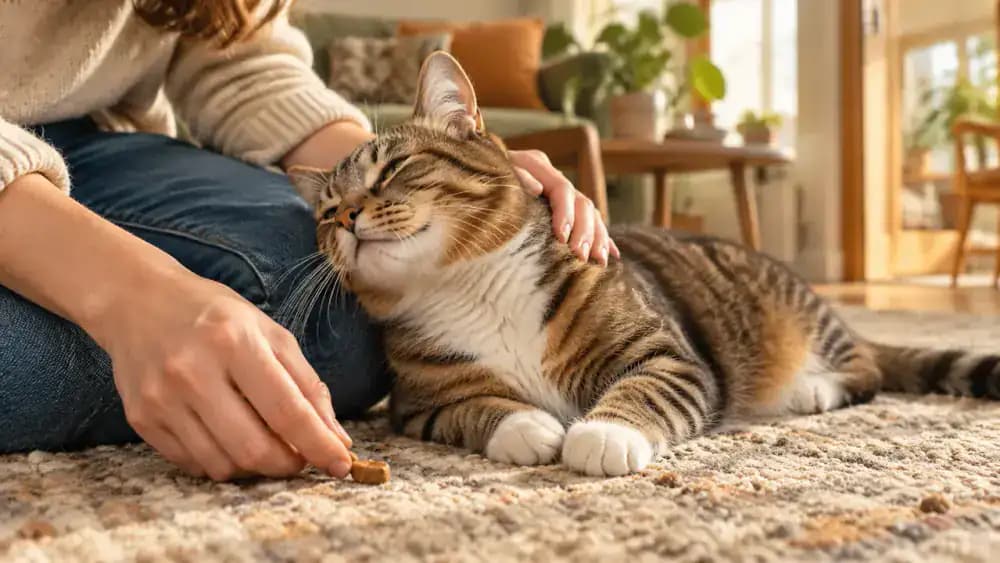
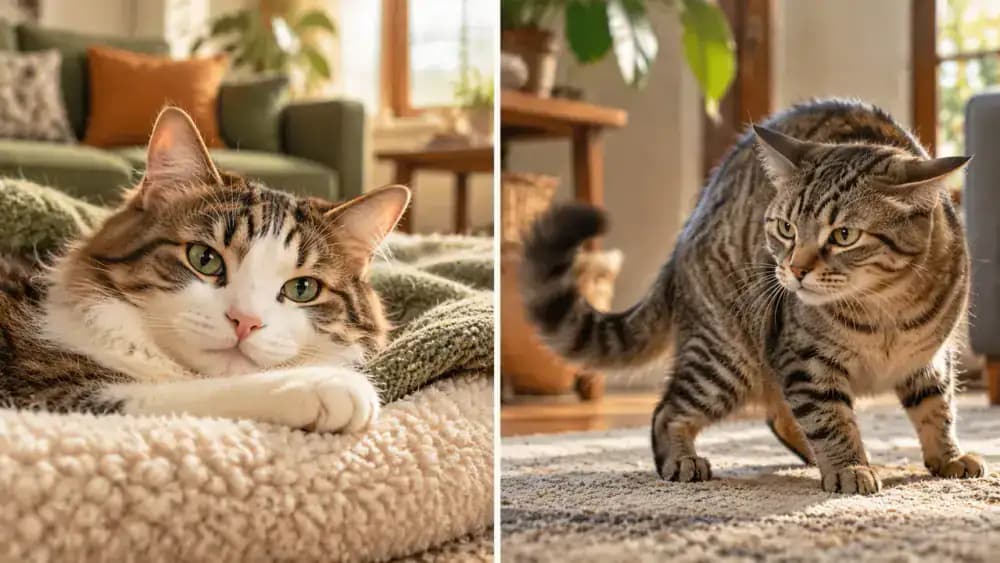
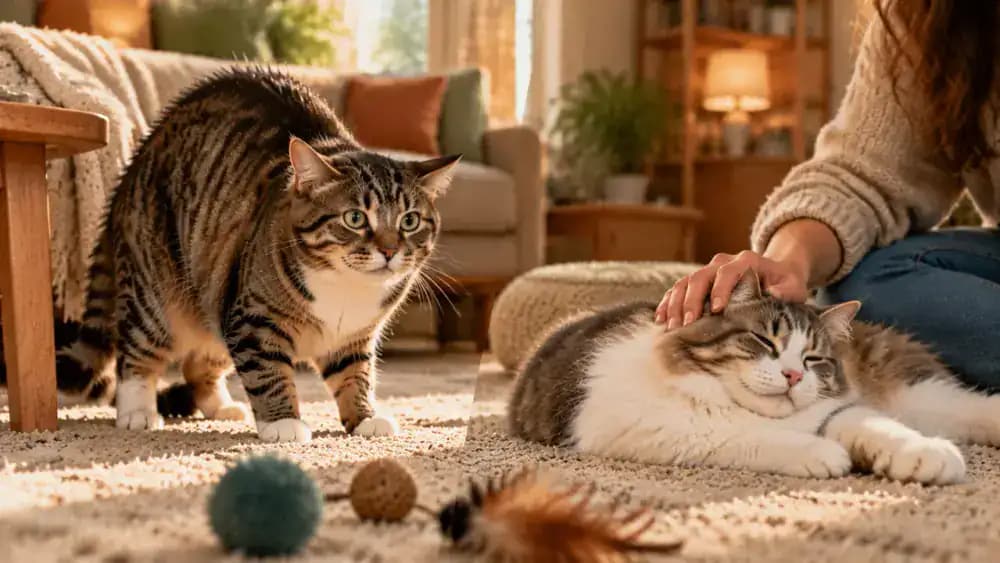
Pay attention to your cat's entire body throughout each interaction. Soft eyes, relaxed muscles, and a loose resting posture may suggest comfort, while a stiff body, ears turned sideways, skin twitching, tail flicking, or turning away can signal unease. Responses vary between cats, so notice changes from your cat's usual behavior. Pause or stop at the first sign of discomfort rather than waiting for them to leave.
Progress at Your Cat's Pace
When your cat remains relaxed during several sessions, gradually adjust the duration or location of contact, changing only one thing at a time. Start with familiar areas before moving toward less familiar ones. For paws or ears, begin by bringing your hand nearby without grabbing. Let your cat's comfort guide each change, and return to an easier touch whenever needed.
Know When to Stop
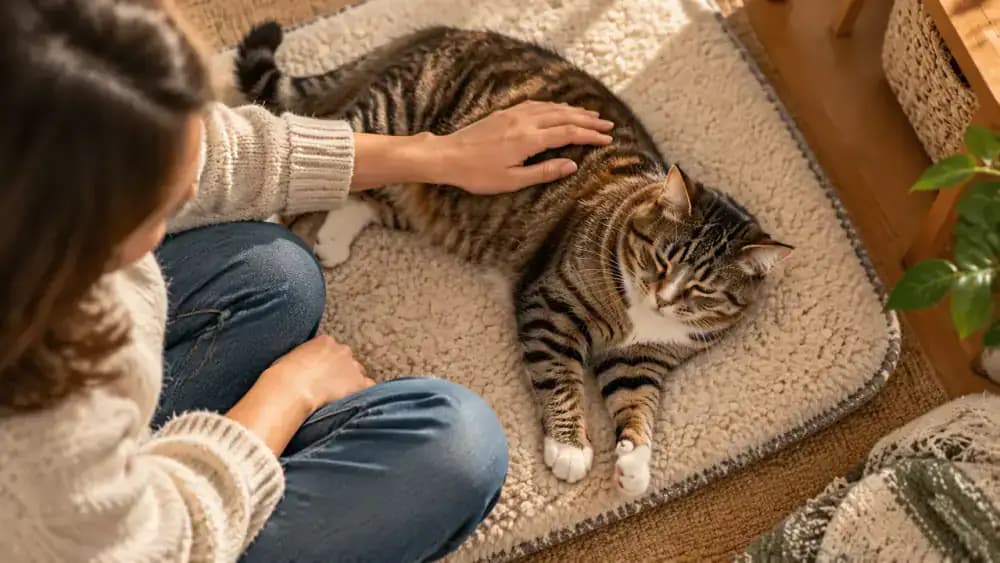
End each session as soon as your cat shows discomfort, or while they are still relaxed and comfortable. Withdraw your hand calmly and allow your cat to move to a quiet resting place. Never hold them in position or punish warning signals. If your cat suddenly becomes sensitive to touch or appears uncomfortable, stop handling and contact your veterinarian before trying again.
Create a Consistent Routine
Make practice predictable by offering one or two brief touches, providing a reward, and allowing your cat to leave freely. Choose a time when your cat is naturally relaxed rather than interrupting sleep or play. Keep a simple record of which touches your cat accepts comfortably and when you need to pause. Consistency matters, but your cat's willingness should always come first.

Choose Rewards Your Cat Values
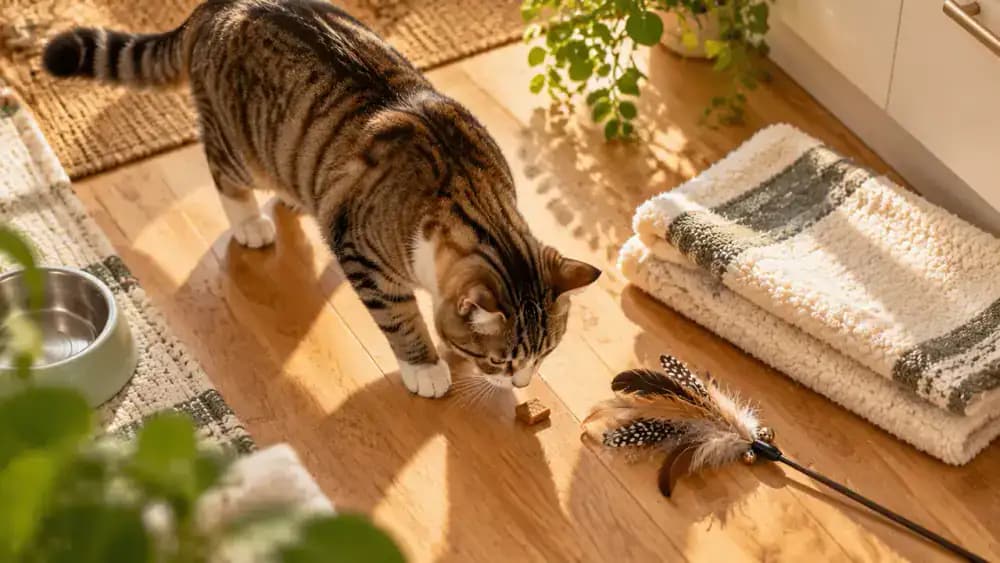
Make handling practice worthwhile by choosing rewards your cat genuinely enjoys. Some cats prefer tiny food treats, while others respond better to a favorite toy or gentle attention they seek. Offer the reward immediately after a comfortable interaction or voluntary approach. Keep food portions small and account for treats in daily meals. Observing your cat's preferences helps make each session more positive and engaging.
Use a Predictable Touch Cue
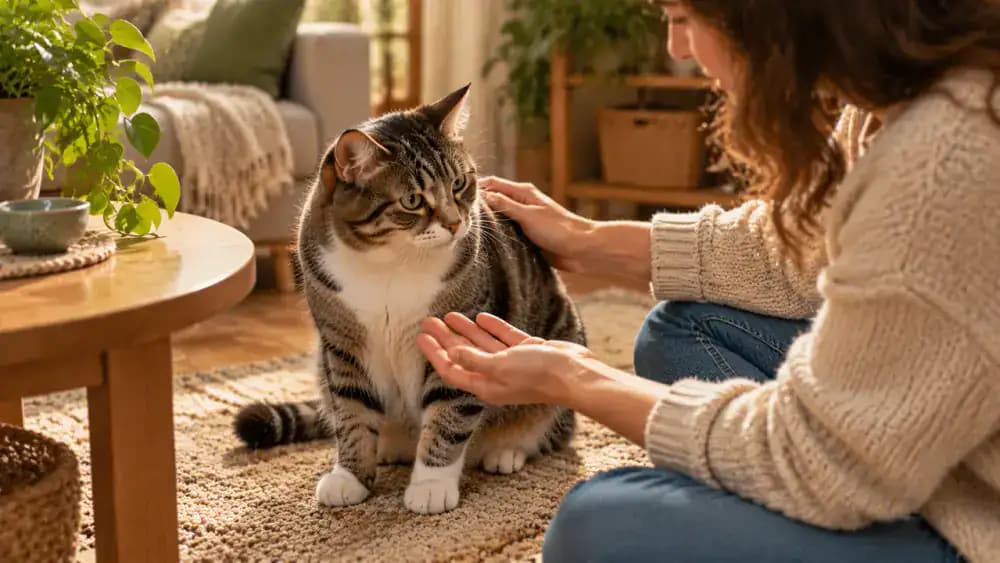
Help your cat anticipate contact by using the same quiet word or presenting the same relaxed, open hand before each touch. Pause briefly to see whether your cat remains interested, then offer a short, familiar touch if they choose to stay. Follow with a reward and leave an open path away. A consistent cue should signal a manageable interaction, never forced restraint.
Practice Around Paw Care
Paw handling can help prepare your cat for nail trims and routine checks, but begin well before you need to perform either task. Reward your cat for staying relaxed while your hand rests near a front leg. If they remain comfortable, briefly touch the upper leg during a later session. Gradually move closer to the paw without squeezing toes or restricting movement.
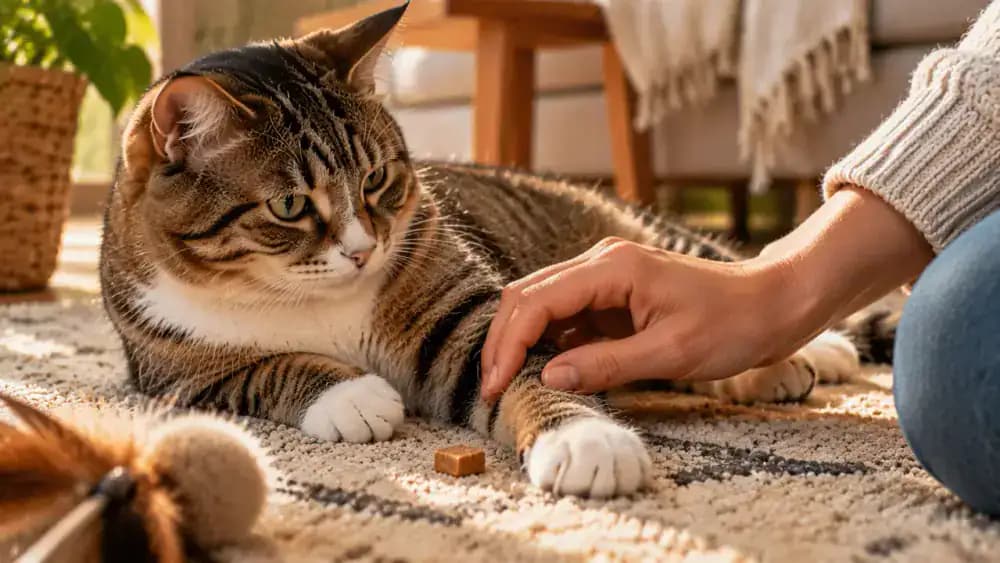
Approach Ears Without Forcing
Because ears can be sensitive, keep practice gentle, external, and brief. Begin by rewarding your cat for remaining comfortable as your hand approaches the side of their head. If they stay relaxed, try a light touch to the outer ear, then stop and reward them. Never insert cotton swabs or other objects into the ear canal. Seek veterinary advice for redness, discharge, unusual odor, or repeated head shaking.
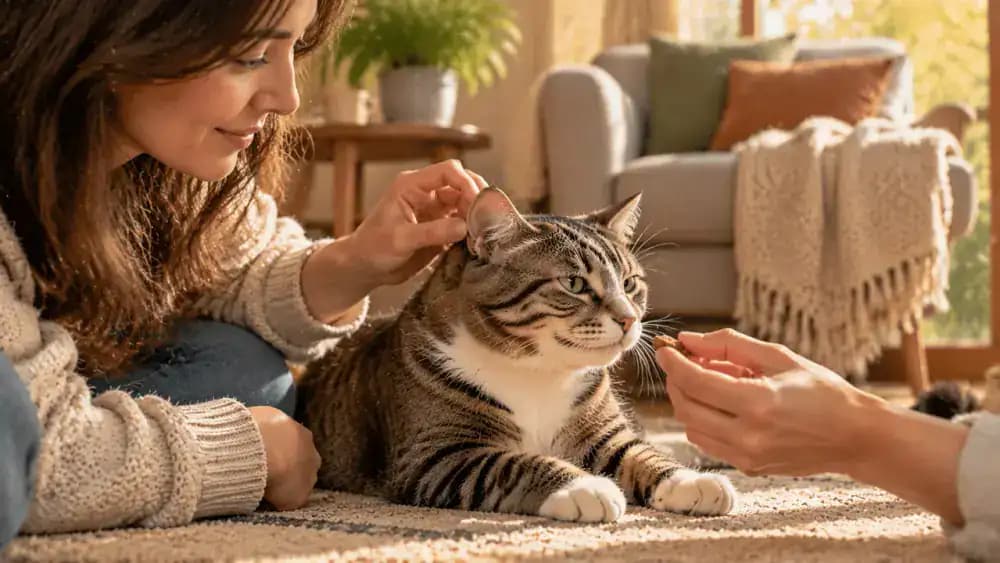
Connect Handling with Daily Care
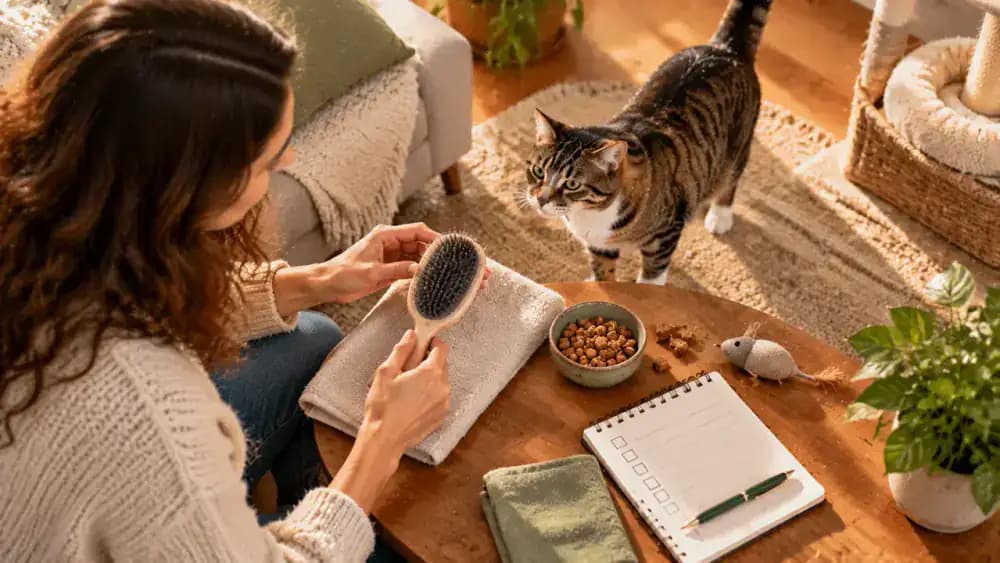
Once your cat accepts familiar touches, gradually introduce everyday care items without rushing into grooming or restraint. Place a soft brush on a towel and let your cat investigate it freely. If they remain comfortable, try one gentle stroke along an accepted area, then reward them. You can also place treats inside an open carrier to encourage voluntary exploration without pushing your cat inside.
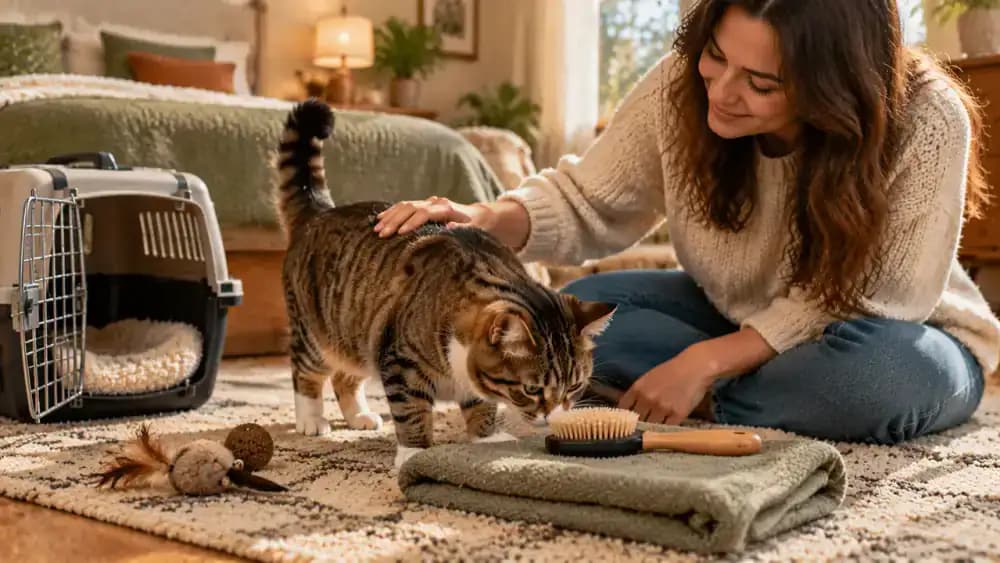
Respond Calmly to Setbacks
Your cat may become less comfortable with handling after a noisy interruption, an unfamiliar visitor, or a change in routine. If they retreat or hesitate, do not follow or test their limits. Reduce demands, restore a quiet environment, and reward any voluntary approach. When your cat seems comfortable again, return to an easier interaction and let their responses determine whether to continue.
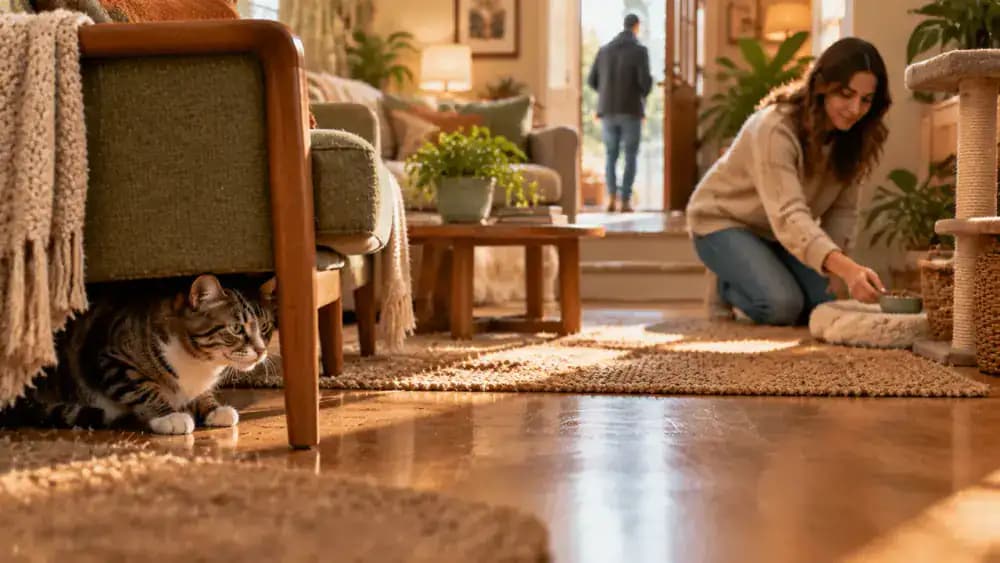
Know When Expert Help Is Needed
If your cat repeatedly avoids ordinary contact despite patient, low-pressure practice, consult your veterinarian or a qualified feline behavior professional. Sudden sensitivity, changes in movement, or discomfort during familiar touches deserve particular attention. A veterinarian can assess possible physical causes and advise on suitable next steps. Bring notes about your cat's reactions and recent changes to help guide the conversation without forcing an examination at home.

Celebrate Cooperation, Not Perfection
Measure progress by your cat's comfort and willingness to participate, not by how much handling they tolerate. Keep sessions short, consistent, and rewarding, and allow each new skill to develop naturally. Even a single relaxed touch is worth celebrating. When practice ends, give your cat space to choose what happens next, whether that means exploring, resting, or settling beside you.

Keep Everyone Consistent
Help everyone in your household follow the same gentle approach to handling. Ask family members to let the cat approach, use familiar rewards, and avoid sudden grabs or unwanted contact. Supervise children closely and show them how to offer a treat without chasing or crowding the cat. Consistent, respectful interactions help your cat know what to expect from each person.

Choose the Right Practice Moment
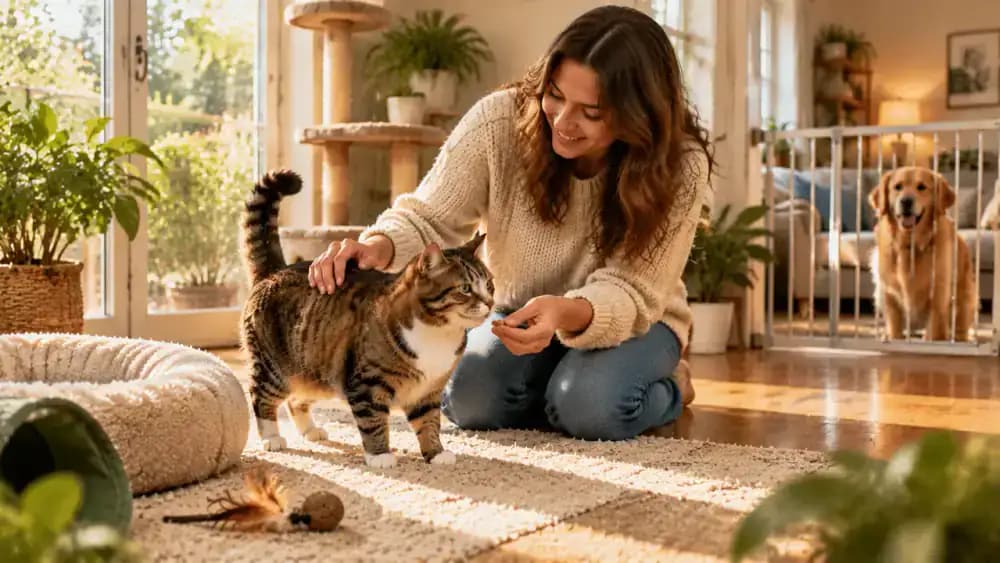
Choose a time when your cat is naturally alert and relaxed rather than sleepy, overstimulated, or focused on finding food. If other pets create distractions or tension, keep them in a separate space during practice. Begin in a familiar, quiet location where your cat can concentrate and leave freely. Once handling feels comfortable there, consider trying another calm area without increasing contact at the same time.
Track Small Signs of Progress
Keep a simple journal of the touches your cat accepts, how long each session lasts, and which rewards work best. Record the time of day and any signs of discomfort to identify useful patterns. These notes can help you choose an appropriate next goal without relying on memory alone. If a new challenge proves difficult, return to the last comfortable interaction and progress gradually.

Avoid Mistaking Stillness for Comfort
A cat that remains motionless is not always comfortable with touch. Some cats freeze when worried, so look for a loose posture, natural breathing, relaxed muscles, and the freedom to move away. If your cat appears rigid or wide-eyed, withdraw your hand and pause. Avoid repeating a touch to test their tolerance. Give your cat the opportunity to approach again voluntarily.
Respect Individual Preferences
Every cat has different preferences shaped by temperament, past experiences, age, and individual needs. Your cat may enjoy cheek rubs but prefer not to have their paws touched, and that is perfectly acceptable. Focus on making necessary care more comfortable rather than teaching your cat to accept every kind of contact. Respecting boundaries helps preserve trust and makes cooperation more likely over time.

Plan One Small Goal
Before each session, choose one achievable goal, such as letting your cat sniff a brush or accepting a brief shoulder touch. Prepare your treats and supplies in advance, and make sure your cat has a clear path to leave. Keep the interaction focused on that single goal, then finish while your cat is comfortable. Simple plans help prevent accidental pressure and make practice easier to repeat.
Build Trust Through Choice
Trust grows when your cat learns that their signals influence what happens next. Offer gentle contact, reward willing participation, and let your cat decide whether to continue. There is no need to rush progress or turn every interaction into a training session. Allowing your cat to approach for companionship without expecting handling also strengthens your relationship and keeps everyday contact positive for both of you.

Introduce a Comfortable Handling Station
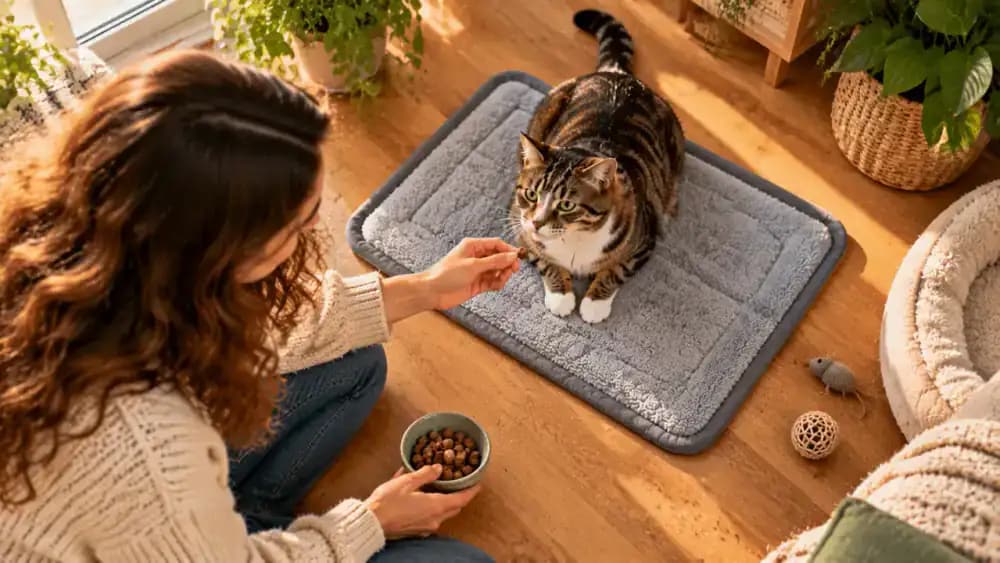
A familiar mat can give your cat a comfortable place to settle before gentle handling begins. Put the mat in a quiet area and reward your cat for stepping onto it voluntarily. Once they are comfortable, reward standing or resting there for a short time. Keep the mat associated with pleasant experiences rather than restraint, and always allow your cat to leave whenever they choose.
Approach from a Comfortable Angle
The way you approach can influence how comfortable your cat feels. Reaching directly down from above or leaning over their body may feel intimidating to some cats. Instead, lower yourself to their level and offer a relaxed hand from the side, moving slowly enough to be noticed. Let your cat inspect your fingers or turn away without pressure before attempting any touch.
Build Positive Associations with Care Tools
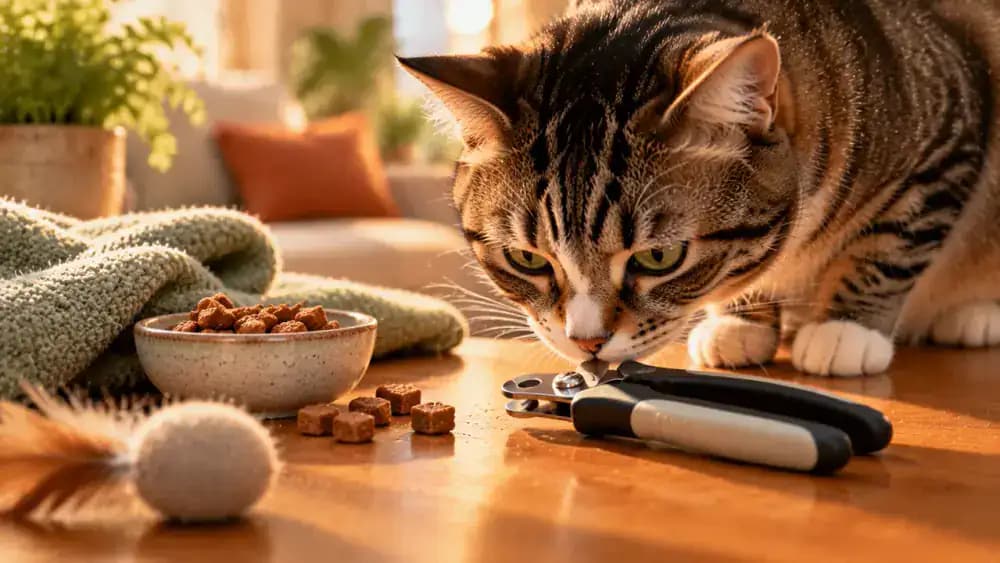
Help your cat become familiar with care tools before using them. For example, place a closed nail clipper several inches from a few treats and let your cat investigate at their own pace. Keep your hands away from their paws and put the tool away after a brief, comfortable interaction. If your cat hesitates or stops eating, increase the distance and try another time.
Treat Lifting as a Separate Skill
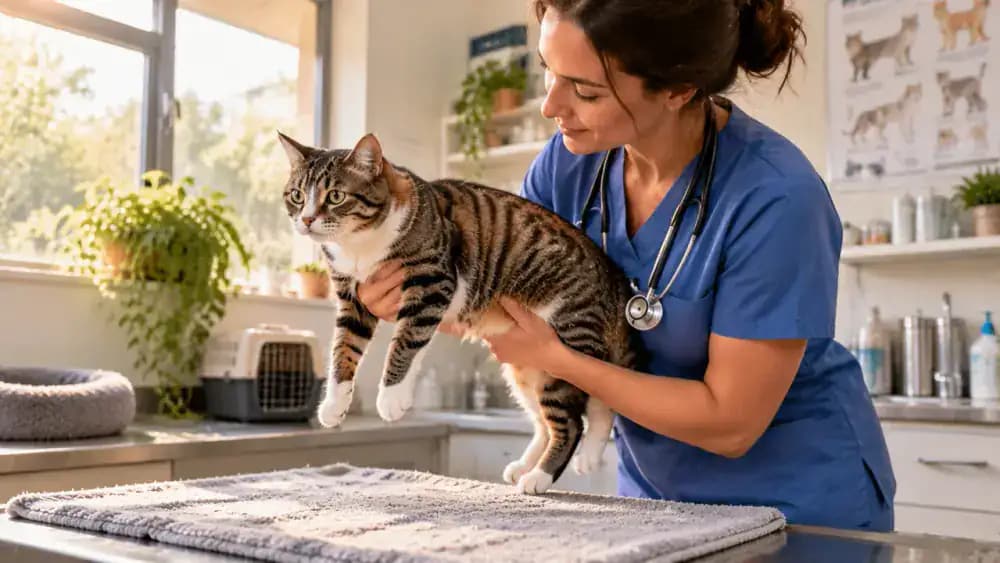
Be aware that becoming comfortable with gentle touches does not automatically mean your cat will enjoy being lifted. If lifting is necessary, introduce it separately and seek veterinary or qualified behavior guidance when needed. Support the chest and hindquarters securely, and never lift by the scruff or limbs. If your cat struggles, lower them safely rather than tightening your hold or forcing them to remain still.
Keep Rewards Voluntary
Use treats to encourage choice, not to lure your cat into contact they would otherwise avoid. Place a reward near your relaxed hand and allow your cat to approach without reaching toward them. If they take the treat and walk away, let them go undisturbed. Rewards build trust most effectively when your cat remains free to decline handling before, during, or after the interaction.

Adapt Care to Your Cat's Needs
Before adding a new handling exercise, consider whether it is necessary and appropriate for your cat. Some care tasks can be simplified, adapted, or completed more comfortably by a veterinary team with suitable equipment and experience. Discuss alternatives if a task causes repeated distress. A flexible plan that protects your cat's comfort is more useful than insisting that every care activity happen at home.

Make Cooperation a Lifelong Practice
Think of cooperative handling as an ongoing relationship rather than a skill your cat must master once and for all. Preferences can change with age, experience, and health, so continue observing body language and adapting your approach. Reward voluntary participation, and allow some interactions to involve no touching at all. Respecting your cat's choices helps maintain trust throughout their life.

Does your cat pull away when you reach for a paw, touch an ear, or stroke a sensitive part of their body? You are not alone. Many cats need time to feel safe with close contact, especially when handling involves unfamiliar movements or areas they would rather keep to themselves. Building comfort starts with understanding that your cat should have a choice in how and when interactions happen.
Gentle handling for cats is not about teaching them to tolerate every touch. It is about creating predictable, positive experiences that help them feel more secure around your hands. A quiet setting, a familiar reward, and a few seconds of contact can provide a useful starting point. Let your cat approach voluntarily, begin with areas they already enjoy being touched, and give them an easy way to move away.
Your cat's body language matters just as much as your technique. Turning away, flattening the ears, tightening the body, or flicking the tail can signal discomfort. Pausing early helps prevent a pleasant interaction from becoming overwhelming. With short sessions and rewards your cat genuinely enjoys, you can gradually introduce handling that may be useful for grooming, nail care, routine home checks, and veterinary visits.
Every cat has individual preferences, and progress may vary from day to day. The goal is steady trust, not a deadline. When you respect your cat's limits and reward voluntary participation, everyday contact can become a calmer, more cooperative experience.
Where people go wrong
Forcing contact when your cat wants to leave. Holding your cat in place or following them when they move away can make handling feel unpredictable and threatening. It may also increase avoidance during future interactions. Allow your cat to leave without being chased, and treat voluntary approaches as opportunities to build trust. If a session ends early, that is useful information about your cat's current comfort level, not a failure.
Starting with sensitive areas. Paws, ears, tails, and the belly can be uncomfortable places for many cats to have touched, especially at the beginning of practice. Starting there may cause your cat to pull away before a positive association has formed. Begin with areas your cat already welcomes, such as the cheeks or shoulders, and introduce less familiar contact only when your cat remains relaxed.
Making each session too long. Repeated touching can become overwhelming even when the first few seconds go well. Waiting until your cat struggles, swats, or tries to escape means you may have missed earlier signs of discomfort. Keep sessions brief, pause between touches, and finish while your cat is still comfortable. A short, positive interaction is more useful than a prolonged session that ends in resistance.
Ignoring subtle body language. Cats often communicate discomfort through small changes before they move away or defend themselves. Tail flicking, turning the head, flattened ears, a tense posture, or sudden stillness can indicate that contact is becoming unwelcome. Learn your cat's individual signals and respond promptly. Body language should guide whether you continue, change the type of touch, or end the interaction.
Rewarding only after difficult handling. Waiting until your cat has endured a long or uncomfortable interaction before offering a reward can make it harder to build a positive association. Instead, provide the reward immediately after a small, voluntary behavior or brief touch your cat accepts comfortably. Keep the experience predictable, and avoid using treats to lure your cat into a position from which they cannot easily retreat.
Progressing according to a fixed schedule. Not every cat becomes comfortable with handling at the same pace. Moving from cheek touches to paw handling simply because several days have passed can create unnecessary pressure. Increase duration or introduce a new body area only when your cat consistently remains relaxed at the current level. If your cat becomes less comfortable, return to an easier interaction and give them time.
Mistaking sudden sensitivity for a training problem. A cat that suddenly resists being touched in a previously comfortable area may need veterinary attention rather than more practice. Avoid repeatedly touching the area to test the reaction or attempting to restrain your cat for a closer examination. Stop the activity and contact your veterinarian for guidance, especially when the change is accompanied by altered movement, appetite, grooming, or usual behavior.
Questions people ask
Start in a quiet, familiar space and let your cat approach you voluntarily. Offer a brief touch on an area they already enjoy, such as the cheeks or shoulders, then immediately provide a preferred reward. Pause and allow your cat to choose whether to continue. Gradually introduce different types of touch only when your cat remains relaxed, and stop if they show signs of discomfort.
Fixed it?
Get one guide like this every Thursday.