The True Cost of Investing: How Fund Expense Ratios Affect Your Returns
Fund expense ratios may look small, but even fractions of a percentage point can reduce long-term investment growth. Learn what expense ratios include, where to find them, how compounding magnifies their impact, and which additional ETF trading costs deserve attention.

What you’ll need
Tap to tick things off before you start.
1. Start With the Meaning of an Expense Ratio
Investor.gov defines the expense ratio as the percentage of a fund's average net assets used each year to pay the fund's operating expenses. In practical terms, it is an annual operating cost expressed as a percentage of the assets managed by the fund.
If a fund reports an expense ratio of 0.25%, that does not mean you receive a separate annual invoice for 0.25% of your balance. The expenses are generally paid from fund assets. Because they reduce the assets available to investors, they also reduce the investment return you ultimately receive.
2. Understand Why Fund Costs Are Easy to Miss
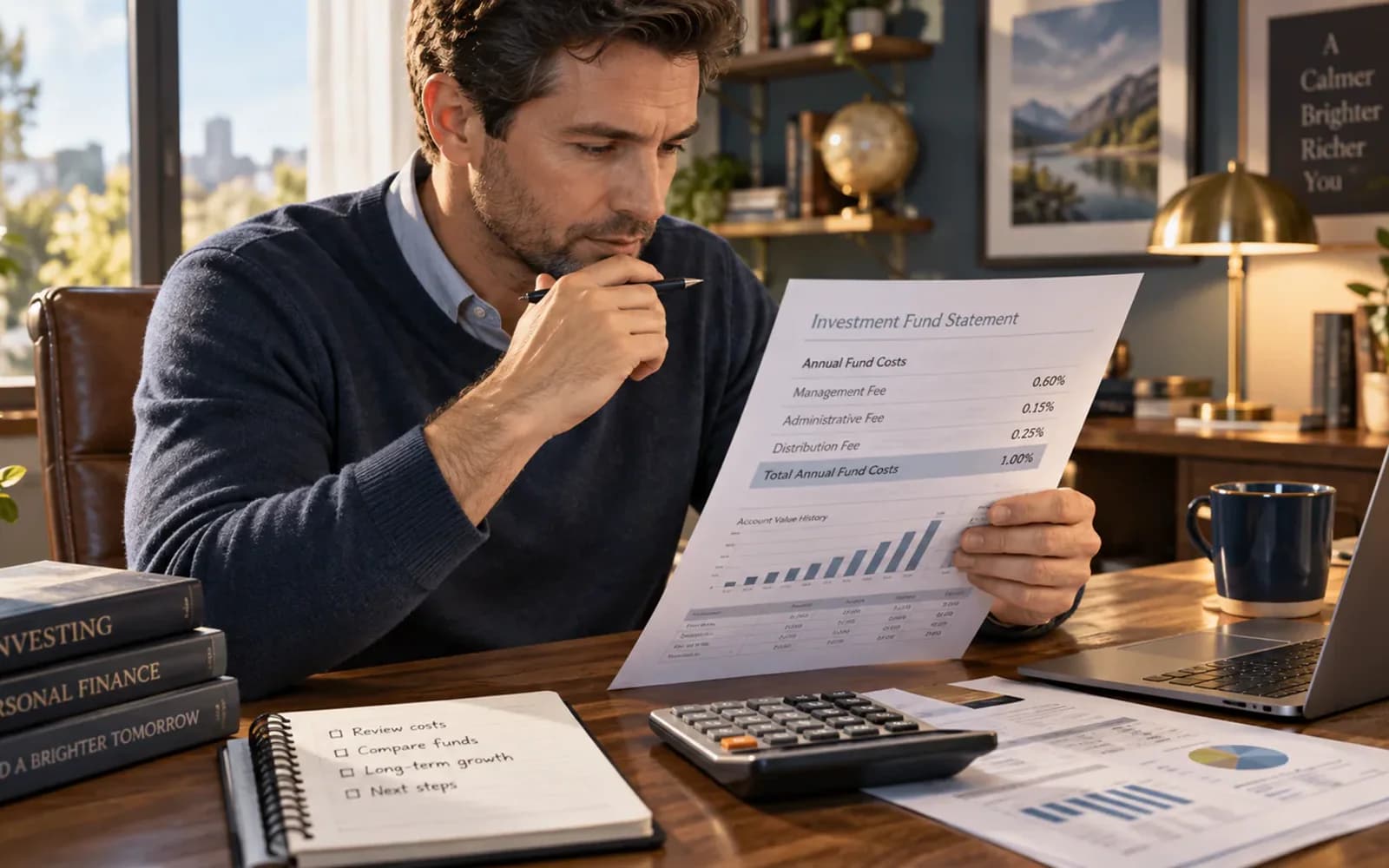
Expense ratios can feel less visible than checking account fees, credit card interest, or brokerage charges because the fund normally deducts operating expenses internally. There may be no obvious withdrawal labeled as a fund management bill.
That does not make the expense imaginary. The fund's reported performance already reflects ongoing operating expenses. When comparing investments, cost deserves attention alongside risk, strategy, diversification, tax characteristics, and investment objectives.
3. Break the Definition Into Two Parts
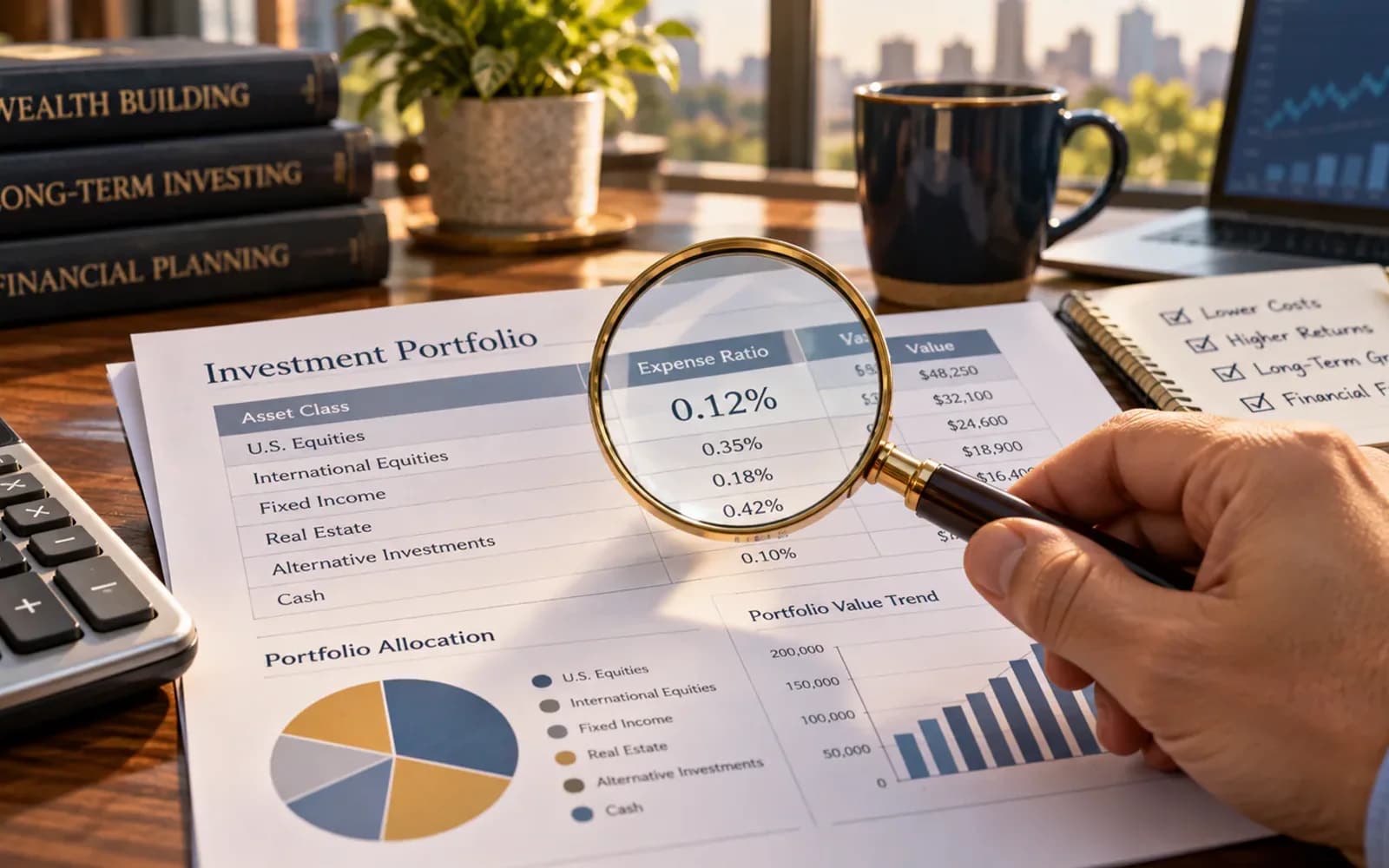
The definition contains two important concepts: average net assets and operating expenses. Understanding each makes the percentage easier to interpret.
Average net assets provide the base against which operating costs are measured. Operating expenses are the recurring costs required to manage and administer the fund. The expense ratio connects those two figures by expressing operating expenses as a percentage of the fund's assets.

4. Know What Net Assets Represent
A fund may own stocks, bonds, cash, derivatives, or other permitted investments. The value of those holdings, minus liabilities and other obligations, contributes to the fund's net assets.
Because market prices change, the value of a fund's assets can also change from day to day. That is why the expense ratio is tied to average net assets rather than simply using one day's portfolio value.
5. Recognize That Asset Values Change
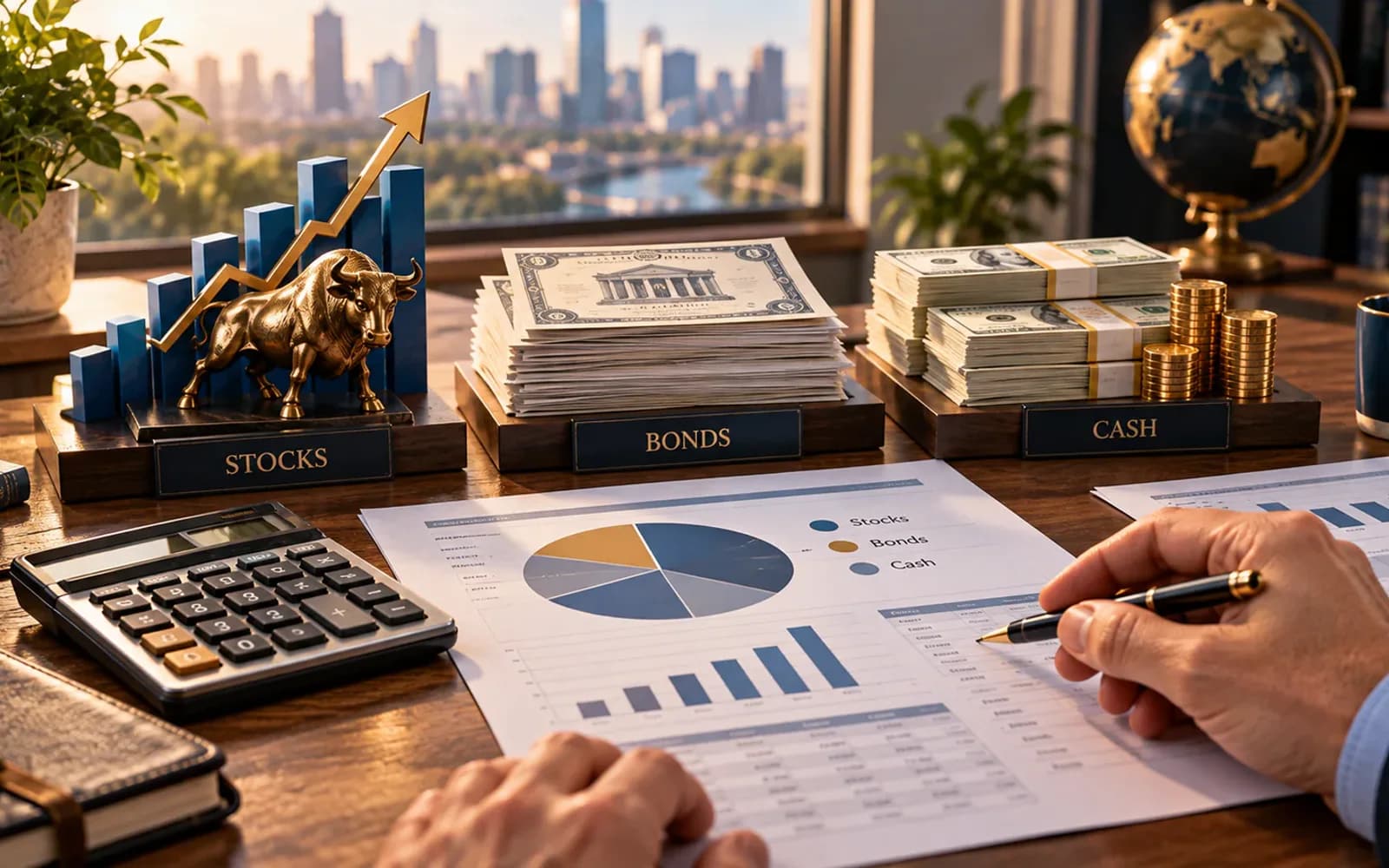
Financial markets move continuously during trading periods. Stocks rise and fall, bond prices change, cash flows enter and leave funds, and investors purchase or redeem shares.
A fund therefore calculates its assets repeatedly over the year. The average net asset figure gives a more representative base for measuring annual operating costs than a single snapshot would.

6. Separate Operating Costs From Investment Losses
An expense ratio is not the same thing as a market loss. If a stock fund declines because stock prices fall, that decline reflects market performance. Operating expenses are separate costs of running the fund.
Both can affect the value of your investment, but for different reasons. Market performance is uncertain. Fund operating expenses, by contrast, are a recurring structural drag that can often be compared before investing.

7. Identify Management Fees
One major component of fund operating expenses is the management fee. This compensates the investment adviser or management company responsible for operating the portfolio and implementing its stated strategy.
In actively managed funds, a team may research securities and make ongoing decisions about what to buy, hold, or sell. Index funds generally follow a benchmark more mechanically, but they still incur operating and management costs.

8. Understand 12b-1 Fees
Investor.gov notes that some funds may charge distribution and service fees commonly called 12b-1 fees. These can support marketing, distribution, shareholder services, or related activities.
Not every fund charges a 12b-1 fee, and the amount can vary. When comparing funds, do not assume two products with similar investment strategies have identical cost structures.

9. Watch for Acquired Fund Fees
A fund can sometimes invest in other funds. In that structure, often described as a fund of funds, the underlying investments can have their own operating expenses.
Investor.gov identifies acquired fund fees and expenses as another category investors may encounter. These layered costs matter because looking only at the parent fund's basic strategy may not reveal the full economic cost of holding the portfolio.

10. Account for Administrative Expenses
Running a regulated investment fund requires more than choosing securities. Funds may incur accounting, auditing, legal, custodial, recordkeeping, transfer agent, reporting, printing, technology, and other administrative costs.
These expenses help maintain the operational infrastructure behind the fund. Individually they may seem minor, but collectively they contribute to the fund's overall operating expense structure.

11. Do Not Expect a Separate Expense Ratio Bill
One of the most important practical concepts is that the expense ratio is generally deducted from fund assets. You normally do not receive a separate invoice asking you to pay the fund's annual operating costs.
This automatic deduction can make a 0.20%, 0.50%, or 1.00% annual expense seem abstract. The economic effect is still real because those assets are no longer available to remain invested on behalf of shareholders.

12. Translate the Percentage Into Dollars
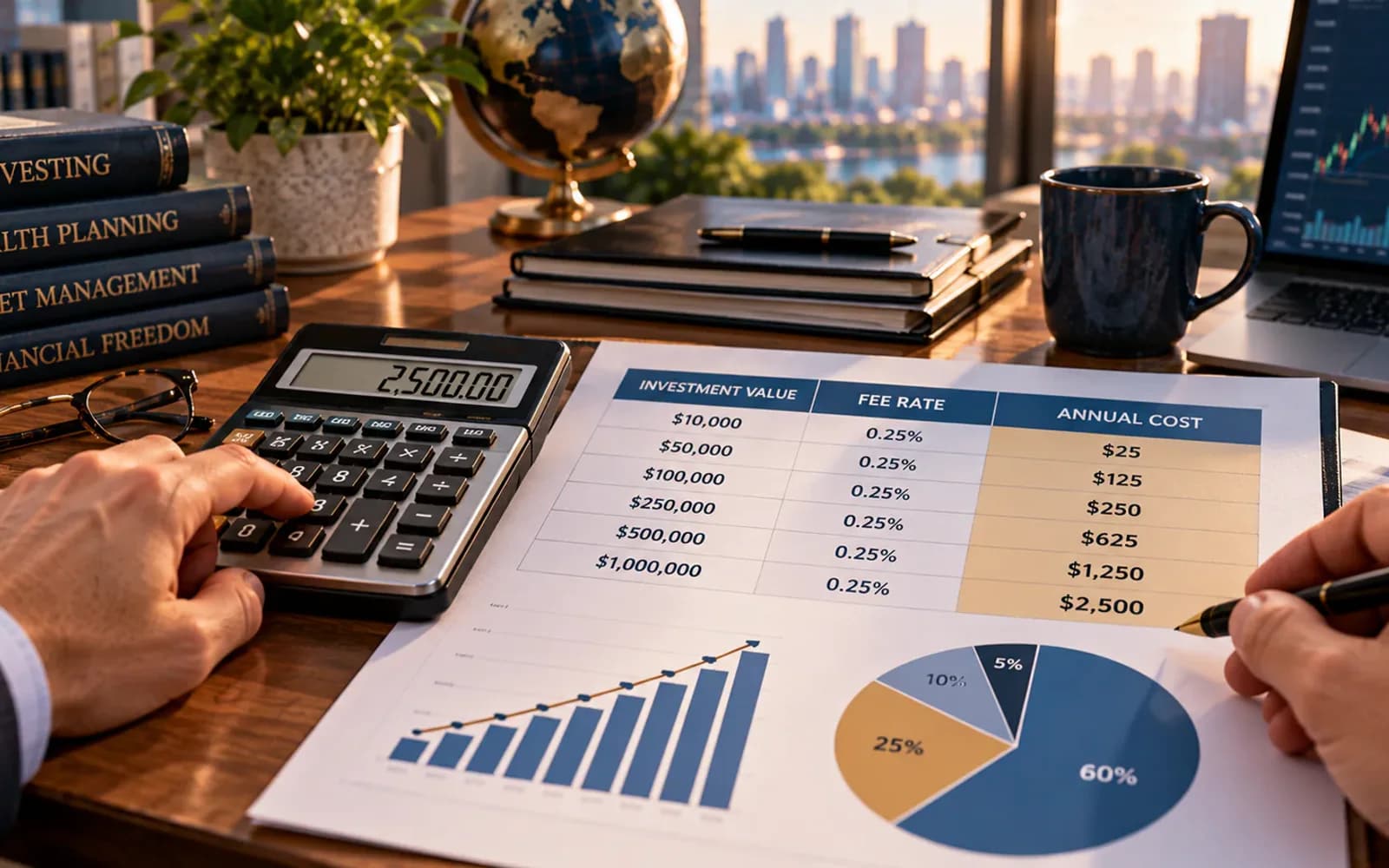
Percentages become easier to understand when converted into approximate dollar amounts. A 0.50% annual expense ratio corresponds to roughly $50 per $10,000 of assets for a simplified one-year illustration. A 0.10% ratio corresponds to roughly $10 per $10,000.
Actual fund expenses do not operate as a single year-end charge against a perfectly static balance, so this shortcut is educational rather than an exact billing formula. It is still useful for understanding the scale of the difference.
13. Find the Fund Prospectus
The prospectus is one of the most useful documents for researching a mutual fund or ETF. It describes the fund's objectives, investment strategy, principal risks, performance information, management, and fees.
Fund companies and brokerages commonly provide prospectuses online. For a cost comparison, verify that you are reviewing the correct fund and share class because different share classes can carry different expenses.

14. Locate the Standardized Fee Table
Investor.gov explains that mutual fund and ETF fees are disclosed in a standardized fee table near the front of the prospectus. This format is designed to make comparison easier.
Instead of relying on advertising language or a brokerage's product summary, go to the formal disclosure. The fee table generally separates shareholder fees from annual fund operating expenses, helping you understand which costs occur because of transactions and which continue while you hold the fund.
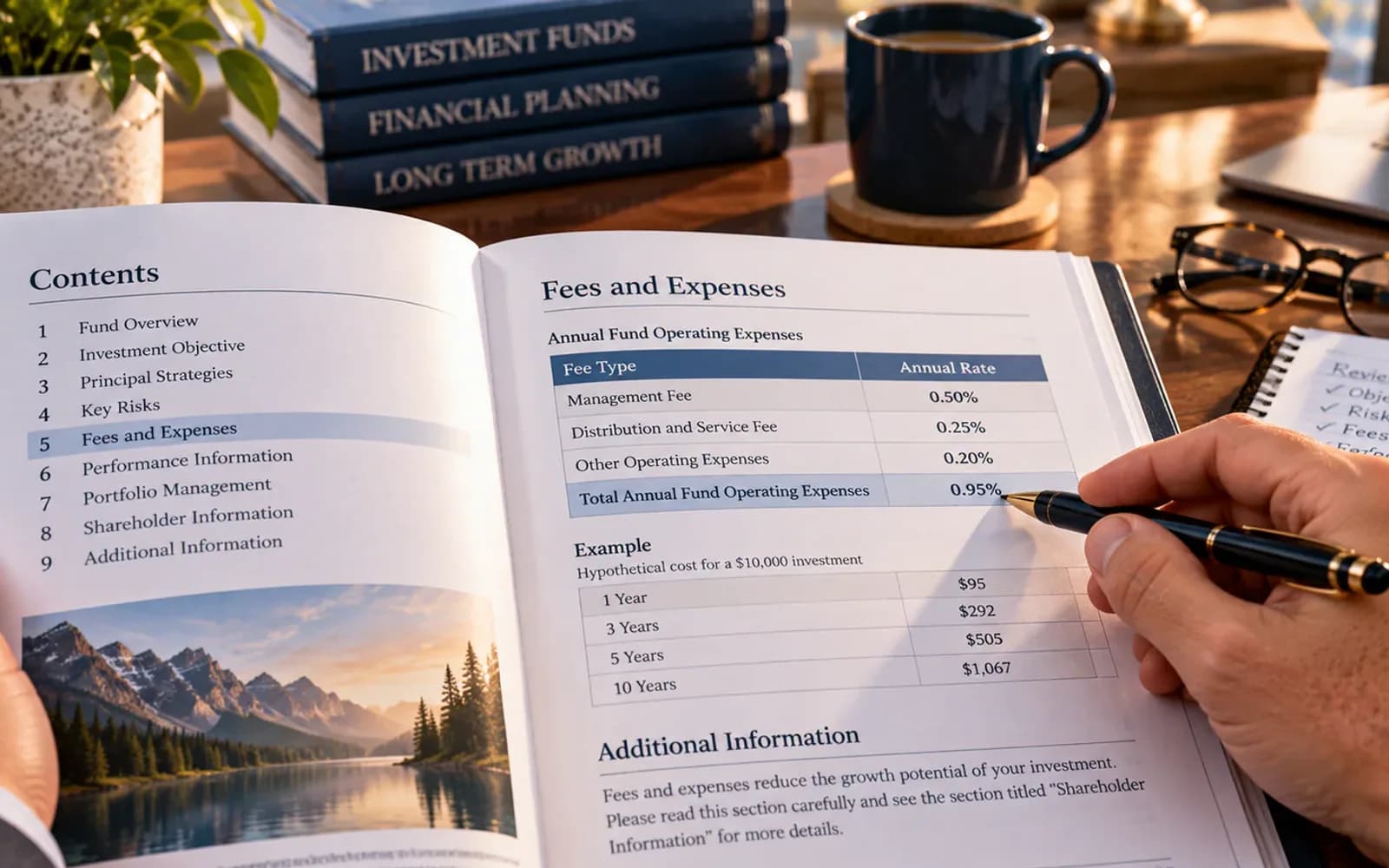
15. Distinguish Shareholder Fees From Operating Expenses
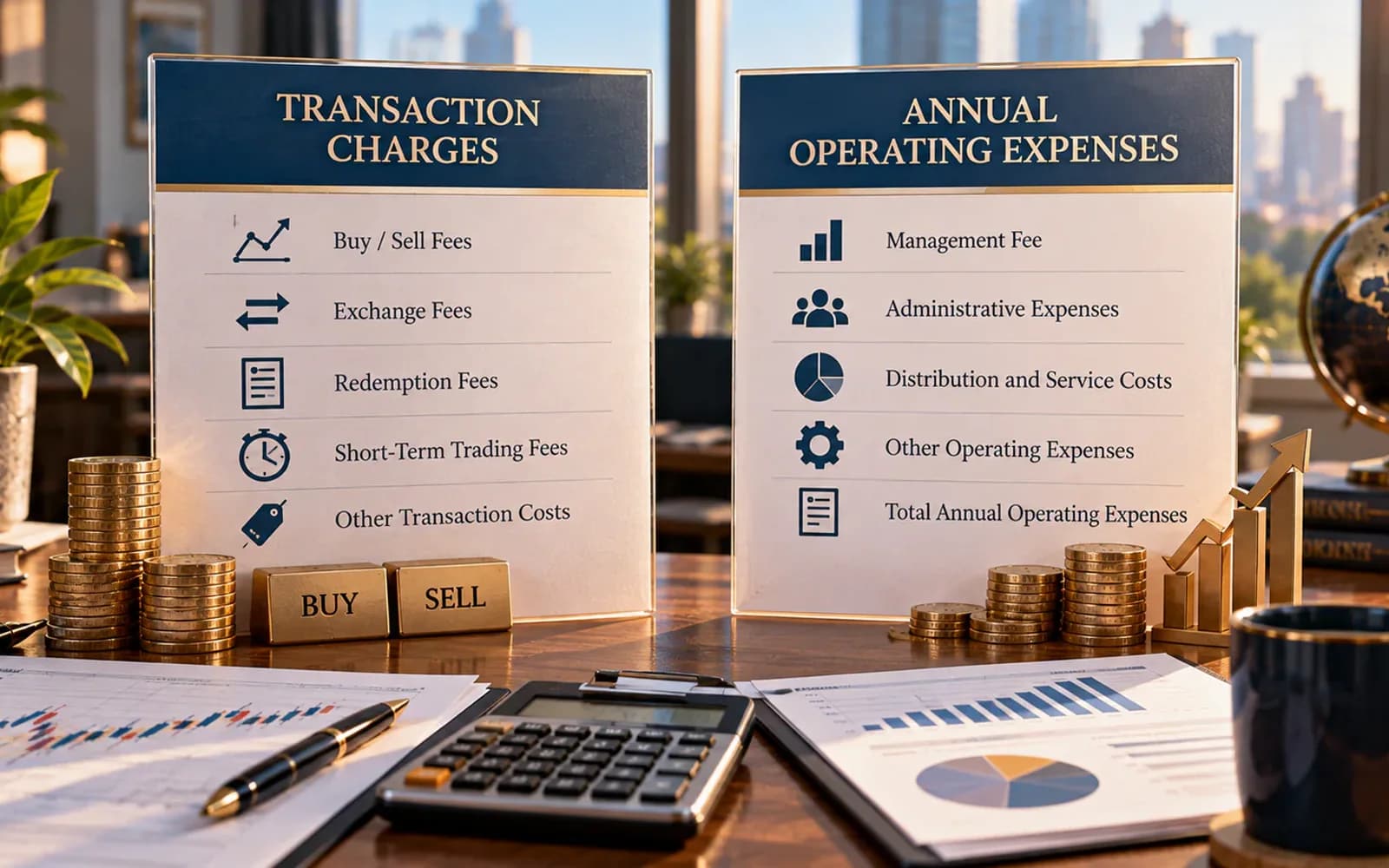
Shareholder fees and annual operating expenses are not the same category. Shareholder fees can be associated with specific purchases, sales, exchanges, redemptions, or account arrangements depending on the product.
Annual fund operating expenses are recurring costs paid from fund assets. Keeping these categories separate prevents a common mistake: focusing on one visible transaction charge while overlooking an ongoing annual cost.
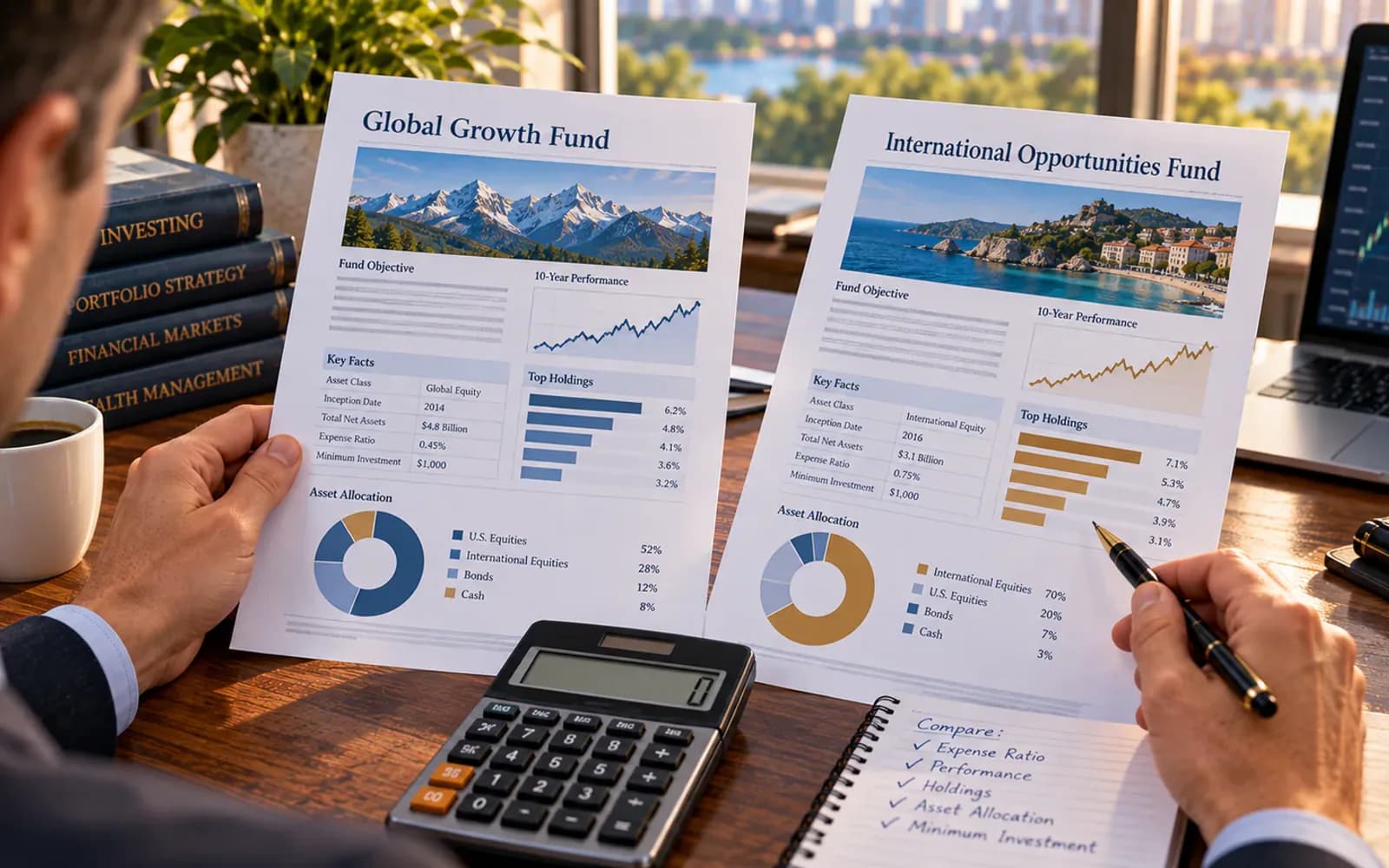
16. Compare Similar Funds Side by Side
An expense ratio is most informative when you compare funds that serve a similar role. For example, two broad U.S. stock index funds may track similar markets while charging different annual expenses.
Cost alone does not establish that two funds are interchangeable. Their benchmark, holdings, tracking approach, liquidity, tax structure, securities lending policies, trading characteristics, and other factors can differ. Comparison works best when the investment objectives are genuinely similar.
17. Understand Why Small Fee Differences Matter
Investor.gov emphasizes that even small differences in fees can lead to substantial differences in returns over time. The reason is compounding.
When investment gains remain in a portfolio, they can potentially generate additional gains. When money leaves the portfolio to pay expenses, that money is no longer available to participate in future market growth. The longer the holding period, the more important this lost compounding opportunity can become.

18. Think Beyond the Fee Paid This Year
Suppose two otherwise comparable investments earn the same gross return before expenses, but one costs more each year. The immediate difference may look small.
Over decades, however, the higher-cost investment loses not only the fees deducted but also any potential future growth those dollars might have earned. This is the opportunity cost of investment expenses and one reason long-term investors often pay close attention to recurring percentages.

19. Use Hypothetical Projections Carefully
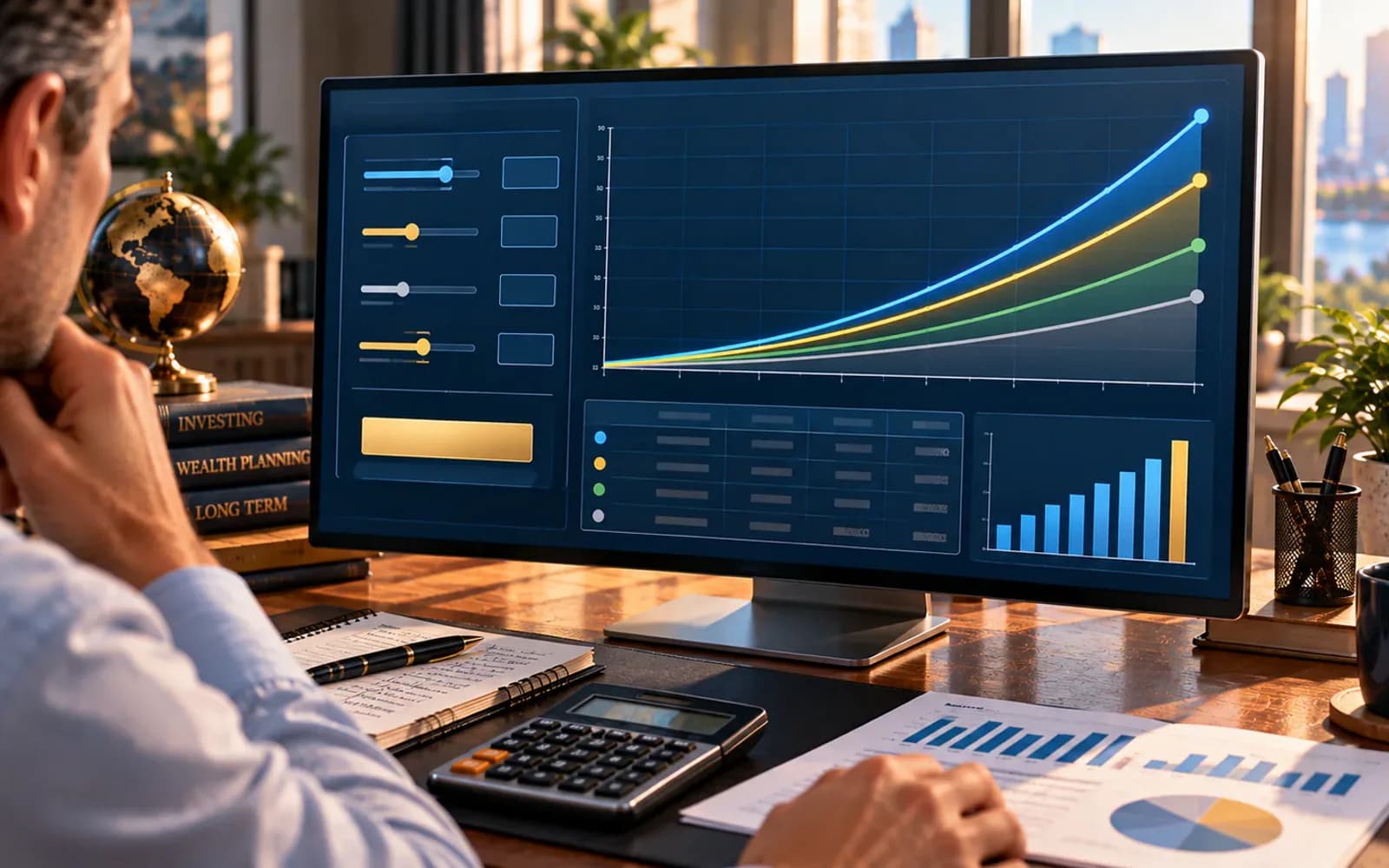
Online calculators can illustrate how different expense ratios might affect a hypothetical portfolio over 10, 20, or 30 years. These tools can be educational, but their outputs depend heavily on assumptions about returns, contributions, time horizon, and whether rates remain constant.
A projection is not a forecast. Markets do not deliver identical returns every year, and future investment performance cannot be known in advance.
20. Remember That Past Performance Is Not Guaranteed
A fund with excellent historical returns can perform poorly in the future. A fund that lagged previously can later perform differently. Historical performance is useful context, but it does not remove uncertainty.
Fund expenses, meanwhile, are one of the characteristics investors can identify in advance. A lower expense ratio does not guarantee better future performance, but a higher recurring cost creates a larger performance hurdle if other conditions are equal.
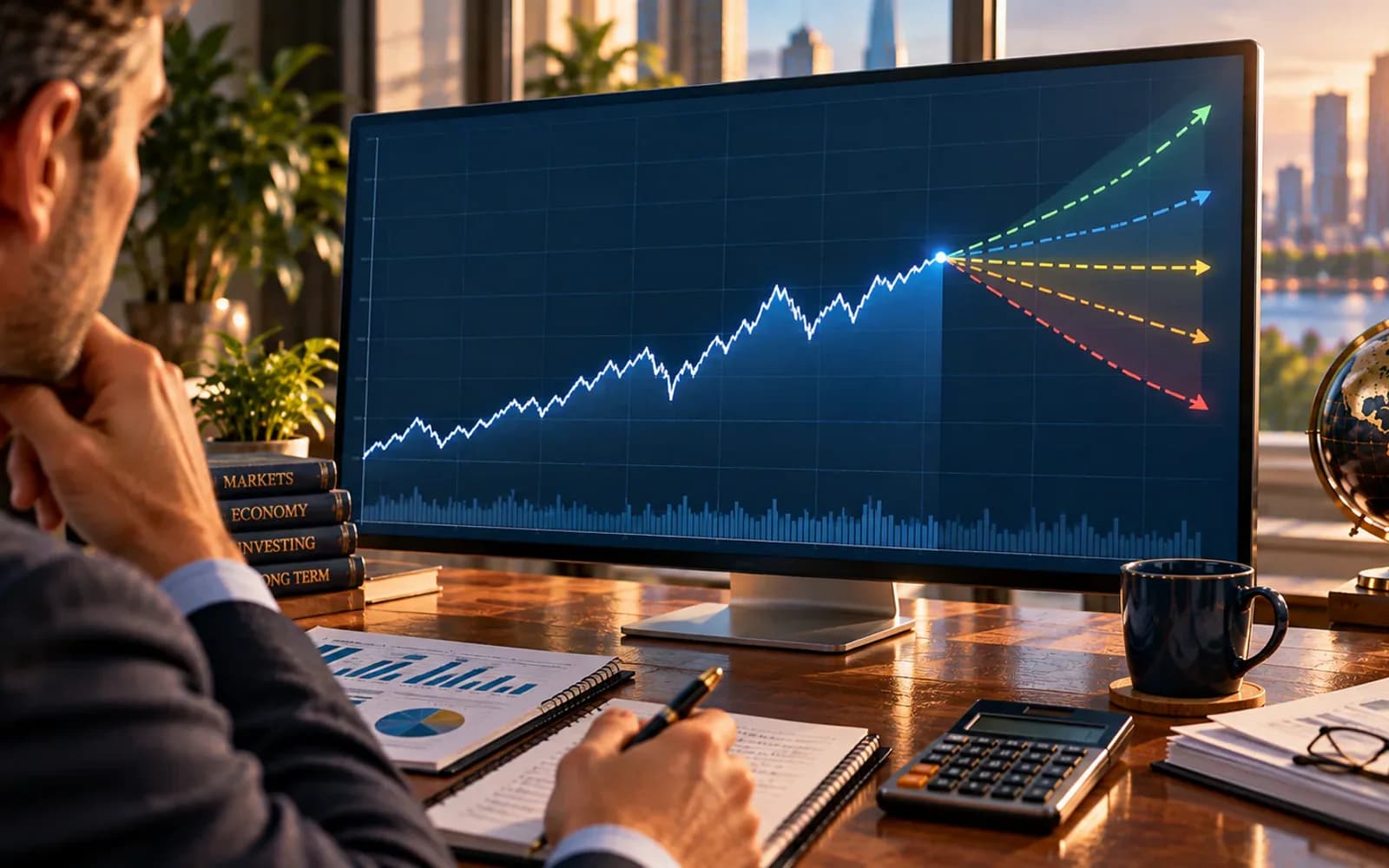
21. Keep Investment Risk Separate From Fee Analysis
A cheap fund can still be highly risky. Expense ratios tell you about operating cost, not whether a fund is suitable for a particular investor or whether its holdings are likely to rise.
Investment return and principal value fluctuate. Shares sold or redeemed may be worth more or less than their original purchase price. Cost comparison is therefore one component of investment research, not a substitute for understanding risk.

22. Look Beyond the Expense Ratio for ETFs
ETF investors have an additional layer to consider because ETFs trade on stock exchanges throughout the trading day. Their expense ratio covers the fund's internal operating costs, but it does not necessarily capture every cost associated with buying or selling shares.
For a fuller comparison, consider both ongoing fund expenses and transaction-related costs.
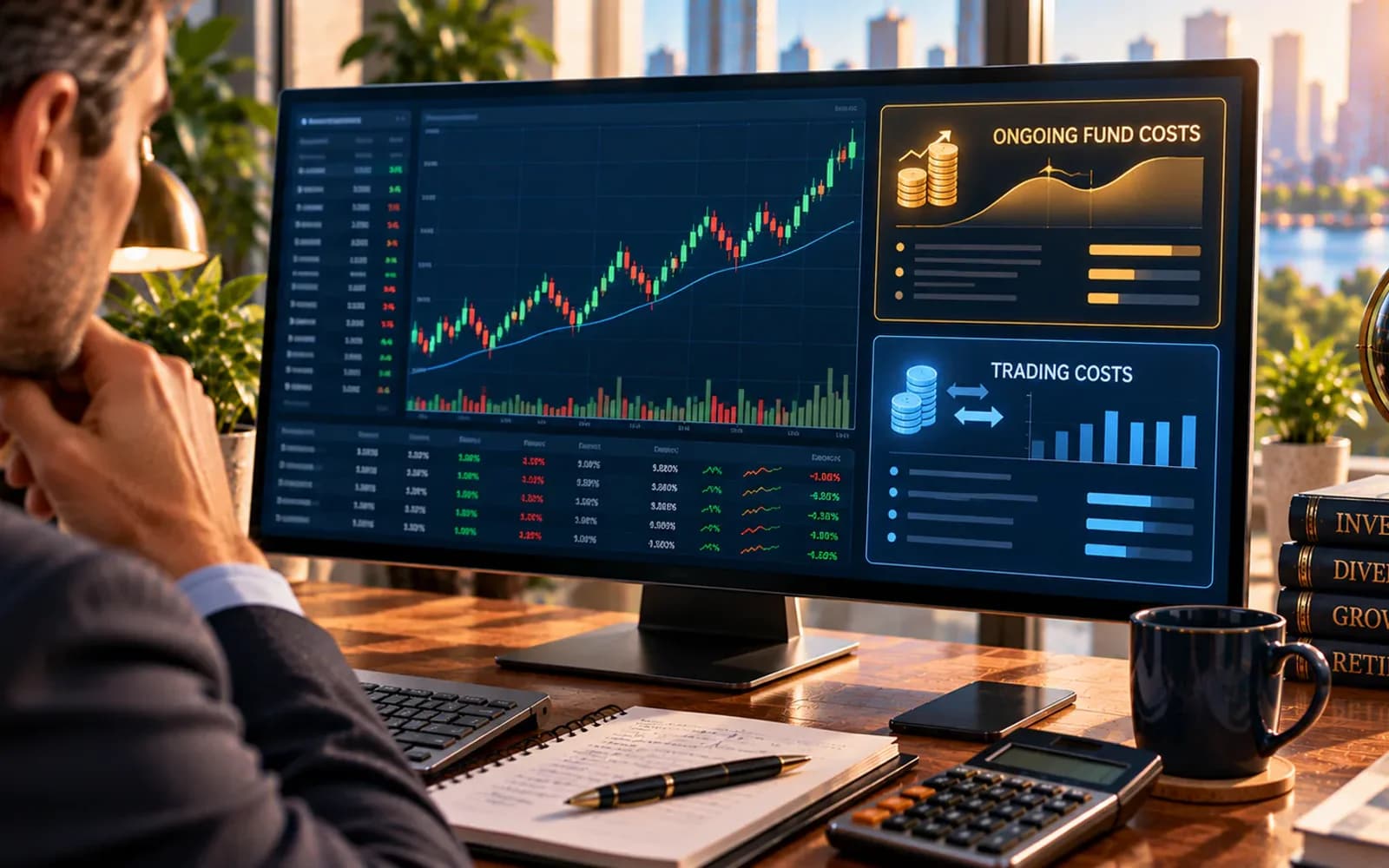
23. Check Brokerage Commissions
Many U.S. brokerages advertise commission-free trading for common stocks and ETFs, but investors should verify the terms that apply to their own account and transaction.
Commission-free does not mean cost-free. Other charges, spreads, fund expenses, account fees, or specialized transaction fees may still exist. Review your brokerage's current pricing schedule rather than assuming that every trade carries zero cost.
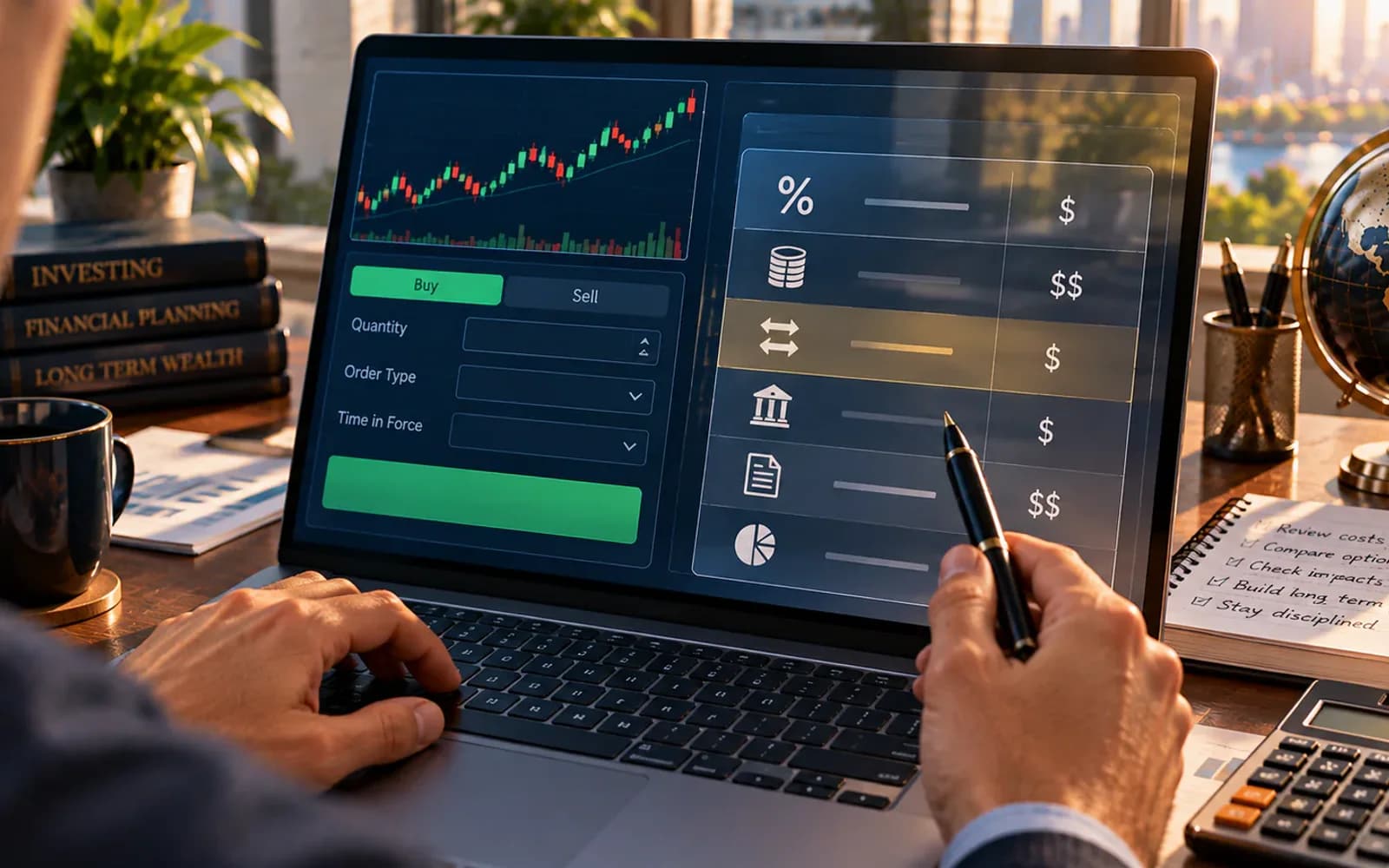
24. Understand the Bid-Ask Spread
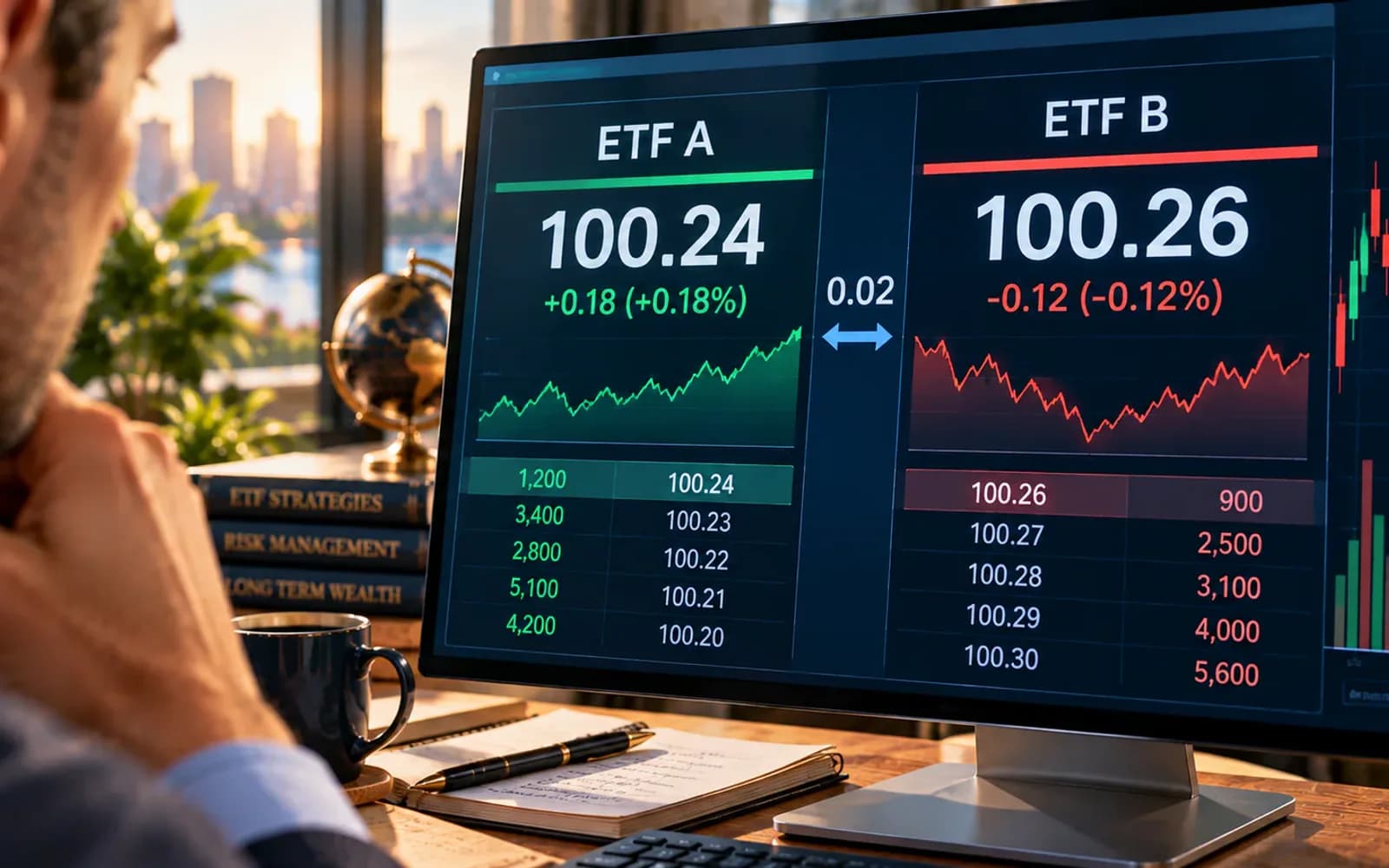
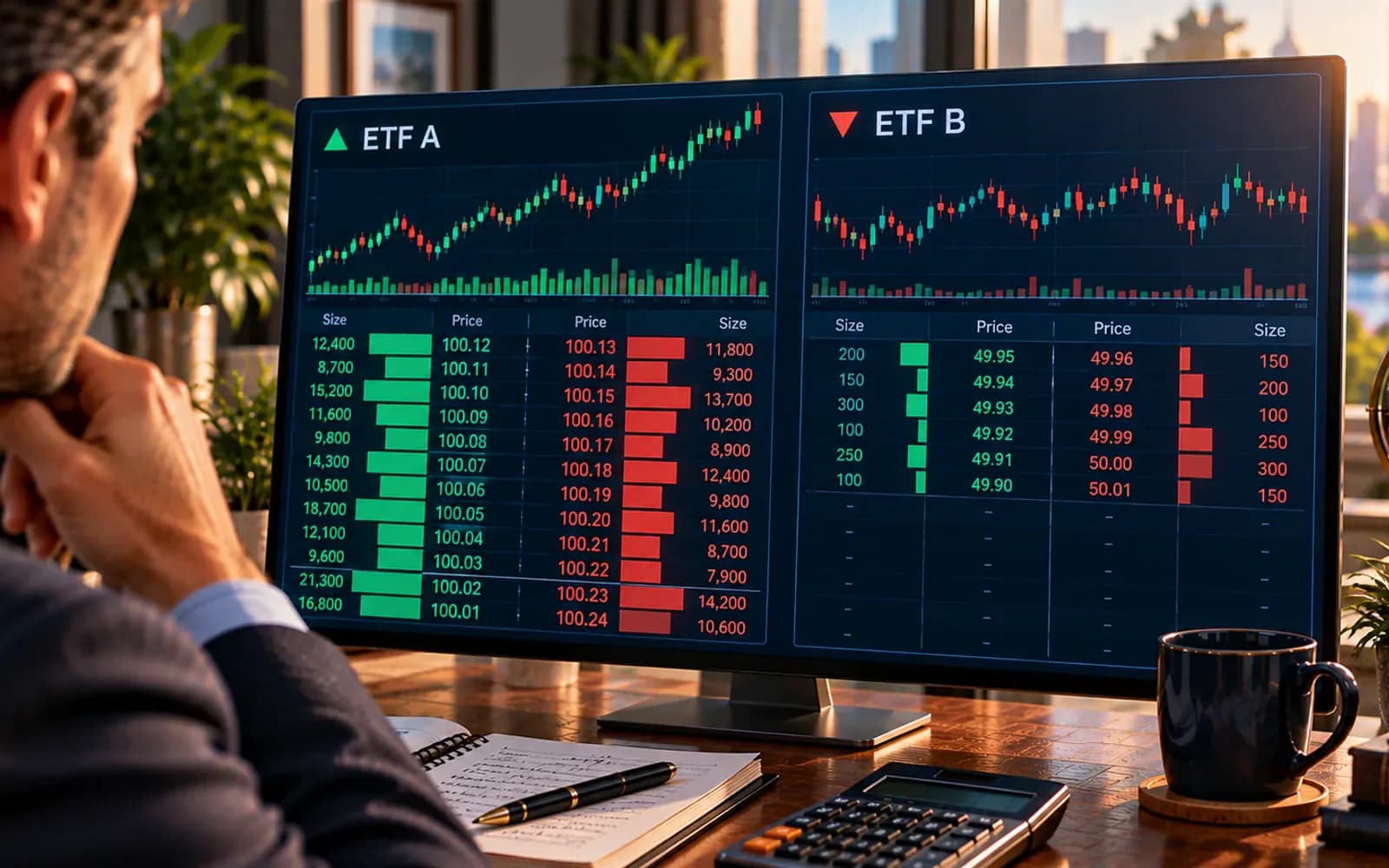
The bid is generally the highest price a buyer is currently willing to pay for an ETF share, while the ask is the lowest price a seller is willing to accept. The difference is the bid-ask spread.
That spread represents an implicit trading cost. A narrow spread may have little impact on a long-term investor making an occasional trade, while a wider spread or frequent trading can make the effect more significant.
25. Consider ETF Liquidity
Trading conditions can influence spreads. Highly traded ETFs often have competitive markets, while less liquid products may experience wider bid-ask spreads, especially during volatile periods.
Liquidity is more complex than trading volume alone because the liquidity of underlying holdings can also matter. For a basic cost review, the practical point is simple: do not judge an ETF solely by its published expense ratio.
26. Include Other Transaction Charges
Depending on the account, product, transaction, and regulatory environment, investors may encounter additional trading or account-related charges. These are separate from the expense ratio.
The important distinction is between internal fund operating expenses and external costs created by using a brokerage account or trading in the secondary market. Understanding both categories provides a more complete picture.

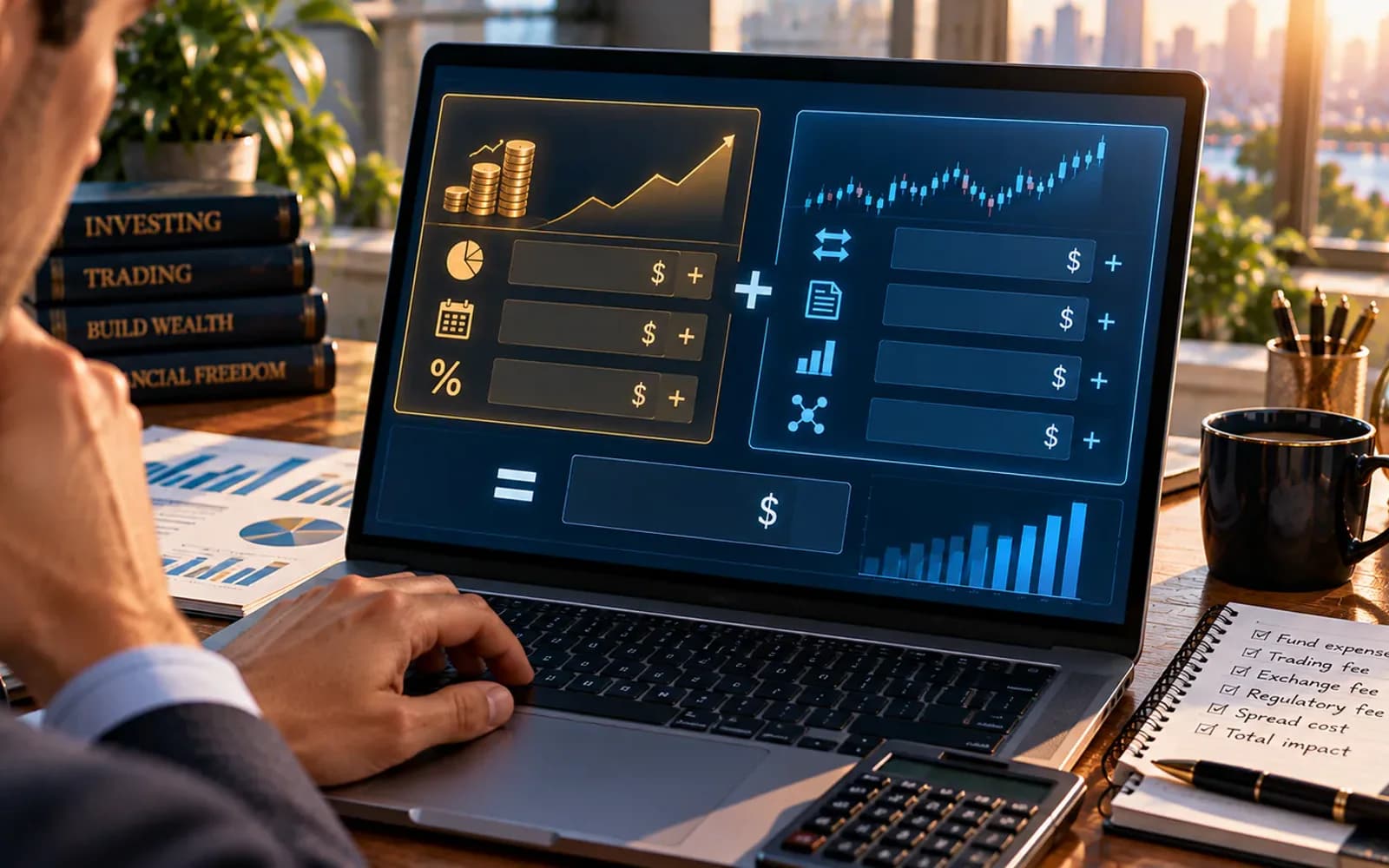
27. Estimate Total Cost of Ownership
A more useful question than simply asking which ETF has the lowest expense ratio is: what is the likely total cost of owning and trading this investment?
That assessment can include the expense ratio, commissions if any, bid-ask spreads, other transaction charges, and potentially account-level costs. The relative importance of each depends on how much you invest, how frequently you trade, and how long you hold the position.
28. Avoid Overtrading a Low-Cost ETF
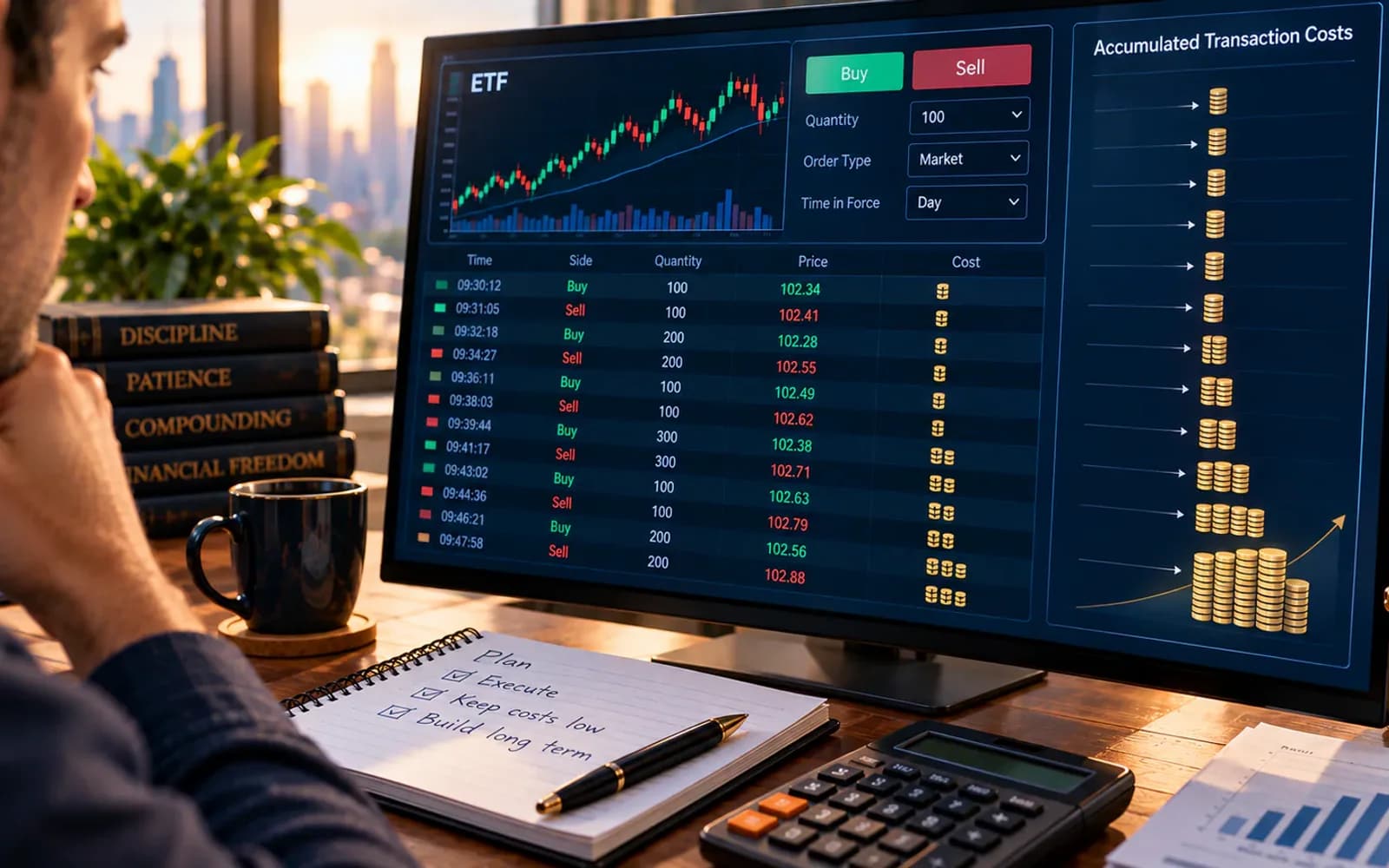
An ETF with an extremely low expense ratio can still generate meaningful transaction costs if it is traded frequently. Each purchase and sale may expose the investor to spreads and possibly other charges.
For someone making repeated short-term trades, transaction mechanics may matter far more than they would for someone who purchases occasionally and holds for many years. Cost analysis should reflect actual investing behavior rather than focusing on a single advertised percentage.
29. Build a Repeatable Fund Comparison Checklist
Before selecting a fund, review the investment objective, benchmark or strategy, principal risks, expense ratio, underlying fee components, transaction costs, liquidity, and how the investment fits the purpose of the portfolio.
Use the prospectus rather than relying exclusively on marketing pages. Investor.gov's educational materials on expense ratios and mutual fund and ETF fees can also help clarify terminology and disclosure categories.
A repeatable process reduces the chance of being distracted by one attractive statistic while overlooking another important cost.

30. Focus on Costs You Can Actually Verify
Future market returns are uncertain, but disclosed investment costs can often be identified before you invest. That makes the expense ratio a practical variable to examine carefully.
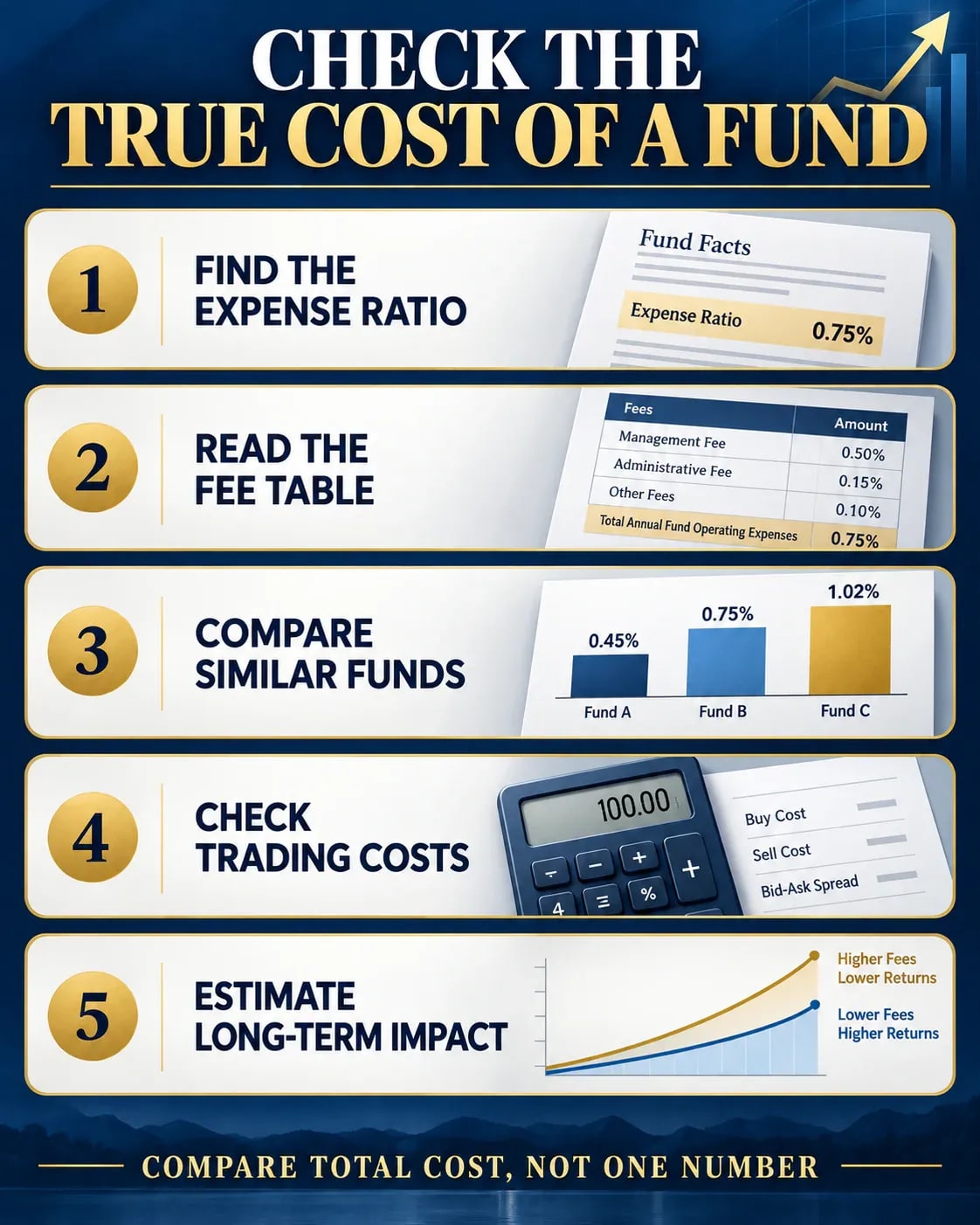
Start with the standardized fee table in the prospectus. Understand what the annual operating expenses include. For ETFs, add relevant brokerage costs and bid-ask spreads. Then compare those costs in the context of funds that actually serve the same investment purpose.
The central lesson is not that the lowest-cost fund is automatically the right investment. It is that recurring costs deserve serious attention because they reduce the money that remains invested. Investor.gov's guidance makes the same core point: even small fee differences can create meaningful differences in long-term results.

A fund with an expense ratio of 0.10% can sound almost free. A fund charging 0.75% may not sound dramatically more expensive. Over a long investing horizon, however, seemingly small annual differences can have meaningful consequences because every dollar removed for expenses is a dollar that can no longer remain invested and potentially compound.
Investor.gov, the investor education website of the U.S. Securities and Exchange Commission, defines an expense ratio as the percentage of a fund's average net assets used each year to pay operating expenses. Those expenses are generally deducted from the fund itself rather than appearing as a separate bill in your mailbox or brokerage account.
That makes fund costs easy to overlook. An investor might focus on past returns, a fund's name, or whether it tracks a popular index while barely noticing the ongoing cost printed in the prospectus.
This guide explains how fund expense ratios work, what they include, how to find them, why compounding makes cost differences important, and why ETF investors should also examine commissions, bid-ask spreads, and other transaction costs. The goal is financial education, not a recommendation to buy or sell any particular investment. Investment values fluctuate, past performance does not guarantee future results, and investors can lose money.
Where people go wrong
Assuming Index Funds Are Free. Index funds can have very low operating costs, but they still generally have an expense ratio. Check the current prospectus instead of assuming that passive management means zero ongoing expenses.
Looking Only at Past Returns. Historical performance does not guarantee future results. Compare strategy, risk, costs, and other relevant characteristics rather than selecting a fund solely because its past returns look strong.
Ignoring Small Percentage Differences. A fraction of a percentage point can appear insignificant in one year, but recurring costs can compound into a much larger difference over long holding periods.
Confusing Expense Ratios With Trading Costs. The expense ratio reflects internal fund operating expenses. Brokerage commissions, bid-ask spreads, and other transaction costs are separate.
Comparing Funds With Different Objectives. A low-cost bond fund and a higher-cost international stock fund are not direct substitutes simply because their expense ratios differ. Compare costs within the context of similar investment objectives.
Ignoring Share Classes. Different share classes of the same mutual fund can have different fees and expense structures. Confirm the exact share class before comparing costs.
Assuming Commission-Free Means Cost-Free. A zero-commission ETF trade can still involve a bid-ask spread, the fund's expense ratio, and potentially other account or transaction charges.
Questions people ask
Investor.gov defines the expense ratio as the percentage of a fund's average net assets used each year to pay the fund's operating expenses. It is generally reflected in the fund's assets rather than charged to investors through a separate annual invoice.
Fixed it?
Get one guide like this every Thursday.