How to Evaluate a Pet Adoption Organization Before Applying
Learn how to evaluate a pet adoption organization before applying. Discover what to check about transparency, animal health, adoption fees, policies, and post-adoption support.

What you’ll need
Tap to tick things off before you start.
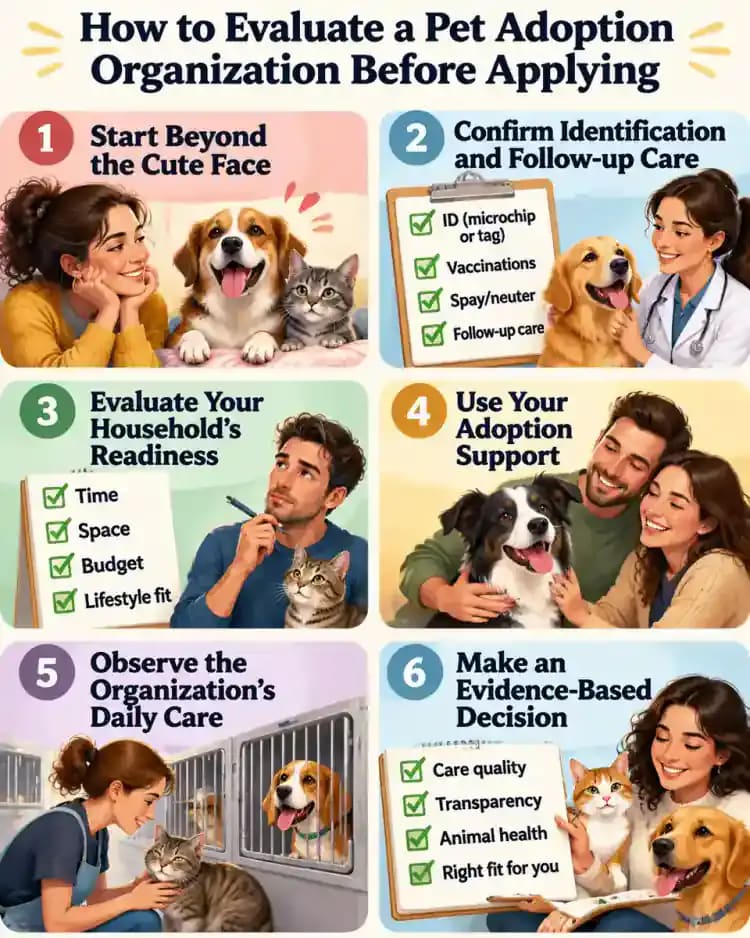
Start Beyond the Cute Face
An adorable dog or cat can make you want to apply immediately, but a successful adoption involves much more than appearance or a brief meeting. The organization behind the listing plays an important role in preparing you for life with your new companion. Take time to evaluate its people, practices, and commitment to animal welfare before choosing a pet.

Check Transparency First
Start by examining how openly the organization communicates with prospective adopters. Look for a clear organizational history, accessible contact information, published adoption procedures, and realistic animal descriptions. Ask who approves applications and how placement decisions are made. Be cautious if staff avoid reasonable questions, provide inconsistent information, or pressure you to pay before explaining the process.
Ask About Everyday Behavior
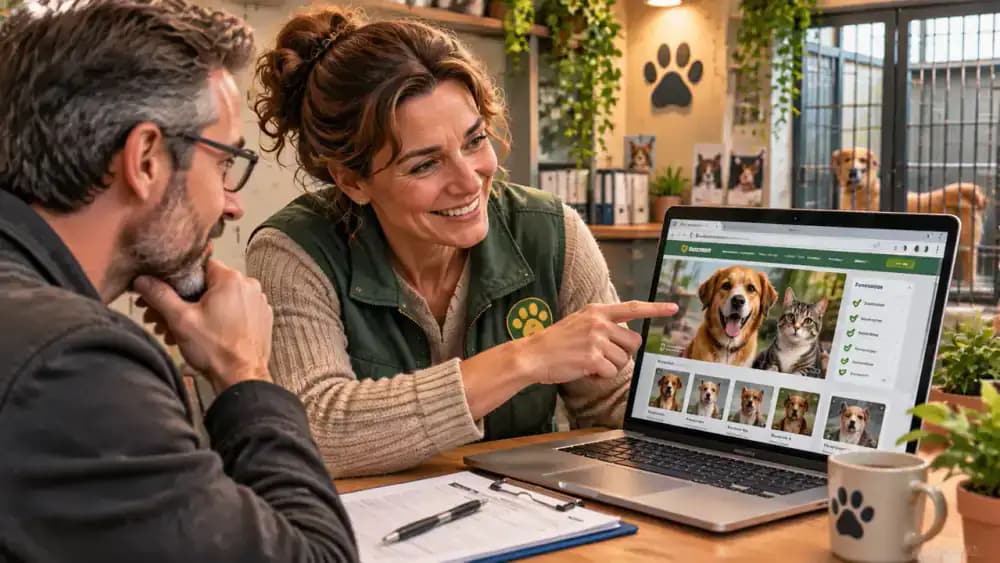
Ask staff how the animal responds to unfamiliar people, children, other pets, handling, household noises, and time alone. Find out which behaviors they have personally observed and which remain uncertain. Request specific examples rather than general descriptions such as friendly or well behaved. Honest information helps you assess compatibility with your household and prepare for realistic expectations.

Understand the Animal's Background
An animal's previous living conditions can provide useful context for understanding its routines and adjustment needs. Ask where it lived before entering care, how long it has been with the organization, and whether its history is documented or incomplete. Discuss previous socialization experiences and significant changes. Remember that an unknown background calls for patience, not assumptions.

Verify Medical Records
Request copies of available veterinary records before committing to adoption. Review examination dates, vaccination history, parasite prevention, medications, previous surgeries, and documented health conditions. Ask which treatments or follow-up appointments remain necessary and whether records will transfer to your veterinarian. If documentation is incomplete, clarify what information is missing and arrange an appropriate veterinary examination after adoption.

Confirm Identification and Follow-up Care
Ask whether the animal has a microchip and whether its registration information is current. Find out who is responsible for transferring ownership details and whether local licensing or registration is required. Before leaving the organization, confirm which veterinary records, identification documents, and adoption paperwork you will receive, along with contact information for future questions.

Read the Adoption Terms
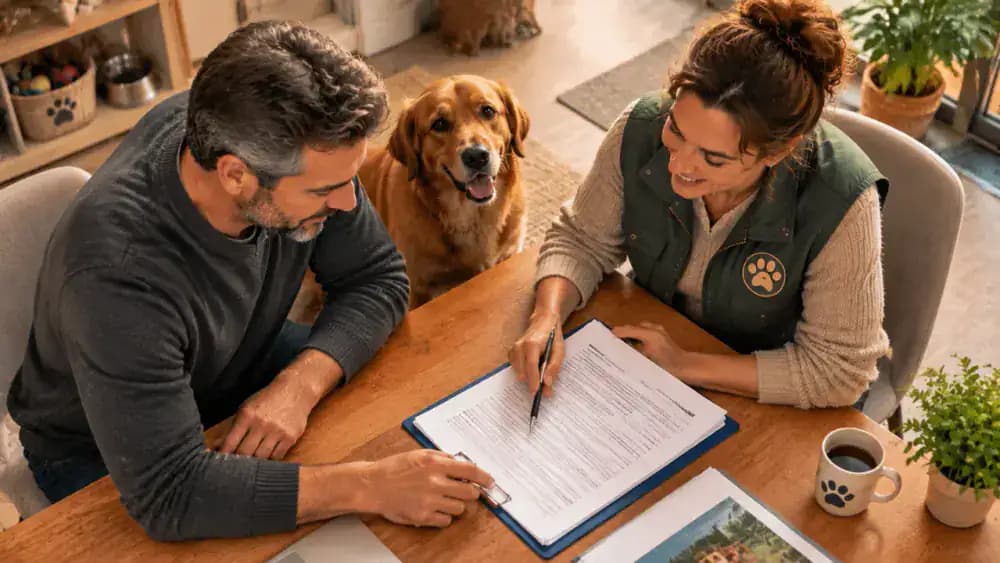
Review the adoption agreement before submitting an application or making payment. Check eligibility requirements, references, home inspections, fees, payment deadlines, and cancellation conditions. Make sure you understand your responsibilities and any restrictions on future ownership transfers. Pay particular attention to the return policy, including whether the organization requires the animal to be returned directly.
Assess Support and Decide
Ask what assistance the organization provides after your pet arrives home. Find out whether staff offer follow-up calls, settling-in advice, behavioral guidance, veterinary referrals, or help if the placement becomes unsuitable. Consider how accessible that support will be when you need it. Compare the answers with your household's needs and apply only when you feel prepared.

Look for Consistent Information
Compare the information on the organization's website with its printed animal profile, staff explanations, and adoption paperwork. Important details about medical history, behavior, fees, and ownership requirements should be consistent. Some uncertainty is understandable, especially when an animal has an unknown past. Ask staff to explain discrepancies clearly and assess how openly they address your concerns.

Recognize Potential Warning Signs
Be cautious if an organization refuses reasonable questions, withholds available medical records, guarantees specific behavior, or demands immediate payment without explaining its terms. These situations deserve clarification before you proceed. Limited animal history or a busy shelter does not automatically indicate poor practices. Focus on whether staff acknowledge concerns honestly, provide available evidence, and respect your decision-making process.

Meet the Animal in Person
Whenever possible, arrange a supervised meeting with the animal before making your decision. Observe how it approaches people, responds to gentle interaction, explores unfamiliar surroundings, and settles afterward. Remember that a shelter environment can be stressful, so one encounter may not reveal its usual personality. Ask staff about its behavior during everyday routines.

Evaluate Your Household's Readiness
Before applying, consider whether your household can meet the animal's needs throughout its lifetime. Review your work schedule, housing restrictions, available space, household members, exercise opportunities, and expected expenses. Be realistic about the time and financial commitment involved. A responsible adoption organization should help assess suitability rather than pressure you into an immediate decision.

Plan Introductions With Existing Pets
If you already have pets, discuss a gradual introduction plan with the adoption organization. Ask about using separate rooms, pet gates, supervised interactions, and individual feeding and resting areas. Allow enough time for everyone to adjust rather than expecting immediate friendship. If children live in your household, establish safe handling rules before bringing the new animal home.

Document Every Important Answer
Keep a written record of important questions and the answers provided by adoption staff. Save copies of medical records, adoption policies, fee breakdowns, and relevant email conversations. If staff make specific promises about veterinary care, identification, or follow-up assistance, request written confirmation. Clarify who is responsible for obtaining any outstanding information and when it will be available.

Take Time to Compare
Compare adoption organizations based on transparency, animal care standards, communication, available records, and post-adoption support. Do not let attractive photographs, limited availability, or pressure to act quickly influence your decision. Discuss the options with everyone in your household and review any unresolved concerns. A responsible adoption should be a considered commitment, not a rushed purchase.

Prepare for a Responsible Adoption
Once you have selected an organization and feel confident about the match, prepare your home before bringing the animal home. Arrange a veterinary appointment, create a comfortable resting area, and gather appropriate food, bowls, toys, and other essentials. Follow the organization's transition recommendations and allow your new companion time to settle comfortably.

Make the First Days Predictable
Give your new pet a quiet, dedicated space where it can rest and become familiar with its surroundings. Maintain consistent feeding times, provide fresh water, and avoid overwhelming it with visitors or unfamiliar experiences. Some animals need several days or longer to adjust. Ask the adoption organization which changes are expected and when veterinary advice is appropriate.

Use Your Adoption Support
Stay in contact with the adoption organization instead of trying to manage every adjustment challenge alone. Share specific observations about eating, sleeping, toileting, and interactions with household members. Staff may recommend practical changes or refer you to a qualified trainer or veterinarian. Seek professional advice promptly when health or behavioral concerns require further attention.

Track the Adjustment Process
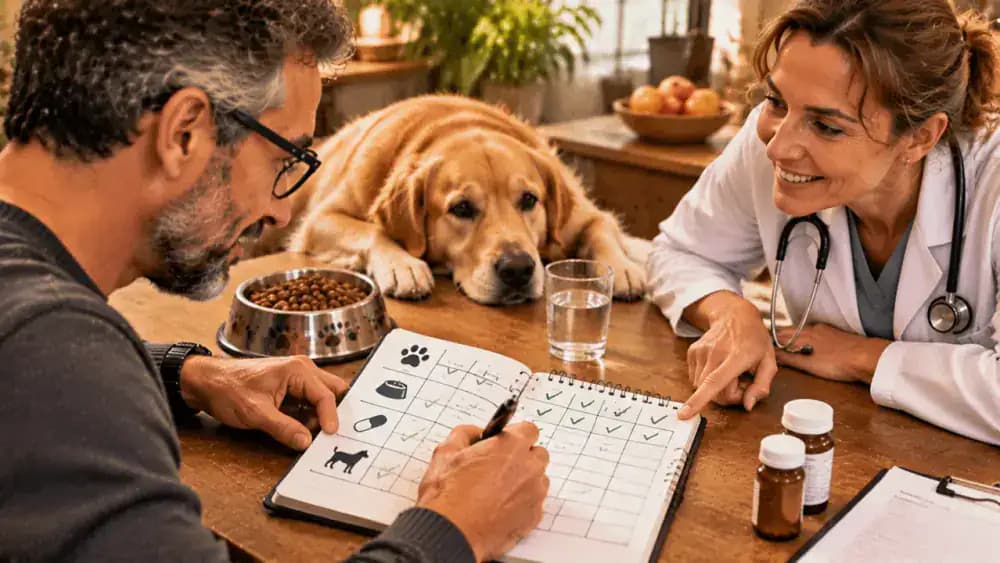
Keep a simple daily record of your pet's meals, behavior, bathroom habits, medication, sleep, and reactions to unfamiliar experiences. These observations can help your veterinarian assess changes and give the adoption organization useful information about the placement. Maintain consistent routines and avoid introducing several major changes simultaneously, making it easier to understand what helps your pet settle.
Keep the Organization Involved
Maintain communication with the adoption organization after bringing your pet home. Share progress, ask questions when circumstances change, and use the support arrangements established in your agreement. Responsible organizations remain interested in animal welfare beyond the initial placement. If keeping the pet becomes impossible, contact them early and follow the agreed return or rehoming procedures.

Allow Time for Progress
Every adopted animal needs time to adjust to a new environment, and progress may happen gradually rather than all at once. Trust, house training, confidence, and relationships develop at different rates. Celebrate small improvements without expecting immediate affection or perfect behavior. If challenges persist, seek qualified professional guidance and keep the adoption organization informed.

Complete Your Final Checklist
Before submitting your application, review everything you have learned about the organization and the animal. Confirm transparent communication, available behavioral and medical information, identification records, written adoption terms, household readiness, and post-adoption support. Make sure unanswered questions have clear next steps. Taking time for this final review helps prevent avoidable surprises after adoption.
Choose a Lifelong Companion
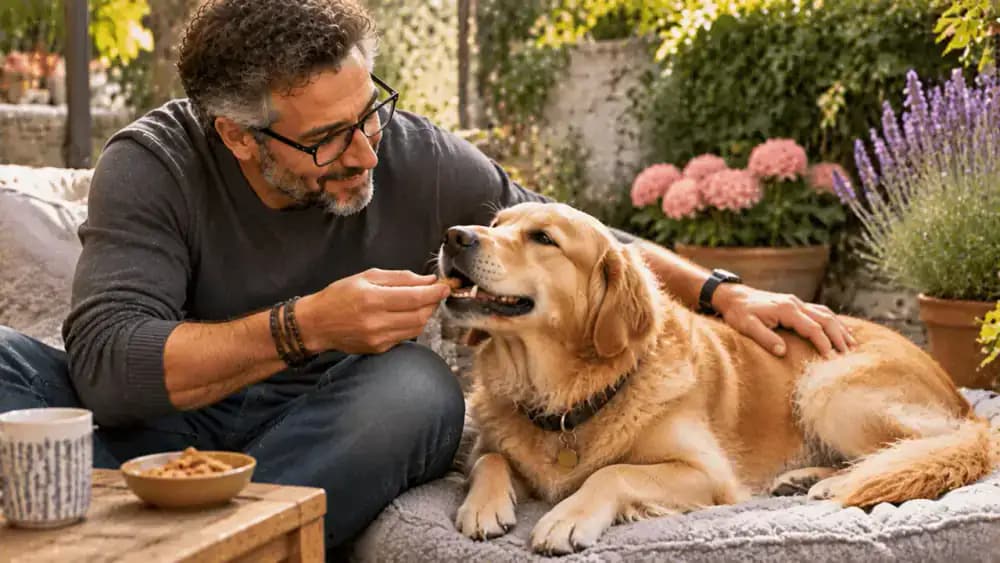
A thoughtful adoption decision considers both the animal's needs and your ability to provide a stable home. Look for an organization that welcomes questions, acknowledges gaps in its knowledge, and prioritizes animal welfare over quick placements. Verify the important details, prepare your household, and make your decision without pressure. Responsible preparation supports lasting companionship.
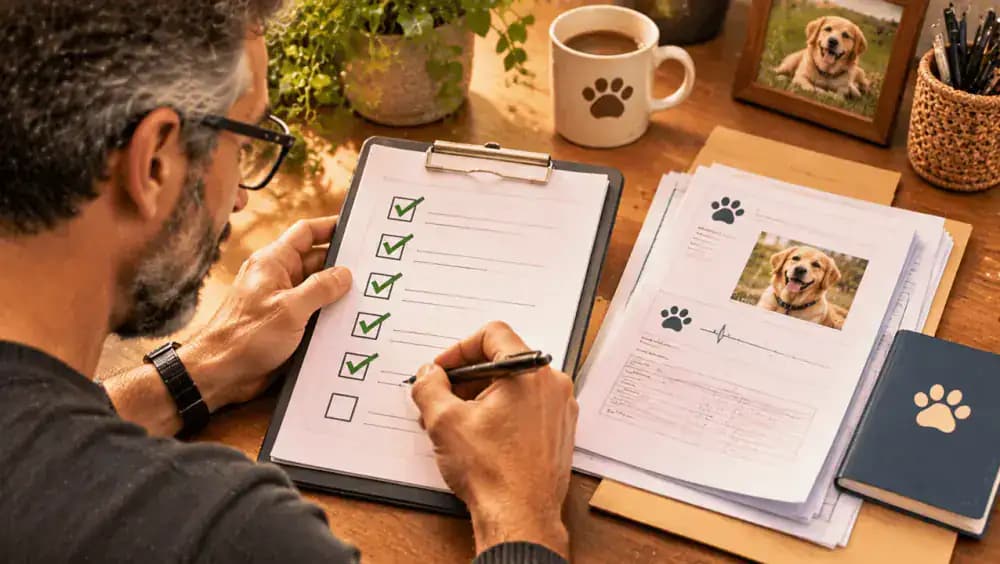
Observe the Organization's Daily Care
If possible, ask to see the organization's animal care facilities and observe everyday practices. Look for clean living areas, fresh drinking water, suitable enrichment, safe housing, and gentle interactions between staff and animals. A busy rescue facility may have limitations, but basic welfare standards should remain consistent. Ask how feeding, cleaning, exercise, and veterinary care are managed.

Understand Foster-Based Organizations
Not every adoption organization operates a traditional shelter. Some rely on foster caregivers who provide temporary homes while animals await adoption. Ask how foster families are selected, supported, and supervised, and how their observations are shared with adoption staff. Find out whether the caregiver can describe the animal's daily routines, interactions, preferences, and adjustment to household life.

Investigate Where Animals Come From
Ask where the organization obtains its animals and whether it works with other shelters, rescue networks, transport groups, or international partners. Request available transfer records and veterinary documentation, especially for animals transported across state or national borders. Confirm that identification details match the records and ask whether additional health checks or travel requirements apply.

Research Independent Reputation
Look beyond testimonials published on the organization's own website. Search independent review platforms, local community discussions, animal welfare groups, and publicly available organizational information. Pay attention to recurring concerns and specific experiences rather than isolated emotional complaints. Give the organization an opportunity to explain legitimate questions, then evaluate whether its responses are transparent and supported by evidence.
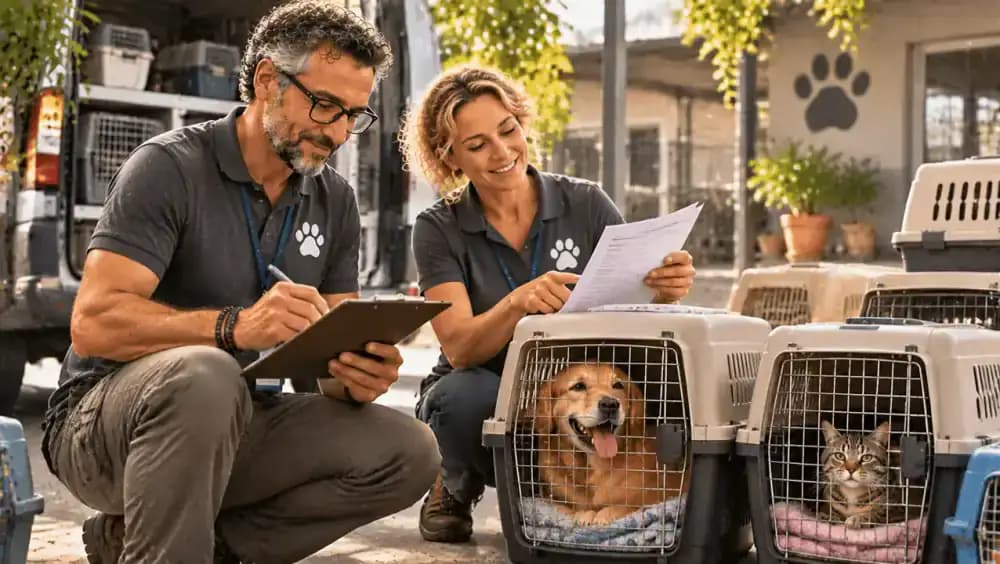
Evaluate the Matching Process
Find out how the organization determines whether an animal is suitable for a particular household. A thoughtful matching process considers lifestyle, experience, living arrangements, and the animal's individual needs. Staff should be willing to discuss alternatives, recommend waiting, or decline an unsuitable placement. These decisions can demonstrate a genuine commitment to responsible, welfare-focused adoption.

Protect Your Personal Information
Before sharing sensitive information or paying adoption fees, verify the organization's identity and use its official communication channels. Review its privacy information and confirm how application details will be stored and used. Check the payment recipient, request a written fee breakdown, and retain your receipt. Avoid unexplained transfers to unrelated personal accounts or unfamiliar payment destinations.
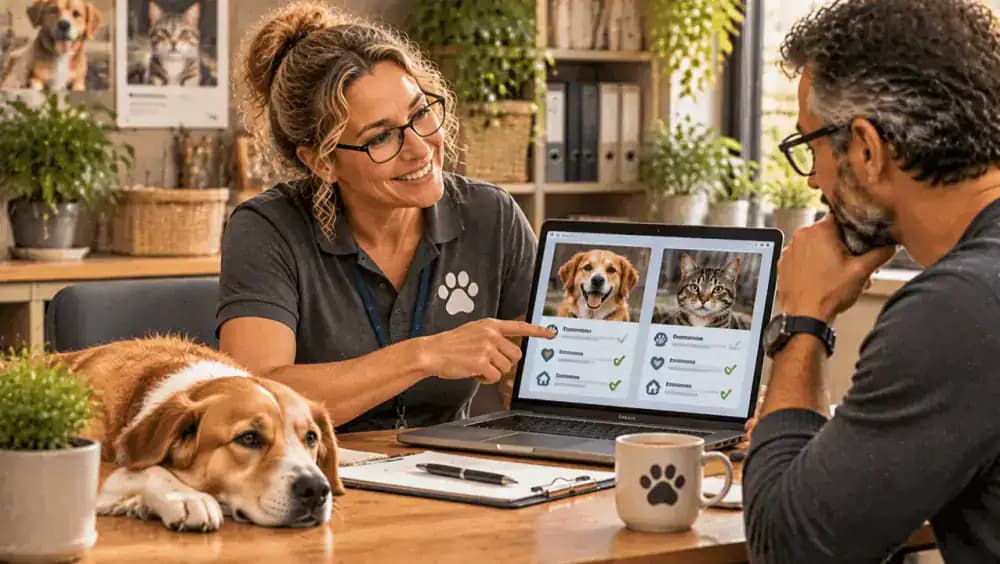
Make an Evidence-Based Decision
No checklist can guarantee a perfect adoption or predict every adjustment challenge. Use the information you have gathered to identify unanswered questions, compare organizational practices, and make a decision without unnecessary pressure. Choose an organization that welcomes reasonable questions and prioritizes individual animal welfare. Careful preparation gives both you and your future companion a stronger foundation.
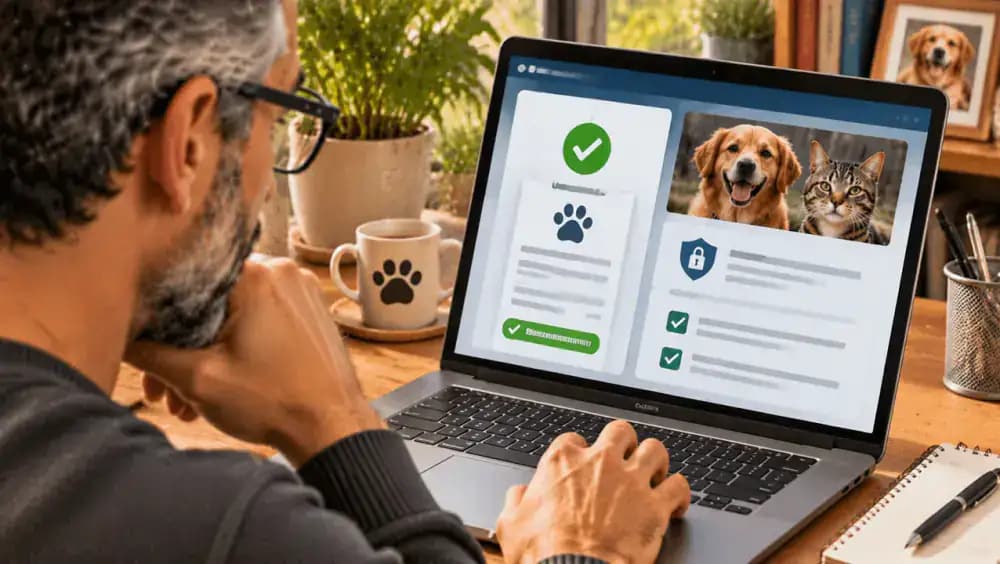
Bringing a rescue dog or cat into your home can be an exciting and rewarding experience, but choosing the right animal is only part of the process. The organization responsible for the adoption deserves just as much attention. A reputable pet adoption organization should prioritize animal welfare, communicate honestly, and provide prospective adopters with enough information to make an informed decision.
Before submitting an application, take time to investigate the organization's background, reputation, adoption procedures, and approach to animal care. Find out whether staff can explain the animal's history, temperament, known behavioral challenges, and medical background. Ask to review veterinary records, vaccination information, microchip details, and any ongoing care requirements. These details help you understand what responsibilities may come with your new companion.
You should also understand the financial and practical commitments involved. Adoption fees, home inspections, contractual obligations, and return policies can vary considerably between organizations. A responsible organization will explain these requirements clearly rather than rushing you into a decision.
Equally important is what happens after adoption. Access to advice, behavioral guidance, and assistance during the adjustment period can make a significant difference for both the animal and your household. By checking these details before applying, you can choose an organization that supports a responsible, transparent, and lasting adoption.
Where people go wrong
Choosing an Organization Based Only on Cute Animal Photos. Appealing photographs and emotional adoption stories can make an organization look trustworthy, but they reveal very little about its actual practices. Before applying, investigate its history, reputation, animal care standards, and adoption procedures. A responsible organization should demonstrate consistent transparency and prioritize animal welfare rather than relying entirely on emotional marketing.
Ignoring Warning Signs in Communication. Pay attention to how staff answer questions about animals, medical histories, adoption fees, and organizational policies. Vague answers, inconsistent information, pressure to make immediate payments, or reluctance to provide documentation deserve further investigation. Professional adoption staff should welcome reasonable questions and communicate openly throughout the process, even when discussing difficult circumstances.
Failing to Ask About the Animal's Background. An animal's previous living conditions, socialization experiences, and known behavioral challenges can influence how it adjusts to a new household. Do not assume that a friendly interaction during one visit tells you everything. Ask about experiences with children, other animals, strangers, handling, and unfamiliar environments to understand potential compatibility concerns.
Overlooking Medical Records and Ongoing Health Needs. A pet may have medical needs that require continued attention after adoption. Failing to review veterinary examinations, vaccination history, medication records, and previous treatments can lead to unexpected responsibilities and expenses. Request copies of available documentation and clarify which veterinary services have already been completed and which follow-up appointments may be necessary.
Assuming Every Adoption Fee Covers the Same Services. Adoption fees vary between organizations and may include different combinations of veterinary examinations, vaccinations, microchipping, sterilization, and other services. Never assume that a particular procedure has been completed simply because it is commonly included elsewhere. Request an itemized explanation of the fee and identify any additional expenses before committing.
Skipping the Adoption Agreement. An adoption agreement establishes important responsibilities and may contain restrictions concerning animal care, relocation, breeding, and future ownership transfers. Some organizations also require adopters to contact them if they can no longer keep the animal. Read the entire agreement carefully, ask for clarification about unfamiliar terms, and retain a signed copy for your records.
Failing to Check Post-Adoption Support. The adjustment period can involve unexpected challenges, including changes in appetite, household routines, social behavior, and interactions with other pets. An organization that offers reasonable follow-up assistance can help adopters navigate these transitions. Before applying, find out whether staff provide behavioral guidance, referrals, check-ins, or assistance if the placement becomes unsuitable.
Rushing Into an Adoption Without Checking Household Compatibility. Excitement can make prospective adopters underestimate the practical responsibilities of introducing a new animal into their household. Consider available space, working hours, financial resources, exercise requirements, and existing pets before applying. A responsible organization should encourage thoughtful decisions rather than treating an immediate application or payment as proof of commitment.
Questions people ask
Start by researching the organization's history, public reputation, physical location, and animal welfare practices. Look for independent reviews, references from previous adopters, and evidence of veterinary partnerships. Ask staff how animals are evaluated, housed, and prepared for adoption. A reputable organization should communicate transparently, provide available records, explain its procedures, and prioritize suitable long-term placements over quick transactions.
Fixed it?
Get one guide like this every Thursday.