How to Assemble an Emergency Go-Bag for Your Dog or Cat
An emergency can force you to leave home with little warning. Learn what to pack in a pet emergency go-bag, how to organize essential supplies, and how to keep your dog or cat ready for a safe evacuation.
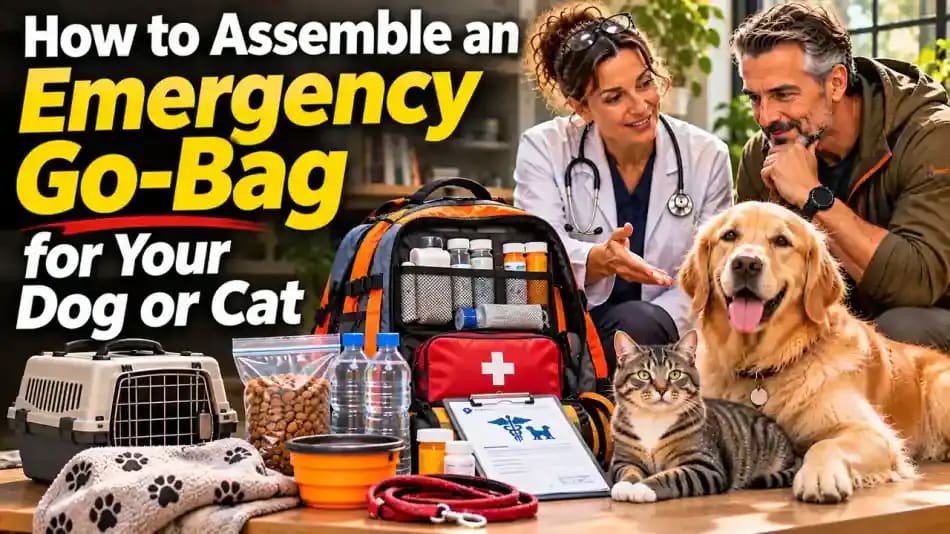
What you’ll need
Tap to tick things off before you start.
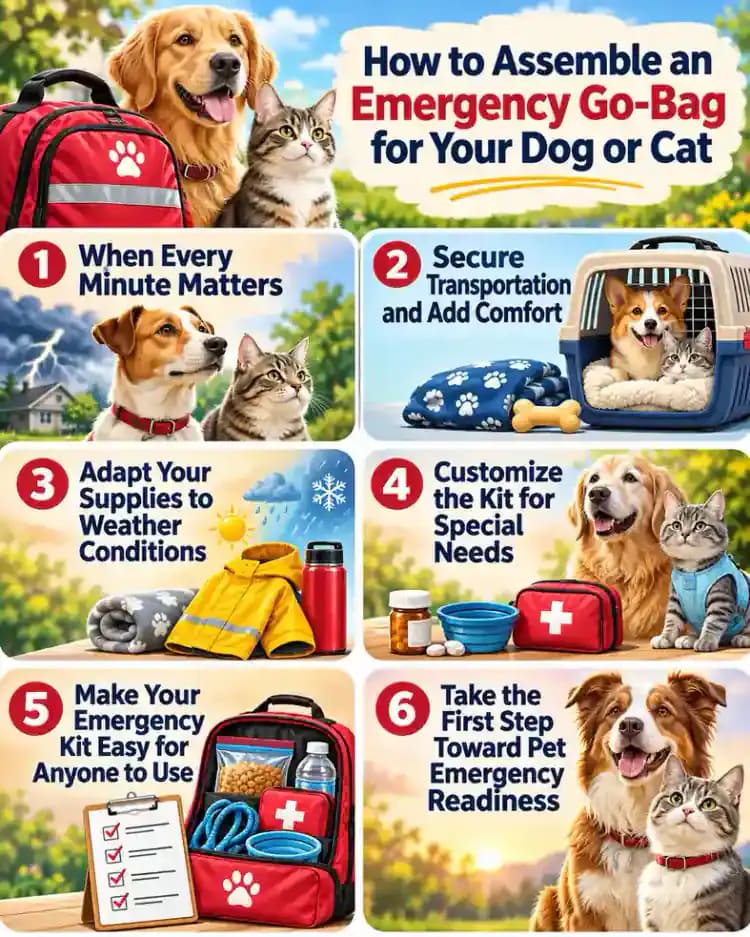
When Every Minute Matters
When an evacuation alert arrives, your priority is getting everyone to safety, not searching for supplies. Keep a prepared pet emergency go-bag near an accessible exit so you can grab it immediately. Make sure everyone in your household knows its location, and keep your dog or cat safely secured while preparing to leave.
Choose and Organize Your Bag
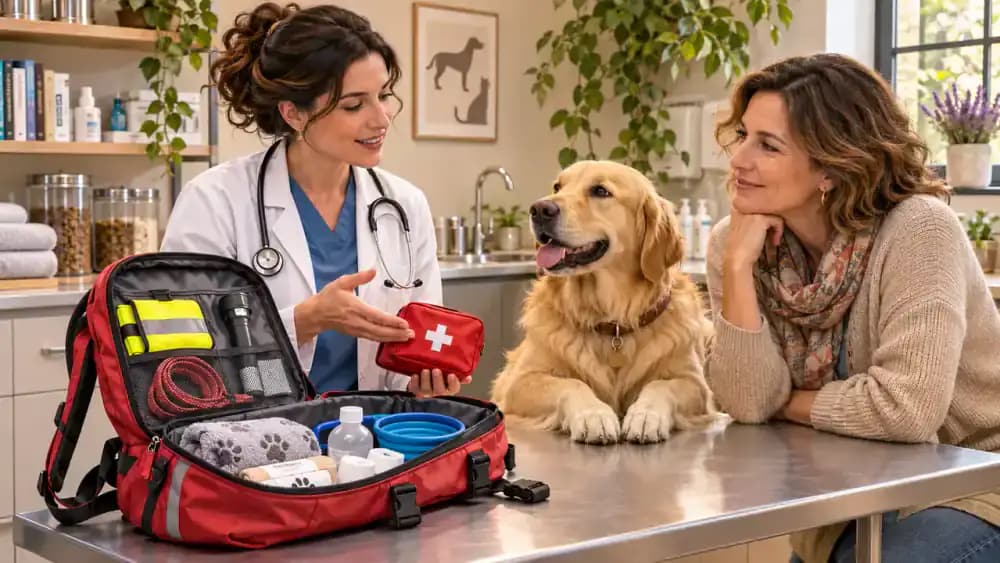
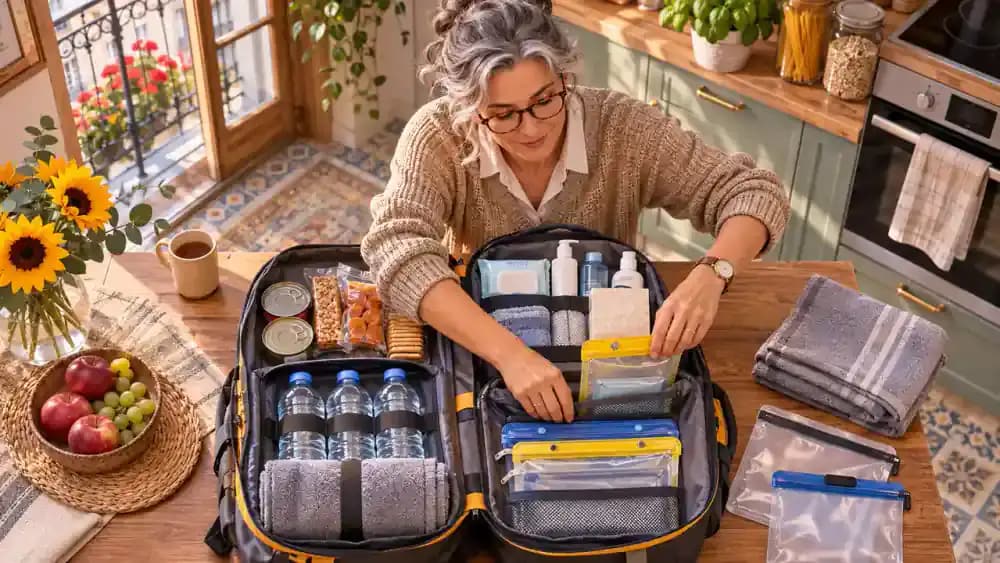
Choose a durable, water-resistant backpack or compact duffel with sturdy zippers and comfortable handles. Organize supplies into separate categories for food and water, medical information, identification, hygiene, and comfort. Use labeled waterproof pouches to protect important items. Place heavier supplies at the bottom and frequently needed essentials near the opening for quick access.
Pack Food, Water, and Bowls
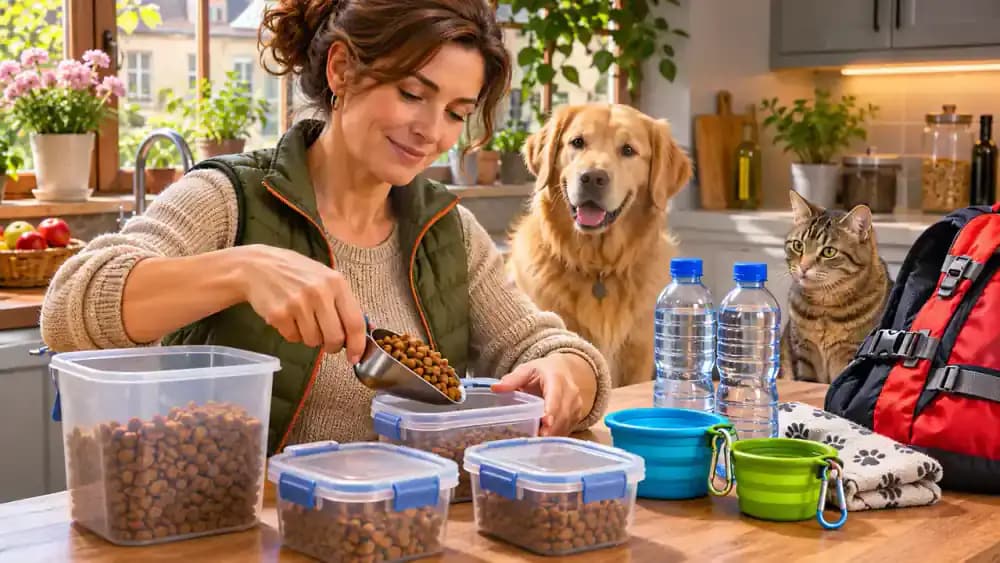
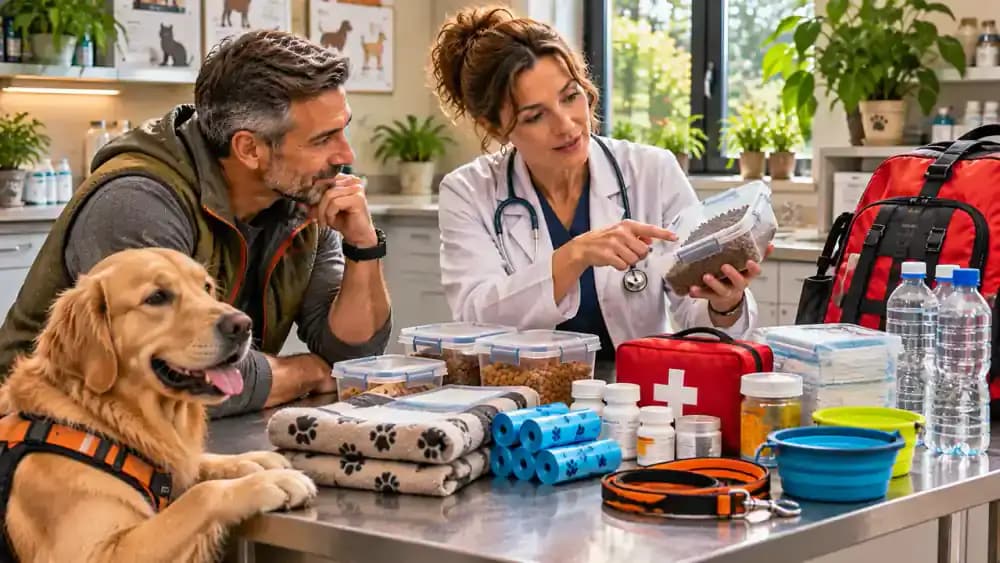
Calculate your pet's normal daily food and water requirements, then pack enough supplies for at least three days. Use familiar food to avoid unnecessary dietary changes, and store portions in sealed, dated containers. Include safe drinking water, two lightweight collapsible bowls, and a manual can opener if your pet eats canned food.
Protect Medications and Important Records
Place vaccination records, veterinary contact information, recent pet photographs, and microchip details inside a waterproof pouch. Include medical information and written medication instructions. Keep prescription medications in their original labeled packaging and follow their storage requirements. Ask your veterinarian about maintaining an appropriate emergency supply, especially for medications requiring refrigeration or special handling.
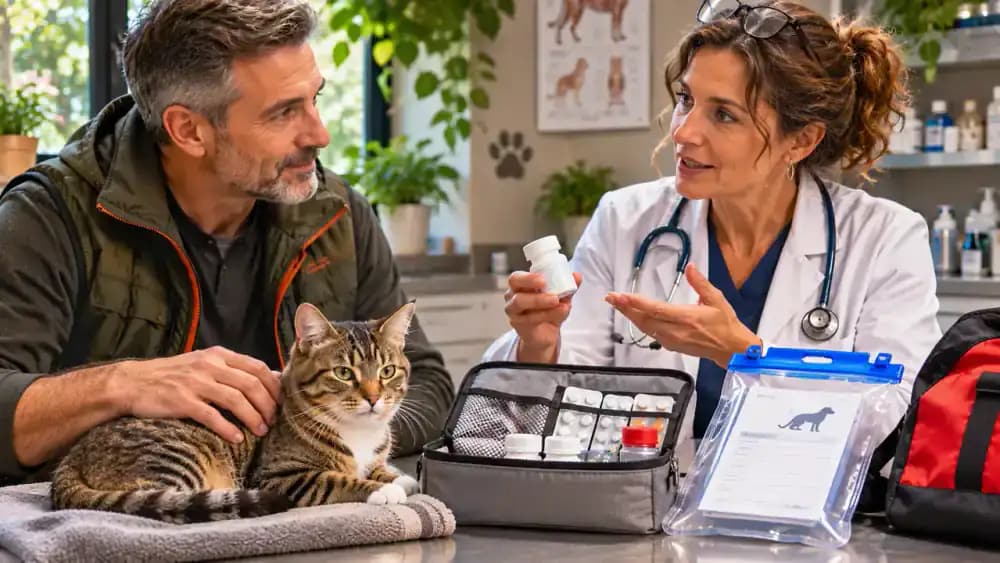
Prepare Hygiene and First Aid Supplies
Pack dog waste bags, absorbent pads, paper towels, disposable gloves, and pet-safe cleaning wipes. For cats, include familiar litter, a scoop, and a compact portable litter tray. Add a basic pet first aid pouch with sterile gauze, nonstick dressings, and bandage materials. Seek veterinary care promptly if your pet becomes injured or ill.
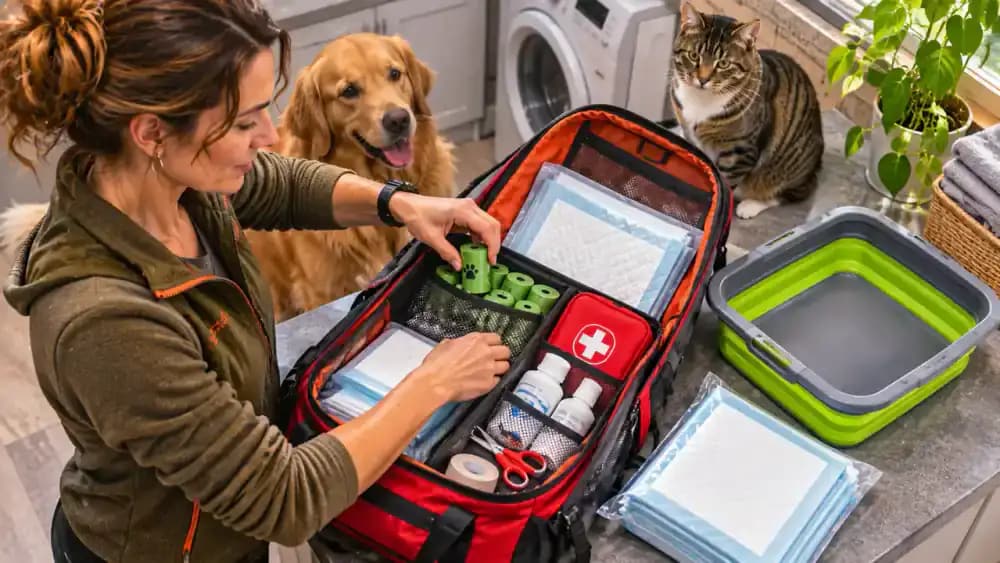
Secure Transportation and Add Comfort
Keep a properly fitted harness and sturdy leash ready for your dog, and choose a secure, well-ventilated carrier for your cat. Check buckles, door latches, and identification tags regularly. Store bulky carriers beside your emergency bag. Add a familiar blanket or favorite small toy to help your pet feel more comfortable during evacuation.
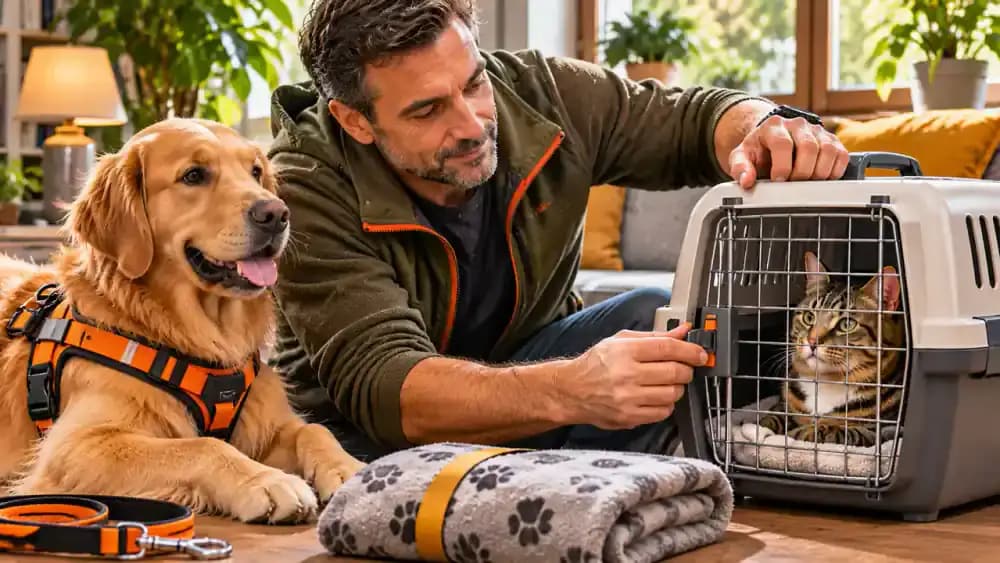
Create a Practical Evacuation Plan
Identify at least two pet-friendly evacuation destinations and map alternate routes before an emergency occurs. Confirm transportation arrangements, accommodation policies, and required vaccination records. Keep bulky carriers and travel equipment beside your emergency bag. Practice loading your pets into the vehicle safely, using appropriate restraints or secured carriers to prevent movement during travel.
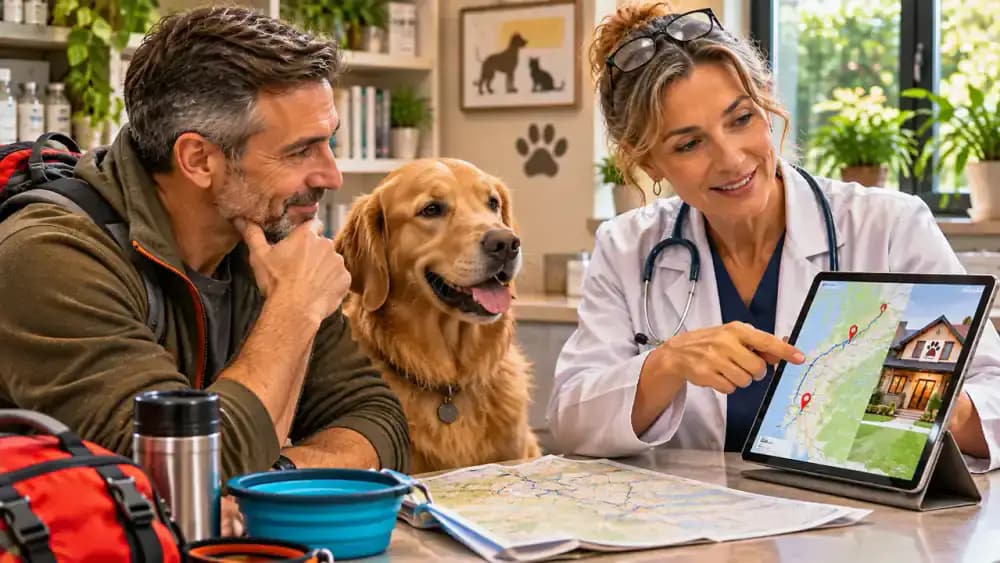
Maintain Your Kit and Stay Ready
Label your emergency bag with your pet's name and current contact information, then store it near an accessible exit. Set recurring calendar reminders to inspect supplies, replace expired food and medications, and refresh stored water as directed. Update veterinary records and microchip details whenever information changes. Replenish anything removed from the bag immediately.
Test Your Bag Before an Emergency
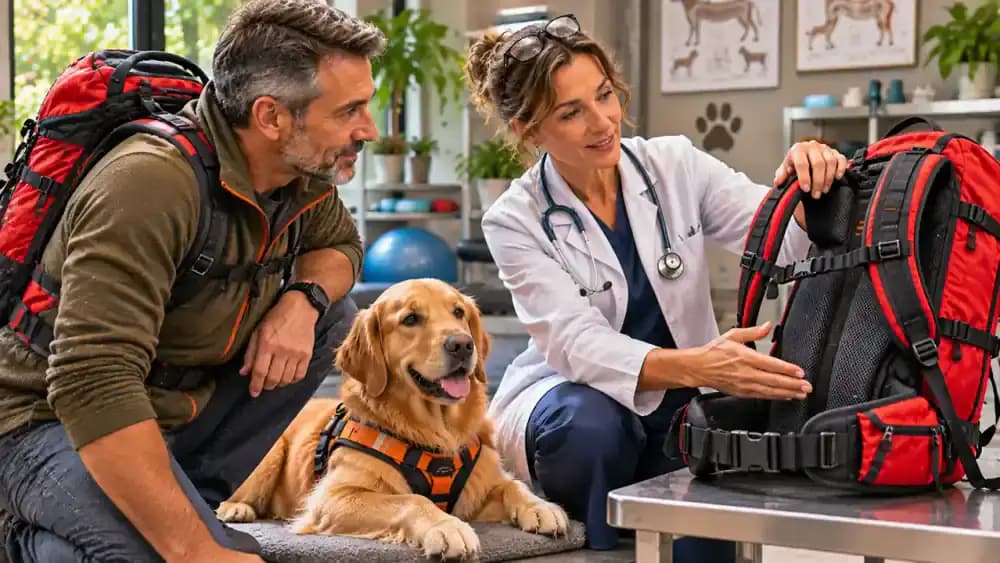
Put on your fully packed emergency backpack and practice moving through your normal exit while managing your pet's leash or secured carrier. Check the bag's weight, balance, and shoulder strap adjustment. If carrying everything feels difficult, redistribute supplies or arrange assistance. Practice navigating stairs and doorways without compromising your balance or your pet's security.
Prepare Everyone Who Cares for Your Pet
Share your pet's emergency plan with family members, pet sitters, and other trusted caregivers. Provide current contact numbers, veterinary information, written care instructions, and authorization for emergency veterinary treatment when appropriate. Explain where supplies and carriers are stored, who handles transportation, and which backup contact to call if you cannot be reached.

Double-Check Your Pet's Identification
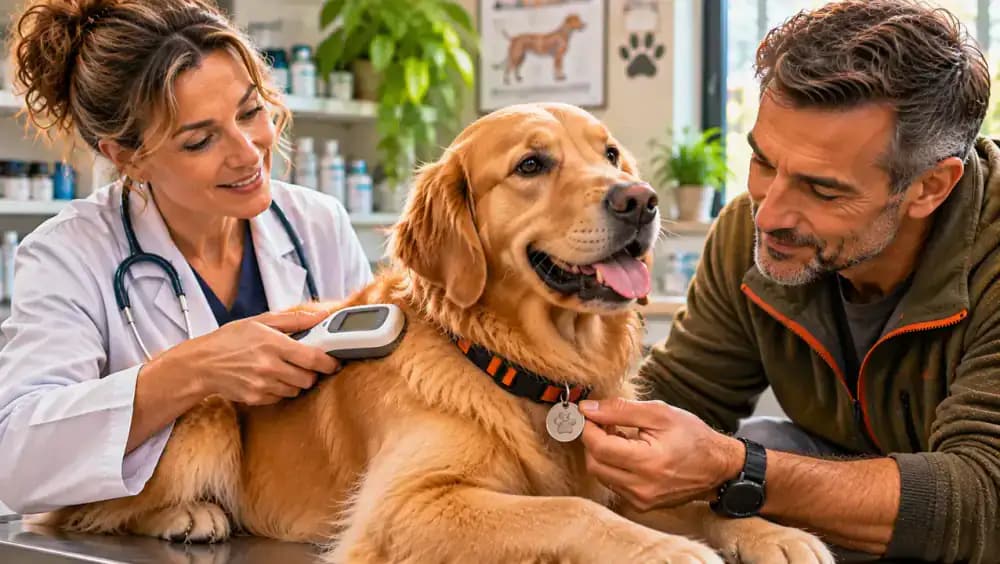
Check that your pet's collar identification tag displays your current phone number and remains securely attached. Verify that your microchip registration includes updated contact information and an alternate contact. Ask your veterinarian to confirm the chip can be scanned. Keep recent photographs and identification details in your emergency bag in case you become separated.
Adapt Your Supplies to Weather Conditions
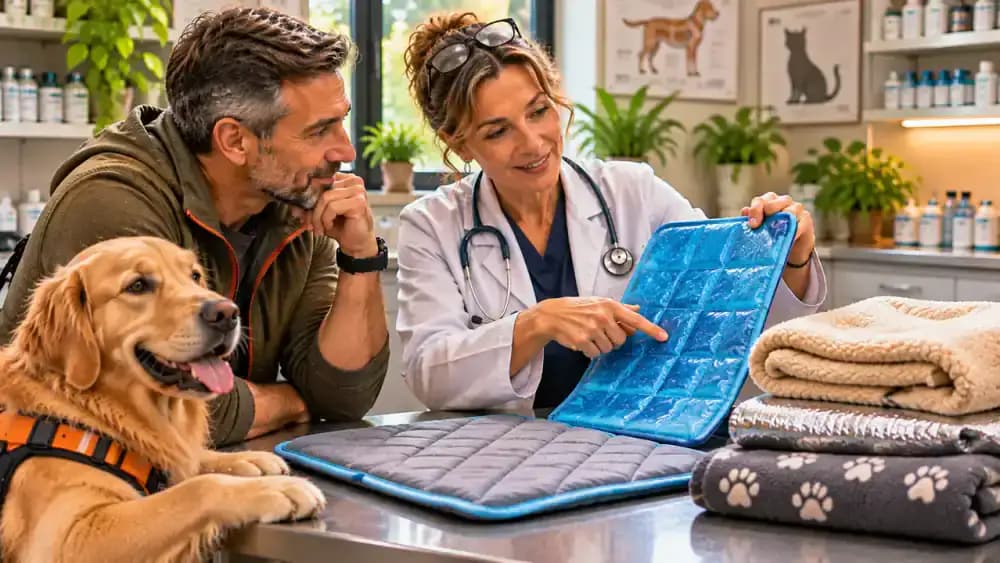
Adjust your pet emergency supplies for seasonal temperatures and likely evacuation conditions. Pack a compact insulating blanket or suitable coat for cold weather, and prioritize shade, ventilation, and drinking water during heat. Consider your pet's age, coat, and individual needs. Never leave pets unattended in parked vehicles, where temperatures can quickly become dangerous.
Prepare for Communication and Power Failures
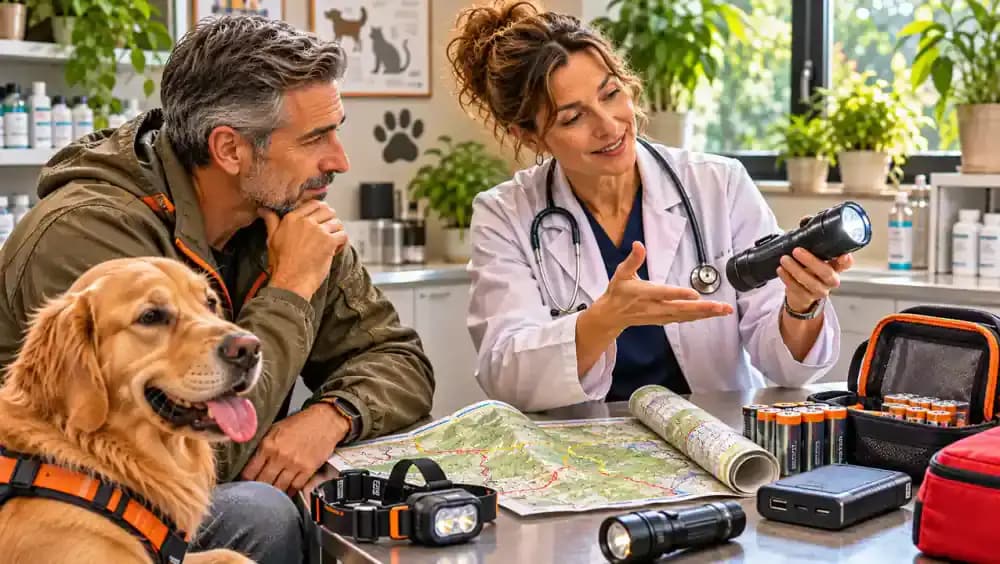
Print important phone numbers, veterinary contacts, evacuation addresses, and alternate driving directions in case cellular service becomes unavailable. Add a compact flashlight, spare batteries, and a charged portable power bank to your emergency supplies. Store printed documents in waterproof protection. Check batteries and recharge backup devices regularly so they remain useful during unexpected outages.
Practice Calm Handling Before Trouble Starts
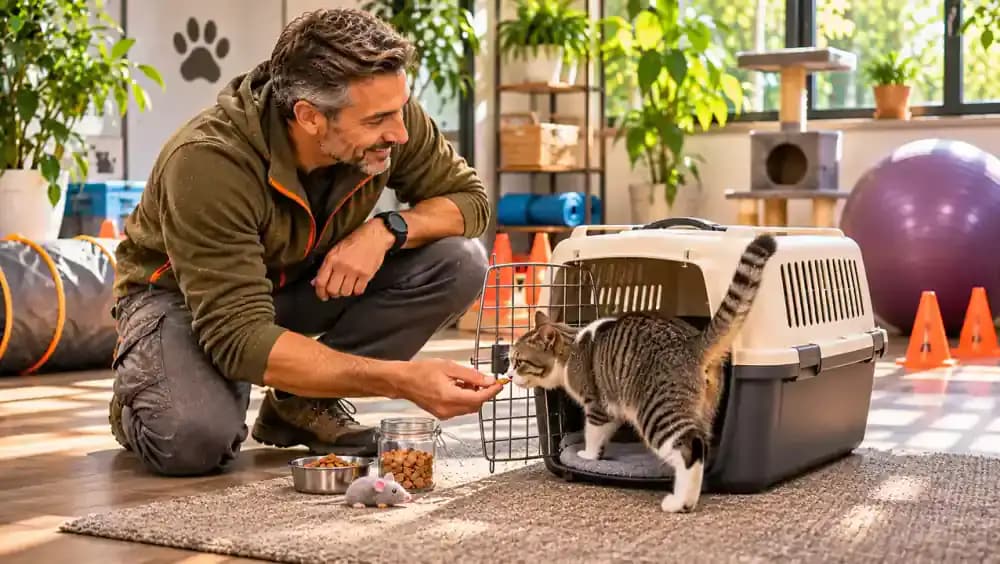
Introduce emergency carriers, harnesses, and leashes gradually during relaxed practice sessions. Encourage your cat to enter an open carrier voluntarily using treats, and reward your dog for calm leash walking. Keep sessions short and positive, without forcing participation. Repeat regularly so transportation equipment becomes familiar before a real evacuation requires quick, secure handling.
Plan Separately for Multiple Pets
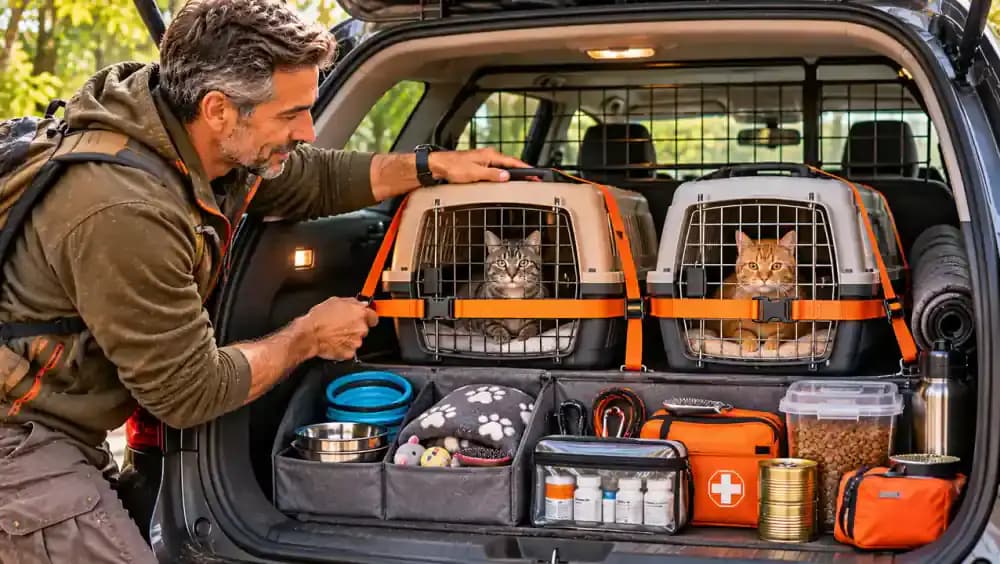
Prepare individual food portions, medication instructions, identification records, and essential supplies for every pet. Use labeled or color-coded pouches to prevent confusion. Provide separate secure carriers for cats and appropriate vehicle restraints for dogs. Check that everyone fits safely without overcrowding, and arrange additional transportation or assistance if you cannot manage all pets independently.
Run a Complete Emergency Practice Drill
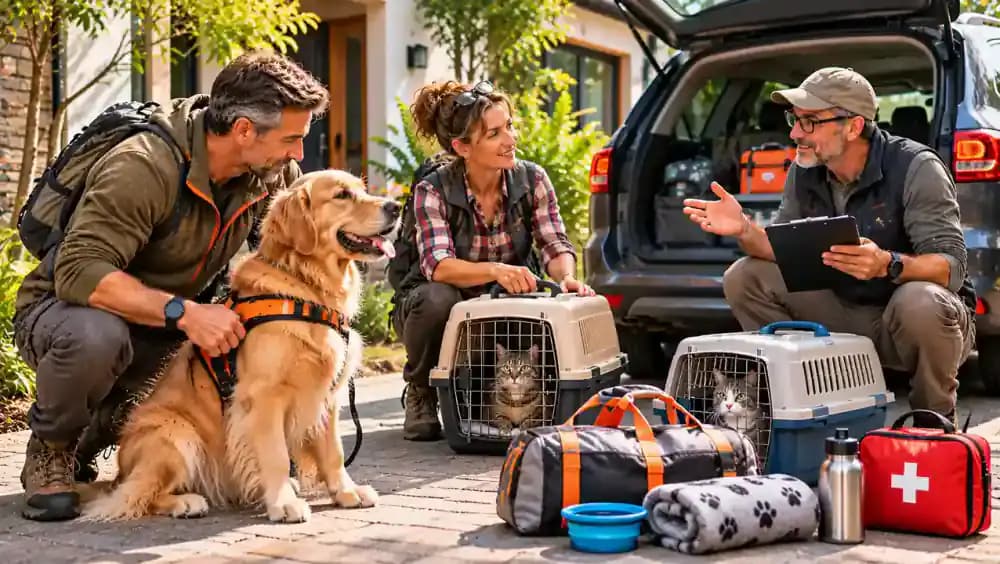
Choose a calm day to practice evacuating with your pets and emergency supplies. Gather everyone, secure your dog and cat, and follow your planned route to the vehicle. Time the process without rushing or frightening your animals. Identify delays, difficult doorways, or missing equipment, then adjust your plan and repeat the drill periodically.
Identify Backup Veterinary and Boarding Options
Research emergency veterinary hospitals, animal clinics, and temporary boarding facilities along your evacuation routes. Record addresses, phone numbers, operating hours, and any admission requirements. Contact facilities in advance to understand their emergency policies, but never assume space will remain available. Keep several alternatives in your go-bag and update the information regularly.

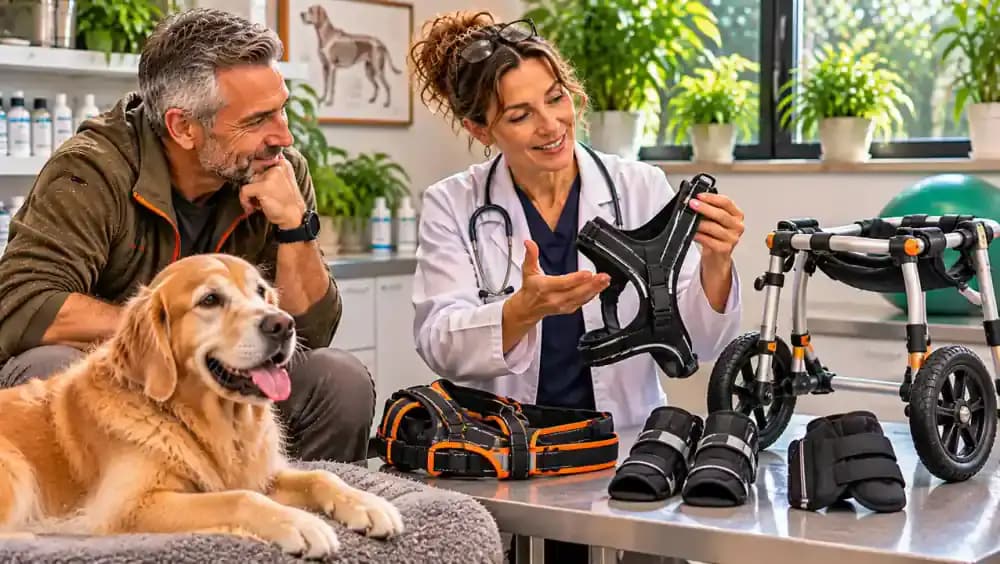
Customize the Kit for Special Needs
Review your pet's age, mobility, feeding schedule, and ongoing care requirements before finalizing the kit. Pack age-appropriate supplies for puppies or kittens, and consider supportive harnesses or extra bedding for senior animals. For pets requiring medication or specialized care, ask your veterinarian about emergency arrangements, storage requirements, and transportation precautions tailored to their needs.
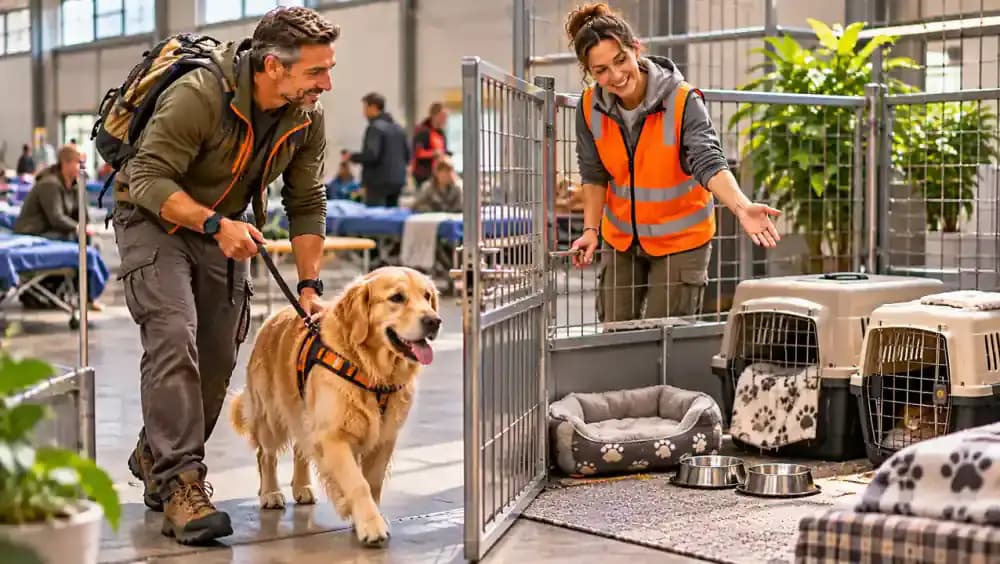
Prevent Escapes During Evacuation
Keep your dog securely leashed and your cat inside a properly latched carrier whenever doors open or unfamiliar people approach. Choose quieter waiting areas when available, and maintain distance from other animals. Watch for pacing, trembling, hiding, or defensive behavior. Avoid forcing interactions, and check harness connections and carrier latches before moving between locations.
Maintain Essential Care During Displacement
Maintain your pet's usual feeding schedule as closely as possible, provide fresh drinking water, and arrange regular bathroom breaks. Use a simple daily log to track meals, water intake, medications, and behavior. Monitor for vomiting, diarrhea, refusal to drink, or unusual lethargy. Contact a veterinarian promptly if concerning symptoms appear during displacement.

Know When Staying Indoors Is Safer
Follow official emergency instructions to determine whether evacuation or sheltering indoors is safer. If advised to stay inside, move your pets into a protected room away from windows and other hazards. Keep carriers, drinking water, and emergency supplies within reach. Monitor official updates, and never enter dangerous areas to retrieve forgotten belongings.

Inspect Your Home Before Returning to Normal
Before allowing your pets to explore after an emergency, check accessible areas for broken glass, damaged fencing, sharp debris, and contaminated water. Keep animals securely leashed or contained during inspections. Stay away from fallen electrical cables and other serious hazards, and contact appropriate professionals. Resume normal outdoor activities only after affected areas are safe.

Turn Preparation Into Lasting Protection
Make pet emergency preparedness an ongoing household responsibility rather than a one-time project. Review essential supplies, update your evacuation plan, and involve everyone who helps care for your animals. Share practical preparedness information with neighbors who own pets. Choose one improvement to complete today, whether updating identification, checking supplies, or confirming a pet-friendly destination.
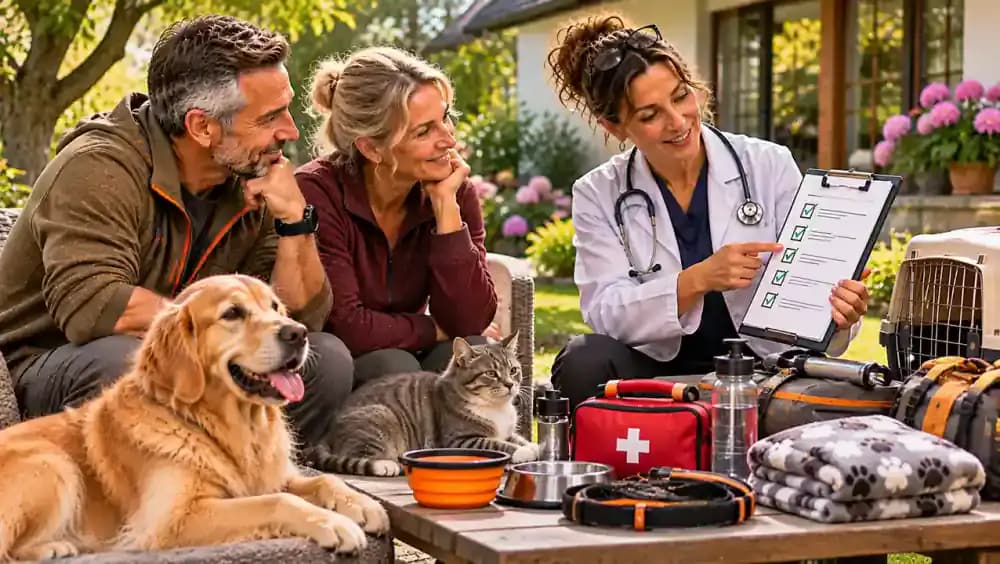
Make Your Emergency Kit Easy for Anyone to Use
Ask a trusted friend or household member unfamiliar with your emergency kit to locate specific supplies without assistance. Observe which items are difficult to find, then improve compartment labels and storage arrangements. Use clear descriptions instead of confusing abbreviations. Keep a printed inventory inside the bag so another caregiver can quickly identify essential items during an emergency.

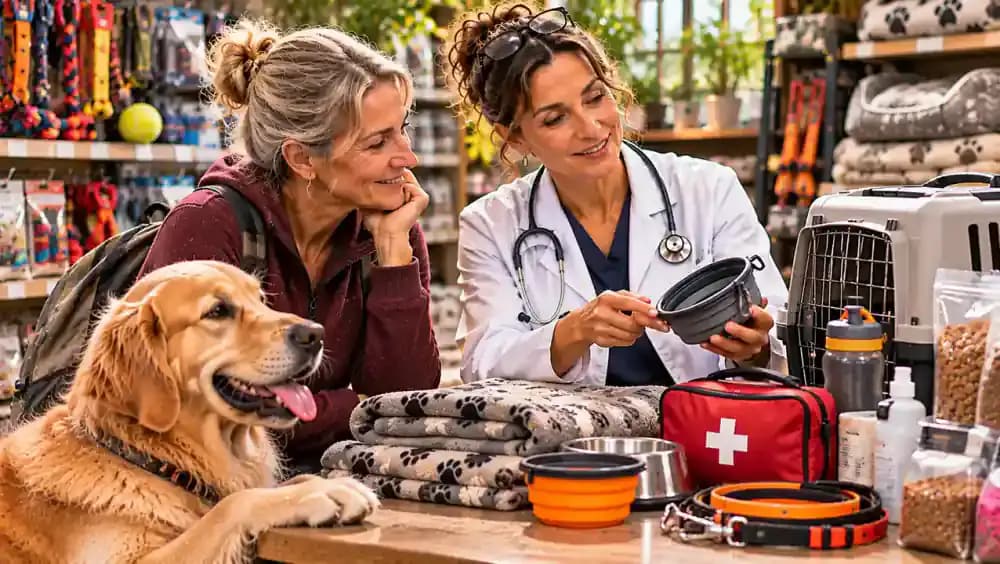
Build an Effective Kit Without Overspending
Start with useful supplies you already own, including spare bowls, towels, storage containers, and a dependable backpack. Purchase missing essentials before considering optional accessories. Prioritize sufficient food, water, identification, medications, and secure transportation equipment. Compare prices, choose durable products, and avoid bulky gadgets that add unnecessary weight. A practical emergency kit does not need to be expensive.
Keep Additional Supplies for Extended Emergencies
Store an additional reserve of pet food, drinking water, and essential supplies at home in case disruptions last longer than expected. Keep this reserve separate from your portable emergency bag. Use sealed, clearly dated containers stored away from moisture, pests, and extreme temperatures. Review quantities regularly and rotate supplies before their expiration dates.
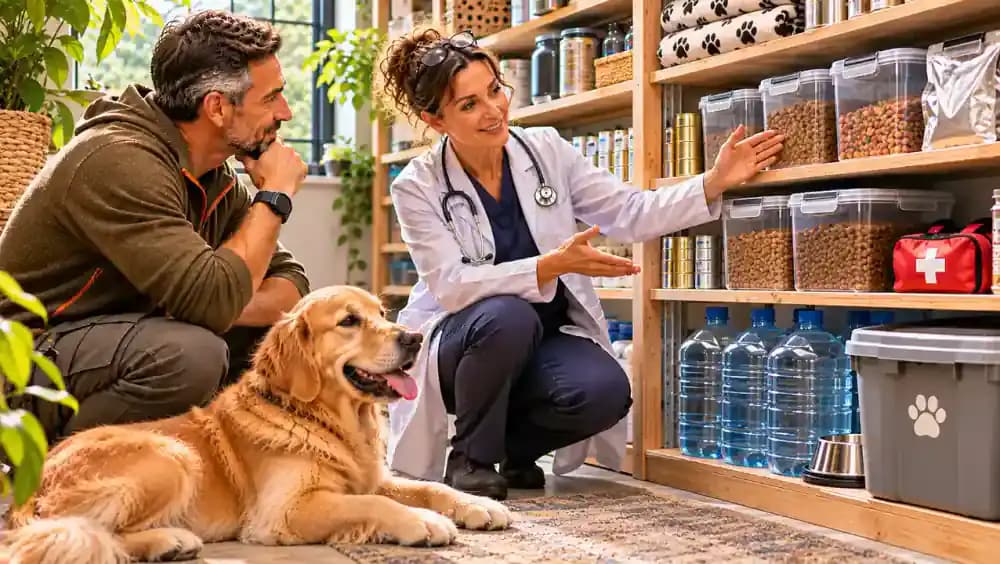
Understand the Risks of Flood Emergencies
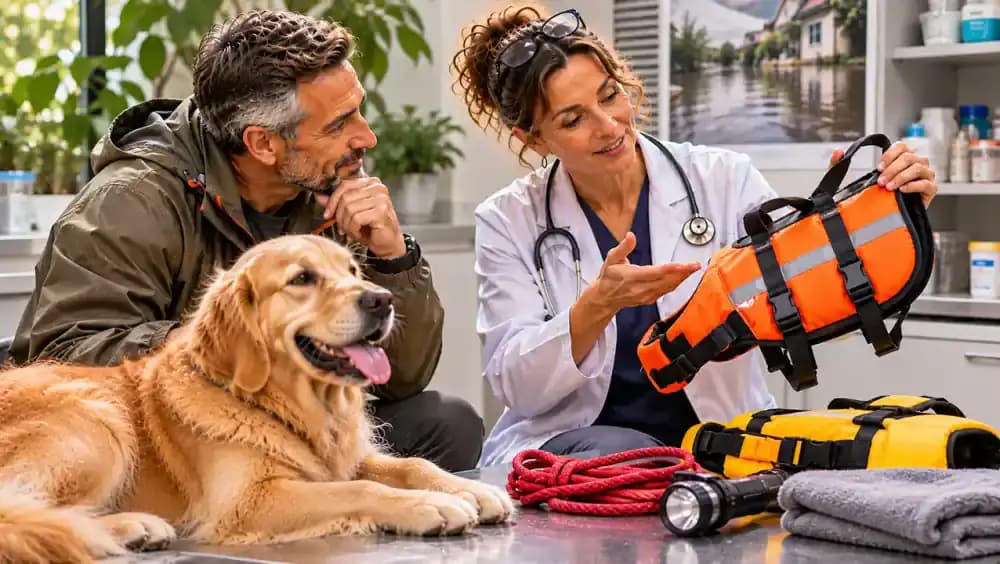
Keep pets away from floodwater, submerged objects, and scattered debris. Never allow animals to drink standing floodwater, which may contain sewage, chemicals, or other contaminants. Follow official evacuation instructions and avoid entering moving water. If boat transportation becomes necessary, request trained rescue assistance and use an appropriately fitted pet flotation device when recommended.
Protect Pets During Wildfire Smoke Events
Monitor local air quality reports and follow wildfire evacuation instructions. When smoke levels are elevated, limit outdoor activity and keep pets indoors with windows and doors closed when appropriate. Use a suitable air purifier if available and maintain access to fresh water. Contact a veterinarian promptly if your pet develops coughing, breathing difficulty, or unusual weakness.

Learn From Every Emergency Experience
After returning to safety, inspect your emergency bag and replace any food, water, medications, or other supplies you used. Clean reusable equipment according to manufacturer instructions and check for damage. Record what worked well and what caused delays. Update your checklist, reorganize difficult-to-reach items, and practice any transportation skills that need improvement.
Take the First Step Toward Pet Emergency Readiness
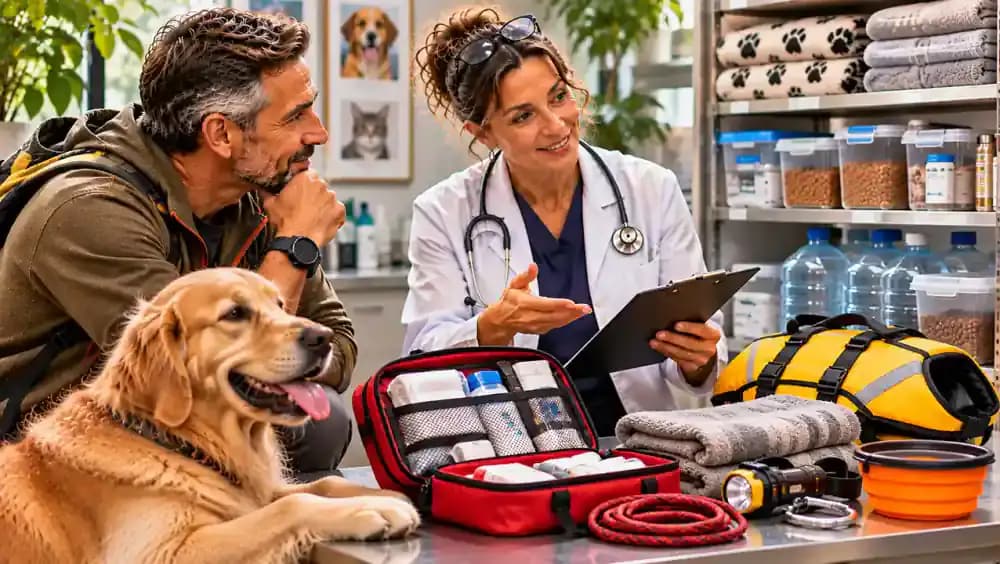
Assemble a practical emergency go-bag with the essentials you have today, then add missing supplies as your budget allows. Store it near an accessible exit and review it as your pet's needs change. Keep transportation equipment ready and share the plan with caregivers. Consistent preparation helps you respond quickly when unexpected emergencies threaten your household.
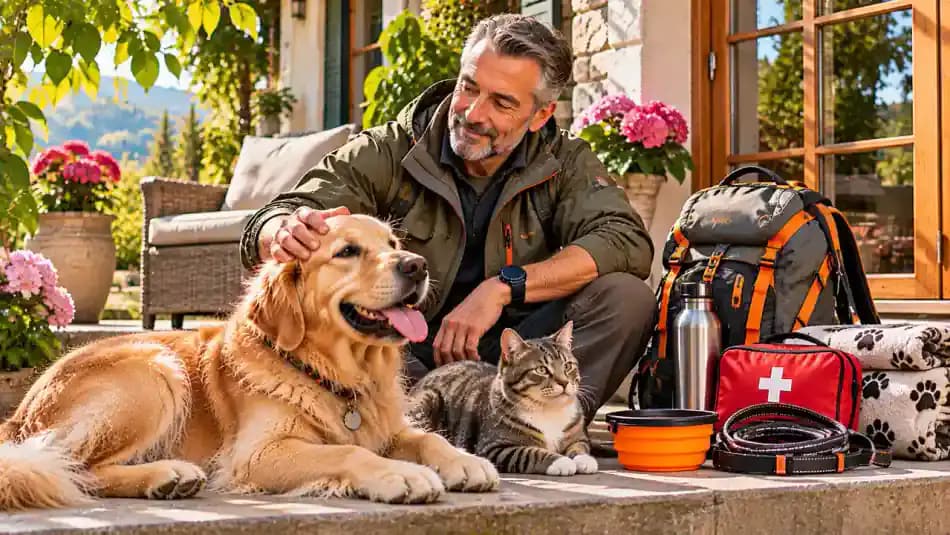
Your phone buzzes with an evacuation alert. A fast-moving wildfire is approaching, and residents in your neighborhood have been told to leave. You have only minutes to gather your belongings, secure your pets, and get to safety. Instead of searching through cabinets for medications, food, and veterinary paperwork, you reach for a prepared pet emergency go-bag beside the door.
That simple decision can make an enormous difference when every minute counts.
Whether the emergency involves a hurricane, flood, wildfire, extended power outage, or unexpected displacement, dogs and cats depend on their owners to provide food, water, identification, medical necessities, and safe transportation. A thoughtfully packed emergency bag keeps these essentials organized, portable, and ready to grab.
The goal is to prepare enough supplies for at least three days, with a longer reserve when practical and recommended by local emergency guidance. Your pet's size, dietary needs, medications, and behavior will determine exactly what belongs inside.
This guide covers how to organize supplies into five practical categories: food and water, health, identification, hygiene, and comfort. You'll also learn what should stay beside the bag, how to plan an evacuation destination, and how often to inspect your supplies.
You cannot predict every emergency, but you can remove much of the last-minute uncertainty. A reliable pet go-bag gives you one less problem to solve when getting your dog or cat to safety.
Where people go wrong
Packing Too Little Food or Water. A single meal or small water bottle will not provide a reliable emergency reserve. Evacuations can involve traffic delays, closed stores, and unexpected overnight stays. Calculate supplies using your pet's normal daily consumption, pack enough for at least three days, and consider extending the reserve to seven days when storage and transportation allow.
Forgetting Medications and Veterinary Documents. Food and toys are easy to remember, but medications and medical paperwork are just as important. A shelter or temporary caregiver may request vaccination records, while an unfamiliar veterinarian may need treatment details. Keep updated copies in waterproof protection and ask your veterinarian how to maintain an appropriate emergency medication supply.
Relying on a Collar Instead of Secure Transportation. Even normally calm pets may panic around sirens, unfamiliar people, or crowded evacuation areas. A loose collar or poorly secured carrier increases escape risks. Check that harnesses fit correctly, identification tags remain attached, and carrier doors latch securely. Cats should generally travel in secure carriers rather than being carried in someone's arms.
Storing the Emergency Bag Somewhere Inaccessible. A perfectly packed kit is useless if you cannot retrieve it quickly. Bags buried in storage closets, garages, or upstairs rooms may be difficult to reach during a sudden evacuation. Choose a clearly identified location near an accessible exit, keep bulky carriers nearby, and make sure everyone in the household knows where the supplies are stored.
Ignoring Your Pet's Individual Needs. A generic checklist cannot account for every animal. Puppies, kittens, senior pets, and animals with special diets or ongoing treatment may require different quantities, equipment, or care arrangements. Customize your kit around your pet's documented needs, regular feeding schedule, and mobility. Discuss specialized emergency supplies with your veterinarian before an evacuation occurs.
Preparing Supplies Without an Evacuation Plan. A packed bag does not guarantee that your destination will accept animals. Some emergency shelters have restrictions, and transportation may be limited during severe weather. Identify multiple pet-friendly destinations, confirm their policies when possible, and decide who will transport each pet. Include a backup caregiver in case you are away when an alert arrives.
Allowing Supplies and Contact Information to Become Outdated. Emergency kits lose their value when food expires, batteries stop working, medications become unusable, or phone numbers change. Review the bag at least every six months, with more frequent checks for medications and perishable supplies. Rotate food and water according to their storage instructions, update microchip registration details, and replace anything damaged or missing.
Questions people ask
A pet emergency go-bag should contain familiar food, safe drinking water, portable bowls, necessary medications, vaccination records, identification details, hygiene supplies, basic first aid materials, and comfort items. Include a secure leash or harness and keep an appropriate carrier nearby. Organize everything in labeled compartments so essential supplies are easy to locate during an evacuation.
Fixed it?
Get one guide like this every Thursday.