Does Carrying a Credit Card Balance Help Your Credit Score?
Carrying a credit card balance does not improve your credit score, and paying interest is not required to build credit. Learn how payment history, credit utilization, reporting dates and responsible card use actually affect your credit profile.

What you’ll need
Tap to tick things off before you start.
Start With the Myth
The myth is simple: leave a small balance on your card, allow interest to accrue and your credit score will improve because lenders can see that you know how to handle debt. The problem is that credit scoring does not work that way.
A lender or scoring model can see that an account is active without requiring you to pay interest. If you charge ordinary purchases and then pay the statement balance in full, the account can still show activity, payments and responsible use. There is no scoring requirement that you donate money to the card issuer through finance charges.

Separate Credit Use From Interest
Credit use and interest are not the same event. You can make purchases on a card, receive a statement and pay that statement balance by the due date. When the card's grace-period rules apply, doing so generally allows you to avoid purchase interest.
Carrying a balance means leaving some portion unpaid beyond the point when interest applies. That creates a cost, but it does not create a special credit-building benefit. This distinction is one of the most useful concepts to understand before trying to optimize a credit profile.

Know What Credit Scores Are Trying to Measure
Credit scores are statistical tools that estimate credit risk using information contained in your credit reports. Different scoring models weigh information differently, so there is no single formula that applies to every lender or every score you may see.
Broadly, however, responsible repayment behavior matters. The Consumer Financial Protection Bureau advises consumers who want to get and keep a good credit score to pay bills on time, avoid getting too close to credit limits and maintain sound credit habits. None of those principles requires carrying an interest-bearing balance.

Make Payment History the Priority
Payment history is one of the most influential components in widely used credit scoring systems. That is why missing a payment can matter much more than whether you allowed a few dollars of interest to accrue.
A practical approach is to build systems that make on-time payments more reliable. Calendar reminders, account alerts and automatic payments can all help. If you use autopay, confirm that the linked bank account has enough money available so the payment does not fail.

Understand Credit Utilization
Credit utilization measures how much revolving credit you are using compared with the credit available to you. If one card has a $10,000 limit and the reported balance is $1,000, the utilization on that card is 10 percent.
The same idea can be applied across multiple revolving accounts. If three cards provide $20,000 in total limits and $4,000 is reported across them, aggregate utilization is 20 percent. Scoring systems may examine both overall utilization and utilization on individual accounts.

Use the Basic Utilization Formula
The calculation is straightforward: divide the balance by the credit limit and multiply by 100.
For example, $2,500 divided by a $10,000 limit equals 0.25. Multiply that by 100 and you have 25 percent utilization. If the balance rises to $7,500 on the same limit, utilization becomes 75 percent.
That second scenario may look very different to a scoring model even if you have never missed a payment, because the account is much closer to its maximum limit.

Do Not Treat 30 Percent as a Magic Number
You will often hear advice to keep utilization below 30 percent. That can be a useful educational benchmark, but it should not be interpreted as a hard boundary where 29 percent is automatically good and 31 percent is automatically bad.
In general, lower revolving utilization can be more favorable than higher utilization, all else being equal. The precise score impact depends on the scoring model and the rest of your credit file. You therefore do not need to deliberately maintain a balance just to remain above zero.

Learn What Balance May Be Reported
Paying a card in full by the due date does not necessarily mean your credit report will always show a zero balance. Card issuers typically report account information periodically, and the balance reported may correspond with a statement balance or another reporting snapshot.
As a result, a person can use a credit card normally, pay every statement in full and still have utilization appear on a credit report. That is normal. The important point is that reported activity does not require carrying interest-bearing debt.

Know the Difference Between the Statement Date and Due Date
The statement closing date and payment due date serve different purposes. The closing date generally ends a billing cycle and produces the statement balance. The due date is the deadline for making the required payment for that statement.
Consumers sometimes confuse these dates and assume they must carry the statement balance beyond the due date for it to count toward their credit history. They do not. A balance can appear on a statement and potentially be reported while still being paid in full by the due date.

See Why High Utilization Can Matter
High utilization can suggest that a borrower is relying heavily on revolving credit. A card close to its limit leaves less available borrowing capacity and can indicate greater repayment pressure.
That does not mean every high balance represents financial distress. Someone might charge a large purchase and pay it off immediately. Credit scoring, however, works from reported data rather than a personal explanation of every transaction. Keeping reported revolving balances manageable can therefore support a healthier credit profile.

Recognize the Cost of Revolving Debt
The biggest problem with carrying a balance is not a scoring penalty. It is the interest expense. Credit cards commonly carry relatively high annual percentage rates, and the actual rate on your account may be considerably higher than the 18 percent example often used in basic financial education.
Always check the APR shown in your card agreement and statement rather than assuming a generic rate applies to you. The higher the APR and the longer the balance remains unpaid, the more expensive borrowing becomes.

Understand How Credit Card Interest Builds
Credit card interest calculations vary by issuer and transaction type, but purchase balances are commonly subject to daily or periodic interest calculations once applicable grace-period protections are lost or do not apply.
The practical result is simple: the longer qualifying debt remains outstanding, the more interest you may pay. Part of each payment can then be absorbed by finance charges instead of reducing the balance as quickly as you expected.

See What a High APR Does to a Balance
Suppose a consumer carries several thousand dollars on a card with a high APR. Even without making new purchases, the interest expense can represent a meaningful monthly cost.
The exact amount depends on the balance, APR, billing method and payment timing, so a generic example should not be mistaken for an account-specific calculation. The core lesson is that intentionally carrying debt for a supposed credit benefit creates a real and measurable expense without creating a corresponding requirement in credit scoring.

Be Careful With Minimum Payments
Making at least the minimum payment by the due date can generally keep an account from becoming past due, but paying only the minimum may cause repayment to stretch over a long period when a substantial balance remains.
Interest can consume part of each payment, leaving less money to reduce principal. Your statement may include a minimum-payment warning or payoff illustration showing how repayment time and total cost change depending on how much you pay.

Avoid Confusing Activity With Debt
A card account can be active without revolving a balance. You might use the card for groceries, fuel or one recurring subscription and then pay the statement balance in full.
The account can still record purchases and payments. That is enough to demonstrate use. There is no need to leave $10, $50 or any other arbitrary amount unpaid simply to create activity.

Pay the Statement Balance When You Can
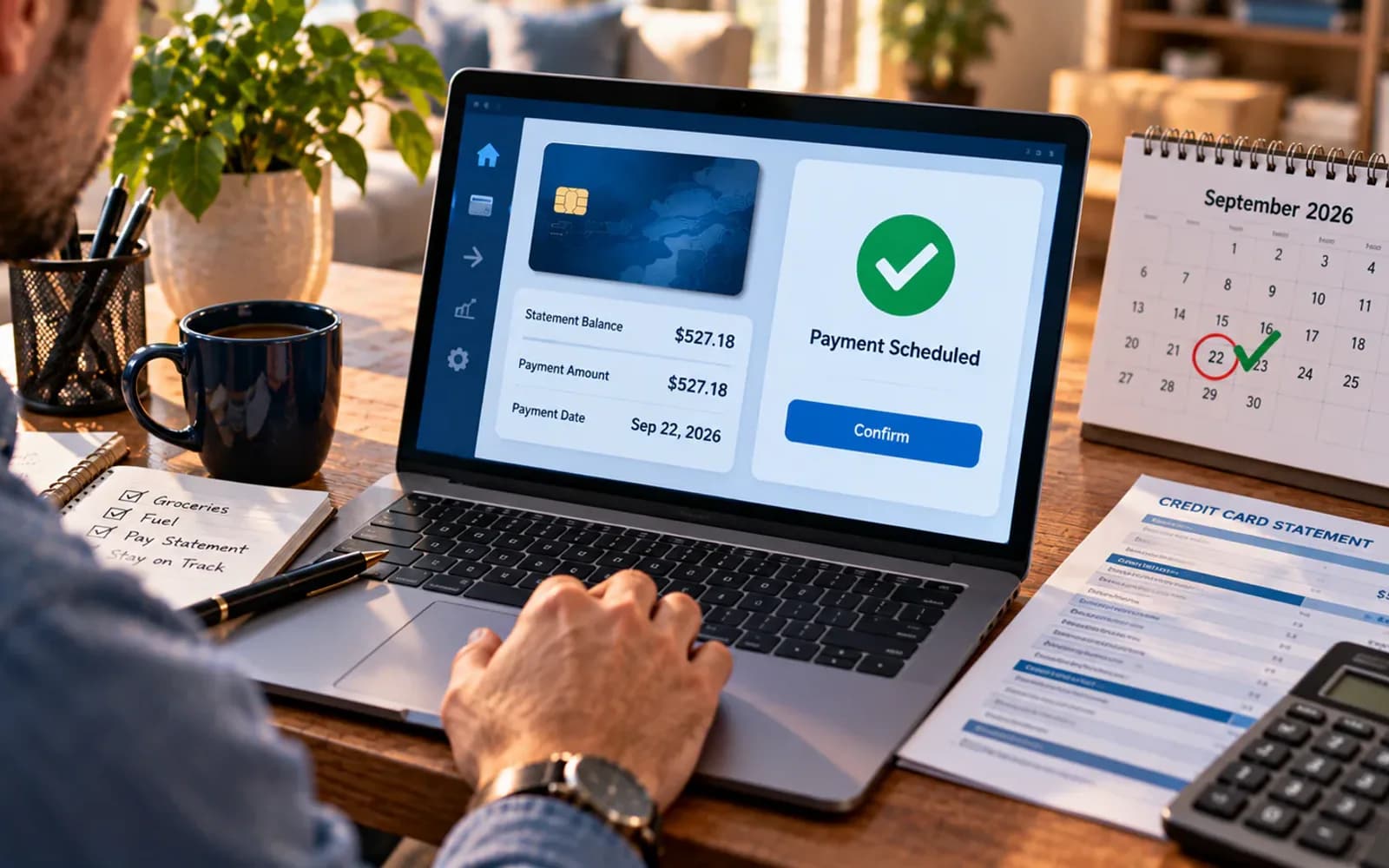
If your goal is to use a card without routinely paying purchase interest, paying the full statement balance by the due date is an important habit, assuming the account's grace-period terms apply.
Do not confuse the statement balance with the current balance. The current balance may include purchases made after the statement closed. You can pay more than the statement balance if you choose, but those newer purchases may not yet be due.
Pay More Than the Minimum When Full Payment Is Not Possible
If you already have revolving credit card debt and cannot pay it in full, paying more than the required minimum can reduce principal faster and may reduce future interest expense.
Investor.gov specifically highlights high-interest credit card debt as an important financial priority because eliminating expensive debt can provide a strong economic benefit. The appropriate payment strategy depends on your cash flow, other obligations, emergency needs and account terms, so avoid treating any general repayment rule as personalized advice.

Watch Utilization Before a Major Credit Application
If you expect to apply for a mortgage, auto loan or other major credit product, reviewing your revolving balances in advance can be useful. High reported balances may affect the score available to the lender at the time it checks your credit.
That does not guarantee that paying down a balance will produce a particular score increase. Scoring models differ and lenders consider many additional factors. The practical point is to avoid unnecessary last-minute utilization when you know your credit profile may soon be evaluated.

Keep Older Accounts in Perspective
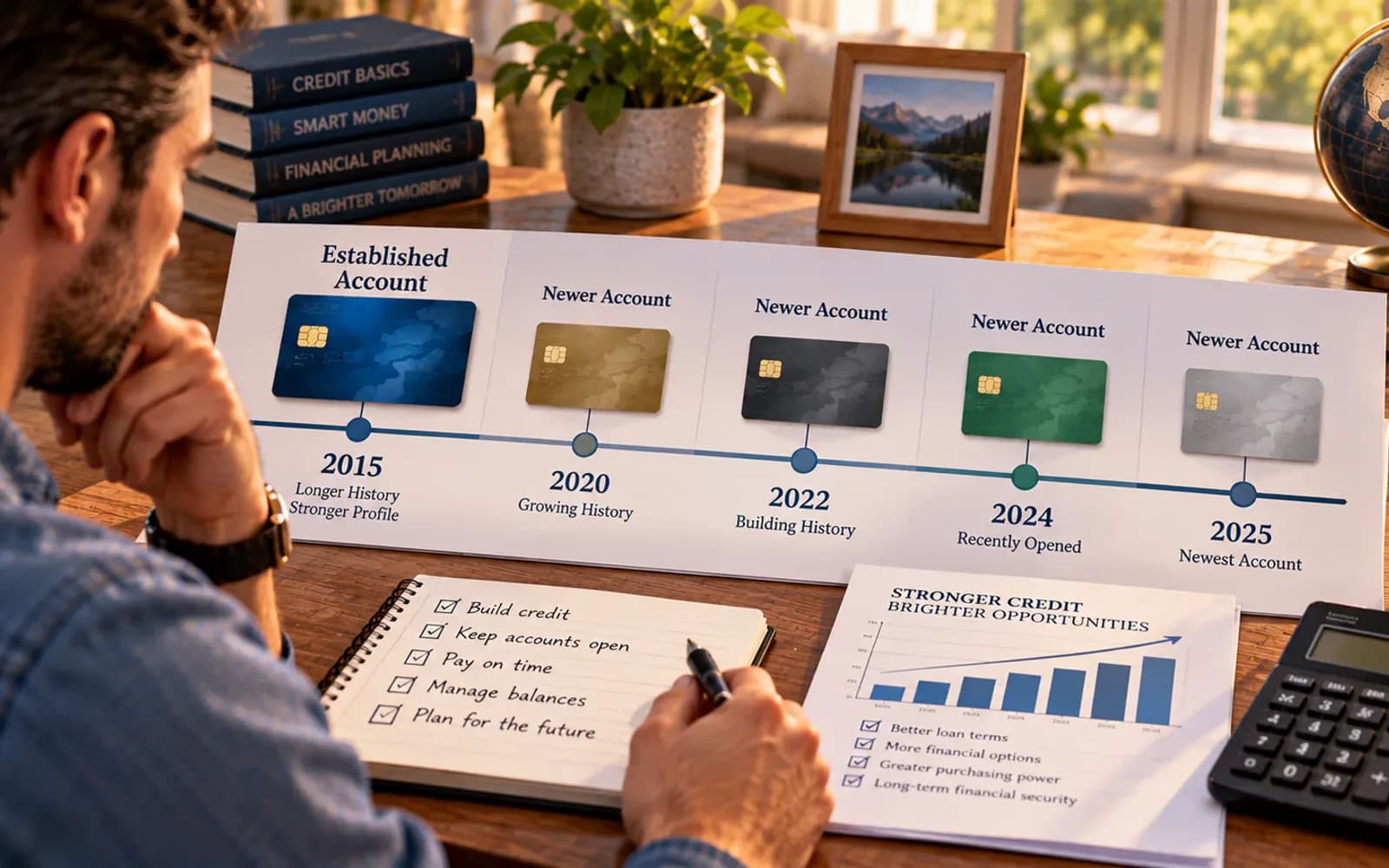
The age of your credit history can contribute to credit scoring. Older responsibly managed accounts provide a longer track record than newly opened accounts.
That does not mean every old card must remain open forever. An unused card might have an annual fee, fraud risk or other reason to close it. Before closing an account, however, understand that losing its available credit can raise your utilization if balances remain on other cards.
Think Before Closing a Zero-Balance Card
Suppose you have two cards with $5,000 limits, giving you $10,000 in total available credit, and one card reports a $2,000 balance. Your aggregate utilization is 20 percent. If you close the unused $5,000 card and the other figures remain unchanged, your available credit falls to $5,000 and utilization becomes 40 percent.
This example does not mean you should never close a card. It simply shows why the utilization effect is worth calculating first.

Avoid Opening Accounts Just to Manipulate Utilization
Opening another card can increase total available credit, but that does not automatically make it a wise move. New applications can create hard inquiries, new accounts can reduce average account age, and additional credit lines can create more opportunities for overspending.
Credit management should support your broader finances rather than become a game of chasing a particular score. Strong fundamentals are usually more durable than frequent account changes intended to produce a temporary utilization effect.

Use Automatic Payments Carefully
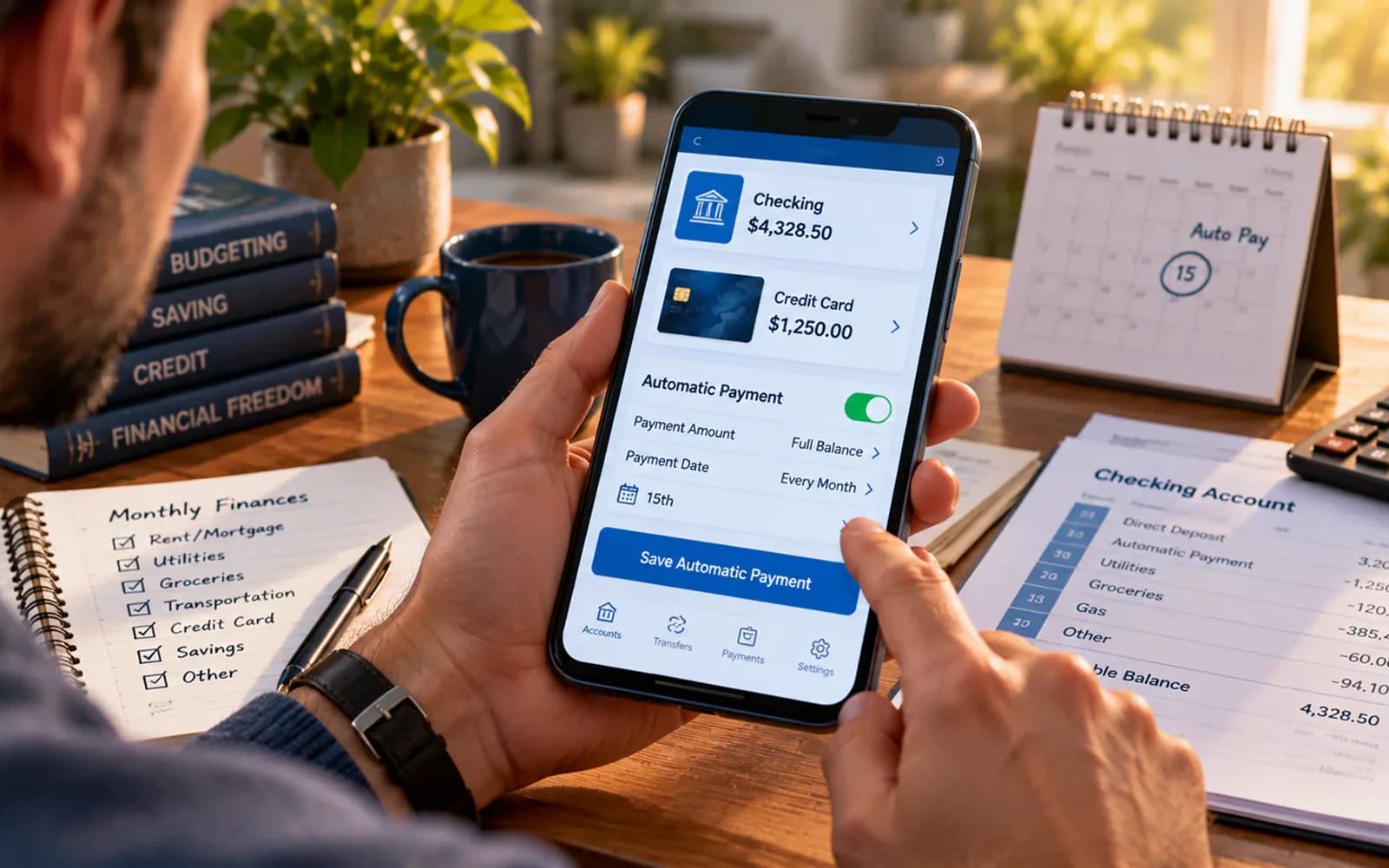
Autopay can reduce the risk of forgetting a due date. Many issuers allow automatic payment of the minimum amount, a fixed amount or the full statement balance.
Choose a setting that fits your cash management and continue reviewing statements for unexpected charges. Automatic payments are a tool, not a substitute for monitoring the account. A payment that fails because the bank account lacks funds can create its own problems.
Check Your Credit Reports
Your credit reports contain the account data that scoring models use. Reviewing them can help you confirm that balances, limits, payment status and account ownership appear accurate.
If you find information you believe is incorrect, use the appropriate dispute process with the credit bureau and, when relevant, the company that furnished the information. Credit-report disputes can involve specific rights and procedures, so complex cases may justify professional assistance.

Do Not Obsess Over Small Score Fluctuations
Credit scores can move as reported balances and other information change. A modest month-to-month fluctuation does not necessarily mean that something has gone wrong.
Different consumer services may also show different scores because they can use different scoring models, credit bureau data or update schedules. Focus on the underlying behaviors you can control rather than trying to reverse-engineer every small movement.

Treat a Grace Period as Valuable
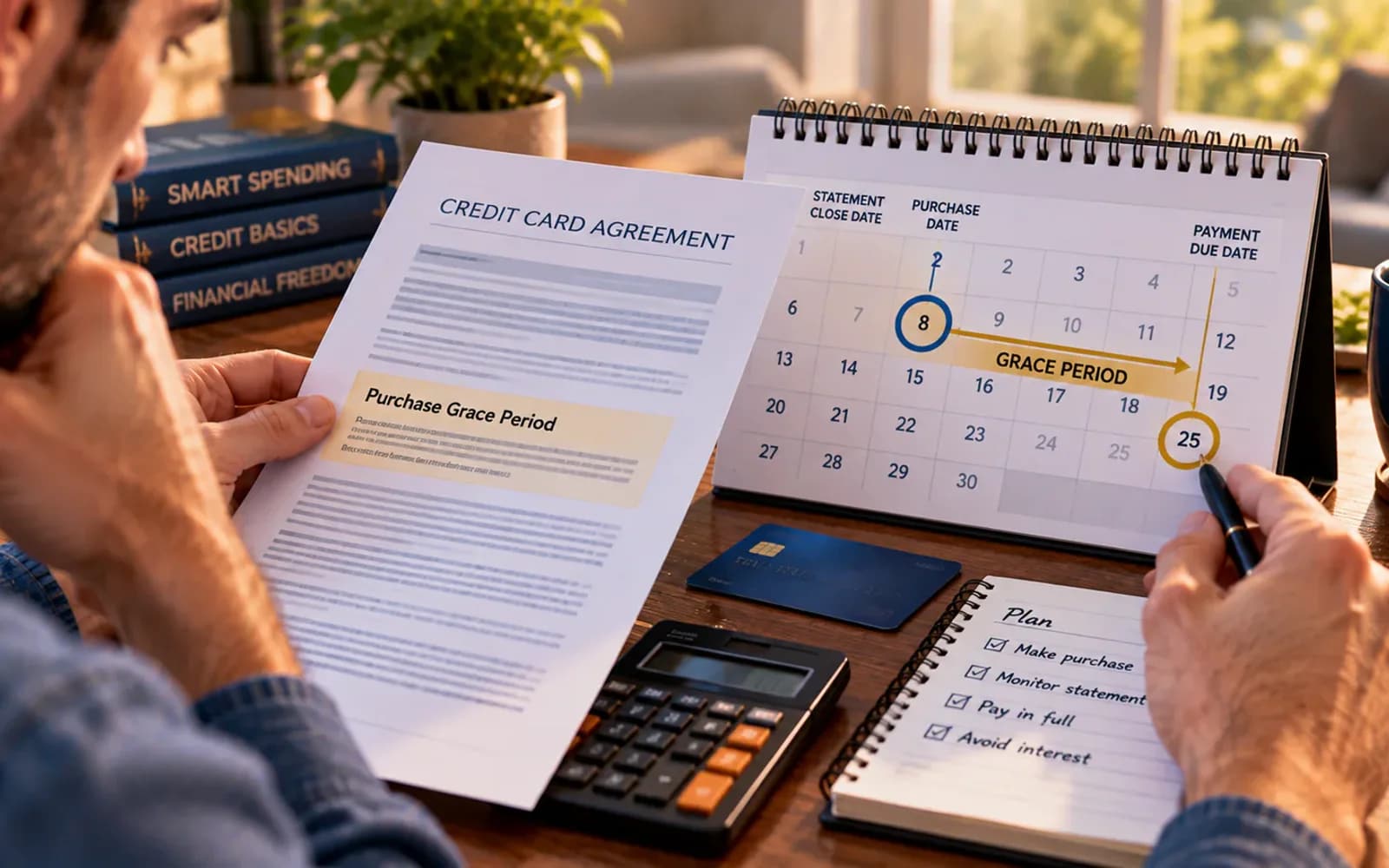
Many credit cards offer a grace period on qualifying purchases when the required conditions are met, but card terms differ. Carrying a balance can sometimes affect whether new purchases continue receiving an interest-free grace period.
That creates another reason not to revolve debt unnecessarily. Read your card agreement and monthly statement to understand how your issuer handles purchase interest, grace periods, cash advances and balance transfers.
Separate Purchases, Cash Advances and Balance Transfers
Not every credit card transaction is treated the same. Purchases, cash advances and balance transfers can have different APRs, fees and interest rules.
For example, a promotional balance-transfer offer may have a temporary rate while new purchases remain subject to different terms. Cash advances may begin accruing interest differently from ordinary purchases. Always check the specific pricing table for your account before assuming one rule applies to every balance.

Build Credit With Predictable Spending
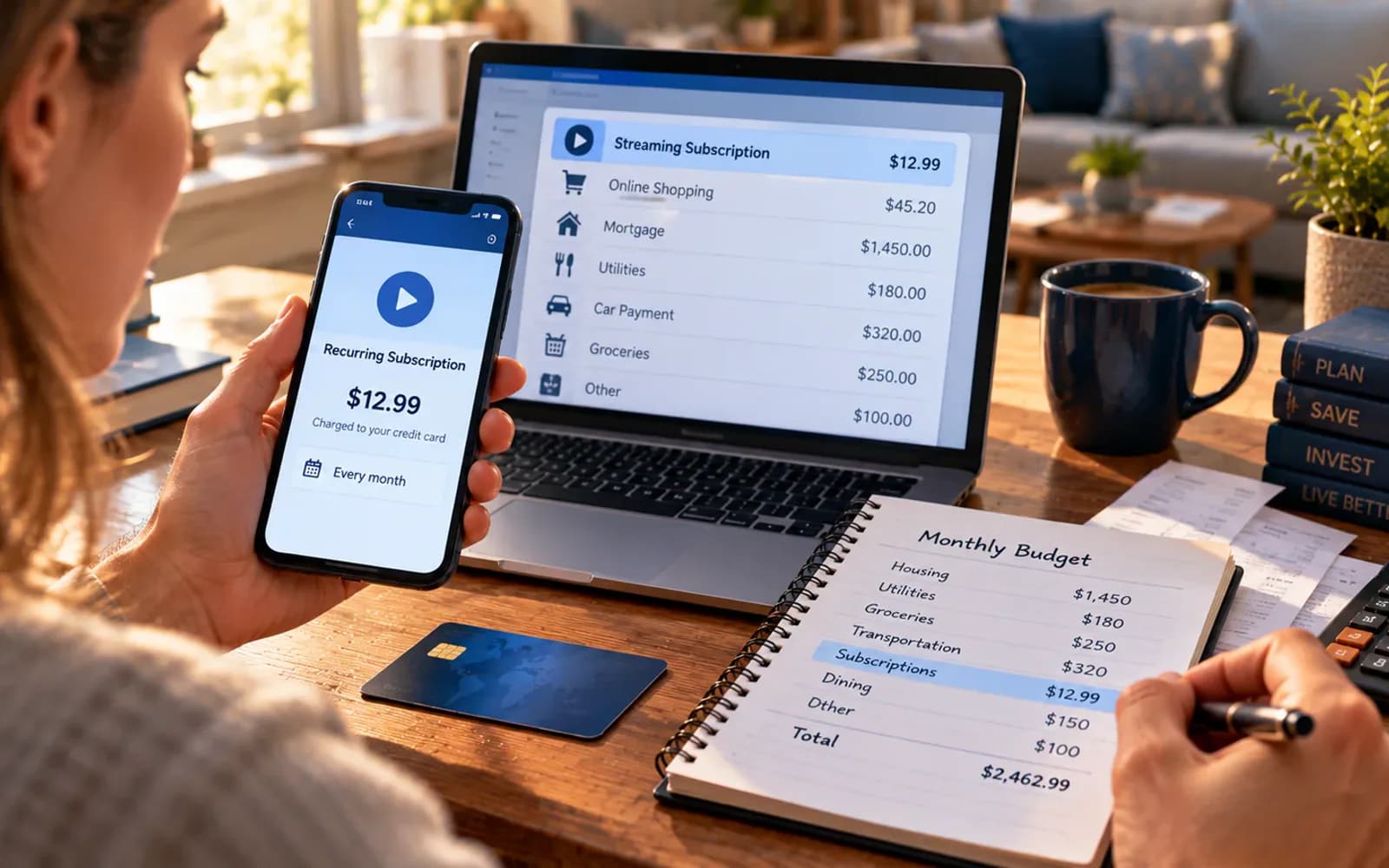
One simple way to use a card is to place a small number of predictable expenses on it and pay the statement balance consistently. That can make budgeting and account monitoring easier than using the card for every purchase.
There is no single spending level required to build credit. A modest recurring charge can still keep an account active, provided the issuer does not close it for inactivity and the account is otherwise managed responsibly.
Protect Cash Flow Before Chasing a Score
A credit score is useful, but it should not become more important than basic financial stability. Intentionally spending more than you can comfortably repay just to create credit activity is counterproductive.
A strong credit habit is one that fits inside your budget. If using a card makes overspending more likely, reducing card use may be more sensible than trying to maximize rewards or maintain constant activity.

Know When Debt Needs More Than a Credit Score Strategy
If balances are growing, payments are becoming difficult or multiple cards are near their limits, the issue is no longer simply how to optimize utilization. The priority becomes stabilizing cash flow and preventing the debt from becoming more expensive.
A nonprofit credit counseling organization may help you review options. Legal advice may be appropriate when collections, lawsuits, garnishment concerns or bankruptcy issues are involved. Avoid relying on score-hacking tactics when the underlying problem is unaffordable debt.

Build Credit Without Paying for the Privilege
The most useful principle is also the simplest: you do not need to pay credit card interest to prove that you are a responsible borrower. Use credit deliberately, pay on time, monitor utilization and understand the terms of your accounts.
The Consumer Financial Protection Bureau's consumer guidance centers on timely payments, keeping balances manageable and maintaining responsible credit behavior. Investor.gov likewise emphasizes the financial burden created by high-interest credit card debt. Those principles point in the same direction: build a record of responsible credit use while avoiding unnecessary borrowing costs whenever possible.

A stubborn credit myth says that you need to carry a credit card balance from one month to the next, pay some interest and prove that you can responsibly manage debt. That sounds plausible, but it confuses two very different things: using credit and paying interest.
You can use a credit card regularly, have activity reported to the credit bureaus and build a strong credit history without intentionally carrying interest-bearing debt. Credit scoring systems are designed to evaluate how you manage credit obligations. They do not award extra points because your card issuer collected interest from you.
The Consumer Financial Protection Bureau emphasizes the importance of paying bills on time, keeping balances low relative to credit limits and maintaining responsible credit habits over time. Investor.gov also warns that high-interest credit card debt can be expensive and generally deserves priority when consumers are deciding which debts to reduce.
This guide explains what carrying a balance actually means, why it can cost far more than expected, how credit utilization works, why statement balances and reporting dates matter, and which habits can support your credit profile without deliberately paying interest. The information is general consumer education and is not individualized financial, legal or tax advice.
Where people go wrong
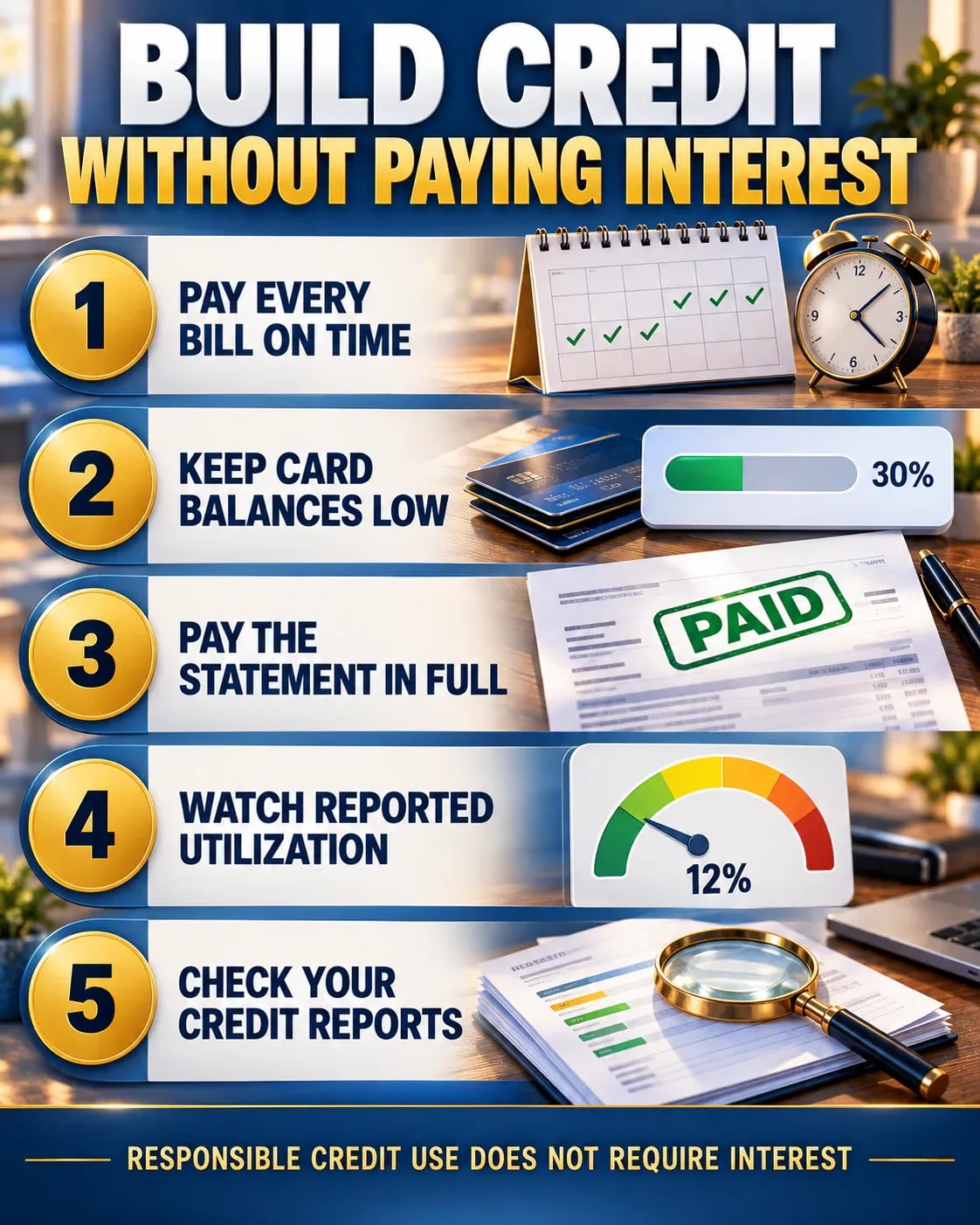
Leaving a Balance Just to Build Credit. There is no need to intentionally revolve a balance and incur interest simply to demonstrate credit activity. Using the card and paying on time can establish a payment record without deliberately creating finance charges.
Treating 30 Percent Utilization as a Hard Rule. Thirty percent is commonly repeated as a benchmark, but credit scoring does not operate as a simple pass-fail test at that exact number. Lower utilization can generally be more favorable, while the precise impact varies.
Paying Only the Minimum When More Is Affordable. Minimum payments may keep an account current, but they can prolong high-interest debt. Paying additional principal can reduce the time and interest required to eliminate the balance.
Missing Due Dates While Focusing on Utilization. Consumers sometimes focus heavily on utilization tricks while overlooking payment history. Consistent on-time payment behavior is a more fundamental credit-management priority.
Closing Old Cards Without Checking the Utilization Effect. Closing a card can reduce total available credit and cause utilization to rise if balances remain elsewhere. Calculate the effect before making the decision.
Applying for Several Cards to Increase Limits. Additional credit can increase total available credit, but new applications and accounts also change other parts of your credit profile and may encourage more spending.
Ignoring the Card's APR and Grace-Period Terms. Interest rules differ by card and transaction type. Review your agreement so you know when interest begins, what APR applies and whether carrying a balance affects new purchases.
Chasing a Score Instead of Fixing Growing Debt. When balances are becoming unaffordable, reducing financial stress and controlling interest expense is more important than trying to produce a short-term scoring improvement.
Questions people ask
No. Carrying an interest-bearing balance is not required to build credit. Responsible card use, on-time payments and manageable reported utilization can support your credit profile without deliberately paying interest.
Fixed it?
Get one guide like this every Thursday.