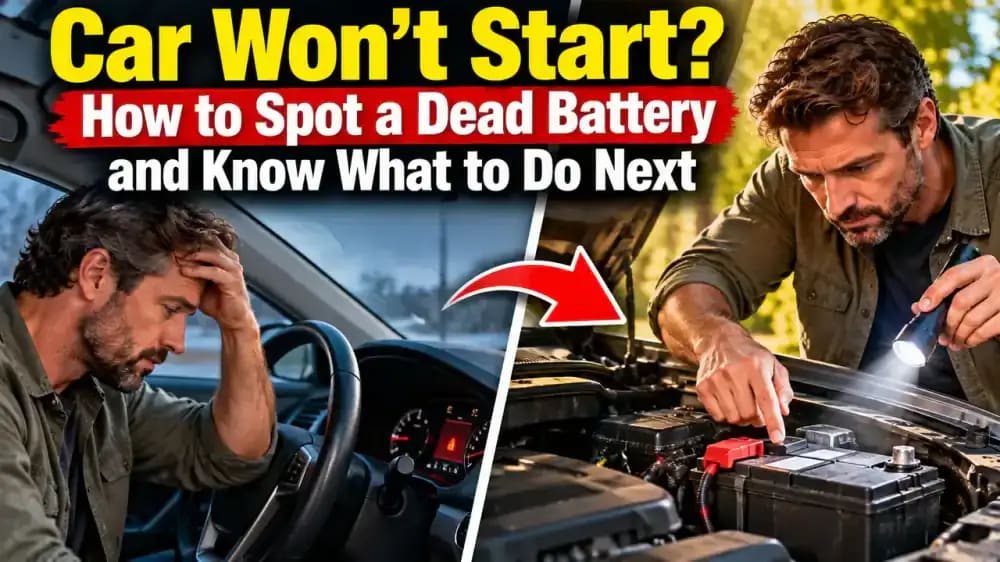
Car Won't Start? How to Spot a Dead Battery and Know What to Do Next
Learn how to recognize common signs of a weak or dead car battery, perform safe checks, compare roadside assistance options, and determine when professional testing or a replacement is needed.
What you’ll need
Tap to tick things off before you start.
Car Won't Start? Recognize the First Clues
Press the Start button once while keeping your foot on the brake, then pay attention to what happens. Listen for clicking, watch for dashboard lights that flicker or dim, and notice whether the engine turns over. If nothing happens, that is another useful clue. These symptoms can point to a weak battery, but they can also indicate other starting problems. Keep the vehicle parked safely, with the transmission in Park and the parking brake engaged.
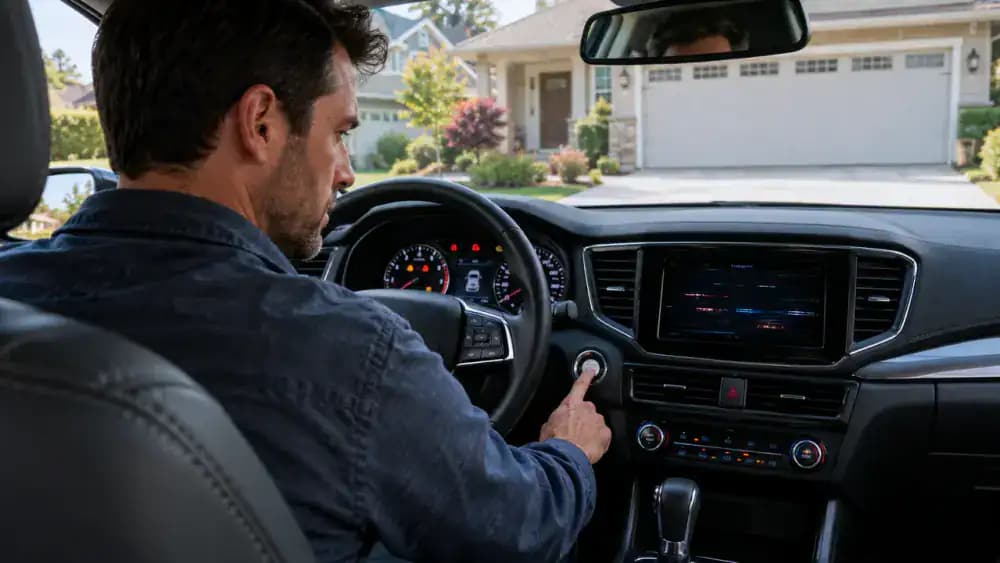
Make Sure the Vehicle Is Safely Parked
Park in a space well away from moving traffic before checking the vehicle. Keep your foot on the brake, confirm the gear selector is in Park, and engage the parking brake. Switch off the climate control, audio system, and other unnecessary accessories to reduce electrical demand. If you are stranded on a busy road or narrow shoulder, do not attempt roadside checks in an unsafe location. Request professional roadside assistance instead.
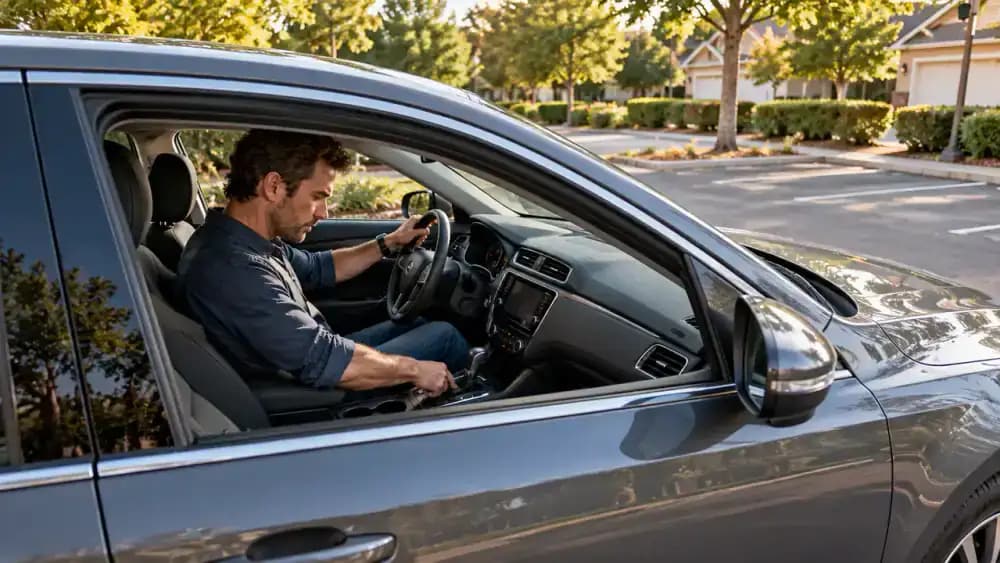
Recognize the Sound of Slow Cranking
With the vehicle secured in Park and the parking brake engaged, briefly turn the ignition key and listen to how the engine turns. If it cranks more slowly than usual, with a dragging or sluggish rhythm, the battery may not be supplying enough power. Release the key if the engine does not start. A weak battery is only one possibility, since electrical connections and starter problems can produce similar symptoms.
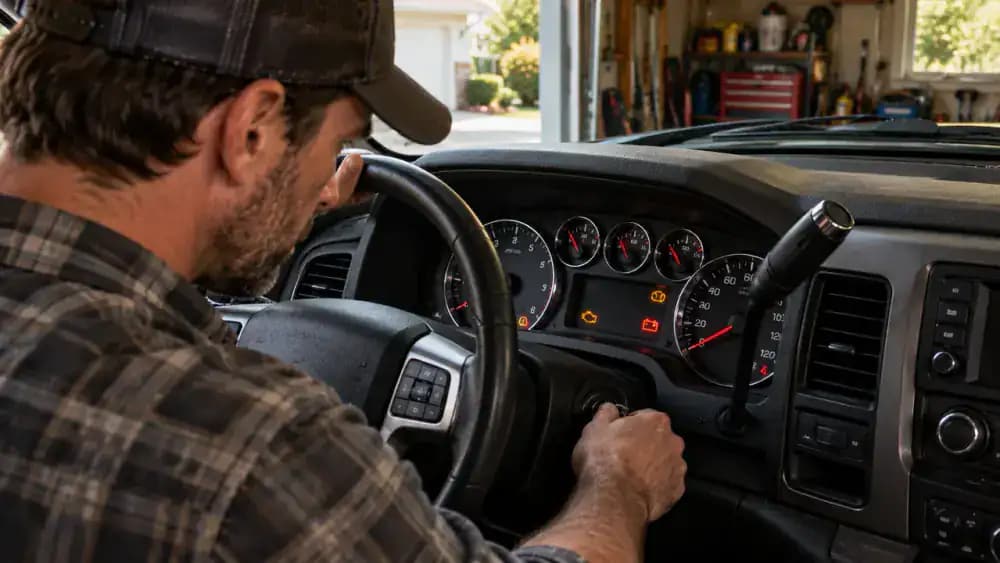
What Rapid Clicking Means When Starting
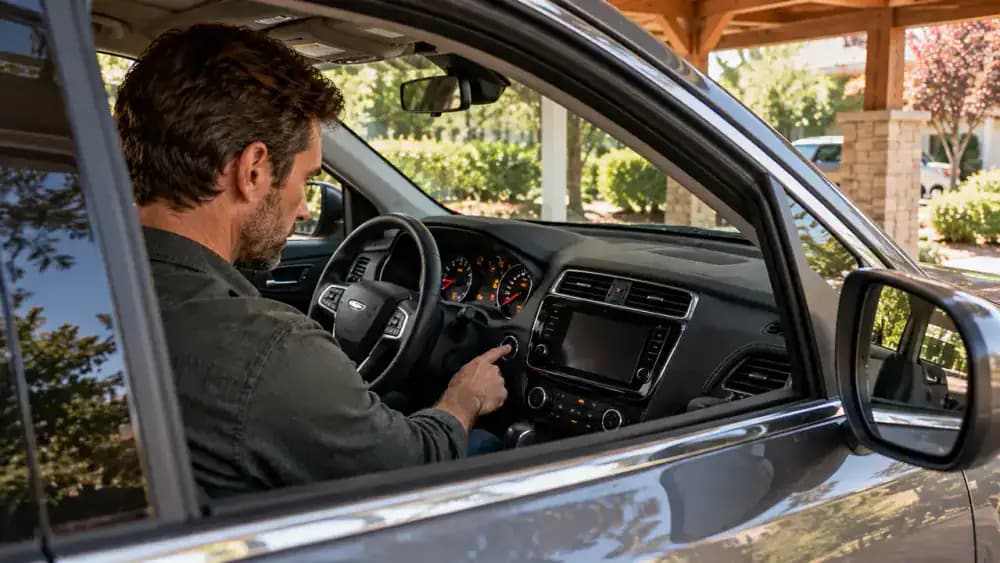
With the SUV securely in Park and the parking brake engaged, briefly press the Start button while keeping your foot on the brake. Listen for a rapid series of sharp clicks, then release the button if the engine does not start. This pattern can mean the starter is not receiving enough electrical power. A weak battery is one possibility, but loose or corroded connections can cause similar symptoms. The sound alone cannot identify the faulty component.
When You Turn the Key and Hear Nothing
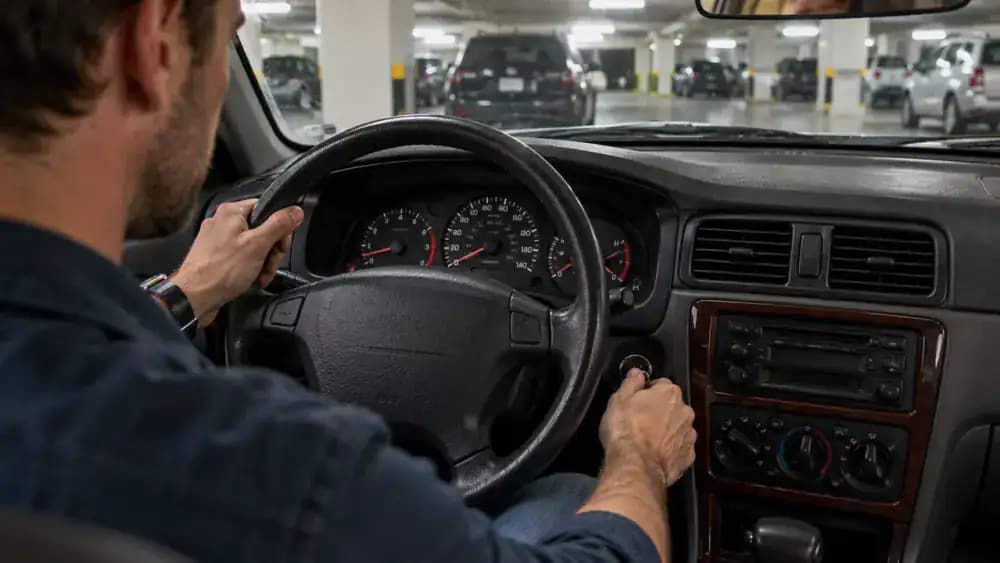
With the sedan safely in Park and the parking brake engaged, briefly turn the ignition key to Start, then release it if nothing happens. Notice whether the dashboard warning lights illuminate normally, remain dim, or stay completely dark. A silent engine can indicate a discharged battery, but a faulty starter, ignition switch, or starting safety system may also be responsible. These observations help narrow the possibilities without confirming a diagnosis.
When the Engine Cranks but Will Not Start
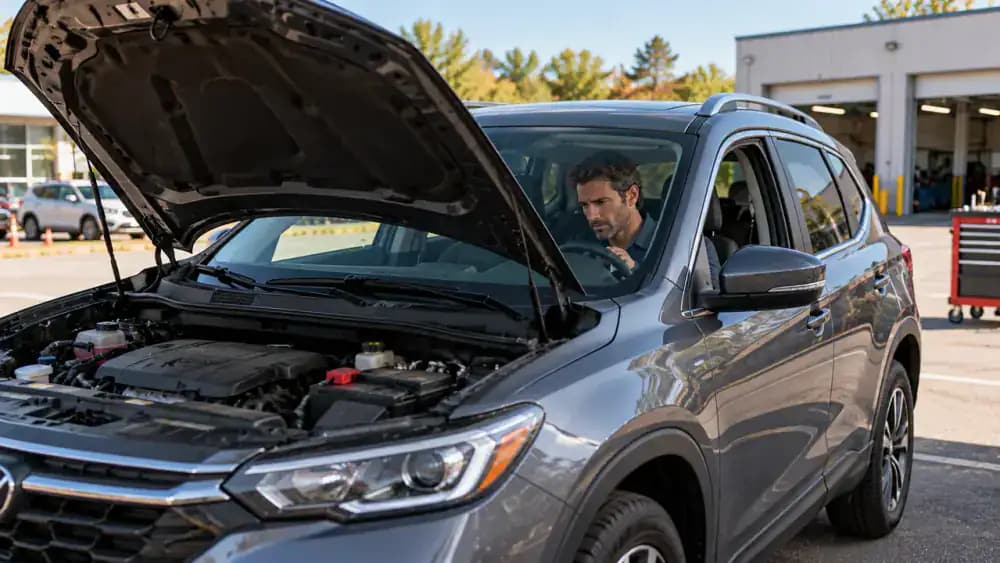
Make one brief starting attempt while the vehicle is securely parked in Park with the parking brake engaged. Listen for whether the engine turns over at its usual speed but never begins running. Normal-speed cranking may mean the battery can power the starter, so fuel delivery, ignition, or engine management issues are also possible. Release the Start button if the engine fails to start, and avoid repeated attempts, especially if you smell fuel.
Check Your Headlights for Battery Clues
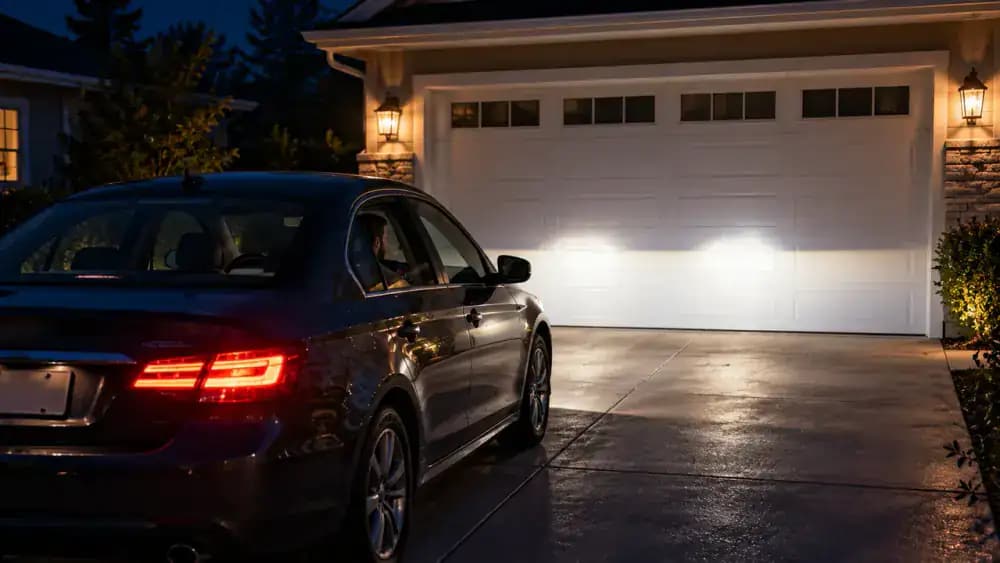
With the vehicle parked safely and the engine off, switch on the headlights briefly and observe their brightness from inside the car or against a nearby garage door. Notice whether the beams look unusually dim or flicker. These signs may suggest a weak battery or an electrical connection problem, but bright headlights do not prove the battery can start the engine. Switch the lights off afterward to avoid unnecessary battery drain.
Check Interior Lights and Dashboard Behavior
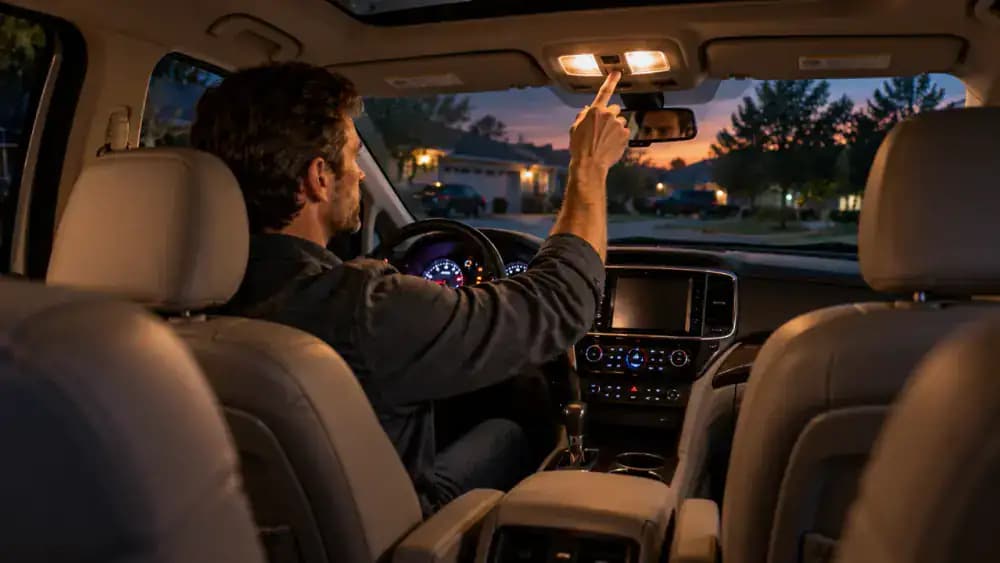
With the minivan in Park and the parking brake engaged, switch on the dome light briefly and observe its brightness. Then use the manufacturer's recommended procedure to turn on the ignition without starting the engine, and check whether the dashboard displays illuminate steadily. Dim, flickering, or unresponsive lights may suggest low voltage or another electrical issue. Turn off the ignition and interior light afterward to avoid unnecessary battery drain.
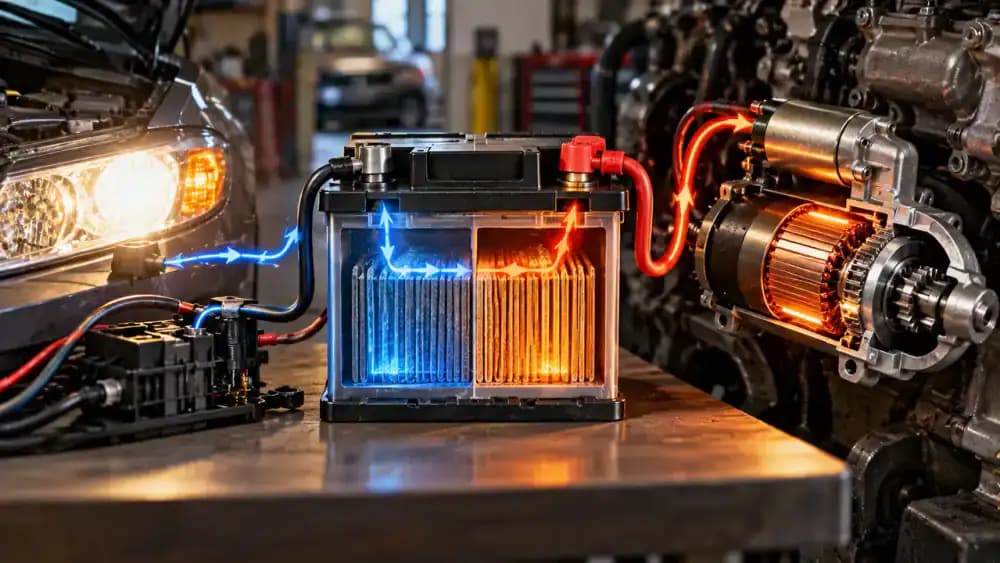
Why Bright Lights Do Not Guarantee a Healthy Battery
Your headlights and dashboard may illuminate normally even when the battery cannot start the engine. Lights need relatively little electrical current, while the starter requires a much larger burst of power to turn the engine over. A battery may therefore power cabin lighting but struggle during starting. Treat normal brightness as an observation, not proof of battery health, and arrange proper battery testing if starting problems persist.
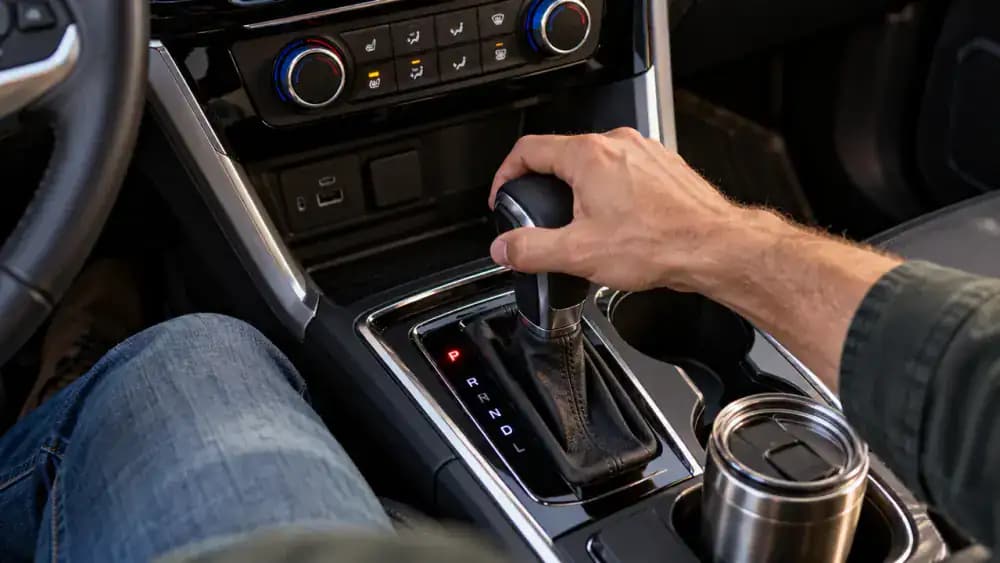
Check the Gear Selector Before Blaming the Battery
With your foot firmly on the brake, check the gear indicator and make sure the automatic transmission is fully in Park. If the selector is not properly engaged, the vehicle's starting safety system may prevent the engine from starting. Correct the position without forcing the control, and consult the owner's manual if the indicator is unclear. This simple check may explain a silent start attempt without pointing to a battery problem.
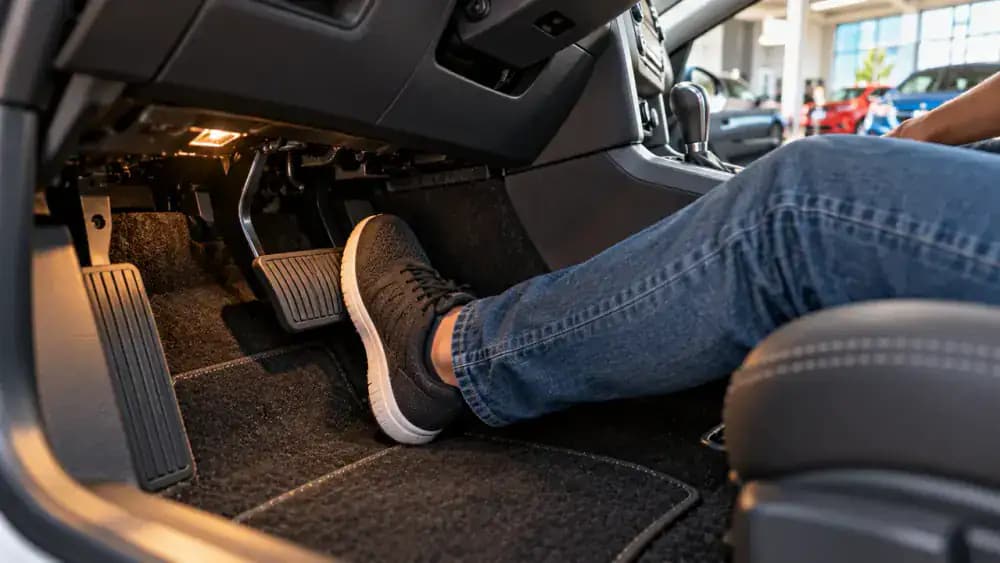
Check the Brake Pedal Before Pressing Start
With the transmission in Park and the parking brake engaged, press the brake pedal firmly before attempting to start the vehicle. Watch the dashboard for instructions or warnings indicating whether the brake input is recognized. Many push-button vehicles require this step before starting. If the vehicle does not respond as expected, a brake switch issue may be involved. Never bypass the starting safety system, and have unusual brake behavior checked professionally.
Check Whether the Vehicle Detects Your Key Fob
With the transmission in Park and the parking brake engaged, hold the key fob inside the vehicle and check the dashboard for a key detection warning. If the car does not recognize the fob, its battery may be weak. Consult your owner's manual for the manufacturer-approved backup starting method, which may involve placing the fob near a designated sensor. Do not assume this warning means the vehicle's main battery has failed.
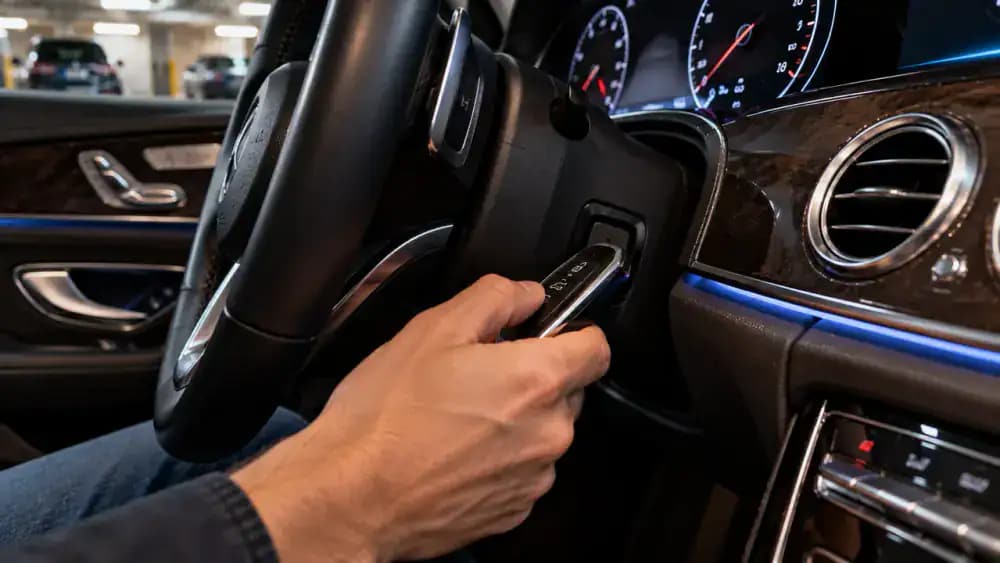
Know When to Stop Checking and Call for Help
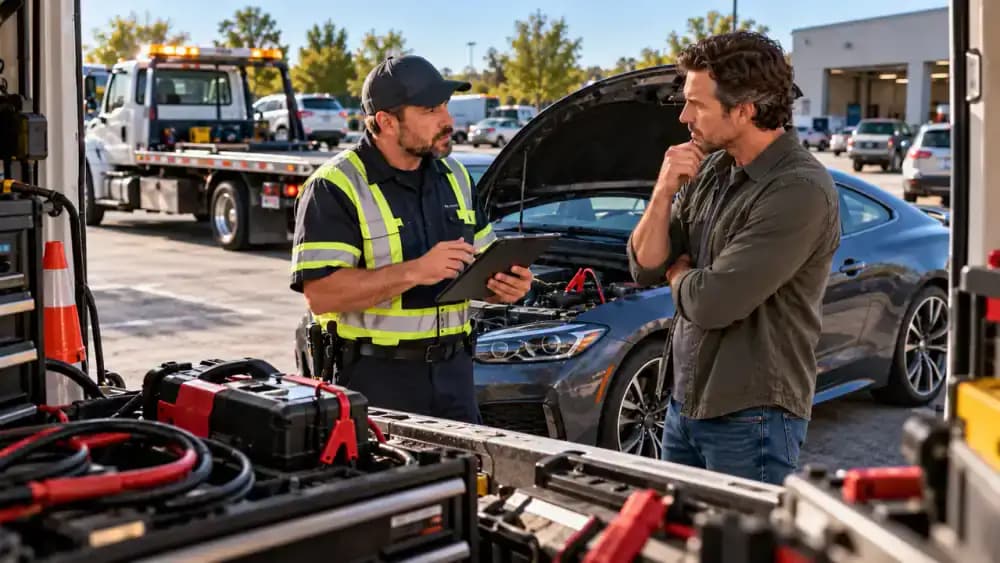
If the vehicle still will not start after these basic checks, stop troubleshooting rather than making repeated starting attempts. Switch off unnecessary accessories, keep the vehicle secured, and contact roadside assistance for a no-start problem without assuming the battery is definitely at fault. Share your location and describe the symptoms you observed. If you are near moving traffic, remain in a designated safe area and let trained professionals handle the next steps.

Choose the Right Type of Roadside Assistance
When contacting roadside assistance, describe what happened, including any clicking, slow cranking, or complete silence. A professional jump-start may help if the battery is discharged and safe to assist. Mobile battery testing can assess battery condition and help determine whether replacement is needed. Choose towing if the vehicle remains unresponsive, another mechanical problem is suspected, or roadside conditions make inspection unsafe. Never jump-start a damaged, leaking, swollen, frozen, or overheating battery.

Inspect the Battery for Dangerous Warning Signs
Before any jump-start, have a qualified technician visually inspect the battery for cracks, leaking fluid, a swollen case, suspected overheating, or possible freezing damage. These conditions make jump-starting unsafe. Do not touch the battery, exposed electrical connections, or leaked fluid, and never attempt to charge a suspect battery. If damage is suspected, keep clear of the vehicle's electrical components and arrange professional assessment or towing instead.
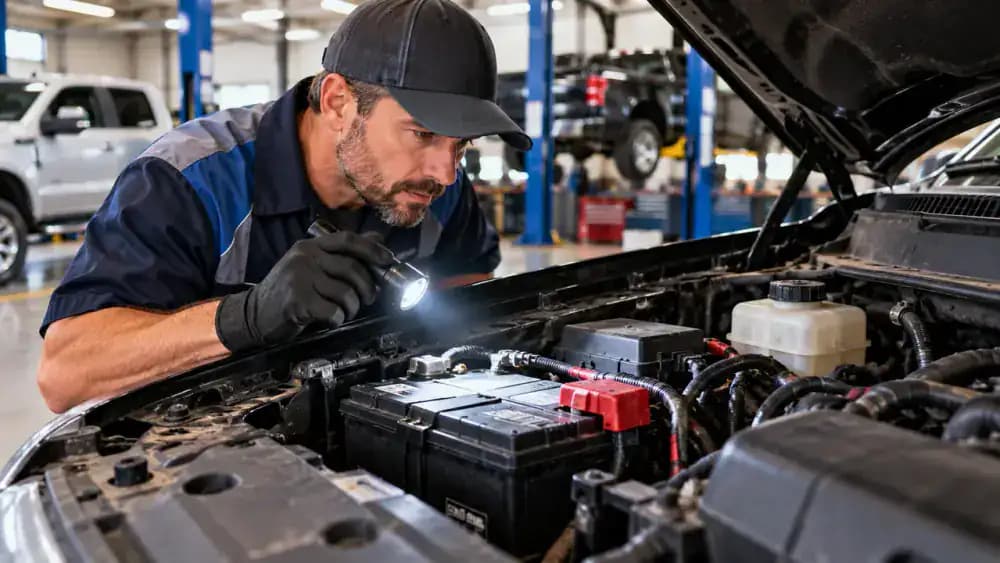
Hybrid and Electric Vehicles Need Special Procedures
If your hybrid or electric vehicle will not start, tell the assistance provider the exact vehicle type, model, and year. Consult the owner's manual for manufacturer-specific instructions before considering any battery assistance. Many models have a separate 12-volt battery alongside high-voltage components, and procedures vary. Do not open high-voltage enclosures, touch electrical connections, or improvise a jump-start. Leave uncertain procedures to a technician qualified to work on your vehicle.
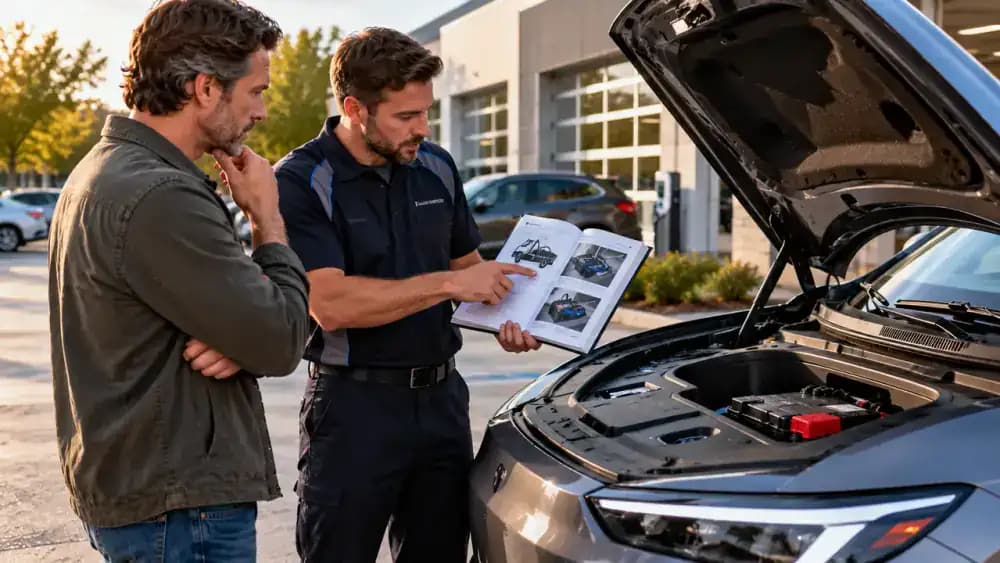
What a Professional Jump-Start Can Tell You
If a qualified technician confirms that a conventional gasoline vehicle's battery is safe to assist, a professional jump-start may restore enough power to start the engine. The technician should follow the manufacturer's instructions and use suitable equipment. If the engine starts, that suggests a possible power supply problem, but it does not prove the battery is defective. Arrange battery and charging-system testing before deciding whether replacement is necessary.
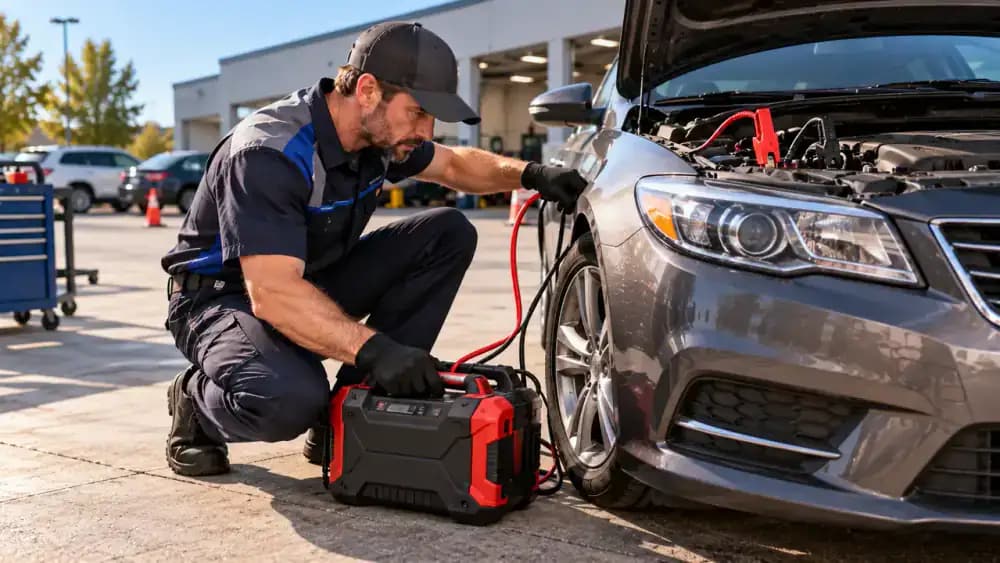
What If the Car Still Will Not Start?
If the engine remains silent after a professional jump-start attempt, do not assume the battery needs replacement. Ask the technician to investigate other possible causes, including a faulty starter, poor electrical connections, or fuel and ignition problems if the engine cranks without starting. Describe exactly what you heard during the attempt. Avoid repeated starting attempts, and arrange further diagnosis or towing if the vehicle remains unresponsive.
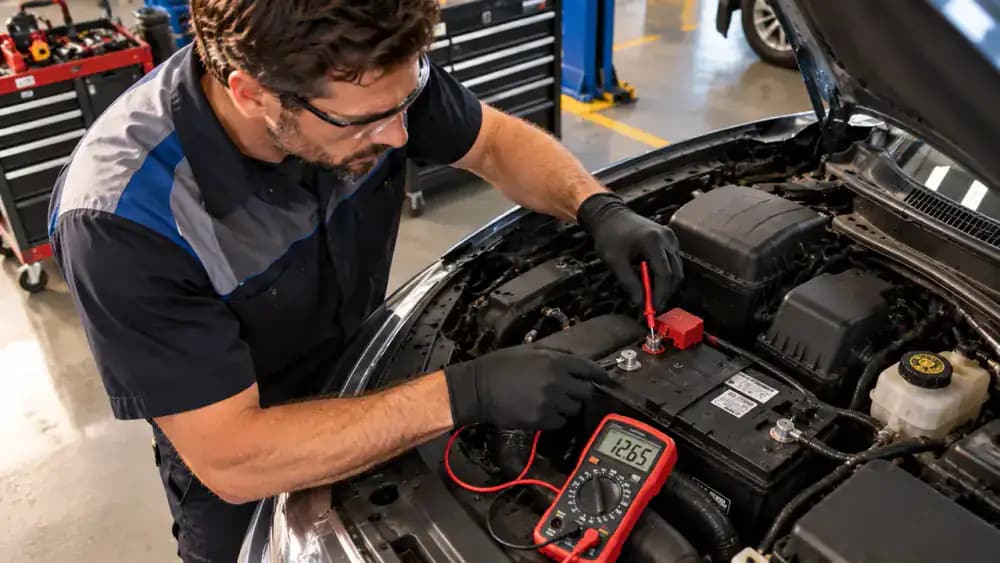
How a Technician Checks Battery Voltage
At a service facility, a qualified technician can measure the resting voltage of a conventional 12-volt battery using a professional multimeter and the manufacturer's approved procedure. With the engine off, a fully charged battery typically reads around 12.6 volts under suitable conditions. Lower voltage may indicate reduced charge, but it does not prove the battery is defective. A load test and further inspection may be needed before deciding on replacement.
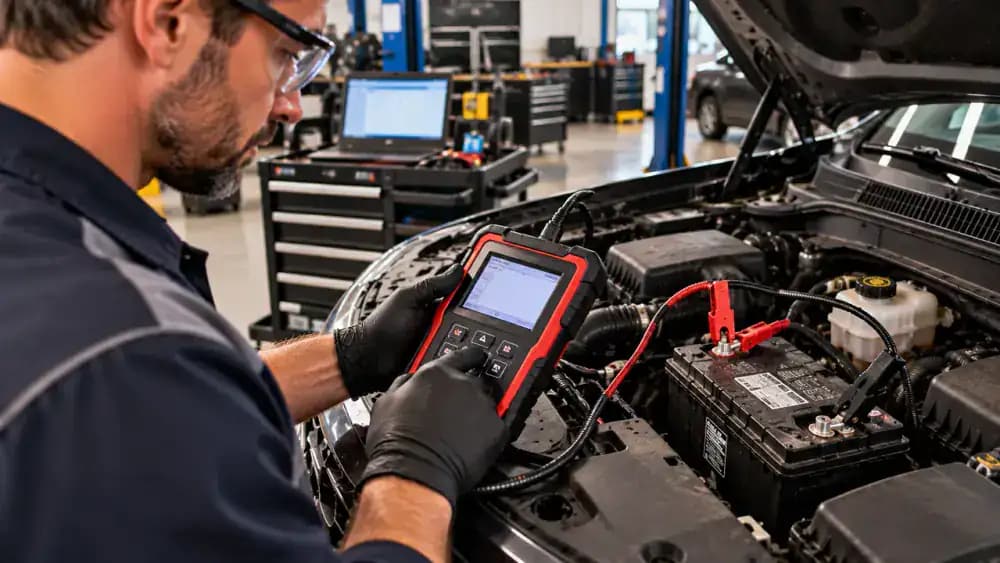
How a Battery Load Test Reveals Starting Power
A technician can use a professional battery analyzer to assess whether the battery delivers enough current under a simulated starting load. The tester must be configured for the battery's correct type and rated specifications. A weak result may indicate deterioration, but a discharged battery might need proper charging and retesting first. This helps distinguish a low state of charge from reduced battery performance before deciding whether replacement is justified.
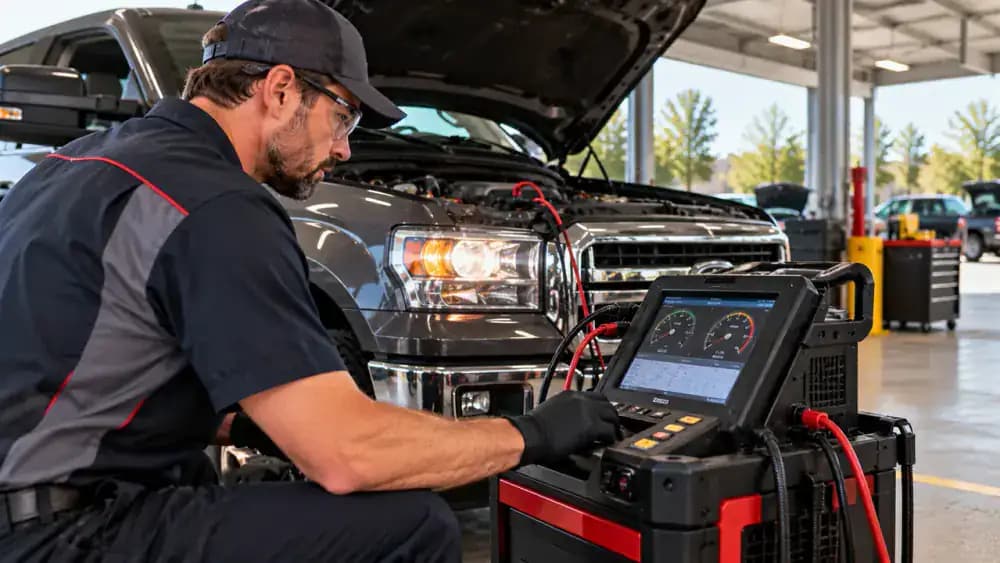
Check Whether the Alternator Is Charging the Battery
After assessing the battery, a qualified technician can test whether the charging system maintains appropriate voltage while the engine runs. Using professional diagnostic equipment and the manufacturer's procedure, the technician checks charging performance without reaching near moving engine components. A charging fault can drain an otherwise healthy battery during driving. Because results vary by vehicle design and operating conditions, further testing is needed before blaming the alternator or replacing the battery.
Decide Whether the Battery Really Needs Replacement
After battery and charging-system testing, review the technician's findings before approving a replacement. If a properly charged battery repeatedly fails performance testing, a new battery may be justified. If it passes, another starting-system problem may need investigation. Ask why charging alone would not solve the issue, and confirm the replacement's group size, battery technology, cold cranking amps, terminal layout, and vehicle compatibility before purchasing.
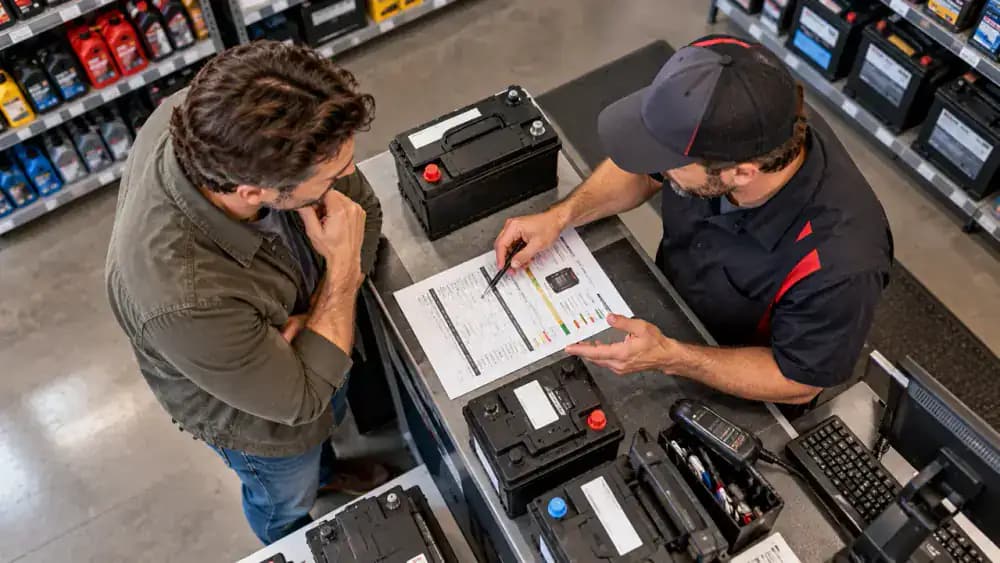
Make Battery Inspections Part of Routine Maintenance
During routine maintenance, ask a qualified technician to inspect the battery case, mounting bracket, and cable insulation for visible damage, corrosion, or loose components. The engine should be off, with the vehicle secured in Park and the parking brake engaged. Avoid touching battery terminals, corrosion, or exposed connections yourself. Have a professional address anything suspicious, since early attention to battery condition can help prevent unexpected starting problems.
Avoid Draining the Battery When Parked
Before leaving your parked SUV, switch off the headlights, climate control, audio system, and any accessories not designed to remain on. Check the cabin dome light, then make sure every door and the liftgate close completely so interior lights can switch off. Consult your owner's manual if you are unsure which features can safely remain active while parked. These habits reduce unnecessary electrical demand, although they cannot guarantee the battery will never discharge.

Test Your Battery Before Extreme Weather Arrives
Before winter freezes or summer heat arrives, arrange a professional battery test, especially if your engine has recently cranked slowly or needed a jump-start. Cold weather makes starting harder, while high temperatures can accelerate battery deterioration. Ask the technician to assess battery performance and check the charging system when appropriate. Scheduling preventive testing ahead of seasonal extremes may help you identify problems before they leave you stranded.

Track Repeat Starting Problems Instead of Guessing
When starting trouble returns, record exactly what happens, including slow cranking, clicking, dashboard flickering, or complete silence. Note how long the vehicle sat parked and whether the problem followed a short trip or several days without driving. Share these notes with your technician during the service visit. A clear timeline helps guide appropriate testing and may prevent unnecessary part replacements, but it does not confirm the cause by itself.

Know When to Stop Troubleshooting and Protect Yourself
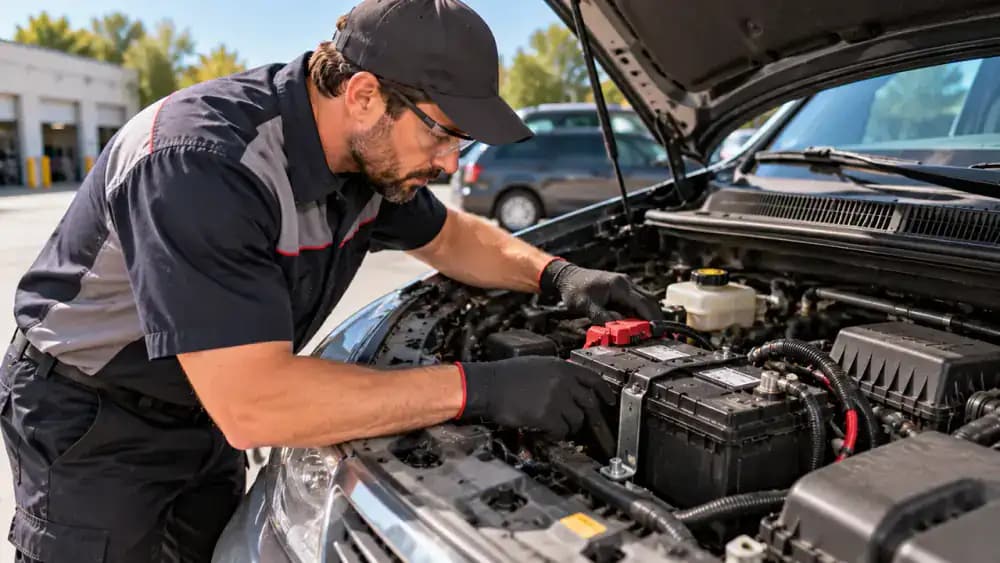
If your car is stranded beside fast-moving traffic, stop troubleshooting and focus on safety. Turn on the hazard lights if they work, and contact roadside assistance or emergency services as appropriate. Do not inspect the battery or stand beside moving vehicles. If you can reach a genuinely protected area safely, move there without crossing active traffic lanes. Never risk an injury just to determine why the engine will not start.
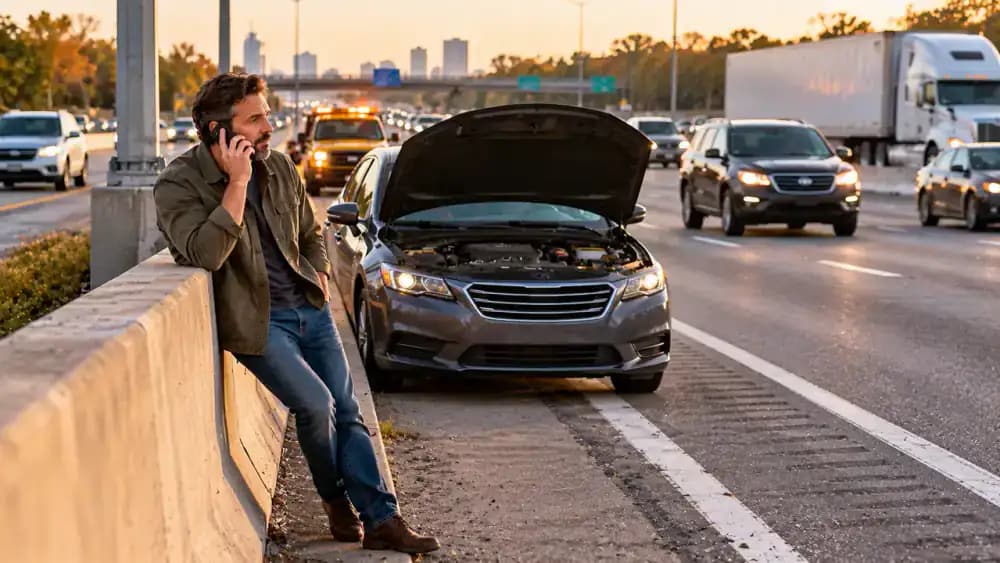
Know When a Jump-Start Is Not the Right Answer
Before considering a jump-start, have a qualified technician assess the battery and follow the vehicle manufacturer's instructions. Never jump-start a battery that is swollen, leaking, damaged, frozen, or overheating. A jump-start also may not address the underlying cause of a no-start problem. For hybrid and electric vehicles, use model-specific procedures and qualified assistance, especially when high-voltage systems or unfamiliar instructions are involved.
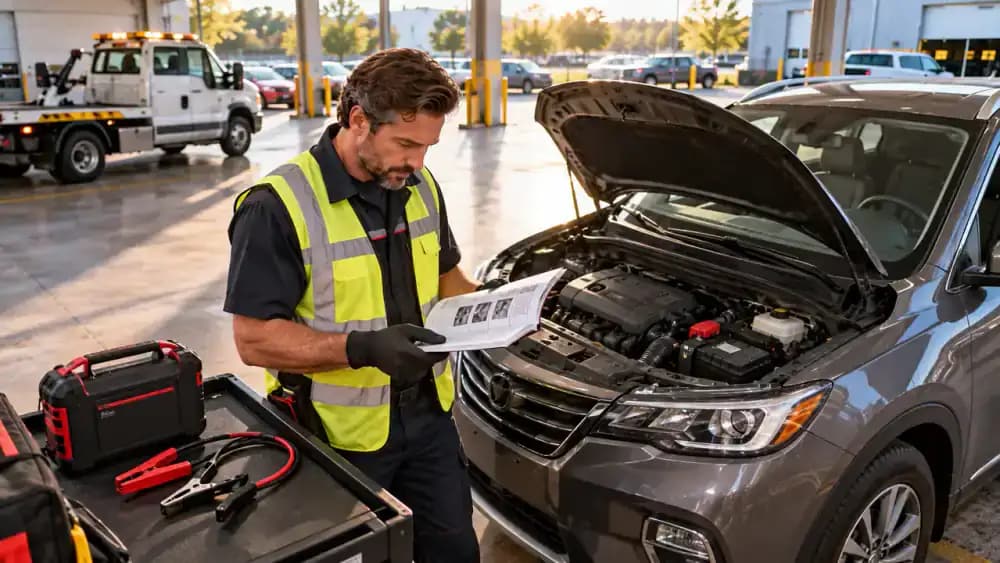
Choose the Repair Based on Test Results
Describe the symptoms you observed, such as slow cranking, rapid clicking, or dim lights, and share them with your service advisor. These clues can suggest low battery power but cannot confirm the cause. Review the battery and charging-system test findings before authorizing replacement. Ask what the results indicate, whether further starter or electrical checks are needed, and whether the proposed repair matches your vehicle's specifications and manufacturer procedures.
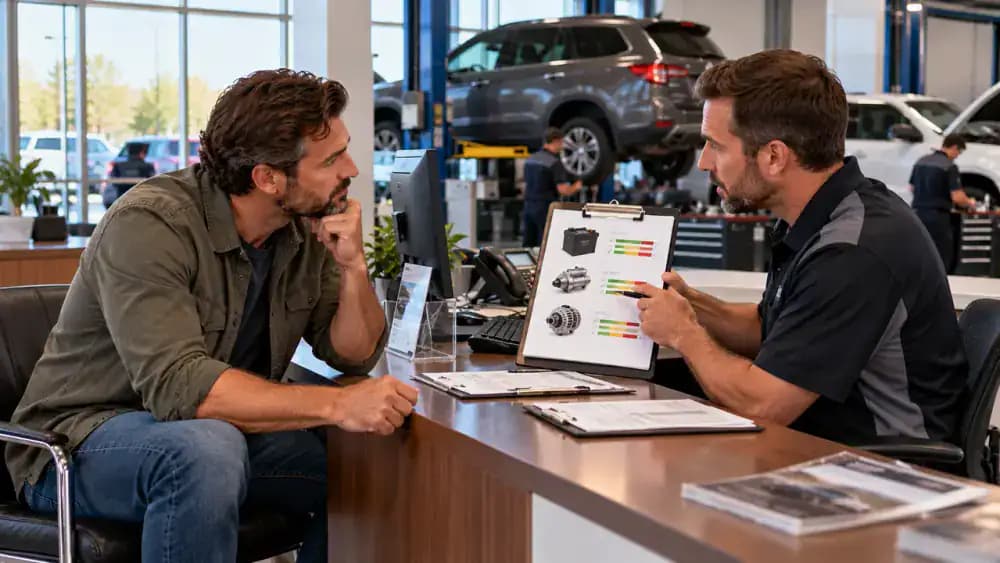
Make Your Next Move Safe and Evidence-Based
Review your notes on the starting symptoms and arrange professional battery and charging-system testing before approving repairs. The checklist on your phone can help you track observed symptoms, test findings, and recommended service without guessing at the cause. Only perform basic checks when conditions are safe, and never reach for electrical components if you are unsure. Record routine inspection reminders, especially before extreme weather, to help reduce unexpected starting problems.

You press the Start button, the dashboard lights flicker, and a rapid series of clicks comes from under the hood. The engine refuses to turn over, and suddenly you are wondering whether your car battery is dead or something else is preventing the car from starting. A weak battery is one possible explanation, but slow cranking, clicking, silence, or an engine that turns over without starting can point to different problems. Recognizing these symptoms can help you decide what to check next without guessing at the repair.
Before investigating, make sure your vehicle is parked away from traffic, the parking brake is engaged, and the transmission is in Park. Start with simple observations, such as checking the dashboard, headlights, key fob, and brake pedal behavior. These checks offer useful clues, but they cannot confirm battery health on their own. If the battery is damaged, leaking, swollen, frozen, or overheating, do not attempt a jump-start. Hybrid and electric vehicles also require manufacturer-specific procedures. Here is how to assess the symptoms, choose an appropriate next step, and know when to call for professional help.
Where people go wrong
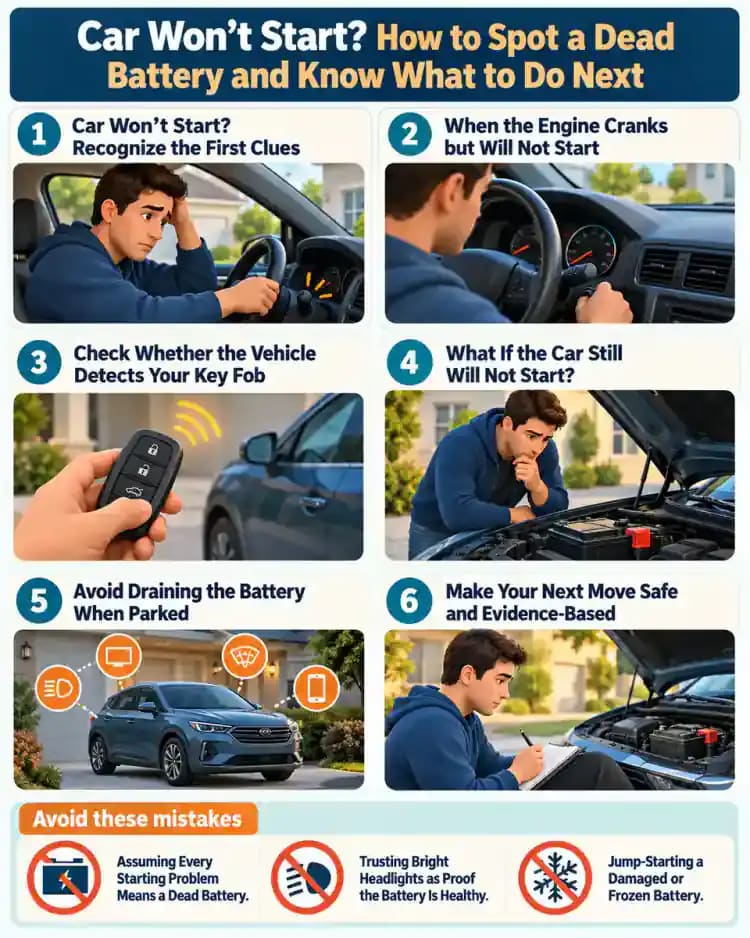
Assuming Every Starting Problem Means a Dead Battery. Slow cranking and rapid clicking can suggest a weak battery, but complete silence or an engine that cranks without starting may indicate other problems. Do not replace the battery based on symptoms alone. Proper battery and charging-system testing can help identify the actual cause.
Trusting Bright Headlights as Proof the Battery Is Healthy. Headlights and interior lights may still appear bright even when a battery cannot deliver enough power to start the engine. Check dashboard behavior and starting symptoms, but treat these observations as clues rather than a diagnosis. A professional load test provides more useful evidence of battery condition.
Jump-Starting a Damaged or Frozen Battery. Never attempt a jump-start if the battery is damaged, leaking, swollen, frozen, or overheating. Doing so can create serious safety hazards. Keep away from exposed electrical connections and contact roadside assistance or a qualified technician for an appropriate assessment.
Using Standard Jump-Start Procedures on Hybrid or Electric Cars. Hybrid and electric vehicles may require manufacturer-specific procedures, especially around high-voltage systems. Do not assume instructions for a conventional gasoline car apply to your vehicle. Consult the owner's manual and arrange qualified assistance whenever the correct procedure is unclear.
Questions people ask
Common clues include slow engine cranking, rapid clicking, flickering dashboard lights, or no response when you press the Start button. However, these symptoms do not confirm battery failure. Check the vehicle's basic settings and lighting, then arrange a battery test and charging-system inspection to determine the actual cause.
Fixed it?
Get one guide like this every Thursday.