How to Build a Consistent Feeding Schedule for Dogs and Cats
Create a reliable feeding routine for dogs and cats with practical meal times, measured portions, shared household reminders, and tips for managing multiple pets, changing schedules, and special dietary needs.

What you’ll need
Tap to tick things off before you start.
The Morning Feeding Mystery
Busy mornings can make pet feeding surprisingly confusing. Your dog may wait beside an empty bowl while your cat meows for breakfast, leaving everyone wondering whether either pet has already eaten. An unpredictable routine can lead to missed or duplicate meals. Fortunately, you can simplify daily feeding with a practical schedule that every household member can follow.

Start With Your Pet's Needs
Before choosing feeding times, determine how much food each pet needs daily. Use the food label as a starting point, then consider age, weight, activity level, body condition, and veterinary recommendations. Dogs and cats have different nutritional requirements, so avoid assuming they need similar portions. Establish appropriate daily amounts before dividing food into scheduled meals.

Choose Mealtimes You Can Maintain
Build your feeding schedule around your household's normal routine. Consider when someone wakes up, returns home, and finishes evening activities. Choose realistic feeding windows that can be maintained on weekdays and weekends. Many healthy adult dogs do well with two meals daily, while cats may benefit from several smaller meals, depending on their individual needs and preferences.

Measure Food and Organize Feeding Stations
Divide each pet's recommended daily food allowance among its scheduled meals, using a kitchen scale or accurate measuring cup to avoid guesswork. Set up separate feeding areas when pets eat at different speeds or need privacy. Keep fresh water available throughout the day, store food securely, and account for treats when managing each pet's total daily calorie intake.

Prevent Missed and Duplicate Meals
Make feeding responsibilities clear when several people care for the same pets. Assign who handles each meal, then mark it as completed immediately after serving the food. A refrigerator chart or shared phone reminder helps everyone stay informed. Before giving an extra meal, check the record rather than relying on memory or assuming an empty bowl means feeding has not happened.

Adjust for Age and Health
Feeding schedules should reflect your pet's age, health, and individual nutritional needs. Puppies and kittens generally need more frequent meals than healthy adult animals, while senior pets may benefit from adjustments to timing or portions. If your pet has a medical condition or prescribed diet, consult your veterinarian to establish a consistent schedule that supports their specific requirements.

Handle Busy Days and Multiple Pets
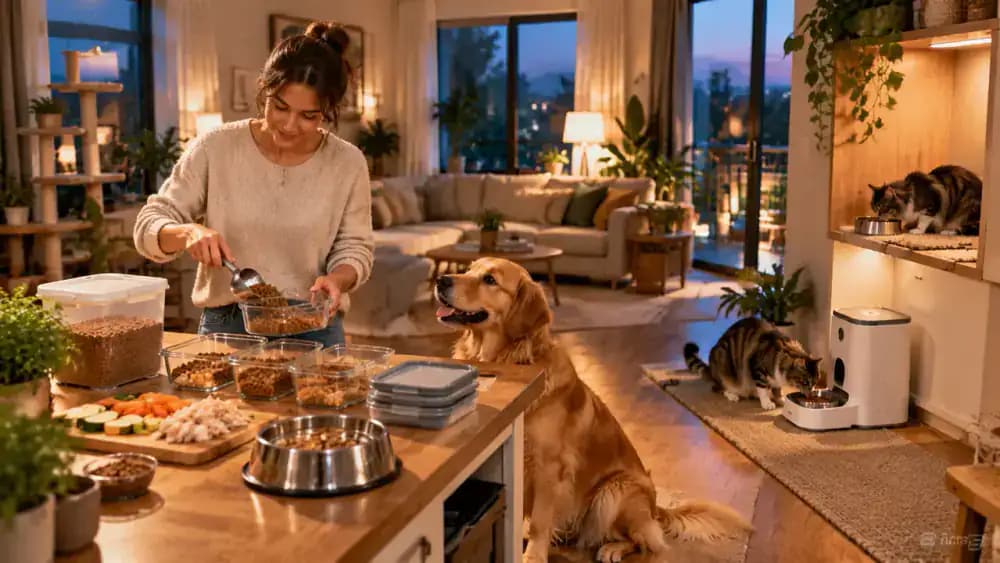
Busy schedules and multiple pets require a little extra planning. Prepare labeled meal portions in advance, arrange a reliable backup caregiver, or use a suitable automatic feeder when appropriate. In households with several animals, separate feeding stations can prevent food stealing and reduce competition. Timed feeders may also help cats receive smaller, scheduled meals when household routines change.
Introduce the Routine Gradually
Introduce a new feeding routine gradually instead of changing every mealtime at once. Shift feeding times in small increments and monitor appetite, digestion, body condition, and behavior as your pet adjusts. Contact your veterinarian if your pet stops eating or develops concerning symptoms. Begin with realistic feeding windows, clearly assigned responsibilities, and a simple tracking chart to make consistency easier.
Watch Your Pet Between Meals
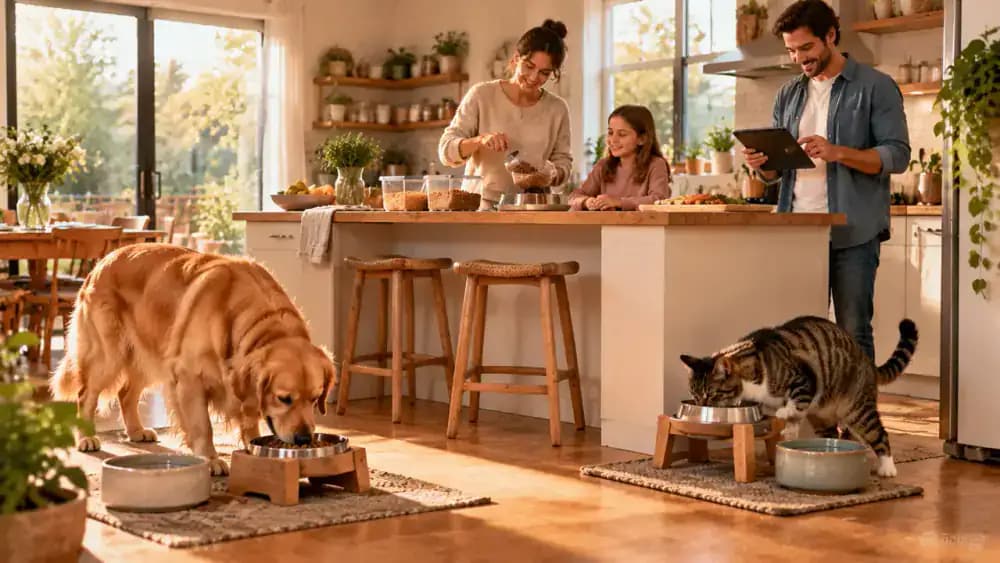
Once the schedule is established, observe your pet between meals as well as during feeding. Notice whether your dog appears comfortably satisfied, whether your cat finishes its portion, and whether either animal becomes unusually restless. Record appetite, energy, and behavior over several ordinary days. These observations can help you identify patterns and decide whether feeding times or portion sizes need review.

Count Treats and Extra Calories
A consistent feeding schedule includes treats, training rewards, and occasional food extras. These calories add up, even when individual portions seem small. Set a daily treat allowance, measure it in advance, and make sure everyone in the household follows the same plan. Account for treats when planning meals, and avoid sharing unsuitable table scraps to help prevent unintended overfeeding.

Keep Fresh Water Available
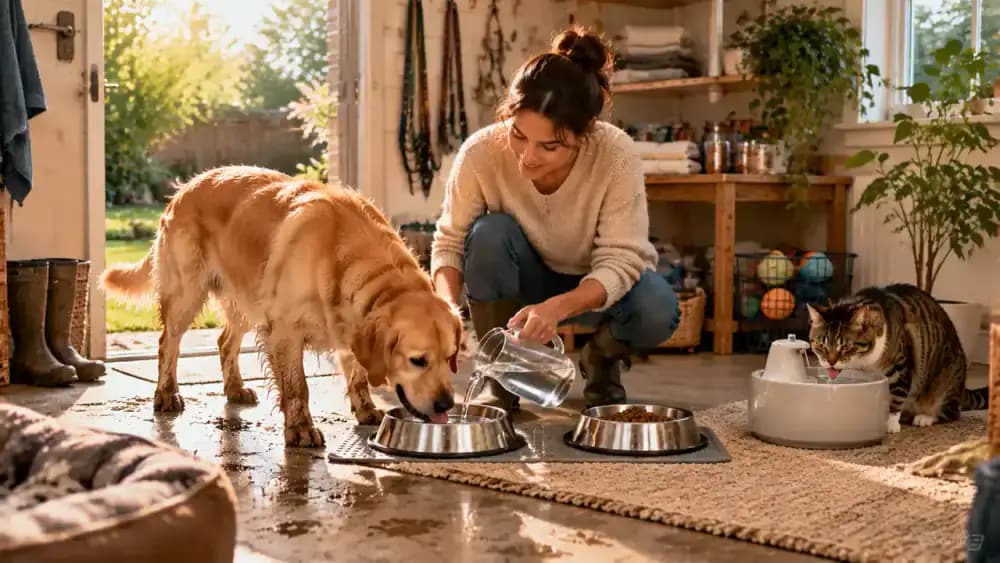
Fresh water should remain available throughout the day, regardless of when your pets eat. Check each bowl during your morning and evening routine, refill it with clean water, and rinse containers regularly. After exercise or during warm weather, check more frequently. Cats may drink more readily from a quiet water fountain placed away from their food station.
Prepare Instructions for Other Caregivers
When someone else cares for your pets, provide written feeding instructions that leave little room for guesswork. List each animal's food, measured portion, scheduled meal times, and dietary restrictions. Include your veterinarian's contact information and a simple way to record completed meals. Store the instructions somewhere visible and keep food containers clearly labeled for easy identification.

Adapt When Household Schedules Change
Busy workdays, appointments, and weekend plans can disrupt feeding times unless you prepare ahead. Arrange for another household member or trusted pet sitter to cover meals when necessary, and use reminders to prevent missed feedings. When practical, adjust meal times gradually rather than making abrupt changes. If your pet requires medically important meal timing, consult your veterinarian before changing the schedule.

Solve Different Eating Behaviors
Dogs and cats can have different eating habits, so observe each pet individually and choose practical solutions. A slow feeder can make meals more manageable for a dog that eats rapidly, while a quiet feeding location may help a cautious cat feel comfortable. Monitor appetite and eating patterns, and contact your veterinarian about persistent appetite changes, vomiting, or diarrhea.

Review and Refine the Routine
After two weeks, review your feeding tracker to see whether actual meal times match your plan. Look for missed entries, recurring delays, and practical obstacles that make the routine difficult to maintain. Monitor your pets' weight and body condition over time, and simplify confusing steps. Discuss unexpected weight changes with your veterinarian before making significant adjustments to food portions.

Make Consistent Feeding a Lasting Habit
Turn feeding into a lasting household habit by choosing realistic mealtimes and assigning clear responsibilities to each family member. Give your dog and cat comfortable, separate eating areas, keep fresh water available, and use a simple chart to record completed meals. Small, repeatable actions make daily feeding more predictable and easier for everyone to maintain.

Create a Backup Feeding Plan
Prepare for busy days by creating a backup feeding plan that anyone caring for your pets can follow. Include each pet's measured portion, designated feeding location, and appropriate mealtime. Keep instructions in an accessible place, such as a feeding binder or checklist. Clear guidance helps maintain consistency when work, school pickups, or unexpected delays disrupt your usual routine.

Store Every Meal Safely
Safe food storage is an essential part of a reliable feeding routine. Check expiration dates, seal dry food in an appropriate airtight container, and follow the manufacturer's storage instructions. Use clean utensils when handling wet food, and refrigerate leftovers promptly as directed on the packaging. Proper storage helps preserve food quality and reduces the risk of contamination between meals.

Respond to Early Meal Demands
Pets may ask for food before their scheduled mealtime, but responding with food every time can reinforce persistent begging. Check the clock and maintain your established schedule when appropriate. Consider whether kitchen activity, boredom, or changing routines may contribute to the behavior, and offer attention or play when suitable. If increased hunger begins suddenly or accompanies other symptoms, contact your veterinarian.

Track Uneaten Food
Notice whether your pet regularly leaves food behind after a scheduled meal. Remove uneaten wet food promptly according to safe handling instructions, and record the amount remaining rather than relying on memory. A simple appetite journal can help you identify patterns in eating habits and portion preferences. Share persistent changes or concerns with your veterinarian to support an informed assessment.

Keep Feeding Predictable During Travel
Travel can disrupt even a well-established feeding routine, so prepare before leaving home. Pack familiar food in premeasured portions, bring portable bowls, and keep a written timetable accessible. Choose a quiet feeding area at your destination and provide safe access to water during longer journeys. Ask your veterinarian how to adjust meals when medications or unexpected delays affect normal timing.

Test Automatic Feeders Before Relying on Them
Automatic feeders can help maintain consistent mealtimes, but test them thoroughly before relying on them when you are away. Confirm that portions dispense correctly, scheduled settings work, and the power supply is dependable. Clean food-contact components regularly and check for jams. If you have multiple pets, arrange separate feeding stations to prevent food stealing and ensure each animal receives its intended portion.

Evaluate and Maintain Your Feeding System
Review your feeding routine at the end of each week to identify missed meals, unfinished portions, and recurring scheduling conflicts. Use your feeding log to decide which practical adjustment would make the routine easier to maintain. Change one detail at a time and observe the results. A successful schedule provides dependable care while allowing flexibility when your pet's needs or circumstances change.

Plan for Unexpected Feeding Delays
Prepare a backup plan for power outages, travel disruptions, and other unexpected delays that could affect mealtimes. Keep appropriate food portions and essential supplies accessible, along with clear instructions for anyone helping care for your pet. Healthy adult animals may tolerate some schedule changes, but pets with diabetes or medication requirements may need precise timing. Ask your veterinarian in advance which adjustments are safe.

Notice Changes During Mealtimes
Use each meal as an opportunity to observe your pet's usual eating behavior. Notice how readily your pet approaches the bowl, chews, swallows, and finishes the portion. Changes such as hesitation, difficulty chewing, unusual thirst, or increased hunger are worth recording, especially if they persist. Share relevant observations with your veterinarian rather than assuming your pet has simply become bored with its food.

Make Scheduled Meals More Engaging
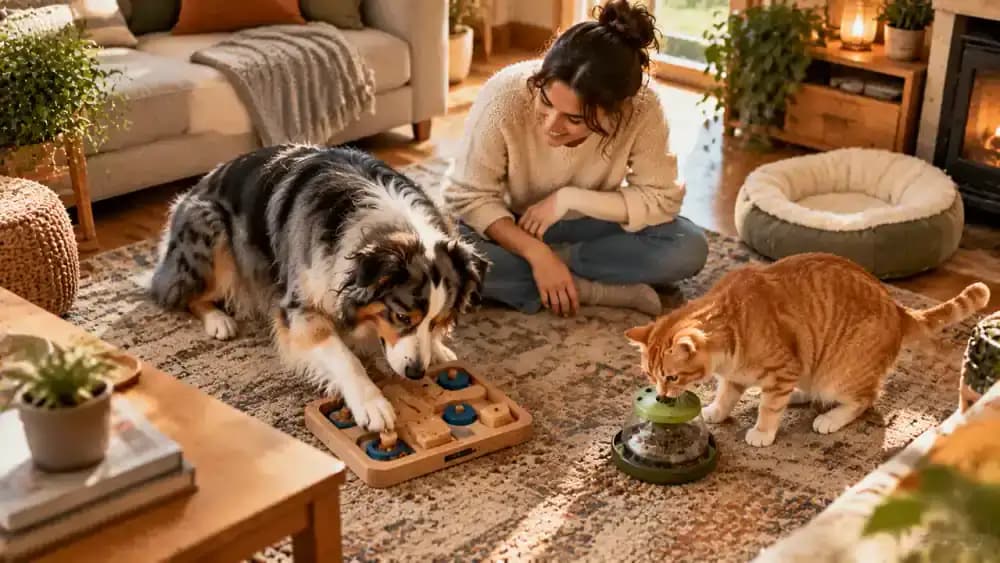
Food puzzles and treat dispensing toys can make scheduled meals more interesting for dogs and cats that enjoy exploring for their food. Introduce these activities gradually and supervise your pet while using them. Measure the food beforehand, and count every piece toward the daily allowance so enrichment supports the feeding plan without adding unintended calories.
Protect Every Pet's Feeding Space
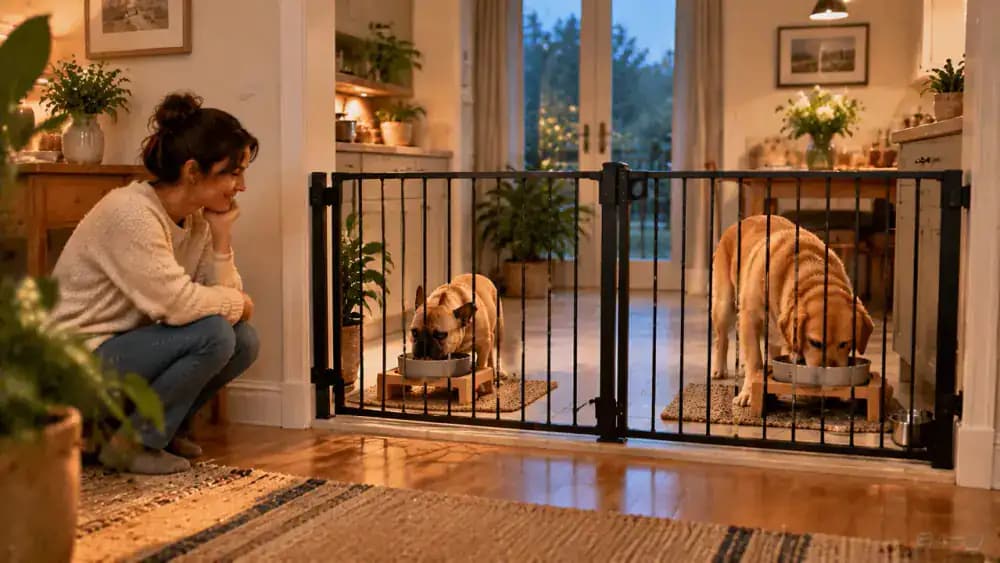
In a multi-pet household, give each animal a comfortable space to eat its own food without interference. Watch for food stealing, guarding, or rushing when another pet is nearby. Secure barriers or separate rooms can help establish clear boundaries. If feeding tension persists, consult a qualified animal behavior professional for guidance on safer mealtimes.
Balance Consistency With Flexibility
A feeding schedule should provide structure without making everyday life unnecessarily rigid. Allow reasonable adjustments when a morning walk runs longer or a cat needs privacy before eating. Keep meal portions and the overall daily pattern consistent, and communicate changes to everyone involved in pet care. Avoid sudden, substantial schedule changes that disrupt familiar routines.

Make Sure Everyone Understands the Plan
Before finalizing your feeding routine, ask every caregiver to explain when meals happen, where portions are stored, and how completed feedings are recorded. Compare their answers to identify confusing instructions or missing details. Simplify the process wherever needed. A clear, shared system helps prevent missed meals, accidental double feeding, and dependence on one person's memory.

Start With Your Very Next Meal
Put your feeding plan into practice with one manageable step today. Choose the next meal time, measure the appropriate portion, and confirm who is responsible for feeding your pet. Once the meal is finished, record it so other caregivers know it has been completed. Small, repeatable actions help make daily feeding more organized and dependable.

It's 7 a.m. Your dog is waiting beside an empty food bowl, your cat is meowing impatiently, and two family members suddenly realize neither knows whether breakfast has already been served. One person reaches for the kibble while the other wonders if giving another meal could mean overfeeding. Sound familiar? A simple feeding schedule for dogs and cats can make this daily scramble much easier to manage.
A predictable routine helps your household coordinate meals, monitor appetite, and keep portions consistent. However, there is no single schedule that works for every pet. Adult dogs often do well with two meals a day, while many adult cats benefit from multiple smaller meals. Puppies, kittens, senior pets, and animals with medical conditions may need different meal frequencies, portion sizes, or feeding arrangements.
Start by reviewing the feeding instructions on your pet's food packaging and discussing appropriate portions and meal frequency with your veterinarian. Then choose realistic feeding times that fit your workday, household commitments, and pets' individual needs. You do not need expensive equipment to get organized. A measuring cup or kitchen scale, separate feeding stations, a visible kitchen chart, and shared phone reminders can provide a reliable foundation.
The goal is not to follow the clock perfectly at all costs. It is to make feeding predictable, prevent missed or duplicate meals, and notice meaningful changes in your pets' eating habits. With clear responsibilities and a routine everyone understands, feeding time can become a calmer, more manageable part of your day.
Where people go wrong
Guessing Portion Sizes Instead of Measuring. Pouring food into a bowl by eye can gradually lead to inconsistent portions, especially when several family members feed the same pet. Follow the food label and your veterinarian's recommendations to establish an appropriate daily amount. Measure portions consistently with a suitable cup or kitchen scale, and account for treats and other food so the total daily intake remains appropriate.
Assuming Dogs and Cats Need the Same Routine. Dogs and cats have different nutritional needs and may respond differently to meal frequency and feeding arrangements. Many adult dogs eat two meals daily, while some cats benefit from smaller, more frequent meals. These are starting points, not universal rules. Consider each animal's age, activity, health, food type, and veterinary guidance before deciding how often and how much to feed.
Letting Family Members Feed Without Checking. When everyone assumes someone else has handled breakfast, pets may miss meals or receive duplicate portions. Establish one shared record that everyone checks before feeding. Mark each meal immediately after serving it, rather than relying on memory or updating the chart later. Assigning primary responsibility for each meal also reduces confusion when household members have overlapping schedules or unexpected commitments.
Allowing Pets to Eat From Each Other's Bowls. A dog that finishes a cat's food or a cat that steals another pet's portion can make it difficult to track individual intake. Food sharing may also interfere with a prescribed diet or create competition. Feed pets in separate locations when necessary, supervise meals, and remove bowls according to the established routine. Seek veterinary guidance when food guarding or persistent feeding conflict occurs.
Changing Meal Times Too Abruptly. A sudden shift in feeding times can disrupt an established routine, particularly for pets accustomed to specific meals or medications associated with food. When there is no urgent medical reason to change immediately, move meal times gradually and maintain consistent portions. Monitor appetite, stool quality, and behavior during the transition. Follow veterinary instructions whenever a medical condition requires a specific schedule.
Ignoring Life Stage and Medical Requirements. A routine suitable for a healthy adult pet may not meet the needs of a growing puppy, kitten, senior animal, or pet with a medical condition. Some pets need more frequent meals, carefully controlled portions, or food timed around medication. Do not rely on a general household chart to determine these requirements. Ask your veterinarian to establish an individualized plan and document the instructions clearly.
Treating Automatic Feeders as a Complete Solution. Timed feeders can help maintain consistent meal times, but they cannot reliably assess appetite, recognize every mechanical failure, or confirm that the intended pet ate the food. Check that the device dispenses the correct amount and remains clean. Monitor meals and maintain a backup plan for power or equipment problems. Automatic feeders should support responsible supervision, not replace it.
Failing to Revisit the Schedule. A feeding routine should be reviewed when a pet grows, becomes less active, changes food, gains or loses weight, or develops new dietary requirements. Keeping the same portions indefinitely may no longer be appropriate. Track meals and observe body condition, appetite, and digestive comfort over time. Discuss persistent changes or concerns with a veterinarian instead of making major dietary adjustments based on guesswork.

Questions people ask
Many healthy adult dogs do well with two meals a day, commonly one in the morning and one in the evening. However, the appropriate frequency depends on age, health, activity, food type, and individual needs. Puppies often require more frequent meals, and some dogs need a veterinarian-directed schedule. Follow the recommended daily amount and divide it among the meals appropriate for your dog.
Fixed it?
Get one guide like this every Thursday.